Cleveland HB Soft
9.0Editor scoreSpeed-optimized milled face
Nine stroke-specific models
20g counterbalance weight
Straight or arc fit
Compare 7 top golf putters across blade and mallet designs, alignment systems, and price points to find the right fit for your stroke and budget.
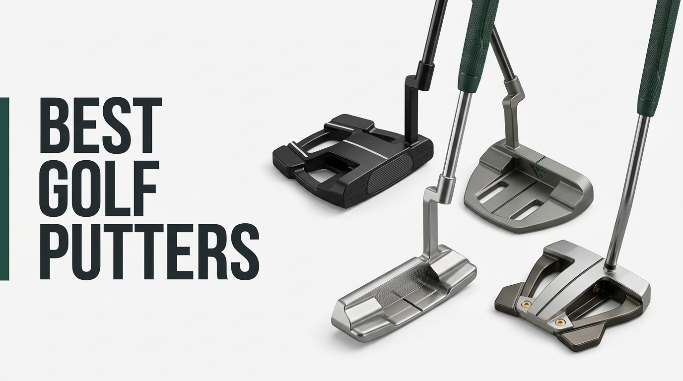
Sinking more putts starts with matching a putter head shape, alignment system, and feel to your natural stroke. We compare 7 standout golf putters across face milling, MOI and forgiveness, alignment aids, materials, weighting, and price so you can choose with confidence instead of guessing on the green.
The putters here range from budget-friendly blades under $40 to tour-level mallets built with multi-material construction and premium alignment systems. Each design solves a different problem, whether that is forgiveness on off-center hits, a softer feel at impact, or the visual clarity needed to start putts on your intended line.
The right putter depends on your stroke type, how much forgiveness you need, and whether you value tour-proven technology or straightforward reliability. This guide breaks down face inserts, hosel styles, sightlines, and shaft technology so you can shortcut the decision and putt with more confidence.
We compared 7 golf putters using the details that actually affect performance on the green: face milling and insert material, head shape and MOI, alignment system clarity, hosel style and toe hang, shaft technology, overall feel at impact, included accessories, and value relative to price. The notes focus on real trade-offs between blade and mallet designs so each pick connects to how golfers actually read greens and repeat their stroke under pressure.


Compare key features, scores, and current prices side by side. A shorter feature list means fewer details were available, not necessarily fewer capabilities.


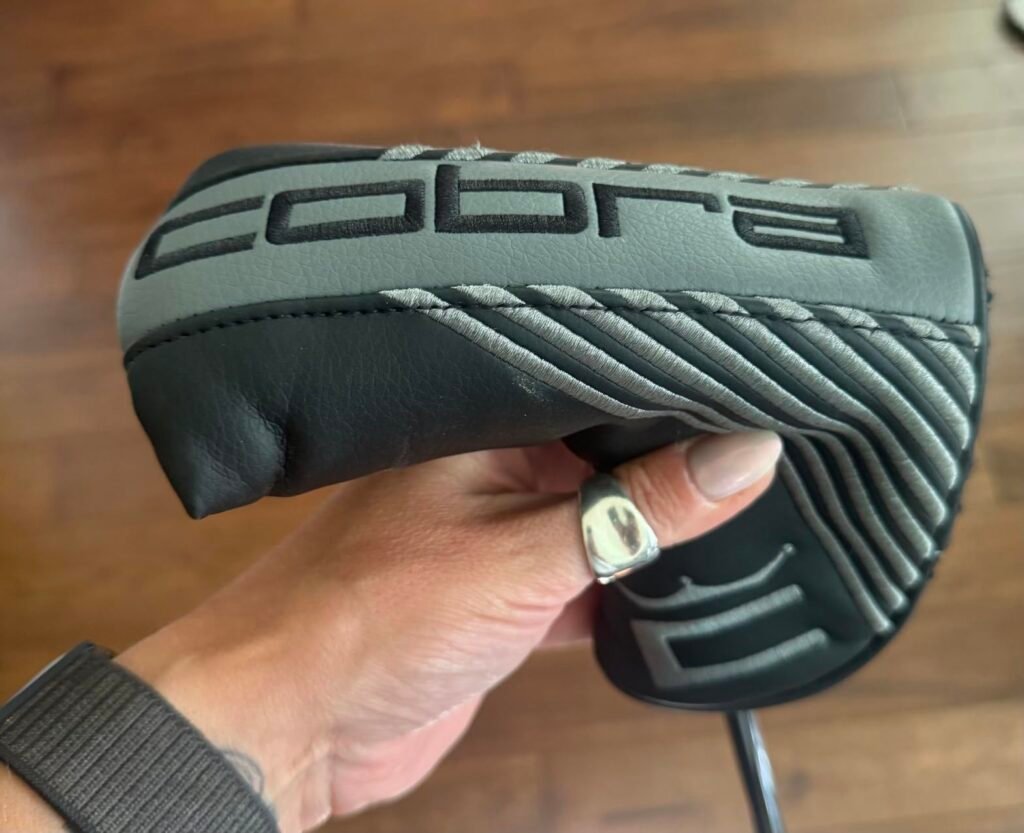
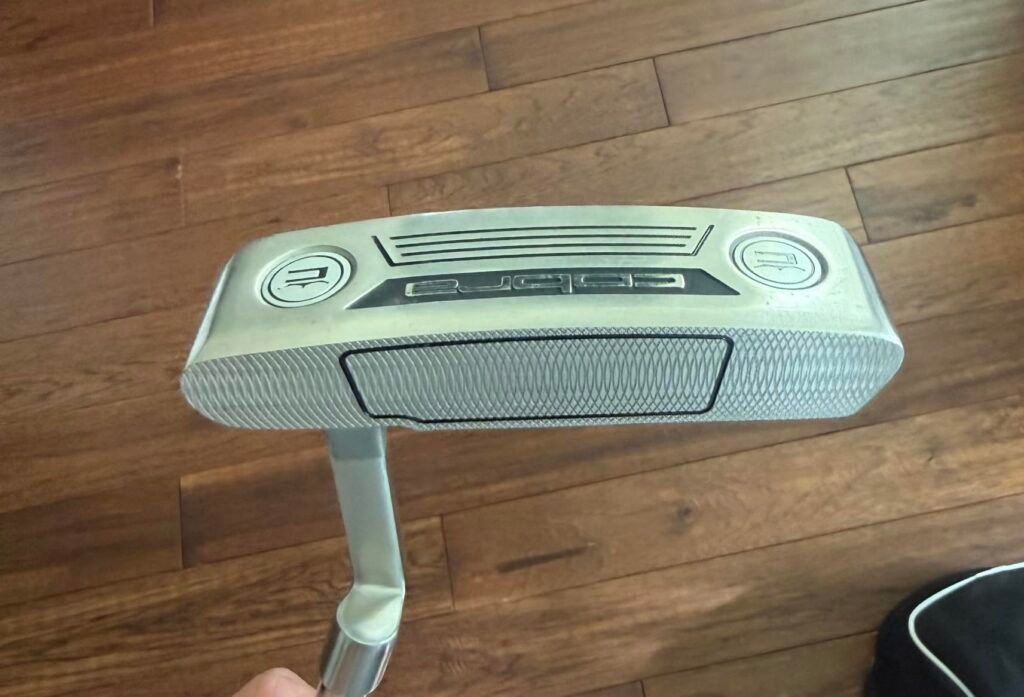
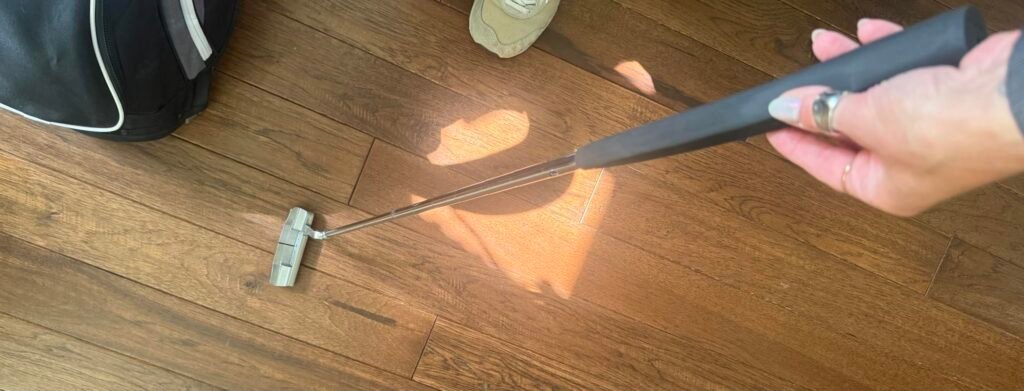
The Cobra Golf Classic Putter earns its Editor's Choice badge by combining tour-level manufacturing precision with a clean, uncomplicated setup that suits golfers who want confidence over the ball without extra visual clutter. The CNC-machined face is milled for precision and consistency, which shows up as a soft, satisfying feel and a clean sound at impact that gives immediate feedback on strike quality.
We may earn a commission when you buy through this link, at no additional cost to you.
Cobra kept the alignment system intentionally simple with a tour-inspired clean topline and a single sightline. Rather than layering multiple alignment marks that can actually distract some golfers, this design gives you one clear reference to start the ball on line, which many experienced players find easier to trust under pressure than busier alignment aids.
The traditional steel shaft is a deliberate choice for stability. Steel remains a gold standard in putter shafts because its inherent rigidity keeps the head steady through impact, which supports a smooth, repeatable stroke rather than one that can twist slightly off-plane the way some lighter alternative materials might under an inconsistent tempo.
Some golfers putt better with a single, bold alignment line rather than multiple dots or parallel lines that can create visual noise at address. If you have ever felt like a busy alignment system pulls your eye in different directions, a clean single sightline like this one is worth testing on the practice green before committing to a more complex mallet design.
The tradeoff with a classic blade shape like this one is that it offers less forgiveness on mishits compared to a high-MOI mallet. Golfers who consistently miss the center of the face may prefer a more forgiving design. But for golfers with a fairly repeatable stroke who want precision manufacturing, a clean look, and a reassuring feel, this Cobra putter delivers exceptional value at its price point.
Golfers who consistently miss the center of the face and need a high-forgiveness mallet shape.
We may earn a commission when you buy through this link, at no additional cost to you.
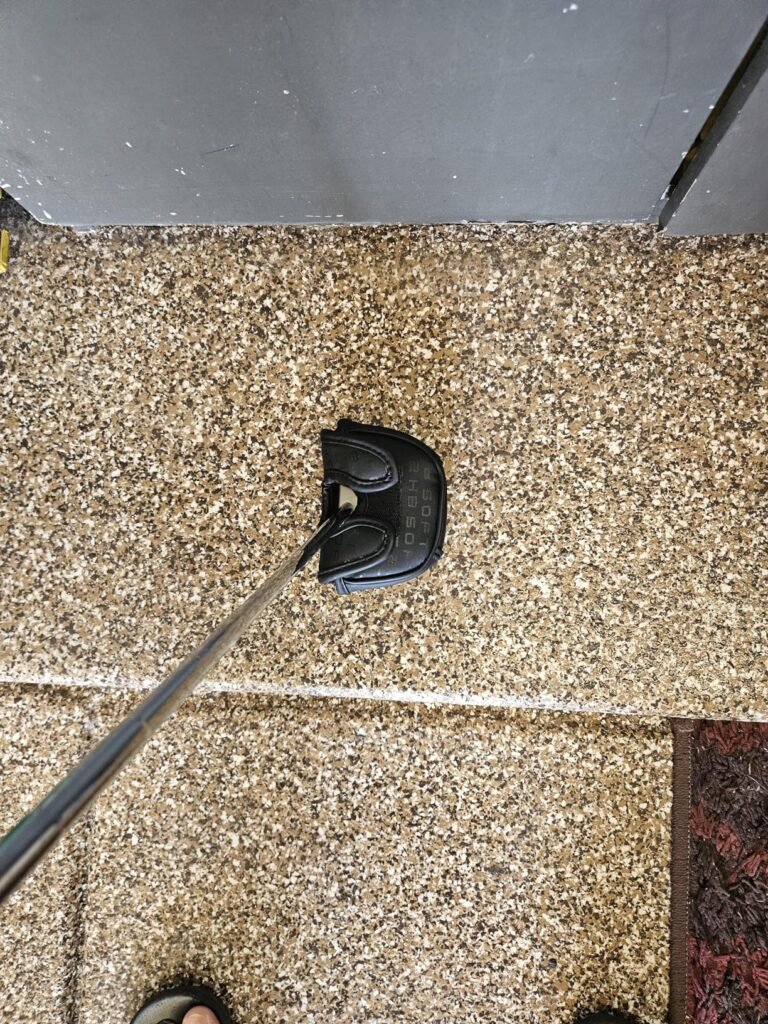
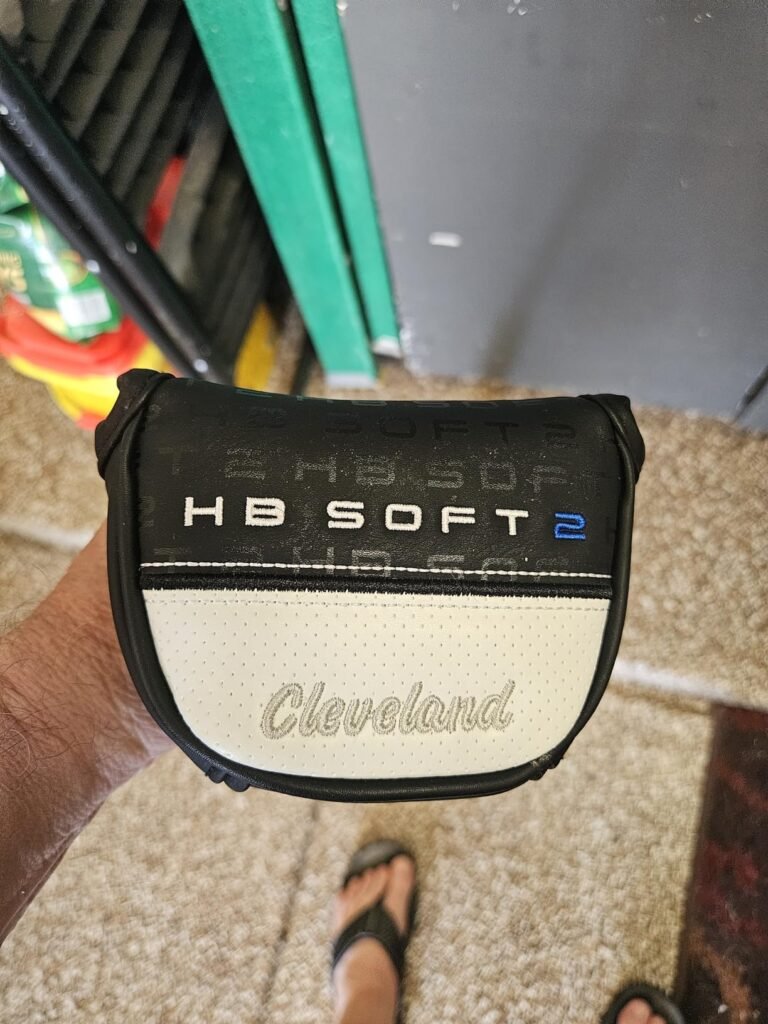
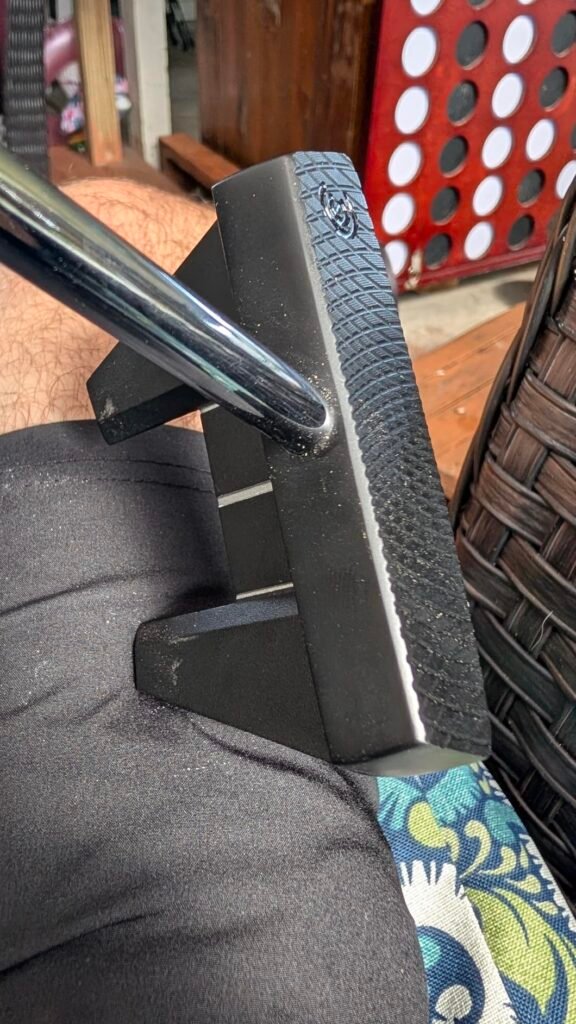
The Cleveland HB Soft 2 is built for golfers who struggle with distance control on putts that miss the center of the face. Its dynamic groove milling pattern is engineered specifically to normalize ball speed across an enlarged striking area, which means a putt caught slightly toward the toe or heel still travels a distance much closer to what you intended.
We may earn a commission when you buy through this link, at no additional cost to you.
What sets this putter apart is Cleveland’s decision to release nine distinct models within the HB Soft 2 line, each matched to a specific stroke type. Golfers with a straight-back-straight-through stroke and those with a slight arc can each find a model with the complementing hosel style, toe hang, and alignment system already built in, rather than trying to force one universal shape to fit every swing.
Cleveland also addressed a subtle but real issue with variable shaft lengths: swing feel changing as putters get longer. Every HB Soft 2 model at 35 inches or longer includes a 20-gram weight in the butt end of the shaft, which keeps the balance and feel consistent whether you order a standard length or a longer counterbalanced version. That consistency matters if you ever test different lengths at a fitting.
A straight-back-straight-through stroke generally pairs best with a face-balanced or slight toe-hang putter, while an arced stroke benefits from more toe hang to naturally close the face through impact. If you are unsure which category you fall into, a simple way to check is to balance the shaft across a finger: a face that points straight up suggests a face-balanced fit, while one that rotates open suggests you should look at a higher toe-hang model in this lineup.
The tradeoff is that with nine models to choose from, buyers need to do a bit of homework or get fitted to select the right toe hang and hosel combination for their stroke. If you already know whether your stroke is straight or arced, this research is quick and pays off. Golfers who want speed-optimized forgiveness matched to their specific stroke type will get real value here.
Golfers who want a single simple putter without comparing multiple stroke-specific model options first.
We may earn a commission when you buy through this link, at no additional cost to you.
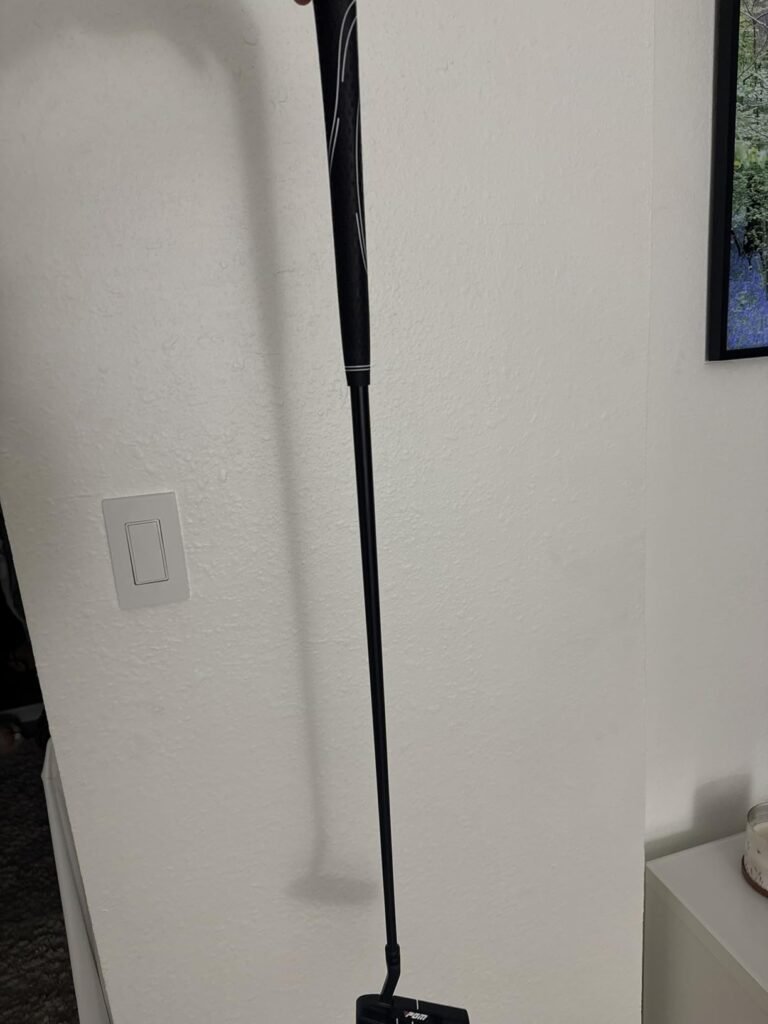
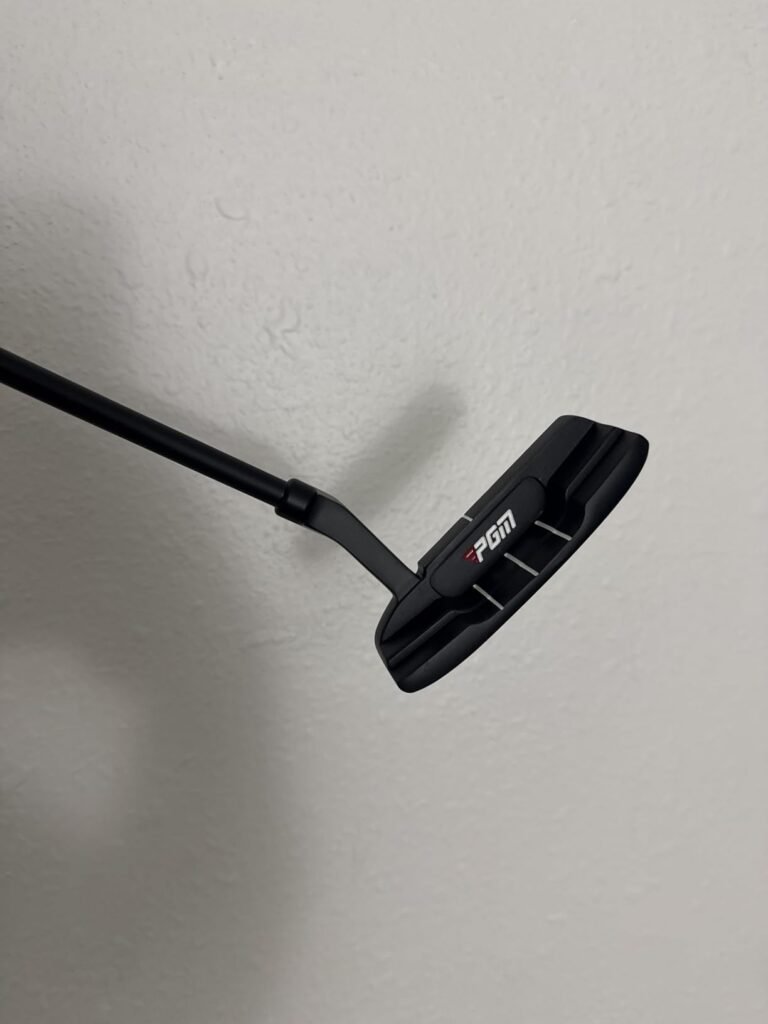
The PGM Golf Putter is a straightforward blade aimed at golfers who want a dependable, well-balanced putter without spending over $100. It comes in both right and left-handed versions, which is a genuine convenience since left-handed equipment is often harder to find or comes at a premium from major brands.
We may earn a commission when you buy through this link, at no additional cost to you.
The notched groove face design is meant to improve the interaction between the clubface and the ball at impact, promoting a more stable roll and more consistent distance control across different green speeds. At 34 inches with a 113-gram shaft and 350-gram head, the weighting is balanced for a broad range of golfers rather than tuned narrowly for one body type or swing style.
High forgiveness is the practical benefit most beginners will notice first. Off-center hits, which are common while a golfer is still developing consistent stroke mechanics, do not punish distance control as harshly as they would on a smaller, less forgiving blade. The straight tapered shaft and classic putter shape also make it easier to aim, which builds confidence over the ball.
Many budget putters use a cast face that can feel harsh or produce inconsistent roll. A milled face, even at an entry price point, smooths out imperfections in the strike surface and helps the ball come off more predictably. This is one of the details that makes the PGM feel more capable than its price suggests.
The main compromise at this price is a simpler alignment system than premium mallets and no alternate shaft length options, so taller or shorter golfers cannot fine-tune fit as precisely. For golfers just starting out, casual players, or anyone who wants a reliable practice or backup putter without a big investment, this is an easy recommendation.
Golfers who want a wide choice of shaft lengths or a tour-level alignment system.
We may earn a commission when you buy through this link, at no additional cost to you.
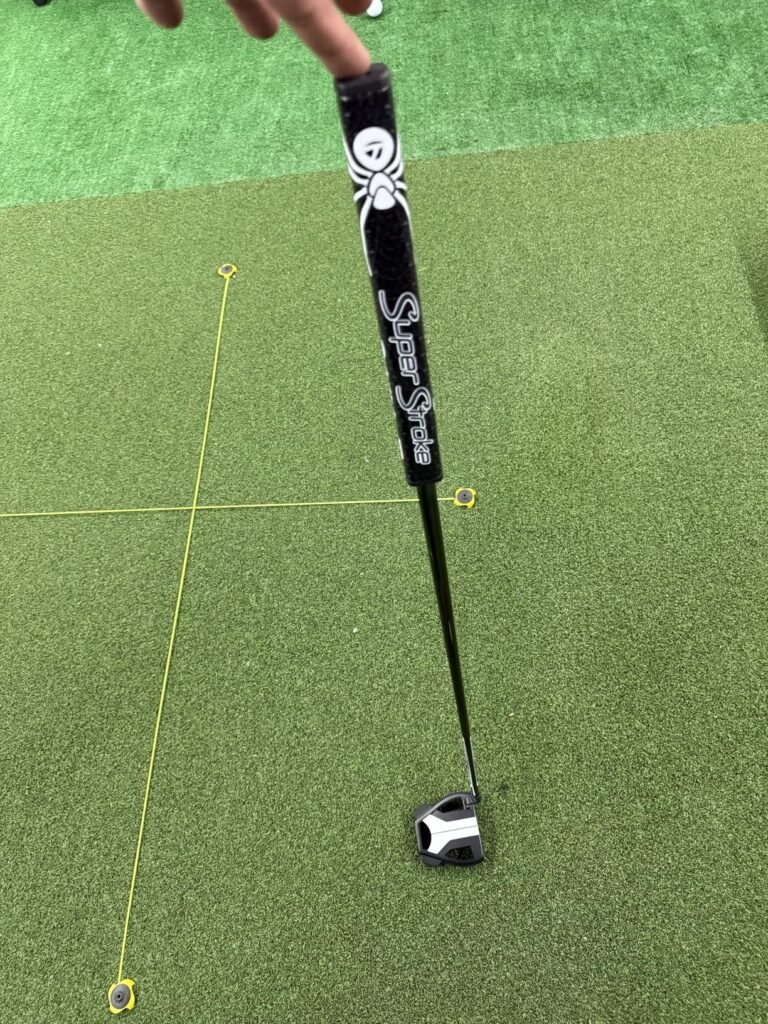
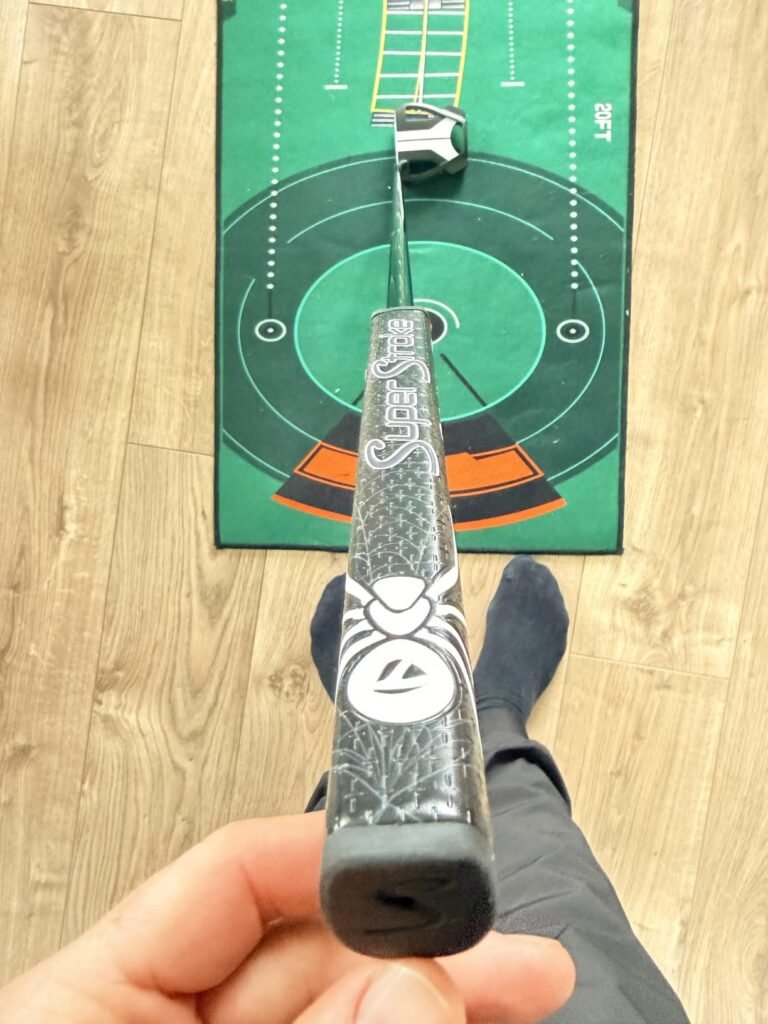
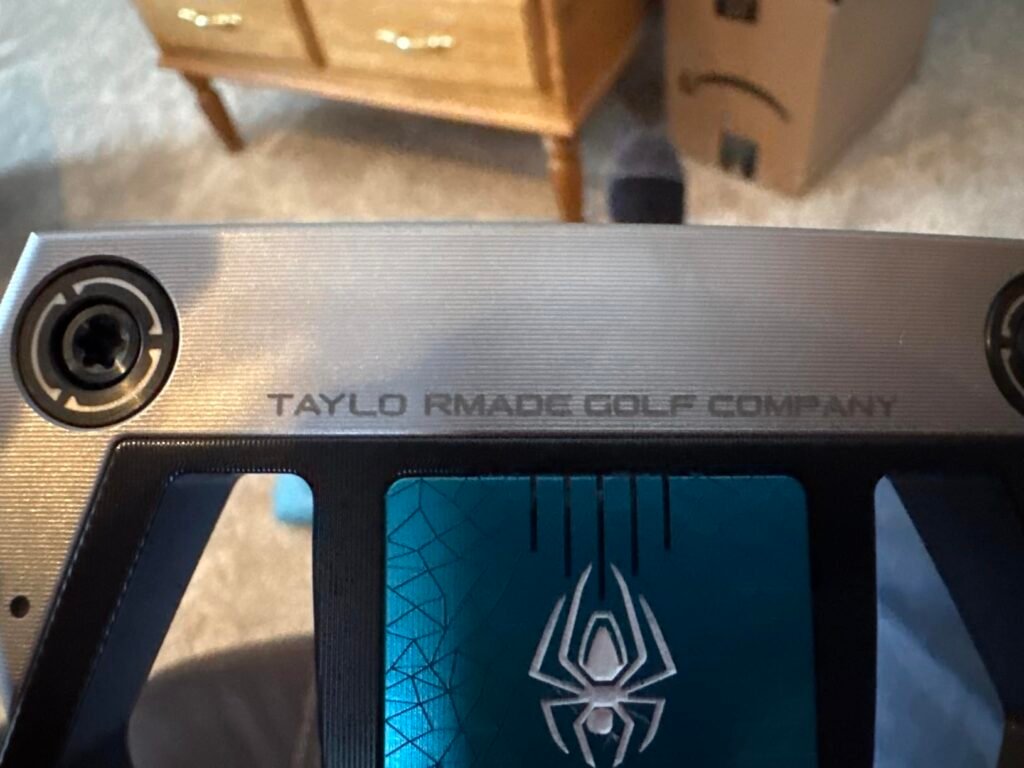
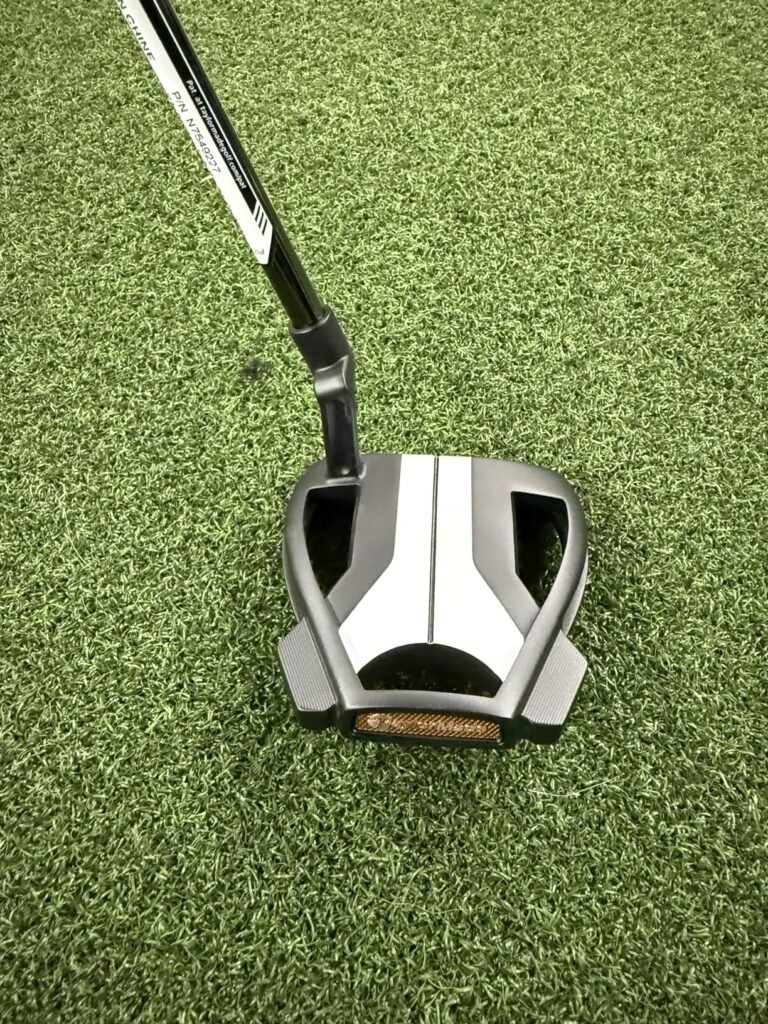
The TaylorMade Spider X carries the credibility of nearly two decades of tour-winning performance, most recently with Scottie Scheffler using a Spider Tour X L-Neck to win three times in four starts. For serious golfers who want a putter refined through actual competitive use, this lineage is a meaningful signal of what the design can deliver under pressure.
We may earn a commission when you buy through this link, at no additional cost to you.
The patented alignment system is central to the Spider X’s appeal. It is built to provide clear visual reference so golfers can better envision the line to the hole at address, reducing the guesswork that leads to pushed or pulled putts. Paired with TSS weights that provide balanced weighting across different putter lengths, the design aims to optimize performance regardless of which specific length or configuration a golfer chooses.
High stability is the core engineering goal behind the Spider shape, and it shows in how the putter resists twisting on off-center strikes. This forgiveness is especially valuable on fast, undulating greens where small strike inconsistencies can otherwise turn into big distance misses. The durable PVD coating also adds a refined look, with sole plate, back badge, and copper accents that give it a premium, finished appearance.
High moment of inertia designs resist twisting when the strike is not perfectly centered, which keeps the face square through impact even on a slightly mishit putt. On fast greens where a putter face that opens or closes even a degree or two can send a ball well off line, that stability translates directly into more putts finishing near the hole.
The tradeoff is price and size. At nearly double the cost of the entry blades in this guide, the Spider X is an investment best justified by golfers who putt frequently and want tour-level forgiveness. The mallet shape is also noticeably larger than a classic blade, which some golfers who prefer a more compact head profile may need to adjust to. For committed players chasing lower scores, it is one of the most forgiving options available.
Casual golfers who prefer a compact blade profile or do not want to pay a premium for tour-level technology.
We may earn a commission when you buy through this link, at no additional cost to you.
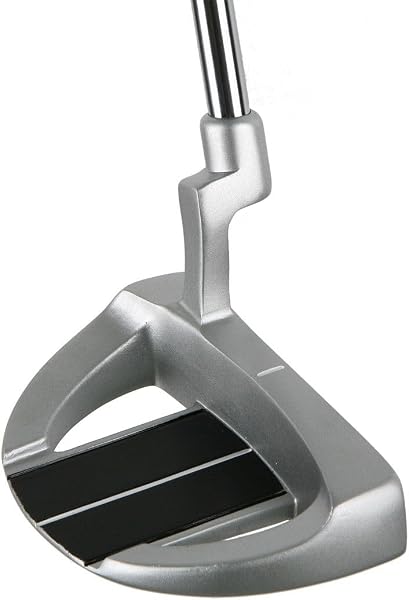
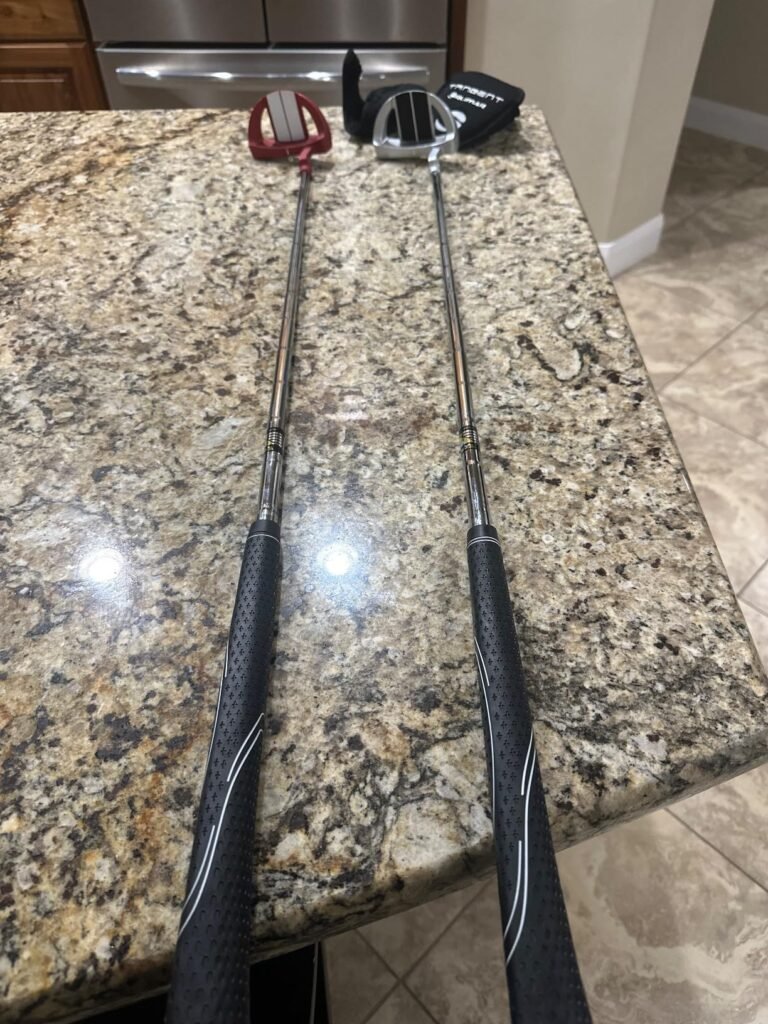
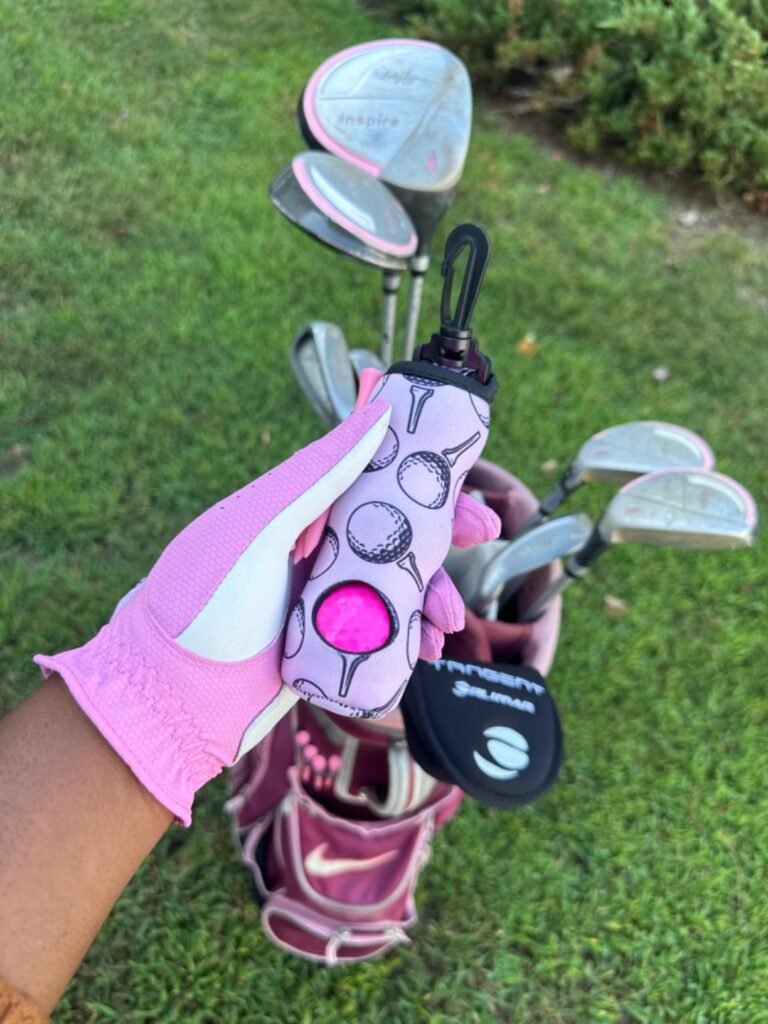
The Orlimar Tangent T1 is built with newer golfers in mind, offering a high MOI mallet shape that is inherently more forgiving than a compact blade. If you are still developing a repeatable stroke and tend to catch putts slightly off-center, this added forgiveness helps keep more putts on line and closer to the correct distance while you build consistency.
We may earn a commission when you buy through this link, at no additional cost to you.
The plumber’s neck hosel is a deliberate design choice that offsets the shaft to encourage hands-ahead positioning at address, which is a fundamental of solid putting mechanics that many beginners struggle to achieve naturally. Combined with the soft TPU face insert, which softens the feel at impact, the putter gives clear feedback without harsh vibration on mishits.
Alignment gets a helpful boost from the contrasting bi-color sightline, which makes it easier to square the putter face at address and start the ball on your intended line. This kind of visual aid is particularly valuable for golfers who are still training their eyes to read lines and commit to a target before they stroke the putt.
A plumber’s neck or offset hosel positions the shaft slightly ahead of the putter face, which naturally encourages a hands-ahead position at address and through impact. This setup reduces the tendency to scoop or flip the putter head at contact, a common fault among newer golfers that leads to inconsistent distance control and a higher, less predictable ball roll.
One nice touch that adds real value at this price is the included free headcover, which protects the face and finish during transport in the bag. The tradeoff is a mallet look that some traditionalists may find less elegant than a classic blade, and the finish details are simpler than premium mallets like the Spider X. For beginners or golfers who want forgiveness and useful accessories without a big spend, this is a smart pick.
Golfers who prefer the classic look of a compact blade over a larger mallet head.
We may earn a commission when you buy through this link, at no additional cost to you.
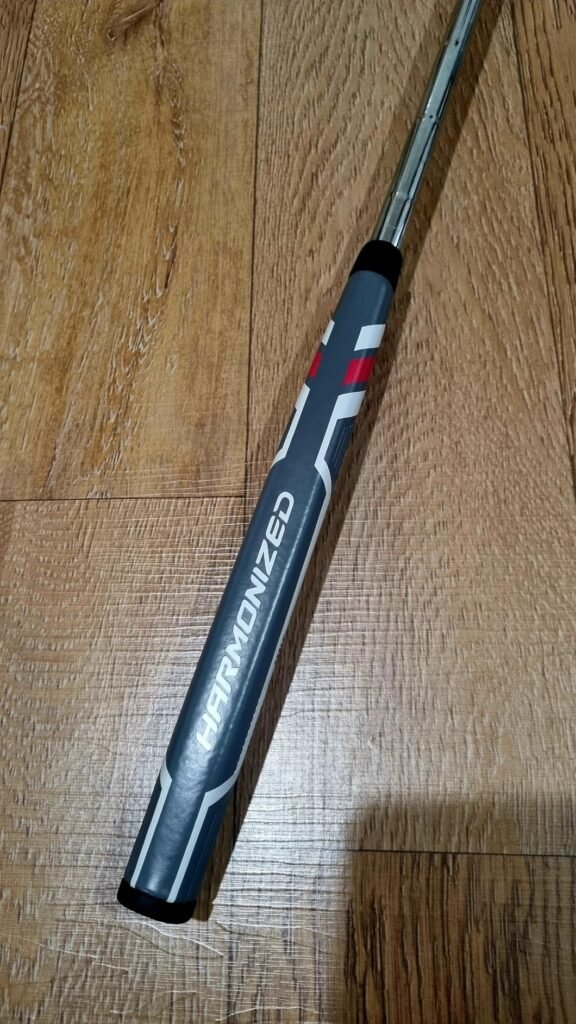
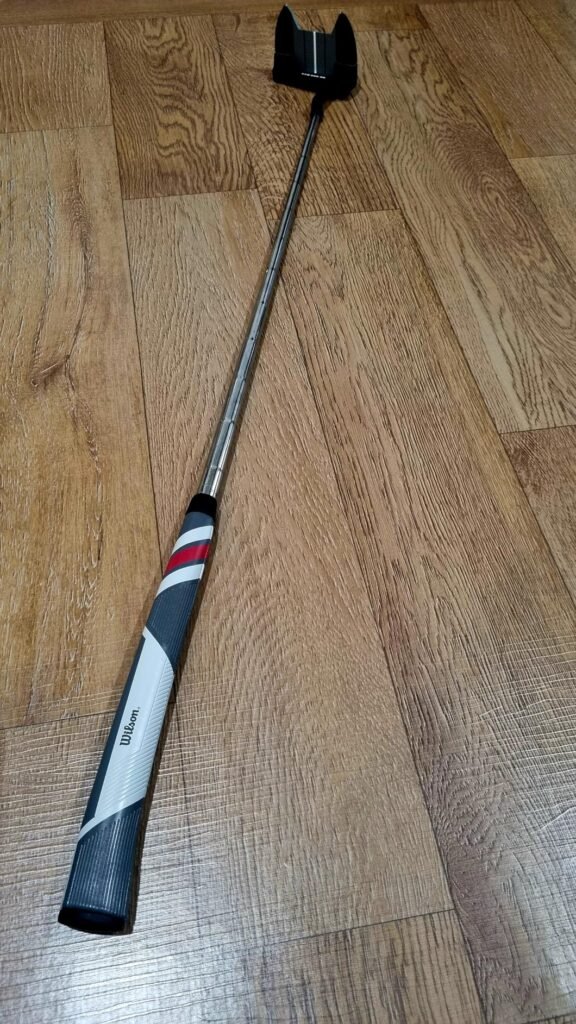
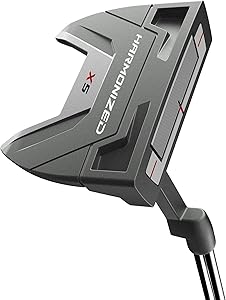
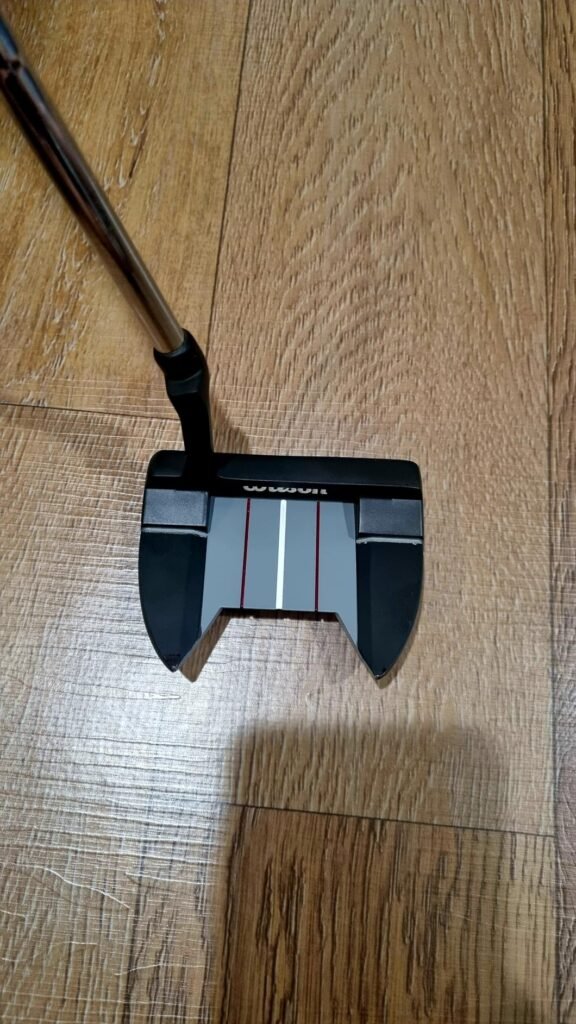
The Wilson Harmonized X5 is a no-frills large mallet putter aimed at golfers who want dependable performance without navigating a long list of technology features. Its large mallet head shape provides more forgiveness than a compact blade, which suits recreational golfers who play regularly but are not chasing tour-level precision.
We may earn a commission when you buy through this link, at no additional cost to you.
At a standard 34-inch length with a standard grip, this putter fits the majority of golfers without needing custom fitting. The Harmonized line has a long track record in the Wilson lineup, and the straightforward construction keeps the price accessible while still delivering a head shape that helps square the face more easily than a thin blade.
Because the design keeps things simple, there is very little learning curve. Golfers who just want to pick up a putter, set it behind the ball, and trust that the shape will help them make solid contact will appreciate how uncomplicated this model is compared to putters with multiple alignment systems and adjustable weighting.
Not every golfer wants to think about toe hang, face inserts, and counterbalancing every time they step onto the green. A simple, well-proportioned mallet like the Harmonized X5 removes decision fatigue and lets you focus purely on read and feel, which some golfers find more effective than overanalyzing equipment specs.
The main limitation is that it is only offered in right-handed configuration and lacks the more advanced alignment aids and premium materials found in the Spider X or Spider ZT. For everyday recreational rounds where reliability and simplicity matter more than cutting-edge technology, the Harmonized X5 is a sensible, budget-conscious mallet choice.
Left-handed golfers or players who want advanced alignment and weighting technology.
We may earn a commission when you buy through this link, at no additional cost to you.
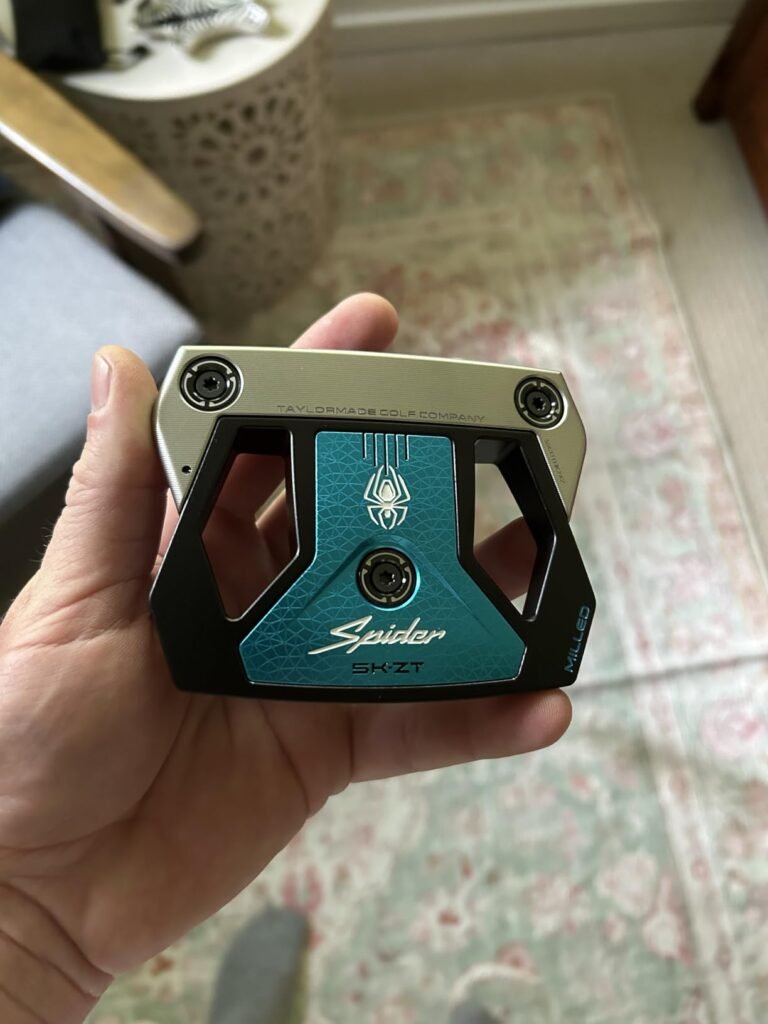
The TaylorMade Spider ZT represents the most technologically advanced putter in this guide, aimed squarely at serious golfers who want every possible engineering advantage on the green. The KBS putter shaft uses a low torque design, bored directly toe-ward near the center of gravity at a 1-degree shaft lean with 25mm of onset behind the face, giving golfers a new, more stable toe-up configuration to work with.
We may earn a commission when you buy through this link, at no additional cost to you.
Sole shaping has been reworked specifically to complement this hosel configuration. TaylorMade engineers focused on improving accuracy from the moment the putter is placed behind the ball, and the new sole curvature is designed to accommodate different player types and ball positions, helping golfers find a more consistent and repeatable stroke regardless of their individual setup quirks.
The Spider ZT combines high-density stainless steel with low-density aerospace-quality aluminum, a multi-material approach that achieves high MOI while allowing the shaft to sit closer to the face than a single-material design would typically allow. Alignment gets a further boost from the Milled True Path system, which adds milled lines the width of a golf ball to help golfers properly index to center face, building on TaylorMade’s established True Path technology based directly on tour player feedback.
A low torque shaft resists twisting during the stroke, which helps keep the face square through impact even when tempo varies slightly. The toe-ward boring near the center of gravity used on the Spider ZT is a more advanced take on this concept, aimed at golfers who want maximum stability without sacrificing the ability to feel the putter head through the stroke. This level of shaft engineering is most noticeable to golfers who already have a fairly consistent tempo and want to remove small inconsistencies.
At impact, the black Pure Roll insert, made from a combination of Surlyn and aluminum, creates a notably softer feel, with grooves angled at 45 degrees to encourage optimal forward roll along with improved sound and feel characteristics. The tradeoff is clear: this is the most expensive putter in the lineup, and its layered technology may be more than a casual weekend golfer needs. For dedicated players chasing marginal gains and consistent roll characteristics, though, the Spider ZT delivers genuinely advanced engineering.
Budget-conscious golfers or casual players who do not need advanced shaft and sole engineering.
We may earn a commission when you buy through this link, at no additional cost to you.
Putters look simple compared to drivers and irons, but small differences in head shape, alignment, and feel have an outsized effect on scoring. The factors below cover what actually matters when choosing a putter that fits your stroke.
Blade putters, like the Cobra Golf Classic and PGM Golf Putter, have a compact, traditional head shape with less material behind the face. They tend to suit golfers with a slight arc stroke and offer excellent feedback and feel, but they are generally less forgiving on off-center strikes because there is less mass distributed to resist twisting. Many better ball-strikers who already have a repeatable stroke prefer the classic look and feel of a blade.
Mallet putters, including the TaylorMade Spider X, Spider ZT, Orlimar Tangent T1, and Wilson Harmonized X5, use a larger head with weight distributed toward the perimeter. This raises the moment of inertia, or MOI, which resists twisting when the strike is not perfectly centered. That forgiveness is valuable for golfers who are still developing consistency or who simply want more margin for error on faster, more challenging greens.
If your stroke is already consistent and repeatable, a blade offers precise feedback and classic feel. If you miss the center of the face regularly or want a bit more forgiveness, a high-MOI mallet is the safer choice.
The face is where speed and feel are determined, and manufacturers use different approaches to control both. CNC-machined faces, like the one on the Cobra Golf Classic, are milled directly into solid steel for a soft, consistent feel and predictable ball speed. Dynamic groove milling, as used on the Cleveland HB Soft 2, is engineered specifically to normalize ball speed across a wider strike area, which reduces distance errors on mishits.
Insert-based faces take a different approach, using a separate material bonded into the face to soften feel and control roll characteristics. The Orlimar Tangent T1 uses a soft TPU insert for a gentler feel at impact, while the TaylorMade Spider ZT uses a more advanced Pure Roll insert combining Surlyn and aluminum with 45-degree grooves to promote better forward roll and sound.
Golfers who prefer a firmer, more traditional feel and immediate feedback should look at milled steel faces. Golfers who want a softer feel, particularly on faster greens where a firm face can feel too lively, should prioritize putters with quality face inserts.
Alignment aids help golfers start the ball on their intended line, which is often more of a limiting factor in putting than pure stroke mechanics. Simpler systems, like the single sightline on the Cobra Golf Classic, give one clear reference point without visual clutter. Some golfers putt more confidently with this minimalist approach because it reduces distractions at address.
More elaborate systems, like the patented alignment system on the Spider X or the Milled True Path lines on the Spider ZT, use multiple visual cues, often based directly on tour player feedback, to help golfers index the ball to the center of the face and visualize the line to the hole more precisely. The bi-color sightline on the Orlimar Tangent T1 is a simpler but still effective middle ground for golfers who want more than a single line but not a fully complex system.
Test different alignment styles on a practice green before buying if possible. Some golfers putt better with minimal visual aids, while others benefit significantly from more detailed alignment systems, and this is a highly individual preference.
The hosel, which connects the shaft to the putter head, has a major influence on how the face naturally opens and closes during the stroke. A plumber’s neck hosel, used on the Orlimar Tangent T1, offsets the shaft to promote a hands-ahead position and typically pairs with more toe hang, which suits golfers with an arced stroke. Face-balanced designs, where the face points straight up when the shaft is balanced on a finger, generally suit a straight-back-straight-through stroke.
Cleveland’s HB Soft 2 line takes this matching seriously, offering nine separate models each paired with a specific hosel style and toe hang to complement a particular stroke type. This kind of stroke-specific fitting can meaningfully improve consistency compared to using a putter with a hosel style that fights against your natural stroke path.
If you know your stroke type from a previous fitting, choose a hosel and toe hang that matches it. If you are unsure, a simple balance test with the shaft resting on a finger can give you a rough starting point before you commit to a purchase.
Traditional steel shafts, used in putters like the Cobra Golf Classic, remain popular because their rigidity keeps the head stable through impact, supporting a smooth and repeatable stroke. This stability is part of why steel is often described as the gold standard for putter shafts, especially for golfers who want minimal shaft flex or torque to think about.
More advanced shaft designs, like the low torque KBS shaft on the TaylorMade Spider ZT, go further by specifically engineering torque resistance and onset geometry to fine-tune stability and setup. These advanced shafts are aimed at golfers who have already dialed in their stroke and want to remove any remaining inconsistency introduced by shaft twist.
Most golfers do not need to overthink shaft technology beyond choosing a stable, well-built option. Only golfers pursuing marginal performance gains at a competitive level typically need to prioritize advanced low torque shaft engineering.
Putter length affects posture and stroke plane, and most putters, including the Wilson Harmonized X5 and PGM Golf Putter, come in a standard 34-inch length that fits a wide range of golfer heights. Head weight and shaft weight also matter: the PGM putter, for example, balances a 350-gram head with a 113-gram shaft for broad appeal across different golfers.
Some putters address the way feel changes across different lengths directly. The Cleveland HB Soft 2 includes a 20-gram counterweight in the butt end of the shaft for any model 35 inches or longer, which keeps the swing feel consistent regardless of the specific length ordered. This detail matters if you are between standard lengths or considering a longer, more stabilized putter.
If you are significantly taller or shorter than average, get properly measured for putter length rather than assuming standard 34 inches will work. A poor length fit forces compensations in posture that can undermine even a technically sound putter.
Putter prices in this guide span a wide range, from budget options like the PGM Golf Putter and Orlimar Tangent T1 under $40 up to the TaylorMade Spider ZT at the premium end. Budget putters can absolutely perform well for recreational golfers, especially when they include useful design elements like milled faces or forgiving mallet shapes.
Premium putters justify their higher price through advanced engineering, tour validation, and refined materials that can produce measurable performance gains for golfers who already have consistent fundamentals. For a beginner or occasional player, that premium technology often goes underused, while a dedicated competitive golfer is more likely to notice and benefit from it.
Match your spending to your commitment level and current skill. New or casual golfers get excellent value from budget and mid-range putters, while serious competitive players are more likely to benefit from investing in premium, tour-proven technology.
Start by confirming your putter length and lie angle suit your natural posture. Stand to the ball in your normal putting stance and check that the sole sits flat on the ground rather than tilted onto the toe or heel, since an improper lie angle can cause the face to aim off-line even with a perfect stroke. Spend time on the practice green matching your read and stroke tempo to the specific feel of your putter’s face material before taking it into competitive rounds.
Clean the face and grooves regularly, especially on putters with milled or notched face designs, since dirt and grass buildup in the grooves can dull the roll consistency the design is engineered to provide. A soft brush and mild soap and water work well; avoid abrasive cleaners that could dull a milled or PVD-coated finish. Wipe the putter dry after cleaning and before storing it in your bag to prevent moisture from affecting the grip or shaft.
Store your putter in its headcover when it is not in use, particularly for finished designs like the PVD-coated Spider X or Spider ZT, since the cover protects against scratches and dings from other clubs rattling around in the bag. Check the grip periodically for wear, as a slick or worn grip can subtly change hand pressure and stroke consistency over time. If you use a counterweighted or longer-length putter, periodically recheck your setup and posture, since subtle changes in stance can drift over a season of play.
Choose a blade if you have a fairly consistent, repeatable stroke and want precise feedback and classic feel, like the Cobra Golf Classic offers. Choose a mallet if you want more forgiveness on off-center hits, which benefits golfers who are still developing consistency or want extra margin for error. Many golfers actually putt better with a mallet even if they prefer the look of a blade, so it is worth testing both styles before deciding.
Stand in your natural putting posture and check whether the putter's sole sits flat on the ground. If the toe or heel lifts off the ground, the length or lie angle is likely incorrect for your height and stance. A local pro shop or fitting session can measure this precisely, but most golfers of average height do fine with a standard 34-inch length like the PGM Golf Putter or Wilson Harmonized X5.
Toe hang describes how much the putter face rotates open when the shaft is balanced on a finger, and it should generally match your natural stroke arc. A face-balanced putter suits a straight-back-straight-through stroke, while more toe hang suits a stroke with a natural arc. Putters like the Cleveland HB Soft 2 offer multiple toe-hang options specifically to match different stroke types, which can meaningfully improve consistency.
Premium putters like the TaylorMade Spider ZT can offer real performance benefits through advanced shaft engineering, alignment systems, and multi-material high-MOI construction, but those benefits are most noticeable to golfers who already have consistent fundamentals. A beginner is likely to see bigger score improvements from practice and proper fitting than from putter price alone. That said, a forgiving, well-fit putter at any price point genuinely helps reduce distance and directional errors.
A milled face is precision-cut into the putter head rather than cast, which produces a more consistent, predictable strike surface and often a softer feel at impact. Milling can also be engineered, as with the Cleveland HB Soft 2's dynamic groove pattern, to normalize ball speed across a wider area of the face, reducing distance errors on mishits. This is one reason milled putters often feel more premium even at moderate price points.
Neither is universally better; they simply produce different feel and sound characteristics. Inserts like the soft TPU face on the Orlimar Tangent T1 or the Pure Roll insert on the Spider ZT tend to feel softer and can be tuned for specific roll characteristics through groove design. Solid milled faces, like the Cobra Golf Classic, tend to feel firmer with more immediate feedback. Choose based on personal feel preference and the speed of greens you typically play.
No, putter head design, hosel offset, and alignment features are built specifically for one hand orientation and will not work correctly for the opposite hand. Fortunately, several putters in this guide, including the PGM Golf Putter and Orlimar Tangent T1, are available in left-handed versions, which is not always the case with every brand or model.
A well-maintained putter can last for many years or even decades since there are no moving parts to wear out mechanically. Most golfers replace a putter because their stroke has changed, they want different forgiveness or feel characteristics, or the grip has become too worn to replace effectively. If your current putter still matches your stroke type and feels good at impact, there is rarely a performance reason to upgrade purely for the sake of newer technology.
Counterbalancing adds extra weight to the grip end of the shaft, which can help quiet the hands and wrists during the stroke for golfers who struggle with a handsy, inconsistent putting motion. The Cleveland HB Soft 2 includes a 20-gram weight in the butt end on models 35 inches and longer specifically to maintain consistent feel with this kind of setup. It is not necessary for every golfer, but it is worth trying if you struggle with distance control on longer putts.
The Cobra Golf Classic Putter stands out as the strongest overall choice, combining a CNC-machined face, a clean single-sightline alignment system, and a stable steel shaft at a price that undercuts several premium mallets in this guide. Its 4.8 rating and traditional blade feel make it an easy recommendation for golfers who want tour-level manufacturing without paying for technology they may not need.
Golfers chasing the most advanced engineering available should look at the TaylorMade Spider ZT, which layers a low torque shaft, refined sole shaping, and a Pure Roll insert for serious performance gains. Budget-focused buyers will find excellent value in the PGM Golf Putter, while beginners benefit from the forgiving mallet shape and included headcover on the Orlimar Tangent T1. Golfers who miss the center of the face often should also consider the high-MOI TaylorMade Spider X.
Choose based on your stroke type and how much you value forgiveness versus feel. Golfers with a consistent stroke and a preference for classic feedback should lean toward a blade like the Cobra Classic, while those who want a larger margin for error should choose a mallet. Whatever you pick, prioritize proper length and alignment fit over brand name, since a well-fit putter at any price point will outperform an expensive one that does not match your stroke.