Simms Tributary
8.8Editor score3-layer upper fabric
4-layer reinforced lower
Fleece handwarmer pocket
Included 38mm belt
Find the right fishing waders for 2026. We compare 10 standout options by build quality, useful features, owner feedback, value, and everyday trade-offs.
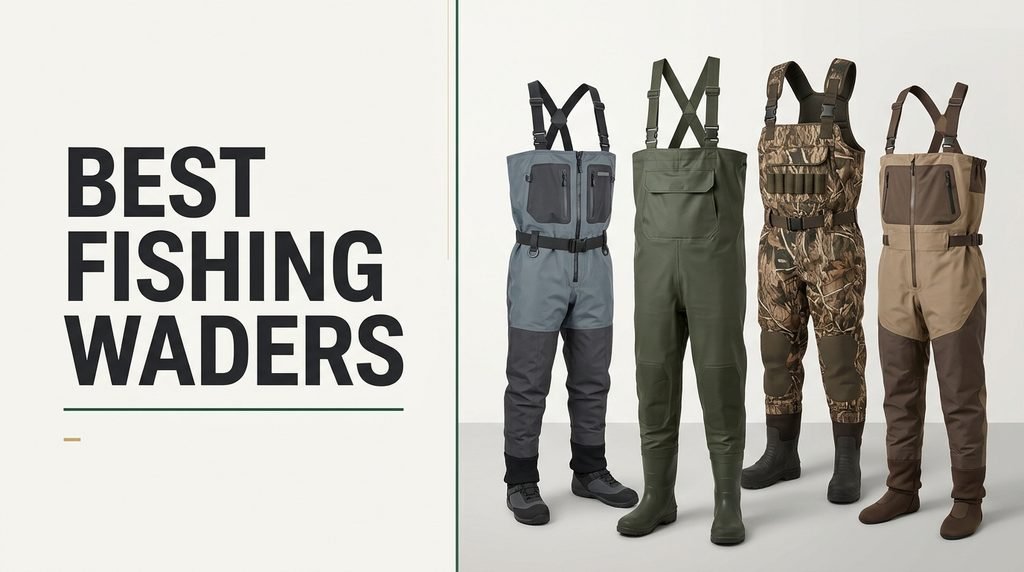
Find the right fishing waders for 2026. We compare 10 standout options by the factors that matter on the water: fabric construction, breathability, stockingfoot versus bootfoot design, fit and sizing, pocket layout, wading comfort, owner feedback, value, and the trade-offs you will notice by the end of a long day.
Waders look similar in photos, but the differences show up in cold water, on long walks, and during tight casts. Stockingfoot models pair with wading boots and suit varied terrain, while bootfoot models are simpler and often cheaper. Breathable fabrics manage sweat better, whereas PVC designs prioritize abrasion resistance and straightforward waterproofing.
Start by deciding how you fish: long hikes to remote runs, short walks to a pond, or hunting and farm chores. Then weigh fit, pockets, and care needs against your budget. The comparison below sorts the field so you can narrow it to two or three realistic candidates quickly and confidently.
We compared 10 fishing waders using the details that genuinely separate them: fabric layers, seam construction, stockingfoot or bootfoot design, sizing guidance, pocket and suspender layout, gravel guards, included accessories, owner feedback, and value. The notes focus on practical trade-offs, such as breathability against abrasion resistance, so each pick connects to how anglers and hunters actually wade, walk, and store their gear.


Compare key features, scores, and current prices side by side. A shorter feature list means fewer details were available, not necessarily fewer capabilities.


The Deep Eddy is a breathable stockingfoot chest wader for anglers who want a capable all-rounder without stepping up to the most expensive tier. The availability of regular and stout sizes is a genuine advantage, because many off-the-rack waders fit broader builds poorly and leave the crotch tight or the chest baggy. It suits trout streams, river smallmouth, and general wade fishing across several seasons.
We may earn a commission when you buy through this link, at no additional cost to you.
The upper is built from four-ply nylon, and the lower legs receive double reinforcement where abrasion from boulders, brush, and wading boot laces is most likely. That placement is sensible, since the shins and knees usually wear out first. Because the fabric is breathable, it handles a day of walking between pools better than a coated PVC upper, which tends to trap heat and moisture.
Storage is thoughtfully handled. A large zippered box pocket sits on the chest with a rear pass-through section, giving you a place to warm your hands or tuck a fly box. The two-inch suspenders include attachment points intended for carrying tools like tippet, nippers, or hemostats, which saves you from digging around when you need to retie. The neoprene booties use soft, stretchy material meant to avoid bunching inside a boot.
Stout sizing generally adds room through the torso and thighs. Compare your chest, waist, and inseam measurements against the size chart rather than guessing from shirt size, and remember that you will layer fleece underneath in cool weather. A fit that allows you to squat and step onto a high bank without pulling at the shoulders is the goal.
The trade-offs are predictable for this category. You need to buy wading boots separately, and the price sits above entry-level bootfoot choices. If you fish regularly, hike to your water, and want a pair that covers most situations, the Deep Eddy is an easy recommendation. If you only wade a few times a year, a simpler pair will do the job for less.
Anglers who want a bootfoot wader with boots already attached, or buyers who only need occasional waterproofing at the lowest possible cost.
We may earn a commission when you buy through this link, at no additional cost to you.
The Tributary is the premium option here, and its appeal comes from practical details rather than flashy claims. A three-layer upper sits above a reinforced four-layer lower section, which concentrates extra protection where waders take the most punishment. Anglers who log many days on the water, especially in shoulder seasons, are the people most likely to appreciate that structure.
We may earn a commission when you buy through this link, at no additional cost to you.
Comfort features stand out. The reach-through handwarmer pocket is fleece-lined, a small detail that matters on cold mornings when your fingers lose dexterity before the first cast. A zippered stash pocket and an integrated fly patch handle small essentials, so you are not forced to carry everything in a vest or pack. The neoprene stockingfeet are shaped to sit comfortably inside wading boots.
Gravel guards with elastic hems help keep sand and small stones from drifting into your boots, which protects both comfort and the stockingfoot neoprene. The included 38mm non-stretch wading belt is another meaningful extra. A properly cinched belt limits how much water enters the legs if you slip, and many competing waders leave that as a separate purchase.
Wear the belt snug over your outer layer, just above the hips, and cinch it before entering moving water. Keep it on even in shallow stretches, because unexpected drop-offs are common. If you use a wading jacket, position the belt so you can still reach pockets without loosening anything.
The cost is the main hurdle. If you fish a handful of times each season, the premium may be hard to justify, and wading boots still need to be added to the budget. For committed anglers who value a considered pocket layout, a reinforced lower leg, and a belt out of the box, the Tributary makes a strong case.
Casual or occasional anglers, and anyone who needs a complete boot-and-wader setup in a single low-cost purchase.
We may earn a commission when you buy through this link, at no additional cost to you.
The Immerse brings breathable stockingfoot construction into a more accessible price tier than the big-name fly fishing brands. The shell uses three layers of lightweight fabric with fully taped seams, and it carries stated figures of 15,000mm for waterproofing and 5,000g per square meter per day for breathability. Those numbers give you something concrete to compare, which is rare in this category.
We may earn a commission when you buy through this link, at no additional cost to you.
Movement is a focus. The three-dimensional cut is meant to make bending at the knee easier, and front leg seams are positioned to reduce chafing in the inner leg area. If your fishing involves scrambling over banks, stepping across logs, or kneeling to land fish, a pattern designed for flexion can reduce fatigue over a full day.
Storage and attachment options are generous for the price. There is a large chest pocket with a waterproof zipper, a flip-out pocket for items like a phone or fishing license, two D-clip attachments on the chest, a cover, and a D-ring on the back for a landing net. Elastic suspenders and a 1.5-inch belt with a quick-release buckle round out the fit adjustments.
Breathable fabric vents moisture but does not insulate, so warmth comes from what you wear underneath. Use moisture-wicking base layers and add fleece as temperatures drop. Cotton holds sweat and cools you quickly, so avoid it next to the skin.
A mesh storage bag and a repair kit are included, which is a practical touch for anyone who wades through brush. The main caveat is that wading boots are a separate purchase, and a three-layer shell leans toward lightness, so thorny terrain deserves some care. For anglers who want breathable waders without a premium bill, this is a smart middle path.
Hikers heading into thick thorny brush who prefer a heavier fabric, or anyone who wants boots already attached.
We may earn a commission when you buy through this link, at no additional cost to you.
For someone buying their first pair of waders, the TIDEWE keeps things simple. The 420D two-ply nylon and PVC construction uses welded boot attachments and taped seams, and there is no separate boot purchase to research. That removes a common stumbling block for newcomers, who often underestimate how much a boot-and-wader pairing adds to the overall budget.
We may earn a commission when you buy through this link, at no additional cost to you.
The design aims at lower weight than traditional rubber waders, and it is described as about 35 percent lighter. Less bulk helps when you are packing a car or carrying gear to a pond or river bank. Coated fabrics will still feel warmer than breathable shells in summer, so this pair makes more sense for cool conditions or short walks.
Fit adjustments are straightforward. H-back suspenders with quick-release buckles, a top drawcord, and a flip-out chest pocket cover the basics. A boot hanger is included to help the waders dry upside down, and a waterproof phone case provides a safer way to carry a phone than trusting any pocket. Sizing follows your regular shoe size, with a size up suggested for wide feet or thick socks.
Try the waders on with the socks you plan to wear in the field. Bootfoot waders do not allow much room to add layers once you are inside, so a snug fit in the store can become painful in cold weather. When in doubt, the size up leaves room for warmer socks.
The compromise is breathability and long-term refinement compared with stockingfoot waders. If you wade hard every weekend, you may eventually want something with better venting and a boot you can select yourself. For occasional fishing, hunting, or outdoor work where staying dry matters more than all-day comfort, this is a sensible and inexpensive starting point.
Anglers who hike long distances in warm weather or want the support of separate wading boots.
We may earn a commission when you buy through this link, at no additional cost to you.
The Canyon II sits in the middle of the market. It offers a stockingfoot chest wader with a four-ply nylon upper at a price below most premium models, making it a practical bridge for anglers who want to move beyond bootfoot waders without a big jump in spending.
We may earn a commission when you buy through this link, at no additional cost to you.
Stockingfoot construction allows you to choose wading boots that fit your terrain. That means better ankle support and more traction options on slick rock, along with easier replacement if the boots wear out before the waders do. The attached gravel guards include lace hooks, which help keep debris out of your boots and keep the cuffs from riding up while you wade.
Adjustments include Y-back suspenders with quick-release locking buckles and a wading belt with its own locking buckle. The chest pocket zips closed and is described as splash-proof, so treat it as protection from drips and spray rather than submersion. Keep a phone or license in a separate waterproof pouch if you expect to wade deep.
Choose boots a size or so larger than your street shoes to account for the neoprene stockingfoot. Check that the boot opening is wide enough for the gravel guards to sit over the top, and that the lace hooks line up with your lacing style.
The feature set is straightforward and does not include extras like fleece-lined pockets or bundled accessories. That simplicity suits anglers who want dependable basics. If you are comparing it to higher-end models, expect fewer comfort touches, but you also save money that can go toward a good pair of wading boots.
Buyers who want fleece-lined pockets, bundled accessories, or an all-in-one bootfoot setup.
We may earn a commission when you buy through this link, at no additional cost to you.
The Hellbender is built around storage and knee protection. Its four-ply DRIPORE Gen 2 nylon upper is described as breathable, lightweight, and abrasion-resistant, and the fully taped seams add protection where stitching might otherwise leak. For anglers who carry a lot of gear, the pocket count is the headline.
We may earn a commission when you buy through this link, at no additional cost to you.
The chest area includes an oversized multifunction pocket, a zippered flip-out security pocket for valuables, and handwarmer pockets. That mix lets you separate fly boxes, tools, and personal items instead of cramming everything into a single compartment. Anglers who wade without a vest or pack will notice the added organization.
Double-reinforced knees address a common wear point, since kneeling on gravel or stepping over logs punishes that area. The four-millimeter neoprene booties are double-seam taped and come with attached gravel guards that have no-slip grips and an integral lace hook. Together they help keep debris out and keep the cuffs in position over wading boots.
Put items you cannot afford to wet, such as a phone, keys, and licenses, inside a dedicated waterproof pouch even when the pocket zips shut. Use the larger chest compartment for fly boxes and tools, and keep frequently used items near the top so you do not have to dig.
The rating is lower than most others on this list, so read recent owner feedback on sizing and durability before buying. It is also a stockingfoot design, which means wading boots are an extra cost. Choose it if pocket capacity and knee protection matter more to you than a bundle of accessories or a higher overall rating.
Shoppers who prioritize the highest owner ratings or who want a bootfoot pair with no separate boot purchase.
We may earn a commission when you buy through this link, at no additional cost to you.
The BASSDASH 3D is the most abrasion-focused pair in this group. Its 600D nylon shell is meant to resist thorns and scrapes, while a PVC backing and heat-sealed, double-stitched seams keep it watertight. That kind of construction targets people who put waders through hard use, whether they are hunting waterfowl, crossing marsh edges, or pushing through blackberry brush.
We may earn a commission when you buy through this link, at no additional cost to you.
Comfort is traded for toughness, and that trade is acknowledged by the design. A mesh lining keeps the sticky PVC coating from clinging to your clothes, which makes putting waders on and taking them off easier. A three-dimensional cut and front leg seams support knee bending, though PVC will always breathe less than a multi-layer technical fabric.
The attached boots feature deep tread and a hard sole to protect against sharp objects underfoot. Other details include elastic suspenders, a 1.5-inch belt with quick-release buckle, D-ring gear attachments, and a chest pocket with a YKK waterproof zipper along with an interior flip-out pocket. Every pair is tank tested for waterproofing.
Match your boot size, chest, and inseam against the chart instead of relying on usual clothing sizes. Boots that are too tight restrict circulation in cold water, while boots that are too loose cause blisters. If you plan to wear thick socks, size accordingly.
If you wear waders daily or hunt in rough country, durability matters more than airflow. Be prepared for warmth during spring and summer, and check the size chart carefully because bootfoot sizing leaves little room for error. Anglers who walk long distances or want boot support should consider stockingfoot waders instead.
Warm-weather anglers who hike long distances, or anyone who wants breathable fabric and boot choice.
We may earn a commission when you buy through this link, at no additional cost to you.
This bootfoot chest wader is the budget-minded option for people who need dependable waterproofing without a major investment. It uses a two-ply nylon upper with a reinforced PVC coating, a waterproof boot attachment, and taped seams. It is described as roughly 35 percent lighter than traditional rubber waders, which helps with packing and reduces fatigue on longer outings.
We may earn a commission when you buy through this link, at no additional cost to you.
The size range is a useful strength. Sizes run from 5 to 14, so smaller feet and larger feet both have options, though you should confirm the chart before ordering. Standard advice is to choose your regular shoe size and go one size up if you have wide feet or plan to wear thick socks.
The details are practical. Adjustable H-back web suspenders with quick-release buckles, a top drawcord, a front zippered chest pocket, and two chest D-clips cover everyday needs. Importantly, the zippered pocket is not waterproof, so the included waterproof phone case should carry your phone and other valuables. A boot hanger is also included to help the waders dry after use.
Use the included boot hanger to suspend the waders upside down in a ventilated space, away from direct sunlight. Turn the legs inside out if possible so moisture can evaporate. Storing coated waders damp invites odors and can accelerate wear.
Uses extend beyond fishing to hunting, farm work, and messy chores, which makes the waders flexible for households that want one waterproof layer for many jobs. The compromise is breathability and refinement. If you spend long hours wading or hiking, stockingfoot designs are worth the extra spending, but for casual use and occasional trips this pair delivers good value.
Anglers who want a breathable fabric, a fully waterproof chest pocket, or the support of laced wading boots.
We may earn a commission when you buy through this link, at no additional cost to you.
This pair is a flexible bootfoot option for anglers who also need waders for hunting, farm chores, or messy outdoor work. The upper uses a two-ply nylon and PVC fabric with a tighter knit than common nylon, which is meant to improve durability. Waterproof boot attachments and visible taped seams help keep water and dirt from reaching the inside.
We may earn a commission when you buy through this link, at no additional cost to you.
Traction is a key detail. Cleated soles give you better grip on muddy banks, wet grass, and uneven ground, which suits the sort of terrain you meet when walking to a pond, duck blind, or livestock area. Cleats are less suited to slick river rock than a purpose-built wading boot, so adjust your expectations if you wade fast water.
Convenience features include H-back suspenders with quick-release buckles, two front D-rings for accessories, and a flip-out chest pocket to organize small items. A boot hanger is supplied to help the waders dry between uses. The design is intended to keep you dry and warm, and the PVC build holds in heat, which can be welcome in cold weather.
Cleats shed mud well and bite into soft ground, which is why they are common on hunting and farm waders. Slippery submerged rock is a different problem, and fishing fast rivers is easier with studded or felt-soled wading boots where regulations allow.
Sizing guidance is specific. The waders are cut for regular body shapes, and if your feet are wide or your build is stronger, you should order one size larger than your usual shoe size. For buyers who want one affordable waterproof layer for several jobs, this is a flexible pick, but serious river anglers should look to stockingfoot models.
Larger builds outside the regular fit range, and anglers who wade fast, rocky rivers.
We may earn a commission when you buy through this link, at no additional cost to you.
The Rana II is the only hip wader in this group, and that single difference shapes everything about how it should be used. Hip waders cover the legs to roughly the top of the thigh, making them easy to pull on and less warm than chest-high designs. They suit creeks, shallow ponds, farm tasks, and any situation where you will not wade above the thighs.
We may earn a commission when you buy through this link, at no additional cost to you.
The upper is nylon-reinforced PVC with sealed and taped seams for waterproofing, and the boots are 2mm non-insulated PVC. Those boots are attached, so there is nothing else to buy, which keeps the total cost very low. Because they are not insulated, plan to rely on thicker socks if you will be standing in cold water for extended periods.
The suspension system uses adjustable web belt leashes with quick-release buckles, attaching to your belt rather than wrapping over your shoulders. That keeps the waders light and easy to remove. This pair is available in cleated or felt soles within the product line, and this version uses felt, so check local regulations because some regions restrict felt for environmental reasons.
Some fisheries, parks, and regions prohibit felt soles because they can move invasive organisms between waterways. Review local fishing regulations before your trip. If felt is restricted where you fish, a cleated sole version may be a better match.
Hip waders are a poor match for anyone who regularly wades beyond knee depth or crosses unfamiliar water, since a slip can flood the legs quickly. For stream-side fishing, hunting, and farm work in shallow conditions, this is a no-fuss, affordable choice. If you want to explore deeper water, look to chest waders instead.
Anglers who wade deeper than the thigh, fish in very cold water, or fish where felt soles are restricted.
We may earn a commission when you buy through this link, at no additional cost to you.
Choosing waders is mostly about matching construction to the water and weather you actually face. The factors below explain what to weigh, where buyers go wrong, and how to decide without overspending on features you will not use.
Stockingfoot waders end in neoprene booties that you wear inside separate wading boots. This setup gives you ankle support, better traction options, and the ability to replace boots without replacing the waders. It is the standard for anglers who hike to their water or wade rocky rivers. The Deep Eddy, Simms Tributary, BASSDASH Immerse, Canyon II, and Hellbender all follow this design.
Bootfoot waders have boots attached, so you buy one item and put them on in a single step. They tend to cost less and suit short walks, hunting blinds, ponds, and farm chores. The drawback is fit flexibility. You cannot change the boot, support is limited, and a poor size is difficult to fix. The TIDEWE, BASSDASH 3D, and the two lightweight nylon and PVC pairs use this layout.
If you plan to walk more than a short distance or wade moving water on slick rock, stockingfoot is the safer choice. If you want an affordable pair for occasional use or mud and marsh work, bootfoot is simpler. Remember to include the boot cost when comparing total prices.
Breathable waders use multi-layer fabrics to allow moisture vapor to escape while blocking liquid water. This reduces sweat buildup and makes them comfortable across a wide temperature range. The Simms Tributary uses a three-layer upper with a reinforced four-layer lower, and the Immerse lists specific waterproof and breathability ratings. Higher layer counts typically add durability but also cost.
Coated nylon and PVC waders block water very effectively and handle abrasion well, but they hold heat and moisture. That can be a benefit on cold days and a drawback during warm hikes. Thicker, heavier fabrics such as the 600D nylon shell on the BASSDASH 3D resist thorns and scrapes at the expense of airflow, so they are better for brush and marsh than for long summer walks.
Decide how much of your fishing happens in warm conditions and how far you walk. Frequent hikers in variable weather benefit from breathable shells, while hunters and occasional anglers can accept coated fabrics in exchange for a lower price. Do not pay for premium breathability if you only wade for an hour near the truck.
Waders must fit across the chest, torso, thighs, and feet, so shoe size alone is rarely enough. Bootfoot listings in this guide recommend choosing your normal shoe size and sizing up for wide feet or thick socks. Stockingfoot sizing often uses body measurements and boot size ranges, and options like the Deep Eddy offering regular and stout cuts help buyers whose proportions fall outside standard patterns.
Fit problems appear in specific ways. A tight crotch makes stepping up painful, a long torso pulls at the suspenders, and extra length bunches behind the knees when you bend. Try to test movement by squatting, lifting your knee, and reaching overhead. If you are ordering online, make sure the return policy lets you do this with the layers you will actually wear.
Measure yourself and compare the numbers to the size chart before buying. When two sizes seem plausible, the larger size is usually the better choice for waders, because you can cinch a belt but you cannot add fabric. Do not size solely on weight or clothing size.
Chest pockets, D-rings, and tool attachment points affect how much gear you can carry without a vest. Some pairs, like the Hellbender, emphasize pocket variety, while the Simms Tributary adds a fleece-lined handwarmer and an integrated fly patch. The Deep Eddy suspenders include attachment points meant for fly tools. Think about whether you carry a vest or pack before paying for extra storage.
Suspenders determine comfort across a long day. Wider straps spread weight, while quick-release buckles help with bathroom breaks and temperature changes. Elastic styles flex with movement. Y-back and H-back arrangements keep straps from sliding off your shoulders. A wading belt is not optional in deep water, because it limits how much water enters the legs if you fall.
Be realistic about pocket waterproofing. Zippers described as splash-proof or not waterproof should never carry a phone without a separate waterproof pouch. Prioritize a belt, comfortable suspenders, and one reliable pocket over a long list of attachments.
Chest waders protect your torso and legs, giving the greatest wading depth and keeping you warmer in cool water. They are the correct choice for rivers, lakes, and anywhere the bottom is uncertain. Nine of the ten pairs here are chest height, and they are the models to focus on if you want flexibility.
Hip waders such as the Rana II are quicker to put on and more comfortable in warm conditions, but they leave your upper body exposed. A slip can flood them easily. They are best used in shallow streams, ponds, and chores where depth is predictable. Many anglers find hip waders handy for casual outings but outgrow them as they explore bigger water.
Choose coverage based on the deepest water you expect to enter, then add margin. If you are unsure, chest waders offer more options, and you can fold the top down in shallower areas. Hip waders only make sense when you are confident you will not need more height.
Footwear shapes safety as much as the waders. Cleated soles suit mud and soft ground, while felt and studded rubber grip slick river rock more effectively. Some regions limit felt soles to reduce the spread of invasive species, so check regulations before buying. Stockingfoot owners can swap boots as rules or terrain change, which is a notable long-term advantage.
Gravel guards and lace hooks keep debris out of boots and cuffs in place. The Canyon II and Hellbender include attached guards with lace hooks, and the Simms Tributary uses elastic hems. Without guards, sand and pebbles can irritate feet and wear neoprene. Boots with hard soles also protect against sharp objects, as seen on the BASSDASH 3D.
Match footwear to the bottom you actually fish. Fast boulder-strewn water calls for a dedicated wading boot, and wading staffs help when you are unsure. Muddy banks and farm ground are well served by cleated bootfoot designs.
Prices in this comparison range from entry-level bootfoot and hip waders to premium stockingfoot models. Cheaper pairs often use coated fabrics and simpler suspenders, which is fine for occasional use. Higher-priced models add layers, reinforced lower legs, and refined pockets, and they typically target frequent users who wade many days a year.
Think about cost per use. A premium pair used fifty days a year can become cheaper per outing than a low-cost pair replaced every season. Also factor in wading boots, a belt, and a repair kit, because the sticker price may not include them. The BASSDASH Immerse supplies a repair kit, and the Simms Tributary includes a belt.
If you are new to wading, begin with a moderate option and learn what you like before spending heavily. Repairs are often possible for small punctures, so keep a patch kit in your bag. Rotate pairs when possible, and avoid cheap waders for situations where a leak could be dangerous, such as cold-water or deep wading.
Before each trip, check the seams, boots, zippers, and suspender buckles for damage, and try the waders on with the layers you plan to wear. Put on a wading belt before entering moving water, and cinch it so a fall does not flood the legs. Test footing slowly, shuffle your feet across unfamiliar bottoms, and consider a wading staff if the current is strong.
After fishing, rinse off mud, salt, or sand with fresh water, and let the waders dry fully before packing them away. Hang them upside down from the boot or foot area, using a boot hanger if one is provided, and keep them out of direct sunlight, which can degrade fabrics and coatings. Turn breathable waders inside out occasionally so the interior can dry.
Store waders loosely in a cool, dry place rather than folded tightly or crushed under gear. Locate pinhole leaks by checking for damp spots after a trip, then mark them and patch them with a repair product suited to the fabric. Keep sharp tools and hooks away from the material, and clean neoprene booties and wading boots regularly to extend their life.
Stockingfoot waders pair with separate wading boots, which gives you better ankle support and more traction choices. Bootfoot waders have boots attached, so they cost less and are simpler to use. If you hike or wade rocky rivers, stockingfoot is usually worth the extra money. Bootfoot is a good fit for ponds, hunting, and farm work.
Breathable waders let moisture vapor escape, which keeps you more comfortable on long walks and in variable weather. They typically cost more than coated nylon and PVC. If you fish frequently or hike to your water, the comfort is usually worth it. For short, occasional trips, coated waders can be perfectly adequate.
Check the size chart and compare your body measurements as well as your boot size. For bootfoot waders in this guide, the standard advice is to choose your regular shoe size and go up one size for wide feet or thick socks. For stockingfoot waders, consider your chest, waist, and inseam. If you are between sizes, the larger one is generally safer.
A wading belt is strongly recommended whenever you are in water above your thighs. It limits how quickly water can flood the legs if you fall. The Simms Tributary includes one, and several others offer adjustable belts or leashes. Wear it snugly around your waist, over the wader and outer layers.
Most waders in this guide are not insulated, so warmth depends on what you wear underneath. Breathable models work best with layered base and mid layers, while PVC models trap more heat on their own. Neoprene booties add some warmth at the feet. In cold water, add fleece layers and warm socks.
Yes, many of these waders are made for hunting, farm chores, and other messy jobs as well as fishing. Tough fabrics like the 600D nylon on the BASSDASH 3D handle brush and abrasion well. Bootfoot options with cleated soles suit mud and soft ground. Choose heavier materials if the terrain is rough.
Look for damp spots on your base layers after wading, then dry the waders and inspect the area for punctures or seam damage. Marking the spot makes it easy to repair later. A repair kit suited to the fabric can patch small holes. The BASSDASH Immerse includes a repair kit, but you can buy compatible products separately.
No. Some regions and waterways restrict or ban felt soles to help prevent the spread of invasive species. Check local fishing regulations before you buy or use felt-soled boots. Stockingfoot waders make it easier to swap boots if the rules change. If felt is restricted, choose cleated or studded rubber soles instead.
Lifespan depends on use, fabric, and care. Frequent wading and brush can wear out lower legs and seams quickly, while occasional use can last several seasons. Rinsing, drying completely, and storing waders away from sunlight extends their life. Heavy users may benefit from reinforced lower legs and more durable fabrics.
For most anglers, the Paramount Outdoors Deep Eddy is the strongest all-around choice. It combines breathable four-ply construction, double-reinforced lower legs, neoprene booties, and a pocket layout designed with fly fishing in mind, and the regular and stout sizes help a wider range of builds find a decent fit.
If budget is not a limitation, the Simms Tributary adds a fleece-lined handwarmer pocket, an integrated fly patch, and an included wading belt. The BASSDASH Immerse is a smart middle option with published breathability ratings and a repair kit. Bootfoot buyers can look at the TIDEWE for beginners, the BASSDASH 3D for rugged use, or the lightweight nylon and PVC pairs for lower cost.
Begin with where and how you fish. Hikers and river waders should lean toward stockingfoot waders with proper wading boots, while hunters and casual anglers can save with bootfoot designs. Check sizing carefully, plan for layers, and include a belt and boots in your budget. If you only need shallow coverage, the Rana II hip wader is the lowest-commitment option.