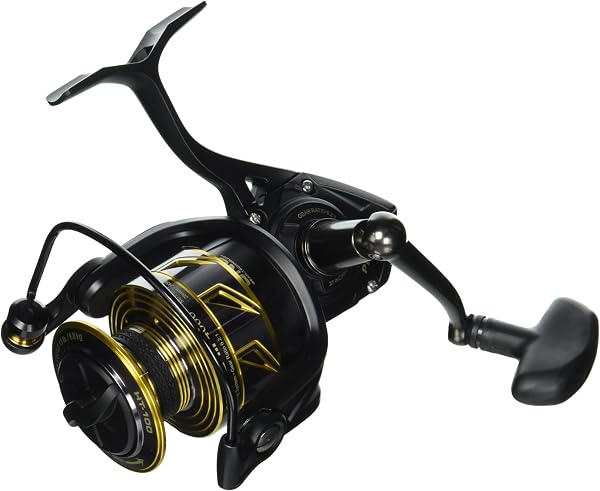
Penn Pursuit V
9.2Editor score5.6:1 gear ratio
20-lb max drag
4+1 sealed bearings
Graphite corrosion-resistant body
Find the right fishing reels for 2026. We compare 10 standout options by build quality, useful features, owner feedback, value, and everyday trade-offs.
Find the right fishing reels for 2026 without sorting through endless spec sheets. We compare 10 standout spinning options by the factors that matter most on the water, including drag strength, gear ratio, bearing count, body material, line capacity, saltwater readiness, price, owner feedback, and everyday trade-offs.
Every reel here is a spinning model, but they serve very different anglers. A compact reel built for ponds and ice holes has little in common with a surf caster rated for heavy drag, and paying for strength you never use only adds weight and cost. Start by matching reel size to your target fish.
From there, weigh the details that shape a day of fishing: smooth retrieves, sealed components, spool design for braided line, and how the reel feels after hours of casting. The comparison below separates budget picks, all-rounders, and premium builds so you can narrow the field quickly and choose with confidence.
We compared 10 spinning reels using the details that help an angler decide: drag rating, gear ratio, bearing count, body and spool materials, line capacity, saltwater readiness, handle design, owner feedback, and price. The notes focus on real trade-offs, such as weight versus strength and budget versus refinement, so each pick connects to how people actually fish lakes, rivers, inshore flats, and surf.

Compare key features, scores, and current prices side by side. A shorter feature list means fewer details were available, not necessarily fewer capabilities.
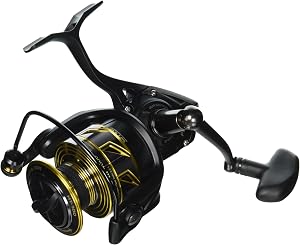


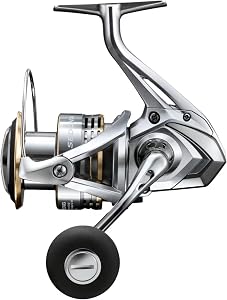


The Penn Battle IV is the reel to look at if you want a saltwater-capable spinning reel that feels like a long-term purchase rather than a seasonal one. Its body and sideplates are made from aluminum, which keeps the frame rigid under load, and that stiffness helps the gears stay aligned when a strong fish is pulling hard. It earns the top spot mostly on build quality and the best owner rating of the ten.
We may earn a commission when you buy through this link, at no additional cost to you.
Gearing is a highlight. The 6.2:1 ratio brings in roughly 35 inches of line per crank turn, which is quick enough for working lures across inshore flats and for catching up when a fish swims toward you. A forged and machined aluminum spool is paired with line capacity rings, and it is set up for braided line without a backing layer. Six bearings, including an instant anti-reverse, keep the retrieve consistent.
Drag is where you should be realistic. The HT-100 carbon fiber washer system tops out at 15 pounds, which is plenty for redfish, speckled trout, and similar inshore targets but not what you want for large surf species. In daily use, the value of this reel shows in the way it holds together over repeated trips, so rinsing it with fresh water after salt exposure is the best way to protect that investment.
Mono and braid capacities are listed across several pound-test ratings, so pick a line weight that suits your target species rather than filling the spool with the heaviest option. Lighter braid on a reel with a 15-pound drag ceiling lets you set the drag well below the line breaking strength, which is the safer way to fight a hard run.
Choose the Battle IV if you fish inshore or in mixed water and plan to keep the same reel for years. Skip it if your budget is tight or if raw drag numbers drive your decision, because several cheaper reels here advertise higher maximum drag. Anglers who value refinement and durability over headline specs will get the most from this one.
Not ideal for buyers who need very high maximum drag for big surf fish or who want the lowest possible price.
We may earn a commission when you buy through this link, at no additional cost to you.
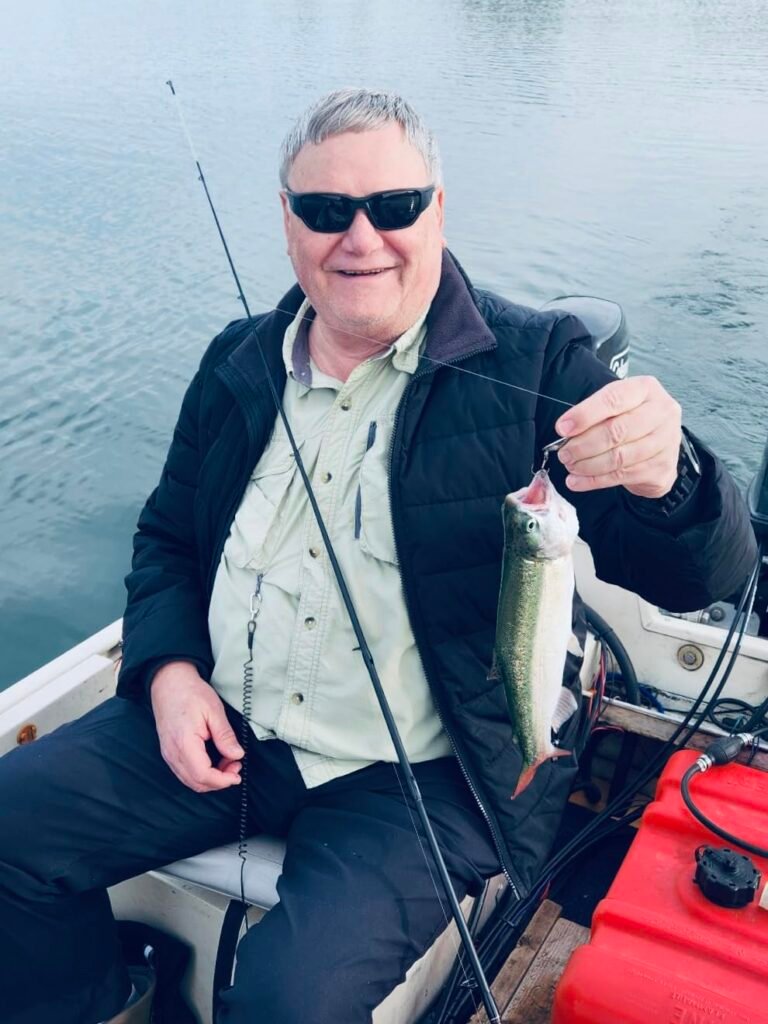
The Penn Pursuit V in size 5000 is aimed at anglers who bounce between inshore water, the surf, and the occasional boat trip. It uses a graphite body that resists corrosion and keeps carrying weight reasonable, which matters when you are casting all afternoon. A 5.6:1 ratio recovers about 36 inches of line per turn, a balanced pace for bait rigs and slower-moving lures.
We may earn a commission when you buy through this link, at no additional cost to you.
The drag system is the main draw. The HT-100 carbon fiber washers support up to 20 pounds of drag, stepping up from the Battle IV, and the machined, anodized aluminum spool is ready for braid. Capacity is generous at this size, with 420 yards of 20-pound braid listed, so long casts and long runs are less likely to leave you looking at bare spool.
Four sealed stainless bearings plus an anti-reverse bearing handle the retrieve, and the handle can be switched for left or right hand use. Line capacity rings are a small feature with real value, since they let you see how much line you have used during a fight. If you fish saltwater regularly, build a habit of rinsing the reel after each trip.
The rings give you a quick visual check on how much line remains, which helps if you fish around structure and strip line frequently. Refill the spool before it gets low, because a half-empty spool shortens casting distance even when the line itself is still in good shape.
This is a sensible pick for anglers who want one reel for several saltwater situations without stepping up to a surf-specific outfit. If your fishing is mostly finesse work on lakes, a smaller and lighter reel will feel better. For general inshore, pier, and light surf use, the Pursuit V offers a useful blend of drag and capacity.
Not the right choice for anglers who want the fastest retrieve or a fully aluminum frame.
We may earn a commission when you buy through this link, at no additional cost to you.
The KastKing Sharky is built for anglers who want large drag numbers and saltwater-ready features without paying premium-brand prices. It uses a reinforced graphite body and rotor to keep weight down, along with an oversized stainless main shaft and brass pinion gear for strength where load is highest. For the money, the feature list is long.
We may earn a commission when you buy through this link, at no additional cost to you.
The headline is a triple-disc carbon fiber drag rated up to 39.5 pounds in the largest sizes. Treat that as a ceiling, not a setting, since most fishing uses a small fraction of maximum drag. What matters more is smooth startup, and carbon discs are chosen for that. Smaller sizes carry lower ratings, so check the size you want.
KastKing adds its Intrusion Shield System, a sealed layout designed to keep water and dirt away from the spool, body, and rotor. Combined with ten double-shielded stainless bearings and instant anti-reverse, it gives the reel a quiet, even retrieve. The Shark Fin aluminum spool is set up for braid, so backing line is unnecessary, and the aluminum handle helps durability.
A sealed design reduces water and grit entering the reel, but it does not make maintenance optional. Rinse gently with fresh water after salt use, let the reel dry with the drag loosened, and avoid spraying high-pressure water directly at seams.
Pick the Sharky if you fish both fresh and salt water and want strong drag capacity on a budget. It suits bass, catfish, inshore species, and pier fishing. Anglers who want the most rigid frame or long-term brand support may prefer a premium option, but few reels here pack this much hardware into this price range.
Not for anglers who prefer a fully metal frame or a well-known premium-brand name.
We may earn a commission when you buy through this link, at no additional cost to you.
This surf-focused spinning reel is designed for anglers who cast heavy baits from beaches, jetties, and piers. It comes in 8000, 10000, and 14000 sizes, which means big spools and long casting distances. The drag is advertised in the 55 to 61 pound range depending on the listing details, and six drag discs are meant to deliver steady pressure when a large fish makes a sustained run.
We may earn a commission when you buy through this link, at no additional cost to you.
Construction choices follow the surf use case. A thick stainless steel main shaft is meant to resist bending under strain, and the precision-machined aluminum spool is intended for braided line. A built-in line guide with a drop-shaped design aims to reduce tangles during long casts, which is a real annoyance in wind. The body uses a geometric reel seat layout to hold weight down.
Saltwater readiness is part of the pitch, and the reel carries reinforced components intended to keep water out. The practical advice is simple: rinse it with fresh water for a few minutes after each outing. A reel this large also demands a matching rod, since pairing it with a light, short rod will feel unbalanced and tiring over a long session.
Big spinning reels need a rod with enough backbone and a reel seat that fits securely. Before buying, check the rod rating for line weight and lure or bait weight, and if possible hold the reel on the rod to confirm the balance point sits near your hand.
Choose this reel if your fishing is heavy: long casts, large baits, and strong fish. It is overkill for freshwater panfish or small inshore species, where a smaller reel will be lighter and more comfortable. Buyers should confirm size, line capacity, and rod compatibility before ordering, because choosing the wrong size is the most common mistake with oversized reels.
Not suitable for freshwater finesse fishing or anyone who wants a light, compact reel.
We may earn a commission when you buy through this link, at no additional cost to you.
The Piscifun Viper X makes a strong case as the best value for anglers who want one reel line that covers several types of fishing. It spans sizes 500 to 5000, so you can choose a compact reel for trout and panfish or a larger one for bass, walleye, or bigger freshwater targets. Pricing is low, yet the spec sheet reads like something from a higher tier.
We may earn a commission when you buy through this link, at no additional cost to you.
Internals are the strength here. A reinforced stainless steel main shaft pairs with a zinc alloy drive gear, and carbon fiber drag provides up to 33 pounds of maximum pressure, depending on size. Ten shielded stainless bearings plus an anti-reverse bearing support a smooth cranking feel. The graphite frame and rotor keep weight low enough for long days of casting.
Gear ratio is tied to size, which is a useful detail. Sizes 500, 1000, and 5000 use 5.2:1, while 2000 through 4000 use 6.2:1. That means the sizes most anglers use for finesse and general lure fishing get the faster retrieve. Sealing features, including a one-way clutch bushing and shielded bearings, are meant to help resist water and dirt.
A 1000 or 2000 suits light lines and small lures, 3000 to 4000 handles general freshwater work, and 5000 steps up for heavier fish. Choose based on the line weight you will spool, and avoid buying a larger size just for drag numbers you will rarely use.
This is a smart first reel and a smart backup reel. It suits anglers who want strong specs without stepping into premium pricing. If you need the stiffest possible frame for rough saltwater use, a metal-bodied reel may serve you better, but for freshwater and light saltwater work the Viper X delivers plenty.
Not ideal for buyers who need a full metal body for harsh saltwater conditions.
We may earn a commission when you buy through this link, at no additional cost to you.
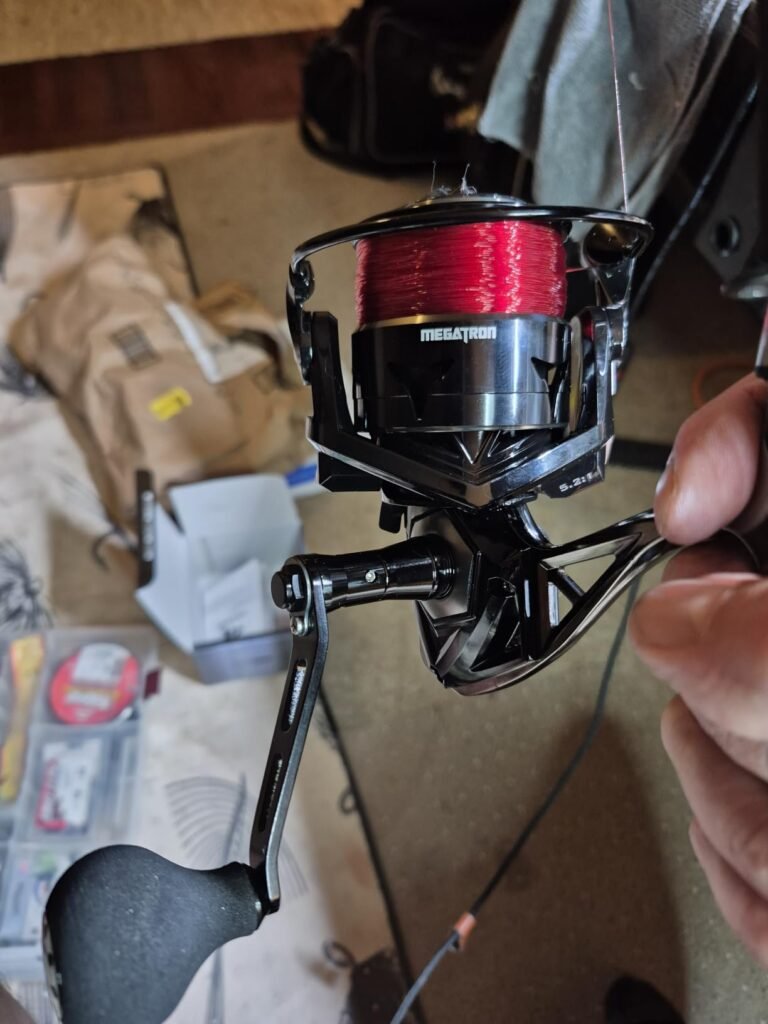
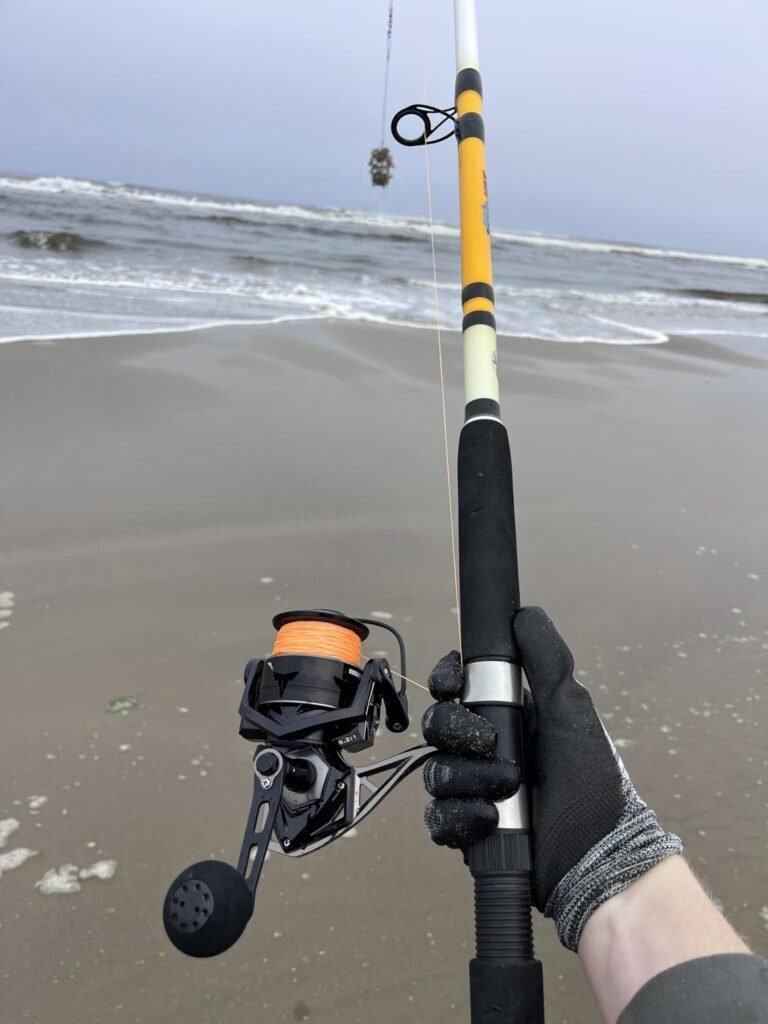
The KastKing Megatron stands out for its aluminum skeletal frame, a design that gives the body strength without a conventional solid housing. Metal frames resist flex under load, which can keep gears aligned when you are fighting a stubborn fish. Few reels near this price offer an aluminum body, and that is the main reason to consider it.
We may earn a commission when you buy through this link, at no additional cost to you.
Gearing and drag support the sturdy impression. The main drive gear is zinc alloy, the pinion is machined brass, and the spool is CNC-machined aluminum. A triple-disc carbon fiber drag is rated at over 30 pounds, enough for strong freshwater and many saltwater fish. Seven shielded stainless bearings plus an anti-reverse bearing support the retrieve.
The 5.2:1 gear ratio favors power over speed, a good fit for cranking bottom baits, retrieving heavier lures, or working slowly through cover. If you throw fast-moving lures like spinnerbaits or topwaters, the slower pace can be tiring. Metal also adds weight, so check the size you want and consider your rod and wrist comfort for longer days.
A lower ratio gives more cranking leverage, so heavy lures and strong current feel easier to work. Use it for deep-diving crankbaits, bottom-bouncing rigs, or fighting large fish where steady torque beats speed.
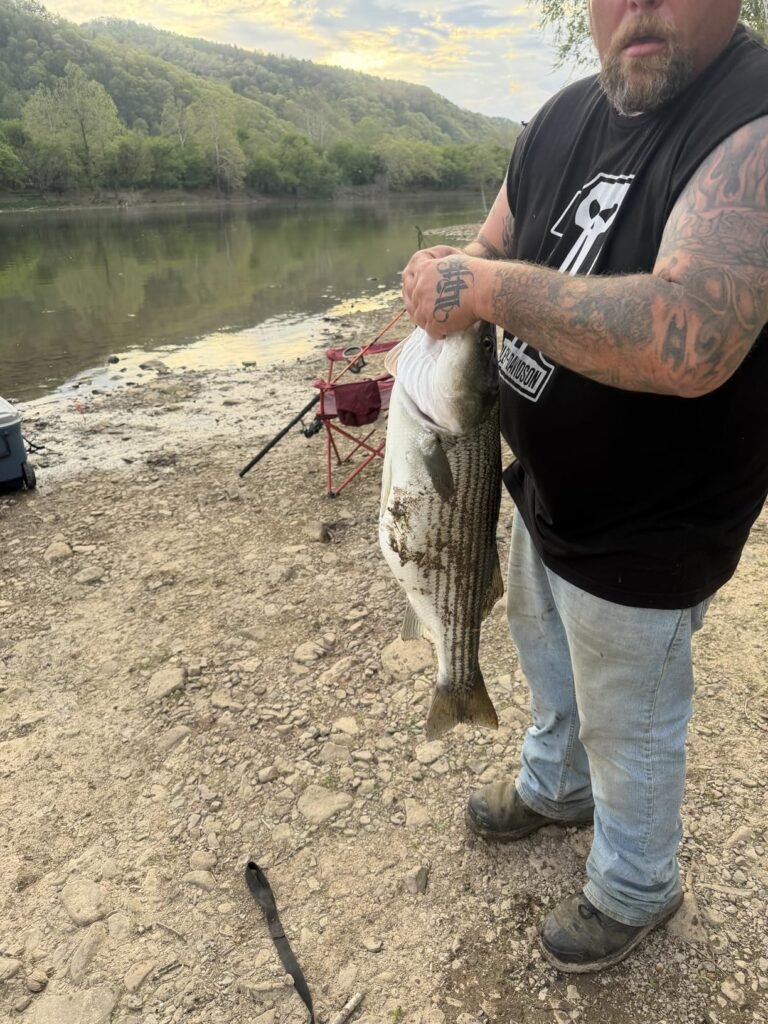
Pick the Megatron if durability matters more to you than the lightest feel and you want a metal body at a moderate price. It is a good match for catfish, striped bass, bank fishing, and general rough use. Anglers focused on finesse or all-day casting with light gear will probably be happier with a graphite alternative.
Not for anglers who want the lightest feel or a fast retrieve for quick-moving lures.
We may earn a commission when you buy through this link, at no additional cost to you.
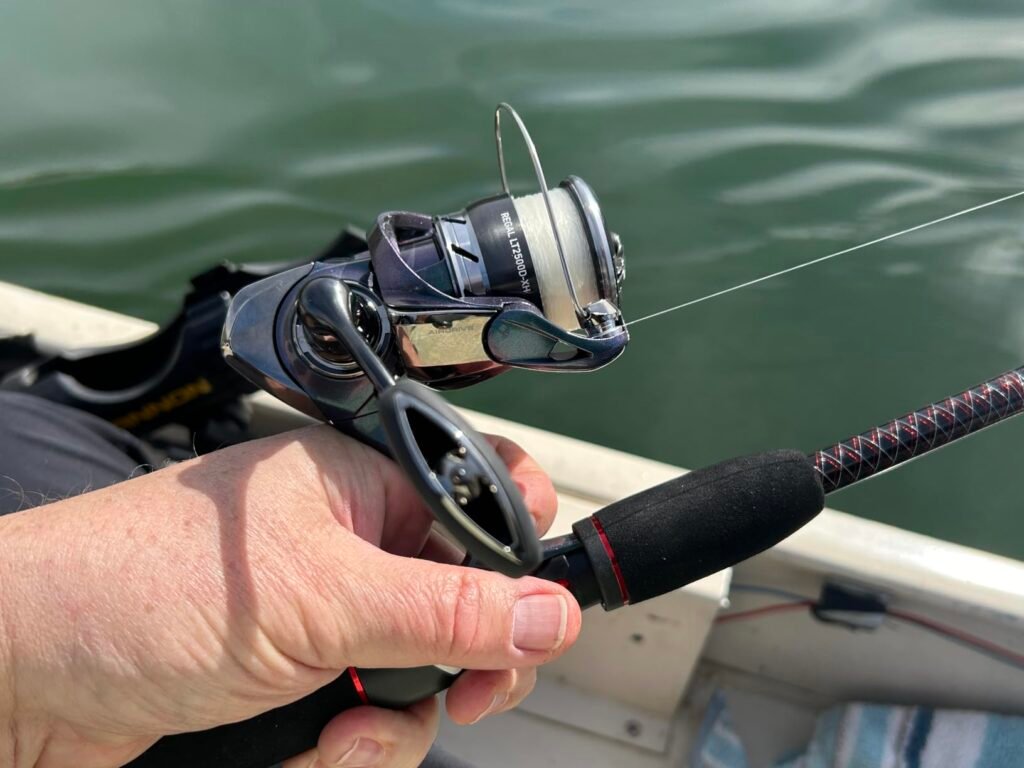
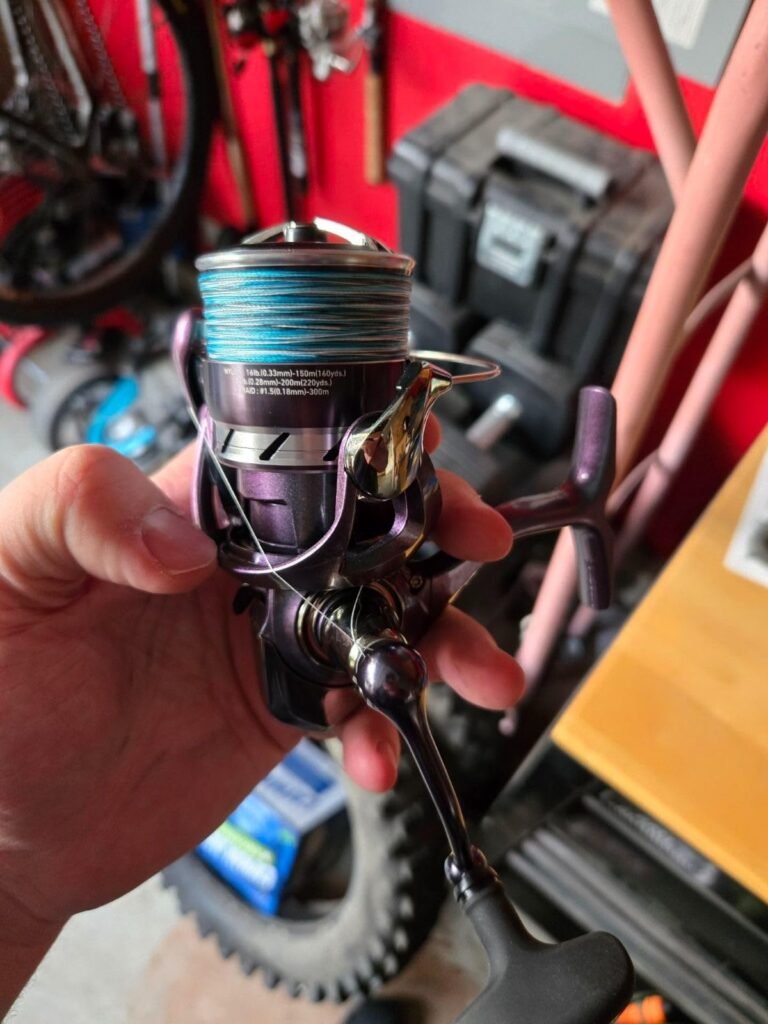
The Daiwa Regal LT is designed with freshwater anglers in mind, and its focus on light weight and balance reflects that. The Zaion V body uses a blend of resin and carbon material meant to stay strong while keeping mass low. If you cast small lures for hours on a lake or river, reducing fatigue is often worth more than raw power.
We may earn a commission when you buy through this link, at no additional cost to you.
The Air Rotor is another central feature. It is built to improve rotational balance and sensitivity, which helps you notice light bites and keeps the reel feeling smooth during the retrieve. Daiwa also includes its ATD drag, which uses a specially formulated grease that behaves differently at rest and at startup, aimed at smoother drag release when a fish pulls.
The deep spool design gives extra line capacity for a given reel size, which is useful if you fish open water, use thinner line, or want more room for casting long distances. Because published specs are limited, confirm the size, line ratings, and gear ratio on the product page for the exact model you order, and match your rod accordingly.
A deeper spool holds more line without increasing the reel body size, which helps when fishing open water or targeting fish that make longer runs. It can also reduce the need to refill after snags, but always fill it to the recommended level to avoid loops and wind knots.
Choose the Regal LT if your fishing is mostly lakes, ponds, and rivers and you value balance and sensitivity. It is a thoughtful option for finesse presentations and for anglers who like a reel that disappears in the hand. If you need heavy drag for large saltwater fish, look at one of the Penn or surf-oriented models instead.
Not designed for heavy saltwater or large game fish.
We may earn a commission when you buy through this link, at no additional cost to you.
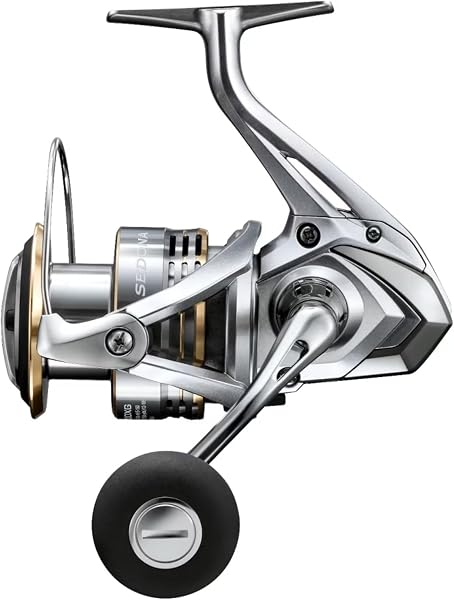
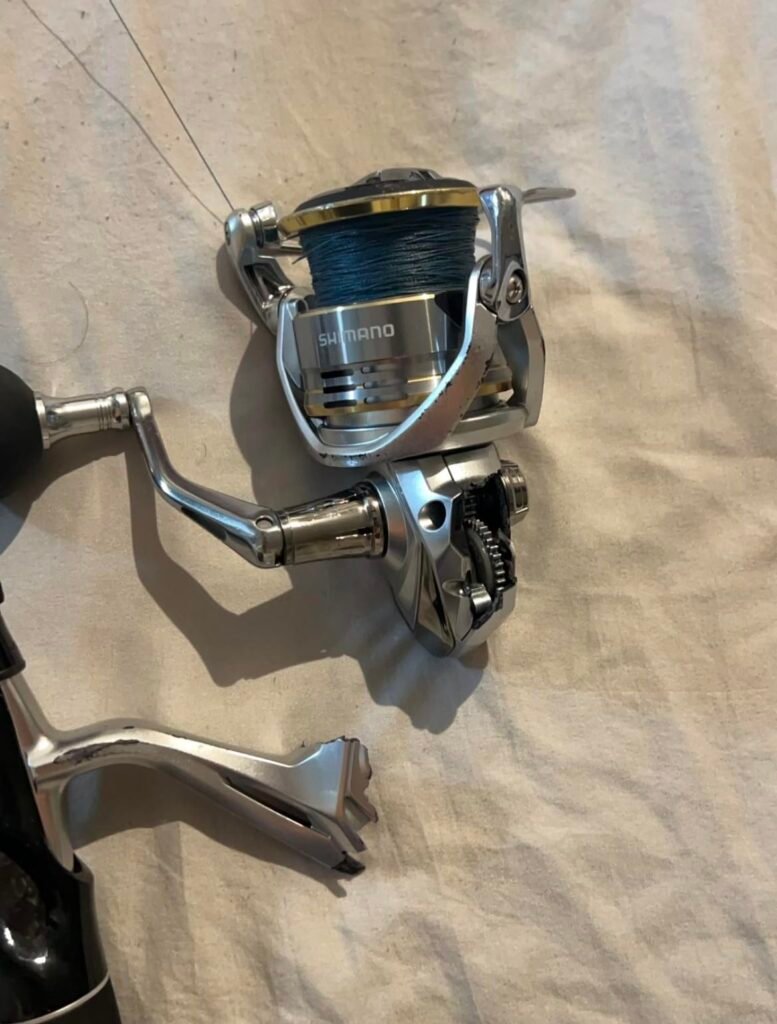
The Shimano Sedona appeals to anglers who prefer a familiar brand and a reel that avoids unnecessary complexity. It is a spinning reel with a clear, honest approach to numbers. A practical drag force of 13.3 pounds and a maximum of 24.3 pounds are both stated, which is helpful because the usable setting is more relevant than a headline maximum.
We may earn a commission when you buy through this link, at no additional cost to you.
Weight is listed at 11.2 ounces for the size described, which places it in a medium range for general freshwater and light saltwater use. The handle is 55 millimeters long, a comfortable length for cranking without extra stress on the wrist. Bearings total three ball bearings plus one roller, fewer than some competitors but sufficient for regular fishing.
Line ratings are provided for nylon, fluorocarbon, and PE braid, giving you a reasonable idea of how much line fits at different weights. As with any reel, size selection is key, and the capacity numbers vary by size, so pick one that suits your line diameter and target species. A reel like this rewards careful matching more than it rewards tinkering.
Practical drag is the pressure you can use during a fight without stressing components, while maximum drag is a peak figure. Setting drag to about a quarter to a third of your line strength is a common guideline and protects both line and knots.
Choose the Sedona if you want a no-fuss reel from a major brand and value simple operation over a long feature list. It suits anglers who fish a few times a month and want something dependable. If you want maximum bearings and sealed protections for the lowest price, KastKing models offer more raw specifications.
Not for buyers who want the longest feature list or highest bearing count at the lowest price.
We may earn a commission when you buy through this link, at no additional cost to you.
The KastKing Spartacus II is a lightweight spinning reel that handles both fresh and salt water, with particular appeal for anglers who fish in cold conditions. The brand highlights its performance in harsh winter weather, and the smaller sizes make it a natural fit for ice fishing as well as open-water use. Graphite construction keeps the reel light in the hand.
We may earn a commission when you buy through this link, at no additional cost to you.
A triple-disc carbon fiber drag delivers up to 22 pounds, a useful rating for light-line techniques since the drag is meant to engage smoothly. The gears are precision cut, with a brass pinion and metal main gear, and seven shielded stainless bearings support the retrieve. A ceramic line roller helps resist wear, which matters when you use braided line.
Sealing is handled through KastKing’s Intrusion Shield System, designed to protect the spool, rotor, and body from water and grit. An EVA handle knob improves grip, an important touch when gloves, cold hands, or wet conditions make smaller handles harder to hold. The 5.2:1 ratio is used across sizes 500 through 5000, giving a steady, power-oriented retrieve.
After cold-weather trips, let the reel warm up and dry completely before storing it, since trapped moisture can freeze in the next outing. Check that the drag is not stuck and avoid leaving the reel in a closed, damp case for long periods.
This reel is an easy recommendation for ice anglers, cold-weather bank fishing, and anyone who wants solid specs at a low price. It is also a sensible spare for a tackle bag. If you prefer a quick retrieve for fast lures, or demand a metal frame, other models in this comparison may fit better.
Not for anglers who want a fast retrieve or a rigid metal body.
We may earn a commission when you buy through this link, at no additional cost to you.
The KastKing Centron is the entry point for budget-minded anglers who still want a decent spec sheet. It offers up to 17.5 pounds of drag and a CNC-machined aluminum spool with a more even line lay and internal grooves designed to hold lubricant. For shoppers buying a first reel, a gift, or a spare, the price makes it easy to justify.
We may earn a commission when you buy through this link, at no additional cost to you.
Internally, it carries nine ball bearings and an instant-stop anti-reverse bearing, a high count for this price. A hardened metal main shaft, a precision-cut pinion, and a mesh drive gear back up the fish-fighting claim. A graphite frame and balancing system keep the reel compact, and a power launch lip on the spool is intended to help casting distance.
There are two color and handle options. The black and blue Centron is the standard version, while the white and blue Centron Lite includes a collapsible handle, which makes it easier to pack in a tackle box, vest pocket, or travel bag. Sizes 500 and 1000 are specifically recommended for ice fishing, where small, light reels are the norm.
Match it with light line and a rod rated for small lures, and set the drag loosely so the reel yields before the line breaks. A budget reel performs best when used within its intended range and wiped down regularly.
Pick the Centron for panfish, trout, light bass fishing, and ice fishing, or as a low-cost spare. It is not the reel for large saltwater species, where drag and body strength become limiting. Check which version you are selecting before buying, since the collapsible handle belongs to the Lite model and is a feature that some travelers will value.
Not suitable for large saltwater fish or buyers who need high maximum drag.
We may earn a commission when you buy through this link, at no additional cost to you.
Choosing a spinning reel is easier when you decide where, what, and how you fish first. These factors explain what actually separates reels in this price range and where it makes sense to spend more.
Size is the first decision because it determines almost everything else: weight, spool volume, drag potential, and which rod you can pair it with. Small reels, such as sizes 500 to 2000, suit panfish, trout, and ice fishing. Mid sizes in the 3000 to 5000 range cover bass, walleye, inshore saltwater, and general use, while surf and pier fishing usually calls for 8000 and above, as seen on the long casting surf reel here.
Line capacity grows with size and depends on line diameter. Braided line is thinner than monofilament at the same strength, so a reel can hold far more braid than mono. The Penn Pursuit V, for example, lists capacity for both, and the difference is substantial. Always check the ratings against the line you actually plan to use rather than the largest figure on the page.
Decision advice: buy the smallest reel that handles your target fish and line. Extra size adds weight and cost, and a reel that feels heavy on the rod becomes tiring over a long day.
Drag is the mechanism that lets line slip when a fish pulls harder than your line can hold. Carbon fiber washers are common in better reels because they start smoothly and resist heat. Headline numbers can be misleading, since a reel rated for 39.5 pounds, like the KastKing Sharky, will rarely be set anywhere near that during normal fishing.
The more useful questions are how smooth the startup feels and whether the drag stays consistent across a long run. A practical figure, like the 13.3 pounds listed for the Shimano Sedona, is easier to compare. A common mistake is tightening the drag too much, which increases the risk of broken line or pulled hooks, especially with light braid.
Decision advice: choose drag capacity that matches your largest realistic fish, then prioritize smoothness over maximum rating. For freshwater use, 15 to 25 pounds is plenty. Heavy saltwater and surf fishing justifies higher numbers.
Gear ratio describes how many times the rotor turns for each handle turn. A higher ratio, such as the 6.2:1 on the Penn Battle IV, retrieves line faster per crank, which helps with fast lures, taking up slack, and keeping contact with a fish that swims toward you. A lower ratio, like 5.2:1 on the Megatron and Spartacus II, trades speed for cranking power.
Each approach has a place. Slow ratios feel easier with heavy lures, deep cranking, and strong current, while faster ratios suit topwater, jerkbaits, and open-water spinning. The Piscifun Viper X is an interesting case, with different ratios across sizes. Some anglers confuse ratio with total line per turn, which also depends on spool diameter.
Decision advice: if you only own one reel, a mid-range ratio around 5.6:1 to 6.2:1 handles most situations. Choose a slower ratio if you mostly fish bottom baits or heavy lures, and a faster one if you work lures quickly.
Graphite and composite bodies are light, resist corrosion, and keep price down, which is why many freshwater and light saltwater reels use them. Aluminum frames, as on the Penn Battle IV and KastKing Megatron, are stiffer and handle heavy loads with less flex but weigh more. Spools are often machined aluminum, which stays dimensionally stable and works well with braided line.
Rigidity matters most when fighting large fish or using heavy drag, because flex can misalign gears and make the reel feel rough. For finesse fishing, the weight savings of graphite, or lighter materials like the Daiwa Zaion V, may matter more. Many buyers assume metal is always better, but a well-made graphite reel can outlast a poorly built metal one.
Decision advice: choose metal for demanding saltwater and heavy use, and graphite or composite for light tackle and long casting days. Spool material and braid compatibility are worth checking if you plan to use superline.
Bearing counts are advertised heavily, with some reels listing ten or more. More bearings can contribute to smoother operation, but quality, shielding, and gear machining matter at least as much. A reel like the Sharky lists 10+1 shielded stainless bearings, while the Sedona uses fewer, and both can feel pleasant in use because overall design is what counts.
Instant anti-reverse is worth confirming, because it prevents the handle from slipping backward when you set the hook. Shielded or sealed bearings keep out contaminants, an advantage in saltwater and sandy environments. Buyers sometimes chase bearing numbers alone, ignoring gear precision and spool lay, which often has a larger impact on feel.
Decision advice: treat bearing count as a tiebreaker rather than a primary reason to buy. Look for shielded stainless bearings in saltwater reels and consider the maker’s reputation for gear quality.
Salt is hard on any reel, so saltwater use calls for corrosion-resistant materials, stainless hardware, and sealed or shielded components. Sealing systems, like KastKing’s Intrusion Shield System on the Sharky and Spartacus II, help limit water and grit entering the body, spool area, and rotor. The Penn reels are built around saltwater use, with stainless bearings and robust materials.
No sealing is perfect. Dunking a reel, spraying it with high pressure, or neglecting it after a trip can still cause corrosion and rough operation. A common mistake is assuming a reel marketed for both fresh and salt water needs no care. The most important habit is a gentle fresh water rinse after every saltwater session.
Decision advice: if you fish salt even occasionally, buy a reel designed for it and plan on regular rinsing. Freshwater-focused models like the Regal LT are fine for lakes and rivers, but should not be treated as saltwater tools.
Comfort affects how long you can fish. Handle length, knob shape, and reel weight determine hand fatigue. The Spartacus II uses an EVA knob that offers a secure grip even in cold or wet conditions, while the Sedona’s 55 millimeter handle is a practical, comfortable length. Many spinning reels also allow the handle to switch sides, so left and right hand users can set it up as they prefer.
Portability can matter too. The KastKing Centron Lite offers a collapsible handle that packs flat, useful for travel, backpacking, and tackle box storage. Heavy reels on lightweight rods feel unbalanced, so consider how the reel feels when mounted. A reel that looks great online can be annoying if its weight does not suit your rod.
Decision advice: if possible, choose the reel size and weight that balance your rod at the reel seat. Travelers and ice anglers should value compact design, while surf anglers should prioritize a handle that is comfortable under load.
Prices in this group range from about 25 dollars for the Centron to around 130 dollars for the Penn Battle IV. At lower prices, you often get strong spec sheets, such as high bearing counts and big drag ratings, but with graphite construction and less proven long-term durability. Premium reels typically offer tighter tolerances, better materials, and stronger brand support.
Think about how often you fish. A reel used weekly in saltwater will justify a higher spend, while a spare for occasional trips may not. Also consider replacement parts and service, since reputable brands usually make repairs easier. The cheapest option is not always the best value if you replace it every season.
Decision advice: set a budget based on frequency and conditions, then pick the best build within it. Spend more for saltwater and heavy use, and save money on light freshwater fishing where budget reels perform well.
Start by spooling line correctly. Fill the spool to just below the lip, because overfilling causes loops and wind knots while underfilling reduces casting distance. For reels with braid-ready spools, tie the line directly to the spool using an arbor knot. Set the drag before you start fishing by pulling line off and adjusting until it releases smoothly well below the line breaking strength.
Maintenance is simple but valuable. After saltwater trips, rinse the reel gently with fresh water, wipe it down, and let it dry with the drag loosened to avoid compressing the washers. Avoid blasting the reel with a hose, which can force water past seals. Periodically add a drop of reel oil to the handle and bail pivot points, and use reel grease on gears only if you know how to open the reel safely.
Store reels in a cool, dry place away from direct sunlight. Retire old line that feels brittle or has visible wear, and check the line roller for grooves that could fray braid. Before each season, spin the handle, check the bail action, and test the drag. A small amount of regular care extends the life of nearly every reel, from entry-level to premium.
Choose size based on your target fish and line weight. Sizes 500 to 2000 suit panfish, trout, and ice fishing. Sizes 3000 to 5000 cover bass, walleye, and inshore saltwater, while 8000 and larger are for surf and pier fishing. If you are unsure, a 3000 is a flexible starting point for many anglers.
No. Maximum drag is a peak figure, and most fishing uses only a fraction of it. What matters more is smooth startup and consistent pressure. A common guideline is to set drag to about a quarter to a third of your line strength. Choose enough capacity for your largest fish, then focus on smoothness.
Many reels are designed for both, including the KastKing Sharky and Spartacus II. Saltwater use demands corrosion-resistant parts, sealed bearings, and regular rinsing. If you switch between environments, rinse the reel after every saltwater trip. A freshwater-focused reel should not be used in salt unless the maker states it is suitable.
A ratio between about 5.2:1 and 6.2:1 handles most situations. Lower ratios give more cranking power for heavy lures and bottom fishing. Higher ratios retrieve faster, which helps with quick-moving lures and taking up slack. If you want one versatile reel, choose a mid-range ratio.
Not always. Bearings help, but gear quality, machining tolerances, and spool design also affect smoothness. A reel with ten bearings is not automatically better than one with four. Look for shielded stainless bearings and an instant anti-reverse bearing, then consider reviews and brand reputation.
Yes, most modern spinning reels work with braid, and several models here have spools built for it, such as the Penn Battle IV, Penn Pursuit V, and KastKing Sharky. Braid-ready spools reduce slipping, so backing line may not be needed. Tie braid directly to the spool and consider a mono or fluorocarbon leader.
Small sizes with smooth drag and a secure grip work best. The KastKing Centron in sizes 500 and 1000 and the Spartacus II are both positioned for ice and cold conditions. Choose a light reel that balances on a short ice rod, and dry it completely after each trip.
Rinse after saltwater use and wipe it down after any trip. Oil the handle and bail pivots occasionally, and have the gears cleaned and greased once a year if you fish often. Heavy use or sandy conditions may call for more frequent attention.
It depends on how you fish. Metal frames flex less under heavy loads, which suits saltwater and large fish. Graphite reels are lighter and cheaper, which suits finesse and all-day casting. If you rarely fight strong fish, graphite is usually the more comfortable choice.
Budget reels such as the Centron and Spartacus II deliver strong specs for casual use. Premium options like the Penn Battle IV offer stiffer construction and stronger brand support, which helps if you fish frequently or in salt. Match spending to how often and where you fish.
The Penn Battle IV is the strongest overall choice in this group. Its aluminum body, quick 6.2:1 retrieve, braid-ready spool, and top owner rating make it a durable, refined option for anglers who fish regularly, especially inshore. It costs more than most competitors, but the build quality and consistency justify the price for buyers who plan to keep it for years.
Other buyers have strong alternatives. The Piscifun Viper X offers the best balance of size choices, bearings, and drag at a low price. The KastKing Sharky and Spartacus II provide sealed designs and strong drag for the money. The Penn Pursuit V suits mixed saltwater use, the surf reel handles big casting, and the Centron is a handy budget or ice-fishing pick.
Make your final decision by starting with the fish and water you target, then choose size, drag, and body material to match. Spend more where durability counts, such as saltwater and heavy use, and save where lighter duty allows. A reel matched to your actual fishing will outperform a bigger, pricier reel that does not fit your needs.