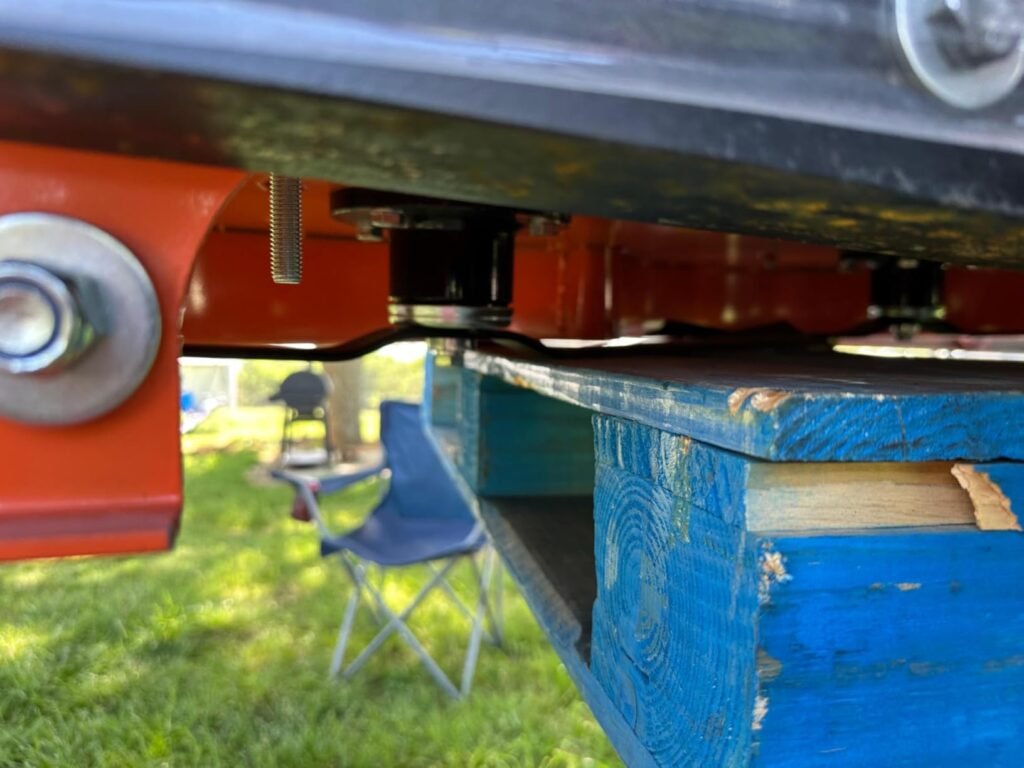
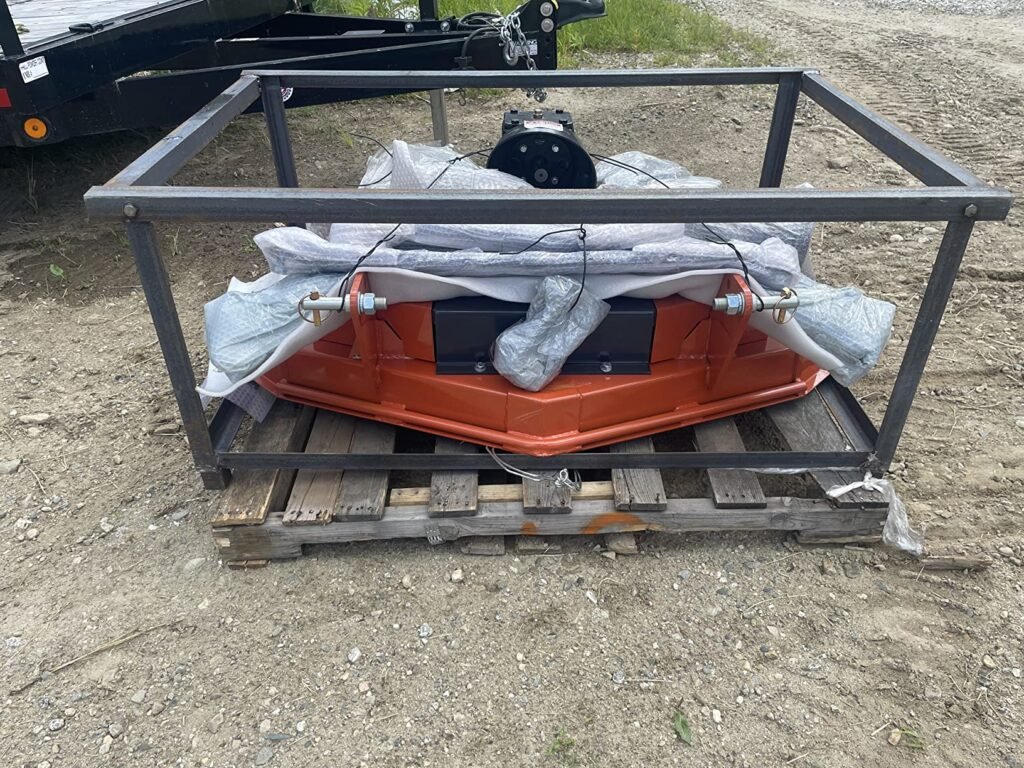
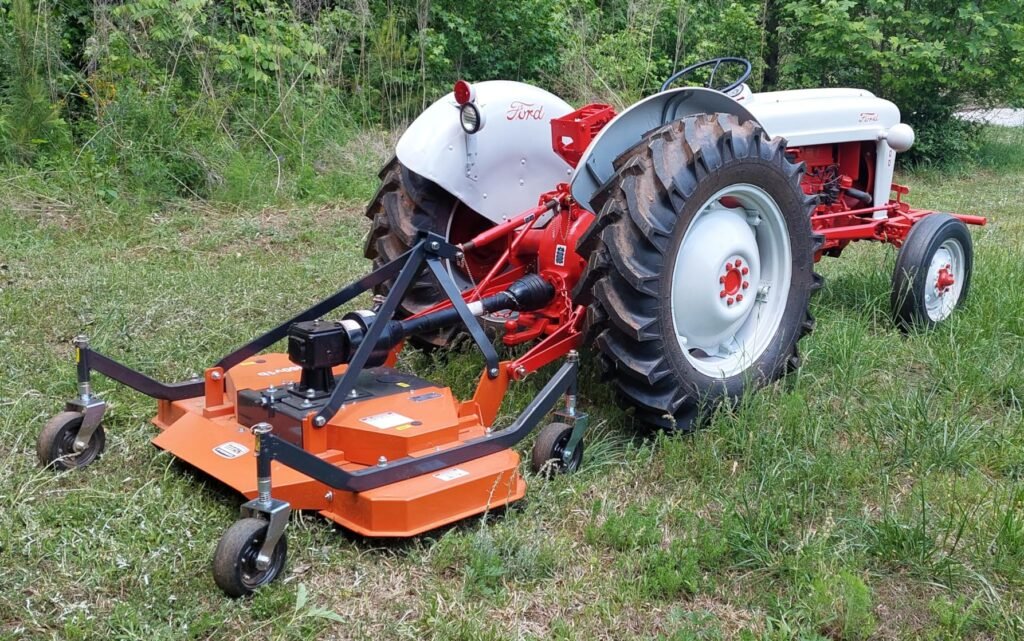
Titan 72-Inch PTO
7.2Editor score72-inch cutting width
30 to 50 hp
Cast iron gearbox
Titan quick hitch
Find the right finishing mowers for 2026. We compare 4 standout options by build quality, useful features, owner feedback, value, and everyday trade-offs.

Find the right finishing mowers for 2026. We compare 4 standout options by the factors that shape a clean, even cut, including cutting width, PTO horsepower requirements, hitch compatibility, blade count and material, discharge style, height adjustment range, and deck construction, so you can match a mower to your tractor and property.
Finishing mowers range from PTO-driven tractor attachments that groom multi-acre pastures to lightweight battery push mowers that manicure suburban lawns. The gap between these categories is significant, and choosing the wrong type means either overspending on capacity you will never use or struggling with a machine that cannot keep up with your acreage.
This guide walks through each model with a focus on practical compatibility, cut quality, and long-term durability. Whether you need a rear-discharge PTO mower for a compact tractor or a cordless push mower for a small yard, the reviews and buying advice below will help you narrow the field.
We compared 4 finishing mowers using the details that actually help a buyer decide: cutting width, power source and PTO requirements, hitch category, blade material and count, discharge design, height adjustment range, deck construction, tire configuration, owner feedback, and value. The notes focus on practical trade-offs so each pick connects to how property owners actually maintain smooth, groomed turf across different acreages and terrain types.


Compare key features, scores, and current prices side by side. A shorter feature list means fewer details were available, not necessarily fewer capabilities.


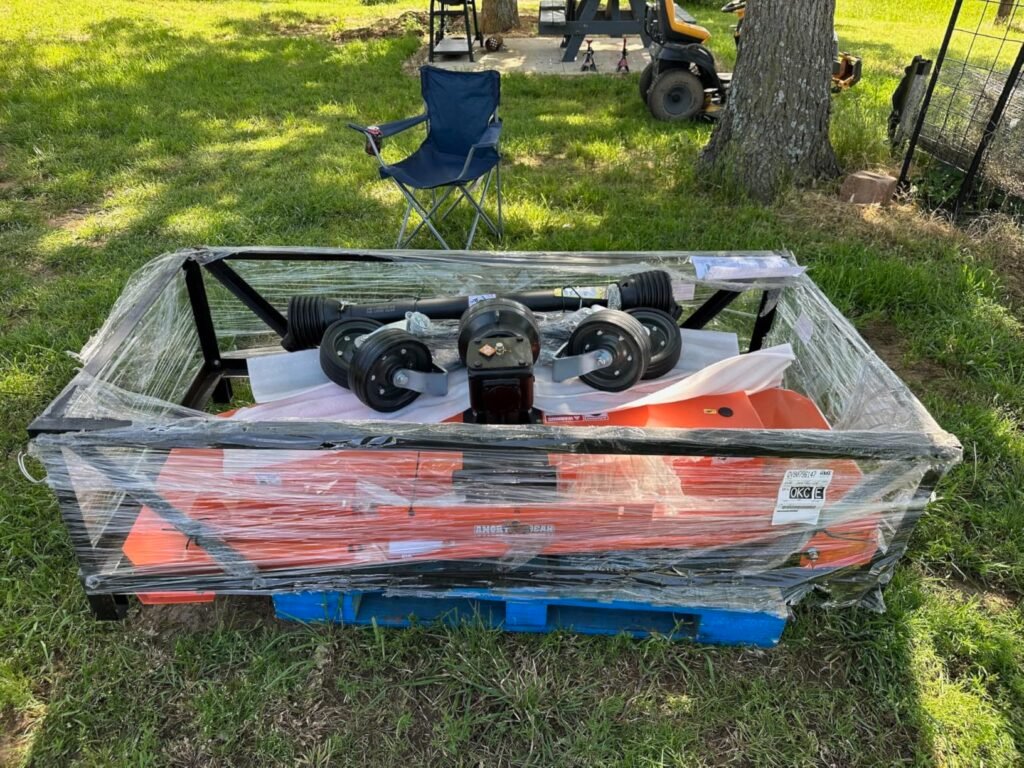
This 60-inch PTO finish mower targets property owners with compact to mid-size tractors who need a grooming attachment capable of maintaining pastures, large lawns, and open fields. The 60-inch working width strikes a practical balance between coverage efficiency and maneuverability, making it suitable for properties in the 2 to 10 acre range where a narrower mower would require too many passes but a 72-inch deck might be difficult to navigate around trees and structures.
We may earn a commission when you buy through this link, at no additional cost to you.
The three heat-treated steel blades handle material up to 0.75 inches in diameter, which means this mower can tackle not just manicured turf but also occasional patches of thicker grass and light brush that would stall a lighter-duty finishing mower. The floating hitch is a meaningful design feature for uneven terrain, keeping all four tires on the ground and allowing the blades to follow the contour of the land rather than scalping high spots or missing low areas.
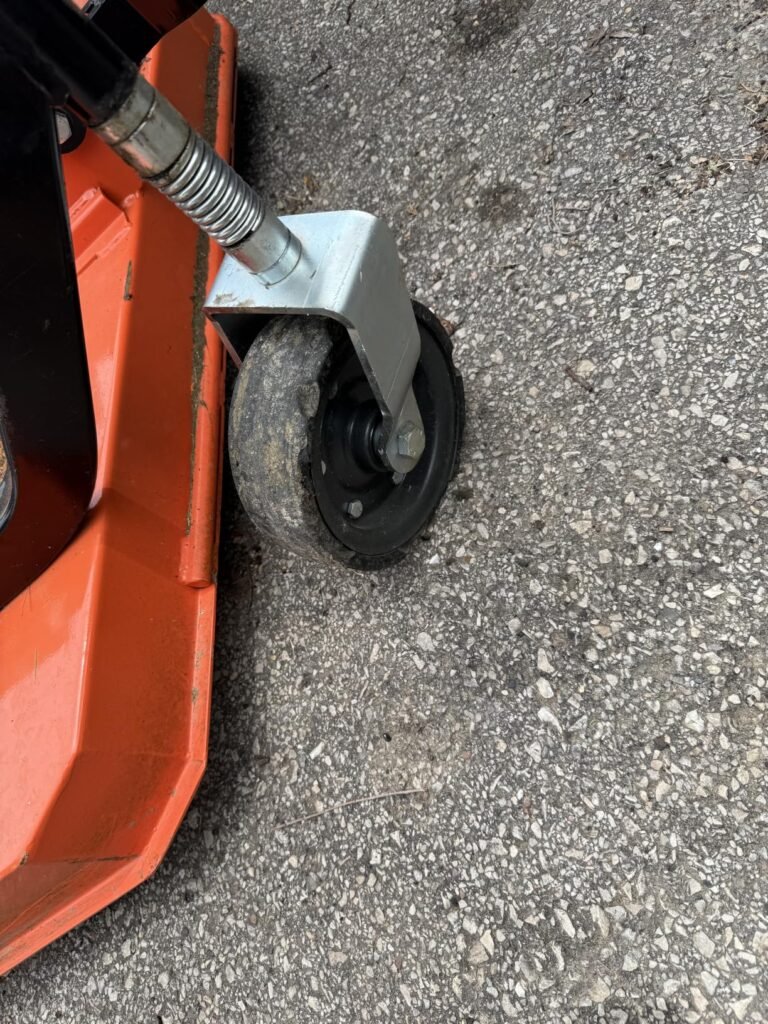
Height adjustment spans from 0.4 to 4.5 inches via adjustable wheel brackets, giving you a wider range than many competing PTO mowers. The lower end of that range is useful for achieving a tight, golf-course-style finish on established turf, while the upper end lets you knock down taller growth without overloading the blades. The four solid tires eliminate flat-tire concerns when working around thorns, rocks, and debris, and they support the mower during transport to and from storage.
A floating hitch allows the mower deck to pivot independently of the tractor’s three-point linkage, so the deck follows the ground contour rather than being held rigidly at a fixed angle. On uneven terrain with dips, rises, and slopes, this prevents the blades from scalping high spots and leaving uncut strips in low areas. The result is a more uniform finish across the entire mowing path.
The trade-off is that this is a Category 1 three-point hitch attachment, so you need a compatible tractor with a PTO driveshaft in the 18 to 50 hp range. Buyers without a tractor should look at the push mower options in this guide instead. For tractor owners who want a dependable, wide-cut finishing mower at a reasonable price point, this 60-inch model delivers strong value and the flexibility to handle varied terrain and grass conditions.
Homeowners without a PTO-equipped tractor or those maintaining lawns under one acre.
We may earn a commission when you buy through this link, at no additional cost to you.
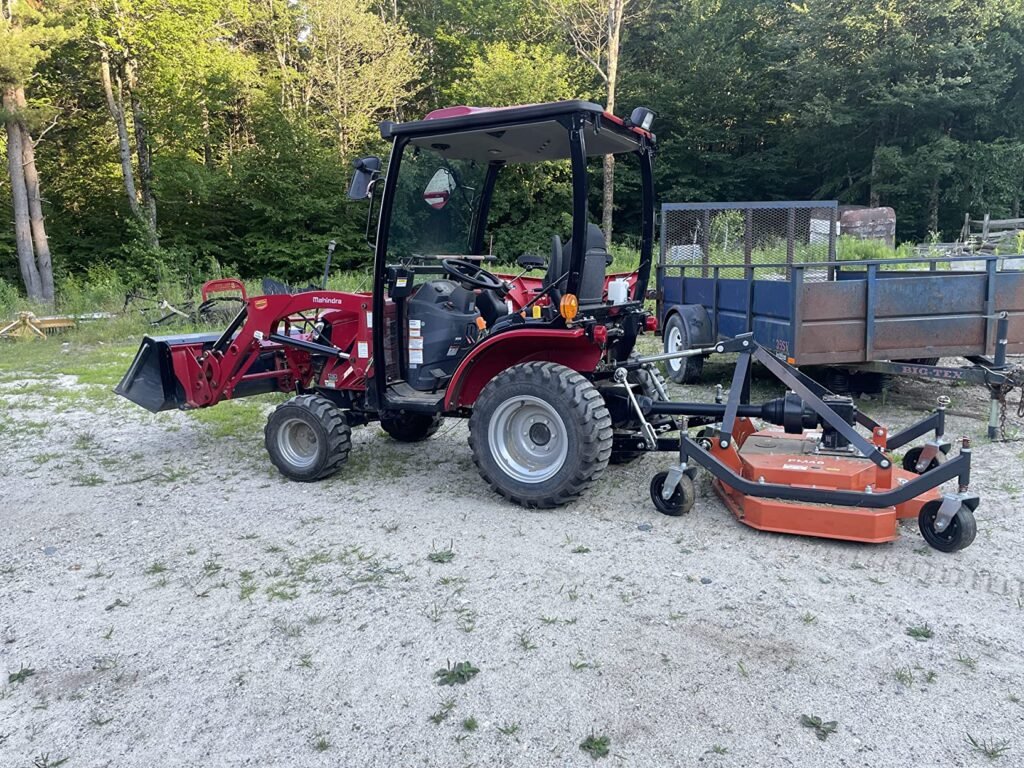
The Titan Attachments 72-inch finish mower is built for property owners with larger tractors and open acreage where cutting width directly translates to time savings. The 72-inch deck covers 20 percent more ground per pass than a 60-inch model, which adds up significantly over a multi-acre property. If you regularly mow 5 or more acres of relatively open terrain, the extra width can shave meaningful time off each mowing session.
We may earn a commission when you buy through this link, at no additional cost to you.
The cast iron gearbox is a durability highlight. Cast iron absorbs vibration more effectively than aluminum alternatives and tends to run quieter under sustained PTO load, which matters during long mowing sessions. The gearbox drives three heat-treated blades through the wide deck, and the rear discharge design spreads clippings evenly behind the mower rather than windrowing them to one side, producing a cleaner finish on groomed turf.
Titan quick hitch compatibility is a genuine convenience for owners who run multiple implements. If you already use Titan quick hitch adapters on your three-point linkage, swapping between the finish mower and a box blade, post hole digger, or other attachment takes seconds rather than minutes of pin-pulling and alignment. The floating hitch and adjustable wheel brackets let you set cutting height from 0.4 to 3.2 inches to match turf conditions.
Rear discharge mowers spread clippings evenly across the full width of the cut behind the deck, which produces a more uniform appearance on groomed lawns and avoids the heavy windrows that side discharge can leave along the mowing path. Side discharge is better for very tall or wet grass where clippings need to be thrown clear of the deck to prevent clogging. For finishing work on maintained turf, rear discharge typically delivers the cleaner result.
The trade-offs include the higher horsepower requirement of 30 to 50 hp, which rules out the smallest compact tractors, and the lower average customer rating compared to the 60-inch model. The higher price also represents a significant investment. For owners of larger properties with adequately powered tractors who prioritize maximum cutting width and long-term gearbox durability, the Titan 72-inch model is a strong contender.
Owners of compact tractors under 30 hp or properties with many tight obstacles that make a 72-inch deck difficult to maneuver.
We may earn a commission when you buy through this link, at no additional cost to you.
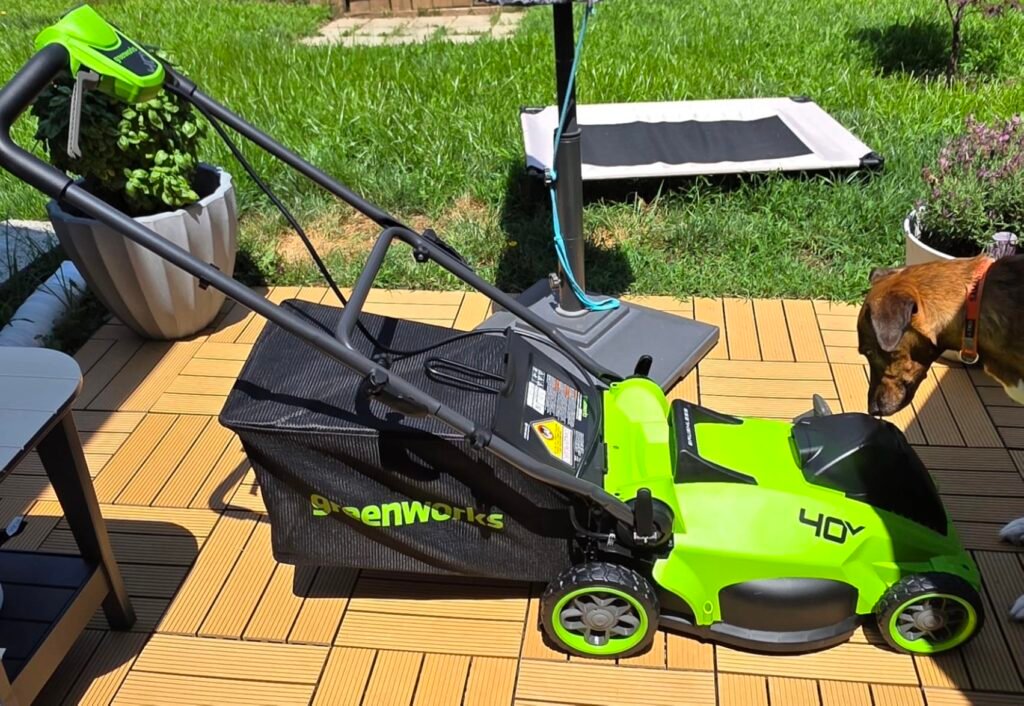
The Greenworks 40V 16-inch push mower fills a completely different niche from the PTO finishing mowers above. It is designed for homeowners with small to medium lawns up to about one-third of an acre who want a quiet, lightweight, and maintenance-free alternative to gas mowers. If your finishing work involves a suburban yard rather than a multi-acre pasture, this cordless model is the practical choice.

We may earn a commission when you buy through this link, at no additional cost to you.
The 40V 4.0Ah battery provides enough runtime for a typical small lawn on a single charge, though actual runtime varies with grass thickness, height, and mowing conditions. The 16-inch cutting deck is compact enough to maneuver around garden beds, trees, and tight spaces that would be impossible with a tractor-mounted mower. The 2-in-1 system lets you switch between mulching, which returns fine clippings to the soil as nutrients, and rear bagging for a cleaner appearance.
Weight is a genuine advantage here. At 35 percent lighter than comparable steel-deck mowers, this Greenworks model is easy to push, lift, and store, which matters for older users or anyone with a sloped yard. The single-lever 5-position height adjustment simplifies changing cutting height between seasons, and the entire system integrates with the broader Greenworks 40V tool platform, meaning the same battery can power trimmers, blowers, and chainsaws.
Choosing a mower within a broader battery ecosystem like the Greenworks 40V system means your batteries are interchangeable across dozens of outdoor power tools. Instead of buying separate batteries for a trimmer, blower, and mower, you can share a set of charged batteries across all your yard equipment, reducing cost and simplifying charging logistics.
The trade-off is limited cutting width and battery capacity. A 16-inch deck requires more passes than a 21-inch model, and the single 4.0Ah battery may not complete larger lawns without a recharge break. For buyers maintaining a compact suburban lawn who value quiet operation, zero emissions, and minimal maintenance, this Greenworks mower delivers a clean finish with very little fuss.
Property owners with lawns larger than one-third acre or those who need to cut tall, thick grass regularly.
We may earn a commission when you buy through this link, at no additional cost to you.
The SENIX 21-inch gas push mower targets homeowners with medium-sized lawns up to about half an acre who need more sustained power than a battery mower can provide. The 144cc 4-cycle engine maintains steady RPMs under load, which helps when cutting through thick grass, dense patches, or gentle slopes that would cause a smaller engine to bog down or stall.
We may earn a commission when you buy through this link, at no additional cost to you.
The 21-inch cutting deck covers significantly more ground per pass than the 16-inch Greenworks model, reducing total mowing time on larger residential lots. The 2-in-1 system offers mulching for nutrient return and side discharge for handling taller or wetter grass conditions. The dual-lever 6-position height adjustment spans from 1.25 to 3.75 inches, giving you fine control over cutting height for different seasons and turf types without reaching for tools.
A standout usability feature is the oversized wheel configuration. The 8-inch front and 11-inch rear wheels reduce rolling resistance compared to standard 7-inch wheels, making the mower noticeably easier to push over roots, rocks, and uneven ground. For yards with rough terrain or slopes, the high-rear-wheel design helps the mower glide rather than catch and drag, which reduces operator fatigue during longer mowing sessions.
Larger rear wheels raise the back of the mower deck slightly and reduce the effort needed to push the machine over obstacles and uneven ground. This design is especially helpful on bumpy lawns, around tree roots, and on gentle slopes where small wheels tend to dig in and create drag. The trade-off is a slightly larger turning radius compared to mowers with uniform small wheels.
The trade-off is the inherent maintenance burden of a gas engine, including oil changes, air filter cleaning, spark plug replacement, and fuel storage considerations. Gas mowers are also heavier and noisier than battery alternatives. For homeowners who need unlimited runtime and strong cutting power for a medium-sized lawn and do not mind seasonal engine maintenance, the SENIX offers a capable and well-equipped gas mower at a competitive price.
Buyers who want zero-emission, low-maintenance mowing or those with very small lawns where a lighter battery mower would suffice.
We may earn a commission when you buy through this link, at no additional cost to you.
Finishing mowers serve a specific purpose: producing a clean, even, manicured cut on maintained turf. The right choice depends on your property size, the equipment you already own, and the terrain you need to mow. The factors below cover the most important decision points.
The most fundamental decision is whether you need a PTO-driven finishing mower that attaches to a tractor or a standalone push mower for residential lawn care. PTO finishing mowers like the 60-inch FM150 and the Titan 72-inch model are designed for properties of 2 acres or more where a walk-behind mower would take far too long. They connect to your tractor’s power take-off shaft and three-point hitch, using the tractor’s engine to spin the mower blades.
Standalone push mowers like the Greenworks 40V and SENIX 21-inch are designed for residential lawns under one acre. They are self-contained units with their own power source, either battery or gas, and require no additional equipment. The choice between these categories is straightforward: if you own a tractor with a PTO and have acreage to maintain, a PTO finishing mower is the right tool. If you have a suburban lawn, a push mower is the practical choice.
Do not buy a PTO finishing mower unless you already own or plan to purchase a compatible tractor. The tractor horsepower requirements, hitch category, and PTO shaft speed must all match the mower specifications for safe and effective operation.
Cutting width determines how much ground you cover in a single pass and directly affects total mowing time. For PTO finishing mowers, common widths range from 48 to 72 inches. A 60-inch deck is a versatile middle ground that works well on properties of 2 to 10 acres with moderate obstacles. A 72-inch deck covers 20 percent more ground per pass and is ideal for larger, more open properties where maneuverability around tight spaces is less of a concern.
For push mowers, cutting widths typically range from 14 to 22 inches. A 16-inch deck suits small lawns under one-quarter acre where storage space is limited and maneuverability around garden features matters. A 21-inch deck is better for lawns between one-quarter and one-half acre, reducing the number of passes needed and cutting total mowing time significantly.
Match cutting width to your actual property layout, not just total acreage. A 72-inch mower is faster on open pasture but can be frustrating around closely spaced trees, fences, and structures. A narrower mower takes more passes but navigates obstacles more easily.
PTO finishing mowers require a specific range of tractor horsepower to operate effectively. Too little horsepower and the mower bogs down in thick grass, straining both the tractor engine and the mower gearbox. Too much horsepower is less of a problem but may indicate a mismatch in size class. The 60-inch FM150 works with tractors from 18 to 50 hp, giving it broad compatibility across compact and utility tractors. The Titan 72-inch requires 30 to 50 hp, limiting it to mid-size and larger compact tractors.
Hitch category is equally important. Most finishing mowers in this size range use a Category 1 three-point hitch, which is standard on compact tractors. Verify that your tractor has a Cat 1 hitch and a compatible PTO shaft before purchasing. Some mowers are also compatible with quick hitch systems, which allow you to attach and detach implements in seconds rather than manually aligning and inserting hitch pins.
Check your tractor’s owner manual for the exact PTO horsepower output, which is typically lower than the engine’s gross horsepower rating. Match the mower’s minimum hp requirement to your tractor’s PTO output, not its engine rating, to avoid underpowering the attachment.
Most PTO finishing mowers use three blades mounted on a shared spindle system beneath the deck. The blade material and heat treatment affect how well the blades hold an edge and how much abuse they can withstand before needing sharpening or replacement. Heat-treated steel blades, found on both the 60-inch and 72-inch models in this guide, resist dulling longer than untreated steel and can handle occasional contact with small sticks and woody stems.
Cutting capacity refers to the maximum diameter of material the mower can cleanly cut. The 60-inch FM150 handles material up to 0.75 inches in diameter, which covers thick grass clumps and light brush in addition to standard turf. If your property includes areas that grow woody or weedy between mowing sessions, a higher cutting capacity prevents blade damage and stalling.
For push mowers, blade design is simpler but still matters. A sharp, well-balanced blade produces a cleaner cut that heals faster and resists disease. Plan to sharpen or replace push mower blades at least once per mowing season for the best finish quality.
Discharge design determines where clippings go after they are cut, which affects both the appearance of the finished lawn and how the mower handles heavy growth. Rear discharge mowers spread clippings evenly across the full width of the cut behind the deck, producing a uniform appearance on groomed turf. This is the preferred design for finishing work because it avoids the heavy windrows and uneven clipping distribution that side discharge can create.
Side discharge mowers throw clippings out one side of the deck, which is more effective when cutting very tall or wet grass that might clog a rear discharge system. Some push mowers offer a 2-in-1 or 3-in-1 system that lets you switch between mulching, side discharge, and bagging depending on conditions. Mulching chops clippings into fine pieces that decompose quickly and return nutrients to the soil.
For dedicated finishing work on maintained turf, rear discharge is the standard. For versatile residential mowing that includes occasional tall grass or leaf cleanup, a multi-mode system provides more flexibility.
Cutting height adjustment lets you match the mower to seasonal conditions and turf type. A wider range gives you more flexibility. The 60-inch FM150 offers an impressive 0.4 to 4.5 inches, accommodating everything from a tight golf-course finish to knocking down taller growth. The Titan 72-inch covers 0.4 to 3.2 inches, which is sufficient for most maintained turf but does not reach as high for initial seasonal cleanup.
For push mowers, the SENIX offers 1.25 to 3.75 inches across 6 positions, while the Greenworks provides 5 positions within a similar range. Lower cutting heights produce a more manicured appearance but stress the grass during heat and drought. Higher settings protect root systems and shade the soil, which is beneficial during summer stress periods.
Look for tool-less height adjustment on push mowers and easy-to-reach wheel bracket adjustments on PTO mowers. Changing cutting height should be quick and straightforward, especially if you adjust frequently between seasons.
The mower deck houses the blades and determines the machine’s long-term durability. PTO finishing mower decks are typically constructed from heavy-gauge steel with a powder-coated or painted finish to resist rust from exposure to moisture and grass acids. A well-built deck maintains its shape under the stress of high-speed blade rotation and occasional impacts with hidden obstacles.
For push mowers, deck material options include steel, polymer, and aluminum. Steel decks are the most durable but heaviest. Polymer decks are lightweight and rust-proof but may crack under impact. The Greenworks uses a lightweight polymer deck to achieve its 35 percent weight reduction, while the SENIX uses a steel deck for durability at the cost of additional weight.
Prioritize deck construction based on your mowing environment. Rocky or debris-heavy terrain calls for a steel deck. Smooth, well-maintained lawns allow you to take advantage of lighter polymer designs without durability concerns.
Tire size and type affect how smoothly the mower rolls over uneven ground and how well it maintains consistent cutting height across bumpy terrain. PTO finishing mowers with four solid tires, like the 60-inch FM150, provide stable support and eliminate flat-tire concerns when working around thorns, rocks, and debris. Larger tires roll more easily over ruts and dips, helping the floating hitch keep the deck level.
For push mowers, the high-rear-wheel design on the SENIX reduces rolling resistance and makes the mower easier to push over obstacles and slopes. Smaller uniform wheels are more maneuverable in tight spaces but can catch on roots and uneven ground. Pneumatic tires provide a smoother ride but risk punctures, while solid or semi-pneumatic tires trade some comfort for reliability.
Match tire configuration to your terrain. Flat, smooth lawns work fine with any tire setup. Rough, uneven, or debris-strewn properties benefit from larger, solid tires that maintain stability and resist damage.
For PTO finishing mowers, proper setup begins with matching the mower to your tractor’s hitch and PTO shaft. Connect the three-point hitch arms to the mower’s mounting points, attach the PTO driveshaft to the tractor’s PTO stub, and secure all safety shields and chains before starting the engine. Set the cutting height using the wheel brackets before your first pass, and start with a higher setting to gauge the terrain before lowering to your desired finish height. Always engage the PTO at low engine RPM and gradually increase to operating speed to avoid shocking the gearbox and driveline.
During mowing, maintain a steady ground speed that allows the blades to cut cleanly without leaving uncut strips or windrowing clippings excessively. Overlapping each pass by a few inches ensures complete coverage and a uniform finish. For PTO mowers, avoid mowing in reverse with the blades engaged, and disengage the PTO before raising the mower for transport or turning sharply. On slopes, mow up and down rather than across to maintain stability and prevent the tractor from tipping.
Long-term maintenance extends the life of your finishing mower significantly. For PTO mowers, grease all fittings and the PTO shaft regularly, inspect blades for damage and sharpness after every few mowing sessions, and check the gearbox oil level according to the manufacturer’s schedule. Clean the underside of the deck periodically to prevent grass buildup that can accelerate corrosion and reduce cutting efficiency. For push mowers, change the engine oil and air filter on gas models at least once per season, keep the battery charged on cordless models, and sharpen blades when the cut quality begins to decline. Store all mowers in a dry location to prevent rust and deterioration.
A finishing mower is designed to produce a clean, even cut on maintained turf, similar to the quality you would expect from a residential lawn mower but at a larger scale. It uses multiple sharp blades spinning at high speed beneath a smooth deck to create a manicured appearance. A brush hog, by contrast, uses heavy swinging blades to cut through thick brush, saplings, and rough vegetation where cut quality is less important than clearing power. Finishing mowers are for groomed lawns and pastures, while brush hogs are for overgrown fields.
The required horsepower depends on the mower's cutting width. A 60-inch finishing mower typically needs 18 to 50 hp at the PTO, while a 72-inch model generally requires 30 to 50 hp. Always check the mower's specific horsepower range and compare it to your tractor's PTO output, which is lower than the engine's gross horsepower rating. Undersizing the tractor leads to poor cutting performance and potential drivetrain damage.
Finishing mowers are designed for maintained turf and light grass, not for clearing overgrown fields or heavy brush. Attempting to cut thick brush, saplings, or tall woody weeds with a finishing mower can damage the blades, spindle, and gearbox. If your property has areas of heavy overgrowth, clear them first with a brush hog or rotary cutter, then use the finishing mower for ongoing maintenance once the vegetation is under control.
For best cut quality, sharpen the blades every 20 to 25 hours of mowing time, or at least twice per mowing season for typical residential use. Dull blades tear the grass rather than cutting it cleanly, which leads to brown tips, increased disease susceptibility, and a ragged appearance. Inspect blades regularly for nicks, bends, and excessive wear, and replace them if they are damaged beyond sharpening.
Most finishing mowers in the 48 to 72-inch range use a Category 1 three-point hitch, which is the standard hitch size on compact and sub-compact tractors. Category 1 hitches have a lower link spacing of about 26 inches and a top link pin diameter of 3/4 inch. Verify your tractor's hitch category before purchasing to ensure compatibility. Some mowers also work with quick hitch adapters for faster implement changes.
For finishing mowing on maintained turf, rear discharge generally produces a cleaner, more uniform result because it spreads clippings evenly across the full width of the cut. Side discharge can leave visible windrows of clippings along the mowing path, which may require a second pass to distribute. However, side discharge handles very tall or wet grass better because it throws clippings clear of the deck more aggressively, reducing the risk of clogging.
Battery push mowers like the Greenworks 40V are effective finishing tools for lawns up to about one-third of an acre. Beyond that size, battery runtime becomes a limiting factor, and the narrower cutting width makes mowing time-consuming. For lawns between one-third and one-half acre, a gas push mower with a wider deck provides more practical coverage. For anything larger, a PTO finishing mower behind a tractor is the appropriate tool.
Clean the deck thoroughly, removing all grass clippings and debris from the underside to prevent corrosion. Grease all fittings and the PTO shaft to protect against moisture. Check the gearbox oil level and top off if needed. Store the mower in a dry, covered location such as a barn or shed, ideally elevated off a concrete floor to reduce moisture exposure. Cover the mower with a tarp or breathable cover to keep dust and moisture away during storage.
The 60-inch PTO finish mower stands out as the strongest overall choice for tractor owners who need a versatile, wide-cut attachment for maintaining pastures and large lawns. Its broad 18 to 50 hp compatibility, floating hitch, and generous height adjustment range make it adaptable to varied terrain and grass conditions, and the four-tire solid wheel design adds practical durability for rough ground.
For owners of larger properties with adequately powered tractors, the Titan 72-inch model offers maximum cutting width and a durable cast iron gearbox for long-term reliability. Homeowners with smaller suburban lawns should consider the Greenworks 40V for quiet, lightweight, zero-maintenance mowing or the SENIX 21-inch gas mower for more power and unlimited runtime on medium-sized yards.
Your final decision should start with an honest assessment of your property size and the equipment you already own. Tractor owners should match the mower's cutting width and horsepower requirements to their specific machine and acreage. Residential buyers should choose between battery convenience and gas power based on lawn size and maintenance preferences. A well-matched finishing mower transforms turf maintenance from a chore into a satisfying part of property care.