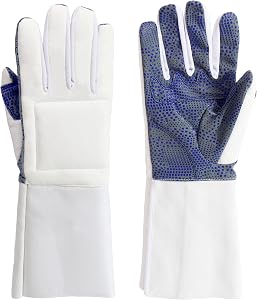
LEONARK Padded Glove
8.4Editor scorePU dot grip
Shock absorbing pad
Extended forearm sleeve
Hook and loop closure
Find the right fencing gear for 2026. We compare 10 standout options by build quality, useful features, owner feedback, value, and everyday trade-offs.
Build a safe, competition-ready fencing kit for 2026. We compare 10 standout pieces of equipment across the categories that matter most: masks, gloves, uniforms, chest protectors, and socks. The picks cover CE certification levels, protective fabric strength, fit and comfort, construction quality, specific weapon compatibility, owner feedback, and value for club, school, and home training setups.
Fencing equipment is unlike most sports gear because safety standards are measured in newtons of blade resistance. A 350N mask works for standard practice, while HEMA and heavy sparring may require higher ratings. Understanding what each certification means helps you avoid under-protecting yourself or overspending on specifications your training does not require.
This guide walks through essentials for foil, epee, sabre, and HEMA practitioners, from entry-level club gear to coach-grade masks and full uniform sets. Each review highlights fit considerations, weapon compatibility, and real-world durability so your purchase matches your actual training intensity and competition level rather than generic marketing claims.
We compared 10 pieces of fencing gear using the details that actually help a buyer decide: CE certification level, protective fabric strength in newtons, construction materials, mesh and padding quality, fit and sizing options, weapon compatibility across foil epee sabre and HEMA, breathability, ease of cleaning, owner feedback, and overall value. The notes focus on practical trade-offs so each pick connects to how fencers actually train, compete, and protect themselves at different experience levels.


Compare key features, scores, and current prices side by side. A shorter feature list means fewer details were available, not necessarily fewer capabilities.





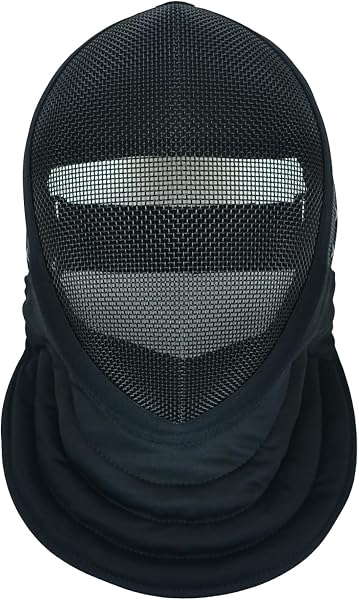
Coach masks are built to a tougher standard than standard student masks because coaches take hundreds of hits per week during individual lessons. This mask is specifically designed for that use case, with a reinforced bib, wear-resistant materials, and construction that holds up to the demands of daily club or school instruction.
We may earn a commission when you buy through this link, at no additional cost to you.
The stainless steel fencing mesh provides reliable blade protection while remaining breathable enough to reduce fatigue during long lesson sessions. The reinforced bib covers the chin and throat with extra padding to handle the frequent torso hits that coaches absorb while demonstrating defensive actions and feeding attacks to students. The anti-glare finish keeps vision clear under indoor lighting.
The 4.8 rating is the highest among the masks in this comparison, which signals strong satisfaction among the fencers who have bought it. The size M fits head circumferences of 61 to 64 centimeters, so sizing confirmation is important before ordering. Beginners and school fencing clubs can also use this mask as reliable practice gear at an affordable price point.
Coach masks typically feature reinforced bibs, extra padding, and more durable mesh construction compared to standard student masks. These enhancements address the unique demands of instructor work, where the coach stands close to the student and absorbs many more hits than a typical bout fencer would receive. For club owners outfitting their coaching staff, a dedicated coach mask is a worthwhile investment that lasts longer under heavy use.
This is the clear pick for coaches, club instructors, and school fencing program leaders. The reinforcement and durability justify the specialized design for someone taking repeated hits during lessons. For a student training a few times per week, a standard 350N mask like the LEONARK epee mask may be a more appropriate choice.
Students or recreational fencers whose training does not involve constant hit absorption from lessons.
We may earn a commission when you buy through this link, at no additional cost to you.
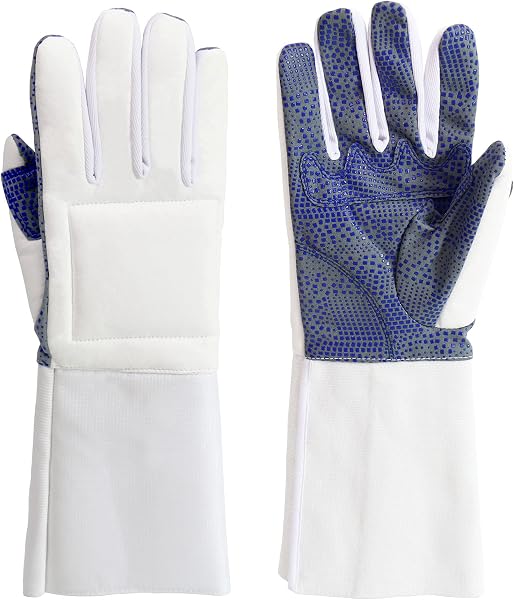
This LEONARK glove covers the practical needs of foil, epee, and sabre fencers in a single design, which makes it a sensible choice for club members who train across weapons or for beginners still deciding on a specialty. The combination of a textured grip surface and a shock-absorbing back pad addresses the two main glove priorities simultaneously.
We may earn a commission when you buy through this link, at no additional cost to you.
The raised blue PU dot pattern across the palm and fingers provides reliable grip even when sweat builds during long sessions. This matters more than most beginners realize because a glove that slips mid-lunge compromises both accuracy and safety. The high-density sponge pad sewn into the back of the glove absorbs impact from accidental blade hits, protecting the back of the hand and wrist from the bruising that plain gloves cannot prevent.
The elastic rib knit fabric between the fingers and the microfiber suede fingertip lining let the glove move with your hand rather than binding during fast parries and ripostes. The extended polyester forearm sleeve covers the lower forearm and wrist, which blocks the common slash and scratch injuries that happen when a jacket cuff rides up during exchanges. The wide hook-and-loop wrist closure locks the glove in place during movement.
A fencing glove’s grip surface directly affects weapon control. When your hand sweats during intense exchanges, a smooth-palmed glove can allow the weapon to shift in your grip, reducing accuracy on fine point work. The PU dot pattern on this glove maintains friction even under sweat, which keeps the weapon oriented correctly through long bouts and training sessions.
The main thing to note is that this is a single glove, not a pair, which matches standard fencing convention since you only glove your weapon hand. For bout practice and daily training across all three weapons, this is a sound value pick. If you compete at a high level and prefer tournament-specific leather gloves, this may feel too general-purpose.
Elite competitors who require tournament-approved leather gloves for specific weapon regulations.
We may earn a commission when you buy through this link, at no additional cost to you.
The LEONARK 350N mask hits the practical sweet spot for most fencers: certified protection at a reasonable price with cross-weapon compatibility. The CE 350N rating meets standard requirements for foil practice and competition, and the mask also works for epee, sabre, and introductory HEMA or longsword training in supervised club environments.
We may earn a commission when you buy through this link, at no additional cost to you.
The high-strength shell and compact padding at the forehead and chin absorb impact from blade thrusts without feeling bulky. The waterproof interior lining is a thoughtful detail that reduces how quickly sweat soaks into the mask during long training sessions, which both extends the mask’s useful life and keeps it more hygienic between cleanings.
The adjustable rear strap allows a snug personal fit, which matters because a mask that shifts during movement can block your vision at critical moments. The mesh is finished to maintain clear visibility and minimize glare under studio and gym lighting. Fit must be verified against the sizing chart before ordering, since fencing masks need to sit correctly to deliver their intended protection.
The CE 350N standard means the mask has passed testing where it withstood 350 newtons of force applied through a specific blade test. This is the baseline standard for most competitive foil and epee fencing. Higher ratings exist primarily for HEMA and heavy sparring where thicker steel weapons generate greater impact forces. For traditional sport fencing, 350N is the correct certification level.
This is the strongest overall pick for most buyers because it covers the broadest range of use cases at a mid-range price. The 350N rating is appropriate for club practice, school programs, and standard competition. Heavy HEMA sparring with two-handed steel swords should step up to a 1600N mask, but for most fencing contexts, this delivers everything you need.
Heavy HEMA practitioners who need 1600N or higher ratings for vigorous steel sparring.
We may earn a commission when you buy through this link, at no additional cost to you.
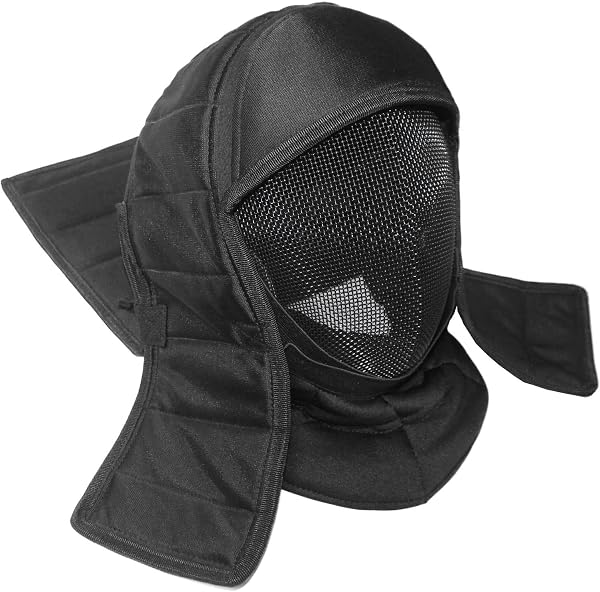
This mask overlay solves two problems in one accessory: it adds protective coverage to vulnerable areas that standard masks do not cover, and it extends the useful life of the mask underneath by absorbing wear and tear. For HEMA practitioners and sabreurs who face frequent head and shoulder contact, this is a worthwhile layer.
We may earn a commission when you buy through this link, at no additional cost to you.
The construction combines 600N force fencing fabric with a 5mm cushion layer and 2mm rubber plate, giving the overlay substantial absorption capacity. The design extends protection down over the shoulders and up over the occipital region at the back of the head, two zones that are commonly exposed during cuts and overhead actions in HEMA sparring and sabre bouts.
The overlay mounts over an existing fencing mask and stays in place with an elastic belt beneath the mask. Additional Velcro tape on the back allows easy removal when you want to clean the overlay or revert to the bare mask. The uni-size design is intended to fit most commonly used masks, though checking your specific mask dimensions before ordering avoids compatibility surprises.
Standard fencing masks protect the face, head, and throat but offer limited coverage over the shoulders and the back of the skull. In sabre fencing and HEMA sparring where cutting actions are common, these zones take significant impact. An overlay adds protection to these areas and reduces the structural wear that repeated hits inflict on the mask itself, which can extend equipment lifespan significantly.
This overlay makes the most sense for HEMA enthusiasts, sabre practitioners, and anyone whose training exposes them to repeated head and shoulder contact. It is sold as an add-on, so the base mask is a separate purchase. If your training is standard foil or epee with limited cutting actions, you may not need this additional layer.
Pure foil or epee practitioners who rarely take cutting hits to the shoulders or back of the head.
We may earn a commission when you buy through this link, at no additional cost to you.
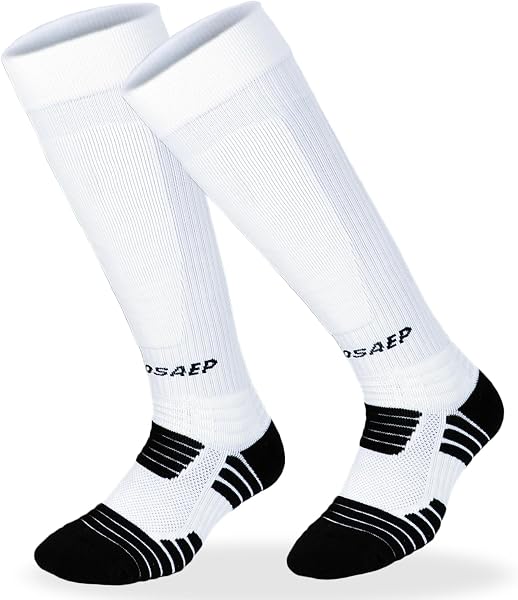
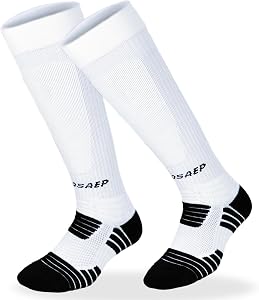
Fencing requires knee-high socks that fit under the knickers and stay in place throughout dynamic footwork. This five-pair pack gives active fencers enough rotation to cover a full week of training without constant laundry, which is especially useful for school teams and anyone who trains multiple times per week.
We may earn a commission when you buy through this link, at no additional cost to you.
The 90 percent stretch cotton with 10 percent polyamide blend keeps the socks soft while providing enough elasticity to grip the calf and stay up during lunges, retreats, and extended footwork drills. The reinforced heel, sole, and toe areas handle the pressure from shoe laces and the friction of constant forward and backward movement without wearing through quickly.
The elastic cuff at the top maintains gentle pressure around the calf without cutting off circulation, which matters because socks that slide down during a bout become a real distraction. The classic white design with simple fencing motifs looks appropriate for both training and competition settings, and the uniform appearance works well for team members who want matching gear.
Fencing socks must reach above the knickers hem, which typically falls just below the knee. Regular athletic socks are too short and expose the lower leg, violating uniform requirements for competition and creating a gap in protective coverage. Dedicated fencing socks are cut to the correct knee-high length and designed to stay in place during the sport’s demanding footwork.
This pack suits active fencers who train several times per week and want a reliable sock rotation. The hand-wash care instruction is the main consideration, since machine washing can accelerate the breakdown of the elastic. For fencers who prefer compression-focused performance socks, the Standard Fencing Stockings option in this guide may be a better match.
Fencers who require compression technology or machine-washable socks for convenience.
We may earn a commission when you buy through this link, at no additional cost to you.
The ASAki HEMA mask targets the specific needs of historical European martial arts practitioners doing light to moderate sparring. The 350N CE certification covers standard HEMA training with the understanding that heavy two-handed steel sword work typically calls for a higher-rated 1600N mask instead.
We may earn a commission when you buy through this link, at no additional cost to you.
The throat protector is built from 350N stab-proof fabric rather than the lighter canvas used on basic coach masks, which provides more serious protection in the most vulnerable area. The skin-friendly, sweat-absorbing lining fabric is a meaningful upgrade over standard polyester interiors because HEMA training generates significant sweat during longer sessions. The lining can be ordered as either removable or non-removable based on preference.
The wider hindbrain fixation device and elastic band keep the mask stable during the dynamic movements of HEMA sparring, which involves more head motion than traditional sport fencing. The mask can be washed directly in water with the caveat that it should be dried promptly and without corrosive cleaning agents, which keeps it hygienic through regular use.
HEMA covers a wide range of training intensities. Light steel sparring, drilling, and introductory classes typically work fine with 350N masks. Heavy steel sparring with full-force cuts and thrusts calls for 1600N or similar high-rated masks because the energy transfer is substantially greater. Honest assessment of your training intensity determines which rating is appropriate for your safety.
This mask makes the most sense for HEMA practitioners doing light to moderate sparring and traditional fencers who want a comfortable mask with upgraded throat protection. If your HEMA group focuses on heavy steel sparring with vigorous slashing, upgrade to a 1600N-rated mask instead. For most introductory and intermediate HEMA practice, this delivers appropriate protection with better comfort features than basic alternatives.
Serious HEMA sparrers who need 1600N protection for heavy steel sword work.
We may earn a commission when you buy through this link, at no additional cost to you.
Buying individual uniform pieces separately typically costs more and creates fit inconsistencies between components. This LEONARK set bundles a jacket, knickers, and underarm vest in matching sizes with CE 350N certification across the board, which simplifies the buying process significantly for new fencers and parents outfitting junior competitors.
We may earn a commission when you buy through this link, at no additional cost to you.
The CE 350N certification covers standard foil, epee, and sabre practice and competition requirements. The special fencing fabric with high-quality zippers and retractable strap closures balances abrasion resistance with comfort during movement. The three-piece construction gives you overlapping protective coverage, with the underarm vest providing additional torso protection beneath the jacket.
Available sizing covers both youth and adult fencers, which makes this set a practical choice for family training situations where a parent and child both practice. The included LEONARK protective bag protects the uniform during transport to clubs and competitions. Sizing conventions differ from some other fencing brands, so checking the detailed size chart before ordering is essential.
A complete traditional fencing uniform includes a jacket, knickers that end just below the knee, and an underarm protective vest called a plastron. The plastron adds a protective layer across the sword-arm side of the torso, providing redundant coverage in the area most frequently targeted. Buying all three pieces as a matched set ensures proper fit and consistent certification across your protective equipment.
This uniform suits beginner through intermediate competitive fencers across all three weapons. The 350N rating is appropriate for traditional fencing but not sufficient for heavy HEMA sparring, which needs higher-rated gear. For a fencer stepping up from borrowed club equipment to their first personal uniform, this is a sound starting point that covers the complete kit.
HEMA practitioners who need higher-rated protective fabric for heavy steel sparring.
We may earn a commission when you buy through this link, at no additional cost to you.
Chest protectors fulfill a specific role in fencing by adding a rigid defensive layer at the sternum and chest, which is particularly important for women and anyone whose body type experiences more concentrated impact in that area. This LEONARK option combines hard plastic plates with strong nylon fabric for a protector that feels substantial without becoming bulky.
We may earn a commission when you buy through this link, at no additional cost to you.
The lightweight construction keeps the protector comfortable to wear under a fencing jacket for extended training sessions and bouts. The hard plastic layer disperses blade impact away from the chest wall, which reduces both the sting of hits and the bruising that can accumulate over hours of practice. The flexible and elastic design allows the protector to move with the body rather than restricting range of motion during lunges and parries.
The multi-sport design extends usefulness beyond fencing to football, baseball, volleyball, rugby, hockey, and other contact sports. For athletes who participate in multiple activities, this versatility is a genuine value add. Multiple sizes are available to accommodate different body types, and checking the size chart before ordering is important for proper fit.
Chest protectors are mandatory for women in competitive fencing and strongly recommended for all fencers during intense training. They add a layer of rigid protection beneath the jacket that reduces impact felt from blade strikes to the torso. Beginners often skip this piece but add it once they experience how much more comfortable training feels with the extra protection in place.
This chest guard serves fencers who want added torso protection beneath their uniform, especially women fencers and anyone sensitive to blade impact in the chest area. It supplements but does not replace a proper CE-certified fencing jacket. If you are building a complete fencing kit for the first time, prioritize the jacket, mask, and glove before adding a chest guard.
Fencers prioritizing a minimal uniform setup without extra torso protection layers.
We may earn a commission when you buy through this link, at no additional cost to you.
These compression-focused fencing socks target competitive fencers who want performance features beyond basic uniform compliance. The three-zone compression design is engineered to support blood circulation in the lower leg, which may help reduce muscle fatigue during long tournaments or extended training sessions.
We may earn a commission when you buy through this link, at no additional cost to you.
The moisture-wicking yarn is treated with properties that remain active after multiple washes, which keeps the socks fresher during multi-day competitions. Padded shin sections add protection against the point and lame contact that happens during close exchanges, especially at the sabre line. The reinforced toe and heel resist wear from the sliding and pivoting motions of fencing footwork.
The compression fit supports the foot and ankle during intense matches, and the anti-slip material and abrasion resistance extend the useful life compared to standard athletic socks. Fencers who have experienced calf cramping during long events may find the circulation support particularly helpful.
Compression socks are designed to apply graduated pressure that supports blood flow back toward the heart, which may help reduce leg fatigue during long training or competition days. For fencers who complete multiple bouts across a tournament, this circulation support can make a noticeable difference in how fresh the legs feel in later rounds. The benefit is most pronounced during multi-hour events rather than short practice sessions.
This single-pair purchase suits dedicated competitors who want technical performance features and are willing to pay more per pair for them. The lower overall rating compared to the five-pack suggests more variable experiences with fit and durability. If you train frequently and need multiple pairs for rotation, the five-pair pack may offer better overall value even without the compression technology.
Casual fencers who need multiple pairs for weekly rotation at a lower per-pair cost.
We may earn a commission when you buy through this link, at no additional cost to you.
This coach mask offers an alternative to the top-rated Coach Mask Mental option in this guide, with a focus on comfort features and improved sanitation. The CE Level 1 (350N) certification covers foil, epee, sabre, and HEMA training applications at standard intensities, making it versatile across most instructor use cases.
We may earn a commission when you buy through this link, at no additional cost to you.
The stainless steel mesh uses a contour fitting system that reduces weight while improving comfort during long lesson sessions. The smaller mesh density improves visibility and overall robustness compared to standard construction. For coaches running back-to-back lessons, these ergonomic details reduce fatigue over the course of a teaching day.
The neck protector uses nylon blending technology and is thicker than the 350N standard uniform specification, with high-density sponge filling that absorbs impact more effectively. The removable moisture-wicking lining attaches with Velcro, which means you can take it out for proper machine washing after sweaty sessions, a meaningful hygiene advantage over masks with fixed interiors.
Fencing masks absorb significant sweat during training, and a non-removable lining becomes progressively less hygienic over time. A removable, washable lining lets you launder the interior regularly, which extends the mask’s useful life and keeps it comfortable to wear. For coaches teaching multiple lessons per day, this feature is particularly valuable.
This mask suits coaches and advanced students who prioritize comfort features and washable interiors. The absence of posted customer ratings reflects a newer product rather than any specific issue, but it does mean less long-term user feedback is available. Buyers who prefer established track records may want to consider the Coach Mask Mental option with its stronger rating history.
Buyers who require extensive owner reviews before purchasing specialized protective equipment.
We may earn a commission when you buy through this link, at no additional cost to you.
Fencing equipment is a safety purchase first and a performance purchase second. Certification ratings, fit precision, weapon compatibility, and construction quality all affect whether your gear protects you and supports your training. Use the factors below to prioritize correctly rather than optimizing for cosmetics or convenience.
CE certification numbers like 350N and 800N indicate the force in newtons that fencing equipment has been tested to withstand. The 350N rating is the standard for most sport fencing in foil, epee, and sabre at club and competition levels. Higher ratings like 800N and 1600N exist primarily for HEMA sparring and specialized use cases where heavier steel weapons generate greater impact forces.
Buying under-certified gear is a genuine safety risk, not just a technical oversight. A mask or jacket that does not meet 350N minimum standards may fail during normal practice and leave you exposed to injury. On the other hand, buying 1600N gear for standard foil practice is unnecessary expense that does not improve your fencing. Match the certification level to your actual training intensity and weapon style.
For traditional sport fencing, buy CE 350N certified masks, jackets, and underarm vests. For HEMA, verify your group’s recommended rating before purchasing, since serious steel sparring may require higher-rated equipment.
Each weapon has slightly different equipment requirements. Foil and epee masks and gloves are often cross-compatible, while sabre requires a conductive mask and glove cuff for electric scoring. HEMA practitioners often need additional protection like mask overlays and reinforced gloves because of the cutting actions and heavier weapons involved.
Many modern fencing products are designed for multiple weapons, which simplifies the buying decision for beginners and cross-weapon fencers. The LEONARK padded glove, for example, works for foil, epee, and sabre practice. Specialized tournament gear often needs to be weapon-specific, so advanced competitors should buy with their primary weapon in mind.
Choose multi-weapon gear if you train across disciplines or are new to the sport. Invest in weapon-specific equipment once you commit to one specialty and begin competing seriously.
Fencing equipment that fits poorly fails to protect properly. A mask that is too loose can shift during movement and expose the face. A jacket that is too tight restricts the full lunging motion that fencing requires. Sizing varies between brands, so checking individual brand size charts rather than assuming your usual size works is essential before ordering.
Adjustment features like rear mask straps, hook-and-loop glove closures, and retractable jacket straps help accommodate the natural variation in individual body shapes. These features let you fine-tune the fit after receiving the equipment, which improves both safety and comfort. Masks with wider rear fixation systems and jackets with multiple adjustment points generally fit a broader range of body types.
Measure yourself carefully against each manufacturer’s size chart before ordering. When between sizes, size up for masks and down for jackets, since masks need room to breathe and jackets need to fit snugly for protection.
Fencing mask mesh affects both protection and visibility. Higher-quality stainless steel mesh resists corrosion from sweat and maintains structural integrity over years of use. Lower-quality mesh can rust, dent, or develop weak points that compromise safety. The density of the mesh affects visibility: finer mesh patterns offer clearer vision while coarser mesh may feel more obstructive.
Anti-glare finishes on mesh reduce distracting reflections from gym lighting, which helps you track your opponent’s weapon and movements more clearly. Contour fitting systems adjust the mask shape to sit more comfortably against the face without compromising the overall protective envelope. These details matter more during long training sessions than during short bouts.
Prioritize stainless steel mesh with anti-glare finish for any mask you expect to use for more than a season. For coaches and daily users, these quality details justify a slightly higher upfront cost through longer useful life.
Fencing generates significant sweat, and lining materials determine how comfortable and hygienic your gear remains over time. Moisture-wicking fabrics pull sweat away from the skin and let it evaporate, which keeps the interior from becoming saturated and uncomfortable. Removable linings allow proper laundering, while fixed linings require surface cleaning that may not fully address accumulated residue.
Masks with removable washable linings are particularly valuable for coaches and heavy users who sweat heavily during long sessions. The ASAki HEMA mask and the Coach Mask 350N both offer removable linings, which is a meaningful quality-of-life upgrade. Standard polyester linings work fine for occasional users but may feel less comfortable than modern moisture-wicking alternatives.
Choose removable washable linings if you train more than twice weekly or sweat heavily. For occasional practice, standard linings are perfectly adequate and keep the price lower.
Fencing equipment takes repeated impact, so construction quality determines whether your purchase lasts a season or many years. Double-stitched seams, reinforced stress points, and tear-resistant fabrics all contribute to equipment longevity. Masks with reinforced bibs withstand throat and chin impacts that would damage lesser construction. Jackets with heavy-duty zippers and quality fasteners resist the failures that cheaper hardware shows after months of use.
Coach-specific equipment is typically built to higher durability standards because coaches absorb more hits than any individual student. If you train frequently or own a club, investing in coach-grade equipment pays off in longer replacement cycles even for students. Mask overlays can also extend the life of standard masks by absorbing wear and tear in high-impact zones.
Prioritize durability features if you train several times per week. For occasional practice, standard construction is appropriate and keeps your investment reasonable.
Gloves with proper grip surfaces directly affect weapon control. PU dot patterns, textured leather, and specialized grip materials all help maintain weapon orientation during sweaty exchanges. A glove that lets your weapon shift mid-bout compromises accuracy on fine point work and can even cause the weapon to slip out of your hand during intense exchanges.
Beyond grip, protective features like back-of-hand padding and extended forearm sleeves affect both safety and performance. Padding on the back of the glove absorbs impact from blade hits that would otherwise cause bruising, while forearm extensions close the vulnerable gap between the glove cuff and jacket sleeve. These features matter more at higher training intensities.
Choose textured grip surfaces as a baseline, and add back-of-hand padding and forearm extensions if your training involves full-speed exchanges. Tournament competitors should verify their glove meets specific weapon-governing body regulations.
Buying a complete uniform set like the LEONARK Fencing Suit saves money compared to purchasing each piece separately and ensures matched certification and sizing across your gear. This approach works especially well for beginners who need a full starter kit at a predictable cost. The matched aesthetic also looks polished for school teams and club uniforms.
Buying individual pieces makes sense once you progress beyond beginner levels and want specific brands or features for different components. Advanced competitors often mix brands to get the best mask from one maker, the best jacket from another, and the best gloves from a third. The downside is coordinating sizing and certification across different manufacturers.
Start with a complete set for your first personal kit, then upgrade individual pieces as you develop preferences for specific features. This approach balances cost efficiency with gradual personalization as your fencing matures.
Inspect your fencing equipment before each session, paying particular attention to the mask mesh, bib condition, and jacket seams. Look for dents, rust spots, or deformation in the mesh that could indicate compromised protection. Check the stitching on jackets and the integrity of straps and closures. Replace any component that shows damage rather than attempting to repair it, since fencing gear failures during practice can cause serious injury. Many clubs require periodic mask testing to verify ongoing CE certification compliance.
Clean your gear regularly to extend its useful life and maintain hygiene. Masks with removable linings should have the lining washed after heavy sessions, while fixed linings can be wiped down with antimicrobial sprays designed for athletic equipment. Jackets, knickers, and vests typically machine wash on gentle cycles with cold water, though checking individual care labels confirms the correct approach. Air dry whenever possible since high heat can damage certified fabrics and reduce their protective properties.
Store your equipment properly between sessions to prevent damage. Hang jackets and knickers rather than folding them tightly, which can create creases that weaken the fabric over time. Store masks in a dedicated bag or container that protects the mesh from being crushed, and keep gloves in a well-ventilated location to prevent moisture buildup and odor. Avoid storing equipment in hot cars or damp spaces, both of which accelerate the degradation of synthetic fibers and metal components.
A beginner fencer needs a CE 350N certified mask, a fencing jacket, an underarm plastron vest, knickers, a glove for the weapon hand, long socks that reach above the knickers, and the weapon itself. Many clubs provide loaner equipment for new students to try the sport before buying personal gear. Once you commit to regular practice, buying a complete uniform set like the LEONARK suit covers all the uniform components at once.
The newton rating indicates the force the equipment has been certified to withstand during impact testing. 350N is the standard for most sport fencing including foil, epee, and sabre practice and competition. Higher ratings like 800N and 1600N apply to specialized use cases like HEMA sparring with heavier steel weapons. Match the rating to your actual training intensity rather than always buying the highest number.
Many modern masks are designed for cross-weapon use, which simplifies the purchase decision. The LEONARK 350N mask and ASAki HEMA mask both work across weapons. The main consideration is sabre, which requires a conductive mask for electric scoring in competition. For practice and non-electric training, standard masks work fine across all three weapons.
Each fencing brand uses slightly different sizing conventions, so consulting the specific manufacturer's size chart is essential. Measure your chest, waist, hips, and inseam carefully and compare against the chart rather than assuming your general clothing size will match. When between sizes, slightly larger is usually better than too tight, since fencing requires full extension during lunges.
Chest protectors are mandatory for women in competitive fencing and strongly recommended for all fencers during serious training. They add rigid protection beneath the jacket that reduces impact from blade strikes to the torso. Men can also benefit from chest protection during intense training. The LEONARK Chest Guard works for fencing and multiple other contact sports.
Durability varies by equipment type and use intensity. Quality masks can last five to ten years with proper care, while jackets and knickers may need replacement every two to four years depending on how often you train and whether you compete. Gloves tend to wear faster from constant weapon contact and typically last one to three years. Coaches and daily users should expect shorter replacement cycles due to higher use rates.
Coach masks feature reinforced bibs, extra padding, and more durable construction because coaches absorb far more hits than students during individual lessons. Student masks meet the same safety certifications but are built for the lower impact exposure of normal practice. If you teach or run a fencing program, coach-specific masks like the Coach Mask Mental are worth the specialized construction.
Washability depends on the specific product. The 5-Pair Fencing Socks are hand-wash only to preserve the elastic and cotton blend. Some performance socks tolerate machine washing on gentle cycles. Always check the specific care label on your socks before machine washing, since harsh cycles can accelerate the breakdown of elastic cuffs and reinforced areas.
HEMA often requires additional protection beyond traditional fencing gear. Mask overlays like the LEONARK 800N add shoulder and occipital coverage against cutting actions. HEMA practitioners may also use heavier gloves and padded jackets to handle the greater forces of steel sword sparring. Light HEMA drilling can be done with 350N gear, but heavy sparring typically calls for 1600N or higher protection.
Replace your mask immediately if you notice dents, rust, deformation of the mesh, damage to the bib, or any other structural compromise. Even without visible damage, masks should typically be replaced every five to ten years as the materials gradually degrade from use. Many fencing organizations require periodic punch testing to verify ongoing CE certification compliance. When in doubt, retire the mask rather than risk injury.
The strongest overall mask choice for most fencers is the LEONARK 350N Epee Mask, which combines CE certification, cross-weapon compatibility, padded protection, and a waterproof interior at a reasonable mid-range price. For a complete starter kit, the LEONARK Fencing Suit bundles jacket, knickers, and vest with matching certification. Coaches running club or school programs should prioritize the top-rated Coach Mask Mental for its reinforced bib and durability under heavy lesson loads.
For specialized needs, several alternatives stand out. HEMA practitioners should look at the ASAki HEMA Mask for its stab-proof throat protection and washable lining, with the LEONARK 800N Mask Overlay available as an additional protection layer. The LEONARK Padded Glove covers all three weapons with reliable grip and shock protection. The five-pair sock pack suits active fencers who need weekly rotation, while the compression stockings target serious competitors managing long tournament days.
Your best decision starts with honest assessment of your fencing style, training frequency, and competition goals. Match CE certification to your actual training intensity, prioritize fit precision over cosmetics, and buy a complete uniform set for your first kit before upgrading individual pieces. Properly chosen fencing equipment protects you reliably for years and lets you focus on technique rather than worrying about your gear. Invest in the right level of protection for your practice and the equipment becomes an invisible foundation of your fencing development.