Earthquake E43
9.0Editor score43cc Viper engine
30:1 gear transmission
8-inch steel auger
5-year limited warranty
Find the right earth augers for 2026. We compare 10 standout options by build quality, useful features, owner feedback, value, and everyday trade-offs.
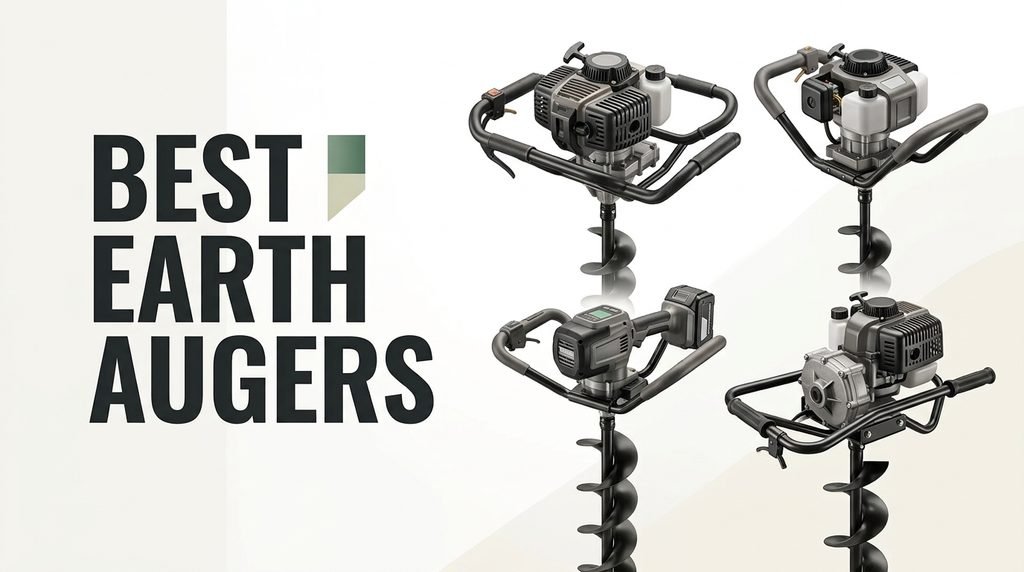
Find the right earth auger for your 2025 digging projects. We compare 10 standout options by the factors that matter most, including power source, torque output, bit diameter, digging depth, build quality, weight, safety features, and real-world value for fencing, planting, and landscaping work.
Choosing between gas, corded electric, cordless, and drill-attachment augers depends on your soil conditions, project scale, and how often you dig. Each power type carries distinct trade-offs in portability, runtime, noise, and maintenance that directly affect your results on the job.
This guide breaks down specifications, practical strengths, and honest limitations for every model. Whether you need a heavy-duty gas auger for rocky clay or a lightweight drill bit set for weekend bulb planting, the comparisons below should help you decide with confidence.
We compared 10 earth augers using the specifications and details that actually influence a buying decision: engine displacement, torque ratings, bit sizes, digging depth, power source, weight, safety mechanisms, warranty coverage, and included accessories. The notes focus on practical trade-offs so each pick connects to how people actually dig post holes, plant trees, and prepare ground for outdoor projects across different soil types.


Compare key features, scores, and current prices side by side. A shorter feature list means fewer details were available, not necessarily fewer capabilities.


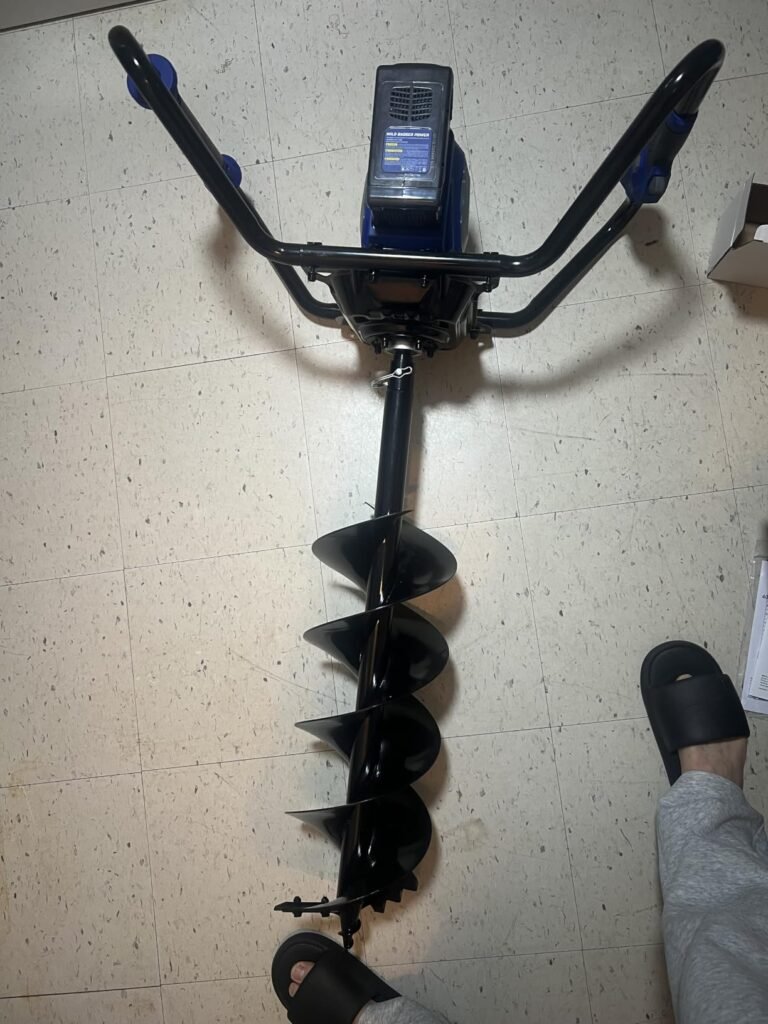
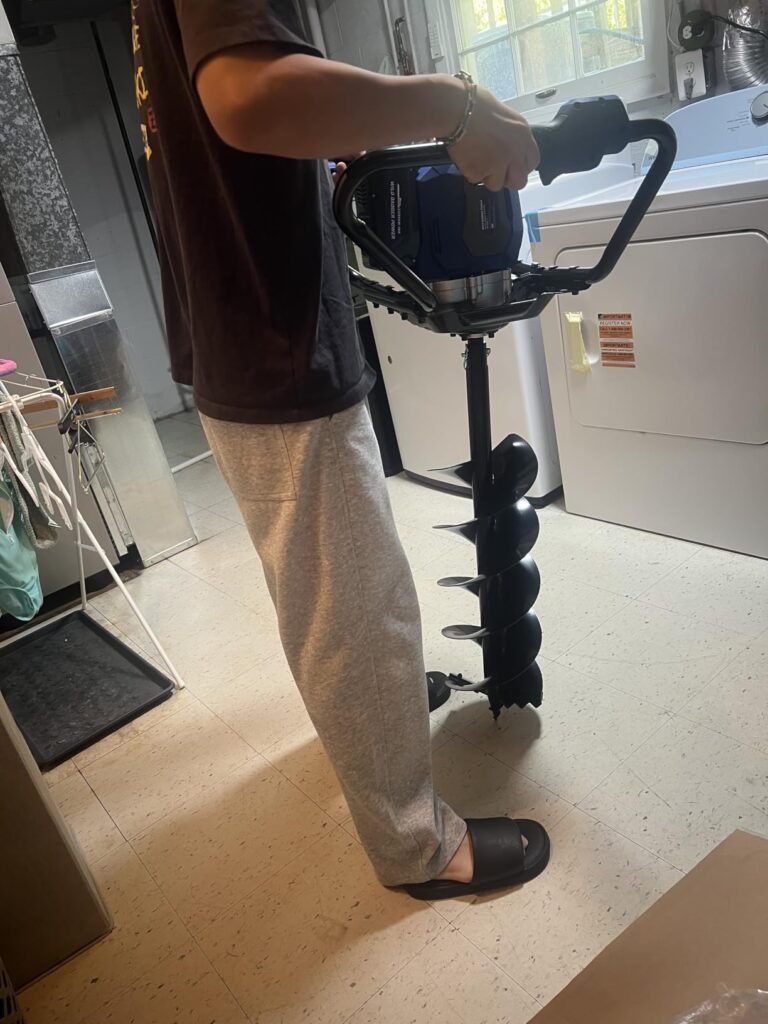
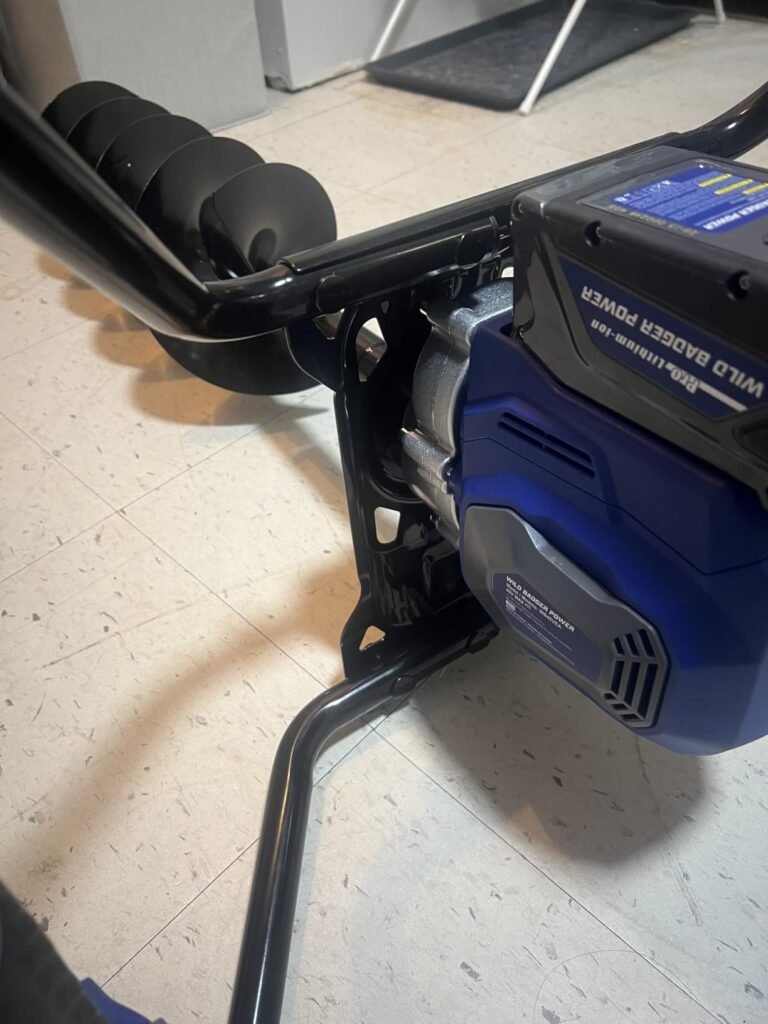
The Wild Badger Power 40V kit addresses one of the biggest frustrations with cordless augers: the need to purchase batteries separately. This package includes a 40V 4.0Ah lithium-ion battery and a fast charger, so you can start digging right out of the box without any additional purchases. The 1,600-watt brushless motor generates up to 66 ft-lb of torque, which is the highest torque figure among the cordless options in this guide.
We may earn a commission when you buy through this link, at no additional cost to you.
The included 8-inch by 31-inch cast-steel auger bit produces consistent, clean holes suitable for common residential post-setting and tree-planting projects. A two-speed transmission lets you select high or low speed depending on soil conditions, and a reverse function helps back the bit out when it encounters roots or dense clay. The anti-kickback system monitors for sudden jams and reduces motor power to protect both the operator and the gearbox.
Ergonomic dual handles support controlled two-handed operation, which is important for maintaining stability when the bit engages tough ground. The brushless motor design contributes to longer runtime per charge and reduced heat buildup compared to brushed motors. Runtime and the number of holes per charge will vary based on soil density, hole depth, and how aggressively you operate the throttle, so plan accordingly for larger projects.
To get the most holes per charge, use the low-speed setting whenever soil conditions allow, as high speed draws current more rapidly. Let the auger bit do the work rather than forcing it downward, which increases motor load and drains the battery faster. If you are digging more than a dozen deep holes, consider purchasing a second battery so you can swap packs and continue working while the first one charges. Storing the battery at room temperature rather than in extreme heat or cold also helps preserve capacity.
This kit is an excellent choice for homeowners and DIYers who want a complete cordless auger solution without the hassle of sourcing compatible batteries. The 3-year warranty and 24-hour customer support add confidence for a relatively new brand. Keep in mind that this auger performs best in loose-to-moderate soil and is not designed for frozen ground, concrete, or areas with large rocks and extensive root systems.
Not designed for frozen ground, rocky terrain, or areas with large subsurface roots and boulders.
We may earn a commission when you buy through this link, at no additional cost to you.
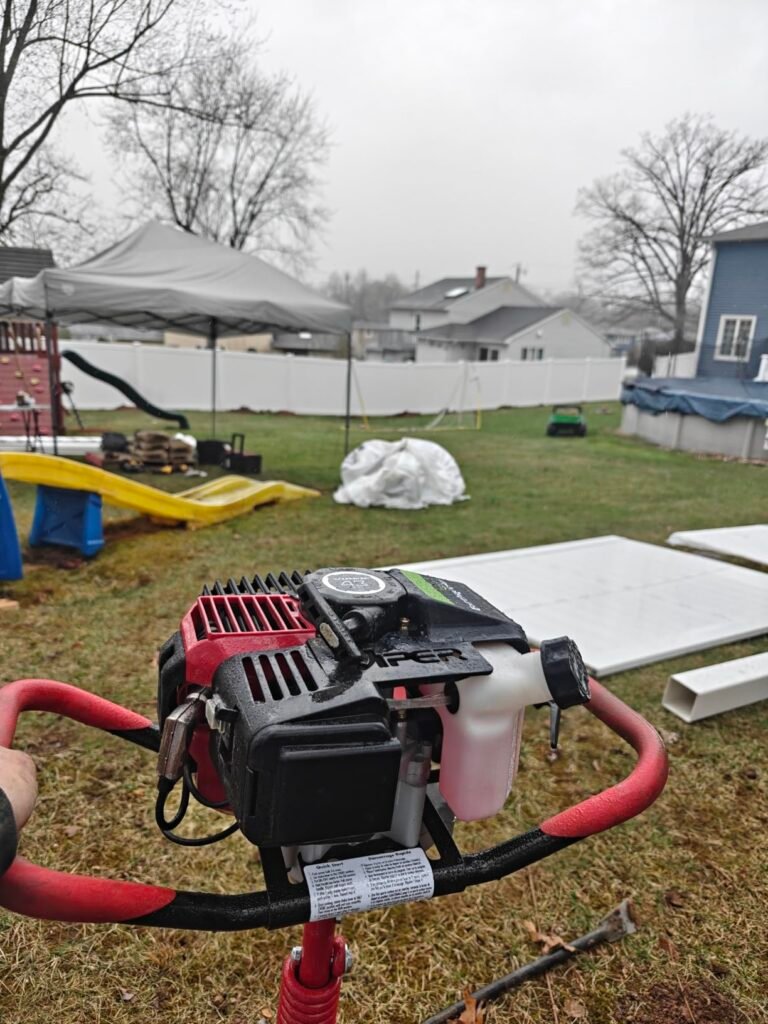
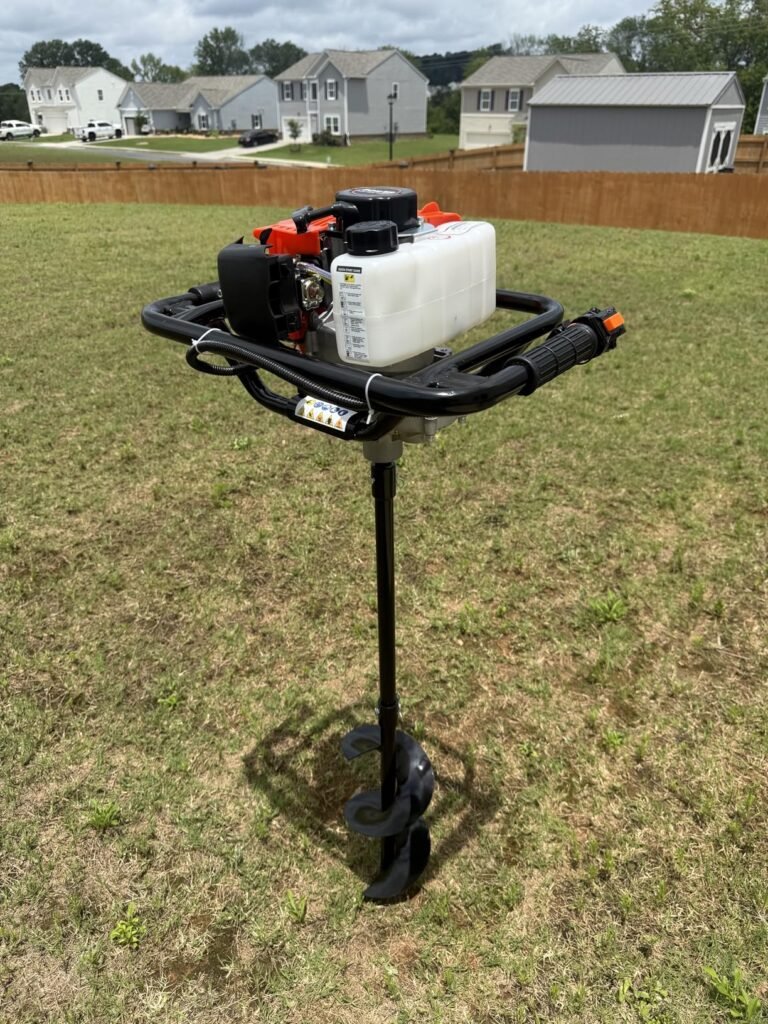
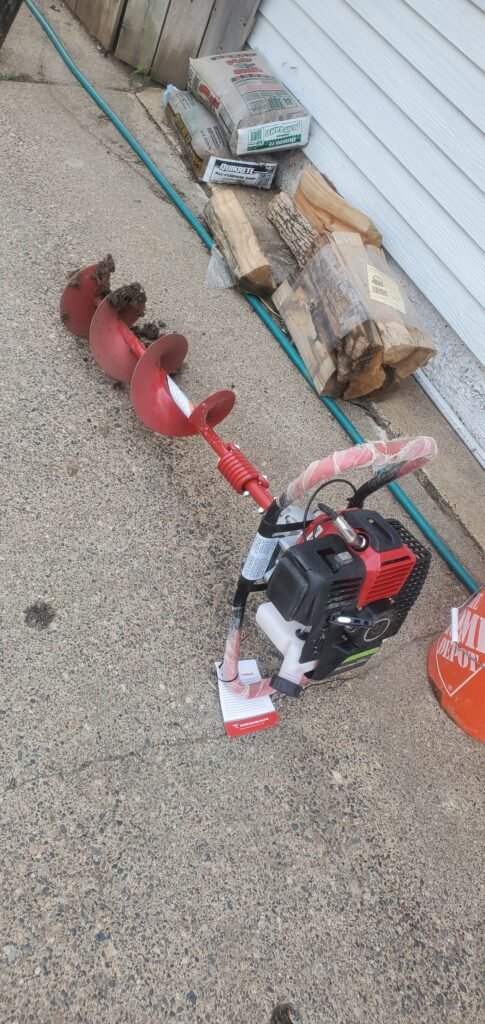
The Earthquake E43 targets homeowners and property managers who want a gas-powered auger built to last through years of seasonal use. Its 43cc Viper 2-cycle engine delivers consistent torque for digging through compacted soil, clay, and loam without bogging down. The 5-year limited warranty is one of the longest in this category, which signals genuine manufacturer confidence in the powerhead and transmission.
We may earn a commission when you buy through this link, at no additional cost to you.
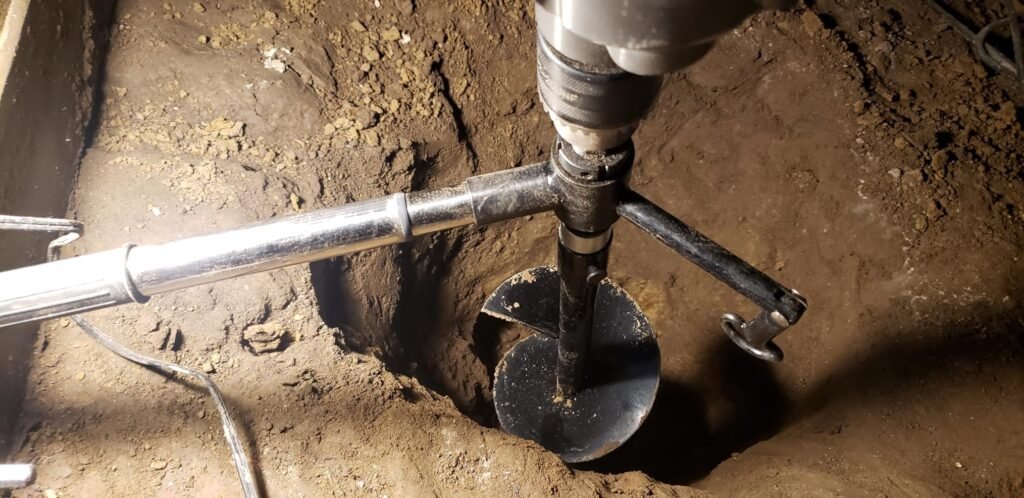
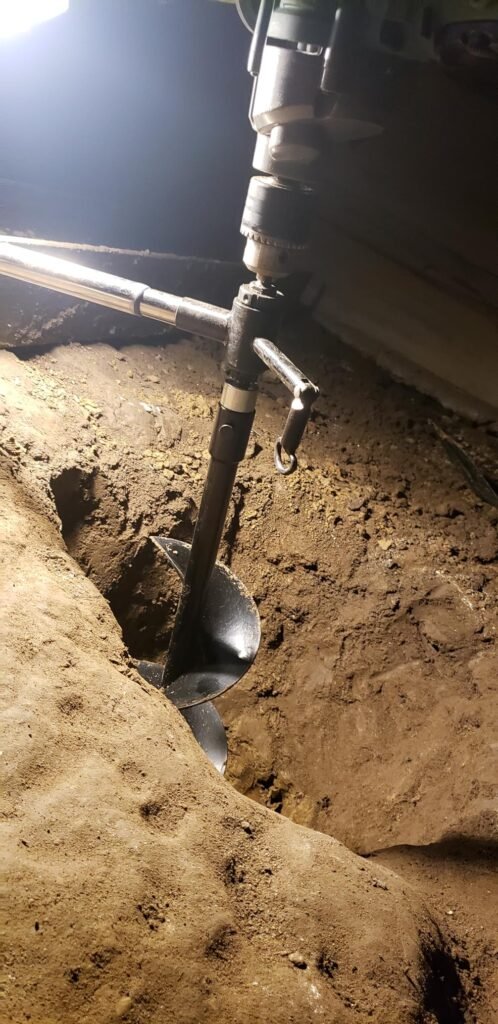
A 30:1 gear reduction transmission with ball bearings and alloy gears translates engine speed into steady digging force at the bit. The included 8-inch auger features a fishtail point for clean hole starts, a Flex Coil shock absorber to reduce jarring impacts when the bit hits roots or rocks, and replaceable blades so you can swap worn cutting edges instead of replacing the entire bit. The 36-inch auger length also lets most operators stand upright while drilling, reducing back strain on deeper holes.
Ergonomics matter when you are wrestling a spinning auger through stubborn ground. The E43 uses steel welded handlebars wrapped in anti-vibration foam, and the fingertip throttle control gives you precise speed modulation without shifting your grip. An industrial air filtration system keeps dirt and debris out of the engine internals, which helps maintain performance over time and reduces the frequency of carburetor cleanings.
When an auger bit strikes a buried rock or thick root, the sudden resistance can twist the handles violently and potentially damage the transmission. The Flex Coil shock absorber on the E43 acts as a mechanical buffer between the bit and the gearbox, absorbing those impact spikes before they reach the operator or the internal gears. This feature is especially valuable in rocky or root-heavy soil where unpredictable underground obstacles are common, and it contributes to the overall longevity of the powerhead.
This auger is a strong fit for anyone who digs post holes, plants trees, or installs fencing on a semi-regular basis and wants a tool that will not need replacing after a few seasons. The main trade-off is weight and the need to mix fuel, which makes it less convenient than a cordless option for quick one-off holes. If your projects are large and your soil is tough, the E43 offers a reliable balance of power and long-term support.
Not ideal for buyers who need a lightweight, zero-emission tool for occasional small planting holes in soft soil.
We may earn a commission when you buy through this link, at no additional cost to you.
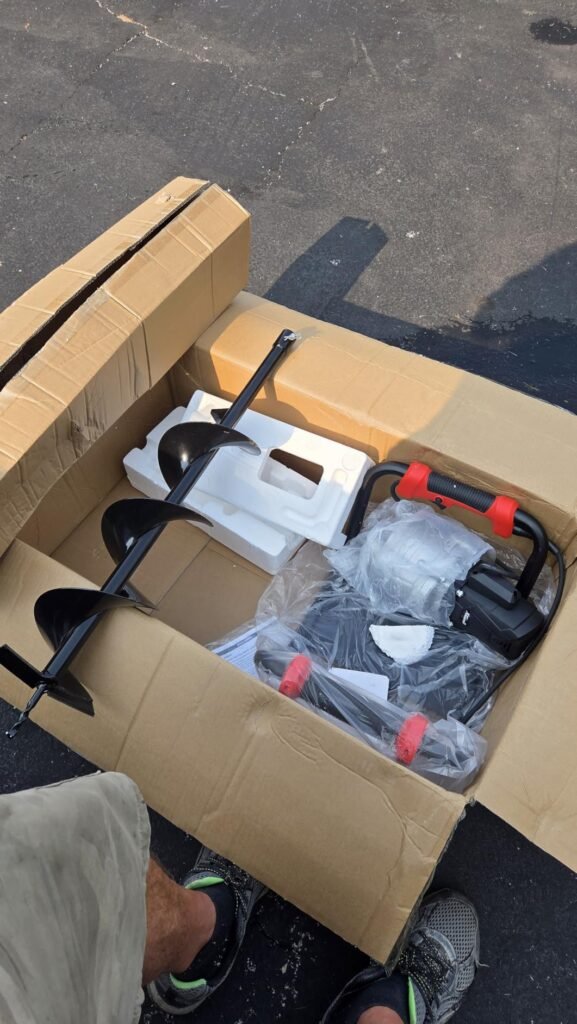
The XtremepowerUS 1500W is a corded electric auger designed for users who want serious digging power without the noise, fumes, and maintenance of a gas engine. Its 1500-watt motor produces 90 ft-lb of torque at 270 RPM, which is competitive with many gas-powered models in this price range. If you have access to an outdoor outlet or a heavy-duty extension cord, this auger eliminates fuel mixing entirely.
We may earn a commission when you buy through this link, at no additional cost to you.
The 6-inch auger bit is made from manganese steel, a material chosen for its impact resistance and wear durability in abrasive soil conditions. A black powder-coated finish helps resist rust and corrosion between uses. While 6 inches is narrower than some gas augers, it covers the most common residential needs such as fence posts, deck footings, and medium-sized tree plantings.
A built-in safety lock prevents accidental trigger activation, which is a meaningful feature when you are repositioning the auger between holes or carrying it across the yard. The dual handles feature anti-skid, vibration-dampening grips that provide leverage and stability during operation. The 3/4-inch shaft is a standard size that may allow compatibility with aftermarket bits if you need a different diameter later.
Corded electric augers draw significant current, so using an undersized extension cord can cause voltage drop, reduced motor performance, and overheating. For runs up to 50 feet, a 12-gauge cord is generally sufficient. For distances between 50 and 100 feet, step up to a 10-gauge cord to maintain full power delivery. Avoid daisy-chaining multiple cords, and always inspect the cord for damage before each use to prevent electrical hazards.
This model works best for suburban homeowners with accessible outdoor power who dig a moderate number of holes each season. The corded design means you will need to manage an extension cord, which limits range and can be cumbersome on larger properties. If your work area is within roughly 100 feet of an outlet, the XtremepowerUS delivers strong torque and simple operation at a mid-range price.
Not suitable for remote job sites or large rural properties without convenient outdoor electrical access.
We may earn a commission when you buy through this link, at no additional cost to you.
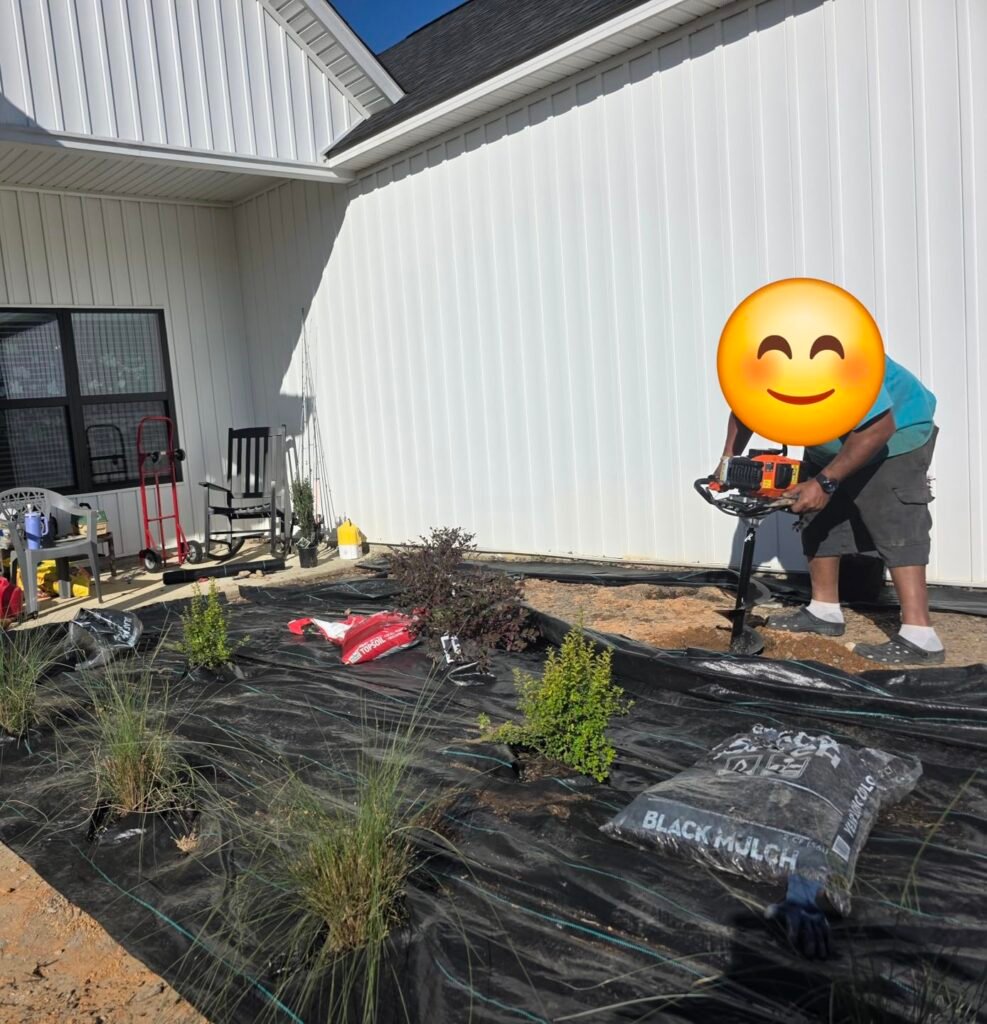
The VEVOR 43cc gas auger occupies the budget end of the gas-powered category while still offering specifications that rival more expensive models. Its 43cc engine reaches a maximum rotational speed of 9,350 RPM, and the gearbox uses ball-bearing shafts and alloy gears to handle sandy soil, farmland, and moderately compacted ground. At roughly one-third the price of premium gas augers, it appeals to cost-conscious buyers who still need genuine digging power.
We may earn a commission when you buy through this link, at no additional cost to you.
A 1.2-liter fuel tank is notably larger than many competitors, which means fewer refueling stops during a long day of hole digging. The 40:1 fuel-to-oil ratio is standard for 2-cycle engines, and VEVOR includes an oil mixing can in the box to simplify preparation. The engine also features large cooling holes to help manage heat during sustained operation in warm weather.
Starting a cold 2-cycle engine can be frustrating, but VEVOR addresses this with a 1.2-meter thickened pull cord that provides extra leverage and is less likely to snap than a standard cord. The 30-inch alloy drill bit allows comfortable upright operation, and an emergency stop switch on the handle lets you kill the engine quickly if the bit binds. Shock-absorbing foam on the handles reduces vibration transfer to your hands and arms.
A 1.2-liter tank can run for a considerable time depending on soil hardness and throttle usage, but it also means the auger carries more fuel weight when full. If you are only digging a handful of shallow holes, consider filling the tank halfway to reduce overall weight and improve handling. Always drain the fuel or run the engine dry before storing the auger for more than a few weeks to prevent carburetor gumming from stale gasoline.
This auger is a practical choice for homeowners tackling a first-time fencing project or seasonal planting who do not want to invest heavily in a tool they may use a few times per year. The trade-off is that VEVOR is a less established brand in the auger market, so long-term parts availability and warranty support may not match legacy manufacturers. If you need a capable gas auger at the lowest entry price, this model delivers solid value.
Not the best fit for professional landscapers who need proven long-term reliability and extensive dealer service networks.
We may earn a commission when you buy through this link, at no additional cost to you.
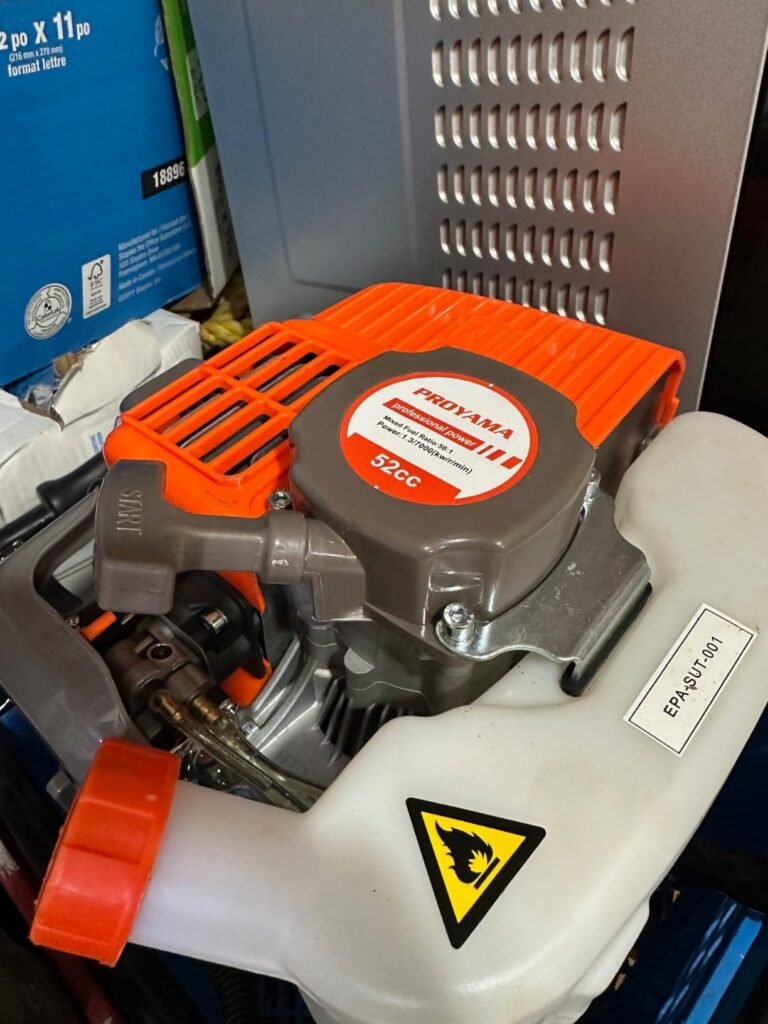
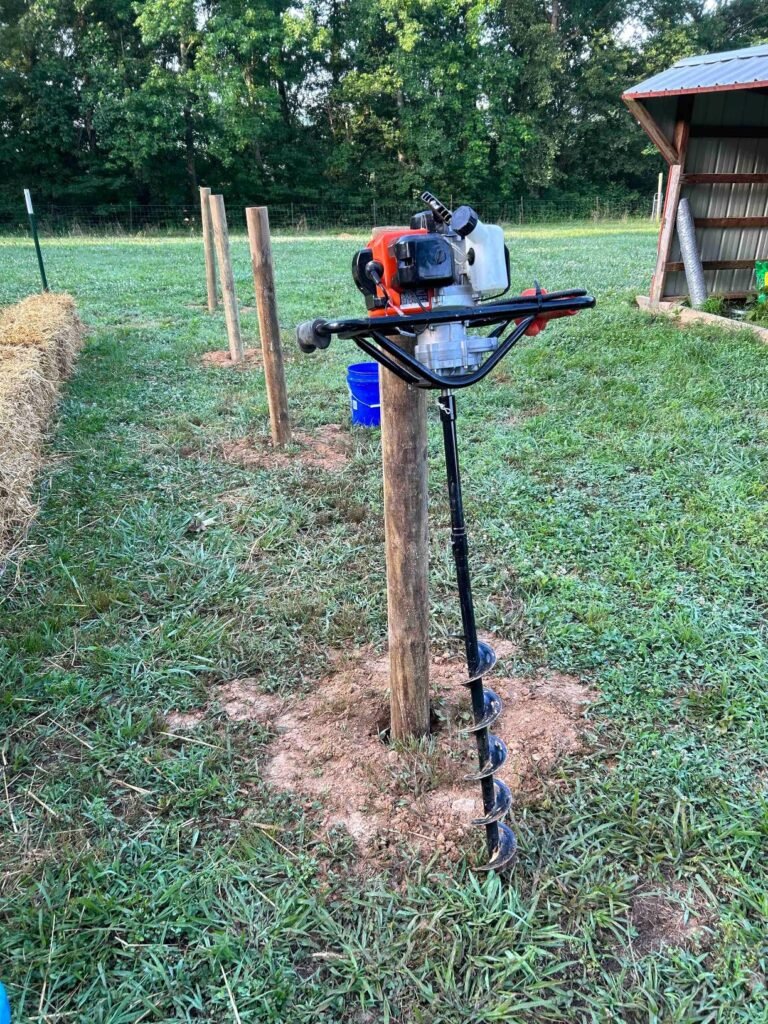
The PROYAMA 54cc stands out for the sheer breadth of its included accessory kit. Rather than shipping with a single auger bit, it comes with 4-inch, 6-inch, 8-inch, and 12-inch diameter bits, covering everything from narrow bulb-planting holes to wide post footings. The 54cc 2.4-horsepower engine provides the extra torque needed to drive the larger 12-inch bit through resistant soil, making this one of the most versatile single-purchase options available.
We may earn a commission when you buy through this link, at no additional cost to you.
Beyond bit variety, the PROYAMA includes 12-inch and 20-inch extension rods that increase your maximum digging depth well beyond the standard bit length. This is particularly useful for setting fence posts below the frost line in colder climates, where holes may need to reach 36 to 48 inches deep. The heavy-duty gearbox with ball-bearing shafts and alloy gears is designed to handle the increased load of deeper, wider holes.
The easy-start system reduces the effort needed to pull the engine to life, which is a welcome feature on a larger-displacement gas auger. Ergonomic handles improve control and help manage the additional weight that comes with the bigger engine and larger bit options. The alloy steel bits feature a powder-coated finish for corrosion resistance, and the welded steel handle frame adds structural rigidity during demanding digs.
A common mistake is defaulting to the largest bit when a smaller one would work fine. For standard 4×4 fence posts, a 6-inch or 8-inch hole is typically sufficient and requires significantly less effort to dig. Reserve the 12-inch bit for large structural posts, mailbox installations with concrete collars, or wide-root tree plantings. Using the smallest effective bit saves fuel, reduces operator fatigue, and puts less stress on the gearbox.
This auger suits property owners who tackle a wide variety of outdoor projects throughout the year and want one tool that can handle them all without purchasing separate bits. The trade-off is that the larger engine and multiple accessories add weight, and the slightly lower rating suggests some owners have experienced fitment or starting issues. If versatility is your top priority and you are comfortable with a gas-powered tool, the PROYAMA kit covers more hole sizes than any other option in this guide.
Not recommended for buyers who only need to dig small, shallow holes and would prefer a lighter, simpler tool.
We may earn a commission when you buy through this link, at no additional cost to you.
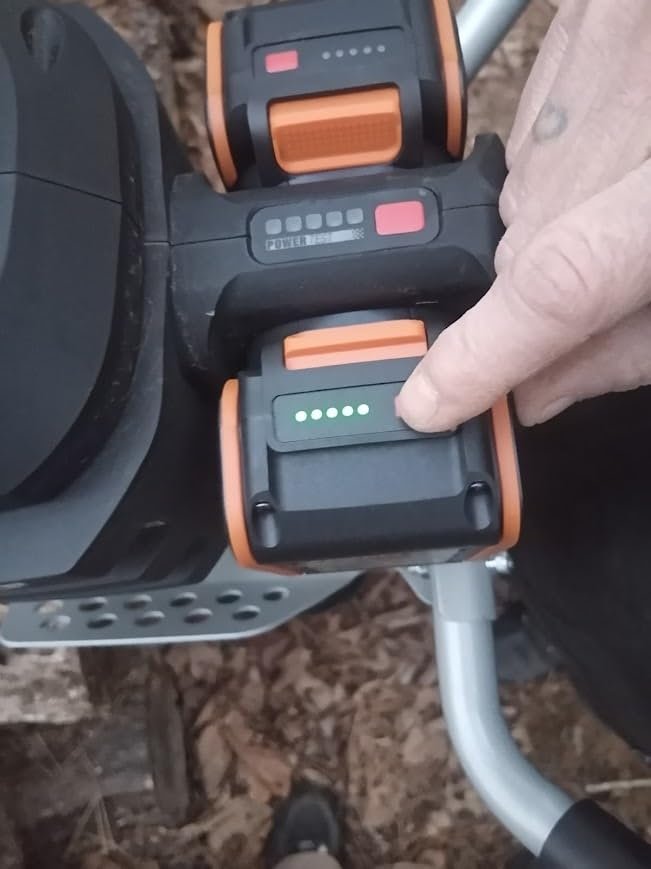
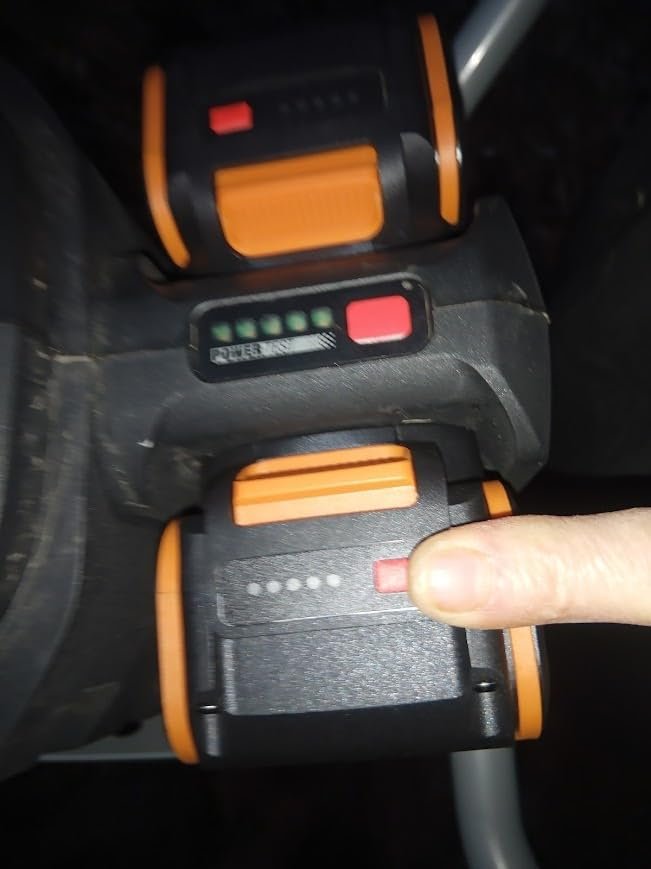
The WORX WG865 brings brushless cordless technology to the earth auger category with performance that approaches a 45cc gas engine. Its 40V brushless motor delivers 59 ft-lb of torque at 220 RPM, and the manufacturer estimates up to 38 holes per charge under favorable conditions. For buyers who already own WORX 20V PowerShare batteries, this auger can combine two 20V packs to reach 40V, potentially reducing the effective cost of entry.
We may earn a commission when you buy through this link, at no additional cost to you.
A two-speed transmission adds genuine versatility. The low-speed setting provides maximum torque for digging through dense soil, while the high-speed setting is designed for ice drilling with a compatible aftermarket ice auger bit. A reverse function helps free the bit when it becomes bound in roots or clay, which is a practical feature that gas augers typically lack. Tool-less bit changes make swapping between earth and ice auger bits quick and straightforward.
Safety and comfort are well addressed. The anti-kickback system detects sudden jams and cuts motor power to prevent the handles from wrenching out of your grip, a common injury risk with powerful augers. Non-slip ergonomic handles and reduced vibration contribute to steadier operation, especially during extended use. At 26.9 pounds without the battery, the WG865 is lighter than most gas augers, making it easier to transport and maneuver around a job site.
The WORX PowerShare platform allows you to combine 20V batteries in pairs to power 40V tools like this auger, or even stack four batteries for 80V equipment. This means a single set of batteries can serve your drill, trimmer, blower, and auger, reducing the total number of chargers and packs you need to maintain. Before purchasing, verify that your existing WORX batteries are the 20V PowerShare type, as older or incompatible packs will not work with the WG865.
This model is best for WORX ecosystem owners or buyers who want a quiet, emission-free auger with enough torque for real post-hole work. The critical caveat is that batteries are sold separately, which can add significant cost if you are starting from scratch. If you already have compatible WORX batteries on hand, the WG865 offers one of the most capable cordless digging experiences currently available.
Not cost-effective for buyers who do not already own WORX 20V batteries and only need an auger for a single small project.
We may earn a commission when you buy through this link, at no additional cost to you.
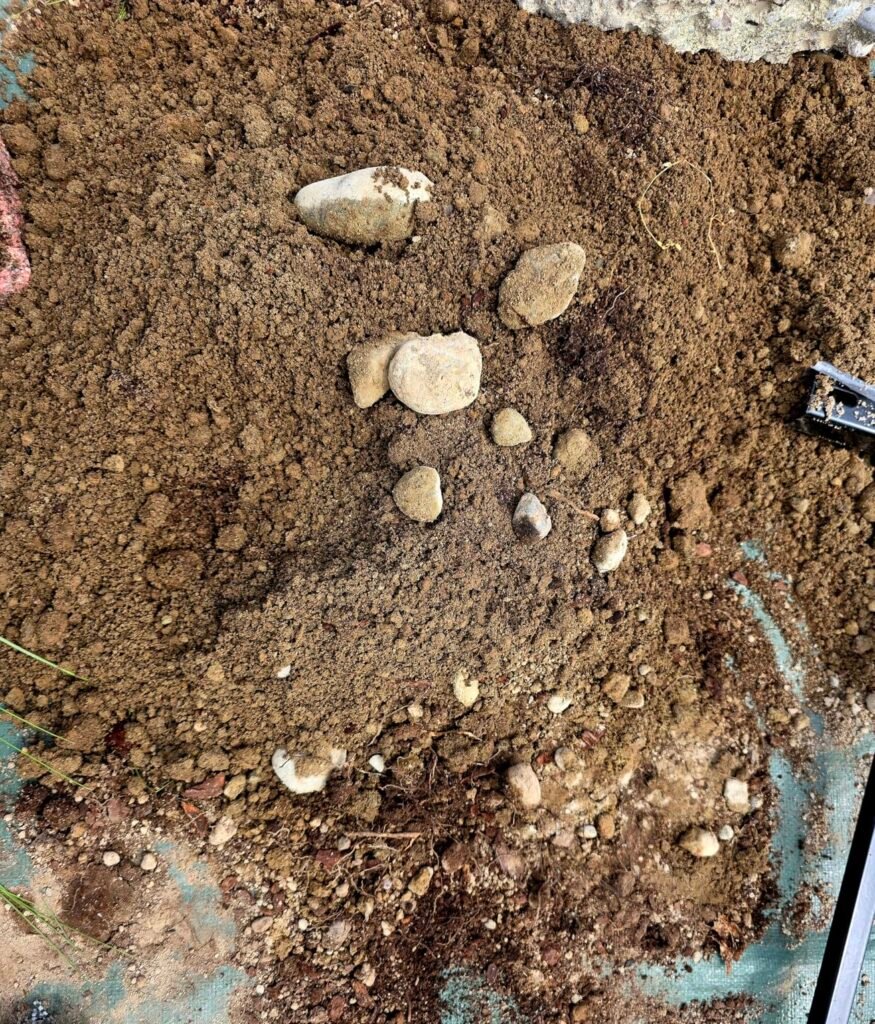
This 3-pack of auger drill bits takes a fundamentally different approach from the standalone powerheads above. Instead of a dedicated auger machine, these bits attach to any standard 3/8-inch hex-drive drill you already own, transforming it into a lightweight planting auger. The set includes 1.6×12-inch, 3×12-inch, and 2.6×15-inch bits, plus a 16.5-inch extension rod for deeper reach.
We may earn a commission when you buy through this link, at no additional cost to you.
The bits are constructed from heavy-duty alloy steel with 360-degree spiral welding along the shaft, which increases torsional strength and helps prevent the spiral from unwinding under load. A glossy black finish provides a degree of corrosion protection. The spiral design pulls loosened soil upward as the bit rotates, clearing the hole efficiently and reducing the need to repeatedly withdraw and shake out dirt.
In practice, these bits excel at garden-scale tasks such as planting bulbs, annuals, small shrubs, and vegetable starts. The 16.5-inch extension lets you reach deeper without bending over, which is a genuine comfort benefit during long planting sessions. The hex shank fits securely in most corded and cordless drills, though you will want a drill with a side handle for better control when the bit encounters resistance.
When using spiral auger bits in a handheld drill, start at a low speed and let the bit pull itself into the soil rather than forcing it downward with body weight. High speeds can cause the bit to corkscrew out of control or overheat the drill motor. If the bit stalls, reverse briefly to clear packed soil from the spiral, then resume at a moderate pace. Keeping the drill perpendicular to the ground produces the straightest holes.
This set is an excellent choice for gardeners who already own a capable drill and want to speed up seasonal planting without investing in a full-size auger. It is not a replacement for a powered post hole digger when you need to set fence posts or dig through heavy clay. Think of it as a labor-saving garden accessory rather than a heavy-duty excavation tool.
Not designed for digging deep fence post holes or breaking through rocky, heavily compacted ground.
We may earn a commission when you buy through this link, at no additional cost to you.
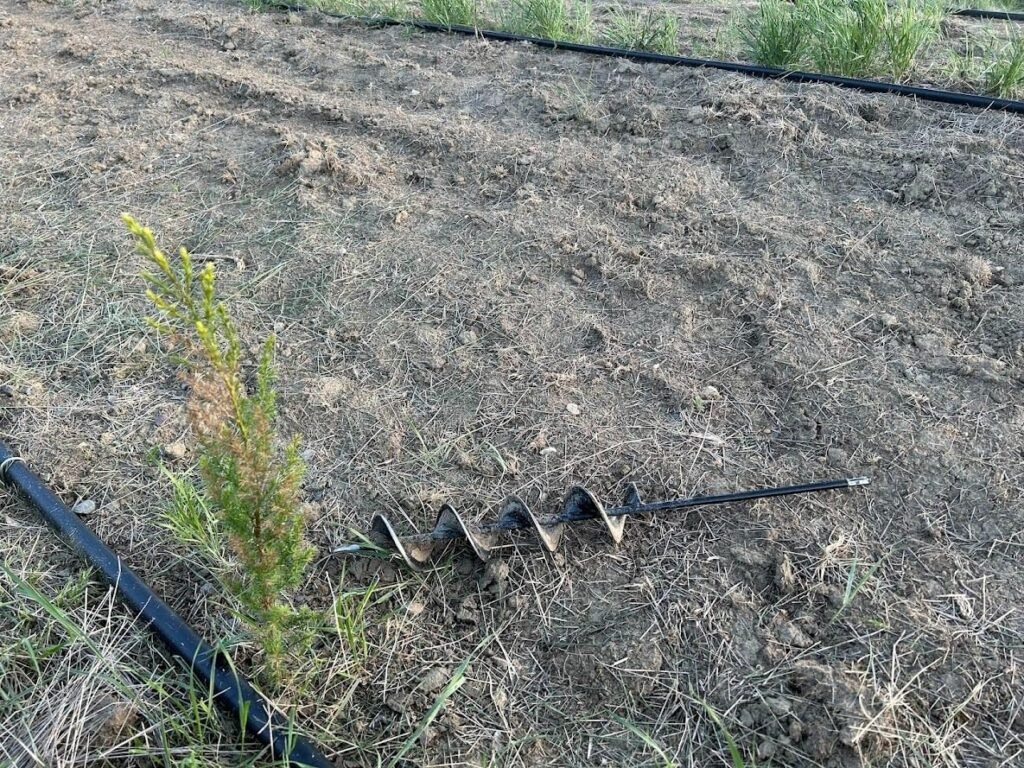
The TCBWFY 4-pack offers the widest range of bit diameters among the drill-attachment options in this guide. The set includes 1.6×9-inch, 1.6×16.5-inch, 3×16.5-inch, and 3×12-inch spiral bits, giving you narrow options for delicate bulb work and wider options for small shrubs or mixing soil amendments in raised beds. At the lowest price point in this entire comparison, it represents an extremely accessible entry into powered digging.
We may earn a commission when you buy through this link, at no additional cost to you.
The bits are made from industrial-grade steel with reinforced spiral blades designed to slice through typical garden soil, clay, and small roots. A corrosion-resistant coating helps the bits survive repeated exposure to moisture and soil acids without significant rust buildup. The 3/8-inch shank is compatible with most standard handheld drills, both corded and cordless, making setup as simple as chucking the bit and pulling the trigger.
The spiral geometry is designed to lift soil out of the hole as you drill, which reduces the repetitive bending and scooping associated with manual trowels and post hole diggers. The two longer 16.5-inch bits provide extra reach for deeper planting holes without requiring a separate extension rod. For gardeners who plant dozens of bulbs each fall or prepare multiple garden beds each spring, these bits can dramatically cut labor time.
After each use, knock off caked soil from the spiral flights and wipe the bits down with a dry cloth. If you have been working in wet clay, a quick rinse followed by thorough drying prevents moisture from sitting against the steel overnight. Storing the bits in a dry location and occasionally applying a light coat of machine oil to the shaft will extend the life of the corrosion-resistant coating and keep the shank fitting smoothly in your drill chuck.
This set is best suited for light-to-moderate garden tasks where you already have a drill and want maximum bit variety at minimal cost. It will not replace a dedicated earth auger for structural post holes or large-scale landscaping. If your primary need is seasonal planting and soil preparation in a home garden, the TCBWFY 4-pack provides excellent value and flexibility.
Not appropriate for heavy-duty excavation, deep post holes, or use in extremely rocky or frozen ground.
We may earn a commission when you buy through this link, at no additional cost to you.
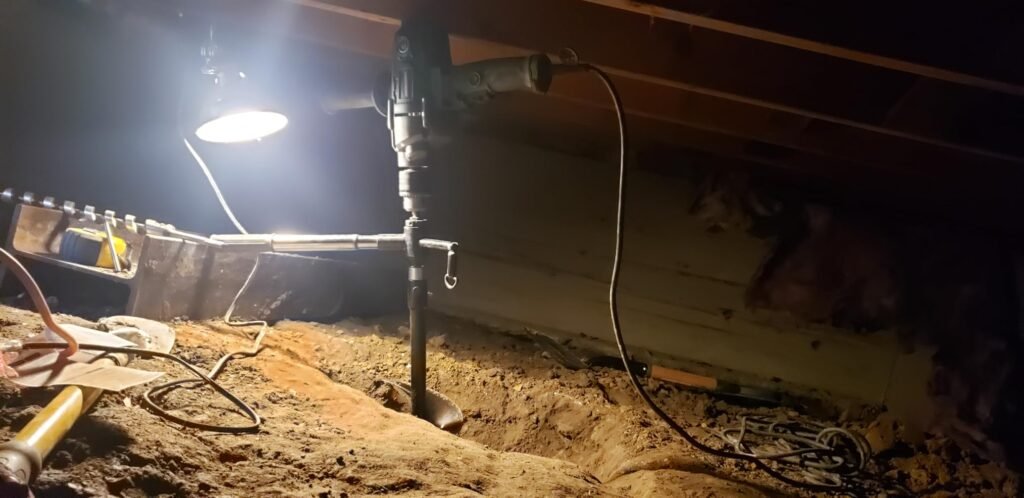
This earth auger occupies a middle ground between simple drill-attachment bits and full standalone auger machines. It features a 6-inch wide by 32-inch long auger paired with a dedicated universal handle system that connects to your existing electric drill via an adjustable strap. The result is a setup that offers more leverage and stability than a bare drill bit while remaining lighter and less expensive than a gas-powered powerhead.
We may earn a commission when you buy through this link, at no additional cost to you.
The 32-inch auger length is a significant advantage for anyone who needs to dig deeper holes than a standard 12-inch drill bit can reach. This depth is suitable for many fence post installations and medium-sized tree plantings without requiring extension rods. The 6-inch diameter covers the most common residential post sizes, though it is fixed and cannot be swapped for a wider bit.
The ergonomic handle is designed to reduce the rapid twisting motions that can cause wrist and forearm strain during prolonged use. The adjustable strap system is compatible with popular drill brands including DeWalt, Milwaukee, Ryobi, Craftsman, and Black and Decker, which means most homeowners can use a drill they already own. Setup takes only a few minutes, and the entire assembly is easy to disassemble for storage.
Driving a 32-inch auger through soil places significantly more demand on your drill than a short spiral bit. A drill with at least 600 watts of power or 600 inch-pounds of torque is generally recommended for this type of attachment. Corded drills typically handle the sustained load better than compact cordless models. If your drill struggles or overheats, stop and let it cool before continuing to avoid damaging the motor or the drill’s internal gears.
This product is a good fit for DIYers who want more capability than a simple spiral bit but do not need the power of a gas auger for a few dozen holes. The main limitation is that your drill must be powerful enough to drive a 32-inch auger through your specific soil type, so a high-torque corded drill or a premium cordless model is recommended. If your soil is soft to moderate and your project is moderate in scale, this hybrid approach offers a practical balance of cost and performance.
Not recommended for use with low-power compact drills or in extremely hard, rocky, or root-filled soil.
We may earn a commission when you buy through this link, at no additional cost to you.
The Baotree 72cc earth auger brings the largest engine displacement in this comparison, making it the go-to choice for buyers who regularly face hard-packed clay, dense loam, or rocky subsoil that stalls smaller augers. The 72cc 2-stroke engine generates high torque at the bit, allowing it to power through ground conditions that would cause a 43cc or 54cc engine to bog down or overheat.
We may earn a commission when you buy through this link, at no additional cost to you.
The kit includes both 6-inch and 8-inch diameter auger bits plus two heavy-duty extension rods, giving you flexibility in hole width and the ability to dig beyond 3 feet deep when the extensions are stacked. The modular design lets you configure the auger for shallow flower bed work or deep structural post holes without purchasing additional accessories. The reinforced steel auger bits and durable gearbox are built to withstand the higher torque output of the larger engine.
Operator comfort is addressed through dual handles with comfort padding and a balanced frame that distributes weight more evenly during operation. A heavy-duty auger brake and quick-release throttle enhance control, which is especially important with a high-torque gas engine that can twist aggressively when the bit catches an obstacle. The recommended fuel mix ratio is 25:1 gasoline to oil, which differs from the more common 40:1 or 50:1 ratios, so be sure to mix carefully.
A 72cc auger generates enough rotational force to cause serious injury if the bit binds suddenly and the handles spin. Always wear heavy gloves, eye protection, and sturdy boots when operating this type of tool. Keep bystanders at least 15 feet away, never run the engine indoors or in enclosed spaces, and maintain a firm two-handed grip at all times. If the bit jams, release the throttle immediately and use the auger brake before attempting to free it.
This auger is best suited for landowners, farmers, and serious DIYers who need maximum digging power and plan to use the tool frequently in challenging soil. The trade-off is increased weight and the need for careful fuel mixing. If you have struggled with underpowered augers in the past or need to set dozens of fence posts in tough ground, the Baotree 72cc provides the extra muscle that smaller engines cannot match.
Not ideal for casual gardeners or first-time users who only need to dig a few small holes in soft soil.
We may earn a commission when you buy through this link, at no additional cost to you.
Selecting an earth auger involves more than comparing price tags. The right tool depends on your soil type, project scale, power access, and how often you plan to dig. The factors below cover the most important decision points so you can narrow the field quickly.
Gas-powered augers deliver the highest torque and longest runtime, making them the standard choice for large fencing projects, rocky soil, and remote locations where electrical power is unavailable. The trade-off is noise, exhaust fumes, fuel mixing, and heavier overall weight. Gas engines also require seasonal maintenance such as spark plug replacement, air filter cleaning, and carburetor care to stay reliable over multiple years.
Corded electric augers eliminate fuel handling and produce zero emissions at the point of use, but they tether you to an outlet or extension cord. They work well for suburban properties with accessible outdoor power and moderate-scale projects. Cordless battery-powered augers offer the most freedom of movement and the quietest operation, though runtime is limited by battery capacity and torque may fall short of gas models in very hard ground. Drill-attachment auger bits are the most affordable and lightweight option, relying on your existing drill for power, but they are limited to light garden tasks and shallow holes.
Match the power source to your most common use case. If you dig more than 20 deep post holes per season in tough soil, gas is the most practical choice. For occasional weekend projects near the house, corded or cordless electric models reduce maintenance and noise. For seasonal bulb planting and small shrubs, a drill-attachment bit set is often all you need.
For gas augers, engine displacement measured in cubic centimeters is a primary indicator of digging power. Models in the 43cc range handle typical residential soil well, while 54cc and 72cc engines provide the extra torque needed for clay, rocky ground, and large-diameter holes. Higher displacement generally means more fuel consumption and weight, so there is a practical ceiling beyond which the additional power provides diminishing returns for most homeowners.
For electric augers, torque is measured in foot-pounds and is a more useful comparison metric than wattage alone. A cordless auger producing 59 to 66 ft-lb of torque can handle moderate soil conditions effectively, while a corded model with 90 ft-lb approaches gas-auger performance in many situations. Pay attention to both the torque figure and the RPM rating, as the combination determines how quickly and forcefully the bit cuts through the ground.
If your soil is predominantly soft loam or sand, a mid-range engine or motor will suffice. For heavy clay, caliche, or ground laced with roots and rocks, prioritize the highest torque you can reasonably manage in terms of weight and budget. Underpowered augers in tough soil lead to operator fatigue, stalled engines, and incomplete holes.
Bit diameter determines the width of the hole and should match your intended use. A 4-inch bit works for small plants and narrow posts, 6 inches covers standard 4×4 fence posts, 8 inches handles larger structural posts and tree plantings, and 12-inch bits are reserved for wide footings and large-root specimens. Using a bit that is larger than necessary wastes fuel, increases operator effort, and puts extra strain on the gearbox.
Digging depth is determined by the auger bit length and any extension rods. Standard bits range from 30 to 36 inches, which is adequate for many applications. In regions with deep frost lines, you may need to reach 36 to 48 inches, which requires one or more extension rods. Some kits include extensions, while others require separate purchases, so check the package contents before buying.
Start by identifying the deepest and widest holes you expect to dig in a typical season, then choose a bit size and extension configuration that meets those requirements. It is more efficient to own one or two correctly sized bits than a collection of sizes you rarely use.
The gearbox is the most critical mechanical component in any powered auger. Look for ball-bearing shafts and alloy or hardened steel gears, which handle sustained torque loads far better than plastic or sintered metal alternatives. The auger bit itself should be made from alloy steel or manganese steel with a powder-coated or corrosion-resistant finish to withstand repeated exposure to moisture and abrasive soil.
Warranty length is a useful proxy for manufacturer confidence. A 5-year warranty on a gas powerhead suggests the company expects the engine and transmission to last through years of regular use. Shorter warranties or no stated warranty may indicate lower-grade internal components or less rigorous quality control. Also consider whether replacement parts such as auger blades, spark plugs, and fuel lines are readily available for the brand you choose.
If you plan to use the auger for more than a few weekends per year, invest in a model with a metal gearbox, steel-welded handles, and a multi-year warranty. Budget models with lighter construction can work for occasional use, but they are more likely to develop gear wear or handle flex under heavy loads.
Earth augers range from under 5 pounds for a simple drill bit to over 30 pounds for a fully fueled gas powerhead with a large bit attached. Weight directly affects how long you can operate the tool before fatigue sets in, especially when digging multiple holes in a single session. Cordless models tend to be lighter than gas equivalents, though the battery adds some heft.
Ergonomic features such as anti-vibration foam grips, padded dual handles, and balanced weight distribution make a noticeable difference during extended use. A fingertip throttle control allows precise speed modulation without readjusting your grip, and an emergency stop switch provides quick engine shutoff if the bit binds. These features may seem minor on paper, but they significantly reduce hand numbness, wrist strain, and overall fatigue over the course of a full day of digging.
If you have back, shoulder, or wrist concerns, prioritize lighter cordless or drill-attachment options and look for models with the most vibration dampening. For heavy-duty gas augers, consider whether you can comfortably lift and maneuver the fully assembled tool before committing to a purchase.
Auger kickback occurs when the bit suddenly catches on a root, rock, or dense soil layer and transfers rotational force to the handles. This can wrench the tool out of your grip and cause serious wrist, arm, or shoulder injuries. Anti-kickback systems, found on several cordless models, detect sudden torque spikes and cut motor power within fractions of a second to prevent the handles from spinning violently.
Gas augers typically rely on mechanical solutions such as shock-absorbing Flex Coils or auger brakes to manage kickback. A quick-release throttle that returns to idle when you let go is another important safety feature that prevents the auger from continuing to spin uncontrolled. Safety lock triggers on electric models prevent accidental activation during transport or repositioning.
Regardless of the safety features built into the auger, always wear heavy gloves, safety glasses, and sturdy footwear. Call 811 before digging to have underground utilities marked, and keep bystanders at a safe distance. No safety system eliminates the need for careful operation and situational awareness.
Some augers ship as bare powerheads with a single bit, while others include multiple bit diameters, extension rods, mixing cans, tool kits, and even batteries and chargers. A comprehensive kit can save you significant money compared to purchasing accessories separately, and it ensures compatibility between the powerhead and the bits. Check the product details carefully to understand exactly what is in the box.
Long-term versatility also depends on whether the auger uses a standard bit shaft size that accepts aftermarket bits and extensions. A 3/4-inch shaft or a common hex-drive connection opens up a wider range of replacement and upgrade options. Proprietary connections may limit you to the manufacturer’s own accessories, which can be more expensive or harder to find.
If you anticipate using the auger for a variety of projects over several years, choose a model with a standard shaft size and a good selection of available aftermarket bits. For single-purpose use, a focused kit with the exact bit size you need may be the most cost-effective approach.
Before your first use, read the owner’s manual for fuel mixing ratios, break-in procedures, and safety instructions specific to your model. For gas augers, mix fresh gasoline and 2-cycle oil in the correct ratio and avoid using fuel that has been sitting for more than 30 days, as stale gasoline can clog the carburetor and cause starting problems. For cordless models, fully charge the battery before heading to the job site and bring a spare if your project involves more than a dozen deep holes.
When digging, start the hole at a low speed with the auger bit perpendicular to the ground. Let the bit’s cutting edges and spiral flights do the work rather than forcing the tool downward with excessive body weight. Periodically lift the auger out of the hole to clear packed soil from the spiral, which prevents clogging and reduces motor strain. If the bit encounters a large rock or root that it cannot cut through, stop and remove the obstruction manually rather than forcing the auger, which can damage the bit, gearbox, or transmission.
After each use, clean soil and debris from the auger bit, handle, and powerhead. For gas models, run the engine dry or drain the fuel tank before long-term storage to prevent carburetor varnish buildup. Inspect the auger blades for wear and replace them when the cutting edges become dull or chipped. Store the auger in a dry, covered location to prevent rust on the bit and corrosion on metal components. Regular maintenance extends the life of your auger and ensures reliable performance season after season.
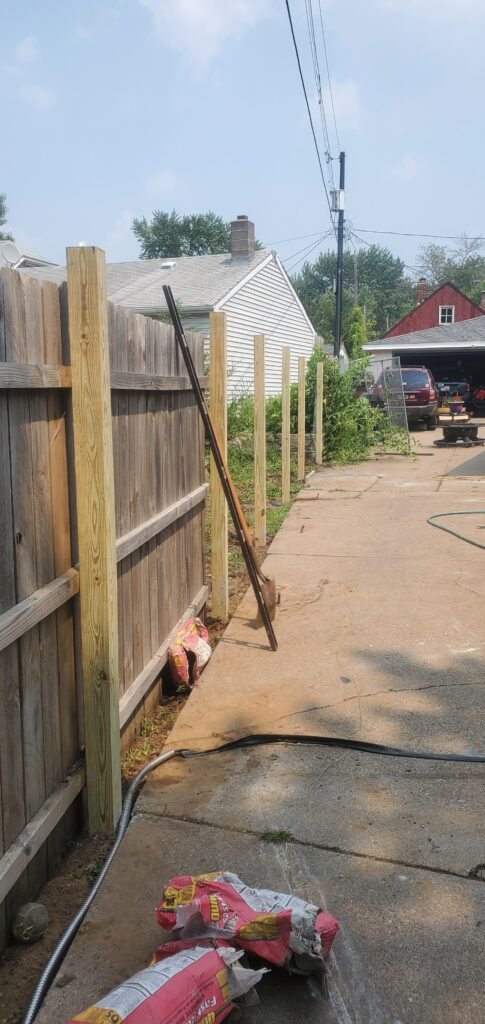
For standard 4×4 wooden fence posts, a 6-inch or 8-inch auger bit is the most common choice. The hole should be roughly two to three times the width of the post to allow room for concrete or gravel backfill. If you are setting 6×6 posts or metal post anchors, an 8-inch or 10-inch bit provides the extra clearance needed for a stable installation.
Gas-powered augers with 54cc or larger engines and heavy-duty alloy steel bits handle clay and moderately rocky soil more effectively than electric or drill-attachment options. In extremely rocky ground with large embedded stones, even powerful augers may struggle, and you may need to pre-loosen the soil with a digging bar or pickaxe before using the auger.
Most standard auger bits dig between 30 and 36 inches deep on their own. With one or more extension rods, you can reach 48 inches or more, which is sufficient for setting posts below the frost line in most climates. The practical depth limit depends on your soil type, the auger's torque, and how effectively the spiral flights can lift soil out of a deep hole.
Yes, most gas-powered earth augers use 2-cycle engines that require a gasoline-to-oil mixture. Common ratios are 25:1, 40:1, or 50:1 depending on the manufacturer, so always check your owner's manual for the correct specification. Use fresh unleaded gasoline and a high-quality 2-cycle engine oil, and mix in a clean container before filling the auger's fuel tank.
Battery runtime varies significantly based on soil hardness, hole depth, and throttle usage. Under moderate conditions, a 40V 4.0Ah battery may power 20 to 38 holes per charge. Harder soil and deeper holes drain the battery faster. For large projects, having a second charged battery on hand allows you to swap packs and continue working without waiting for a recharge.
Earth augers are excellent for planting trees, especially when you need to dig multiple holes in a single session. Choose a bit diameter that matches the root ball size of the trees you are planting. For saplings and small shrubs, a 4-inch or 6-inch bit is usually sufficient. For larger container-grown trees, an 8-inch or wider bit creates a hole that accommodates the root system without excessive crowding.
For anything beyond a handful of shallow holes, a powered earth auger is dramatically faster and less physically demanding than a manual clamshell post hole digger. A powered auger can complete in minutes what might take an hour or more by hand, especially in compacted or clay-heavy soil. However, for one or two small holes in soft ground, a manual digger may be simpler and more cost-effective.
Most earth augers are not designed for frozen ground, and attempting to drill through frost can damage the bit, gearbox, and motor. If you must dig in winter, wait for a thaw or use a ground thawing blanket to soften the top layer before augering. Some cordless augers with a high-speed ice drilling mode can handle ice for fishing, but frozen soil presents a much harder and more abrasive challenge.
Regular maintenance includes cleaning or replacing the air filter, inspecting and replacing the spark plug, checking the fuel lines for cracks, and sharpening or replacing the auger blades when they become dull. At the end of the season, drain the fuel system or add a fuel stabilizer to prevent carburetor varnish. Periodically grease the gearbox if your model has a grease fitting, and inspect all bolts and fasteners for tightness.
Most drill-attachment auger bits use a 3/8-inch hex shank that fits standard corded and cordless drills. However, the drill must have sufficient torque to drive the bit through soil without stalling or overheating. A high-torque drill with a side handle is recommended for the best results. Low-power compact drills may struggle with anything beyond soft, loose topsoil.
The Earthquake E43 remains the strongest overall choice for most buyers who need a reliable gas-powered auger for regular post-hole digging and landscaping. Its 43cc Viper engine, 5-year warranty, and thoughtful features like the Flex Coil shock absorber and industrial air filtration make it a tool that should serve you well for many seasons of heavy use.
If budget is a primary concern, the VEVOR 43cc gas auger delivers impressive capability at a fraction of the premium price, while the Wild Badger 40V kit offers the best cordless experience with a battery and charger included right in the box. For gardeners who only need to speed up seasonal planting, the TCBWFY and Auger Drill 3-Pack drill-attachment sets provide excellent value at under $25.
Before making your final decision, consider your soil conditions, project scale, and power access honestly. A powerful gas auger is wasted on a small suburban garden, and a lightweight drill bit will frustrate you in rocky clay. Match the tool to your most common digging tasks, and you will get the best return on your investment for years to come.