La Sportiva Finale
9.0Editor scoreVibram XS Edge
Unlined leather upper
Full-length lacing
Medium asymmetry last
Find the right climbing shoes for 2026. We compare 10 standout options by build quality, useful features, owner feedback, value, and everyday trade-offs.
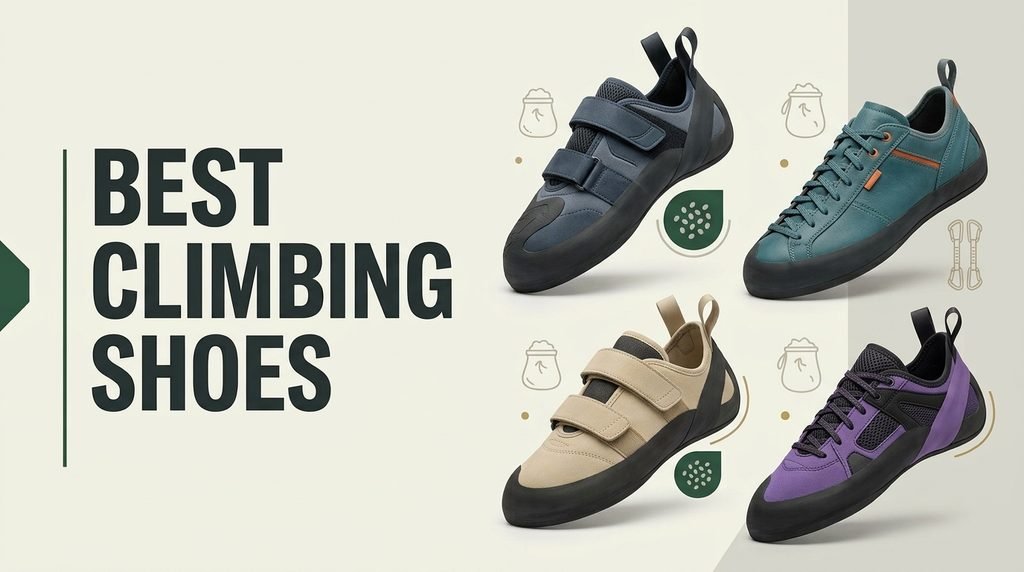
Choosing the right climbing shoes for 2026 comes down to matching last shape, rubber type, downturn, and closure system to your climbing style. We compare 10 standout pairs across beginner-friendly comfort shoes, all-around performers, and aggressive bouldering weapons so you can find footwear that supports your feet on slabs, edges, overhangs, and everything between.
The differences between models matter more than they may seem. A soft, downturned shoe designed for overhanging boulders will feel painful and imprecise on a long multipitch route, while a flat, comfortable trainer will lose grip on steep terrain. Understanding your climbing environment before buying prevents an expensive mismatch.
Fit is the single most important factor. Climbing shoe sizing varies dramatically between brands, with some models running a full size large and others running true to street size. Rubber compound, midsole stiffness, and heel construction also shape how a shoe performs, so use this guide to align your priorities before adding anything to cart.
We compared 10 climbing shoes using the details that genuinely help climbers decide: last shape, rubber compound, midsole stiffness, downturn profile, closure system, upper material, heel construction, toe rubber coverage, sizing behavior, and value across skill levels. Each pick is framed around real climbing scenarios, whether that means all-day comfort on multipitch routes, precision on overhanging boulder problems, or a first pair for the gym.

Compare key features, scores, and current prices side by side. A shorter feature list means fewer details were available, not necessarily fewer capabilities.





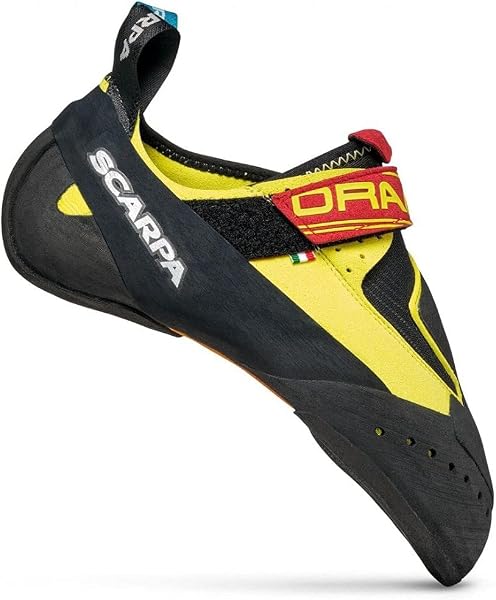
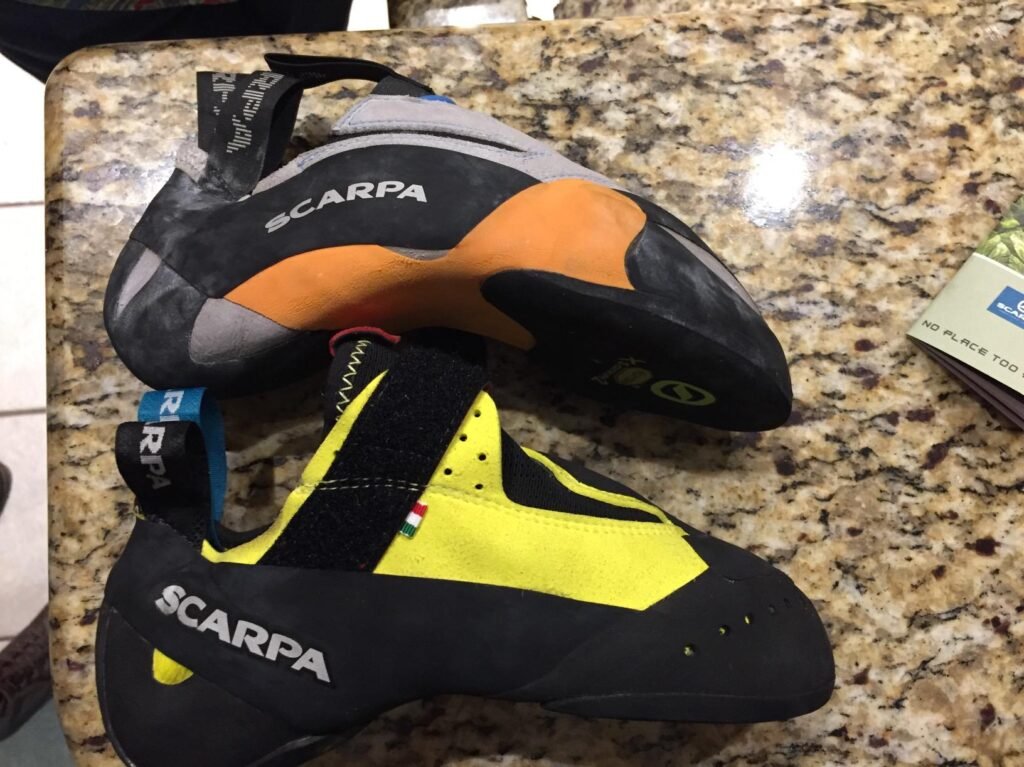
The SCARPA Drago is a serious performance shoe built for climbers who have developed the foot strength and technique to actually use its capabilities. Its aggressive downturn positions your toes in a powerful, curled stance that grips steep footholds with authority. If you climb overhanging sport routes or technical boulders where every gram of pressure through your big toe matters, the Drago delivers precision that comfort-focused shoes simply cannot match.
We may earn a commission when you buy through this link, at no additional cost to you.
The Vibram XS Grip 2 rubber is one of the stickiest compounds available, engineered to bite into holds on any rock type. Combined with the thin midsole, this rubber creates the kind of sensitivity that lets you feel micro-features under your feet and adjust your weight in real time. The PCB Active Rand minimizes layers around the foot to preserve that sensitivity, so you get direct feedback from the wall rather than a muffled, indirect feel.
The Surround Rubber Tension design wraps soft M50 rubber around the forefoot, adding subtle stiffness to the toe box for toe hooks and scums. This feature has become essential for modern overhanging climbing where hooking the top of the foot onto holds is common. The microfiber upper resists stretching, so the aggressive fit you initially dial in remains consistent for seasons rather than blowing out after a few months.
An aggressive downturn positions your foot like a claw, concentrating power at the big toe and engaging the entire kinetic chain of your leg into small footholds. This shape is genuinely advantageous on overhanging terrain where you need to pull yourself into the wall with your feet, and on tiny edges where precise big-toe placement matters more than surface area. On slabs, vertical walls, or long moderate routes, however, the same downturn works against you, forcing your foot into an uncomfortable position without providing any climbing benefit.
The Drago is a specialized tool for advanced climbers projecting hard routes. It is not comfortable for long approach walks, multipitch climbs, or extended wear, and buying it as a first or second shoe would be a mistake. Choose this shoe if you have already built the foot strength required to use an aggressive downturn effectively and your climbing goals involve steep, technical terrain.
Beginners, casual climbers, or anyone climbing long multipitch routes where comfort matters more than aggressive performance.
We may earn a commission when you buy through this link, at no additional cost to you.
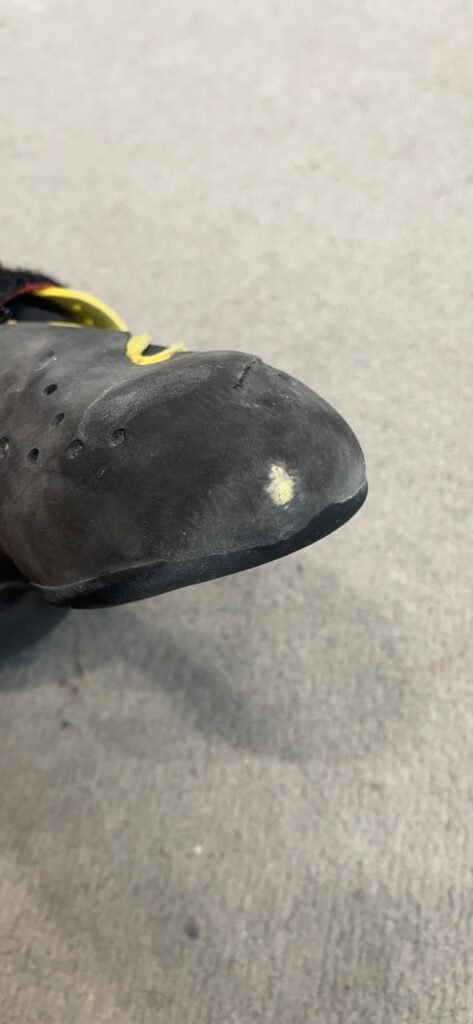
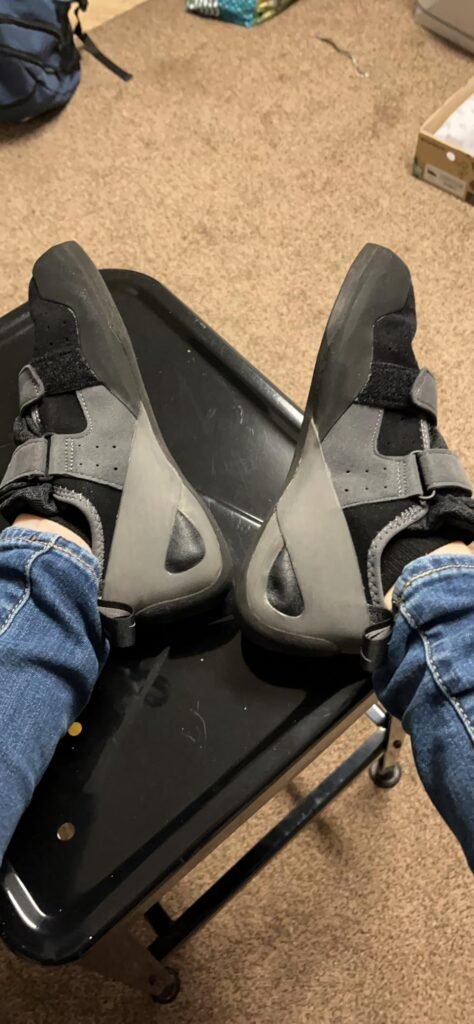
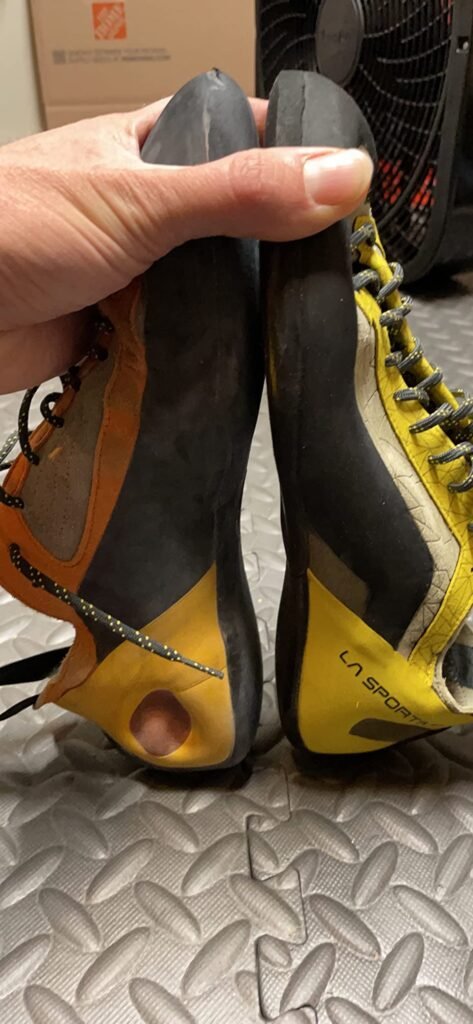
The Finale sits in a sweet spot that few climbing shoes reach: genuinely comfortable enough for a full day on the wall while still delivering the edging precision needed for technical routes. Climbers who spend hours on trad multipitch routes or long gym sessions typically face a compromise between comfort and performance, and this shoe pushes that line further than most.
We may earn a commission when you buy through this link, at no additional cost to you.
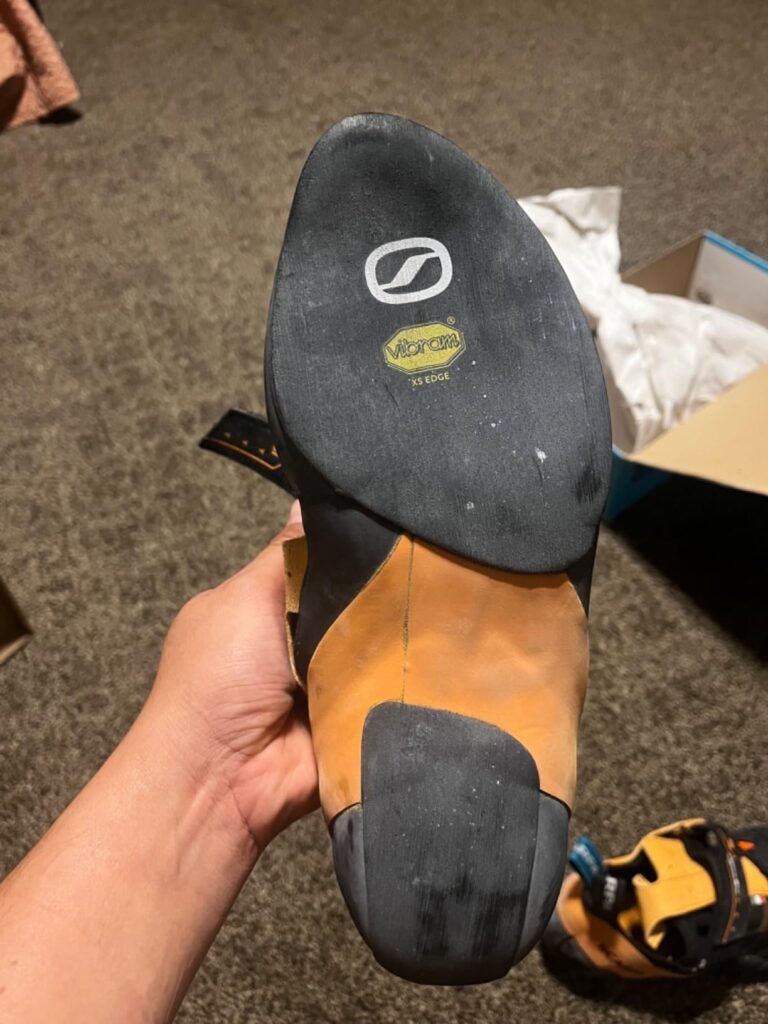
The Vibram XS Edge rubber on the half sole is one of the best edging compounds available, giving you confident purchase on small holds without feeling squirrelly. The ultra-thin LaSpoFlex midsole adds torsional rigidity so the shoe supports your foot on tiny footholds rather than deforming under pressure. This combination makes the Finale surprisingly capable on technical face climbing, not just easy pitches.
Comfort features are where this shoe really earns its reputation. The unlined leather upper stretches and molds to your foot over the first few sessions, creating a personalized fit that synthetic shoes cannot match. The padded mesh tongue with cotton lining wicks moisture during long climbs, and the updated Slingshot heel design keeps everything locked in place. Full-length lacing lets you fine-tune tension across the forefoot and instep independently.
Lace-up climbing shoes offer the most precise fit adjustment of any closure system. You can loosen tension across the forefoot during rest stances and cinch it back down for hard sequences, or accommodate slight foot swelling over the course of a long climbing day. For all-day shoes worn on multipitch routes or extended sessions, this adjustability is a meaningful advantage over hook-and-loop straps, which offer only limited tension zones.
Choose the Finale if you climb long routes, split time between trad and sport, or simply prioritize wearing your shoes for extended periods without pain. The tradeoff compared to aggressive downturned shoes is reduced power on steep overhangs, but that is a fair exchange for the versatility and endurance this shoe provides. Remember that the leather stretches, so avoid sizing too tight initially or you may end up with a shoe that feels sloppy after break-in.
Climbers focused on steep overhanging boulders who need an aggressively downturned shoe for power on small footholds.
We may earn a commission when you buy through this link, at no additional cost to you.
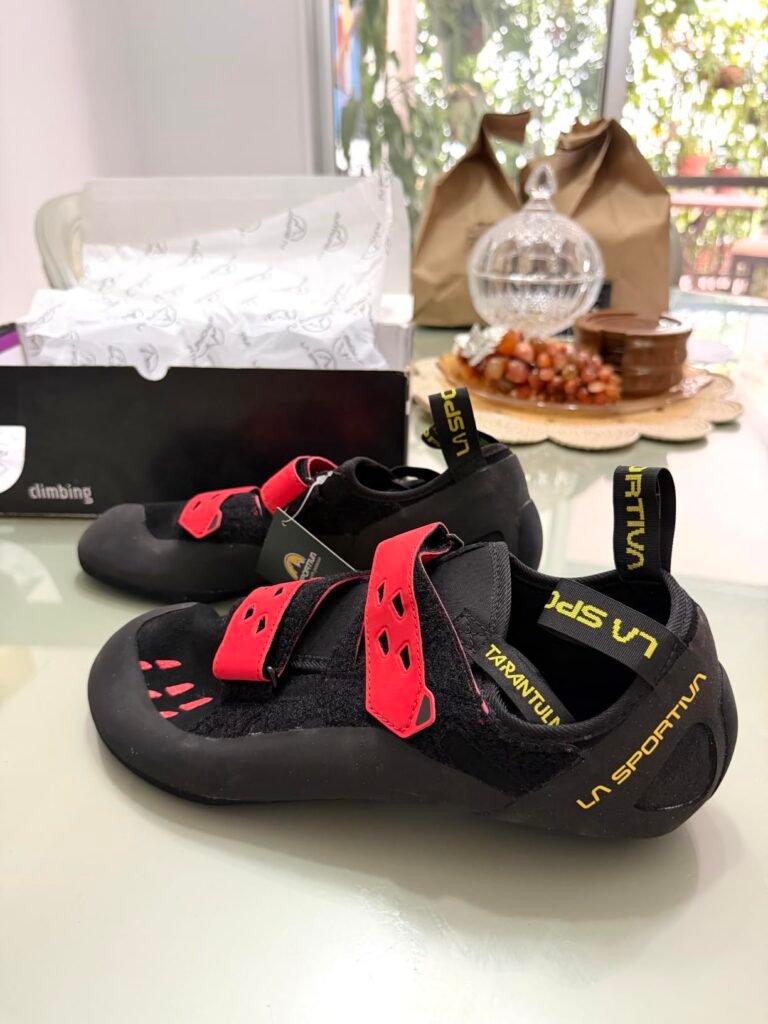
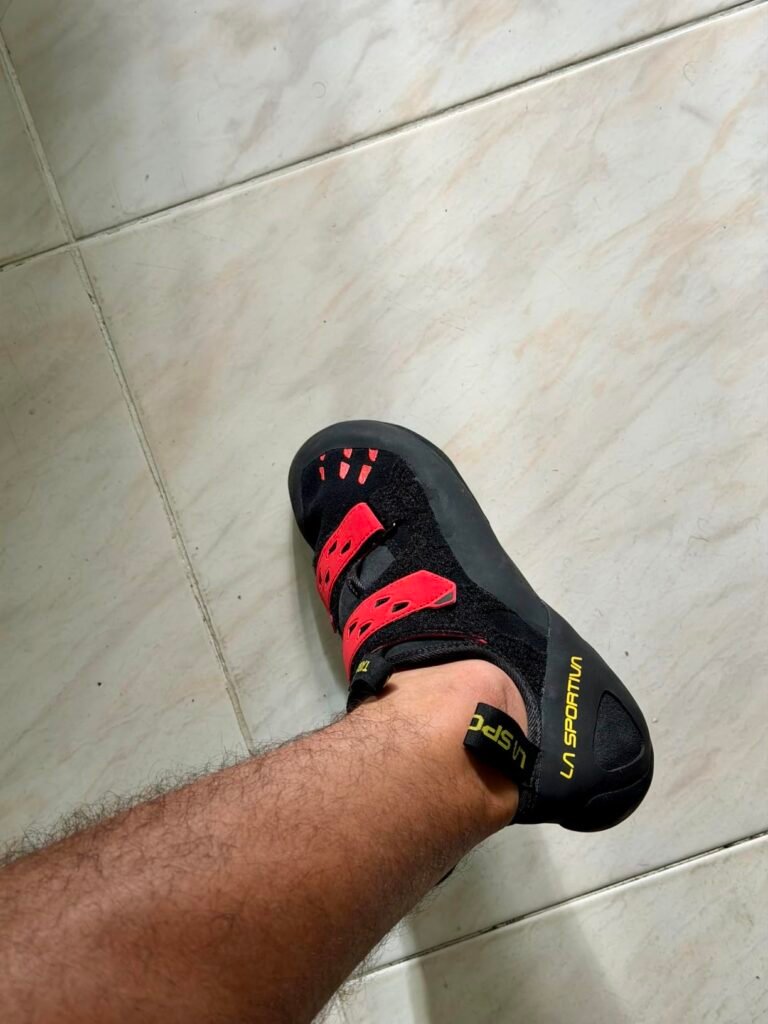
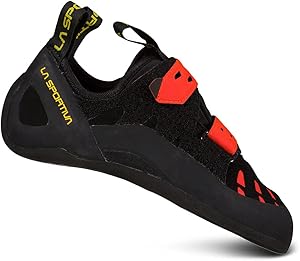
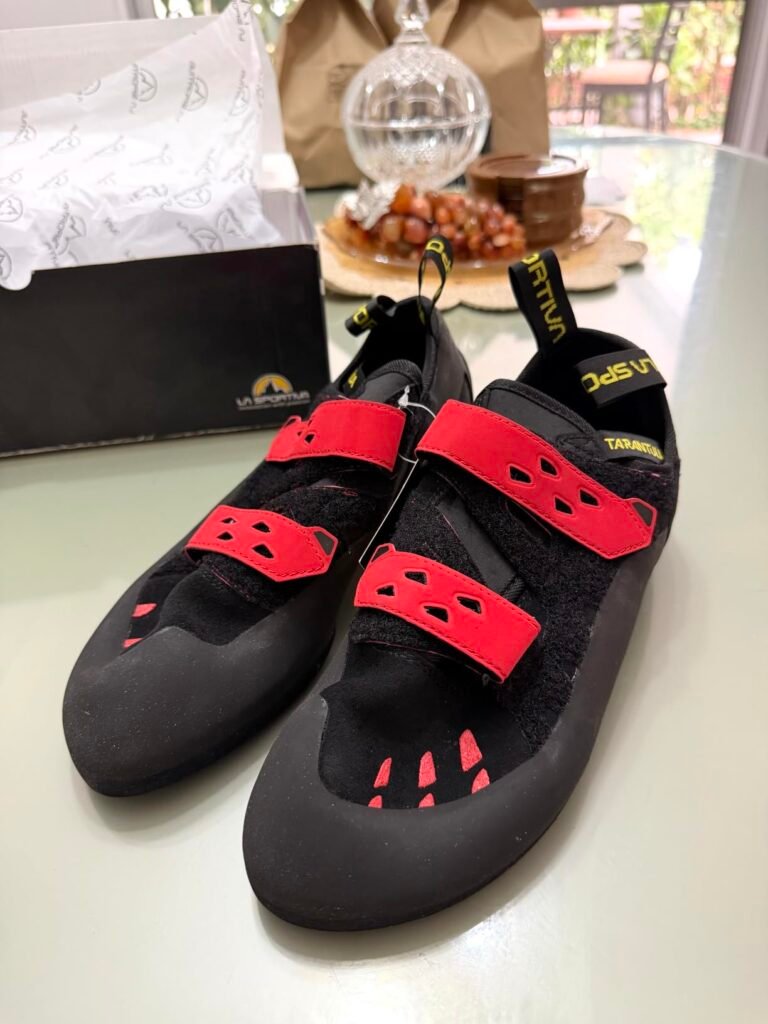
The Tarantula has earned its reputation as one of the best first climbing shoes for a reason. It prioritizes comfort and forgiving fit over aggressive performance, which is exactly what a new climber needs while building foot technique. Trying to learn footwork in a painful, tightly downsized performance shoe is counterproductive, and the Tarantula avoids that trap entirely.
We may earn a commission when you buy through this link, at no additional cost to you.
The all-leather upper breathes well and stretches slightly over time to conform to your foot, while the stretch insert helps the shoe adapt to different foot volumes. A rounded forefoot and higher-volume last accommodate the broader range of foot shapes typical of newer climbers who have not yet developed strong intrinsic foot muscles. The FriXion RS rubber compound leans toward durability rather than maximum stickiness, which is ideal for climbers who will wear through their first pair quickly as they learn.
The two-strap hook-and-loop closure system makes getting the shoes on and off between climbs effortless, and the two heel pull-tabs plus tongue tab further simplify the process. An updated heel cup holds your foot securely without the excessive tension found in aggressive shoes, so heel hooks work reasonably well without discomfort. The ultra-thin LaSpoFlex midsole provides more support than you might expect from a beginner shoe.
New climbers benefit far more from wearing their shoes and practicing technique than from squeezing into an aggressive performance shoe that hurts. Learning to trust your feet, weight them precisely, and use different edges of the shoe requires time on the wall, which is impossible if your feet are screaming. A comfortable beginner shoe like the Tarantula lets you focus on movement patterns and footwork drills, building a foundation that will pay dividends when you eventually upgrade to a more aggressive shoe.
Pick the Tarantula if you are new to climbing, taking friends who need rentals, or simply want a comfortable second pair for warm-ups and long gym sessions. The tradeoff is that experienced climbers pushing hard grades will outgrow the shoe’s capabilities on steep or technical terrain, but for its intended audience, the Tarantula offers excellent value. Just remember to size down significantly from your street shoe size, since the shoe runs quite large.
Advanced climbers projecting steep boulders or overhanging sport routes who need an aggressive downturn and softer rubber.
We may earn a commission when you buy through this link, at no additional cost to you.
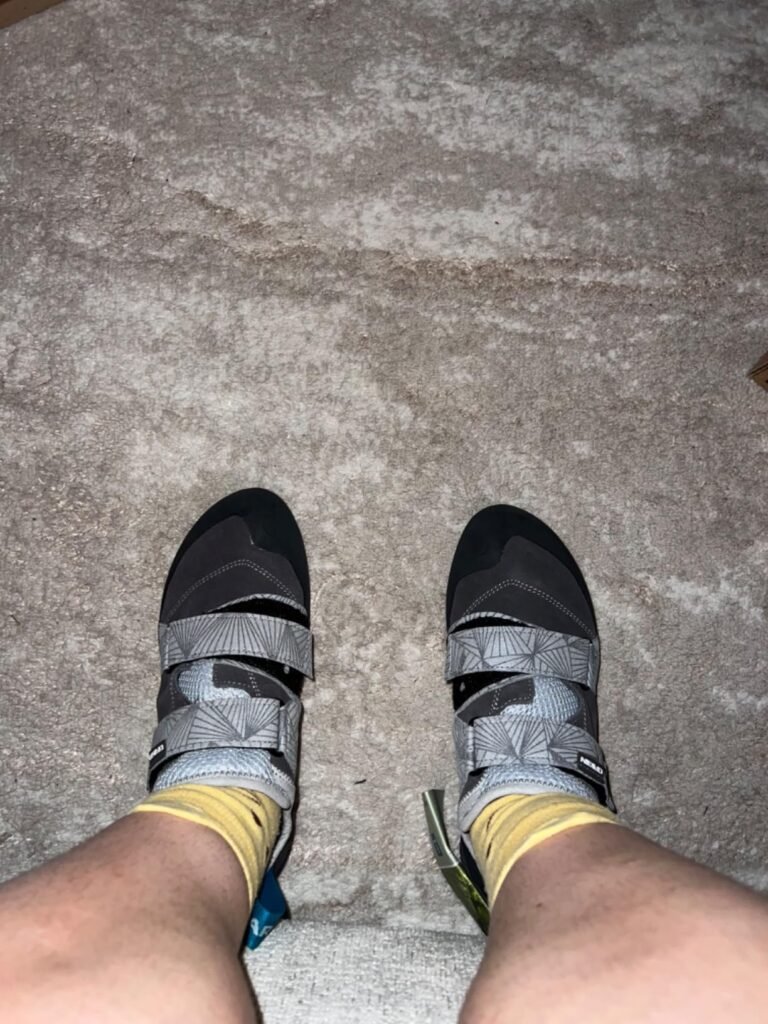
The SCARPA Origin fills an important niche for climbers with wider feet who find La Sportiva's narrower lasts uncomfortable. Its flat-lasted profile and generous forefoot volume accommodate broader foot shapes without pinching, while the slight asymmetry still provides enough directional support to develop proper technique on edges and smears.
We may earn a commission when you buy through this link, at no additional cost to you.
This shoe is built around comfort as a foundation for learning. The pressure-absorbing heel system spreads tension across the back of the foot, reducing the Achilles pain that plagues many beginners in their first climbing shoes. That thoughtful heel design lets new climbers focus on their body position and footwork rather than counting the seconds until they can rip their shoes off between attempts.
The leather upper stretches over time, which means the initial fit can feel slightly snug but will relax into a comfortable, foot-shaped fit within a few sessions. Sizing recommendations lean toward street shoe size or slightly larger, which is unusual in climbing shoes and reflects SCARPA’s commitment to comfort at this level. The rubber outsole provides reliable grip on gym holds and moderate outdoor routes, though it is not the stickiest compound on the market.
A flat-lasted shoe holds your foot in a natural, relaxed position, prioritizing comfort and all-day wearability. Downturned shoes, in contrast, force your toes into a curled, powerful position that maximizes grip on steep terrain but creates significant discomfort. Flat lasts work well for slabs, vertical face climbing, and long routes, while downturned lasts excel on overhangs. New climbers almost always benefit from starting with a flat or slightly asymmetric last.
The Origin is best suited for beginners with wider feet, casual climbers who prioritize comfort, or anyone who has bounced off La Sportiva’s narrower designs. Advanced climbers will find its flat profile and moderate rubber limiting on hard routes, but that is exactly the point. Choose this shoe as your first pair or as a comfortable option for long gym sessions when precision matters less than endurance.
Climbers with narrow feet or advanced climbers projecting overhanging routes that demand aggressive downturn.
We may earn a commission when you buy through this link, at no additional cost to you.
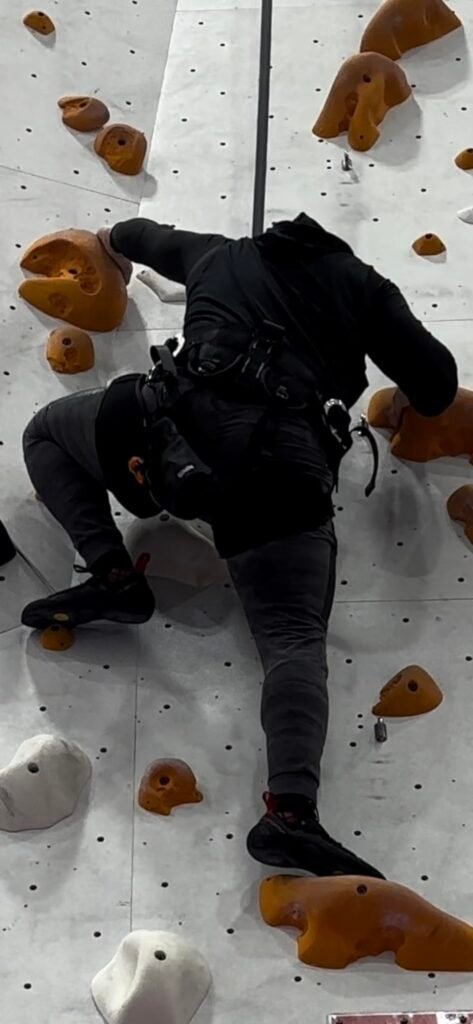
The Tarantula Boulder takes the comfortable base of the standard Tarantula and adds features specifically designed for modern bouldering. The integrated rubber toe cap, wrapped into the toe rand, transforms this shoe from a basic beginner model into something that can actually execute toe hooks on volumes and steep gym problems. That single feature makes it a legitimate step up for climbers moving beyond entry-level gear.
We may earn a commission when you buy through this link, at no additional cost to you.
The half-sole construction is a smart design choice that increases sensitivity and range of motion compared to full-sole shoes. Less rubber under the arch means you feel more of what your foot is doing on holds, and the shoe can flex more naturally into scums and smears. When the rubber eventually wears through, the half-sole design also reduces resoling costs since less material needs to be replaced.
The redesigned heel construction adds more rubber coverage across the back of the foot, which meaningfully improves heel hook performance on gym volumes and outdoor boulders alike. The overall shoe still uses the beginner-friendly Tarantula last, so the fit remains accessible for climbers with normal-volume feet, but the performance features make it capable at intermediate levels where the standard Tarantula starts to feel limited.
Contemporary bouldering, especially in gyms with large volumes and steep terrain, frequently requires toe hooks where climbers hook the top of their foot onto a hold to maintain body position on overhangs. A rubber patch or wrap on the top of the toe is essential for this technique, providing the friction needed to actually grip the hold. Older beginner shoes without significant toe rubber simply cannot execute these moves reliably, which limits your progression on modern gym problems.
This is an excellent choice for climbers who have progressed past their first pair and want to focus more on bouldering without jumping straight to an aggressive downturned shoe. The tradeoff is that expert boulderers will still want something more specialized, but for the price and intended audience, the Tarantula Boulder delivers strong value. Consider it as a natural upgrade path from a basic beginner shoe.
Expert boulderers or sport climbers who need an aggressive downturn for the hardest overhanging routes.
We may earn a commission when you buy through this link, at no additional cost to you.
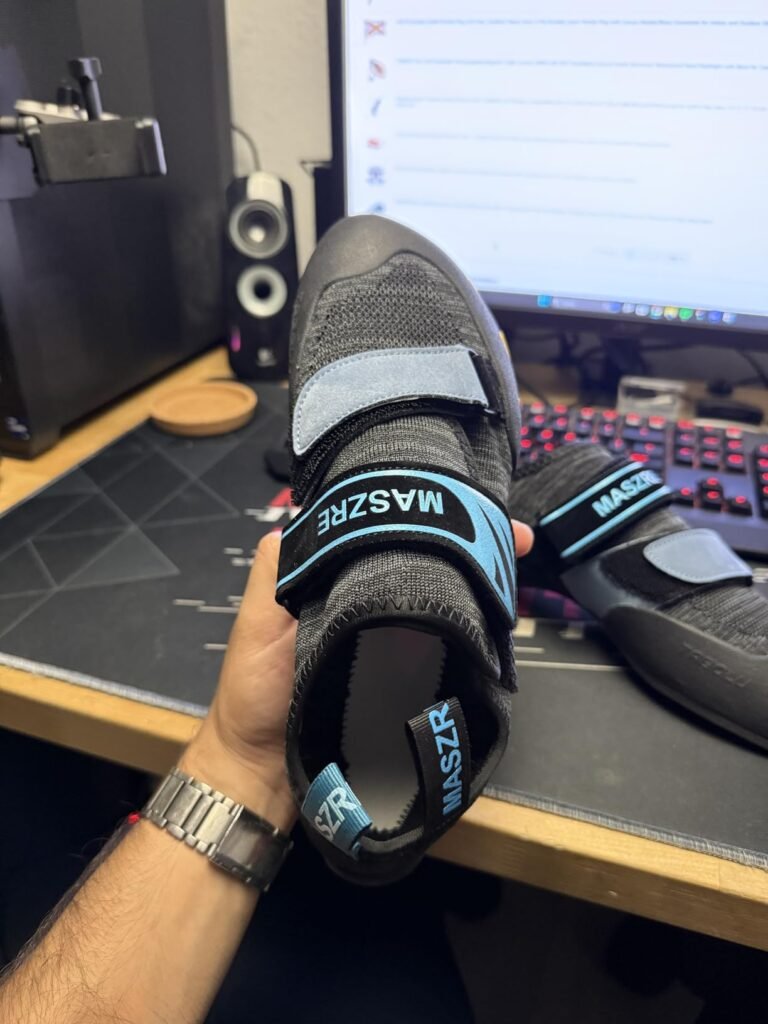
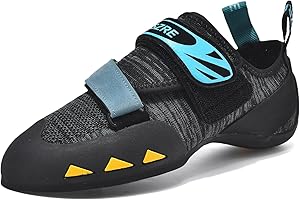
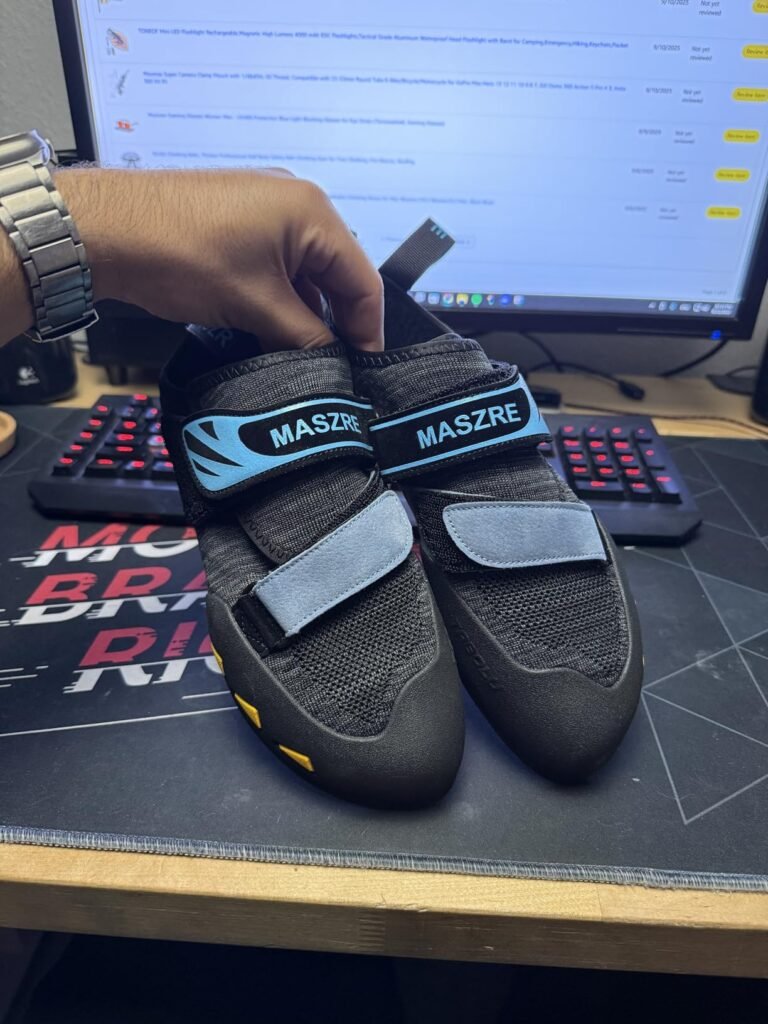
This budget mesh climbing shoe serves a specific purpose: giving casual climbers or first-timers an affordable way to try the sport without committing hundreds of dollars to gear before knowing whether they will stick with it. At roughly a third the price of premium models, it lowers the barrier to entry meaningfully, which matters if you are trying to convince friends or family to join you at the gym.
We may earn a commission when you buy through this link, at no additional cost to you.
The breathable mesh upper is genuinely useful for indoor climbing sessions where feet get hot and sweaty inside traditional leather shoes. Airflow through the upper helps keep feet drier during long gym visits, which improves comfort and slows the odor buildup that plagues most climbing footwear. The hook-and-loop closure allows quick adjustment between attempts, and the unisex design accommodates a range of foot shapes for both men and women.
Performance expectations should be calibrated to the price. The rubber outsole provides adequate grip for beginner routes and moderate gym problems, but it is not the sticky, high-performance compound found on premium shoes. Durability will also be lower than established brands, so plan on replacing them sooner rather than resoling. For occasional use, however, the value proposition is straightforward and honest.
Budget climbing shoes work best in specific situations: introducing new climbers who are unsure about committing to the sport, providing loaner pairs for friends and family, or serving as backup shoes when your primary pair is being resoled. They do not make sense as a long-term primary shoe for regular climbers, because premium models offer better rubber, more durable construction, and meaningful performance advantages that quickly justify their higher cost for anyone climbing more than occasionally.
Choose this shoe if you are new to climbing and want to test the waters before investing in premium gear, or if you need an inexpensive backup pair for casual gym sessions. Anyone planning to climb regularly or push into harder grades should upgrade to a more serious shoe fairly quickly, but as a first pair or occasional-use option, this budget entry serves its purpose. Treat it as a stepping stone rather than a long-term solution.
Regular climbers pushing intermediate or advanced grades who need reliable rubber and durable construction.
We may earn a commission when you buy through this link, at no additional cost to you.
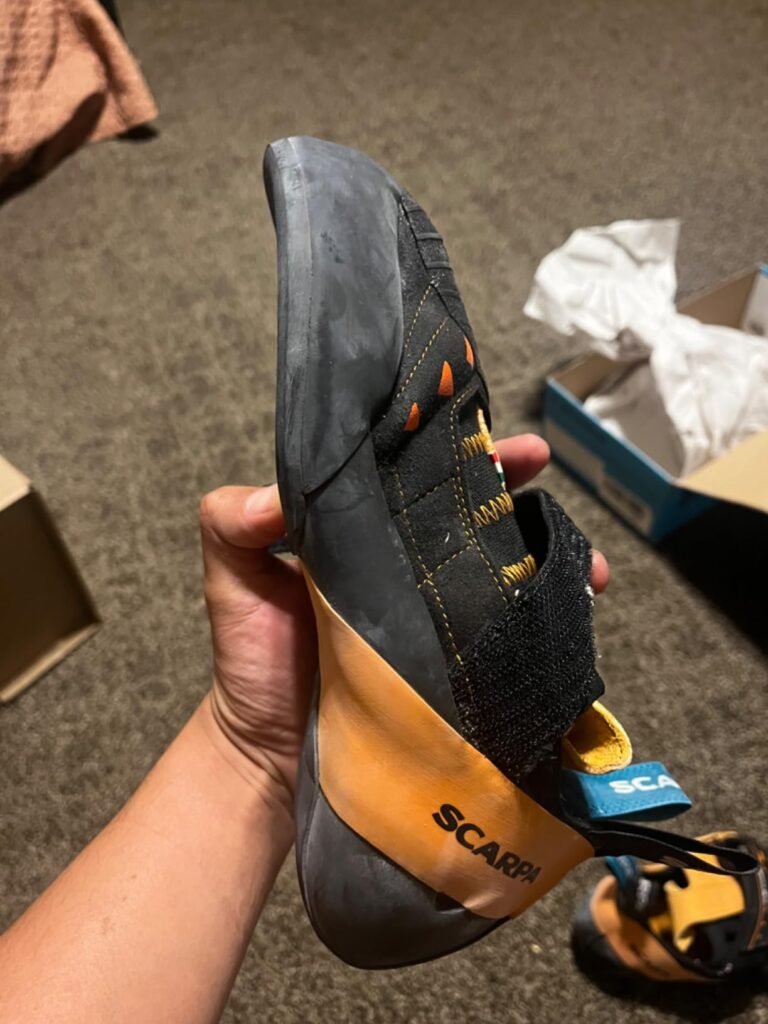
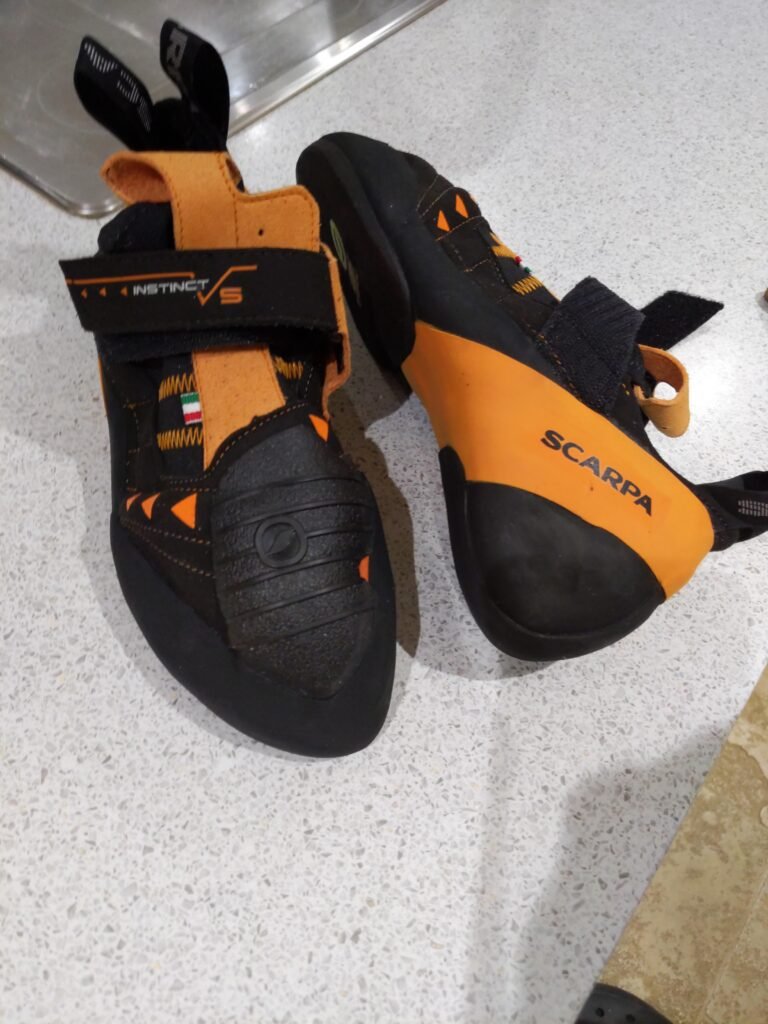
The Instinct VS is a performance-oriented shoe with a slightly softer build than its stiffer Instinct sibling, making it a versatile choice for climbers who want power without giving up all sensitivity. The stiff midsole supports your foot on the smallest edges, letting you stand on holds that would collapse a softer shoe. This edging capability is invaluable on vertical face climbing and technical sport routes where footwork precision decides success.
We may earn a commission when you buy through this link, at no additional cost to you.
The dual-rubber setup is a highlight. Vibram XS Edge in the forefoot provides the stiffness needed for hard edging, while the stickier XS Grip 2 rubber on the heel molds to heel hooks on any rock type. This combination gives you the best of both compounds without asking a single rubber to do everything, which is why many climbers consider the Instinct series a benchmark for versatile performance footwear.
The wider fit is a defining characteristic. Climbers with broader feet who have struggled to find performance shoes that do not pinch their forefoot often gravitate toward the Instinct VS specifically because of its more accommodating toe box. Conversely, climbers with narrow or low-volume feet often find the toe box too wide, leading to dead space that reduces precision. Trying the shoe on or ordering from a retailer with easy returns is smart if you are unsure about your foot volume.
Climbing shoe fit depends as much on foot volume as it does on length. A wide, high-volume foot in a narrow, low-volume shoe creates painful pressure points and dead space that ruins performance, even if the length is technically correct. Similarly, a narrow foot in a wide shoe swims around with no precision. Understanding your foot volume, not just your length, is critical when comparing brands like SCARPA, which offers wider lasts, against La Sportiva, which tends to run narrower.
The large toe rubber patch on top of the shoe extends coverage for toe hooks and bat hangs, which is essential for modern bouldering and steep sport routes. The single-strap closure allows quick tension adjustment between climbs. Choose the Instinct VS if you have wider feet, prioritize edging performance, and want a versatile shoe capable across sport climbing, bouldering, and technical trad routes.
Climbers with narrow or low-volume feet who need a more precise, tight-fitting toe box.
We may earn a commission when you buy through this link, at no additional cost to you.
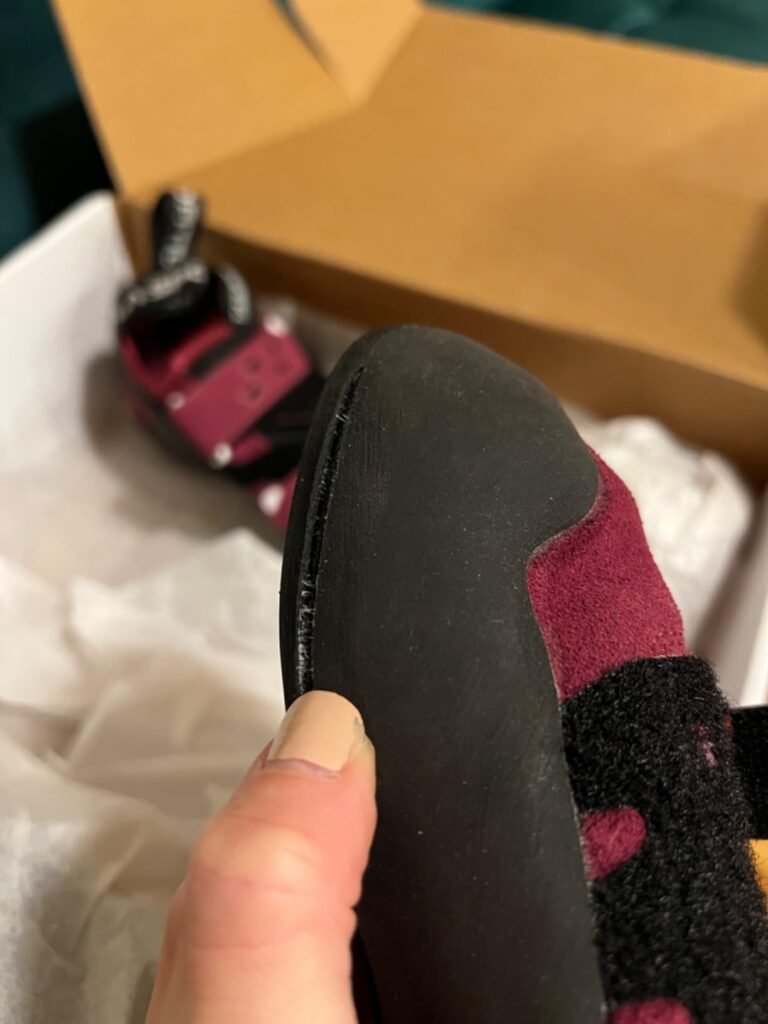
The womens Tarantula uses the same beginner-friendly design philosophy as the mens version but with a last shaped specifically for the typical proportions of womens feet. This includes a narrower heel, lower instep, and slightly different volume distribution that many women find more comfortable than trying to squeeze into unisex or mens shoes. For newer climbers, that better initial fit translates directly to better technique development.
We may earn a commission when you buy through this link, at no additional cost to you.
The all-leather upper breathes well and molds to your foot over the first several sessions, creating a personalized fit that synthetic materials cannot replicate. A stretch insert in the upper accommodates variations in foot shape, so climbers with slightly wider or narrower feet than average still find comfortable fit within the womens-specific dimensions. The FriXion RS rubber offers a good balance between stickiness and durability for climbers who will wear through their first pair as they learn.
The two-strap hook-and-loop closure keeps the on-and-off process quick between attempts, and the updated heel cup keeps the foot locked in for basic heel hooks. Two heel pull-tabs and a tongue tab make putting the shoes on easier, which sounds trivial until you have wrestled with a shoe that stubbornly refuses to slide on after your feet have warmed up. The rounded forefoot last provides a natural, comfortable position for extended gym sessions.
Women-specific climbing shoes are not just repainted mens shoes. The last shape typically features a narrower heel and lower instep, which addresses the fact that many womens feet have different proportions than mens feet. A properly fitted shoe locks the heel in place without creating dead space, which improves both comfort and heel hook performance. Women with feet that fall outside the typical range may still prefer unisex or mens lasts, but for many climbers, the womens-specific fit is a meaningful upgrade.
Unlike the mens Tarantula which runs a full size large, this womens version actually runs a half size small, so plan to size up rather than down. Choose this shoe if you are a woman new to climbing and want a comfortable, well-fitted first pair that supports skill development without pain. Advanced climbers will want to upgrade eventually, but for building foundational technique, this shoe delivers strong value.
Advanced women climbers projecting hard sport routes or overhanging boulders who need aggressive downturn and softer rubber.
We may earn a commission when you buy through this link, at no additional cost to you.
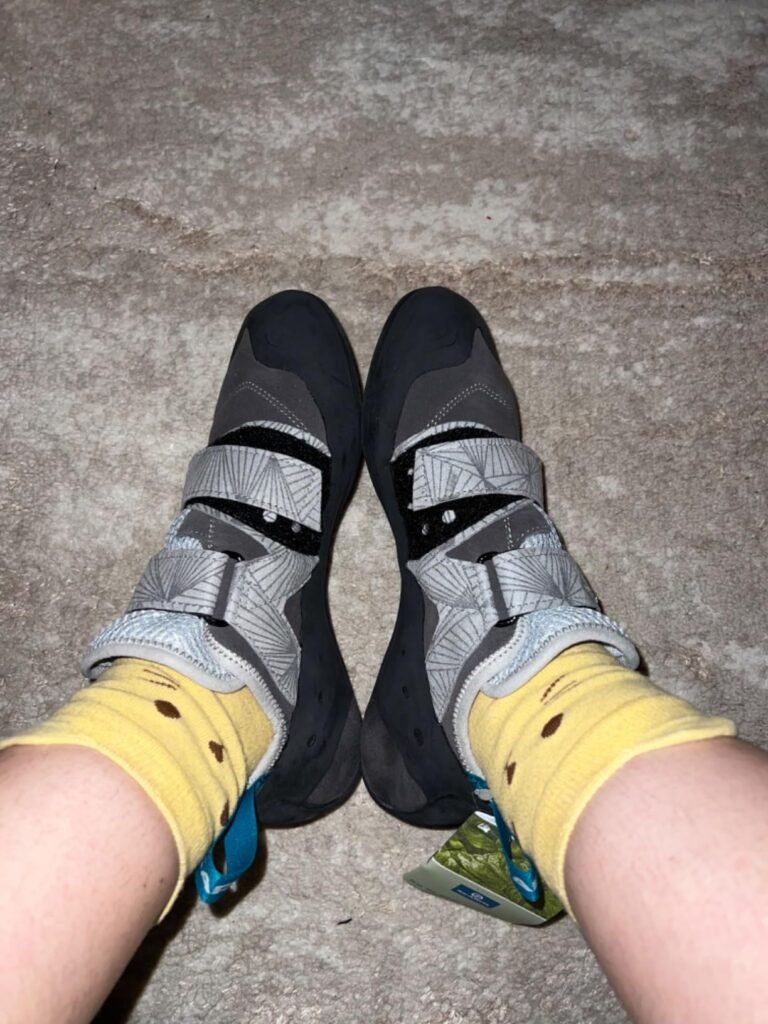
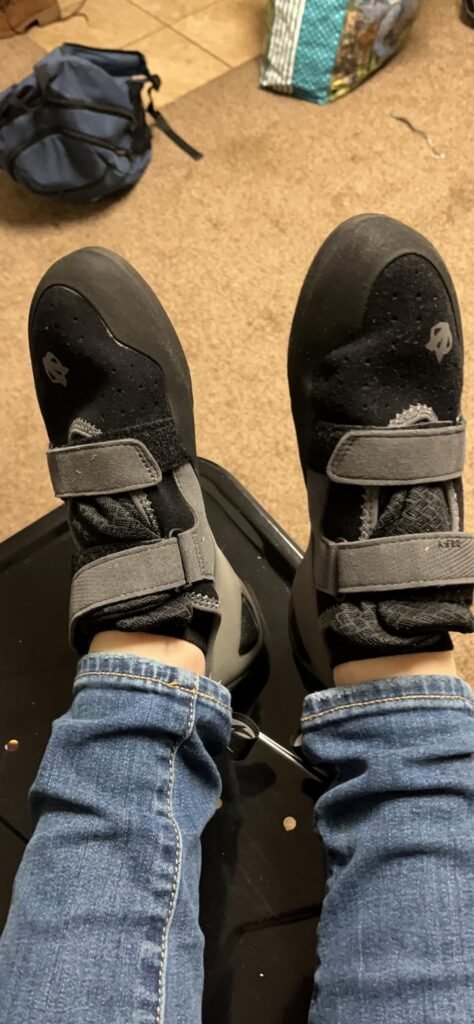
The EVOLV Defy occupies an interesting middle ground in the beginner category. Instead of the completely flat last found on entry-level shoes, it uses a slight camber and more asymmetric shape that creates a more precise connection between your foot and the hold. For new climbers who have already put in a few sessions and want a shoe that will grow with their progression, this design choice makes sense.
We may earn a commission when you buy through this link, at no additional cost to you.
EVOLV’s PSR system rates the shoe at a 4 on their sensitivity-to-power scale, positioning it as versatile for smearing and edging without pushing into aggressive territory. The strap version is softer than the lace-up variant, which increases sensitivity at the cost of some stiffness. This makes the strap Defy particularly suitable for indoor climbing on modern gym holds that reward feel over rigid platform support.
Sizing follows EVOLV’s simplified system: use your street shoe size for maximum performance, add a half to full size for a snug performance fit, or add a full to size and a half for relaxed comfort. This straightforward approach makes ordering easier than brands with more complicated sizing recommendations. The availability of low-volume and medium-volume options means climbers with narrower or average feet can find a proper fit rather than settling for a one-size-fits-most approach.
EVOLV rates each shoe on a Performance-Sensitivity Rating from 1 to 10, where 1 to 3 indicates highly sensitive shoes designed for smearing and volumes, 4 to 7 covers versatile all-around performance, and 8 to 10 marks powerful shoes built for small holds and edging. Understanding this system helps you match a shoe to your climbing style before buying. A PSR 4 like the Defy sits in the versatile middle, capable across different types of terrain without excelling at any single specialty.
Choose the Defy if you have outgrown your first flat beginner shoe but are not ready for an aggressive performance model, or if you want a slightly more precise first shoe than the ultra-comfortable options. The tradeoff is that the slight camber makes it marginally less comfortable for long sessions than truly flat shoes, but the gain in precision is meaningful for climbers actively working on technique.
Advanced climbers who need aggressive downturn or maximum sensitivity for hard projects.
We may earn a commission when you buy through this link, at no additional cost to you.
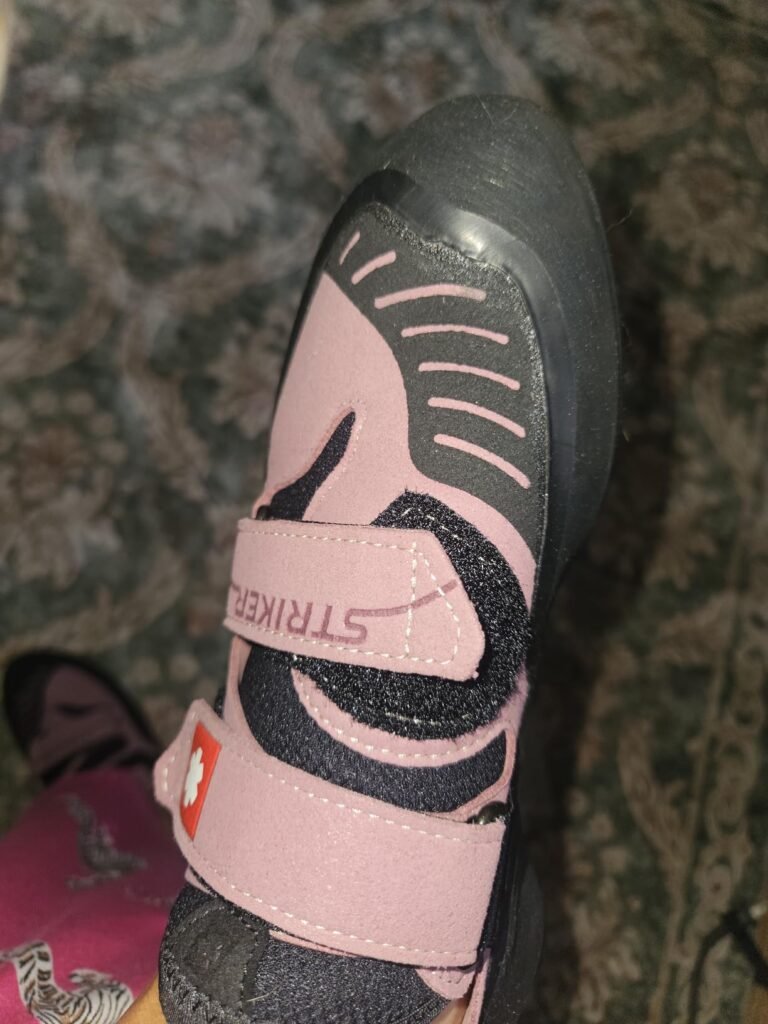
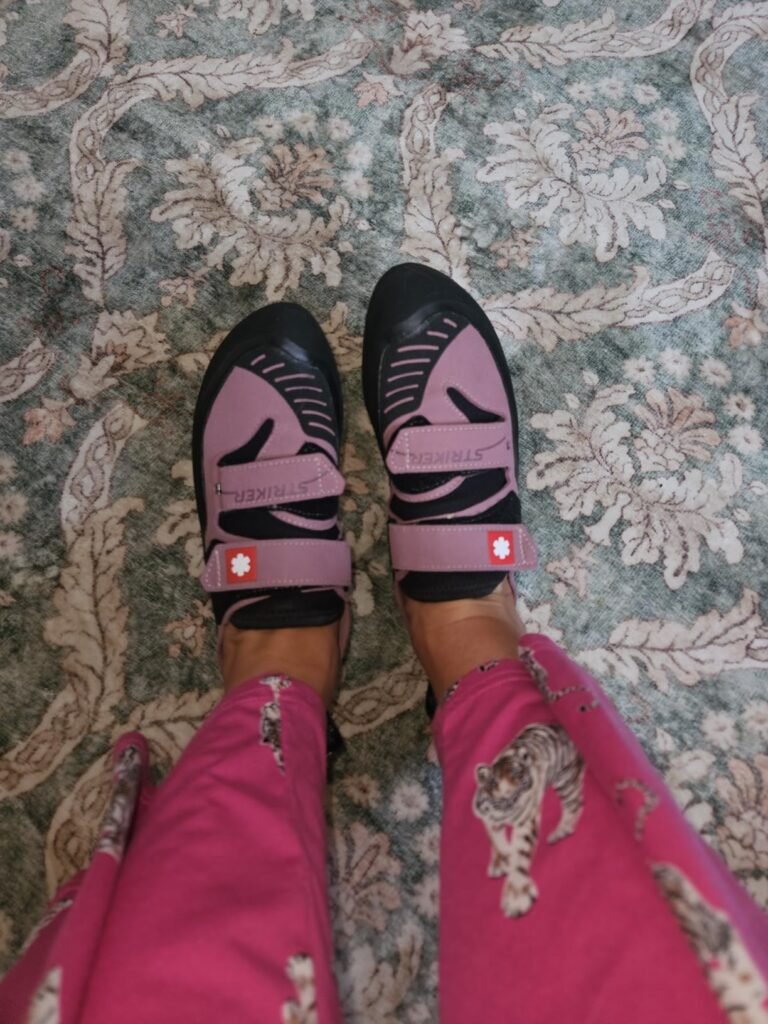
Ocun may be less familiar to American climbers than La Sportiva or SCARPA, but this Czech brand has been producing quality climbing gear since 1998. The Striker QC is designed as an all-around shoe for entry-level to recreational climbers who want comfort on easy to moderate routes, and it accomplishes that goal with a thoughtful design that fits most foot shapes without special sizing considerations.
We may earn a commission when you buy through this link, at no additional cost to you.
The slightly asymmetric shape provides just enough directional support to develop good footwork, while the neutral profile and generous big-toe power point keep the shoe comfortable for extended wear. The relaxed heel rand accommodates foot shapes flatly and comfortably without the aggressive tension found in performance shoes, making this a good choice for climbers who plan to wear their shoes for hours at a time on multipitch routes or long gym sessions.
Material choices are worth noting. The vegan microfiber upper is a plus for climbers who prefer to avoid leather, and it also means the shoe will not stretch significantly over time. Sizing at or near street shoe size, with a possible half-size adjustment based on personal preference, makes ordering straightforward compared to brands that require major downsizing. The strengthened rubber toe adds some toe hook capability, and the padded tongue improves comfort under the closure straps.
Neutral-profile climbing shoes hold your foot in a relatively flat, comfortable position that works well across a wide range of climbing styles, from slabs to moderate overhangs. Unlike aggressive downturned shoes that specialize in steep terrain but suffer everywhere else, neutral shoes offer versatility for climbers who mix trad, sport, and gym climbing without focusing on hard overhanging projects. For many recreational climbers, this versatility matters more than specialized performance.
The 2D medium-stiffness midsole balances support and sensitivity for versatile use, and the quick Velcro closure adjusts easily between attempts. Ocun backs the shoe with a one-year manufacturer warranty, which is welcome reassurance for climbers trying a less familiar brand. Choose the Striker QC if you want a comfortable, neutral all-around shoe from a solid brand and do not need cutting-edge performance features.
Advanced climbers projecting hard overhanging routes or steep boulders that require aggressive downturn and sticky soft rubber.
We may earn a commission when you buy through this link, at no additional cost to you.
Selecting climbing shoes involves matching several key characteristics to your climbing style, foot shape, and skill level. This guide breaks down the factors that genuinely affect your climbing experience so you can make an informed decision.
Climbing shoe fit differs dramatically from street shoe fit, and each brand sizes its shoes differently. La Sportiva shoes typically run large and require significant downsizing from your street shoe size, sometimes by a full size or more. SCARPA generally runs closer to street shoe size or slightly small, while EVOLV uses street shoe size for its performance fit. Ignoring these differences leads to shoes that are either painfully tight or so loose they perform poorly on the wall.
The right fit should feel snug without creating painful pressure points. Your toes should touch the front of the shoe, with beginner shoes allowing them to lie relatively flat and performance shoes curling them into a powerful position. Dead space in the heel or forefoot indicates a shoe that is too large or the wrong shape for your foot, which reduces precision on small holds and heel hooks. Excessive tightness that causes numbness or acute pain indicates the shoe is too small or the wrong shape entirely.
Always check the specific sizing recommendations for the model you are considering, and buy from a retailer with a good return policy so you can exchange for a different size if needed. Try shoes on late in the day when your feet are slightly swollen, and remember that leather shoes will stretch while synthetic shoes will not.
Climbing shoes come in three general profile types: flat, moderate, and aggressive. Flat-lasted shoes hold your foot in a natural, relaxed position and prioritize comfort for long routes and all-day wear. Moderate profiles have a slight camber that improves precision without sacrificing too much comfort. Aggressive shoes feature a strong downturn that curls your toes into a powerful, clawlike position optimized for steep terrain and small footholds.
The right profile depends on your climbing style. Trad climbers on long multipitch routes and beginners learning technique benefit from flat or moderate profiles that can be worn comfortably for extended periods. Sport climbers on vertical to slightly overhanging routes often prefer moderate downturn shoes that balance comfort and performance. Boulderers and sport climbers projecting steep terrain benefit from aggressive downturns that maximize toe power on overhanging holds.
Do not choose an aggressive shoe just because it looks like what elite climbers wear. Without the foot strength and technique to use an aggressive downturn effectively, you will simply suffer without gaining any real climbing advantage. Match the profile to your actual climbing goals.
Climbing shoe rubber varies significantly in stickiness, stiffness, and durability. Vibram XS Grip 2, found on shoes like the SCARPA Drago, is a soft, sticky compound optimized for maximum friction on steep terrain. Vibram XS Edge, used on the La Sportiva Finale and SCARPA Instinct VS forefoot, is stiffer and better suited for edging on small footholds. La Sportiva’s FriXion RS balances stickiness with improved durability, making it a good choice for beginner shoes that will see heavy wear.
Sole thickness affects both sensitivity and support. Thin soles let you feel the rock and adjust weight distribution in real time, which matters for technical climbing where you need to trust tiny footholds. Thicker soles provide more platform support for edging on small holds and reduce foot fatigue on long routes, but they mute the sensitivity that helps advanced climbers execute precise footwork. Half-sole construction reduces weight and improves flexibility while lowering resoling costs when the rubber eventually wears through.
Beginners generally benefit from more durable rubber and moderately stiff soles, while advanced climbers projecting hard routes often prefer softer, stickier compounds. Consider how quickly you will wear through the rubber and whether the shoe supports resoling before you commit.
Climbing shoes typically use one of three closure systems: laces, hook-and-loop straps, or slip-on elastic. Laces offer the most precise fit adjustment across the entire foot, letting you customize tension across the forefoot and instep independently. This makes lace-up shoes ideal for all-day wear where you may want to loosen tension during rests and cinch it back down for hard sequences. The tradeoff is that laces take longer to adjust between climbs.
Hook-and-loop straps offer quick on-and-off convenience and good tension across the forefoot, making them the preferred choice for bouldering and gym climbing where you frequently remove your shoes between attempts. Slip-on shoes provide the most sensitive fit but offer no tension adjustment, which limits their versatility. Most modern climbing shoes use one of the first two systems, with strap closures dominating the bouldering and gym market.
Match the closure to your primary climbing style. Long routes benefit from lace-up precision, while bouldering rewards the quick adjustability of straps.
Beginner climbers benefit most from comfortable, moderately stiff shoes with durable rubber and forgiving fit. Trying to learn footwork in an aggressive performance shoe that hurts your feet is counterproductive, since you will spend more time thinking about the pain than the movement. Shoes like the La Sportiva Tarantula, SCARPA Origin, and Ocun Striker QC are designed specifically for this stage of development.
Intermediate climbers who have developed some foot strength and technique can start moving into moderately aggressive shoes with better rubber and more precise fit. The La Sportiva Tarantula Boulder and EVOLV Defy bridge the gap between beginner comfort and performance features like toe rubber and slightly downturned lasts. Advanced climbers projecting hard routes benefit from specialized shoes like the SCARPA Drago or Instinct VS, which sacrifice comfort for maximum performance on specific terrain types.
Buy the shoe that matches your current skill level and typical climbing environment, not the shoe you aspire to wear once you climb harder grades. Progression comes from time on the wall in shoes you can actually wear comfortably.
Climbing shoe uppers use either leather or synthetic materials, and each has distinct advantages. Leather uppers stretch and mold to your foot over the first several sessions, creating a personalized fit that synthetic shoes cannot match. Unlined leather stretches most, potentially up to a full size, while lined leather stretches less. This break-in behavior means you can size leather shoes slightly tighter initially, knowing they will relax into a comfortable fit.
Synthetic uppers like microfiber resist stretching, so the fit you experience out of the box remains consistent for the life of the shoe. This predictability makes synthetic shoes easier to size accurately, and they hold aggressive shapes better over time. Synthetics also work well for vegan climbers who want to avoid animal products, and they typically dry faster after climbing in humid conditions.
Leather offers a more personalized fit for climbers willing to endure a break-in period, while synthetics deliver consistent performance from day one. Choose based on your preference for break-in versus immediate consistency.
Heel construction significantly affects performance on heel hooks, where climbers hook their heel over a hold to maintain body position. Aggressive shoes typically feature tight-fitting heel cups with substantial rubber coverage, giving you confident purchase on heel hooks of any size. Beginner shoes often have more relaxed heel construction that prioritizes comfort over heel hook performance, which is a reasonable tradeoff for new climbers who rarely execute heel hooks anyway.
Toe rubber has become increasingly important in modern climbing, especially for bouldering on gym volumes and steep sport routes. A rubber patch or wrap on top of the toe provides friction for toe hooks, where you hook the top of your foot onto a hold to pull yourself into the wall. Shoes without significant toe rubber cannot execute these moves reliably, which limits your capability on modern gym problems and steep outdoor routes.
Consider your typical climbing terrain when evaluating heel and toe rubber. Gym boulderers benefit significantly from extensive toe rubber, while trad climbers on cracks may prioritize other features.
Break in new leather climbing shoes gradually to avoid injury and maximize comfort. Wear them for short sessions initially, letting the leather stretch and conform to your foot over the first few climbs. Synthetic shoes require no break-in period and fit essentially the same on day one as they will months later. Regardless of material, avoid walking around in your climbing shoes off the wall, since street surfaces wear down the rubber prematurely and grind dirt into the sole that reduces friction on holds.
Keep your shoes clean and dry to extend their lifespan. Wipe the soles with a clean cloth before climbing to remove dust and debris that reduce friction. After each session, air out your shoes rather than sealing them in a bag, which traps moisture and accelerates the growth of odor-causing bacteria. Storing shoes with the closure open helps them dry completely between sessions. Never machine wash climbing shoes, as water and detergent can damage the rubber, adhesives, and upper materials.
When the rubber wears through in the toe area, consider resoling rather than replacing your shoes. Quality climbing shoes are designed to be resoled multiple times, and the leather or synthetic upper often outlasts several sole replacements. Resoling costs a fraction of a new pair and preserves the personalized fit you have developed. Wait to resole until the rubber has worn through to the rand, but not so long that the rand itself is damaged, which requires more expensive repair.
Climbing shoes should fit snugly with no dead space, but not so tight that they cause acute pain or numbness. Your toes should touch the front of the shoe, with beginner shoes allowing them to lie relatively flat and performance shoes curling them slightly. Aggressive shoes for hard bouldering may be sized tighter still, but this level of downsizing only makes sense for climbers with the foot strength to use it effectively.
Not necessarily. A single versatile shoe can work for both disciplines, especially at beginner and intermediate levels. Advanced climbers often own multiple pairs specialized for different terrain, with aggressive shoes for steep bouldering and more comfortable moderate shoes for long sport routes. If you are just starting out, a single all-around shoe like the Tarantula or Origin will serve you well across both styles.
Lifespan depends heavily on how often you climb and the shoe's construction. Regular climbers typically wear through the toe rubber in six months to a year, though beginner shoes with more durable rubber may last longer. Quality shoes can be resoled multiple times, extending their total lifespan to several years. The upper usually outlasts the rubber, so resoling is often more economical than replacement.
Most climbers wear their shoes barefoot to maximize sensitivity and precision. Socks add a layer between your foot and the shoe that reduces feel on small holds. However, some beginners wear thin socks for comfort during long sessions, and rental shoes are typically worn with socks for hygiene reasons. If you prefer socks, remember to account for the added thickness when sizing.
For advanced climbers pushing hard grades, premium shoes offer meaningful performance advantages in rubber quality, precision, and specialized features that justify the price. For beginners and intermediate climbers, mid-range shoes deliver most of the performance benefit at a lower cost. Buying an expensive aggressive shoe as your first pair rarely makes sense, since you will not have the foot strength or technique to use its capabilities.
Try on shoes from multiple brands to compare how they match your foot volume, arch, and width. La Sportiva tends to run narrower with a lower volume, while SCARPA offers wider lasts. If you have wide or high-volume feet, brands like SCARPA and Ocun may fit better. If you have narrow or low-volume feet, La Sportiva's designs often provide a more secure fit. Ordering from retailers with easy returns lets you experiment without committing.
No. Climbing shoes are designed exclusively for climbing and perform poorly for walking, hiking, or general exercise. The sticky rubber wears down rapidly on rough surfaces, the aggressive fit becomes painful during extended standing or walking, and the specialized construction offers none of the support needed for other sports. Change into approach shoes or sneakers when you are not actively climbing.
Only wear your climbing shoes on the wall or crash pad, never walking around the gym or on approach trails. Keep the soles clean by wiping them before climbing, and use a chalked hand or a toothbrush to remove dirt embedded in the rubber. Store your shoes in a well-ventilated space rather than a sealed bag, and consider resoling when the toe rubber wears through rather than replacing the entire shoe.
Womens climbing shoes typically feature a last shaped for the average proportions of womens feet, including a narrower heel and lower instep. This can provide a more secure fit for climbers whose feet fall within those proportions. However, foot shape varies widely, and many women find unisex or mens shoes fit them better. Try both if possible, and prioritize actual fit over the label on the box.
Consider upgrading when you find your current shoes limiting your ability to attempt harder routes, particularly on steep or technical terrain. Signs include feeling like your feet slip off small holds that should hold, or being unable to execute toe hooks and heel hooks that the route requires. Most climbers benefit from staying in comfortable beginner shoes longer than they think, focusing on technique before gear.
The La Sportiva Finale stands out as the strongest overall choice for climbers who need one shoe that can handle a wide range of terrain. Its combination of comfortable leather upper, precision-oriented Vibram XS Edge rubber, and full-length lacing delivers versatility that few competitors match. Whether you split time between trad and sport, tackle long multipitch routes, or simply want a shoe you can wear for hours without pain, the Finale earns its place at the top of this guide.
For climbers with different priorities, the SCARPA Drago delivers elite performance for advanced climbers projecting steep sport routes and hard boulders, while the La Sportiva Tarantula remains the benchmark beginner shoe with its comfortable fit and durable construction. Wider-footed climbers should look at the SCARPA Origin or Instinct VS, and budget-conscious first-timers can start with the affordable mesh option to test their interest before investing in premium gear.
Choosing the right climbing shoe ultimately comes down to matching the shoe's design to your actual climbing style and foot shape. Beginners benefit from comfortable, forgiving shoes that let them focus on technique. Intermediate climbers can move into moderately aggressive shoes with better rubber and precision features. Advanced climbers benefit from specialized shoes matched to their specific projects. Use the buying guide factors above to narrow your options, and prioritize actual fit over brand loyalty or aspirational specifications.