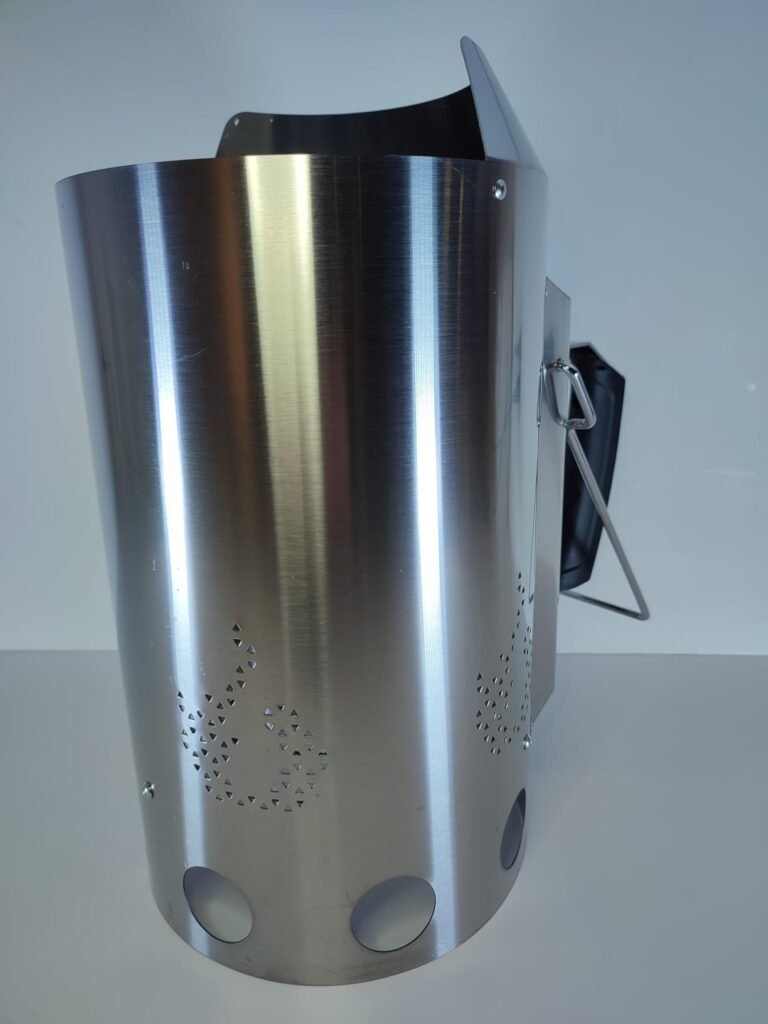
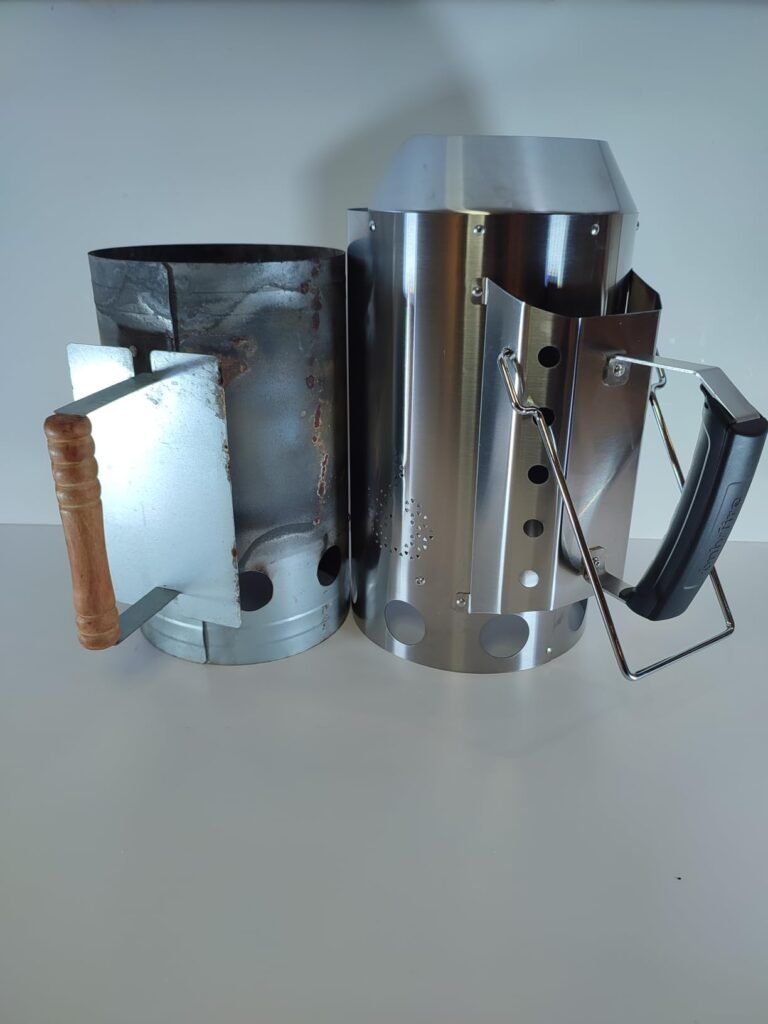
Kingsford Heavy Duty
9.4Editor scoreZinc-coated steel body
Large capacity chamber
Stay-cool grip handle
Circular vented base
Compare 10 top charcoal chimney starters by capacity, material, airflow, heat protection, and value to find the right fit for your grill.
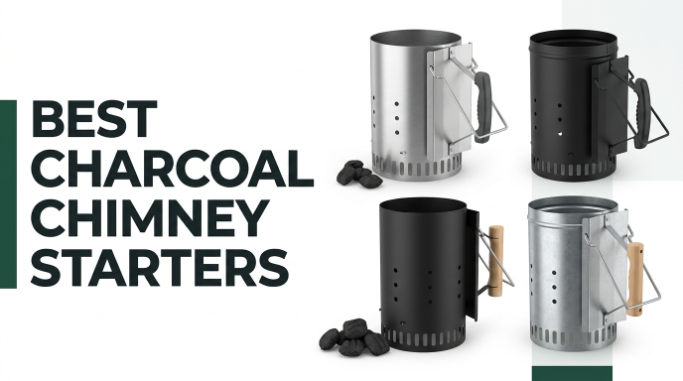
Find the right charcoal chimney starter for your grilling setup in 2026. We compare 10 standout options by the factors that matter most outdoors: steel gauge, capacity, airflow design, handle insulation, ignition speed, and real-world durability across backyard cookouts and camping trips.
Not every chimney starter handles high-heat lump charcoal the same way, and a model that works for a small portable grill may fall short on a 22-inch kettle. Material thickness, vent placement, and handle geometry all influence how quickly and safely you move from cold briquettes to a glowing bed of coals.
This guide breaks down each model’s practical strengths and limitations so you can match a chimney to your cooking style, grill size, and budget without guessing. Whether you need a bare-bones workhorse or a full kit with fire starters and a blower, the picks below cover the range.
We compared 10 charcoal chimney starters using the details that actually help a buyer decide: steel type and thickness, charcoal capacity, vent and airflow design, handle heat protection, ignition speed, included accessories, owner feedback, and overall value. The notes focus on practical trade-offs so each pick connects to how people actually light coals for weeknight grilling, weekend smoking sessions, and large outdoor gatherings.


Compare key features, scores, and current prices side by side. A shorter feature list means fewer details were available, not necessarily fewer capabilities.


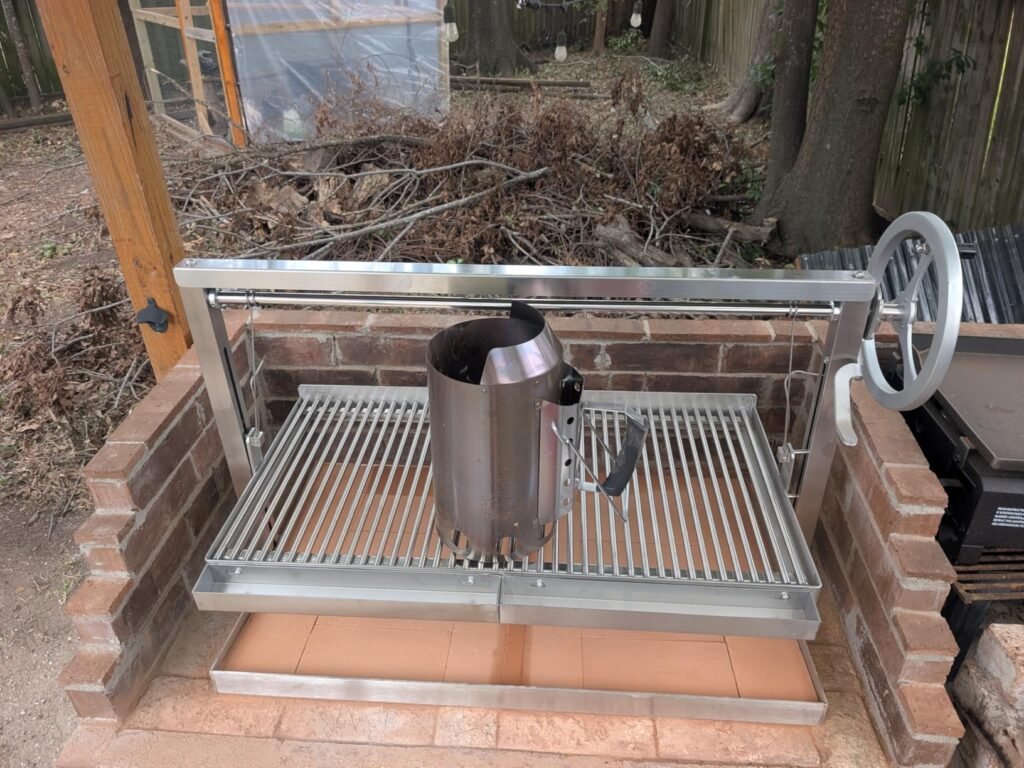
The onlyfire Deluxe Stainless targets grillers who regularly cook for large groups and need a chimney that can light enough fuel in a single pass. With a 6.5-pound charcoal capacity, it can fill a 22-inch kettle to the brim or supply a large offset smoker with a deep coal bed, eliminating the downtime of lighting a second batch midway through a cook. That single-load convenience is the main reason to consider stepping up to this price tier.
We may earn a commission when you buy through this link, at no additional cost to you.
Stainless steel construction gives this chimney a significant longevity advantage over zinc-coated models. The metal resists corrosion from moisture and acidic ash residue, and the hand-welded seams add structural rigidity that thinner spot-welded chimneys lack. Even after dozens of heating and cooling cycles, the body is unlikely to warp or develop the hairline cracks that eventually retire cheaper units.
The dual-handle system is the standout usability feature. The main grip stays far enough from the heat column to use with a gloved hand, while the secondary side handle acts as a pivot point for controlled pouring. This two-handed arrangement is especially valuable when the chimney is fully loaded and heavy, reducing the wrist strain and spill risk that come with tilting a single-handle design.
Zinc-coated steel chimneys rely on a thin galvanic layer to prevent rust, and that layer gradually burns off and wears away with each high-heat session. Stainless steel, by contrast, contains chromium that forms a self-healing oxide layer, so surface scratches do not immediately lead to corrosion. For a chimney that will see heavy use over several years, stainless steel is the more durable investment even though the upfront cost is higher.
This chimney is best suited for serious backyard cooks, competition teams, or anyone who routinely feeds a crowd. The higher cost and extra weight make it overkill for someone who grills a few burgers once a week on a small portable. If big-batch cooking is your norm, however, the onlyfire Deluxe pays for itself in saved time and frustration over a single grilling season.
Occasional grillers who only need a small amount of charcoal for quick weeknight meals on a compact grill.
We may earn a commission when you buy through this link, at no additional cost to you.
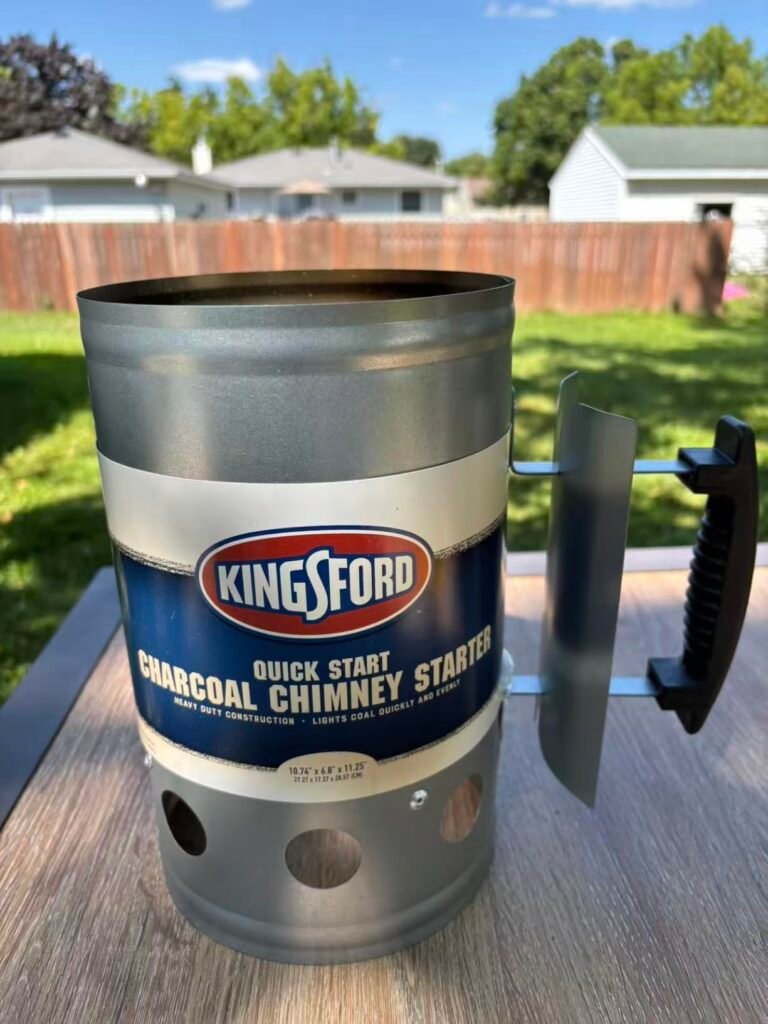
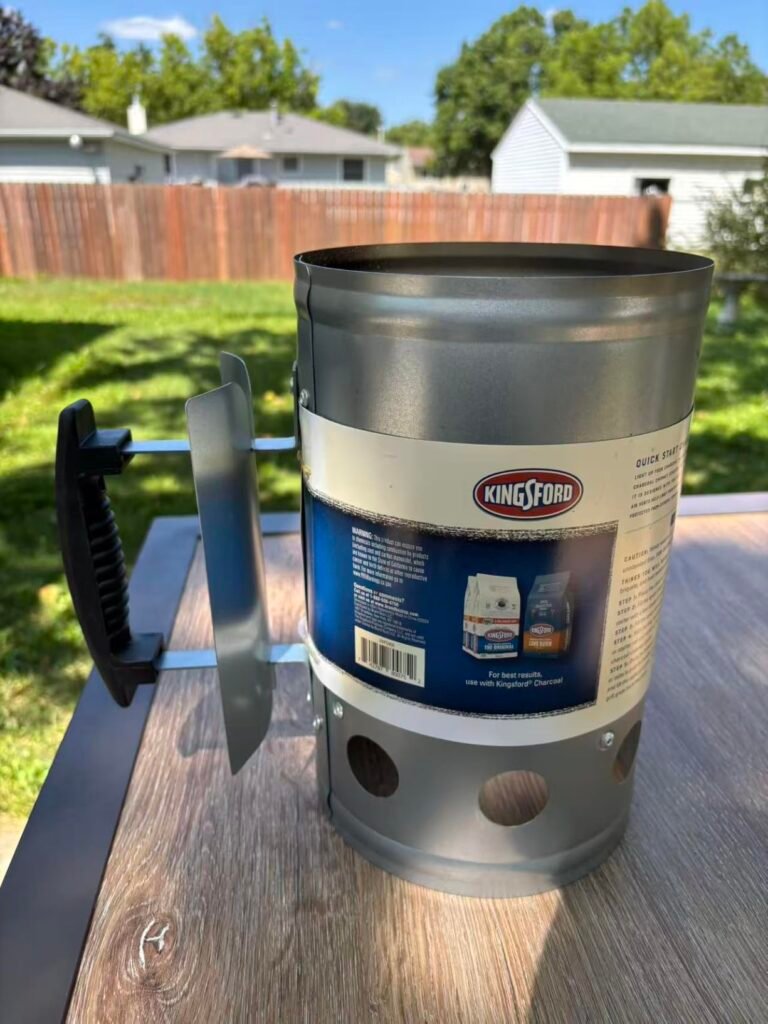
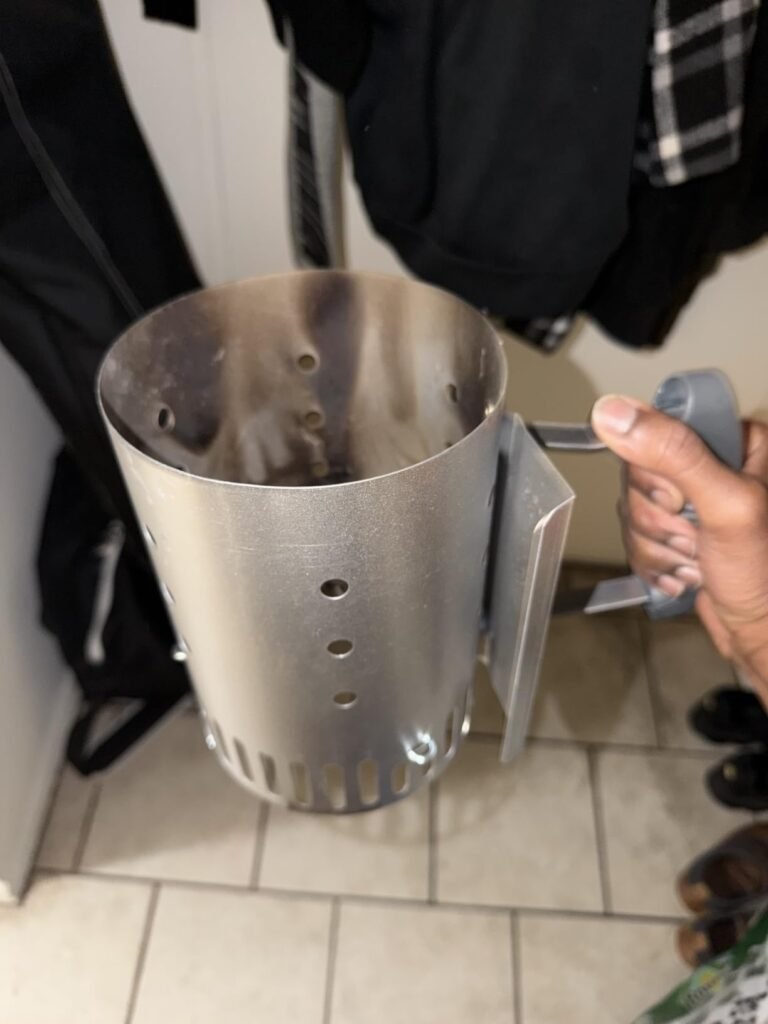
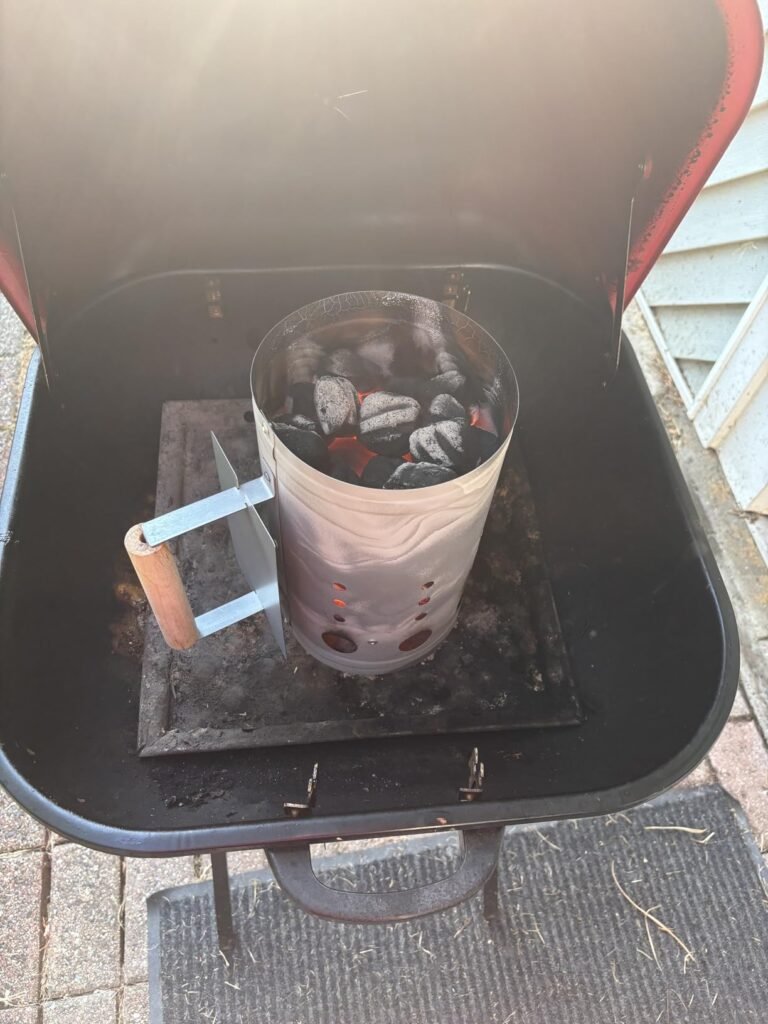
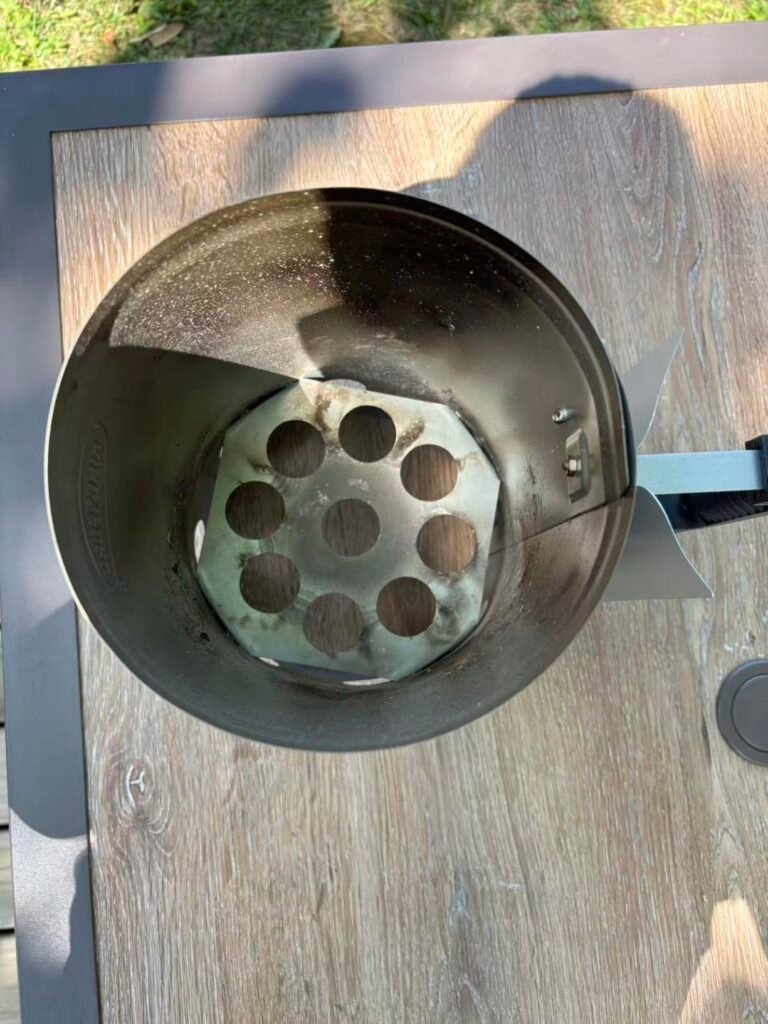
The Kingsford Heavy Duty chimney starter is one of the most affordable ways to ditch lighter fluid and get a full bed of coals ready for a standard backyard grill. Its large capacity means you can load enough briquettes in a single fill to cover a 22-inch kettle or a mid-size offset smoker without a second lighting round, which is a genuine time-saver during cookouts when guests are already gathering.
We may earn a commission when you buy through this link, at no additional cost to you.
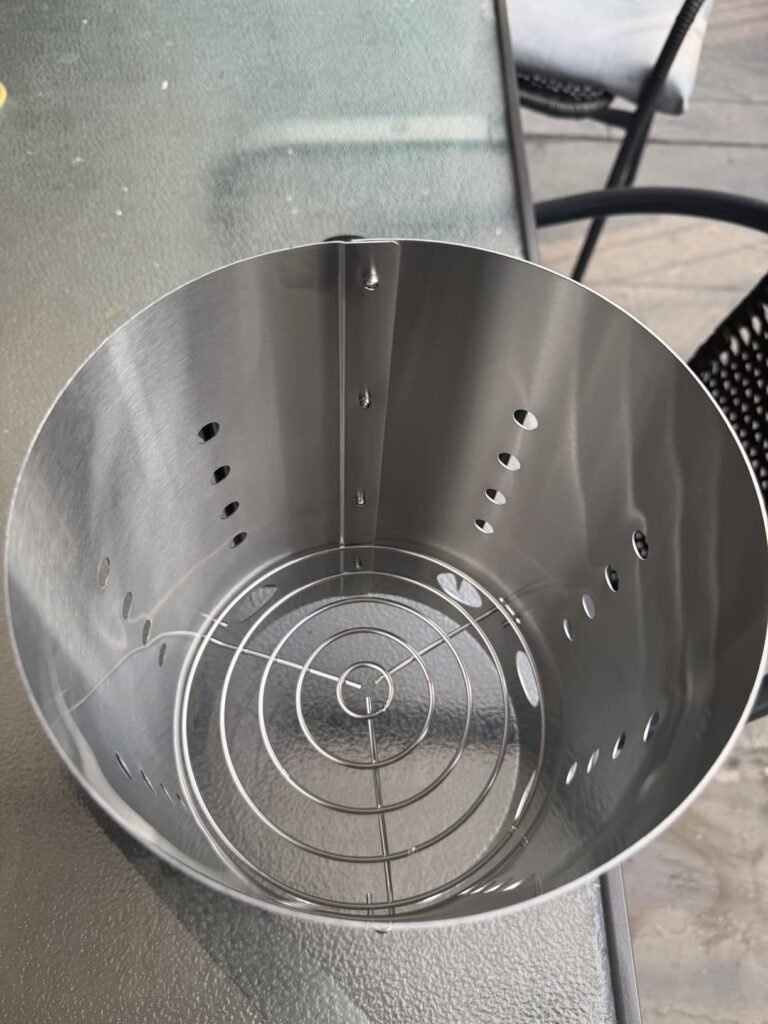
Airflow is the engine of any chimney, and this model uses a vented base with circular side vents to draw a steady column of air upward through the charcoal. That consistent draft helps briquettes ignite from the bottom up in a relatively uniform pattern, reducing the chance of a half-lit load that needs manual rearranging. The result is a predictable 15-to-20-minute window from match to pour on a calm day.
A built-in heat shield and stay-cool handle give your dominant hand reasonable protection during the pour, though the single-handle layout does mean you will want a heat-resistant glove on your free hand to steady the chimney. The zinc-coated steel construction holds up well through a typical grilling season of weekly use, and the whole unit arrives fully assembled so there is nothing to fumble with before your first cook.
A chimney starter works on the same principle as a natural draft furnace: hot air rises through the column, pulling fresh oxygen in from the bottom vents to feed the fire. If those vents are too small or poorly positioned, the charcoal in the center of the load may smolder rather than ignite fully, leaving you with uneven heat on the grill grate. The Kingsford’s circular vent pattern provides a wide intake area that keeps the draft strong even when you pack the chamber tightly with briquettes, which is especially helpful on still days when there is no natural breeze to assist.
This chimney makes the most sense for casual grillers who want a dependable, no-frills tool without spending much. If you cook on a large smoker several times a week or regularly use high-heat lump charcoal, you may eventually want to step up to a thicker stainless steel model. For weekend burgers, chicken, and the occasional low-and-slow session, the Kingsford delivers solid performance at a price that is hard to beat.
Grillers who need a chimney rated for extreme-heat binchotan charcoal or who want a dual-handle pouring system for heavy loads.
We may earn a commission when you buy through this link, at no additional cost to you.
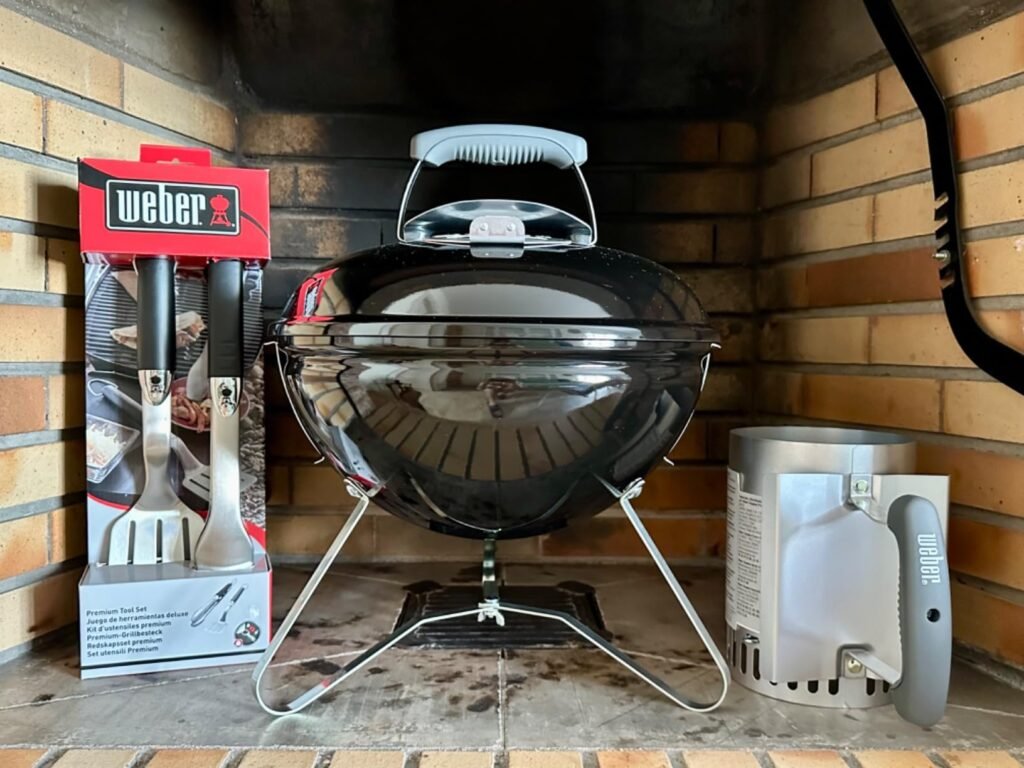
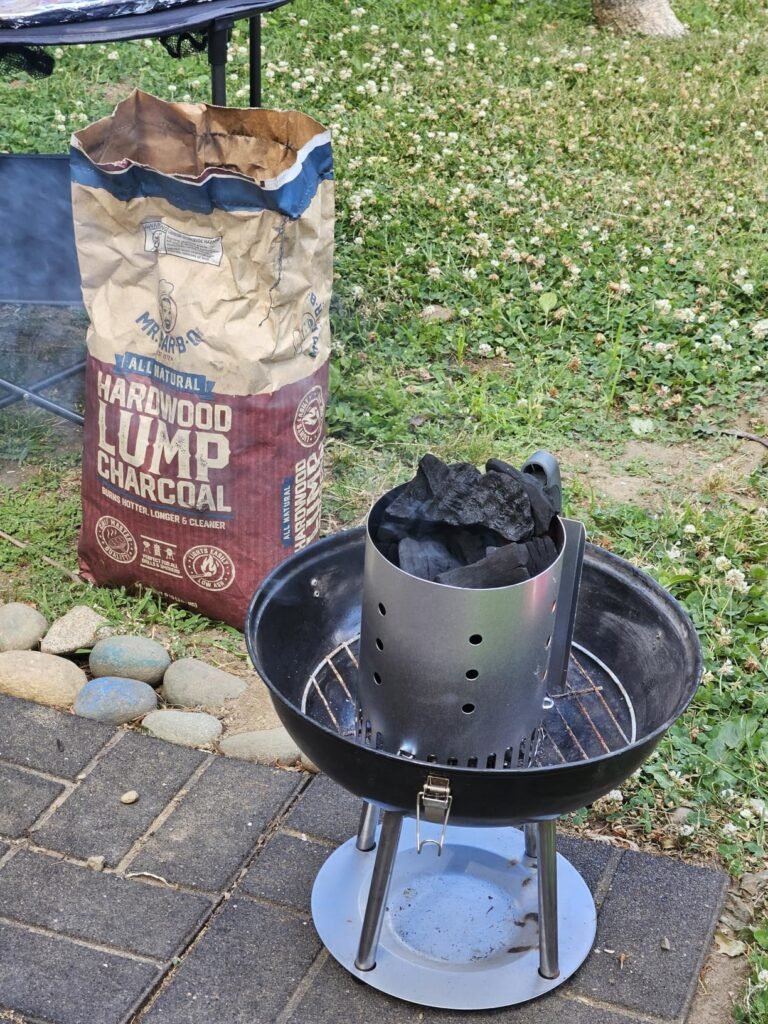
The Weber Rapidfire has been the default recommendation in grilling circles for years, and its 4.8-star rating reflects a design that simply works well across a wide range of charcoal types and grill sizes. The 7.5-inch diameter and 13-inch height give it a standard capacity that fills a 22-inch kettle with a single layer of hot coals, making it a natural companion for Weber's own grills as well as similarly sized models from other brands.
We may earn a commission when you buy through this link, at no additional cost to you.
What sets the Rapidfire apart from many competitors is its specialized cone-shaped internal grate. Rather than sitting flat, the grate angles the charcoal toward the center of the column where heat concentrates, helping the entire load reach ignition temperature more uniformly. This geometry shortens the gap between the first glowing briquette and a fully lit load, which matters when you are trying to get dinner on the table on a weeknight.
The ergonomic handle is positioned to keep your knuckles well clear of the rising heat, and the overall balance of the unit makes pouring feel controlled rather than precarious. Weber’s construction quality is evident in the seam work and metal thickness, which resist warping even after repeated high-heat cycles. The silver finish also holds up reasonably well against the elements if you store the chimney outdoors between uses.
Flat grates spread charcoal evenly but can leave the center of the column slightly cooler because heat tends to travel along the outer walls of the chimney. The Rapidfire’s cone grate pushes more fuel toward the middle of the draft column, where the hottest air flows upward. This concentrates thermal energy where it is most effective and reduces the cold spots that sometimes leave a handful of briquettes only half-lit when you pour.
Choose the Rapidfire if you want a proven, mid-priced chimney that handles briquettes and standard lump charcoal with equal competence. It is not the largest option on this list, so owners of big offset smokers or barrel grills may need to light two batches for extended cooks. For the majority of backyard grillers, however, one full load is enough, and the Rapidfire delivers that load quickly and reliably.
Cooks who regularly need to light more than 80 briquettes at once for large-format smokers or competition rigs.
We may earn a commission when you buy through this link, at no additional cost to you.
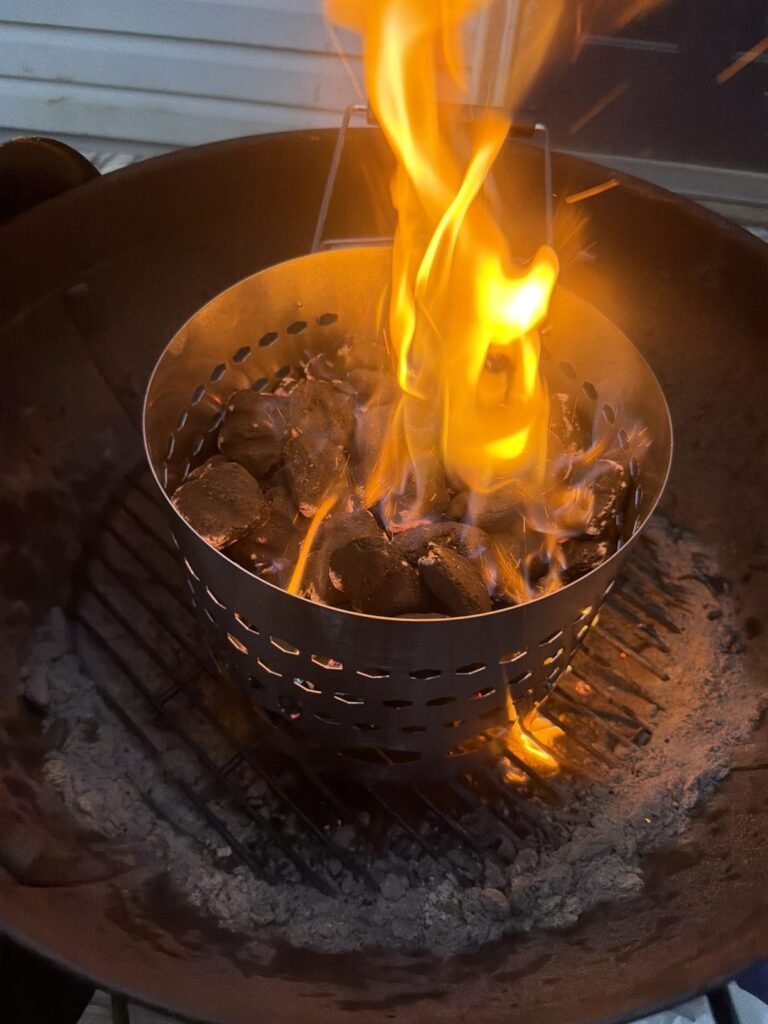
Oklahoma Joe's built the Halftime XL around a single promise: get your coals ready in roughly half the time a conventional chimney requires. The extra-large chamber holds up to 100 briquettes, and the wide footprint exposes more fuel surface area to the rising draft, which accelerates the ignition cascade. For anyone who has stood around waiting 25 minutes for a standard chimney to finish, cutting that window down to 12 or 15 minutes is a meaningful improvement.
We may earn a commission when you buy through this link, at no additional cost to you.
The stainless steel body handles the intense heat generated by a fully packed load without the warping that thinner metals can develop over time. This durability matters most when you are using dense hardwood lump charcoal, which burns hotter than briquettes and can stress lighter-gauge steel. The Halftime XL’s construction keeps the cylinder round and the grate level even after repeated high-temperature sessions.
An innovative handle design keeps the grip area insulated from the heat column, which is especially welcome given how much thermal energy a full 100-briquette load produces. The handle geometry also provides good leverage for the pour, though the overall width of the unit means you will want to make sure your grill’s charcoal grate has enough clearance to receive the coals without spilling over the edges.
Lump charcoal pieces are irregular in shape and size, which means they pack less uniformly than briquettes and can create air pockets that slow ignition in a narrow column. A wider chimney like the Halftime XL gives lump pieces more room to settle naturally and exposes a larger cross-section to the updraft, helping the fire spread through the entire load more evenly. If you primarily burn lump charcoal, chimney diameter matters more than you might expect.
This chimney is a strong pick for owners of large offset smokers, barrel grills, or any setup that demands a deep bed of coals for long cooking sessions. If your primary grill is a compact 14-inch kettle or a portable tailgate model, the Halftime XL’s footprint may be too wide to sit securely on the grate. For big rigs and big appetites, the speed advantage is hard to ignore.
Grillers with small portable grills or compact kettle setups where the wide base will not sit securely on the charcoal grate.
We may earn a commission when you buy through this link, at no additional cost to you.
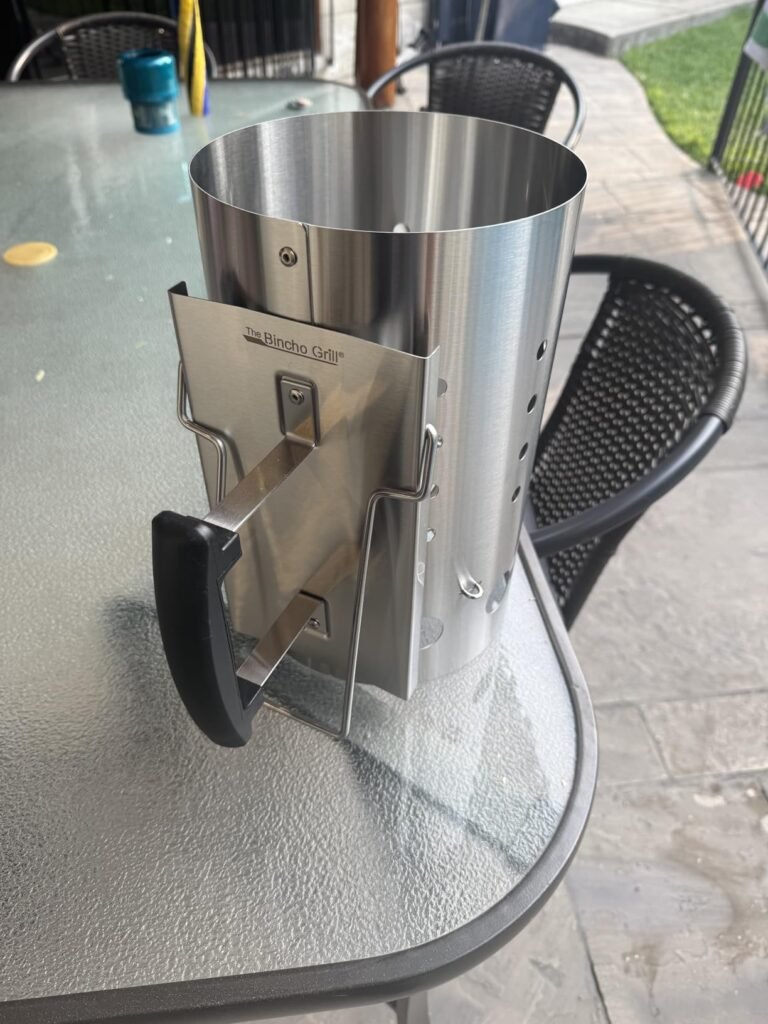
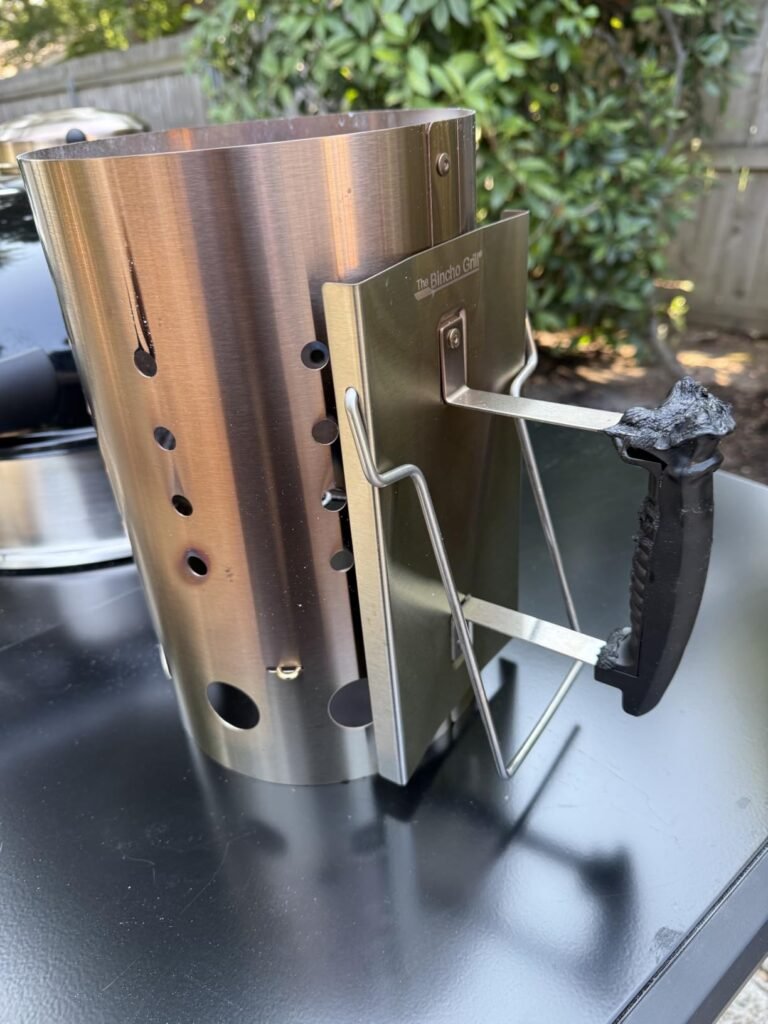
Binchotan charcoal is prized for its clean, long-lasting burn and intense heat output, but it is notoriously difficult to ignite because of its density and low volatile content. The Bincho Grill chimney is specifically engineered for this challenge, with an uncoated stainless steel body that can withstand the extreme temperatures binchotan produces without degrading, peeling, or releasing zinc fumes that coated chimneys may emit at very high heat.
We may earn a commission when you buy through this link, at no additional cost to you.
The 7.5-inch diameter and 11.75-inch height give it a standard capacity that works well for yakitori grills, small kamado setups, and the Bincho Grill brand’s own camping stove burner. The slanted handle is secured with dual rivets rather than a single attachment point, which adds torsional strength when you are tilting a load of dense charcoal that weighs more than an equivalent volume of briquettes.
An integrated metal heat shield protects your forearm from radiant heat, and the secondary handle on the opposite side provides two-handed stability during the pour. Even with these protections, the manufacturer recommends wearing heat-resistant gloves because binchotan radiates significantly more thermal energy than standard briquettes. This is a reasonable precaution rather than a design flaw.
Zinc coatings begin to break down at temperatures above roughly 390 degrees Fahrenheit, and while the coating on a chimney’s exterior may not reach that threshold during normal use, the interior surface directly above the fire certainly can. When zinc vaporizes, it can produce fumes that are unpleasant and potentially harmful. An uncoated stainless steel chimney eliminates this concern entirely, which is especially important when working with fuels like binchotan that burn well above 1,000 degrees.
If you regularly cook with binchotan, ogatan, or other high-density specialty charcoals, this chimney addresses a real gap that generic models cannot fill. For everyday briquette grilling, the premium price and specialized construction may not offer a noticeable advantage over a less expensive stainless option. The Bincho Grill chimney earns its keep when the fuel gets serious.
Casual grillers who exclusively use standard briquettes and do not need extreme-heat durability.
We may earn a commission when you buy through this link, at no additional cost to you.
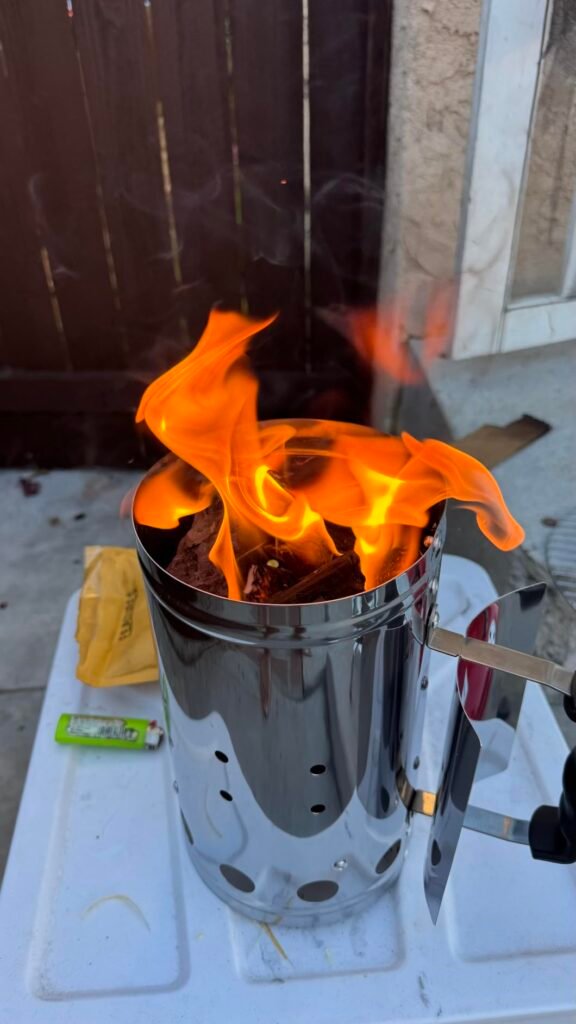
At just 1.32 pounds, this compact chimney starter is one of the lightest options available, making it a practical choice for campers, tailgaters, and anyone who packs their grilling gear into a car trunk or backpack. The included 24 natural fire starters mean you have everything you need to light coals without lighter fluid right out of the box, which simplifies the packing list for outdoor trips.
We may earn a commission when you buy through this link, at no additional cost to you.
The stainless steel construction provides better corrosion resistance than zinc-coated alternatives at a similar price point, and the multiple ventilation ports around the base and sides create strong airflow for fast ignition. The manufacturer claims coals can be ready in under 10 minutes, which is achievable on a breezy day with dry charcoal and a good fire starter cube tucked underneath the grate.
The 5.31-inch extended handle paired with a 6.3-by-4.72-inch heat shield gives your hand reasonable clearance from the heat column, though the compact size of the chimney means the shield is proportionally smaller than what you will find on full-size models. The lightweight frame is easy to maneuver but may feel less planted on the grill grate compared to heavier chimneys, so take care when positioning it on uneven surfaces.
Weight and packability matter when you are loading a cooler, grill, and supplies into a vehicle for a weekend trip. A chimney under two pounds slides easily into a gear bin alongside charcoal bags and fire starters without adding noticeable bulk. Pairing it with natural wood fire starter cubes eliminates the need to carry a bottle of lighter fluid, which can leak and impart unwanted flavors to food if overused.
This chimney is ideal for portable grilling setups, small fire pits, and pizza ovens where a full-size chimney would be overkill. If your primary grill is a large kettle or offset smoker, the smaller capacity will require multiple loads and extend your prep time. For grab-and-go convenience and clean, chemical-free ignition, the Quick Rapid Fire kit delivers a lot of value in a small package.
Grillers with large-format smokers or kettle grills who need to light a full charcoal bed in a single pass.
We may earn a commission when you buy through this link, at no additional cost to you.
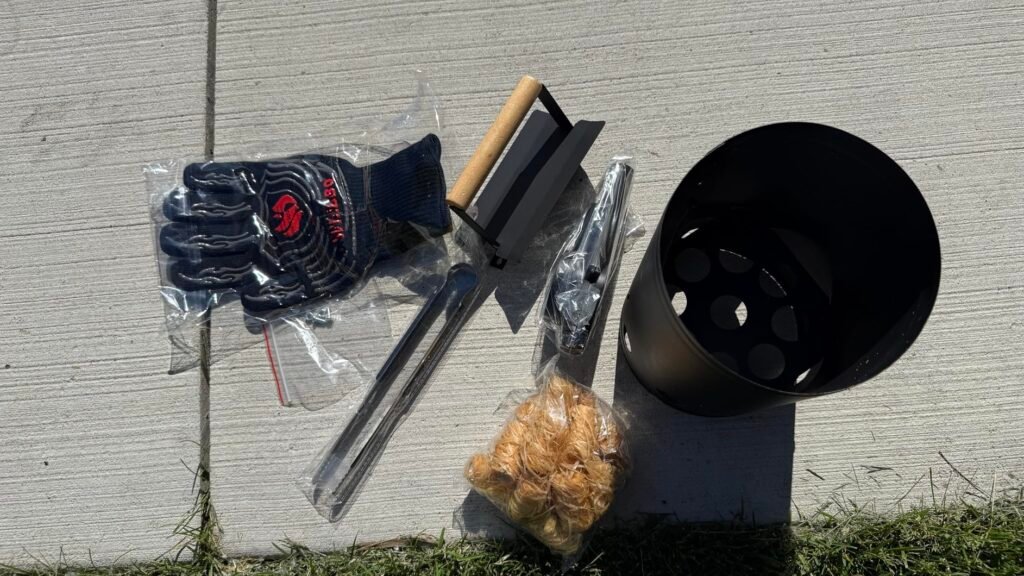
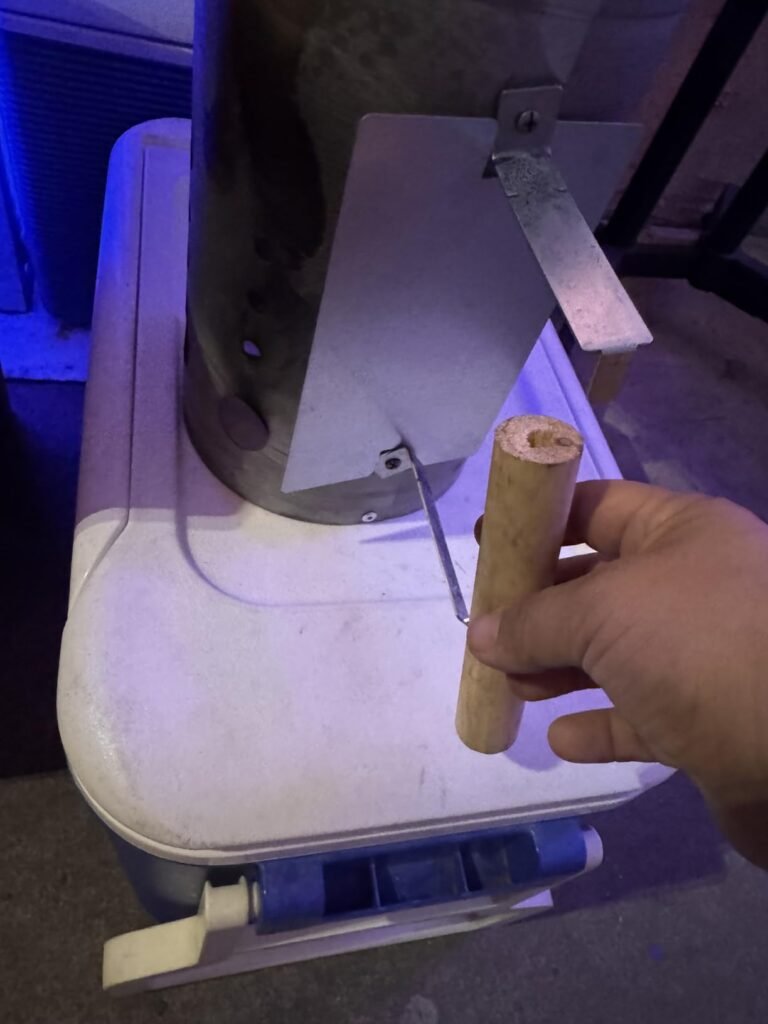
The homenote kit takes the guesswork out of assembling a complete charcoal lighting setup by bundling the chimney with a battery-powered air blower, natural fire starter cubes, and heat-resistant mitts in a single package. For a first-time charcoal griller or someone replacing an old lighter-fluid routine, having every component ready to go reduces the learning curve and eliminates the need for separate shopping trips.
We may earn a commission when you buy through this link, at no additional cost to you.
The chimney itself measures 11.5 by 7 inches and uses zinc-plated steel for rust resistance. The wooden handle is a practical touch because wood is a natural insulator that stays cooler to the touch than metal grips, even during extended lighting sessions. The fire cubes are made from compressed wood shavings, burn for roughly 8 to 10 minutes each, and produce no chemical odor that could transfer to your food.
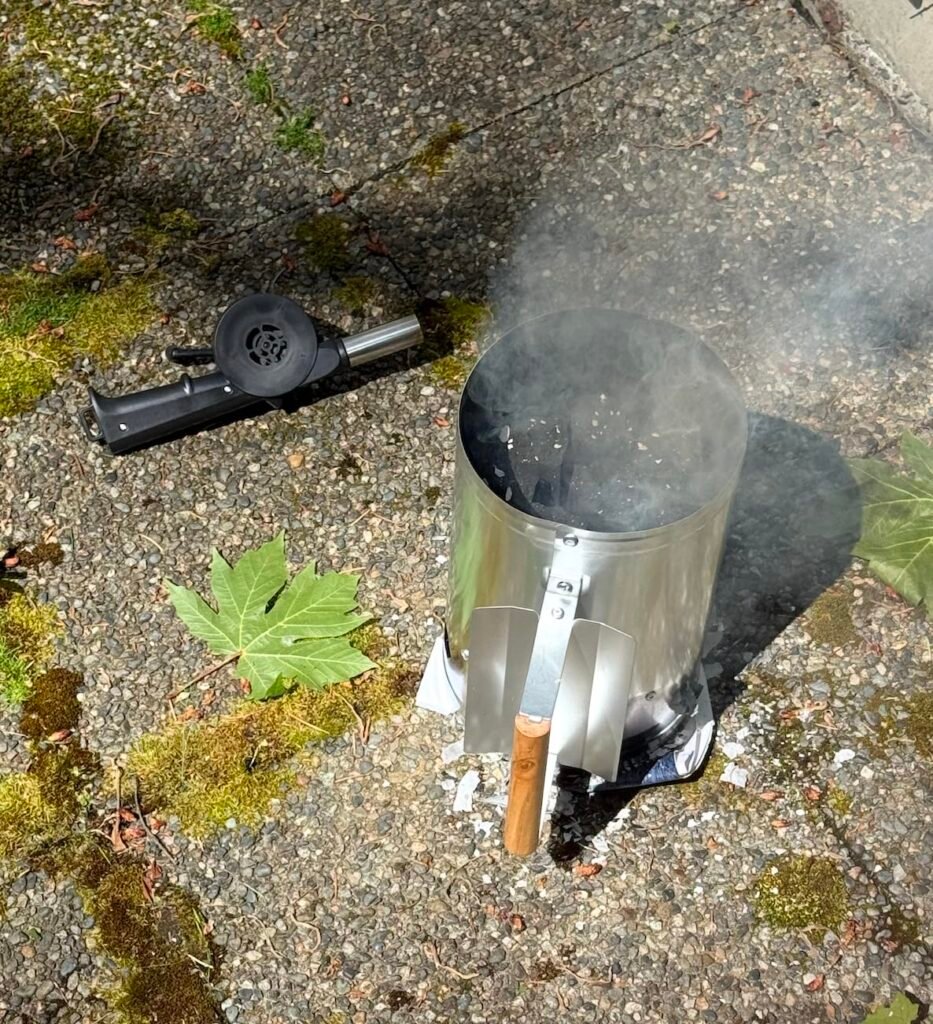
The battery-powered blower is the most distinctive accessory in the kit. By directing a focused stream of air into the base vents of the chimney, it can accelerate ignition when conditions are damp or windless. Just be careful to install the batteries with the correct polarity, as reversed orientation can cause a short circuit. The blower is a helpful supplement rather than a necessity, and the chimney works fine without it on a normal day.
On a calm, humid morning or in a sheltered patio area with little natural breeze, a chimney’s passive draft can be sluggish, especially with dense lump charcoal. A small air blower directed at the base vents increases oxygen flow and can shave several minutes off the ignition time. The effect is most noticeable in the first five minutes after lighting, when the fire is still building momentum and benefits most from extra airflow.
This kit is best for beginners and gift buyers who want a complete, ready-to-use package at a reasonable price. Experienced grillers who already own quality mitts and fire starters may prefer to buy a standalone chimney with better steel construction. If convenience and completeness are your priorities, the homenote set covers all the bases in one box.
Experienced grillers who already own heat-resistant gloves and prefer a standalone stainless steel chimney without bundled accessories.
We may earn a commission when you buy through this link, at no additional cost to you.
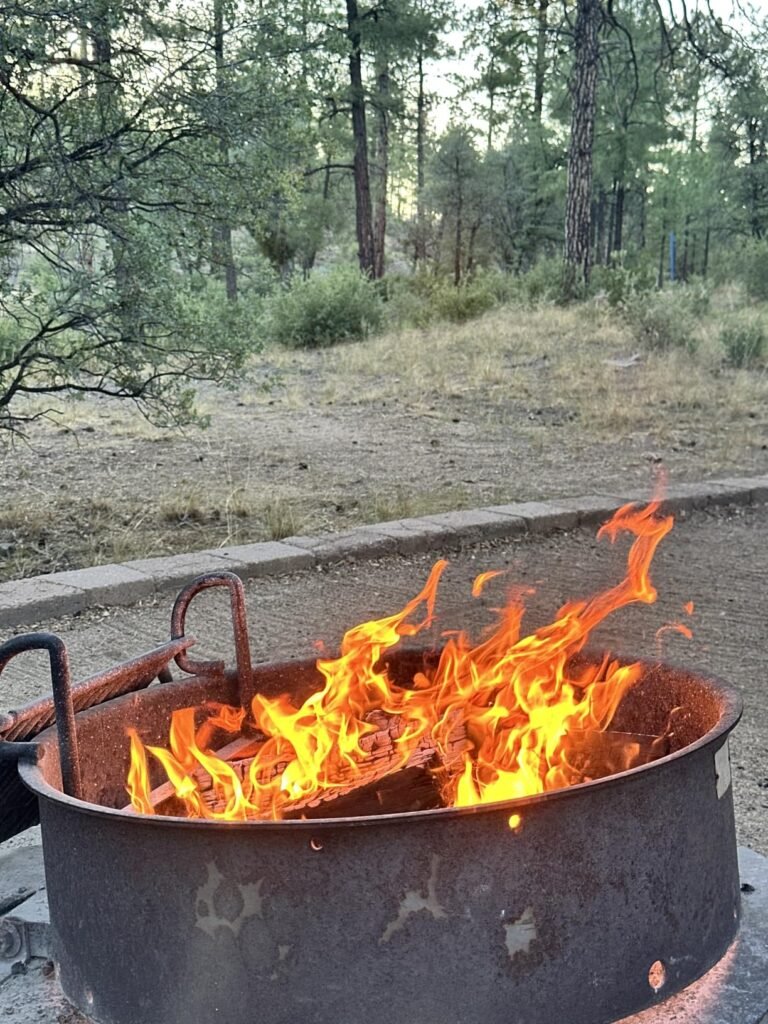
The E500 Large Chimney Starter stands out for the sheer volume of accessories it includes: 60 natural pine fire starters give you enough ignition fuel for dozens of grilling sessions before you need to restock. That long runway of convenience is appealing for anyone who grills several times a week during the summer and does not want to keep buying fire starter cubes separately.
We may earn a commission when you buy through this link, at no additional cost to you.
The chimney itself is a solid 7.5 inches in diameter and 12 inches tall, a standard footprint that sits comfortably on most kettle grills, fire pits, and camp stove grates. Galvanized steel construction provides good corrosion resistance, and the ventilated side and bottom openings create the strong draft needed for even ignition across both briquettes and lump charcoal.
Safety features include an insulated ergonomic handle and a wide non-slip base that reduces the chance of the chimney tipping over on an uneven grill grate. The stable base is a small but meaningful detail, especially when the chimney is fully loaded and top-heavy. A tipped chimney full of glowing coals is a serious hazard, so any design element that improves stability is worth noting.
Most chimney loads require one or two fire starter cubes to get the draft going, which means a pack of 60 can cover 30 to 60 grilling sessions depending on conditions. In damp weather or with dense lump charcoal, you may use two or three cubes per session, so having a generous supply on hand prevents the frustrating moment when you discover the box is empty right before a cookout.
This package makes the most sense for frequent grillers who value the convenience of a long-lasting fire starter supply bundled with a competent chimney. The galvanized steel is durable for typical use but will not match the lifespan of a premium stainless model under heavy weekly abuse. If you want a well-rounded kit that keeps you grilling all season without extra purchases, the E500 is a smart choice.
Grillers who prefer to use a propane torch or electric starter instead of fire starter cubes for ignition.
We may earn a commission when you buy through this link, at no additional cost to you.
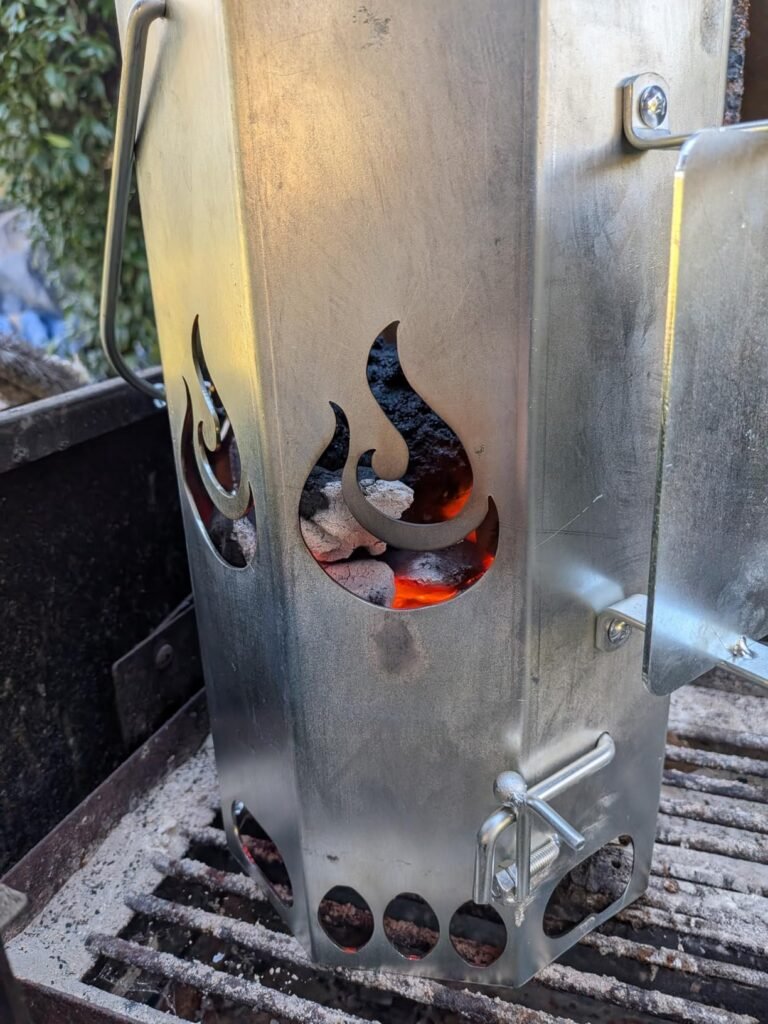
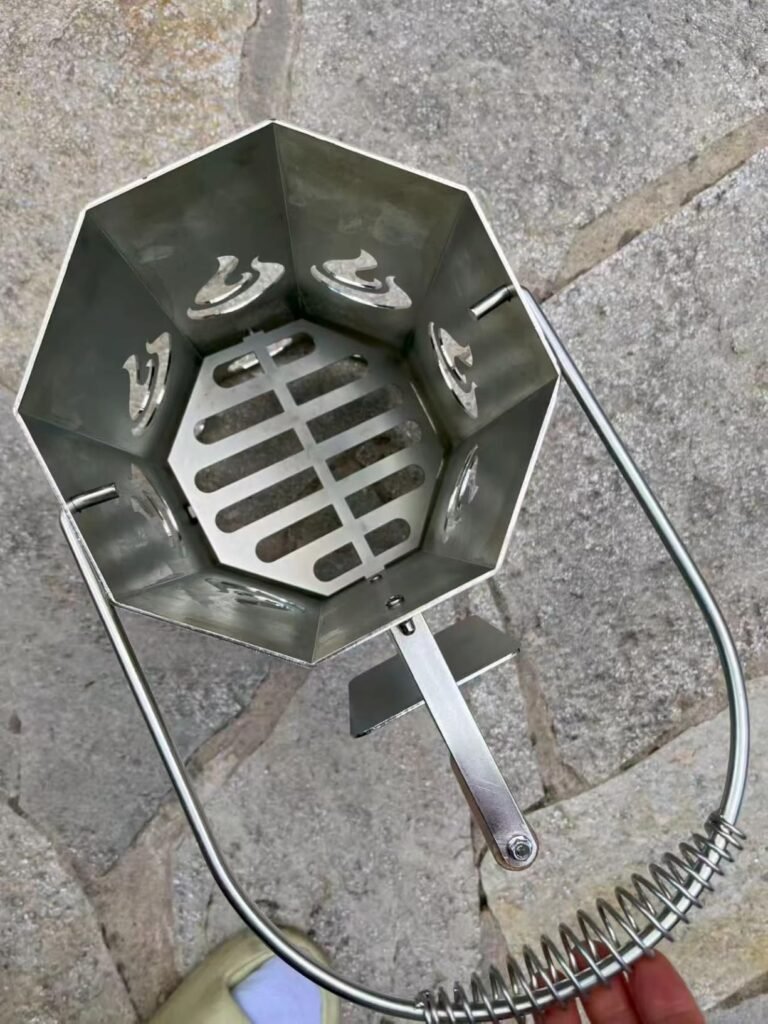
The most dangerous moment in charcoal grilling is the pour, when a fully loaded chimney of glowing coals must be tilted over a grill grate without spilling. The Bottom-Release Heavy Duty chimney eliminates that risk entirely by letting you open a gate at the base and drop the coals straight down onto the grate. This top-to-bottom discharge method is a genuine safety upgrade for anyone who has ever felt uneasy about inverting a red-hot cylinder.
We may earn a commission when you buy through this link, at no additional cost to you.
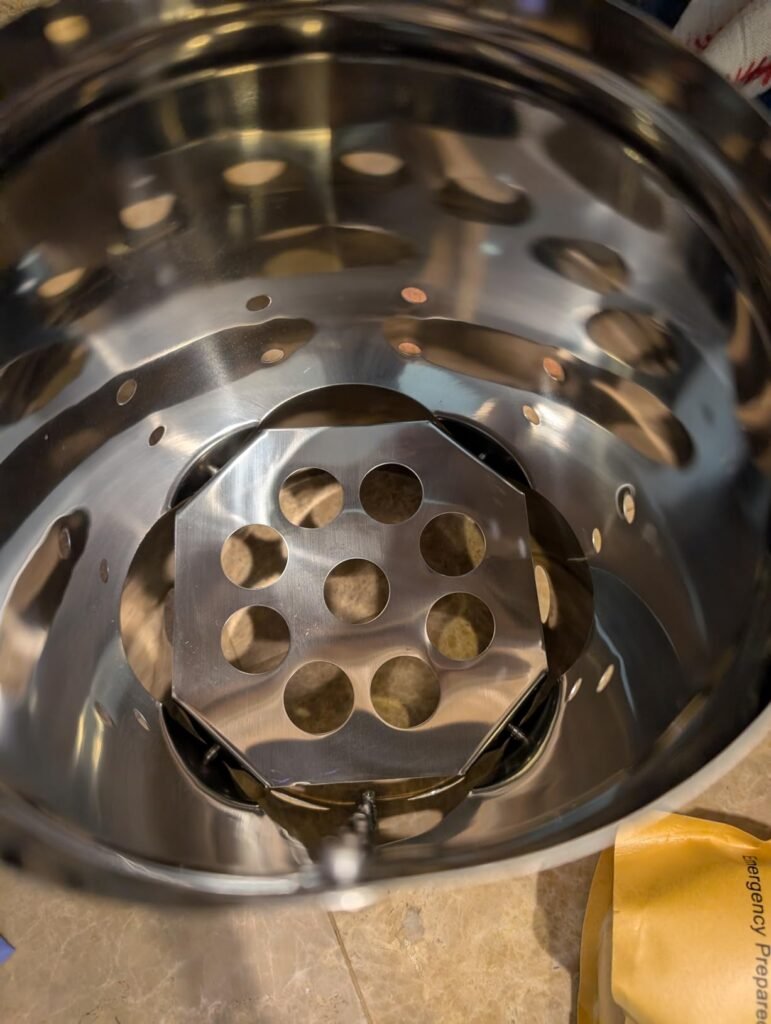
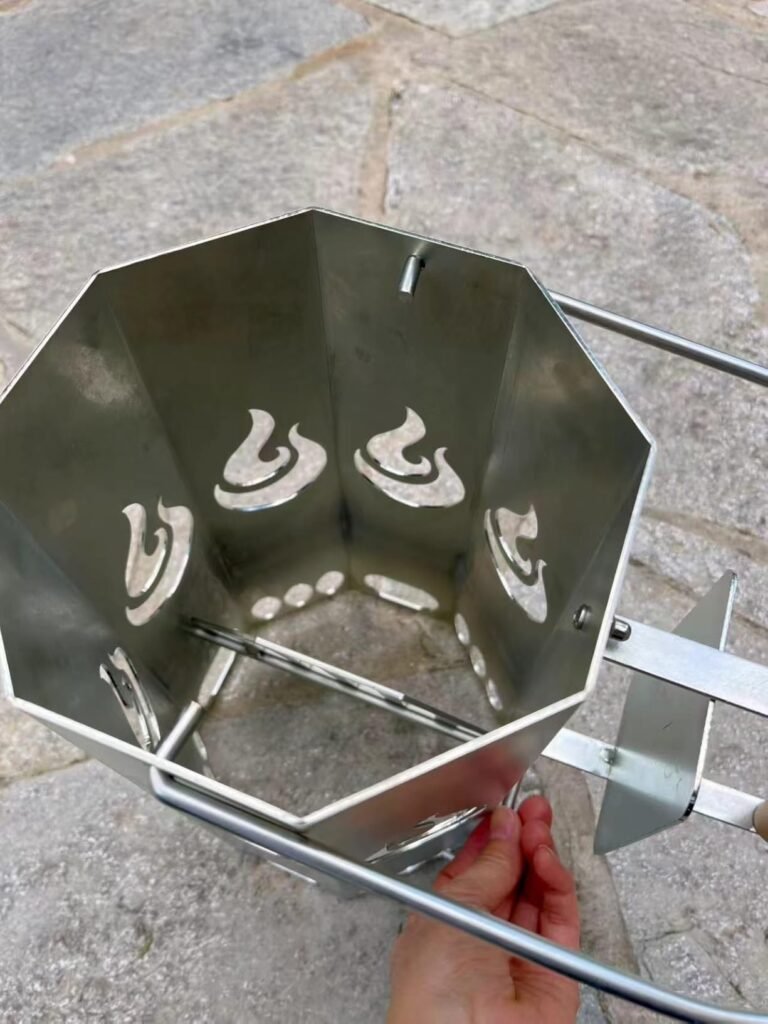
At 1.8mm thick and 8 pounds empty, this is the heaviest and most robust chimney on the list. The steel gauge is more than double what you will find in budget models, and the octagonal chamber shape maximizes internal volume while maintaining structural rigidity. The XL dimensions hold significantly more briquettes than a standard round chimney, making it suitable for large gatherings and long smoking sessions.
The separated insulation plate and wooden handle work together to keep the grip area cool even during extended lighting sessions. The enlarged air holes in the base and sides promote rapid airflow circulation, which helps offset the larger volume of charcoal by ensuring the draft reaches the center of the load. Ignition speed remains competitive despite the extra capacity.
With a traditional chimney, you lift the hot cylinder, walk it to the grill, and carefully tilt it to pour coals onto the grate. The bottom-release method reverses this: you position the chimney directly over the target area on the grill, open the gate, and let gravity do the work. This reduces the distance hot coals travel through the air and virtually eliminates the chance of stray embers landing on the ground or your shoes.
This chimney is best for safety-conscious grillers and anyone who has mobility or grip limitations that make tilting a heavy, hot cylinder uncomfortable. The tradeoff is weight and a more complex cleaning routine, since ash can collect around the bottom-release mechanism. If safe, controlled coal placement is your top priority, the bottom-discharge design is a feature no standard chimney can match.
Grillers who prioritize lightweight portability for camping and tailgating where carrying an 8-pound chimney is impractical.
We may earn a commission when you buy through this link, at no additional cost to you.
The WILLBBQ set is designed to remove every barrier a new charcoal griller might face when transitioning away from gas or lighter fluid. The box includes the chimney, 20 fire starter cubes, a handheld fan for airflow control, a heat-resistant glove, and a clip for managing the chimney lid or grill grate. Having all of these tools together means a beginner can focus on learning fire management rather than figuring out which accessories to buy separately.
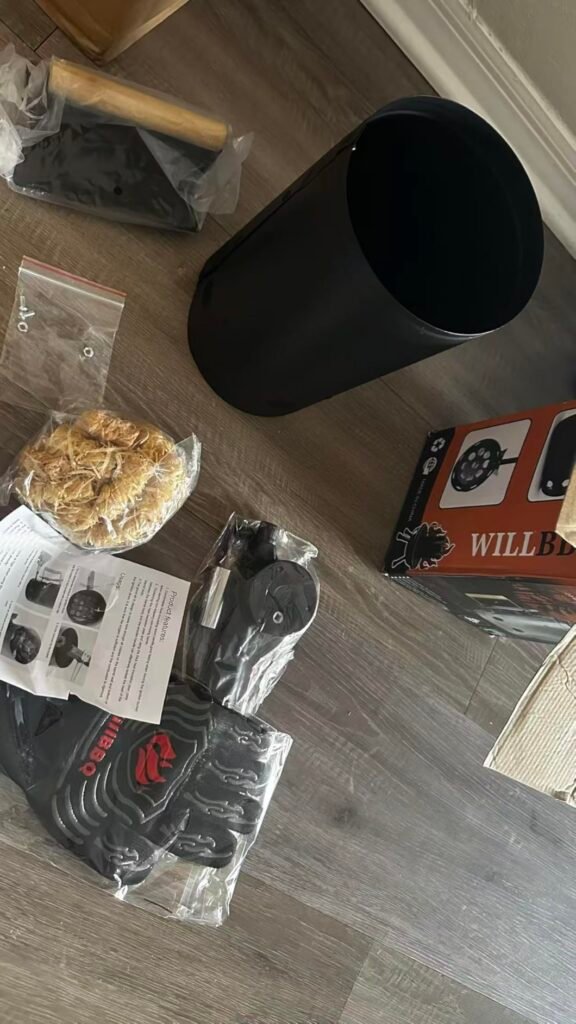
We may earn a commission when you buy through this link, at no additional cost to you.
The chimney itself is compact at 6.5 by 6.5 by 10.8 inches, which makes it a good fit for smaller grills, tabletop setups, and portable cookers. The thick zinc steel body with a high-temperature coating resists peeling and fading through repeated use, and the built-in heat shield paired with the wooden handle provides a comfortable grip during the lighting process.
The included fan serves the same purpose as the blower in the homenote kit: it directs extra air into the base vents to accelerate ignition when conditions are less than ideal. The heat-resistant glove protects your free hand during the pour, and the fire cubes light quickly without producing chemical fumes that could affect food flavor. The whole system is straightforward enough that a first-time user can get a bed of coals going without consulting a manual.
Starting a charcoal fire involves more variables than turning a gas knob: you need an ignition source, airflow management, and hand protection at minimum. A complete kit eliminates the trial-and-error phase of assembling these components individually and ensures that each piece works with the others. This reduces frustration during the first few grilling sessions and helps new cooks build confidence with charcoal before investing in more specialized equipment.
This set is the strongest choice for someone who is new to charcoal grilling or wants to give a complete starter kit as a gift. The smaller chimney diameter means it will not light enough coals for a large offset smoker in a single load, so experienced cooks with big rigs will want a larger model. For learning the basics and enjoying hassle-free backyard cookouts, the WILLBBQ set provides excellent value and convenience.
Experienced grillers with large smokers who need a high-capacity chimney and already own quality heat-resistant gloves.
We may earn a commission when you buy through this link, at no additional cost to you.
A chimney starter is one of the simplest tools in outdoor cooking, but the differences between models become obvious after a few uses. The right choice depends on your grill size, the type of charcoal you burn, how often you cook, and how much you value convenience features like included accessories or specialized pouring mechanisms.
The two most common materials for chimney starters are zinc-coated (galvanized) steel and stainless steel. Zinc-coated models are affordable and resist rust well during their first few seasons, but the thin zinc layer gradually degrades under repeated high-heat cycles, eventually exposing the underlying steel to moisture and corrosion. Stainless steel chimneys cost more upfront but resist rust and warping for significantly longer because the chromium in the alloy forms a protective oxide layer that self-repairs when scratched.
Steel thickness, often measured in millimeters or gauge, determines how well the chimney holds its shape over time. A thin 0.6mm body may dent or warp after a single season of heavy use, while a 1.8mm body can withstand years of thermal cycling without deforming. Thicker steel also retains heat more effectively, which can contribute to slightly faster and more even ignition by keeping the internal temperature stable.
If you grill once or twice a month during the summer, a zinc-coated model will likely last several years and represents good value. If you cook multiple times per week, use high-heat lump charcoal or binchotan, or plan to keep the chimney for many seasons, investing in a thicker stainless steel model will save money on replacements in the long run.
Chimney capacity determines how many coals you can light in a single batch, and it is primarily a function of diameter and height. Standard chimneys around 7.5 inches in diameter and 12 to 13 inches tall hold enough briquettes for a single layer on a 22-inch kettle grill. Larger models with wider footprints or taller bodies can hold 100 or more briquettes, which is necessary for big offset smokers, barrel grills, and large kamado cookers.
Capacity also interacts with charcoal type. Lump charcoal pieces are irregular and do not pack as densely as uniform briquettes, so a chimney that holds 80 briquettes may only hold 50 to 60 pieces of lump. If you primarily burn lump charcoal, err on the side of a larger chimney to avoid the frustration of lighting a second batch midway through a cook.
Match the chimney to your most common grill size. A compact 6.5-inch chimney is perfect for portable grills and small fire pits but will underperform on a large kettle. Conversely, an extra-wide chimney may not sit securely on a small grill grate, creating a tipping hazard. Check the diameter of your grill’s charcoal grate before buying.
Airflow is the single most important performance factor in a chimney starter. The basic physics are straightforward: hot air rises through the column of charcoal, creating a low-pressure zone at the base that draws in fresh oxygen through the vents. The more efficiently this draft cycle operates, the faster and more evenly your coals will ignite. Vent size, placement, and the number of openings all influence draft strength.
Look for chimneys with generous vent openings around the entire base circumference rather than just a few small holes on one side. Some models also include side vents higher up the body, which can help maintain airflow when the base vents become partially blocked by ash or tightly packed charcoal. The internal grate design matters too: cone-shaped or angled grates concentrate heat toward the center of the column, while flat grates spread the fire more evenly across the bottom layer.
If you live in a windy area, most chimneys will perform well because the natural breeze supplements the draft. In sheltered patios or calm conditions, a chimney with larger vents and an optimized grate design will make a noticeable difference in ignition speed. Pairing any chimney with a small air blower can also compensate for poor draft conditions when needed.
The handle is your primary point of contact with a chimney full of glowing coals, so its design directly affects safety and comfort. Single-handle models rely on a heat shield — a curved metal plate between the handle and the chimney body — to block radiant heat from reaching your hand. Dual-handle designs add a secondary grip on the opposite side, giving you two-handed control during the pour and distributing the weight more evenly.
Handle material also plays a role. Wooden handles are natural insulators and stay cooler than metal grips, though they can char over time if exposed to direct flame. Plastic or rubber-coated handles provide a comfortable grip but may melt or degrade if the heat shield is insufficient. Metal handles with a thick heat shield are durable but can still transfer warmth during extended lighting sessions.
For standard-size chimneys holding 60 to 80 briquettes, a well-shielded single handle is usually adequate. For larger, heavier loads above 100 briquettes, a dual-handle system significantly reduces wrist strain and improves pouring accuracy. Regardless of handle design, wearing a heat-resistant glove on your free hand is always a good practice when moving hot coals.
Most chimney starters can produce a full load of glowing coals in 15 to 25 minutes under normal conditions. Models that advertise faster ignition times typically achieve them through larger vent areas, wider bodies that expose more charcoal surface to the draft, or optimized internal grate geometry. Environmental factors like ambient temperature, humidity, wind, and charcoal moisture content all influence actual lighting times.
Be cautious of claims that seem too good to be true. A chimney that promises coals in five minutes may deliver that result only with highly flammable instant-light briquettes on a windy day. With standard briquettes or dense lump charcoal, 12 to 20 minutes is a realistic target for most well-designed chimneys. The difference between a fast model and a slow one is usually a matter of five to ten minutes, which can feel significant when you are hungry but is not a reason to overpay.
If ignition speed is a top priority, look for a chimney with a wide base, large vents, and a cone-shaped or angled internal grate. Using quality fire starter cubes or a small amount of crumpled newspaper under the grate will also help. Avoid soaking charcoal in lighter fluid, which defeats the purpose of using a chimney and can impart chemical flavors to your food.
Several chimneys on this list come bundled with fire starter cubes, air blowers, heat-resistant gloves, or carrying clips. These kits can offer genuine value for beginners who do not already own these accessories, and they make convenient gifts for someone transitioning from gas to charcoal grilling. The fire starter cubes alone can represent a meaningful savings if you would otherwise purchase them separately.
For experienced grillers who already have a preferred set of gloves, tongs, and fire starters, a standalone chimney may be the better investment. Bundled accessories in lower-priced kits are sometimes basic quality, and you may end up replacing the glove or blower within a season. In that case, the money saved on the kit would have been better spent on a higher-quality chimney body.
Evaluate the kit based on what you actually need. If you are missing a heat-resistant glove and fire starters, a bundle that includes both is a practical choice. If you only need the chimney itself, compare standalone models on material, capacity, and handle design rather than being swayed by accessories you will not use.
Not all charcoal burns the same way, and your preferred fuel type should influence your chimney choice. Standard briquettes are uniform in size and ignite relatively easily, so almost any chimney will handle them well. Hardwood lump charcoal varies in piece size and density, which can create uneven airflow in narrow chimneys and slow ignition. Dense specialty charcoals like binchotan and ogatan require sustained high temperatures to ignite and can damage thin or coated steel.
If you primarily use briquettes, a standard zinc-coated or stainless chimney in the 7 to 7.5-inch range will serve you well. For lump charcoal, a wider chimney with generous venting helps accommodate the irregular pieces and maintain a strong draft. For binchotan or other extreme-heat fuels, choose an uncoated stainless steel chimney rated for high temperatures to avoid zinc fume release and premature metal degradation.
Check the manufacturer’s specifications for charcoal compatibility before buying, especially if you plan to use specialty fuels. A chimney that works perfectly with briquettes may not be safe or effective with binchotan, and using the wrong tool with high-heat charcoal can shorten the chimney’s lifespan or create a safety hazard.
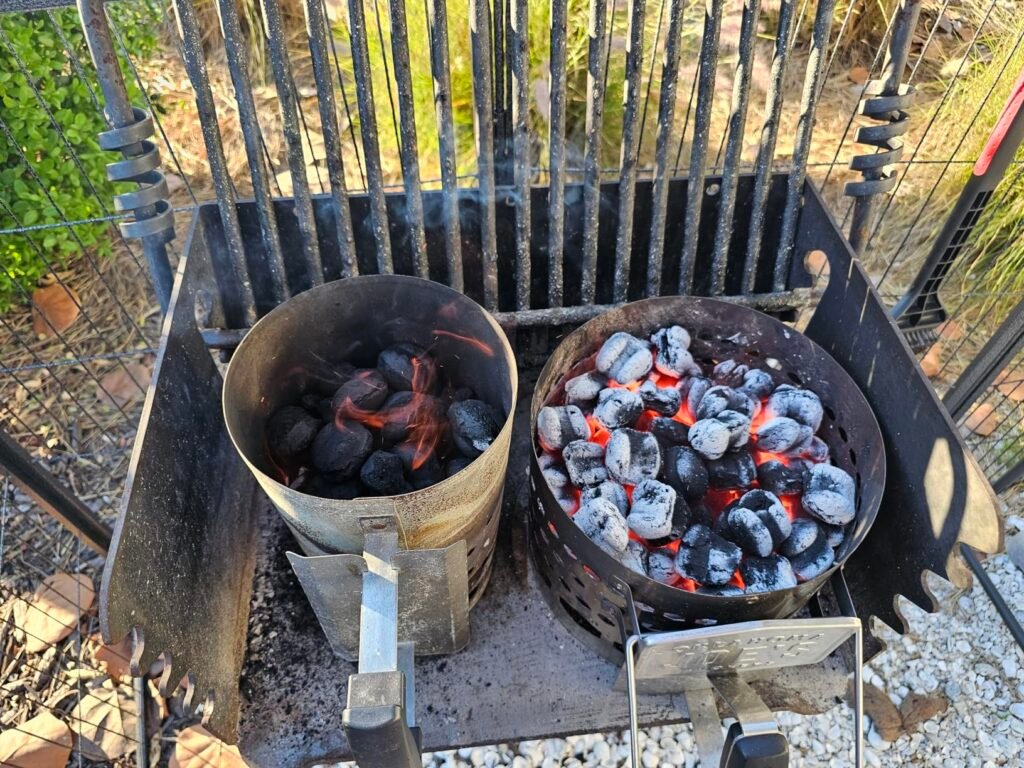
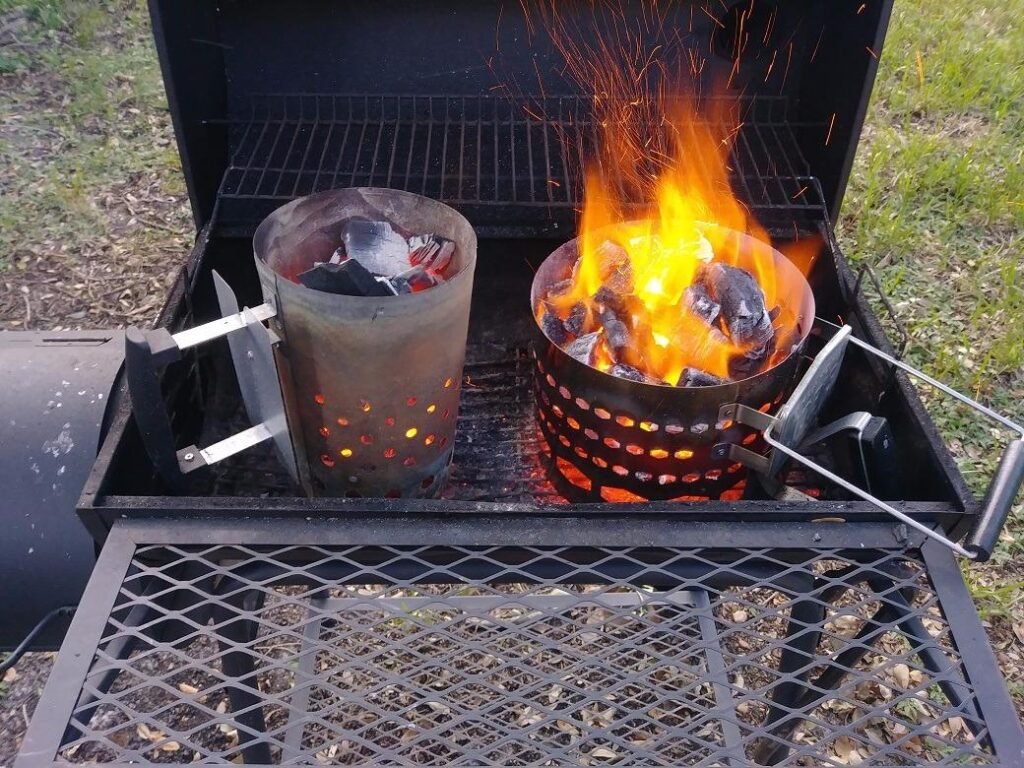
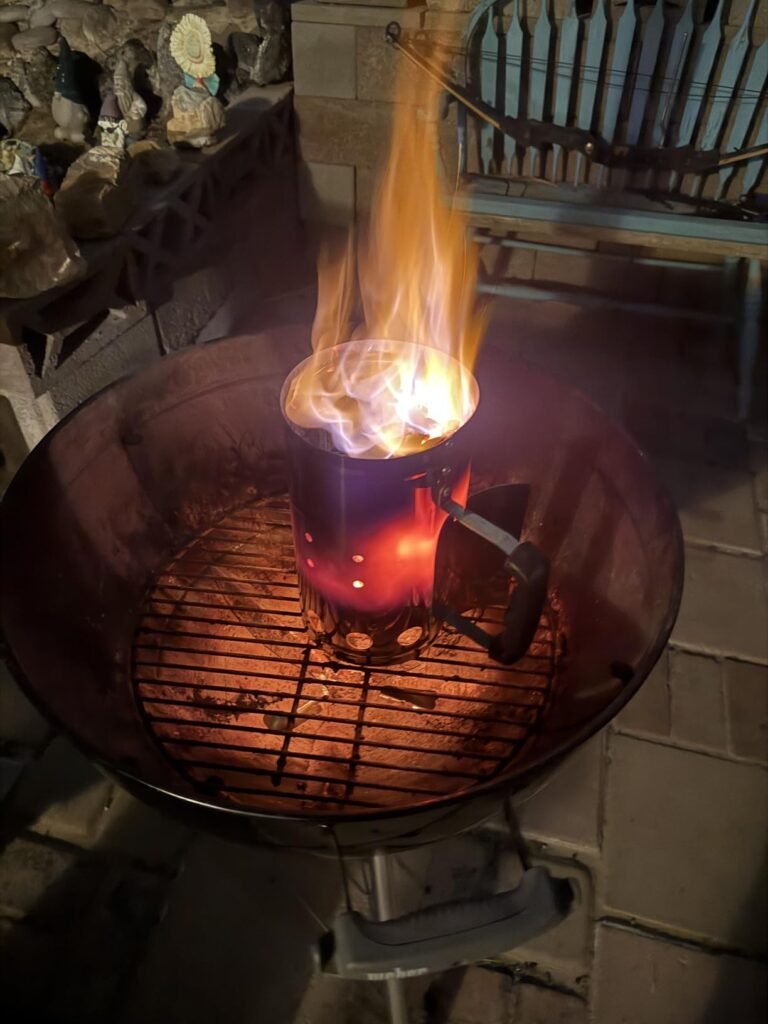
To use a chimney starter, place it on the charcoal grate of your grill or on a stable, fireproof surface. Fill the upper chamber with your chosen charcoal, then place one or two fire starter cubes or a few sheets of crumpled newspaper in the space beneath the internal grate. Light the starter material and let the chimney sit undisturbed for 15 to 20 minutes. You will know the coals are ready when the top layer is covered in gray ash and glowing orange from below. Use a heat-resistant glove to lift the chimney and pour the coals onto the grill grate, arranging them for direct or indirect heat as your recipe requires.
After each use, let the chimney cool completely before handling or storing it. Tap out any remaining ash and inspect the vents for blockages that could reduce airflow during the next session. If you notice rust spots on a zinc-coated model, you can slow further corrosion by storing the chimney in a dry location and avoiding prolonged exposure to rain. Stainless steel models require less maintenance but benefit from an occasional wipe-down to remove ash residue that can trap moisture against the metal surface.
Store your chimney in a covered area such as a garage, shed, or grill cabinet to protect it from the elements. If you use fire starter cubes, keep them in a sealed container to prevent moisture absorption, which can make them harder to light. Inspect the handle and heat shield periodically for signs of wear or loosening, and replace the chimney if the metal body develops significant warping or holes that could allow embers to escape during use.
Most chimney starters produce a full load of glowing coals in 15 to 25 minutes under normal outdoor conditions. Factors like wind, humidity, charcoal type, and the quality of your fire starter material can speed up or slow down the process. Dense lump charcoal and binchotan typically take longer than standard briquettes because they require more sustained heat to reach ignition temperature.
Yes, chimney starters work well with lump charcoal, though the irregular piece sizes can create uneven airflow compared to uniform briquettes. A wider chimney with generous vent openings helps accommodate lump pieces and maintain a strong draft. You may need slightly more fire starter material and a few extra minutes of lighting time to get a full load of lump charcoal evenly ignited.
No, and avoiding lighter fluid is one of the main reasons to use a chimney starter in the first place. The chimney's natural draft design ignites charcoal using only a small fire starter cube or crumpled newspaper placed beneath the grate. This produces clean, chemical-free coals that will not impart petroleum flavors to your food, which is a common complaint when lighter fluid is overused.
A standard chimney with a 7 to 7.5-inch diameter and 12 to 13-inch height will produce enough coals for a single full layer on a 22-inch kettle grill. If you want a deeper coal bed for high-heat searing or need to fill a larger area for indirect cooking, consider a wider or taller model that can hold 80 to 100 briquettes in a single load.
Stainless steel is more durable and corrosion-resistant over the long term, especially under frequent high-heat use. Zinc-coated steel is less expensive and performs well for several seasons of moderate use, but the coating gradually degrades and the underlying steel can eventually rust. If you grill frequently or use high-temperature specialty charcoals, stainless steel is the better investment.
Kits that include a blower, fire starters, and gloves offer good value for beginners who need all of these items anyway. The blower can speed up ignition in calm or damp conditions by forcing extra air through the base vents. Experienced grillers who already own quality accessories may prefer to buy a higher-quality standalone chimney instead of paying for bundled items they will not use.
Wear a heat-resistant glove on your free hand and grip the chimney handle firmly with your dominant hand. Tilt the chimney slowly and deliberately over the charcoal grate, letting the coals slide out in a controlled stream rather than dumping them all at once. If your chimney has a dual-handle design, use the secondary handle as a pivot point for better control. Never pour coals onto a surface that is not heat-resistant.
Chimney starters are designed for charcoal grills, smokers, fire pits, and similar solid-fuel cookers. They are not intended for use on gas grills, which have their own ignition systems and burner configurations. If you want to add smoky charcoal flavor to a gas grill, consider a smoker box filled with wood chips instead of trying to use a chimney starter on the gas grate.
Allow the chimney to cool completely after each use, then tap out residual ash and check the vents for blockages. Wipe the interior and exterior with a dry cloth to remove moisture-trapping ash residue. Store the chimney in a dry, covered location to prevent rust. Avoid using water to clean the interior, as trapped moisture can accelerate corrosion, especially on zinc-coated models.
A chimney with a built-in heat shield, an insulated or wooden handle, and a wide, stable base is the safest choice for someone new to charcoal grilling. Models with dual handles provide additional pouring control, and bottom-release designs eliminate the need to tilt the chimney entirely. Pairing any chimney with a heat-resistant glove and natural fire starter cubes further reduces the risk of burns and accidents.
The Weber Rapidfire remains the strongest overall pick for most backyard grillers thanks to its proven cone-grate design, comfortable handle, and reliable ignition performance across both briquettes and lump charcoal. It strikes the best balance of speed, durability, and price for anyone who grills regularly on a standard kettle or mid-size smoker and wants a tool that will last for years without fuss.
If budget is the primary concern, the Kingsford Heavy Duty delivers large-capacity performance at a fraction of the cost of premium models, making it an excellent entry point for casual cooks. On the other end of the spectrum, the onlyfire Deluxe Stainless and the Bottom-Release Heavy Duty cater to serious grillers who need maximum capacity, superior steel construction, or specialized pouring mechanisms for large-format cooking setups.
Your best choice ultimately depends on how often you grill, what type of charcoal you burn, and the size of your primary cooker. Match the chimney's capacity to your grill, prioritize stainless steel if longevity matters, and consider a complete kit if you are just getting started with charcoal. Any of the 10 options in this guide will get you cooking with clean, evenly lit coals and no lighter fluid.