Garmin Striker Cast
8.8Editor score200-foot wireless range
GPS mapping capable
10-hour battery life
IPX7 waterproof rating
Compare 10 top castable fish finders by sonar range, depth capability, display type, and wireless distance. Find the right sonar for shore, kayak, or ice f...

Find the right castable fish finder for 2026 with a clear comparison of 10 standout wireless sonar units. We break down what actually matters when scouting fish from shore, kayak, or ice: sonar beam angle, maximum depth range, wireless transmission distance, GPS mapping capability, display type, battery life, and how each unit handles the different demands of bank fishing versus ice hole scouting.
The gap between a $45 handheld sonar and a $180 GPS-enabled smartphone-connected unit is significant. Basic models show depth and fish icons on a small LCD, while premium units create bathymetric contour maps and stream detailed sonar to your phone. Matching capability to your fishing style and the price you’re willing to pay is the key decision.
This guide covers pocket-sized handheld units for casual bank anglers, mid-range wireless castables for kayak fishermen, and GPS-mapping smart sonars for serious tournament anglers. Use the comparison table, reviews, and buying guide below to match a castable fish finder to your fishing environment, target species, and how much sonar data you actually want to interpret.
We compared 10 castable fish finders using the specs that actually help a buyer decide on the water: wireless transmission range, maximum sonar depth, sonar beam angle, display type and size, GPS and mapping capability, battery life and charging method, smartphone app quality, ice and shore versatility, weather resistance, and owner feedback. The notes focus on practical trade-offs so each pick connects to how people actually cast sonar from shore, drop it through ice holes, and scout structure from a kayak or float tube.


Compare key features, scores, and current prices side by side. A shorter feature list means fewer details were available, not necessarily fewer capabilities.


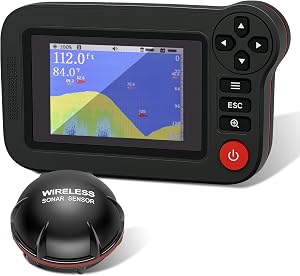


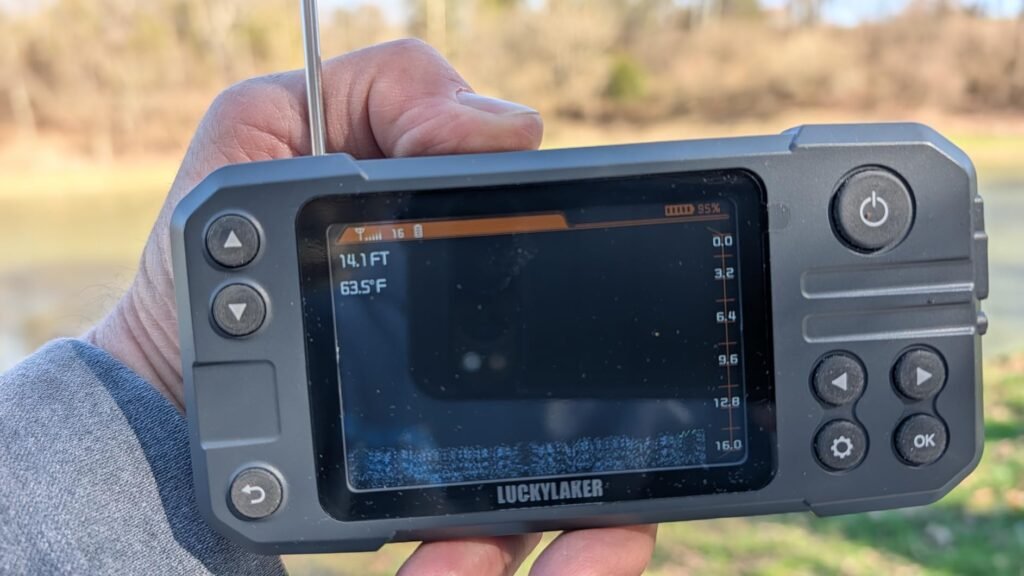
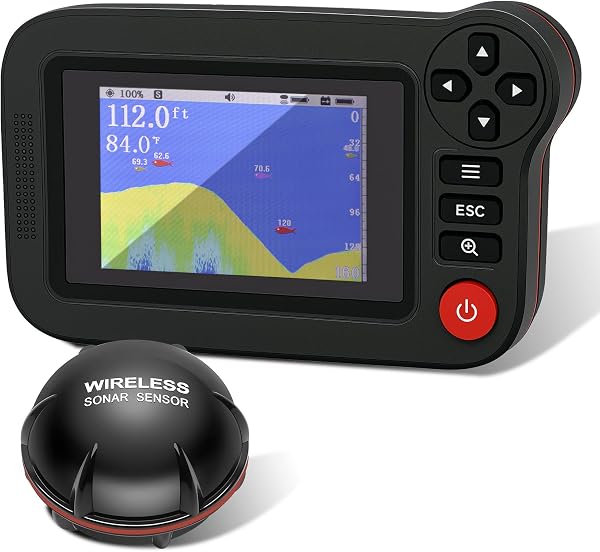
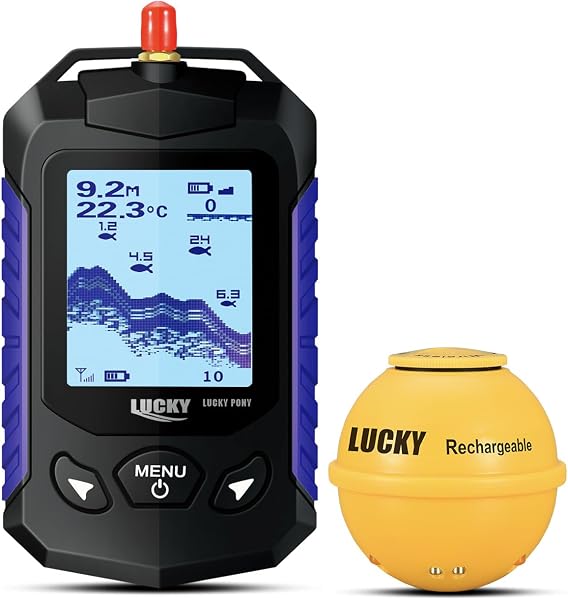
The LUCKY MT-202 takes a different approach than smartphone-based castables by including a full 3.5-inch color LCD display in the handheld unit. This means no phone dependency, no app updates, and no worry about your smartphone battery dying while you're on the water. For anglers who prefer dedicated fishing gear over multi-purpose smartphone accessories, this design philosophy has real appeal.

We may earn a commission when you buy through this link, at no additional cost to you.
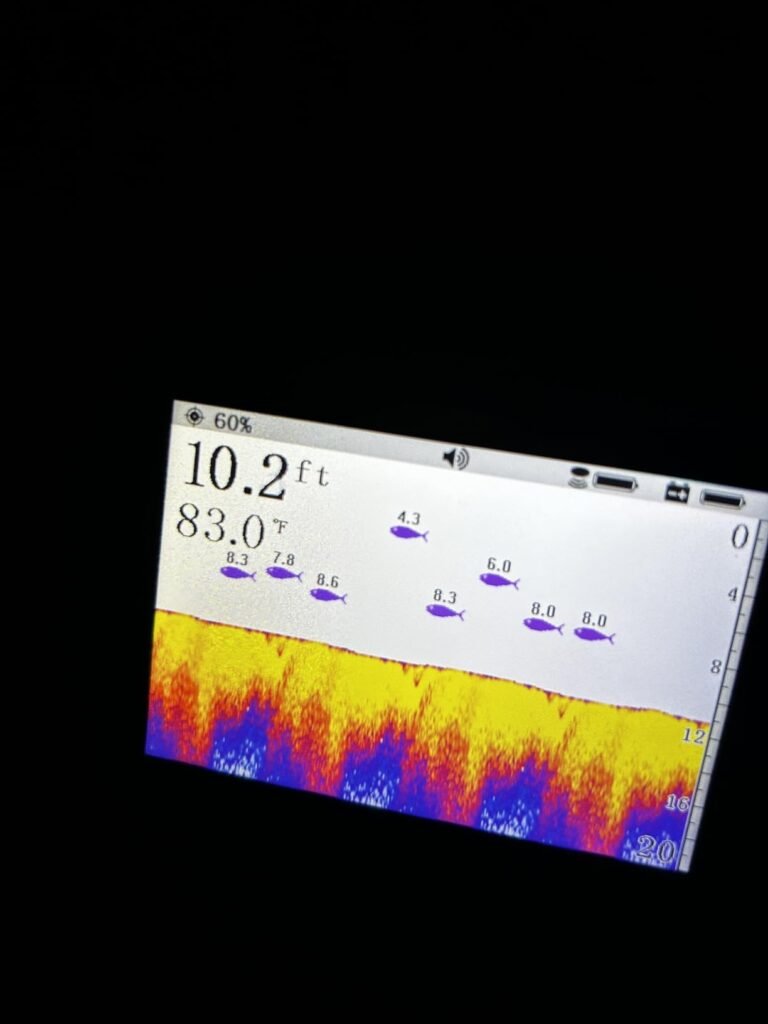
The standout specification is the 853-foot operational distance between the sensor and handheld display, which is one of the longest wireless ranges available in a castable fish finder. This matters for bank anglers targeting distant structure, kayak fishermen who want to explore ahead of their position, or ice anglers checking multiple holes without physically moving each time. The 3.5-inch horizontal display shows fish icons with depth numbers, water temperature, and bottom contour in a continuous right-to-left scrolling history.
The 90-degree sonar beam scans a wide area under the sensor, covering fish and structure between three and 147 feet deep. The handheld display and floating sensor together weigh less than a one-liter water bottle, making the entire kit genuinely pocket-sized for shore or kayak use. Simply tie the sensor to your fishing line or the included safety tether and cast it like a bobber into whatever water you want to scout.
Smartphone-based castables require you to keep your phone out and exposed to the water, splash, and drop hazards of active fishing. They also drain phone batteries quickly during use and can fail if you receive a call or notification at a critical moment. Standalone displays like the MT-202 solve all of these problems by dedicating a purpose-built waterproof screen to the task, freeing your phone for photos, calls, and emergencies.
This is the best value pick for anglers who want a complete standalone system with maximum wireless range and don’t need GPS mapping features. The highest owner rating in this comparison reflects real-world satisfaction. If you specifically want map-building or bathymetric contour features, the Garmin Striker Cast or Deeper PRO+ 2 offer that capability at a higher price.
Anglers who specifically want GPS mapping or bathymetric contour creation features.
We may earn a commission when you buy through this link, at no additional cost to you.
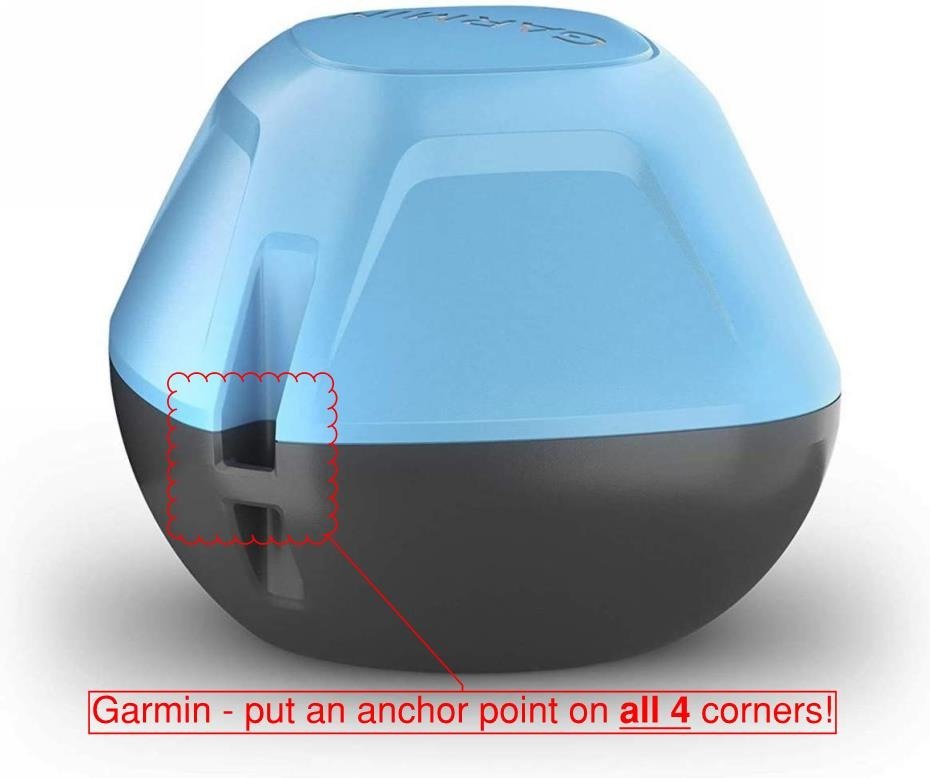
The Garmin Striker Cast brings the trusted Garmin sonar technology into a fully wireless, castable format that pairs with your smartphone or tablet. For anglers who already trust Garmin electronics on their boats, this castable unit delivers familiar sonar quality and interface design in a package small enough to tie to your fishing line and cast into any structure you can reach.
We may earn a commission when you buy through this link, at no additional cost to you.
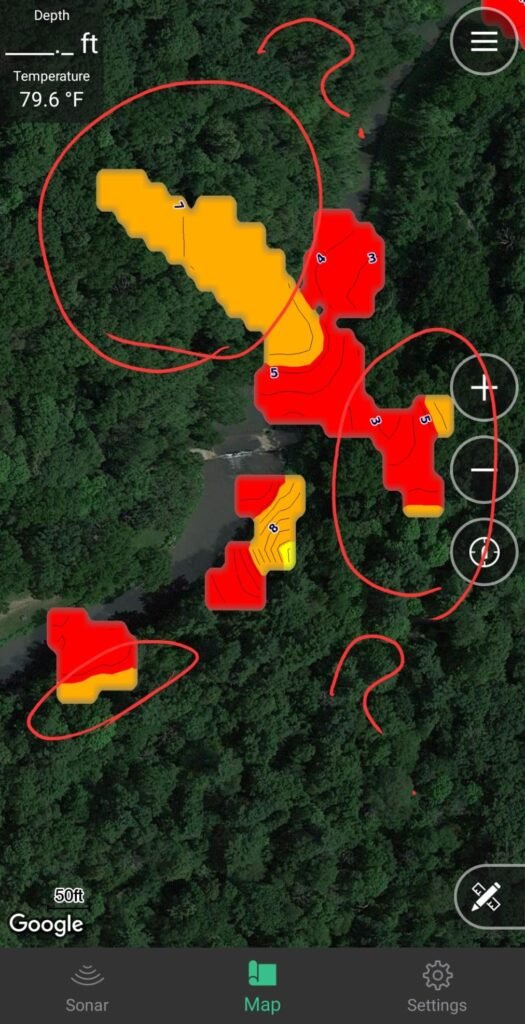
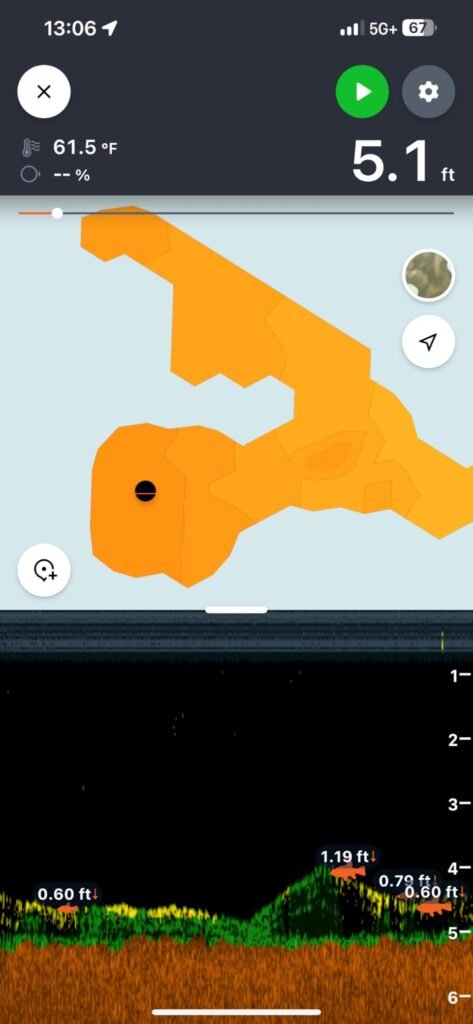
The built-in GPS is the standout feature at this price point. Using the free Striker Cast app, you can create custom bathymetric maps with one-foot contours as you fish, building a personal database of depth changes and structure that saves back to the Garmin Quickdraw community. Being able to download maps that other anglers have already created for your favorite lakes gives you an information advantage that no basic sonar can match.
Traditional 2D sonar and ice fishing flasher modes stream wirelessly from up to 200 feet away, which covers most casting distances from shore or through ice holes. The unit powers on automatically when it hits the water and shuts off when removed, extending battery life to 10-plus hours per charge. IPX6 and IPX7 waterproof ratings allow full immersion for short periods, which is essential given that the entire purpose is to float on the water surface.
Most castable sonars show current depth without any way to record what you’ve scanned. Quickdraw records every ping automatically as you retrieve the unit, building detailed contour maps of the areas you fish most. Over a season, this creates a personalized bathymetric database that reveals structure like drop-offs, ledges, and holes that hold fish. This capability alone can justify the price for serious anglers who fish the same waters repeatedly.
This is the strongest overall pick for anglers who want mapping capability and Garmin reliability without the price of a boat-mounted unit. The requirement for a smartphone or tablet is genuine because there’s no built-in display, so plan to protect your device from splashes. If you prefer a self-contained handheld display without app dependence, the LUCKY MT-202 or Venterior units offer that approach at lower prices.
Anglers who prefer a self-contained display and don’t want to rely on a smartphone or tablet.
We may earn a commission when you buy through this link, at no additional cost to you.
The Venterior portable fish finder delivers a comprehensive feature set under $90, making it one of the strongest budget options in this category. The color LCD display shows depth, water temperature, fish size categorized as small, medium, or big, fish depth, and bottom contour, giving anglers meaningful data without paying premium prices.

We may earn a commission when you buy through this link, at no additional cost to you.
The 262-foot wireless range between sensor and handheld display works well for typical shore casting and kayak use, though it falls short of the extended-range LUCKY MT-202 for anglers targeting very distant structure. The 105-degree sonar beam angle is wider than many competitors, which scans a larger area under the sensor and increases the chances of detecting fish that pass through the coverage zone. Depth capability reaches 164 feet, which handles most freshwater and inshore fishing scenarios.
Two selectable screen background colors let you optimize visibility for different lighting conditions. Black background works well in low light, while white background improves readability in bright direct sunlight. The 2-year warranty is more generous than many competitors offer and reflects Venterior’s commitment to customer support with 24-hour response times. Work and simulation modes let you practice interpreting the display before your first real fishing trip.
Some castable sonars, including the Venterior, only show accurate sensor battery status when the sensor is actually in water. If you check battery status with the sensor dry on your workbench, the reading will be inaccurate. To verify sensor charge before heading out, place it briefly in a bowl of water to trigger the auto-on feature, then read the correct battery indicator. This is a minor operational quirk rather than a defect.
This is a strong choice for anglers new to castable fish finders who want to try the technology without a major investment. The warranty coverage adds meaningful peace of mind at this price point. If you need longer wireless range for very distant casting or want GPS mapping features, step up to the LUCKY MT-202 or Garmin Striker Cast respectively.
Distance-focused shore anglers who need wireless range beyond 262 feet or GPS mapping capability.
We may earn a commission when you buy through this link, at no additional cost to you.
The Deeper PRO+ 2 is engineered for serious anglers who want the most detailed sonar picture available in a castable format. The triple beam system provides wide, mid, and narrow beams that let you cover large expanses when searching or drill down to specific spots when working structure carefully. This flexibility is what serious tournament and competitive anglers actually need but rarely find in castable units.
We may earn a commission when you buy through this link, at no additional cost to you.
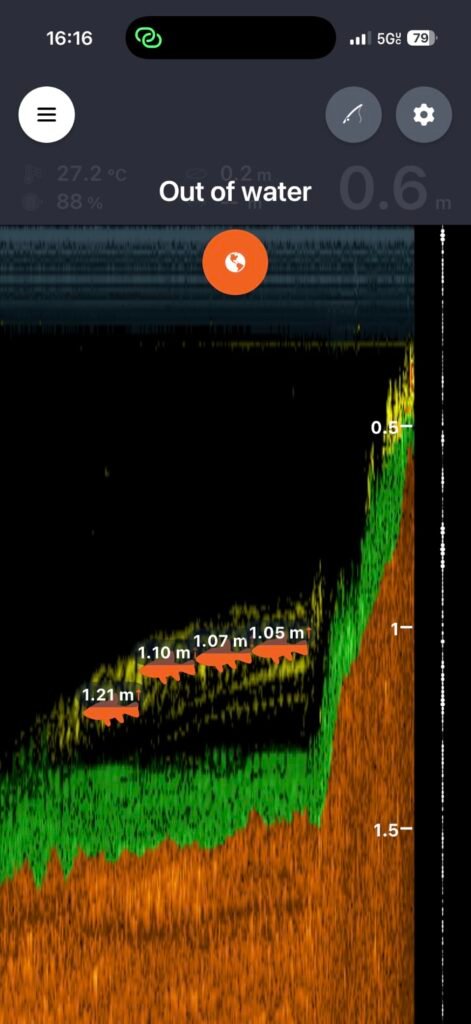
Target separation of 0.4 inches on the narrow beam and 1 inch on the wide and mid beams provides exceptional detail resolution. This precision lets you distinguish individual fish from schools, identify baitfish patterns, and track your lure position during vertical jigging in real time. Casual anglers may not need this level of detail, but for competitive fishing where every fish matters, the separation resolution translates directly to fish caught.
The 330-foot wireless range using dedicated Wi-Fi rather than Bluetooth provides rock-solid connectivity without dropouts common in Bluetooth-only units. Built-in GPS creates bathymetric maps from shore, dock, or kayak positions with the maps saved to the Fish Deeper app. The combination of GPS mapping and precision sonar creates a serious fishing intelligence tool that approaches boat-mounted electronics in capability.
Wide sonar beams cover more area but blend everything within the beam cone into a general picture. Narrow beams concentrate the ping into a smaller area, revealing individual fish, lure positions, and fine structure detail. For scouting new water or covering large areas, wide beam is faster. For vertical jigging, working specific structure, or verifying whether marks are single fish or schools, narrow beam precision reveals information that wider beams simply cannot show.
This is the top choice for competitive and serious recreational anglers who want maximum sonar precision and GPS mapping in a castable format. The premium price reflects the engineering. Casual weekend anglers who just want to see if fish are present will get similar practical results from the Garmin Striker Cast at a slightly lower price with simpler operation.
Casual anglers or those on tight budgets who don’t need triple-beam precision or GPS mapping.
We may earn a commission when you buy through this link, at no additional cost to you.
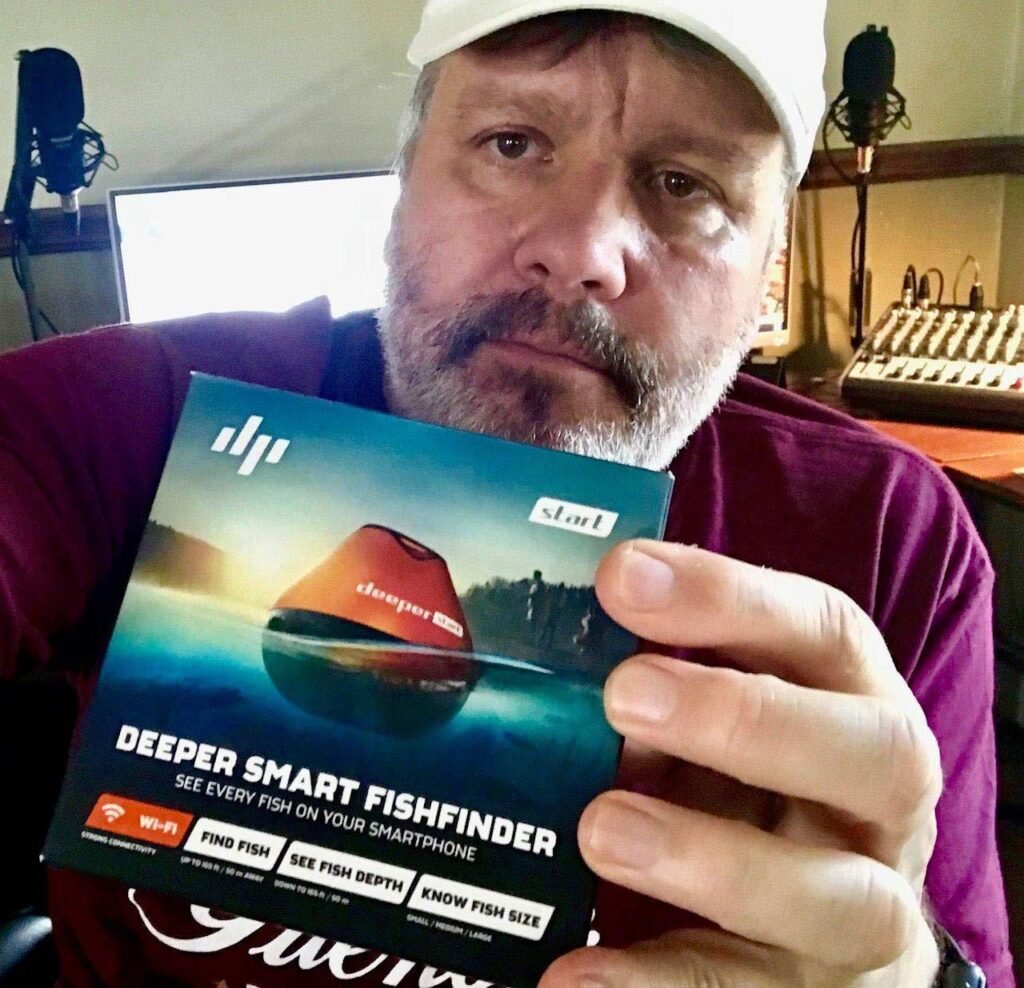
The Deeper Start targets the recreational and family fishing market with simplified smart sonar features at an accessible price point. Ideal for shore anglers, dock fishermen, and family trips where the goal is finding fish rather than analyzing precise structure, this unit removes the complexity that can overwhelm new sonar users while keeping the core benefits of wireless castable technology.
We may earn a commission when you buy through this link, at no additional cost to you.
The 40-degree sonar beam provides focused coverage that helps beginners understand what they’re seeing without overwhelming detail. Casting distance reaches 165 feet and depth capability extends to 165 feet, which covers most casual fishing scenarios from bank or dock positions. The unit uses its own Wi-Fi rather than consuming your mobile data, and automatically saves every scan with time and location for easy revisits to productive spots.
The Fish Deeper app provides useful data including fish location and size, depth, bottom contour, and vegetation identification. Setup takes minutes: pair with the app, cast the sensor, and start receiving data. Night fishing mode helps for evening or early morning trips when standard displays become harder to read. Battery life reaches 6 hours from a 2.5-hour full charge, which suits casual outings but limits all-day tournament use.
New anglers often struggle to interpret complex sonar displays, and premium features like triple-beam scanning or bathymetric mapping add complexity that can slow the learning curve. A simpler unit like the Deeper Start reduces the cognitive load and lets beginners focus on the core skill of finding fish and understanding basic sonar returns. As experience grows, upgrading to more advanced units becomes a natural progression.
This unit is the right choice for beginners, casual weekend anglers, and families introducing kids to fishing technology. The simplified feature set won’t overwhelm new users. If you need longer battery life for extended trips, more sonar beam options, or GPS mapping capability, step up to the Deeper PRO+ 2 or Garmin Striker Cast for the more advanced features.
Serious anglers who need GPS mapping, multiple sonar beams, or all-day battery life for tournament use.
We may earn a commission when you buy through this link, at no additional cost to you.
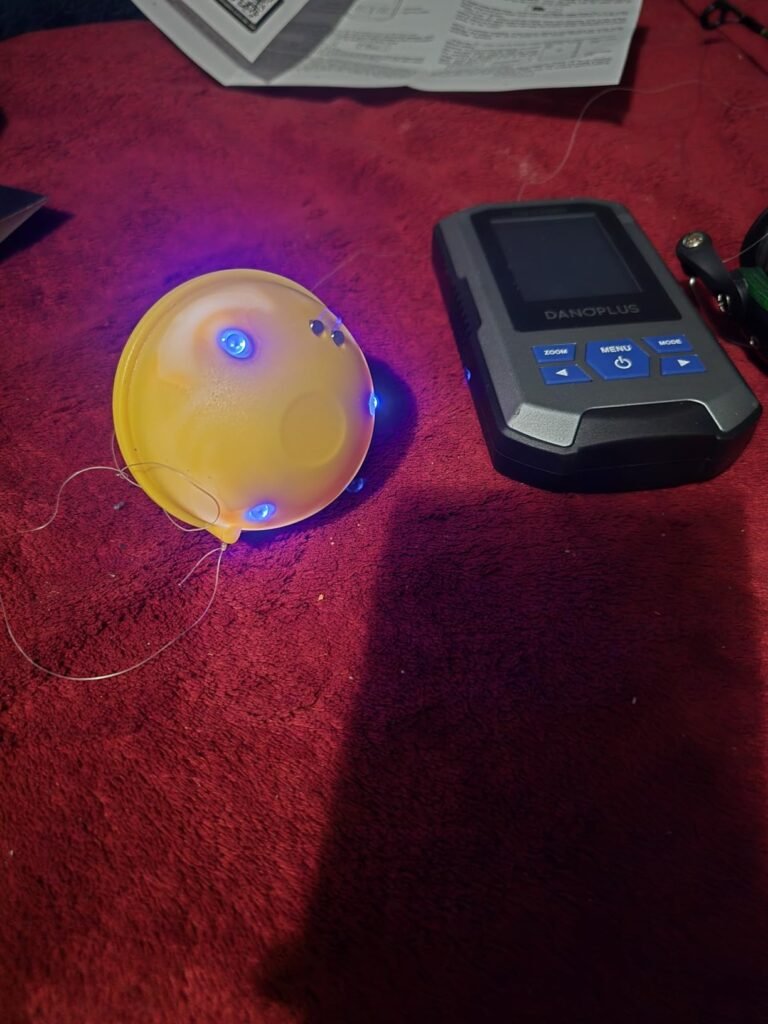
The DANOPLUS wireless fish finder combines a compact 2.4-inch color LCD display with a unique attractive lamp on the sensor that lights up when it touches water. This lamp function is designed to attract curious fish to the sensor's coverage area, potentially increasing detection rates in low-light conditions or turbid water where visual attraction can make a real difference.
We may earn a commission when you buy through this link, at no additional cost to you.
The 90-degree sonar beam and 147-foot depth detection cover typical freshwater and light saltwater scenarios. The display shows fish icons with depth numbers, water temperature, bottom contour, and water surface indicators. Support for 21 operating languages makes this unit particularly appealing to international users or households where multiple languages are spoken. The fish alarm function emits an audible warning when fish enter the sensor’s coverage area.
The rechargeable sensor automatically activates when it touches water, extending battery life by eliminating standby power drain. The compact display design fits comfortably in a hand or pocket, and the overall system weighs less than most competitors in this price range. The included wireless design eliminates cable tangles that plague budget fish finders with wired transducers.
Underwater lights have been used to attract fish for decades, particularly for species like walleye, crappie, and various saltwater targets that respond to light in low-visibility conditions. Whether the small lamp on a castable sensor makes a measurable difference depends on species, water clarity, and time of day. In clear daylight with active fish, the effect is likely minimal. In dawn, dusk, or turbid conditions, the lamp may genuinely improve detection results.
This unit is a solid choice for budget-conscious anglers who want a self-contained display with unique features like the attractive lamp and multi-language support. The smaller screen is a reasonable trade-off at this price point. If you specifically need a larger display or longer wireless range for distant casting, the LUCKY MT-202 offers both at a higher price.
Anglers who prioritize display size or need GPS mapping and advanced sonar features.
We may earn a commission when you buy through this link, at no additional cost to you.
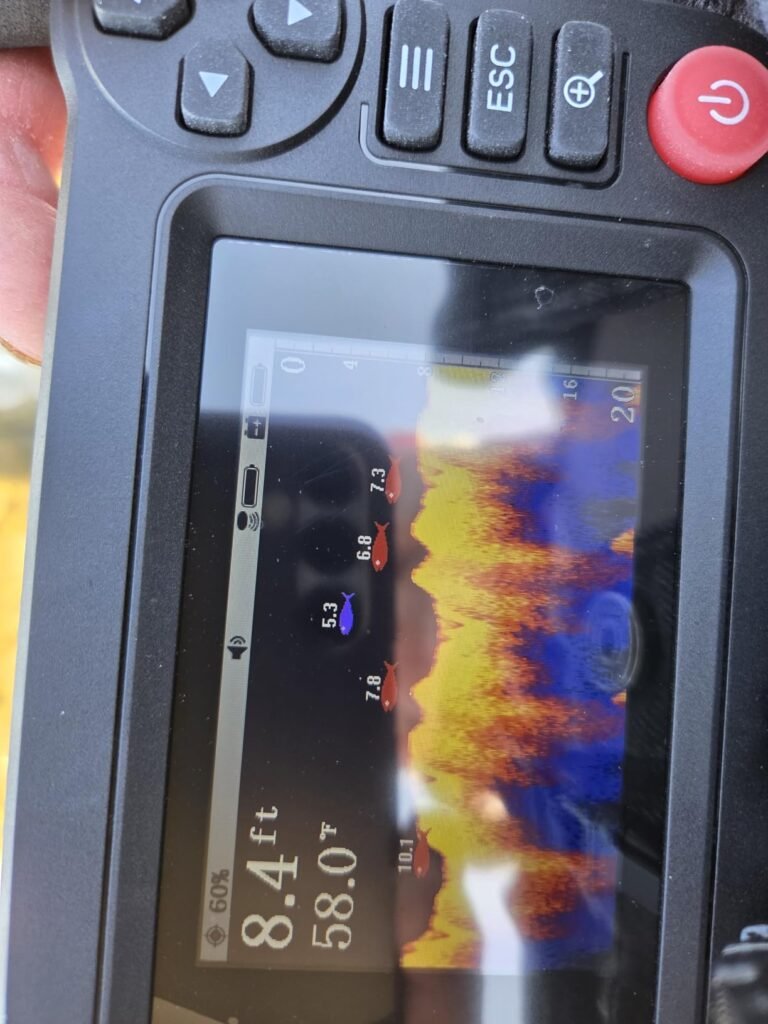
This kayak-focused castable fish finder distinguishes itself with an included mounting bracket that allows the handheld display to be attached to a kayak, boat rail, or other fishing platform for hands-free operation. Combined with a lanyard for wearing around the neck, this unit provides flexible use options that work well for anglers who alternate between hands-free scouting and active casting.
We may earn a commission when you buy through this link, at no additional cost to you.
The 656-foot wireless range between sensor and display accommodates most fishing scenarios including distant structure scouting from a fixed kayak position. The 105-degree sonar beam scans wider than the 90-degree beam on many competitors, which increases the effective coverage area during each retrieve. Depth capability reaches 164 feet, handling most freshwater and inshore saltwater applications.
The 3.5-inch TFT LCD sunlight display with three backlight modes (black, blue, and white) maintains readability across changing light conditions from bright midday sun to dawn and dusk fishing. Battery life reaches 8 hours from a 2-hour charge, which comfortably covers most all-day trips. Adjustable sonar sensitivity, depth range settings, and noise filtering let you optimize the display for specific water conditions and target species.
Mounting the sensor to your kayak or attaching it via a tether provides continuous depth data as you paddle, transforming a castable sonar into a full-time depth finder without permanent installation. This approach works particularly well when scouting new water, following depth contours, or tracking your position over structure. The trade-off is that you lose the ability to cast the sensor to specific targets, so many kayak anglers use both modes situationally.
This unit is a strong choice for kayak anglers who want mounting flexibility and a hands-free option for continuous depth monitoring while paddling. If you never plan to mount the display and prefer purely handheld operation, other units without brackets may be smaller and lighter. The 656-foot range is impressive but falls short of the LUCKY MT-202’s class-leading 853 feet for the longest-distance casting.
Anglers who prefer purely handheld operation or need GPS mapping features.
We may earn a commission when you buy through this link, at no additional cost to you.
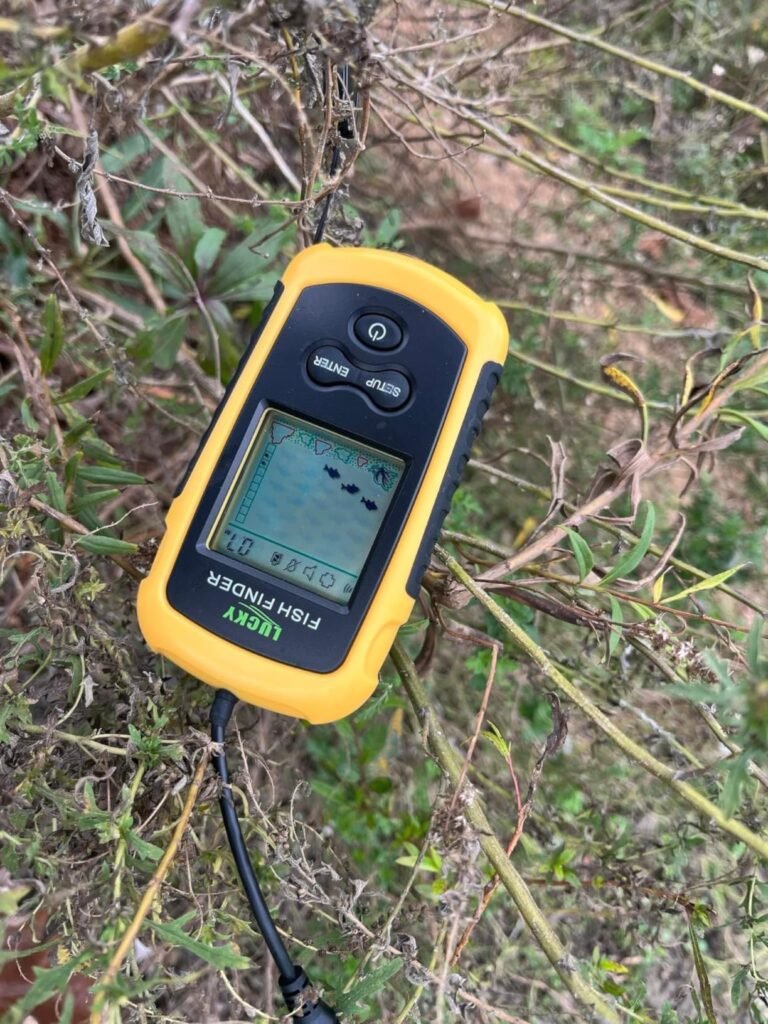
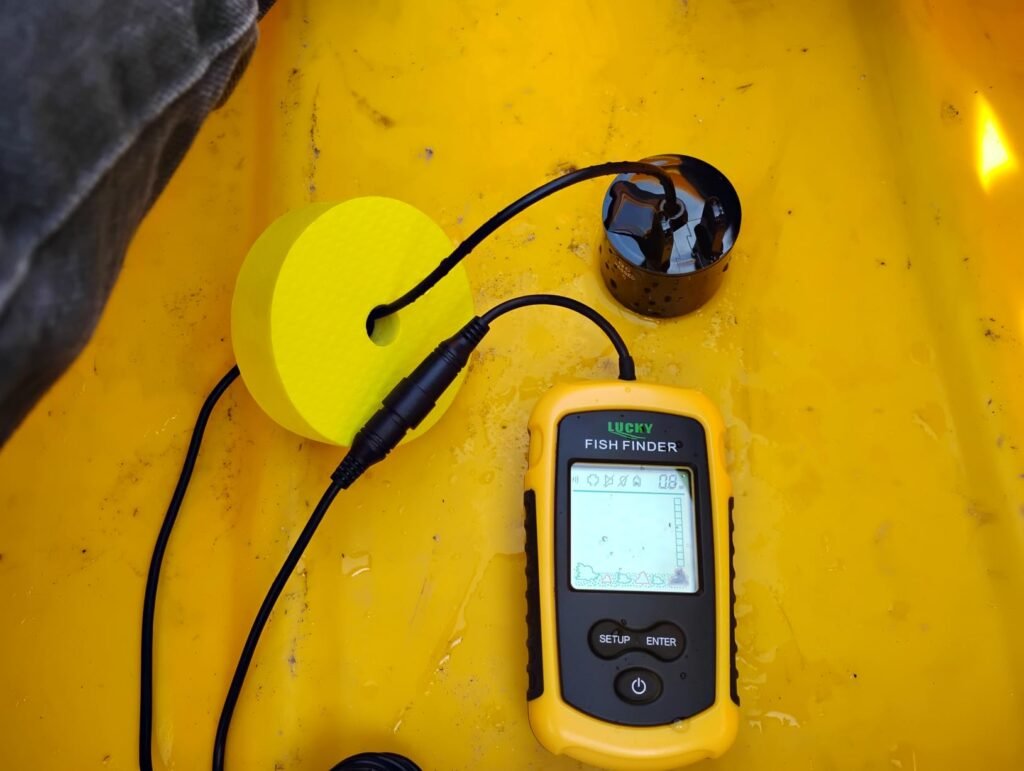
The LUCKY FFC1108 is the most affordable option in this comparison, delivering functional fish finding capability for under $45. Rather than using wireless transmission, this unit connects the sonar transducer to the handheld display via cable, which trades wireless convenience for a lower price point and more reliable data connection without pairing issues.
We may earn a commission when you buy through this link, at no additional cost to you.
Despite the budget price, the depth detection range reaches an impressive 328 feet, which exceeds many premium wireless units in this category. The unit displays fish depth, water depth, and bottom composition including short and tall weeds and sand and rocks, giving anglers meaningful structure information beyond just depth numbers. The measurement unit can be switched between feet and meters based on preference.
Five levels of sensitivity adjustment let you optimize the display for both clear water and turbid conditions where sensitivity settings dramatically affect what the sonar can detect. The backlit display remains visible in sunlight or darkness, and the included neck strap keeps the compact display accessible while your hands are busy with rod and reel. Battery life reaches 4 to 5 hours with fresh batteries and extends further in battery save mode.
Wireless castable sonars can lose connection at maximum range, in electromagnetic interference environments, or when batteries run low. Wired transducers provide bulletproof data reliability at the cost of physical cable management. For ice fishing where the transducer sits in a fixed hole, the cable causes no problems. For shore fishing at moderate distances, the cable stays manageable. Only for very long casts and active kayak use does wireless become genuinely superior.
This is the budget pick for anglers who want to try castable sonar technology without significant investment, particularly for occasional shore or ice fishing use. The wired connection is a real limitation for kayak fishing where cable management becomes a nuisance. For serious use or if wireless operation matters to you, the Venterior or DANOPLUS units provide wireless convenience at moderate price increases.
Kayak anglers or those who need long-range wireless operation for distant structure scouting.
We may earn a commission when you buy through this link, at no additional cost to you.
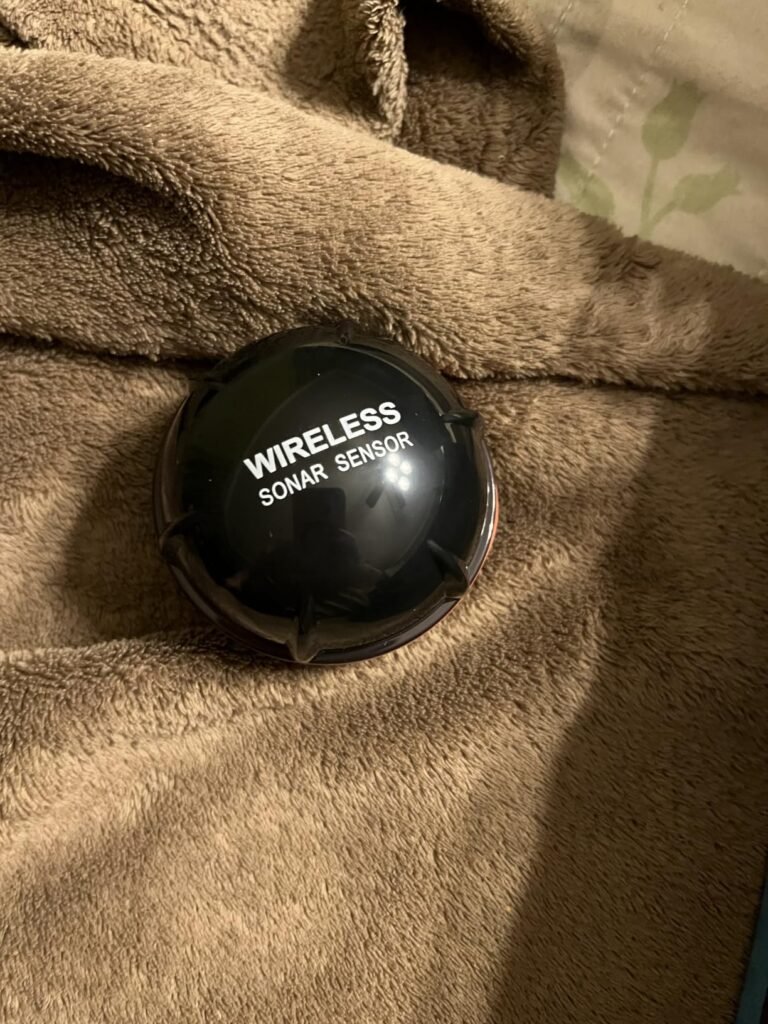
This portable castable fish finder is designed for maximum versatility across different fishing environments, from kayak and shore fishing to saltwater and ice fishing. The extensive adjustable settings including sonar sensitivity, detection depth range, and noise filtering allow anglers to optimize display accuracy for specific water conditions rather than accepting a one-size-fits-all configuration.
We may earn a commission when you buy through this link, at no additional cost to you.
The 500-foot wireless transmission range between the sensor and 3.5-inch TFT LCD display handles most casting distances and provides reliable data across typical fishing scenarios. The 105-degree sonar beam angle scans a wider area than narrow-beam units, and the 164-foot depth range covers freshwater lakes, coastal areas, and moderate ice fishing depths. Both fish alarms and depth alarms alert anglers to important events without requiring constant screen watching.
The three backlight modes ensure readability across bright sunlight, cloudy conditions, and low-light situations. Battery life reaches 8 hours from a 2-hour charge, comfortably supporting all-day fishing trips. Both the transducer and main unit include low-battery alerts, so you get advance warning before either device shuts down during an active bite. The mounting bracket and lanyard provide flexible carrying and mounting options.
Sonar sensitivity settings control how strongly the display renders returns from the transducer. Too high sensitivity in clear water creates cluttered displays full of noise. Too low sensitivity in turbid water misses actual fish returns. Adjustable sensitivity lets you dial in the perfect balance for whatever water you’re fishing, revealing structure and fish that fixed-sensitivity units either drown in noise or fail to detect entirely.
This unit works well for anglers who fish across multiple environments and need adjustable settings to handle changing conditions rather than being locked into fixed parameters. If you fish only one type of water or want simpler operation, the Deeper Start or Venterior units may better suit your needs. If you want the maximum wireless range for extreme distance casting, the LUCKY MT-202 stretches further.
Beginners who want simpler operation without extensive settings adjustment or those needing GPS mapping.
We may earn a commission when you buy through this link, at no additional cost to you.
The LUCKY FF168-WLA is engineered for anglers who prioritize portability above all else. Slim enough to slip into a fishing vest pocket and weighing about the same as a standard smartphone, this ultra-compact unit lets you move freely between fishing spots without being weighed down by bulky equipment. For anglers who cover multiple locations during a single trip, this design philosophy has real practical value.

We may earn a commission when you buy through this link, at no additional cost to you.
Despite the compact size, the specifications are competitive with larger units. The 492-foot wireless range provides stable data sync at typical casting distances, and the 147-foot depth detection covers most freshwater and light saltwater scenarios. The 2.2-inch LCD display shows fish icons, depth measurements, bottom contour, and water temperature, though the smaller screen requires holding it closer to read details than 3.5-inch alternatives.
The high-precision wireless sonar detects both individual fish and fish schools, providing meaningful data at a reasonable price. Real-time synchronization keeps the display current with what’s passing under the sensor as you retrieve it. The engineered design maintains stability across various fishing environments including freshwater lakes, salty oceans, and frozen ice holes, making it a genuine all-season tool.
Larger displays show more detail and are easier to read at arm’s length, but they add bulk and weight that becomes noticeable during long walks or extended paddling. Smaller displays like the FF168-WLA’s 2.2-inch screen require closer viewing but keep the entire kit genuinely pocket-portable. Match display size to your typical fishing style: sedentary anglers can enjoy larger screens, while mobile anglers benefit from compact designs.
This unit is the right choice for mobile anglers who fish multiple spots during a trip and value pocket portability over display size. Bank anglers who walk long distances, ice fishermen who move between holes, and kayak anglers who paddle to remote locations all benefit from the reduced bulk. If display readability matters more than portability, the LUCKY MT-202 offers a larger 3.5-inch screen in a slightly bulkier package.
Anglers who prioritize larger display readability or need GPS mapping and advanced sonar features.
We may earn a commission when you buy through this link, at no additional cost to you.
A castable fish finder can transform how effectively you fish from shore, kayak, or through the ice by revealing depth, structure, and fish that would otherwise remain invisible. Use the factors below to match a wireless sonar unit to your fishing style, target species, and how much sonar data you actually want to interpret in the field.
Wireless transmission range determines how far you can cast the sensor while still receiving reliable data on your display. Basic units offer 165 to 200 feet of range, which handles most casual shore casting. Mid-range models extend to 262 to 500 feet, covering serious distance casting and kayak scouting. Premium units like the LUCKY MT-202 push to 853 feet, which suits bank anglers targeting very distant structure or ice fishermen checking multiple distant holes.
Real-world range often falls short of manufacturer specifications due to interference, water conditions, and battery levels. Add a 20 to 30 percent buffer when comparing spec ranges to your actual casting needs. Bluetooth-based units are typically more susceptible to interference than dedicated Wi-Fi systems like those in Deeper units, so range specifications aren’t perfectly comparable across technology types.
For casual shore fishing at moderate distances, 200 feet is adequate. For serious bank anglers, kayak fishermen, or ice anglers checking multiple holes, 300 to 500 feet provides more versatility. Only choose 800-plus foot units if you specifically need extreme distance casting or plan to explore far ahead of a stationary kayak position.
Maximum depth capability determines what waters the unit can effectively scan. Most freshwater and inshore saltwater fishing occurs in less than 100 feet of water, and 147-foot units handle these scenarios well. Deeper units up to 328 feet accommodate deep lakes, offshore inland seas, and moderate saltwater applications. Very deep applications above 328 feet require specialized units beyond typical castable designs.
Sonar beam angle controls how wide an area the sensor scans below its position. Narrow beams (40 degrees) provide focused detail on specific spots, ideal for vertical jigging or working known structure. Wide beams (90 to 105 degrees) cover larger areas per pass, better for scouting new water or finding scattered fish. Some premium units like the Deeper PRO+ 2 offer multiple beam options to switch between search and detail modes.
Match depth capability to your actual fishing waters. For most lake and pond fishing, 100 to 165 feet is sufficient. For deep freshwater or inshore saltwater, choose 200-plus foot units. Wide beam angles suit search-oriented fishing, while narrow beams reward technical anglers working specific structure.
Castable fish finders use two fundamentally different display approaches. Standalone units include a dedicated handheld LCD or TFT display, providing self-contained operation without smartphone dependency. Smartphone-based units like the Garmin Striker Cast and Deeper models require pairing with an iOS or Android device to display sonar data through a manufacturer app.
Standalone displays offer reliability advantages: no phone battery drain, no app compatibility issues, no worry about phones getting wet or dropped, and consistent operation regardless of smartphone updates. Smartphone-based units offer richer display capabilities including detailed sonar rendering, GPS mapping, cloud syncing, and community features like Garmin Quickdraw contour sharing. The larger phone or tablet screen also displays more detail than compact standalone units.
Choose standalone displays if you prefer purpose-built fishing gear, want to protect your phone from water and drop hazards, or fish in areas without cellular coverage where phone reliance feels risky. Choose smartphone-based units if you want GPS mapping, richer displays, and integration with digital fishing logs and community features.
GPS-enabled units like the Garmin Striker Cast and Deeper PRO+ 2 can create custom bathymetric maps as you retrieve the sensor, building a personalized database of depth changes and structure over time. This mapping capability transforms a simple depth finder into a serious fishing intelligence tool that reveals patterns invisible from single-cast depth readings.
The Garmin Quickdraw community lets users download maps that other anglers have already created for popular waters, providing instant access to detailed contour information for waters you’ve never fished. Deeper’s Fish Deeper app offers similar mapping functionality with its own community database. Both systems save maps to cloud storage that persists across device replacements and lets you build a lifetime fishing map collection.
GPS mapping matters most for anglers who fish the same waters repeatedly and can build detailed maps of their favorite spots over multiple trips. For occasional anglers or those who fish varied waters where map building has limited value, GPS capability adds cost without proportional benefit. Match the feature to your actual fishing patterns.
Battery life determines how many hours of fishing you get per charge. Most castable units offer 6 to 10 hours of runtime, which comfortably covers a full day of fishing. USB-rechargeable Li-ion batteries eliminate the frustration of dead disposable batteries in the field and take 2 to 3 hours to fully charge from empty.
Auto power-on features that activate when the sensor touches water and shut off when removed extend effective battery life by eliminating standby drain. This matters more than raw battery capacity for casual anglers who might leave a sensor sitting between casts. The Garmin Striker Cast is particularly good at battery conservation through this auto-detection design.
For all-day tournament use or extended trips, prioritize units offering 8-plus hours per charge with auto power features. For casual outings under 4 hours, virtually any modern castable will handle the trip on a single charge. Consider whether you’ll have access to charging between trips or need to carry a portable battery pack for longer expeditions.
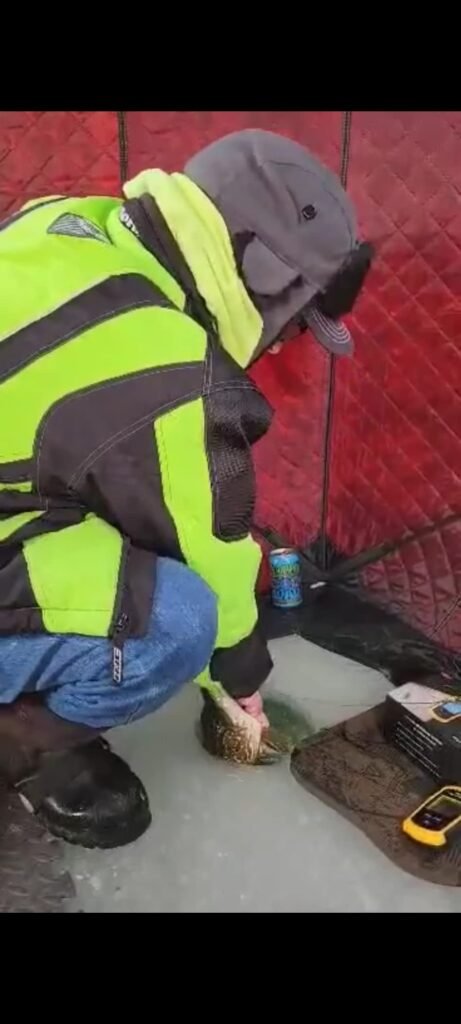
Ice fishing places unique demands on castable sonar units. The sensor must fit through ice holes typically 6 to 10 inches in diameter, operate in cold temperatures where battery performance degrades, and provide flasher-style displays that ice anglers use for real-time fish tracking. Not all castable units support ice fishing modes, and cold weather affects both battery life and screen response.
The Garmin Striker Cast explicitly supports ice fishing flasher mode, which shows continuous real-time returns rather than the scrolling history typical of open-water displays. This flasher presentation lets ice anglers track fish approaching baits in real time, which is the standard interface for serious ice fishing. Standard 2D scrolling displays work but lack the immediacy that flasher mode provides.
For dedicated ice fishing use, choose units that explicitly support flasher display modes and rate their operating temperature range for cold weather. For occasional ice use with a unit primarily meant for open water, most castables work but may show reduced battery life and slower screen response in extreme cold.
Castable sonar units live in water by design, so waterproof ratings are essential rather than optional. IPX6 and IPX7 ratings indicate protection against powerful water jets and full immersion up to 1 meter for 30 minutes, respectively. Look for both ratings on units you plan to use extensively, especially in saltwater where corrosion adds additional durability challenges.
Physical durability matters beyond just water resistance. The sensor gets cast, dropped, dragged across rocks, and potentially bumped into boat hulls and dock structures. Rugged construction with reinforced housings holds up better than lightweight plastic designs. The Garmin Striker Cast is specifically rated for use with 20-pound test line or higher, indicating durability during casting stress that lighter units may not match.
For heavy use in demanding conditions including saltwater, kayak fishing where drops are inevitable, or long-term investment, prioritize units with IPX7 ratings and reinforced construction. For occasional recreational use in controlled conditions, IPX6 units are typically adequate at lower price points.
Fish alarms alert you audibly or visually when fish enter the sensor’s detection zone, allowing you to focus on casting technique without constantly watching the display. Depth alarms warn when water becomes shallower or deeper than pre-set thresholds, useful for kayak anglers navigating unfamiliar waters or trolling at specific depths. Sound-based alarms work in low visibility, while visual alarms preserve stealth in quiet fishing situations.
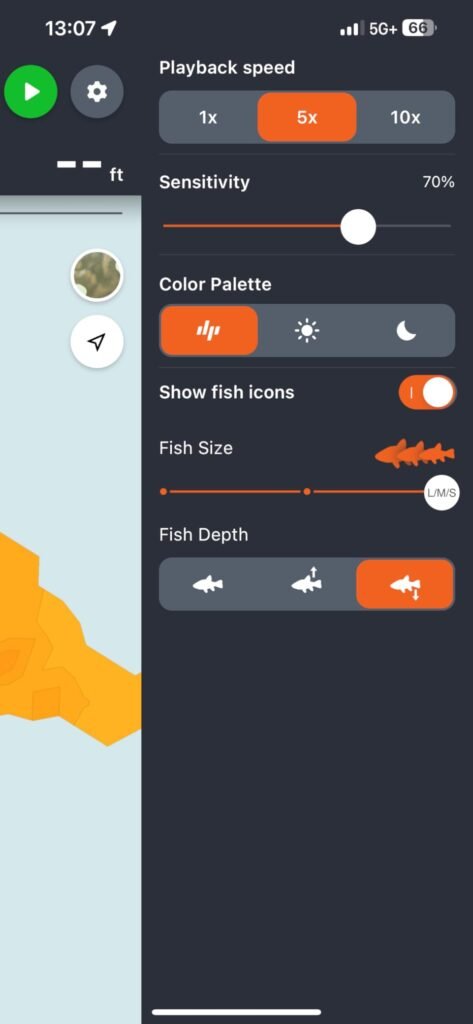
Fish size categorization on many units groups detected fish into small, medium, and large categories based on sonar return strength. This helps prioritize which marks are worth targeting, though the accuracy of size estimation varies significantly between units and depends heavily on fish orientation to the sonar beam. Take size readings as approximate guidance rather than precise measurements.
Alarms are most valuable for hands-off scenarios like trolling, sit-back bank fishing, or ice fishing where you can’t constantly monitor the display. For active shore casting where you’re already watching the screen closely, alarms add limited value and can actually become annoying during productive scanning of empty water.
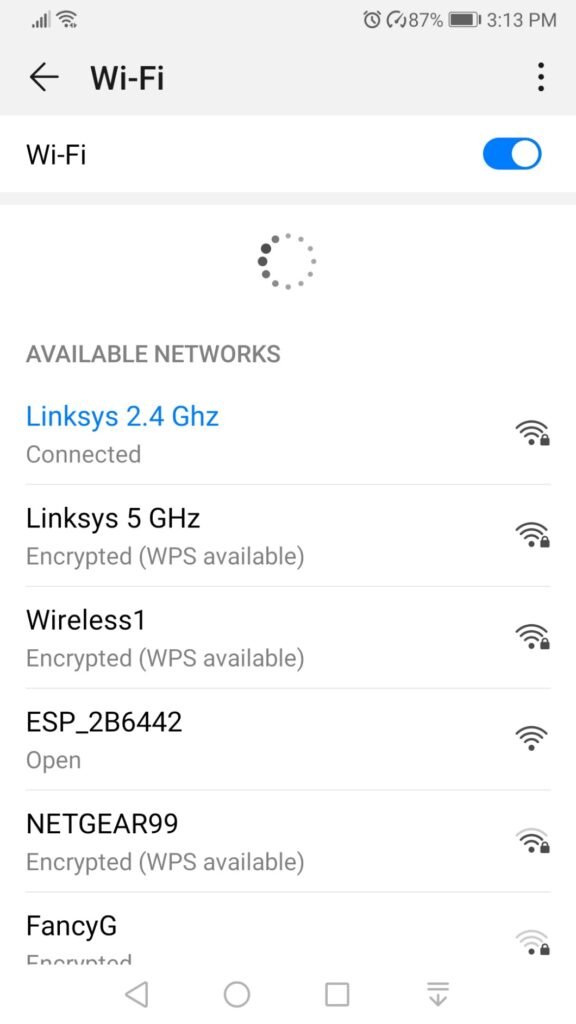
Charge the sensor fully before your first trip and verify wireless pairing with your display or smartphone app in a controlled environment before heading to the water. Most units pair automatically after initial setup, but firmware updates and app compatibility can occasionally require re-pairing. Attach the sensor to your fishing line using the small hole designed for this purpose or use the included safety tether for casting from shore. When retrieving, wind slowly and steadily to give the sonar time to build a complete scan of the underwater terrain between the cast point and your position.
After each use, rinse the sensor thoroughly with fresh water, especially after saltwater trips where salt corrosion can damage electronic components and reduce sensor life. Pay attention to the charging port area where salt accumulation can prevent proper connection to the charging cable. Dry the sensor completely before storing and periodically check the tether attachment points for wear that could cause you to lose the sensor during casting. Store the unit in a dry location out of direct sunlight when not in use, and top off the battery every few months during off-season storage to prevent deep discharge that can permanently reduce battery capacity.
For best sonar performance, cast the sensor to specific structure you want to scan rather than random open water, and retrieve at a steady pace that allows the display to build a complete picture. In windy conditions, consider using a slightly heavier bobber-style attachment to keep the sensor stable rather than being blown across the surface. If wireless connection drops during use, retrieve the sensor closer to reset the connection rather than casting further out. For GPS-enabled units, wait a few moments after entering a new area for the GPS to acquire satellite lock before starting map creation to ensure accurate positional data throughout your session.
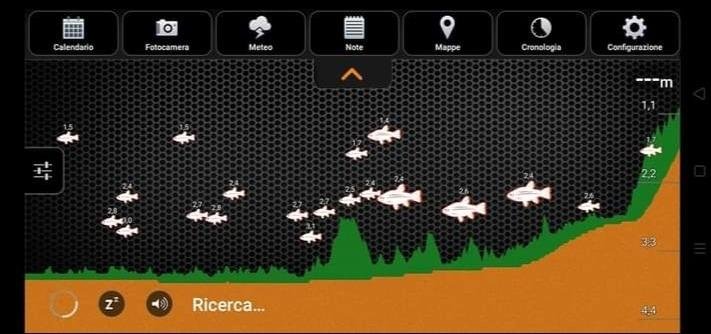
Castable fish finders use a floating sensor with built-in sonar that you tie to your fishing line and cast into the water. The sensor sends sonar pings downward, detecting fish, structure, and depth, then transmits that data wirelessly via Bluetooth or Wi-Fi to a handheld display or smartphone app. As you retrieve the sensor, you see a continuous scan of what passed under it, similar to how boat-mounted fish finders work but without needing a boat.
Yes, most castable units work well for ice fishing by dropping the sensor through your ice hole rather than casting. Units like the Garmin Striker Cast specifically support flasher display modes designed for ice fishing that show real-time fish and lure movement. The sensor floats freely in the hole and provides continuous data as long as the hole is large enough (typically 6 inches or more) to accommodate the sensor without freezing around it.
It depends on the model. Units like the Garmin Striker Cast, Deeper PRO+ 2, and Deeper Start require a smartphone or tablet running their manufacturer app to display sonar data. Standalone units like the LUCKY MT-202, Venterior Portable, and DANOPLUS Wireless include their own dedicated LCD display and work independently. Choose based on whether you prefer smartphone integration with mapping features or self-contained operation without phone dependency.
Practical casting distance depends on rod stiffness, line weight, and your casting ability. Most anglers can cast castable sensors 60 to 100 feet with medium spinning gear, and stronger casters can reach 150 feet or more with heavier setups. The wireless transmission range of the unit (typically 165 to 850 feet) is usually longer than what you can physically cast, so wireless range is rarely the limiting factor for normal fishing scenarios.
Most castable units work in both freshwater and saltwater, though saltwater use requires extra maintenance to prevent corrosion damage to the sensor. Rinse thoroughly with fresh water after every saltwater trip, paying special attention to the charging port. Some units are specifically rated for saltwater use, while others may have shortened lifespans in salt environments. Check the manufacturer's specifications for saltwater compatibility if you fish coastal waters regularly.
Fish size categorization on castable units groups detected fish into small, medium, and large categories based on sonar return strength. Accuracy is approximate rather than precise because return strength depends on fish orientation to the sonar beam, distance from the sensor, and species-specific characteristics. Treat size readings as guidance for prioritizing which marks to target rather than precise measurements of individual fish.
Narrow beams (40 degrees) concentrate sonar energy in a small area for maximum detail and better target separation, ideal for vertical jigging or working specific structure. Wide beams (90 to 105 degrees) cover larger areas per ping, better for scouting new water or finding scattered fish. Premium units like the Deeper PRO+ 2 offer multiple beam options that let you switch between search and detail modes based on the fishing situation.
Yes, castable units work well from boats, kayaks, canoes, and float tubes. Some units include mounting brackets that let you attach the display to a boat rail for hands-free operation. The sensor can be cast to specific structure or trailed behind a slow-moving boat for continuous depth monitoring. This flexibility makes castable units useful supplements to boat-mounted sonar or complete replacements for anglers who fish smaller craft.
Most modern castable units offer 6 to 10 hours of battery life per charge, which covers a full day of fishing for most anglers. Auto power features that activate the sensor when it touches water and shut it off when removed extend effective battery life significantly. USB charging typically takes 2 to 3 hours to reach full charge. For extended trips beyond battery capacity, consider carrying a portable USB battery pack for field recharging.
The Garmin Striker Cast stands out as the strongest overall choice for anglers who want proven Garmin reliability combined with GPS mapping capability in a castable format. The ability to create custom bathymetric maps with one-foot contours and tap into the Quickdraw community database provides serious fishing intelligence that extends far beyond simple depth readings. The 10-plus hour battery life and IPX7 waterproof rating back the investment for years of reliable service.
For buyers with different priorities, the LUCKY MT-202 offers class-leading 853-foot wireless range and a self-contained display for anglers who prefer standalone operation without smartphone dependency. The Venterior Portable delivers a solid feature set with 2-year warranty coverage at under $90. The Deeper PRO+ 2 provides triple-beam sonar precision and GPS mapping for serious tournament anglers who demand the most detailed sonar picture available in a castable format.
Start by identifying your primary fishing environment, whether you prefer standalone displays or smartphone apps, and whether GPS mapping capability matches how you fish. Match those requirements to a unit with appropriate wireless range, depth capability, and beam angle for your target species and waters. Use the buying guide factors above to weigh trade-offs between features, price, and complexity, and choose the castable fish finder that will help you locate more fish across many seasons of shore, kayak, and ice fishing ahead.