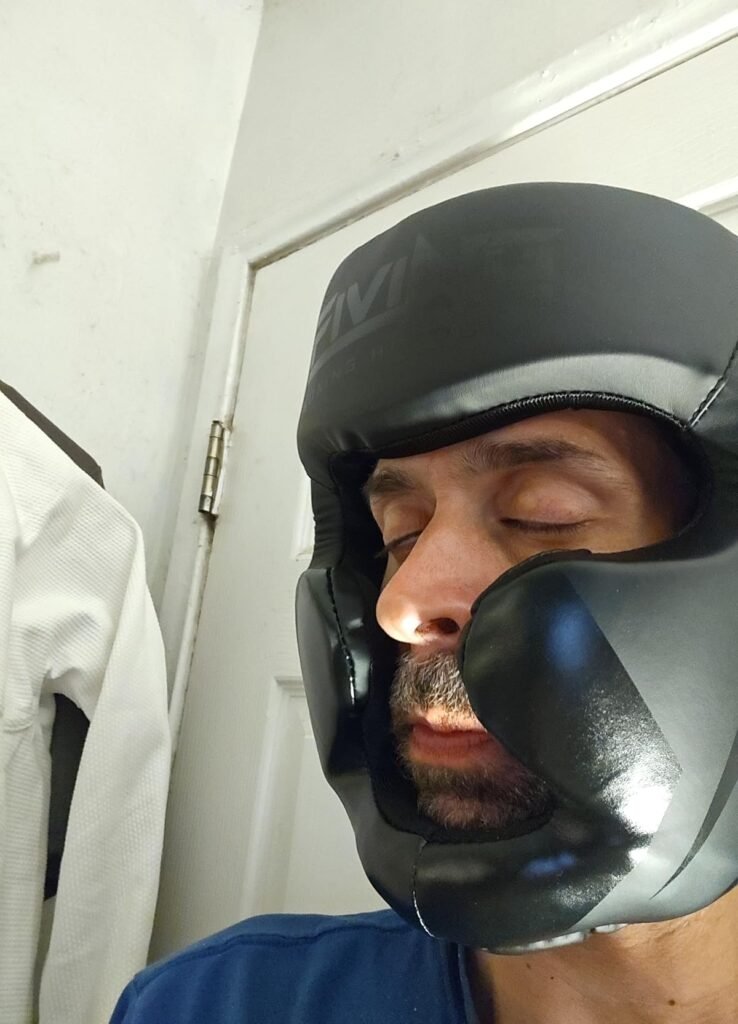
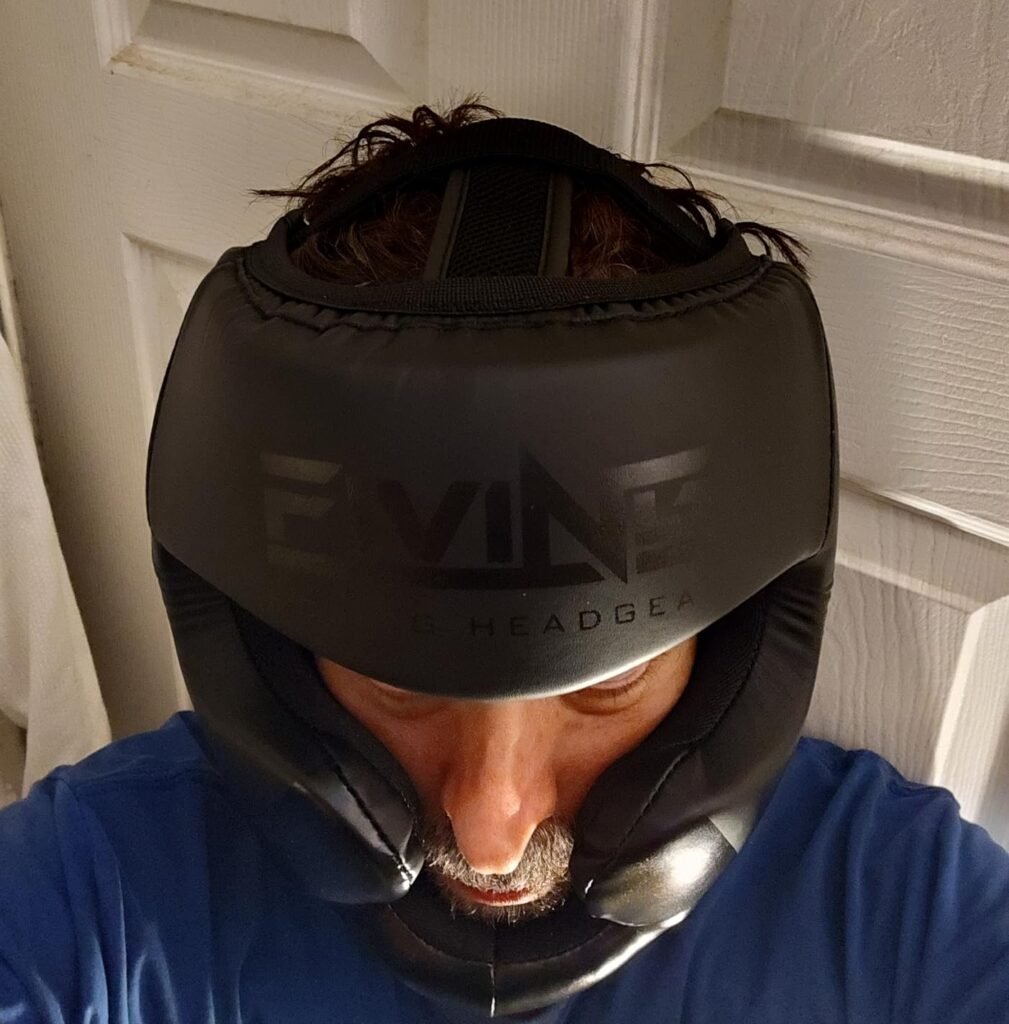
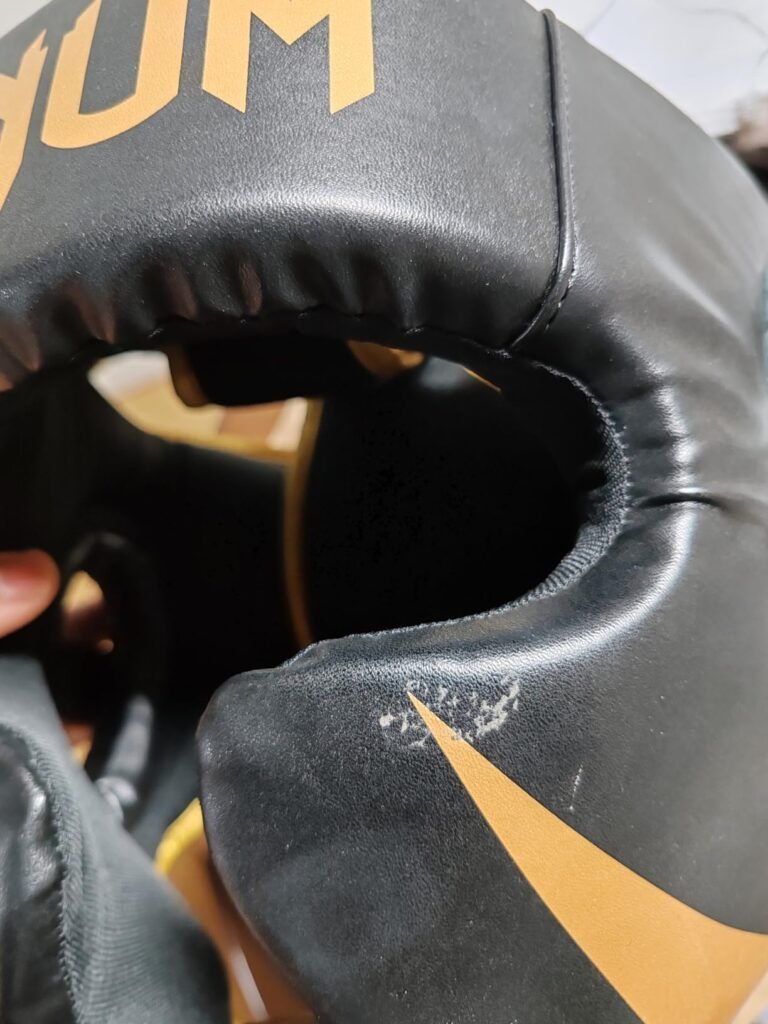
Elite Sports Head
9.2Editor scorePU leather build
180-degree field view
Jaw protector design
Adjustable chin strap
Find the right boxing headgears for 2026. We compare 10 standout options by build quality, useful features, owner feedback, value, and everyday trade-offs.
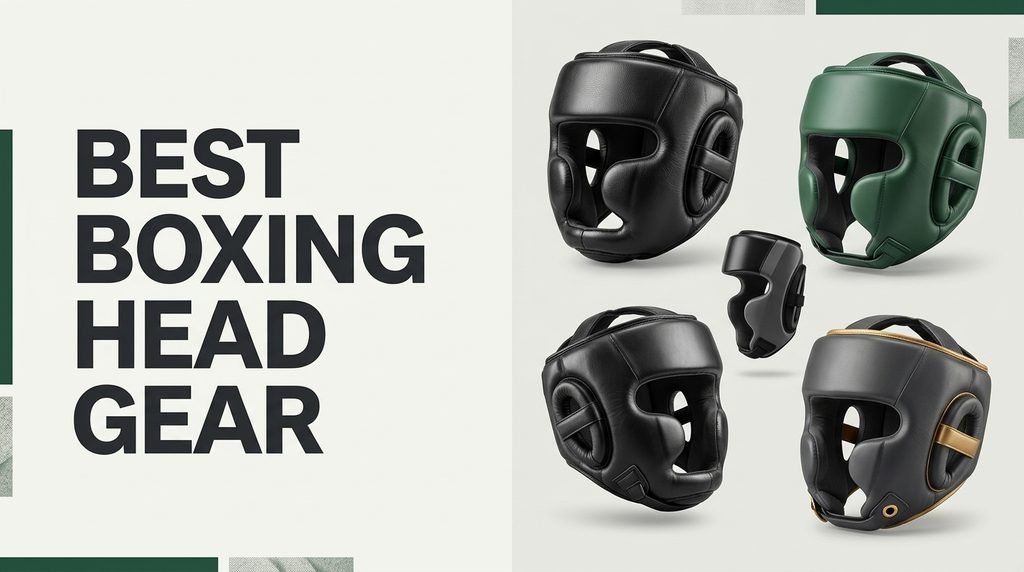
Choosing sparring protection for 2026 comes down to how well the headgear balances impact absorption, visibility, fit, and comfort during long training rounds. We compare 10 standout options across padding construction, cheek and jaw coverage, adjustability, field of view, materials, weight, and value so you can match a helmet to your combat sport and skill level.
The category ranges from lightweight open-face designs favored by amateur boxers to full-cheek competition models built for tougher sparring exchanges. Coverage, weight, and visibility trade off against each other in ways that matter to how you actually train. Understanding those trade-offs prevents buying gear that either underprotects or hinders your movement.
This guide breaks down each helmet’s strengths and limitations, from sub-$25 entry options to premium USA Boxing approved models. Whether you spar competitively, train Muay Thai, or drill light contact at your local gym, the comparisons below clarify which features deserve your attention and which are worth skipping.
We compared 10 boxing headgear options using the details that actually shape a fighter’s decision: padding density and layering, cheek and chin coverage, closure system stability, field of view, leather versus synthetic construction, weight, ventilation, sizing range, sanctioning approvals, and owner feedback. The notes focus on how each helmet performs during real sparring, from light drilling to competitive rounds, so each pick reflects the trade-offs that matter to boxers, kickboxers, and MMA athletes.


Compare key features, scores, and current prices side by side. A shorter feature list means fewer details were available, not necessarily fewer capabilities.


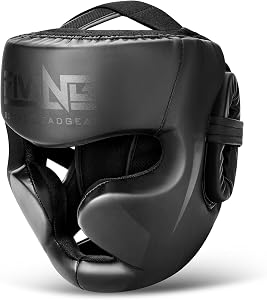


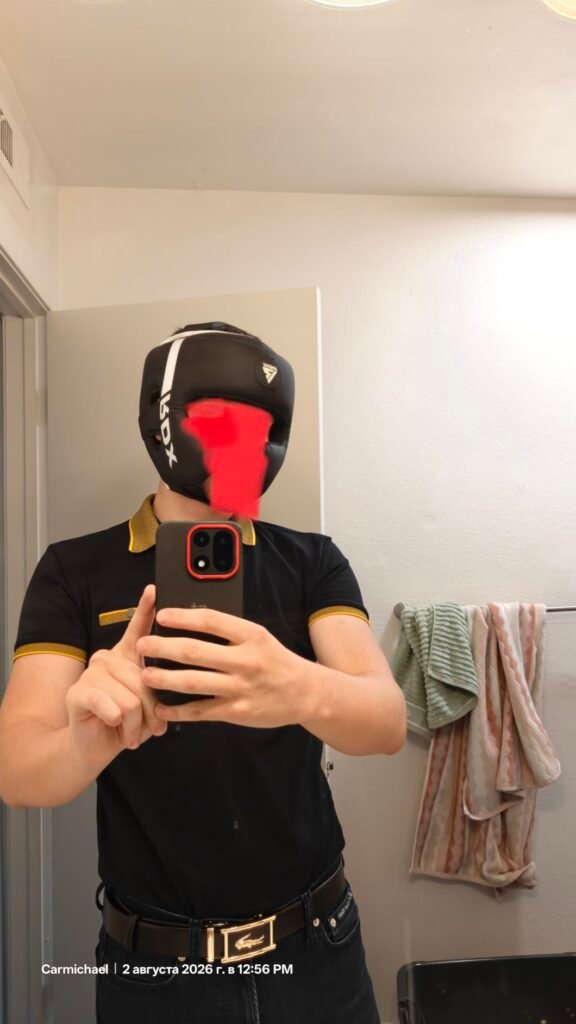
The RDX Padded Kara stands out for its triple-layered padding system that combines polygonal fusion foam, soft EVA foam, and an EVA-Lution sheet. This layered approach spreads impact more effectively than single-density foam, which matters during longer sparring sessions when repeated contact accumulates and cumulative impact becomes the real concern.

We may earn a commission when you buy through this link, at no additional cost to you.
The ConvEX Skin Maya Hide leather construction handles daily training abuse without the cracking or peeling common on cheaper synthetic shells. That durability translates directly to how long the helmet stays in usable condition, which for regular sparrers is often the deciding factor between spending on a mid-tier helmet once versus replacing a bargain model every six months.
Ventilated top and side openings paired with a quick-drying anti-slip lining address one of the biggest complaints about boxing headgear: heat and sweat buildup. Air can flow through the shell rather than pooling against your scalp, and the interior lining stays put rather than sliding when you sweat heavily. The rear-entry pull-over design makes the helmet quick to don and doff between rounds.
Single-density foam compresses uniformly under impact, transferring more force to the head. Multi-layer systems use foams with different densities that compress at different rates, spreading the impact across a longer time window. This reduces peak force to the skull and is one of the key differences between recreational and serious sparring headgear.
Adjustability comes from the buckle chinstrap combined with hook and loop closures at the top and back, giving you fine control over fit. The trade-off is that the multi-layer padding creates a slightly bulkier profile than minimalist competition helmets. For lifters and fighters who train hard multiple times a week and want a helmet that will last through the abuse, this is our top overall pick.
Athletes competing in sanctioned amateur bouts that require specific USA Boxing approved equipment.
We may earn a commission when you buy through this link, at no additional cost to you.
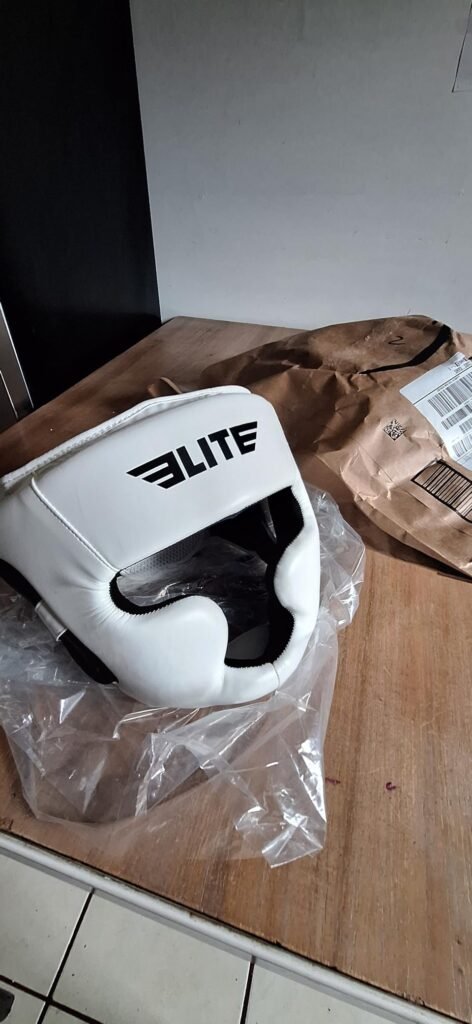
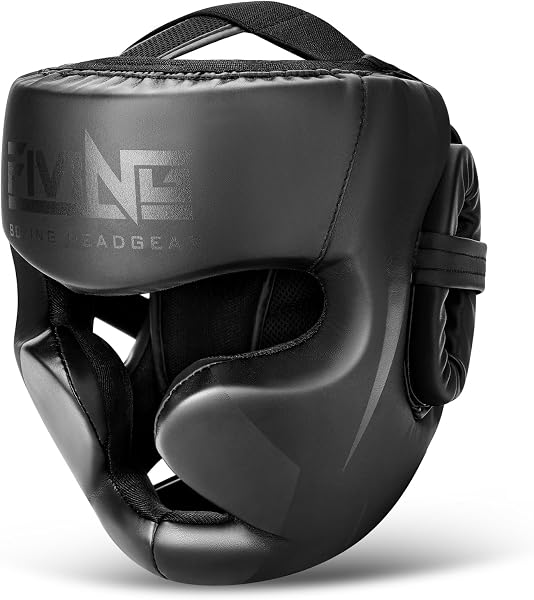
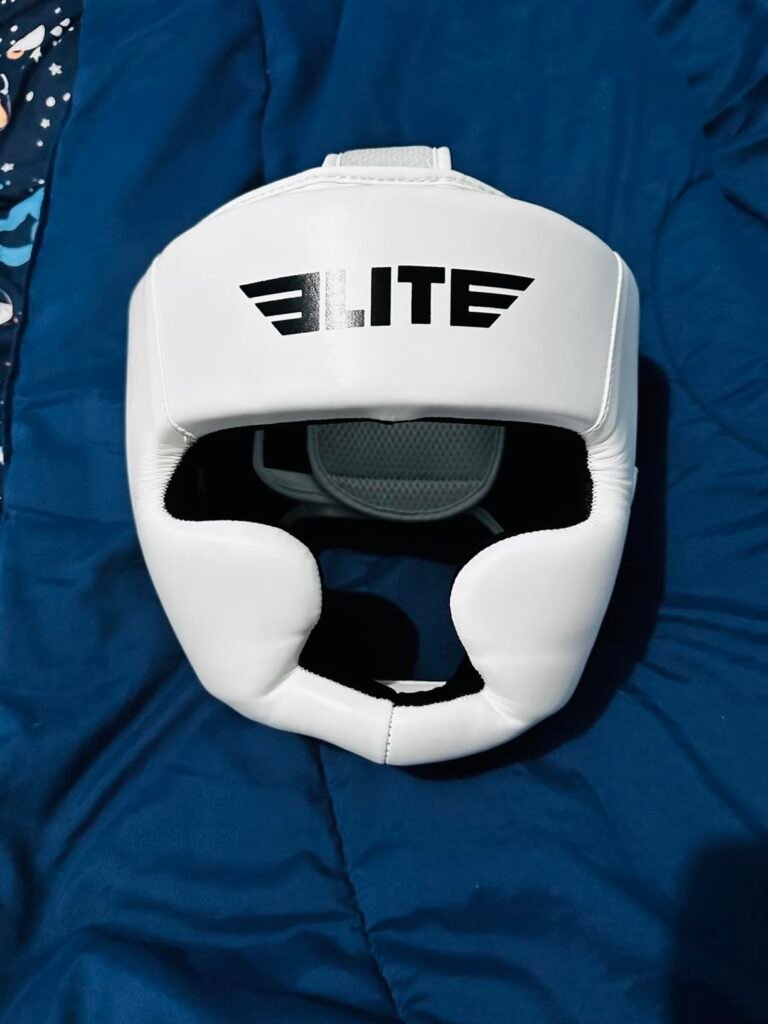
This head guard is aimed at boxers, kickboxers, and MMA athletes who prioritize visibility and fast head movement during sparring. The pre-curved ergonomic shape contours to the head naturally, and the ultra-lightweight construction keeps you agile through longer rounds without the fatigue that heavier competition headgear introduces.
We may earn a commission when you buy through this link, at no additional cost to you.
The 180-degree field of view is the standout performance feature. Being able to track your opponent through your peripheral vision matters more than most beginners realize, because a helmet that blocks side sight forces you to turn your head to see incoming shots and slows your defensive reactions. This wide sightline lets you slip, parry, and counter without repositioning.
Fit adjustability covers three points: the chinstrap, the head cap, and the height. That range accommodates different head shapes and preferences, which matters if the helmet will be shared or if you want a snug fit that will not shift during quick lateral movement. The PU leather exterior is durable enough for regular training use, though it will not match the longevity of full-grain leather.
Headgear that restricts peripheral vision forces you to move your head more, which slows reactions and telegraphs your defense. A 180-degree field of view lets you keep both hands up and scan for openings without turning your gaze. This is especially useful in the pocket when your opponent is throwing combinations from multiple angles.
The trade-off is that this is a training helmet rather than a competition-grade piece. Sparring partners who throw heavy shots may find the cheek coverage less protective than a full competition model. For amateur boxers, hobbyists, and MMA athletes who train several times a week and want reliable coverage with excellent visibility, this is a strong pick at a reasonable price.
Competitive amateur boxers who need USA Boxing sanctioned equipment for tournament use.
We may earn a commission when you buy through this link, at no additional cost to you.
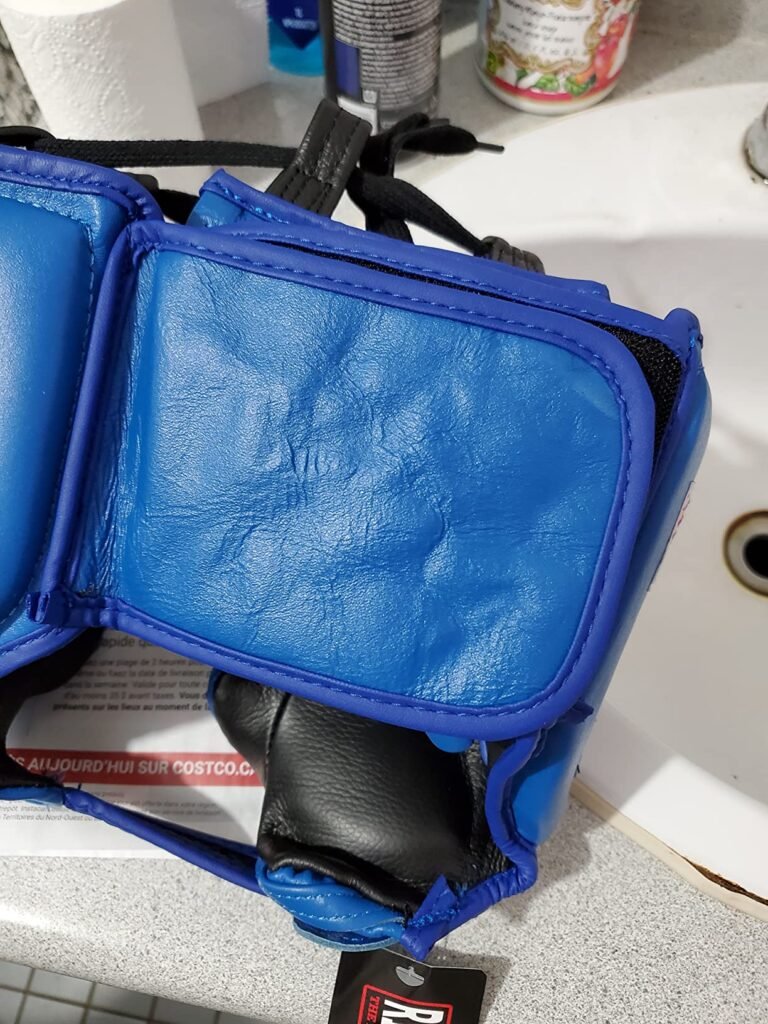
The Ringside Competition Headgear is built for amateur boxers preparing for or competing in USA Boxing sanctioned events. Meeting that approval standard is not a marketing claim but a functional requirement for anyone entering an official amateur bout, and it is what separates competition-grade gear from recreational training helmets.
We may earn a commission when you buy through this link, at no additional cost to you.
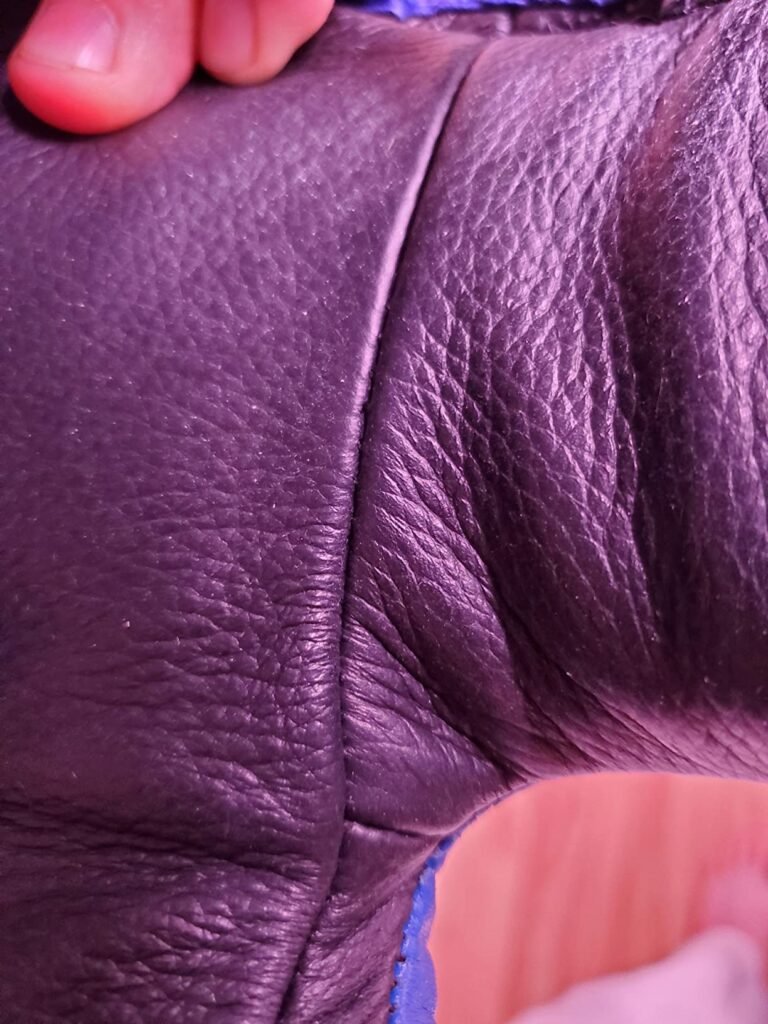
Full leather construction inside and out delivers the durability and premium feel that serious boxers expect. The extended curved cheek guards cover the front of the face while maintaining usable sightlines for punches, footwork, and coaching cues. That balance between coverage and visibility is difficult to achieve, which is why competition-approved gear typically commands a higher price.
The soft suede lining manages sweat and comfort during longer sessions, which is meaningful because leather-lined helmets can feel clammy without proper interior treatment. The contoured shape sits close to the head without excess bulk, and the lace-top adjustment combined with hook-and-loop rear closure and buckle chinstrap creates a highly customizable fit that stays in place during heavy movement.
USA Boxing approved equipment meets specific standards for construction, padding, and coverage that make it legal for use in sanctioned amateur competition. If you plan to compete or train at a gym that follows USA Boxing rules, this designation is essential. Recreational sparrers do not need it, but serious amateurs should not settle for less.
The trade-off is price and setup time. Lace-top adjustments take longer than pure Velcro systems, but they give you finer control over fit that pure Velcro cannot match. For amateur boxers competing in sanctioned events, gym members who spar seriously, or anyone who wants a helmet that will hold up for years of regular use, this is the premium choice.
Casual hobbyists who want the lightest, cheapest option for occasional gym drilling.
We may earn a commission when you buy through this link, at no additional cost to you.
MaxxMMA's headgear delivers the essentials of sparring protection at one of the lowest price points in this category. For beginners exploring boxing, MMA, or Muay Thai who are not yet ready to commit to premium leather gear, this foam-built helmet provides adequate coverage during light-to-moderate contact drilling.

We may earn a commission when you buy through this link, at no additional cost to you.
The 100 percent foam construction keeps the weight low, which is genuinely useful for new practitioners still building the neck strength needed to handle a heavier helmet through long rounds. Lighter gear also reduces fatigue during technique drilling where the priority is repetition volume rather than heavy impact absorption.
The L/XL sizing accommodates most adult heads, though buyers with smaller heads should measure carefully before ordering. The helmet suits boxing, kickboxing, sparring, karate, taekwondo, and MMA drilling, making it a flexible starter piece for anyone exploring combat sports without knowing which discipline will stick.
Beginners often do not know how frequently they will train or which combat sport will hold their interest long-term. Starting with a budget helmet lets you learn what fit, coverage, and weight preferences matter most to you before spending on premium gear. Many experienced fighters also keep a budget helmet as a backup or for teaching newer partners.
The main trade-off is durability. Foam-only construction will not hold up as long as leather-shelled helmets under heavy daily use, and the sizing options are limited. For beginners who need functional protection without a large upfront investment, or for a spare helmet to leave at the gym, this is a smart budget choice. Committed sparrers should plan to upgrade eventually.
Serious sparrers who train several times a week or plan to compete in sanctioned events.
We may earn a commission when you buy through this link, at no additional cost to you.
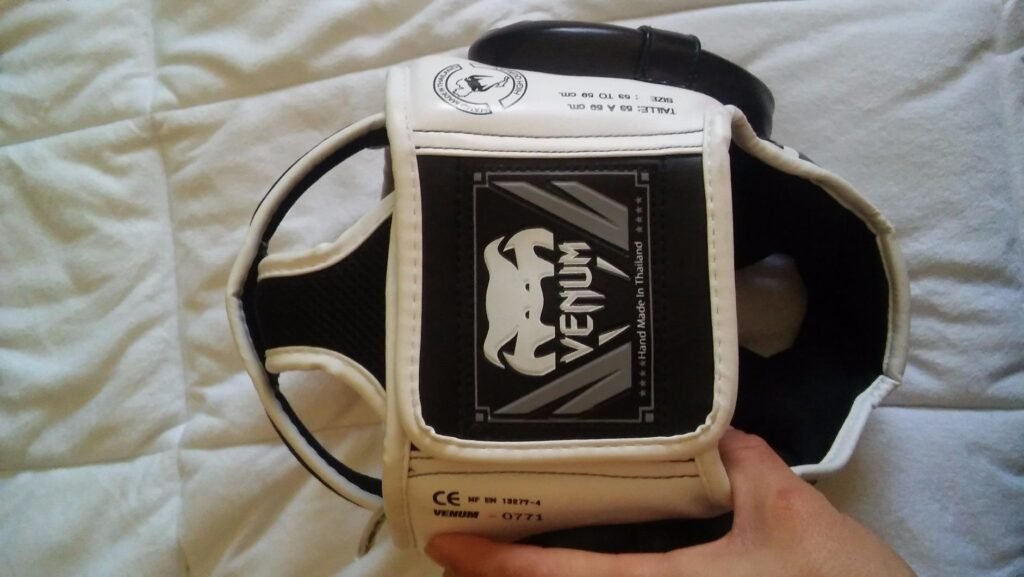
The Venum Challenger 2.0 is one of the most popular training helmets in combat sports for good reason: it hits a sweet spot between weight, coverage, and price that suits a wide range of practitioners. The ultra-lightweight design keeps you fast through long rounds, which matters when you are drilling technique or working combinations rather than absorbing heavy shots.
We may earn a commission when you buy through this link, at no additional cost to you.
Triple density contoured foam is the key performance feature. Different foam densities layered together spread impact more evenly than uniform foam, and the contoured shape follows the natural curves of the head rather than sitting bulky above it. That contour reduces the profile presented to your sparring partner, which subtly makes you harder to hit cleanly.
The flexible two-way Velcro closure allows quick on-and-off between rounds without fussy adjustments, and the closure system holds fit reasonably well once dialed in. The Venum brand carries strong recognition in MMA and Muay Thai communities, which matters if you train at a gym where equipment familiarity is common.
Layering foams of different densities lets the outer layer absorb initial impact while the inner layers manage the residual force that reaches the skull. This staged compression reduces peak forces more effectively than uniform padding of the same thickness. It is a construction approach favored by many mid-to-premium helmets in this category.
The trade-off is that open-face designs like this one deliberately sacrifice some cheek coverage in favor of visibility and mobility. For amateur boxers, kickboxers, and MMA athletes who prioritize movement and reaction speed over maximum face coverage, the Challenger 2.0 is a well-balanced choice from a trusted brand. Buyers who want more facial protection should look at competition-cheeked models.
Boxers who want maximum cheek coverage for heavy sparring exchanges.
We may earn a commission when you buy through this link, at no additional cost to you.
This RDX helmet stands apart because of its removable PVC face grill, which extends its usefulness across martial arts that permit or require facial protection. For BJJ practitioners drilling with strikes, taekwondo athletes doing partner work, or MMA fighters wanting extra buffer during hard sparring, the grill option adds versatility that fixed open-face helmets cannot match.

We may earn a commission when you buy through this link, at no additional cost to you.
The Maya Hide leather construction refuses to split, fray, or tear under regular training abuse, which is one of the defining strengths of RDX’s helmet line. Combined with CE certification, the build quality signals a helmet designed to hold up over years rather than months. Three attenuating foam slabs handle impact absorption across the shell.
The Quick EZ hook and loop strap system provides a secure adjustable fit that reduces slipping during head movement. When the face grill is attached, it provides a minimal buffer against strikes without significantly disturbing sightlines through the openings. Being able to remove the grill for pure boxing work while keeping it available for other disciplines makes this one of the most flexible helmets in this guide.
Face grills are common in taekwondo, some MMA training, and certain karate disciplines where accidental contact is possible but heavy strikes are not the norm. They also give beginners extra confidence during initial sparring sessions when defensive skills are still developing. Being able to remove the grill maintains flexibility for pure boxing rounds.
The trade-off is that the face grill introduces some visual obstruction compared to fully open designs, and it is not appropriate for traditional boxing where facial contact through a grill would be unusual. For martial artists who cross-train across multiple disciplines and want one helmet that adapts to different rulesets, this RDX model earns its place. Pure boxers may prefer a simpler open-face design.
Traditional boxing purists who want unobstructed vision during pure boxing sparring.
We may earn a commission when you buy through this link, at no additional cost to you.
The FIGHTR headgear takes a distinctly different design philosophy than most competition helmets: it prioritizes a slim, snug fit that reduces the effective target area your sparring partner sees. For technical boxers and kickboxers who rely on head movement and defensive skill rather than pure absorption, that lower profile makes it noticeably harder to land clean shots.
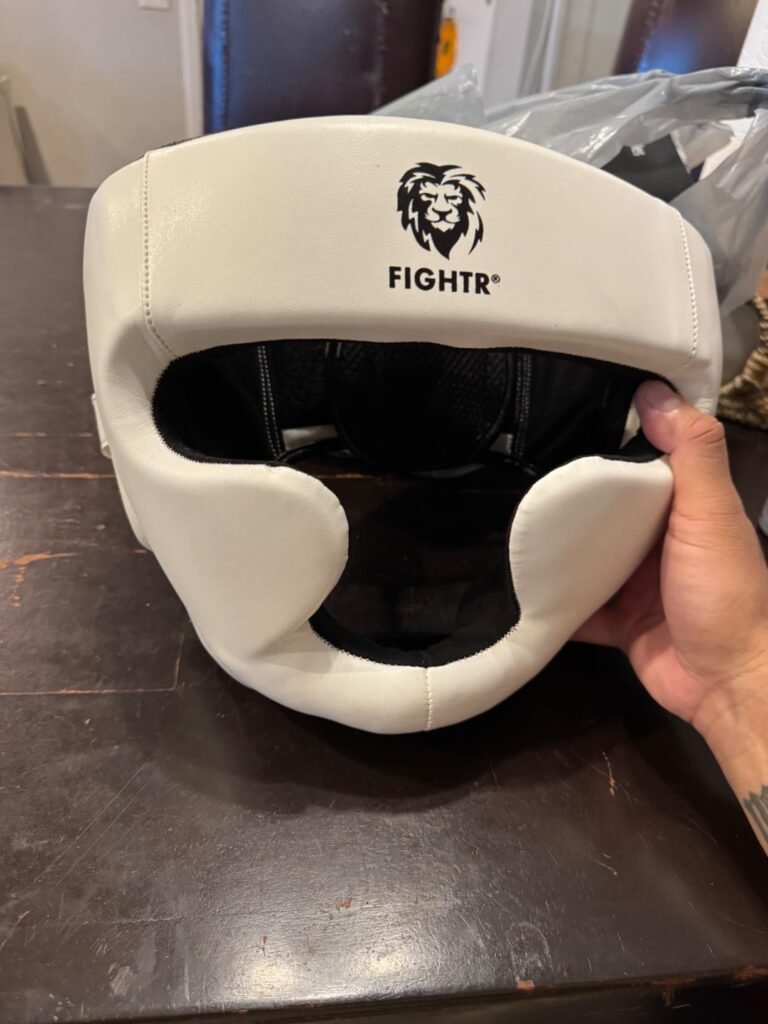
We may earn a commission when you buy through this link, at no additional cost to you.
The ergonomic design combined with extra soft inner material and additional padding delivers surprising comfort for such a slim helmet. The quick-release fastener makes it fast to put on and take off between rounds, which is a small convenience that adds up over the course of a long training session with multiple partners.
As a German-designed brand founded in 2026, FIGHTR is newer to the market than legacy names, but the company backs its products with a 24-hour response guarantee for satisfaction issues. That responsive support is meaningful for buyers who worry about warranty handling on unfamiliar brands. The slim materials still deliver adequate shock absorption for standard sparring intensity.
Bulky helmets with maximum padding absorb more impact but present a larger target that is easier to hit. Slim helmets provide less padding but reduce the effective target area and encourage better head movement. Neither is universally better; the right choice depends on your sparring intensity and defensive style.
The trade-off is that the slim profile inherently uses less padding than bulkier competition helmets, so it may not be the right pick for the heaviest sparring exchanges. The 4.3 rating is respectable but sits below the top-rated options in this guide. For technical sparrers who value mobility and want a slim profile, this German-designed helmet is worth considering.
Heavy hitters or fighters who need maximum padding volume for hard sparring.
We may earn a commission when you buy through this link, at no additional cost to you.
This Ringside model delivers the look and feel of a full competition helmet at a lower price than the officially sanctioned version. For serious sparrers who want extended cheek coverage and premium leather construction but do not need actual competition approval, this helmet offers most of the benefits at a friendlier cost.

We may earn a commission when you buy through this link, at no additional cost to you.
The extended curved cheek guards provide comprehensive protection for the front, sides, and back of the head while the sleek contoured foam padding keeps the profile close to the skull. Leather inside and out gives it the durability and natural feel of a competition-grade helmet, which becomes more apparent the longer you wear it during a training session.
The lace-top adjustment paired with hook-and-loop rear closure and a buckle chinstrap creates a highly customizable fit. Lace adjustments take longer to set up initially, but they let you dial in the exact tension across the top of the helmet that Velcro-only systems cannot match. Once fit is established, the closure holds through heavy movement.
Competition-style helmets replicate the design and coverage of sanctioned gear but do not carry the official approval marks required for tournament use. They are ideal for training with the coverage of a real competition helmet at lower cost. If you plan to actually compete, you still need the sanctioned model.
The trade-off is that this helmet is competition-like rather than actually competition-approved, so it cannot substitute for a sanctioned model in official amateur events. For serious training use where you want the coverage and feel of tournament gear without paying the full premium, this Ringside model is a strong value proposition from a well-established brand.
Athletes registered for USA Boxing sanctioned amateur competition.
We may earn a commission when you buy through this link, at no additional cost to you.
This headguard is a strong entry point for newcomers to boxing, MMA, or Muay Thai who want more features than a bare-minimum foam helmet at a still-affordable price. The thickened inner lining and breathable mesh construction address the two most common beginner complaints: overheating and interior discomfort during longer sessions.
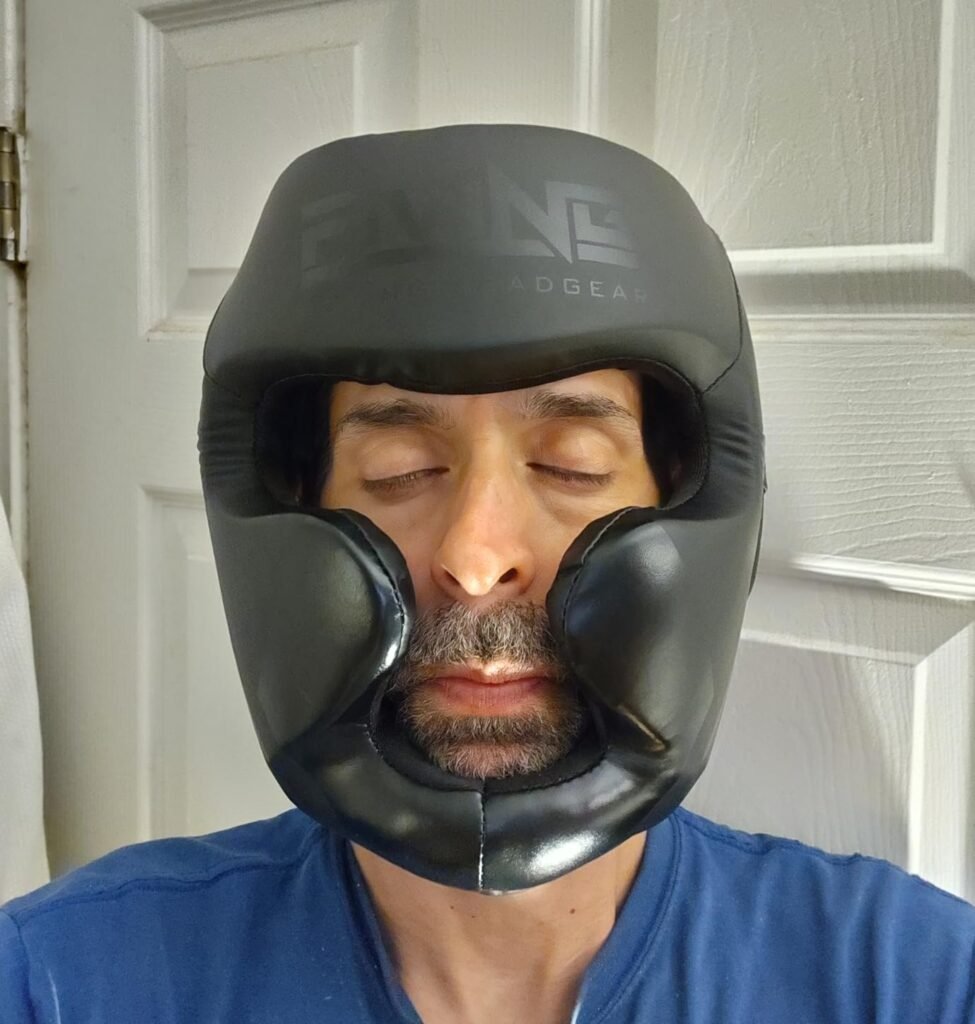
We may earn a commission when you buy through this link, at no additional cost to you.
The double density foam provides better shock absorption than single-layer designs, which matters as new practitioners graduate from technical drilling to lighter sparring. Combined with the 180-degree open field of view, the helmet supports quick reactions and clear sightlines without the tunnel vision that cheaper closed designs can create.
Ergonomic shaping paired with the flexible two-way Velcro buckle makes fit adjustment straightforward, and the size range accommodates most adult heads. The helmet suits Muay Thai, taekwondo, MMA, and other martial arts, giving beginners flexibility as they explore different disciplines without committing to sport-specific gear.
Breathable mesh interior linings help sweat evaporate rather than pooling against your scalp, which reduces the slippery interior feel that develops during long sessions. This small feature significantly improves comfort during 30-plus minute training rounds and helps the helmet dry faster between sessions.
The trade-off is that budget construction means the shell will not match the multi-year durability of leather helmets under heavy daily use. For beginners training a few times per week or intermediate practitioners who need a spare helmet, this is a smart value pick with a respectable 4.7 rating. Committed sparrers who train hard should plan to upgrade eventually.
Serious sparrers looking for leather construction and multi-year durability.
We may earn a commission when you buy through this link, at no additional cost to you.
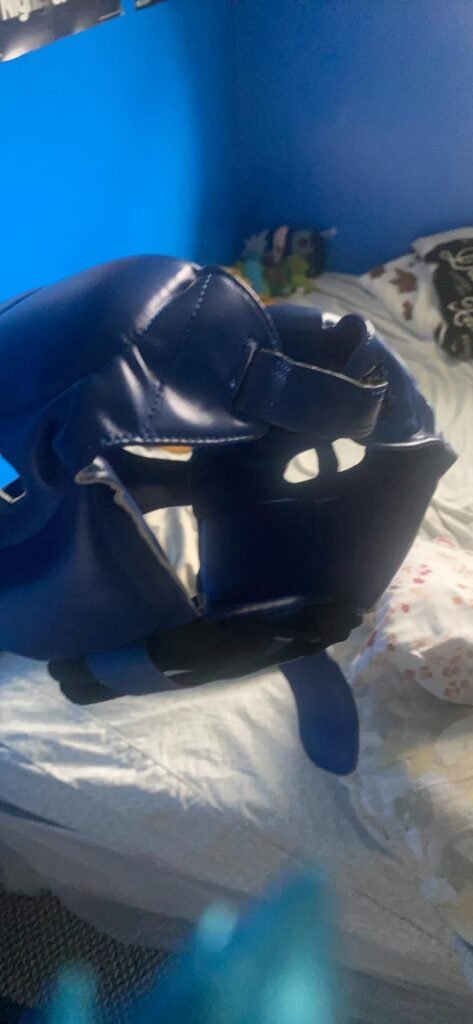
The original Venum Challenger takes a more coverage-focused approach than the Challenger 2.0 by including protection across the head, cheeks, ears, and chin. For sparrers who want comprehensive facial and jaw coverage in a single helmet without stepping up to a full competition model, this design covers more surface area than most open-face alternatives.

We may earn a commission when you buy through this link, at no additional cost to you.
The semi-leather construction balances durability and cost, sitting between synthetic-only budget helmets and premium full-leather competition gear. Semi-leather shells hold up reasonably well to regular training use while keeping the price more accessible than pure leather options, though they will not match the multi-year longevity of the highest-tier helmets.
The one-size-fits-all design simplifies the buying decision by removing sizing guesswork, and the flexible two-way Velcro closure allows meaningful adjustment across different head circumferences. The Venum brand recognition is a benefit if you train at a gym where equipment consistency matters or where staff can help with fit adjustments based on familiarity with the product.
One-size-fits-all designs work best for head sizes near the population average and can save time compared to sizing-specific helmets. Buyers with distinctly small or large heads should measure their circumference and compare it against manufacturer specifications before ordering, since Velcro range has limits at both ends of the spectrum.
The trade-off is that one-size designs inevitably fit some head shapes better than others, so buyers with unusually large or small heads may find the adjustment range insufficient. For sparrers who value ear and chin coverage in addition to the standard forehead and sides, this helmet delivers more comprehensive protection than most open-face designs. Those who need precise sizing should choose a helmet with graduated sizes.
Buyers with head circumferences well outside average ranges who need precise sizing.
We may earn a commission when you buy through this link, at no additional cost to you.
Picking sparring protection means matching padding, coverage, fit, and materials to your combat sport, skill level, and how hard you actually train. The factors below cover the decisions that most influence real-world performance and long-term satisfaction.
Padding is the single most important safety feature of any boxing helmet. Single-density foam compresses uniformly under impact and transfers more force to the head, while multi-layer or multi-density foam systems compress at staged rates that spread impact across a longer time window. The difference is meaningful during repeated contact where cumulative force matters more than any single hit.
Foam type also affects long-term performance. EVA foam holds its shape well through regular use, while lower-grade foams compress permanently over time and lose protective capacity. Look for helmets that name their foam construction: triple-layer, triple-density, contoured, or polygonal fusion foam all indicate more sophisticated approaches than plain foam padding.
For casual drilling, standard foam is adequate. For regular sparring at moderate to hard intensity, prioritize multi-layer or multi-density foam construction over the cheapest available option.
Boxing helmets range from minimalist open-face designs to full-cheek competition models. Open-face helmets protect the forehead, sides, and back of the head while leaving the face largely exposed, which maximizes visibility and encourages proper head movement. Cheek-covered helmets extend protection to the front of the face, offering more buffer during heavy exchanges but at the cost of slightly reduced sightlines.
Some helmets add ear and chin coverage or include a removable face grill for cross-training in disciplines that permit or require facial protection. Grill options extend versatility across taekwondo, some MMA drilling, and BJJ striking work. Traditional boxing purists typically prefer clean open-face or competition-cheeked designs without grills.
Choose open-face designs if you prioritize visibility and movement, cheek-covered models for heavier sparring, and grill-equipped helmets if you cross-train across multiple disciplines.
Shell material affects both durability and how the helmet feels over time. Full-grain leather is the gold standard for durability and premium feel, holding up through years of regular use without cracking or peeling. Maya Hide leather is a durable synthetic-leather hybrid that performs well under training abuse at a lower price than genuine leather. PU leather and standard synthetic shells cost less but tend to show wear faster.
Interior lining matters as much as the outer shell for comfort. Suede lining absorbs sweat naturally and feels comfortable during long sessions, while mesh linings promote airflow and speed drying between uses. Anti-slip linings help the helmet stay in place during vigorous head movement, which prevents the annoying and dangerous problem of headgear shifting mid-round.
For serious ongoing training, invest in leather or Maya Hide construction. For occasional or beginner use, quality synthetic shells offer adequate performance at lower cost.
Fit is where many otherwise well-built helmets fall short. Poor fit causes the helmet to shift during movement, expose unprotected areas, or restrict jaw motion in ways that interfere with mouthguard use. Look for helmets with multi-point adjustment covering the top, back, and chinstrap so you can dial in fit across different head shapes.
Closure systems include Velcro, hook-and-loop, buckle chinstraps, and lace-top adjustments. Pure Velcro systems are quick to adjust but offer less precision, while lace-top designs take longer to set up but let you fine-tune tension across the crown. Competition helmets typically combine multiple systems for maximum precision at the cost of setup time.
For quick between-round adjustments, prioritize Velcro-based systems. For competition-grade precision, choose lace-top designs and accept the longer setup time as a trade-off.
A helmet that blocks peripheral vision forces you to turn your head to track your opponent, which slows reactions and telegraphs your defensive movement. Look for helmets that specify field of view or feature open front designs that maintain wide sightlines. 180-degree field of view is common on well-designed sparring helmets and is a meaningful advantage in live rounds.
Cheek-covered competition helmets inherently reduce peripheral vision compared to open-face designs, but well-engineered models minimize the impact through careful pad shaping. Grill-equipped helmets introduce some visual obstruction through the grill openings, which most users adapt to quickly but which purists tend to dislike.
For technical boxers who rely on defensive skill and reaction speed, prioritize helmets that explicitly emphasize field of view. For heavier sparrers who need maximum coverage, accept some peripheral vision reduction as the trade-off for added protection.
Helmet weight matters more than beginners expect. Heavier helmets fatigue neck muscles during long rounds and slow head movement, which affects both defense and offense. Lightweight designs let you move naturally through longer sessions without the accumulated strain that heavy helmets introduce.
Ventilation addresses the heat and sweat that build up inside any helmet during hard training. Ventilated tops and sides allow airflow through the shell rather than trapping heat against your scalp. Quick-drying anti-slip linings help sweat evaporate and prevent the helmet from becoming slippery inside during long sessions. Both features significantly improve comfort during extended training.
For long training sessions or high-intensity sparring, prioritize helmets that emphasize both light weight and ventilation. For short technical drilling, these features matter less.
If you plan to compete in amateur boxing, your helmet must meet the sanctioning body’s approval requirements. USA Boxing approved gear is required for official amateur competition in the United States. Non-sanctioned training helmets, no matter how well-built, cannot substitute for approved gear in official events.
Even at gyms that do not require sanctioned gear, some coaches prefer athletes use competition-approved helmets during hard sparring because they meet consistent safety standards. Competition-like helmets replicate the design of approved gear at lower cost and are ideal for training use, but they cannot be worn in actual sanctioned bouts.
If competition is in your future, invest in sanctioned gear from the start. For training-only use, competition-like or premium training helmets offer excellent performance at lower cost.
Prices in this category range from under $25 for basic foam helmets to over $100 for competition-approved leather models. Spending more generally buys better foam construction, more durable shell materials, better fit adjustability, and longer useful life. Past a certain price point, however, the returns diminish and mid-range helmets often deliver most of the benefit for significantly less money.
Long-term value depends on training frequency and intensity. A $100 helmet used four times a week for three years costs less per session than a $25 helmet replaced every six months. Match your spending to your realistic training commitment, and consider that upgrading equipment as your skill and intensity grow is a normal part of the sport.
Set a budget that reflects how much you actually train, then within that budget prioritize padding quality, fit adjustability, and shell durability over cosmetic features.
Before your first session, adjust the helmet slowly across all closure points to dial in a snug fit that does not shift when you move your head aggressively. The helmet should sit securely without pressing hard against your temples or restricting jaw movement, and the chinstrap should hold the front in place without cutting into your neck. Practice putting the helmet on and off a few times before sparring so the routine becomes automatic between rounds.
Post-workout care extends helmet life significantly. Wipe down the interior lining after each session with a clean cloth or antibacterial wipe to remove sweat that would otherwise break down foam and lining materials. Leave the helmet open in a well-ventilated space to dry completely before storage, and never seal it in a gym bag while still damp because trapped moisture accelerates odor and mold growth.
Long-term storage matters as much as daily care. Keep the helmet in a cool, dry space away from direct sunlight, which can degrade leather and synthetic materials over time. Check the padding periodically for signs of permanent compression, and replace the helmet when foam no longer springs back to shape or when the shell shows structural damage. A well-maintained quality helmet can last several years of regular training use.
Yes, if you plan to spar at any contact level. Headgear reduces the risk of cuts, bruises, and impact injuries during training rounds, even at light intensity. It also gives you confidence to work on defensive skills without excessive worry about accidental hard contact. Skipping headgear during sparring is generally considered unsafe by coaches and gym owners.
Open-face designs protect the forehead, sides, and back of the head while leaving the face largely exposed, which maximizes visibility and rewards good head movement. Cheek-covered helmets extend protection to the front of the face for more buffer during heavy exchanges. Choose based on your sparring intensity and whether you prioritize movement or coverage.
A well-fitted helmet sits snug against your head without shifting when you move aggressively, but does not press painfully against your temples or restrict jaw motion. The chinstrap should hold the front in place without cutting into your throat. If the helmet slides down over your eyes or rotates during movement, you need to tighten the closure system or try a different size.
Yes, most helmets in this guide are designed for cross-training across combat sports. Open-face and cheek-covered designs work well for all three disciplines. Grill-equipped helmets add versatility for taekwondo or BJJ striking work, though pure boxers typically prefer designs without grills.
Replace your helmet when the padding no longer springs back to shape, the shell shows visible cracking or peeling, or the closure system stops holding fit reliably. Well-maintained quality helmets can last several years of regular training, while cheaper foam-only designs may need replacement annually. Heavy sparrers should inspect their gear more frequently than casual drillers.
Only if your gym specifically requires it or you plan to compete in sanctioned amateur bouts. For casual training and most gym sparring, quality training or competition-like helmets provide adequate protection. USA Boxing approval matters most for actual tournament competition where sanctioned gear is required.
Not necessarily. Padding quality and construction matter more than raw weight. A well-designed lightweight helmet with multi-density foam can offer better impact protection than a poorly padded heavier helmet. Heavier helmets do tend to have more padding volume, but they also fatigue your neck and slow your movement during long sessions.
Yes, all quality boxing helmets are designed to accommodate a standard mouthguard. However, poorly fitted helmets with tight chinstraps can interfere with jaw movement and make mouthguard use uncomfortable. If you find your mouthguard shifting or your jaw feeling restricted, adjust the chinstrap looser and check that the helmet is not pressing on your jaw hinge.
Wipe down the interior lining with a clean cloth or antibacterial wipe after each session, and let the helmet air-dry completely before storage. Avoid soaking leather helmets in water, which can damage the shell. For deeper cleaning, use a leather conditioner on genuine leather models and a mild soap solution on synthetic shells.
Measure your head circumference just above your eyebrows and match it against the manufacturer's sizing chart. Most brands offer S, M, L, and XL options, though some use one-size-fits-all designs with adjustable closures. If you fall between sizes, size up for comfort and use the closure system to tighten the fit.
The RDX Padded Kara Headgear earns our top overall recommendation because it combines triple-layer foam padding, durable Maya Hide leather construction, ventilated design, and multi-point adjustability at a price that stays accessible to serious training use. For most amateur boxers, kickboxers, and MMA athletes who spar regularly and want a helmet that will last, it delivers the best balance of protection, comfort, and value in this guide.
Competitive amateurs preparing for sanctioned bouts should invest in the Ringside Competition Headgear for its USA Boxing approval and premium leather construction. Beginners exploring combat sports on a budget will find the MaxxMMA Training Headgear delivers adequate protection at a sub-$25 price point, while technical sparrers who prioritize visibility should look at the Elite Sports or Venum Challenger 2.0 models.
Start by identifying your training intensity and whether you plan to compete, then match those needs to padding quality, coverage type, and materials. A helmet that fits your training style and gets used consistently for years delivers far more value than the most expensive option that never leaves the bag. Use the comparisons above to find the model that supports the way you actually train.