
Crescent Moon Toddler
8.6Editor scoreFlexible composite plastic
Strap-on boot bindings
Molded bottom traction
Blunt safety poles
Find the right beginner skis for 2026. We compare 10 standout options by build quality, useful features, owner feedback, value, and everyday trade-offs.
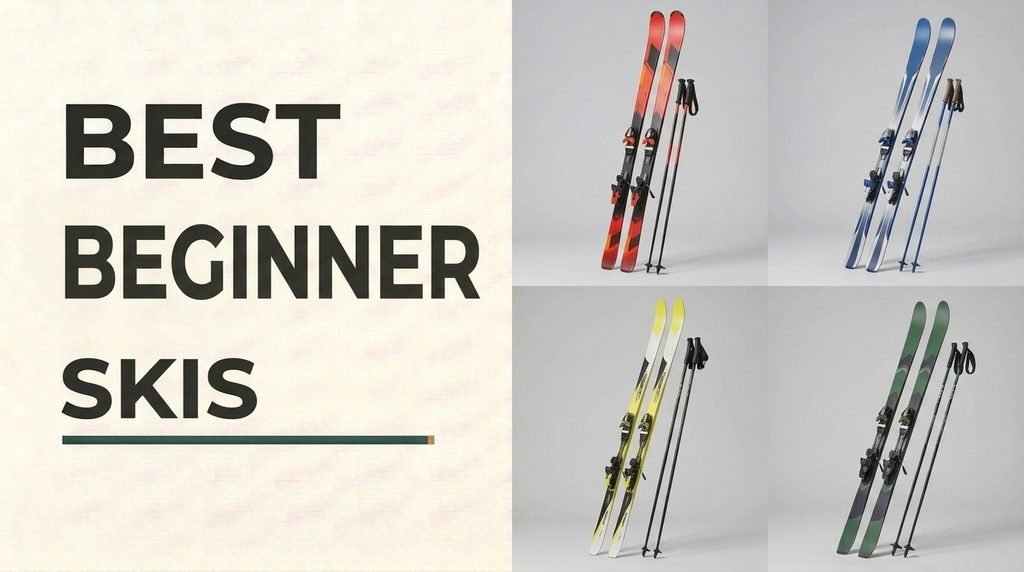
Find the right beginner skis for 2026. We compare 10 standout options across alpine carving, nordic touring, short skiboards, and early youth trainers, evaluating waist widths, edge engagement, binding systems, flex forgiveness, and build quality to help you start sliding with total control and minimal frustration.
Stepping onto snow requires equipment matched directly to your current skill and physical strength. Oversized, ultra-stiff planks punish slight balance errors, while appropriately flexible skis with mild tip rocker absorb inconsistent foot pressure and initiate smooth arcs effortlessly across groomed slopes, neighborhood hills, or groomed cross-country tracks.
Prioritize ease of handling, stable tracking, and reliable binding safety rather than aggressive speed ratings. Whether outfitting an adult skier navigating resort green runs or introducing a toddler to winter in the backyard, picking the correct profile instills early confidence and turns initial awkwardness into genuine mountain enjoyment.
We compared 10 beginner skis using the specific factors that dictate early success: turn initiation, edge forgiveness, binding compatibility, core construction, flex rating, dimensional stability, and real-world durability. The notes spotlight practical trade-offs across groomed resort slopes, cross-country paths, and backyard snow drifts so every skier finds a stable, confidence-building platform that matches their terrain and footwear without unnecessary stiffness.


Compare key features, scores, and current prices side by side. A shorter feature list means fewer details were available, not necessarily fewer capabilities.


Learning to water ski can be frustrating when the skis split apart or cross as the boat pulls away. The O'Brien All-Star Combo Waterskis solve this fundamental problem through a mechanical stabilizer crossbar that locks the two 46-inch skis at a fixed, parallel distance. Designed for junior water skiers weighing up to 85 pounds, this system removes the panic of leg separation during deep-water starts.
We may earn a commission when you buy through this link, at no additional cost to you.
Underneath the hull, O’Brien employs a dual tunnel design featuring V-entry tips that cut smoothly through boat chop. This hull geometry funnels water beneath the ski to generate rapid lift at lower boat speeds, reducing the arm strain required for small riders to pop out of the water. Dual molded-in fins enhance directional tracking, preventing sideways drift when crossing gentle wakes.
The adjustable junior bindings feature an intuitive pinch-slide mechanism that allows parents to adjust sizing quickly between siblings on the boat deck. The soft rubber footbed provides comfortable arch support without pinching tender feet. The set includes a trainer rope and handle that can be held by an adult in the boat to release instantly if the young skier falls.
The included trainer bar bolts securely across both ski tips, keeping them precisely aligned in a shoulder-width stance. This prevents the skis from wandering or crossing when resisting the boat’s initial pull. Once the young skier learns proper knee bend and balance, the crossbar can be removed for independent skiing.
For families with lake access seeking to introduce children to towed water sports, this complete system removes nearly all of the early learning barriers. It provides an immediate sense of success and security behind the boat. However, because of its 46-inch length and 85-pound weight threshold, older children and adults will require a full-sized adult combo set.
Adult water skiers or youth riders weighing over 85 pounds who require larger ski surface area.
We may earn a commission when you buy through this link, at no additional cost to you.
Introducing very young children to snow sliding can be intimidating when bulky boots, heavy bindings, and hard metal edges are involved. The Crescent Moon toddler ski set simplifies the process by prioritizing introductory balance and coordination on gentle slopes or level backyard lawns. Because the package relies entirely on flexible strap bindings, parents can strap their children in using regular insulated winter snow boots up to size 6 US Boys.
We may earn a commission when you buy through this link, at no additional cost to you.
The skis measure 25 inches long by 3.5 inches wide, creating an approachable profile that will not easily cross or tangle underneath a four-year-old child. A gentle curve at the front tips reduces snow resistance when moving forward, preventing abrupt stops that cause forward tumbles. Meanwhile, molded traction along the base helps small riders gain footing while shuffling on packed snow rather than constantly sliding backward.
Safety components are well considered for backyard recreation. The skis eliminate sharp steel edges entirely, trading resort carving capabilities for lightweight, injury-free plastic durability. The matching 26.8-inch ski poles incorporate rounded, blunt tips with soft protective plastic handles and wings, allowing children to practice plant-and-glide mechanics without risk of puncture or pinching.
Children often struggle on their first day of formal ski lessons simply because sliding on two narrow boards feels unnatural. Using these plastic skis on the lawn or local sledding hill allows toddlers to develop essential ankle stability and core balance in a familiar environment. Because regular winter snow boots are used, the child remains warm, comfortable, and unburdened by rigid alpine boots.
This set represents an accessible, low-pressure gateway into winter sports before investing in costly resort gear. If your child is four or younger and you want them sliding comfortably on low hills, this kit provides an easy start. However, keep expectations realistic: these are not intended for lift-served resort trails where steel edge hold and release bindings are required.
Children visiting lift-served ski resorts that require metal edges and certified mechanical release bindings.
We may earn a commission when you buy through this link, at no additional cost to you.
Transitioning from basic snowplow stops to linked parallel turns requires a ski that responds smoothly to modest edge angles. The Rossignol Nova Carve Hervis is tailored specifically for women and lighter adult beginners navigating groomed green and blue trails. By pairing a balanced 75mm waist with an intuitive sidecut geometry, this ski encourages consistent edge engagement without requiring forceful steering inputs.
We may earn a commission when you buy through this link, at no additional cost to you.
Performance on hardpack is dictated heavily by turn radius, and this model features a tight 11-meter radius at the 154 cm length. In practical use, this means the ski naturally guides itself into smooth, round arcs the moment it is tilted off flat bases. Newer skiers who often feel locked into uncontrollable straight lines will appreciate how quickly the shaped tips initiate direction changes on well-maintained resort pistes.
The flex pattern has been tuned toward forgiveness, absorbing uneven snow surface chatter rather than bucking the rider out of balance. Accompanied by integrated Look Xpress 10 bindings, the package keeps overall swing weight low. The binding rail integration ensures clean flex through the ski’s midsection, allowing consistent grip through the middle of the carve without flat spots underfoot.
The 122/75/108 mm sidecut dimension produces a deeply shaped hourglass profile. On gentle slopes, this tight contour allows skiers to tip their knees slightly and feel the edges draw them across the hill. This short radius eliminates the fatiguing leg push typically required to redirect wider, flatter all-mountain skis, accelerating the development of clean parallel technique.
For skiers seeking a dedicated frontside tool to advance from cautious green runs to confident intermediate cruisers, this model is an outstanding choice. It trades deep-snow floatation for quick edge-to-edge agility on firm surfaces. Skiers planning to spend considerable time in unmaintained off-piste terrain or steep powder bowls should consider a wider platform instead.
Skiers looking for a floaty off-piste powder plank or an aggressive, ultra-stiff ski for expert racing speeds.
We may earn a commission when you buy through this link, at no additional cost to you.
Young learners need snow toys that survive freezing temperatures, rough handling, and accidental drops on driveway gravel. This ABS and HDPE plastic ski set focuses on durability and simplicity for children aged four and under. Measuring 650mm long and weighing just 760 grams per ski, the set avoids dragging down tiny legs, ensuring that early winter outings remain fun and active.
We may earn a commission when you buy through this link, at no additional cost to you.
The material construction is a notable benefit here. High-density polyethylene blended with ABS plastic resists brittleness in low temperatures, preventing cracking when stepping over hidden yard roots or packed ice mounds. The accompanying ski poles measure 675mm long and utilize an A3 iron tube core that withstands rough leaning and ground strikes better than flimsy hollow plastic alternatives.
The universal strap system adjusts across standard winter boots and shoes, locking the heel and forefoot firmly to the baseplate. Because no proprietary ski boots are required, families avoid the expense and discomfort associated with stiff plastic ski footwear. The textured foot pad prevents the boot from sliding sideways when walking up gentle neighborhood slopes.
In sub-freezing weather, low-grade plastics tend to turn brittle and snap under torsional strain. The combination of ABS and HDPE in these boards provides enough internal elasticity to bend with surface irregularities while resisting cracking. This ensures the gear can be handed down to younger siblings after multiple seasons of snow play.
If you are seeking a rugged starter kit to teach your toddler basic sliding mechanics before booking mountain lessons, this set delivers solid value. It withstands heavy outdoor play without delicate components to worry about. Just remember that it is entirely unsuited for lift-served resort skiing, where steel edges and standardized alpine bindings are mandatory.
Children needing resort-certified alpine skis equipped with mechanical release bindings for groomed pistes.
We may earn a commission when you buy through this link, at no additional cost to you.
Few things hinder a beginner skier's progression more than an overly stiff plank that demands aggressive forward shin pressure. The Rossignol Nova 2 with XP 10 GW bindings addresses this issue directly by incorporating an accessible, soft flex profile alongside a gentle tip rocker. Designed primarily for frontside piste cruising, this setup helps newer skiers initiate smooth turns with minimal physical exertion.
We may earn a commission when you buy through this link, at no additional cost to you.
The dimensions feature a 126mm tip, 74mm waist, and 111mm tail, creating a pronounced sidecut that rolls effortlessly from edge to edge. The 74mm center width is ideal for learning: it is narrow enough to allow lightning-fast edge changes on hardpack, yet wide enough to maintain stability across late-afternoon slush piles and scraped terrain. The subtle tip rocker shortens the effective edge when running flat, preventing unexpected hook-ups.
Equipped with integrated Look XP 10 GW bindings, this ski accommodates modern GripWalk boot soles as well as traditional alpine footwear. The track-mounted binding system preserves the natural flex arc of the ski, preventing a rigid dead spot beneath the foot. This continuous bend keeps the steel edges glued to the snow throughout the arc, instilling security on firm morning runs.
The subtle upward bend in the Nova 2’s shovel shortens the contact length on flat snow, making directional adjustments effortless when sliding straight. Once you tilt the ski onto its side, the full edge length engages the surface to carve a clean, predictable line. This dual behavior dramatically reduces the risk of catching an outside edge while initiating turns.
This ski is ideally suited for adult beginners and tentative intermediates seeking an approachable, confidence-inspiring tool for resort groomers. Its forgiving nature forgives balance errors that would toss you off balance on a race-inspired plank. Advanced skiers or those who love venturing into deep woods and powder bowls will quickly outgrow its soft flex and narrow profile.
Aggressive, high-speed skiers or riders seeking a wide powder ski for off-trail backcountry exploration.
We may earn a commission when you buy through this link, at no additional cost to you.
Young toddlers can quickly lose enthusiasm in winter conditions if their skis constantly plow into mounds of snow and halt forward momentum. The Odoland beginner ski set combats this problem through an upturned, low-resistance front tip profile. Designed specifically for children aged four and under, this lightweight pair glides smoothly over uneven yard snow without digging in.
We may earn a commission when you buy through this link, at no additional cost to you.
Built from cold-resistant polyethylene tested to withstand minus four degrees Fahrenheit, the ski boards maintain structural flexibility even on bitterly cold mornings. The material avoids the brittle failure common in cheap toy plastics. Rounded edges and blunt front profiles remove sharp hazard points, allowing parents to let small children practice sliding without worrying about sliced winter gear or scraped fingers.
The package includes a pair of beginner poles designed specifically for small hands, helping toddlers establish basic posture and stability while standing on snow. The universal strap-on bindings feature adjustable webbed harnesses that lock securely around ordinary winter boots. This eliminates the expense of rigid toddler ski boots, allowing young children to play without stiff, uncomfortable plastic around their calves.
The front of the Odoland ski is formed with an elevated upward sweep that helps the board climb over soft snow rather than plowing into it. For lightweight toddlers with developing leg strength, this reduced friction makes it significantly easier to maintain forward momentum without getting frustrated by sudden stops.
This set represents an ideal introductory setup for building cold-weather enthusiasm and motor skills in the yard or at local sledding parks. It is built to help small children understand the sensation of sliding and balancing. However, it cannot be used on chairlifts or formal ski resort terrain, where steel edges and DIN-certified step-in bindings are strictly required.
Lift-assisted resort skiing or hardpacked icy slopes where steel edges and release bindings are required.
We may earn a commission when you buy through this link, at no additional cost to you.
When young toddlers first attempt to stand on snow, lateral balance is usually their biggest hurdle. This plastic children's ski set addresses that challenge with a shorter, wider footprint specifically engineered for riders aged two to five. By spreading the child's weight across a broader surface, these skis create a reassuringly stable foundation that minimizes side-to-side wobbling.
We may earn a commission when you buy through this link, at no additional cost to you.
Crafted from frost-resistant ABS and HDPE plastics, the boards support rider weights up to 88 pounds while resisting cracking across deep-freeze temperatures. The wider platform also keeps the ski riding near the top of fresh snow rather than sinking in, making it easier for toddlers to take their first sliding steps. Child-safe rounded edges eliminate scrape risks during inevitable falls.
The binding system features fully adjustable straps that wrap snugly over insulated winter boots, preventing heel slippage while maintaining blood circulation to small toes. The set includes matching lightweight poles with easy-to-grip handles sized specifically for tiny mittened hands. These poles help budding skiers learn the basic rhythm of planting and pushing across gentle neighborhood inclines.
Narrow skis demand refined ankle control that toddlers simply haven’t developed yet. The extra width on this platform gives small children a wider contact patch beneath their boots, lowering their center of gravity and making it easier to stay upright while sliding down small backyard mounds.
If you want to give a child aged two to five an approachable taste of sliding on snow before investing in mountain passes, this kit is an affordable, durable option. Its broad footprint accelerates early balance gains on the lawn. Just keep in mind that its plastic base lacks the fast glide and steel bite needed for groomed mountain runs.
Children skiing on groomed resort pistes where DIN-certified release mechanisms and steel edges are mandatory.
We may earn a commission when you buy through this link, at no additional cost to you.
Traditional alpine skis measuring 160cm or longer can feel cumbersome and intimidating for adults learning to turn on snow. These 99cm snowblades offer an alternative path to mountain enjoyment, combining the responsive feel of a wood-core ski with the nimble maneuverability of an ice skate. Their compact length allows beginners to pivot, stop, and carve without wrestling with long, unwieldy tips.
We may earn a commission when you buy through this link, at no additional cost to you.
Despite their short size, these ski boards are constructed using authentic mountain materials. A responsive wood core delivers damp vibration control, while fully wrapped stainless-steel edges provide bite across icy groomers. The directional twin-tip shape allows playful maneuvers, backward riding, and rapid turn initiation, making them fun on green runs, gentle moguls, and mellow park features.
The integrated binding system adjusts easily to fit standard alpine ski boots with sole lengths from 285mm to 335mm. Ankle leashes are included to keep the snowblades tethered if you take a spill. Because they are less than a meter long, they fit effortlessly across the back seat or trunk of any compact vehicle, bypassing the need for roof racks.
With only 99 centimeters underfoot, turning requires zero muscular levering. Beginners can simply rotate their feet to initiate direction changes instantly, mimicking the natural mechanics of ice skating or rollerblading. This low-resistance maneuverability removes the fear of crossing ski tips on crowded beginner slopes.
Adult beginners who find conventional long skis awkward or physically exhausting will appreciate how quickly they can link turns on these short boards. They build rapid edge awareness and balance. However, buyers should be aware that the bindings are non-release systems that do not pop off during a fall, and the short platform can become unstable at high speeds.
Skiers seeking high-speed stability on steep terrain or those requiring certified mechanical DIN release bindings.
We may earn a commission when you buy through this link, at no additional cost to you.
Not all beginner skiing happens on lift-served downhill mountains. For those who prefer peaceful forest tracks, rolling golf courses, and groomed touring centers, the Rossignol Evo XT 60 Positrack provides an accessible cross-country platform. Built with a user-friendly 60/50/55 sidecut, this ski is slightly wider than traditional racing skis, offering added balance on un-groomed snow while still fitting neatly into set Nordic tracks.
We may earn a commission when you buy through this link, at no additional cost to you.
The core advantage for beginners is the waxless Positrack base. Thermoformed grip patterns in the kick zone grip the snow firmly when you step down, propelling you forward without the messy, complex kick waxes required by traditional classic skis. When gliding, the base releases cleanly, allowing a smooth, quiet slide across cold powder or transformed spring crystals.
Included Tour Step-In bindings make getting started quick and simple: you step the boot toe bar into the binding until it clicks securely, without bending over to latch levers. At just 670 grams per ski at the 175cm length, the Evo XT 60 minimizes leg fatigue over miles of touring. The wood air core delivers a lively, springy kick that rewards modest athletic effort.
The cut Positrack pattern beneath the foot acts like miniature fish scales, biting into the snow when weighted to give you positive forward traction on flat ground and gentle climbs. When you unweight the ski and glide forward, the pattern slides smoothly across the snow surface without catching or dragging.
This ski is ideal for adults who want an efficient, low-maintenance cross-country setup for fitness, nature exploration, and trail cruising. Because Nordic skis rely heavily on rider weight to compress the kick zone properly, be sure to match your body weight to Rossignol’s size chart. Keep in mind that these skis are strictly for cross-country touring, not downhill alpine resort pistes.
Downhill alpine skiers needing metal edges, downhill bindings, and lift-access compatibility.
We may earn a commission when you buy through this link, at no additional cost to you.
The Rossignol Nova 2 with Xpress W 10 GW bindings represents the gold standard for beginner-friendly downhill carving. By combining a sustainably sourced PEFC Poplar Wood Core with Rossignol's V-Profile technology, this ski delivers the rare combination of lightweight responsiveness and vibration-absorbing smoothness that beginner and novice skiers need to build confidence on resort groomers.
We may earn a commission when you buy through this link, at no additional cost to you.
A standout engineering feature is the oversized sidecut paired with a modern waist profile. This geometry allows entry-level skiers to link turns with very little effort: as soon as you tilt the ski slightly onto its edge, the deep sidecut hooks up and pulls the ski into a controlled arc. A gentle tip rocker makes turn entry forgiving, while traditional camber underfoot maintains secure grip across scraped, hardpacked resort slopes.
Durability and ease of use are prioritized throughout. Cap sidewalls roll the protective topsheet material edge-to-edge, significantly reducing the cosmetic chipping that happens when beginners cross their ski tails in lift lines. The integrated XPRESS W 10 GripWalk bindings feature tool-free adjustment across 261mm to 332mm boot sole lengths, accommodating both traditional alpine and modern rockered GripWalk boot soles seamlessly.
Cheap beginner skis often rely entirely on synthetic foam cores that vibrate loudly and feel dead on hardpack. The Nova 2 pairs an elastic poplar wood core with a 3D-shaped fiberglass V-Profile layer. This structure channels energy down the center of the ski to smooth out chatter and maintain solid snow contact through choppy afternoon resort snow.
If your goal is to spend your winters linking smooth, confident parallel turns down groomed green and blue trails, this complete ski and binding system is hard to beat. It provides the exact balance of edge grip, flex forgiveness, and lightweight maneuverability necessary to progress rapidly. Skiers looking for deep powder performance or hard-charging racing stiffness should look elsewhere.
Skiers hunting deep untracked powder or aggressive experts requiring a heavy metal-laminated speed ski.
We may earn a commission when you buy through this link, at no additional cost to you.
Selecting your first set of skis is one of the most critical decisions in your winter sports journey. The right beginner ski actively assists your progression, forgiving minor balance mistakes and initiating turns smoothly. The wrong ski—whether too stiff, too long, or built for the wrong terrain—can lead to muscle fatigue, bad habits, and unnecessary frustration. This guide breaks down the core engineering elements you need to evaluate before purchasing.
Before evaluating flex ratings or sidecuts, you must match the ski to your intended environment. The beginner ski market is split across distinct categories: frontside downhill resort skis, nordic touring skis, short skiboards or snowblades, and youth backyard trainers. Frontside alpine skis are designed specifically for lift-served resort slopes, featuring steel edges, integrated release bindings, and shaped sidecuts to carve groomed snow. In contrast, nordic touring skis are narrow, ultra-light, and feature waxless grip zones for gliding across flat or gently rolling terrain.
Short skiboards offer an alternative for adults who feel intimidated by the length and leverage of full-size alpine skis. Measuring under 100cm, they behave like skates on snow, providing instant maneuverability on mellow slopes. Meanwhile, plastic youth training skis are designed strictly for yard play, featuring strap-on bindings that work with regular winter boots. Attempting to use a backyard plastic ski at an alpine resort or bringing a narrow cross-country ski onto a steep downhill run will create an immediate safety hazard.
Clearly define where you intend to slide before shopping: choose frontside alpine models for resort progression, waxless cross-country skis for winter trail fitness, or strap-on plastic trainers for introducing toddlers to snow balance at home.
The waist width—measured in millimeters at the narrowest point underfoot—dictates how quickly a ski rolls from one edge to the other. For beginner resort skiers sticking to groomed terrain, a waist width between 72mm and 78mm is ideal. A narrower waist requires very little lateral ankle leverage to engage the steel edge, allowing newer skiers to initiate turns and stop without excessive muscular strain.
Wider skis, such as all-mountain models measuring 85mm to 95mm underfoot, provide better flotation in deep, uncompressed powder. However, on firm beginner pistes, that extra width forces the skier to exert significantly more knee and ankle pressure to tip the ski onto its side. This added leverage can cause newer skiers to skid uncontrollably or fail to initiate a clean turn, leading to bad mechanics and premature fatigue.
Stick to waist widths between 72mm and 76mm for your first frontside resort ski; this narrow profile ensures quick, intuitive edge engagement that makes linking parallel turns dramatically easier on packed groomers.
A ski’s profile—viewed from the side when unweighted—determines how its edges contact the snow. Traditional camber features an upward arch in the center with contact points near the tip and tail. Camber provides spring, energy return, and powerful edge grip along the entire length of the ski. However, a fully cambered ski can feel catchy and aggressive to a beginner, as the sharp tip contact points can grab the snow unexpectedly.
Modern beginner skis solve this problem by incorporating tip rocker, also called early rise. In a rockered tip, the front shovel lifts off the snow slightly earlier than in a traditional ski. This shortens the ski’s effective edge when sliding flat, making turn initiation effortless and forgiving of slight balance mistakes. As you lean into the turn and tilt the ski, the rockered section engages, delivering the stable edge hold of traditional camber underfoot.
Look for a profile that combines gentle tip rocker with traditional camber underfoot; this hybrid profile provides smooth, catch-free turn entry while maintaining reassuring stability and edge grip throughout your turn.
The internal construction of a ski defines its flex profile and damping properties. Beginner skis prioritize a soft to medium longitudinal flex. A softer ski bends easily under moderate body weight, allowing a developing skier to press the ski into a clean, curved arc without requiring aggressive athletic force. In contrast, expert skis are stiffened with layers of titanal metal, requiring aggressive forward shin pressure to bend.
Core materials generally fall into two categories: composite foam and natural wood. Synthetic foam cores are exceptionally lightweight and inexpensive, making them common in budget options, but they can feel dead and chatter loudly on firm hardpack. Poplar wood cores, reinforced with fiberglass or shaped profile layers, offer far superior vibration damping, absorbing surface chatter and keeping the edge glued to the snow without adding excessive weight.
Choose a ski built with an elastic wood core, such as poplar, paired with fiberglass reinforcement; this provides the gentle, forgiving flex needed for easy turning while absorbing vibrations on firm morning snow.
Sidecut refers to the hourglass contour of the ski, defined by the dimensional relationship between the tip, waist, and tail. This shape determines the ski’s natural turn radius, measured in meters. The turn radius represents the size of the circle the ski would carve if tipped on edge and bent into the snow. For beginners, a short turn radius—typically between 10 and 13 meters—is overwhelmingly advantageous.
A ski with a short turn radius naturally wants to turn. The moment you roll your knees across the hill, the wide shovel catches the snow and pulls the ski into a tight, manageable arc. Longer-radius skis, ranging from 16 to 22 meters, are designed for high-speed giant slalom turns and stability in wide-open bowls, but they require substantial physical effort to steer and redirect on narrow beginner trails.
Opt for a ski with a turn radius between 11 and 13 meters; this tight geometry naturally guides your skis across the fall line, helping you control your descent speed through clean, rounded turns rather than aggressive braking.
Unlike advanced skis that are often sold flat without bindings, beginner resort skis almost always come as an integrated system. The ski arrives with pre-mounted binding tracks, allowing the included bindings to slide and lock onto the ski without requiring workshop drilling. This integrated approach ensures the binding does not create a rigid dead spot beneath your foot, preserving the ski’s natural, continuous flex curve.
It is essential to verify binding compatibility with modern boot sole standards. Traditional alpine ski boots use standard ISO 5355 flat soles, while modern ski boots increasingly feature rockered GripWalk soles (ISO 23223) that make walking in the ski lodge far more comfortable and slip-resistant. Look for bindings labeled ‘GW’ or GripWalk compatible, which accommodate both traditional flat soles and rockered GripWalk soles without compromising release safety.
Ensure your ski package includes an integrated, tool-free track binding that carries official GripWalk certification; this guarantees full compatibility with modern walking soles and preserves the clean flex arc of the ski underfoot.
Before clicking into your skis on the mountain, have your bindings professionally inspected and adjusted by a certified ski technician. The technician will calibrate the release settings, known as DIN values, based on your height, weight, age, boot sole length, and skier ability level. Never attempt to adjust binding release springs yourself without proper training, as an incorrect setting can cause premature release or fail to release during a fall, leading to serious knee injuries.
Proper daily maintenance extends the lifespan of your bases and steel edges significantly. At the end of every ski day, wipe down your skis, topsheets, and edges with a dry cloth before stowing them. Storing skis while still wet inside a padded ski bag causes moisture to become trapped against the carbon steel edges, creating rust pitting overnight. Store your skis in a dry, temperature-controlled indoor space rather than in a cold, damp garage or car trunk.
Keep your bases running smoothly and protected from drying out by applying fresh ski wax regularly. Brand-new skis arrive with a factory wax coat, but after four to six full days on firm snow, the bases beneath your bindings will begin to look chalky and gray. Applying a fresh coat of hot wax nourishes the extruded or sintered polyethylene base, protects against abrasion, and ensures smooth, predictable gliding across changing snow temperatures.
As a general guideline, beginner skis should reach somewhere between your chest and the tip of your nose when stood vertically on end. Choosing a ski closer to your chest or chin makes steering and pivoting significantly easier, reducing the leverage needed to initiate turns. Taller or heavier skiers should aim closer to chin or nose height for added stability, while lighter individuals should stay near chest height.
If you plan to ski more than four or five days in a season, purchasing an entry-level ski package often pays for itself compared to recurring daily rental fees. Owning your gear also saves valuable morning time at the resort by allowing you to bypass long rental shop lines. Furthermore, practicing on the exact same equipment every outing builds muscle memory and confidence far faster than adjusting to different rental fleets each weekend.
Beginner skis feature softer longitudinal flex patterns, lighter composite or poplar wood cores, and narrower waist widths that prioritize effortless turn initiation at low speeds. Intermediate skis are generally stiffer, wider underfoot, and incorporate denser wood or light metal laminates to provide greater stability at higher speeds and in choppy snow. Beginner skis are more forgiving of balance errors, whereas intermediate skis reward more aggressive forward shin pressure.
No, cross-country touring skis cannot be used on downhill alpine resort pistes. Cross-country skis are extremely light and narrow, lack metal edges on many models, and use free-heel bindings designed solely for walking and gliding across flat or gently rolling terrain. Downhill resorts require sturdy alpine skis with full steel edges and certified mechanical release bindings that lock your boot heel down for lateral control.
The vast majority of beginner frontside skis are sold as integrated packages with pre-installed rail bindings. These systems allow quick, tool-free adjustments to match your boot sole length and are engineered to flex naturally with the ski. Always confirm that the bindings are included in the package and verify that they are certified compatible with your specific boot sole standard, such as GripWalk.
Starter skis designed for toddlers aged four and under are intended solely for backyard play and balance training on gentle snow piles. These plastic models feature universal webbed strap bindings that fit securely over ordinary insulated winter snow boots. This design avoids the expense and rigid discomfort of heavy alpine ski boots, allowing young children to enjoy sliding on snow without feeling restricted.
You should apply a fresh coat of hot wax roughly every four to six ski days, or whenever the base material begins to look pale, dry, or chalky. Edge tuning is typically needed once or twice per season, depending on how often you encounter abrasive hardpack or hidden rocks. Keeping your edges smooth and free of burrs ensures predictable carving grip, while waxed bases prevent dragging on flat trail run-outs.
Short snowblades measuring under 100cm are exceptionally easy to turn, making them an accessible option for adults who struggle with the length of traditional skis. However, riders must be aware that most snowblade bindings are non-release systems that do not release your boot during a twisting fall. Additionally, their short effective edge provides limited stability at high speeds, so they are best kept to moderate speeds on gentle terrain.
The standout choice for aspiring resort skiers is the Rossignol Nova 2 with Xpress W 10 GW bindings. By combining a vibration-absorbing poplar wood core with an oversized carving sidecut, subtle tip rocker, and modern GripWalk compatibility, this ski provides the ideal balance of forgiving turn initiation and stable edge hold. It gives developing skiers the exact structural foundation needed to advance from cautious snowplow turns to fluid, confident parallel carving across resort groomers.
Other options on this list serve distinct, specialized winter pathways. The Rossignol Nova Carve Hervis delivers an exceptionally tight 11-meter turning radius that helps cautious skiers manage speed through round arcs, while the Rossignol Evo XT 60 Positrack offers a low-maintenance, waxless touring platform for cross-country enthusiasts. For children taking their very first sliding steps on backyard lawns, lightweight strap-on sets like the Crescent Moon toddler skis provide a fun, injury-free balance foundation without the need for stiff, expensive boots.
Whichever ski you choose, match the product's waist width, flex pattern, and binding setup to your realistic terrain goals and current athletic comfort. A ski that is approachable and forgiving will build your confidence exponentially faster than a stiff, aggressive plank designed for high-speed experts. Take the time to have your bindings adjusted by a certified technician, practice balanced posture, and enjoy your progression on the snow.


