Under Armour Lockdown
9.0Editor scoreResponsive EVA foam midsole
Durable solid rubber outsole
Supportive leather panel overlays
Herringbone directional traction pattern
Find the right basketball shoes for 2026. We compare 10 standout options by build quality, useful features, owner feedback, value, and everyday trade-offs.
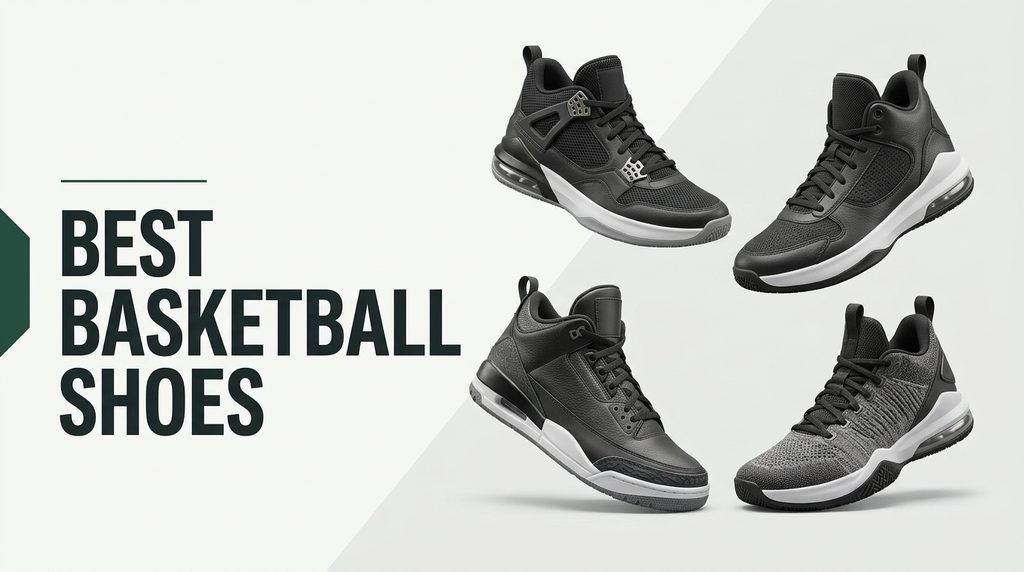
Finding the right basketball shoes for 2026 requires balancing aggressive court traction, impact-absorbing cushioning, and dependable ankle support. We compare 10 standout options by the factors that matter most on hardwood and asphalt, including outsole rubber durability, midsole responsiveness, upper containment, sizing accuracy, owner feedback, and overall value across diverse playing styles.
Modern hoops footwear ranges from ultra-responsive low-tops engineered for rapid cuts and perimeter shooting to structured mid-tops and high-tops focused on lateral lockdown and rebounding stability. The right choice depends on your court position, movement profile, and whether you run pick-up games indoors or battle rough outdoor surfaces.
A mismatched shoe can result in painful blisters, reduced court responsiveness, or premature rubber wear on abrasive blacktop. By evaluating technical foam compounds, herringbone traction matrices, and structural chassis designs, this guide helps you identify the best pair for your game without overpaying for unnecessary marketing hype.
We compared 10 basketball shoes using the details that directly impact game performance: multidirectional traction grip, midsole foam responsiveness, lateral outrigger support, upper containment, collar padding, outdoor outsole durability, owner feedback, and overall value. The notes emphasize practical performance trade-offs so each recommendation aligns with how athletes cut, jump, land, and pivot during intense competitive play.
Compare key features, scores, and current prices side by side. A shorter feature list means fewer details were available, not necessarily fewer capabilities.




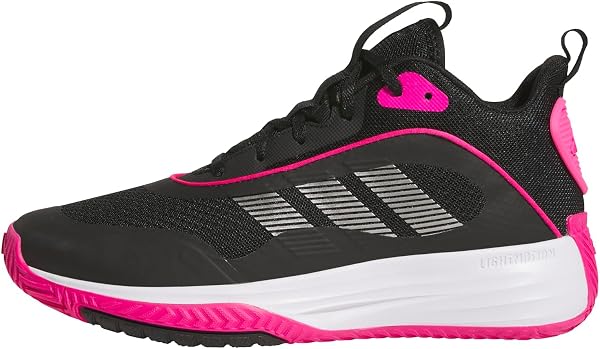
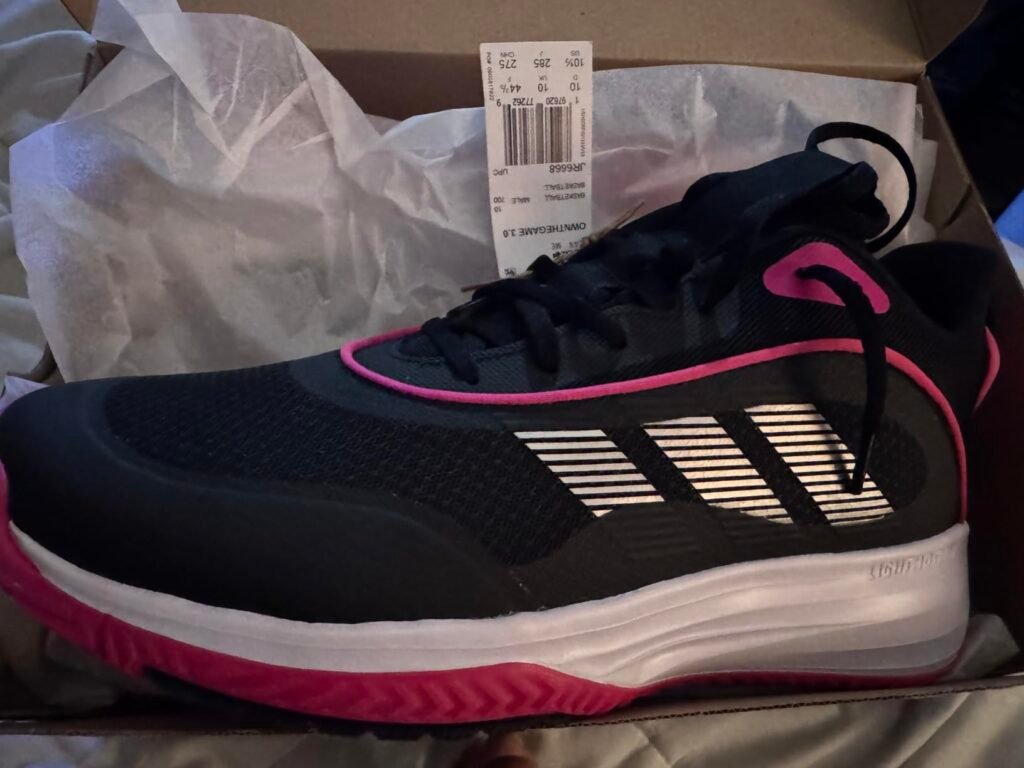
The adidas Own The Game 3.0 is tailored for recreational players, intramural athletes, and gym enthusiasts who want dependable all-around performance without spending top-tier signature shoe prices. Its mid-top profile offers a protective ankle wrap while keeping overall weight low, allowing players to transition effortlessly from fast breaks to defensive slides.
We may earn a commission when you buy through this link, at no additional cost to you.
Underfoot, the shoe utilizes LIGHTMOTION foam cushioning, which provides a soft step-in feel and absorbs initial ground impact during jumps and hard landings. Combined with the proprietary Adiwear rubber outsole, the shoe provides steady floor contact and solid abrasion resistance, whether running drills on indoor wood or warming up on smooth outdoor sport courts.
Ventilation is handled by an open mesh upper paired with a breathable mesh collar and lining. This lightweight material keeps airflow moving during prolonged play, helping reduce heat buildup inside the footbed. The traditional lace closure pulls the midfoot securely against the footbed, preventing internal sliding during linear sprints.
The combination of a forgiving LIGHTMOTION midsole and durable Adiwear rubber makes this model particularly practical for players who split time between indoor basketball gyms and outdoor practice courts. The low-profile outsole design maintains steady court contact without feeling clunky or restrictive under the ball of the foot.
While the shoe provides sufficient everyday support, players who make sharp, high-speed lateral euro-steps may notice the absence of a rigid carbon shank or exaggerated forefoot outrigger. For general basketball training, casual league games, and fitness workouts, it offers an approachable balance of comfort, traction, and durability.
Elite competitive guards who rely on aggressive, rigid lateral outriggers for sharp crossover cuts at full speed.
We may earn a commission when you buy through this link, at no additional cost to you.
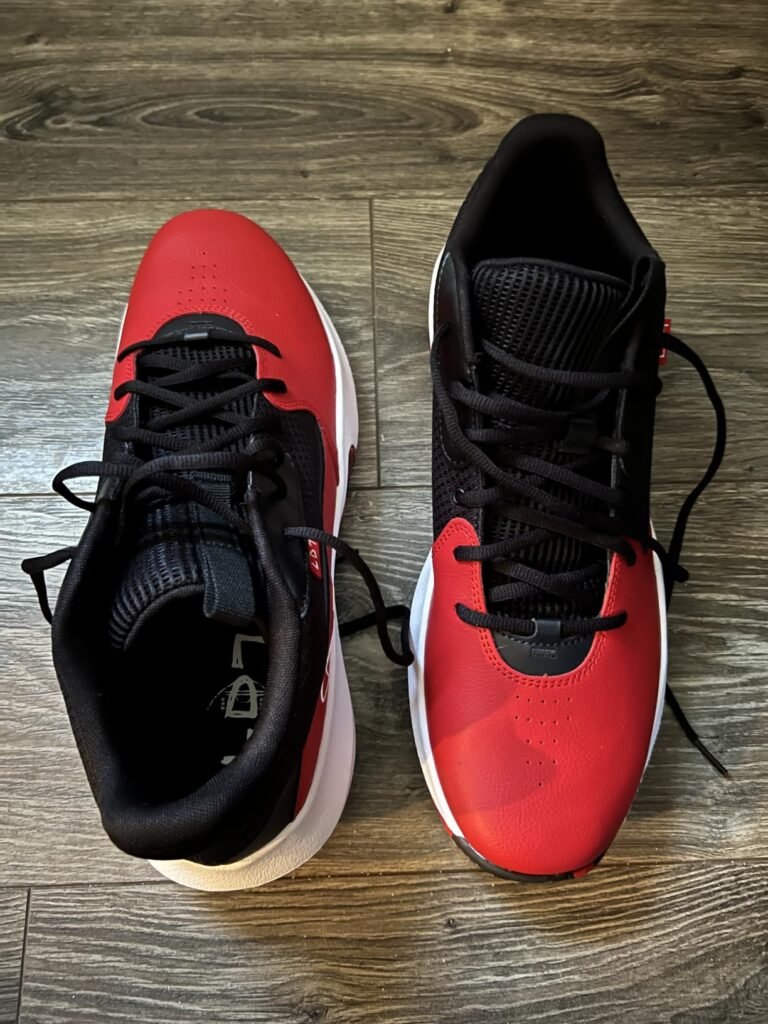
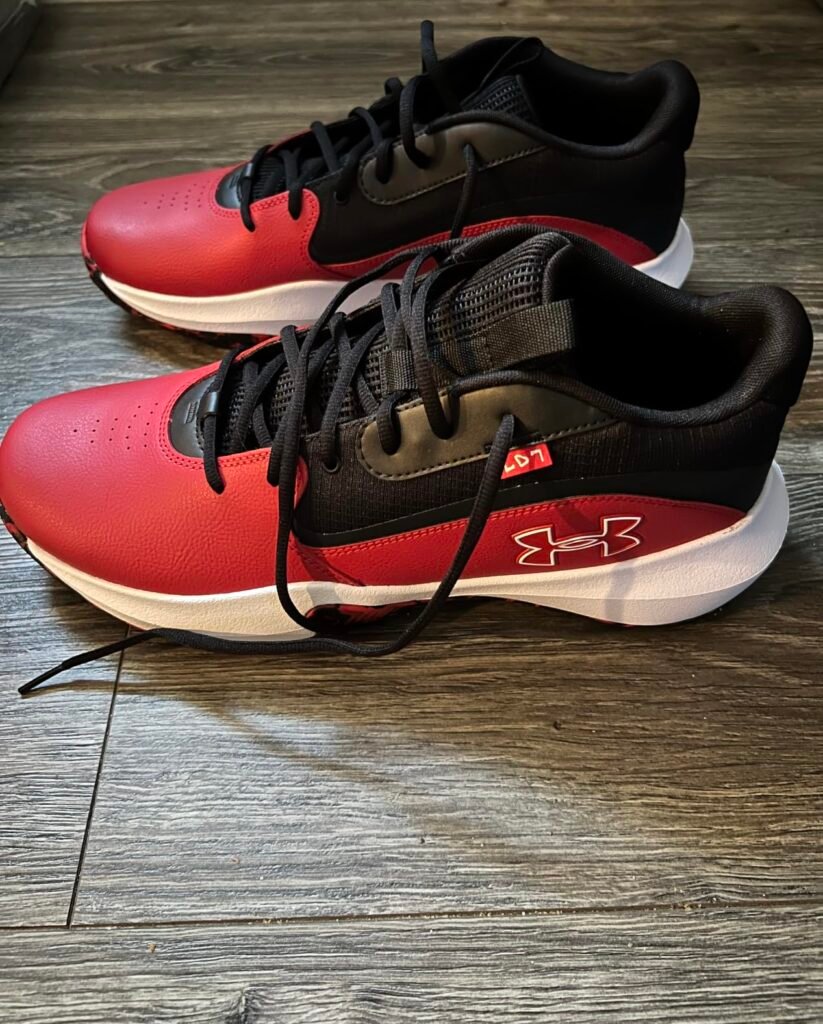
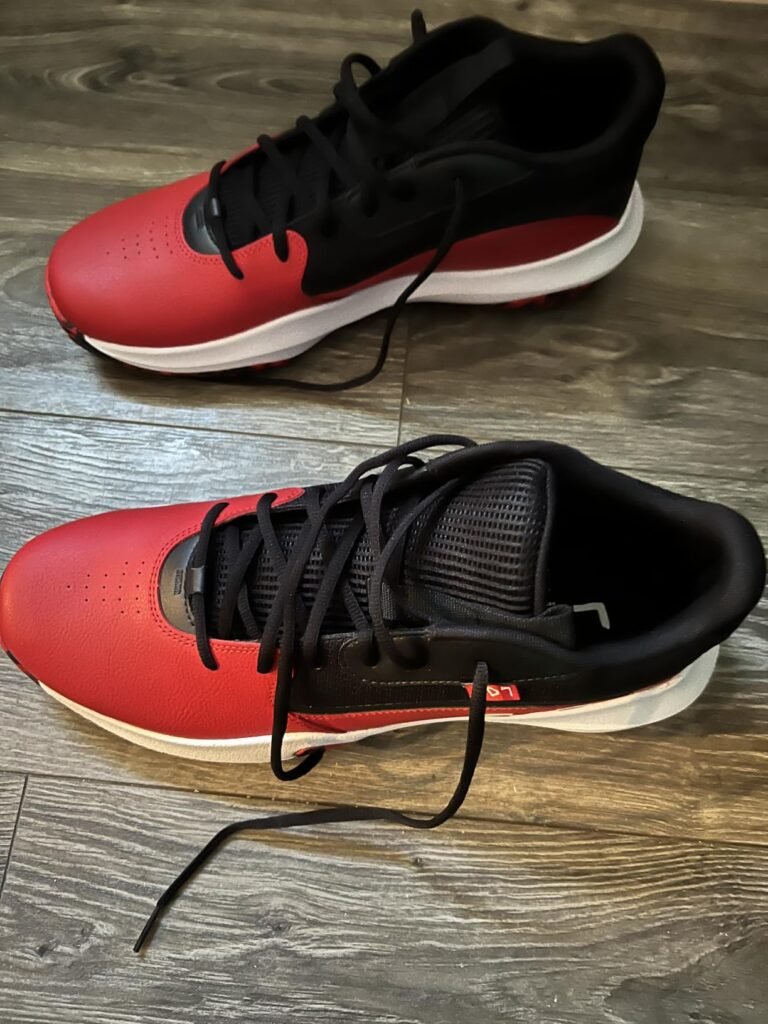
The Under Armour Lockdown 7 focuses on essential basketball functionality, providing robust lateral stability and dependable floor grip for developing players, team athletes, and high-frequency rec league competitors. It avoids unnecessary gimmicks in favor of a proven structural design that holds up across rigorous practice schedules.
We may earn a commission when you buy through this link, at no additional cost to you.
The standout feature of the Lockdown 7 is its solid rubber outsole, which incorporates a full-length herringbone tread pattern. Herringbone remains the gold standard in basketball traction, giving players instant stopping power and multidirectional grip on clean hardwood as well as dusty community center floors.
An engineered mesh upper is reinforced with strategic leather and film overlays across the midfoot and lateral edges. These overlays reinforce the lace eyelets and prevent the foot from rolling over the footbed during hard defensive stops. Inside, an EVA foam midsole delivers a responsive, grounded ride that favors quick court reaction times over overly mushy cushioning.
The full solid rubber outsole with traditional herringbone grooving provides consistent, predictable traction without picking up excessive dust. This makes the Lockdown 7 especially reliable on older gym floors where premium translucent rubber outsoles frequently lose their bite.
The trade-off for the added structure of the leather overlays is slightly reduced airflow compared to pure knit or open-mesh alternatives. However, for players who value upper durability, side-to-side containment, and reliable stopping power at an economical price point, the Lockdown 7 remains a dependable workhorse.
Players seeking high-rebound air bubble cushioning or ultra-soft foam stacks for heavy landing impact.
We may earn a commission when you buy through this link, at no additional cost to you.
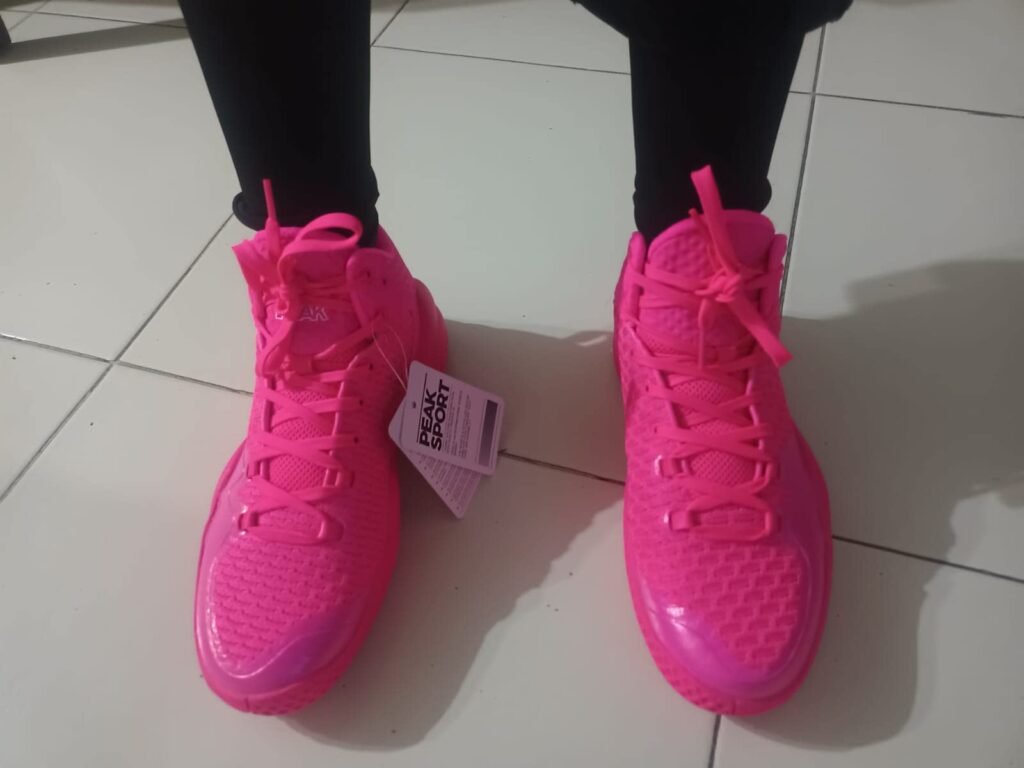
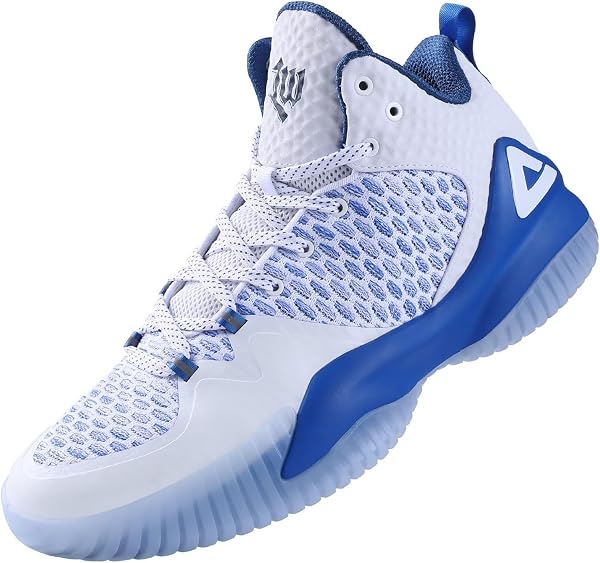
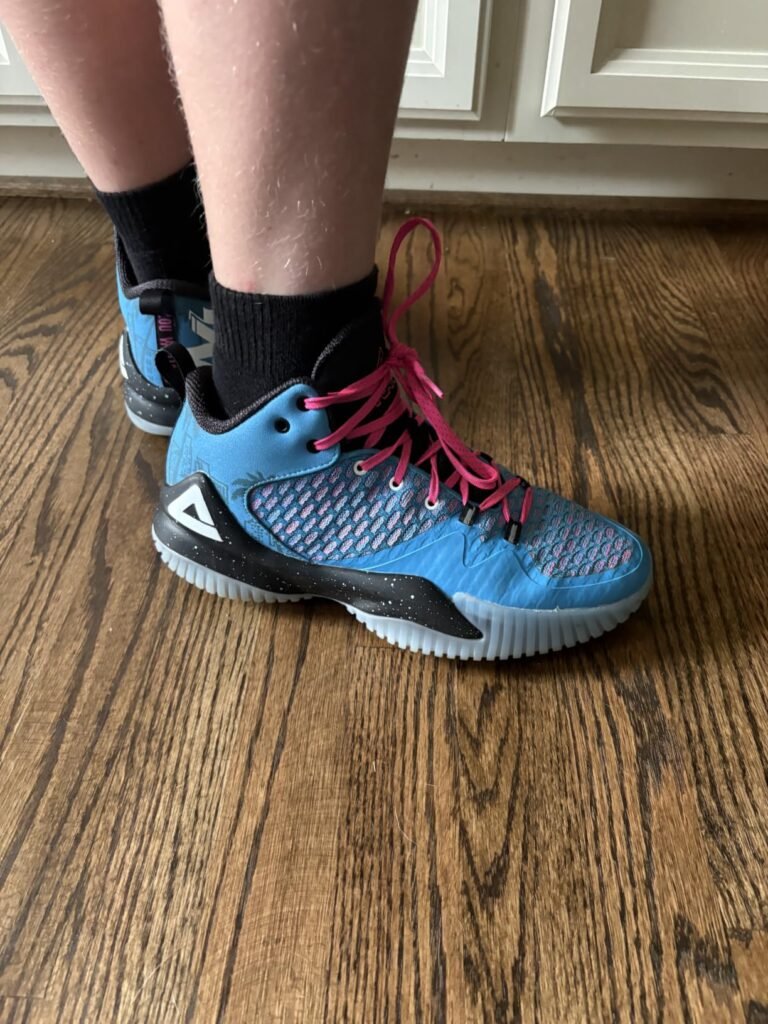
The PEAK Streetball Master is engineered specifically for athletes who spend significant time playing on asphalt, concrete, and rough outdoor blacktop. Designed in collaboration with veteran guard Lou Williams, this shoe addresses the primary vulnerability of modern basketball footwear: premature outsole wear caused by abrasive outdoor surfaces.
We may earn a commission when you buy through this link, at no additional cost to you.
The outsole is molded from PEAK’s upgraded Outdoor RB wear-resistant rubber compound, featuring thick, deep tread lugs that resist grinding and smooth out concrete imperfections. To protect the foot during aggressive lateral shifts, the shoe incorporates the PEAK STA stabilization module—a structural roll-up on the lateral forefoot that flares outward to physically prevent ankle inversion.
The upper combines seamless integrated weaving with hot-melt structural reinforcements. This construction wraps the foot snugly while protecting high-wear zones around the toe box and lateral forefoot from scraping. The high-top collar provides substantial ankle containment, offering reassuring stability for rebounders and physical post players.
Unlike indoor-oriented shoes with soft, pliable rubber that shreds on asphalt, the thick RB rubber compound on the Streetball Master is formulated to maintain its edge through months of rigorous outdoor play. The wide base and lateral stabilizer module keep your footing secure on uneven outdoor courts.
Due to its heavy-duty rubber formulation and reinforced high-top upper, the Streetball Master carries slightly more weight than lightweight indoor performance models. However, for outdoor streetball tournaments, park runs, and multi-sport outdoor training, its sheer durability and rollover protection are virtually unmatched in its price class.
Shoppers who strictly play indoors on polished hardwood and prioritize the absolute lowest possible shoe weight.
We may earn a commission when you buy through this link, at no additional cost to you.
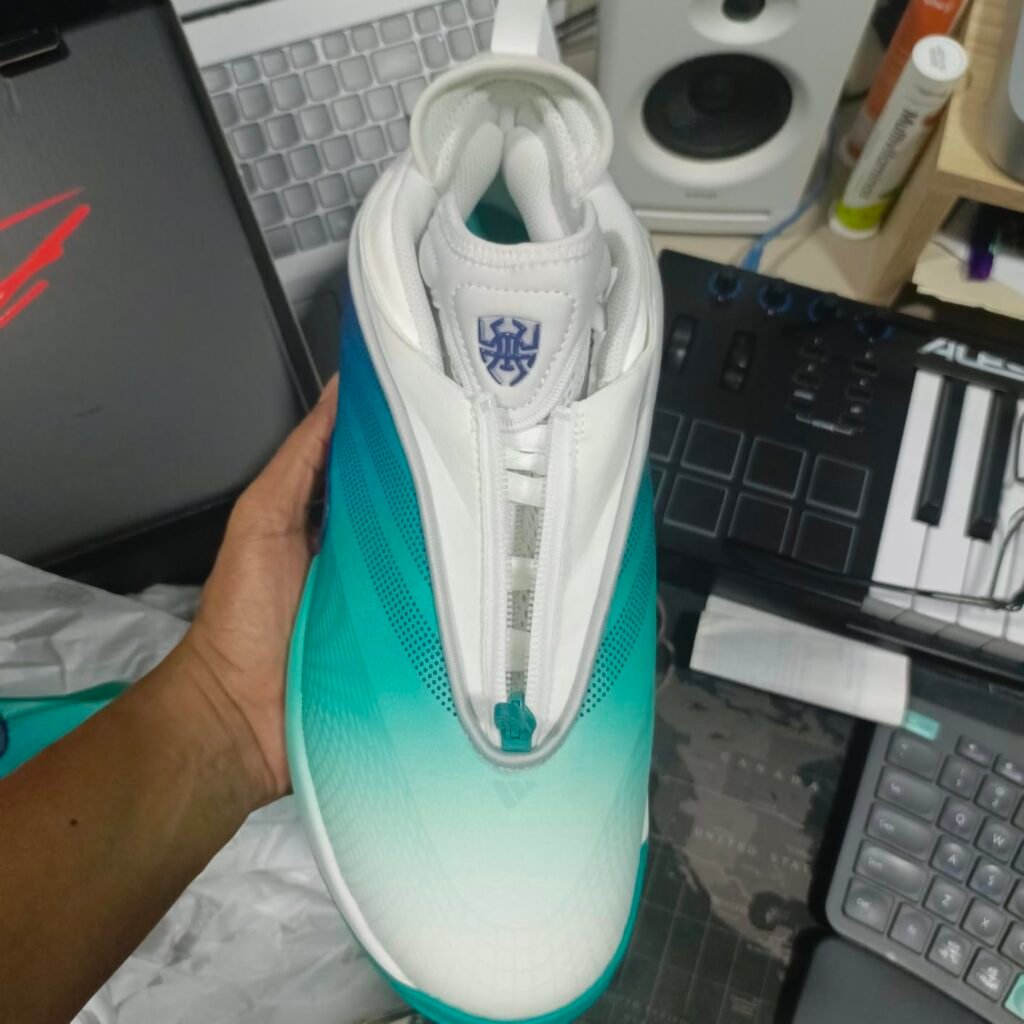
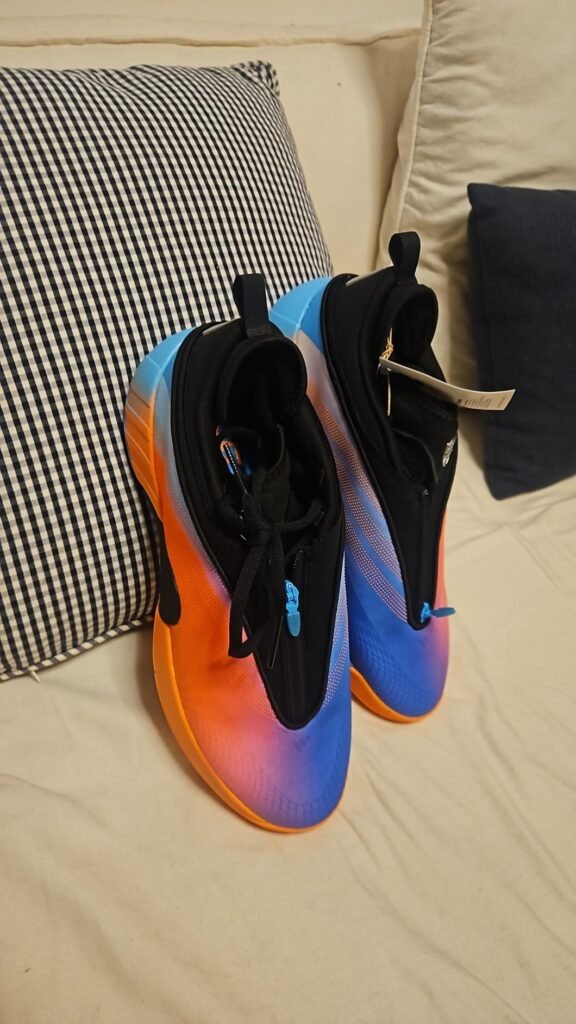
The adidas Anthony Edwards 2 represents the modern evolution of explosive guard footwear, built to complement dynamic slashing, rapid decelerations, and high-flying perimeter play. Featuring an aerodynamic profile and futuristic styling, it offers a distinctive visual presence on the court while delivering serious athletic capability.

We may earn a commission when you buy through this link, at no additional cost to you.
Designed to keep the foot positioned close to the hardwood, the shoe emphasizes low-profile court feel and immediate ground feedback. The midsole setup provides sharp energy transfer, letting quick-twitch guards push off cleanly without feeling bogged down by excessive foam stack height. The sculpted chassis helps channel momentum smoothly into forward drives.
Containment is achieved through a structured upper that locks the heel firmly in place, minimizing internal movement during sudden stops. The lacing system works in tandem with the upper sidewalls to distribute tension evenly across the top of the foot, ensuring a glove-like fit that responds instantly to quick footwork.
The low center of gravity and form-fitting chassis are built for guards who create space off the dribble. The firm base prevents lateral rolling while enabling instantaneous directional changes on fast breaks.
Because the Anthony Edwards 2 uses a snug, performance-focused silhouette, players with wider feet may need to experiment with sizing or thin performance socks. For aggressive perimeter shot creators and athletic slashers who want a low-slung, highly responsive shoe with marquee signature appeal, it delivers top-flight performance.
Heavy frontcourt players who require maximum heel crash-pad cushioning and loose, relaxed-fit uppers.
We may earn a commission when you buy through this link, at no additional cost to you.
The Nike LeBron Witness VIII delivers signature LeBron-inspired performance in an accessible package, engineered specifically for explosive forwards, wings, and power players who exert high downward force on the court. Its structural design emphasizes heavy landing protection, rigid lateral containment, and momentum transition.

We may earn a commission when you buy through this link, at no additional cost to you.
The cushioning platform is configured to absorb repeated impact shock during rebounding and driving to the hoop. By dispersing force evenly across the footbed, the shoe reduces joint fatigue over four quarters of intense play. The midsole is sculpted to guide the foot smoothly from heel strike to toe-off during linear sprints.
The upper blends synthetic structural panels with reinforced breathable fabric, creating a supportive cage that holds the foot firmly over the midsole. Webbed harness straps integrated with the lacing system cinch down on the midfoot when tied, preventing internal foot shift when planting hard on the floor.
With its substantial midsole stack height and supportive heel structure, the LeBron Witness VIII absorbs landing impact exceptionally well. This makes it an ideal choice for players who frequently contest shots, crash the glass, and absorb physical contact in the paint.
On dusty courts, the segmented rubber outsole may require periodic wiping to maintain maximum grip. However, for physical wings and aggressive drivers who prioritize substantial impact cushioning, dependable heel stability, and durable upper reinforcement, the LeBron Witness VIII offers tremendous on-court security.
Ultralight minimalist guards seeking an ultra-thin sole for maximum floor sensitivity.
We may earn a commission when you buy through this link, at no additional cost to you.
The adidas D.O.N. Issue 7 represents the pinnacle of Donovan Mitchell's signature series, engineered for elite guards and dynamic playmakers who demand explosive first-step acceleration and instant deceleration. It incorporates adidas' premium LightstrikePro cushioning, delivering elite-level responsiveness that energizes every cut.

We may earn a commission when you buy through this link, at no additional cost to you.
The LightstrikePro midsole compound is what elevates this shoe above standard EVA-based models. It offers exceptional bounciness and high energy return while retaining a lightweight, low-profile structure that keeps your feet connected to the hardwood. Whether pulling up off the dribble or exploding toward the basket, the cushioning delivers an immediate, lively rebound.
The upper is constructed from an engineered textile material that wraps the foot securely while allowing heat to escape. An internal textile sockliner and sculpted heel cup lock the Achilles in place, eliminating heel slippage during rapid direction shifts. The lacing system locks down the midfoot firmly against the lateral sidewall.
The implementation of LightstrikePro provides unmatched spring and impact resilience compared to standard gym sneakers. It absorbs aggressive downward force and immediately transfers that energy into your next stride, reducing leg fatigue during overtime battles.
While the responsive rubber outsole provides adhesive-like grip on indoor hardwood, the compound is optimized for clean indoor courts rather than rough asphalt blacktop. For competitive league players seeking top-tier energy return, flawless containment, and premium agility, the D.O.N. Issue 7 is our Editor’s Choice.
Players primarily searching for a cheap beater shoe dedicated solely to abrasive outdoor asphalt.
We may earn a commission when you buy through this link, at no additional cost to you.
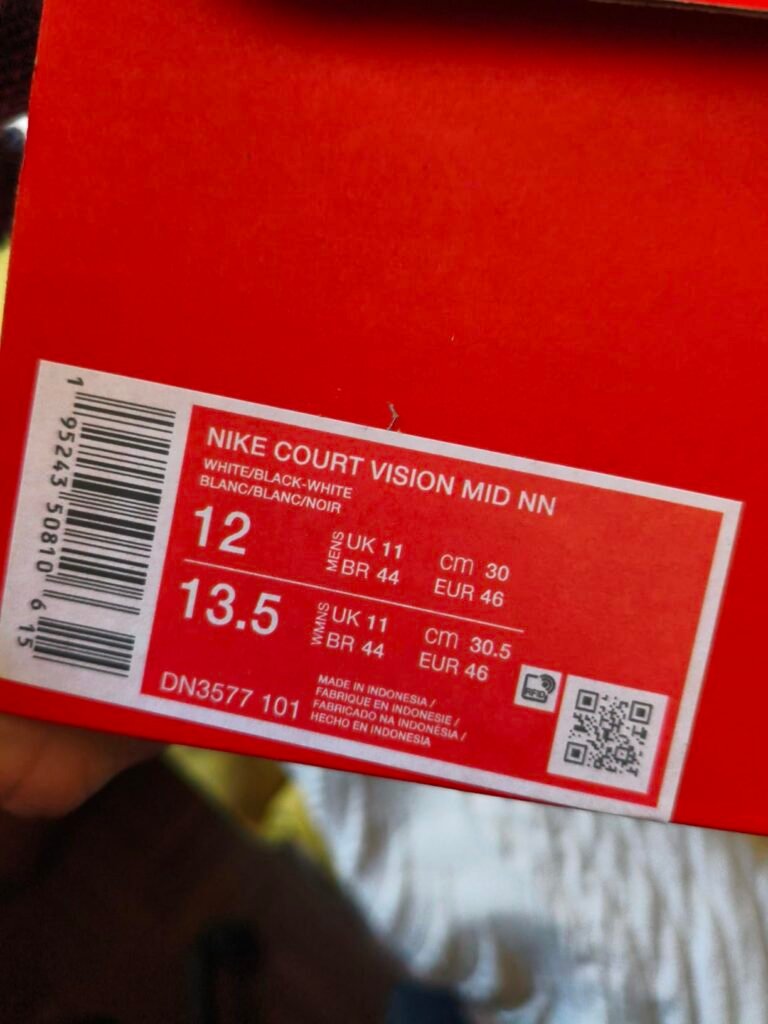
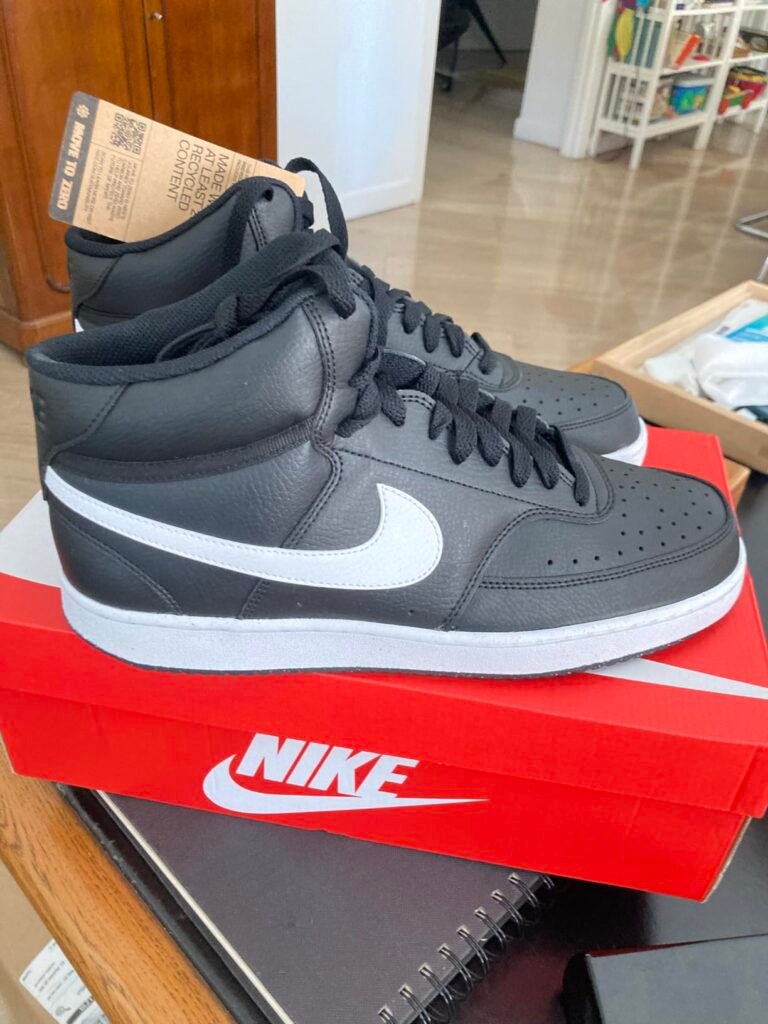
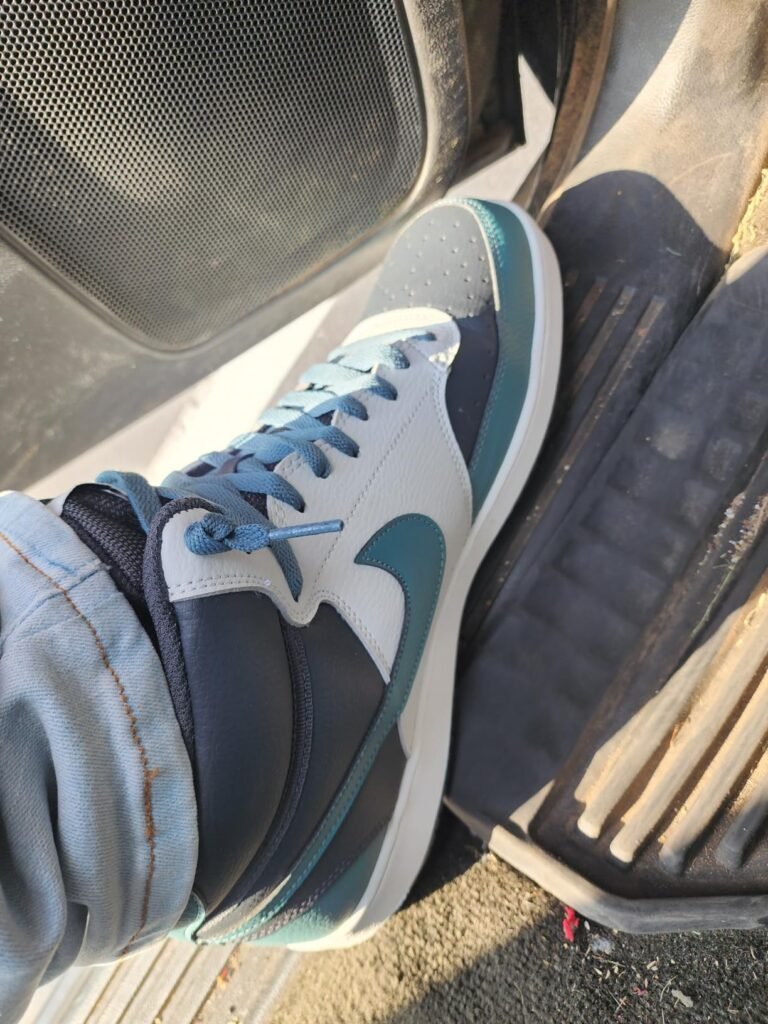
The Nike Court Vision Mid Next Nature channels the iconic aesthetic of mid-1980s basketball footwear, combining classic retro styling with modern sustainable manufacturing practices. It is aimed at sneaker enthusiasts, casual shootaround players, and everyday wearers who want authentic vintage court vibes with durable construction.
We may earn a commission when you buy through this link, at no additional cost to you.
Constructed with synthetic materials that incorporate recycled content under Nike’s Next Nature initiative, the upper replicates the structured look of traditional leather basketball high-tops. Perforations across the toe box and side panels provide vintage styling while facilitating basic airflow for casual wear.
Underfoot, the shoe features a traditional stitched rubber cupsole that delivers dependable grip on flat surfaces and long-lasting abrasion resistance. The padded mid-cut collar cushions the ankle, providing comfortable everyday support for walking, coaching, casual gym use, and light driveway shooting.
With its clean stitched overlays, retro swoosh branding, and padded mid-top silhouette, this shoe transitions effortlessly from the driveway hoop to casual weekend streetwear. The rubber cupsole construction provides dependable durability that outlasts soft modern mesh runners.
It is important to note that the Court Vision Mid is built around a traditional cupsole rather than high-rebound modern foam cushioning. As a result, it lacks the energy return and lateral torsion plates needed for competitive high-intensity basketball leagues. For streetwear, lifestyle fashion, and casual recreation, however, it offers outstanding vintage appeal.
Athletes competing in fast-paced competitive leagues requiring high-rebound responsive foam and active lateral stabilizers.
We may earn a commission when you buy through this link, at no additional cost to you.
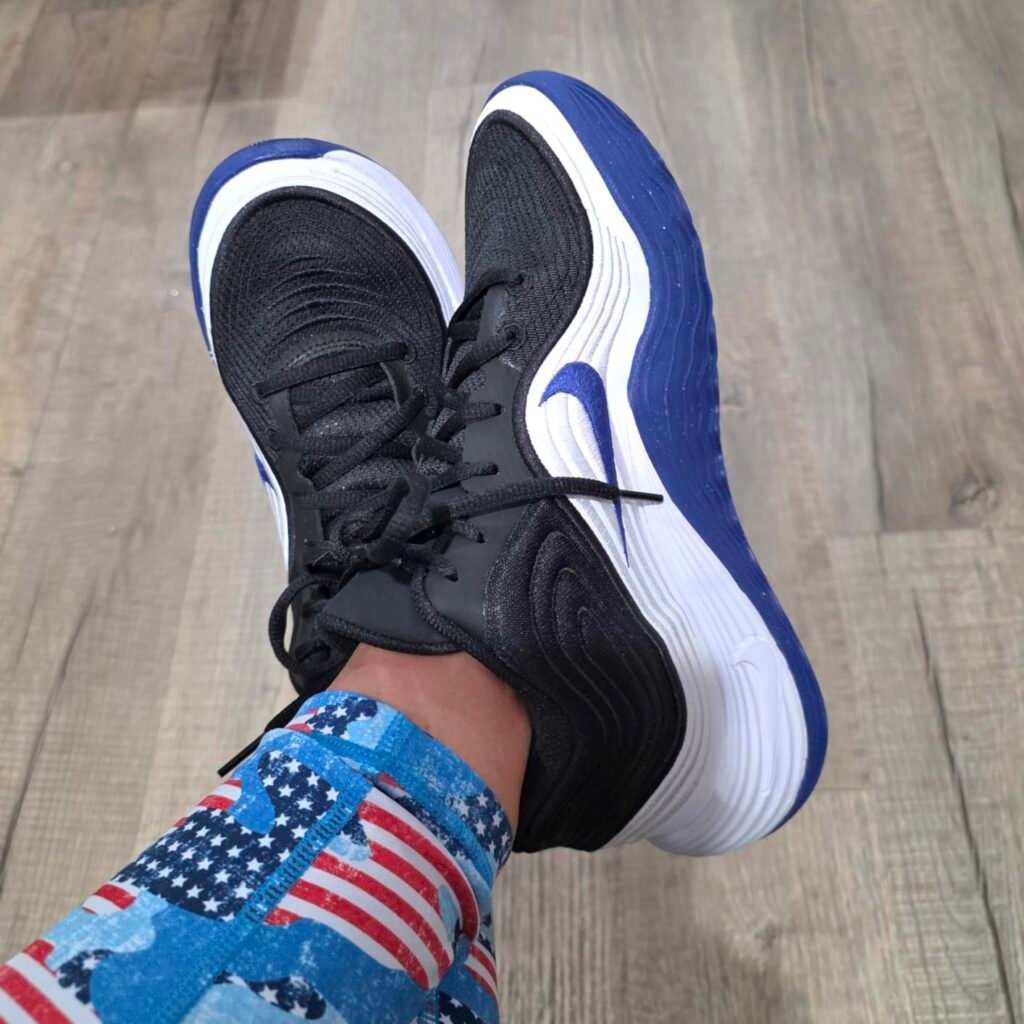
The Nike Precision 8 Mid is built for versatile players who want a balanced, no-nonsense mid-top that delivers reliable support without unnecessary weight. Combining a streamlined profile with essential court stability, it serves guards, forwards, and two-way players looking for consistent performance across all four quarters.

We may earn a commission when you buy through this link, at no additional cost to you.
At the core of the Precision 8 Mid is a Low Carbon IP foam midsole that strikes an effective balance between impact absorption and low-profile court feel. It keeps your center of gravity low for defensive stance stability while providing sufficient cushioning under the heel to soften landings on repeated drives.
The outsole features a full herringbone traction matrix designed to provide immediate grip when planting, cutting, and reversing direction. Upstairs, plush foam padding around the tongue and collar cradles the ankle joint comfortably, preventing chafing while securing the rearfoot in place during linear sprints.
The Low Carbon IP midsole formula keeps the foot close to the playing surface, giving guards and slashers immediate tactile feedback from the floor. This low-stack setup enhances balance and stability during rapid defensive slides.
The textile upper is lightweight and breathable, though players who require extreme arch support may benefit from inserting a structured performance insole. Overall, the Precision 8 Mid stands out as a dependable, well-rounded mid-top that delivers clean court control and comfortable containment.
Heavy frontcourt players who require extra-thick double-stacked air units for maximum heavy landing absorption.
We may earn a commission when you buy through this link, at no additional cost to you.
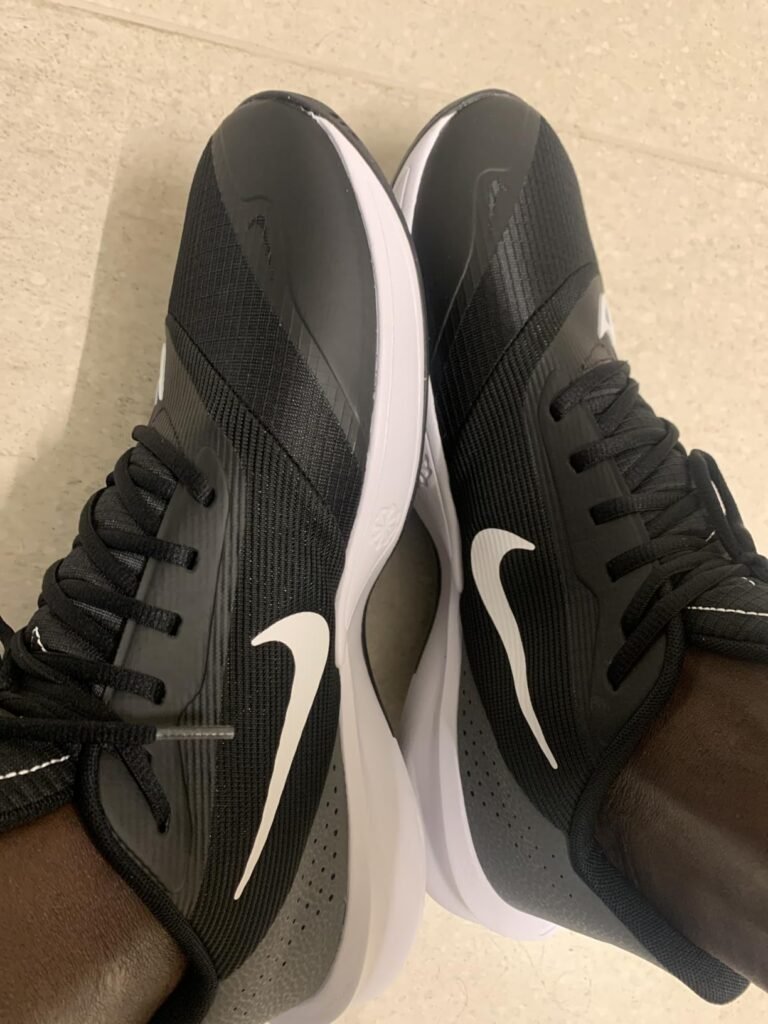
The Nike Precision 7 is engineered for fast-paced perimeter players, point guards, and wing slashers who prioritize speed, quick first-step reaction times, and unhindered ankle mobility. Its low-cut silhouette strips away bulk, giving athletes the freedom to cut, change speeds, and accelerate seamlessly.
We may earn a commission when you buy through this link, at no additional cost to you.
The sculpted foam midsole is contoured to support the foot through every movement phase, offering a soft yet firm platform that flexes naturally with the foot. This low-to-the-ground setup allows guards to feel the floor instantly, maximizing reaction speeds when executing crossovers or hedging on pick-and-rolls.
Traction is governed by a multidirectional herringbone outsole that bites hardwood effectively during hard stops and step-back jumpers. The collar and tongue are lined with plush foam padding, ensuring that the low-top design remains comfortable against the ankle without digging into the Achilles tendon.
The contoured geometry of the sculpted foam midsole flexes with the natural movement of the foot while providing just enough lateral rigidity to prevent slipping off the footbed during hard deceleration.
Because the Precision 7 prioritizes a lean, lightweight chassis, it features a lower foam stack height under the heel than heavier signature sneakers. For speed-oriented players who rely on quickness and light footwork rather than heavy post play, it offers an exceptionally nimble and cost-effective package.
Players recovering from recent ankle injuries who require rigid high-top collar bracing and heavy heel cushioning.
We may earn a commission when you buy through this link, at no additional cost to you.
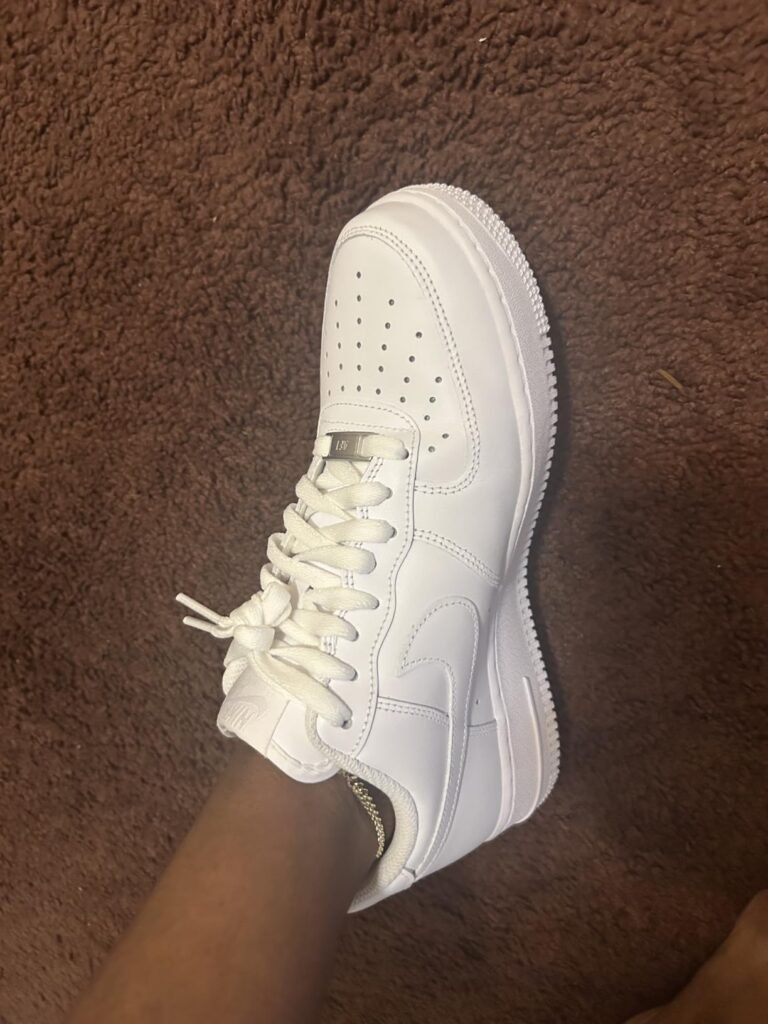
The Nike Air Force 1 '07 is one of the most famous silhouettes in athletic footwear history. Originally introduced in 1982 as a revolutionary basketball shoe featuring encapsulated Air cushioning, it transformed on-court footwear design before becoming an enduring global cultural and streetwear staple.
We may earn a commission when you buy through this link, at no additional cost to you.
Crafted with a full genuine and synthetic leather upper, the Air Force 1 ’07 provides robust structural durability and clean, crisp panel lines. Perforations on the toe box assist with ventilation, while the thick, stitched rubber cupsole delivers substantial ground protection and long-lasting durability.
Under the heel, an encapsulated Nike Air unit cushions everyday steps, absorbing impact inside a solid rubber midsole. The outsole retains the legendary concentric circular pivot-point tread pattern, originally designed to help post players execute smooth 360-degree pivot moves on the hardwood.
The thick leather panels, heavy-duty cupsole stitching, and encapsulated Air heel unit make the Air Force 1 ’07 one of the most durable casual athletic sneakers available. It easily withstands daily wear while maintaining its classic court-inspired shape.
While modern basketball shoes have evolved to use ultralight technical meshes and specialized energy-return foams for high-speed league play, the AF1 ’07 remains unmatched for casual driveway shootarounds, coaching, and everyday lifestyle wear where classic style and rugged durability are the main priorities.
Competitive athletes seeking lightweight technical performance shoes for high-speed tournament basketball.
We may earn a commission when you buy through this link, at no additional cost to you.
Selecting the right basketball shoe requires understanding how different construction elements—such as outsole rubber compounds, midsole cushioning systems, lateral stability structures, and upper materials—interact with your playing style and court environment.
Traction is the single most critical performance attribute in any basketball shoe. Without dependable grip, athletes cannot execute explosive first steps, stop instantly on defense, or change direction cleanly without slipping. The foundation of exceptional traction starts with the tread pattern molded into the outsole. Traditional herringbone grooving—featuring alternating zig-zag ribs—remains the gold standard across the industry because it provides multidirectional bite regardless of your foot angle. Modern variations include radial waves, concentric pivot circles, and computer-generated data-driven matrices designed to maximize floor contact area during aggressive cuts.
Beyond tread geometry, the composition of the rubber compound plays a massive role in on-court performance. Softer, tacky rubber compounds offer aggressive suction on clean indoor hardwood but wear down rapidly on abrasive outdoor surfaces and tend to collect fine dust particles in poorly maintained gyms. Harder, denser rubber formulations, such as the Outdoor RB rubber found on the PEAK Streetball Master or adidas Adiwear, resist friction wear and maintain their biting edges across rough concrete and blacktop. Translucent rubber outsoles frequently offer striking visual aesthetics but can require frequent hand wipes on dusty indoor floors to prevent slippage.
When choosing an outsole, evaluate the primary surface where you play. If you compete exclusively on clean indoor hardwood, opt for pliable, high-grip rubber compounds with multidirectional siping. If you play on outdoor park courts or community gyms with moderate dust, prioritize solid rubber with deep, widely spaced herringbone grooves.
Basketball involves continuous high-impact movements, from explosive vertical jumps and rim-contesting rebounds to rapid decelerations from full-speed sprints. Midsole cushioning serves two essential functions: absorbing downward landing shock to protect joints from fatigue and returning kinetic energy into your next step. Traditional standard EVA (ethylene-vinyl acetate) foam offers dependable, lightweight shock absorption at an affordable price point, as seen in the Under Armour Lockdown 7, making it an excellent baseline for recreational play.
Advanced performance foams, such as adidas LightstrikePro found in the D.O.N. Issue 7, represent the modern high-end tier. These specialized supercritical foam compounds deliver significantly higher energy return and rebound resilience while maintaining a remarkably low weight profile. For heavier players and frontcourt athletes who exert enormous downward force, maximum cushioning setups—like the shock-dispersing platforms in the Nike LeBron Witness series—help distribute impact evenly across the footbed to minimize foot fatigue over four quarters of physical play.
Balancing cushion with court feel is a personal decision based on your position. Guards and perimeter players typically benefit from lower-profile, firmer foam setups that keep their feet close to the floor for instant push-off reaction times. Forwards and centers should lean toward thicker, high-rebound cushioning platforms that prioritize heavy impact protection.
The rapid lateral cutting and side-to-side defensive sliding inherent to basketball place extreme torque on the foot and ankle joint. Lateral stability prevents the shoe from rolling over onto its side when you plant your foot hard to change direction. Effective lateral containment relies heavily on a wide forefoot base featuring a lateral outrigger—a flared extension of the outsole rubber on the pinky-toe side that creates a physical lever preventing ankle inversion.
In addition to outriggers, structural stability requires internal torsional support. Torsion plates, typically constructed from TPU (thermoplastic polyurethane) or composite materials, are embedded within the midfoot shank between the outsole and midsole. These plates resist twisting when weight transfers from the heel to the forefoot, ensuring that the shoe flexes naturally at the metatarsal joint rather than bending awkwardly through the arch. External heel counters and lateral sidewall roll-ups, such as the PEAK STA module, further lock the foot in place.
Avoid shoes with overly soft, unstructured sidewalls that allow your foot to slide over the edge of the footbed during hard stops. Always look for a broad outsole base with a visible lateral outrigger and a rigid midfoot that resists twisting when wrung like a towel.
Basketball shoes are traditionally categorized into low-top, mid-top, and high-top collar silhouettes. A common misconception among casual buyers is that high-top collars mechanically prevent ankle sprains on their own. Biomechanical research shows that true ankle stability comes from proper heel lockdown, a wide base, and torsional rigidity. Collar height primarily dictates freedom of movement, sensory proprioception, and perceived ankle security around the joint.
Low-top shoes, such as the Nike Precision 7, maximize ankle mobility and reduce overall shoe weight, allowing perimeter guards to execute quick ankle flexion and sudden directional cuts without fabric resistance. Mid-tops, like the Nike Precision 8 Mid and adidas Own The Game 3.0, offer a balanced compromise, delivering a reassuring collar hug with excellent agility. High-tops, such as the PEAK Streetball Master, provide maximum physical coverage, padding against accidental kicks from opponents, and a secure wrapped sensation favored by physical rebounders and post players.
Choose your collar height based on personal preference and movement freedom rather than fear of injury. If you value complete mobility and lightweight speed, choose a low-top. If you prefer the snug, padded sensation of a wrapped ankle collar, select a supportive mid-top or high-top.
The upper construction of a basketball shoe must balance two opposing needs: breathability and structural containment. Modern hoops footwear heavily utilizes engineered textiles, circular knits, and multi-layered performance meshes. These technical fabrics reduce overall shoe weight, allow heat and moisture to escape during intense play, and mold closely to the unique contours of the athlete’s foot for a customized fit right out of the box.
However, lightweight mesh alone cannot withstand the intense lateral force generated during a hard plant. To prevent the foot from blowing out the side of the shoe, manufacturers reinforce mesh uppers with hot-melt synthetic skins, TPU yarn ribbing, and strategic leather or film overlays. Traditional leather and synthetic leather constructions, such as those found on retro models like the Nike Air Force 1 ’07 and Court Vision Mid, provide exceptional structural durability and abrasion resistance but are heavier and retain more heat during high-speed play.
Look for uppers that combine breathable mesh zones across the tongue and toe box with reinforced overlays along the lateral forefoot and lace eyelets. Ensure the lacing system integrates with internal webbing or midfoot cables to lock your arch securely against the footbed.
The playing surface dramatically affects how long your basketball shoes will last and how well they will perform. Indoor hardwood courts are smooth and finished with polyurethane coatings that reward soft, pliable rubber outsoles with dense, fine siping. However, taking an indoor-oriented performance shoe with soft rubber onto an outdoor asphalt or concrete court will rapidly grind down the traction grooves, often destroying the grip within weeks of play.
Outdoor courts feature coarse, abrasive aggregate that demands heavy-duty construction. Outdoor-specific models, such as the PEAK Streetball Master and adidas Own The Game 3.0 with Adiwear rubber, feature thicker outsole slabs, broader groove spacing that won’t trap small pebbles, and denser rubber compounds formulated to withstand intense friction. Additionally, outdoor shoes require durable upper materials that won’t tear when scraping against concrete during toe-drags or loose-ball scrambles.
If you play in both environments, maintain two separate pairs of shoes: a dedicated indoor pair kept clean in your gym bag to preserve traction bite, and a durable outdoor pair with hard rubber specifically built for blacktop warfare.
To ensure maximum traction and longevity, never wear your indoor basketball shoes outside on concrete sidewalks, parking lots, or asphalt on the way to the gym. Hard pavement rapidly embeds dirt, grit, and microscopic debris into the pliable rubber grooves, compromising on-court bite when you step onto the hardwood. Always transport your game shoes in a gym bag and lace them up only once you are inside the court facility.
Maintain your outsoles regularly by wiping dust from the rubber tread during game breaks using a damp cloth or specialized traction mat. After intense games, allow your shoes to air out completely at room temperature rather than leaving them zipped inside a dark, humid gym bag. Remove the insoles periodically to facilitate airflow and prevent odor-causing bacteria from breaking down the inner lining materials.
Clean dirty uppers using a soft-bristled brush, lukewarm water, and a mild synthetic detergent. Avoid putting basketball shoes in a washing machine or drying them near direct heat sources such as radiators or clothes dryers, as high heat can warp the internal TPU shank plates, degrade foam cushioning compounds, and weaken critical structural adhesives.
Choose based on your desired balance of ankle mobility and physical containment. Low-tops provide maximum range of motion and the lightest overall weight, making them ideal for quick perimeter guards. Mid-tops and high-tops offer added collar padding, sensory stability, and protection from accidental kicks during physical play in the paint.
You can, but it is not recommended if you want the shoes to last. Indoor basketball shoes use soft, sticky rubber that quickly wears down and smooths out on abrasive outdoor asphalt. For outdoor courts, choose shoes equipped with dense, abrasion-resistant rubber compounds like PEAK Outdoor RB or adidas Adiwear.
You should aim for approximately a thumbnail's width of space between your longest toe and the front edge of the toe box. This buffer prevents painful toe bruising when stopping abruptly, while keeping the foot snug enough to prevent internal heel slippage.
Competitive players who play three to four times a week should typically replace their game shoes every three to six months. Over time, internal midsole foam compresses and loses its shock-absorbing resilience, and outsole tread grooves wear down, reducing traction bite.
Court feel refers to a low-profile midsole that keeps your foot close to the hardwood for immediate tactile feedback and fast push-offs. Maximum cushioning features a thicker stack of high-rebound foam or air units designed to absorb heavy landing forces, which benefits heavier players and frequent rebounders.
Wipe the outsoles periodically during play with a damp cloth or your palm to clear away fine dust. For a deeper clean at home, scrub the rubber tread with warm water, mild soap, and a soft brush to remove embedded oils and gym grime from the grooves.
Basketball shoes work well for gym lifting, agility drills, and lateral training because of their wide, stable bases. However, they are generally too heavy, stiff, and flat for long-distance linear running, which requires specialized forward-flexing running shoes.
Herringbone uses a proven zig-zag pattern that provides consistent, predictable grip in all 360 degrees of movement. It effectively channels away light dust and moisture, ensuring steady stopping power during rapid lateral cuts and sudden decelerations.
Proper lockdown secures the midfoot and heel firmly over the footbed, preventing your foot from sliding side-to-side inside the shoe. By keeping your foot centered over the midsole and lateral outrigger, good containment significantly reduces the risk of rolling your ankle.
Finding the best basketball shoe comes down to matching outsole grip, midsole responsiveness, and chassis containment to your specific court position and playing environment. For elite all-around performance, explosive energy return, and secure lockdown on indoor hardwood, the adidas D.O.N. Issue 7 stands out as the top overall pick.
Players operating on a budget will appreciate the dependable herringbone traction and solid lateral containment of the Under Armour Lockdown 7. Meanwhile, those battling on rough outdoor blacktop should look directly to the heavy-duty rubber formulation and PEAK STA rollover protection of the PEAK Streetball Master.
Before making your final choice, evaluate whether your priority is lightweight perimeter speed, heavy-impact landing protection, or multi-season outdoor durability. Choosing a shoe that supports your movement profile ensures better court confidence, consistent traction, and fewer injuries all season long.