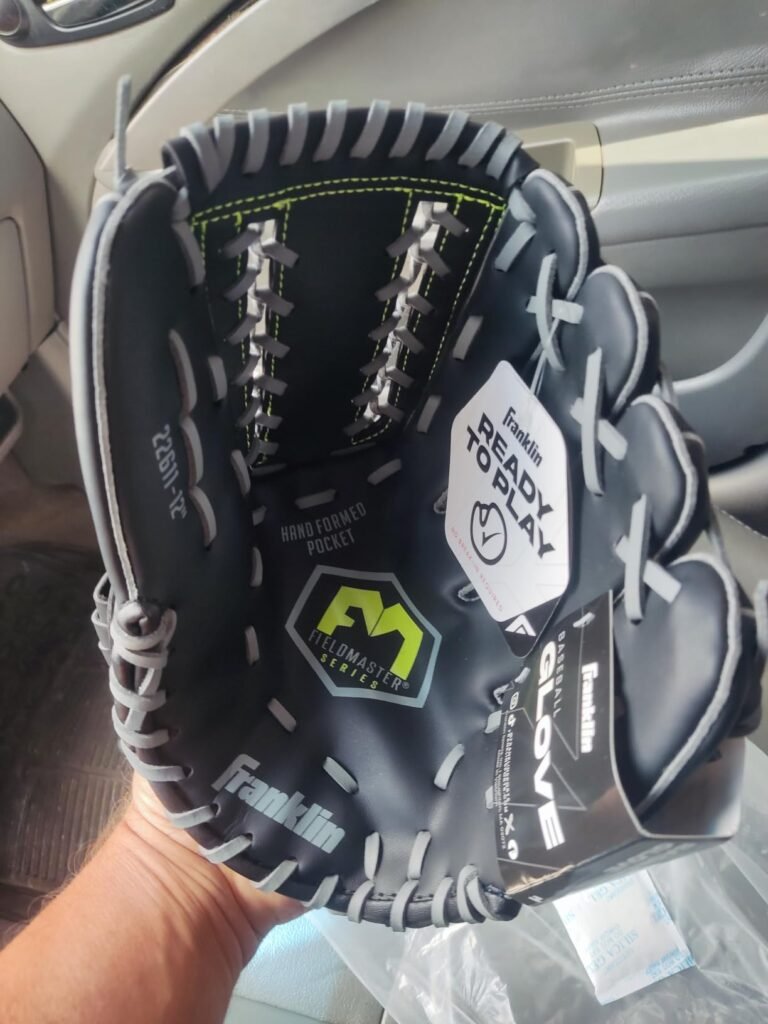
Franklin RTP Pro
9.2Editor scorePigskin leather shell
12.5-inch pattern
Basket horizontal web
Durable protective shell
Find the right baseball gloves for 2026. We compare 10 standout options by build quality, useful features, owner feedback, value, and everyday trade-offs.
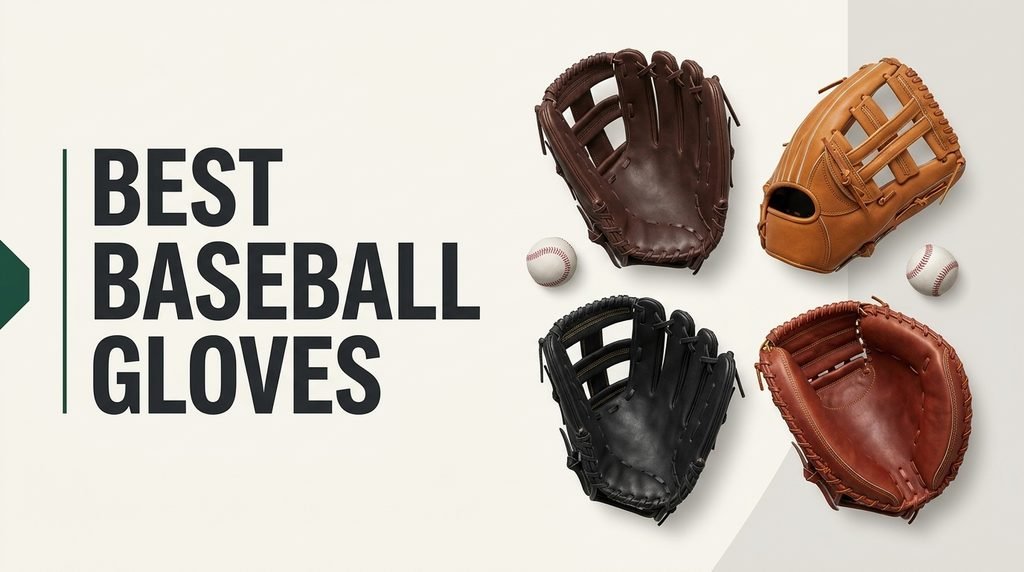
Choosing the right baseball glove for 2026 comes down to more than brand loyalty. We compare 10 standout options by the details that actually shape performance: leather quality, position-specific patterns, web style, break-in level, pocket depth, padding, wrist fit, sizing across youth and adult players, and long-term value for how often you take the field.
Gloves vary widely in how they feel out of the box. A game-ready recreational mitt behaves nothing like a premium steerhide model that demands weeks of forming, and choosing the wrong break-in level can leave a youth player struggling to close the pocket or a serious hitter with a glove that never molds correctly.
This guide walks through each option’s strengths, real trade-offs, and ideal fit so you can match a glove to your position, skill level, and how frequently you play, whether that is weekend catch, competitive travel ball, high school lineups, or full club seasons.
We compared 10 baseball gloves using the factors that genuinely influence a purchase: leather grade, position pattern, web design, pocket depth, break-in percentage, padding and sting protection, wrist closure, sizing range across youth and adult hands, brand track record, and price-to-performance value. The notes focus on practical trade-offs so each pick connects to how players actually field, catch, and grow into a glove across a season.


Compare key features, scores, and current prices side by side. A shorter feature list means fewer details were available, not necessarily fewer capabilities.
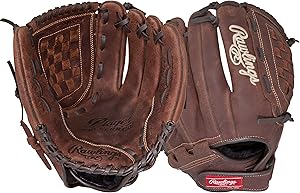


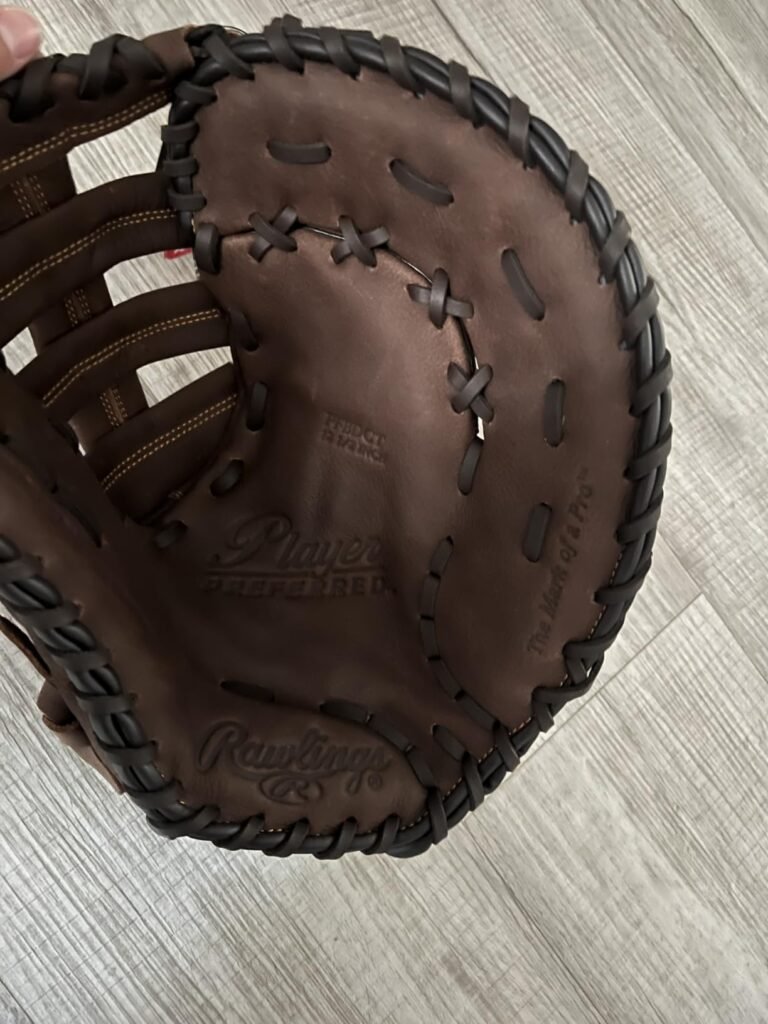
The Rawlings Player Preferred is aimed at weekend league players, coaches, and families who want a real leather glove without the extended break-in of a premium model. It arrives with roughly 80 percent of the break-in already done, which means you can throw it in a bag on Saturday morning and play a game the same afternoon without weeks of forming and pocket work.
We may earn a commission when you buy through this link, at no additional cost to you.
The full-grain oiled leather shell holds up well through a full recreational season, and the all-leather laces resist the fraying that can develop on cheaper mixed-material gloves. The Zero Shock palm padding cuts down on the hand sting that comes from hard-hit line drives and warm-up throws, which matters when you are coaching from behind the plate or playing multiple positions in a pickup game.
The adjustable wrist strap lets a wide range of hand sizes get a secure fit, and the glove comes in infield, outfield, first base, and catcher configurations. That flexibility makes the Player Preferred a smart pick for households with multiple players or coaches who need a reliable spare glove on the bench for whoever forgot theirs at home.
Break-in percentage describes how much shaping the glove receives before shipping. An 80 percent factory break-in means the leather has already been softened and formed enough that you can close the pocket on your first catch, with the remaining 20 percent developing naturally through use. This is ideal for recreational players who want performance now rather than spending weeks conditioning premium leather.
This is the right glove for anyone who plays recreationally, coaches youth teams, or wants a durable second glove without spending on pro-level leather. Serious high school or travel ball players will outgrow it as their skills demand a more structured pocket, but for its intended audience, it delivers consistent value season after season.
Competitive high school or travel ball players who need a customized pro-level pocket.
We may earn a commission when you buy through this link, at no additional cost to you.
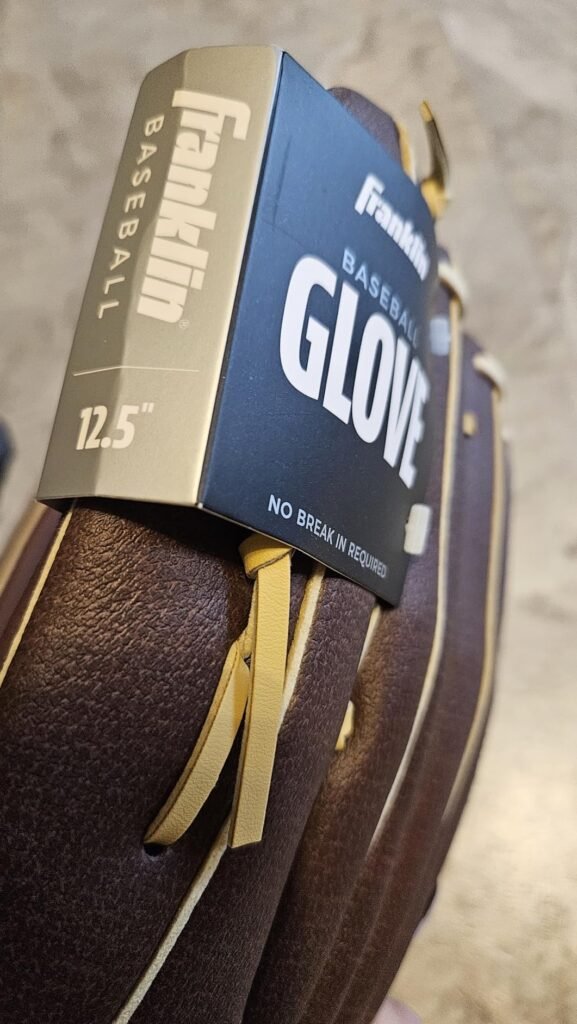
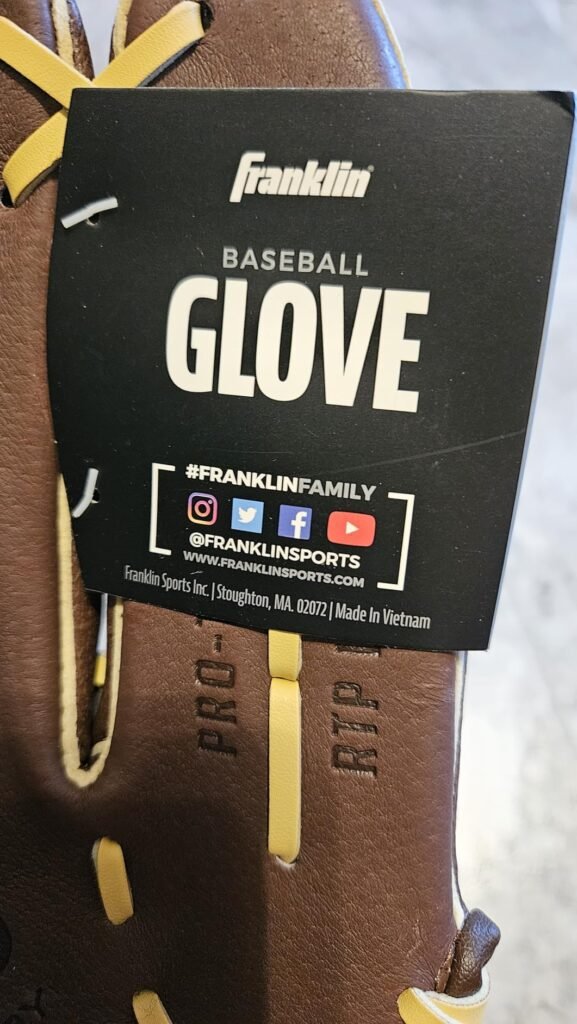
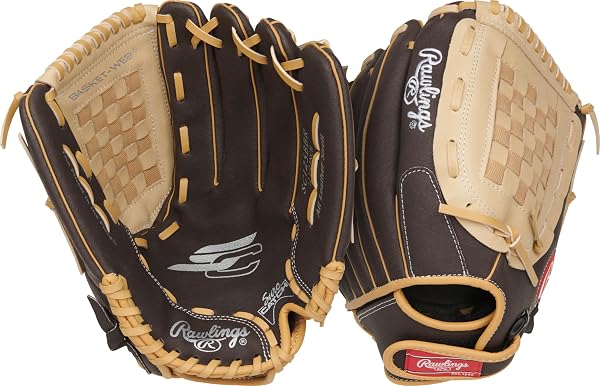
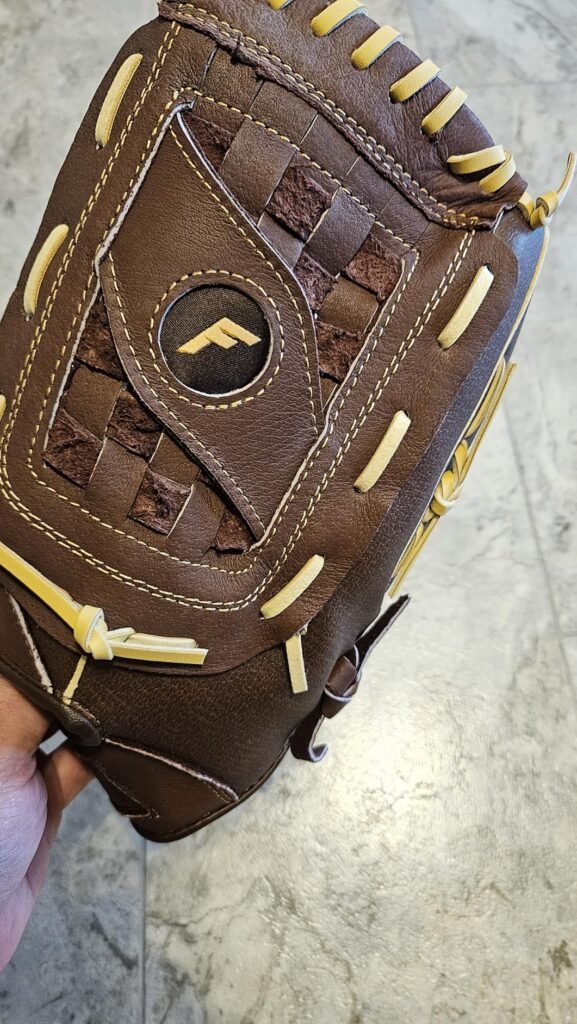
The Franklin RTP Pro targets young players and casual adult fielders who want the feel of real leather without the weight or extended forming time of steerhide gloves. The pigskin shell is noticeably lighter in the hand, which helps smaller players close the glove more easily and reduces arm fatigue during long practices or back-to-back games.
We may earn a commission when you buy through this link, at no additional cost to you.
At 12.5 inches with a basket horizontal stripe web, the pattern lands in useful middle ground. It is big enough to handle fly balls in the outfield yet still manageable for third base or a utility infielder learning multiple positions. The basket web design closes cleanly around the ball, which helps developing players secure catches instead of having them pop out of a stiffer, less forgiving pocket.
The protective shell finish resists dirt and moisture better than untreated leather, which matters for youth players who leave gloves in gym bags, dugouts, or the back seat of a car. The soft leather takes shape quickly, so a player can begin working the pocket on day one without the frustration of a glove that refuses to close.
Pigskin is generally lighter and softer than cowhide, making it easier for smaller hands to close the glove and control the pocket. Cowhide is stiffer and typically lasts longer through heavy use, but it can frustrate youth players who cannot yet generate the grip strength needed to shape a firmer glove. For most players under 12, pigskin or lighter cowhide models produce more successful catches in the first season.
This is a strong pick for growing players who need real leather but not the price or forming commitment of a premium model. Advanced infielders who want a snappier, more structured pocket may prefer steerhide, but for outfield-oriented youth players and recreational adults, the RTP Pro delivers a satisfying blend of feel and value.
Serious infielders who need a firm, structured pocket for hard-hit ground balls.
We may earn a commission when you buy through this link, at no additional cost to you.
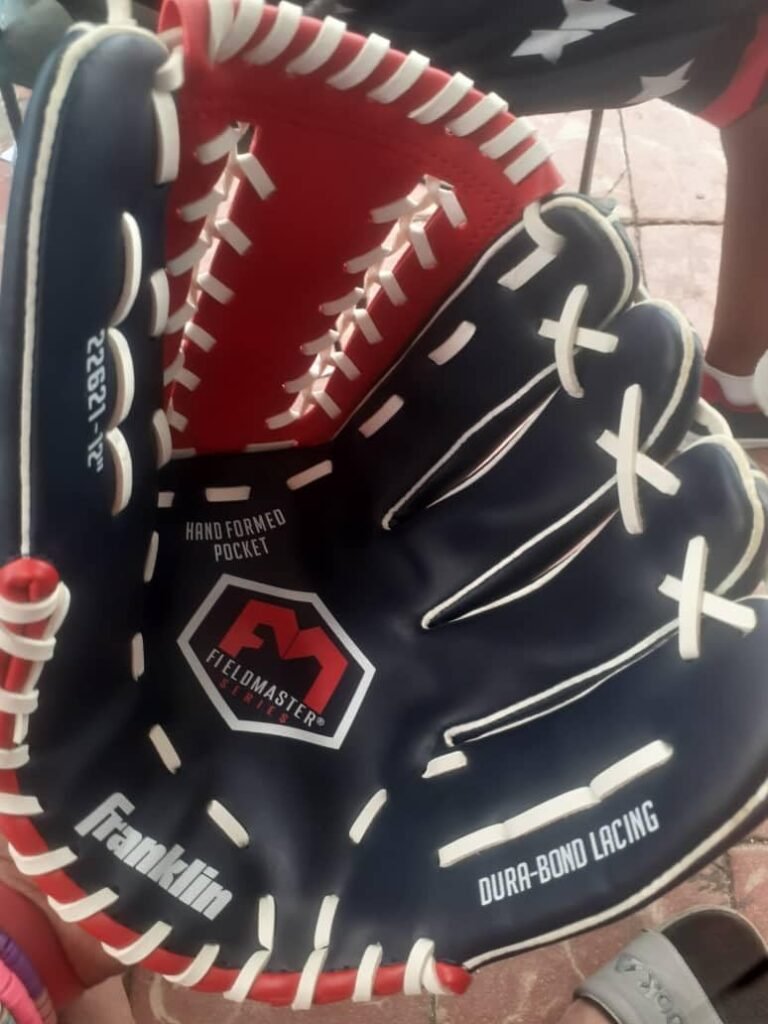
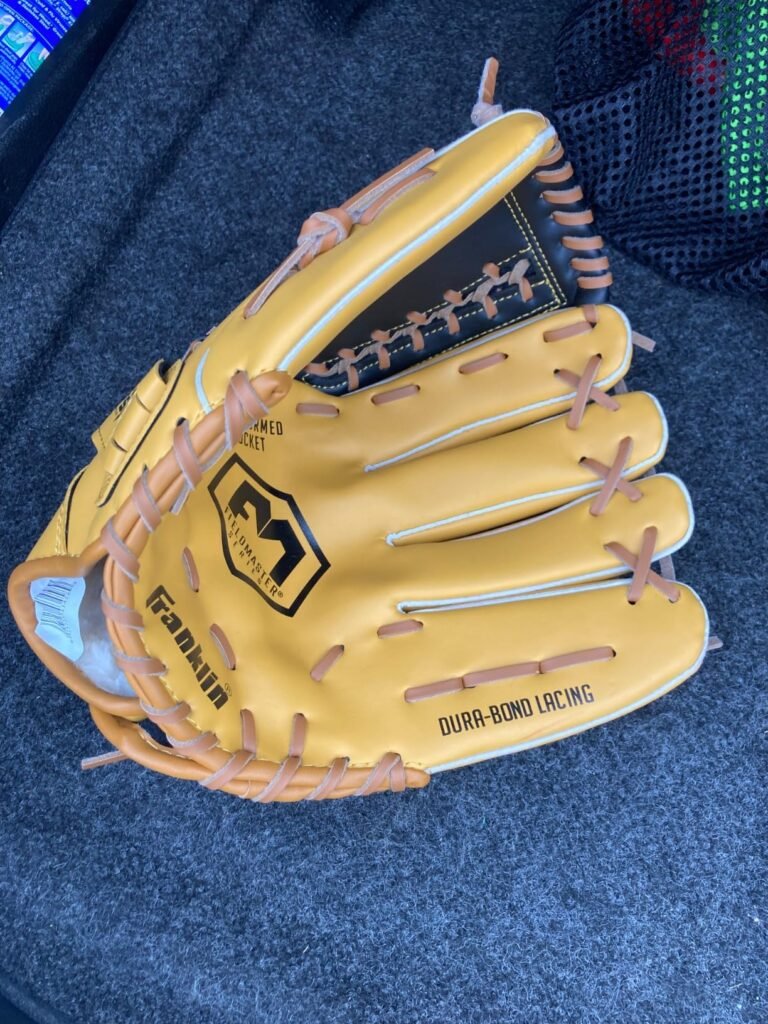
The Franklin Field Master is designed for first-time players, teeball participants, and anyone testing the waters of baseball before committing to a premium leather glove. Its synthetic shell mimics the responsive feel of real leather without the weeks of oiling and forming that traditional gloves demand, which lowers the barrier for players just starting out.
We may earn a commission when you buy through this link, at no additional cost to you.
The adjustable thumb technology and contoured wrist area work together to accommodate a wide range of hand sizes. Growing kids can wear the same glove for longer, and parents avoid the frustration of buying a properly sized mitt every few months as a child’s hand develops. The hand-formed pocket comes pre-shaped to help beginners secure catches instead of watching balls bounce out of a flat, unformed glove.
Practical use fits recreation league play, backyard catch, and casual practice. The synthetic material shrugs off light rain and dirt without the conditioning required for oiled leather, and the light weight makes it easy for younger players to keep the glove up during a full at-bat behind the plate or during outfield warmups.
Synthetic materials are practical for young players who will outgrow a glove within a season or two, since spending heavily on premium leather rarely makes sense at that stage. Synthetic shells are also easier to maintain because they do not require regular oiling. The trade-off is a shorter overall lifespan and a less crisp feel during hard catches compared to real leather.
This glove earns its place as the entry point for players not yet ready to invest in leather. Players moving beyond teeball into competitive youth divisions will benefit from upgrading, but for casual play, birthdays, and first-season introductions to the sport, the Field Master delivers reliable performance at a hard-to-beat price.
Older youth or high school players who need a durable, competition-grade leather glove.
We may earn a commission when you buy through this link, at no additional cost to you.
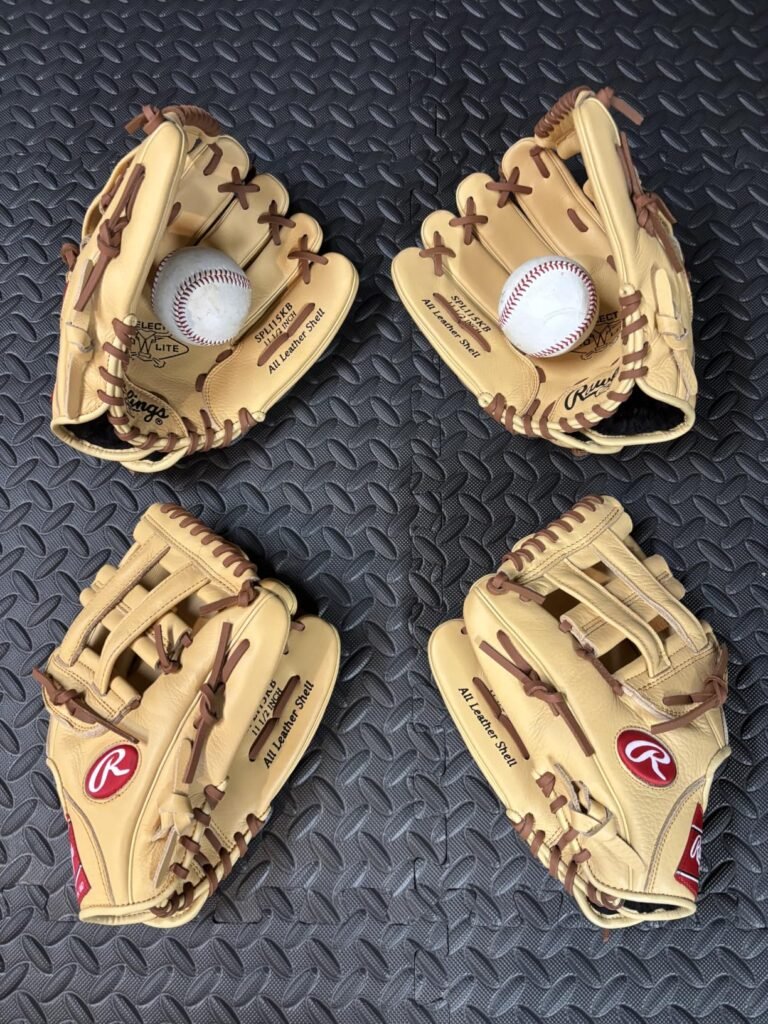
The Rawlings Select Pro Lite bridges an important gap for youth players who have moved past starter gloves but are not yet ready for adult sizing. The Youth Pro Taper fit uses a smaller hand opening and narrower finger stalls to give younger athletes the same secure feel that adult players get from full-size gloves, which improves glove control on ground balls and pop flies alike.

We may earn a commission when you buy through this link, at no additional cost to you.
The all-leather shell arrives approximately 90 percent broken in, so young players can close the pocket and start making plays immediately. That matters at the youth level, where kids can quickly get discouraged by a stiff glove that refuses to cooperate. The pro-inspired patterns and web designs give players the confidence boost of a glove that looks and feels like what they see on television.
Comfort details make a meaningful difference over long practices. Cushioned fingerback linings and palm padding absorb the impact of hard throws from developing arms and hard-hit line drives, reducing the sting that can make young players flinch on subsequent catches. The 11.5-inch Kris Bryant model works at nearly any position outside of catcher and first base, giving developing players room to try different spots.
Adult-sized gloves are often too wide at the opening and too long in the finger stalls for youth players, which forces kids to grip harder to keep the glove on their hand. This wastes energy and makes glove control less precise. A youth-specific taper places the fingers correctly in the stalls and keeps the wrist snug, letting young players focus on catching the ball rather than wrestling with an oversized mitt.
This is the right upgrade for youth players who are getting serious about the game and need a glove that will support their development for a full season or more. Adults or larger teenagers should look at the R9 or Player Preferred instead, but for players in the 8 to 13 age range with baseball ambitions, the Select Pro Lite hits the sweet spot of quality, fit, and price.
Adult players or larger teenagers whose hands have moved past youth sizing.
We may earn a commission when you buy through this link, at no additional cost to you.
The Heart of the Hide represents the top tier in this lineup, built with full-grain US steerhide that has been trusted by generations of MLB players. This is the glove for high school starters, travel ball athletes, college players, and serious adult ballplayers who want a mitt that will develop into a personalized extension of their hand over multiple seasons.

We may earn a commission when you buy through this link, at no additional cost to you.
Only 60 percent of the break-in is done at the factory, which is intentional. That extra 40 percent lets the premium steerhide mold to your specific hand, playing style, and preferred pocket depth as you condition it. A first baseman can shape a deeper scoop pocket, a third baseman can form a shallower, quicker-transfer pocket, and the glove genuinely becomes yours over time.
Comfort details reflect the price point. A deer-tanned cowhide palm lining feels softer against the hand than standard palm liners, and the thermo-formed wrist liner adds cushioning while wicking moisture during warm summer double-headers. Pro-grade leather laces and reinforced padding maintain the glove’s shape through the kind of repeated use that would loosen a lesser mitt within a season.
Break-in is a gradual process of catching balls, working the pocket with a mallet or ball, and applying small amounts of glove conditioner. Avoid shortcuts like microwaving or soaking the glove, which can damage the leather. Play catch daily during the first few weeks, focus on closing the glove correctly with each catch, and let the pocket form naturally where you catch most often. Proper break-in takes weeks but pays off with years of superior performance.
This is the right investment for players committed to the sport who want a glove that improves with time. New players and casual weekend athletes will not benefit enough from the premium leather to justify the price, and anyone unwilling to put in the break-in work should consider a more factory-formed model. For dedicated players, the Heart of the Hide is a genuine long-term partner.
Beginners, casual recreational players, or anyone unwilling to invest time in break-in.
We may earn a commission when you buy through this link, at no additional cost to you.
The Rawlings Sure Catch is engineered around a signature heel cutout that dramatically reduces the grip strength needed to close the glove. That design choice makes it especially useful for adult recreational players returning to slowpitch softball or pickup baseball after years away, when hand strength and glove muscle memory are not what they used to be.
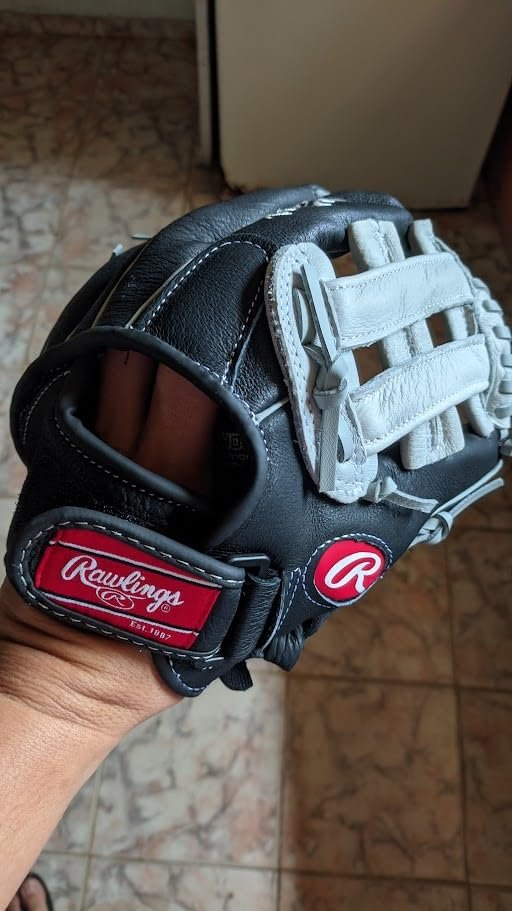
We may earn a commission when you buy through this link, at no additional cost to you.
The all-leather shell keeps the feel of a real glove while staying lightweight enough for extended practices and full weekend tournaments. Arriving 90 percent broken in from the factory, it plays comfortably on day one, which suits weekend players who do not have time for weeks of conditioning before their first game.
Cushioned finger linings add comfort during long innings and reduce the fatigue that comes from repeated catches on hard-hit balls. The Sure Catch design also works well for coaches running practices, teachers running gym class softball, and anyone who wants a dependable glove that does not fight them on every catch attempt.
A heel cutout removes material at the base of the palm to make the glove hinge more easily when closing. This reduces the muscle effort needed to snap the glove shut on a catch, which benefits older players, kids still building hand strength, and anyone who wants a more forgiving closure feel. Traditional players sometimes prefer a solid heel for pocket structure, so the trade-off is ease versus classic feel.
This glove suits adult rec players, slowpitch enthusiasts, and coaches who prioritize easy closure and comfort over the firm structure of a competitive pattern. Serious competitive players will prefer a traditionally structured glove, but for its intended audience, the Sure Catch delivers exactly what it promises.
Competitive players who prefer traditional solid-heel construction for maximum pocket structure.
We may earn a commission when you buy through this link, at no additional cost to you.
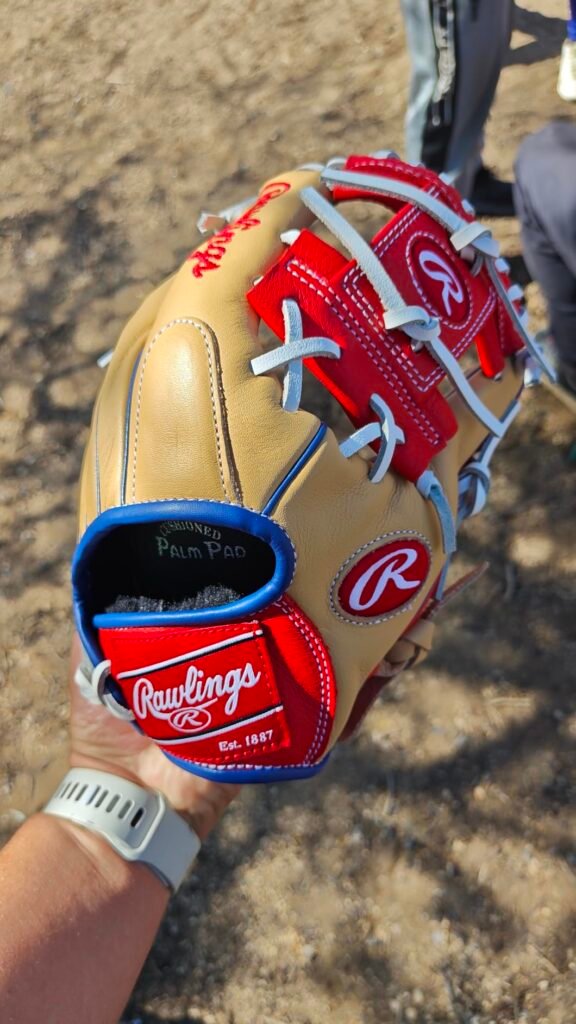
The R9 Series is Rawlings' answer for youth, high school, and intermediate players who have outgrown recreational gloves but are not ready to commit to Heart of the Hide pricing. The soft all-leather shell uses pro-style patterns that mirror the shape and feel of higher-tier models, which helps players develop with equipment that matches how the game is actually played at higher levels.

We may earn a commission when you buy through this link, at no additional cost to you.
Arriving about 80 percent broken in leaves just enough shaping for the player to personalize the pocket without the multi-week commitment demanded by premium steerhide. That balance makes the R9 practical for players who need a glove that is game-ready for tryouts and the first few practices while still developing a custom feel over the season.
The reinforced palm pad is a meaningful comfort feature at this level, where the velocity of throws and batted balls jumps significantly from the youth game. Padded thumb loops and fingerback liners keep the glove comfortable through long practices and back-to-back games in a tournament weekend. The 11.75-inch Pro H Web works for pitchers, middle infielders, third basemen, outfielders, and utility players alike.
The Pro H Web on the R9 offers an open pattern with cross-lace support that suits multiple positions. Open webs let outfielders see through the glove to judge fly balls, while still providing enough structure for infielders to feel confident on ground balls. If you are not sure of your primary position, a utility web like the H pattern is a safer investment than a closed web tailored for pitching or a modified trap for outfielders.
This glove is the right pick for players in the middle of their development who need dependable performance without a top-tier price. Younger recreational players will find it more than they need, and dedicated varsity or travel ball starters may want to invest in the Heart of the Hide, but the R9 hits an important middle-ground for developing athletes.
Elite players who need pro-grade steerhide and complete break-in customization.
We may earn a commission when you buy through this link, at no additional cost to you.
The Sandlot Series delivers a timeless look built around full-grain oiled shell leather that combines a warm vintage aesthetic with the pocket depth and structure serious outfielders need. The 12.75-inch Pro H Web creates the extended reach that fly ball defenders rely on when chasing down deep drives to the gaps or making sliding catches in short right field.

We may earn a commission when you buy through this link, at no additional cost to you.
Rawlings ships the Sandlot approximately 80 percent broken in, so outfielders can start forming a deep pocket immediately without weeks of preliminary conditioning. The Zero Shock palm padding reduces the sting of running catches where the ball hits the glove at unusual angles, and padded finger back linings keep the hand comfortable through long defensive innings under summer sun.
The classic look is genuinely different from the sleek modern aesthetic of most contemporary gloves. Players who appreciate baseball’s heritage or want a glove that looks as good in the dugout as it plays on the field will value that character. Coaches, adult league players, and anyone playing casual competitive ball will find the styling and performance easy to appreciate.
Outfield gloves typically run 12.5 to 13 inches to maximize reach on fly balls and provide a deeper pocket that secures catches through diving and sliding motions. Infield gloves stay smaller, typically 11.25 to 11.75 inches, to allow quicker ball transfers to the throwing hand. Using an infield glove in the outfield sacrifices reach, and using an outfield glove in the infield slows transfers, so matching glove length to position matters more than most beginners realize.
This is the right pick for outfielders at recreational, high school, or adult league levels who want a properly sized outfield glove with real leather quality. Infielders and pitchers should look at the shorter R9 or Heart of the Hide patterns, since the 12.75-inch length is optimized for outfield reach rather than quick middle-infield transfers.
Infielders who need a shorter pattern for quick ball transfer.
We may earn a commission when you buy through this link, at no additional cost to you.
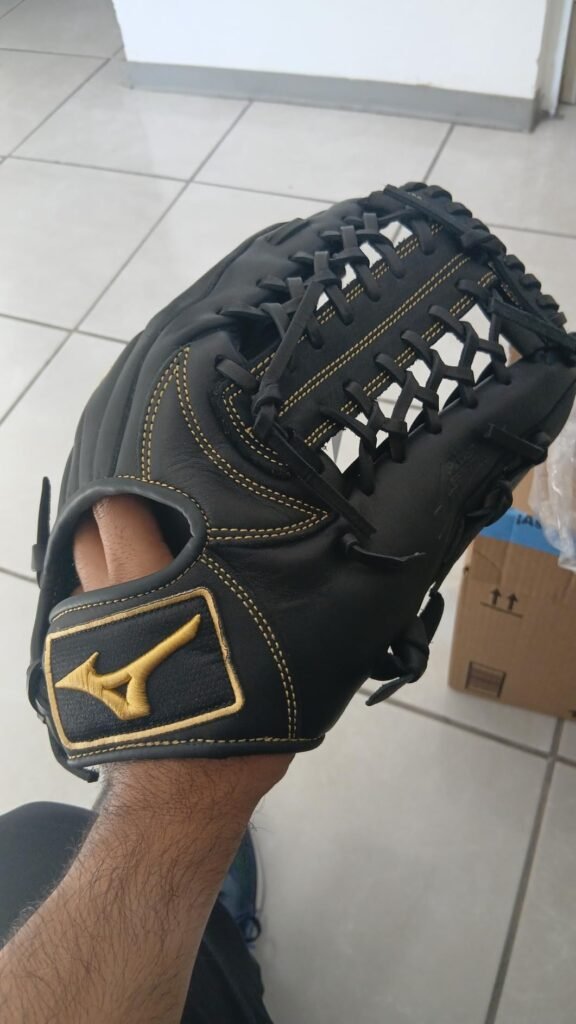
The Mizuno MVP Prime offers a compelling alternative for players who want premium leather craftsmanship outside the Rawlings ecosystem. The Bio Soft Leather shell balances oil content and softness to deliver the responsive feel that serious players demand while retaining the firmness needed for confident control on hard-hit balls.

We may earn a commission when you buy through this link, at no additional cost to you.
Mizuno equips this glove with the same professional-level lace used on their top-tier pro models. That matters because laces are often the first component to fail on a heavily used glove, and pro-grade lace holds shape and resists stretching much longer than standard options. The outlined embroidered logo adds a subtle premium touch that distinguishes it from mass-market gloves in the same price range.
The Center Pocket Designed Patterns naturally position the pocket under the index finger, which produces a versatile break-in that works well across multiple positions. The PlusGrip padded thumb slot cushions the thumb during hard catches and reduces the discomfort that can develop during long games or extended practice sessions with high-velocity throws.
Rawlings dominates the baseball glove market, but Mizuno, Wilson, and other manufacturers make excellent gloves that offer different feel and break-in characteristics. Trying a different brand can reveal preferences you did not know you had, particularly around palm shape, finger stall depth, and how quickly the leather forms. If you have only worn Rawlings, a Mizuno like the MVP Prime is worth handling in person or ordering with a good return policy.
This is a smart pick for serious players who want to try something different from the Rawlings lineup or who prefer the way Mizuno leather breaks in. Casual recreational players may find the price and feel more than they need, but for dedicated athletes wanting quality craftsmanship, the MVP Prime is a genuine competitor to comparable premium models.
Casual recreational players who do not need premium leather construction.
We may earn a commission when you buy through this link, at no additional cost to you.
The Rawlings Renegade uses a hybrid construction that pairs a leather palm with a pro mesh back to reduce overall weight and improve airflow. That combination makes it especially appealing for adult slowpitch softball and recreational baseball players who spend long summer evenings on the field and appreciate a glove that stays lighter and cooler than an all-leather model.

We may earn a commission when you buy through this link, at no additional cost to you.
The leather palm delivers the responsive catching feel that mesh alone cannot match, while the mesh back trims meaningful weight from the glove and helps prevent the sweaty, waterlogged feel that solid leather backs develop during hot doubleheaders. Cushioned palm and index finger padding reduce sting on hard-hit balls, which becomes more important as adult recreational leagues can produce surprisingly hot line drives.
Arriving 90 percent factory broken in means players can grab the Renegade and head straight to a game or practice without preliminary conditioning. That practical readiness suits weekend warriors, coaches, and anyone who needs a reliable adult glove without dedicated break-in time.
Mesh-back gloves cut weight noticeably compared to full leather models, which reduces arm fatigue during long games and helps players who value quick glove movement. The trade-off is that mesh does not hold up as long as leather under heavy use and abrasion, so mesh-back gloves generally have shorter competitive lifespans. For recreational play and warm-weather leagues, the comfort benefits typically outweigh the durability trade-off.
This glove is the right pick for adult recreational players, slowpitch enthusiasts, and anyone playing in hot weather who values comfort and weight savings. Serious competitive players and infielders who need maximum pocket structure should look at all-leather options, but for its intended purpose, the Renegade delivers a genuinely appealing balance of comfort and performance.
Competitive players who need maximum durability and structured full-leather construction.
We may earn a commission when you buy through this link, at no additional cost to you.
Selecting a baseball glove involves more than picking a color or a familiar brand. Leather quality, position pattern, web style, break-in level, pocket depth, size, and fit all interact to shape how the glove performs across a season. This section breaks down the factors that matter most so you can narrow the field with confidence.
Every position on the diamond benefits from a specific glove pattern. Infielders typically use gloves between 11.25 and 11.75 inches with shallower pockets and open webs, which allow for quick ball transfers on double plays and rapid throws from the hole. Outfielders use larger gloves between 12.5 and 13 inches with deeper pockets and often closed webs like the H-web, giving them the reach and secure catch ability needed on fly balls and diving grabs. Pitchers usually choose closed webs to hide grip changes from the batter.
First basemen and catchers use specialized mitts rather than standard gloves. First base mitts feature extended lengths around 12.5 to 13 inches with a curved shape designed to scoop errant throws, while catcher’s mitts use round, heavily padded designs built to absorb high-velocity fastballs. Using a fielder’s glove at either of these positions puts you at a real disadvantage and increases the risk of injury from repeated hard catches.
If you play multiple positions or are still figuring out your primary spot, a utility pattern in the 11.5 to 11.75 inch range with an H-web offers the best versatility. The Rawlings R9 and Player Preferred both work well as utility choices.
Baseball gloves are typically made from cowhide, steerhide, kip leather, or synthetic materials. Cowhide is the most common leather in mid-range gloves, offering a solid balance of durability and comfortable break-in. Steerhide, used in premium models like the Heart of the Hide, is thicker and stiffer, requiring more break-in but rewarding the effort with a glove that holds shape and lasts for many seasons. Kip leather is thinner and lighter with a fast break-in, often preferred by middle infielders who want quick transfers.
Pigskin, used in the Franklin RTP Pro, is lighter and softer than cowhide, making it a good option for younger players who lack the grip strength to shape a firm glove. Synthetic materials, found in the Franklin Field Master, mimic the feel of leather without the break-in time or maintenance requirements, but they wear faster and lack the crisp feel of real leather during high-impact catches.
Match the leather type to your commitment level. Occasional recreational players do fine with cowhide or pigskin, developing players benefit from all-leather mid-tier models, and dedicated competitive players get the best long-term value from premium steerhide.
The break-in percentage tells you how much shaping the glove receives at the factory before shipping. A 90 percent factory break-in, like the Rawlings Sure Catch, means the glove is essentially game-ready and only needs minor personalization through use. An 80 percent break-in, common on the Player Preferred and R9, gives players a workable glove immediately while leaving room to shape the pocket to their preferences over the first few weeks.
Premium gloves like the Heart of the Hide arrive only 60 percent broken in, which is intentional. The thicker steerhide needs to form specifically to your hand and pocket preferences, and heavy factory conditioning would prevent that personalization. Players who want a fully custom feel benefit from doing the break-in themselves, while players who need immediate performance should stick to higher factory percentages.
Beginners, casual players, and anyone who needs a glove ready for a game this weekend should choose factory break-in levels of 80 percent or higher. Committed players building toward a long-term glove relationship can accept 60 to 70 percent factory break-in and enjoy the reward of a personalized pocket.
The web is the woven leather section connecting the thumb and index finger of the glove, and its design affects both position suitability and catching feel. Open webs like the H-web and I-web allow air and light to pass through, which helps outfielders track fly balls against bright skies and gives infielders a lighter feel for quick transfers. Closed webs like the basket and modified trap create solid, structured pockets that pitchers use to conceal grip changes and first basemen use for maximum ball control.
Utility webs like the Pro H found on many Rawlings gloves work across multiple positions, which is why they show up on both the R9 and Sandlot models. The basket web on the Franklin RTP Pro offers a scoop-shaped pocket that closes cleanly around the ball, making it forgiving for younger players still developing catching technique. Choose a web style that matches your primary position, but lean toward a utility pattern if you play multiple spots.
For most developing players and casual adults, an H-web or basket web offers the most flexibility. Only commit to a specialized web like a closed modified trap if you know you will play that position consistently.
Glove size is measured from the top of the index finger down the palm to the heel, and the right size depends on both position and hand size. Youth players typically wear 10 to 11.5 inch gloves, high school and adult infielders use 11.25 to 11.75 inches, and adult outfielders use 12.5 to 13 inches. A glove that is too large forces you to grip too hard to keep it on, while a glove that is too small leaves fingers hanging past the stalls and reduces pocket control.
Youth-specific patterns like the Rawlings Select Pro Lite address the reality that adult sizing does not translate down. The Youth Pro Taper uses narrower finger stalls and a smaller hand opening so young players actually fit inside the glove properly. Adjustable wrist straps on gloves like the Player Preferred help accommodate a wider range of hand sizes but do not compensate for a fundamentally wrong-sized pattern.
Try to handle a glove in person when possible, or order with a good return policy. If ordering online, measure your hand from the wrist to the tip of the middle finger and compare against manufacturer sizing charts, especially for youth gloves where fit differences are most pronounced.
Padding matters more than beginners realize, especially as pitching velocities and hit ball speeds increase with age and skill level. Zero Shock palm padding, found in the Player Preferred and Sandlot Series, reduces the sting of hard-hit line drives and warm-up throws that would otherwise cause hand fatigue or discourage repeated catches. Cushioned finger back linings add comfort during long games and help prevent the muscle strain that comes from gripping a glove tightly for hours.
Reinforced palm pads on gloves like the R9 provide extra protection for developing players moving into leagues with higher velocities. First basemen and catchers benefit most from heavy padding because they field a high volume of hard throws, while middle infielders often prefer lighter padding for better feel on ground balls and transfers.
If you play a high-impact position or are returning to the game after time away, prioritize gloves with cushioned linings and Zero Shock or equivalent palm protection. Younger players benefit from padding that builds confidence and reduces the flinch reflex.
Wrist closure affects how securely the glove sits on your hand, which in turn affects glove control on every play. Adjustable Velcro wrist straps, like those on the Player Preferred, let you dial in the exact snugness you prefer and accommodate different hand sizes over time, which is helpful for growing youth players or households sharing gloves. Traditional open-back gloves rely on the glove itself to fit snugly and often feel more responsive for advanced players who prefer minimal wrist interference.
Thermo-formed wrist liners on premium gloves like the Heart of the Hide add cushioning and moisture-wicking properties that make a real difference during warm summer double-headers. Padded thumb loops on the R9 and PlusGrip padded thumb slots on the Mizuno MVP Prime address a spot where hand fatigue and discomfort commonly develop over long games.
Choose an adjustable wrist strap if the glove will be shared, if you are still growing, or if you value the ability to tune fit precisely. Choose a traditional open back if you want maximum feel and consistent performance across every catch.
Breaking in a new glove properly makes an enormous difference in how it performs across its lifespan. For gloves that arrive 80 to 90 percent broken in, simply playing catch daily for the first week or two will complete the shaping process. For premium gloves that require more player break-in, use a wooden mallet or a baseball to work the pocket, apply a small amount of glove conditioner to the palm and web, and close the glove around a ball with rubber bands when storing it between sessions. Avoid microwaves, ovens, and water soaking, which can permanently damage the leather.
Regular maintenance keeps a leather glove performing well for years. Wipe the glove down with a soft dry cloth after each use to remove dirt and sweat, and apply glove conditioner two or three times per season to keep the leather from drying out and cracking. Check the laces periodically for wear and have them re-laced by a professional or replace them yourself before they fail during a game. Never use household products like petroleum jelly or shaving cream on your glove, since these can degrade the leather over time.
Store your glove properly during the off-season. Keep it in a cool, dry place away from direct sunlight and extreme temperatures, and consider placing a ball in the pocket with a rubber band around the glove to help it maintain shape. Avoid leaving gloves in car trunks, damp gym bags, or hot attics, where temperature swings and moisture can warp the leather. A quality glove that gets proper care can easily last five to ten seasons, making the investment in premium leather pay off over time.
Youth players ages 5 to 7 typically use 9 to 10.5 inch gloves, ages 8 to 10 use 10.5 to 11.5 inches, and ages 11 to 13 use 11.5 to 12 inch gloves depending on position. Measure your child's hand from the wrist to the tip of the middle finger and compare against manufacturer sizing charts. When in doubt, choose the smaller size, since an oversized glove is harder to control than a slightly snug one.
Break-in time depends heavily on the leather quality and factory break-in percentage. A 90 percent factory-broken glove may feel game-ready after a few catches, while a premium 60 percent glove can take several weeks of regular use. Playing catch daily, using a mallet or ball to work the pocket, and applying light glove conditioner all accelerate the process. Avoid shortcut methods that can damage the leather.
Softball gloves are generally larger with deeper pockets to accommodate the bigger softball, especially for fastpitch and slowpitch fielders. Baseball gloves have smaller pockets sized for a baseball. Some recreational gloves like the Rawlings Player Preferred work for both baseball and slowpitch softball, but competitive fastpitch players should use a dedicated softball glove for the best fit and performance.
Serious players often own multiple gloves optimized for their positions, but most recreational and developing players do well with a single utility glove in the 11.5 to 12 inch range with an H-web or similar versatile pattern. First basemen and catchers should always use position-specific mitts, since fielder's gloves do not provide adequate protection or pocket depth for those spots.
For a first real leather glove, spending 50 to 100 dollars gets you a quality mid-tier option like the Rawlings Player Preferred or R9 Series that will last several seasons. Premium gloves in the 200 to 400 dollar range are worth the investment for dedicated players who will benefit from the customization and durability. Beginners and young children who will outgrow gloves quickly can start with more affordable synthetic or entry-leather options.
Wipe your glove down with a dry cloth after each use to remove dirt and sweat, and store it in a cool dry place with a ball in the pocket to maintain shape. Apply a small amount of glove conditioner two or three times per season to keep the leather supple, and inspect the laces regularly for signs of wear. Avoid leaving your glove in hot cars or damp bags between games.
For serious players and long-term durability, real leather almost always outperforms synthetic. Leather forms to your hand over time, holds its shape better through years of use, and provides a more responsive catching feel. Synthetic gloves make sense for very young players who will outgrow the glove quickly, for casual first-time players, and for budget-conscious buyers who need something affordable to get started.
Generally no, and this mismatch causes real performance problems. Youth-specific patterns like the Rawlings Select Pro Lite use narrower finger stalls and smaller hand openings designed for developing hands, and adults will find them cramped and uncomfortable. Adult gloves are typically too large for youth hands, forcing kids to grip harder just to keep the glove on. Match the glove sizing category to the player's age and hand size.
Pitchers typically prefer closed webs like the basket, modified trap, or two-piece closed web because they hide grip changes from the batter and prevent the batter from reading pitches based on hand position. Open webs like the H-web let batters potentially see grip adjustments, which competitive pitchers want to avoid. Recreational pitchers often use whatever glove they own without significant disadvantage.
A quality leather glove that receives proper care can last five to ten seasons or longer. Signs it's time to replace include broken laces that repeatedly fail, torn palm leather, a pocket that has collapsed and cannot be reshaped, or padding that has flattened to the point of no longer protecting your hand. Youth players often outgrow gloves faster than the gloves wear out, so sizing rather than damage typically drives replacement in the younger age brackets.
The Rawlings Heart of the Hide stands out as the strongest overall pick for committed players thanks to its premium US steerhide leather, pro-grade construction, and the ability to personalize the pocket through player-driven break-in. It is a long-term investment that rewards dedicated athletes with a glove that improves with time and can serve competitive players for many seasons across multiple positions.
For players with different needs, the Rawlings Player Preferred delivers exceptional value for recreational adults, coaches, and families who want dependable leather without a premium price. Youth players stepping up from starter gloves will find the Select Pro Lite ideal thanks to its Youth Pro Taper fit and near-complete factory break-in. Adult recreational players and slowpitch enthusiasts benefit from the Sure Catch's easy-closing design, while outfielders should look closely at the Sandlot Series for its deep pocket and extended reach.
The best glove for you depends on your position, skill level, and commitment to the game. Use the buying guide above to identify your priorities around leather quality, pattern, break-in level, and fit, and match those priorities to the models that align with your needs. When in doubt, err on the side of quality leather at a moderate price rather than overspending on features you may not use or under-investing in a glove that will not last.