SELEWARE Freestanding Barre
9.2Editor scoreAlloy steel frame
350-pound weight capacity
Height 11 to 47
10-year warranty
Find the right barre equipment for 2026. We compare 10 standout options by build quality, useful features, owner feedback, value, and everyday trade-offs.
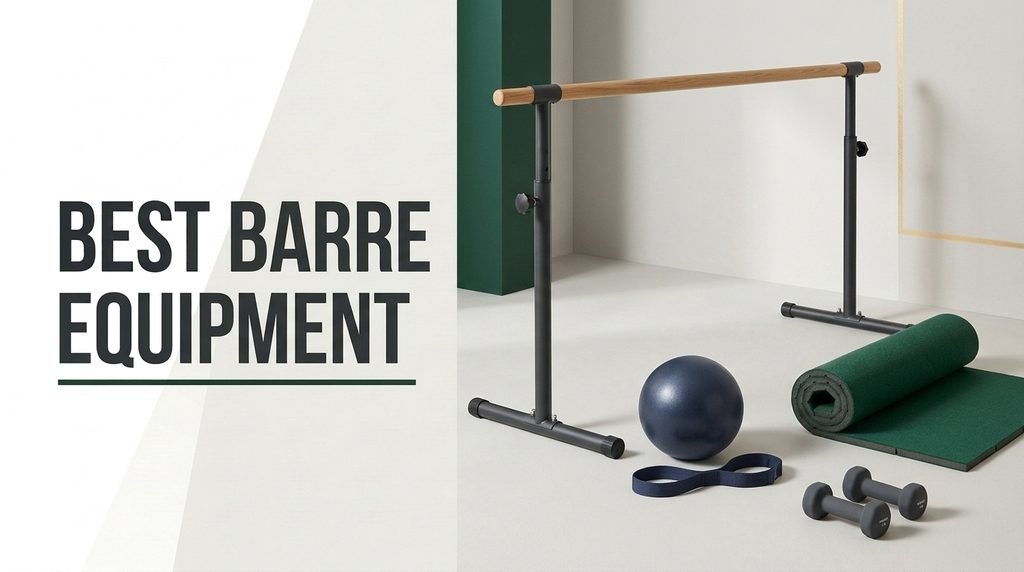
Build the right barre setup for 2026. We compare 10 standout pieces of equipment across the categories that matter most for this style of training: ballet bars, resistance tubes, and small Pilates balls. The picks cover construction quality, height adjustability, weight capacity, resistance level, portability, and value for both home and studio use.
Barre training uses small, controlled movements that depend on reliable gear. A wobbly bar undermines balance work, an undersized ball slips during inner-thigh squeezes, and a weak resistance tube snaps during repetitive pulses. Understanding how each type of equipment performs under real class conditions helps you avoid frustrating replacements later.
This guide breaks down freestanding and wall-mounted bars, double-tube resistance bands, and 9-inch exercise balls with practical notes on who each product suits best. Whether you teach, follow along with online classes, or practice solo, the right combination of pieces will support consistent progress without clutter or compromise.
We compared 10 pieces of barre equipment across the categories most practitioners actually buy: freestanding and wall-mounted ballet bars, double-tube resistance bands, and 9-inch Pilates balls. The evaluation focused on construction materials, weight capacity, height adjustability, tube resistance quality, ball durability, grip comfort, portability, assembly difficulty, owner ratings, and price-to-value. The notes highlight real trade-offs between studio-grade stability, home storage practicality, and budget-friendly options for different training situations.


Compare key features, scores, and current prices side by side. A shorter feature list means fewer details were available, not necessarily fewer capabilities.




This double tube hits the sweet spot for anyone following along with popular barre class formats at home. Developed by a studio owner, it matches the dimensions and resistance level used in actual class settings, so the moves translate directly from on-screen instruction to your living room without needing to improvise.
We may earn a commission when you buy through this link, at no additional cost to you.
The 27.5-inch tube circumference is the correct size for traditional barre choreography, including the thigh work, seat work, and arm sequences that rely on specific tension. Three black foam supports along each tube cushion your hands and feet during pressing and pulling movements, which makes the extended isometric holds characteristic of barre far more tolerable.
The included pair of grip socks is a thoughtful bonus that signals this product understands its audience. Barre practice typically happens barefoot or in sticky socks on polished studio floors, and having a matching pair ready to go means you can start your first session without additional purchases. The tubes also fold flat for easy storage in a drawer or gym bag.
Barre choreography is built around specific equipment dimensions. A tube that is too short limits your range of motion during arm work, while one that is too long sags during floor sequences. The 27.5-inch circumference matches the standard used in most studios, which means moves like tricep extensions and inner-thigh squeezes work with the same positioning your instructor demonstrates.
If you want equipment that mirrors what instructors actually use in class, this is the strongest match in the resistance tube category. The single fixed resistance level is appropriate for barre methodology, which emphasizes repetition and micro-movements rather than progressive overload. Strength-focused shoppers who want adjustable tension bands should look elsewhere.
Strength training enthusiasts who need adjustable or progressive resistance levels.
We may earn a commission when you buy through this link, at no additional cost to you.
The SELEWARE freestanding barre takes a serious approach to construction quality that puts it ahead of lighter options in the same price range. The alloy steel tubing with matte black finish supports up to 350 pounds, which comfortably handles adult weight shifts during stretches, leg lifts, and balance work without flexing or wobbling.
We may earn a commission when you buy through this link, at no additional cost to you.
The star-shaped hand knob design for height adjustment solves a common failure point in budget bars. Many adjustable bars use plastic buckles that strip, slide, or crack after repeated use, forcing the whole unit into replacement. The metal knobs here engage directly with the steel tubing and have proven more reliable across the broad 11 to 47 inch adjustment range.
That adjustment range covers everyone from small children practicing basic positions to tall adults doing full extensions, making it a practical choice for families or multi-user households. Anti-slip mats under each foot protect hardwood floors and keep the barre planted during dynamic movements. Assembly takes about 10 minutes with the included hardware.
Plastic buckle systems are inexpensive to manufacture but tend to fail under repeated height changes, especially when the bar supports real body weight during leaning or stretching. Metal star-shaped knobs clamp more securely and resist slipping, which keeps the bar at your chosen height even during vigorous practice. For adults using the bar seriously, this construction difference matters more than appearance.
The 10-year limited warranty signals genuine confidence in the build quality, which matters for a piece of equipment you expect to use for years. The main tradeoff is that this is not a foldable or easily portable design, so it needs a dedicated spot in your home. If you have the space and want a bar that will outlast cheaper alternatives, this is the smart long-term pick.
Shoppers who need a foldable or compact barre for small apartments or frequent transport.
We may earn a commission when you buy through this link, at no additional cost to you.
The Seenelling double tube offers the lowest entry price for anyone wanting to try barre resistance work without committing to a studio-branded option. The design covers the fundamentals: rubber tubing with three foam supports in the standard 27.56-inch single-tube circumference that matches barre class choreography.
We may earn a commission when you buy through this link, at no additional cost to you.
The rubber material provides moderate elasticity suited to the small-range, high-repetition movements that define barre training. The three foam pads cushion contact points during arm extensions, thigh pulses, and seat work, reducing hand fatigue during longer sequences. The compact size makes it easy to slip into a tote bag for travel or in-person classes.
The lower average rating compared to similar tubes suggests more variability in quality, which is a reasonable concern at this price point. Some units may stretch out faster or feel less consistent than premium alternatives. If you plan to practice several times a week, investing a few extra dollars in a higher-rated tube may pay off in longer product life.
Starting any new training discipline with inexpensive equipment is a reasonable strategy. It lets you confirm that the practice fits your schedule and preferences before investing in premium gear. If you find yourself using the tube daily and it starts showing wear, upgrading becomes an informed decision based on your actual usage patterns rather than guesswork.
This tube makes the most sense as an introductory purchase for beginners testing whether barre training suits them, or as a backup tube for travel. The familiar design works with online classes and most instructor cues. Dedicated practitioners who train daily will likely want to upgrade to the Life By Lexie or ATHLETX options for more consistent long-term performance.
Daily practitioners who want proven durability and consistent resistance across many sessions.
We may earn a commission when you buy through this link, at no additional cost to you.
This studio-style double tube focuses on delivering a medium resistance that approximates the feel of commercial barre equipment. The red tubing is reinforced for daily use, and the dual foam handles provide a comfortable grip whether you are standing for arm sequences or seated for core work.
We may earn a commission when you buy through this link, at no additional cost to you.
The symmetric foam placement is a practical touch that makes the tube more forgiving when you need to grip it in different orientations. During exercises like reverse flies, external rotations, and seated leg presses, having matching grip points on both sides eliminates the awkward adjustments that uneven tubes require. The compact rolled size fits easily into a bag or drawer.
The lower overall rating reflects the product’s newer presence rather than any specific major flaw, but it does mean fewer long-term use reports are available. The construction and specifications line up with other barre tubes in this comparison, so the fundamentals appear sound. Buyers who prefer options with longer track records may want to look at higher-rated alternatives.
Barre training excels at engaging the small stabilizer muscles that larger exercises often miss, particularly in the deep thigh, glute, and core regions. A medium-resistance tube provides enough tension to activate these muscles without recruiting the larger movers that would take over with heavier bands. This is why barre feels deceptively difficult despite the small movement ranges involved.
This tube suits practitioners who want a compact, studio-style resistance band for core sculpting and stabilizer muscle work, especially for home practice or virtual classes. If you prioritize established user feedback and a longer market history, consider the Life By Lexie or ATHLETX options, which have more extensive owner reviews.
Shoppers who prioritize extensive user reviews before buying.
We may earn a commission when you buy through this link, at no additional cost to you.
The ProBody Pilates ball targets the specific 9-inch size used in physical therapy clinics, barre studios, and professional Pilates settings. This diameter is not arbitrary: it is the size that fits comfortably between adult knees for inner-thigh work and provides enough surface area for chest squeezes without being so large that it loses stability.
We may earn a commission when you buy through this link, at no additional cost to you.
The anti-burst PVC construction holds air reliably and resists sudden failure, which matters when you are relying on the ball to maintain tension during bridges, abdominal curls, and standing work. The latex-free material makes it a safe choice for anyone with latex sensitivities, which is a common concern in rehabilitation and postpartum populations.
This ball has become a staple in physical therapy practice because it bridges the gap between home exercise and clinical rehabilitation work. Postpartum users doing pelvic floor exercises, desk workers needing short mobility breaks, and barre practitioners doing between-knee squeezes all benefit from the same product. The 12-month replacement guarantee adds genuine value for regular users.
Smaller 7-inch balls tend to pop out during between-knee work, while larger 12-inch balls do not provide enough compression for targeted inner-thigh engagement. The 9-inch diameter sits in the Goldilocks zone where the ball stays put during movement, holds consistent pressure for 30-second isometric contractions, and still fits comfortably between the palms for chest work. This is why PT clinics standardize on this size.
This is the strongest pick in the small exercise ball category for anyone who takes their core work seriously. The sizing, materials, and manufacturer support justify the slightly higher price over the cheapest alternatives. The main thing to remember is to avoid leaving the ball on finished wood surfaces for extended periods, as the PVC can leave marks.
Users who want a larger stability ball for seated balance or full-body stretching.
We may earn a commission when you buy through this link, at no additional cost to you.
The Trideer Pilates ball offers the same 9-inch diameter as premium alternatives at a lower price point, making it an accessible entry into core-focused barre work. The soft, low-odor PVC construction stays elastic and squishy when fully inflated, providing the right level of compression for between-knee squeezes and bridge progressions.
We may earn a commission when you buy through this link, at no additional cost to you.
The included inflation straw eliminates the need for a separate pump, letting you inflate the ball with just a few breaths. The slightly textured surface stays in place during exercises, which helps during the long isometric holds that barre training favors. The small size packs easily for travel, gym sessions, or storage in a cluttered home.
One practical note is the one-week break-in period during which the ball may feel slightly softer and need additional air to reach full firmness. This is normal for PVC construction and does not indicate a defect. After the initial adjustment period, the ball maintains its size and holds air reliably for months.
Inflatable PVC products commonly need a short adjustment period after first inflation as the material relaxes slightly. During the first week, you may notice the ball feels softer than when first inflated, which is why most manufacturers recommend topping off the air after a few days. After this initial phase, the ball stabilizes and holds its shape consistently for extended periods.
This is the smart choice for practitioners who want the standard 9-inch size without the premium price tag. The 30-day return policy and 12-month warranty provide reasonable buyer protection, and the included inflation straw adds genuine convenience. If you have specific latex allergies or want the highest build quality, the ProBody ball is worth the modest upgrade.
Shoppers who want immediate out-of-box firmness without any break-in period.
We may earn a commission when you buy through this link, at no additional cost to you.
The VEVOR ballet barre combines functional stability with a wood grain finish that looks less industrial than matte black steel options. For home studios where appearance matters, the smooth handrail blends more naturally with living room or bedroom aesthetics while still providing the structural support needed for serious practice.
We may earn a commission when you buy through this link, at no additional cost to you.
The 5-level height adjustment covers 28 to 44 inches in 4-inch increments, which handles the range needed for most adult practitioners. The side-mounted locking handle makes height changes quick, and the premium steel frame with non-slip foot pads provides stable support for up to 300 pounds. The curved flat base adds floor contact area for additional stability.
The rotatable foot stand is a thoughtful design touch that simplifies storage when the barre is not in use. By rotating the base, you reduce the footprint and make it easier to tuck the barre against a wall or in a corner. The lightweight construction allows for easy repositioning between rooms, which is useful if your practice space varies.
Equipment that looks acceptable in a shared living space is more likely to stay set up and ready for use. A wood grain finish reads as furniture rather than gym equipment, which reduces the visual intrusion in a home environment. This small design detail often determines whether a bar stays out and used daily or gets stashed in a closet after the first week.
This barre fits the needs of home practitioners who want a visually appealing option without sacrificing structural integrity. The 300-pound capacity handles adult weight shifts during stretching and balance work. If you need the extra height range or the heaviest-duty construction, the SELEWARE freestanding bar remains the stronger choice.
Users who need the widest height adjustment range or the highest weight capacity.
We may earn a commission when you buy through this link, at no additional cost to you.
The ATHLETX double tube focuses on the essentials for anyone attending in-studio or virtual bar-based fitness classes. The red tube format is instantly recognizable to anyone who has taken barre classes, and the construction holds up to repeated use in standard class choreography.
We may earn a commission when you buy through this link, at no additional cost to you.
The quality rubber tubing provides the resistance needed for arm work, inner-thigh squeezes, and the small pulsing movements that define barre methodology. Positioning the tube around the ankles, over the foot of the standing leg, or across the body for arm sequences lets you follow along with virtually any instructor who uses this style of equipment.
The compact design slips easily into a studio tote or carry-on bag, making it a practical option for travelers who want to maintain their practice away from home. Combined with a hotel wall or stable furniture piece for balance support, this tube can replicate most of the moves from a typical class in a hotel room.
Online barre instructors typically assume students have standard equipment: a red double tube, a 9-inch ball, and a sturdy chair or bar for balance support. Having the correct tube means instructor cues translate directly to your setup without improvisation. If you follow a specific instructor or platform regularly, matching their recommended equipment produces the smoothest class experience.
This tube is a solid pick for practitioners who prioritize simplicity and travel compatibility. It covers the fundamentals without extras, which keeps it affordable and lightweight. If you want added touches like foam supports and included grip socks, the Life By Lexie option provides a more complete package in the same category.
Users who want added foam supports or included accessories bundled with the tube.
We may earn a commission when you buy through this link, at no additional cost to you.
This portable barre stands out for its ability to configure as either a single or double bar, which addresses one of the most common frustrations with freestanding barres. Dancers and advanced practitioners often need two bar heights for proper partner work or specific stretch sequences, and this configuration eliminates the need for two separate purchases.
We may earn a commission when you buy through this link, at no additional cost to you.
The powder-coated steel construction with wood grain finish combines durability with an attractive appearance. Scratch resistance matters when the bar moves between locations like home, garage, studio, and school, as repeated contact with walls and furniture can mark softer finishes. The slip-resistant rubber feet keep the bar stable on polished floors.
The curved legs serve a dual purpose beyond providing a wide stable base. They can be used directly for stretching exercises, offering a lower contact point for ankle flexion work, hamstring stretches, and other movements that benefit from a stable low surface. This design detail makes the bar more functional than purely vertical freestanding alternatives.
Classical ballet training traditionally uses two bar heights: a lower bar for younger students or warmup work and a higher bar for primary practice. In home settings, the lower bar also doubles as a prop for lifted-leg work and specific stretch positions that would be awkward on a single-height bar. For serious ballet students or multi-generational households, this configuration genuinely expands your practice options.
This bar makes the most sense for serious dance students, instructors who need to demonstrate at multiple heights, and households with mixed-age users who want both bar heights available simultaneously. The higher price reflects the dual-bar capability and construction quality. Casual home practitioners who only need a single bar can find comparable quality for less with the SELEWARE option.
Casual practitioners who only need a single bar height and want to minimize cost.
We may earn a commission when you buy through this link, at no additional cost to you.
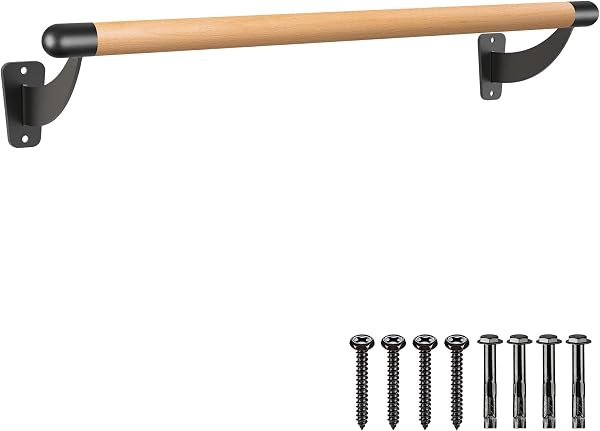
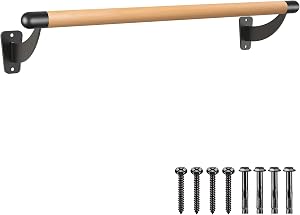
The SELEWARE wall-mounted barre takes a completely different approach from freestanding options by anchoring directly to the wall. This eliminates all the stability compromises inherent in portable designs, delivering the rock-solid feel that serious dancers and barre instructors recognize from professional studios.
We may earn a commission when you buy through this link, at no additional cost to you.
The real wood barre with 5mm steel mounting brackets supports up to 550 pounds, which is nearly double the capacity of most freestanding bars. The lack of adjustable joints or sliding mechanisms means there are no components to loosen, shift, or fail over time. Once properly mounted, the bar performs identically session after session for years.
The round-edge design where the wood meets the metal brackets provides a smooth transition for hand placement at the ends of the bar, which matters during partner work and extended holds near the mounting points. The matte black painted brackets resist rust and complement the wood grain visually. Available lengths from 4 to 12 feet accommodate everything from small home practice areas to full dedicated studios.
Standard ballet barre height is typically 42 inches for adults, measured from the floor to the top of the barre. Shorter users may prefer 40 inches, while taller dancers often choose 44 inches or higher. Before installation, mark the proposed height on the wall with tape and spend a few minutes testing basic positions to confirm the height feels right. Getting this measurement right is critical since the barre cannot be adjusted later.
This is the premium pick for anyone with a dedicated practice space who wants studio-grade equipment permanently installed. The fixed height after installation is the main consideration, so plan the mounting height carefully based on the primary user. If you need portability, height adjustability, or rent a space where you cannot drill into walls, a freestanding option will serve you better.
Renters, apartment dwellers, or anyone who needs an adjustable or portable barre.
We may earn a commission when you buy through this link, at no additional cost to you.
Barre training uses several distinct categories of equipment: ballet bars for stability, resistance tubes for arm and leg work, and small Pilates balls for core and inner-thigh engagement. Choosing well means matching each piece to your space, practice style, and training goals rather than buying based on price alone.
Freestanding bars offer flexibility: you can move them between rooms, store them when not in use, and take them to different spaces. They typically support between 300 and 350 pounds, use adjustable height mechanisms, and assemble in 10 to 15 minutes. The tradeoff is that even high-quality freestanding bars have more flex and movement than fixed installations, which can feel slightly unstable during vigorous leg lifts or weight-shifting stretches.
Wall-mounted bars eliminate stability concerns entirely by anchoring directly to studs. They support dramatically higher loads, typically 500 pounds or more, and never shift or wobble during use. The commitment is permanent: you need to drill into walls, lock in your preferred height, and accept that the bar stays in that spot. For renters, apartment dwellers, or anyone unsure of their long-term practice space, this is often a dealbreaker.
Choose freestanding if you need flexibility, share space with other activities, or rent your home. Choose wall-mounted if you have a dedicated practice area, train seriously, and want the most stable feel possible.
Adjustable freestanding bars typically cover a range of about 11 to 47 inches, which handles everyone from young children practicing basic positions to tall adults doing full extensions. Multi-user households benefit significantly from wide adjustment ranges, since each family member can set the bar to their proper height within seconds. The number of adjustment increments also matters: more increments mean better height matching for each user.
The adjustment mechanism itself is a critical durability factor. Plastic buckles are inexpensive but tend to fail after repeated use, especially under adult weight loads. Metal knob systems clamp more securely to the inner tubing and resist slipping during practice. If multiple adults will use the bar, prioritize models with metal adjustment hardware over plastic alternatives.
Prioritize wide adjustment range and metal hardware if multiple people will use the bar. Single users can accept narrower ranges, but still benefit from reliable adjustment mechanisms.
Weight capacity ratings indicate how much load the bar can safely support, not just your body weight. During leg lifts, stretches, and balance work, you often shift your full weight onto the bar temporarily. Even for lighter users, a bar rated at 300 pounds minimum provides a safety margin that accommodates dynamic weight shifts without approaching failure limits.
Alloy steel construction with powder coating or matte paint finishes delivers the best combination of strength, corrosion resistance, and appearance. Aluminum bars are lighter but less rigid, which can create a wobbly feel during practice. Wood bars provide a traditional look and warmer hand feel but typically appear only on wall-mounted designs where the bracket does the structural work.
Prioritize alloy steel for freestanding bars and treat weight capacity as a safety margin, not a strict limit. Lighter users can still benefit from higher-rated bars for the added stability and longevity.
Barre resistance tubes follow a specific sizing standard: approximately 27.5 inches in circumference per tube, with two tubes connected by foam supports. This standard matches the choreography taught by major barre methods, so instructor cues like placing the tube around your ankles or across your back translate directly to your equipment. Non-standard sizes force you to improvise during follow-along classes.
The rubber tubing material should be elastic enough for small, repeated movements without stretching permanently out of shape. Three foam supports along the tube cushion your hands and feet during pressing movements, which becomes increasingly important during longer sequences when hand fatigue sets in. Red tubing is the standard color for medium resistance, which is appropriate for most barre methodology.
Match the standard 27.5-inch tube size for compatibility with online classes and instructor cues. Prioritize tubes with foam supports for comfort during extended practice sessions.
Nine-inch Pilates balls are the standard for adult barre and rehabilitation work. This size fits comfortably between adult knees for inner-thigh squeezes, holds consistent pressure for 30-second isometric contractions, and provides enough surface area for chest presses without becoming unstable. Smaller balls tend to pop out during squeeze work, while larger balls lose the targeted compression that makes small-ball exercises effective.
Anti-burst PVC construction prevents sudden failures during exercises, which matters when you are relying on the ball to maintain tension. Latex-free materials accommodate users with latex allergies, a particularly relevant concern in postpartum and rehabilitation populations. A slightly textured surface helps the ball stay in place during movement, reducing the frustration of a ball that keeps slipping away.
Choose a 9-inch anti-burst ball with latex-free construction. The small price difference over cheaper alternatives is worth it for the safety and comfort benefits during repeated use.
Space constraints shape equipment choices significantly. In small apartments, a portable freestanding bar that disassembles for closet storage is often more practical than a permanent installation. Resistance tubes and 9-inch balls take almost no storage space, which makes them good starting equipment for anyone unsure about committing to a full barre setup.
Travel considerations also matter for frequent travelers or those who attend studio classes. A compact resistance tube and small Pilates ball fit easily into a carry-on bag, allowing you to maintain your practice away from home. Full-size bars generally stay in one location, so travelers typically focus their equipment investment on the small accessories.
If you have limited space or travel frequently, prioritize portable equipment. If you have a dedicated practice area, invest in a stable bar first and add accessories as your practice develops.
Freestanding bars rest on polished hardwood, tile, or laminate floors in most homes, which can be slippery for the bar and vulnerable to scratches from the base. Non-slip rubber foot pads keep the bar planted during practice and protect floor finishes from damage. Wider base designs provide additional stability during dynamic movements and leaning stretches.
The bar’s foot design also affects storage practicality. Rotatable foot stands reduce the footprint for storage, while curved legs can double as stretching aids during practice. Fixed wide bases are more stable but harder to tuck against walls. Choosing the right foot design depends on how often you need to move or store the bar.
If you have hardwood or tile floors, prioritize non-slip pads and wide bases. If storage space is limited, look for rotatable or foldable foot designs.
Warranty length indicates manufacturer confidence in product durability. Freestanding bars with 10-year limited warranties signal serious construction quality, since the manufacturer expects the product to last through years of use without major failure. Pilates balls with 12-month replacement guarantees cover the main failure mode of air loss or bursting.
Manufacturer responsiveness also matters when problems arise. Small businesses often provide more personal customer service than large manufacturers, with direct email responses and genuine troubleshooting help. For equipment you expect to use for years, access to reliable support can make a meaningful difference if issues develop over time.
Prioritize equipment with meaningful warranties, especially for higher-priced bars. Combined with good owner ratings, strong warranty terms indicate durable products backed by companies that stand behind their work.
Set up your freestanding bar on a flat, non-slippery surface with the non-slip foot pads in direct contact with the floor. Check that height adjustments are fully locked before applying weight, and perform a quick stability test by leaning gently on the bar before beginning your practice. For wall-mounted bars, ensure the mounting brackets are anchored into wall studs rather than drywall alone, since the forces during practice can pull inadequately mounted bars out of the wall.
Resistance tubes should be inspected before each session for signs of wear such as cracking, surface splits, or thinning spots along the rubber. Replace tubes that show visible damage, as rubber can fail suddenly under tension and cause injury. Store tubes away from direct sunlight and extreme temperatures, which accelerate rubber degradation. Pilates balls should be stored partially deflated if not used regularly, which extends the material’s lifespan and prevents overstretching.
Clean all equipment regularly with a damp cloth to remove sweat and skin oils, which can degrade materials over time. For Pilates balls, avoid leaving them on finished wood furniture or floors for extended periods, as the PVC can leave marks or stick to surfaces. Keep ballet bars clean by wiping down the handrail after each use, which prevents the buildup of residue that can make the surface feel sticky or unpleasant during practice.
A basic home barre setup requires three items: a sturdy bar for balance support, a double resistance tube, and a 9-inch Pilates ball. Many practitioners add grip socks to prevent slipping on polished floors. This core setup covers virtually all the exercises in standard barre choreography, letting you follow along with most instructors and online classes without needing additional specialized equipment.
A sturdy chair back or kitchen counter works for beginners testing whether barre training suits them. However, these improvised supports are typically too high, too short, or at the wrong angle for proper form during many exercises. Investing in a dedicated bar once you commit to regular practice significantly improves your positioning and reduces the strain on your shoulders during extended practice.
Red indicates medium resistance in most fitness tubing color codes, which is the appropriate level for barre methodology. Barre training emphasizes small, repeated movements rather than progressive overload, so a single consistent resistance level is sufficient for most exercises. The red color has become standard in the industry, which is why instructors can reference it directly in class cues.
A quality anti-burst 9-inch Pilates ball should last one to three years with regular use before showing signs of air loss or material fatigue. Replace the ball if it loses air faster than you can top it off, develops visible cracks, or feels permanently misshapen. Storing the ball properly and keeping it away from heat and sharp objects extends its useful life significantly.
Yes, wall-mounted bars eliminate the stability compromises inherent in portable designs. Once properly anchored to wall studs, they do not shift, wobble, or flex during use. This produces the same solid feel as professional studio bars. The tradeoff is permanence: wall-mounted bars cannot be moved or adjusted after installation.
Standard adult ballet barre height is 42 inches from the floor to the top of the bar. Shorter users may prefer 40 inches, while taller practitioners often choose 44 to 46 inches. The bar should hit at approximately hip height when you stand next to it with arms relaxed. Test the height with basic positions before committing to a wall mount, since fixed installations cannot be adjusted.
Grip socks with rubber dots on the sole prevent slipping on polished studio floors and provide better traction during balance work than bare feet or regular socks. They also add a layer of hygiene for shared studio floors. For home practice on carpet, grip socks are less essential, but most practitioners still prefer them for the improved foot connection to the floor.
Yes, significant overlap exists between barre and Pilates equipment. The 9-inch Pilates ball is standard in both practices, and resistance tubes work for many exercises in both methods. A ballet bar is more specific to barre and dance training, though it can serve as a stretching aid for Pilates practitioners. Starting with multi-purpose equipment gives you flexibility to explore both practices.
A single-person home barre setup requires about 6 by 4 feet of clear floor space: enough room for the bar plus arm's length of space on all sides for arm sequences and stretches. Larger spaces of 8 by 6 feet accommodate more dynamic movements and multiple users. Keep the floor clear of furniture that could obstruct leg lifts or extensions during practice.
Yes, barre equipment serves multiple fitness approaches. Resistance tubes work for general strength training, Pilates mat work, and rehabilitation exercises. Pilates balls support core training across many disciplines. Ballet bars provide stretching support for yoga, general flexibility work, and dance training. This versatility makes the equipment a good investment even if your practice shifts over time.
The strongest overall choice for a complete home barre setup starts with the SELEWARE Freestanding Ballet Barre, which combines serious alloy steel construction, a 350-pound weight capacity, wide height adjustability, and a 10-year warranty. Pair it with the Life By Lexie double tube for authentic studio-grade resistance work and the ProBody 9-inch Pilates ball for reliable core and inner-thigh engagement. This three-piece combination covers virtually everything a dedicated home practitioner needs.
For different priorities, several alternatives stand out. The SELEWARE wall-mounted wood barre provides unmatched stability for dedicated practice spaces and supports up to 550 pounds. The VEVOR barre offers a more attractive wood grain finish for shared living areas, while the Trideer Pilates ball delivers the same essential 9-inch size at a lower price. The portable double barre configuration suits dancers and multi-user households that need two bar heights simultaneously.
Your best decision starts with honest assessment of your space and commitment level. If you have a dedicated practice area and train regularly, invest in heavier-duty equipment that will last for years. If you are testing whether barre training suits your schedule, start with the resistance tube and Pilates ball before committing to a bar. Match your equipment to the specific instructor or class format you follow most, and your gear will support consistent progress rather than becoming closet clutter.