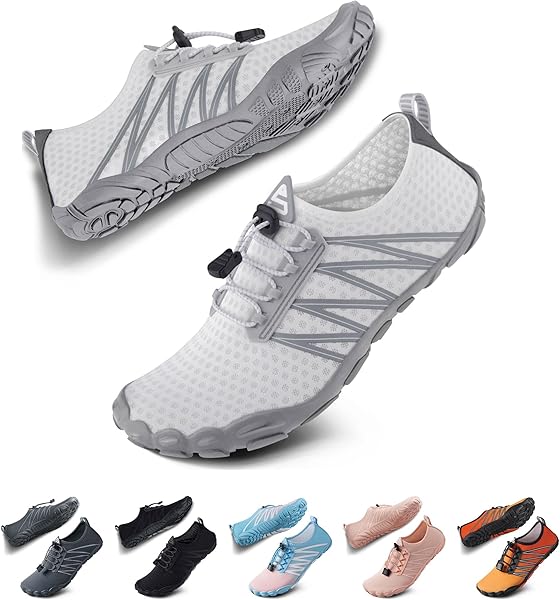
ELETON Barefoot Shoes
8.6Editor scoreZero-drop sole
Wide toe box
Elastic drawstring closure
Polyurethane outsole
Find the right barefoot shoes for 2026. We compare 10 standout options by build quality, useful features, owner feedback, value, and everyday trade-offs.
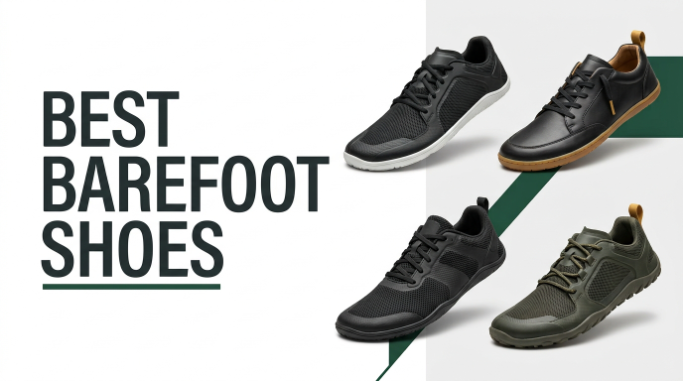
Finding the right barefoot shoes for 2026 means balancing zero-drop sole geometry, toe box width, upper flexibility, and ground feel against the durability and traction you need for real terrain. We compare 10 standout minimalist options by outsole thickness, materials, closure type, arch support philosophy, weight, versatility across activities, owner feedback, and everyday value at the price.
Minimalist footwear splits into distinct camps. Athletic barefoot shoes with knitted uppers work well for gym training, running, and hiking. Slip-on styles with elastic uppers double as water shoes and casual wear. Leather barefoot designs suit office and everyday outfits. Understanding which category fits your primary use case matters more than chasing the thinnest possible sole or the widest toe box on paper.
This guide highlights the strongest picks across budgets, from sub-$20 water-friendly designs to premium slip-on models built for all-day comfort. You will find honest notes on where each pair excels, what limitations to expect, and which type of wearer benefits most, so you can transition into minimalist footwear confidently without wasting money on shoes that fight the natural foot movement you are trying to encourage.
We compared 10 barefoot shoes by the details that actually shape a natural-movement experience: zero-drop sole geometry, toe box width, outsole flexibility and thickness, upper breathability, closure convenience, arch support philosophy, weight, activity versatility, terrain compatibility, owner feedback, and price. The notes weigh practical trade-offs between minimalist ground feel and everyday durability, so each pick connects to how people actually use minimalist footwear for gym training, hiking, water activities, walking, and casual daily wear.

Compare key features, scores, and current prices side by side. A shorter feature list means fewer details were available, not necessarily fewer capabilities.


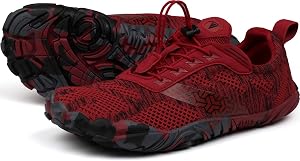
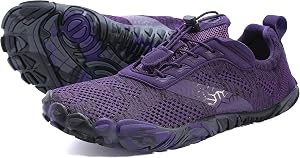

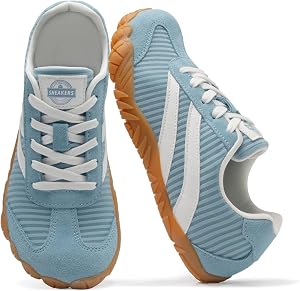


The SEEKWAY Water Shoes earn the highest rating in this guide at 4.5 stars by focusing squarely on aquatic use rather than trying to be an all-purpose barefoot shoe. The thick rubber sole with reinforced toe cap protects your feet from sharp rocks, shells, and debris that ruin flimsier water shoes, and the 3D non-slip tread grips wet surfaces impressively.
We may earn a commission when you buy through this link, at no additional cost to you.
Breathability is engineered into every part of the design. The spandex vamp includes tiny perforations for airflow and quick drying, and the outsoles and insoles both feature drainage holes that let water flow through rather than pool inside the shoe. This creates a complete breathing system that keeps feet noticeably cooler and drier than sealed water shoes.
The elastic vamp fits snugly and slips on easily without laces or fasteners, which is exactly what you want for quick beach outings or paddling trips where you constantly transition in and out of the water. The lightweight construction means you can pack multiple pairs for travel without eating into luggage weight, making these a smart addition to any beach vacation kit.
Water shoes prioritize drainage, quick drying, and grip on wet surfaces. Barefoot shoes prioritize zero-drop geometry, wide toe boxes, and thin flexible soles for natural foot movement. Some hybrid designs offer both, but purpose-built water shoes usually outperform hybrids in aquatic settings while barefoot shoes outperform them for gym and casual use.
For pure water activities like snorkeling, kayaking, sand volleyball, beach walks, and pool use, this is the strongest pick in the guide. It leans more toward water shoe than gym-focused barefoot design, so lifters and cross-trainers will want purpose-built minimalist shoes instead, but for aquatic environments the SEEKWAY delivers exceptional value.
Not the best choice for gym training, running, or extended dry-land wear.
We may earn a commission when you buy through this link, at no additional cost to you.
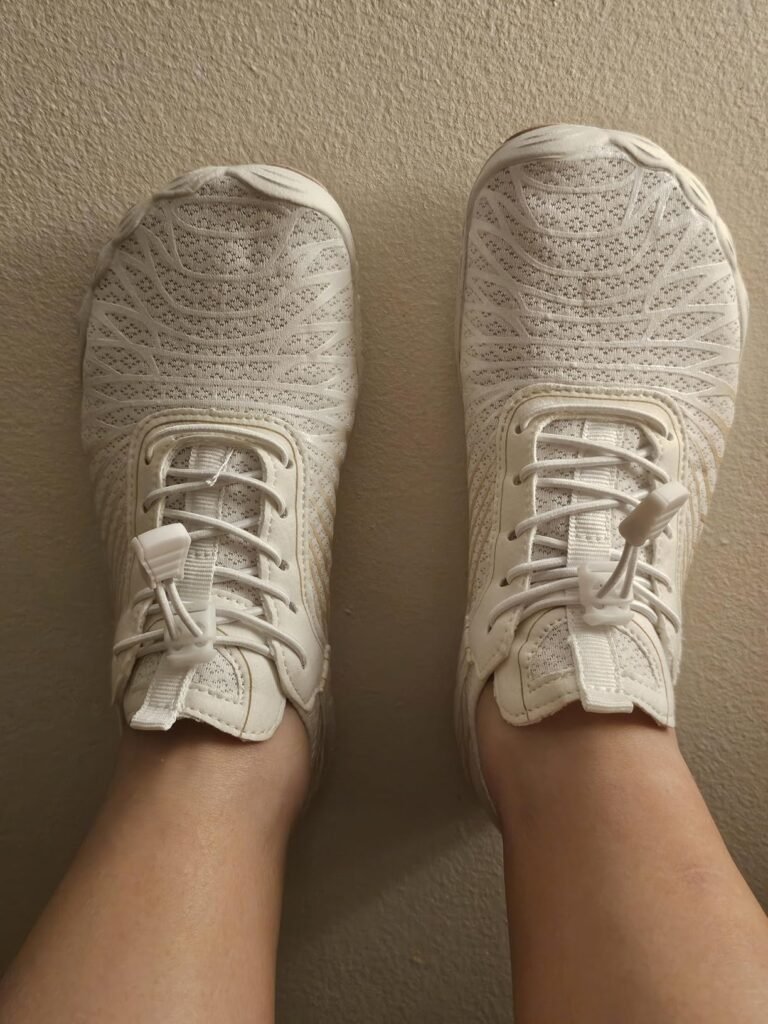
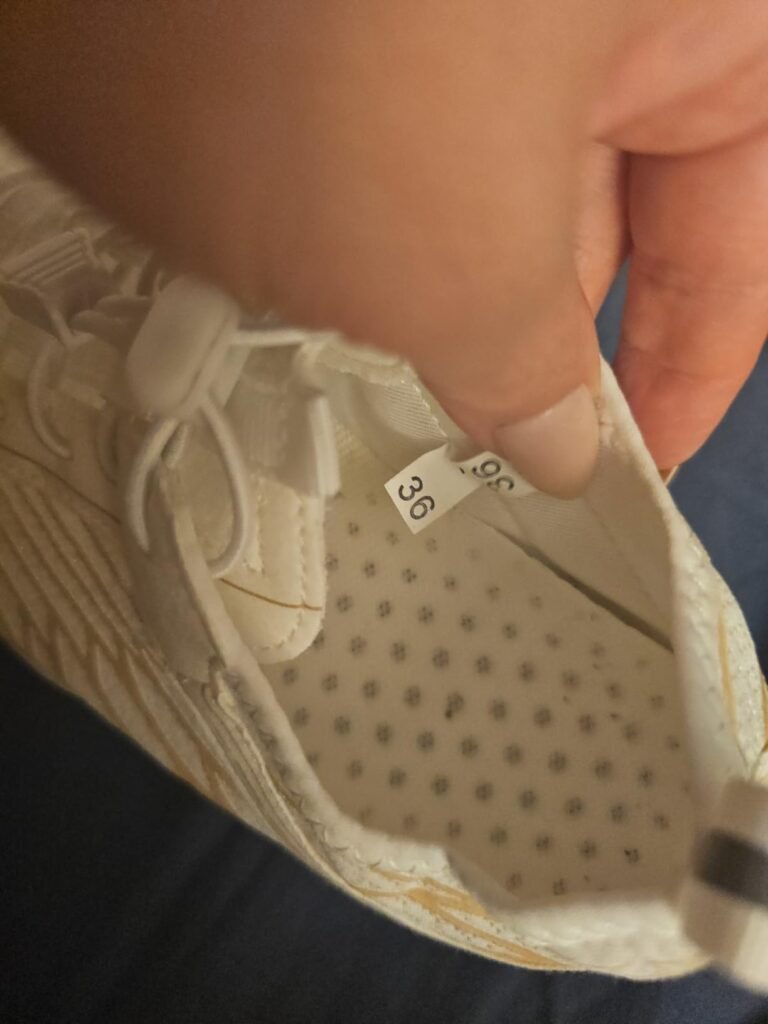
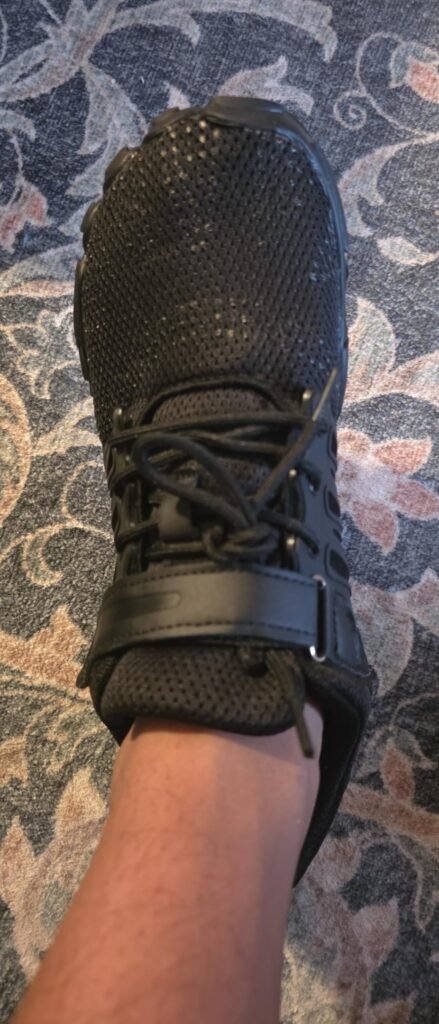
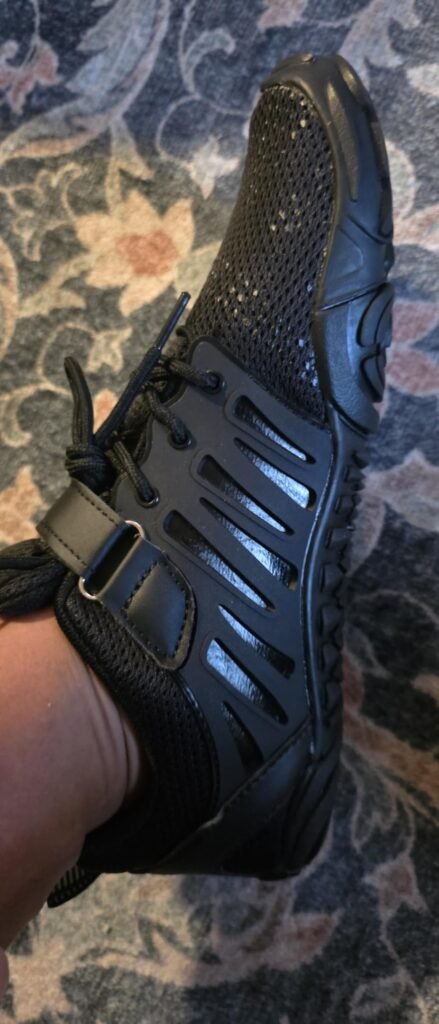
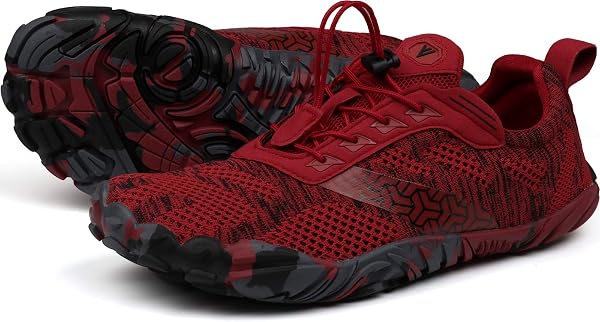
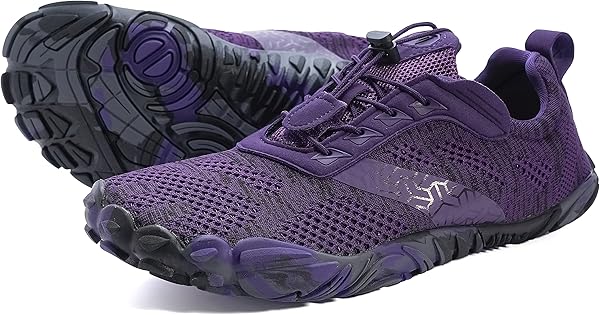
The ELETON Barefoot Shoes give first-time minimalist wearers a low-risk entry point into zero-drop footwear. At around $20, they cost a fraction of premium barefoot brands while delivering the core geometry that matters most: a flat sole from heel to toe and a wider toe box that lets your toes splay naturally rather than being compressed by tapered dress-shoe shapes.
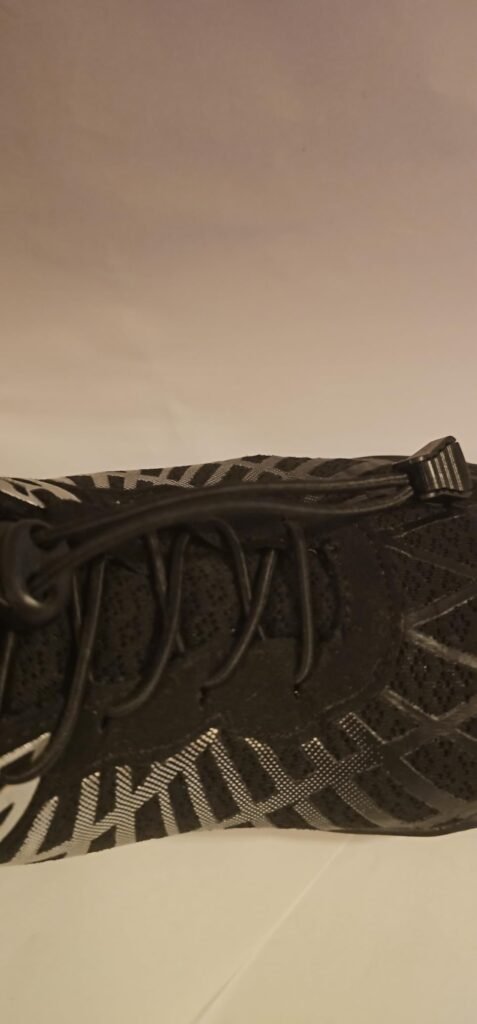
We may earn a commission when you buy through this link, at no additional cost to you.
The flexible synthetic mesh upper breathes well during warm-weather use, and the ventilated sole design allows water to drain quickly, which explains why these work equally well as hiking shoes and water shoes. The wear-resistant polyurethane outsole provides non-slip grip on wet surfaces, making them practical for beach walks, river crossings, and paddling activities beyond typical dry-ground use.
The elastic drawstring closure is a meaningful convenience feature that many barefoot shoes lack. Instead of fumbling with traditional laces, you cinch the shoe tight with a single pull, which speeds up the on-and-off process and eliminates the risk of untied laces during activity. Multiple color and size options let you match personal style preferences without additional cost.
Start with short walks around the house and neighborhood before committing to a full hike or run in barefoot shoes. Your foot muscles and calves need time to adapt to the reduced heel cushioning and different gait pattern, and easing in over two to four weeks prevents the soreness that abrupt transitions often cause.
For anyone curious about barefoot footwear but hesitant to spend $80 or more on premium brands, this is the smart starting point. The thin cushioning is genuine minimalist territory rather than a compromise, so long-distance hikers on rocky trails may want more protection, but for daily walking, gym use, and water activities, this delivers exceptional value.
Not ideal for long-distance hikers on rocky terrain needing more sole protection.
We may earn a commission when you buy through this link, at no additional cost to you.
The MIFAWA Cross-Trainer earns editor's choice status by covering the widest range of activities in a single well-designed package. Zero-drop geometry places the heel and forefoot at the same level, encouraging natural posture and reducing joint stress during weightlifting, running, and daily wear. This combination of function and versatility makes it especially strong for gym-focused buyers.
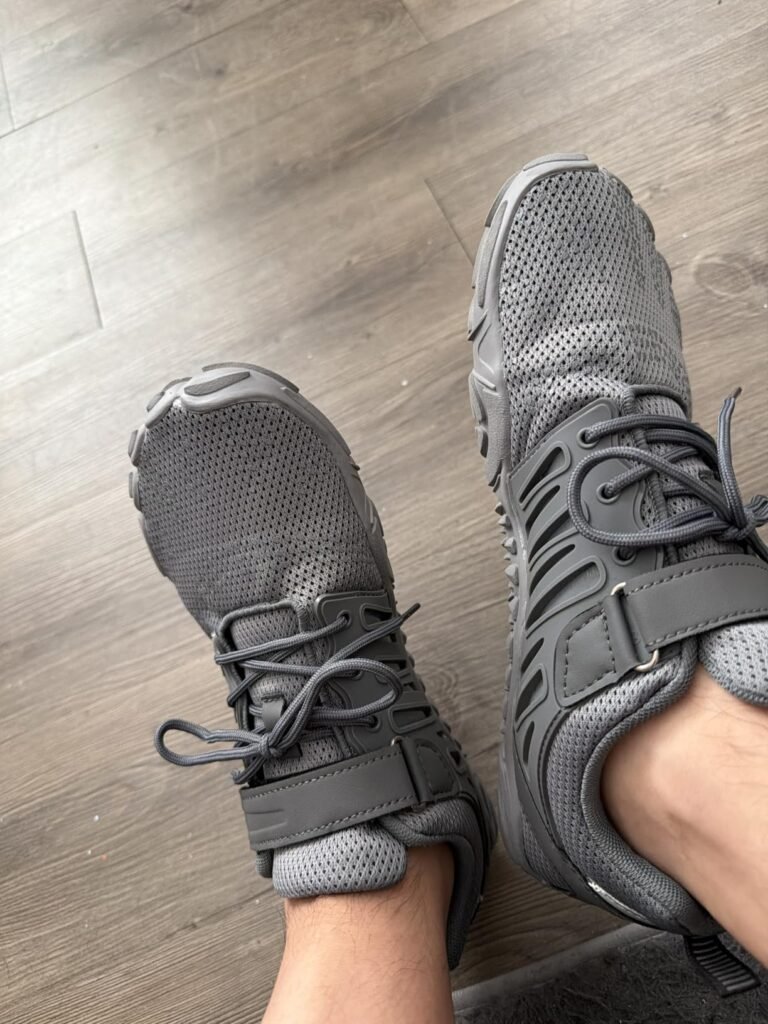
We may earn a commission when you buy through this link, at no additional cost to you.
The wider-than-average toe box is one of the most anatomically correct designs in this guide, providing genuine room for toes to spread naturally under load. That matters most during squats, deadlifts, and other lifting movements where a stable, splayed foot delivers better ground contact and power transfer than compressed toes crammed into tapered footwear.
The removable cushioned insole is a smart practical feature that lets you customize the shoe to your barefoot experience level. Beginners can leave the insole in for extra padding during the transition, while experienced minimalists can remove it for maximum ground feel. This flexibility eliminates the common problem of shoes that force either full cushioning or full minimalism.
Start with the insole in place for your first few weeks of use, then remove it once your feet adapt to the reduced cushioning. This gradual progression builds foot strength safely and gives you a more authentic barefoot experience over time without the shock of jumping straight into minimal cushioning.
For lifters, cross-trainers, and anyone who wants one pair of shoes for gym, hiking, and casual wear, this is the strongest all-around pick. Buyers looking for premium leather aesthetics or fashion-forward casual styling should consider dedicated leather models, but for functional multi-activity use, the MIFAWA delivers where it counts.
Not the best choice for buyers who need dressy leather styling for office wear.
We may earn a commission when you buy through this link, at no additional cost to you.
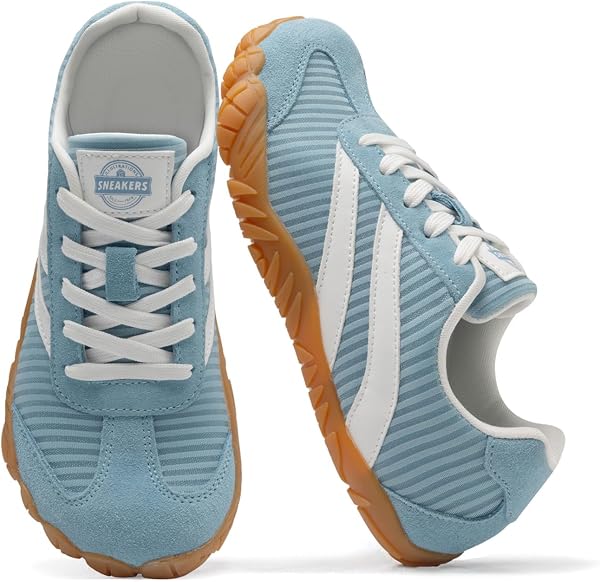
These casual sneakers bridge the gap between purely functional barefoot shoes and everyday fashion footwear. The suede leather patchwork upper delivers a more polished look than knit or mesh minimalist designs, which makes this a smart pick for women who want zero-drop geometry and a wide toe box without sacrificing style during work or social settings.

We may earn a commission when you buy through this link, at no additional cost to you.
The flexible, durable rubber sole is slip-resistant and encourages natural posture through its zero-drop design. Unlike hardcore minimalist shoes with paper-thin soles, this model includes a slight arch support insole that eases the transition for wearers coming from cushioned traditional shoes. It is a middle-ground approach that suits many buyers better than pure minimalism.
The wide toe box design prevents the compression-related toe deformities that pointed dress shoes and narrow sneakers can create over years of wear. Combined with the natural rubber sole traction, these shoes work well for daily activities including light hiking, running errands, weekend outings, and casual gym sessions where you want minimalist benefits without an athletic-only appearance.
Brush suede regularly with a soft-bristled suede brush to lift the nap and remove surface dirt. Apply a water and stain repellent spray before first wear to protect against spills and moisture. Never machine wash suede shoes, and let them air dry away from direct heat if they get wet.
Choose this shoe if aesthetic considerations matter as much as barefoot function. Buyers focused on maximum ground feel or hardcore athletic performance will find dedicated athletic minimalist models more suitable, but for style-conscious women transitioning to natural footwear, this pick delivers a genuinely wearable everyday option.
Not suitable for heavy rain or workplaces requiring easy-clean footwear.
We may earn a commission when you buy through this link, at no additional cost to you.
The HF Stride from Hike Footwear targets buyers who want the health benefits of barefoot shoes combined with the convenience of slip-on entry. The hands-off design lets you step in without bending down to tie laces or maneuver your foot into a stiff opening, which is genuinely valuable for anyone with back issues, limited mobility, or busy morning routines.
We may earn a commission when you buy through this link, at no additional cost to you.
The structured heel cup provides a snug, supportive fit despite the laceless design, which addresses the common complaint that slip-on shoes feel loose during walking. Combined with the ultra-light construction and thin zero-drop sole, this creates a shoe that stays securely on your foot while delivering the ground feel and natural posture benefits that minimalist footwear promises.
Because of the structured heel design, sizing runs snug, and ordering one size larger than your usual measurement is the recommended approach. This is worth remembering when placing your order, since a shoe that fits too tightly at the heel will negate the comfort benefits of the slip-on design. The breathable upper keeps feet cool during extended wear.
Traditional slip-on shoes often rely on tight elastic openings that either fit or do not fit your specific foot shape. A structured heel cup instead cradles the back of your foot securely regardless of arch height or width, delivering a consistent fit that keeps the shoe from slipping during walking or light activity.
For daily commuters, casual walkers, and anyone who prioritizes convenience alongside minimalist principles, the HF Stride is one of the more thoughtfully engineered options available. Hardcore barefoot enthusiasts wanting the thinnest possible sole may prefer other picks, but for practical daily wear, this delivers where premium features actually matter.
Not ideal for high-intensity running or workouts requiring maximum foot support.
We may earn a commission when you buy through this link, at no additional cost to you.
HOBIBEAR delivers one of the more polished-looking barefoot options with a genuine leather upper that gives the shoe a professional appearance suitable for casual office environments, dinner outings, and everyday wear where knit or mesh minimalist styles would look out of place. The leather also develops character over time, unlike synthetic uppers that simply wear out.
We may earn a commission when you buy through this link, at no additional cost to you.
The rubber sole delivers non-slip performance for various indoor and outdoor surfaces, while the flexibility maintains the natural foot movement that defines barefoot footwear. The laceless slip-on design speeds up daily use significantly, especially valuable for anyone who repeatedly puts on and removes shoes throughout the day.
The wide toe box allows toes to splay naturally, which is the fundamental anatomical principle that separates barefoot shoes from traditional footwear. This design promotes healthier foot mechanics over time and can help reduce issues like bunions and hammer toes that develop from years of wearing tapered shoes that compress the forefoot.
Wipe leather uppers with a dry cloth after each wear to remove dust and dirt. Apply a small amount of leather conditioner every few months to prevent drying and cracking. Keep the shoes away from direct heat sources like radiators and sunny car interiors, which can cause the leather to shrink and lose its shape over time.
Choose this pair when you need a barefoot shoe that looks appropriate outside gym or trail contexts. Buyers needing waterproof footwear or maximum grip on wet surfaces should look at synthetic options with treated uppers, but for everyday leather styling with natural foot movement benefits, this delivers a genuinely useful crossover option.
Not suitable for water activities or workplaces where shoes get regularly wet.
We may earn a commission when you buy through this link, at no additional cost to you.
This listing offers the same Hike Footwear HF Stride design as the earlier entry, likely in a different color or configuration. All the core functional features carry over identically: hands-off slip-on entry, zero-drop sole geometry, ultra-light thin construction, and the structured heel cup that provides security despite the laceless design.
We may earn a commission when you buy through this link, at no additional cost to you.
The unisex fit works well for households where partners share styles or where a single design serves multiple wearers. As with the primary HF Stride listing, sizing runs snug because of the structured heel cup, so ordering one size larger than your usual measurement gives you the fit these shoes are designed to deliver.
The breathable upper handles all-day wear comfortably, whether running errands, walking, or standing for extended periods. Zero-drop geometry encourages natural stride and posture, and the thin sole delivers meaningful ground feel while still providing enough protection for standard indoor and outdoor surfaces you encounter during regular daily activity.
Amazon frequently lists the same shoe under multiple ASINs for different colors, seller configurations, or promotional windows. Always compare current pricing, available sizes, and shipping timelines across duplicate listings before purchasing to ensure you get the best combination of price and availability.
Choose this listing if the alternate colorway matches your style preferences or if the price is more favorable at time of purchase. Since the underlying shoe is essentially identical to the primary HF Stride, the decision comes down to which listing offers the color and size you want at the best current price.
Not appropriate for buyers needing waterproof or heavy-duty athletic footwear.
We may earn a commission when you buy through this link, at no additional cost to you.
Joomra's Trail Running Barefoot Shoes bring genuine athletic engineering to the minimalist category. The circular lug pattern on the rubber outsole provides balanced traction and durability for varied terrain, from packed dirt trails to grass to pavement, which makes this a stronger choice for actual running than flatter-soled casual barefoot designs.
We may earn a commission when you buy through this link, at no additional cost to you.
The removable cushioned insole with slight arch support gives you flexibility to adjust the shoe to your barefoot experience level. New minimalist runners can leave the insole in for extra protection during the adaptation period, while advanced runners can remove it for pure ground feel and maximum foot muscle engagement during their runs.
The integral knitted upper wraps the foot in a lightweight, breathable construction that keeps feet cool during warm-weather runs. A thicker topline around the ankle secures the shoe firmly during dynamic movement, preventing the loose-heel slippage that plagues cheaper minimalist designs and can cause blisters during longer runs.
Start with runs of half a mile or less in barefoot shoes, even if you normally run much longer distances in traditional footwear. Your calves and Achilles tendons need weeks or months to adapt to the different loading pattern. Gradually increase mileage over 8 to 12 weeks to avoid the calf and Achilles injuries that abrupt transitions commonly cause.
For runners transitioning to minimalist footwear, this Joomra model delivers everything you need at a reasonable price. Runners tackling technical mountain trails with sharp rocks should stick with more protective trail shoes, but for road running, packed trails, and gym use, this pair earns its reputation as one of the better dedicated barefoot running options.
Not suitable for technical mountain trails or runners needing maximum foot protection.
We may earn a commission when you buy through this link, at no additional cost to you.
This listing offers the same Joomra Trail Running Barefoot Shoes as the earlier entry in a different colorway. All the core athletic engineering carries over: circular lug pattern rubber outsole for balanced traction, integral knitted upper for lightweight breathability, and the thicker topline that secures the heel during dynamic movement.
We may earn a commission when you buy through this link, at no additional cost to you.
The removable insole design remains one of the most useful features across both listings. Minimalist runners can progress at their own pace by starting with the insole in place and removing it as their feet strengthen and adapt. This flexibility makes the Joomra a smart pick for anyone new to barefoot running who wants a single shoe that works throughout the transition period.
For gym cross-training, road running, packed dirt trails, and general athletic use, this pair delivers strong minimalist performance at a reasonable mid-range price. The knitted upper stays breathable during intense workouts, and the secure heel wrap prevents the slippage that can lead to blisters during longer efforts on your feet.
In addition to gradual mileage increases, add foot-strengthening exercises like toe curls, calf raises, and short barefoot walks around the house to accelerate adaptation to minimalist running. Strong foot intrinsic muscles are the foundation of successful barefoot running and take months to develop from decades of wearing cushioned shoes.
Choose this listing when the alternate colorway suits your style or when the price is more favorable at time of purchase. As with any duplicate ASIN listing, compare current pricing and size availability between the two Joomra options before ordering to ensure you get the best combination of color, size, and cost.
Not appropriate for buyers who need waterproof or heavily protective trail footwear.
We may earn a commission when you buy through this link, at no additional cost to you.
These hiking barefoot shoes bridge the gap between dedicated water shoes and minimalist footwear with a patented design that works equally well in both environments. The soft, elastic upper conforms to your foot shape while allowing water to drain freely, making them a practical choice for beach vacations, river hikes, and paddling trips where you move between wet and dry conditions.
We may earn a commission when you buy through this link, at no additional cost to you.
The wide toe box design gives toes room to spread naturally under load, which is the anatomically correct positioning that barefoot footwear encourages. The breathable upper provides good air circulation during dry-weather use, keeping feet cool and reducing the sweat buildup that traditional sealed athletic shoes create during warm-weather activities.
The polyurethane rubber outsole is engineered specifically for slip resistance on wet surfaces, which sets it apart from generic barefoot shoes that may struggle on wet decks, boat surfaces, or slick rocks near water. The upgraded elastic drawstring closure with patent protection under USD1028429S makes on-and-off entry quick and eliminates the risk of loose laces catching on obstacles.
After water use, rinse shoes with fresh water to remove sand, salt, or chlorine, then squeeze out excess water gently rather than wringing. Stuff the toes with paper towels to help pull moisture from the interior, and air dry at room temperature away from direct heat sources. Full drying may take 12 to 24 hours.
For versatile outdoor use across mixed environments, this pair delivers strong value at a moderate price. Serious hikers on rocky terrain will want more sole protection, and office workers need dressier styles, but for casual outdoor adventures, camping, and water sports, these barefoot hybrids handle multiple scenarios in a single pair.
Not suitable for technical hiking on rocky terrain or extended office wear.
We may earn a commission when you buy through this link, at no additional cost to you.
The right minimalist footwear depends on your primary activities, how much foot strength you currently have, and whether you value ground feel over protection. These factors help you make an informed decision that supports rather than fights your natural movement.
Zero-drop refers to shoes where the heel and forefoot sit at exactly the same height from the ground, eliminating the raised heel found in most traditional athletic and dress shoes. This flat geometry places your foot in a neutral position that mimics how you would stand and walk without shoes, which encourages proper alignment throughout your ankles, knees, hips, and spine over time.
The transition to zero-drop takes real physical adaptation because your calves and Achilles tendons have shortened from years of wearing raised-heel shoes. Jumping directly into hours of daily zero-drop wear can cause calf soreness and Achilles strain that discourages new users. Start with an hour or two per day and gradually increase your wearing time over weeks or months, giving your soft tissues time to lengthen and strengthen safely.
Prioritize true zero-drop designs from established brands or clearly labeled minimalist manufacturers. Avoid shoes marketed as minimalist that actually have a small heel-to-toe drop of a few millimeters, since those blur the benefits.
The toe box is arguably the most important feature separating barefoot shoes from traditional footwear. Anatomically correct designs are widest at the ends of the toes rather than at the ball of the foot, allowing your toes to splay naturally into their full range of motion. Traditional shoes taper inward toward the toe, which compresses the forefoot and can contribute to bunions, hammer toes, and reduced foot strength over years of wear.
When trying on barefoot shoes, your toes should be able to spread out completely without touching the sides or top of the shoe. If your big toe is being pushed inward toward your other toes, the shoe is too narrow regardless of how it fits everywhere else. This is a common issue with entry-level minimalist shoes that get the zero-drop geometry right but fall short on toe box width.
Look for foot-shaped rather than shoe-shaped toe boxes. Trace your bare foot on paper and hold your shoe insole against the tracing to compare shapes before purchase.
Sole thickness determines the balance between ground feel and protection. Ultra-thin soles under 5mm deliver the most authentic barefoot sensation, letting you feel every texture and surface variation for maximum sensory feedback. This helps develop foot proprioception and strength but offers minimal protection from sharp objects, hot surfaces, or rocky terrain.
Thicker minimalist soles in the 8 to 12mm range provide more protection while still allowing significant flexibility and ground awareness. These are often the better choice for beginners who need some cushioning during the adaptation period and for wearers who need real-world protection on varied surfaces including city streets, gravel paths, and rocky trails.
Start with a moderately thick minimalist sole around 8-10mm if you are new to barefoot footwear. Progress to thinner soles as your foot strength develops over months of consistent wear.
The upper affects breathability, water resistance, cleanability, durability, and how the shoe looks with different outfits. Knit and mesh uppers breathe exceptionally well and dry quickly, making them ideal for athletic use and warm-weather wear. They are typically the lightest option but offer minimal protection against water and can trap debris in their weave.
Leather and synthetic leather uppers provide a more polished appearance suitable for casual office wear and social settings, plus better weather resistance and easier cleaning. The trade-off is reduced breathability and higher price. Suede uppers offer a middle-ground aesthetic but require more careful maintenance to look their best over time.
Choose knit or mesh for athletic and water use. Choose leather or suede for casual and semi-professional daily wear. Match the material to your primary use case rather than trying to find one pair that does everything.
How you get in and out of your shoes matters more than most first-time buyers appreciate. Traditional laces offer the most precise fit adjustment but require tying and can come undone during activity. Elastic drawstrings let you cinch the shoe tight with a single pull and eliminate lace tying entirely, which speeds up daily use significantly.
Pure slip-on designs with elastic uppers or structured heel cups let you step in without any hand use, which is genuinely valuable for anyone with back pain, limited mobility, or busy morning routines. The Hike Footwear HF Stride uses a structured heel that provides secure fit despite the laceless design, while cheaper slip-ons rely purely on elastic that may not fit every foot shape equally well.
Choose slip-on or drawstring designs for daily convenience. Choose traditional laces if you need the most precise fit control for athletic activity.
Some barefoot shoes include removable cushioned insoles with slight arch support, while others come with completely flat insoles or no insole at all. Removable insoles offer flexibility that pure minimalists appreciate, letting you start with more cushioning during the adaptation period and remove the insole as your feet strengthen.
Slight arch support in barefoot shoes is a controversial topic. Pure minimalist philosophy holds that arch support weakens the natural muscles that create and maintain your arch. However, transitional support can help new users avoid the discomfort that abrupt changes cause, encouraging longer-term commitment to minimalist footwear rather than abandonment after painful early experiences.
Start with removable-insole designs so you have flexibility during your transition. Progress toward flatter, less-supported designs as your foot strength develops.
Different activities benefit from different barefoot shoe designs. Weightlifting benefits from wide toe boxes and firm flat soles that maximize ground contact and stability during heavy lifts. Trail running benefits from lugged outsoles like the Joomra design that provide traction on packed dirt and light trail surfaces. Water activities benefit from drainage holes and quick-dry materials.
Trying to find one barefoot shoe that excels at every activity usually results in a shoe that performs decently at all of them but shines at none. If you have specific primary activities, invest in a shoe designed for that use case rather than a generic all-purpose model. Many barefoot enthusiasts eventually own multiple pairs optimized for different activities.
Identify your primary use case honestly and prioritize a shoe designed for that activity. Add secondary pairs later as your minimalist wardrobe grows and your needs become clearer.
Transition into barefoot footwear gradually to avoid the calf strain and Achilles tendon issues that abrupt changes commonly cause. Start with 30 to 60 minutes of daily wear during casual activities like walking around the house or running short errands, then increase your wearing time by 30 minutes per week. Your feet, calves, and lower legs need six to twelve weeks to fully adapt to the reduced heel elevation and increased muscular engagement that minimalist shoes require.
Clean your barefoot shoes based on their upper material. Knit and mesh uppers can typically be hand washed with mild soap and cool water or machine washed on a gentle cycle inside a mesh laundry bag. Air dry completely away from direct heat, since dryer heat can warp the outsole geometry that defines these shoes. Leather uppers should be wiped clean with a damp cloth and conditioned every few months to prevent drying and cracking. Never soak leather shoes in water.
Rotate between two pairs if possible, especially during the adaptation period when your feet may sweat more than usual as new muscles activate. This gives each pair time to dry fully between wears, extending the life of the shoes and reducing odor. Replace insoles every six to twelve months to maintain the shoe’s structure, and inspect the outsole regularly for wear that could compromise traction or protection. Most quality barefoot shoes last one to two years of regular use, though heavy athletic use can shorten this considerably.
True barefoot shoes have three defining features: zero-drop soles where the heel and forefoot sit at the same height, wide anatomical toe boxes that let toes splay naturally, and thin flexible soles that allow the foot to move and feel the ground. Shoes marketed as minimalist without all three characteristics are not true barefoot shoes and may not deliver the natural movement benefits that the category promises.
Most people need six to twelve weeks to fully adapt to barefoot footwear, though the exact timeline depends on your current foot strength, activity level, and how many hours per day you plan to wear them. Start with an hour of casual wear per day and gradually increase over weeks. Rushing the transition often causes calf soreness, Achilles strain, or plantar fasciitis that can set you back for months.
Research suggests that minimalist footwear can strengthen foot muscles, improve balance, and encourage more natural gait patterns compared to heavily cushioned traditional shoes. However, the transition must be gradual to allow soft tissue adaptation, and barefoot shoes are not appropriate for everyone, particularly people with specific foot conditions like severe plantar fasciitis or diabetic neuropathy. Consult a podiatrist if you have foot health concerns before making the switch.
No. Running places significantly more stress on your feet, calves, and Achilles tendons than walking, and jumping directly into barefoot running commonly causes injuries. Start with several weeks of daily walking in your barefoot shoes to build foundational adaptation, then begin very short runs of half a mile or less. Progress running mileage over 8 to 12 weeks, ideally under guidance from a knowledgeable coach or physical therapist.
Yes, barefoot shoes are often better for wide feet than traditional footwear because their toe boxes are designed to accommodate natural foot width rather than force feet into tapered shapes. However, sizing varies significantly between brands, so trying on multiple pairs or ordering from retailers with easy return policies is wise. The wide toe box does not necessarily mean the whole shoe fits wide, so check midfoot and heel dimensions too.
That depends on your foot strength and adaptation level. Experienced barefoot wearers can stand for full workdays comfortably because their foot muscles have strengthened over time. New wearers may experience foot fatigue and soreness when standing for extended periods in barefoot shoes. Transition gradually and consider using barefoot shoes for shorter periods initially if your job requires all-day standing.
You do not strictly need special socks, but toe socks or thin, form-fitting athletic socks work better than thick padded socks. Bulky socks can compress your toes and defeat the purpose of the wide toe box design. Many barefoot enthusiasts prefer thin merino wool or synthetic athletic socks that let feet move naturally while still providing basic comfort and moisture management.
It depends heavily on the specific shoe. Knit and mesh uppers absorb water quickly and take time to dry. Leather uppers offer better light rain resistance but should not be submerged. Water-friendly designs like the SEEKWAY use drainage holes and quick-dry materials specifically for wet conditions. For heavy rain and snow, most standard barefoot shoes are not appropriate, and you may want dedicated waterproof minimalist boots instead.
Yes, and many people consider them ideal for weight training and cross-fit style workouts. The flat, stable base improves ground contact during squats, deadlifts, and other lifting movements, while the wide toe box lets your foot spread naturally under load. However, running-heavy workouts still require the same gradual transition as running outdoors, since gym running loads your feet just as much as pavement running does.
Quality barefoot shoes typically last one to two years of regular daily use, though heavy athletic use or rough outdoor terrain can shorten this significantly. Watch for outsole wear that compromises traction, upper deterioration around the toe box, and any changes in the shoe's original geometry. Because these shoes have thinner soles than traditional footwear, sole wear becomes noticeable faster and should prompt replacement to maintain safety and function.
For most wearers looking for a single versatile pick, the MIFAWA Cross-Trainer stands out as the strongest all-around choice. Its true zero-drop geometry, genuinely wide toe box, removable cushioned insole, and flexible rubber outsole cover the widest range of activities from gym training to hiking to casual daily wear. The insole flexibility makes it especially valuable for buyers transitioning into minimalist footwear who want a single shoe that grows with their adaptation.
If your needs point elsewhere, several strong alternatives fit specific buyers. The Hike Footwear HF Stride is the premium pick for daily wearers who prioritize slip-on convenience and ultra-light construction. The ELETON Barefoot Shoes offer the best entry price for testing whether minimalist footwear works for you. The Joomra Trail Runner delivers purpose-built running performance, and the SEEKWAY Water Shoes provide dedicated aquatic use at exceptional value.
Match your first barefoot shoe to your primary activity rather than chasing the most feature-loaded option. If you plan to lift weights and cross-train, prioritize a wide toe box and flat sole. If you plan to walk and commute casually, prioritize slip-on convenience and comfortable materials. If you want to run, start with a shoe designed for running and progress slowly. Whichever direction you choose, transition gradually over weeks to let your feet, calves, and gait adapt properly. Done right, minimalist footwear becomes a genuinely beneficial change to how your feet feel and function every day.