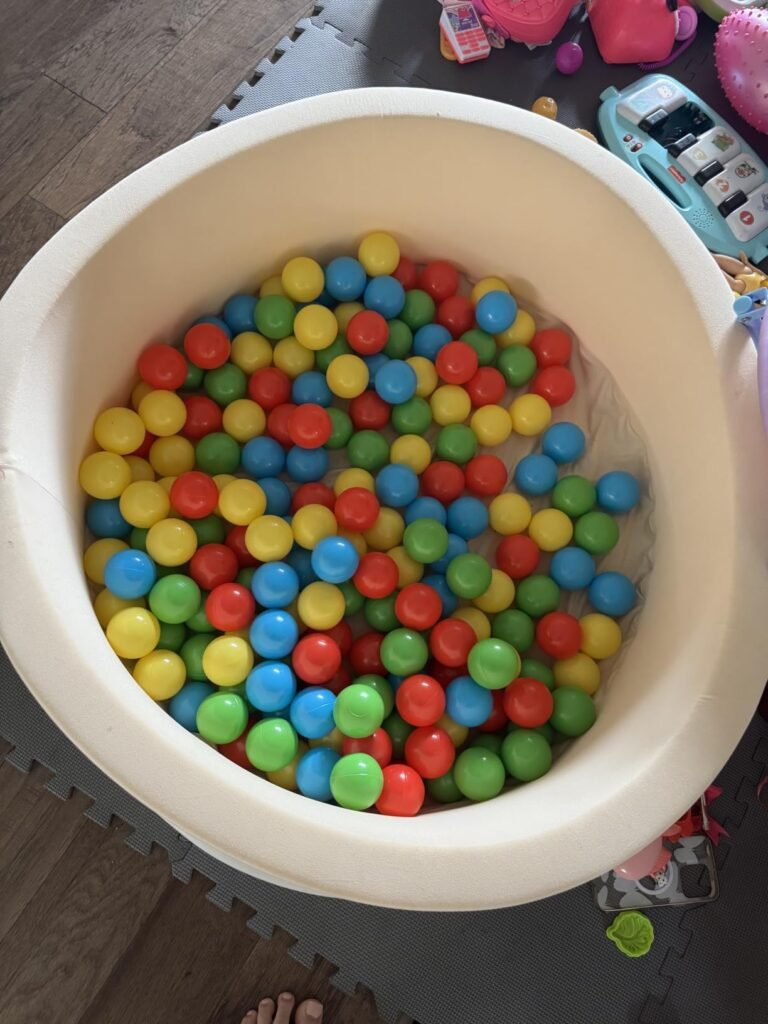
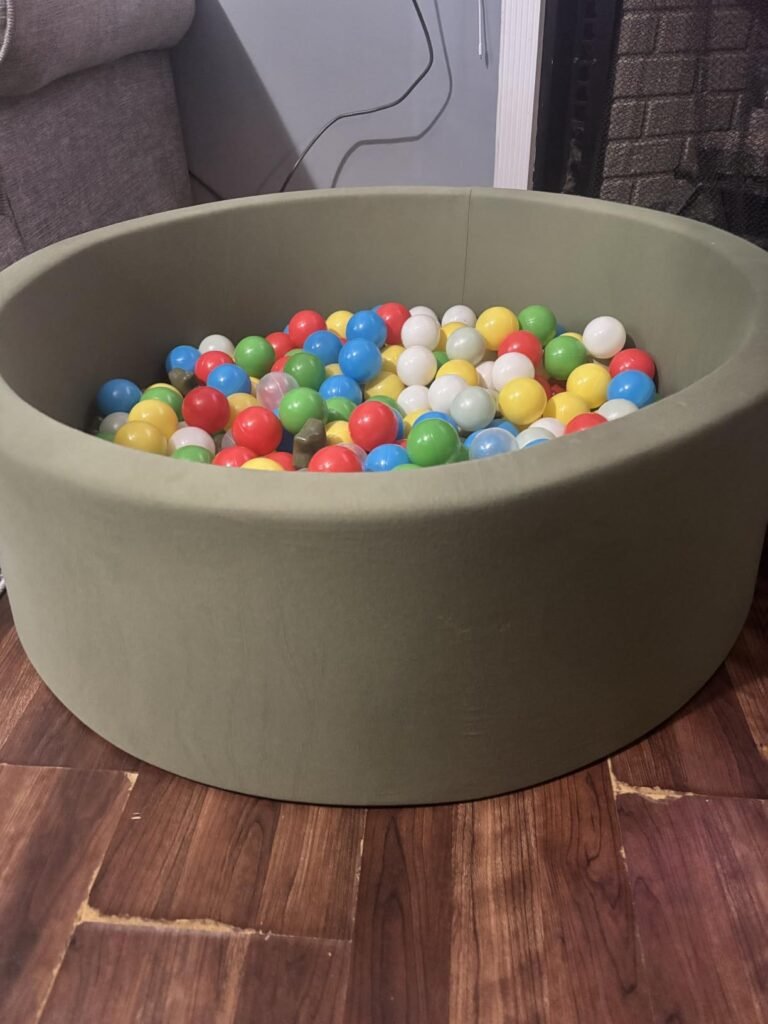
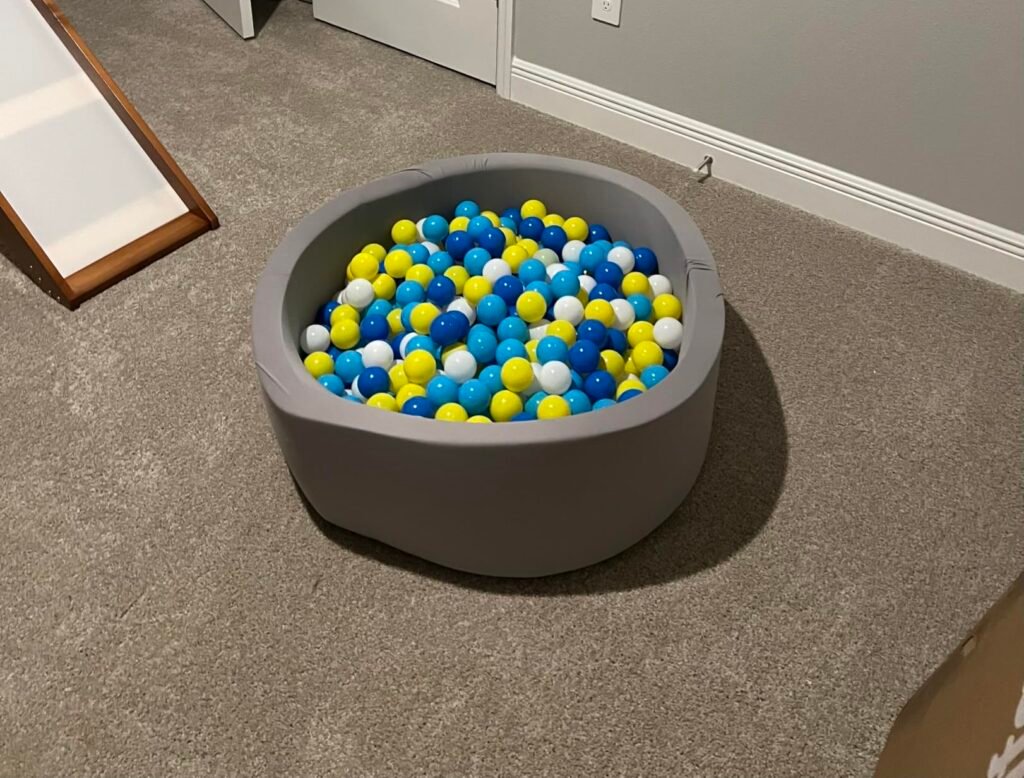
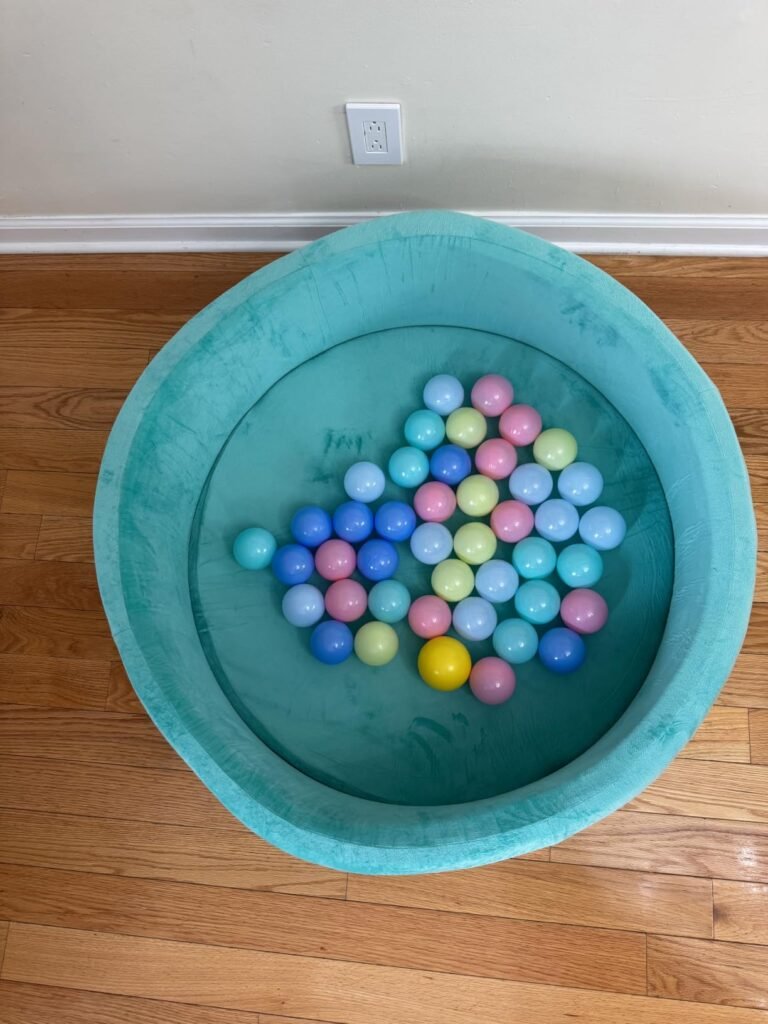
SHJADE Foam Ball
9.2Editor score35.4-inch round pit
2-inch thick foam
Skin-friendly fabric cover
Zippered removable design
Find the right ball pits for 2026. We compare 10 standout options by build quality, useful features, owner feedback, value, and everyday trade-offs.

Choosing the right ball pits for 2026 comes down to more than a cute color. This guide compares 10 standout options by foam density, wall height, washable covers, included ball counts, safety certifications, floor space, and everyday practicality so you can match a pit to your child’s age, your room layout, and your cleanup expectations.
There are two main styles to weigh: soft memory foam pits with padded walls, and pop-up mesh tents supported by flexible steel frames. Foam pits offer cushioning and a premium look, while pop-up tents deliver larger play areas, easy storage, and lower prices, so the right choice depends on how the pit will actually be used.
Ball quality matters too. Crush-proof plastic balls in the 2.2 to 2.3 inch range are the standard for safety and durability, and many pits ship without balls so parents can choose the exact count and color palette. The picks below balance safety, comfort, and value across a wide range of budgets.
We compared 10 ball pits by the details that shape a real buying decision: foam thickness and density, wall height, interior diameter, cover fabric and washability, zipper quality, ball material and crush resistance, ball diameter, safety certifications, age suitability, storage and portability, included accessories, and price-to-value. The notes focus on practical trade-offs so each pick connects to how families actually use ball pits for daily play, sensory development, and playroom setups.

Compare key features, scores, and current prices side by side. A shorter feature list means fewer details were available, not necessarily fewer capabilities.


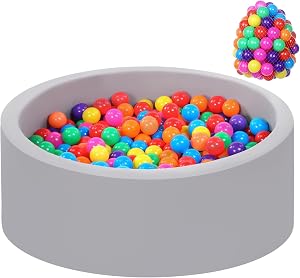


The Zedachica pit earns the highest owner rating among the foam pits in this guide, and the reasons show up in the small design details. The 35.43-inch round shape and 11.81-inch wall height create a well-proportioned play space for toddlers, with walls tall enough to feel enclosed but low enough for confident self-entry.

We may earn a commission when you buy through this link, at no additional cost to you.
Construction uses high-quality sponge that stays soft while retaining its shape, which is important for pits that will see daily use. The elasticity of the foam reduces the risk of injury from tumbles and provides a comfortable seat when toddlers settle in for extended play. The sponge also does a noticeably good job of absorbing sound, which makes the pit workable in shared living spaces or apartments where noise carries.
Assembly and cleaning are two of this pit’s strongest advantages. The two-part design connects with a heavy-duty zipper, so you can separate the base and walls in seconds. The fabric cover unzips completely and goes straight into the washing machine, which is essential for keeping the pit hygienic through spills, snacks, and everyday toddler messes.
A full-perimeter zipper simplifies both cleaning and long-term maintenance. When the cover can be removed entirely, you can wash out food stains and accidents without worrying about lingering odors trapped in fixed fabric. It also lets you inspect the foam interior for damage or wear, which extends the pit’s usable lifespan compared to sealed designs.
For parents who prioritize build quality, easy maintenance, and a design that fits into a modern home, this is the most well-rounded foam pit on the list. Just remember to budget for a separate pack of 300 to 500 crush-proof balls to complete the setup.
Buyers who want a complete kit with balls already included.
We may earn a commission when you buy through this link, at no additional cost to you.
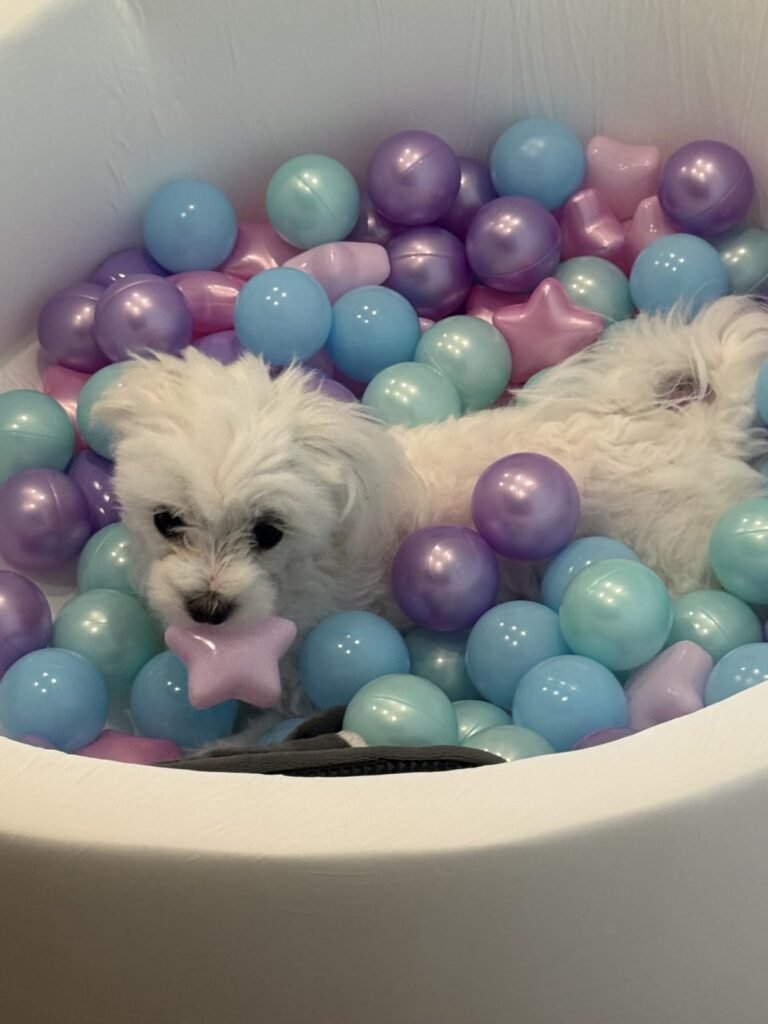
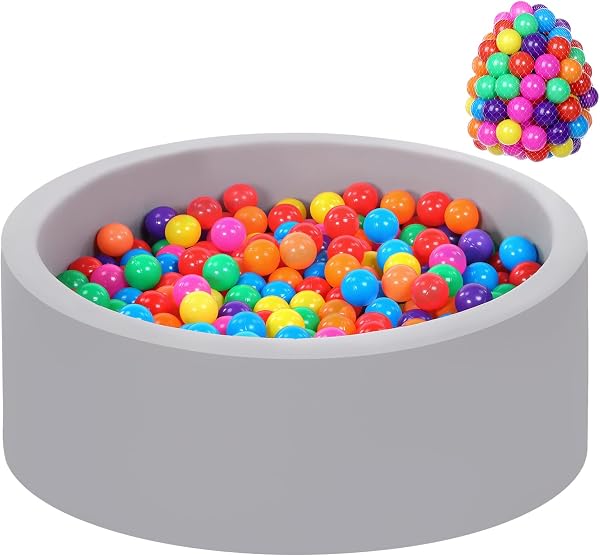
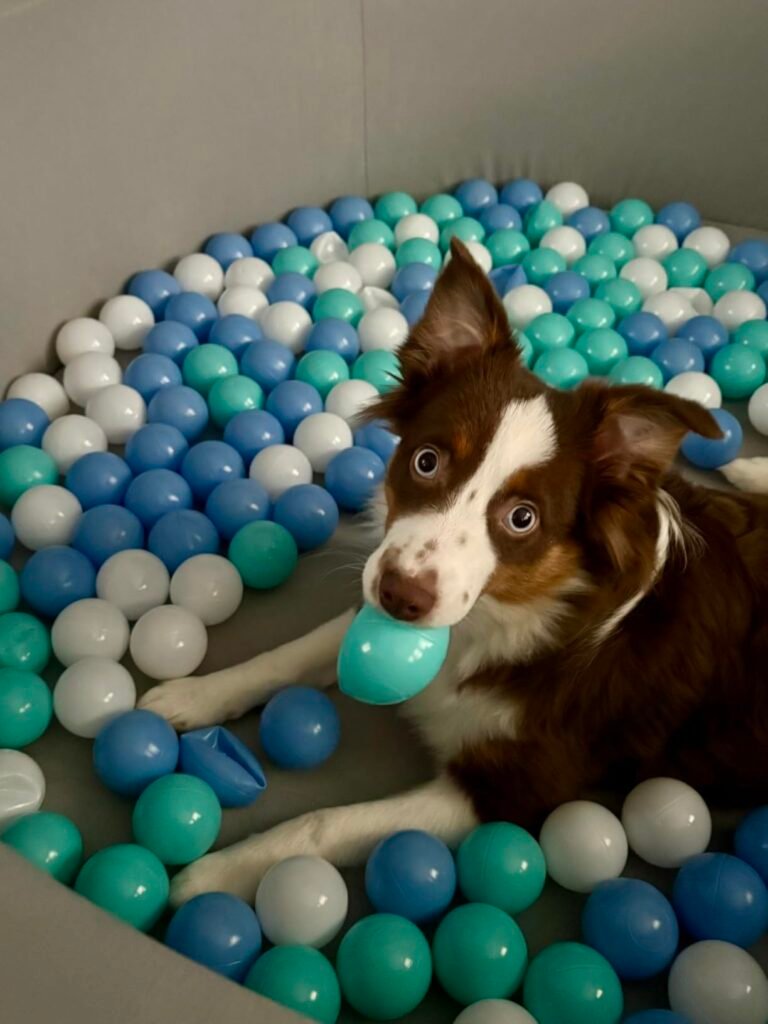
The SHJADE foam pit is designed for toddlers who need a soft, contained play area that fits neatly into a nursery or living room corner. The 35.4-inch diameter comfortably holds one small child at a time and gives them room to sit, roll, and toss balls without immediately climbing out over the padded rim.
We may earn a commission when you buy through this link, at no additional cost to you.
The walls use two inches of high-quality foam wrapped in a skin-friendly fabric, which is the key detail for parents worried about tumbles and edge impacts. That thickness is enough to cushion the average toddler bump without feeling stiff or hollow, and the neutral grey exterior looks intentional in a modern home rather than clashing with existing decor.
Cleaning is straightforward thanks to the zippered cover that separates from the foam blocks inside. You can unzip the fabric, remove the foam, and toss the cover in the washing machine after messy snack sessions or accidents. Because the pit ships vacuum-packed, expect it to take anywhere from two days to several weeks to fully round out. A hairdryer or stuffing it temporarily with pillows can speed things along.
Vacuum-sealed foam pits often arrive slightly compressed. Placing pillows or folded blankets inside for a day or two helps the foam expand more evenly, and a warm hairdryer on low can coax stubborn creases out of the fabric. The pit is fully usable during this recovery period, so children can start playing right away.
This model suits parents who want a stylish, safe pit for a single toddler and are comfortable buying balls separately to match their color preferences. If you need something big enough for two or three kids to pile in together, look at larger pop-up tents instead.
Families who want a pit big enough for multiple children to play in simultaneously.
We may earn a commission when you buy through this link, at no additional cost to you.
Wilwolfer takes the guesswork out of getting started by bundling a soft foam pit with 100 rainbow-colored plastic balls. For parents who do not want to shop for a pit and balls separately, this all-in-one approach saves time and ensures the ball size matches the pit dimensions from the first unboxing.

We may earn a commission when you buy through this link, at no additional cost to you.
The frame uses soft memory foam that is highly elastic and resists deformation over time. The walls are thick enough to cushion minor tumbles as toddlers learn to climb in and out, which is one of the more common everyday concerns for parents introducing a pit for the first time. The interior fabric is smooth against skin, reducing the chance of irritation during long play sessions.
The included balls measure 2.2 inches in diameter, a size that fits comfortably in small hands and encourages grabbing, tossing, and sorting activities that support fine motor development. That said, 100 balls will only lightly cover the bottom of the pit rather than filling it deeply. If you want a fuller, submerged feel, plan on adding another 200 to 300 balls from a separate bulk pack.
As a rough guide, filling a 35-inch pit to a depth that lets toddlers partly submerge takes roughly 300 to 500 balls. The 100 balls included here work well for younger babies who are just learning to reach and grab, but older toddlers usually enjoy a deeper pool. Bulk packs of 200 to 400 balls are widely available and pair well with this pit.
This pit is a strong choice for gift-givers or first-time buyers who value convenience. If you have specific color scheme preferences for a themed nursery, you may prefer buying a pit without balls and selecting a custom palette separately.
Older children who want a deeply filled pit for full-body submersion play.
We may earn a commission when you buy through this link, at no additional cost to you.
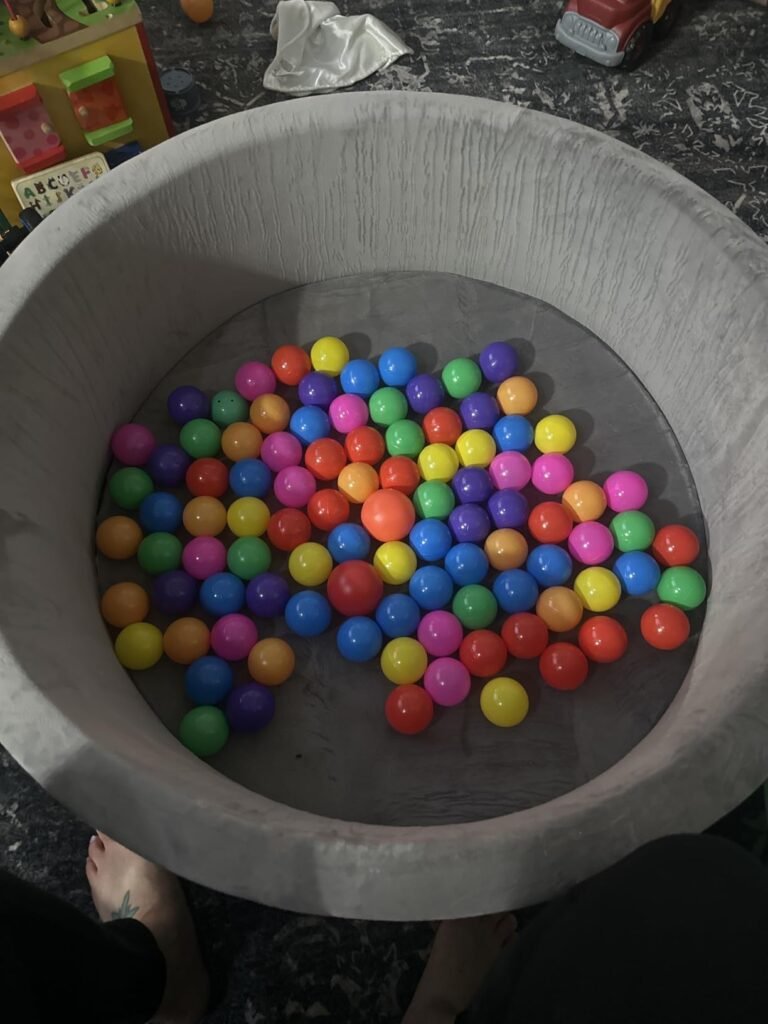
The Hovenlay 100-ball pack is a practical refill or starter set for anyone who has purchased a pit that ships without balls. The seven-color assortment (red, yellow, green, blue, purple, pink, and orange) creates a lively, rainbow-filled look that encourages color recognition games for younger children.
We may earn a commission when you buy through this link, at no additional cost to you.
Each ball measures 2.2 inches across, which is the standard toddler-safe size that fits small hands well without posing a choking risk when used as directed. The plastic is BPA and phthalate free, addressing the most common chemical safety concerns parents have about plastic toys. The crush-proof construction is rated to hold up under normal toddler weight, so occasional stepping or sitting on individual balls will not immediately deform them.
The included storage bag is a genuinely useful accessory. It gives you a single place to collect balls after play, which cuts down on the inevitable rolling and scattering that happens when balls escape a pit. Zipping the bag closed also makes it easy to relocate the balls between rooms or store them out of the way when the play area needs to be cleared.
A varied color mix supports early learning activities like sorting, matching, and simple counting games. If you want a calmer aesthetic that fits a neutral nursery, single-color or muted palette packs are also available. Mixing a colorful pack with a neutral pack creates a middle ground that looks softer while still supporting educational play.
This pack is best viewed as a starter or top-up. If you want to fill a 35-inch pit to a depth kids can really play in, plan on buying two to three of these packs or a larger single bulk option. It is ideal for smaller inflatable pools, playhouses, or as a color refresh for an existing collection.
Buyers who need to fill a large pit and would benefit from a 300 or 400 ball bulk option instead.
We may earn a commission when you buy through this link, at no additional cost to you.
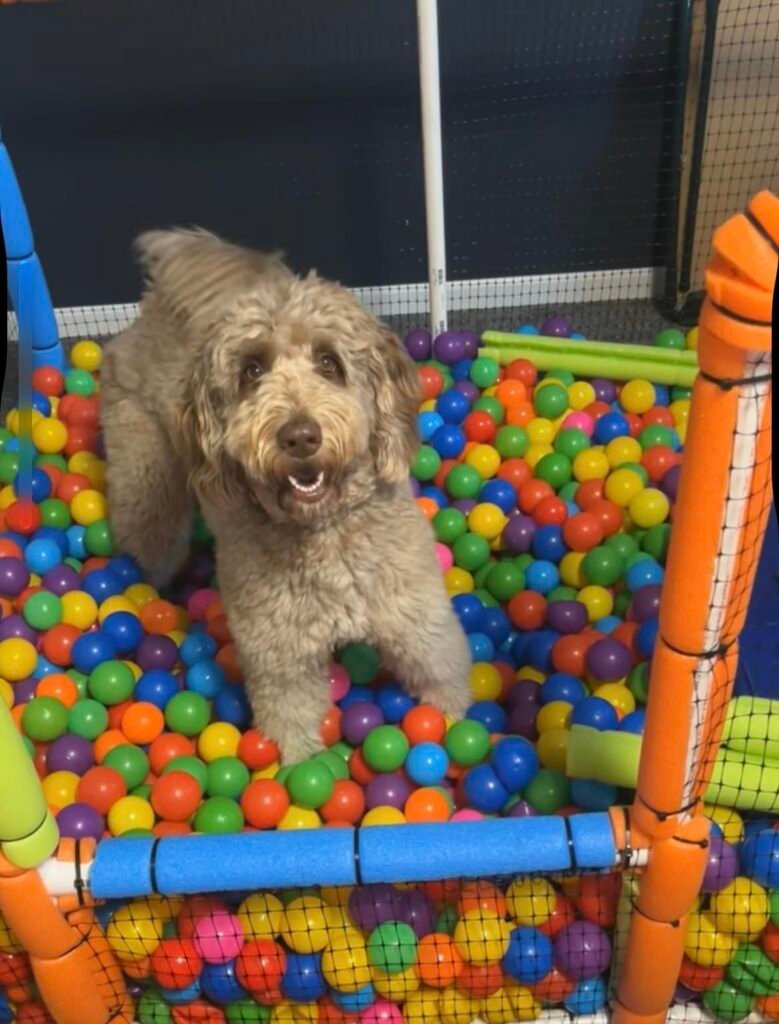
The Amazon Basics 400-pack is the most practical option for anyone who wants to fill a full-size ball pit or pop-up tent to a satisfying depth. Six bright colors keep the visual appeal high, and the 2.3-inch ball size sits at the standard end of the toddler-safe range.
We may earn a commission when you buy through this link, at no additional cost to you.
Construction uses 100 percent PE plastic, which is a crush-proof material that stands up to the everyday reality of toddlers stepping, sitting, and occasionally jumping into the pit. BPA-free, phthalate-free, lead-free, and non-PVC materials address the main chemical safety concerns parents raise. The balls are recommended for children 12 months and up, so they align with the typical age range for beginning pit use.
The mesh storage bag with a zipper closure is a small but appreciated inclusion. It doubles as a way to rinse the balls if they get dusty or sticky by placing the bag in a sink or tub, and the mesh allows the balls to air-dry evenly afterward. When play time is over, the bag becomes a compact way to store 400 balls without the scattering that normally comes with a large loose collection.
For large ball counts, the easiest cleaning method is to fill the mesh bag partially, submerge it in warm soapy water in a bathtub, and gently agitate. Rinse the bag with clean water and let it hang to dry. This approach cleans hundreds of balls at once without scrubbing each one individually and keeps the pit hygienic between deeper cleaning sessions.
This pack pairs especially well with 35-inch foam pits or larger pop-up tents. If you want to fill something even bigger, two packs of 400 will comfortably cover the interior of a 4-foot pop-up tent to a fun, wade-through depth.
Buyers who only need a small starter set of 100 balls for a compact play area.
We may earn a commission when you buy through this link, at no additional cost to you.
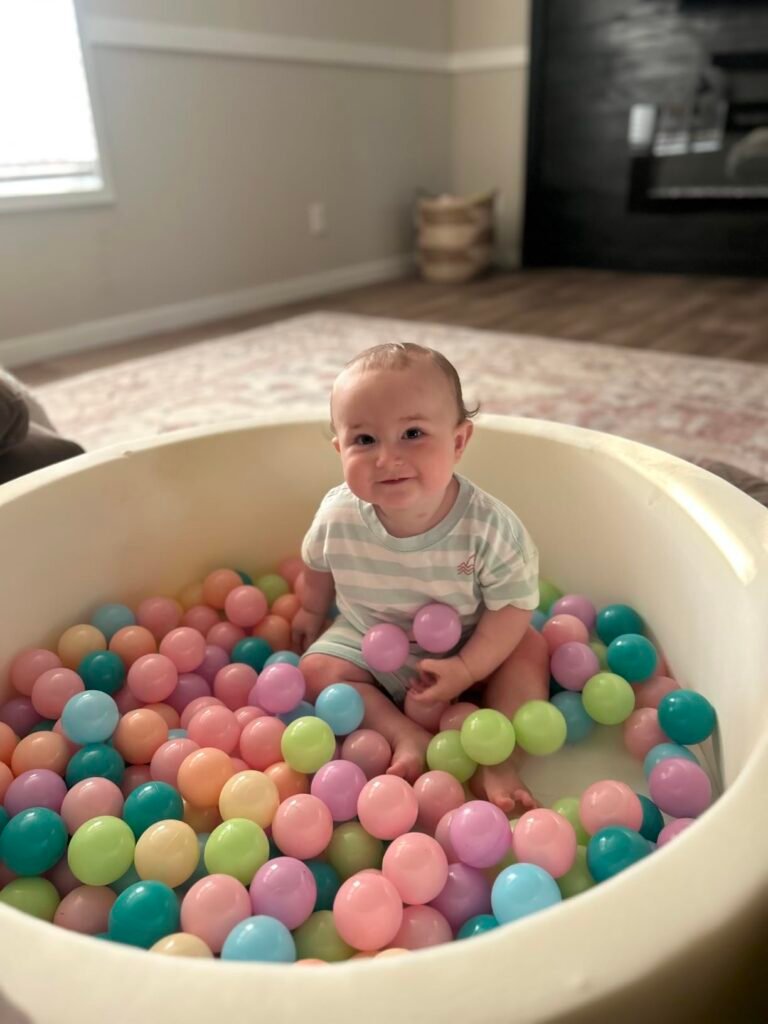
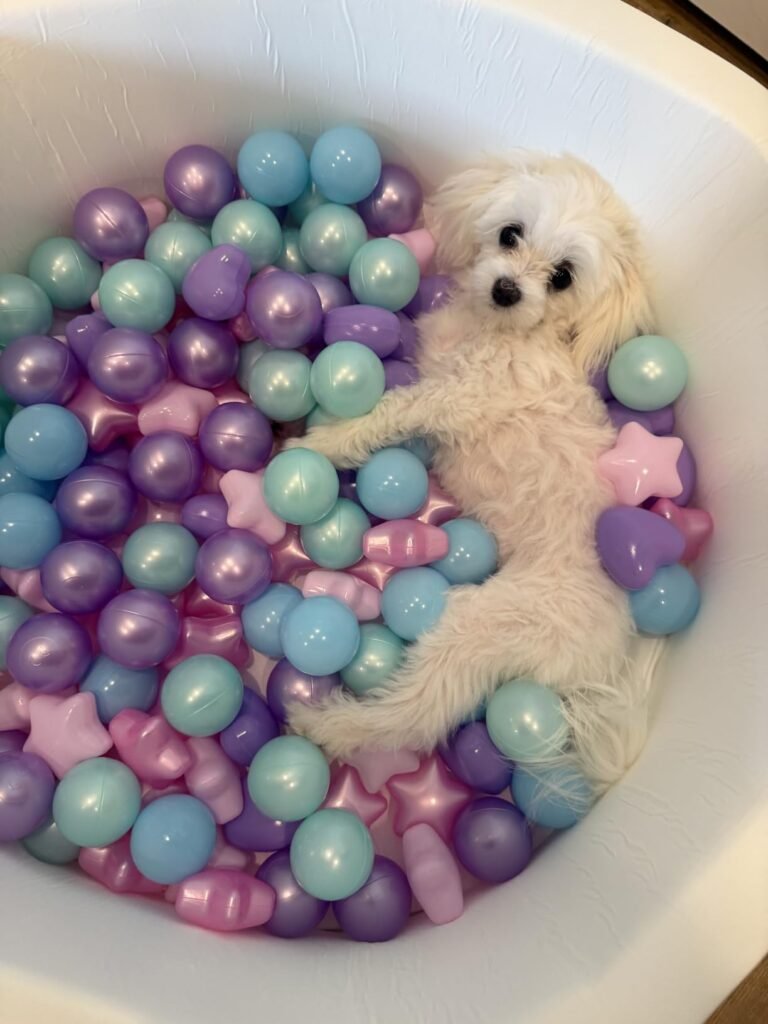
HARBOLLE's white foam pit is a great option for parents who want a classic, neutral look and plenty of interior volume. The 35.4-inch diameter comfortably fits one child of any age or two smaller kids playing side by side, and the interior holds up to 500 balls when you want a deeply filled experience.
We may earn a commission when you buy through this link, at no additional cost to you.
The two-inch memory foam walls serve as a soft barrier against tumbles and playful crashes, which becomes especially useful as toddlers get more confident about climbing in and out. The foam holds its shape well and does not compress permanently under normal use, so the pit continues to look tidy even after months of daily play.
Setup and cleaning are streamlined thanks to a detachable bottom pad and side walls that connect with a heavy-duty zipper. The full fabric cover comes off and goes into the washing machine, which keeps the pit hygienic through everyday messes. Because the pit ships vacuum-sealed, expect up to 72 hours for full shape recovery, and a mild foam smell that airs out within a few days of unpacking.
New vacuum-sealed foam products often carry a temporary manufacturing odor and take a few days to fully expand. Setting the pit up in a well-ventilated room for the first 48 to 72 hours addresses both issues at once. If you want the round shape faster, temporarily stuff the pit with soft pillows or blankets to encourage the foam to fill out.
This model works particularly well as a nursery centerpiece or a playroom feature. The white color is versatile but does show stains more easily than darker options, so plan on more frequent cover washes if you have young toddlers eating or drinking nearby.
Households that prefer darker fabric colors to hide inevitable stains and marks.
We may earn a commission when you buy through this link, at no additional cost to you.
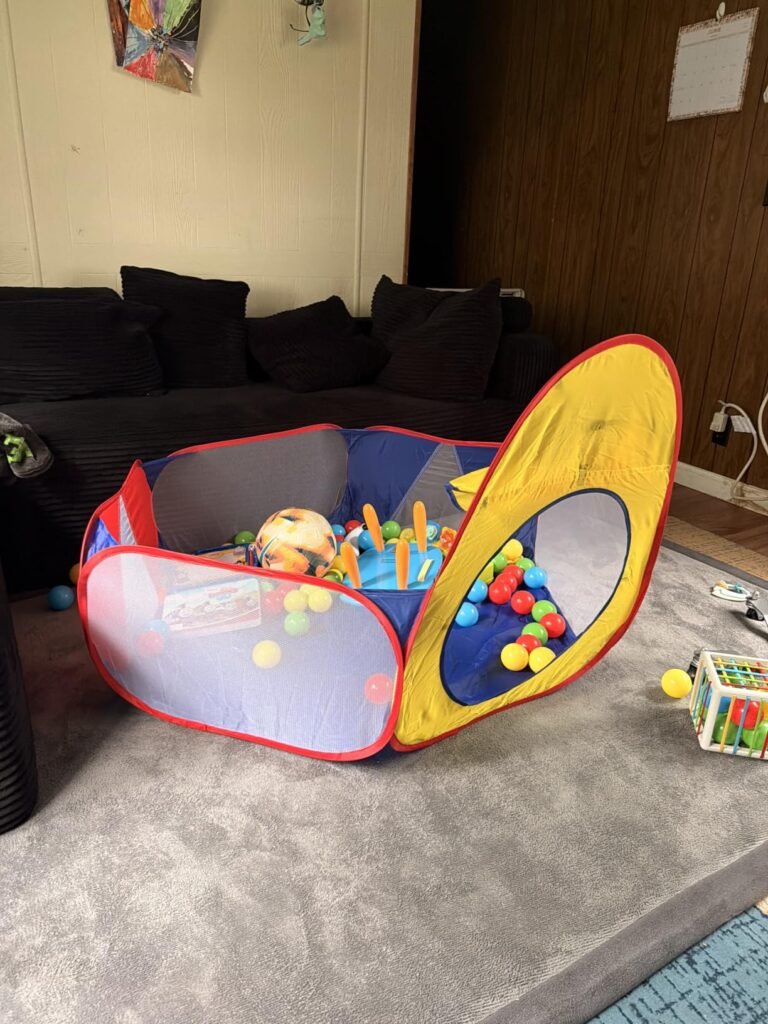
The Eocolz pop-up tent trades foam cushioning for a much larger interior play area and the added engagement of a built-in basketball hoop. At four feet across, this tent easily fits three toddlers between one and four years old inside, making it a strong choice for siblings or playdate hosting.
We may earn a commission when you buy through this link, at no additional cost to you.
The frame uses high-strength memory steel that pops open in seconds and folds flat for storage without complex assembly. The fabric is waterproof polyester that wipes clean easily and dries quickly, which is helpful when the tent moves between indoor play sessions and backyard use. The product meets CPSC toy safety standards, an important credential for parents evaluating soft-frame play products.
The basketball hoop attached to one panel is more than a novelty. It adds a hand-eye coordination target that keeps older toddlers engaged longer than a pit alone, and gives the space a purpose beyond simple ball play. Combined with the crawl-through openings, the tent naturally encourages movement, imagination games, and small-group interaction.
Pop-up tents typically offer larger interior space, easier storage, and lower prices, while foam pits provide padded walls and a more permanent, decor-friendly look. If you have limited storage or move the play area often, pop-up tents win. If you prioritize cushioning and a fixed nursery centerpiece, foam pits are the better fit.
This tent is a smart option for families who want maximum play area, easy portability, and versatility across indoor and outdoor settings. It is not a padded pit, so it is not the right pick if you specifically want cushioned walls for very young babies just starting to sit up.
Parents of very young babies who need heavily cushioned padded walls for safety.
We may earn a commission when you buy through this link, at no additional cost to you.
This large pop-up pit distinguishes itself with a taller 56-inch profile and a rectangular 50-by-30-inch base. That vertical proportion gives older toddlers and young children more space to stand, peek out, and interact with the environment around them without feeling boxed in by low walls.

We may earn a commission when you buy through this link, at no additional cost to you.
The soft waterproof polyester fabric and memory steel frame combination follows the standard pop-up format: instant setup in seconds and quick folding into a compact zippered storage bag when playtime ends. The rectangular footprint fits more naturally against a wall or in a hallway alcove than round designs, which is useful in apartments and smaller playrooms.
The interior comfortably holds more than 200 balls, and the tall walls mean balls stay contained during energetic play. The design also lends itself to imaginative games like fort building, hide-and-seek, and pretend camping, extending its usefulness well beyond simple ball play.
Pop-up tents look smaller in product photos than they do in a real room. Before ordering, use painter’s tape to mark the 50-by-30-inch footprint on your floor and check that surrounding furniture leaves a comfortable path around the tent. The 56-inch height also matters for rooms with sloped ceilings or hanging light fixtures.
For families with kids in the preschool and early elementary range, the extra height and floor area make this a longer-lasting purchase than compact foam pits designed strictly for younger toddlers. Just be sure you have adequate ceiling clearance and floor space before committing.
Small nurseries or rooms with limited floor space and low ceilings.
We may earn a commission when you buy through this link, at no additional cost to you.
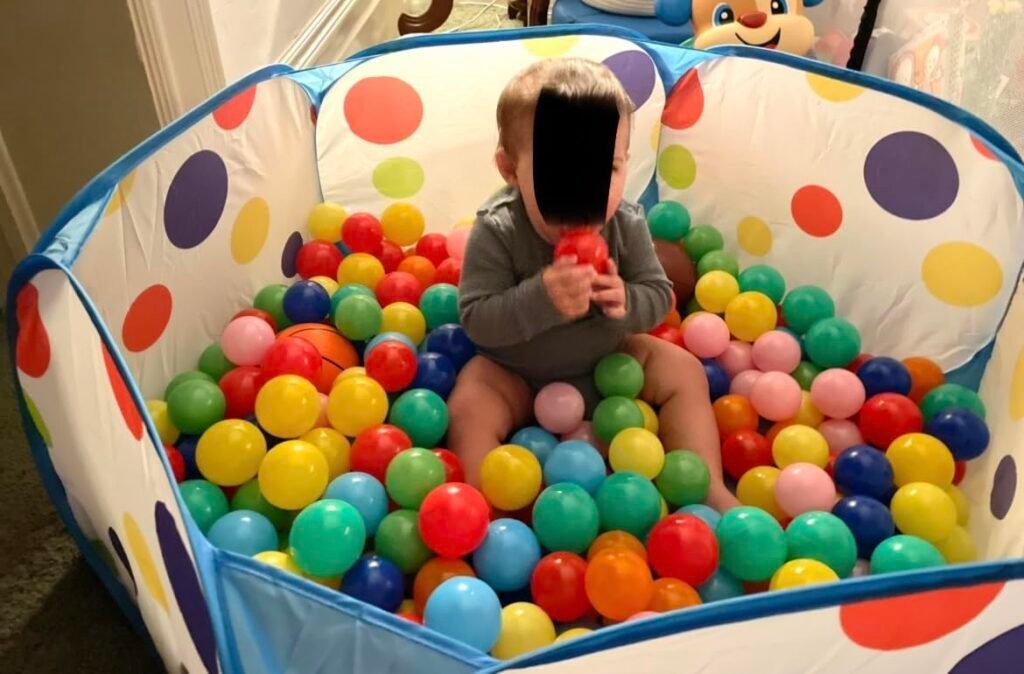
The EocuSun pop-up tent is the most affordable way to introduce a ball pit into your home. At under $10, it is an easy trial purchase for parents unsure whether a ball pit will hold their child's attention or become a permanent playroom fixture.
We may earn a commission when you buy through this link, at no additional cost to you.
The 39.4-by-39.4-inch square base fits two children between one and four years old, and the interior can hold more than 400 balls when fully loaded. The frame uses waterproof polyester and high-strength memory steel that pops open instantly, so setup takes no more effort than removing the tent from its zippered carry bag and letting it expand.
The trade-off is a lower wall height of 14.5 inches. That is fine for babies and younger toddlers who mostly sit while playing, but it means balls escape more easily during active play, and older children may feel cramped. The tent is also best used on carpet or grass rather than rough concrete, which can wear on the fabric over time.
Pop-up tents open with a snap of tension as the memory steel frame extends. Keep children a few feet away when releasing the tent from its bag, and use both hands to guide the expansion. This small precaution avoids the occasional startled reaction or minor bumps that can happen if a child stands too close during setup.
This is a great pick for grandparents, part-time caregivers, or families who want a portable pit for occasional use. When paired with a 200 to 300 ball starter pack, the total cost is still well below most foam pit prices.
Older toddlers and preschoolers who need taller walls to contain active play.
We may earn a commission when you buy through this link, at no additional cost to you.
Delta Children brings a well-known juvenile brand's safety focus to the ball pit category with a turtle-themed foam pit that carries GREENGUARD Gold certification. That certification tests for more than 10,000 chemicals and volatile organic compounds, which addresses concerns for parents especially sensitive to indoor air quality and off-gassing from new products.

We may earn a commission when you buy through this link, at no additional cost to you.
The pit measures 35 inches wide and 12 inches tall, with 2.5-inch thick foam walls that provide the deepest cushioning among the foam pits in this guide. The extra half-inch of foam translates to slightly more forgiving edges for tumbles and a firmer, more supportive rim to lean against during play. The turtle slipcover adds a playful visual element that appeals to children and works well in themed nurseries.
The set includes 50 plastic play balls, which is enough to introduce very young babies to the concept but well short of what most toddlers will want for active play. Plan on supplementing with a larger bulk pack if you have a child over 18 months. The slipcover is machine washable and removes easily for cleaning between play sessions.
GREENGUARD Gold is a third-party certification that verifies a product meets strict limits on chemical emissions, particularly those that can affect indoor air quality. For a ball pit that a young child will spend significant time inside, this certification provides an added layer of confidence beyond generic BPA-free or phthalate-free claims found on many competing products.
This pit is best suited to safety-conscious buyers who value third-party certifications and are willing to accept a smaller starter ball count. The lower star rating compared to some alternatives reflects mixed feedback on the ball count and wall firmness, so weigh those factors against the certification benefit when deciding.
Families who want a large included ball count and prefer to skip buying supplemental balls.
We may earn a commission when you buy through this link, at no additional cost to you.
Selecting the right ball pit depends on your child’s age, your available floor space, your storage situation, and how much you value cushioned walls versus a large play area. The factors below cover the most important decisions.
The first and biggest decision is choosing between a padded foam pit and a pop-up mesh tent. Foam pits use cushioned walls, typically two to two-and-a-half inches thick, wrapped in a soft washable fabric cover. They feel substantial, look intentional in a nursery, and offer meaningful impact protection for young children still learning to sit, crawl, and climb. Models like the Zedachica, SHJADE, HARBOLLE, and Wilwolfer foam pits fall into this category.
Pop-up tents rely on a flexible memory steel frame covered in waterproof polyester fabric. They deliver much larger play areas, often four feet across or more, for a fraction of the price. Setup takes seconds, and the whole structure folds flat into a small zippered bag for storage. The trade-off is thinner walls that offer less cushioning against bumps, making them better suited for older toddlers who have already developed reliable balance.
For babies under 18 months, foam pits are the safer choice because of the padded walls and lower profile. For toddlers and preschoolers who want room to roam, pop-up tents provide more play value per dollar.
Ball pit sizes range from compact 35-inch round designs meant for one child to larger 50-by-30-inch rectangular tents that fit three kids together. The right size depends on how many children will use the pit simultaneously, how much floor space you can dedicate, and whether the pit will stay set up permanently or come out only for play sessions.
For a single child, a 35-inch round foam pit provides plenty of room without dominating a room. For siblings or frequent playdates, look at 4-foot tents or larger rectangular designs that comfortably accommodate multiple children. Also consider the wall height. Foam pits typically stand about 12 inches tall, which is easy for toddlers to climb over. Pop-up tents range from 14 inches to 56 inches, with taller designs containing balls better but requiring more ceiling clearance.
Measure the space where the pit will live and mark the footprint with tape before ordering. Pits often look smaller in photos than they do in a real room, and having a clear sense of the actual footprint prevents disappointment on arrival.
Most ball pits ship without balls, which lets you choose the exact quantity and color scheme. Standard toddler-safe balls measure 2.2 to 2.3 inches in diameter, a size that fits comfortably in small hands without posing a choking risk when used as directed. Look for BPA-free, phthalate-free, lead-free, and non-PVC plastic, and confirm the balls are labeled as crush-proof so they hold up under normal stepping and sitting weight.
Quantity matters more than most first-time buyers expect. For a 35-inch foam pit, plan on 300 to 500 balls for a satisfying depth that lets toddlers partly submerge. For a 4-foot pop-up tent, 400 to 800 balls create a fuller play environment. Sets that include 50 or 100 balls, like the Delta Children turtle pit or the Wilwolfer starter, are good for introducing very young babies to the concept but will feel sparse for active toddlers.
If you are unsure how many balls you will actually want, start with 200 to 400 and add more later. It is easier to top up than to store a huge surplus.
Safety credentials vary widely across the category. At the baseline, look for BPA-free, phthalate-free, and non-PVC materials on both the pit fabric and the balls. Certifications like GREENGUARD Gold, held by the Delta Children turtle pit, go further by testing for more than 10,000 chemicals and volatile organic compounds that can affect indoor air quality. For pop-up tents, CPSC toy safety compliance is a meaningful baseline signal.
The pit itself should use non-toxic foam or sponge on the interior and a skin-friendly fabric on the outside. Zippers should be secure and covered where possible to prevent pinched fingers. For pop-up tents, check that the memory steel frame is fully sheathed in fabric so children cannot come into contact with metal edges.
If your household has particular sensitivities to chemicals or off-gassing, prioritize GREENGUARD-certified products. For most families, well-labeled BPA-free and phthalate-free products with reasonable star ratings and clear material disclosures are sufficient.
Ball pits accumulate crumbs, drool, spills, and occasional accidents. The easier the pit is to clean, the more likely you will actually keep it hygienic over time. Look for pits with a fully removable, machine-washable fabric cover secured by a heavy-duty zipper. Foam pits from Zedachica, HARBOLLE, and SHJADE follow this format, letting you unzip the cover and wash it in a standard washing machine.
Balls require occasional cleaning too. The most practical method is to place them in a mesh storage bag, submerge them in warm soapy water in a bathtub, and gently agitate before rinsing and air drying. Doing this every few weeks keeps the collection fresh, especially if the pit sees daily use.
If cleaning ease is a top priority, favor foam pits with removable covers and mesh-bag ball sets that make bulk washing straightforward. Avoid pits with sealed covers that trap odors and stains.
Pop-up tents fold flat into a compact zippered bag that fits on a closet shelf, making them ideal for households that rotate toys or entertain occasional guests who need the space. Foam pits are less portable but can double as decorative seating or toy storage between play sessions, so they earn their footprint in a permanent nursery layout.
If you plan to move the pit between rooms, take it to grandparents’ houses, or use it seasonally outdoors, a pop-up tent is the clear winner. If the pit will live in one dedicated play area and rarely move, a foam pit provides a more polished, integrated look.
Consider your storage reality honestly. If you know a foam pit will end up shoved into an awkward corner, a foldable pop-up tent may serve your family better despite offering less cushioning.
Ball pits support motor skill development, sensory exploration, color recognition, and hand-eye coordination through activities like grabbing, tossing, sorting, and climbing. For babies six to 18 months, a padded foam pit with soft walls provides a safe environment for early sitting, reaching, and grasping practice. Bright ball colors also help with visual tracking and early color awareness.
For toddlers 18 months to three years, larger pits and pop-up tents open up more active play including throwing games, hide-and-seek, and pretend scenarios. Features like the basketball hoop on the Eocolz tent add a coordination challenge that keeps older toddlers engaged. Preschoolers and early elementary children usually prefer the roomier pop-up designs that leave space for imaginative games.
Match the pit style to your child’s current stage, not just their age in months. A cautious toddler may enjoy a smaller cushioned pit longer than a bold one who is ready for a large tent by their first birthday.
For foam pits that arrive vacuum-sealed, unpack the pit in a well-ventilated room and give it up to 72 hours to fully expand. If the shape does not round out on its own, temporarily fill the pit with soft pillows or folded blankets to encourage the foam to settle into its intended form. A warm hairdryer on a low setting can also help soften and reshape stubborn creases. A mild foam odor is normal during the first few days and airs out with regular ventilation. Pop-up tents open with a snap of tension, so keep children at a safe distance during setup and let the memory steel frame expand fully before allowing anyone inside.
Add balls gradually rather than dumping the entire bag at once. This gives you a chance to check that the pit sits level, the base fabric is not bunched, and the balls do not immediately spill over the walls. Supervise young children during play, especially those under two, and use the pit on carpet or a rug rather than hardwood floors to reduce noise and provide extra cushioning underneath. For pop-up tents, avoid using them on rough concrete or asphalt, which can wear through the polyester fabric over time.
Clean the fabric cover regularly by unzipping it and running it through the washing machine on a gentle cycle with mild detergent. Air dry the cover to preserve elasticity and prevent shrinkage. Wash the balls every few weeks by placing them in a mesh laundry bag and gently agitating them in warm soapy water, then rinsing thoroughly and letting them air dry before returning them to the pit. When play time ends, store the balls in their mesh storage bag to prevent scattering, and use the pit itself as decorative toy storage between sessions.
For a standard 35-inch round foam pit, plan on 300 to 500 balls to reach a depth kids can partly submerge in. Smaller 100-ball sets are fine for babies just starting to grab and reach, but toddlers usually prefer a fuller pit. For larger 4-foot pop-up tents, 400 to 800 balls create a more immersive play environment.
Standard toddler-safe ball pit balls measure 2.2 to 2.3 inches in diameter. This size fits comfortably in small hands and is large enough to avoid choking risks when used as directed. Always check that balls are labeled BPA-free, phthalate-free, and crush-proof to ensure they hold up under normal play and do not release harmful chemicals.
Foam pits with two-inch or thicker padded walls are generally better for babies under 18 months. The cushioned walls protect against bumps as babies learn to sit up and reach for balls. Pop-up tents work better for older toddlers who have developed reliable balance and want larger play areas for active games.
Most foam pit covers are machine washable. Unzip the cover, wash it on a gentle cycle with mild detergent, and air dry it. For the balls, place them in a mesh laundry bag, submerge them in warm soapy water in a bathtub, gently agitate, rinse, and air dry. Aim to clean the balls every few weeks depending on how often the pit is used.
Foam pits are often shipped vacuum-sealed to reduce packaging size. When you unbox them, they expand quickly but may take anywhere from two days to three weeks to fully recover their round shape. You can speed up the process by using a hairdryer on low or by stuffing the pit with pillows and blankets to help the foam expand more evenly.
Smaller 35-inch foam pits are designed for one child at a time or two smaller kids playing gently together. Larger pop-up tents with 4-foot diameters can comfortably fit three toddlers, and rectangular designs offer even more space. Always supervise multi-child play to prevent rough tumbles and ensure the walls do not get overwhelmed.
Most quality ball pits use non-toxic, BPA-free, and phthalate-free materials. If your child has particular chemical sensitivities, look for third-party certifications like GREENGUARD Gold, which tests for more than 10,000 chemicals and volatile organic compounds. Regular washing of the fabric cover and balls also helps reduce dust and allergens that accumulate over time.
Yes, ball pits support several developmental areas. Grabbing, tossing, and sorting balls builds fine motor skills and hand-eye coordination. Bright colors help with visual tracking and color recognition. Climbing in and out of the pit develops gross motor skills, and playing with siblings or friends inside encourages social interaction and imaginative play.
Pop-up tents with waterproof polyester fabric handle occasional outdoor use well, especially on grass, patios, or covered decks. Avoid rough surfaces like concrete that can wear through the fabric. Foam pits are best kept indoors because the fabric covers are not designed for extended sun exposure or wet conditions, which can damage the foam interior over time.
Most ball pits are recommended for children from six months to about eight years old. Younger babies benefit most from smaller cushioned foam pits, while older toddlers and preschoolers enjoy larger pop-up tents with more room for active play. Always check the specific age recommendation on the product before buying, especially for pits with smaller included balls.
The Zedachica foam ball pit stands out as the strongest overall choice thanks to its top owner rating, well-proportioned dimensions, effective sound dampening, and easy-to-clean two-part zipper design. It suits nurseries and playrooms where a padded, permanent play space adds real value to a young child's daily routine.
For buyers who want a complete out-of-the-box experience, the Wilwolfer foam pit bundles a cushioned pit with 100 rainbow balls, and the Delta Children turtle pit adds 50 balls plus GREENGUARD Gold certification for safety-focused families. The Eocolz pop-up tent with a built-in basketball hoop delivers the most engaging large-scale play area, while the EocuSun pop-up tent is the best affordable entry point for families testing the waters.
Match your final decision to your child's age, your available space, and how much you value cushioning versus play area size. Younger babies benefit most from padded foam pits with washable covers, while active toddlers and preschoolers get more value from larger pop-up tents. Whichever pit you choose, pair it with a bulk pack of crush-proof balls from Amazon Basics or Hovenlay to create a play environment your child will return to daily.