Rascal Conquest
8.8Editor score350 lb capacity
16 mile range
6 mph top speed
Heavy-duty outdoor build
Compare top 3 wheel mobility scooters for travel, daily use, and heavy-duty needs. Find the right range, capacity, foldability, and comfort for your lifest...

Finding the right 3 wheel mobility scooter for 2026 means matching range, weight capacity, foldability, motor power, and comfort to how you actually get around. We compare standout options by battery life, disassembly, turning radius, seat design, terrain handling, and real owner feedback so you can choose with confidence.
These scooters differ far more than their similar silhouettes suggest. A 30-pound travel model that splits into a car trunk is a world apart from a heavy-duty 350-pound capacity machine built for longer outdoor rides, and choosing the wrong class can limit independence or create transport headaches.
This guide breaks down each model’s strengths, honest trade-offs, and ideal user so you can align a scooter with your daily routine, whether that is grocery runs, airport travel, neighborhood cruising, or all-day outdoor mobility with higher weight demands.
We compared these mobility scooters using the details that actually help a buyer decide: weight capacity, battery range, top speed, fold or disassembly design, turning radius, motor type, seat adjustability, brake safety, terrain capability, airline compatibility, and price-to-performance value. The notes focus on practical trade-offs so each pick connects to how people truly use a scooter at home, on errands, and while traveling.


Compare key features, scores, and current prices side by side. A shorter feature list means fewer details were available, not necessarily fewer capabilities.

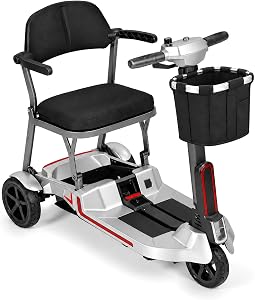


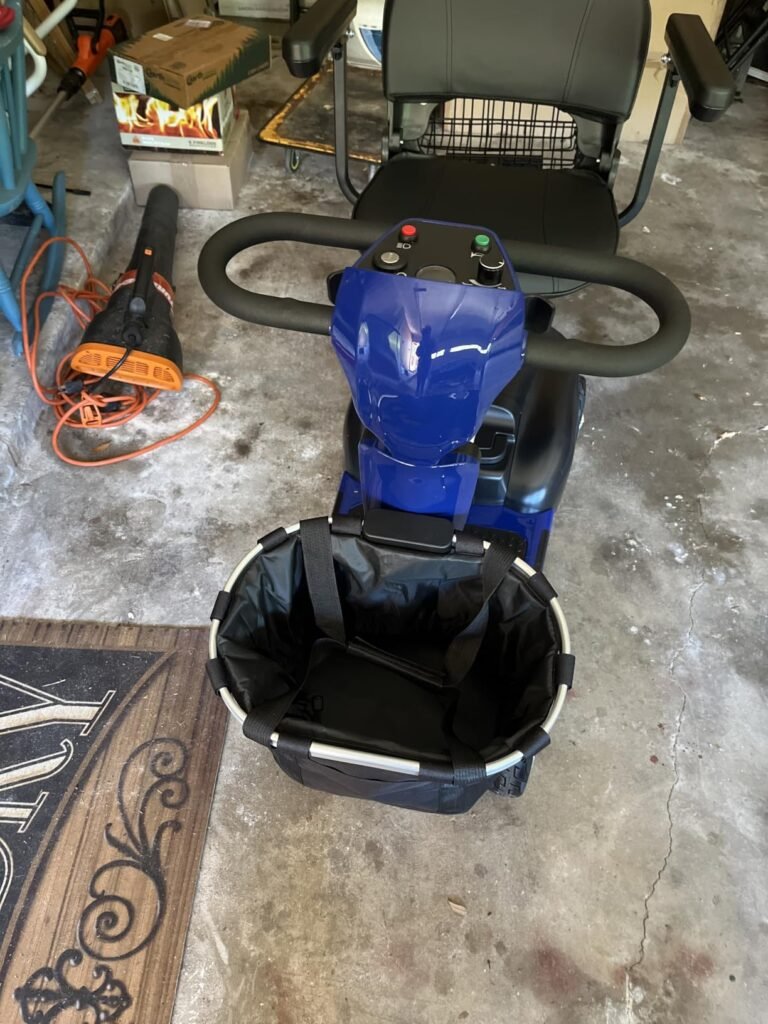
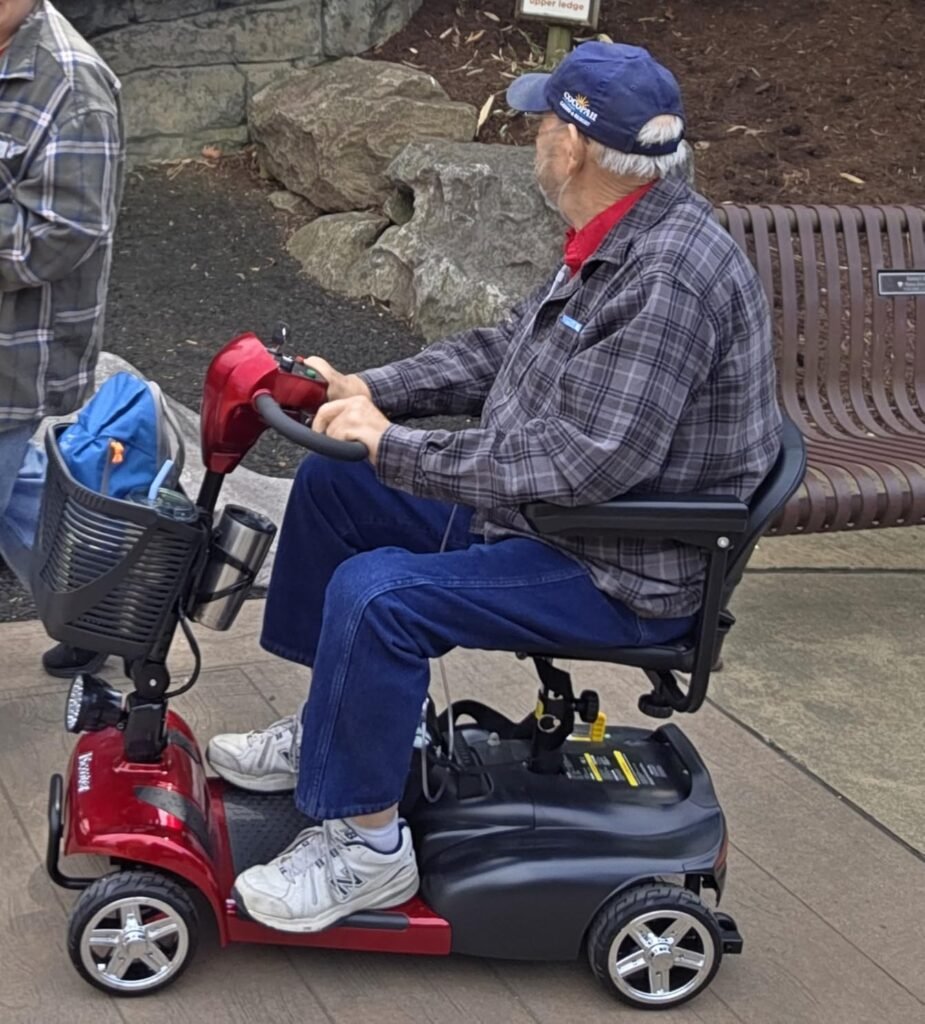
The Rascal Venture targets travelers and everyday users who need a recognized, FDA-cleared mobility scooter that breaks down without tools into five manageable pieces. Its 300 pound capacity covers most adult riders, and the 10 mile range handles typical errand loops or amusement park days without recharge anxiety.

We may earn a commission when you buy through this link, at no additional cost to you.
Performance centers on a simple, dependable drive system with regenerative and electromechanical brakes for secure stops. The 4 mph top speed is modest but appropriate for indoor corridors and crowded sidewalks where control matters more than velocity. Swift Release Technology means the heaviest component is under 30 pounds, so a caregiver or user can load the scooter into a sedan trunk in minutes.
Comfort adjustments include seat height, armrest position, and tiller angle, letting you fine-tune driving posture across a day of use. The swivel seat is a genuine quality-of-life feature, allowing safe transfers in and out without twisting the frame. A front basket keeps keys, purse, or medication within reach, reducing the need for a separate bag.
An FDA Class II medical device designation means the scooter underwent testing for safety and performance with mobility-impaired users in mind. For buyers relying on daily independence, that certification provides assurance beyond consumer electronics standards. It also helps when documentation is needed for insurance or travel accommodation requests.
This is the right scooter for someone who values brand trust, safety certification, and painless transport over raw speed. If you need longer range or heavier capacity, the Rascal Conquest steps up, but for standard travel and indoor-outdoor mixing, the Venture earns its Editor’s Choice through balanced, proven practicality.
Riders needing more than 10 miles per charge or over 300 lb capacity.
We may earn a commission when you buy through this link, at no additional cost to you.
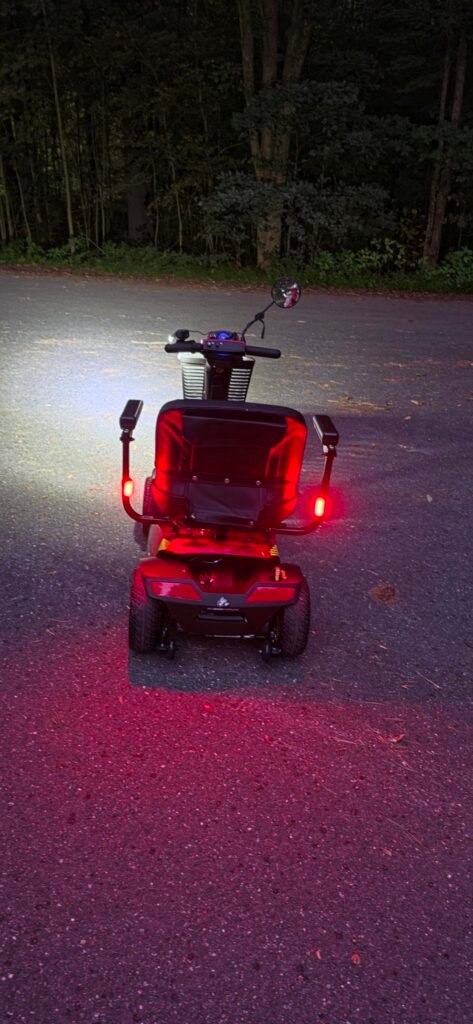
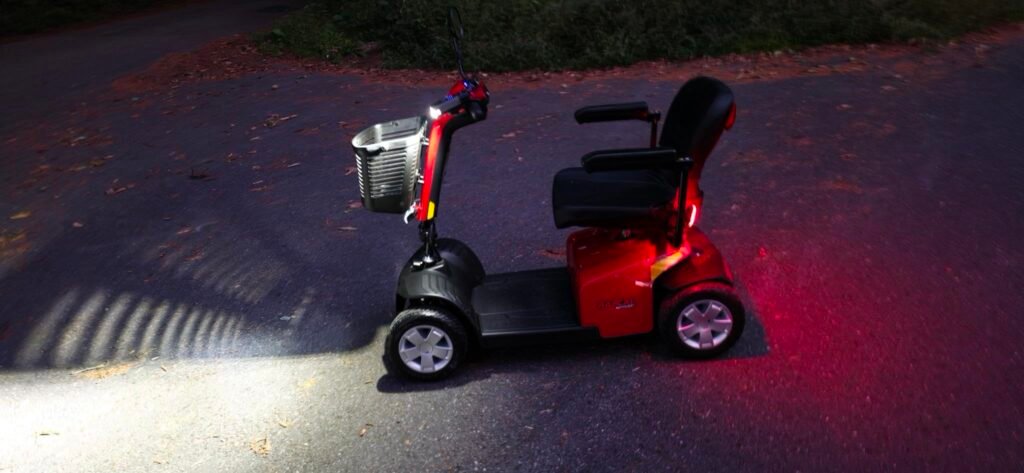
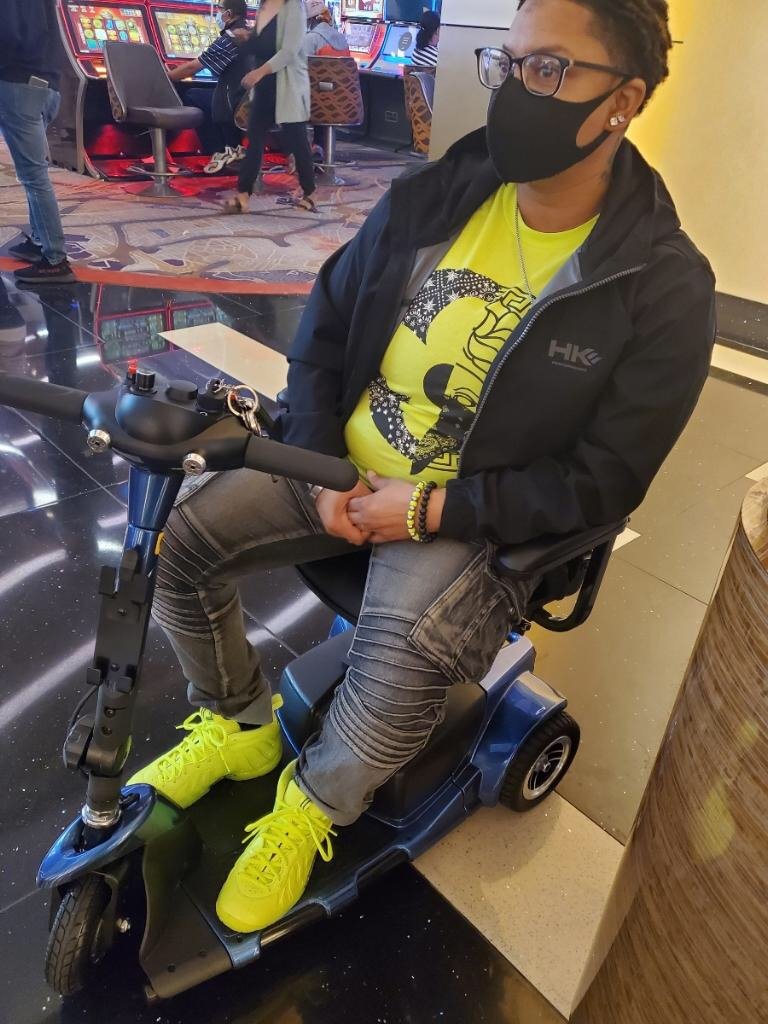
The Rascal Conquest is built for users who need more than a lightweight travel scooter: its 350 pound capacity and 16 mile range serve larger riders or those spending full days outdoors. The 6 mph top speed gives it authority on bike paths and longer straightaways where a 4 mph machine feels sluggish.

We may earn a commission when you buy through this link, at no additional cost to you.
Visibility and safety receive real attention with a high-intensity LED headlight and rearview mirror, features often omitted on budget models. The same Rascal regenerative and electromechanical brakes provide confident stopping, while adjustable seat, armrest, and tiller accommodate varied body sizes for all-day comfort. It remains an FDA Class II device, so the build meets medical mobility standards.
Practical use leans toward outdoor mobility, shopping centers, and extended family outings. It is less ideal for folding into a small car on a whim, given its heavy-duty frame, but the trade-off is stability and endurance. The front basket and swivel seat maintain the convenience features of the Venture line.
A 350 pound rating isn’t only for heavier riders; it also provides margin for groceries, oxygen tanks, or mobility aids carried on the platform. Exceeding a scooter’s rated capacity risks motor strain and instability. If your daily load often approaches 300 pounds, stepping up to the Conquest protects both performance and safety.
Choose the Conquest if capacity and range top your priority list, and you can manage transport with a van or lift. For frequent flyers or those with limited lifting ability, the lighter M3 or Venture makes more sense, but for maximum capability the Conquest is the premium pick.
Buyers needing ultra-light portable folding for frequent car trunk loading.
We may earn a commission when you buy through this link, at no additional cost to you.
This 3 wheel mobility scooter diverges from medical-style devices by using dual 500W hub motors for genuine all-terrain mastery, conquering grades up to 30 degrees that would stall a single-motor travel scooter. The 12-inch front and 10-inch rear wheels absorb curbs and gravel, expanding where you can safely ride.

We may earn a commission when you buy through this link, at no additional cost to you.
Speed versatility is a standout: a relaxed 6.2 mph mode, a 12.4 mph cruise, and an 18.6 mph fast mode plus reverse. The 36V 8Ah lithium battery delivers about 10.5 miles, modest given the power, so plan charges around town. Folding is quick at 48.5 pounds total, fitting car trunks for daily rides, and the intelligent chip shows speed and battery clearly.
Comfort includes adjustable seat and handlebars with generous legroom, making it spacious for taller users. The basket and folding practicality suit urban errands, though the shorter range means it is less a full-day excursion machine. Riders should respect the higher speed modes and practice in open areas before mixing with pedestrians.
Two hub motors split traction and torque demands, improving hill climbing and reducing strain on a single drivetrain. For users in hilly neighborhoods, this means reliable ascents without bogging down. The trade-off is increased battery draw at high speed, which explains the modest 10.5 mile range despite a lithium cell.
This scooter fits active adults who want a zippy, terrain-capable trike rather than a slow medical aid. If you need certified mobility device status, longer range, or ultra-light transport, other picks serve better, but for independent outdoor fun it is compelling.
Users wanting FDA-certified medical device or extended 15+ mile range.
We may earn a commission when you buy through this link, at no additional cost to you.
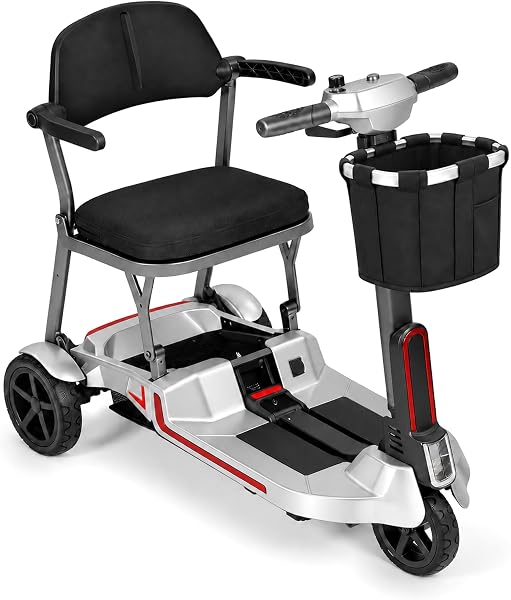
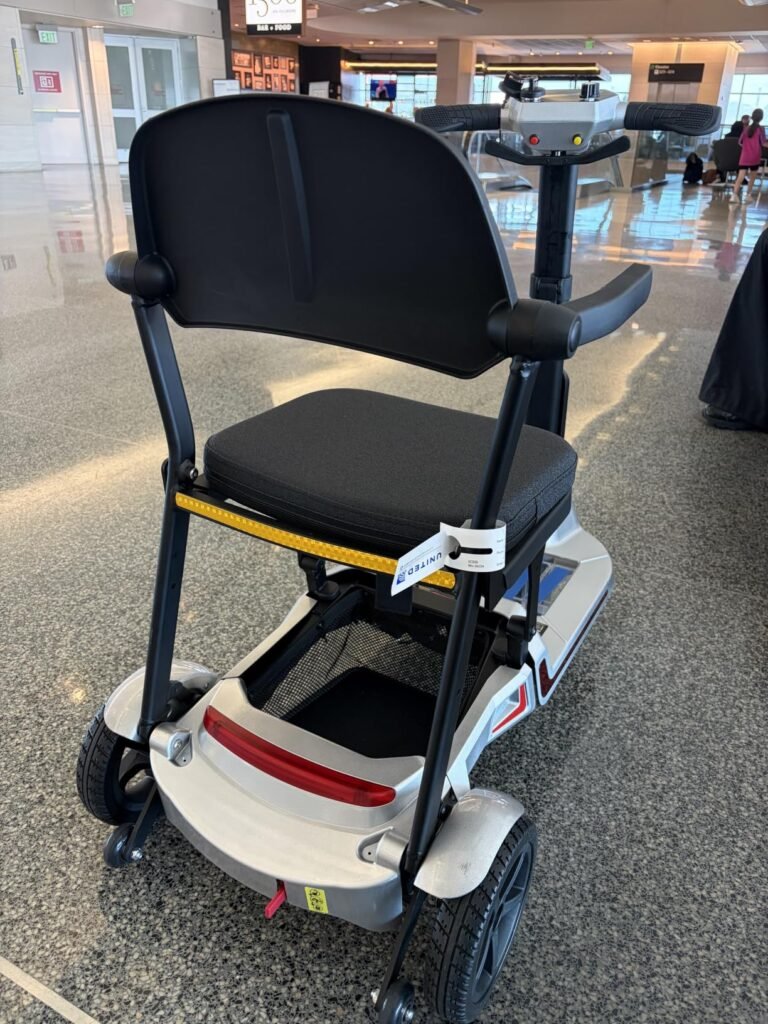
The M3 redefines portable mobility with a 30 pound frame (excluding seat and batteries) and an incredible 33 inch turning radius that lets you pivot nearly in place, something bulky four-wheel scooters cannot match. One-lift folding collapses it to a small footprint for closets or car trunks, ideal for small living spaces.
We may earn a commission when you buy through this link, at no additional cost to you.
Battery options are a highlight: dual 8Ah modules yield up to 20 miles, while dual 12Ah push to 32 miles, and each module is removable and airline-friendly pending policy checks. Safety features include rear anti-tip wheels, electromagnetic automatic braking, and a rear tail light. The digital display and 8 km/h top speed keep first-time users confident.
Everyday comfort shows in a 2-inch padded seat, under-seat basket, and an upgraded front basket for groceries. The external GPS locator helps找回 a parked scooter, a thoughtful addition for memory-care users or busy lots. The 8-inch wheels smooth indoor and light outdoor use.
Lithium battery modules under certain watt-hours are generally permitted in carry-on or checked baggage, but airlines vary. The M3’s removable design helps you comply by separating cells from the frame. Always confirm current airline policies before flying, as rules change and some carriers restrict mobility scooter batteries regardless of size.
This scooter is perfect for frequent travelers, cruisers, and those with limited storage who still want real range. If you need a heavy-duty 350 lb rating or dual motors for hills, look elsewhere, but for lightweight daily confidence the M3 is exceptional.
Riders needing over 275 lb capacity or aggressive off-road capability.
We may earn a commission when you buy through this link, at no additional cost to you.
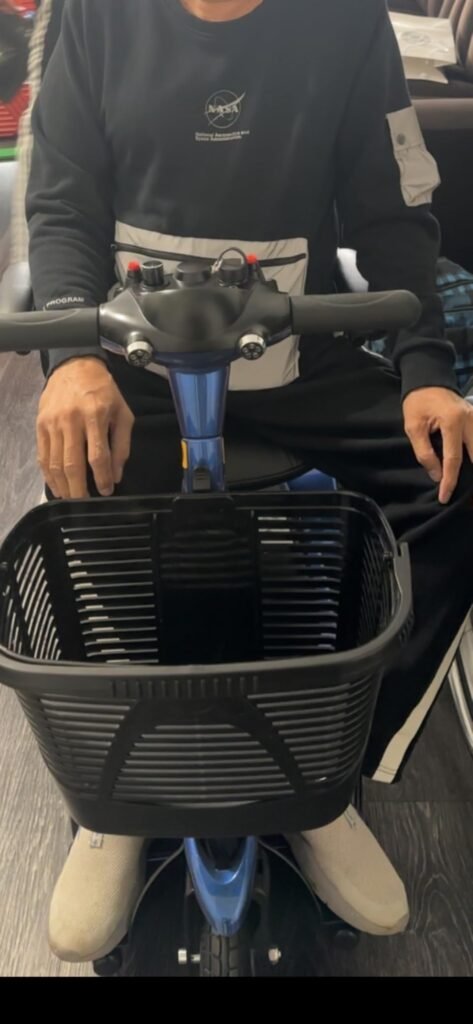
Vive positions this scooter as a trusted family-owned brand alternative, backing the frame with a 5-year guarantee that signals confidence in durability. The 265 pound capacity and 12.4 mile range cover typical daily mobility, while flat-free non-marking tires remove puncture worries on indoor and outdoor surfaces.
We may earn a commission when you buy through this link, at no additional cost to you.
The 16.9-inch padded swivel seat rotates for easy step-off, with height adjustment and flip-up armrests for boarding convenience. Disassembly into four pieces, heaviest 29 pounds, mirrors the travel-friendly approach of the Rascal Venture. The tiller control panel offers variable speed, reverse, headlight, and warning tone, plus a color-coded battery display.
Practical use favors indoor smooth surfaces and gentle outdoor paths. The modest 3.7 mph speed prioritizes safety over hurry, which many seniors appreciate. The brand’s customer-service focus adds peace of mind for first-time buyers navigating mobility purchases.
A 5-year frame guarantee transfers risk from buyer to manufacturer for structural defects, useful for a product relied upon daily. It often indicates robust welding and materials. Pair it with proper battery care to maximize the scooter’s functional life beyond the guarantee period.
Choose Vive if brand trust and long warranty matter more than higher speed or capacity. For heavier riders or longer range, the Rascal models or M3 outperform, but Vive delivers solid mid-tier value with strong support.
Users exceeding 265 lbs or wanting faster than 4 mph travel.
We may earn a commission when you buy through this link, at no additional cost to you.
The iScooter X01 brings unexpected amenities to a sub-$400 price: a removable battery that charges on or off the scooter and yields up to 16 miles, a cup holder, and a USB port for phones. For seniors on a budget, these daily conveniences matter as much as raw specs.

We may earn a commission when you buy through this link, at no additional cost to you.
Safety and maneuverability include a tight turning radius with automatic speed reduction while turning, rear anti-tip wheels, and solid tires. The seat adjusts height and armrest width, swivels for easy transfers, and supports 264 pounds. Speed is capped at 5 mph with reverse, suitable for neighborhood and home use.
Transport requires tools to disassemble into sections weighing up to 85.5 pounds total, so it is less grab-and-go than the Rascal or M3. However, the folded dimensions fit many SUV cargo areas. The included basket with handle aids grocery carrying, reinforcing its practical errand focus.
Being able to charge the battery indoors while the scooter stays in a car or closet eliminates the need to drag the whole unit to an outlet. For apartment dwellers or those with limited mobility, this feature simplifies daily charging and extends practical independence.
This is the best value for cost-conscious buyers wanting long range and creature comforts without premium spend. If you need tool-free instant folding or heavier capacity, spend more, but the X01 punches above its price.
Buyers needing tool-free quick disassembly or over 264 lb capacity.
We may earn a commission when you buy through this link, at no additional cost to you.
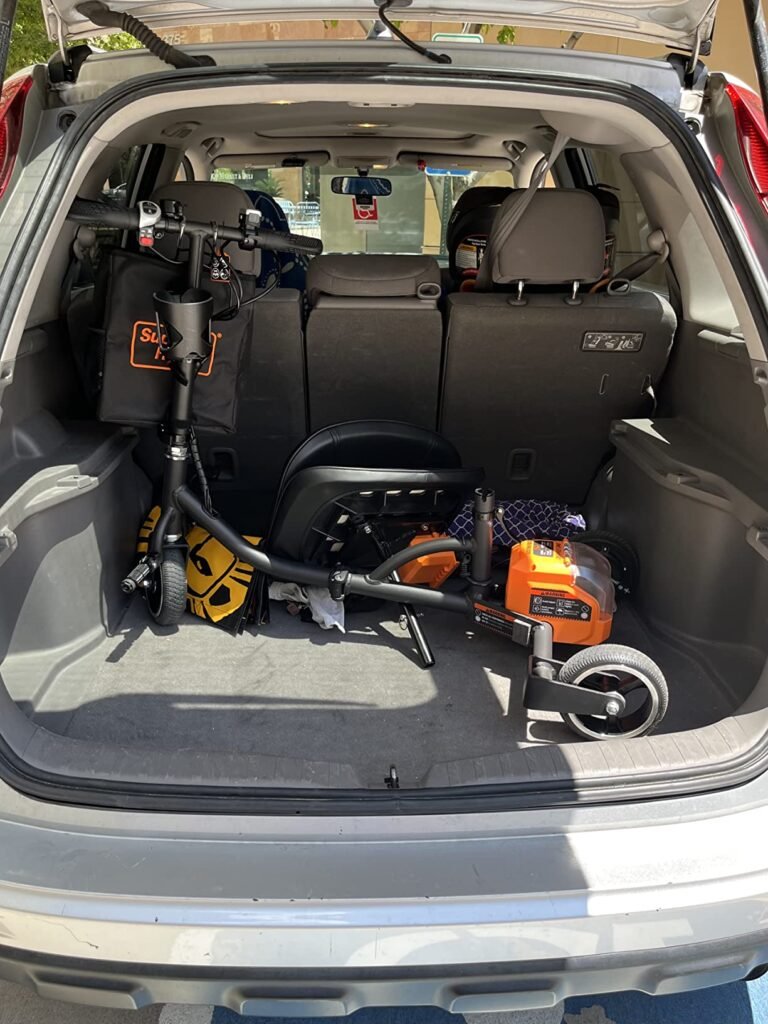
SuperHandy emphasizes ultra-portable travel with an aluminum frame weighing 26 pounds broken down (35 pounds total), disassembling into five pieces for sedan trunks, airports, and cruises. The 48V brushless motor with forward and reverse and a detachable battery that swaps in seconds supports over 12 miles total range.

We may earn a commission when you buy through this link, at no additional cost to you.
Comfort comes from a wide 16.9-inch padded faux leather seat with adjustable height and a variable speed thumb accelerator that reduces wrist fatigue. Flat-free non-marking tires suit indoor and smooth outdoor use. The manual fast-acting drum brake provides quick stops, though some users may prefer automatic electromagnetic braking.
Notably, the scooter has no armrests; riders hold the handlebars, which can challenge those needing side support. The included foot pegs and tote bag add utility. Caregivers should note the 35-pound lift requirement for transport, reasonable for this class.
Absence of armrests saves weight and cost but reduces lateral stability and stand-up assistance. Users with strong core balance may not miss them, but those with limited mobility often rely on armrests to rise safely. Test your needs against this design before purchase.
This model fits travelers who prioritize light weight and quick battery swap over armrests and high capacity. If you need supported seating or heavier load, the Rascal or Vive alternatives are better, but SuperHandy nails minimalist portability.
Riders requiring armrests or automatic braking for safety.
We may earn a commission when you buy through this link, at no additional cost to you.
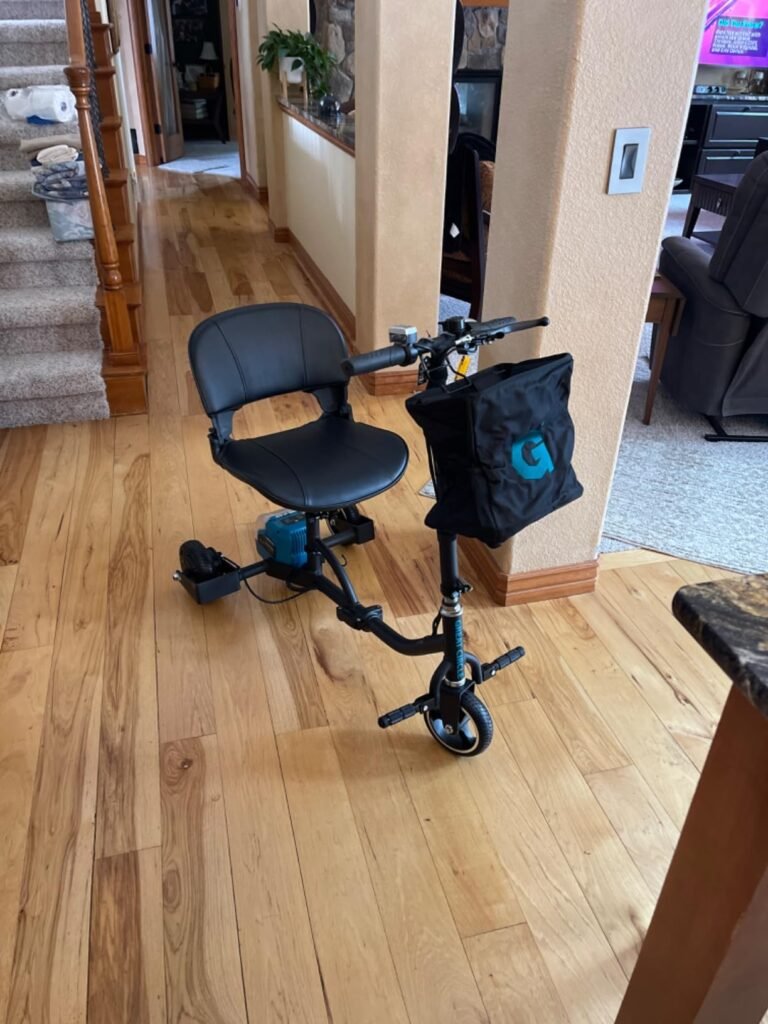
The G Mobility Scooter shares the lightweight aluminum philosophy of SuperHandy with a 26-pound frame and 5-piece disassembly, but adds anti-tip footrests for extra confidence on slopes. Its 48V brushless motor and detachable battery (runtime up to 6.5 miles) suit short local trips rather than all-day outings.

We may earn a commission when you buy through this link, at no additional cost to you.
The 16.9-inch padded faux leather seat adjusts in height, and the thumb drive accelerator reduces grip fatigue. Like its sibling, it lacks armrests, requiring riders to hold handlebars. Flat-free solid tires and a sharp turning radius help in tight indoor spaces such as store aisles and bathroom doorways.
Airline friendly claims depend on battery watt-hour compliance, so verify before flying. The scooter’s 35-pound lift requirement is manageable for many caregivers. It is a budget-oriented, no-frills option for users who value compact folding and basic reliability.
Anti-tip footrests or rear wheels lower the chance of backward tipping when climbing small inclines or during sharp turns. They are a sensible safety addition for users with balance concerns, though they do not replace careful speed management on slopes.
Choose G Mobility if you want the lightest frame with footrests and can accept short range. For longer rides, the iScooter X01 or M3 offer more miles, but G delivers a minimalist travel skeleton at a fair price.
Users needing long range beyond 6.5 miles or armrest support.
We may earn a commission when you buy through this link, at no additional cost to you.
Selecting a 3 wheel mobility scooter involves balancing portability, range, capacity, and comfort with your daily environment. This section explains the factors that genuinely affect satisfaction, from motor type to airline rules, so you can decide with clarity rather than marketing noise.
Every scooter lists a maximum load rating, typically from 264 to 350 pounds in this category. This number includes your body weight plus any bags, oxygen, or groceries carried on the platform. Exceeding it strains the motor, reduces range, and risks instability. The Rascal Conquest at 350 pounds leads for heavier users, while most others sit at 264 to 300 pounds.
Beyond total capacity, consider seat width and legroom. A 16.9-inch seat suits average adults, but taller users should check legroom specs like the dual-motor model’s 15.7 inches. Proper fit prevents pressure sores and improves control. Adjustable seat height and armrest width help tailor the ride, as seen on the iScooter X01 and Vive.
Match rated capacity to your realistic loaded weight with at least 20 pounds margin. If you approach the limit, choose the Conquest or a 300+ pound model for safety and longevity.
Range per charge varies from 6.5 miles on the lightest foldables to 32 miles with extended batteries on the M3. Typical daily errands need 10 to 15 miles, while airport days or theme parks may demand more. The iScooter X01 offers 16 miles at a low price, making it a value leader for range.
Charging style matters: fixed batteries require bringing the whole scooter to an outlet, while removable modules like the X01 or M3 charge indoors separately. Swap-and-go systems on SuperHandy and G Mobility let you carry a spare cell for extended trips. Lithium batteries outperform lead-acid in weight and lifespan but need airline policy checks.
Estimate your longest typical outing and buy at least 25 percent more range than that. If you cannot charge at destination, prioritize removable or swap batteries.
Travel-oriented scooters break into 4 to 5 pieces with heaviest components under 30 pounds, fitting sedan trunks. The Rascal Venture and Vive exemplify tool-free splitting, while the iScooter needs tools. The M3 folds as one unit with a 30-pound frame, avoiding piece counting.
Weight when broken down matters more than total weight. A 35-pound total like SuperHandy is liftable by many caregivers, whereas the dual-motor 48.5-pound fold is borderline. Consider your own or caregiver’s lifting ability before purchase; listings often state minimum lift requirements.
If you fly or cruise frequently, choose a model with airline-friendly removable lithium modules and a folding size under typical baggage limits. For home storage in tight apartments, one-lift fold designs like the M3 save effort.
Top speeds range from 3.7 mph (Vive) to 18.6 mph (dual-motor). Medical-style scooters cap near 4 to 6 mph for pedestrian safety, while recreational dual-motor trikes offer faster modes. Higher speed demands better braking and user confidence.
Motor type affects hill climbing: single brushless motors on lightweight models handle gentle slopes, but the dual 500W hubs on the all-terrain scooter conquer 30-degree hills. For hilly neighborhoods, insufficient power leads to stall and battery drain.
Choose speed appropriate to your environment. Indoor and sidewalk use rarely needs over 6 mph; outdoor enthusiasts may enjoy the dual-motor’s range of modes but must practice safe handling.
Three-wheel designs inherently turn tighter than four-wheel, but radius varies. The M3’s 33-inch radius enables near in-place pivots in narrow aisles, while heavier scooters need more clearance. Tight turning reduces frustration in bathrooms, clinics, and crowded stores.
A narrow wheelbase also improves door passage, but stability on uneven ground can suffer. The dual-motor model with large wheels trades some indoor tightness for rough terrain capability. Anti-tip wheels or footrests mitigate backward tilt during sharp turns.
If your primary use is indoors or tight urban spaces, prioritize the smallest turning radius. For mixed terrain, accept a slightly wider arc for wheel size and comfort.
A swivel seat that rotates to face sideways is critical for safe transfers, present on most models here. Padding thickness varies; the M3 offers 2-inch padding, while others use 16.9-inch faux leather. Height adjustment and flip-up armrests aid boarding.
Lack of armrests on SuperHandy and G Mobility saves weight but complicates standing. Users with limited lower-body strength should insist on armrests and a secure swivel mechanism. Cup holders and baskets, as on iScooter, reduce carrying strain.
Test seat comfort conceptually by comparing padding and adjustability. If you ride for hours, invest in thicker padding and suspension-less but well-shaped seats like the M3 or Rascal lines.
Braking systems include electromagnetic automatic (M3), regenerative with electromechanical (Rascal), and manual drum (SuperHandy, G). Automatic systems engage when throttle releases, reducing user error. Manual drums require hand lever use, which some seniors find less intuitive.
Visibility additions like LED headlights (Conquest) and rear tail lights (M3) improve dusk safety. Rearview mirrors and anti-tip wheels further protect. Flat-free tires eliminate puncture stranding, a practical plus for outdoor riders.
Prioritize automatic or regenerative braking if you have limited hand strength. Ensure your scooter includes at least one anti-tip element and consider lights if you ride near traffic or low light.
Wheel diameter influences ride smoothness. Eight-inch wheels suit indoor flat surfaces; ten to twelve-inch wheels on the dual-motor model absorb curbs and gravel. Small wheels feel every crack, causing fatigue on rough paths.
Tire type is uniformly flat-free solid in this group, good for maintenance but harsher than pneumatic. If you plan boardwalks or parks, larger wheels and the dual-motor’s suspension-like geometry help. Heavy-duty Conquest bridges with stability but standard wheels.
Match wheel size to your common surfaces. Indoor-only users can ignore large wheels; outdoor enthusiasts should avoid sub-10-inch designs for comfort.
Prices span $399 to $1499. Budget models (iScooter, G, SuperHandy) deliver core function with fewer comforts. Mid-tier (Rascal Venture, Vive, M3) add certification, range, or light weight. Premium (Conquest) buys capacity and speed.
Warranty differs: Vive offers 5-year frame guarantee, while others provide standard limited terms. FAA and FDA certifications add assurance for medical users. Lower price often means tool disassembly or no armrests, acceptable if you adapt.
Set a budget based on required features, not max specs. A $400 scooter with 16-mile range (iScooter) can outperform a $700 model with 10 miles if range is your priority. Always check return policy and brand support.
Before first ride, charge the battery fully and practice in an open flat area. Learn the throttle, brake, and reverse using the tiller or handlebar controls, and test the swivel seat transfer with a stable surface. Always keep the speed dial low until you trust the scooter’s turning behavior, especially in tight spaces.
Regular maintenance extends life: keep tires clean of debris, check brake function weekly, and avoid full battery depletion by topping up after each outing. For removable lithium modules, store them at partial charge if unused for weeks, and follow airline rules when traveling. Tighten any folding joints periodically, as vibration can loosen them.
Store the scooter in a dry place away from extreme heat that degrades batteries. If disassembling for transport, label pieces to speed reassembly, and lift with leg strength to avoid injury. Clean the seat with mild soap, and inspect anti-tip wheels or footrests before long trips to ensure safe operation.
Three-wheel scooters offer tighter turning radii and are lighter, making them ideal for indoor use and tight aisles. Four-wheel models provide more stability on uneven outdoor terrain but turn wider and weigh more. Choose three-wheel if maneuverability and portability matter most, four-wheel if maximum balance on rough ground is the priority.
Range varies from about 6.5 miles on ultra-light foldables to 32 miles with extended batteries. Most mid-range models deliver 10 to 16 miles. Your actual distance depends on rider weight, terrain, and speed. Select a scooter with at least 25 percent more range than your typical longest trip.
Many lightweight models with removable lithium batteries are airline friendly, but policies differ by carrier and battery watt-hour rating. The M3 and iScooter use modular cells that help compliance. Always contact the airline before flying, and keep batteries with you rather than checked when required.
In most jurisdictions, mobility scooters used on sidewalks and crosswalks for disability access do not require a license. However, higher-speed recreational trikes like the dual-motor 18.6 mph model may be subject to local vehicle laws. Check your regional regulations before riding in bike lanes or streets.
Capacities in this guide range from 264 to 350 pounds. The rating includes rider plus carried items. Exceeding it risks motor damage and instability. The Rascal Conquest leads with 350 pounds, while many others handle 265 to 300 pounds; choose based on your loaded weight.
Travel models like the Rascal Venture split into four or five pieces with the heaviest under 30 pounds, often tool-free. Others like the iScooter need tools. One-lift fold designs such as the M3 avoid piece counting. If you travel often, prioritize tool-free disassembly and check trunk dimensions.
Seek automatic or regenerative braking, anti-tip wheels or footrests, flat-free tires, and lights for low visibility. Swivel seats with armrests aid safe transfers. The M3 includes electromagnetic braking and tail light; Conquest adds headlight and mirror. These reduce accident risk during daily use.
Charge after each use, avoid deep discharge, and store lithium modules partially charged in cool dry places. Removable batteries should be kept clean at contacts. Follow manufacturer guidance; replacing a worn battery restores range and is cheaper than a new scooter.
Not necessarily. Speeds above 6 mph suit open paths but increase stopping distance and tip risk in crowds. Medical-style scooters cap near 4 mph for pedestrian safety. Only consider 12 to 18 mph models if you have outdoor space to ride responsibly and good braking.
Most scooters handle light drizzle, but electronics and batteries dislike heavy rain. Avoid puddles and store indoors. If caught out, dry the tiller and battery contacts afterward. Models with sealed lead or lithium and flat-free tires cope better, but none are submarines.
The Rascal Venture earns Editor's Choice for its balanced 300 pound capacity, 10 mile range, tool-free five-piece disassembly, and FDA certification at a reasonable price, making it the most universally sensible pick for typical users. Its brand trust and swivel seat comfort round out a dependable package.
For different needs, the iScooter X01 delivers best value with 16 mile range, removable battery, and cup holder under $400, while the Rascal Conquest serves heavier riders needing 350 pound capacity and 16 mile endurance. Lightweight travelers should consider the M3 for its 30 pound frame and airline-friendly cells, and all-terrain enthusiasts will like the dual-motor speedster.
Choose based on your primary environment: indoor and travel favor light disassembly, outdoor and heavy-use favor capacity and range, and budget constraints point to removable-battery value models. Match the scooter's specs to your daily distance, lifting ability, and comfort needs, and you will regain independence with confidence.