ESTWING Sure Split
9.2Editor score5-pound solid steel
Fin splitting design
Hand-sharpened cutting edge
American-made construction
Find the right wood splitters for 2026. We compare 9 standout options by build quality, useful features, owner feedback, value, and everyday trade-offs.
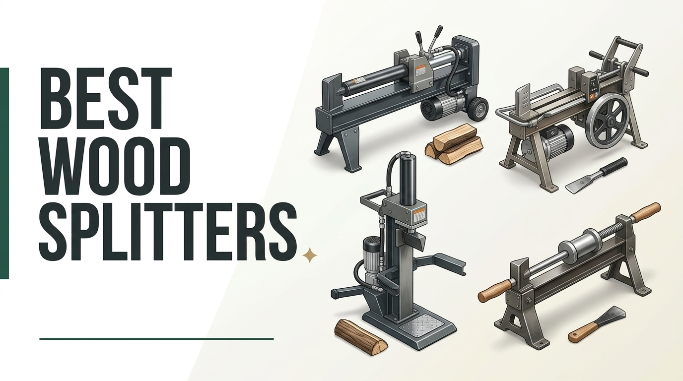
Find the right wood splitter for 2026. We compare 9 standout options by the factors that matter most in this category, including splitting force, log capacity, power source, safety design, portability, build quality, and the real trade-offs between manual tools and hydraulic machines.
Wood splitters range from simple cast iron kindling crackers to heavy-duty gas-powered hydraulic systems. The best choice depends on how much firewood you process, the size of your logs, and whether you need a tool for occasional backyard use or serious seasonal stockpiling.
This guide covers manual wedges, splitting axes, electric hydraulic splitters, and towable gas models. Each type serves a different purpose, and understanding the differences will help you avoid overspending on capacity you do not need or underestimating the demands of your woodpile.
We compared 9 wood splitters using the details that actually help a buyer decide: splitting force, log capacity, power source, cycle time, portability, safety features, build materials, owner feedback, and overall value. The notes focus on practical trade-offs so each pick feels connected to how people actually process firewood, whether for a backyard fireplace, a wood stove, or a full winter stockpile.


Compare key features, scores, and current prices side by side. A shorter feature list means fewer details were available, not necessarily fewer capabilities.


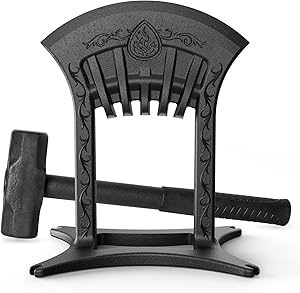
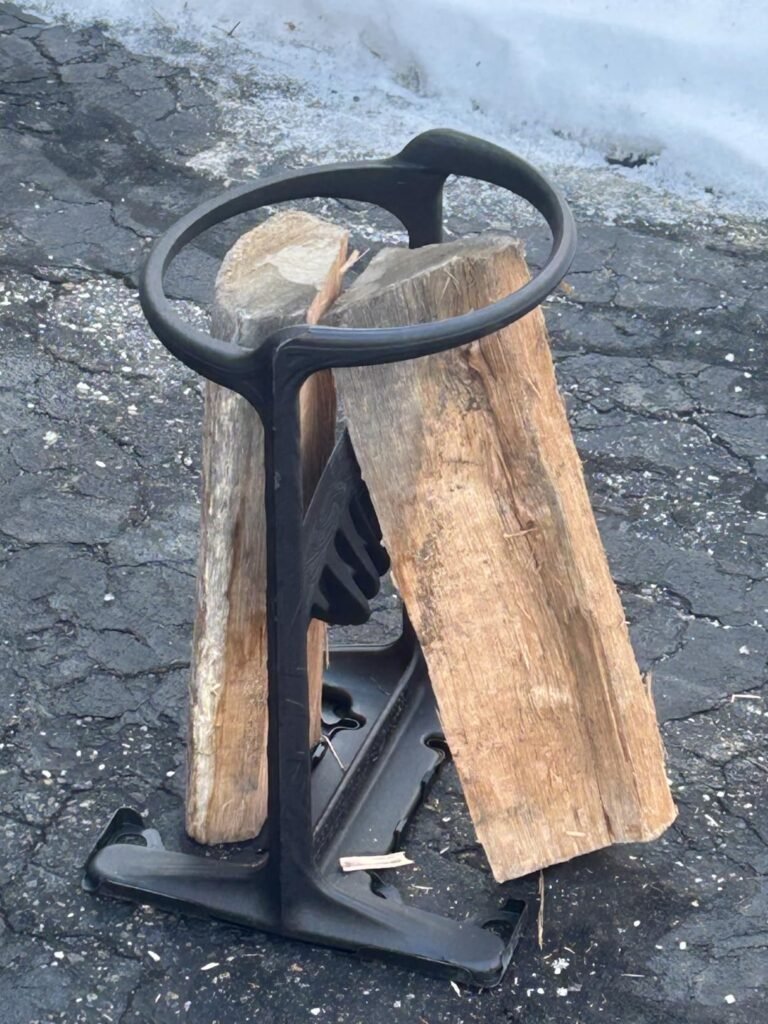
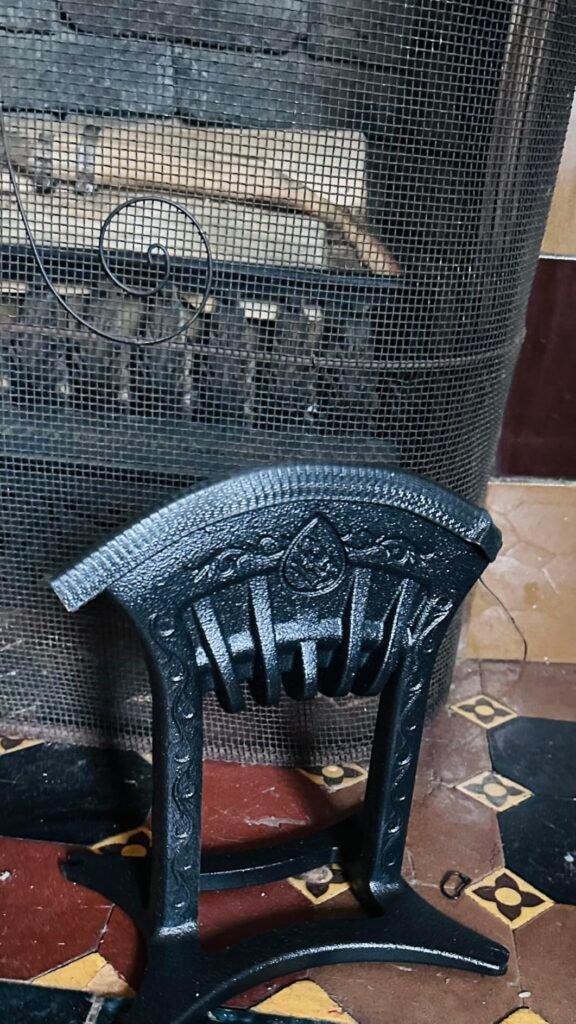
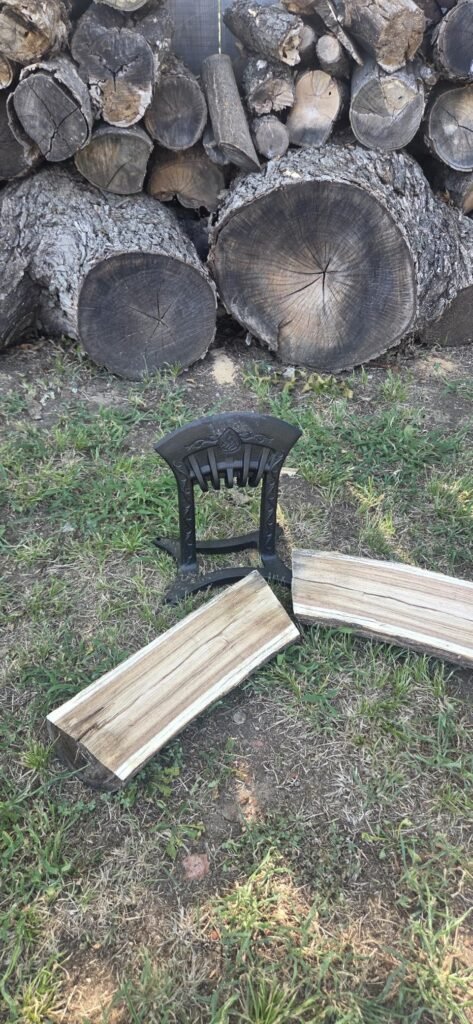
The Kindling Cracker King XL is designed for anyone who wants to produce kindling safely without ever swinging an axe near their hands. The concept is straightforward: a fixed wedge sits inside a cast iron safety ring, and you drive the log down onto the wedge with a mallet or hammer. Because the cutting edge never moves, the risk of a glancing blow or a missed strike is essentially eliminated, making this a practical choice for families, older users, and anyone who has had a close call with a hatchet.
We may earn a commission when you buy through this link, at no additional cost to you.
The King XL version expands the original design with a 9-inch inside diameter ring, which accommodates logs roughly 40 percent larger than the standard model. The 17-inch frame height gives you enough clearance for longer pieces, so you are not limited to tiny rounds. The entire unit is cast as a single piece of Australian iron with no welds, joints, or moving parts, which means there is nothing to loosen, nothing to sharpen, and nothing to replace over time.
In everyday use, the process is quick and requires far less force than splitting with a hand axe. Place the log inside the ring, strike the top, and the wedge does the work. The fixed geometry keeps the log aligned, so even someone with limited upper body strength can produce consistent results. The cast iron construction also handles extreme temperatures down to -94 degrees Fahrenheit, so cold-weather splitting is not a concern.
Traditional kindling splitting involves holding a small piece of wood on a chopping block and striking it with a hatchet or axe. Even experienced users occasionally misjudge a swing, and the consequences can be serious. The Kindling Cracker eliminates that risk entirely by reversing the geometry: the blade is stationary and the log moves. Your hands stay above the safety ring at all times, well away from the cutting edge. This design is especially valuable for households where multiple family members of varying skill levels share firewood duties.
The main tradeoff is that this tool is purpose-built for kindling, not for breaking down full-size rounds. If your primary need is splitting large firewood logs, you will still need an axe or hydraulic splitter. But for the specific task of turning smaller logs into fire-starting kindling, the King XL offers a combination of safety, durability, and ease of use that is difficult to match at any price point.
Not ideal for splitting full-size logs larger than 9 inches in diameter or for buyers who need a primary firewood processing tool.
We may earn a commission when you buy through this link, at no additional cost to you.
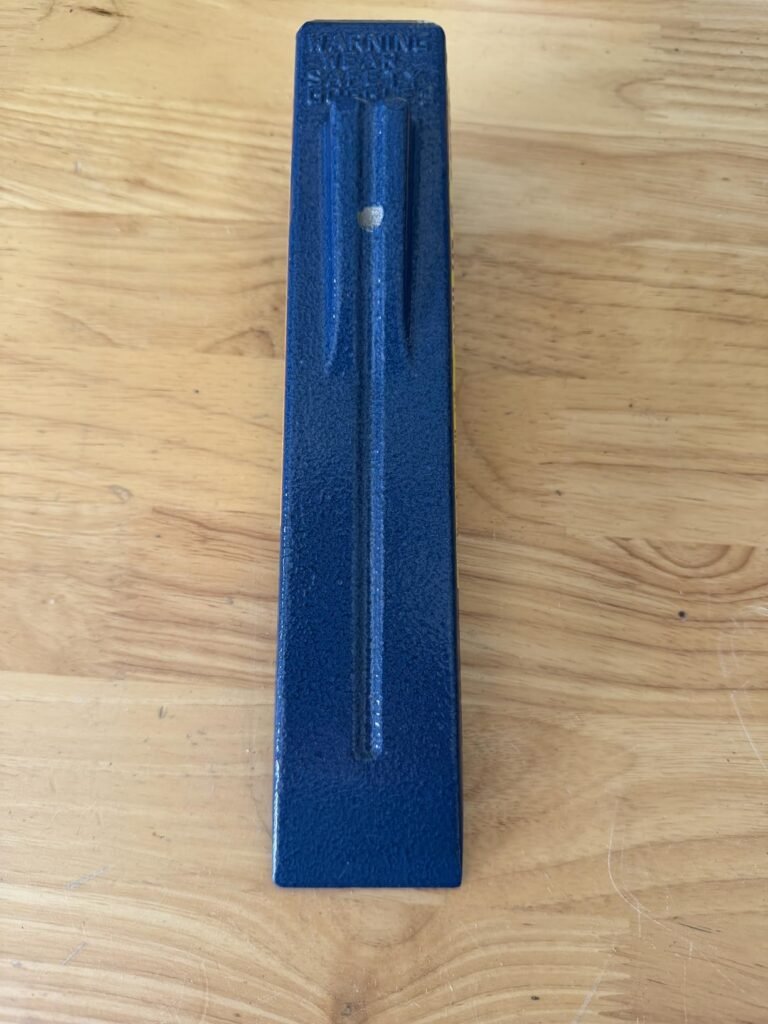
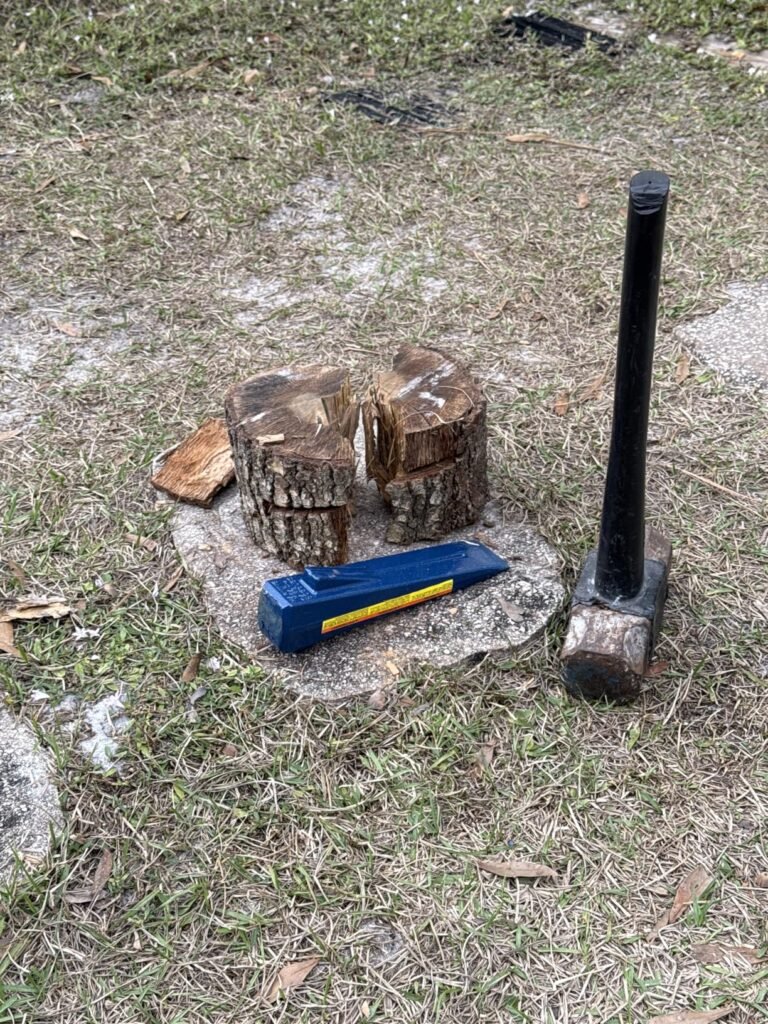
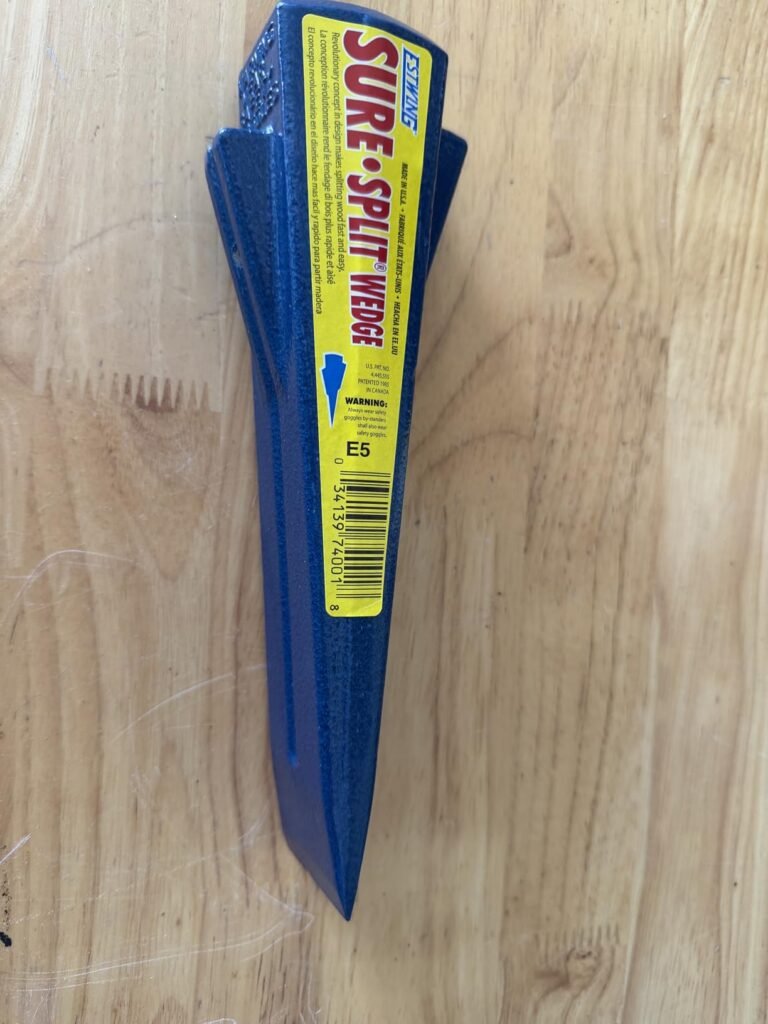
The ESTWING Sure Split Wedge is a no-nonsense tool for anyone who already owns a maul or hand sledge and needs a reliable wedge to tackle stubborn rounds that resist an axe alone. At five pounds, it carries enough mass to drive deep into a log on the first strike, and the finned sides generate additional outward pressure as the wedge penetrates. This design helps push the wood apart more aggressively than a plain flat wedge, which can be the difference between a clean split and a frustrating series of glancing blows.
We may earn a commission when you buy through this link, at no additional cost to you.
The cutting edge is hand-sharpened at the factory, which helps the wedge seat itself in an existing groove or start a new split with less deflection. A well-seated wedge drives true and wastes less energy, so you spend fewer strikes per log. The solid steel construction and American manufacturing also signal long-term durability. ESTWING has been making striking tools since 1923, and this wedge follows the same straightforward approach that has kept the brand relevant for a century.
Portability is one of the wedge’s strongest practical advantages. It fits easily in a truck bed, a camping pack, or a gear bag, making it a natural companion for hunters, campers, and anyone who processes firewood away from home. Pair it with a compact sledge and you have a splitting setup that weighs a fraction of a hydraulic machine yet handles surprisingly tough logs when technique is sound.
Axes rely on velocity and a thin cutting edge to split wood along the grain. When a log is heavily knotted, extremely dense, or partially frozen, an axe blade can bounce off or get stuck. A heavy wedge takes a different approach: it uses mass and gradual displacement to force the wood apart. The fins on the ESTWING wedge amplify this effect by widening the split channel as the wedge sinks deeper. For the toughest rounds in your pile, a wedge driven by a sledge is often the most effective manual method available.
The obvious limitation is that a wedge is not a standalone tool. You need a striking implement and the physical stamina to drive it repeatedly. For high-volume firewood processing, a hydraulic splitter will always be faster. But for occasional use, campfire prep, or finishing off rounds that your axe cannot crack, the ESTWING wedge is a dependable and affordable addition to any woodpile toolkit.
Not suitable for buyers who want a standalone splitting tool without a separate maul or sledge hammer.
We may earn a commission when you buy through this link, at no additional cost to you.
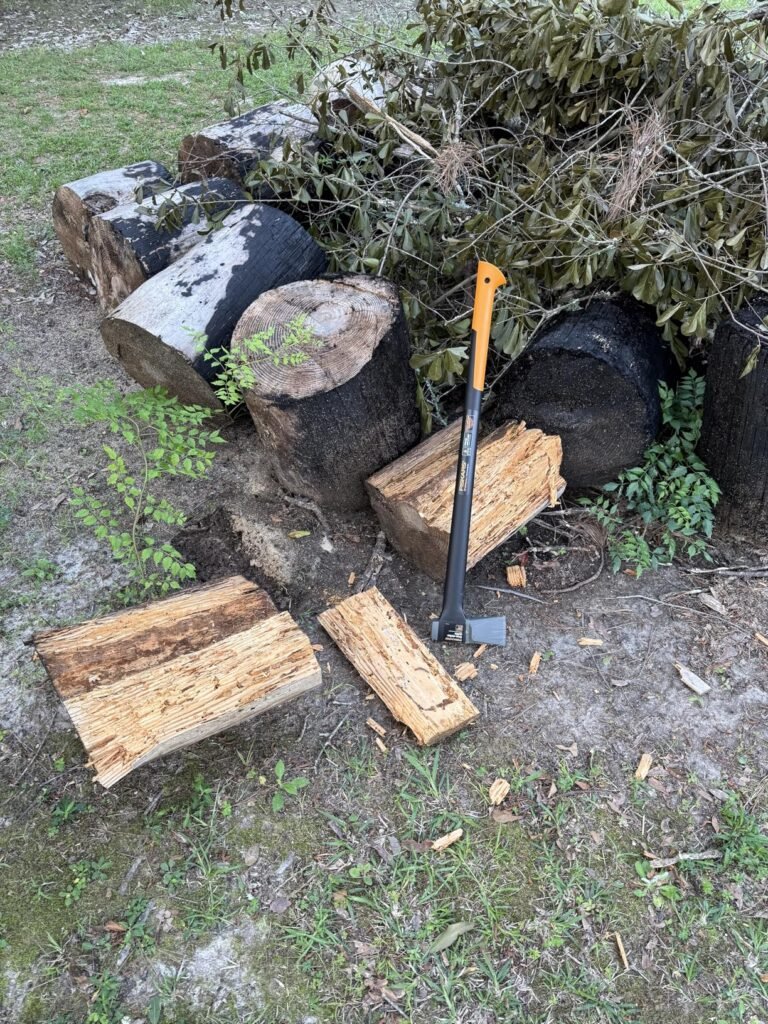
The Fiskars X27 is built for taller users who regularly split medium to large logs and want to maximize the number of one-strike splits per session. The 36-inch handle generates significant swing velocity, and the hardened forged steel blade features an advanced convex bevel that bites into the wood aggressively while still releasing cleanly after the split. The combination of length, blade geometry, and weight distribution makes this one of the most efficient manual splitting axes available at its price point.
We may earn a commission when you buy through this link, at no additional cost to you.
What sets the X27 apart from traditional splitting mauls is how much effort it saves over the course of a long session. The shock-absorbing handle with a textured non-slip grip reduces vibration transfer to your hands and forearms, which means less fatigue after the first few dozen logs. The composite handle material also resists weather damage and will not splinter or warp the way wood handles can after repeated exposure to moisture and temperature swings.
Accuracy matters more with a long-handled axe than with a shorter tool, because a misaligned swing at full extension wastes more energy and increases the chance of a glancing blow. Most users find their rhythm quickly, but it is worth spending a few sessions focusing on consistent strike placement before trying to maximize speed. The protective sheath included with the axe helps keep the blade sharp between uses and makes storage safer.
A longer handle increases the arc of your swing, which translates to higher head velocity at the point of impact. That extra speed is what allows the X27 to achieve one-strike splits on logs that would require two or three hits with a shorter axe. However, the tradeoff is control. A longer lever amplifies small errors in aim, so consistent accuracy requires practice. If you are splitting in a confined area or have limited overhead clearance, a shorter axe may be more practical despite the reduced leverage.
At under seventy dollars with a lifetime warranty, the X27 offers exceptional value for anyone who splits firewood by hand on a regular basis. The main consideration is whether the 36-inch length suits your height and splitting stance. Shorter users or those working in tight spaces may find the handle unwieldy and would be better served by a more compact model. But for taller individuals with room to swing, this axe is a proven workhorse.
Not the best fit for shorter users, those with limited swing space, or anyone who primarily splits small kindling pieces.
We may earn a commission when you buy through this link, at no additional cost to you.
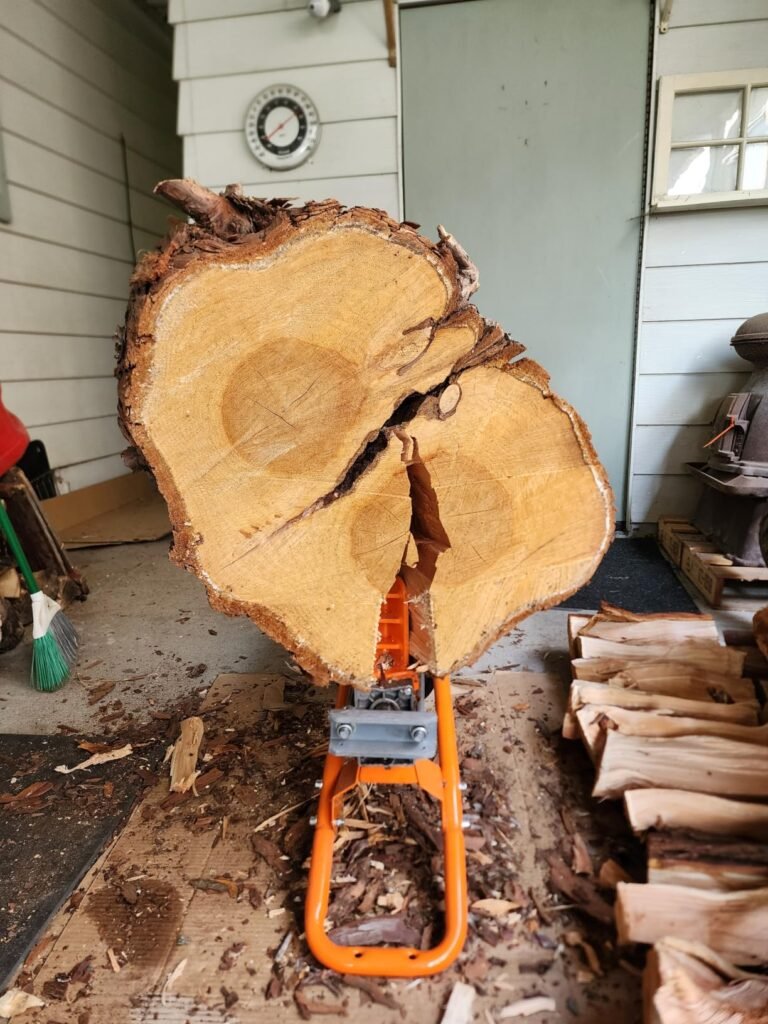
The YARDMAX YS0650 fills a specific niche: homeowners who want the convenience of hydraulic splitting without the noise, fumes, and maintenance of a gas engine. With 6.5 tons of ram force, it handles seasoned softwood and moderately dense hardwood rounds up to 20.5 inches long and 10 inches in diameter. That capacity covers the majority of firewood that a typical suburban household processes for a fireplace or wood stove each season.
We may earn a commission when you buy through this link, at no additional cost to you.
Electric operation is the defining advantage here. You plug it into a standard household outlet and start splitting immediately. There is no pull cord, no carburetor to clean, no oil changes, and no exhaust to worry about in an enclosed garage or a densely populated neighborhood. The quiet motor means you can split firewood early in the morning or late in the evening without disturbing neighbors, which is a genuine practical benefit that gas splitters simply cannot offer.
The compact footprint makes storage easy. When firewood season ends, the YS0650 tucks into a corner of a garage or shed without consuming much space. Maintenance is minimal compared to gas-powered alternatives: keep the hydraulic fluid at the proper level, inspect the ram for leaks periodically, and store the unit in a dry location. There are no spark plugs, air filters, or fuel stabilizers to manage.
Electric log splitters trade peak power for convenience. They start instantly, run quietly, produce zero emissions, and require almost no maintenance beyond basic hydraulic fluid checks. Gas splitters deliver significantly more force and can operate anywhere, but they demand fuel, oil changes, air filter maintenance, and noise tolerance. For suburban homeowners who split a few cords of seasoned wood each year and have access to a standard outlet, an electric model like the YS0650 is often the more practical choice.
The tradeoff is raw power. Six and a half tons of force is adequate for seasoned logs of moderate density, but it will struggle with large-diameter hardwood rounds, heavily knotted pieces, or green wood that has not been properly dried. If your firewood supply includes a lot of oak, hickory, or maple rounds over 10 inches in diameter, you will likely need a more powerful splitter. For lighter-duty seasonal use, however, the YS0650 offers a clean, quiet, and hassle-free splitting experience.
Not powerful enough for large-diameter hardwood rounds or high-volume firewood processing on a rural property.
We may earn a commission when you buy through this link, at no additional cost to you.
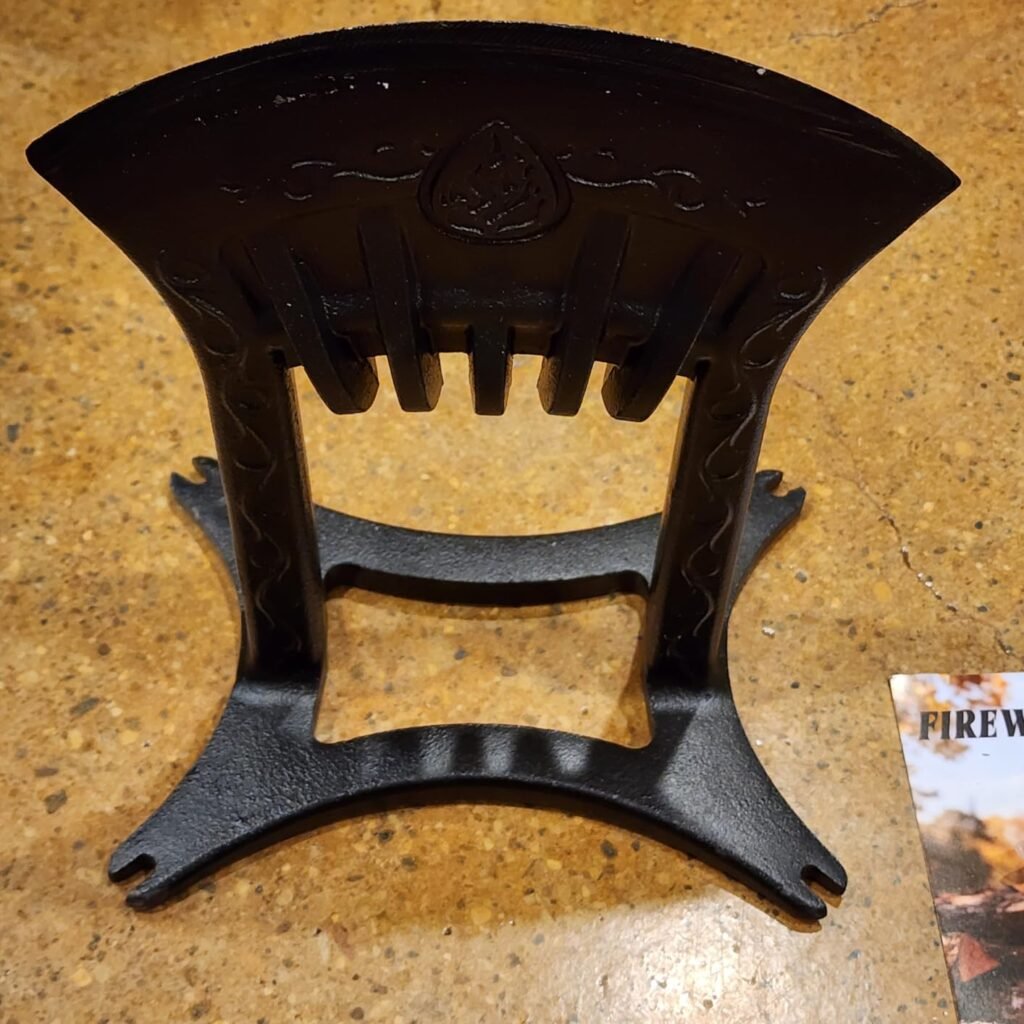
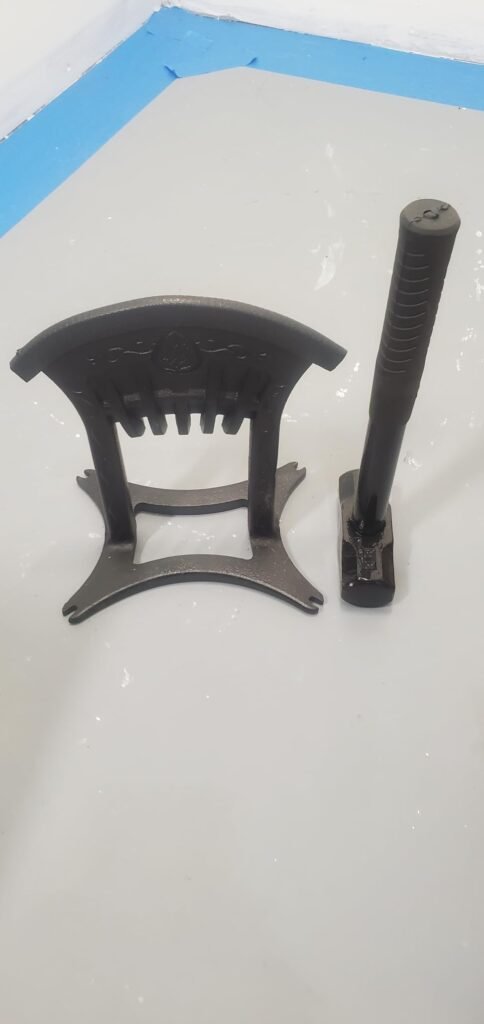
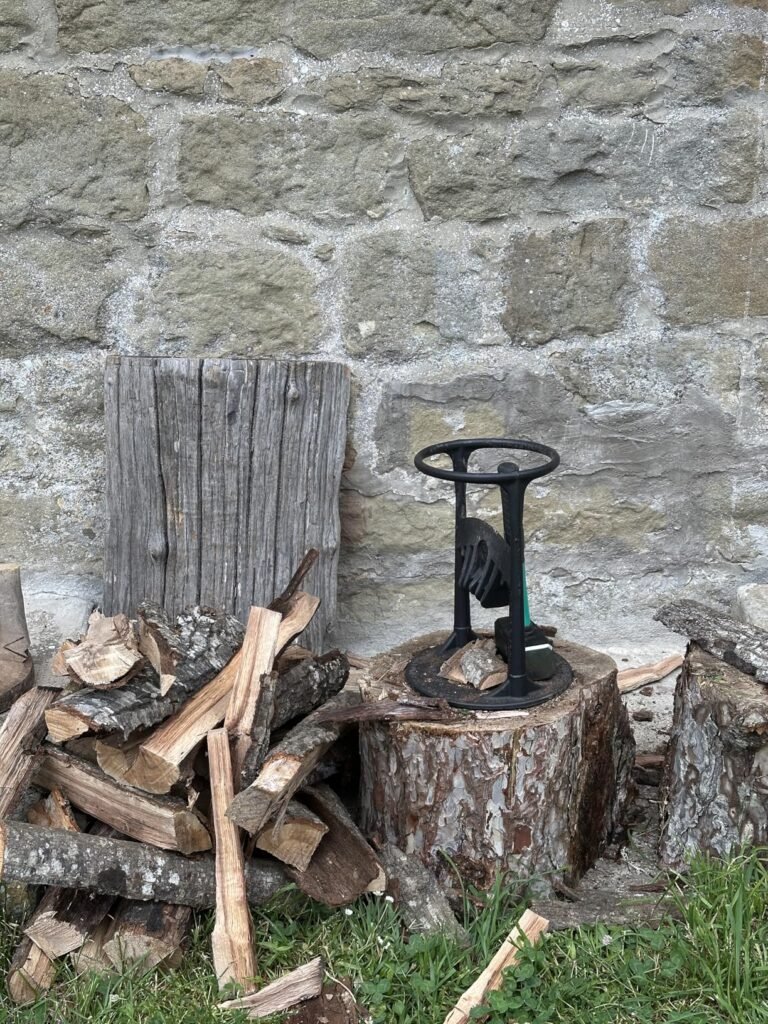
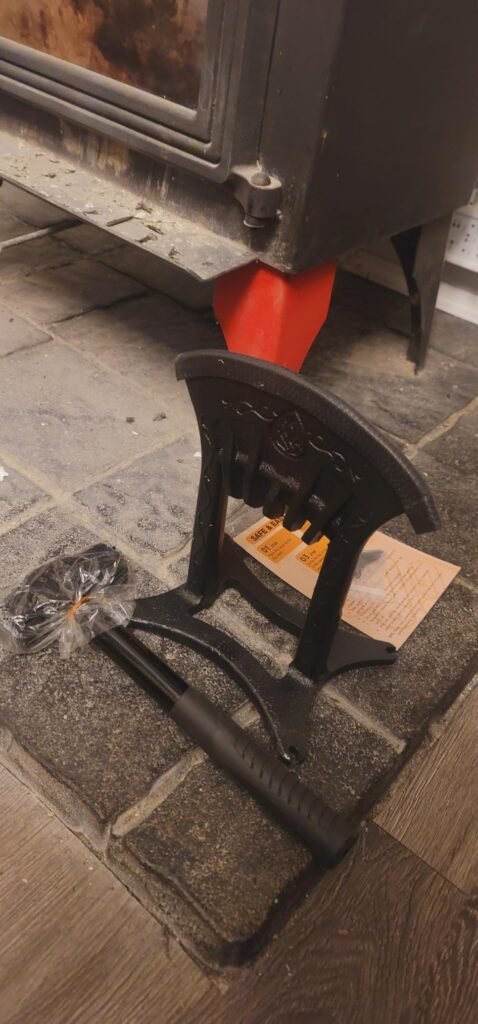
This cast iron kindling splitter offers a complete splitting setup at a budget-friendly price by bundling the splitter body with a 3-pound sledge hammer and four mounting screws. The idea is simple: mount the splitter to a stump or a sturdy base, place a log on the axe-shaped blade, and strike with the included hammer. For buyers who want to try the fixed-wedge kindling splitting concept without investing in a premium model, this package lowers the barrier to entry significantly.
We may earn a commission when you buy through this link, at no additional cost to you.
The 7.5-pound cast iron body stands 9.8 inches tall and features an open blade design that accommodates a range of log sizes. The axe-shaped cutting edge is intended to require less force than a flat blade, and the thickened back of the blade adds structural rigidity. Mounting holes in the base plate allow you to secure the splitter to a wooden surface, which improves stability and reduces the chance of the unit shifting during use.
Safety touches include a rubber sleeve over the blade for storage and transport, which helps prevent accidental cuts when the tool is not in use. The included sledge hammer is light enough for most users to handle comfortably, though experienced splitters may prefer a heavier mallet for faster results. The environmentally friendly paint coating is designed to resist rust, though periodic touch-ups may be needed if the splitter is left outdoors year-round.
A kindling splitter that shifts or rocks during use is both inefficient and potentially dangerous. The mounting holes on this model allow you to bolt or screw the base directly into a tree stump, a heavy wooden block, or a workbench surface. Taking a few minutes to secure the splitter properly before your first session will improve your splitting accuracy and reduce the effort required per strike. A stable base also helps the blade maintain its edge longer by preventing lateral stress from misaligned hits.
The 4.0-star rating is the lowest in this guide and suggests that quality or performance may vary between units. Some buyers may find the casting rougher or the blade less sharp than expected. The manufacturer also specifies that this splitter is intended for dry logs only, so it will not perform well with green or freshly cut wood. If your expectations are modest and your logs are well-seasoned, this budget option can handle basic kindling duties adequately.
Not designed for wet or green logs, and the lower rating suggests buyers should manage expectations regarding build consistency.
We may earn a commission when you buy through this link, at no additional cost to you.
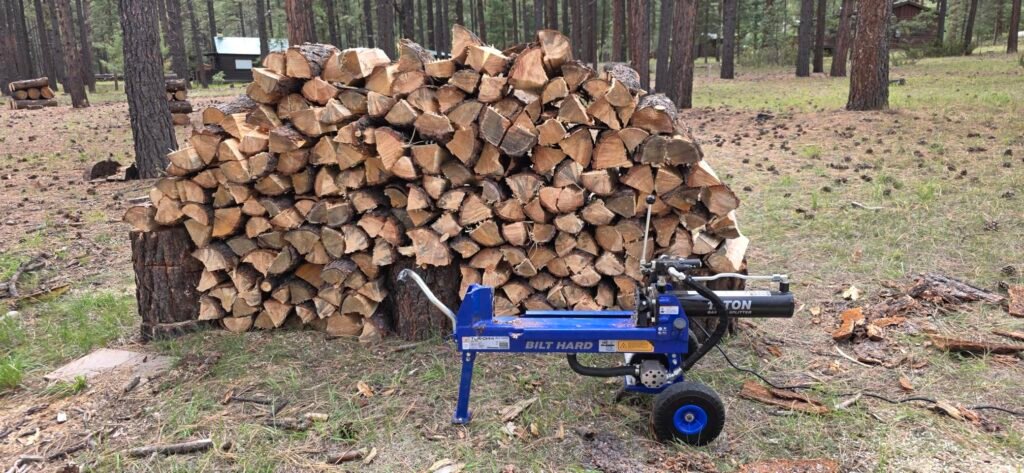
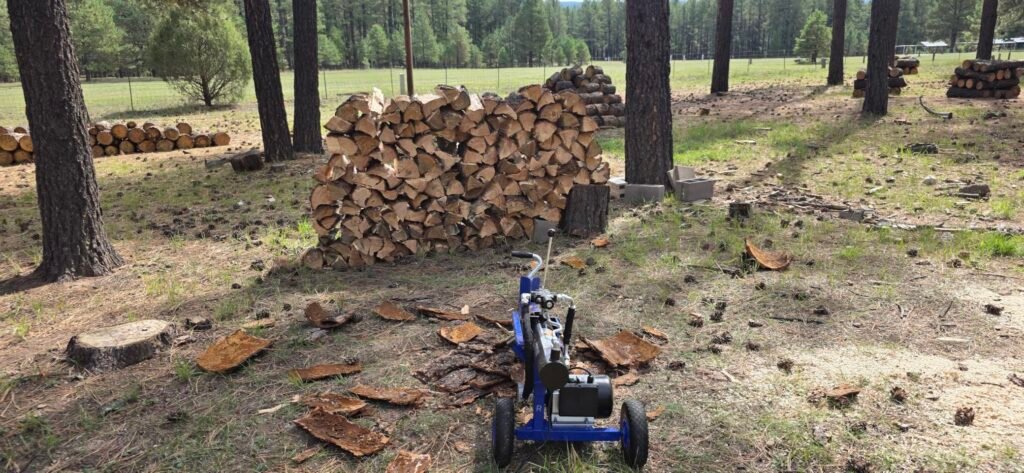
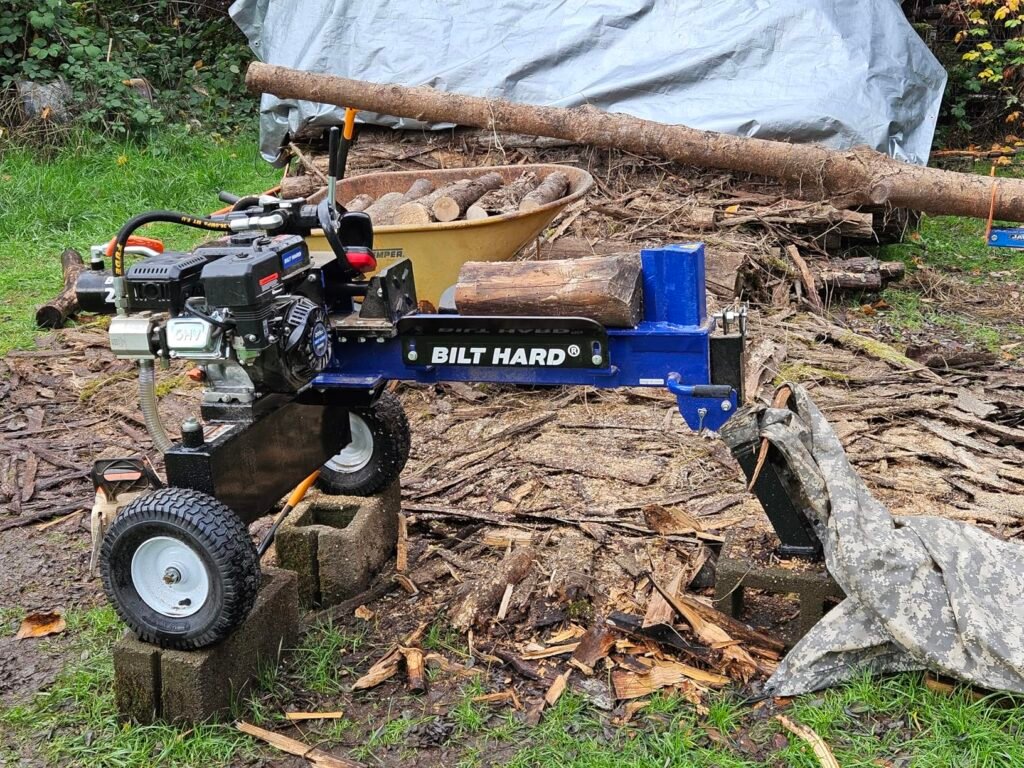
The BILT HARD 14 Ton Electric Log Splitter bridges the gap between lightweight electric splitters and full-size gas machines. With 14 tons of hydraulic force generated by a 15-amp, 1800-watt motor, it can handle hardwood rounds up to 20 inches long and 16 inches in diameter. That capacity puts it in a different performance tier than the 6.5-ton electric models, making it a realistic option for homeowners who process a mix of softwood and hardwood each season.
We may earn a commission when you buy through this link, at no additional cost to you.
The two-stage hydraulic pump is a key performance feature. It delivers fast ram travel when the wedge is not under load and shifts to high-pressure mode when it encounters resistance. This design reduces cycle time and prevents the motor from stalling on tough pieces. The 1.45-gallon hydraulic oil reservoir provides adequate fluid volume for sustained operation, and the system runs on standard 120-volt household power, so no special wiring is required.
Practical features include 10-inch transport wheels and a moving handle that make it manageable to roll across a yard or driveway, though the unit is substantially heavier than smaller electric splitters. The two-hand operation requirement is an important safety feature that keeps both of your hands away from the splitting wedge during the ram cycle. A stable support leg adds stability on uneven ground, and overload protection helps prevent motor damage if the ram encounters an immovable log.
A two-stage pump operates in two distinct modes depending on the resistance the ram encounters. During the approach phase, when the wedge is moving toward the log without significant resistance, the pump delivers high volume at low pressure for fast travel. Once the wedge contacts the wood and pressure builds, the pump shifts to a low-volume, high-pressure mode that generates the full 14 tons of splitting force. This design is more efficient than a single-stage pump because it reduces cycle time without requiring a larger motor.
The main consideration is electrical demand. A 15-amp motor will trip a standard household circuit if other high-draw appliances are running simultaneously. Plan to use the splitter on a dedicated circuit or an outdoor outlet that is not shared with other equipment. If your property has adequate power access and your logs fall within the 20-by-16-inch capacity, this splitter delivers gas-level performance without the noise, fumes, or engine maintenance.
Not the right choice if you lack a dedicated 15-amp outlet or need to split logs longer than 20 inches.
We may earn a commission when you buy through this link, at no additional cost to you.
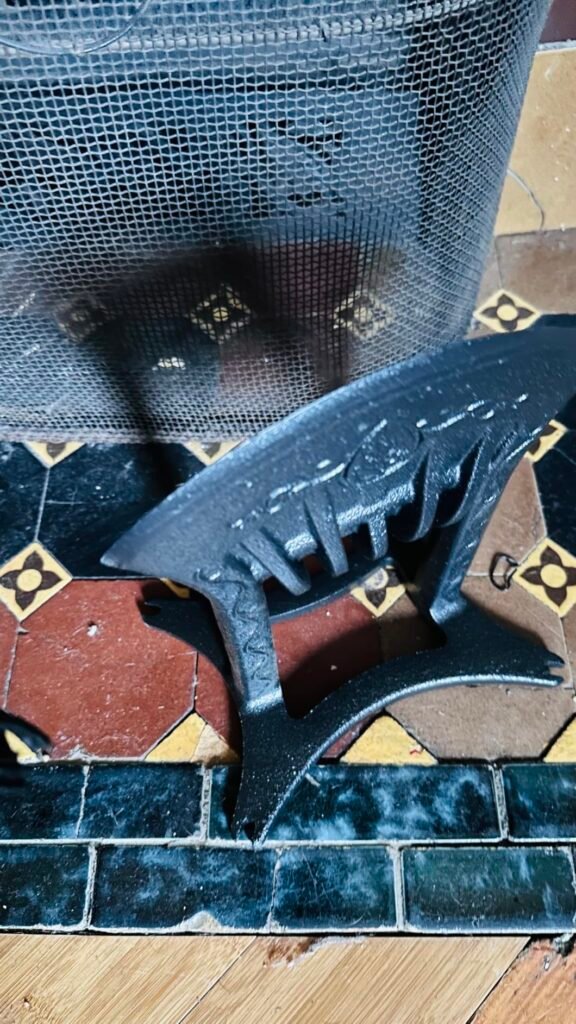
The Kindling Splitter L is a compact, lightweight option for buyers who need a simple manual tool for small-scale kindling production. At seven pounds, it is easy to move around the yard, carry to a campsite, or store on a shelf when not in use. The 6.1-inch blade width and 9.8-inch height accommodate most household kindling logs, and the open construction design allows you to feed pieces from the side rather than dropping them into a confined ring.
We may earn a commission when you buy through this link, at no additional cost to you.
Build quality is solid for the price point. The cast iron body features an all-weather powder coating that resists rust and corrosion, and the blade is hand-ground to a sharp edge that bites into dry wood with minimal effort. The thickened blade profile adds durability and helps the wedge push through the grain rather than getting stuck. Four mounting screws are included so you can secure the base to a stump or wooden platform for improved stability during use.
The included black safety cover is a practical addition that protects the blade edge during storage and prevents accidental contact when the splitter is not in use. This is a small detail, but it matters if the splitter is stored in a garage or shed where children or pets may be present. The powder-coated finish also makes cleanup easy: a quick wipe with a dry cloth after each session is usually sufficient to keep the tool in good condition.
Kindling splitters generally come in two configurations: enclosed ring designs like the Kindling Cracker and open-blade designs like this model. Ring designs offer superior hand protection because the safety ring physically blocks your hands from reaching the blade. Open designs provide more flexibility in log placement and can accommodate oddly shaped pieces that might not fit through a ring. The tradeoff is that open designs require more user awareness to keep hands clear of the cutting edge during striking.
This splitter is best suited for casual users who produce kindling a few times a week rather than processing large volumes of firewood. The smaller blade width means you will need to pre-split larger rounds with an axe before feeding them into the kindling splitter. If your primary need is a lightweight, affordable tool for turning small logs into fireplace-ready kindling, the Kindling Splitter L delivers reliable performance without taking up much space or budget.
Not suited for large-diameter logs or buyers who need a powered splitting solution for high-volume firewood processing.
We may earn a commission when you buy through this link, at no additional cost to you.
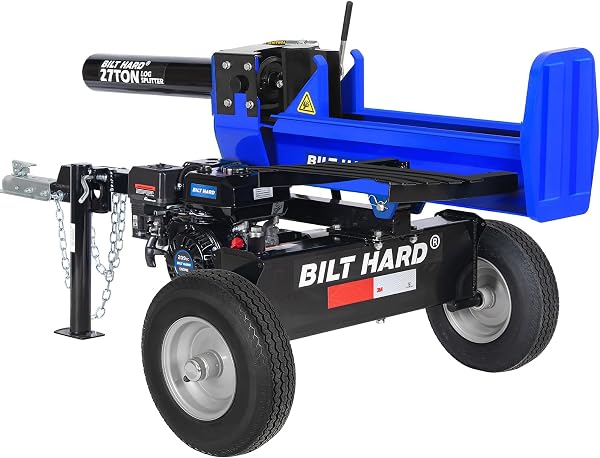
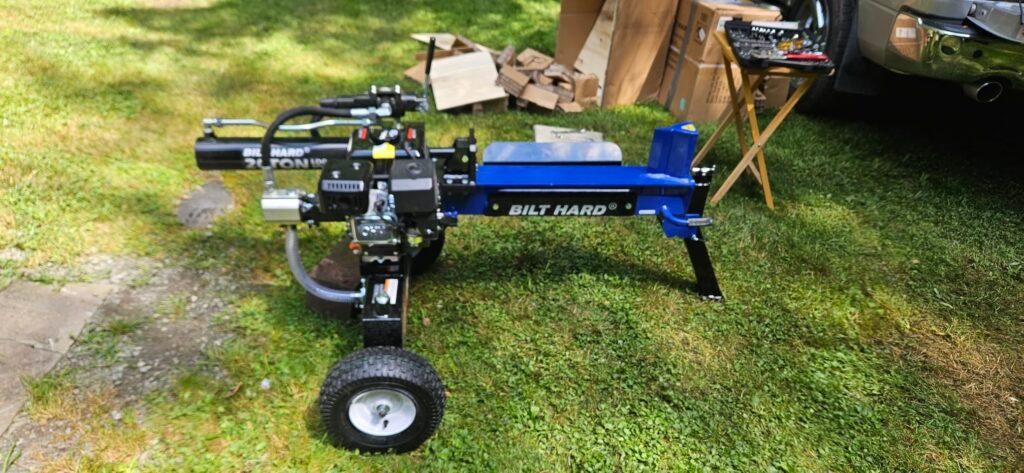
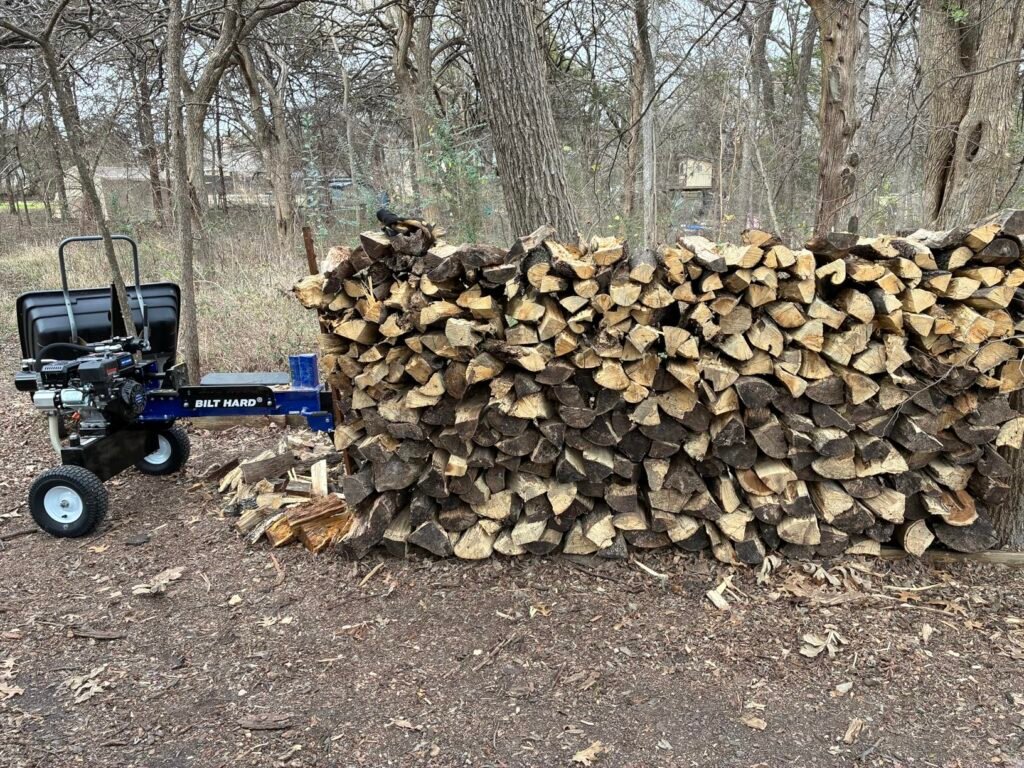
The BILT HARD 27-Ton Towable Gas Log Splitter is the most powerful machine in this guide, designed for serious firewood processors who need to handle large volumes of dense hardwood efficiently. The 209cc OHV engine drives a two-stage hydraulic pump that delivers up to 27 tons of splitting force through a 7-inch hardened steel wedge. Logs up to 24 inches long are processed with a 13-second cycle time, which keeps the pace brisk even when you are working through a multi-cord pile.
We may earn a commission when you buy through this link, at no additional cost to you.
The dual-position design is a major practical advantage for large-scale splitting. In horizontal mode, you can feed standard rounds quickly and maintain a steady rhythm. When you encounter oversized or extremely heavy logs that are difficult to lift onto the beam, you can switch to vertical mode and roll the log directly onto the wedge from ground level. This eliminates the back strain of lifting heavy rounds and significantly speeds up processing of the largest pieces in your pile.
Portability is built into the design with a standard 2-inch ball hitch coupler, 35-inch safety chains, and 16-inch DOT-approved tires rated for towing speeds up to 45 miles per hour. You can hitch the splitter to a truck, ATV, or UTV and tow it directly to the woodlot, which is far more efficient than carrying logs back to a stationary splitter. The 6-gallon hydraulic reservoir and 11 GPM pump ensure consistent performance throughout long splitting sessions.
Horizontal mode is the default for most log splitting because it allows fast, ergonomic feeding at waist height. Vertical mode is essential when dealing with rounds that are too heavy or too large to lift onto the beam safely. By tilting the splitter upright, you can roll a massive round directly onto the wedge from the ground, split it, and then roll the halves away without ever lifting the full weight. If your firewood supply includes large-diameter oak, elm, or maple rounds, vertical capability is not a luxury but a practical necessity.
This is a serious investment that makes the most sense for rural property owners, firewood sellers, or anyone who processes multiple cords of hardwood each year. The gas engine requires regular maintenance including oil changes, air filter cleaning, and fuel management, which adds to the long-term cost of ownership. But for buyers who need this level of power and mobility, the BILT HARD 27-ton splitter delivers professional-grade performance that smaller machines simply cannot match.
Not practical for small suburban yards or buyers who only need occasional kindling and small log splitting.
We may earn a commission when you buy through this link, at no additional cost to you.
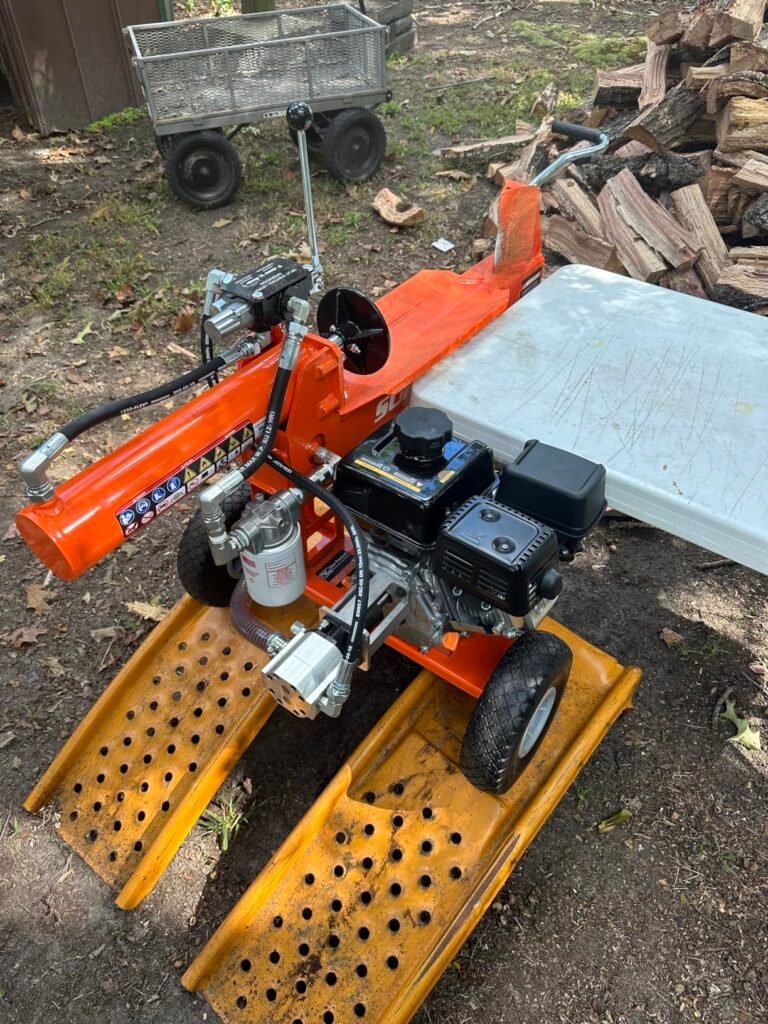
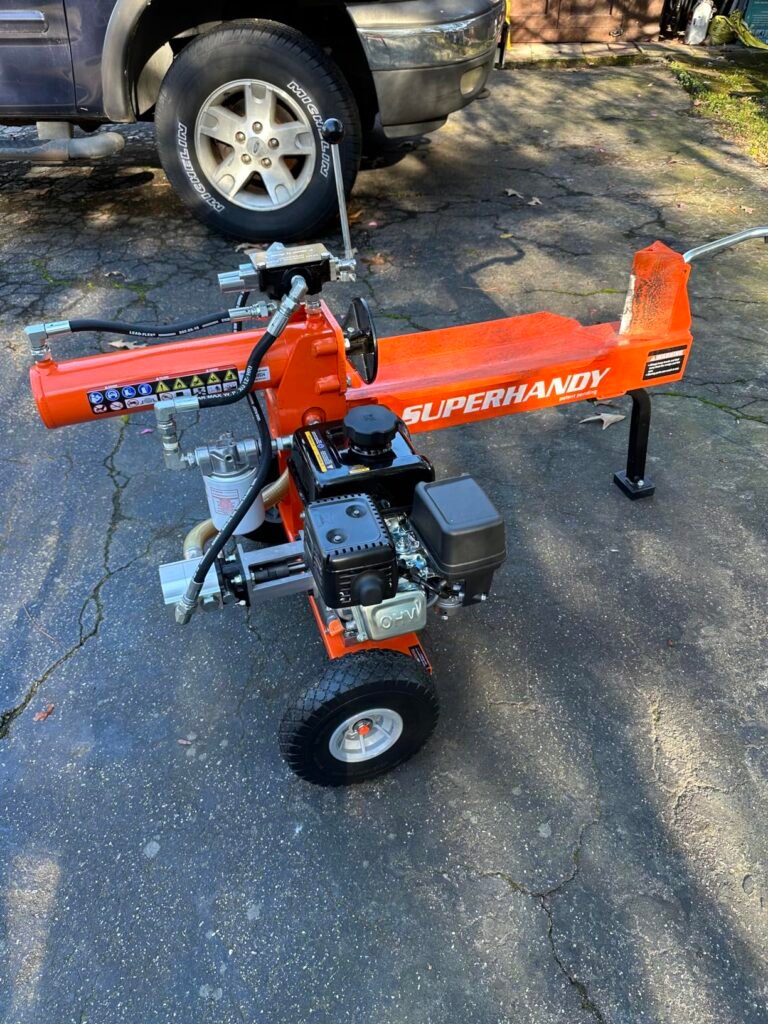
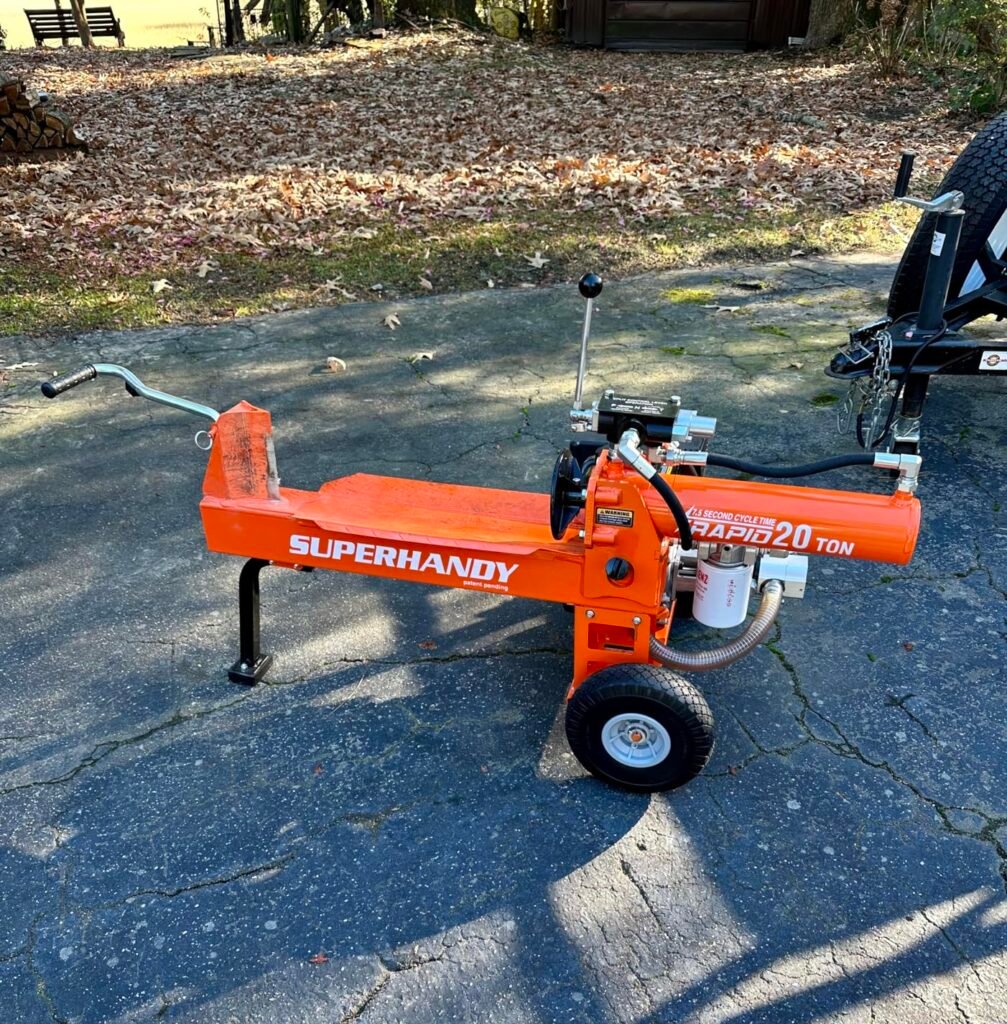
The SuperHandy 20 Ton Hydraulic Log Splitter is built for users who need gas-powered force in a relatively portable package. The 7HP four-stroke OHV engine paired with a two-stage Bucher hydraulic gear pump delivers 20 tons of consistent splitting force through logs up to 20 inches long and 16 inches in diameter. The standout specification is the 7.5-second cycle time, which is among the fastest in this category and helps maintain a productive pace during long splitting sessions.
We may earn a commission when you buy through this link, at no additional cost to you.
Gas power provides a key advantage over electric splitters: consistent force per square inch regardless of the log’s density or grain pattern. Electric motors can bog down or trip breakers when they encounter a particularly tough piece, but a gas engine maintains its power curve through the entire ram stroke. This consistency is especially valuable when you are processing a mixed pile that includes both softwood and dense hardwood rounds of varying sizes.
At 130 pounds, the SuperHandy splitter is light enough to maneuver around a yard with the help of its 10-inch tubeless polyurethane wheels and ergonomic folding handle. The horizontal full-beam design keeps the center of gravity low for stable operation, and the steel wedge construction handles repeated impact without deformation. The folding handle tucks neatly out of the way during storage or transport, reducing the overall footprint when the splitter is not in use.
Cycle time measures how long the ram takes to extend, split the log, and retract to the starting position. A faster cycle time means more logs processed per hour, which matters significantly when you are working through a large pile. The SuperHandy’s 7.5-second cycle is notably quicker than many competitors in the 20-ton range, where 12 to 15 seconds is more typical. Over the course of a full cord of firewood, that time savings adds up to a meaningful reduction in total splitting hours.
One important note for first-time buyers: hydraulic fluid is not included, and the manufacturer recommends AW32 hydraulic oil. You will need to purchase and fill the reservoir before the first use, which adds a small upfront cost and requires a trip to a hardware store. The 4.3-star rating is the second lowest in this guide, which may reflect assembly complexity or the learning curve associated with gas engine maintenance. For buyers who prioritize speed and consistent force over quiet operation, however, this splitter delivers strong performance.
Not ideal for buyers who need quiet operation, indoor use, or a maintenance-free splitting solution.
We may earn a commission when you buy through this link, at no additional cost to you.
Selecting the right wood splitter starts with understanding your firewood volume, log sizes, and the practical constraints of your property. The following factors will help you narrow the field and choose a tool that matches your actual needs rather than an idealized version of your woodpile.
Splitting force, measured in tons, determines how effectively a hydraulic log splitter can push a wedge through dense wood. Manual tools like axes and wedges rely on your physical strength and technique, so their effective force varies with each swing. Hydraulic splitters provide consistent, measurable force that does not depend on your stamina. For seasoned softwood and moderately dense hardwood, 6 to 10 tons is usually sufficient. For large-diameter oak, hickory, or maple rounds, 14 to 27 tons provides a significant margin of capability that reduces frustration and processing time.
The power source directly affects where and how you can use the splitter. Electric models plug into standard household outlets and operate quietly with zero emissions, making them ideal for suburban garages and noise-sensitive neighborhoods. Gas-powered splitters deliver more force and can operate anywhere, but they produce noise, exhaust fumes, and require regular engine maintenance including oil changes, air filter cleaning, and fuel stabilization during off-season storage. Manual tools require no power source at all, which makes them the most portable and maintenance-free option for light-duty use.
Match the power source to your property and usage patterns. If you split a few cords of seasoned wood near your home each year, an electric splitter offers the best balance of convenience and capability. If you process large volumes of hardwood on a rural property or need to tow your splitter to a woodlot, gas power is the practical choice. For occasional kindling production, a manual splitter or axe is often all you need.
Every log splitter has maximum length and diameter specifications that define the largest piece it can handle. Length capacity is determined by the distance between the wedge and the push plate, while diameter capacity depends on the splitting force and the physical clearance around the beam. Exceeding these limits is not just inefficient; it can damage the hydraulic system or create dangerous kickback situations. Before purchasing, measure the largest rounds in your typical firewood supply and choose a splitter with capacity that exceeds those dimensions by a comfortable margin.
It is also worth considering the range of log sizes you will encounter, not just the maximum. A splitter that handles 24-inch rounds but struggles with small-diameter pieces may force you to maintain multiple tools for different tasks. Kindling splitters, by contrast, are optimized for small pieces and cannot process full-size rounds at all. Understanding the full spectrum of your firewood needs will help you decide whether a single versatile machine or a combination of specialized tools makes more sense for your situation.
Check both the length and diameter specifications carefully before buying. A splitter rated for 20-inch logs with a 10-inch diameter limit will handle most suburban firewood but may struggle with oversized rounds from large tree removals. If your woodpile regularly includes pieces that push the upper limits of a splitter’s capacity, consider stepping up to the next size category to avoid constant frustration.
Manual wood splitters include axes, wedges, and fixed-blade kindling crackers. They are lightweight, portable, inexpensive, and require no fuel or electricity. The tradeoff is that all the work comes from your body, which limits the volume you can process in a single session and makes dense hardwood rounds a significant physical challenge. Manual tools are best suited for small-scale kindling production, campfire preparation, and occasional splitting of well-seasoned softwood logs that do not require excessive force.
Hydraulic splitters use a powered ram to drive a wedge through the log, which dramatically reduces the physical effort required from the operator. The operator loads the log, activates the controls, and lets the machine do the heavy work. This makes hydraulic splitters accessible to a much wider range of users, including those with limited upper body strength or mobility. The tradeoff is higher cost, greater weight, and the need for a power source, whether electrical or gasoline.
The decision between manual and hydraulic operation comes down to volume and physical capability. If you split less than one cord of seasoned wood per year and are comfortable swinging an axe, a manual tool is likely sufficient. If you process multiple cords, deal with dense hardwood, or want to reduce the physical toll of firewood season, a hydraulic splitter will pay for itself in saved time and effort within the first year or two of use.
Portability matters more than many first-time buyers anticipate. A heavy hydraulic splitter that sits in one corner of your garage is only useful if your woodpile is nearby. If you need to move the splitter around your property, tow it to a woodlot, or store it in a tight space during the off-season, weight and dimensions become critical factors. Compact electric splitters and manual tools can be carried or rolled by a single person, while large gas-powered machines may require a vehicle and a hitch for relocation.
Storage is a related consideration that affects long-term satisfaction. Gas-powered splitters require fuel stabilization or draining before extended storage to prevent carburetor issues, and they take up more floor space than electric or manual alternatives. Electric splitters can be stored in a garage or shed without fuel concerns, and manual tools can hang on a wall or sit on a shelf. If your storage space is limited, factor the off-season footprint into your purchasing decision.
Evaluate your typical splitting location and storage situation before choosing a model. If you split in the same spot every time and have ample garage space, a heavier machine is manageable. If you need to transport your splitter frequently or store it in a small shed, prioritize lighter models with transport wheels and compact dimensions.
Wood splitting involves significant force, sharp edges, and flying wood fragments, which makes safety a non-negotiable consideration. Hydraulic splitters typically include two-hand operation controls that require the operator to hold both levers simultaneously, keeping hands away from the splitting wedge during the ram cycle. Overload protection prevents the motor from burning out if the ram encounters an immovable object, and support legs stabilize the machine on uneven terrain. These features are standard on most modern hydraulic splitters but vary in quality and implementation.
Manual tools present different safety challenges. Axes and mauls require careful swing technique and a clear striking zone to avoid glancing blows that can deflect toward your legs or feet. Fixed-blade kindling splitters reduce this risk by eliminating the swinging motion entirely, but the exposed cutting edge still requires awareness during log placement and striking. Ring-style kindling splitters like the Kindling Cracker offer the highest level of hand protection among manual tools because the safety ring physically prevents your hands from reaching the blade.
Regardless of the tool you choose, always wear safety glasses, steel-toed boots, and heavy gloves when splitting wood. Inspect your equipment before each session for cracks, loose components, or hydraulic leaks. Never bypass safety features on hydraulic splitters, and never place your hands near the wedge while the ram is in motion. Good safety habits are the most important investment you can make in your firewood processing setup.
The materials used in a wood splitter’s construction directly affect its lifespan and resistance to the harsh conditions of firewood processing. Cast iron kindling splitters are extremely durable and can last for generations with minimal care, as demonstrated by models like the Kindling Cracker that feature single-piece construction with no welds or joints. Steel wedges and axe heads are similarly long-lasting when properly maintained, though they may require periodic sharpening and rust prevention. Hydraulic splitters use a combination of steel beams, hydraulic cylinders, and engine components that demand more active maintenance to preserve their performance.
Environmental exposure is a major factor in durability. Wood splitters are used outdoors in all weather conditions, often in contact with moisture, sap, and dirt. Powder-coated finishes, galvanized components, and weather-resistant paint help protect against corrosion, but no finish is permanent. Regular cleaning, dry storage, and occasional touch-up painting will extend the life of any splitter. Hydraulic splitters also require periodic fluid changes, hose inspections, and seal replacements to maintain consistent performance over many seasons.
When comparing build quality, look for single-piece castings, hardened steel wedges, and reputable hydraulic components rather than focusing solely on the warranty. A well-built splitter from a known manufacturer will typically outlast a cheaper alternative with similar specifications, and the long-term cost of ownership is often lower despite a higher initial price.
Before your first splitting session, take time to read the owner’s manual and inspect all components. For hydraulic splitters, check the fluid level, inspect hoses for leaks, and verify that all safety features are functioning correctly. For manual tools, ensure the blade or wedge is sharp and the handle is securely attached. Set up your splitting area on a flat, stable surface with plenty of clearance around you, and always wear safety glasses, gloves, and sturdy footwear. Start with smaller, well-seasoned logs to build confidence before tackling larger or denser rounds.
During operation, maintain a consistent rhythm and avoid rushing. With hydraulic splitters, let the ram complete its full cycle before loading the next log, and never attempt to reposition a log while the ram is moving. With manual tools, focus on accurate strike placement rather than raw power; a well-aimed blow with moderate force is more effective than a wild swing at full strength. Keep your splitting area organized by stacking unsplit logs on one side and finished pieces on the other, which reduces tripping hazards and improves efficiency.
After each session, clean your splitter to remove wood chips, sap, and dirt that can accelerate wear. For hydraulic models, check the fluid level and inspect the ram and hoses for signs of damage. For cast iron and steel tools, wipe down the surfaces and apply a light coat of oil or touch-up paint to prevent rust. Store your splitter in a dry, covered location during the off-season, and for gas-powered models, either drain the fuel tank or add a fuel stabilizer to prevent carburetor problems when you start the engine again in the fall.
For most suburban homeowners who split a few cords of seasoned firewood each year, a 6 to 14-ton electric splitter handles the job well. If you regularly process dense hardwood rounds over 16 inches in diameter, consider a 20-ton or larger gas-powered model. For occasional kindling production, a manual cast iron splitter or splitting axe is often sufficient and far more affordable.
Yes, in most situations. A fixed-blade kindling splitter eliminates the swinging motion that makes axes dangerous, because the blade stays stationary and you drive the log down onto it. Ring-style designs like the Kindling Cracker add an extra layer of protection by physically blocking your hands from reaching the cutting edge. However, you should still wear safety glasses and gloves, as wood fragments can fly during splitting.
Dense hardwoods like oak, hickory, and maple typically require at least 14 to 20 tons of hydraulic force for reliable splitting, especially when the rounds are large or contain knots. Softer woods like pine and fir can be split with 6 to 10 tons. If your firewood supply is a mix of species and sizes, choosing a splitter at the higher end of the range provides a useful margin that reduces frustration on the toughest pieces.
Electric log splitters produce zero emissions and operate relatively quietly, which makes them suitable for use in a well-ventilated garage or covered workspace. However, you should still ensure adequate ventilation to manage dust and wood debris, and verify that your electrical circuit can handle the motor's amperage draw without tripping. Never use a gas-powered splitter indoors due to the risk of carbon monoxide poisoning.
Horizontal splitters process logs on a beam at waist height, which is fast and ergonomic for standard-sized rounds. Vertical splitters allow you to roll heavy or oversized logs directly onto the wedge from ground level, eliminating the need to lift them. Some gas-powered models offer both configurations, which provides maximum versatility for mixed woodpiles that include both manageable rounds and massive pieces that would be impractical to lift.
Regular maintenance includes checking and topping off hydraulic fluid, inspecting hoses and fittings for leaks, cleaning the beam and wedge after each use, and lubricating moving parts as recommended by the manufacturer. For gas-powered models, you also need to change the engine oil, clean or replace the air filter, and manage fuel storage during the off-season. Following the maintenance schedule in your owner's manual will extend the life of the splitter and prevent costly repairs.
Most manual kindling splitters are designed for dry, seasoned logs and will struggle with wet or green wood. Green wood has a higher moisture content and a more flexible grain structure, which makes it resistant to the clean splitting action of a fixed blade. If you need to process green wood, a hydraulic splitter with higher tonnage is a more effective choice. Allow freshly cut logs to season for at least six to twelve months before attempting to split them with a manual kindling tool.
A gas-powered splitter is worth the investment if you process multiple cords of firewood each year, deal with large or dense hardwood rounds, or need to operate in locations without electrical access. The higher splitting force, faster cycle times, and portability of gas models justify the additional purchase price and ongoing maintenance costs for serious users. For casual suburban use with smaller logs, an electric splitter or manual tool is usually more cost-effective.
The time required depends on the splitter's cycle time, your log sizes, and your experience level. With a fast hydraulic splitter and well-seasoned logs, a single operator can process a full cord in roughly four to eight hours. Manual splitting with an axe or wedge takes significantly longer, often spread across multiple days. Pre-sorting your logs by size and species before you begin will improve efficiency regardless of the tool you use.
The Kindling Cracker King XL stands out as the strongest overall choice for buyers who prioritize safety and ease of use in kindling production. Its patented fixed-wedge design eliminates the most dangerous aspect of traditional kindling splitting, and the single-piece cast iron construction ensures it will last for decades with zero maintenance. For a dedicated kindling tool, it is difficult to improve on this combination of safety, durability, and simplicity.
Buyers with different needs will find strong alternatives throughout this guide. The Fiskars X27 offers exceptional value for anyone who prefers a traditional splitting axe, while the BILT HARD 14 Ton Electric delivers serious hydraulic force without the noise and maintenance of a gas engine. For large-scale firewood processing, the BILT HARD 27-Ton Towable Gas Splitter provides professional-grade power and mobility that smaller machines cannot match.
The best wood splitter for your situation depends on the volume of firewood you process, the size and density of your logs, and the practical constraints of your property. Start by honestly assessing your typical firewood season, then match those needs to the splitting force, capacity, and power source that make the most sense. A well-chosen splitter will save you time, reduce physical strain, and make firewood season something you look forward to rather than dread.