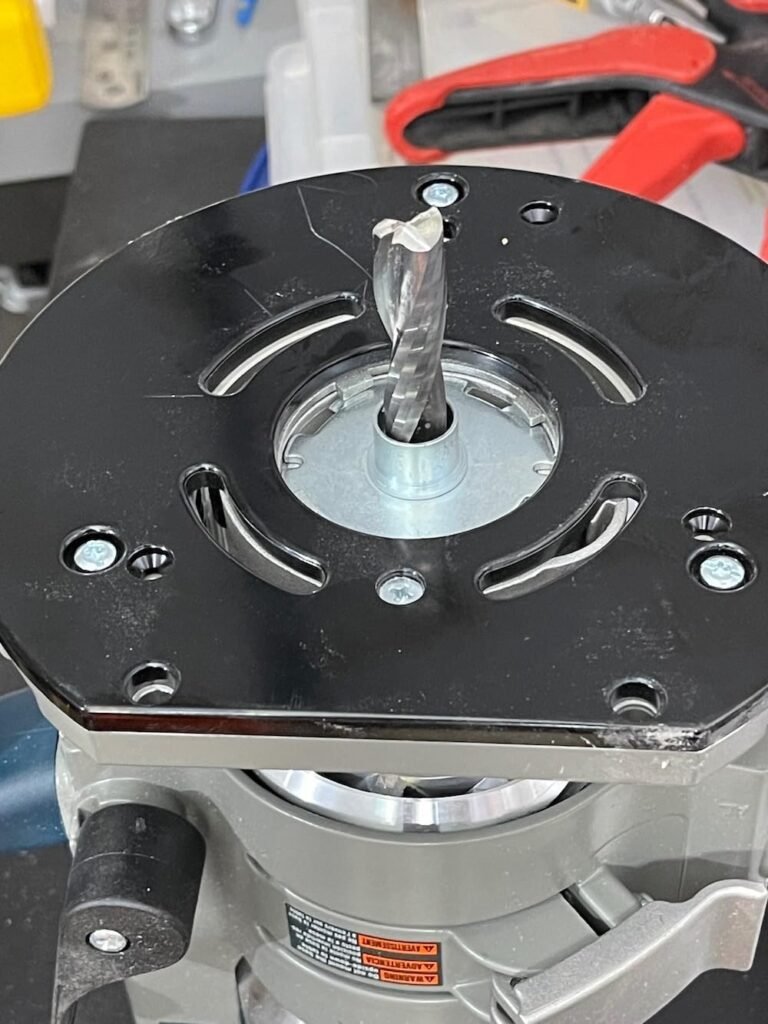
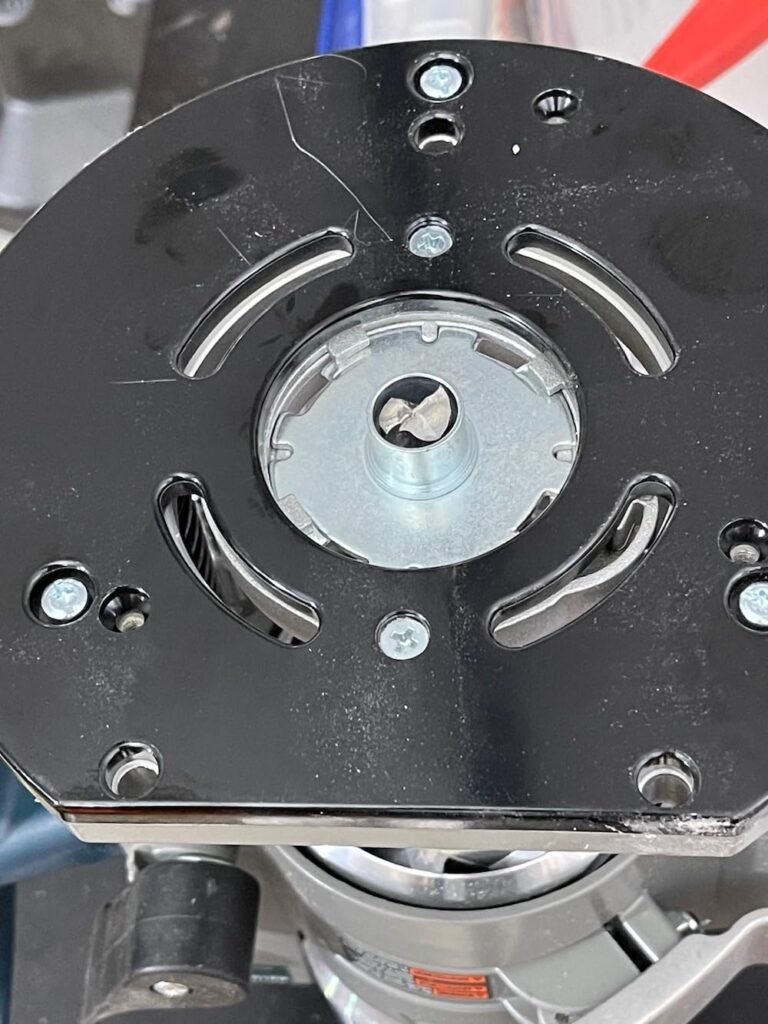
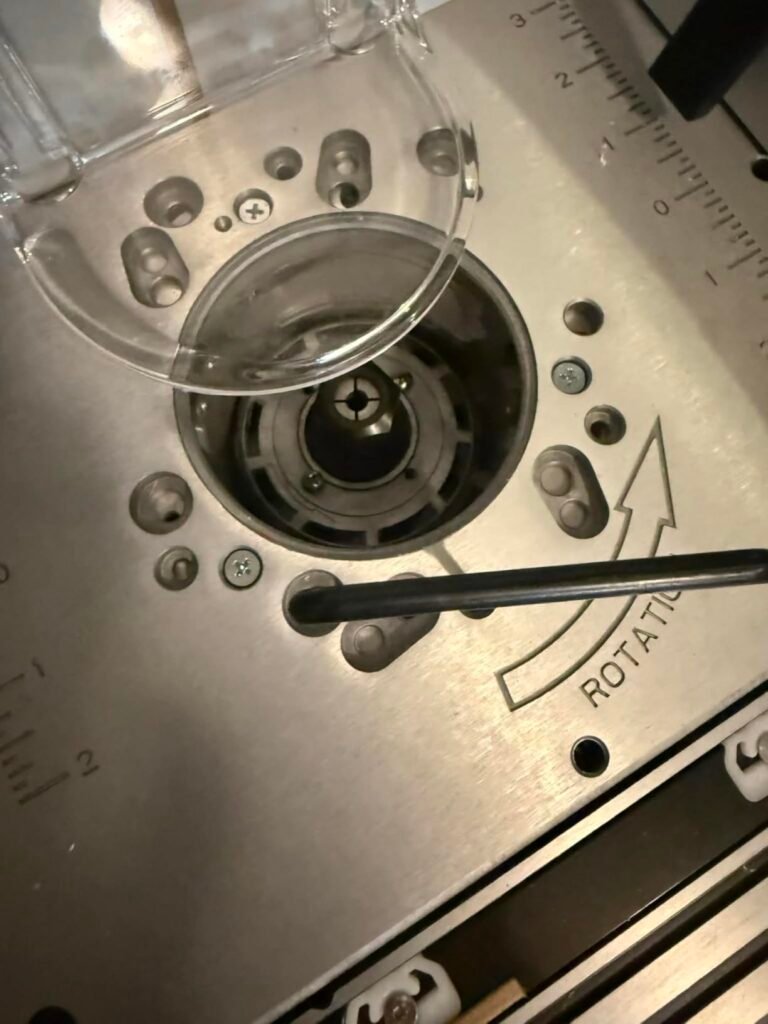
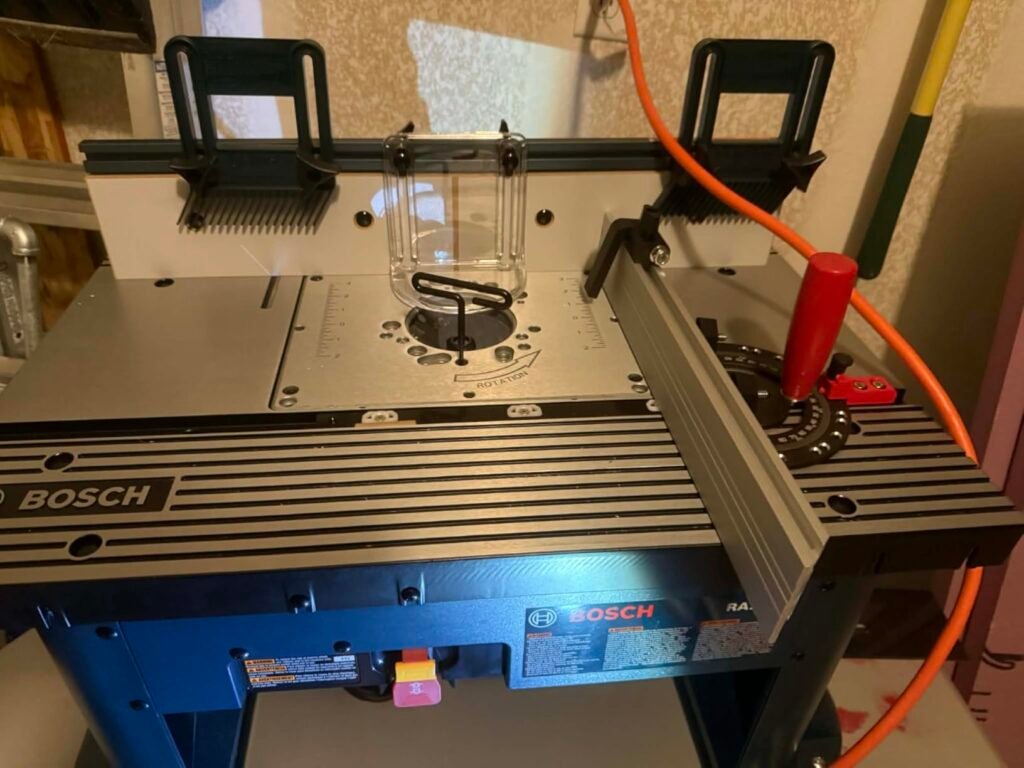
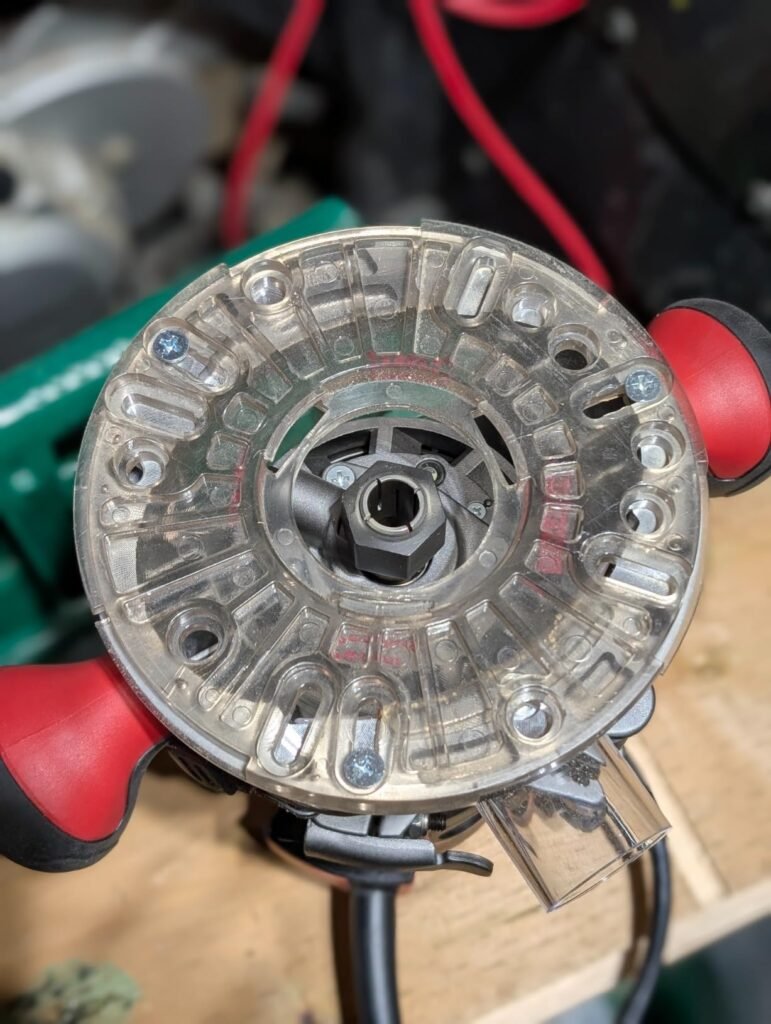
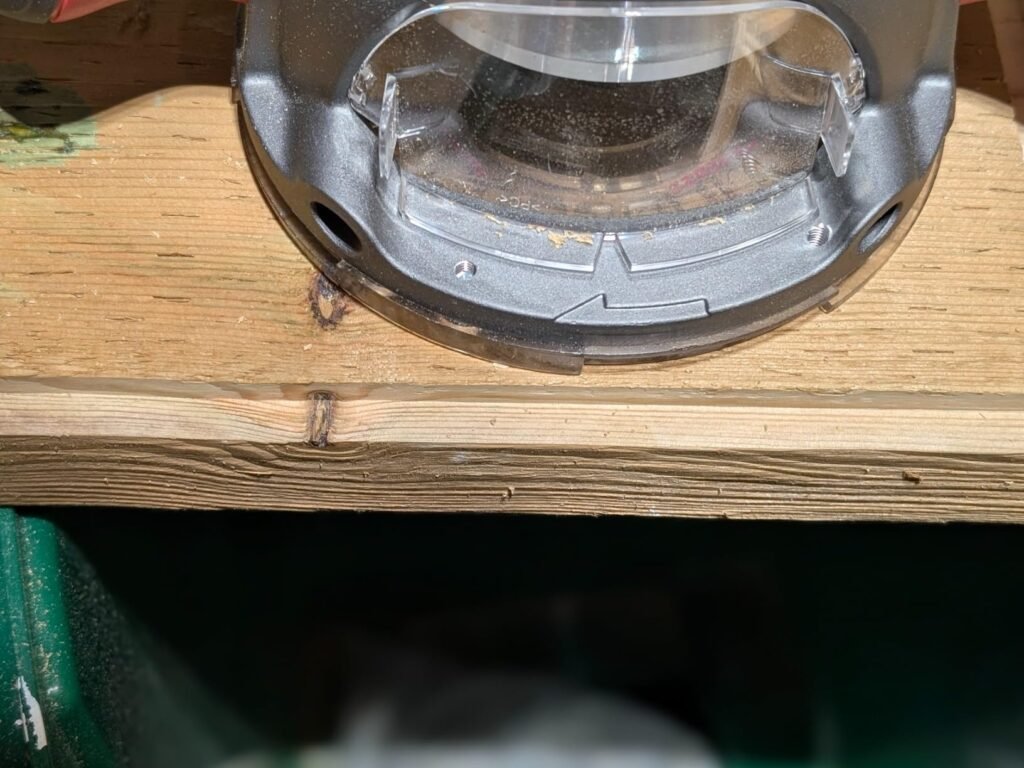
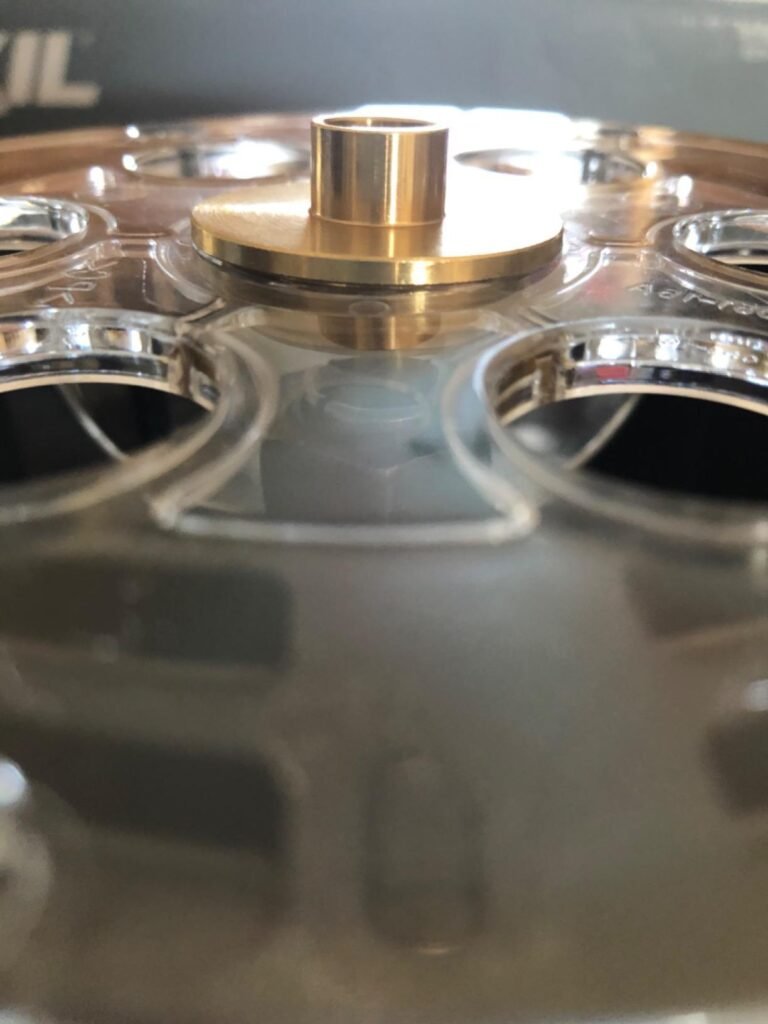
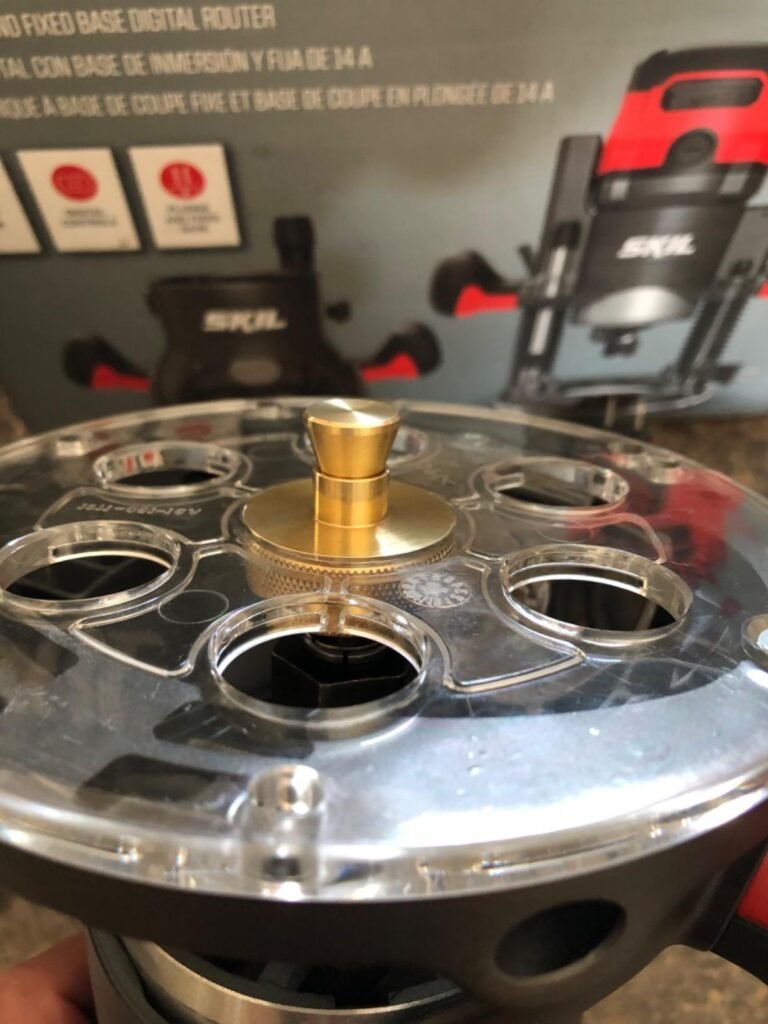
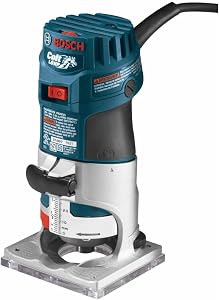
Bosch 1617EVS
9.6Editor score12 Amp motor
8,000-25,000 variable RPM
Fixed base only
Constant response circuitry
Find the right wood routers for 2026. We compare 10 standout options by build quality, useful features, owner feedback, value, and everyday trade-offs.
Find the right wood router for 2026. We compare 10 standout options by motor power, base versatility, speed control, precision adjustments, durability, ease of use, and value. Whether you’re shaping edges, cutting grooves, or trimming laminate, the differences matter.
Routers range from compact palm models ideal for detail work to full-size combination kits that handle plunge cuts and table mounting. Motor strength, variable speed ranges, depth adjustment systems, and base compatibility determine how smoothly you can tackle hardwoods, templates, and repeated cuts.
This guide helps you prioritize the features that match your projects. We explain what separates a reliable workhorse from a budget-friendly starter tool, and which trade-offs actually affect your results on the workbench.
We compared 10 wood routers using the details that actually help a buyer decide: motor power, speed range, base options, depth adjustment precision, build quality, collet size, dust collection, user feedback, and value. The notes focus on practical trade-offs so each pick feels connected to how people actually shape, trim, and finish wood.


Compare key features, scores, and current prices side by side. A shorter feature list means fewer details were available, not necessarily fewer capabilities.




This combination kit delivers the flexibility many woodworkers need. The package includes both a fixed base for table mounting and edge work, plus a plunge base for mortises and interior cuts. That dual-base design means you can tackle a wider range of projects without buying a second router or constantly swapping accessories.
We may earn a commission when you buy through this link, at no additional cost to you.
The 12-amp motor generates 2.25 horsepower and offers variable speed from 8,000 to 25,000 RPM. That range lets you dial down for large bits in hardwood or spin faster for cleaner edges in softer materials. Constant-response circuitry maintains torque under load, so the bit stays on speed even when you push through dense grain. The one-piece armature shaft reduces vibration for smoother cuts.
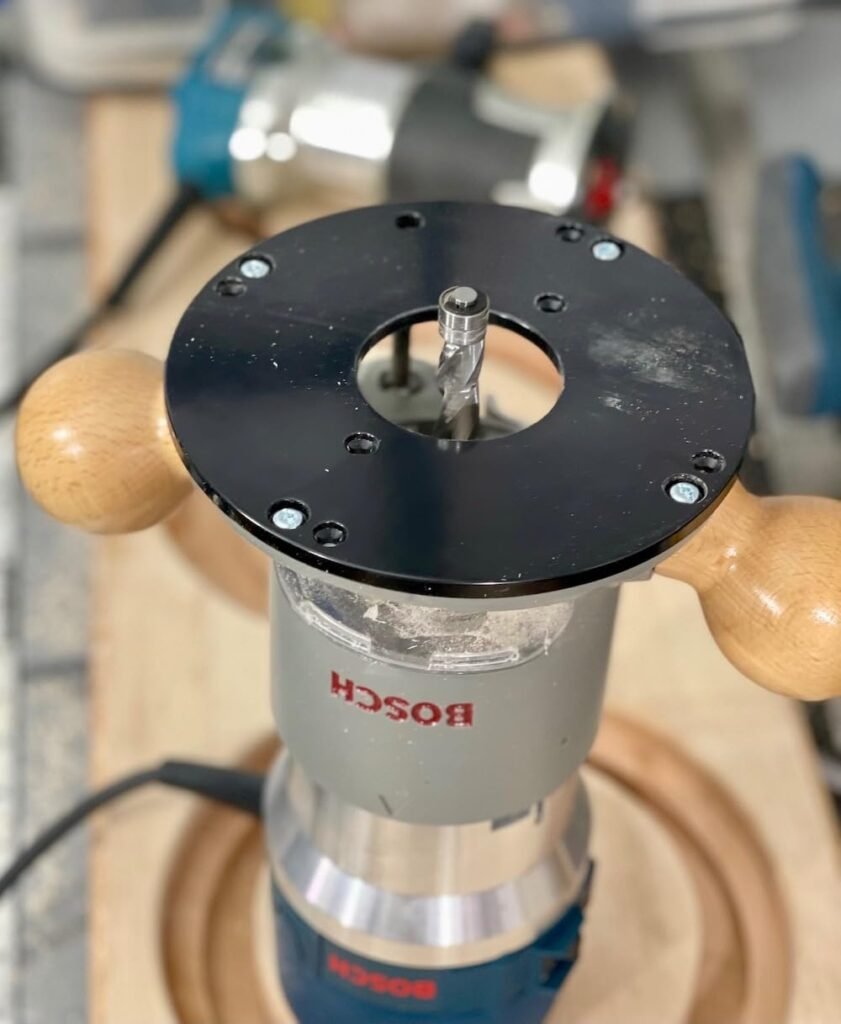
Microfine depth adjustment moves in precise increments, which matters when you’re fine-tuning dado depths or matching template profiles. The threaded three-hole base pattern secures the motor quickly to router tables, and the rounded hardwood handles offer a comfortable grip during handheld routing. The dust-sealed power switch keeps sawdust out of the electronics, extending service life.
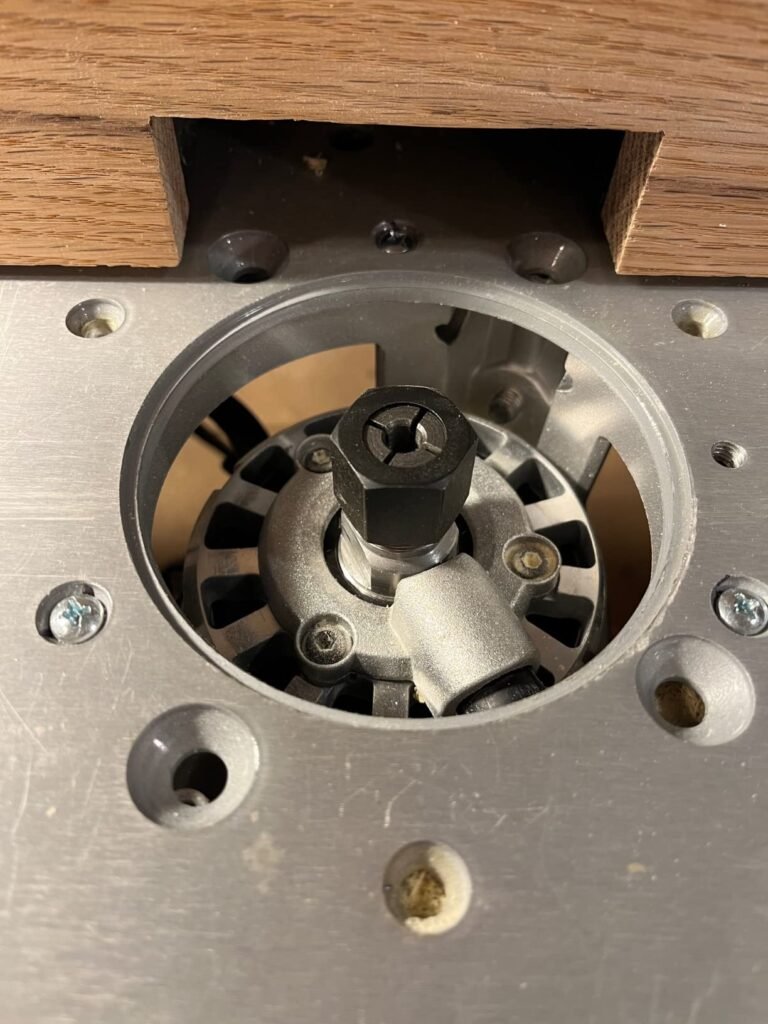
The threaded mounting pattern and sub-base opening make table installation straightforward. You can swap bits quickly and maintain consistent depth settings, which speeds up production runs and ensures repeatable profiles across multiple workpieces.
This kit suits woodworkers who want both handheld versatility and table-routing capability in one package. The plunge base adds value for joinery and stopped cuts, while the fixed base handles repetitive edge profiles and table work. If you plan to expand your routing beyond basic trimming, the combination design removes the need to purchase separate tools later.
Buyers who only need occasional edge trimming may find the combination kit heavier and more complex than a compact palm router.
We may earn a commission when you buy through this link, at no additional cost to you.
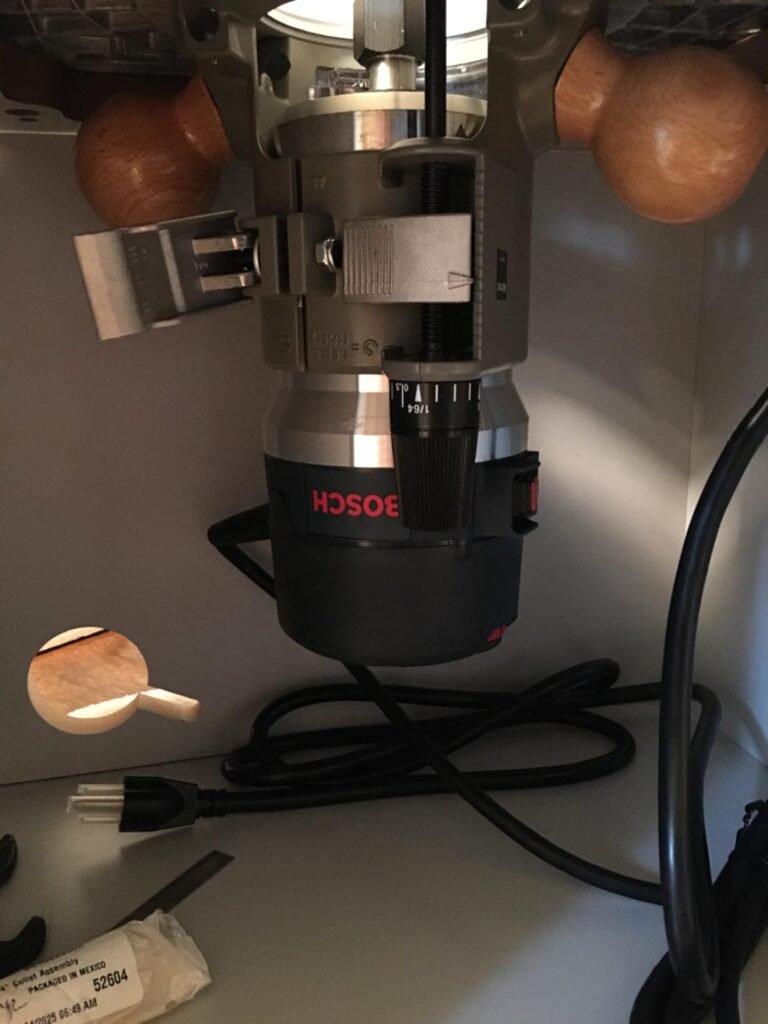
This fixed-base model offers the same motor and electronics as the combination kit, but at a lower price for woodworkers who don't need plunge capability. The 12-amp, 2.25-horsepower motor delivers variable speed from 8,000 to 25,000 RPM, and constant-response circuitry keeps the bit spinning at your selected speed even when you apply pressure.
We may earn a commission when you buy through this link, at no additional cost to you.
The microfine depth-adjustment ring moves in controlled increments, making it easy to dial in exact bit heights for dadoes, rabbets, or edge profiles. The threaded three-hole base pattern fits most router tables, and the right-or-left switch location accommodates different hand preferences or table orientations. That flexibility matters when you’re routing from multiple angles or working around clamps.
Rounded hardwood handles provide a secure grip during handheld work, and the one-piece armature shaft minimizes vibration for cleaner cuts. The 2-inch sub-base opening accepts larger template bushings, expanding the range of pattern work you can tackle. Dust sealing around the power switch protects the motor from sawdust infiltration, which is especially useful in table-routing environments where chips accumulate quickly.
The fixed base mounts securely to most router tables, and the switch placement options let you position the power control where it’s easiest to reach. For production work, that consistent mounting and quick bit changes speed up repetitive cuts.
This router suits buyers who primarily work with edge profiles, table-mounted joinery, or handheld trimming and don’t require the plunge function for mortises or interior cuts. If you later decide you need plunge capability, Bosch sells the plunge base separately, so you can upgrade the kit without replacing the motor.
Woodworkers who need plunge cuts for mortises or stopped grooves should consider the combination kit or a model that includes a plunge base.
We may earn a commission when you buy through this link, at no additional cost to you.
This compact router arrives as a complete kit with 15 tungsten carbide bits, an edge guide, a circle guide, and a roller guide. That accessory package removes the need to purchase bits separately, which lowers the barrier for beginners or DIYers who want to explore routing without a large upfront investment.
We may earn a commission when you buy through this link, at no additional cost to you.
The 6.5-amp motor delivers 1.25 horsepower and six variable speed settings from 15,000 to 32,000 RPM. Unlike single-speed models, the dial lets you match RPM to your material and bit size, reducing burning on softer woods and improving control with larger cutters. The transparent base offers an unobstructed view of the cutting edge, which helps when you’re following layout lines or aligning template bushings.
The quick-release locking lever and depth scale allow stable, repeatable adjustments. The rubberized grip reduces hand fatigue during longer routing sessions, and the optimized cooling vents help manage motor temperature. Carbon brushes are externally accessible for quick replacement, and the included dust hood connects to standard shop-vacuum hoses to keep your work area cleaner.
The 15-piece bit set eliminates the guesswork of choosing your first profiles, and the edge and circle guides expand your project options. The custom carrying case keeps everything organized, which is helpful when you’re moving between job sites or storing the tool between uses.
This kit suits hobbyists, home-repair users, and anyone learning to rout. The included bits cover common edge profiles, grooves, and chamfers, so you can start projects right away. The lower motor power means it performs best in softwoods, plywoods, and moderate hardwoods; pushing too hard in dense materials may slow the bit or cause vibration.
Professional woodworkers routing dense hardwoods daily will want a higher-horsepower motor and more robust construction for sustained heavy use.
We may earn a commission when you buy through this link, at no additional cost to you.
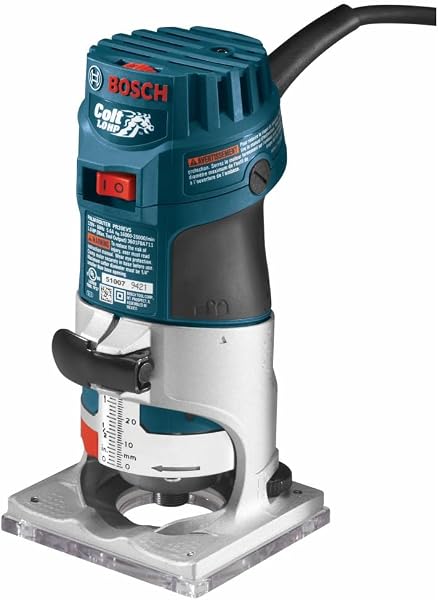
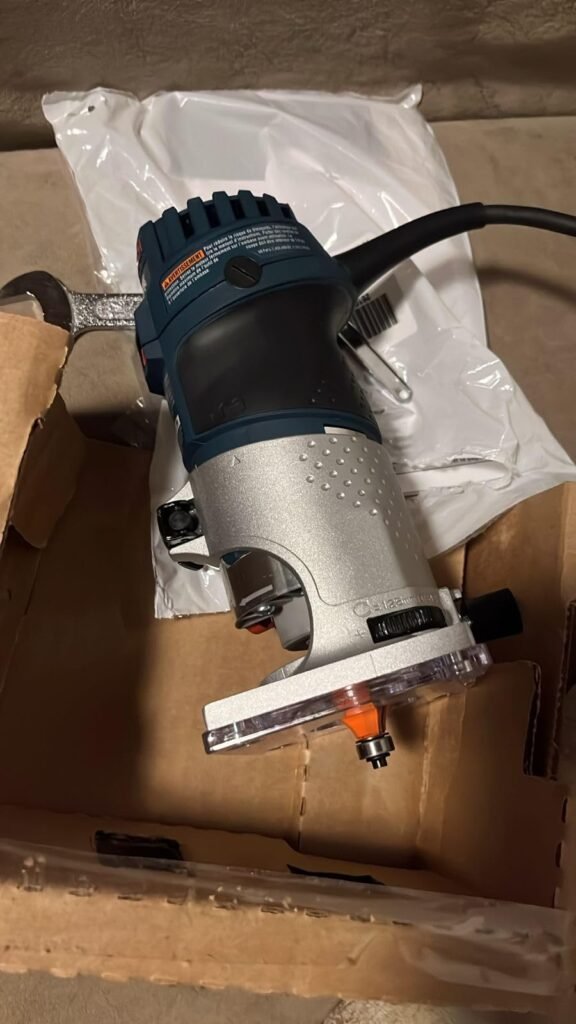
This palm router balances compact size with variable-speed control from 16,000 to 35,000 RPM. The high-speed range delivers cleaner cuts on edge profiles, laminate trimming, and inlay work, where slower speeds might leave burn marks or rough surfaces. The 1.0-horsepower motor provides enough torque for most trimming and light shaping tasks without the bulk of a full-size router.
We may earn a commission when you buy through this link, at no additional cost to you.
The quick-clamp system lets you adjust or remove the motor from the base with a simple lever action. That speed matters when you’re switching between bits or moving the motor to a different base, such as a plunge attachment or offset base for specialized cuts. Macro and micro depth adjustments offer both fast rough setting and fine-tuning for precise final depths.
The aluminum fixed base resists flexing and wear, and the unique finger-support pockets on the base improve stability when you’re trimming edges or following curved layouts. The straight edge guide keeps the router aligned along workpiece edges or up to 3-5/8 inches from the edge, which is useful for consistent dado spacing or parallel grooves. The angled cord exit routes the power cable out of your cutting path, reducing snags.
The variable-speed dial lets you reduce RPM for larger bits or increase it for small-diameter cutters, matching the bit’s recommended surface speed. That flexibility prevents scorching on softwoods and reduces tear-out on figured grain.
This router suits cabinetmakers, trim carpenters, and hobbyists who need precise edge work, hinge mortises, or laminate trimming. The compact form fits into tight cabinet interiors and allows better visibility than larger models. For heavier stock removal or large panel-raising bits, a full-size router with more horsepower will maintain speed more consistently.
Woodworkers routing thick hardwood stock or using large panel-raising bits will benefit from a higher-horsepower full-size router.
We may earn a commission when you buy through this link, at no additional cost to you.
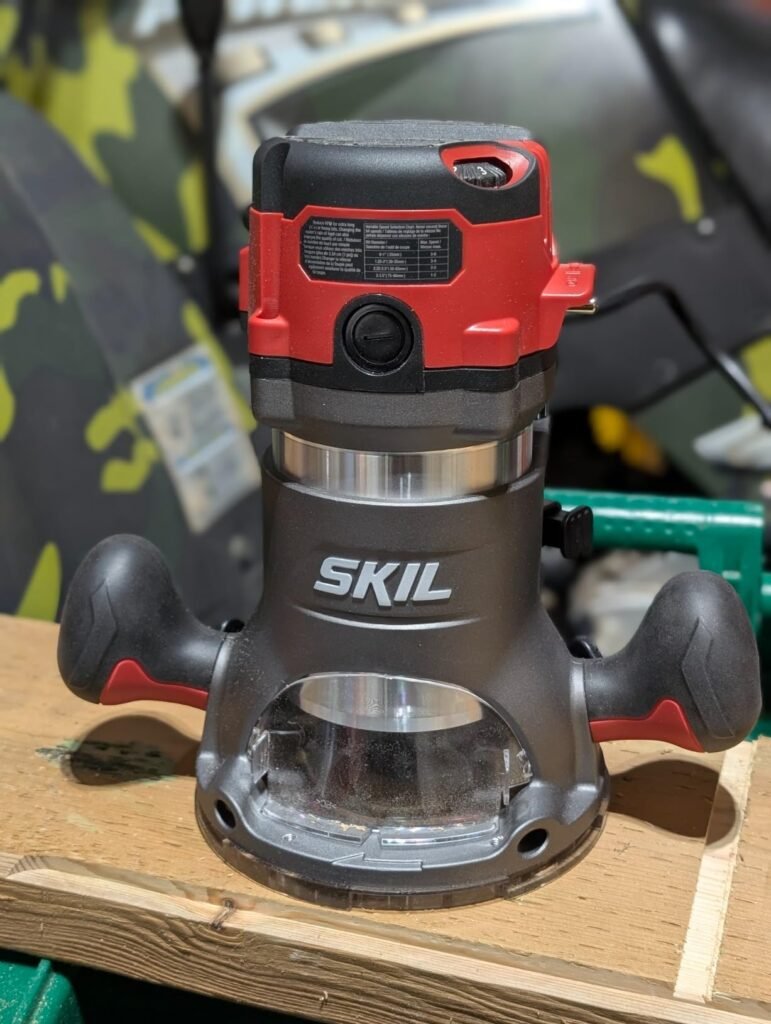
This fixed-base router delivers 2.0 horsepower from a 10-amp motor, offering enough power for edge profiles, dadoes, and table-mounted joinery. The soft-start feature ramps up motor speed gradually, reducing the sudden torque that can jerk the tool or shift your workpiece at startup. That controlled acceleration improves safety and precision, especially when routing small or delicate parts.
We may earn a commission when you buy through this link, at no additional cost to you.
The adjustable speed control lets you dial in the right RPM for your material and bit size. While the exact speed range isn’t detailed, the control gives you flexibility to slow down for larger bits or spin faster for cleaner edges. The die-cast motor housing resists impact damage and dissipates heat effectively, and the shaped handles provide a secure grip during handheld work.
A live tool indicator lights up whenever the router is plugged in, reminding you that the tool is connected to power even when the switch is off. That simple safety feature helps prevent accidental startups when changing bits or adjusting depth. The overall build quality feels solid for the price point, making this a practical choice for weekend woodworkers and homeowners who rout occasionally.
The gradual motor ramp-up reduces the chance of the bit grabbing or the router twisting in your hands at startup. That smoother beginning makes it easier to position the tool precisely before the bit reaches full speed.
This model suits buyers who want reliable fixed-base performance without paying for plunge capability or premium electronics. It handles table routing, edge work, and handheld trimming well, and the soft-start and live indicator add useful safety touches. If you need plunge cuts, consider the dual-base SKIL kit or a separate plunge router.
Users who need both fixed and plunge bases should look at combination kits that include both mounting options in one package.
We may earn a commission when you buy through this link, at no additional cost to you.
This combination kit pairs a 14-amp, 2.5-horsepower motor with both fixed and plunge bases, giving you routing flexibility across a wide range of projects. The LCD speed-control display lets you select your bit type and material, then suggests an optimal RPM setting. That guided approach helps newer users avoid common mistakes like running too fast with large bits or too slow with small cutters.
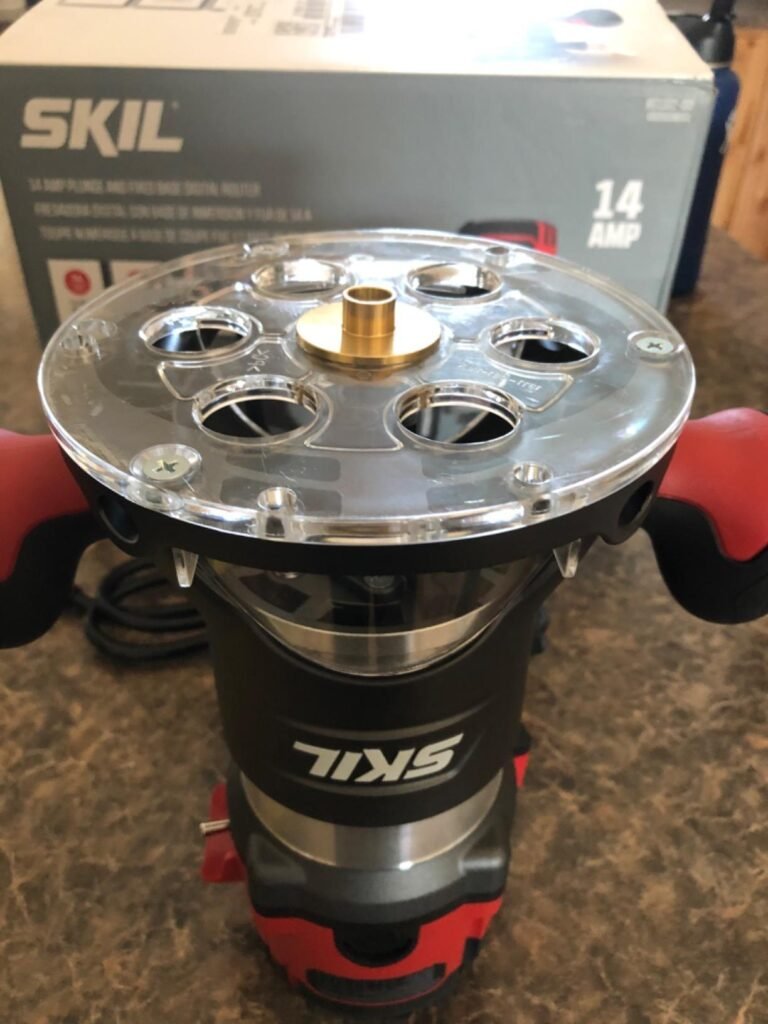
We may earn a commission when you buy through this link, at no additional cost to you.
Electronic feedback circuitry monitors motor speed and adjusts power to maintain your selected RPM even when the bit encounters resistance. That consistent speed produces smoother cuts and reduces the chance of burning or chattering in hardwoods. The soft-start feature ramps up the motor gradually, and the live tool indicator reminds you when the router is plugged in.
The plunge base adds mortising, stopped-groove, and interior-cut capability, while the fixed base handles edge work and table mounting. The motor transfers between bases quickly, so you can switch setups without needing a second router. The die-cast housing and shaped handles provide durability and control, and the overall design balances power with user-friendly electronics.
The LCD menu reduces guesswork by recommending RPM based on your inputs. While experienced users may prefer manual control, the feature helps less-experienced woodworkers avoid speeds that cause tear-out or burning.
This router suits intermediate and advanced woodworkers who want both base options and appreciate electronic guidance. The LCD interface streamlines speed selection, and the electronic feedback ensures consistent performance across different woods. The 2.5-horsepower motor gives you headroom for panel-raising bits and deep cuts that would bog down lower-powered models.
Buyers seeking the lightest possible router for one-handed trim work should consider a dedicated palm router instead of this heavier dual-base kit.
We may earn a commission when you buy through this link, at no additional cost to you.
This combination kit stands out for its through-the-column dust collection, which captures approximately 95% of routing debris. The integrated system pulls chips and dust away from the bit, keeping your layout lines visible and reducing cleanup time. That cleaner work area also improves cut quality by preventing chips from interfering with the bearing or base.

We may earn a commission when you buy through this link, at no additional cost to you.
The 12-amp motor delivers 2.25 horsepower with electronic variable speed from 8,000 to 24,000 RPM. Full-feedback control maintains consistent speed under load, and the soft-start feature reduces initial torque for safer, more controlled startups. The micro-fine depth-adjustment ring moves in 1/64-inch increments and rotates vertically, so the switch and cord location stay constant as you adjust depth.
Quick-release motor latches let you swap between the fixed and plunge bases without tools, speeding up transitions between edge work and mortising. The detachable cordset allows you to replace a damaged cord without servicing the motor, and the precision-machined brass bushings ensure smooth plunge strokes. The clear LEXAN sub-base provides better bit visibility than opaque bases and accepts standard template-guide bushings.
Integral dust collection keeps the bit and workpiece clear, improving visibility and reducing airborne particles. Connect the port to a shop vacuum for maximum capture, and remember that dust removal also extends bit life by reducing heat buildup.
This router suits woodworkers who prioritize clean operation and premium build quality. The dust collection is especially valuable in enclosed shops or when routing materials that produce fine dust. The soft start, electronic feedback, and micro-adjustments deliver the precision and control needed for fine furniture, cabinetry, and detailed template work.
Budget-conscious buyers who don’t need advanced dust collection may prefer a simpler combination kit at a lower price point.
We may earn a commission when you buy through this link, at no additional cost to you.
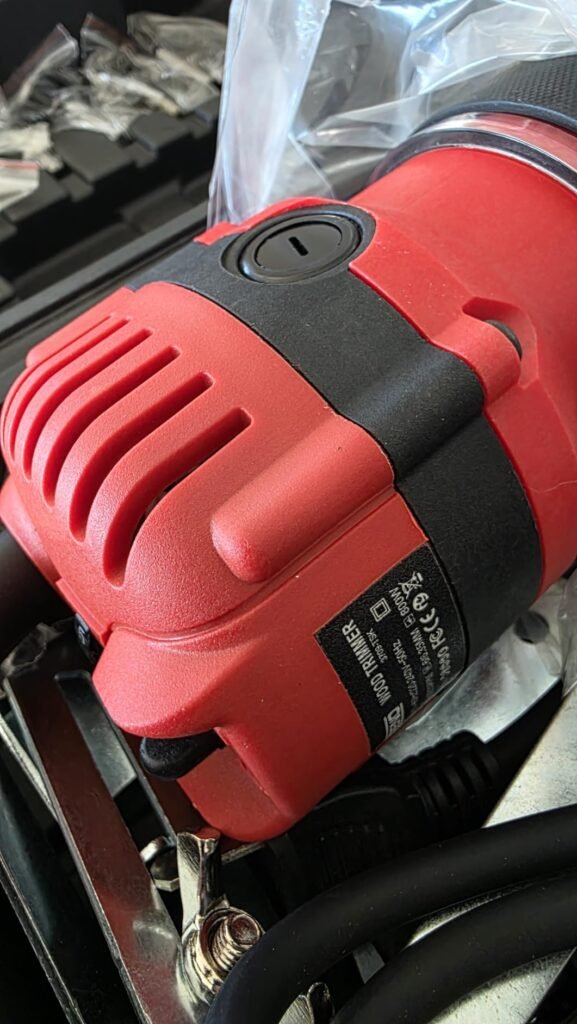
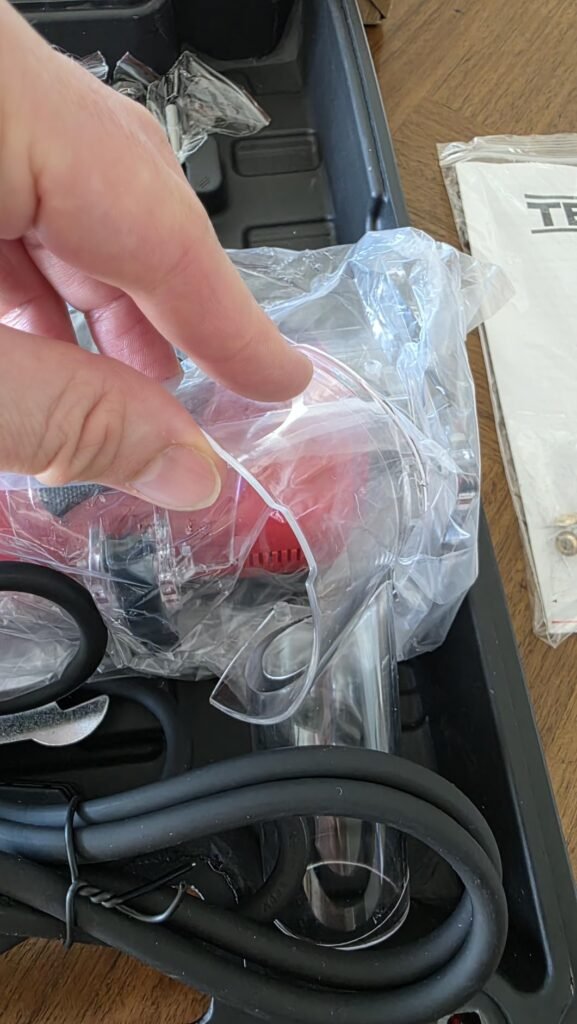
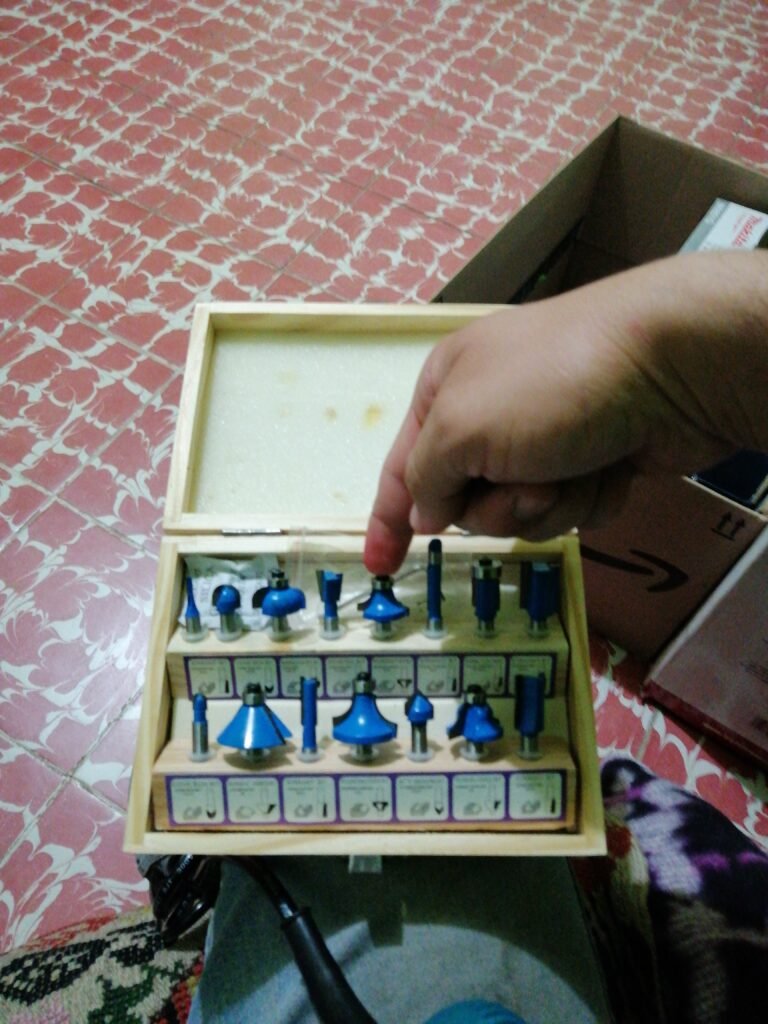
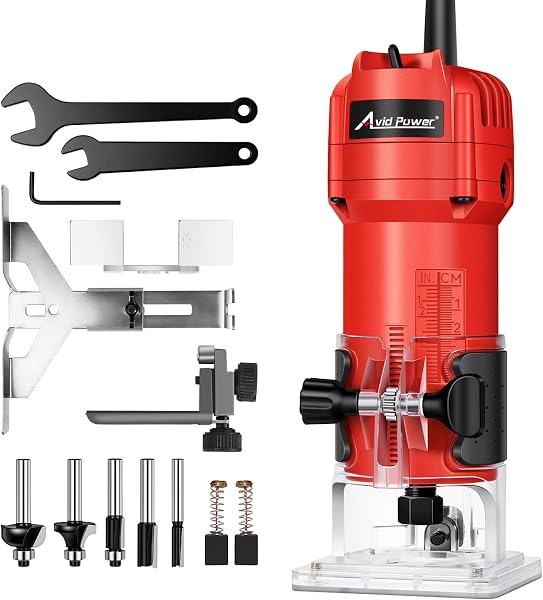
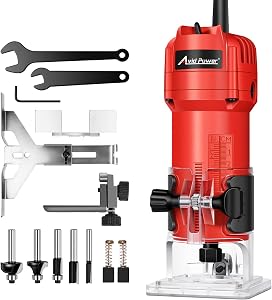
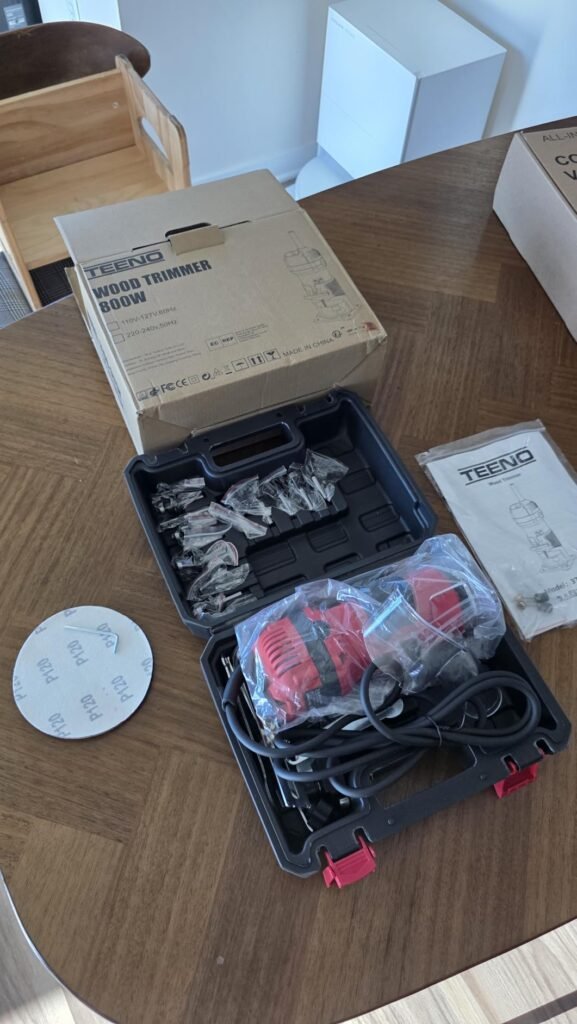
This compact router arrives with 15 tungsten carbide bits, a straight guide, a trimming guide, wrenches, spare carbon brushes, and a wooden organizer for bit storage. That accessory package provides everything a beginner needs to start routing, edging, and grooving without additional purchases.
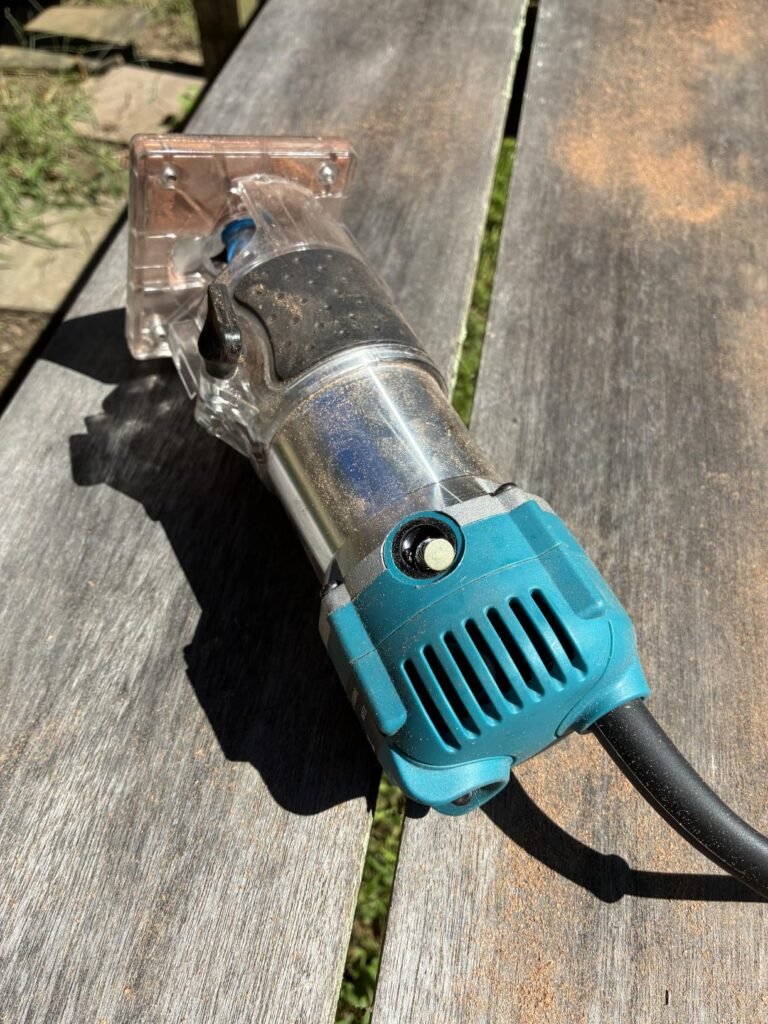
We may earn a commission when you buy through this link, at no additional cost to you.
The 800-watt motor spins at 30,000 RPM, delivering enough speed for clean cuts in softwoods, plywoods, and moderate hardwoods. The transparent base offers a clear view of the cutting edge, which helps when following layout lines or aligning the bit with templates. The fixed base features a lift knob and scale for depth adjustment, and the straight guides keep the router aligned along workpiece edges.
The aluminum and plastic construction keeps the tool lightweight and affordable, though it may not endure daily professional use as well as heavier all-metal models. The router works well for handicraft production, cabinet edging, laminate trimming, and DIY projects. Replacement carbon brushes are included, and the wooden bit organizer keeps profiles sorted and protected.
The wooden index case keeps all 15 bits organized and easy to identify. That simple storage solution prevents bits from rattling around loose in a toolbox and makes it quick to grab the profile you need.
This kit suits hobbyists, students, and occasional users who want to explore routing without a large investment. The single-speed motor simplifies operation but limits your ability to slow down for large bits or match ideal surface speeds. For light-duty projects and learning basic techniques, the complete package delivers solid value.
Professional woodworkers routing dense hardwoods daily will want variable speed control and more robust motor construction.
We may earn a commission when you buy through this link, at no additional cost to you.
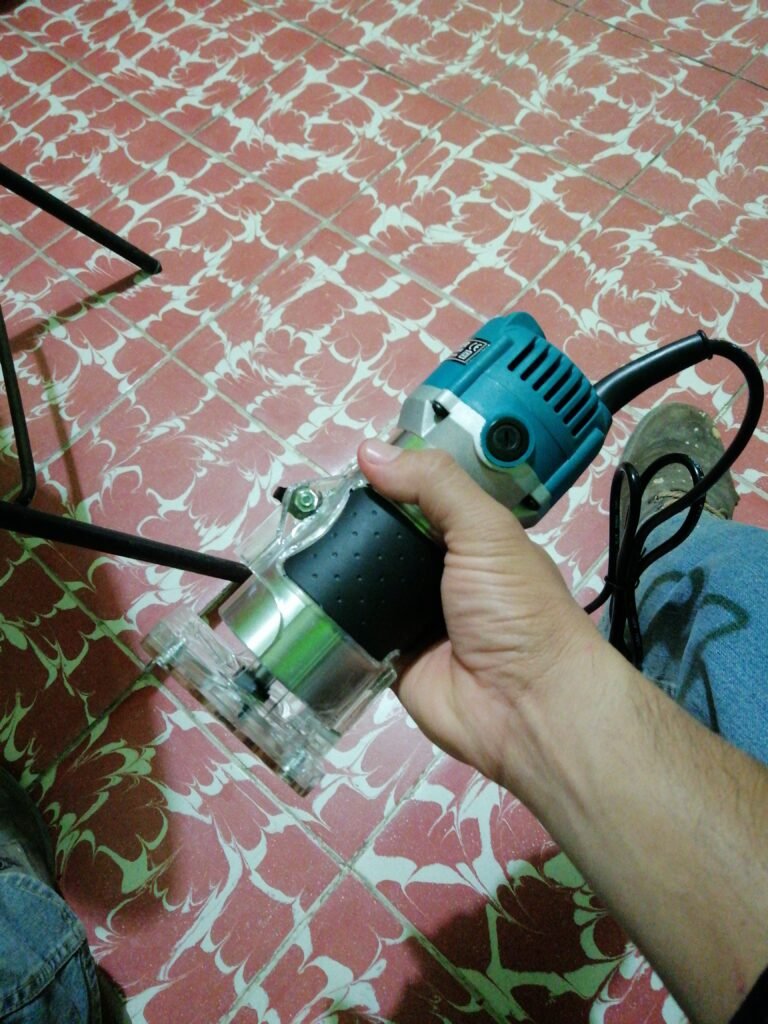
This compact trim router spins at 35,000 RPM, delivering the high surface speed needed for smooth edge profiles, laminate trimming, and detailed cuts. The 630-watt, 5.3-amp motor provides sufficient power for most trimming and light shaping tasks, and the air vents help manage heat during extended use.
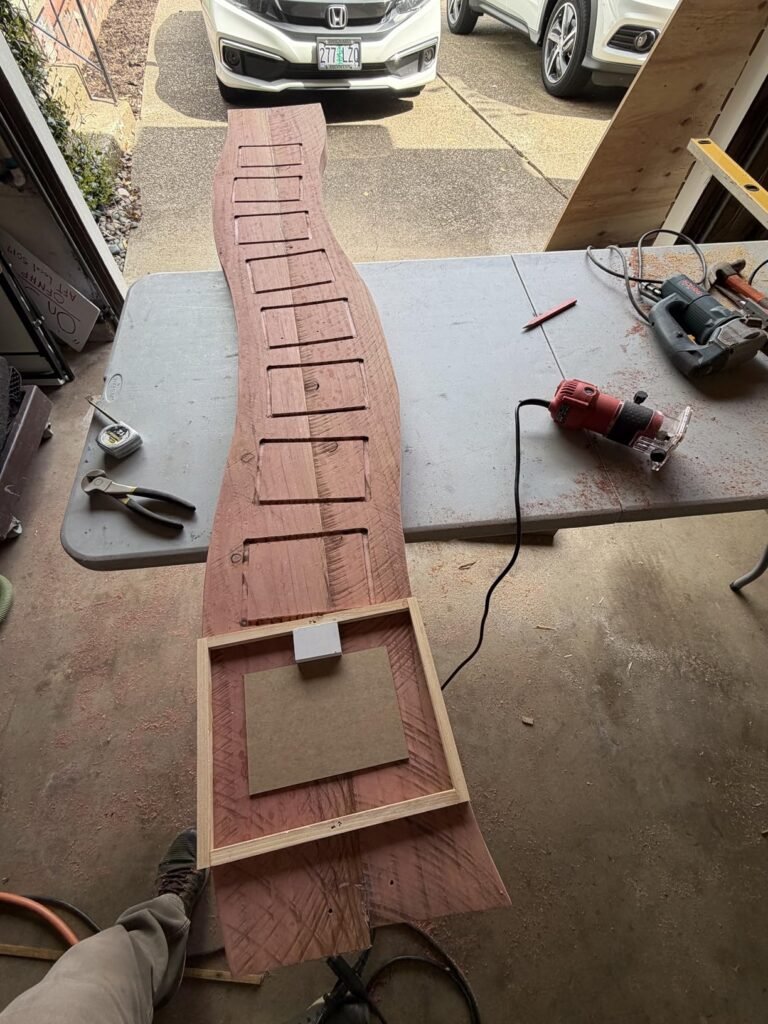
We may earn a commission when you buy through this link, at no additional cost to you.
The secure fixed base and smooth depth-adjustment system allow precise height settings for grooving, routing, and trimming door hinges. The rubberized base grip reduces hand fatigue and improves control, and the lightweight corded design enhances flexibility when working in tight cabinet interiors or along curved edges. The included straight guide and roller guide expand your project options by supporting parallel cuts and edge-following work.
The kit includes a 1/4-inch collet and five 1/4-inch shank router bits, covering common trimming and edging profiles. Two wrenches make bit changes straightforward, and the replacement carbon brushes extend the tool’s service life. The overall package is easy to install and comfortable to use for occasional routing tasks.
The 35,000-RPM speed reduces burning and tear-out on edge profiles and laminate work. For small-diameter bits and fine detail, that higher speed often produces a smoother finish than slower models.
This router suits DIYers, home-repair users, and hobbyists who need a lightweight trim router for edging, hinge mortises, and light decorative work. The high RPM speed produces clean cuts in softer materials, though the single-speed operation and lower power output mean it’s best reserved for moderate workloads rather than heavy daily use.
Woodworkers routing thick stock or using large bits will benefit from a router with variable speed control and higher motor power.
We may earn a commission when you buy through this link, at no additional cost to you.
This fixed-base router delivers 2.25 horsepower from a 12-amp motor with electronic variable speed from 8,000 to 24,000 RPM. Full-feedback control maintains constant speed under load, ensuring smooth cuts even when you push through dense hardwoods. The soft-start feature ramps up torque gradually, reducing the sudden jerk that can shift your workpiece or pull the router off course.
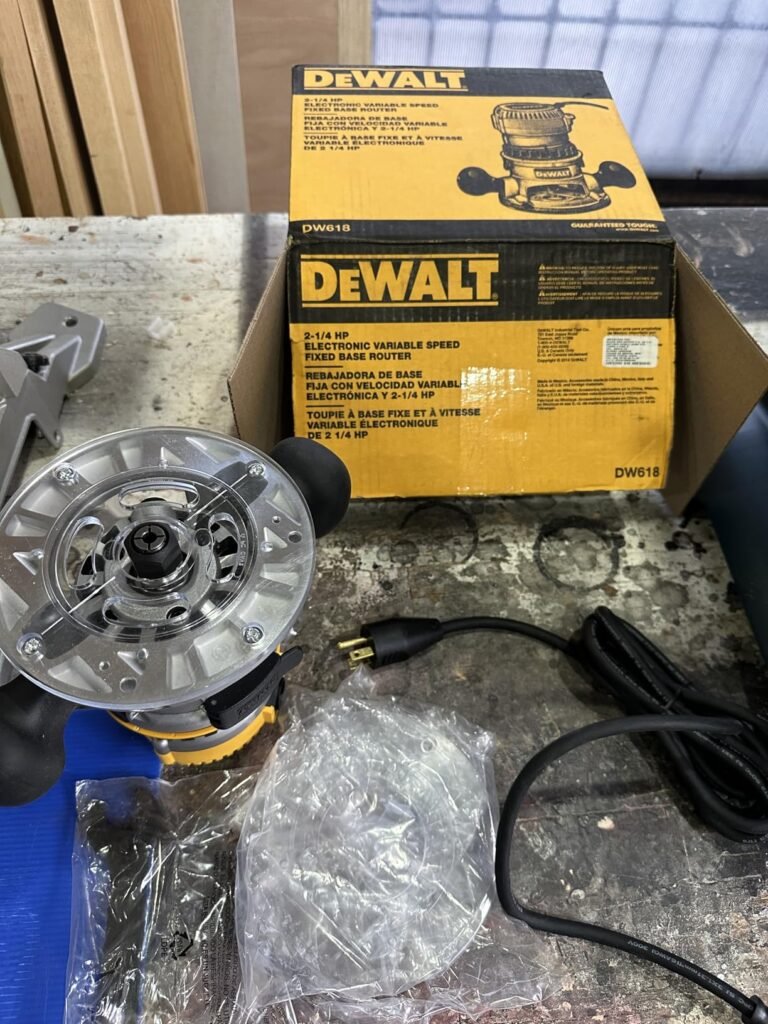
We may earn a commission when you buy through this link, at no additional cost to you.
The micro-fine depth-adjustment ring moves in precise 1/64-inch increments and rotates vertically, so the switch and cord location remain consistent as you dial in bit height. That vertical rotation is especially helpful during table routing, where you want the power switch in the same spot every time. Quick-release motor latches allow fast motor removal for bit changes or base swaps.
The adjustable, tool-free steel motor cam lock makes depth adjustments and base changes quick and solid-locking. The clear LEXAN sub-base provides enhanced bit visibility and accepts standard template-guide bushings, expanding your pattern-routing options. The spindle-lock button allows single-wrench bit changes, speeding up setup and reducing the chance of dropping a second wrench.
The micro-fine ring adjusts depth without rotating the entire motor, keeping the switch and cord in a consistent position. That feature simplifies table-routing setups and makes it easier to reach the power switch during handheld work.
This router suits woodworkers who primarily use fixed-base routing and want professional-grade precision and power. It excels in router-table applications, edge work, and handheld profiling. If you need plunge capability, DEWALT sells compatible plunge bases separately, or you can choose the DW618PKB combination kit that includes both bases from the start.
Buyers who need both fixed and plunge bases should consider the DW618PKB combination kit to get both mounting options in one purchase.
We may earn a commission when you buy through this link, at no additional cost to you.
Selecting a wood router means balancing motor power, base type, speed control, depth precision, and build quality with your project needs and budget. This guide walks through the factors that determine which router will handle your cuts smoothly and last through years of use.
Motor power ranges from compact palm routers around 1.0 horsepower up to full-size models delivering 2.5 horsepower or more. Higher horsepower lets the motor maintain speed under load when you’re cutting dadoes in hardwood, raising panels with large bits, or making deep passes. Lower-powered routers work well for edge trimming, laminate work, and light profiling in softwoods or plywoods, but they may bog down or vibrate when pushed hard in dense materials like maple or cherry.
Amp ratings give you a rough sense of motor strength, though horsepower and torque characteristics matter more for real-world performance. A 12-amp motor typically delivers around 2.0 to 2.25 horsepower, which handles most routing tasks smoothly. Compact trim routers often use 5 to 7 amps and 1.0 to 1.25 horsepower, prioritizing light weight and one-handed control over raw cutting power. If you plan to rout thick stock, use large-diameter bits, or mount the router in a table for production joinery, choose a motor with at least 2.0 horsepower to maintain consistent speed and reduce strain.
Consider whether you’ll mostly trim edges and cut shallow profiles, or whether you need the headroom for deep mortises and heavy stock removal. Compact routers excel at detail work and portability, while full-size models provide the torque and stability for demanding cuts. Matching motor power to your typical workload prevents frustration and delivers cleaner results without overworking the tool.
Fixed-base routers mount the motor at a set depth, making them ideal for edge profiles, table routing, and any cut where you start at the workpiece edge. The base sits flat on the surface, and you adjust bit height before starting the cut. Fixed bases generally offer simpler, more rigid construction and work well when you’re routing along edges or using the tool in a router table. Plunge-base routers let you lower the spinning bit into the middle of a workpiece, which is essential for mortises, stopped grooves, and interior cuts. The plunge mechanism rides on guide rods, allowing you to control depth dynamically during the cut.
Combination kits include both a fixed base and a plunge base that share the same motor. You swap the motor between bases depending on the task, giving you edge-routing capability and plunge-cutting flexibility without buying two separate routers. Combination kits cost more than single-base models but eliminate the need to purchase a second motor later. If you only rout edges, dados along the edge of boards, or mount the tool in a table, a fixed base alone may suffice. If you need to cut hinge mortises, create stopped flutes, or rout grooves that don’t reach the edge, a plunge base or combination kit is necessary.
Evaluate your typical projects before deciding. Cabinet and furniture work often benefits from both bases, while trim carpentry and laminate edging may only require a fixed base. Some woodworkers start with a fixed-base model and add a plunge base later if their work evolves, though buying a combination kit upfront can save money compared to purchasing bases separately.
Variable speed allows you to match router RPM to your bit diameter and material. Larger bits require slower speeds to keep the cutter’s rim moving at a safe surface speed, while small-diameter bits perform better at higher RPMs for cleaner cuts. Single-speed routers simplify operation but force you to use one RPM regardless of bit size, which can cause burning, chattering, or overheating. Variable-speed models typically range from around 8,000 to 35,000 RPM, giving you the flexibility to slow down for panel-raising bits or speed up for tiny trim cutters.
Electronic feedback circuitry monitors motor speed and adjusts power to maintain your selected RPM even when the bit encounters resistance. That constant speed produces smoother cuts and prevents the motor from slowing down mid-pass, which can leave witness marks or uneven surfaces. Some routers include soft-start features that ramp up motor speed gradually, reducing the sudden torque kick that can jerk the tool or shift your workpiece at startup. Soft start improves safety and control, especially when routing small parts or working near layout lines.
If you plan to use a variety of bit sizes and materials, variable speed is worth the investment. For occasional edge trimming with a few standard bits, a single-speed router may be adequate. Check the router’s speed range and ensure it covers the RPM you need for your most common bits, and look for electronic feedback if you want consistent performance across different woods and grain directions.
Depth adjustment controls how far the bit extends below the base. Precise adjustment matters for dadoes that need to match plywood thickness, hinge mortises that must sit flush, and template work where depth consistency ensures uniform results. Micro-fine adjustment rings move in small increments—often 1/64 inch per click—allowing you to dial in exact depths without overshooting. Routers without micro-adjustments may use a simple rack-and-pinion or threaded system that requires careful measurement and test cuts to hit your target depth.
Some routers feature vertical depth-ring rotation, which adjusts bit height without rotating the entire motor. That design keeps the power switch and cord in the same position as you change depth, which is helpful during table routing or when you want the switch in a consistent, easy-to-reach spot. Quick-release levers or cam locks let you loosen the depth mechanism, make a rough adjustment, then lock it securely without tools. Look for systems that hold depth firmly under vibration and cutting forces; a loose depth lock can shift mid-cut and ruin your workpiece.
Test the adjustment mechanism before buying if possible. It should move smoothly without binding, lock solidly, and provide clear depth markings or a scale you can read easily. Depth-adjustment quality directly affects your ability to produce repeatable, accurate cuts, so prioritize routers with proven, user-friendly systems if precision joinery is part of your workflow.
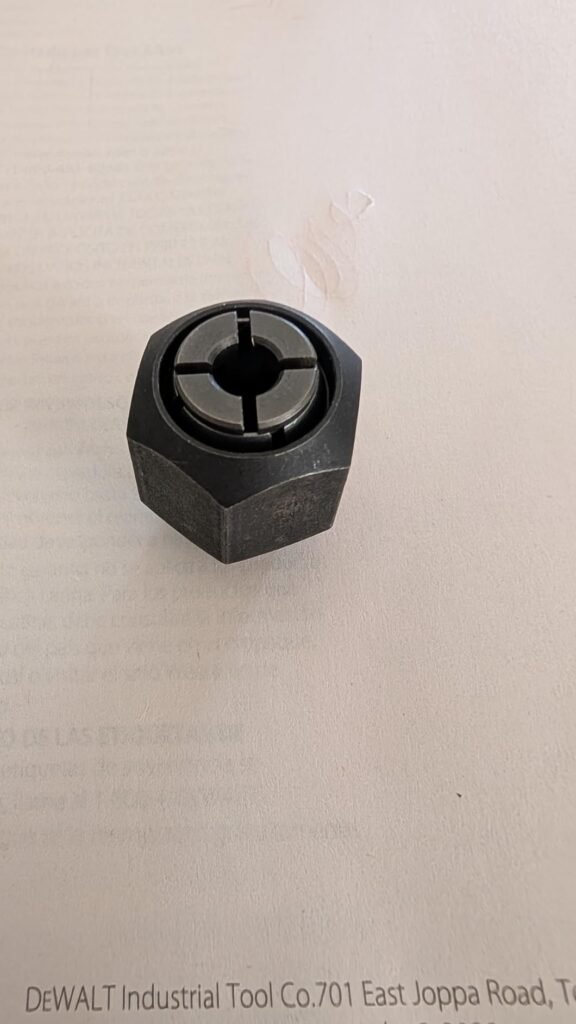
Collets grip the router bit shank and transfer motor torque to the cutter. Most routers use 1/4-inch or 1/2-inch collets, and many full-size models include both sizes or accept interchangeable collets. Compact trim routers typically use 1/4-inch collets, which match the shank diameter of most small edge-profiling and trimming bits. Larger routers with 1/2-inch collets accommodate heavier bits like panel raisers, large roundovers, and raised-panel cutters. The thicker 1/2-inch shank resists flexing and vibration better than 1/4-inch shanks, producing cleaner cuts with large-diameter cutters.
If you plan to use a variety of bit sizes, choose a router that accepts both 1/4-inch and 1/2-inch collets. That flexibility lets you mount any bit in your collection without needing an adapter or second router. Some routers include multiple collets in the box, while others require separate purchases. Check the router’s maximum bit diameter capacity as well; larger sub-base openings and deeper motor housings allow bigger bits to fit, which matters if you ever plan to use panel-raising or large cove cutters.
Collet quality affects bit runout and vibration. Precision-machined collets grip the shank evenly and center the bit accurately, reducing wobble that causes rough cuts and premature bit wear. Avoid routers with loose or poorly fitting collets, and replace worn collets promptly to maintain cut quality and safety.
Base plates contact your workpiece and guide the router along edges or templates. Common materials include aluminum, steel, and clear LEXAN or polycarbonate plastic. Metal bases resist wear and flexing, providing a stable, flat reference surface that won’t warp over time. Clear plastic bases offer excellent bit visibility, letting you see the cutting edge and layout lines without leaning over the tool. That visibility helps when aligning the bit with pencil marks, following curved templates, or positioning the router precisely before starting the cut.
Some routers feature removable sub-bases that accept template-guide bushings for pattern work. Standard sub-base openings allow common bushing sizes to fit, expanding your routing options for inlay, sign carving, and reproduction work. Larger sub-base openings accommodate bigger bits, but very large openings may reduce support around small bits. Look for routers with interchangeable sub-bases if you plan to use both standard bits and template guides.
Base flatness and smoothness matter for consistent depth and clean results. A warped or scratched base can rock on the workpiece or snag on the wood surface, causing uneven cuts. Check that the base sits flat and that the mounting holes align properly. Some woodworkers replace factory bases with aftermarket zero-clearance inserts or custom-made bases for specialized tasks.
Router ergonomics affect control, comfort, and fatigue during extended use. Full-size routers typically feature two rounded handles mounted on either side of the motor, providing a secure two-handed grip. Handle shape, diameter, and material influence how comfortably you can guide the tool. Rubberized or textured grips reduce slipping and vibration transfer, which helps during long routing sessions. Compact palm routers use a single cylindrical body you grip with one hand, sometimes with rubberized sections or finger pockets for added stability.
Weight balances power and maneuverability. Heavier routers dampen vibration and provide momentum that can smooth out cuts, but they tire your arms faster and are harder to control in tight spaces. Lighter compact routers reduce fatigue and fit into cabinet interiors or along curved edges more easily, but they may vibrate more and require a steadier hand to keep on course. If you rout for hours at a time or work overhead, lighter models reduce strain. For table-mounted routing, weight matters less since the router sits stationary.
Handle placement and switch location also matter. Routers with switches you can reach without shifting your grip improve safety and convenience, letting you turn the tool off quickly if something goes wrong. Angled cord exits route the power cable away from your cutting path, reducing snags and tangles. Test the router’s balance and grip if possible, and consider how the weight and handle design will feel during your typical tasks.
Routing generates chips and fine dust that obscure layout lines and create cleanup work. Routers with integrated dust-collection ports or dust hoods capture debris at the source, keeping your work area cleaner and improving bit visibility. Through-the-column dust collection routes chips up through the motor housing to a hose connection, often capturing 90% or more of the debris. External dust hoods attach to the base and shroud the bit, collecting chips before they scatter. Both systems work best when connected to a shop vacuum.
Effective dust collection improves cut quality by preventing chips from interfering with the bit’s bearing or base. It also reduces airborne dust, which matters for your health and shop cleanliness. Not all routers include dust-collection features, and some aftermarket dust hoods fit specific models. If dust management is important to you, prioritize routers with built-in collection or easy adapter options.
Even without dust collection, transparent bases and good lighting help you see the bit and layout lines. Some woodworkers add LED work lights to their router or work area to improve visibility, especially when routing darker woods or working in dim corners. Clean dust collection and clear visibility combine to produce more accurate cuts and a safer, more pleasant working environment.
Router build quality determines how well the tool withstands daily use, vibration, and the occasional bump or drop. Die-cast aluminum or steel motor housings resist impact damage and dissipate heat effectively, extending motor life. Precision-machined components like collets, depth rings, and plunge rods reduce play and wobble, which translates to cleaner cuts and repeatable accuracy. Sealed bearings and dust-protected switches keep debris out of critical parts, reducing wear and maintenance.
Serviceability affects long-term cost and downtime. Routers with externally accessible carbon brushes allow quick replacement without disassembling the motor, which is useful when brushes wear out after hundreds of hours of use. Detachable power cords simplify cord replacement if the cable gets damaged, and routers with common replacement parts are easier and cheaper to repair than proprietary designs. Some manufacturers offer better warranty coverage and parts availability than others, so research the brand’s reputation for service and support.
Durability expectations should match your usage. Occasional DIY users can often get good results from budget routers with lighter construction, while professional woodworkers routing daily benefit from the longevity and precision of premium models. Read user reviews for reports of motor failures, depth-lock slippage, or collet issues, and prioritize routers with consistent positive feedback on reliability.
Many routers come as kits that include edge guides, template guides, wrenches, carrying cases, and sometimes router bits. Complete kits lower your initial investment and provide everything you need to start routing, which is helpful for beginners who don’t already own bits or guides. Evaluate the quality and usefulness of included accessories; a kit with low-quality bits may be less valuable than a bare tool that lets you choose your own premium cutters.
Edge guides help you rout parallel to a workpiece edge, maintaining consistent spacing for grooves or dadoes. Roller guides follow curved edges, and circle-cutting jigs create perfect arcs for tabletops or decorative inlays. Some routers accept a wide range of aftermarket bases, jigs, and accessories, expanding your capabilities without buying a new router. Check compatibility with standard accessories if you plan to add specialized jigs later.
Value balances price, features, build quality, and included accessories. A higher-priced router with better dust collection, micro-adjustments, and dual bases may deliver better long-term value than a cheaper single-base model that requires add-on purchases and replacement sooner. Consider your budget, project needs, and how long you plan to use the tool, then choose the router that offers the best combination of performance and cost for your situation.
Before routing, secure your workpiece firmly with clamps or a vise to prevent movement, and always test cuts on scrap material that matches your project wood. Set the bit depth carefully, ensuring the collet grips at least three-quarters of the shank for maximum stability and safety. Start the router before contacting the workpiece, and feed the tool against the bit’s rotation—typically left to right along the near edge or counterclockwise around the outside of a piece. Feeding in the correct direction keeps the router stable and prevents climb cuts that can jerk the tool forward. Move at a steady pace; too slow causes burning, while too fast overloads the motor and leaves rough edges.
Keep router bits sharp and clean for best results. Dull bits generate excessive heat, produce rough cuts, and strain the motor. Clean pitch and resin buildup from bits with a specialized bit cleaner or brass brush after each use, and store bits in a protective case to prevent edge damage. Inspect collets and bearings regularly, replacing them when you notice wobble or uneven cuts. Lubricate plunge rods and moving parts according to the manufacturer’s instructions, and blow dust out of motor vents after routing sessions to prevent overheating. Replace carbon brushes when they wear down to the manufacturer’s specified minimum length, usually around a quarter inch.
Store your router in a dry location, protected from dust and moisture. Unplug the tool before changing bits or adjusting depth, and use two wrenches—one on the collet nut and one on the shaft—to prevent motor damage during bit changes. If your router includes a spindle lock, use it according to the manual to simplify single-wrench changes. Avoid forcing the router or making cuts deeper than the bit can handle in one pass; multiple shallow passes reduce strain, improve cut quality, and extend bit and motor life. Following these care and usage practices keeps your router performing smoothly and safely for years.
A fixed-base router holds the motor at a set depth, making it ideal for edge profiles, table routing, and cuts that start at the workpiece edge. A plunge router lets you lower the spinning bit into the middle of a board, which is necessary for mortises, stopped grooves, and interior cuts. Combination kits include both bases and one motor, giving you flexibility without buying two separate tools.
For light trimming, edge work, and laminate routing, 1.0 to 1.25 horsepower is usually sufficient. For general-purpose routing, dadoes, and moderate hardwoods, choose 2.0 to 2.25 horsepower. If you plan to use large panel-raising bits, rout thick stock, or mount the router in a table for production work, 2.5 horsepower or more provides the torque to maintain speed under load and deliver clean cuts.
Variable speed lets you match RPM to your bit diameter and material. Large-diameter bits require slower speeds to keep the cutting edge at a safe surface speed, while small bits perform better at higher RPMs for smoother finishes. Adjusting speed also helps prevent burning in softwoods and reduces tear-out in figured grain. Single-speed routers work fine if you use a narrow range of bits, but variable speed adds versatility and control.
No, you need the correct collet size for the bit shank. Using a 1/4-inch bit in a 1/2-inch collet is unsafe and will cause wobble, poor cuts, and potential bit ejection. Many routers include both 1/4-inch and 1/2-inch collets, or you can purchase the correct collet separately. Always match collet size to bit shank diameter.
Burning usually results from moving too slowly, using a dull bit, or running the router at too high an RPM for the bit size. Feed the router at a steady, moderate pace, keep bits sharp and clean, and reduce speed if you're using large-diameter cutters. Making multiple shallow passes instead of one deep cut also reduces heat buildup and improves finish quality.
Kits that include edge guides, wrenches, bits, and a case offer good value for beginners or users who don't already own routing accessories. Evaluate the quality of included items; some kits provide useful, durable accessories, while others include low-quality bits you may replace quickly. If you already have bits and guides, buying the router alone may be more cost-effective.
Carbon brush life varies by usage, but most brushes last several hundred hours of routing. Replace them when they wear down to about a quarter inch in length or when the router loses power or sparks excessively. Routers with externally accessible brushes make replacement quick and simple without motor disassembly.
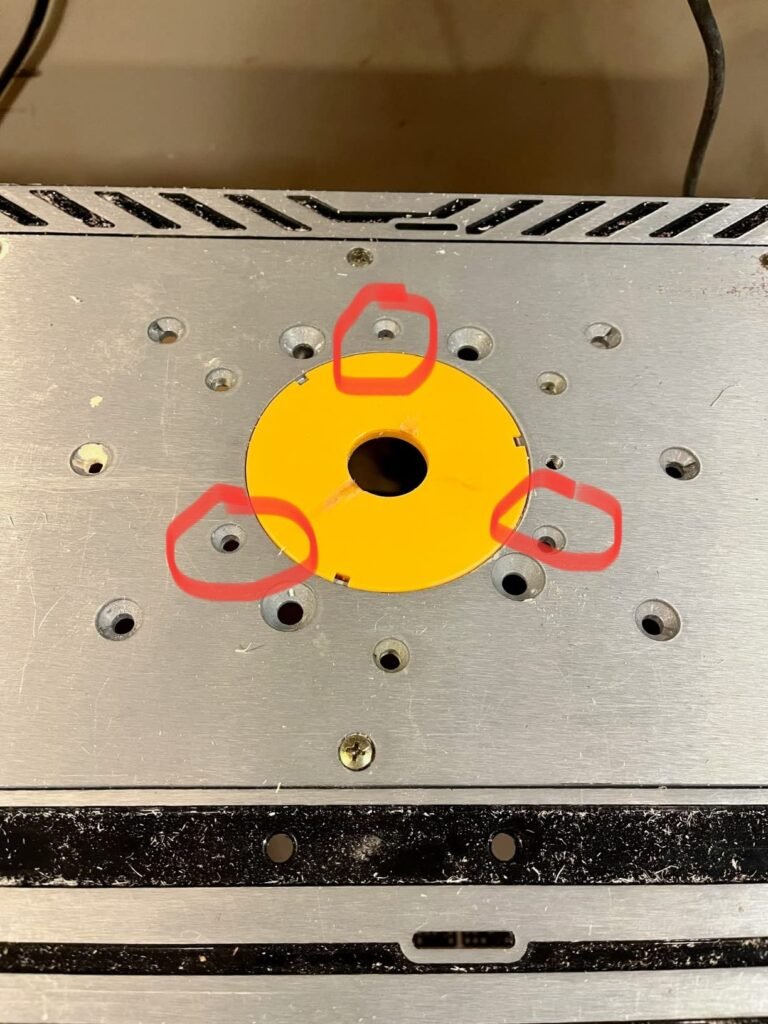
Most fixed-base routers can be mounted in a router table, but check that the base has mounting holes and that the power switch remains accessible after installation. Some routers include threaded inserts or mounting plates designed for table use. Plunge routers can also be table-mounted, though fixed bases are generally simpler to adjust from above the table.
Always wear safety glasses and hearing protection, and secure your workpiece firmly before routing. Start the router before contacting the wood, and feed against the bit's rotation to maintain control. Keep both hands on the handles, unplug the tool before changing bits or adjusting depth, and avoid loose clothing or jewelry that could catch. Use sharp bits and make shallow passes to reduce kickback risk.
Dust collection isn't mandatory, but it keeps your work area cleaner, improves bit visibility, and reduces airborne dust. Routers with integrated dust ports or hoods capture most debris when connected to a shop vacuum, which is especially helpful during long routing sessions or when working with fine-dust-producing materials. If dust management matters to you, prioritize models with built-in collection features.
The Bosch 1617EVSPK stands out as a top choice for woodworkers who want both fixed-base and plunge-base capability in one package. Its 2.25-horsepower motor, variable speed range, and microfine depth adjustment deliver the power and precision needed for edge work, table routing, and interior cuts. The dual-base design removes the need to buy separate tools, and the dust-sealed switch and constant-response circuitry add reliability and control.
For budget-conscious buyers, the SKIL RT1323-00 delivers solid fixed-base performance with soft start and adjustable speed at a lower price. The TEENO and TwoWin kits provide complete starter packages with bits and guides, making them accessible options for hobbyists and DIYers. The Bosch PR20EVS Colt excels as a compact trim router with high-speed capability and quick-clamp depth control, ideal for detail work and laminate edging.
Choose your router based on the projects you tackle most often, the materials you work with, and the features that improve your results. Match motor power to your workload, prioritize variable speed if you use a range of bit sizes, and consider whether you need plunge capability or can work effectively with a fixed base alone. The right router balances performance, precision, and value to support clean, accurate cuts for years.