SKIL 3540-02 7-Inch
8.8Editor score7-inch blade
Stainless steel top
7.75-inch crosscut capacity
0-45 degree bevel
Find the right wet tile saws for 2026. We compare 10 standout options by build quality, useful features, owner feedback, value, and everyday trade-offs.
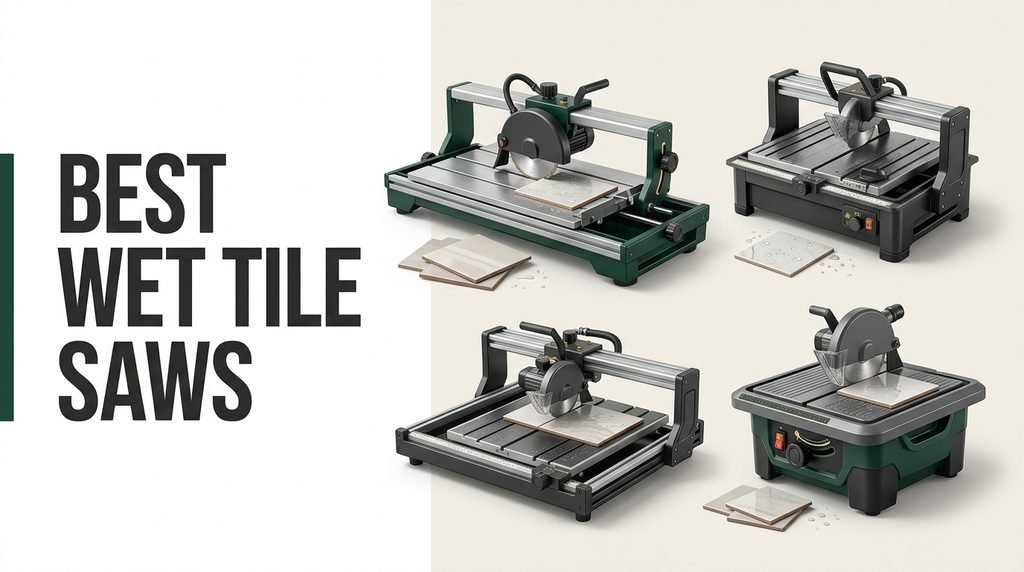
Choosing a wet tile saw for 2026 means weighing blade size, motor power, cutting capacity, water management, and portability against the scale of your project. This guide compares 10 standout models ranging from compact handheld units to full-size stand-mounted saws so you can match the right tool to your tile material, cut volume, and budget.
Wet tile saws vary dramatically in both capability and price. A small 4-inch handheld unit handles trim cuts and tight spaces, while a 10-inch stand saw rips full 36-inch tiles with cabinet-shop precision. The difference matters most when you consider tile thickness, material hardness, and whether you need to make long diagonal cuts.
The reviews below focus on practical buying decisions rather than marketing claims. You will see how each saw handles porcelain, stone, and ceramic, which models suit occasional DIY use versus daily jobsite work, and where meaningful tradeoffs exist in blade quality, water containment, and overall build durability.
We compared 10 wet tile saws using the specifications that genuinely affect cutting results: blade diameter, motor amperage and RPM, cut depth, rip and diagonal capacity, water containment design, build materials, portability, and owner feedback. The notes focus on practical tradeoffs so each pick connects to how tile installers and DIYers actually cut porcelain, ceramic, stone, and masonry across different project sizes and jobsite conditions.


Compare key features, scores, and current prices side by side. A shorter feature list means fewer details were available, not necessarily fewer capabilities.



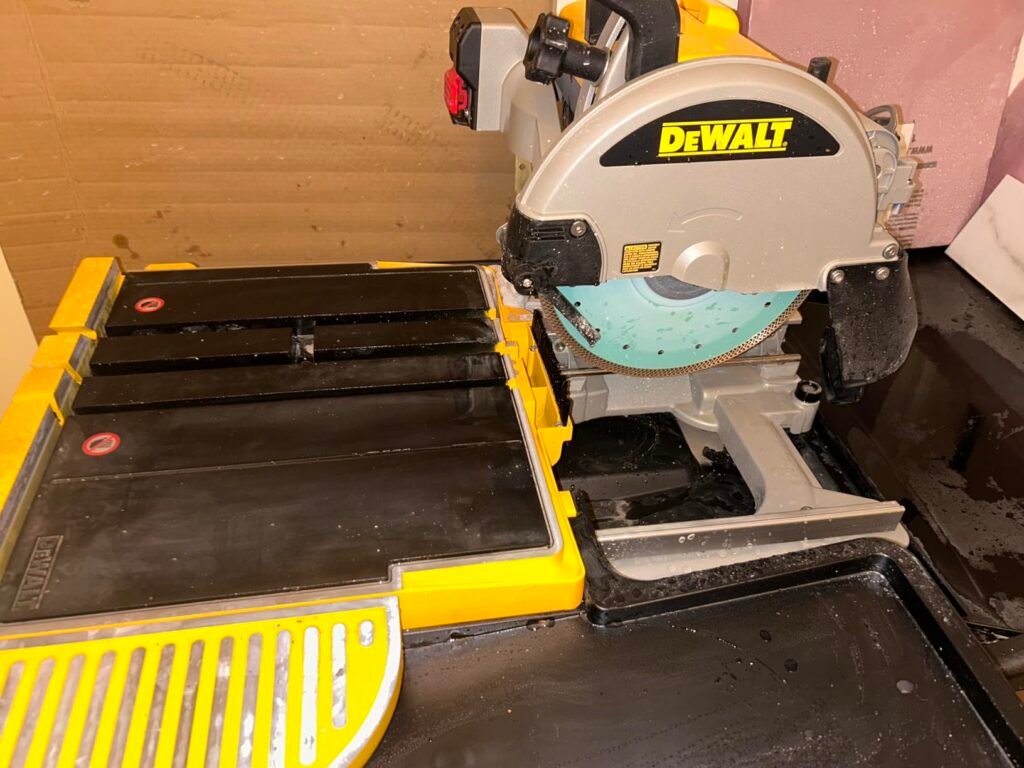
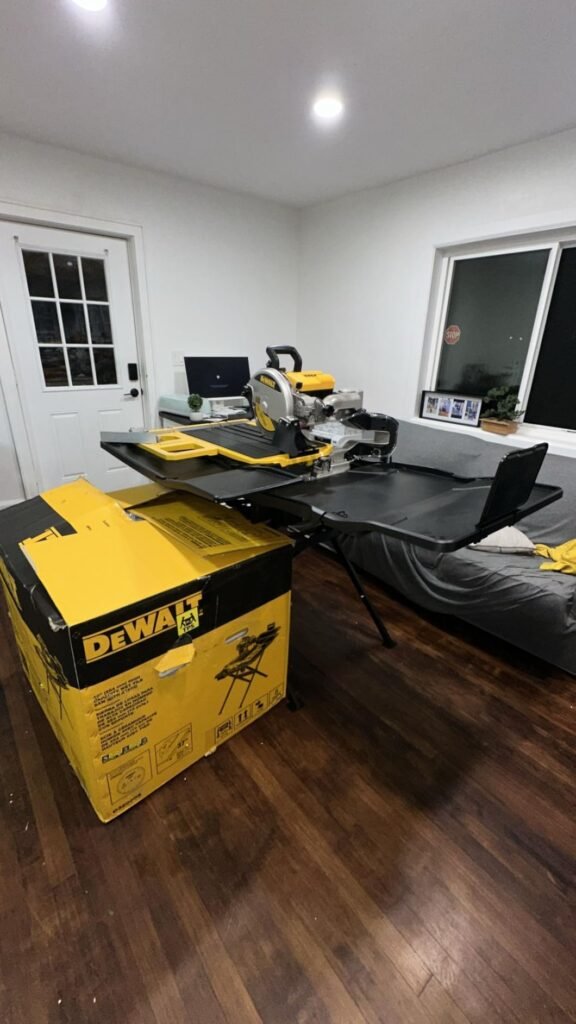
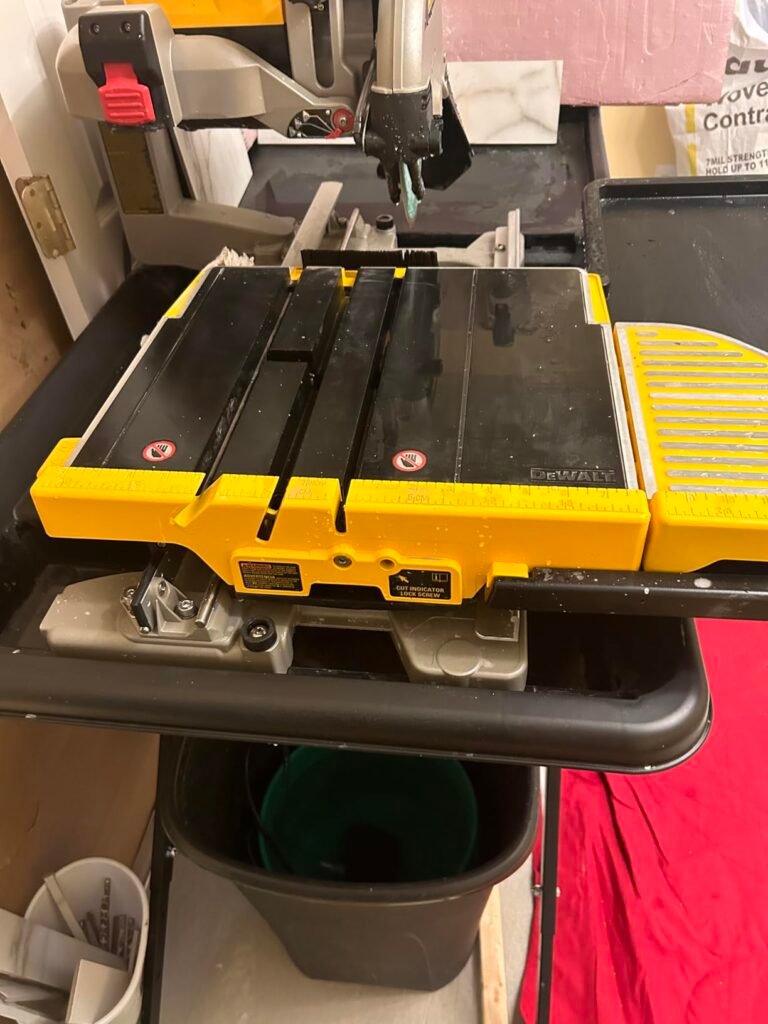
The DEWALT D24000S is the professional-grade saw that most tile installers eventually gravitate toward, and the 4.7-star rating reflects years of jobsite performance across countless installations. The complete package includes the saw, stand, 10-inch XP4 porcelain blade, submersible pump, water pans, and all necessary wrenches and guides, so you can unbox it and start cutting the same day.
We may earn a commission when you buy through this link, at no additional cost to you.
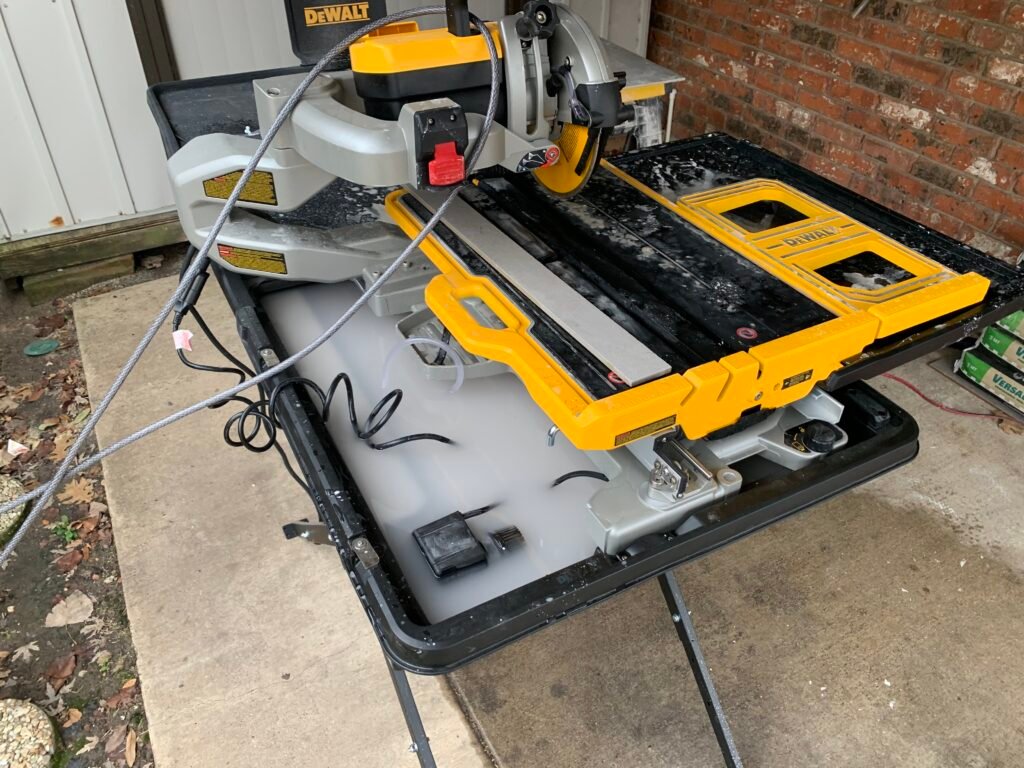
A 1.5 peak horsepower motor drives the 10-inch blade through porcelain, natural stone, and dense tile without bogging down, even on repeated cuts. The 28-inch rip capacity (and 18 by 18-inch diagonal) handles the large-format tiles that have become standard in modern bathroom and kitchen designs. The maximum cut depth of 3-1/8 inches lets you tackle pavers and thicker stone that would overwhelm smaller saws.
The cutline indicator and stainless steel rollers deliver accuracy within 1/32 inch over an 18-inch cut, which is a meaningful spec for installers who need tight grout lines and precise cuts around fixtures. The compact frame design makes transport between jobsites manageable, especially when the stand folds for truck or van storage. The included water tray system keeps spray contained reasonably well for an open-cart design.
The cutting cart on this saw rides on stainless steel rollers that resist corrosion and maintain smooth travel even after months of wet operation. Lesser saws use painted steel or plastic rollers that develop friction spots and slop over time, which translates directly into inaccurate cuts. The precision rollers are a major reason the D24000S holds its reputation among professional installers.
This is the saw to buy if tile work is a regular part of your profession or you have a large multi-room renovation planned. The investment pays off through faster cutting, better accuracy, and years of reliable service. For a one-time bathroom project, a smaller saw will serve you just as well at a fraction of the cost.
Casual DIYers tackling a single small project where the cost cannot be justified against alternative handheld or compact tabletop saws.
We may earn a commission when you buy through this link, at no additional cost to you.
The SKIL 3540-02 is a strong choice for DIY homeowners tackling a bathroom backsplash, small floor project, or weekend tile repair without investing in a professional-grade saw. The 7-inch blade and stainless steel top support tiles up to 12 by 12 inches, which covers the most common sizes found in residential installations.
We may earn a commission when you buy through this link, at no additional cost to you.
The stainless steel work surface resists the kind of corrosion that quickly ruins painted or bare-metal tops exposed to constant water spray. The adjustable rip fence and miter gauge combination lets you set up accurate straight cuts and angled cuts without eyeballing the blade line, which is especially helpful when matching grout joints or working around outlets and fixtures.
Water management uses a simple reservoir that keeps the blade cool while reducing airborne dust during cutting. The bevel function tilts from 0 to 45 degrees for edge treatments and inside corners, giving you more flexibility than fixed-angle budget saws. The 7.75-inch crosscut and 7.25-inch diagonal capacities handle most residential tile dimensions without needing to flip or reposition the piece.
Fill the water reservoir to the recommended line before every session and check the fence alignment with a square ruler. A properly aligned fence prevents chipped edges and binding, which are the two most common issues DIY users face with entry-level tile saws. Replacing the included blade with a higher-quality continuous-rim diamond blade can dramatically improve cut quality on porcelain tiles.
At just over one hundred dollars, this saw is best suited for occasional users who want decent precision without a professional price tag. The main tradeoff is tile size: anything larger than 12 by 12 inches will require a bigger saw or careful planning around the capacity limits. For bathroom remodels and small kitchen projects, it hits a practical sweet spot.
Professional tile installers who cut large-format tiles daily or anyone working with tile pieces larger than 12 by 12 inches on a regular basis.
We may earn a commission when you buy through this link, at no additional cost to you.
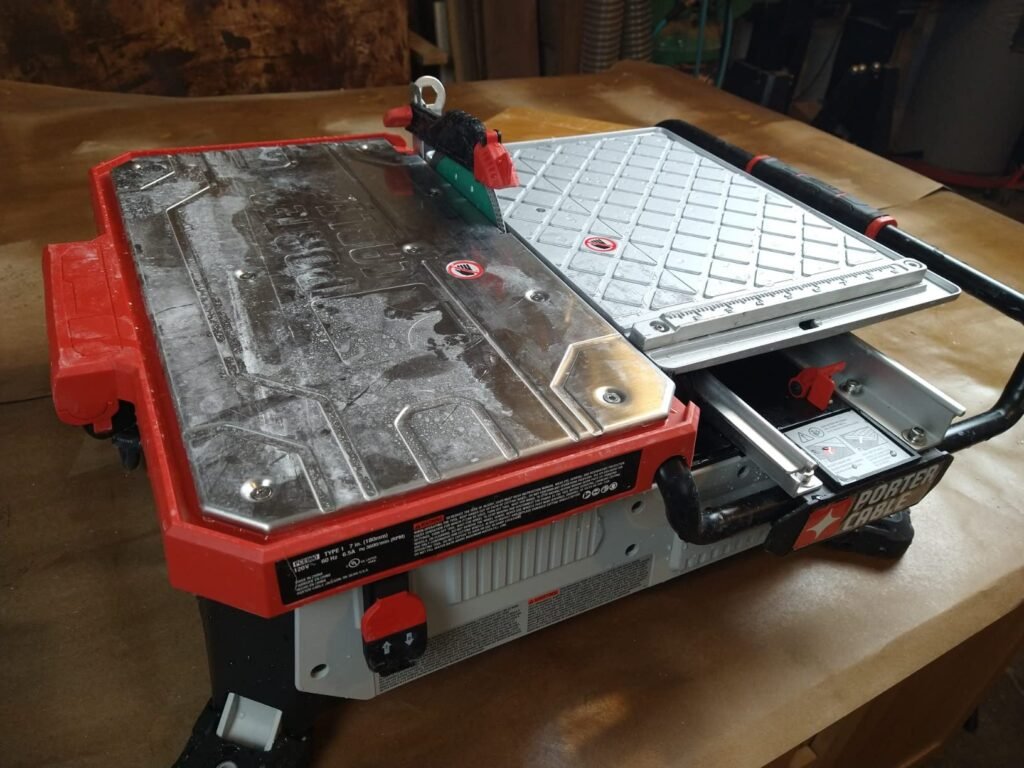
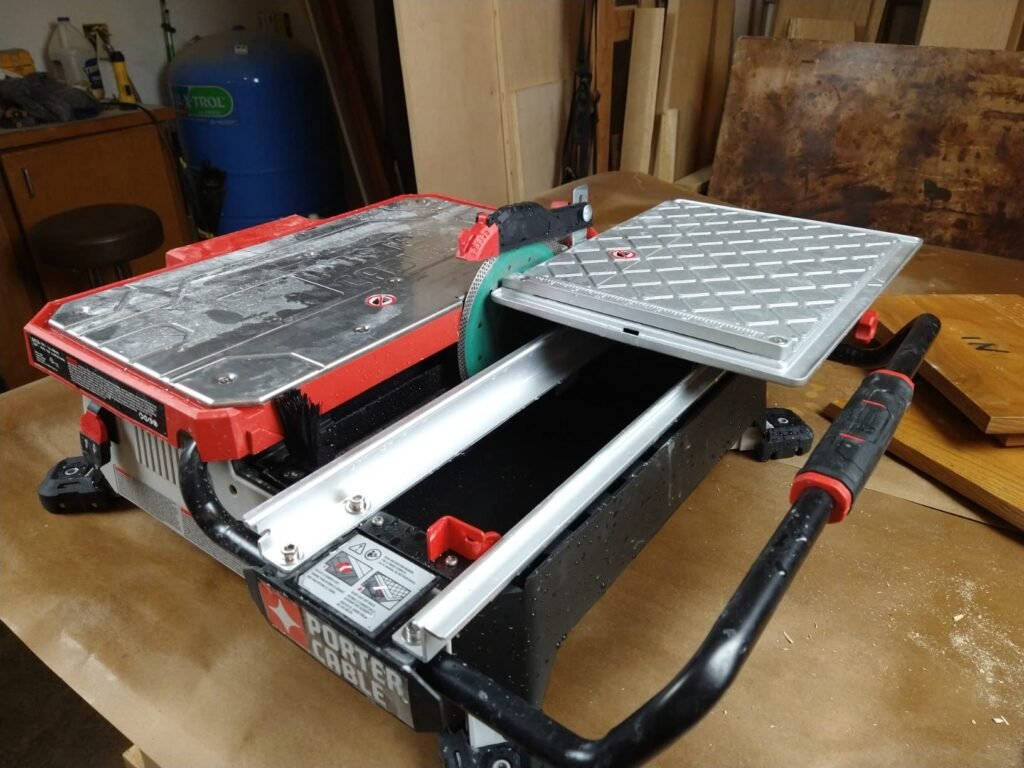
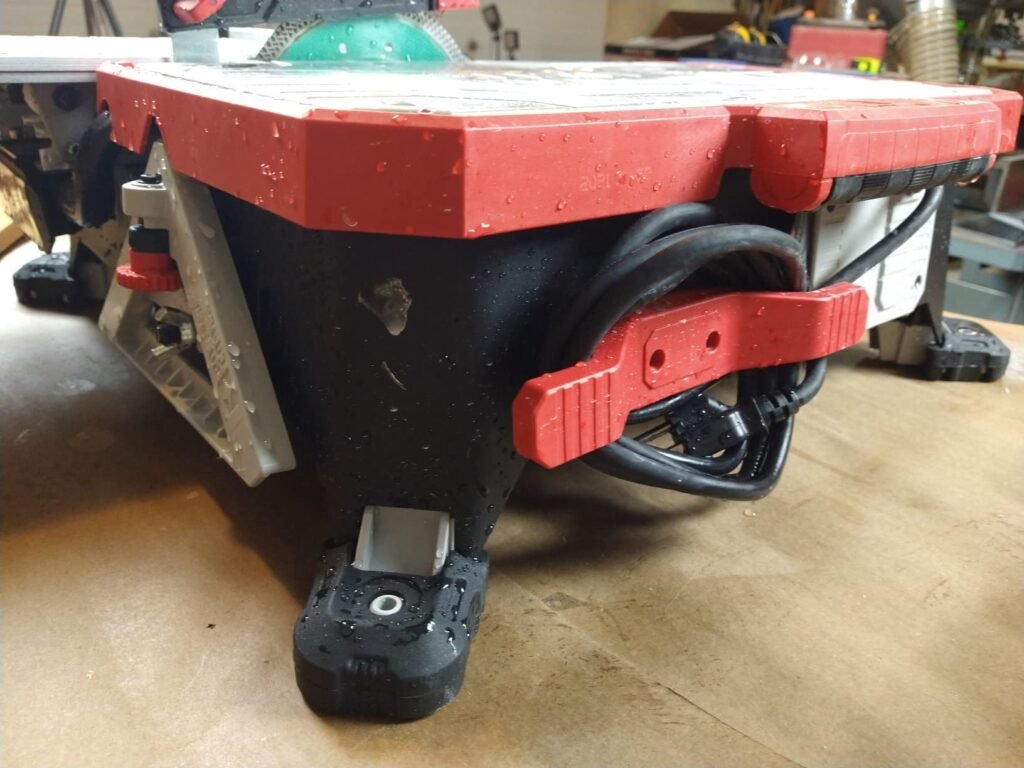
The Porter-Cable PCE980 sits in the practical middle ground between budget DIY saws and professional stand-mounted units. The protective roll cage design is the standout feature, wrapping the cutting cart in a rigid metal frame that shields the mechanism from the inevitable drops, bumps, and tool pile-ups that happen on active jobsites.
We may earn a commission when you buy through this link, at no additional cost to you.
The 2850 RPM motor drives a 7-inch blade through typical residential tile without strain, and the stainless steel fixed deck resists water damage and jobsite abuse better than painted alternatives. The onboard miter square helps line up angled cuts and repeatable rip cuts without constantly reaching for a separate measuring tool, which speeds up repetitive work on backsplashes or floor patterns.
A splash guard keeps water from spraying the operator during cutting, which is a quality-of-life feature that owners of cheaper saws often miss until they experience it. The integrated drain plug allows quick, clean emptying of the water reservoir over a bucket without tipping the entire saw, saving mess at the end of each day. The result is a saw that fits comfortably into a daily workflow.
The combination of the roll cage, stainless deck, and drain plug reflects a design intent focused on real jobsite conditions rather than clean workshop use. These features extend the useful life of the saw significantly compared to budget units that may fail after a season of professional abuse. For contractors, this build quality often justifies the mid-tier price.
This is a smart choice for remodelers, handymen, and serious DIYers who need something more robust than an entry-level saw but do not require full large-format tile capacity. The roll cage design is particularly valuable for anyone transporting the saw between multiple job locations throughout the week.
Installers who routinely cut 18-inch or larger format tiles and need the extended rip capacity of a full 10-inch stand-mounted saw.
We may earn a commission when you buy through this link, at no additional cost to you.
The DEWALT DWC860W takes a completely different approach from tabletop saws by putting the cutting power directly in your hands. At just 6.6 pounds with a 4-3/8-inch diamond blade, it handles granite, porcelain, concrete, and stone cuts that would be impractical with a stationary saw, such as trimming an installed countertop or notching tile already in place on a wall.

We may earn a commission when you buy through this link, at no additional cost to you.
The 10.8 amp motor delivers 1,300 watts of cutting power and spins the blade at up to 13,000 RPM with no load. The included 12-foot water line connects to any garden hose or portable water source, feeding water directly to the blade during cutting. This continuous water flow reduces dust, extends blade life, and improves cut quality on hard materials significantly compared to dry cutting.
Ergonomic details show DEWALT’s attention to real-world use: the rubber overmold grip reduces fatigue during extended cutting sessions, the lock-on button eliminates finger strain on long production cuts, and the dust-sealed switch protects the internal electronics from the slurry that destroys cheaper tools. The adjustable depth of cut goes up to 1-3/8 inches, which covers most tile and thin stone materials.
Handheld tile saws require steady, patient technique to produce clean cuts. Clamp a straightedge to your workpiece as a cutting guide, let the blade do the work without forcing it, and maintain consistent water flow throughout the cut. Rushing the saw or applying excessive pressure causes chipping, blade binding, and reduced blade life. Practice on scrap material before cutting finished pieces.
This saw is best viewed as a complement to a tabletop unit rather than a replacement. If you need to cut tiles already installed, make long cuts on large slabs that will not fit a tabletop saw, or work in tight spaces where a stationary tool is impossible, the handheld format excels. For bulk production cuts, a tabletop or stand saw remains more efficient.
Users who need high-volume production cutting on standard tile sizes where a tabletop or stand-mounted saw would be dramatically faster and more precise.
We may earn a commission when you buy through this link, at no additional cost to you.
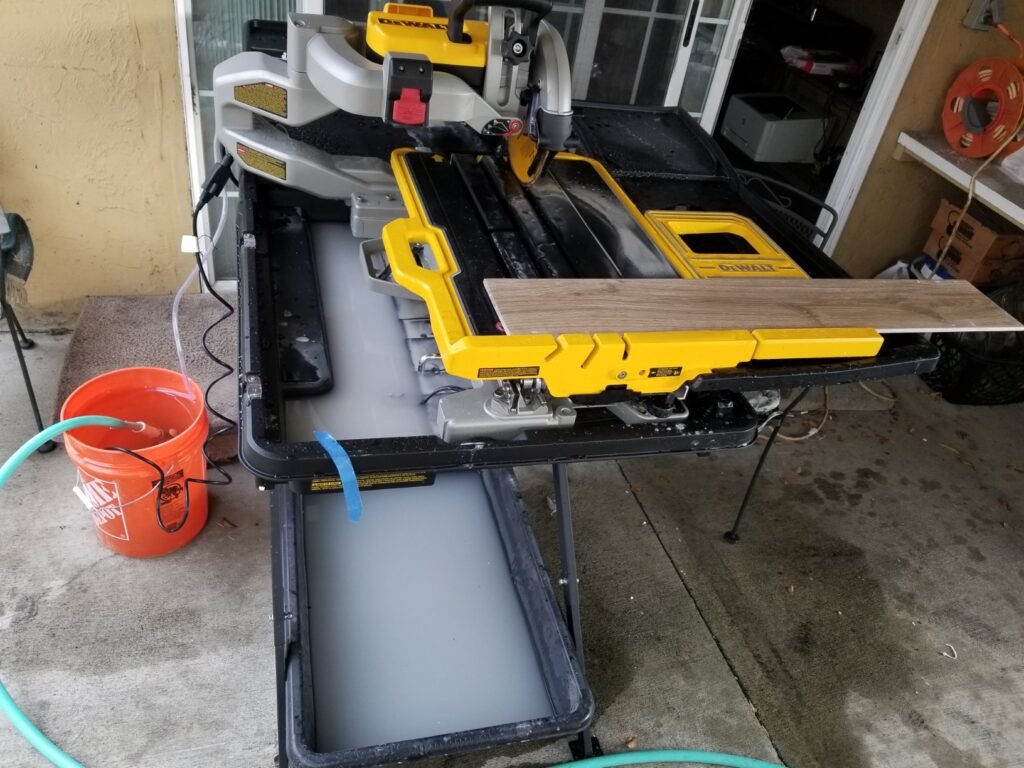
The DEWALT D36000S represents the top end of what a portable wet tile saw can do, with specifications that place it squarely in professional installer territory. The 37-inch rip capacity (41 inches with plunge) and 18-inch cutting clearance to the left of the blade let you rip 36 by 36-inch tiles in half, which is becoming essential as large-format porcelain planks dominate modern installations.
We may earn a commission when you buy through this link, at no additional cost to you.
A 15 amp motor delivering 1,220 maximum watts out drives the 10-inch blade through the densest porcelain and natural stone without laboring. The cutline indicator, rigid frame, and stainless steel rollers deliver accuracy within 1/32 inch over 30-inch cuts, which is a specification that matters when you are matching patterns across large tiles or cutting precise notches around fixtures.
The 18 by 36-inch and 24 by 24-inch tile dimensions fit fully within the integrated water tray system, which is a meaningful feature for indoor installations where spray containment protects finished floors and surrounding surfaces. The 28-7/8-inch width lets the saw fit through standard 30-inch door frames, and the integrated accessory storage keeps the cart extension, miter guide, and wrenches with the saw during transport.
Modern tile design increasingly favors large-format pieces, with 24 by 48-inch planks and 36 by 36-inch squares now common in high-end projects. A saw with the rip capacity to handle these tiles whole, rather than requiring awkward multi-pass cutting, dramatically improves both speed and accuracy. The D36000S is specifically engineered for this growing market segment.
At 91 pounds, this is a two-person lift, and the premium price reflects its professional capabilities. This saw makes sense for tile contractors who regularly cut large-format tiles or renovation specialists working on high-end residential and commercial projects. For smaller tile sizes or occasional use, the D24000S delivers most of the same quality at a lower cost.
Occasional DIYers or installers working primarily with standard 12-inch or smaller residential tiles who do not need the extended rip capacity.
We may earn a commission when you buy through this link, at no additional cost to you.
This compact 4-inch wet tile saw offers a budget-friendly entry point for homeowners who need basic tile cutting capability without investing in a premium tool. The 12-amp motor provides adequate power for the small blade diameter, making it suitable for trim cuts, repair work, and small-scale tile projects where portability and low cost matter more than professional-grade capacity.
We may earn a commission when you buy through this link, at no additional cost to you.
The 4-inch blade size limits the saw to thinner tiles and smaller cuts, but this constraint also makes the tool exceptionally light and easy to maneuver in tight spaces. For bathroom repairs, replacing a few cracked tiles, or small backsplash projects, the compact form factor is often an advantage rather than a limitation. The corded design ensures consistent power without battery concerns.
The simple, no-frills construction keeps the price accessible for occasional users who might only pull the saw out a few times per year. There are no advanced features like laser guides or digital controls, which actually benefits reliability since fewer components can fail over time. The straightforward design makes setup and operation easy to learn for first-time users.
A 4-inch blade is best suited for cutting small tiles up to about 4 by 4 inches cleanly, and larger tiles with careful multi-pass technique. If your project involves 12-inch or larger tiles exclusively, the time saved by using a properly sized 7-inch or 10-inch saw will quickly outweigh any upfront savings. Choose the smaller saw only when the project genuinely matches its capacity.
This saw works best as a secondary tool for small tasks or as an inexpensive option for homeowners facing a single tile project. If you need to cut full-size floor tiles or work on larger renovations, stepping up to a 7-inch tabletop model will serve you much better. For true budget shoppers who understand the capacity limitations, this is a practical choice.
Anyone planning large-format tile installations or professional work where cutting speed, capacity, and precision requirements exceed a basic compact design.
We may earn a commission when you buy through this link, at no additional cost to you.
The VEVOR 7-inch induction wet saw targets DIY enthusiasts who want a smoother, quieter cutting experience than typical brushed-motor saws provide. The induction motor technology eliminates carbon brushes entirely, relying instead on electromagnetic induction to generate rotation. The practical benefit is lower vibration, reduced noise, and no brush wear that eventually requires replacement in conventional motors.
We may earn a commission when you buy through this link, at no additional cost to you.
The 3,500 RPM motor spins a 7-inch 65Mn steel blade that handles tiles, stones, and ceramics up to 1.25 inches thick. The 0 to 45 degree adjustable miter angle, with marked positions at 0, 22.5, and 45 degrees, covers the most common cutting angles needed in standard tile layouts. A detachable PP water reservoir dampens dust and makes cleanup between projects straightforward.
A reset safety switch prevents accidental startup after power interruptions, which is a thoughtful safety feature often missing in budget saws. The galvanized work surface resists rust and scratches better than painted steel, maintaining its appearance through multiple projects. The induction motor’s starting torque helps the saw bite into dense materials without the typical lag of brushed designs.
Induction motors generate rotation through electromagnetic fields rather than physical brush contact, which eliminates a common wear point and reduces maintenance over time. They also run cooler and quieter than brushed alternatives, which matters for indoor use or longer cutting sessions. The tradeoff is typically higher weight and slightly higher cost per watt, but the longevity benefit often justifies the difference for frequent users.
The 3.8-star rating suggests mixed owner experiences, so this saw is best approached with realistic expectations about build consistency compared to established brands. For DIY users who prioritize quiet operation and are willing to accept some brand compromise for the induction motor technology, it offers a differentiated option at an attractive price point.
Professional installers who need proven brand reliability and consistent build quality for daily commercial use across demanding jobsites.
We may earn a commission when you buy through this link, at no additional cost to you.
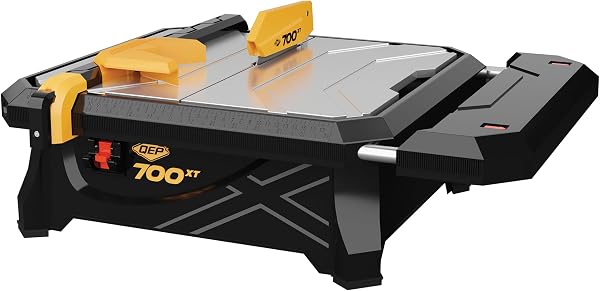
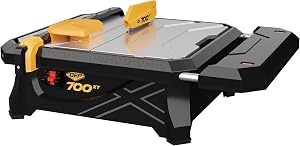
The QEP 22700Q 700XT focuses on portability and convenience for weekend tile projects and small installations where moving a heavier saw would be impractical. The built-in carrying handle and compact footprint make it easy to transport between the garage, workshop, and job location without needing a dedicated cart or dolly system.
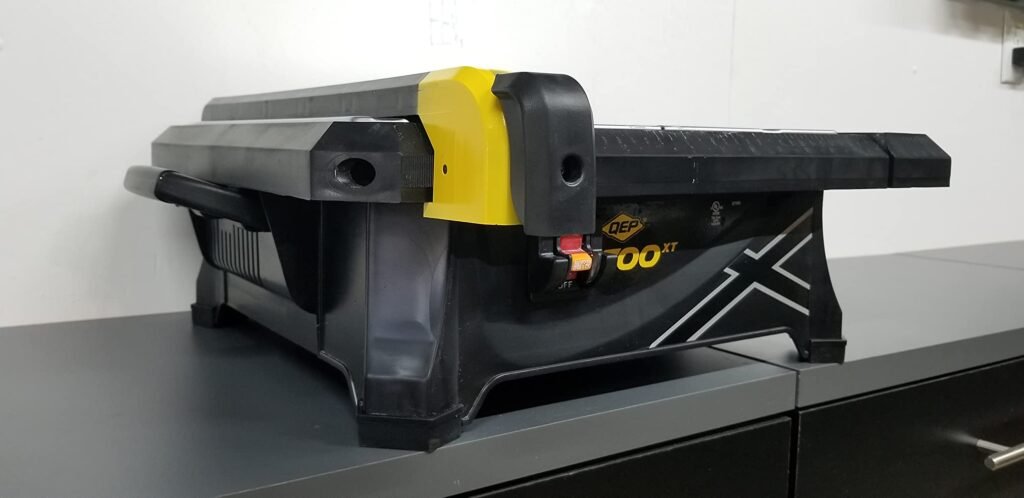
We may earn a commission when you buy through this link, at no additional cost to you.
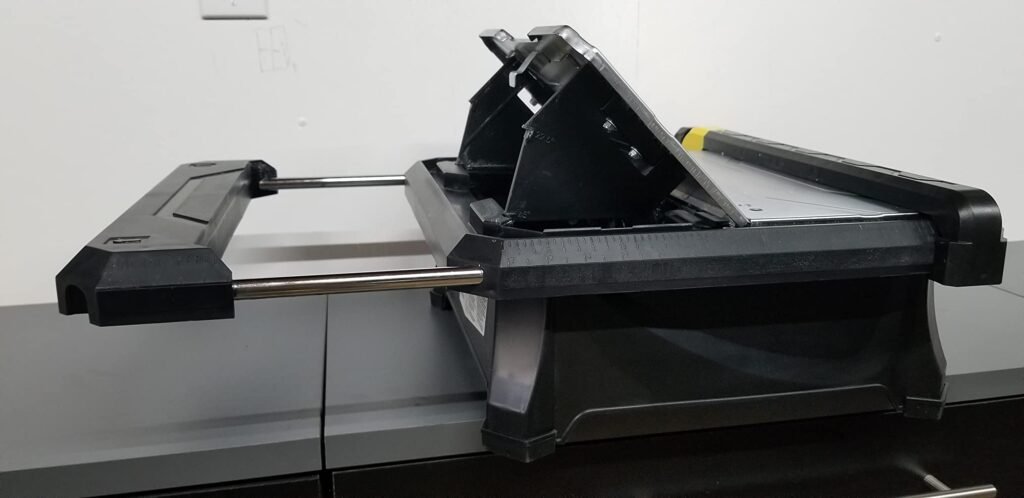
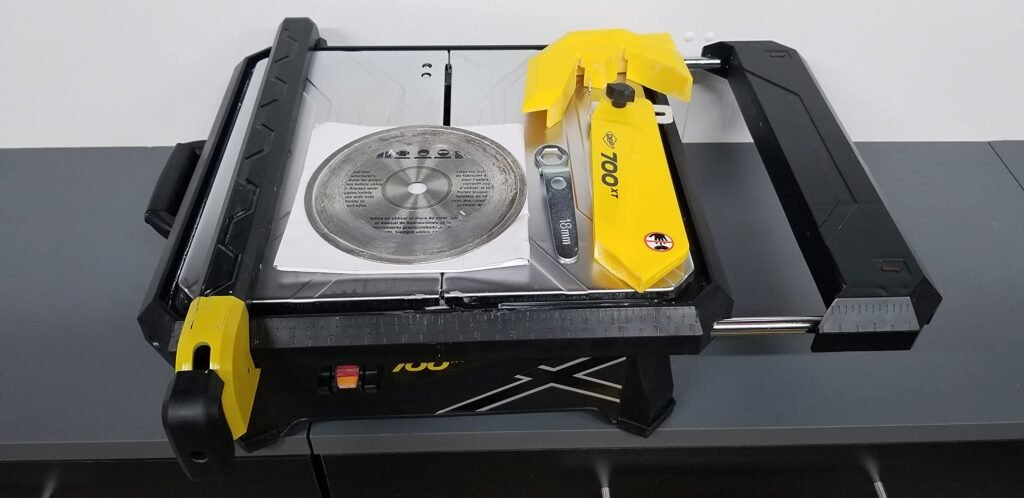
A 3/4 peak horsepower motor drives the 7-inch blade through ceramic, marble, stone, travertine, and porcelain tiles up to 1.25 inches thick. The water recirculation channel cycles water through the blade during cutting, which reduces dust and extends blade life compared to dry cutting methods. The included table extension expands the working surface for larger tiles that need additional support during long rip cuts.
The saw handles both rip and diagonal cuts on various tile sizes, giving DIY users enough flexibility for most residential projects. The straightforward design keeps setup time short, which matters when you only have a weekend to complete a backsplash or small floor section. There are no complex adjustments or specialized features to learn before making the first cut.
Attach the included table extension before starting any long rip cuts to prevent the tile from tipping or vibrating during the cut. Proper support throughout the entire length of the cut prevents chipping at the trailing edge and keeps the cut line straight. This simple step dramatically improves results on tiles longer than 12 inches and reduces wasted material from miscuts.
This saw is a sensible pick for homeowners who want a step up from the smallest budget units but do not need professional-grade capacity or build quality. The 4.0 star rating reflects a product that generally meets expectations for its price class without excelling. For straightforward small-to-medium tile jobs where portability matters, it delivers reasonable value.
Professional installers who need the sustained power and precision of a 1 HP or larger saw for daily cutting of dense porcelain or natural stone.
We may earn a commission when you buy through this link, at no additional cost to you.
The VEVOR 10-inch wet tile saw with stand offers large-format cutting capability at a price point significantly below name-brand alternatives. The 36-inch tile capacity and 24-inch diagonal cutting capacity handle the oversized porcelain planks and large-format tiles that have become standard in modern renovations, giving budget-conscious buyers access to professional-grade dimensions.
We may earn a commission when you buy through this link, at no additional cost to you.
A 15 amp motor spinning at 4,500 RPM powers the 65Mn steel blade through ceramic, porcelain, floor tile, and marble. The maximum 3.8-inch cutting depth exceeds many competing 10-inch saws, allowing cuts in thicker stone materials and pavers that would require multi-pass cutting on shallower units. The detachable PP water reservoir and pump system keep dust down and the work area cleaner.
An infrared guide line projects a cutting reference directly onto the tile surface, which is a feature typically found on more expensive saws and genuinely helps with alignment accuracy. The built-in measurement scale assists with both straight and diagonal cuts. Two non-slip rubber wheels on the base make moving the saw between locations manageable despite its larger size and weight.
An infrared guide line projects a visible reference line onto the tile surface, helping you position cuts accurately without squinting at a blade or edge marker. This feature particularly helps on dark or patterned tiles where traditional cut indicators can be difficult to see. Keep the infrared window clean of slurry buildup to maintain line visibility throughout extended work sessions.
This saw represents an attractive value proposition for DIY users and part-time installers who want 10-inch capacity without the DEWALT price tag. The main consideration is brand reputation and long-term parts availability, which favor established manufacturers. For single large projects or budget-focused buyers, it delivers meaningful capacity at an accessible price.
Professional contractors who need established brand support, parts availability, and warranty coverage for high-volume commercial installations.
We may earn a commission when you buy through this link, at no additional cost to you.
The Makita XCC01Z breaks the cord-tether constraint of traditional wet tile saws, offering 18V LXT cordless operation for jobs where power access is limited or inconvenient. The brushless motor delivers 8,800 RPM to the 5-inch blade and runs cooler and more efficiently than brushed alternatives, which translates to longer battery life per charge and extended motor lifespan over years of use.
We may earn a commission when you buy through this link, at no additional cost to you.
Automatic Speed Change technology adjusts speed and torque during operation based on cutting load, giving you optimal performance without manual gear changes. The 1-9/16-inch cut depth at 90 degrees and 45-degree bevel capability cover most masonry cutting applications, from brick trimming to small tile cuts. The integrated water delivery system with flow adjustment feeds water continuously for OSHA Table 1 compliance on dust-regulated jobsites.
The electric brake stops the blade quickly after releasing the trigger, allowing faster repositioning for the next cut and improving overall productivity on repetitive work. AWS compatibility enables wireless dust extractor activation when paired with compatible Makita vacuums, which is a meaningful feature for indoor masonry work where dust control is both a comfort and compliance issue.
The 2017 OSHA silica dust rule requires contractors cutting masonry materials to use engineering controls that reduce respirable crystalline silica exposure. Integrated water delivery systems like the one on the XCC01Z meet Table 1 compliance when operated correctly, protecting workers and simplifying regulatory requirements. This feature matters particularly for contractors working on commercial jobsites where OSHA inspections are more frequent.
This saw is sold as a tool only, so you will need a compatible 18V LXT battery and charger if you do not already own Makita cordless tools. For contractors already invested in the Makita 18V ecosystem, the XCC01Z adds valuable wet-cutting capability without duplicating batteries. For dedicated tile work only, a corded tabletop saw usually offers more cutting capacity per dollar.
Buyers without existing Makita 18V batteries who would face significant additional costs to complete the kit versus choosing a corded alternative.
We may earn a commission when you buy through this link, at no additional cost to you.
Selecting the right wet tile saw depends on your tile sizes, material hardness, cut volume, and whether you need portability or stationary stability. The factors below walk through the specifications and features that genuinely affect cutting results so you can match a saw to your actual project requirements without overpaying or undersizing.
Blade diameter directly determines the maximum tile size you can cut and the maximum material depth you can handle in a single pass. Compact 4-inch blades like those on the DEWALT DWC860W and the 12-amp handheld unit suit small tiles, repair work, and tight-space cutting but struggle with anything larger than about 4 inches. Mid-size 5 to 7-inch blades on saws like the Makita XCC01Z, SKIL 3540-02, Porter-Cable PCE980, and QEP 22700Q handle standard 12-inch residential tiles with reasonable efficiency. Full-size 10-inch blades on the DEWALT D24000S, DEWALT D36000S, and VEVOR stand saw rip large-format 24-inch and 36-inch tiles that have become standard in modern design.
Cutting capacity refers to the maximum rip length and diagonal cut dimension the saw can produce. The DEWALT D36000S leads the group with a 37-inch rip capacity and 8.5-inch crosscut capability, while the DEWALT D24000S offers 28-inch rip and 18 by 18-inch diagonal capacity. Smaller 7-inch tabletop saws typically max out around 12 to 18-inch rip capacity, which limits them to standard residential tile sizes. Matching capacity to your actual tile dimensions prevents the frustration of needing to flip and reposition pieces mid-cut.
Decide based on the largest tile you realistically plan to cut. Oversizing a saw for occasional use wastes money and storage space, while undersizing creates slow, awkward cutting on every project. For most DIY users, a 7-inch saw hits the sweet spot.
Motor power determines how aggressively a saw can cut through dense materials without bogging down. Amperage ratings offer a direct comparison for corded saws, with 10 to 15 amps covering the mid-range to professional spectrum. The DEWALT D36000S leads with a 15 amp motor delivering 1,220 maximum watts out, while the DEWALT D24000S offers 1.5 peak horsepower. Smaller saws in the 3/4 HP range handle residential tile adequately but may slow noticeably on dense porcelain or natural stone.
Blade RPM also affects cutting quality and speed, though the relationship is not linear. Higher RPMs on handheld saws like the DEWALT DWC860W at 13,000 RPM suit the smaller blade diameter and provide clean cuts on hard materials. Tabletop and stand saws typically run between 2,500 and 4,500 RPM, which pairs well with their larger 7-inch and 10-inch blades. Brushless motors like the one in the Makita XCC01Z run more efficiently and quietly than brushed alternatives, extending motor life over years of regular use.
Match motor power to material hardness and cut volume. Dense porcelain and natural stone demand more power than standard ceramic. If you cut regularly, invest in more motor than you think you need to avoid overworking a marginal unit.
Wet tile saws use water for three purposes: cooling the blade, reducing dust, and flushing debris from the cut line. The effectiveness of the water management system directly affects blade life, cut quality, and workspace cleanliness. Basic reservoir systems like those on the SKIL 3540-02 and QEP 22700Q submerge the lower portion of the blade in a water tray, which works adequately for small projects but can throw spray onto the operator and surrounding surfaces.
More sophisticated systems like the DEWALT D36000S integrate dedicated water trays, splash guards, and submersible pumps that direct water precisely to the cutting zone while containing overspray. The DEWALT DWC860W uses a direct water line fed from a hose or portable source, which eliminates the reservoir entirely but requires access to a water supply. The Makita XCC01Z integrates OSHA Table 1 compliant water delivery for silica dust control, which matters significantly for commercial jobsites with respirable dust regulations.
For indoor work on finished surfaces, prioritize saws with effective spray containment and drain plugs. For outdoor work, basic reservoir systems usually suffice. Always use water during cutting to extend blade life and reduce dust exposure.
Wet tile saws operate in a harsh environment where water, slurry, and abrasive dust constantly attack every exposed surface. Stainless steel work surfaces, like those on the SKIL 3540-02 and Porter-Cable PCE980, resist corrosion far better than painted steel or aluminum alternatives that develop rust spots within a season or two. Dust-sealed switches, like the one on the DEWALT DWC860W, prevent contamination from reaching internal electronics and extend tool life significantly.
Frame construction also matters for long-term durability. The Porter-Cable PCE980 uses a protective roll cage that shields the cutting cart from drops and jobsite abuse, while the DEWALT D24000S and D36000S use rigid frames with precision stainless steel rollers that maintain cutting accuracy over years of use. Budget saws often cut costs on these structural elements, leading to accuracy loss and premature failure under heavy use.
Match build quality to your usage frequency. Weekend DIY projects can tolerate budget construction, but regular professional use justifies investment in rust-resistant, impact-protected designs that will last many seasons.
Weight and dimensions determine how easily you can move a saw between locations, in and out of vehicles, and through doorways to indoor workspaces. Handheld saws like the DEWALT DWC860W at 6.6 pounds and cordless units like the Makita XCC01Z offer maximum portability but limited capacity. Compact tabletop saws in the 20 to 40-pound range balance capability and transport convenience for most DIY and small-contractor needs.
Full-size stand saws present the biggest transport challenge. The DEWALT D24000S at 69 pounds is manageable as a single-person lift with the stand folded, while the DEWALT D36000S at 91 pounds typically requires two people. The D36000S specifically fits through 30-inch door frames, which is a meaningful feature for installers who work in residential settings with narrow passages. Integrated accessory storage on both DEWALT stand saws prevents the frustration of losing wrenches and guides during transport.
If you work in a single location, prioritize cutting capacity over portability. If you move the saw frequently, factor in weight, folding stand design, and vehicle storage dimensions before purchasing.
Cutting precision depends on the stability of the cart or workpiece, the quality of alignment guides, and the accuracy of fence systems. The DEWALT D24000S and D36000S specify accuracy within 1/32 inch over long cuts, which reflects their stainless steel rollers, rigid frames, and precision cutline indicators. These specifications matter when matching patterns across large tiles or cutting precise notches around fixtures.
Guide features vary significantly across price points. Basic saws like the SKIL 3540-02 include an adjustable rip fence and miter gauge for straight and angled cuts. Mid-range units like the Porter-Cable PCE980 add onboard miter squares for faster setup on repetitive cuts. Premium options like the VEVOR 10-inch stand saw project infrared guide lines directly onto the tile for intuitive alignment. These features save time on complex layouts and reduce measurement errors that waste expensive tiles.
For simple cuts, basic guides suffice. For complex patterns, angled layouts, or large-format tiles where errors are expensive, invest in saws with more sophisticated alignment features.
Setting up a wet tile saw correctly before each session dramatically improves cut quality and extends tool life. Fill the water reservoir to the recommended level and verify that the submersible pump or water line delivers consistent flow to the blade. Check that the fence and miter gauge are square to the blade using a reliable square, and inspect the diamond blade for chips, wear, or deformation before starting. A properly tensioned, undamaged blade is the single most important factor in producing clean cuts without chipping.
During cutting, let the blade do the work without forcing the tile through at speed. Light, steady pressure allows the diamond grit to abrade the material cleanly, while excessive force causes chipping at the exit edge and shortens blade life significantly. Maintain continuous water flow throughout each cut to cool the blade and flush slurry from the kerf. For long cuts on large tiles, use the fence or a clamped straightedge to maintain a straight path, and support the trailing edge of the tile to prevent breakage as the cut completes.
Clean the saw thoroughly after every session to prevent slurry buildup from damaging components. Drain the water reservoir, rinse the tray and work surface with clean water, and wipe down the blade and fence with a damp cloth. Allow the pump to run briefly with clean water to flush internal passages. Store the saw in a dry location with the water reservoir empty, and periodically check the condition of the blade, electrical cord, and mounting hardware. Replacing a worn blade promptly maintains cut quality and prevents motor strain from forcing a dull blade through material.
A 7-inch tabletop saw handles the vast majority of bathroom tile projects, including standard 12 by 12-inch floor tiles and most subway or mosaic wall tiles. Only consider stepping up to a 10-inch saw if you plan to install large-format floor tiles larger than 12 by 12 inches. For small accent cuts or repairs, a handheld 4-inch saw can supplement a tabletop unit effectively.
Yes, but blade quality matters significantly with porcelain. Standard tile blades included with budget saws often chip porcelain edges, so investing in a dedicated porcelain-rated continuous-rim diamond blade dramatically improves results. The DEWALT D24000S includes an XP4 porcelain blade specifically designed for this material. Always run water during cutting and feed the tile slowly to prevent chipping.
Blade life varies widely based on material hardness, cutting technique, and water usage. A quality diamond blade cutting standard ceramic with proper water flow can last through hundreds of cuts. Dense porcelain and natural stone wear blades faster, sometimes requiring replacement after a single large job. Running the saw dry or forcing cuts dramatically shortens blade life, so patient wet cutting is both faster overall and more economical.
Stand necessity depends on the saw size and your project duration. Compact 7-inch saws work fine on a sturdy workbench or sawhorse setup for short projects. Larger 10-inch saws like the DEWALT D24000S and D36000S include dedicated stands designed for proper ergonomics and water management. For extended cutting sessions, a proper stand reduces back strain significantly and improves cut accuracy by providing a stable, level work surface.
Most wet tile saws can also cut natural stone, marble, granite, concrete pavers, and glass tile with appropriate diamond blades. Some units like the Makita XCC01Z are specifically rated for masonry cutting including brick and block. Always verify the blade is rated for your specific material and run water continuously to prevent overheating. Avoid cutting metal, wood, or plastic in a wet tile saw since these materials require different blade types and cutting speeds.
Wet tile saws use a motorized diamond blade cooled by water to cut tiles with precision, handling virtually any tile material and thickness. Dry tile cutters, sometimes called score-and-snap cutters, use a hardened wheel to score the tile surface before manually snapping it along the line. Dry cutters work quickly for straight cuts on standard tiles but cannot handle curves, notches, or very hard materials like porcelain and natural stone.
Fill the reservoir to the maximum fill line indicated on the saw, ensuring the submersible pump is fully submerged. Insufficient water starves the blade of cooling and dust suppression, while overfilling can cause spillage and electrical hazards. Change the water when it becomes heavily contaminated with slurry, typically every few hours of continuous cutting, since contaminated water loses effectiveness at cooling and lubricating the cut.
Modern brushless cordless saws like the Makita XCC01Z deliver sufficient power for masonry cutting and small-to-medium tile projects. However, cordless models generally have smaller blade sizes and limited run time per battery compared to corded alternatives. For high-volume professional tile work on standard-sized tiles, corded tabletop or stand saws typically offer better value and sustained performance throughout a full workday.
Chipping usually results from a dull blade, excessive feed rate, insufficient water flow, or inadequate tile support. Use a sharp blade appropriate for your tile material, feed the tile slowly and consistently, maintain full water flow throughout the cut, and support the entire length of the tile including the trailing edge. Marking the cut line with painter's tape before cutting can also reduce surface chipping on glazed tiles.
Wet tile saws can be used indoors with proper precautions, but water spray and slurry can damage finished surfaces. Choose saws with effective splash guards and water containment like the Porter-Cable PCE980 or DEWALT D36000S for indoor work. Lay down protective tarps or plastic sheeting around the work area, and ensure the saw is plugged into a GFCI-protected outlet for electrical safety when operating near water.
The DEWALT D24000S stands out as the strongest overall choice for most serious tile installers and ambitious DIY users, combining a 4.7-star rating, 28-inch rip capacity, 1.5 peak horsepower, and accuracy within 1/32 inch in a package that includes everything needed to start cutting on day one. Its combination of professional capability, included accessories, and transportable design justifies the premium price for anyone whose tile work goes beyond a single small project.
For buyers with different priorities, several alternatives deserve serious consideration. The SKIL 3540-02 delivers solid entry-level performance at a budget-friendly price for occasional DIY users. The DEWALT D36000S scales up for professional contractors who need large-format tile capacity and jobsite durability. The DEWALT DWC860W handheld excels at trim work and in-place cuts where a tabletop saw cannot reach, while the Makita XCC01Z offers cordless freedom for Makita 18V battery owners working on masonry projects away from power outlets.
Your best decision starts with honestly assessing the largest tile size you will cut, the volume of cutting you will do, and whether portability matters more than cutting capacity. Match blade size to your tile dimensions, motor power to your material hardness, and build quality to your usage frequency. With the right saw matched to your actual needs, tile projects become faster, cleaner, and far more enjoyable.