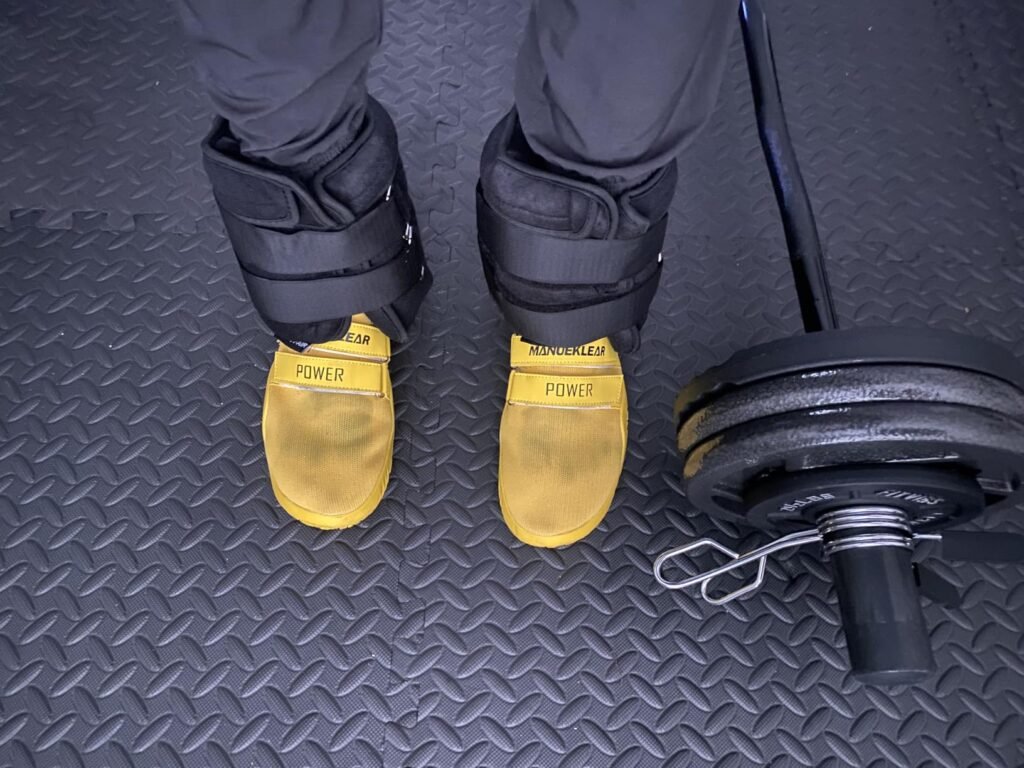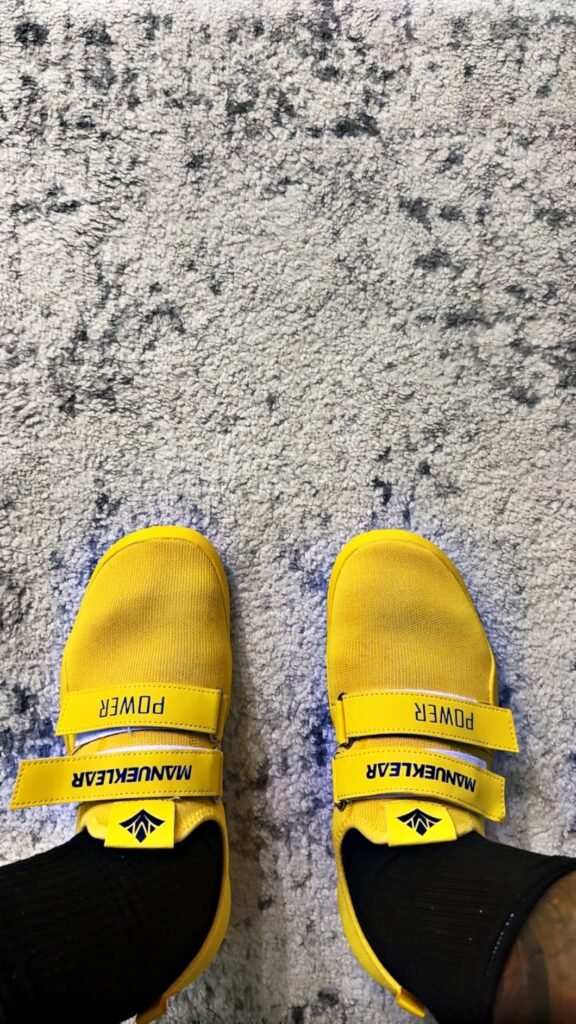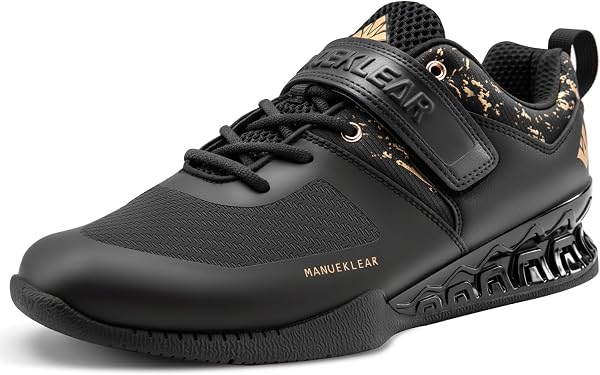
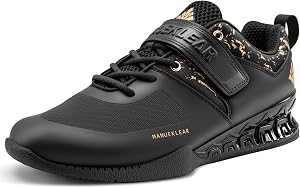
MANUEKLEAR Pro Squat
8.8Editor scoreTPU rubber Oxford build
Honeycomb traction outsole
2cm heel drop
Lace and strap closure
Find the right weightlifting shoes for 2026. We compare 10 standout options by build quality, useful features, owner feedback, value, and everyday trade-offs.
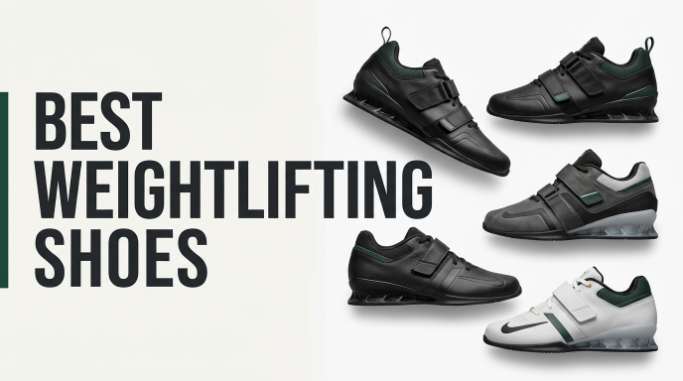
Find the right weightlifting shoes for 2026. We compare 10 standout options by the factors that matter most under the bar: heel elevation, sole rigidity, traction pattern, ankle support, upper breathability, strap security, and long-term durability across different lifting styles.
A proper lifting shoe changes how force transfers from your feet to the floor. Elevated heels improve squat depth, flat soles favor deadlifts, and a rigid chassis keeps you stable during heavy cleans. Understanding these differences helps you avoid buying a shoe that fights your training goals.
This guide breaks down each pair by construction, fit, and real-world use cases so you can match a shoe to your programming. Whether you compete in Olympic weightlifting, focus on powerlifting, or train general strength, the right footwear makes a measurable difference in comfort and confidence.
We compared 10 weightlifting shoes using the details that actually help a buyer decide: heel height, sole rigidity, traction pattern, upper materials, closure systems, ankle support, weight, durability signals, owner feedback, and value. The notes focus on practical trade-offs so each pick connects to how lifters actually train, from heavy squats and deadlifts to Olympic pulls and general gym sessions.


Compare key features, scores, and current prices side by side. A shorter feature list means fewer details were available, not necessarily fewer capabilities.




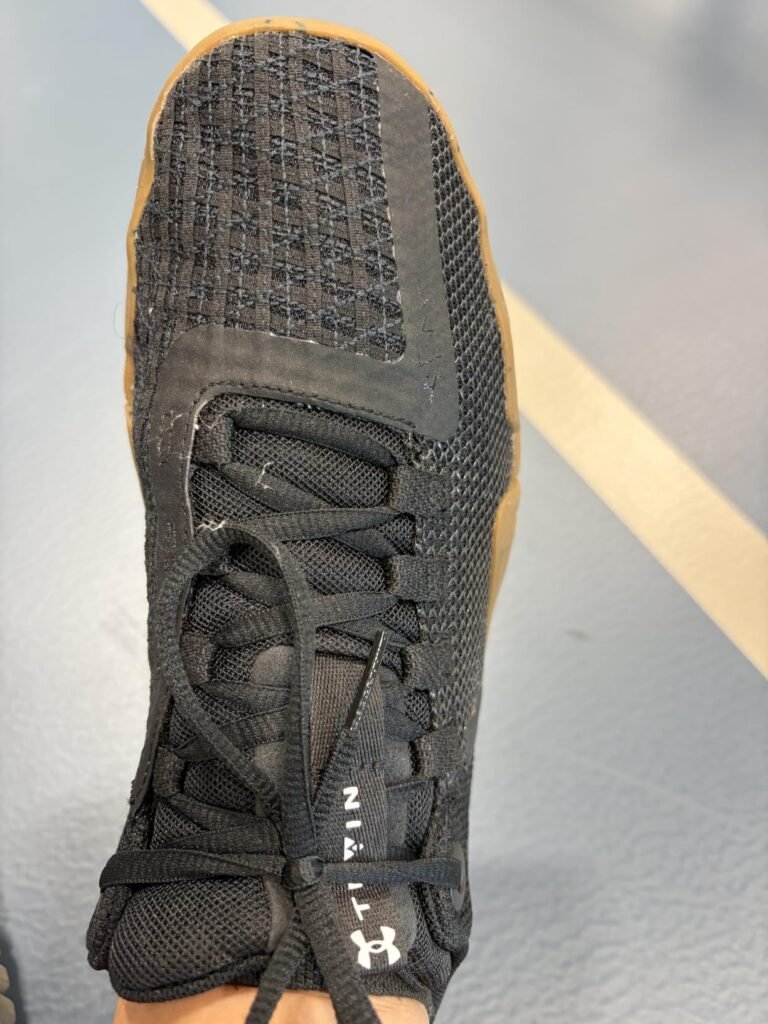
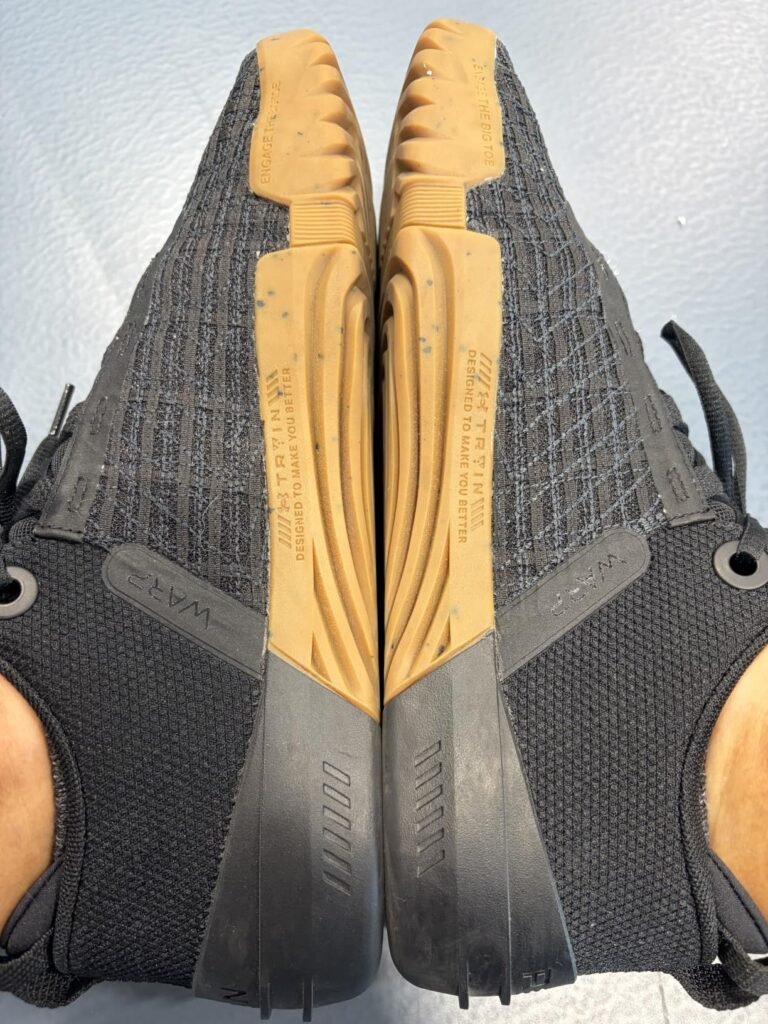
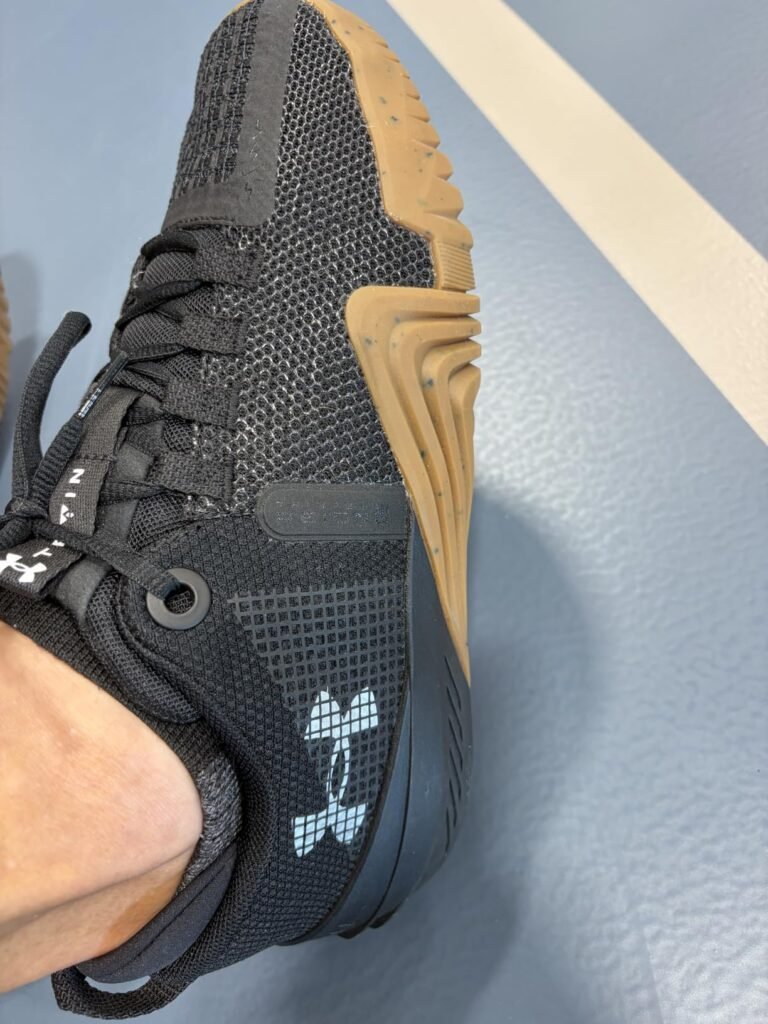
The Under Armour TriBase Reign 6 takes a different approach than traditional weightlifting shoes by using a low-to-the-ground, three-point contact system instead of an elevated heel. This design maximizes the surface area between your foot and the floor, which improves stability during heavy deadlifts, hip thrusts, and any lift where a flat foot position is advantageous.
We may earn a commission when you buy through this link, at no additional cost to you.
The dual-density midsole is softer in the forefoot for comfort during dynamic movements and firmer in the heel for support under load. This graduated cushioning means the shoe handles both heavy squats and short sprints without feeling either too rigid or too soft. The strategic rubber build under the toe box adds extra grip for explosive pushes and sled work.
Under Armour’s WARP upper technology wraps the midfoot with targeted support bands that hold the foot in place without restricting natural movement. The standard lace closure allows fine-tuned adjustment, and the overall build quality reflects the premium positioning of this shoe in the training category.
A flat, low-profile shoe like the Reign 6 is ideal for deadlifts, hip hinges, and mixed-modal workouts where ground feel and versatility matter most. An elevated heel shoe is better for deep squats, Olympic lifts, and any movement where ankle mobility is a limiting factor. Many serious lifters own one of each and switch based on the day’s programming.
This is the top pick for lifters who want a versatile training shoe that excels at deadlifts, general strength work, and functional fitness. If your programming is squat-dominant and you need heel elevation for depth, a traditional weightlifting shoe with a raised heel will serve you better.
Olympic weightlifters who need significant heel elevation for deep receiving positions in the snatch and clean.
We may earn a commission when you buy through this link, at no additional cost to you.
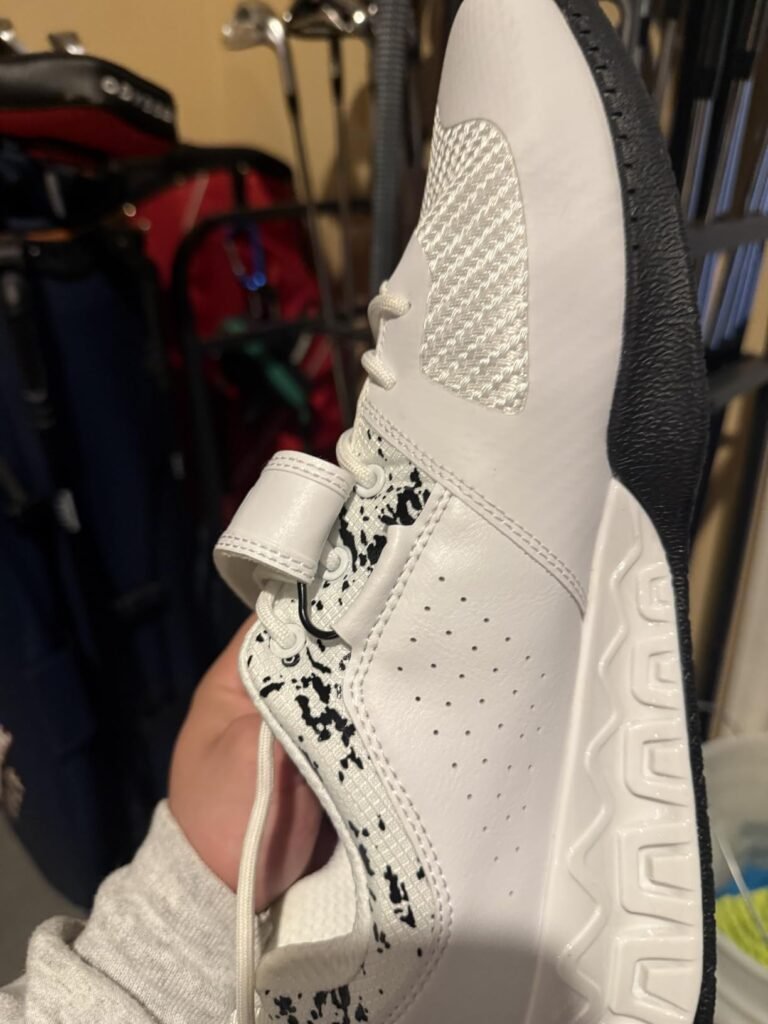
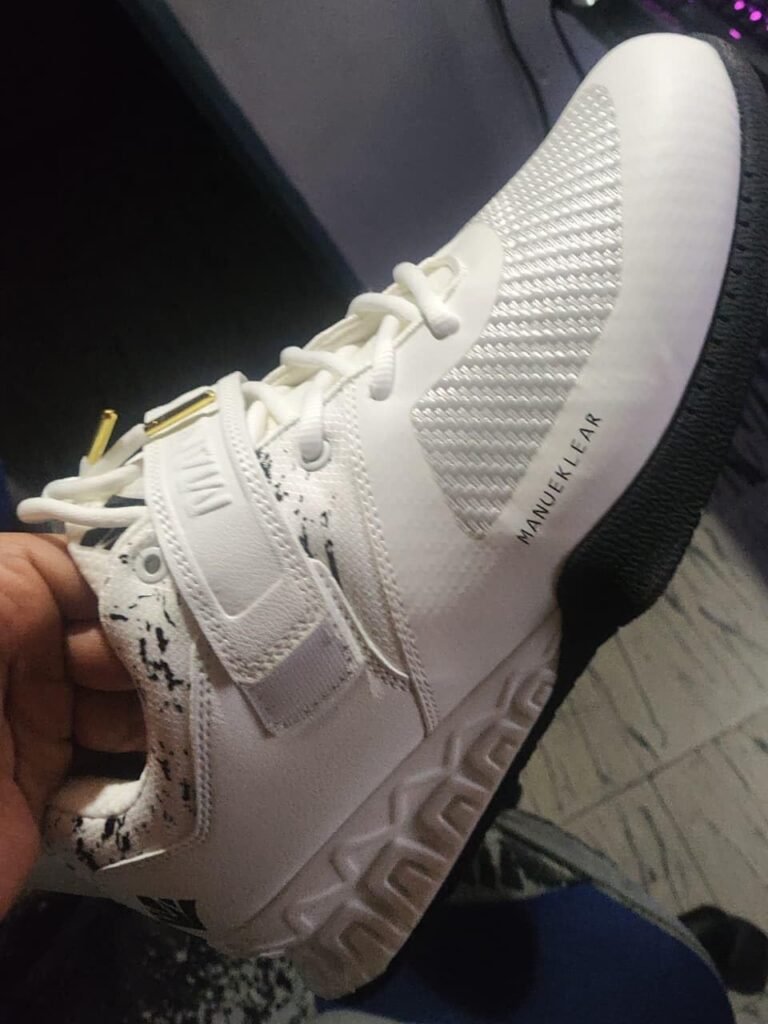
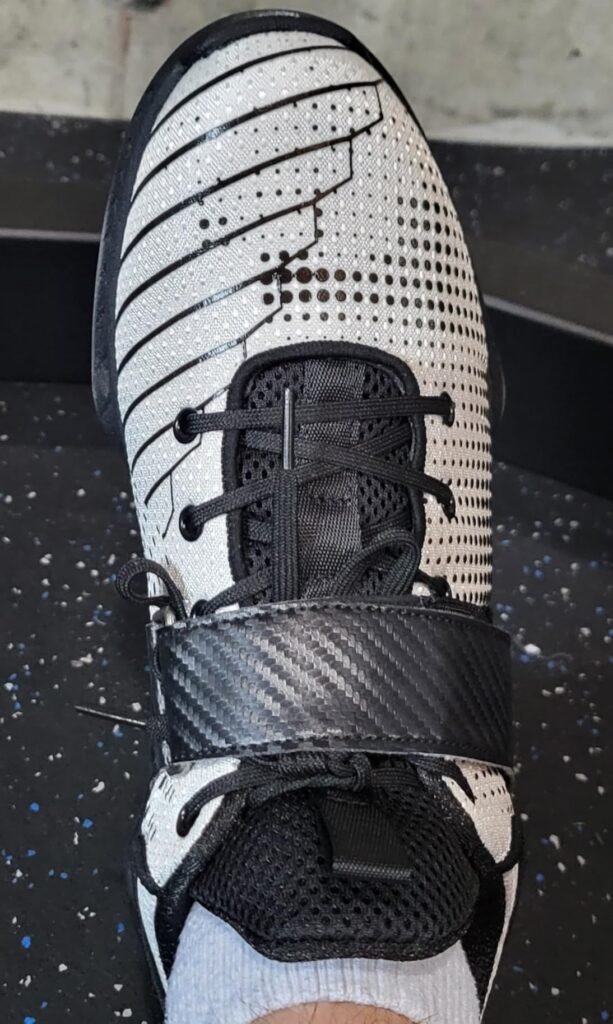
The MANUEKLEAR Professional Training Squat Shoe targets lifters who want a stable, no-nonsense platform for heavy barbell work. Its reinforced chassis and widened heel create a broad base that keeps your foot planted during back squats and front squats, which matters most when the load climbs above your bodyweight.
We may earn a commission when you buy through this link, at no additional cost to you.
A 2cm heel drop sits on the moderate end of the spectrum, offering enough elevation to improve ankle mobility without pushing your knees too far forward. The honeycomb-patterned outsole provides multi-directional traction that holds up on rubber gym flooring and wooden platforms alike, reducing the chance of foot slip during explosive movements like power cleans.
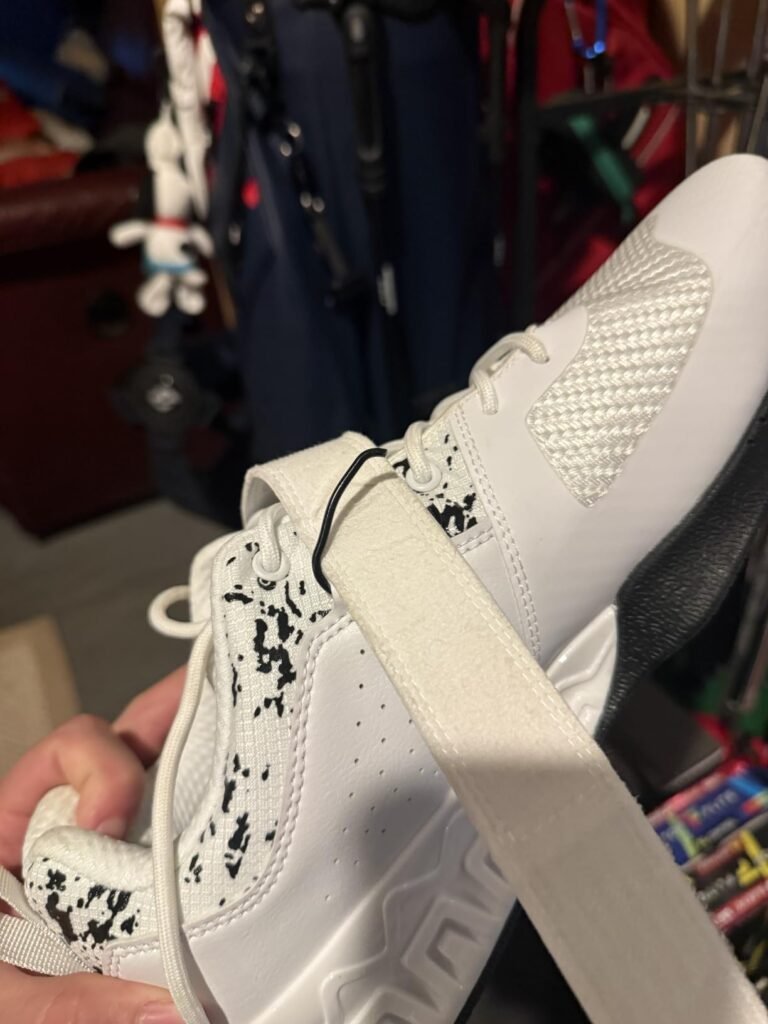
The combination of traditional laces and a hook-and-loop strap gives you two layers of lockdown. The TPU and Oxford cloth upper resists moisture and tearing, which helps the shoe maintain its structure over months of frequent use. The interior lining is thick enough to cushion your foot without adding unwanted squish under load.
Laces alone can loosen during high-rep sets, especially when your foot flexes repeatedly in the bottom of a squat. The added strap across the midfoot clamps the shoe to your arch, preventing the heel from lifting inside the shoe. This matters most during Olympic-style movements where foot repositioning happens quickly between the pull and the catch.
This shoe works well for intermediate lifters who want a dedicated squat shoe without spending premium prices. If you prefer a higher heel for deeper positions, you may want to look at models with a 1.3-inch or 1.4-inch elevation instead.
Lifters who need a high heel elevation above 1 inch for deep Olympic squat positions.
We may earn a commission when you buy through this link, at no additional cost to you.
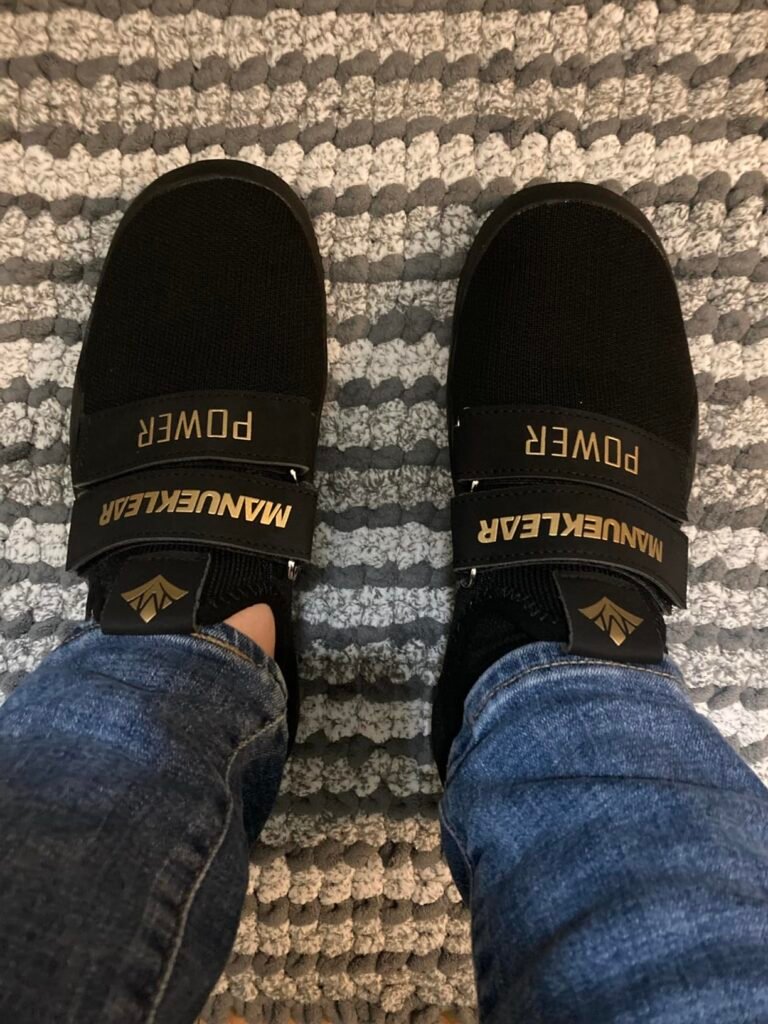
At just 216 grams, this MANUEKLEAR model is one of the lightest weightlifting shoes in this comparison, making it a practical choice for lifters who move between stations frequently or incorporate lifting into circuit-style workouts. The low weight reduces fatigue during longer training sessions where you are not exclusively under the bar.
We may earn a commission when you buy through this link, at no additional cost to you.
The breathable mesh upper keeps airflow moving across your foot, which is a genuine advantage during high-volume leg days in warm gyms. The widened rubber sole provides a broader contact patch than a typical running shoe, giving you a more stable base for deadlifts and Romanian deadlifts where a flat foot position is preferred.
Double velcro straps make these quick to put on and take off between sets, and the heel support pad adds a layer of ankle stability that basic sneakers lack. The bionic sole design allows more flex than a traditional rigid lifting shoe, which can feel more natural for beginners who are still developing their movement patterns.
A shoe under 250 grams is ideal if your training blends lifting with short runs, box jumps, or sled pushes. The reduced weight means less energy spent moving your feet, and the flexible sole allows a more natural gait during dynamic movements. Just be aware that the tradeoff is less rigidity under maximal loads.
This shoe is a smart starting point for newer lifters who want something better than running shoes without a large investment. More advanced lifters who need a rigid, elevated heel for heavy squats will likely outgrow this model as their loads increase.
Competitive weightlifters who need a rigid, elevated heel for deep snatch and clean-and-jerk positions.
We may earn a commission when you buy through this link, at no additional cost to you.
This version of the MANUEKLEAR Professional Training Squat Shoe shares the same core architecture as its sibling but is worth a separate look for lifters who train in humid environments or sweat heavily. The seamless TPU construction prevents the upper from warping or softening over time, which is a common issue with glued or stitched panels in cheaper lifting shoes.
We may earn a commission when you buy through this link, at no additional cost to you.
The reinforced chassis and widened heel work together to create a solid platform that does not compress under heavy loads. When you drive out of the bottom of a squat, the energy transfers directly into the floor rather than being absorbed by a soft midsole. This direct force transfer is one of the main reasons dedicated lifting shoes outperform general trainers.
The honeycomb outsole pattern increases surface contact and channels air beneath the foot, helping with both traction and temperature regulation. The interior lining wicks moisture away from the skin, reducing the chance of blisters during long sessions. The lace-and-strap closure keeps the midfoot locked regardless of how much your foot swells during training.
Thermoplastic polyurethane does not absorb water the way fabric or leather can, so the upper maintains its stiffness and shape even after repeated exposure to sweat. This means the shoe will feel the same six months in as it did on day one, which is a meaningful advantage for lifters who rely on consistent foot positioning.
Choose this shoe if durability and moisture resistance are your top priorities. It is a practical workhorse for lifters who train four or more days per week and want a shoe that holds its shape through months of heavy use.
Lifters who prioritize a lightweight, flexible shoe for CrossFit-style mixed workouts.
We may earn a commission when you buy through this link, at no additional cost to you.
The Nordic Lifting MEGIN is built for lifters who need significant heel elevation to hit proper squat depth. The 1.4-inch heel is among the tallest in this comparison, which reduces the ankle mobility demand and allows a more upright torso position during back squats and front squats. This is especially helpful for taller lifters or those with limited dorsiflexion.
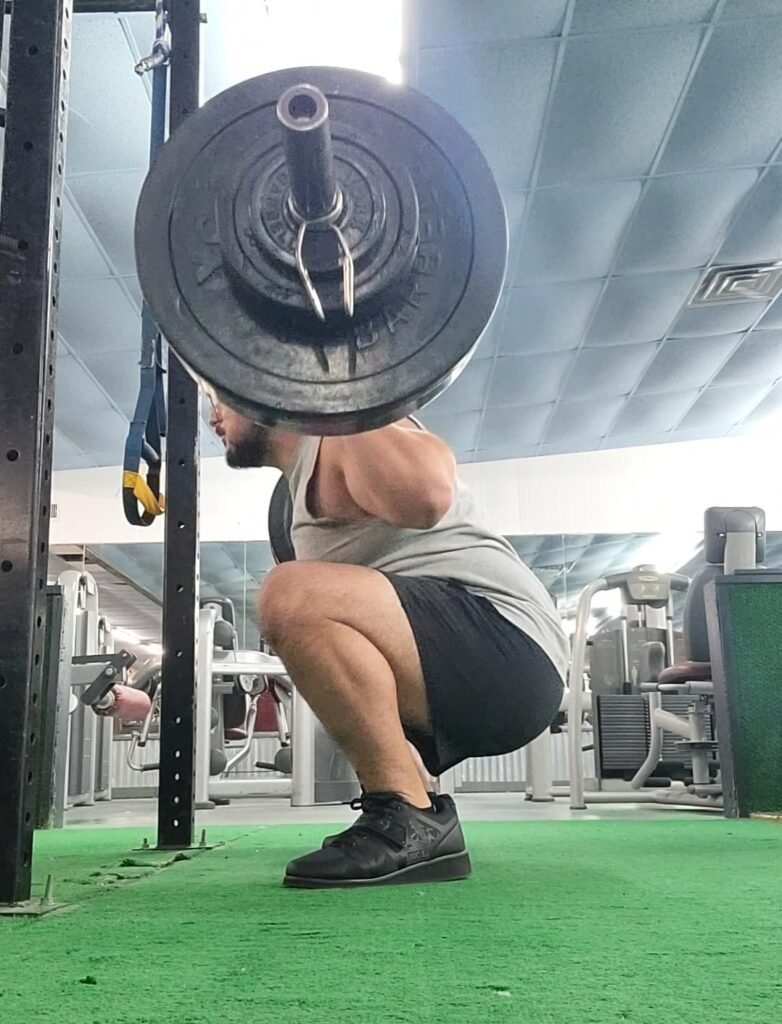
We may earn a commission when you buy through this link, at no additional cost to you.
The non-slip rubber outsole provides reliable grip on both rubber mats and wooden platforms, which matters when you are pulling heavy deadlifts or driving out of a clean. The reinforced ankle collar keeps your foot aligned and prevents lateral rolling during wide-stance squats or split jerks, adding a layer of confidence under maximal loads.
Double-stitched construction and premium materials give this shoe a durability edge over lighter, less structured alternatives. The overall build feels substantial without being excessively heavy, striking a balance between stability and wearability for multi-hour training sessions.
A taller heel effectively shortens the distance your ankle needs to travel, allowing your knees to track further forward while keeping your torso upright. This shifts more load onto the quads and reduces lower back strain. For lifters with long femurs or stiff ankles, a 1.4-inch heel can be the difference between hitting parallel and falling short.
This is a strong choice for serious powerlifters and Olympic weightlifters who want a dedicated competition-style shoe. If your programming is deadlift-heavy, you may prefer a flatter shoe for those sessions and reserve the MEGIN for squat and Olympic work.
Lifters who primarily deadlift and prefer a flat, minimal shoe for maximum ground contact.
We may earn a commission when you buy through this link, at no additional cost to you.
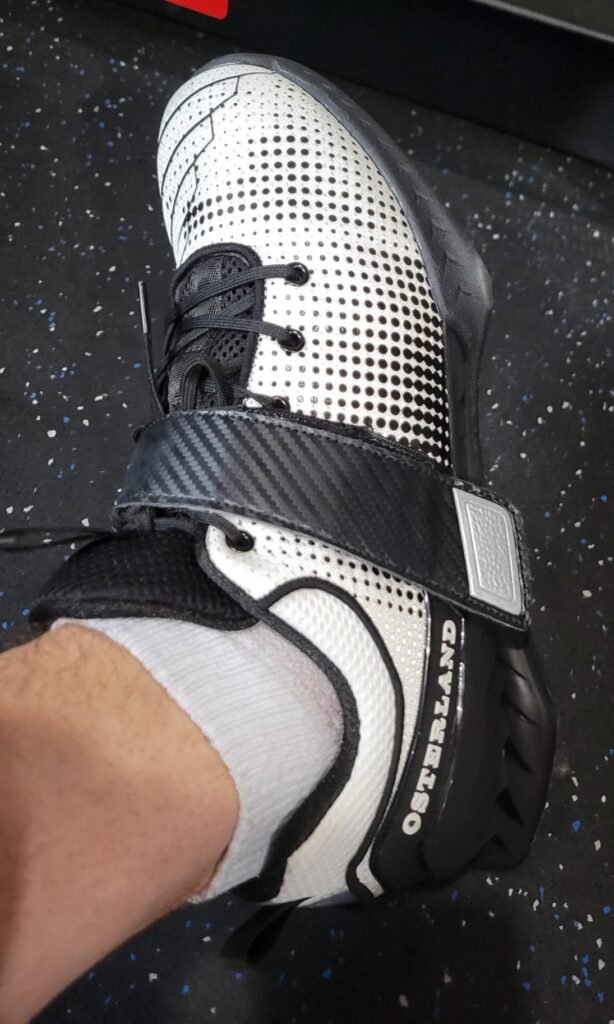
The Osterland Weightlifting Shoe occupies a useful middle ground with its 1.3-inch heel, which provides enough elevation for comfortable squat depth without being so tall that it feels awkward during deadlifts or pulls. This makes it a practical single-pair solution for lifters who do not want to switch shoes between exercises.
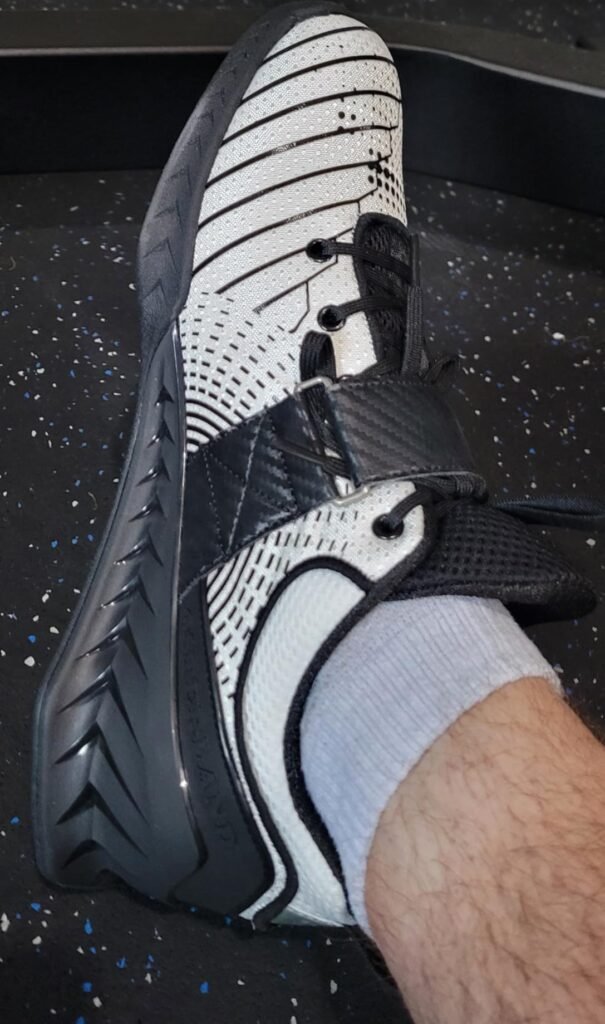
We may earn a commission when you buy through this link, at no additional cost to you.
The microfiber and fabric upper offers a good balance of durability and breathability. Microfiber resists scuffing better than mesh while still allowing airflow, which helps keep your feet dry during high-intensity sessions. The one-piece wrap design hugs the foot evenly, reducing pressure points that can develop with multi-panel constructions.
Anti-slip grooves in the rubber outsole channel debris and moisture away from the contact surface, maintaining traction even on dusty gym floors. The double-layer velcro straps provide quick adjustability and a secure lockdown that holds through repeated sets without loosening.
Microfiber offers more structure and abrasion resistance than open mesh, which helps the shoe maintain its shape under the lateral forces of wide-stance squats. Mesh provides better airflow but can stretch over time. For lifters who train frequently and want a shoe that lasts, microfiber is generally the more durable choice.
This shoe is a solid pick for intermediate lifters who train a mix of squats, cleans, and general strength work. If you have particularly wide feet, check the sizing carefully before ordering, as the one-piece wrap design may feel snug across the forefoot.
Lifters with very wide feet who need extra forefoot room for comfort during long sessions.
We may earn a commission when you buy through this link, at no additional cost to you.
The Osterland Ergonomic model shares the same 1.3-inch heel and microfiber upper as its sibling but distinguishes itself with a one-piece wrap construction that follows the natural contour of the foot. This design reduces seams and pressure points, which can make a noticeable difference during long training sessions where hot spots and blisters become an issue.
We may earn a commission when you buy through this link, at no additional cost to you.
The ergonomic shape means the shoe fits more like a glove than a box, wrapping around the arch and heel without gaps. This close fit improves proprioception, giving you a better sense of how your foot is positioned on the platform during technical lifts like snatches and clean-and-jerks.
The rubber outsole with anti-slip grooves provides dependable traction across different gym surfaces. The double-layer velcro straps secure the midfoot firmly, and the raised sole design at both the front and back helps maintain balance during dynamic movements where your weight shifts quickly.
A shoe that fits closely to the foot improves your ability to feel the ground and make micro-adjustments during a lift. This is especially important in Olympic weightlifting, where balance shifts rapidly between the pull, the catch, and the recovery. A snug, ergonomic fit reduces the lag between your foot and the shoe, giving you more control.
This shoe suits lifters who value comfort and fit precision over flashy aesthetics. It is a practical daily trainer for anyone who spends significant time under the bar and wants a shoe that disappears on the foot rather than distracting from the lift.
Lifters who prefer a roomier toe box for wide-stance sumo deadlifts.
We may earn a commission when you buy through this link, at no additional cost to you.
This version of the Nordic Lifting MEGIN carries the same 1.4-inch heel and reinforced construction as the model listed earlier, and it remains one of the strongest choices for lifters who focus on Olympic weightlifting and heavy squats. The tall heel reduces the ankle mobility requirement, letting you sit deeper into the hole with a more upright torso.
We may earn a commission when you buy through this link, at no additional cost to you.
The non-slip sole and solid base create a stable platform that does not compress or shift under heavy loads. When you catch a clean at the bottom of a front squat, the last thing you want is a shoe that wobbles. The MEGIN’s rigid construction keeps your foot locked in position, giving you a reliable foundation to drive out of the hole.
Reinforced ankle collars and premium double stitching add durability and lateral support, which is important during split jerks and other movements where your feet land in asymmetrical positions. The overall build quality justifies the higher price point for lifters who train seriously and need a shoe that can handle frequent heavy sessions.
During a split jerk, your lead foot lands forward and your rear foot lands back, creating significant lateral and rotational forces on the shoe. A reinforced ankle collar prevents the foot from rolling inside the shoe, maintaining alignment and reducing the risk of ankle strain. This is one of the details that separates a purpose-built lifting shoe from a general trainer.
Choose this shoe if your primary focus is Olympic weightlifting or powerlifting squats. It is a dedicated tool for barbell work, and you will get the most value from it if your programming centers on the big compound lifts rather than mixed-modal conditioning.
Casual gym-goers who want a single shoe for lifting, running, and group fitness classes.
We may earn a commission when you buy through this link, at no additional cost to you.
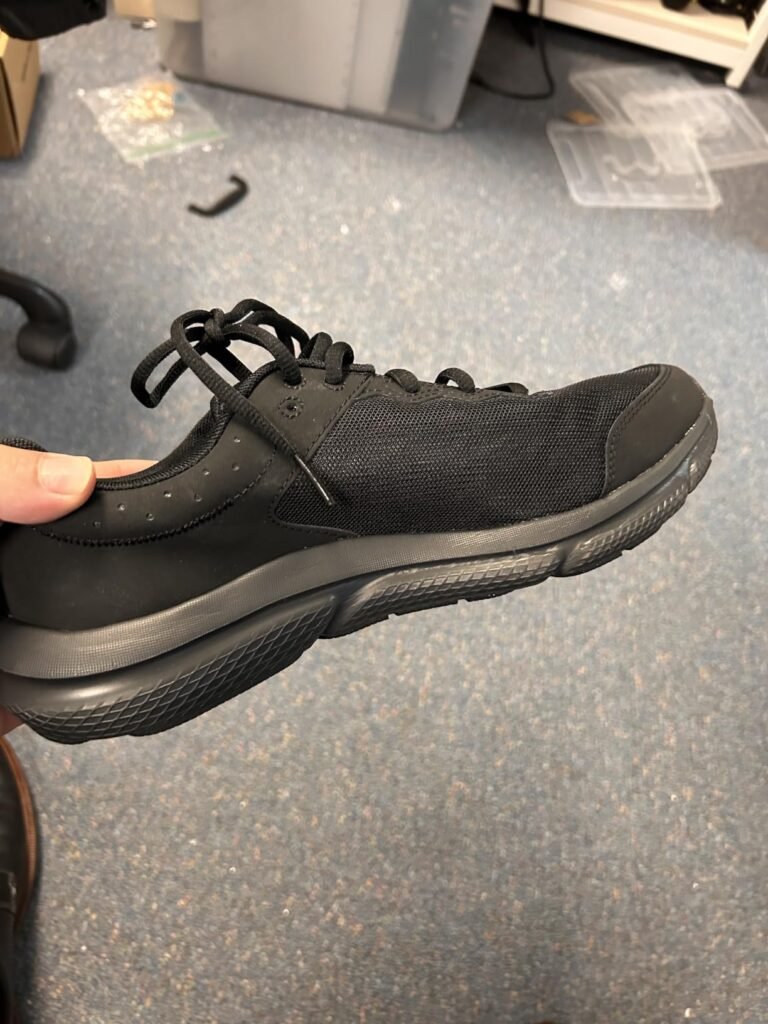
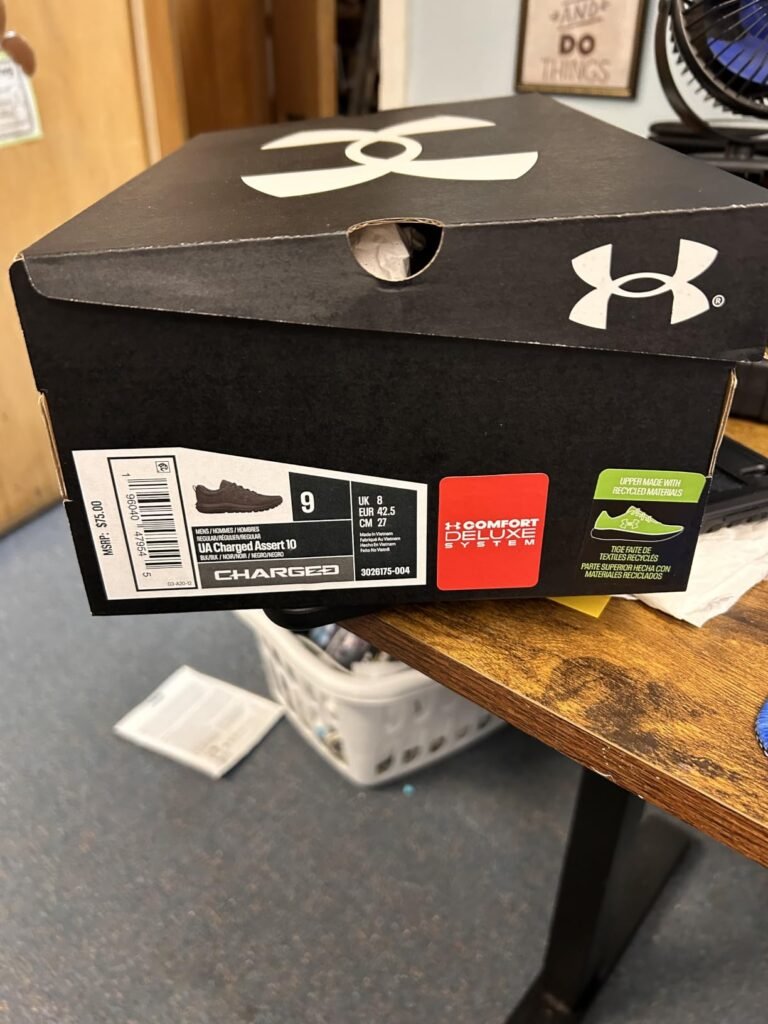
The Under Armour Charged Assert 10 is not a traditional weightlifting shoe, but it earns a spot in this guide because many lifters need a versatile trainer that handles moderate lifting alongside cardio, agility work, and general gym sessions. The Charged Cushioning midsole provides responsive comfort that makes this shoe pleasant to wear for hours.
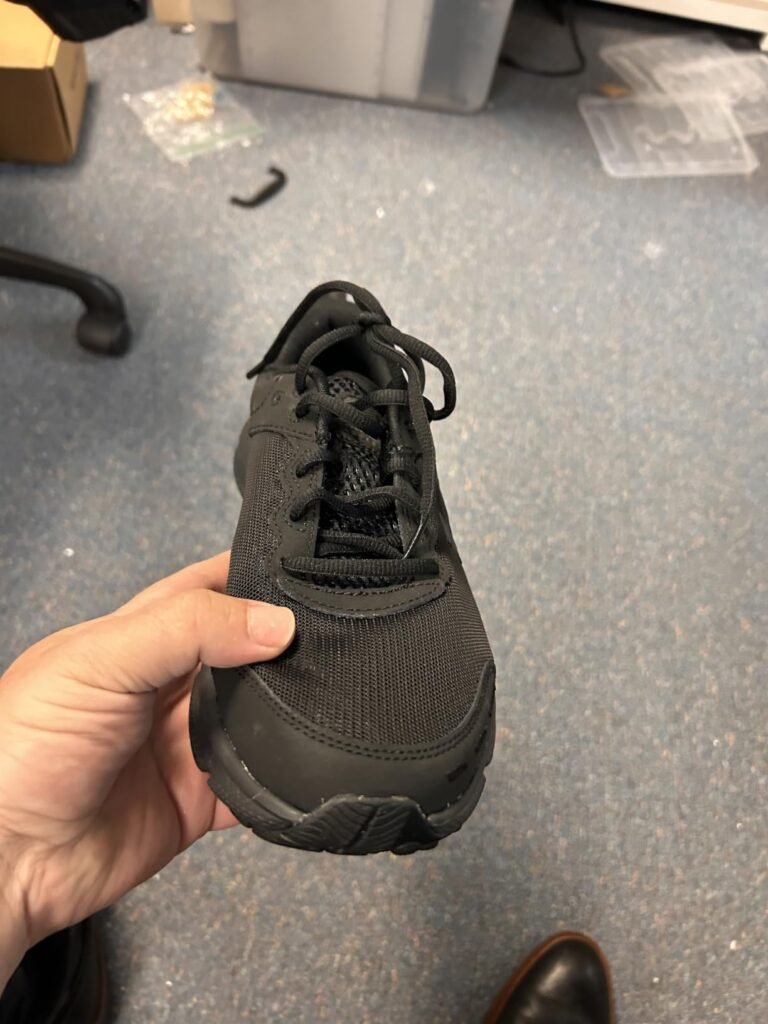
We may earn a commission when you buy through this link, at no additional cost to you.
The 10mm heel offset is typical of a running-style shoe, which means it offers more cushion than a flat lifting shoe but less stability under maximal loads. For moderate squats, lunges, and machine work, the cushioning is an advantage that reduces joint fatigue. For heavy barbell work above your bodyweight, a firmer sole would serve you better.
The breathable mesh upper with synthetic overlays provides a comfortable fit that adapts to foot swelling during long sessions. The solid rubber outsole covers high-impact zones for durability without adding unnecessary weight, making this shoe practical for lifters who also run or do plyometric work.
Cushioned midsoles absorb impact during jumps, sprints, and lighter lifts, reducing stress on your knees and ankles. However, under heavy loads, that same cushioning compresses unevenly, creating an unstable platform that can shift your balance. For lifts above 80 percent of your max, a firmer sole provides a more reliable base.
This is the right choice if you want one shoe for everything and your lifting stays in the moderate range. Serious lifters who regularly push heavy squats and deadlifts should pair this with a dedicated flat or elevated-heel shoe for their heaviest sessions.
Lifters who need a rigid, non-compressing sole for heavy squats, deadlifts, and Olympic lifts.
We may earn a commission when you buy through this link, at no additional cost to you.
The MANUEKLEAR Flex Fit is designed for lifters who are just starting out and want a shoe that bridges the gap between everyday sneakers and a dedicated lifting shoe. At 227 grams, it is light enough to wear comfortably throughout a full gym session, and the flexible sole allows natural foot movement as you learn proper form.
We may earn a commission when you buy through this link, at no additional cost to you.
The bionic sole technology provides a balance of grip and flex that works well for bodyweight movements, light barbell work, and machine exercises. The widened sole adds lateral stability compared to a standard running shoe, which helps new lifters develop confidence in their foot positioning during squats and lunges.
The breathable mesh upper and double velcro straps make this shoe easy to live with day to day. The heel support pad adds a modest amount of ankle stability without the rigidity of a full lifting shoe, which can feel restrictive to beginners who are still exploring different movement patterns.
A good signal that you are ready for a more structured lifting shoe is when your squat load exceeds your bodyweight and you notice your foot shifting or compressing inside the shoe at the bottom of the movement. At that point, a rigid sole and elevated heel will provide the stability and depth support that a flexible beginner shoe cannot.
This shoe is an excellent first step for anyone transitioning from running shoes to something more lifting-appropriate. As your training progresses and your loads increase, you will likely want to upgrade to a shoe with a more rigid sole and elevated heel for heavy compound lifts.
Experienced lifters who need a rigid platform for heavy squats, deadlifts, and Olympic lifts.
We may earn a commission when you buy through this link, at no additional cost to you.
The right weightlifting shoe depends on your training style, mobility limitations, and the lifts you prioritize. This section breaks down the key factors that separate a good lifting shoe from a poor one so you can make a confident decision.
Heel height is the single most impactful specification in a weightlifting shoe. Elevated heels typically range from about 0.6 inches to 1.5 inches, and the right height depends on your ankle mobility, femur length, and the lifts you perform most often. A taller heel reduces the dorsiflexion demand on your ankle, allowing your knees to travel further forward and your torso to stay more upright during squats. This is particularly beneficial for lifters with long femurs or limited ankle range of motion who struggle to hit parallel depth without rounding their lower back.
For Olympic weightlifting, a heel height between 1.0 and 1.4 inches is common because the deep receiving positions in the snatch and clean require maximum ankle flexion. For powerlifting squats, preferences vary more widely depending on stance width and bar position. Low-bar squatters often prefer a moderate heel around 0.75 to 1.0 inches, while high-bar squatters may benefit from a taller heel. Deadlift-focused lifters generally prefer a flat or minimal heel to keep the bar path as short as possible.
Start by assessing your ankle mobility. If you can squat to parallel with your heels flat and your torso relatively upright in bare feet, a moderate heel of 0.75 to 1.0 inches will likely serve you well. If you struggle with depth or find yourself leaning forward excessively, a taller heel around 1.3 to 1.4 inches can make a meaningful difference in both comfort and performance.
A weightlifting shoe needs a rigid sole that does not compress under heavy loads. When you drive out of the bottom of a squat or push through the floor during a deadlift, any energy absorbed by a soft midsole is energy lost from the lift. Dedicated lifting shoes use hard TPU, wood, or dense rubber heel blocks that create a solid platform, ensuring that the force your legs generate transfers directly into the ground rather than being dissipated by cushioning.
This is the primary reason running shoes and cross-trainers are poor choices for heavy lifting. Their cushioned midsoles are designed to absorb impact, which is the opposite of what you want under a barbell. A compressing sole also creates an unstable surface that can shift your balance during maximal efforts, increasing the risk of missed lifts or injury.
When evaluating sole rigidity, look for shoes that describe a reinforced chassis, solid heel block, or non-compressing midsole. If you can easily squeeze the heel of the shoe with your fingers and feel significant give, it is probably too soft for serious lifting. The firmer the platform, the more stable and efficient your lifts will be.
Traction keeps your feet planted on the platform during heavy pulls and explosive movements. A good lifting shoe outsole uses a flat, wide contact patch with a textured pattern that grips rubber gym flooring, wooden platforms, and concrete surfaces without slipping. Honeycomb patterns, chevron grooves, and multi-directional tread designs are all effective approaches that increase surface contact and channel debris away from the sole.
The importance of traction increases with the intensity of your training. During a heavy deadlift, any foot slip can compromise your back position and cost you the lift. During Olympic lifts, your feet reposition rapidly between the pull and the catch, and a slippery outsole can cause your feet to slide out from under you in the receiving position. A reliable grip gives you the confidence to push aggressively without worrying about your footing.
Check the outsole material and pattern before buying. Hard rubber with a textured pattern provides the best combination of grip and durability. Avoid shoes with smooth or overly rounded outsoles, as these reduce the contact area and increase the likelihood of slipping on smooth gym floors.
The upper of a weightlifting shoe needs to withstand significant lateral and vertical forces without stretching, tearing, or deforming. Common materials include leather, synthetic leather, TPU, microfiber, and mesh, each with different tradeoffs. Leather and TPU offer the most structure and durability, maintaining their shape over months of heavy use. Microfiber provides a good middle ground with decent structure and better breathability than solid leather. Mesh is the lightest and most breathable option but sacrifices long-term durability and lateral support.
For lifters who train four or more days per week, a structured upper made from TPU, leather, or microfiber is the better investment. These materials resist the stretching that occurs when your foot pushes laterally against the shoe during wide-stance squats or split jerks. A mesh upper may feel comfortable initially but can lose its shape over time, reducing the lockdown and stability that a lifting shoe should provide.
Consider your training environment as well. If you train in a hot, humid gym, breathability matters more, and a mesh or microfiber upper with ventilation panels may be worth the tradeoff in durability. If you train in a cooler environment or prioritize longevity, a TPU or leather upper will hold up better over the long term.
The closure system determines how well the shoe locks your foot in place during dynamic movements. The most common options are laces only, laces plus a single strap, and laces plus double straps. A strap across the midfoot adds a layer of security that laces alone cannot provide, preventing the shoe from loosening during high-rep sets or explosive movements. Double straps offer even more lockdown and are common on shoes designed for Olympic weightlifting.
Fit security is especially important during Olympic lifts, where your feet leave the ground and reposition rapidly. A loose shoe can shift on your foot during the catch, compromising your balance and stability. A secure closure system keeps the shoe glued to your foot, allowing you to focus on the lift rather than your footwear.
When trying on a lifting shoe, tighten the laces and straps and then simulate a squat or lunge movement. Your heel should not lift inside the shoe, and your midfoot should feel clamped without painful pressure. If the shoe shifts during movement, try a different size or a model with a more aggressive closure system.
Shoe weight matters more than many lifters realize, especially if your training includes dynamic movements, sled pushes, or short sprints alongside heavy barbell work. A lighter shoe reduces the energy cost of moving your feet and can make mixed-modal workouts feel less fatiguing. However, the lightest shoes often achieve their low weight by using thinner materials and less rigid soles, which can compromise stability under heavy loads.
The ideal weight depends on your training style. If you primarily do heavy squats, deadlifts, and Olympic lifts with minimal conditioning work, a heavier, more structured shoe in the 400 to 500 gram range will provide the stability you need. If your programming blends lifting with CrossFit-style conditioning, a lighter shoe in the 250 to 350 gram range may be more practical for the variety of movements you perform.
Consider whether you need one shoe for everything or are willing to own separate pairs for different training days. Many serious lifters keep a rigid, elevated-heel shoe for squat and Olympic days and a flat, lightweight trainer for deadlift and conditioning days. This approach gives you the best tool for each job without forcing a single shoe to compromise across all movement types.
Break in your new lifting shoes gradually over the first two to three training sessions. Start with moderate loads and higher rep ranges to let the upper materials and sole adapt to your foot shape before attempting maximal lifts. This is especially important for shoes with stiff TPU or leather uppers, which can feel restrictive until they mold to your foot. Wear them around the house for short periods before your first gym session to accelerate the break-in process.
After each training session, wipe down the outsole with a damp cloth to remove chalk, dust, and rubber debris that can accumulate in the traction pattern. Chalk buildup reduces grip over time and can make the sole slippery on smooth surfaces. Allow the shoes to air dry in a well-ventilated area rather than stuffing them in a gym bag while damp, as trapped moisture can degrade the upper materials and promote odor-causing bacteria.
Store your lifting shoes in a cool, dry place away from direct sunlight, which can cause TPU and rubber components to degrade and become brittle over time. Avoid leaving them in a hot car or near a heater, as extreme temperatures can warp the sole and weaken the adhesive bonds. With proper care, a quality pair of weightlifting shoes should last one to two years of regular training before the sole traction or upper structure begins to break down.
Regular sneakers have cushioned, compressible soles that create an unstable platform under heavy loads. Weightlifting shoes provide a rigid, non-compressing base that improves force transfer and stability. For light to moderate lifting, sneakers may be adequate, but once your loads increase, a dedicated lifting shoe will improve both performance and safety.
Most lifters benefit from a heel height between 0.75 and 1.4 inches for squats. Taller lifters or those with limited ankle mobility often prefer a higher heel around 1.3 to 1.4 inches to achieve proper depth with an upright torso. Shorter lifters or those with good ankle mobility may find a moderate heel of 0.75 to 1.0 inches sufficient.
You can, but an elevated heel increases the range of motion for deadlifts, which is generally not desirable. Most lifters prefer a flat, minimal shoe or even barefoot-style footwear for deadlifts to keep the bar path as short as possible. If you only want one pair, a moderate heel around 0.75 inches offers a reasonable compromise.
Weightlifting shoes should fit more snugly than everyday shoes, with minimal heel slip and a secure midfoot lockdown. Your toes should have enough room to spread slightly but not so much that your foot slides forward during lifts. A snug fit improves proprioception and stability under load.
Dedicated weightlifting shoes work well for the heavy lifting portions of CrossFit but can feel restrictive during running, box jumps, and other dynamic movements. Many CrossFit athletes prefer a versatile flat trainer for most WODs and switch to a weightlifting shoe only for heavy squat or Olympic lifting sessions.
With regular use three to five times per week, a quality pair of weightlifting shoes should last one to two years before the outsole traction or upper structure begins to degrade. Proper care, including cleaning the outsole and storing the shoes in a dry environment, can extend their lifespan significantly.
Weightlifting shoes are not necessary for machine-based exercises like leg press, leg extensions, or hamstring curls, where foot stability is less critical. However, some lifters prefer wearing them for consistency and to maintain proper foot positioning throughout their entire lower body session.
Most weightlifting shoes are available in unisex or gender-specific sizing. The key factors are the same regardless of gender: heel height, sole rigidity, fit, and closure system. Women with narrower feet may prefer models that offer a more tailored fit or come in specific women's sizing to avoid excess width in the forefoot.
Weightlifting shoes typically have a higher heel elevation of 1.0 to 1.4 inches to support deep receiving positions in the snatch and clean. Powerlifting shoes often have a lower heel or a flat sole, depending on the lifter's squat style and deadlift preference. The terms are sometimes used interchangeably, but the heel height is the main practical distinction.
An elevated heel can reduce knee strain for some lifters by allowing a more upright torso and better weight distribution. However, knee pain during squats can have many causes, including form issues, mobility limitations, and overuse. A lifting shoe may help, but it is not a substitute for addressing the underlying cause of the pain.
The Under Armour TriBase Reign 6 stands out as the strongest overall choice for lifters who want a versatile, high-quality training shoe with excellent ground contact and power transfer. Its low-profile design and dual-density midsole make it equally effective for deadlifts, squats, and functional fitness work, and its 4.6 rating reflects consistent satisfaction across a wide range of training styles.
For lifters on a tighter budget, the MANUEKLEAR models at the $31 to $60 price point offer solid construction and useful features like honeycomb traction and dual closure systems. The Nordic Lifting MEGIN remains the top pick for serious powerlifters and Olympic weightlifters who need a tall 1.4-inch heel and reinforced ankle support for heavy barbell work.
Your best choice ultimately depends on your training priorities. If you squat heavy and need depth, go with an elevated heel. If you deadlift heavy and want maximum ground feel, choose a flat, rigid sole. If you do a bit of everything, a versatile trainer like the Reign 6 or an Osterland model with a moderate heel will serve you well across most sessions.