Bells of Steel
9.6Editor score700 lb capacity
Open frame design
Rotating Olympic sleeves
Built-in deadlift jack
Find the right trap bars for 2026. We compare 9 standout options by build quality, useful features, owner feedback, value, and everyday trade-offs.
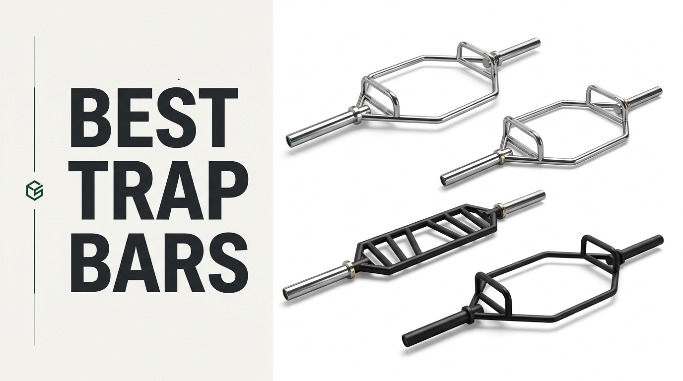
Find the right trap bars for 2026. We compare 9 standout hex deadlift bars by the factors that matter most in a home gym: frame design, weight capacity, sleeve length, handle height options, knurling quality, rotating versus fixed sleeves, construction materials, and value across beginner, intermediate, and serious powerlifting use cases.
Trap bars vary significantly in frame shape, handle configuration, and load capacity. An open-frame design lets you step out mid-set for lunges and split squats, while a closed hex offers traditional stability for deadlifts and farmer’s walks. Understanding these differences helps you match a bar to the lifts and progressions you actually plan to train.
This guide breaks down each option by construction quality, ergonomic features, and real-world use so you can pick a bar that fits your gym, your body, and your goals. Whether you are new to deadlifting, protecting a sensitive lower back, or chasing bigger numbers, the right hex bar transforms how you train.
We compared 9 trap bars using the details that actually help a buyer decide: frame style (open or closed hex), weight capacity, sleeve length and diameter, handle height configuration, knurling depth, rotating versus fixed sleeves, steel construction, finish quality, included accessories, and owner feedback. The notes focus on practical trade-offs so each pick connects to how lifters actually use a hex bar for deadlifts, farmer’s walks, shrugs, squats, and rehabilitation-friendly pulling movements.


Compare key features, scores, and current prices side by side. A shorter feature list means fewer details were available, not necessarily fewer capabilities.


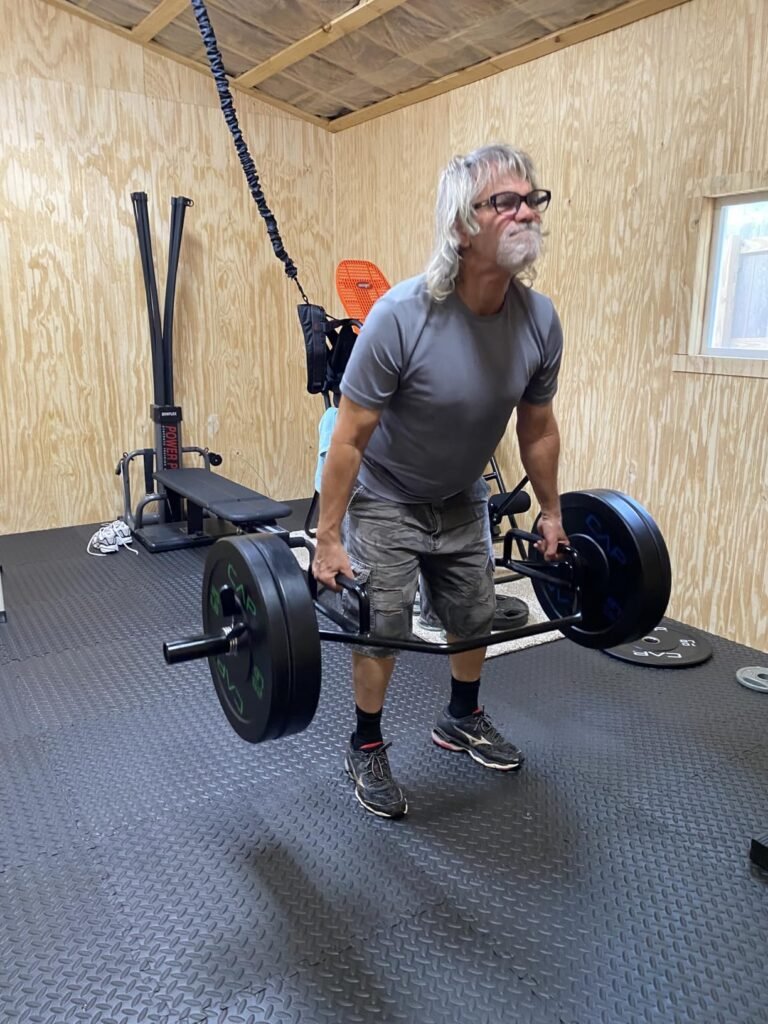
The VEVOR 800 LB Hex Bar sits at the top end of the capacity spectrum in this guide, offering serious lifters headroom well beyond what most home gym users will ever reach. The 800-pound rating means you can load this bar as heavy as your progression takes you without worrying about frame flex or long-term structural fatigue that lower-capacity bars might experience under sustained heavy use.
We may earn a commission when you buy through this link, at no additional cost to you.
The heavy-duty steel construction with a hard chrome-plated finish resists rust, scratches, and cosmetic wear that plague cheaper hex bars stored in humid garages or basements. Chrome finishes tend to hold up better than powder coat over years of use because they do not chip when plates slide across the sleeves. The 2-inch Olympic sleeves accept all standard weight plates including bumpers.
The ergonomic knurled handles provide a secure grip with a fine non-slip texture that supports squats, deadlifts, shrugs, and farmer’s carries without being uncomfortably aggressive on the palms. The hex shape guides your lifting posture naturally, keeping the load centered over your midfoot and reducing lower back stress compared to a straight barbell deadlift.
Buying a bar rated exactly for your current max leaves no headroom for progression and puts constant stress on the frame’s design limits. A bar rated well above your current load will feel more solid under heavy pulls and will still be usable years later when your strength has grown significantly. For lifters serious about long-term progression, capacity headroom is worth paying for upfront.
This is the top choice for serious lifters who want a bar with genuine long-term capacity headroom. If you are just starting out or plan to stay under 300 pounds, a lower-capacity bar will save money without limiting your training.
Beginners or occasional lifters who will never approach the 500 lb range and prefer a smaller footprint.
We may earn a commission when you buy through this link, at no additional cost to you.
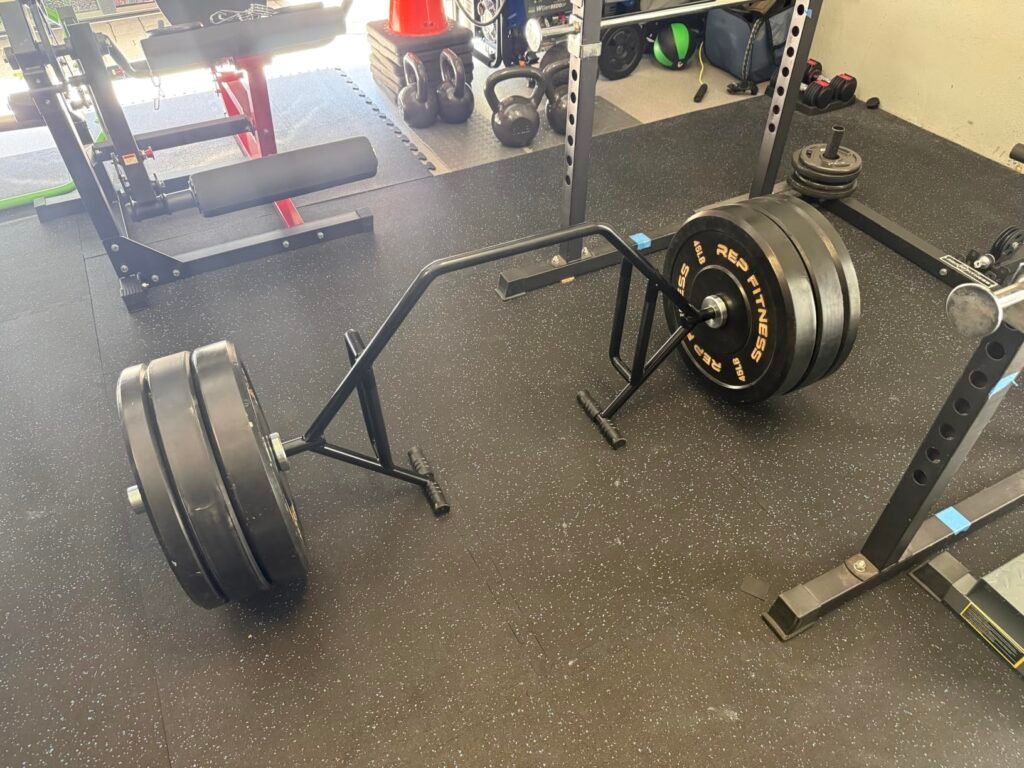
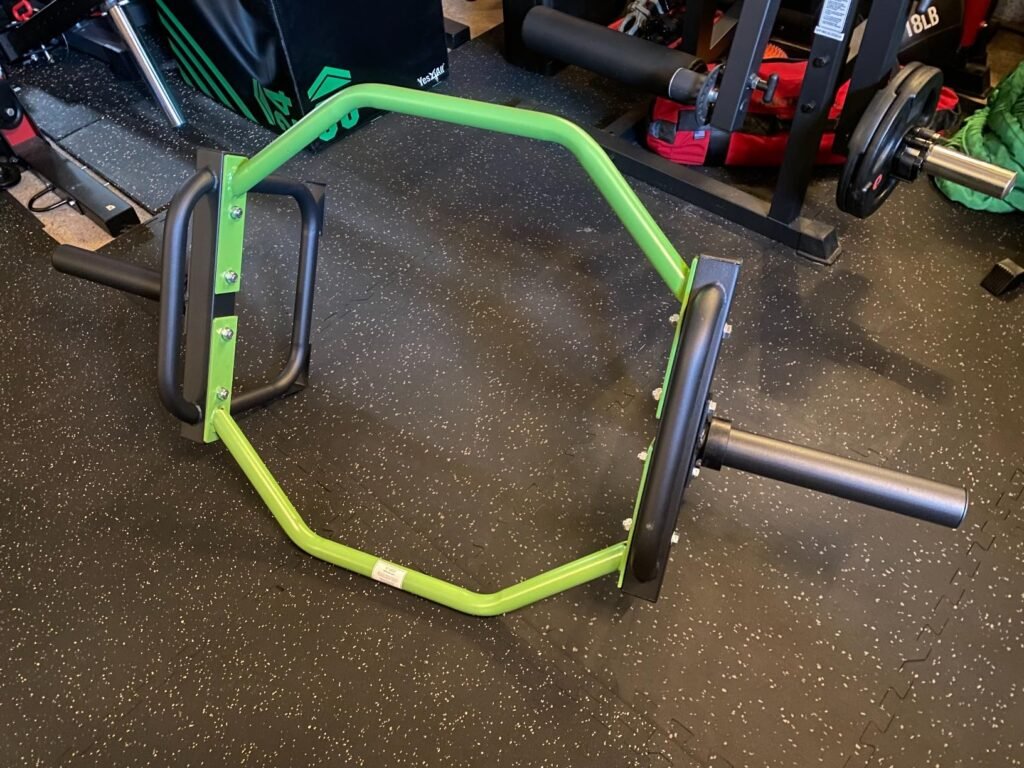
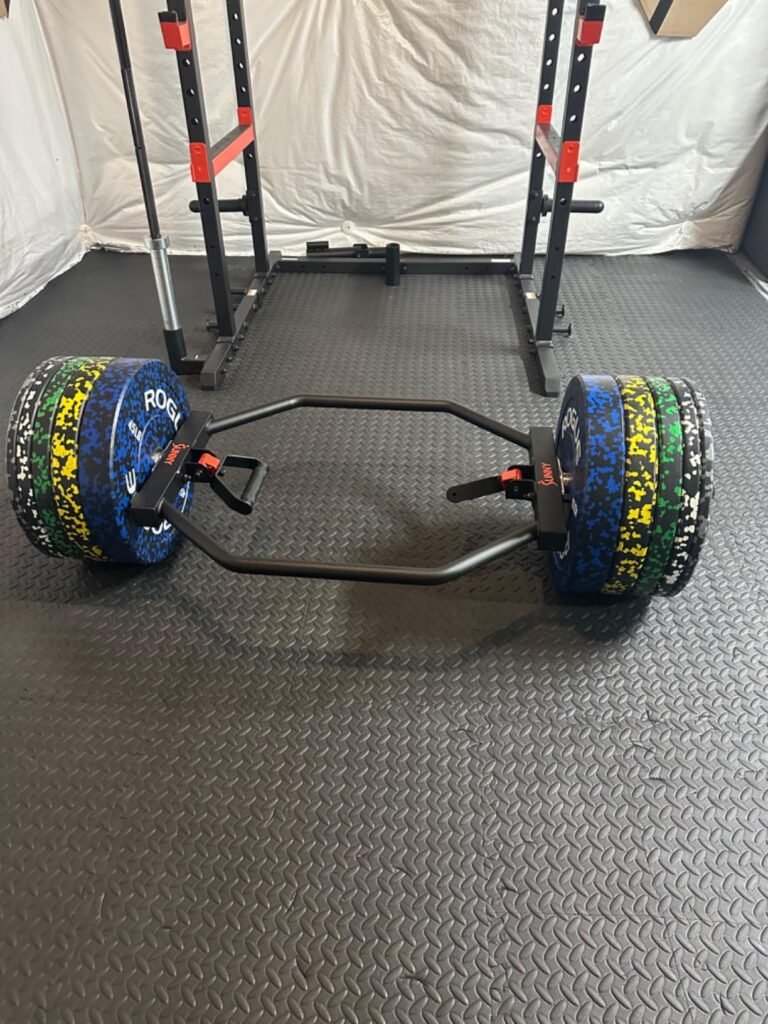
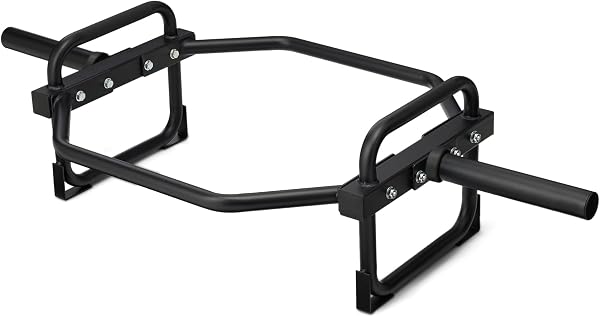
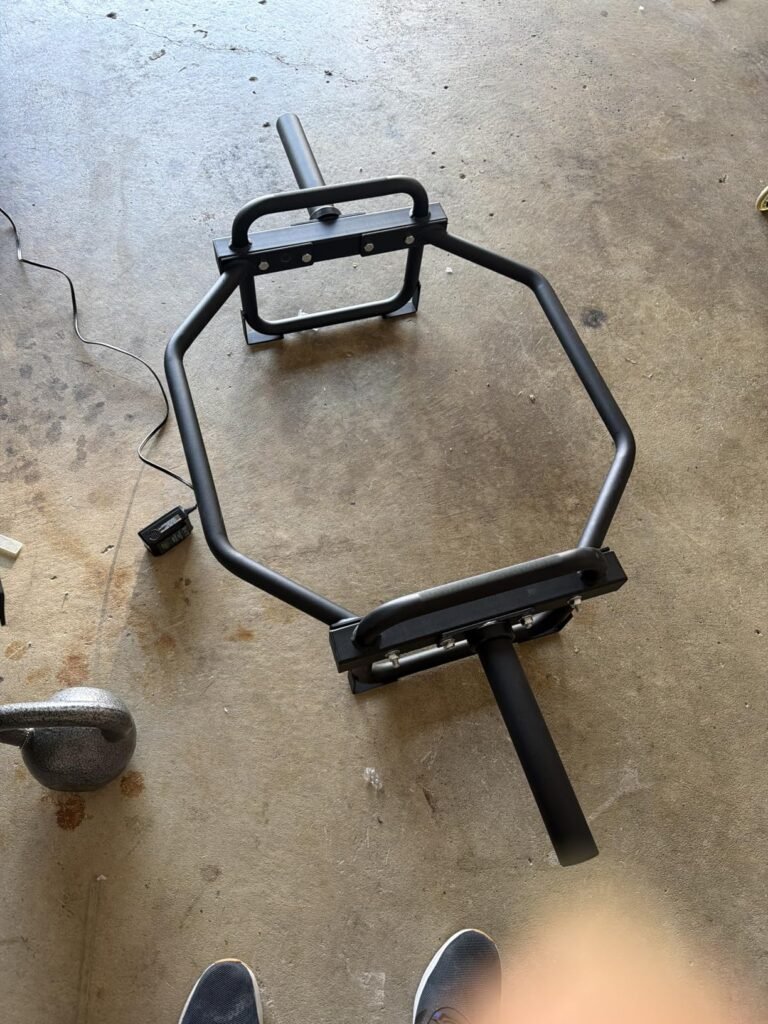
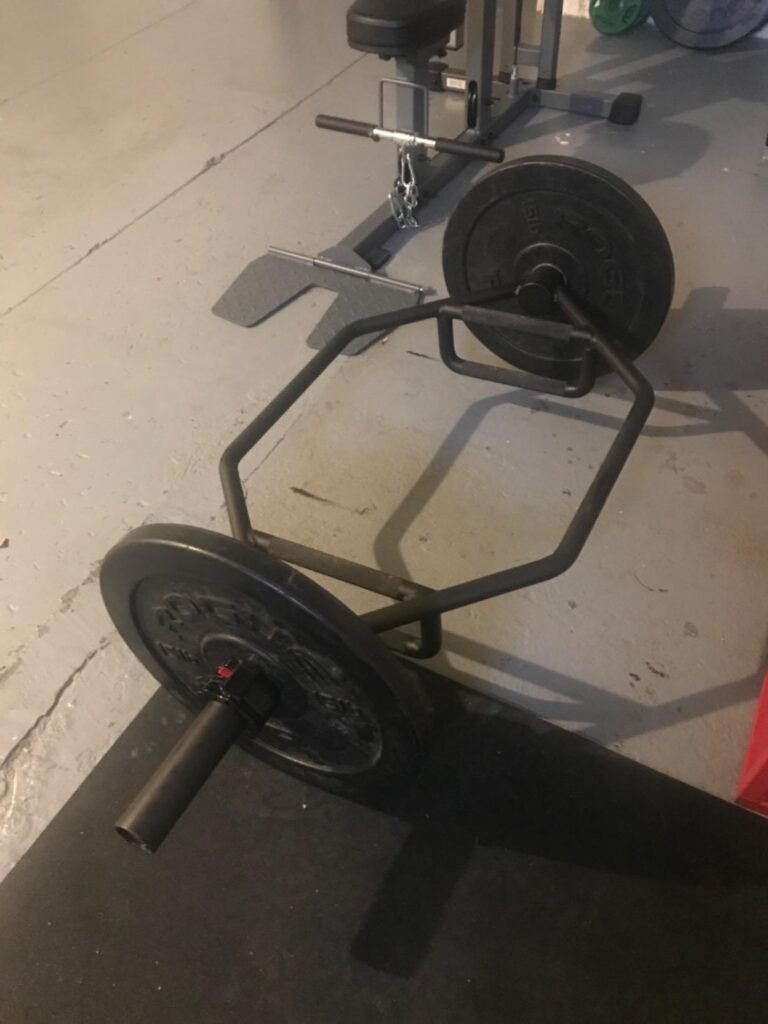
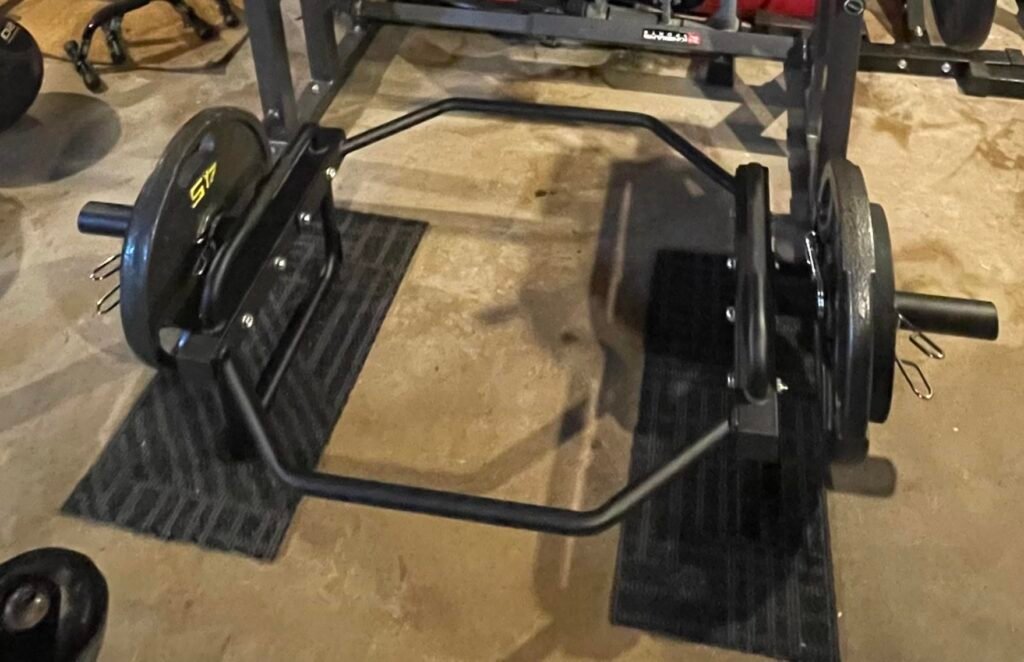
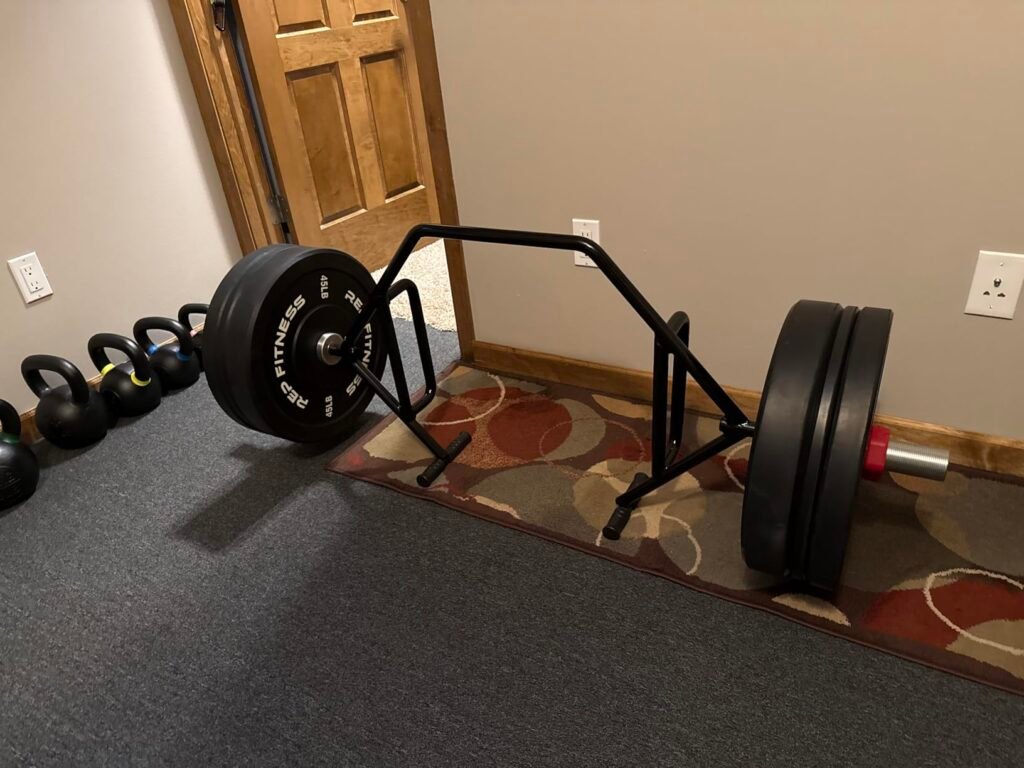
The Bells of Steel Open Hex Trap Bar stands out as the most versatile option in this guide because its open frame lets you step out mid-set for lunges, split squats, and farmer's walks that a closed hex bar simply cannot accommodate. If you want a single bar that handles deadlifts, hex squats, shrugs, walks, and single-leg work, this open-frame design covers all of it without requiring you to walk into and out of a closed frame each rep.
We may earn a commission when you buy through this link, at no additional cost to you.
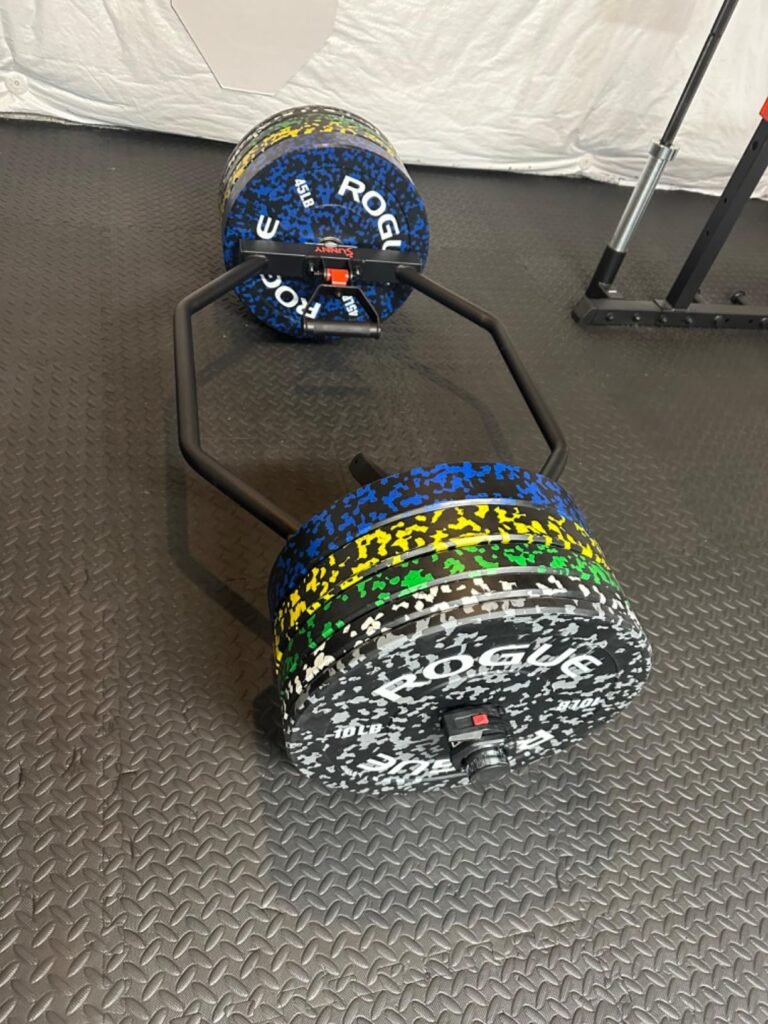
The commercial-grade construction with a 700-pound weight capacity puts this bar in serious lifter territory, and the Olympic-grade rotating sleeves are a genuine upgrade over the fixed sleeves found on most budget hex bars. Rotating sleeves let the plates spin freely as you lift, reducing wrist torque and making cleans, rotational movements, and dynamic lifts significantly more comfortable. The alloy steel construction with a black oxide shaft and white zinc sleeves reflects powerlifting-grade attention to detail.
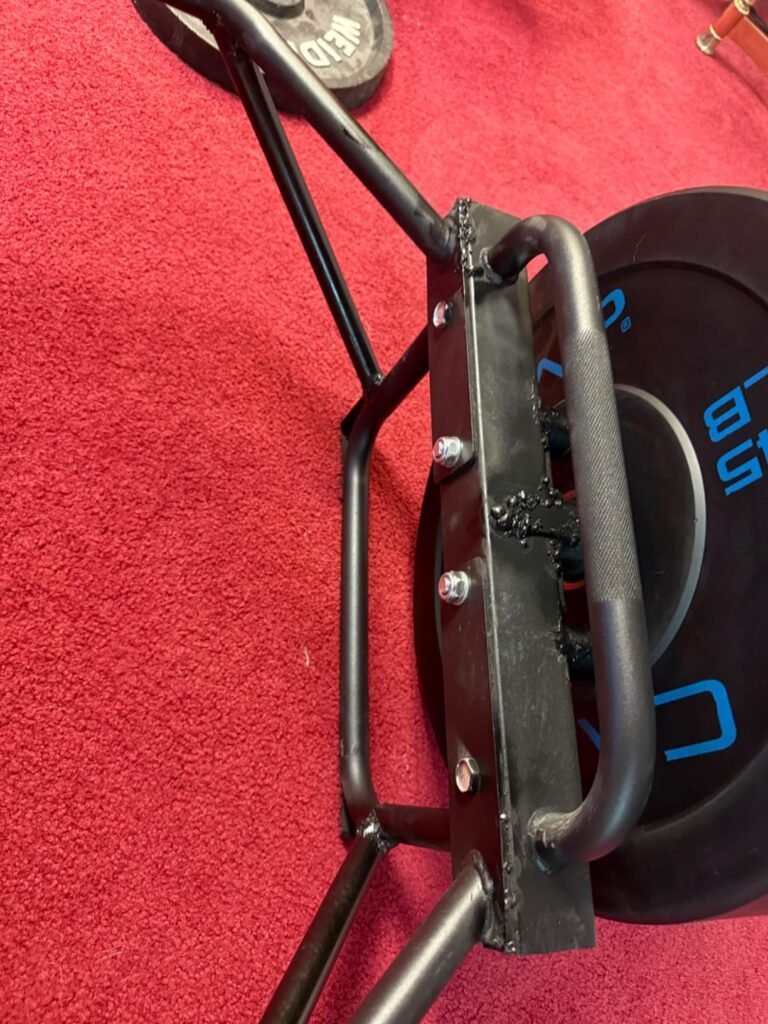
The built-in deadlift jack is one of those features you do not realize you need until you have it. Loading heavy plates on a hex bar traditionally means lifting the bar or tilting plates awkwardly to slide the next one on. The integrated jack lets you tip the bar onto a small pivot point, load plates in seconds without straining your back, and get back to lifting faster. For anyone who trains alone or moves through multiple weight jumps in a session, this is a serious quality-of-life feature.
Closed hex bars enclose you inside the frame, which works well for standard deadlifts but limits movements that require stepping forward, backward, or laterally. An open-frame design like this one lets you use the bar for reverse lunges, walking lunges, split squats, and other dynamic movements without lifting the bar over your head to escape the frame. For lifters who want to build a complete lower body program around a single implement, this versatility is transformative.
This is the top pick for serious home gym owners and small commercial gyms who want a single hex bar that supports every lift you might want to do. If you have limited space or only plan to deadlift, a smaller closed-hex design will save both room and money.
Lifters with tight garage gyms who need a compact bar that stores flat against a wall.
We may earn a commission when you buy through this link, at no additional cost to you.
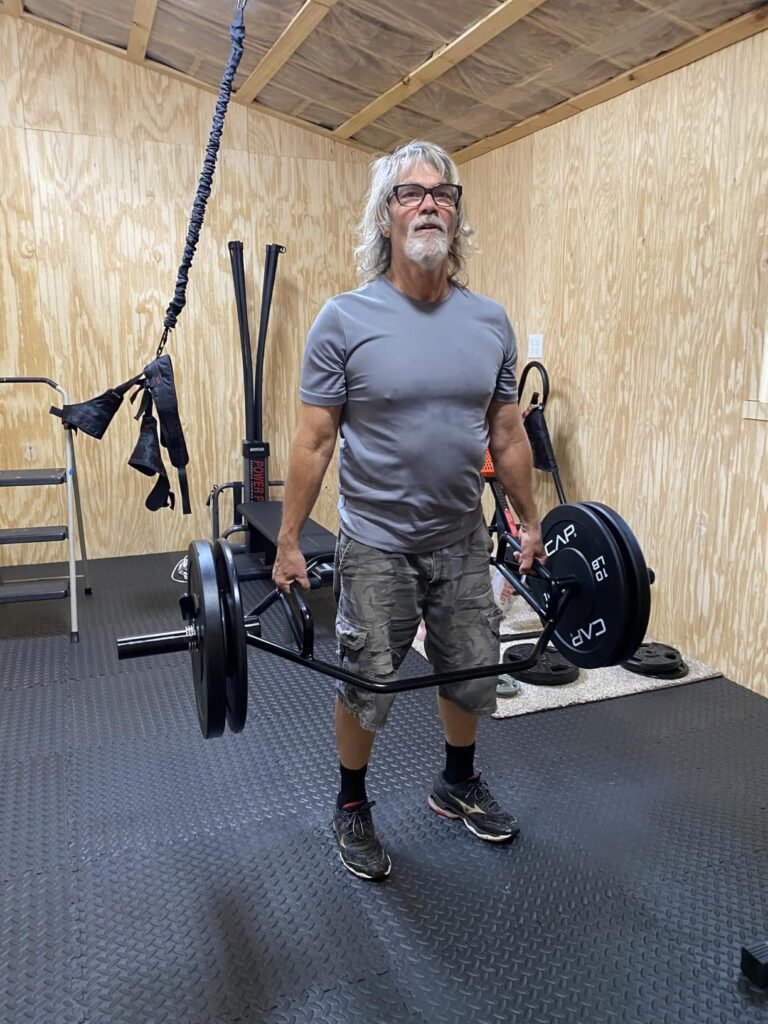
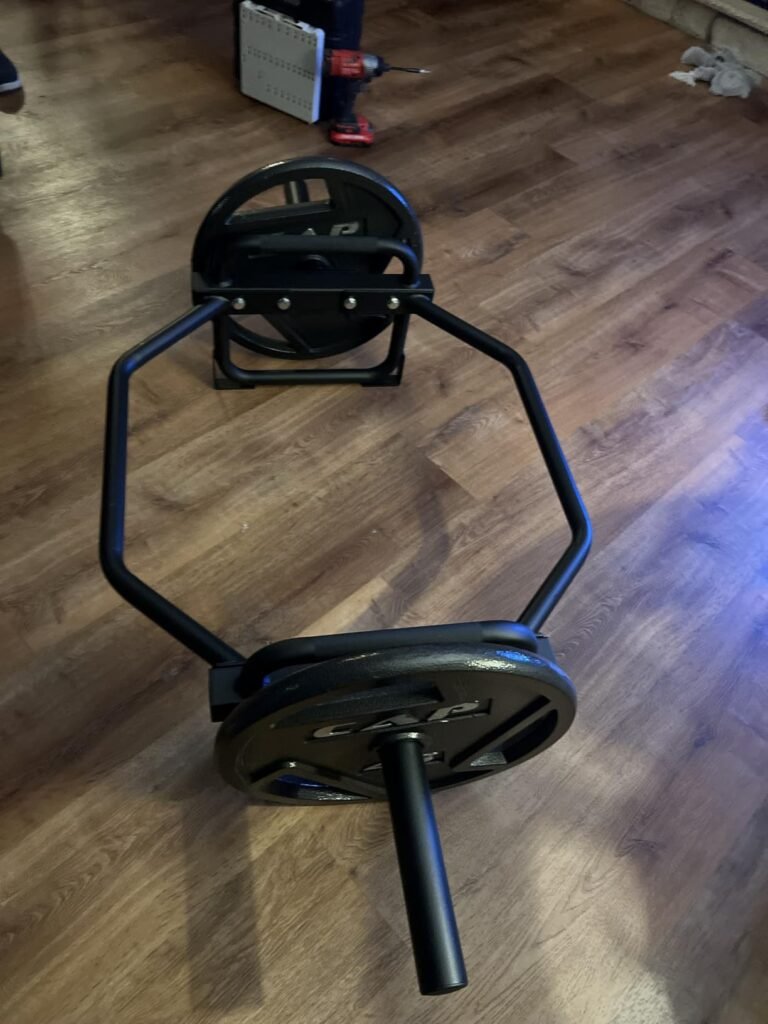
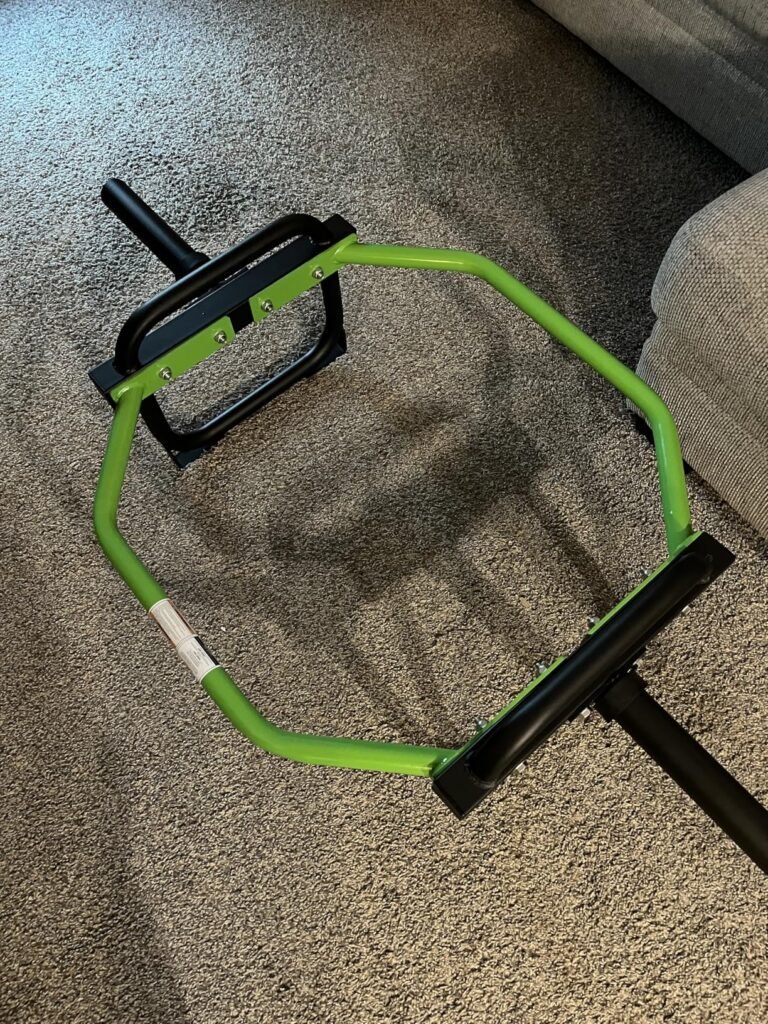
The CAP Olympic Trap Bar takes a specific design approach with permanently raised neutral-grip handles that sit higher than traditional trap bars. This elevated grip position reduces the starting range of motion for deadlifts, which is genuinely helpful for taller lifters, people with limited hip mobility, or anyone rehabbing a back injury who wants to build strength without pulling from the floor.
We may earn a commission when you buy through this link, at no additional cost to you.
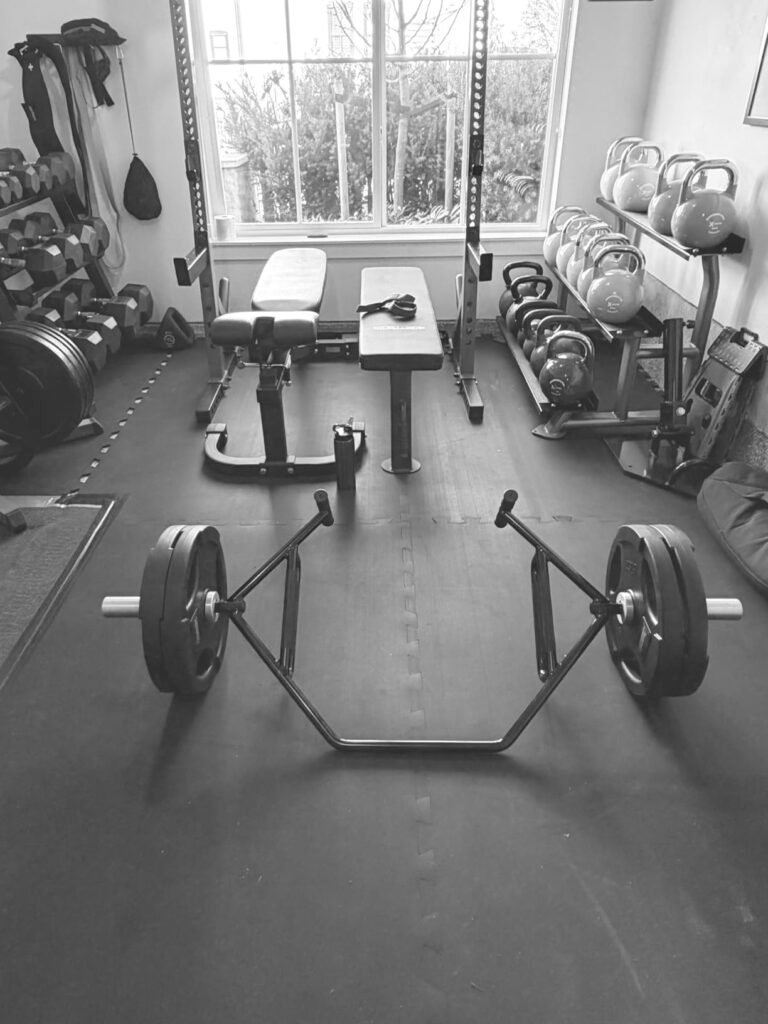
The 500-pound capacity covers the vast majority of home gym lifters, and the 9.5-inch loadable sleeves accept standard 2-inch Olympic plates including bumpers. The spacious diamond-shaped frame gives you generous interior clearance to step in and establish a stance without your legs contacting the frame during pulls, which matters more than you might think during high-rep sets when fatigue starts creeping in.
Medium-depth knurling on the handles provides secure grip without being aggressive enough to shred your palms during high-volume sessions. This balanced texture works well for daily training where you might do multiple sets of shrugs, carries, or deadlifts without gloves. The 28-pound bar weight itself is a factor worth noting when calculating total load.
Taller lifters often struggle with the deep starting position of standard low-handle hex bars, ending up with rounded lower backs at the bottom of the pull. Elevated handles bring the starting position up by two to four inches, which reduces the depth requirement significantly. This can be the difference between a safe, technically clean pull and a movement that puts your spine at risk.
This is the right pick for lifters who specifically want the shorter range of motion of an elevated handle design, particularly those with back concerns or mobility limitations. If you want the option to pull from the standard low position or need higher weight capacity, a dual-height or larger bar will suit you better.
Lifters who want the option to pull from the standard low handle position for deeper range of motion.
We may earn a commission when you buy through this link, at no additional cost to you.
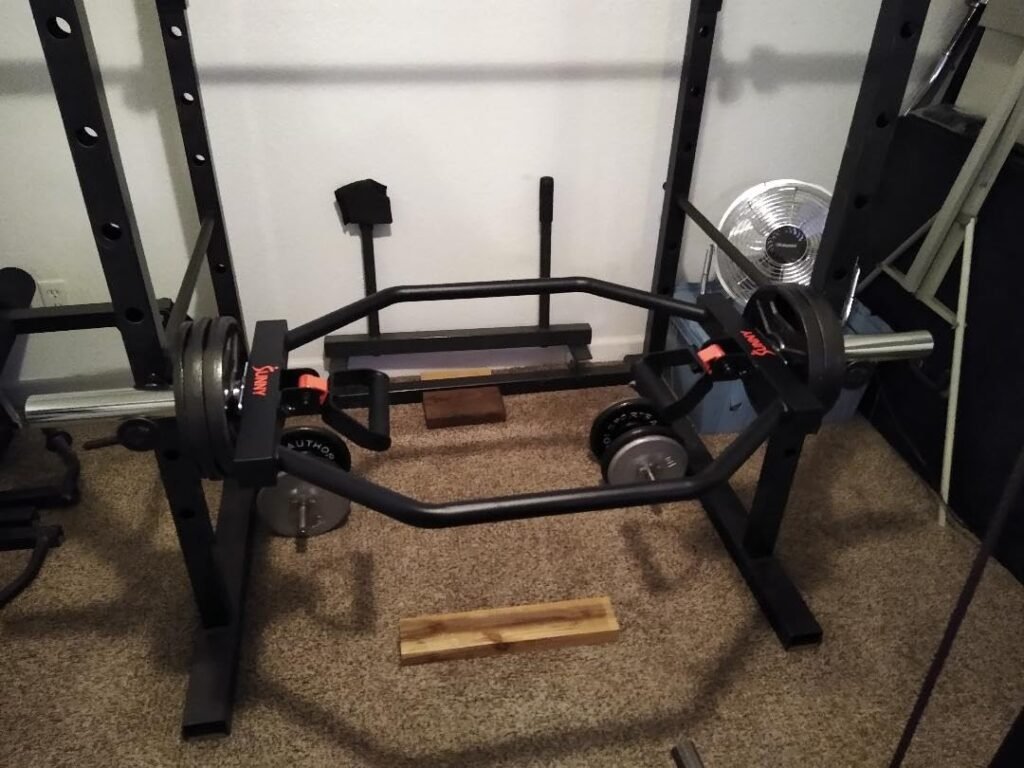
The Sunny Health Olympic Hex Trap Bar targets home gym users who prioritize comfort and control over maximum load capacity. The standout feature is the pair of 360-degree swivel handles that let your wrists rotate naturally through the range of motion, which reduces the wrist and forearm strain that fixed handles can cause during heavy sets or high-rep protocols.
We may earn a commission when you buy through this link, at no additional cost to you.
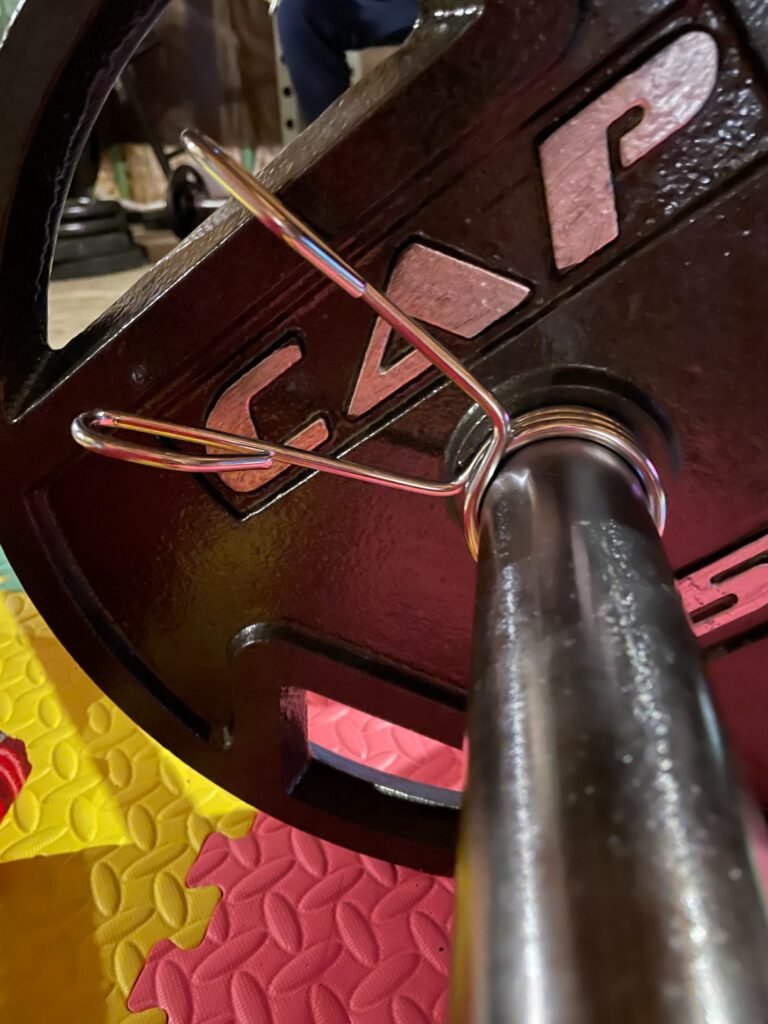
The 400-pound weight capacity is well-matched to intermediate lifters and covers most home gym training needs, while the 11-inch loadable sleeves give you generous room to stack plates when you eventually work up to heavier lifts. The included pair of weight clips is a small but appreciated addition since many trap bars ship without any collars.
Diamond knurling on the grip provides secure hand contact without being uncomfortable during longer sets. The design supports a wide range of movements including bent-over rows, overhead presses, plank holds, Romanian deadlifts, rack pulls, and static holds, making this a versatile piece for building overall strength rather than just a deadlift tool.
Fixed handles force your wrists into a specific angle throughout the entire lift, which can cause discomfort during heavy sets or high volume. Swiveling handles let the grip rotate independently as your arms move, reducing wrist torque and letting you focus on the lift rather than hand position. This matters most for beginners still developing grip strength and for lifters with sensitive wrists.
This is the smart choice for beginners and intermediate lifters who want a comfortable, well-designed hex bar without paying for capacity they will not use. If you plan to work up to serious powerlifting weights, invest in a bar with higher capacity from the start.
Advanced powerlifters approaching or exceeding the 400-pound capacity limit.
We may earn a commission when you buy through this link, at no additional cost to you.
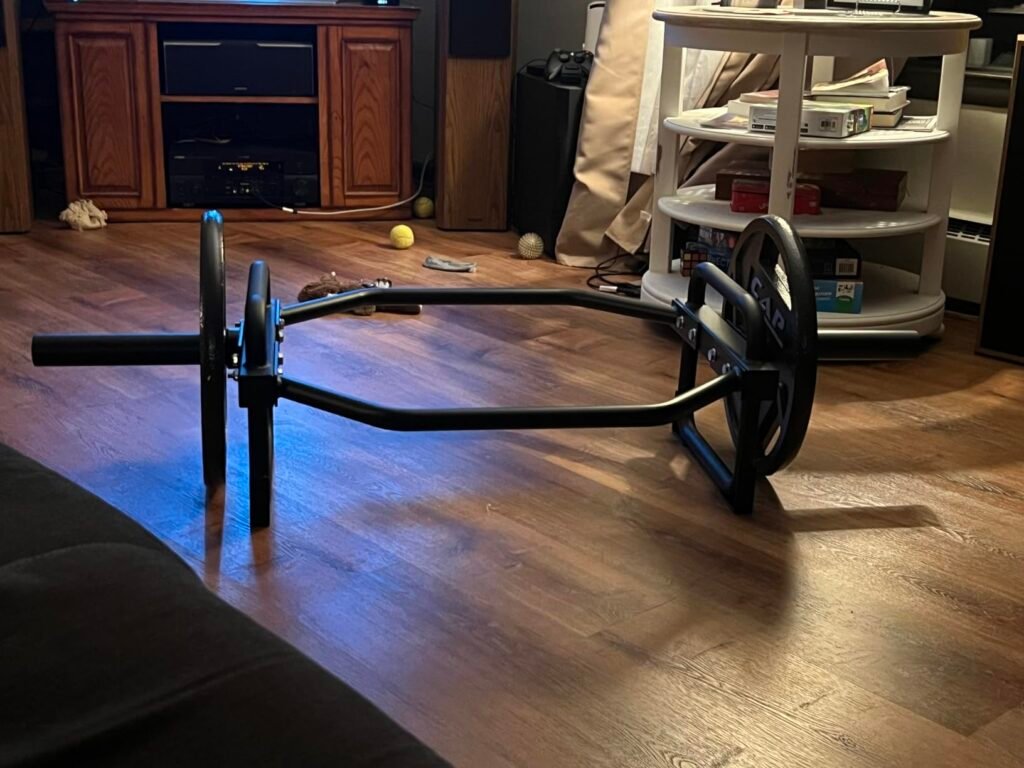
The Amazon Basics Olympic Deadlift Hex Trap Bar is the practical starting point for anyone building a home gym on a budget or adding a trap bar as a secondary implement to an existing barbell setup. At its price point, it offers a genuine 500-pound weight capacity and full Olympic plate compatibility, which is enough for the vast majority of home gym lifters throughout their training progression.
We may earn a commission when you buy through this link, at no additional cost to you.
The dual grip handles give you two lifting positions on a single bar, allowing you to choose between a lower or higher starting position depending on your mobility and goals. This flexibility matters because different heights suit different body types and lift variations, and having both options built into one bar increases training versatility without adding cost or complexity.
The hexagonal design does exactly what a hex bar should do: it centers the load through your body’s midline, reduces lumbar spine stress compared to a straight barbell, and promotes better postural mechanics during deadlifts and squats. The 2-inch sleeves accept standard Olympic plates and bumpers, and the frame is compact enough to fit in tight garage or basement gym setups.
A basic hex bar delivers the core biomechanical benefits of trap bar deadlifts without premium extras. If you primarily want to reduce lower back stress compared to conventional barbell deadlifts or add variety to your pulling movements, a well-built budget bar accomplishes both goals. Save the premium bar investment for when your training demands justify the extra features.
This is the smart pick for budget-conscious home gym builders, beginners who want to try trap bar training before committing to a premium bar, or anyone who wants a reliable secondary bar. If you plan to lift very heavy or want premium features like rotating sleeves and a built-in jack, step up to a higher-tier option.
Advanced lifters approaching the 500 lb capacity or those wanting rotating sleeves for dynamic lifting.
We may earn a commission when you buy through this link, at no additional cost to you.
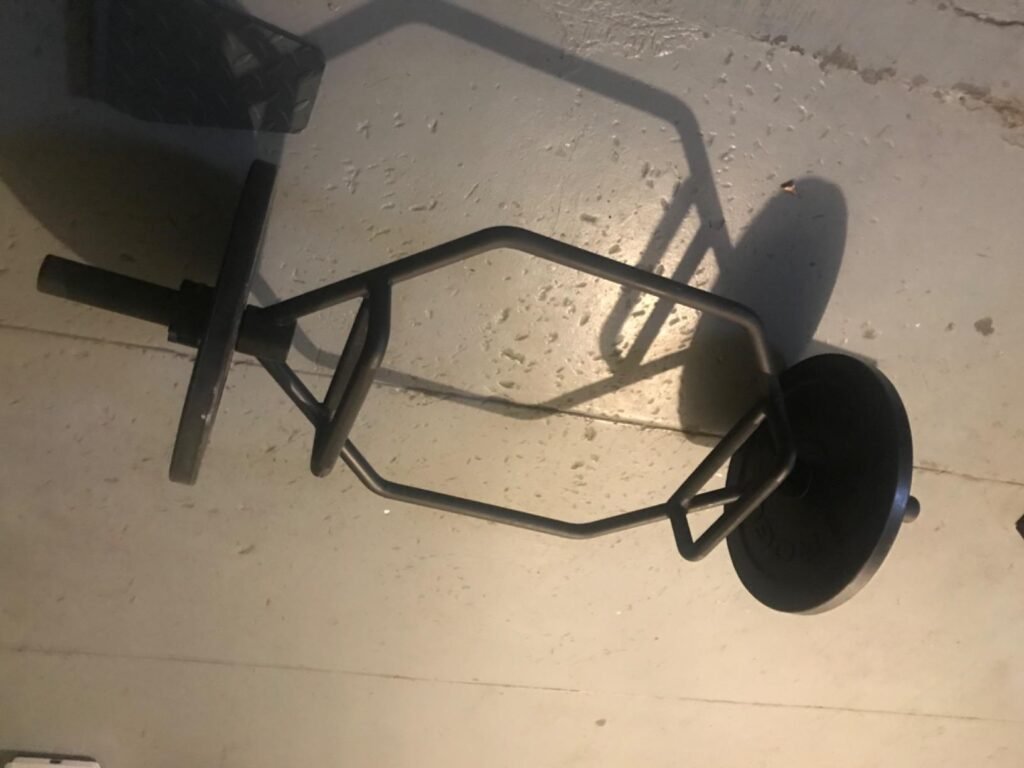
The Synergee Hex Trap Bar takes the flexibility approach seriously by combining both raised and standard-height handles into a single frame. This means you can flip the bar over to switch between high-handle and low-handle configurations depending on the exercise, your mobility that day, or the training goal. For lifters who want the choice without buying two separate bars, this design saves both money and floor space.
We may earn a commission when you buy through this link, at no additional cost to you.
The 750-pound weight capacity puts this bar solidly in serious lifter territory, and the 25-kilogram bar weight itself is worth factoring into your total load calculations, especially during warm-up sets. The black phosphate finish resists corrosion better than plain steel and holds up well in humid garage environments where cheaper bars can develop rust spots along the shaft.
The 10 inches of loadable sleeve length on each side accommodates plenty of weight plates, and the non-slip knurled grip on both handle heights provides secure contact whether you are pulling from the elevated or standard position. The 56-inch overall length is compact enough for tight home gym spaces while still allowing room for a proper stance inside the frame.
Different lift variations and mobility levels benefit from different handle heights. High handles suit rehab work, taller lifters, and shrug variations, while standard handles work best for deep-range deadlifts and building bottom-position strength. Owning both in one bar lets you program varied training without swapping equipment mid-session.
This is the smart pick for lifters who want the versatility of choosing between handle heights without buying multiple bars. If you are certain you only want one handle height or need an open frame for lunges and split squats, other options will suit you better.
Lifters who want an open frame design for stepping movements like lunges and split squats.
We may earn a commission when you buy through this link, at no additional cost to you.
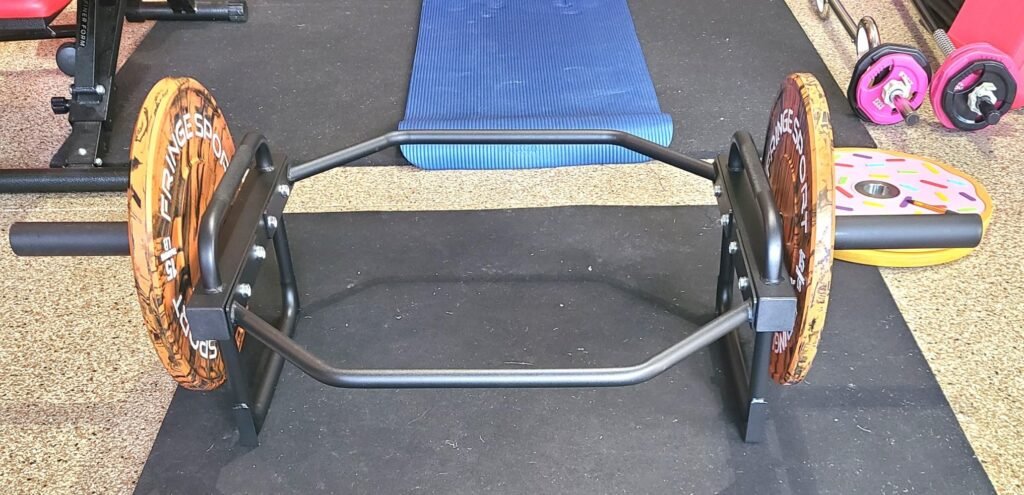
The VEVOR Safety Squat Bar and Hex Trap Bar combination takes a modular approach that breaks down for compact storage, making it a practical choice for small home gyms, apartment setups, or anyone who needs to move equipment between locations. The detachable design assembles quickly with basic tools and disassembles just as easily when floor space is at a premium.
We may earn a commission when you buy through this link, at no additional cost to you.
The 500-pound weight capacity handles most home gym progressions, and the upgraded 5-millimeter thick steel connection plates address the common weakness of assembled hex bars where junction points can loosen or flex under load. Seamless welding at the frame joints provides structural rigidity comparable to non-detachable designs at similar price points.
The four included spacer rings (two per side) create additional clearance between the plates and your hands during lifts, which prevents your knuckles from contacting the plates during high-rep sets or heavy carries. The matte powder-coated surface resists rust and hides minor scratches better than gloss finishes, which is useful for a bar that gets moved around frequently.
Detachable hex bars solve a real storage problem for small gyms but introduce potential weak points at connection joints. Quality detachable designs use thick, precision-machined plates and bolted assemblies that stay tight through years of use. Cheaper versions can loosen over time and require periodic re-tightening. Check bolt tension every few months as part of routine equipment maintenance.
This is the right pick for small-space home gym owners or people who need to store equipment out of sight when not in use. If you have dedicated gym space and want a solid one-piece frame, non-detachable bars will feel more rigid over time.
Serious lifters who want a rigid one-piece bar with no connection points that could loosen.
We may earn a commission when you buy through this link, at no additional cost to you.
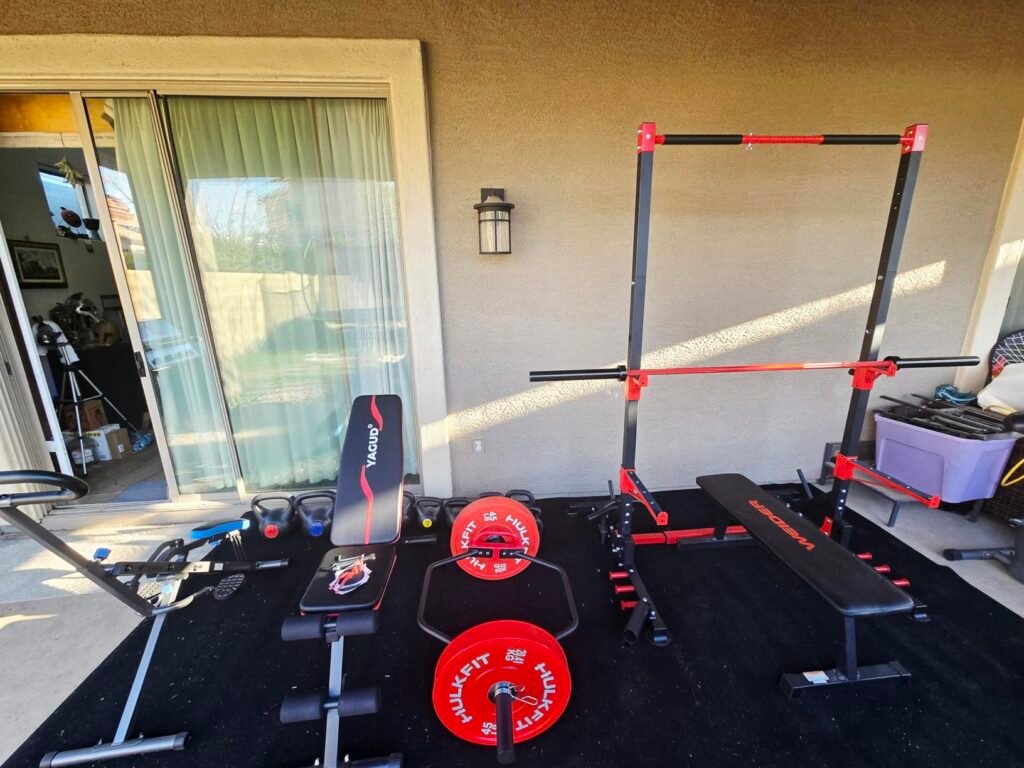
The JDGG Olympic Trap Bar is designed with compact home gym setups in mind, measuring 49 inches in overall length compared to the 56-inch or larger footprint of most competing hex bars. This shorter frame fits more easily into tight garage spaces, basement gyms, and shared workout areas where every inch of floor space matters.
We may earn a commission when you buy through this link, at no additional cost to you.
The 500-pound weight capacity handles most home gym progressions, and the 10-inch loadable sleeves accept standard Olympic grip plates, bumper plates, and cast iron plates. Two snap-in spring collars come in the box, which is a genuinely useful inclusion since many trap bars ship without any collars, forcing you to buy them separately.
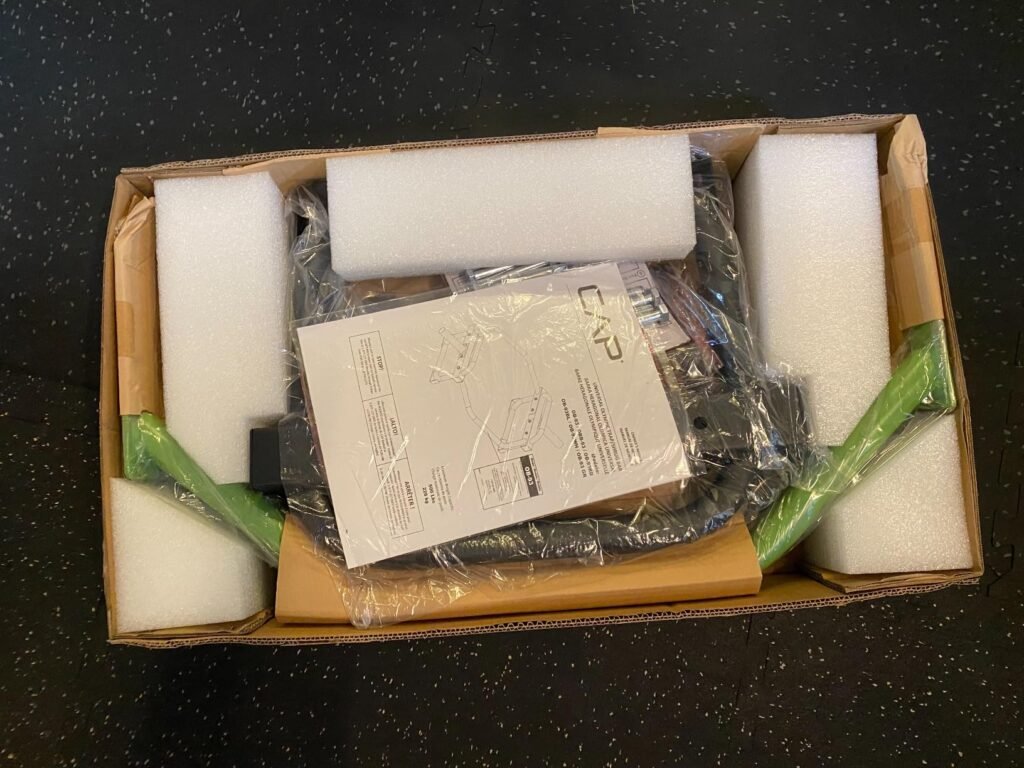
The bolt-together assembly design takes 10 to 15 minutes with the included tools and produces a solid, wobble-free bar once tightened properly. The matte spray finish resists rust and everyday wear, and the hex shape maintains a neutral spine position that reduces stress on the lumbar spine compared to conventional straight-bar deadlifts.
A shorter bar is easier to maneuver in tight spaces, fits on standard equipment racks more easily, and takes less floor space when standing on end for storage. However, shorter bars typically have less loadable sleeve length, which limits how many plates you can stack for very heavy loads. Balance length against your realistic long-term training weight to pick the right size.
This is the smart pick for compact home gyms where floor space is at a premium. If you have a larger gym area or want a one-piece bar with no assembly, non-detachable full-size bars will feel more solid over the long term.
Lifters who want a full-size bar with maximum sleeve length for stacking heavy plate loads.
We may earn a commission when you buy through this link, at no additional cost to you.
The GYMAX Olympic Folding Trap Bar solves a specific storage problem: how to keep a full-size 56-inch hex bar in a garage or basement gym without dedicating permanent floor space to it. The folding handle design lets you collapse the frame for compact storage between sessions, then unfold it for use in minutes when you are ready to train.
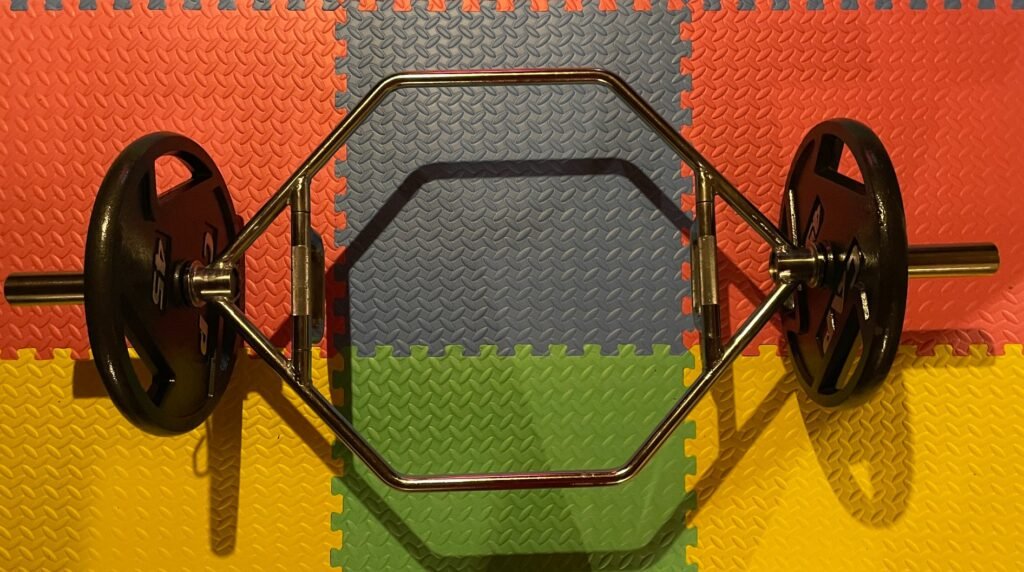
We may earn a commission when you buy through this link, at no additional cost to you.
The 800-pound weight capacity is impressive for a folding design and gives serious lifters plenty of headroom for long-term progression. The chrome-plated steel construction resists rust and wear better than powder coat finishes, particularly important for a bar with moving joints that see friction during folding and unfolding operations.
Dual knurled handles offer two grip position options, and the diamond-pattern knurling provides secure hand contact during heavy pulls and carries. Two snap spring collars come included for securing plates on the sleeves, and the ergonomic hex frame keeps weight centered through the body’s midline to reduce lumbar spine stress during deadlifts, shrugs, and power pulls.
Folding joints add convenience but introduce mechanical components that need periodic attention. Check pivot points and locking mechanisms every few months for signs of wear, and apply light lubrication if the mechanisms become stiff. Ensure locking pins or bolts are fully engaged before every lift to prevent unexpected collapse under load. This routine maintenance keeps folding equipment safe and functional for years.
This is the right pick for buyers who need serious hex bar capacity but cannot dedicate permanent floor space to a rigid frame. If you have dedicated gym space and want the most reliable long-term construction, a solid non-folding bar will require less maintenance attention.
Lifters with permanent gym space who prefer solid one-piece construction without moving parts to maintain.
We may earn a commission when you buy through this link, at no additional cost to you.
Selecting the right hex bar depends on your body size, training goals, gym space, and long-term progression plans. This section covers the key factors that separate a great purchase from a bar that gathers dust in the corner.
The most fundamental decision when choosing a trap bar is whether to buy an open-frame or closed-hex design. Closed hex bars fully enclose the lifter within a diamond or hexagonal frame, providing traditional stability for deadlifts, shrugs, and farmer’s walks. This is the classic design that most lifters picture when they hear the term trap bar, and it works well for movements where you stand inside the frame and lift the weight straight up.
Open-frame designs like the Bells of Steel model in this guide leave one side of the frame open, letting you step in and out of the bar mid-set. This opens up movements that closed bars cannot accommodate, including walking lunges, reverse lunges, split squats, and easier setup for farmer’s walks. For lifters who want a single implement that supports a broad range of lower body training, open-frame designs offer significant versatility advantages.
Choose a closed hex if you primarily deadlift and want the traditional stable frame. Choose an open frame if you want maximum training variety and plan to incorporate lunges, split squats, and other stepping movements into your program.
Weight capacity ratings on trap bars typically range from 400 pounds on entry-level designs up to 800 pounds or more on serious powerlifting bars. The rated capacity should exceed your current maximum lift by a comfortable margin, because bars operating near their rated limit will feel less rigid under load and may fatigue over years of heavy use. A general rule is to buy a bar rated at least 200 pounds above your current maximum deadlift.
Beginners often make the mistake of buying based on their current lifting ability rather than long-term progression. A dedicated lifter can add 50 to 100 pounds to their deadlift within a year or two of consistent training, and buying a bar with genuine capacity headroom means you will not need to replace it as your strength grows. This is particularly important for younger lifters or anyone starting a serious strength program.
For most home gym users, a 500-pound capacity bar handles the majority of realistic training loads with adequate headroom. Serious powerlifters, competitive strongman athletes, or anyone with an existing deadlift over 400 pounds should invest in a 700-plus pound capacity bar from the start.
Handle height dramatically affects the range of motion and biomechanics of hex bar lifts. Standard low handles position the grip at the same height as a barbell deadlift, requiring similar mobility and range of motion. Elevated handles sit two to four inches higher, reducing the depth of the starting position and making the lift more accessible to taller lifters, those with limited hip mobility, or people rehabbing back injuries.
Some bars combine both handle heights into one frame by using different heights on opposite sides, letting you flip the bar to switch positions. Bars like the Synergee Hex Trap Bar use this dual-height design to maximize versatility from a single implement. Other bars offer only one height option, which simplifies the design but limits flexibility.
Consider your body proportions and mobility when choosing handle height. Shorter lifters and those with good hip mobility often prefer standard low handles, while taller lifters and those with mobility limitations benefit from elevated handles. If unsure, a dual-height bar provides both options.
Loadable sleeve length determines how many plates you can stack on each side of the bar. Most hex bars offer 9 to 11 inches of loadable sleeve length, which is enough for typical training loads. However, if you plan to lift very heavy weights using thicker bumper plates or wide-diameter competition plates, longer sleeves become important. Iron plates take less sleeve space than bumpers because they are thinner for the same weight.
All trap bars in this guide use 2-inch Olympic-diameter sleeves, which accept standard Olympic bumper plates, cast iron plates, and any modern gym plate. Older 1-inch standard plates will not fit these bars, so buyers upgrading from standard equipment will need to purchase Olympic plates as well. Verify sleeve length matches your maximum planned load calculated with your specific plate collection.
Calculate your maximum realistic future load and confirm the sleeve length accommodates it before buying. Rotating sleeves are a nice-to-have feature that reduces wrist strain during dynamic lifts but is not essential for basic deadlifts and carries.
Knurling refers to the textured pattern cut into the handle grip areas that provides friction between your hands and the bar. Deep, aggressive knurling maximizes grip security during heavy pulls but can feel abrasive during high-volume work or high-rep training. Medium knurling balances grip security with comfort and suits most home gym users, while light knurling prioritizes comfort at the cost of some grip during very heavy lifts.
For heavy powerlifting-focused training, aggressive knurling helps you maintain grip on max effort attempts and reduces the need for chalk or straps. For general home gym use with moderate weights and higher rep ranges, medium knurling provides the best balance. If you plan to do high-volume shrug or carry work, lighter knurling reduces the risk of hand irritation over long sessions.
Consider your training focus and typical rep ranges when evaluating knurling. If unsure, medium knurling suits the widest range of use cases and is what most quality hex bars use as their default.
Trap bars are physically large pieces of equipment, and their footprint matters significantly in home gyms where space is limited. Standard hex bars measure 49 to 62 inches long with widths of 22 to 26 inches, which requires meaningful floor space when in use and dedicated storage space when not. Consider your specific gym layout before choosing a bar size.
Storage options include folding designs like the GYMAX bar that collapse for compact storage, detachable designs that break down completely, wall mounts that hang the bar vertically, and dedicated hex bar storage racks. For gyms with limited space, folding or detachable designs offer real advantages despite the trade-off of more complex construction. For dedicated gym spaces, a solid one-piece bar with a wall mount or storage rack works best.
Measure your available gym floor space in both the working area and the storage area before buying. A bar that does not fit properly will end up unused, regardless of how good its features are.
Set up your trap bar in a clear area with enough room to walk around all sides for loading and unloading plates. Load plates evenly on both sides to maintain balance, and secure them with collars or spring clips to prevent shifting during lifts. When stepping into a closed hex bar, position yourself centrally between the handles with feet at hip width or slightly wider. Grip the handles firmly, take a deep breath to brace your core, and drive through your heels to lift the bar smoothly. Keep the load close to your body throughout the movement to maintain proper form and reduce lower back stress.
Maintain your hex bar to preserve its finish and function over years of use. Wipe down the shaft and sleeves after each session to remove sweat, chalk, and moisture that can cause rust or corrosion, especially on bars with painted or powder-coated finishes. Chrome-plated and phosphate-finished bars are more resistant to rust but still benefit from occasional cleaning. Apply a light coat of gun oil, 3-in-1 oil, or dedicated barbell maintenance oil to the shaft every few months to prevent corrosion and preserve the surface finish.
Store your trap bar in a dry area away from direct moisture and extreme temperature swings, both of which accelerate rust and degrade any protective finish. For folding or detachable bars, check bolt tension and pivot joint condition every few months and re-tighten hardware as needed. For bars with rotating sleeves, periodically apply a small amount of light oil to the sleeve bearings if they start to feel stiff. Proper maintenance can easily extend the life of a quality hex bar to 10 years or more of regular use.
The terms trap bar and hex bar are typically used interchangeably to describe the same type of specialty barbell. The name hex bar refers to the hexagonal frame shape, while trap bar comes from the bar's early use for training the trapezius muscles through shrugs. Some brands use one name or the other, but functionally they describe the same equipment.
Trap bars are not universally better, but they offer specific advantages including reduced lower back stress, more natural biomechanics for many lifters, and easier learning curve for beginners. Straight barbell deadlifts remain the standard for competitive powerlifting. Many lifters use both, employing the trap bar for volume training and straight bar for competition preparation.
Trap bars typically weigh between 25 and 65 pounds depending on size and construction. Standard-length bars usually weigh 45 to 55 pounds, similar to a standard Olympic barbell. Larger bars with thicker steel or specialty features can weigh 60 pounds or more. Always factor the bar weight into your total load calculations.
Yes, hex squats are a legitimate exercise that many lifters use as an alternative to back squats. The lift resembles a combination of a squat and deadlift, with the load positioned at your sides rather than on your shoulders. This variation reduces spinal loading compared to back squats and works well for lifters with shoulder mobility limitations or lower back issues.
Buy a bar rated at least 200 pounds above your current maximum deadlift. For most home gym users, a 500-pound capacity bar handles all realistic training loads. Serious powerlifters with deadlifts over 400 pounds should invest in a 700-plus pound capacity bar. Buying for capacity headroom prevents replacing the bar as your strength progresses.
Rotating sleeves reduce wrist torque during dynamic movements and lifts where the bar path is not perfectly vertical. For basic deadlifts and shrugs, fixed sleeves work fine. For farmer's walks, cleans, or any movement involving rotation, rotating sleeves are more comfortable and put less stress on your wrists and forearms.
Open-frame designs offer more exercise versatility, including lunges, split squats, and easier setup for farmer's walks. Closed hex bars provide traditional stability and typically cost less. Choose an open frame if you want maximum training variety, or a closed hex if you primarily deadlift and want a simpler, more affordable bar.
All modern hex bars use 2-inch Olympic-diameter sleeves that accept standard Olympic plates including bumpers and iron plates. Older 1-inch standard plates will not fit these bars. If upgrading from a 1-inch plate collection, you will need to purchase Olympic plates as well to use with the new bar.
Standard hex bars measure 49 to 62 inches long and 22 to 26 inches wide, requiring roughly 6 by 6 feet of clear floor space for safe use. You need additional space to step in and out of the bar and to load plates safely. Folding and detachable designs offer more compact storage when not in use.
For most exercises, no. A trap bar excels at deadlifts, shrugs, farmer's walks, and hex squats, but cannot perform bench press, overhead press, or many other barbell movements. Most serious home gyms include both a straight Olympic barbell and a hex bar to cover the full range of strength training exercises.
The Bells of Steel Open Hex Trap Bar stands out as the strongest overall choice for serious home gym owners who want maximum training versatility from a single implement. Its open-frame design unlocks lunges and split squats that closed bars cannot accommodate, while the rotating Olympic sleeves and built-in deadlift jack add premium features that justify the higher price for lifters who train frequently.
For budget-conscious buyers, the Amazon Basics Hex Trap Bar delivers reliable 500-pound capacity and dual-grip handles at the lowest price in this guide, making it the smart entry point for home gym starters. Serious powerlifters should consider the VEVOR 800 LB Hex Bar or Synergee Hex Trap Bar for higher capacity ratings, while lifters with tight storage constraints will appreciate the GYMAX Folding or VEVOR Detachable designs.
Your best choice ultimately depends on your training goals, body proportions, and available gym space. Match capacity to your realistic long-term progression, choose frame design based on the movements you want to train, and prioritize handle height configuration that suits your mobility. The right hex bar can be one of the most versatile and back-friendly pieces of equipment in any strength training setup.