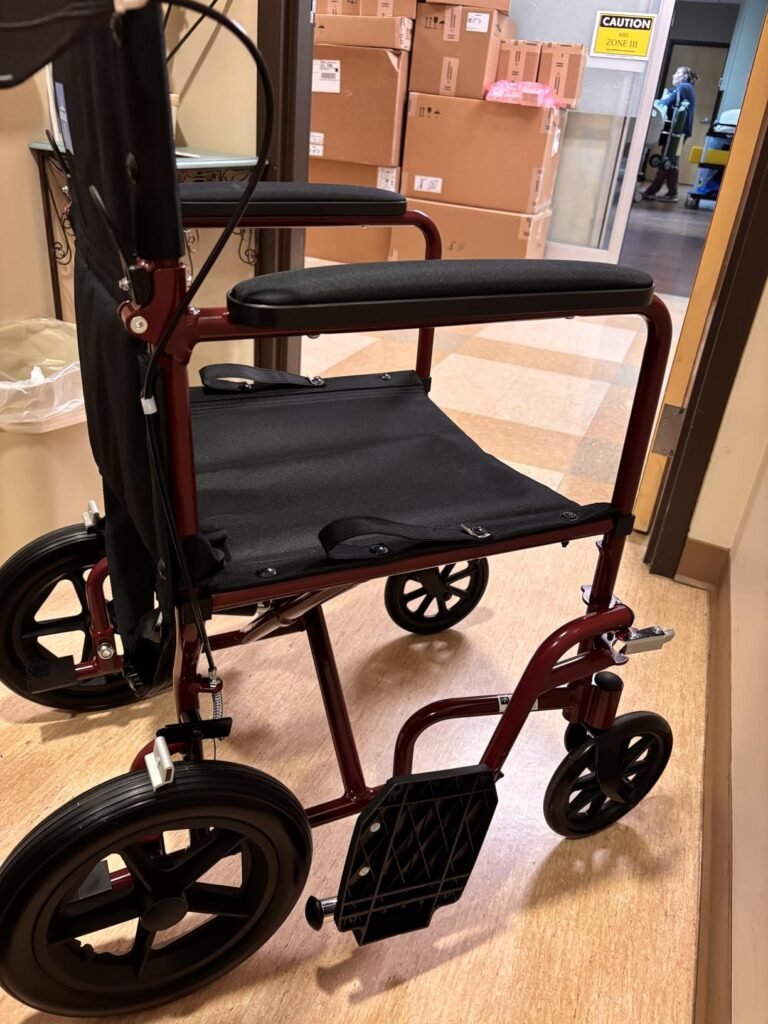
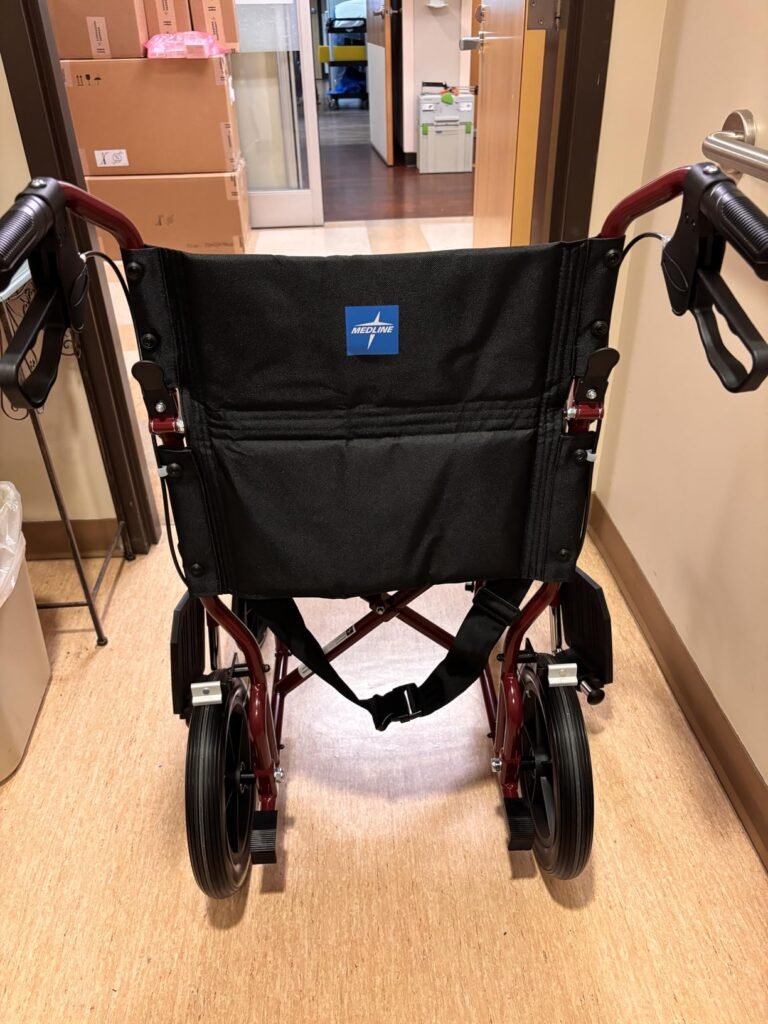
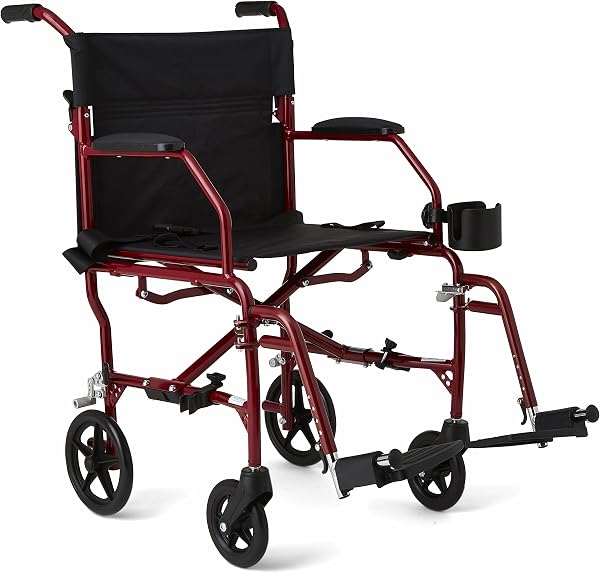
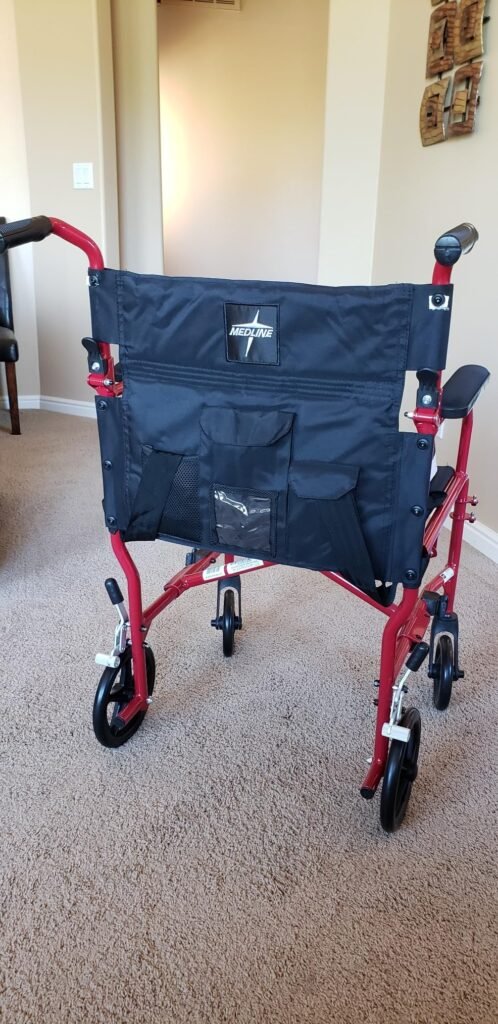
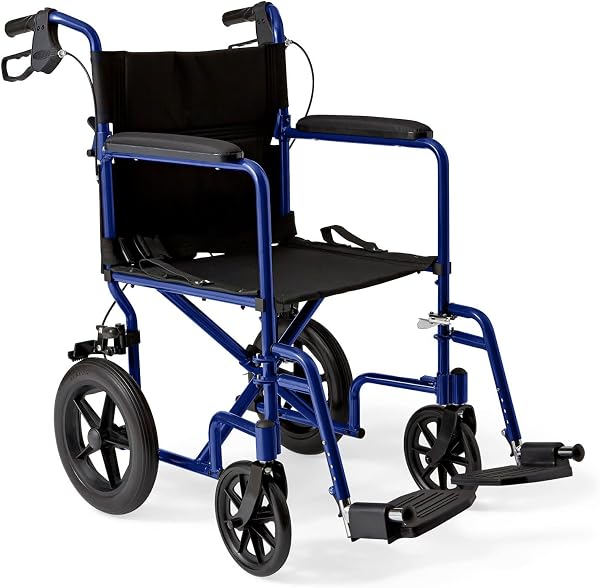
Drive Expedition Red
9.0Editor score19-lb aluminum frame
12-inch rear wheels
Loop-lock hand brakes
Curb assist design
Compare 10 transport wheelchairs by weight, folding design, seat width, and brakes. Find the right travel chair for caregivers, seniors, and daily mobility.
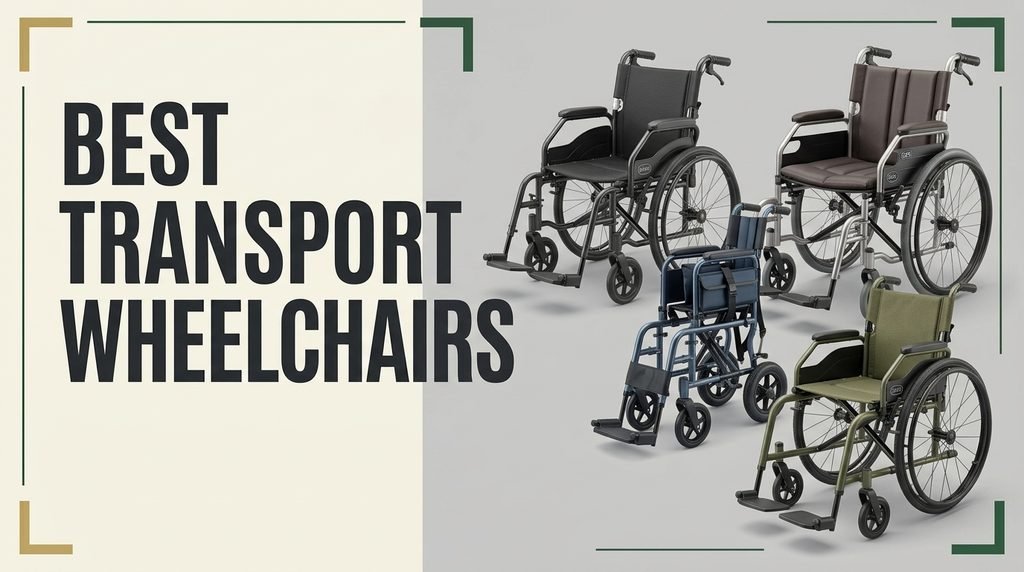
Choosing a transport wheelchair means balancing weight, comfort, folding ease, and safety for a specific user and caregiver situation. This 2026 guide compares 10 standout models across the factors that decide practical usefulness: frame weight and material, seat width, wheel size, folding mechanism, brake type, weight capacity, footrest design, portability features, and how well each chair supports both the rider and the person pushing.
Transport wheelchairs differ significantly from standard self-propelled chairs. They use smaller rear wheels because the caregiver does the pushing rather than the rider, which makes them lighter and easier to fold for car transport. This design shift means they excel at short-distance mobility, appointments, and travel, but they’re not intended for users who want to propel themselves independently.
The right chair depends on the rider’s size, the caregiver’s strength, how often the chair travels, and where it will be used. Lightweight aluminum frames make loading and unloading easier for older caregivers, while sturdier steel frames handle heavier users at lower prices. Understanding these trade-offs up front prevents buying a chair that doesn’t match the actual daily use case.
We compared 10 transport wheelchairs using the criteria that genuinely affect caregiver and rider experience: frame weight and material, seat width and depth, wheel size and maneuverability, folding mechanism and portability, brake type and safety, weight capacity, footrest design, comfort features, warranty support, and owner feedback. The notes focus on practical trade-offs so each pick reflects how caregivers actually use these chairs for medical appointments, travel, daily errands, and mobility support at home.

Compare key features, scores, and current prices side by side. A shorter feature list means fewer details were available, not necessarily fewer capabilities.





The ProTraverse Travel Chair targets seniors and their families who need a modern transport wheelchair specifically designed for travel. The telescopic pull handle transforms the folded chair into a rolling suitcase-style form factor, making airport navigation, subway travel, and taxi loading dramatically easier than lifting a traditional folded wheelchair. This is a genuine design innovation.

We may earn a commission when you buy through this link, at no additional cost to you.
The S-shaped backrest ergonomically contours to the spine for enhanced sitting comfort during longer travel days when the user may spend hours in the chair. Swiveling waterproof non-slip armrests and an adjustable footrest accommodate users of different heights and sitting preferences. The 5mm-thick aluminum frame supports up to 300 pounds while remaining light enough for easy transport at just 24.69 pounds.
The removable machine-washable seat and back cushions solve a real problem for travel-focused users because chairs used in varied environments accumulate dirt and need periodic deep cleaning. The seat cushion can be removed entirely to transform the chair into a stable shower seat, which is a genuinely useful travel feature. The 7-inch PU front wheels and 12-inch PU rear wheels handle outdoor surfaces with 360-degree rotation and shock-absorbing springs.
A telescopic pull handle changes how caregivers move a folded wheelchair through airports, hotels, and public transit. Instead of carrying a bulky folded chair, you pull it like rolling luggage, which is dramatically easier during long walks through terminals or between vehicles. For frequent travelers, this design feature meaningfully reduces the physical burden of using a wheelchair and increases the likelihood that the chair actually accompanies the user on trips.
Choose this chair if travel is a primary use case and you value modern design features over traditional medical-equipment aesthetics. The lifetime customer support, 3-year frame warranty, and 1-year free parts replacement demonstrate manufacturer confidence in the product. The near-perfect owner rating reflects consistent quality, though the premium price positions this as an investment for serious travelers rather than an entry-level purchase.
Buyers seeking a budget option or those who don’t need travel-focused features and pay a premium for them.
We may earn a commission when you buy through this link, at no additional cost to you.
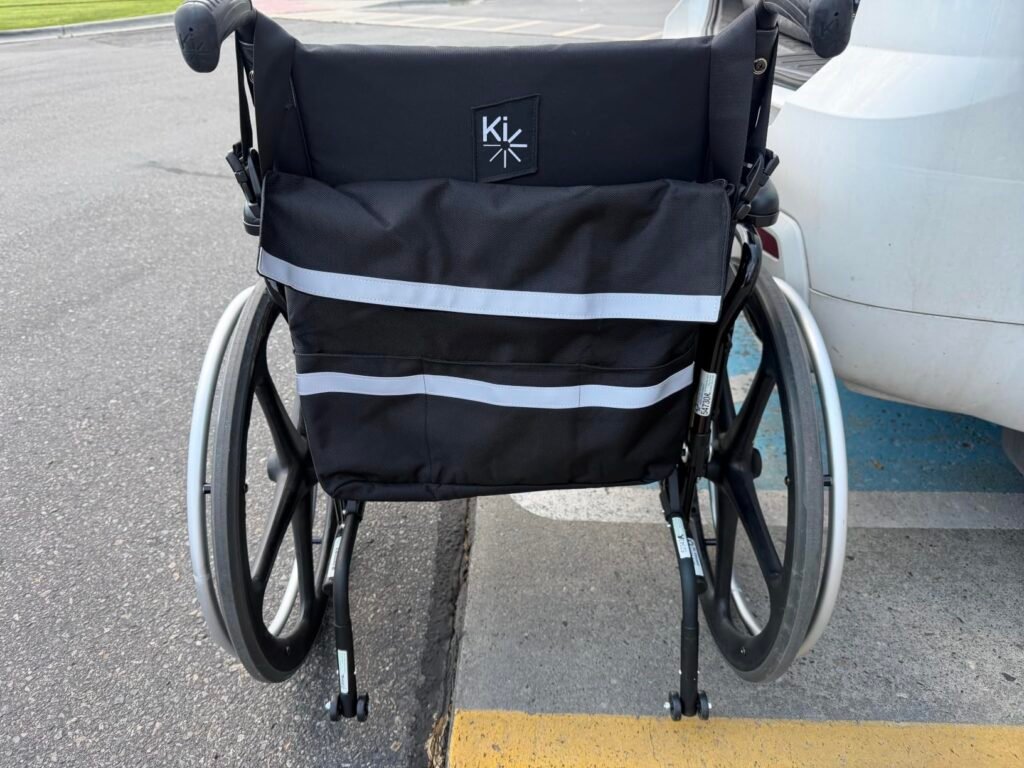
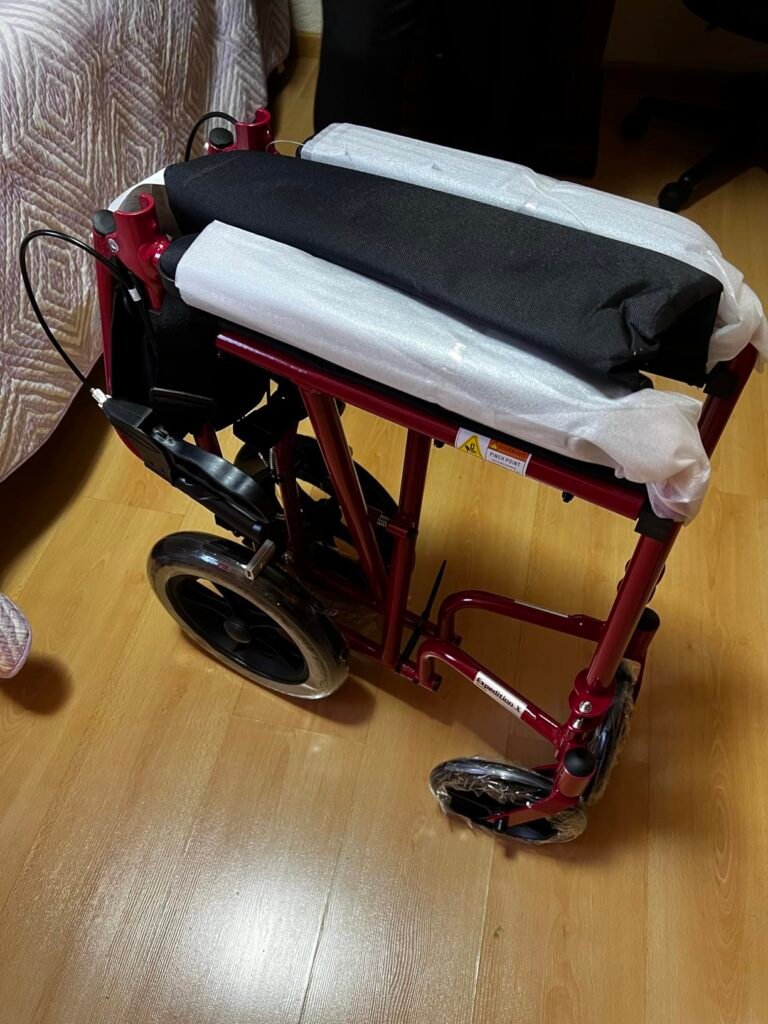
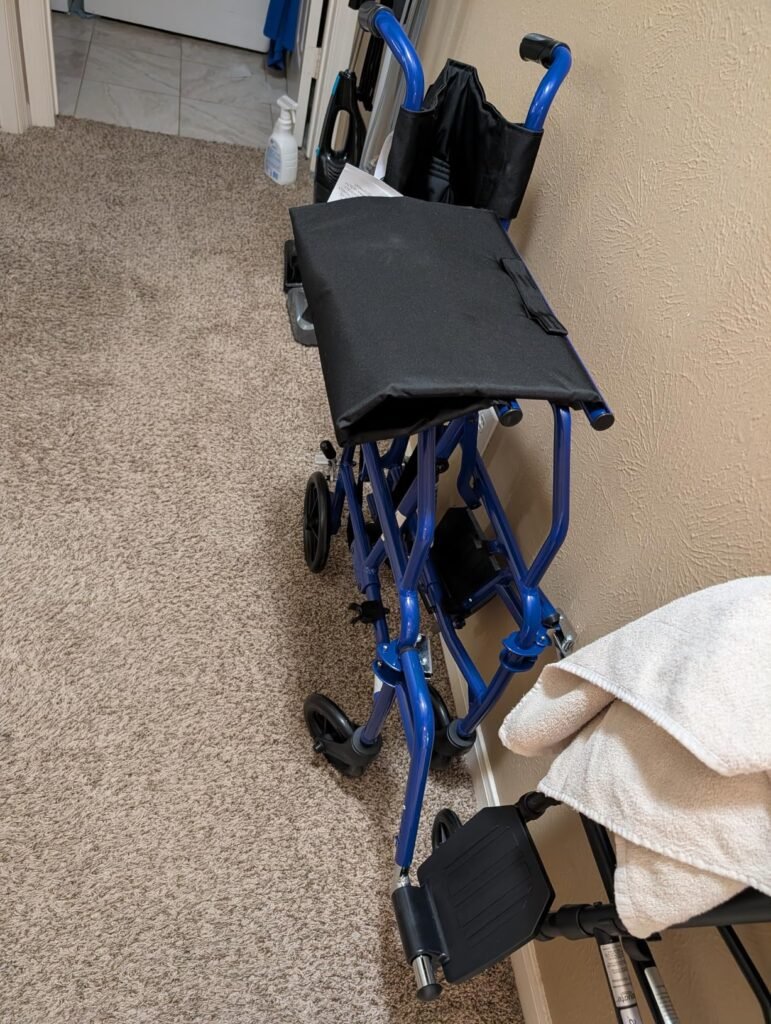
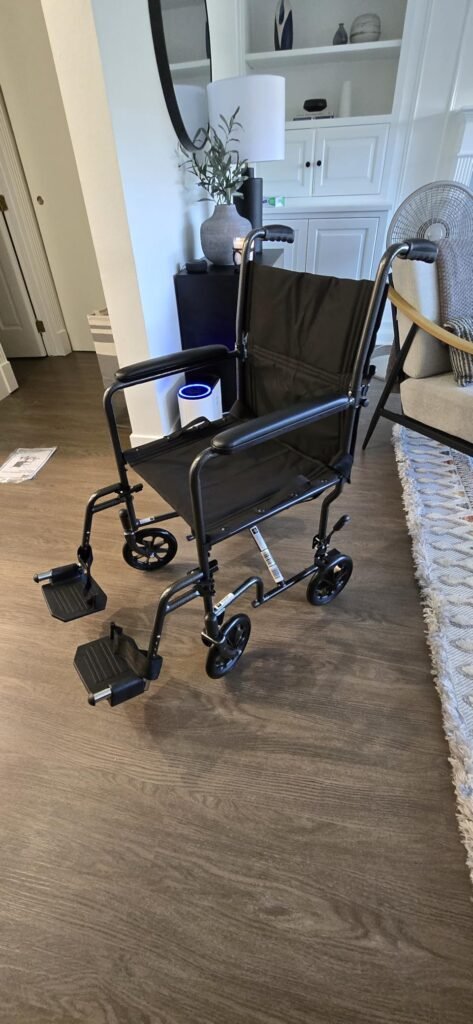
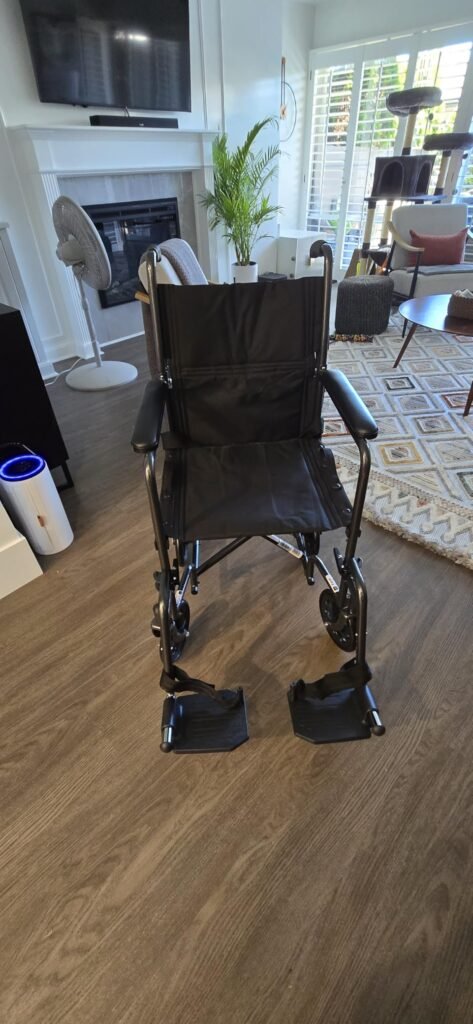
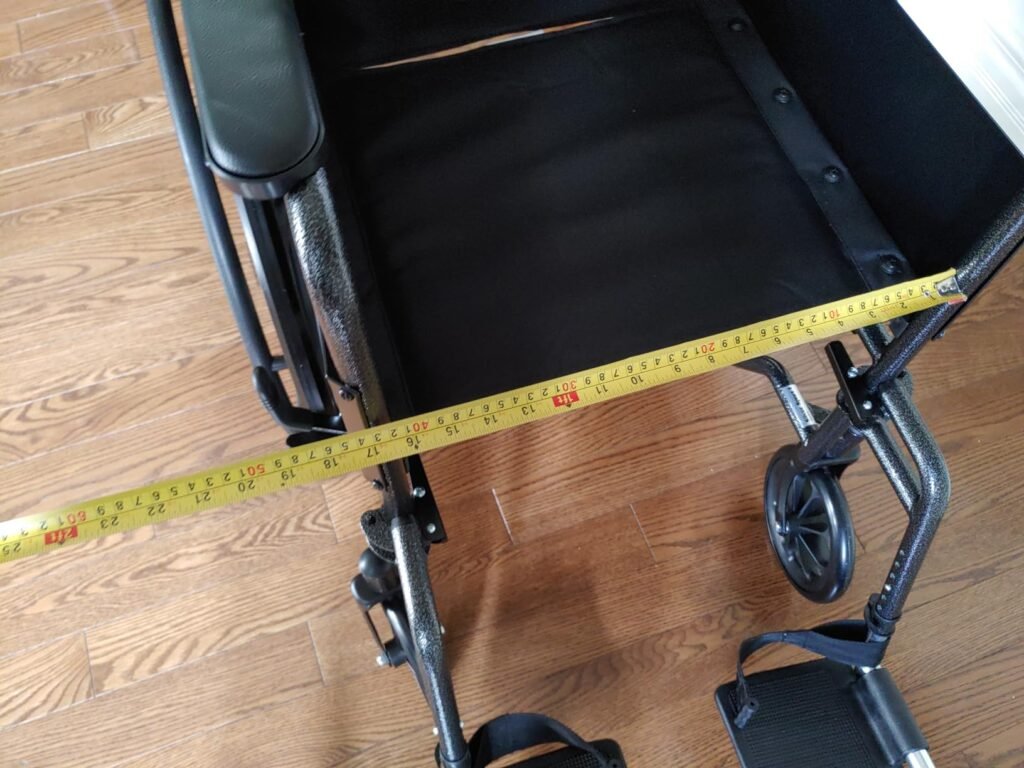
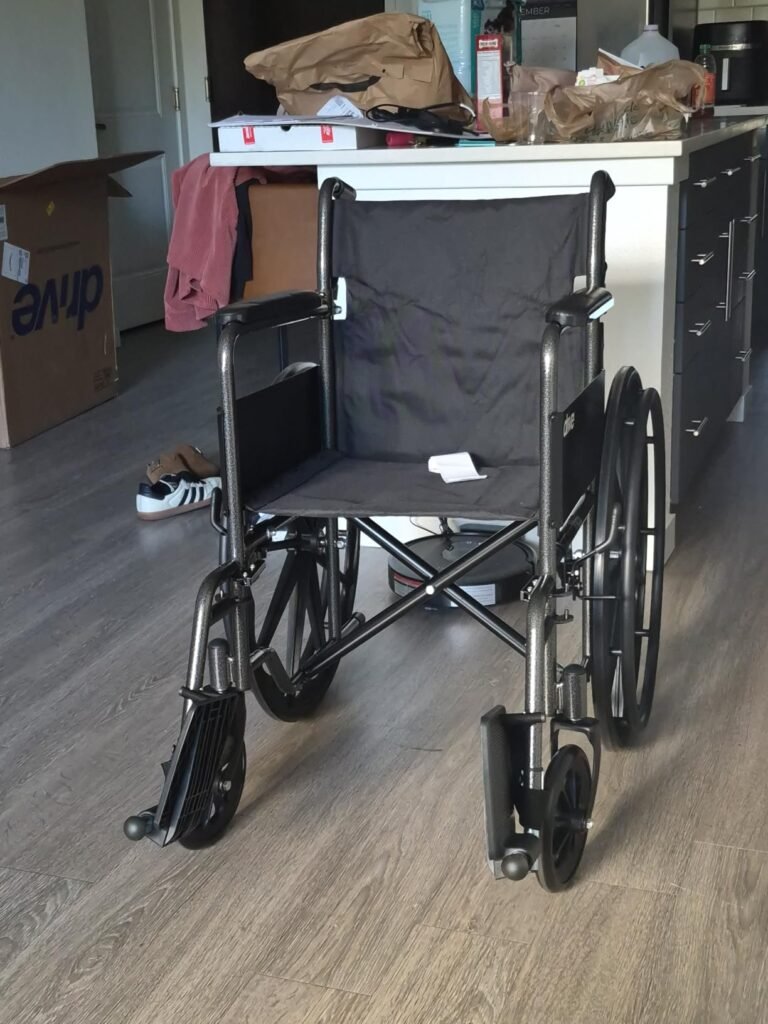
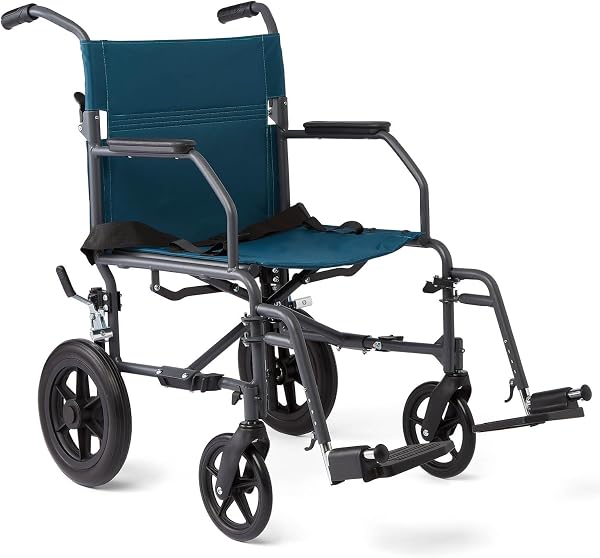
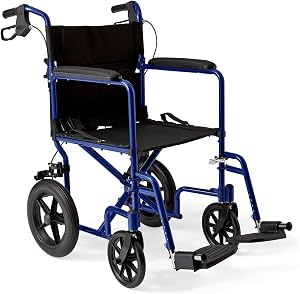
The Drive Expedition Red targets caregivers who need to lift and load a chair frequently, especially older spouses or family members who may struggle with heavier steel models. At just 19 pounds, this ultra-light aluminum frame delivers meaningful weight savings that translate directly into easier trunk loading, less back strain, and more willingness to bring the chair along on outings.

We may earn a commission when you buy through this link, at no additional cost to you.
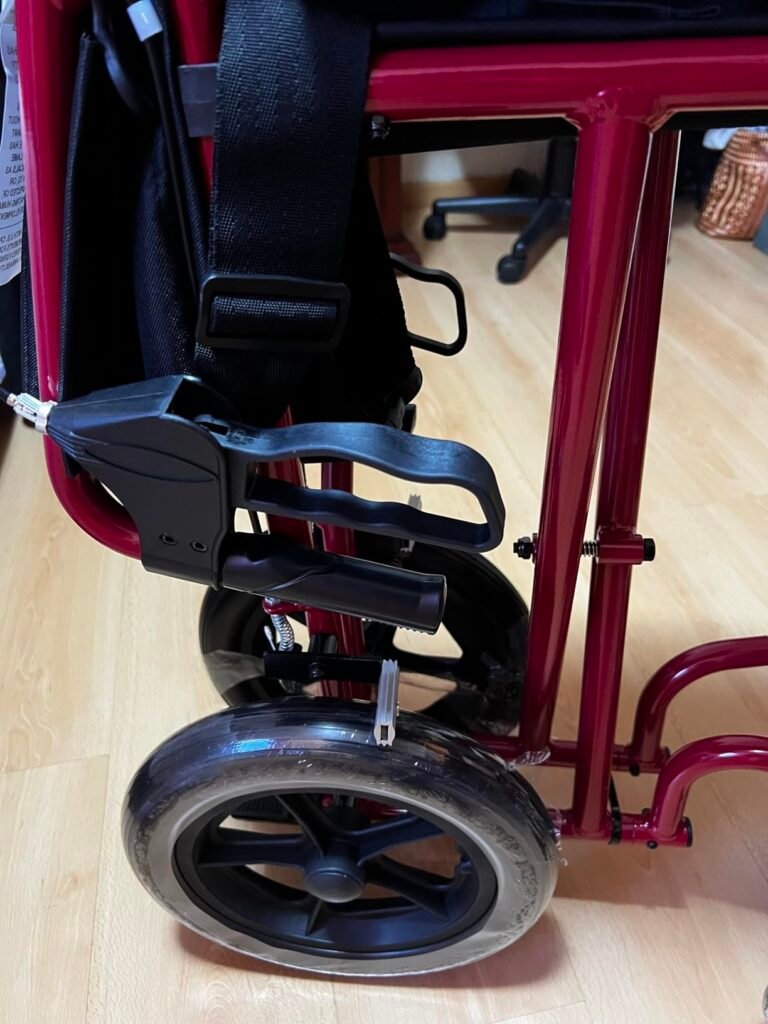
The 12-inch rear wheels are notably larger than the 8-inch wheels on many transport chairs, which makes a real difference over sidewalk cracks, small bumps, and uneven surfaces. Curb assist technology helps navigate curbs and thresholds safely, addressing a common frustration with pure transport chairs that can catch on obstacles. This design supports outdoor use in addition to indoor mobility.
Companion-activated loop-lock hand brakes let the caregiver stop the chair quickly without bending or straining, which is a genuine safety feature during transfers or unexpected slopes. The padded armrests and fold-down footrests provide reasonable comfort for short-duration transport, though this chair prioritizes lightweight portability over extensive cushioning found on premium comfort-focused models.
Every pound counts when a caregiver lifts a chair in and out of a car trunk multiple times per day. A 19-pound chair is dramatically easier to manage than a 30-pound steel model, especially for petite or older caregivers. This weight difference directly affects whether the chair actually gets used or ends up staying at home because loading it becomes too much effort. Aluminum frames deliver these weight advantages at slightly higher prices than steel, and the trade-off is genuinely worth it for active users.
Choose this chair if the primary caregiver values easy loading and portability above all else. It’s ideal for medical appointments, short shopping trips, and travel where the chair needs to move in and out of a car repeatedly. For users who spend extended hours in the chair or need extensive comfort features, consider a chair with more substantial cushioning and additional support options.
Bariatric users or those who need reinforced heavy-duty construction for larger frames.
We may earn a commission when you buy through this link, at no additional cost to you.
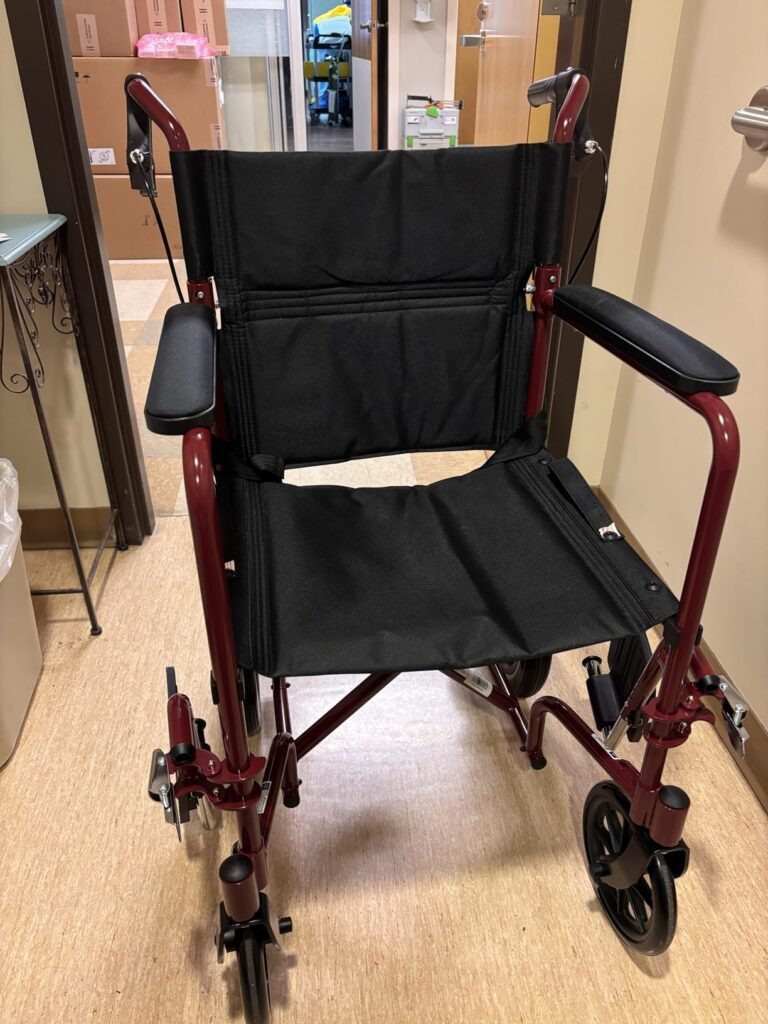
The Medline Foldable Blue occupies a strong middle ground between ultra-light travel chairs and heavier steel-framed models. At 26 pounds with a 300-pound weight capacity, it delivers reasonable portability while accommodating a broader range of users than lighter chairs with lower weight ratings. This balance makes it a smart everyday choice for most caregiver situations.
We may earn a commission when you buy through this link, at no additional cost to you.
The full-length cushioned armrests are a meaningful comfort feature that shorter-armrest models lack, providing forearm support that helps users maintain stable posture during longer sitting periods. The 19-inch wide by 16-inch deep seat provides adequate space for adult users of varying sizes, and the easy-clean nylon fabric handles daily use without special maintenance requirements.
The 12-inch rear wheels paired with swivel front wheels give this chair genuinely useful maneuverability. Larger rear wheels handle sidewalk cracks and small bumps better than 8-inch alternatives, while swivel front wheels navigate tight corners, doorways, and ramps effectively. Easy-to-squeeze hand brakes combined with rear-wheel manual locking brakes support safe transfers with dual safety redundancy.
Full-length armrests extend the entire length of the seat, providing maximum forearm support during longer sitting periods. Desk-length armrests are shorter, ending before the front of the seat to allow the chair to pull up under a desk or table. Full-length is generally more comfortable for extended use, while desk-length is more practical when the user needs to access tables and workstations. Match the armrest style to the user’s typical daily activities.
Choose this chair as an all-purpose transport wheelchair that handles most caregiver situations well. The swing-away detachable footrests fold and lock for compact car storage, and no assembly is required out of the box. It’s not the lightest option available, but the weight capacity, comfort features, and durable construction justify the modest weight increase for most families.
Users who need bariatric capacity beyond 300 pounds or ultra-light chairs under 20 pounds.
We may earn a commission when you buy through this link, at no additional cost to you.
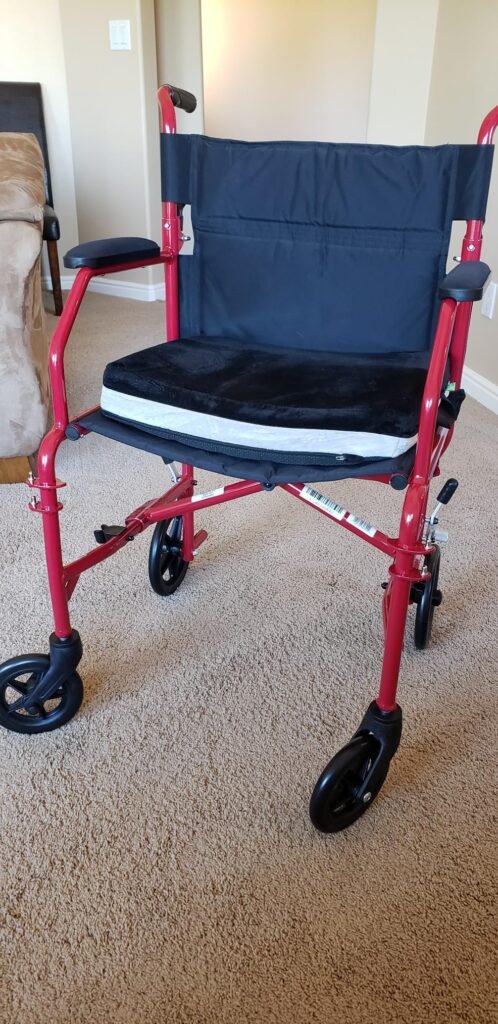
The Medline Ultra Lightweight is the class leader for minimum weight, delivering full transport wheelchair function in a package that weighs just 15 pounds. This is genuinely transformative for caregivers who struggle with heavier chairs, and it makes travel dramatically easier because loading and unloading no longer requires significant physical effort or strain.
We may earn a commission when you buy through this link, at no additional cost to you.
The 300-pound weight capacity is impressive given the ultra-light frame construction, meaning this chair accommodates most adult users despite its featherweight design. The 19-inch wide by 16-inch deep seat provides standard comfortable proportions, and the desk-length cushioned armrests support users while allowing the chair to pull up under tables and workstations at restaurants or medical offices.
The included cup holder is a small but genuinely useful convenience for long medical appointments, outings, or travel where the user wants easy access to a drink. The swing-away footrests lock in place for convenient car storage, and the compact folded profile fits into most vehicle trunks without difficulty. Sturdy 8-inch rear wheels combined with swivel front wheels handle indoor and smooth outdoor surfaces well.
Smaller 8-inch wheels reduce chair weight and improve indoor maneuverability, making them ideal for smooth surfaces and tight spaces. Larger 12-inch wheels handle bumps, sidewalk cracks, and outdoor terrain more smoothly but add weight. The choice depends on where the chair will be used most: primarily indoors or smooth surfaces favor 8-inch wheels, while regular outdoor use over uneven terrain benefits from 12-inch alternatives.
Choose this chair when portability is the top priority and you’re willing to accept smaller rear wheels for the weight savings. It’s ideal for travel, frequent car loading, and situations where the caregiver may be smaller or older. Consider a chair with 12-inch wheels if you’ll be using it on rough sidewalks or uneven outdoor terrain regularly.
Regular outdoor use over rough sidewalks or uneven terrain where larger wheels perform better.
We may earn a commission when you buy through this link, at no additional cost to you.
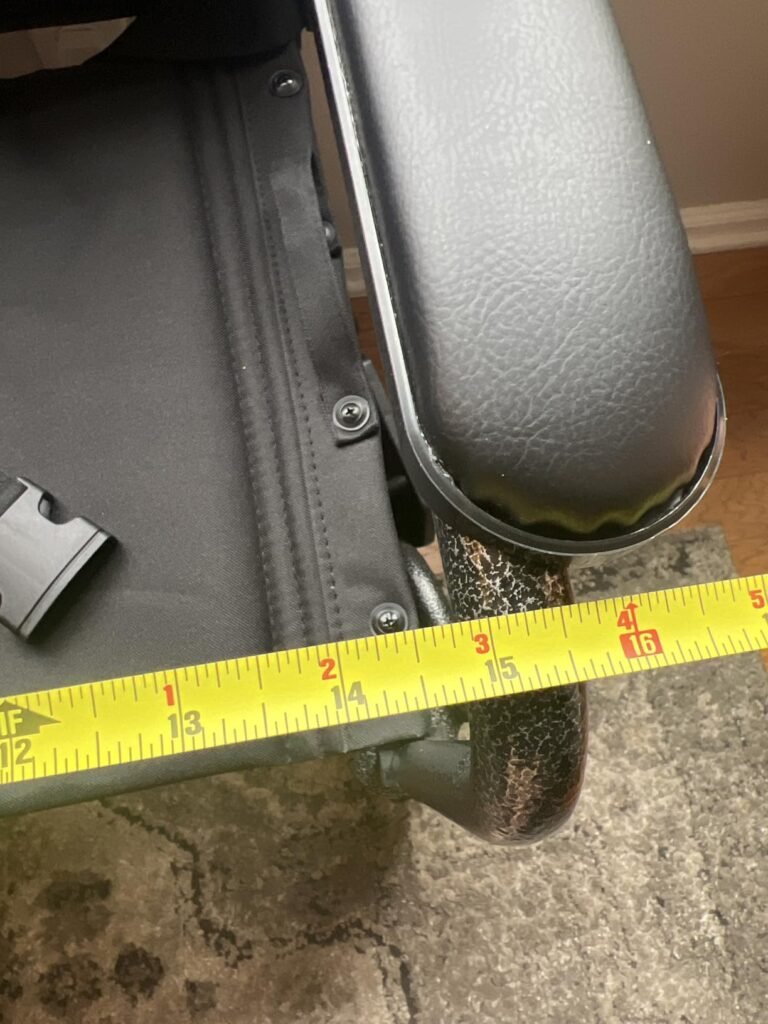
The Drive Medical Folding Transport Wheelchair targets budget-conscious buyers who need reliable mobility support without paying premium prices. At the entry price point in this comparison, it delivers the essential features of a transport chair without the ultra-light aluminum construction of pricier models. For occasional use or families on tight budgets, this delivers meaningful value.
We may earn a commission when you buy through this link, at no additional cost to you.
The strong steel frame construction is more durable than lightweight aluminum in impact resistance, though it adds weight compared to premium options. Smooth-rolling 8-inch wheels handle indoor surfaces well, and the swing-away footrests fold aside for easier transfers into and out of the chair. The fold-flat backrest allows compact storage in car trunks and closets.
Padded armrests provide reasonable comfort for short trips, and the 17-inch nylon seat wipes clean easily after daily use. Drive Medical has established a strong reputation in mobility equipment, and this chair reflects that quality standard at an accessible price point. The customizable comfort features accommodate varying user preferences.
Steel frames typically cost less than aluminum while offering excellent durability and impact resistance. The trade-off is added weight that makes lifting and loading harder for the caregiver. If the chair stays mostly in one location and is only occasionally transported, steel construction may serve you better at a lower price. If the chair travels frequently or the caregiver has physical limitations, aluminum’s weight savings usually justify the higher cost.
Choose this chair for occasional use, backup situations, or when budget constraints require careful spending. It’s not the choice for daily heavy use or situations where lightweight aluminum construction would meaningfully help the caregiver, but it delivers legitimate transport wheelchair function at a price that makes sense for many families. Consider upgrading to lighter chairs if the caregiver struggles with the additional weight.
Frequent travelers or caregivers who struggle with heavier chairs and need aluminum construction.
We may earn a commission when you buy through this link, at no additional cost to you.
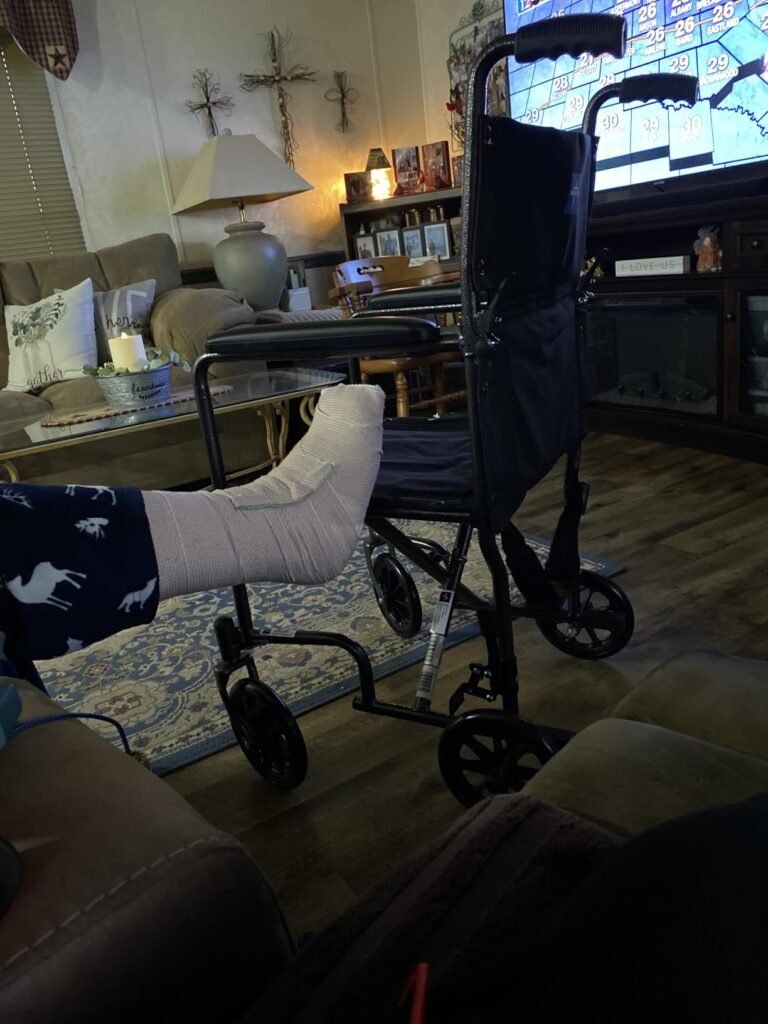
The Medline Steel Black delivers reliable steel-frame construction with the comfort features that make longer sits more comfortable. Full-length cushioned armrests provide meaningful forearm support during extended appointments or travel, which desk-length arms cannot match. The 19-inch wide by 16-inch deep seat accommodates most adult users comfortably.
We may earn a commission when you buy through this link, at no additional cost to you.
The detachable swing-away footrests are a useful feature for transfers because they can be swung out of the way entirely rather than just folded up. This makes it easier for users with mobility limitations to stand up from or lower themselves into the chair without footrests interfering. Manual locking brakes on the rear wheels support safe transfers and stable parking.
The compact folding design includes a fold-down backrest and detachable footrests for maximum storage efficiency in car trunks and closets. Easy-clean nylon fabric handles daily use without special maintenance, and the chair requires no assembly out of the box. Trusted Medline construction backs up the reasonable price point.
Detachable swing-away footrests can be removed entirely from the chair, which provides the most transfer clearance for users who struggle with mobility. Fold-up footrests stay attached but swing aside, offering less clearance but keeping all parts together so nothing gets lost. Detachable footrests are generally more helpful for users with significant mobility challenges, while fold-up designs work fine for users who can navigate around them.
Choose this chair for buyers who prefer steel construction at a moderate price and don’t mind the added weight compared to aluminum alternatives. The 250-pound weight capacity is lower than some competitors, so verify this matches the user’s needs before purchasing. For users under 250 pounds who want a comfortable, no-frills transport chair, this delivers reliable value.
Bariatric users exceeding 250 pounds or caregivers who specifically need aluminum weight savings.
We may earn a commission when you buy through this link, at no additional cost to you.
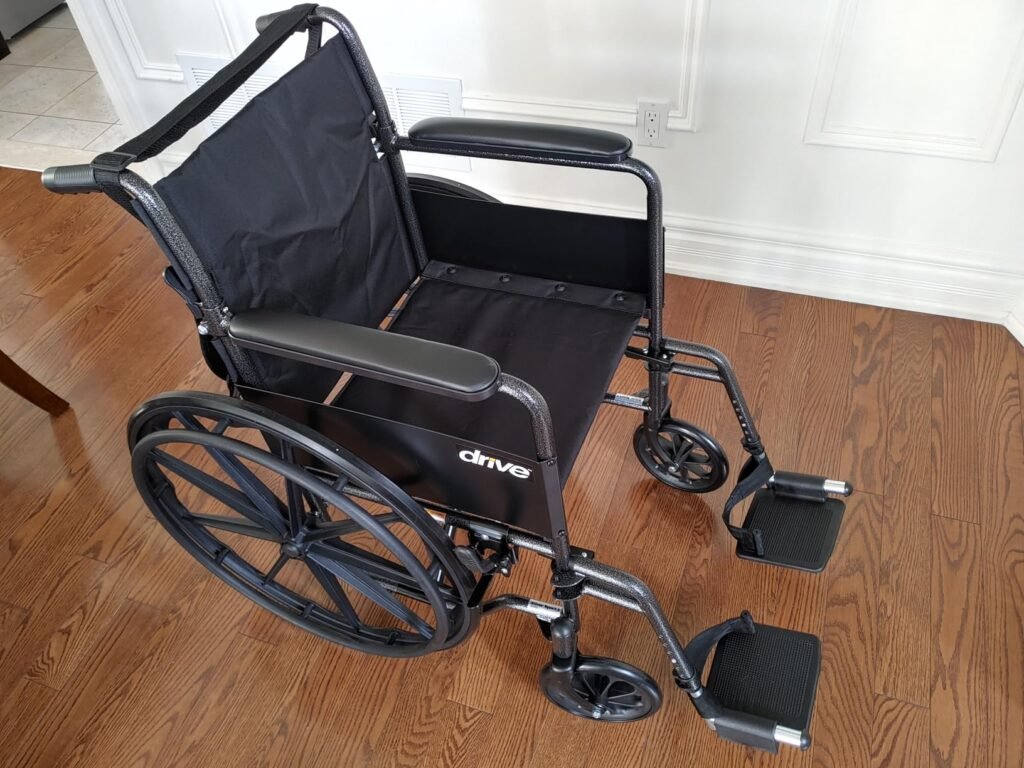
The Drive Silver Sport 1 targets buyers who prioritize durability and traditional construction over minimum weight. The powder-coated steel frame stands up to years of daily use, and the included carry pocket provides a genuinely useful place to store essentials like a phone, wallet, or medications during outings. This practical detail sets it apart from chairs that provide no storage.
We may earn a commission when you buy through this link, at no additional cost to you.
Breathable nylon upholstery and full-length padded armrests support user comfort during extended periods of sitting. The foldable back allows compact travel and storage in vehicle trunks, and urethane tires on composite wheels provide smooth rolling on indoor and smooth outdoor surfaces without requiring inflation maintenance.
Push-to-lock brakes deliver reliable safety during transfers and stable parking. The 250-pound weight capacity is standard for this class, though buyers with larger users should verify this matches their needs. At 37.6 pounds, this chair is the heaviest in the current comparison, so factor loading and unloading effort into your purchase decision if the caregiver has physical limitations.
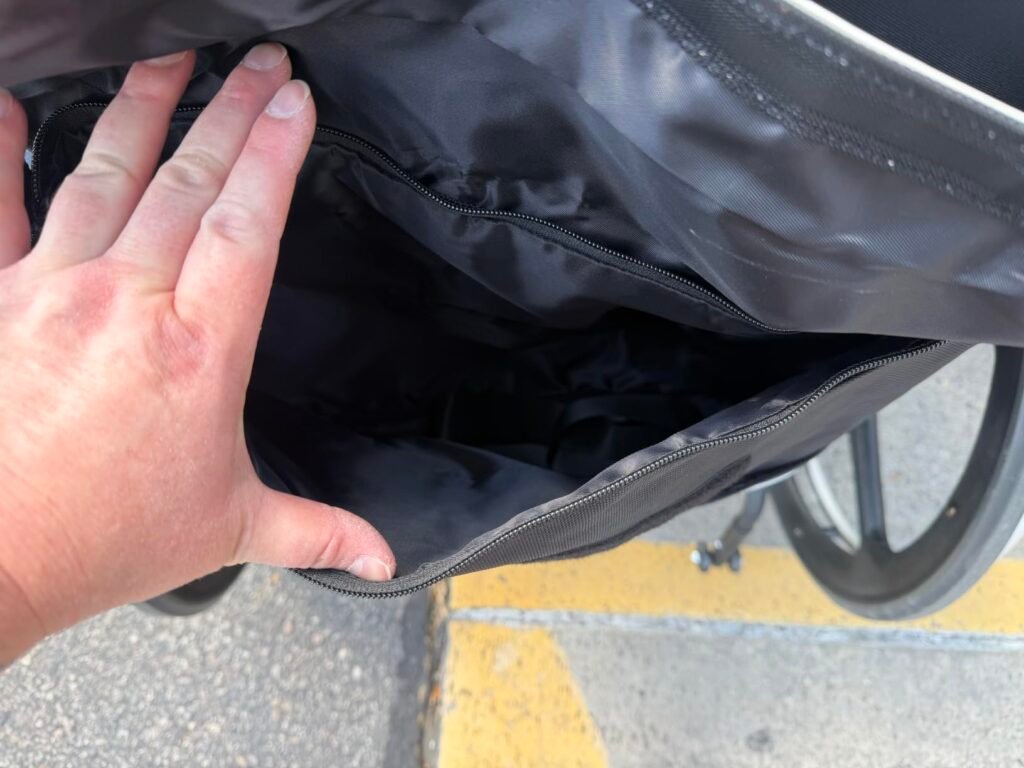
A built-in carry pocket eliminates the need for separate bags or accessories to hold essentials during outings. Users can keep their phone, medications, wallet, or important documents accessible without carrying an additional bag or asking the caregiver to hold items. This small feature meaningfully improves independence during appointments, shopping trips, or social outings where personal items need to stay with the user.
Choose the Silver Sport 1 for users who value traditional Drive Medical quality and the practical benefits of an integrated carry pocket. It’s a strong pick for occasional use, home-based mobility, or situations where the chair doesn’t need to travel frequently. The additional weight makes it less ideal for caregivers who load and unload the chair multiple times per day.
Frequent travelers who need lightweight aluminum construction for easy car loading.
We may earn a commission when you buy through this link, at no additional cost to you.
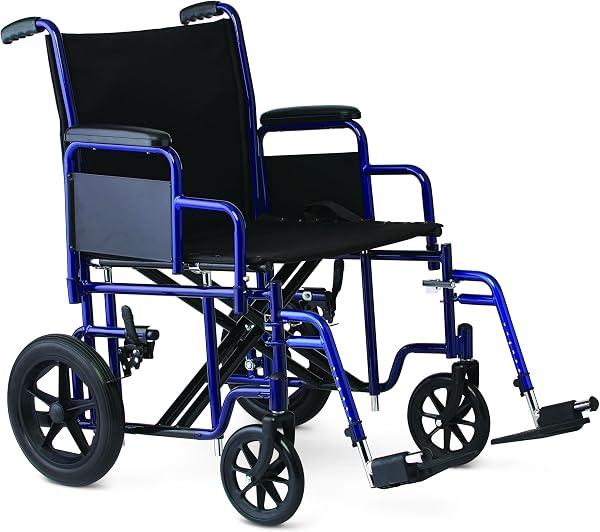
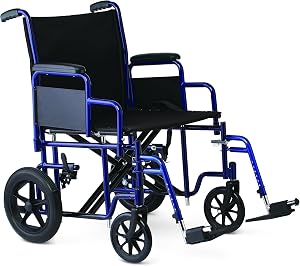
The Medline Heavy Duty targets larger users who exceed the 250 to 300 pound weight capacities of standard transport wheelchairs. With a 450-pound weight capacity and a 22-inch wide by 18-inch deep seat, this bariatric chair provides genuine accommodation for users whose size makes standard chairs unsafe or uncomfortable.
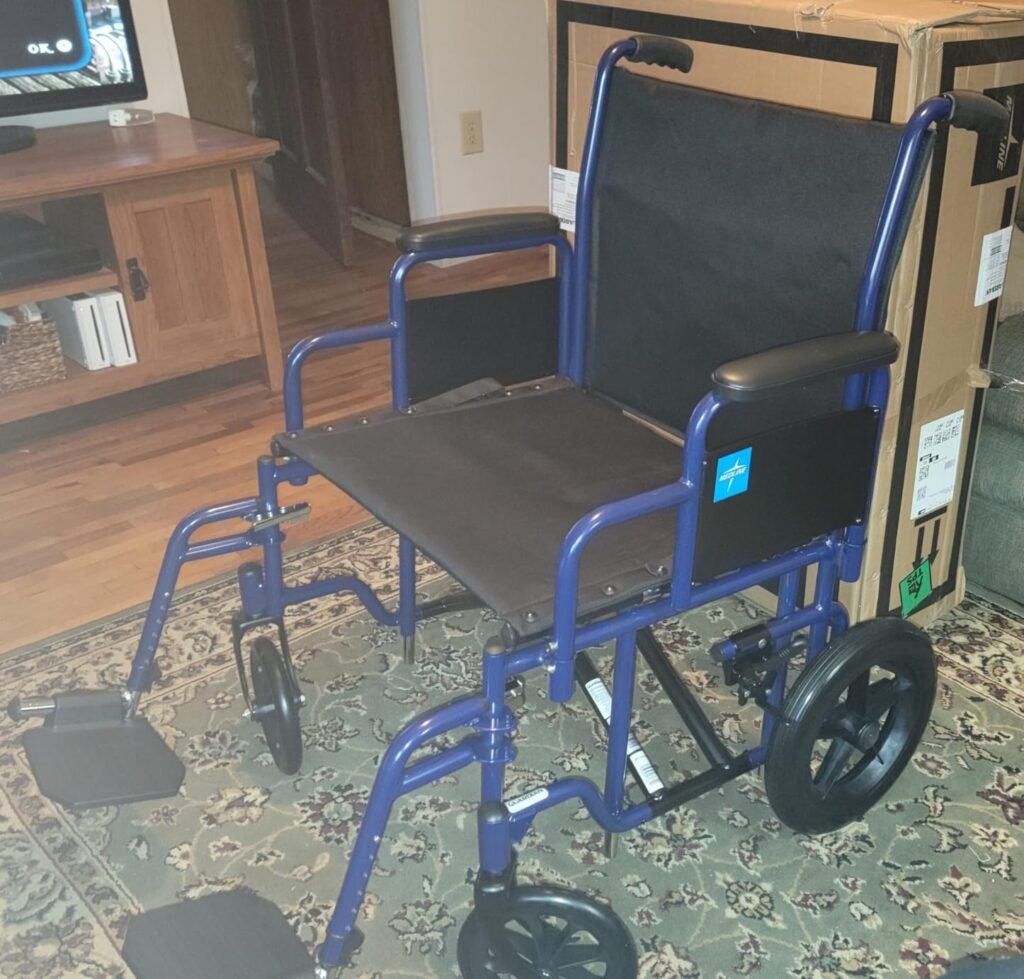
We may earn a commission when you buy through this link, at no additional cost to you.
The reinforced steel frame construction is engineered specifically for higher weight loads, addressing safety concerns that standard chairs cannot meet for larger users. The 12-inch rear wheels with wheel locks provide better control and stability during pushing and stopping, which becomes especially important when maneuvering heavier loads.
Breathable nylon upholstery on the wider seat provides comfort during longer periods of sitting, and the removable desk-length arms and detachable swing-away footrests support easier transfers. The included seat belt adds an important safety feature for bariatric users, and the foldable design still allows storage and transport despite the reinforced construction.
Using a wheelchair beyond its rated weight capacity creates real safety hazards including frame failure, inadequate braking, and instability during use. Bariatric chairs use reinforced frames, stronger brakes, wider seats, and safety belts specifically to accommodate larger users safely. If the intended user exceeds 300 pounds, invest in a properly-rated bariatric chair rather than risking equipment failure with a standard model.
Choose this chair when the user’s size requires bariatric-rated equipment. Trying to use a standard chair with a heavier user creates safety risks including frame failure, brake inadequacy, and instability during transfers. The attractive blue frame provides a less institutional appearance than some medical equipment, and the trusted Medline quality supports reliable long-term use.
Standard-sized users who would find the wider seat and heavier construction unnecessary.
We may earn a commission when you buy through this link, at no additional cost to you.
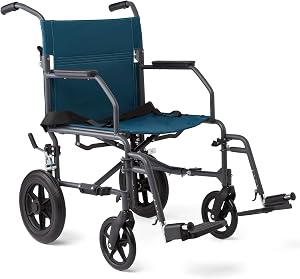
The Medline Microban Teal differentiates itself through built-in antimicrobial fabric treatment that resists bacteria, mold, and mildew growth. This isn't just marketing language, it's a genuine benefit for chairs that get regular use in medical environments, homes with health concerns, or situations where thorough sanitization can be challenging.
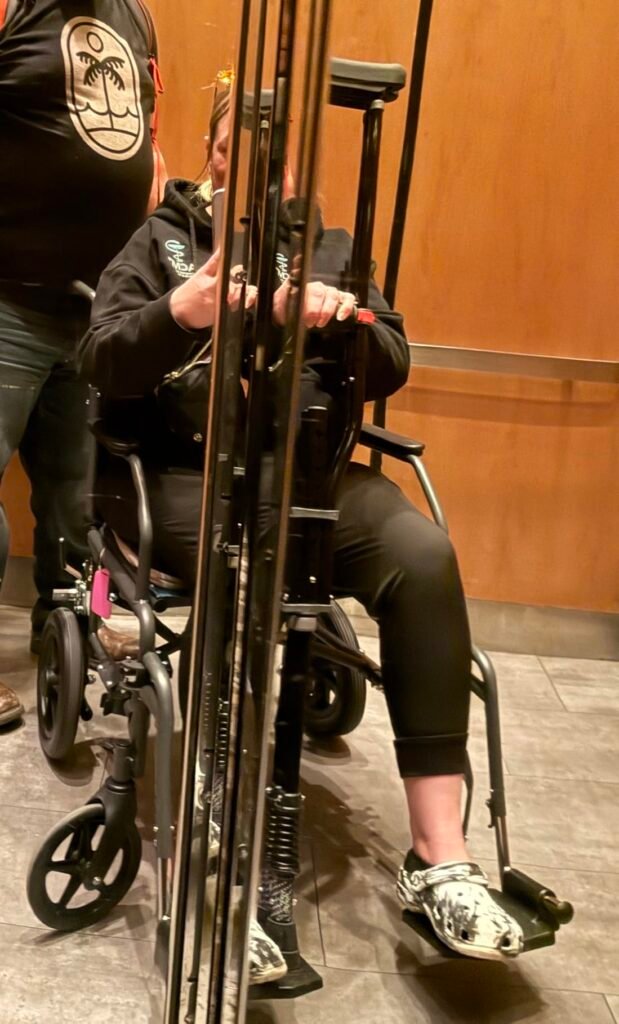
We may earn a commission when you buy through this link, at no additional cost to you.
The sturdy steel frame provides reliable durability at 32 pounds, with a 300-pound weight capacity that accommodates most adult users. Full-length cushioned armrests support user comfort during extended sits, and the 19-inch wide by 16-inch deep seat provides standard proportions for most users. The 12-inch rear wheels handle sidewalk cracks and outdoor surfaces better than smaller alternatives.
The teal upholstery on a gray frame provides a fresher visual appearance than typical black or blue medical equipment, which some users appreciate. The compact folding design includes a fold-down backrest and detachable footrests for maximum storage efficiency. Manual rear-wheel locking brakes support safe transfers, though the chair lacks the companion-activated hand brakes found on some competing models.
Antimicrobial fabric treatments like Microban work by inhibiting microbial growth on the fabric surface, helping the chair stay cleaner between cleanings and reducing odor development. These treatments don’t replace regular cleaning or sanitization but provide a meaningful additional layer of protection for users concerned about hygiene. The treatment lasts through the fabric’s expected life, so it doesn’t require reapplication.
Choose this chair when antimicrobial protection specifically matters for your situation, such as immunocompromised users, medical facility use, or households with hygiene concerns. The Microban treatment adds meaningful value for the right buyer, though it doesn’t replace regular cleaning. Standard chairs with periodic disinfection may serve most users equally well at lower prices.
Buyers who don’t specifically need antimicrobial protection and prefer lighter aluminum construction.
We may earn a commission when you buy through this link, at no additional cost to you.
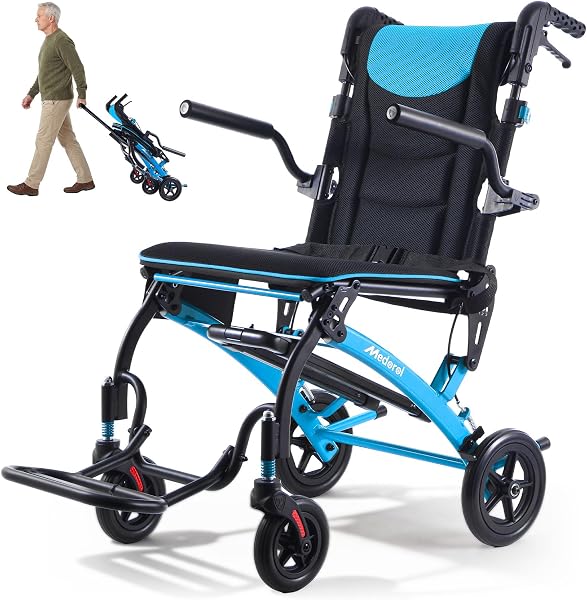
This portable telescopic chair provides an alternative to the premium ProTraverse for buyers who want telescopic handle functionality at a lower price. The 21-pound aluminum alloy frame makes carrying and loading manageable for most caregivers, and the retractable handle allows suitcase-style pulling that reduces the physical burden of moving the folded chair through airports or public spaces.

We may earn a commission when you buy through this link, at no additional cost to you.
The 3-second fold and unfold mechanism is genuinely quick, which matters when transitioning in and out of vehicles or navigating tight spaces. The chair’s compact folded size fits into most car trunks and public transit spaces, and the stand-up design when folded makes storage more practical than chairs that must lay flat.
The 360-degree rotatable front wheels with shock-absorbing springs provide agile maneuvering in tight spaces, which is particularly useful in hospital corridors, airport terminals, and hotel rooms. Both front and rear tires resist wear while providing anti-slip grip and superior braking. The user-friendly design includes a breathable honeycomb-patterned handle, height-adjustable backrest, flip-up armrests and footrests, and a small side pouch for essentials.
Newer wheelchair brands often offer innovative features at competitive prices, but they lack the long-term track record of established manufacturers like Medline and Drive Medical. Warranty terms and customer service responsiveness become more important considerations when buying from newer brands. If long-term parts availability and repair support matter to you, established brands may serve you better. If specific modern features justify the risk, newer brands can deliver meaningful innovations.
Choose this chair for value-priced travel functionality when the premium ProTraverse exceeds budget. The 24-hour customer service and 3-year warranty provide reasonable buyer protection, though the newer brand has a shorter track record than established makers like Medline and Drive Medical. Mesh breathable cushions provide adequate comfort for shorter trips, though extended use may benefit from more padded alternatives.
Buyers who prioritize established brand reputation over modern travel-focused design features.
We may earn a commission when you buy through this link, at no additional cost to you.
Choosing a transport wheelchair means matching the equipment to the rider’s physical needs, the caregiver’s capabilities, and how the chair will actually be used day to day. The right chair supports mobility and independence, while the wrong choice creates frustration for both users. This section breaks down the factors that genuinely affect satisfaction with a transport wheelchair purchase.
Frame material determines both chair weight and long-term durability. Aluminum frames like those on the Medline Ultra Lightweight and Drive Expedition weigh dramatically less than steel alternatives, often 15 to 25 pounds versus 30 to 40 pounds for steel. This weight difference matters enormously if the caregiver lifts the chair frequently, especially for older or smaller caregivers who may struggle with heavier equipment. Aluminum costs slightly more but the weight savings often justify the price difference.
Steel frames like those on the Drive Silver Sport 1 and Medline Steel Black offer excellent durability at lower prices, making them appropriate for buyers on tight budgets or situations where the chair stays mostly in one location. Steel handles impact better than aluminum and can support higher weight capacities in bariatric applications. The trade-off is added weight that makes daily loading and unloading more physically demanding.
For frequent travelers or when a caregiver has physical limitations, prioritize aluminum. For occasional use or budget constraints, steel construction delivers reliable function at lower cost.
Weight capacity is one of the most important safety specifications on any wheelchair. Standard transport chairs typically support 250 to 300 pounds, which accommodates most adult users. Bariatric models like the Medline Heavy Duty extend capacity to 450 pounds with reinforced frames, wider seats, and additional safety features. Using a chair beyond its rated capacity creates real safety hazards including frame failure and inadequate braking.
Seat width matters as much as weight capacity for user comfort and safety. Standard 19-inch wide seats accommodate most adult users, but larger users benefit from bariatric widths like the 22-inch seat on the Medline Heavy Duty. A seat that’s too narrow causes discomfort and pressure points, while a seat too wide reduces stability and control during use. Measure the user’s hip width plus 1 to 2 inches for proper fit.
Match the chair capacity to the user’s actual weight plus a safety margin. If the user is near the upper limit of a standard chair, step up to bariatric capacity for better long-term durability and safety.
Rear wheel size affects how the chair handles different surfaces. Smaller 8-inch wheels like those on the Medline Ultra Lightweight and Drive Silver Folding perform well on smooth indoor surfaces and reduce total chair weight. Larger 12-inch wheels on chairs like the Medline Foldable Blue and Drive Expedition Red handle sidewalk cracks, small bumps, and uneven outdoor terrain much more smoothly. The choice depends primarily on where the chair will be used.
Front swivel wheels are standard on transport chairs to enable maneuvering in tight spaces. Some premium chairs like the ProTraverse and portable telescopic model include shock-absorbing springs on the front wheels for additional comfort over uneven surfaces. This feature matters for outdoor use but adds little value for chairs that stay mostly indoors.
For primarily indoor use or smooth outdoor environments, 8-inch wheels save weight without sacrificing performance. For regular outdoor use over sidewalks and rougher terrain, 12-inch rear wheels genuinely improve the ride quality.
Transport wheelchairs use different braking systems that affect safety during transfers and pushing. Basic rear-wheel manual locking brakes engage when the caregiver stops and manually locks the wheels, providing stable parking during transfers in and out of the chair. This is the minimum safety standard for any transport chair and prevents the chair from rolling away during critical moments.
Companion-activated hand brakes like those on the Drive Expedition Red and Medline Foldable Blue add a second safety layer by letting the caregiver control chair speed while pushing. These squeeze-lever brakes work similarly to bicycle brakes, allowing gradual slowdowns on ramps or slopes and emergency stops when needed. For any outdoor use or when navigating changes in elevation, hand brakes significantly improve safety.
For indoor use on level surfaces, basic rear-wheel locking brakes may be sufficient. For outdoor use, ramps, or any situation involving slopes, hand brakes are genuinely important safety features worth prioritizing.
How the chair folds directly affects daily convenience for caregivers who move it in and out of vehicles regularly. Traditional cross-brace folding designs collapse the chair into a compact package that fits in most car trunks. Rear-lever folding systems like those on the Drive Expedition Red simplify the folding process for caregivers who struggle with traditional mechanisms. Quick-fold designs that operate in seconds reduce the physical effort of using the chair.
Modern travel-focused designs like the ProTraverse and portable telescopic model add telescopic pull handles that transform the folded chair into a rolling suitcase-style form factor. This is genuinely useful for airport navigation, subway travel, and other situations where you would otherwise carry a bulky folded chair through public spaces. The feature adds cost but meaningfully changes how easy the chair is to transport.
Prioritize quick, easy folding if the chair travels daily. Consider telescopic handles specifically if air travel or public transit use is common. Traditional folding designs work fine for occasional car loading.
Footrest design affects both user comfort and transfer ease. Fold-up footrests stay attached to the chair but swing aside to allow transfers, keeping all parts together but providing less clearance during transfers. Detachable swing-away footrests like those on the Medline Foldable Blue and Medline Steel Black can be removed entirely for maximum transfer clearance, which helps users with significant mobility limitations. Adjustable footrests on some premium chairs accommodate users of different heights.
Armrest length affects comfort during longer sits. Full-length armrests provide maximum forearm support throughout the seat depth and work well for extended appointments or travel. Desk-length armrests are shorter, ending before the front of the seat to allow the chair to pull up under desks or tables. This tradeoff matters based on the user’s typical daily activities and how much time they spend sitting.
For users with mobility challenges, prioritize detachable footrests for easier transfers. For users who spend long periods in the chair, full-length armrests improve comfort meaningfully.
Premium chairs offer additional comfort features that improve the user experience during extended use. Removable washable cushions like those on the ProTraverse address hygiene during long-term use and travel. Ergonomic backrest designs support natural spine curvature during extended sits. Adjustable footrests accommodate users of different heights. These features add cost but genuinely improve daily comfort for users who spend significant time in the chair.
Practical extras like the cup holder on the Medline Ultra Lightweight or the carry pocket on the Drive Silver Sport 1 provide convenience during outings. Antimicrobial fabric treatments like Microban on the Medline Teal chair help maintain hygiene between cleanings. Safety features like included seat belts on the bariatric Medline Heavy Duty add important protection during use.
Evaluate which comfort features genuinely matter for your specific use case rather than paying for features you won’t use. Match the feature set to actual daily needs.
When setting up a transport wheelchair for a new user, take time to adjust the footrests to the correct height so the user’s thighs are parallel to the ground with knees at approximately 90 degrees. Improperly adjusted footrests cause discomfort and can lead to pressure sores during extended use. Verify that the brakes engage fully and hold the chair securely on level surfaces before allowing any transfers. Practice folding and unfolding the chair a few times with the caregiver to build familiarity with the mechanism.
During daily use, always engage the brakes before any transfer in or out of the chair. This is the single most important safety practice for wheelchair use because rolling chairs during transfers cause serious injuries. Never push the chair up or down stairs with the user in it, and use ramps or elevators for elevation changes. When navigating curbs, tip the chair back onto its rear wheels using the tipping levers if equipped, then roll the front wheels over the obstacle before lowering back down.
Maintain the chair with regular cleaning and periodic inspection of key components. Wipe down the frame and fabric with mild soap and water after outings, and let it dry completely before folding for storage. Inspect the brakes monthly to ensure they still engage and hold the chair securely, and tighten any loose bolts or fittings. Check the tires for wear and replace as needed. Store the chair in a dry location out of extreme temperatures, which can degrade upholstery and mechanical components over time.
Transport wheelchairs are designed to be pushed by a caregiver rather than propelled by the user. They use smaller rear wheels since the user doesn't need to reach them for self-propulsion, which makes them lighter and easier to fold for car transport. Standard wheelchairs have large rear wheels that the user grips to propel themselves independently. Transport chairs work best for users who don't self-propel or for occasional mobility needs like appointments and travel.
Standard transport wheelchairs typically support 250 to 300 pounds, which accommodates most adult users. If the user weighs more than 300 pounds or is near this limit, invest in a bariatric transport chair rated for higher capacity like the Medline Heavy Duty at 450 pounds. Using a chair beyond its rated capacity creates safety hazards including frame failure and inadequate braking, so match the chair capacity to the user's actual weight with a safety margin.
Weights vary significantly based on frame material. Aluminum transport chairs typically weigh 15 to 26 pounds, with the Medline Ultra Lightweight at 15 pounds being especially portable. Steel frame chairs weigh 30 to 40 pounds, offering more durability at the cost of easier handling. Bariatric chairs weigh more due to reinforced construction. Choose lighter aluminum if the caregiver loads and unloads frequently, and heavier steel if the chair stays mostly in one location.
Yes, most transport wheelchairs fold small enough for airline travel. Airlines typically allow wheelchairs at the gate as either checked or gate-checked equipment. Chairs with telescopic pull handles like the ProTraverse or portable telescopic model are especially convenient for airport navigation. Check with your specific airline about their wheelchair policies and any weight restrictions, and consider a chair with removable washable cushions for extended travel hygiene.
Standard 19-inch seats accommodate most adult users comfortably. Measure the user's hip width and add 1 to 2 inches for proper fit and clearance. Narrower seats like the 16-inch ProTraverse work for smaller users, while wider seats like the 22-inch bariatric Medline Heavy Duty accommodate larger users. A seat that's too narrow causes discomfort, while one too wide reduces stability during use.
Most transport wheelchairs from established brands like Medline and Drive Medical ship fully assembled and ready to use out of the box. You may need to attach detachable footrests and adjust them to the user's height, but no tools or complex assembly are typically required. Check the product description before purchasing if immediate use matters, since some models may need minor setup.
Most transport chairs have manual locking brakes on the rear wheels that engage when the caregiver pushes down on a lever, locking the wheels to prevent rolling. Some chairs also include companion-activated hand brakes on the push handles that let the caregiver control speed while pushing, similar to bicycle brakes. Hand brakes are especially valuable for outdoor use, ramps, and any situation involving slopes.
Wipe the frame and upholstery with mild soap and water after regular use, and let it dry completely before folding for storage. Nylon fabrics on most chairs are designed for easy cleaning. Chairs with removable washable cushions like the ProTraverse allow deeper cleaning through machine washing. For medical environments or hygiene-sensitive situations, consider antimicrobial fabric treatments like Microban that inhibit bacterial growth.
With proper care, a quality transport wheelchair can last 5 to 10 years or more of regular use. Aluminum frames from established brands like Medline and Drive Medical typically outlast cheaper alternatives significantly. Regular cleaning, periodic brake inspection, and proper storage extend useful life. Replace the chair when frames show cracks, brakes fail to hold securely, or wheels become significantly worn.
Medicare and many private insurance plans may cover transport wheelchairs when prescribed by a doctor and obtained from an approved supplier. Coverage typically requires documentation of medical necessity and specific supplier requirements. Contact your insurance provider directly to understand coverage options before purchasing. Buying a chair independently gives more model choice but may not qualify for insurance reimbursement.
The Medline Lightweight Foldable Transport Wheelchair earns the Editor's Choice recognition because it delivers the best-balanced combination of features for most caregiver situations. At 26 pounds with a 300-pound weight capacity, 12-inch rear wheels for outdoor use, companion hand brakes for slope safety, and full-length cushioned armrests for user comfort, it addresses the practical needs of daily mobility support without excessive weight or premium pricing. For families looking for one chair that handles most situations well, this Medline model delivers genuine everyday value.
For different buyer profiles, several alternatives deserve serious consideration. The Medline Ultra Lightweight at just 15 pounds is unmatched for portability, making it the smart pick for smaller caregivers or frequent travelers. The ProTraverse Travel Chair with its telescopic pull handle and premium features earns the Premium Travel Pick badge for buyers who prioritize modern travel-focused design. The Drive Silver Folding delivers reliable steel construction at the lowest price for budget-conscious buyers, while the Medline Heavy Duty is the essential choice for bariatric users requiring 450-pound capacity.
The right chair depends on the rider's size, the caregiver's physical capabilities, where the chair will be used, and how often it needs to travel. Prioritize weight capacity and safety features first, then match frame weight to caregiver strength and daily loading demands. Consider premium travel features only if they address specific use cases you actually face. Use the comparison table and reviews above to narrow your options based on your particular situation, then invest in a chair that genuinely fits your family's daily needs rather than defaulting to the cheapest or most feature-packed option available.