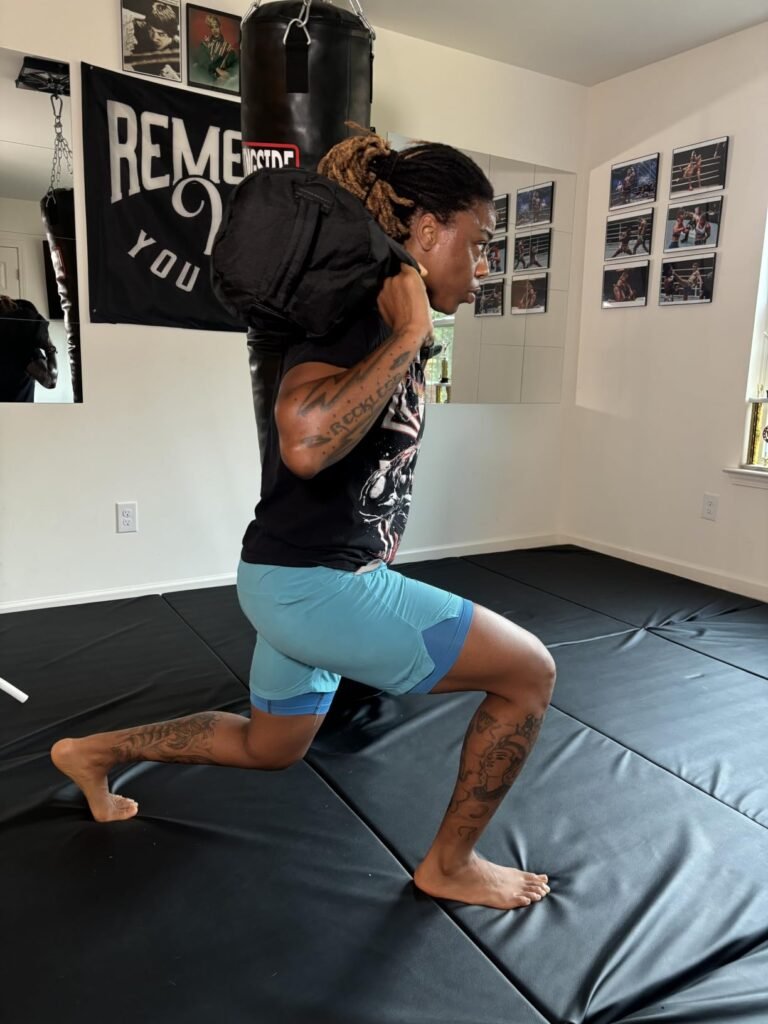
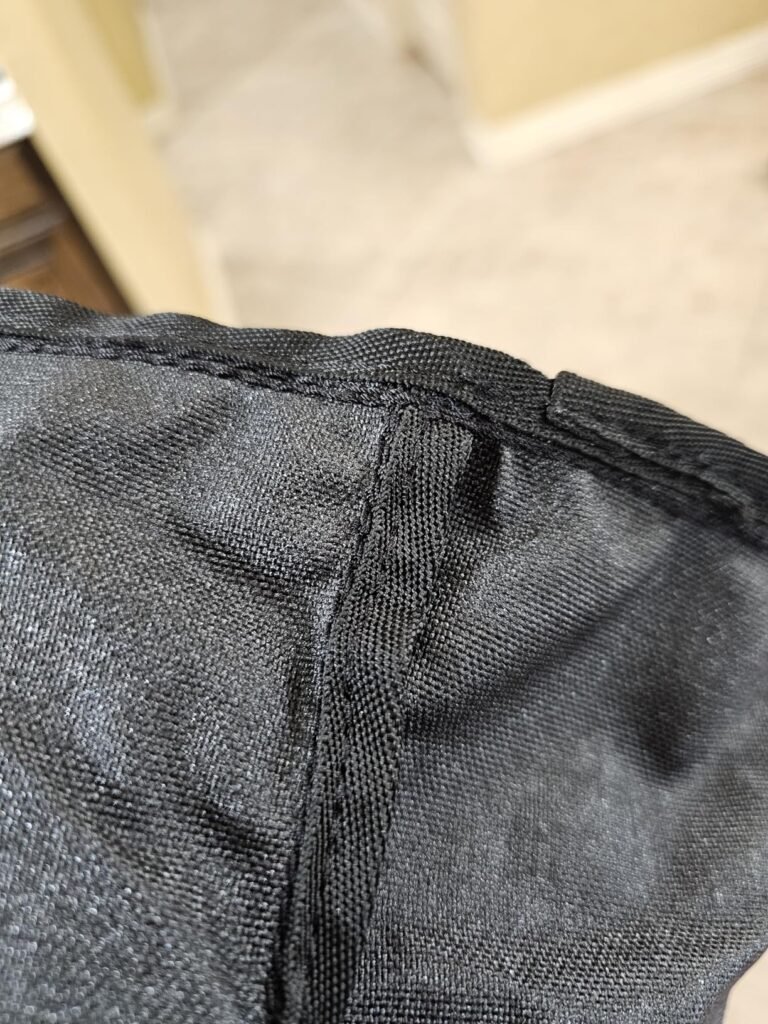
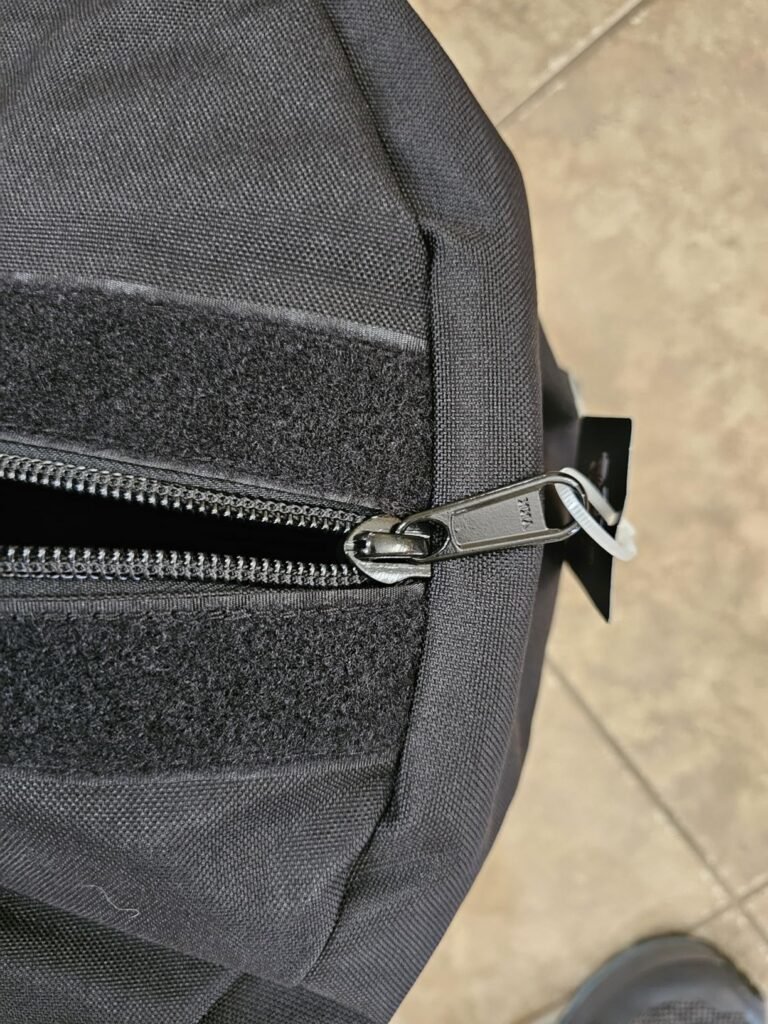
Yes4All Adjustable Sandbag
8.8Editor score1000D nylon shell
5-200 pound range
Seven rubber handles
Box-stitched seams
Find the right training sandbags for 2026. We compare 10 standout options by build quality, useful features, owner feedback, value, and everyday trade-offs.
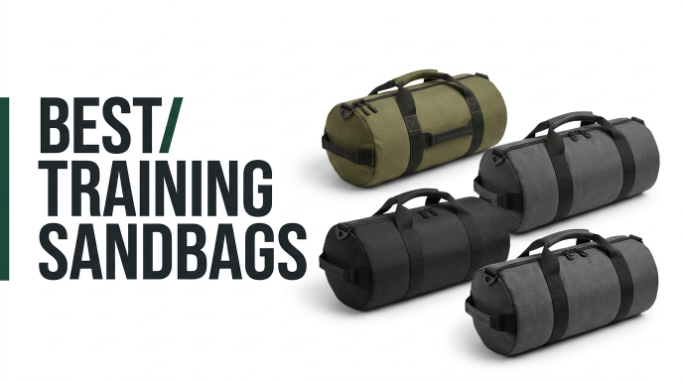
Finding the right training sandbag for 2026 comes down to matching build quality, weight range, and handle layout to how you actually train. We compare 10 standout options across fabric durability, filler bag design, leak resistance, handle placement, adjustable weight capacity, and everyday value so you can pick a bag that survives real workouts.
The sandbags in this guide range from simple 60-pound fixed-weight models to fully adjustable systems that scale from 5 to 200 pounds. Each style suits different training goals, and picking the wrong one can lead to leaks, torn handles, or a bag that maxes out well before your strength catches up.
The best choice depends on whether you focus on functional fitness, strongman-style lifts, tactical conditioning, or general strength work at home. This guide covers fabric grades, leak-proof designs, handle configurations, and price tiers so you can shortcut the research and buy with confidence.
We compared 10 training sandbags using the details that actually shape a workout: outer fabric grade, filler bag construction, seam and zipper quality, leak resistance, handle count and placement, adjustable weight range, comfort during carries and cleans, brand reputation, warranty signals, and value per dollar. The notes focus on real trade-offs between beginner-friendly bags, mid-range options, and heavy-duty tactical builds so each pick connects to how people train and progressively load a sandbag over time.


Compare key features, scores, and current prices side by side. A shorter feature list means fewer details were available, not necessarily fewer capabilities.

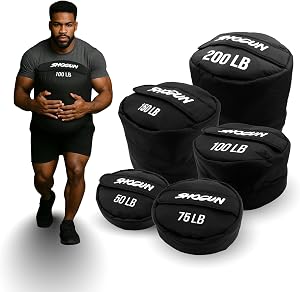

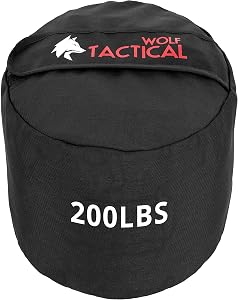


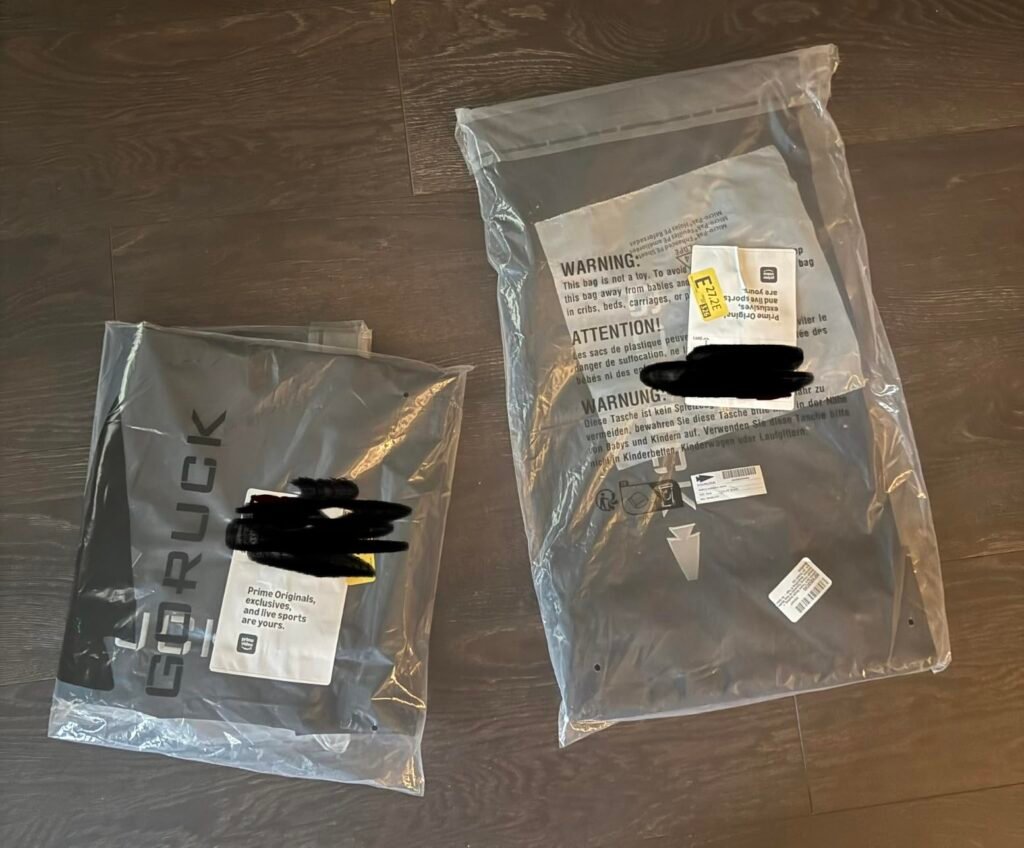
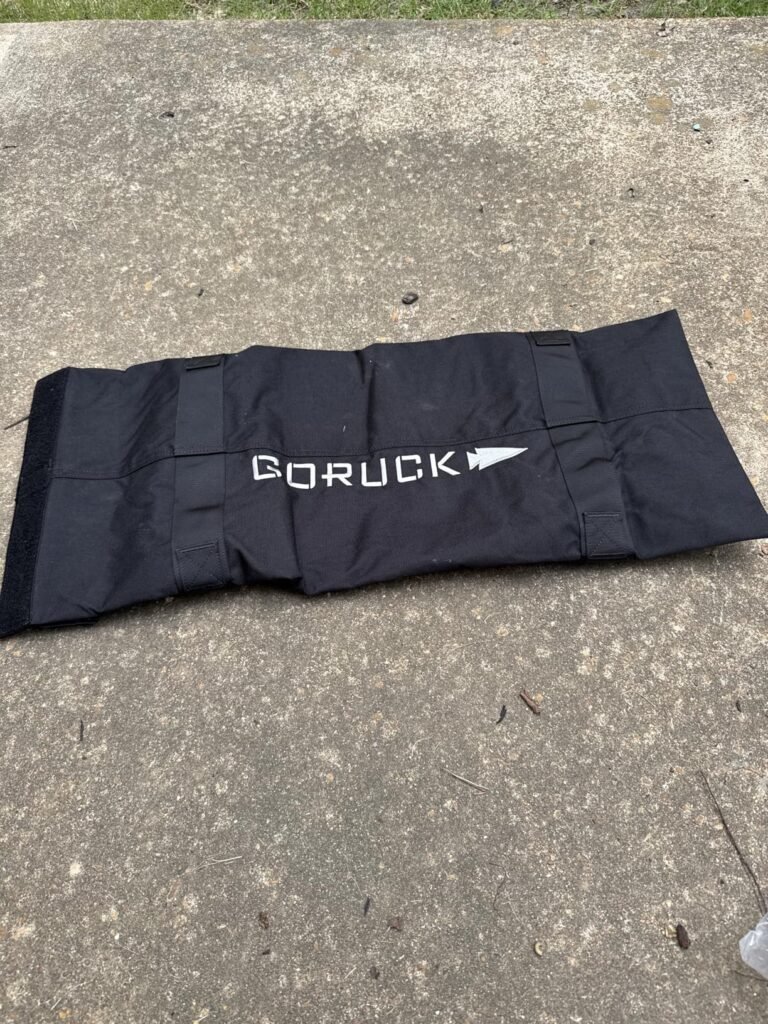
The GORUCK Simple Sandbag focuses on doing one thing extremely well: providing a reliable 60-pound bag with the kind of build quality GORUCK is known for. Padded handles with reinforced stitching address one of the biggest weaknesses of cheaper sandbags, which often develop torn handles long before the shell wears out. If comfortable grip is a priority, this bag stands out.
We may earn a commission when you buy through this link, at no additional cost to you.
Reinforced triple-stitched seams and military-grade materials handle both indoor and outdoor training. A triple locking Velcro closure system, double-pass stitching at every seam, and box-stitch reinforcement at the handles combine to keep sand secure through deadlifts, cleans, squats, and rows. The 60-pound size measures 28 inches long by 13 inches wide, which is a versatile shape for most exercises.
This bag suits both beginners and experienced athletes. GORUCK positions it as a tool for hundreds of movements, including strength, endurance, weightlifting, and even yoga work. The padded handles make higher-rep carries far more comfortable than raw nylon handles, which is a meaningful upgrade during long sets or event-style training.
Sandbag handles carry the entire load through your grip, and cheap unpadded nylon can quickly wear the skin on your palms during high-rep carries or timed circuits. Padded, reinforced handles distribute pressure across a wider surface and reduce hot spots, which lets you train longer without gripping through pain. This matters most on carries, walks, and any movement that combines load with duration.
The main trade-off is that this is a fixed 60-pound design without an adjustable filler system. Athletes who want to progressively scale weight from beginner to advanced in a single bag will do better with an adjustable model like the Yes4All or WOLF TACTICAL. If you already know 60 pounds is your target and you value premium construction, this is a bag that will last for years.
Trainees who want a fully adjustable weight system that scales beyond 60 pounds.
We may earn a commission when you buy through this link, at no additional cost to you.
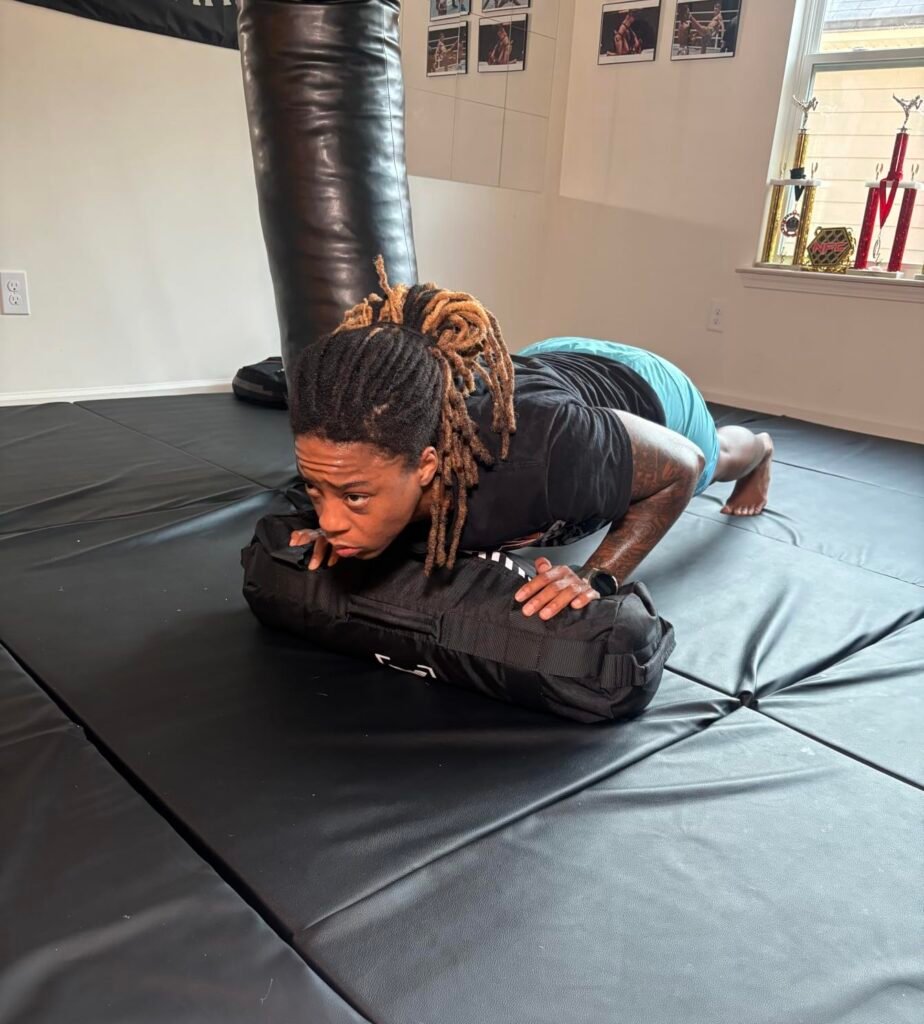
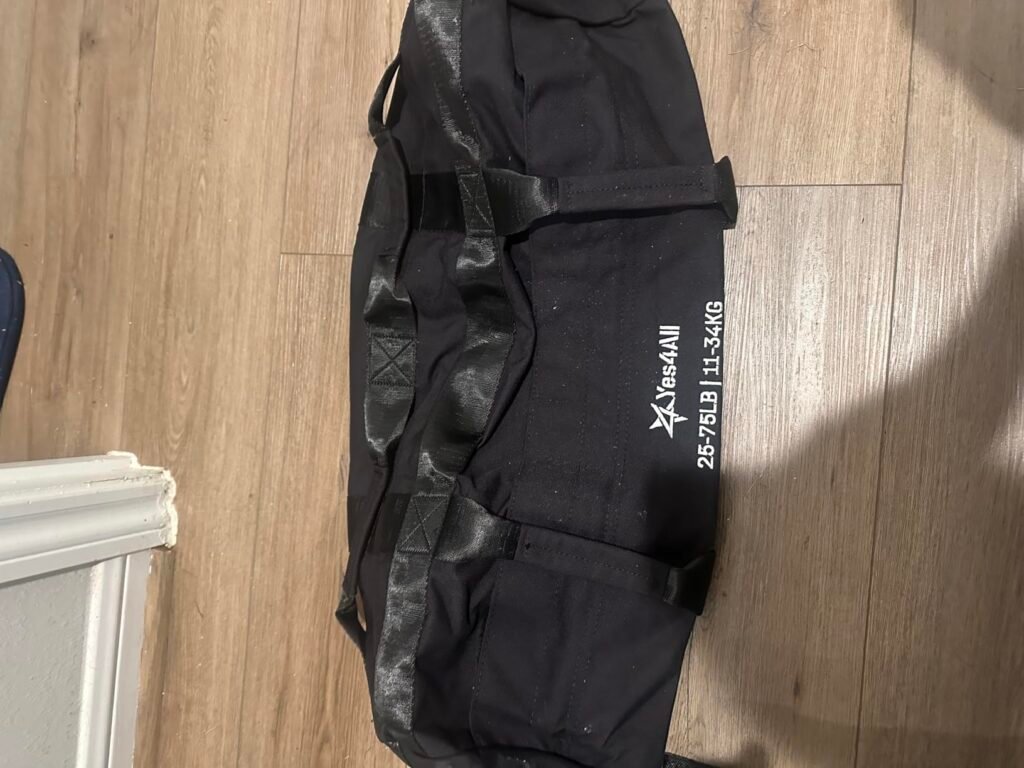
The Yes4All adjustable sandbag is a smart entry point for anyone building a home gym without overspending. Its 1000D nylon outer shell handles repeated pickups, carries, and squats, and the weight range scales from a beginner-friendly 5 pounds all the way up to a serious 200 pounds. That flexibility means one bag can grow with you across months and years of progressive training.
We may earn a commission when you buy through this link, at no additional cost to you.
Seven rubber handles are placed around the bag for cleans, presses, bear hugs, shoulder carries, and overhead work. Box stitching and a double-enclosure hook-and-loop fastener at the fill opening help minimize the small leaks that can plague cheaper bags. Double-fold edges add another layer of containment, keeping the inner fill sealed even after dozens of workouts.
The bag ships empty, which lets you fill it with playground sand, pea gravel, or another dense material based on your goals. Filling to around 80 percent of capacity keeps the shape a little forgiving and helps the sand shift during carries, which is part of what makes sandbag training so effective for stability. Rubber handles clean up easily with a wipe, so mud and chalk do not build up.
New sandbag users often overload the bag on day one and struggle with form. A better approach is to start around 40 to 60 percent of your typical dumbbell weight for a similar movement, then add sand in small increments as your grip and stability improve. The Yes4All’s wide range makes that gradual progression easy without buying a second bag.
One important caveat is that Yes4All designs this bag for lifting and training exercises, not for slams, drags, or high-impact challenges. If you want a bag for CrossFit slams or strongman drags, a heavier tactical build like the WOLF TACTICAL or Shogun is a safer choice. For lifts, carries, and general strength work at a friendly price, this is a strong all-around pick.
Athletes who plan to slam, drag, or throw the bag on a regular basis.
We may earn a commission when you buy through this link, at no additional cost to you.
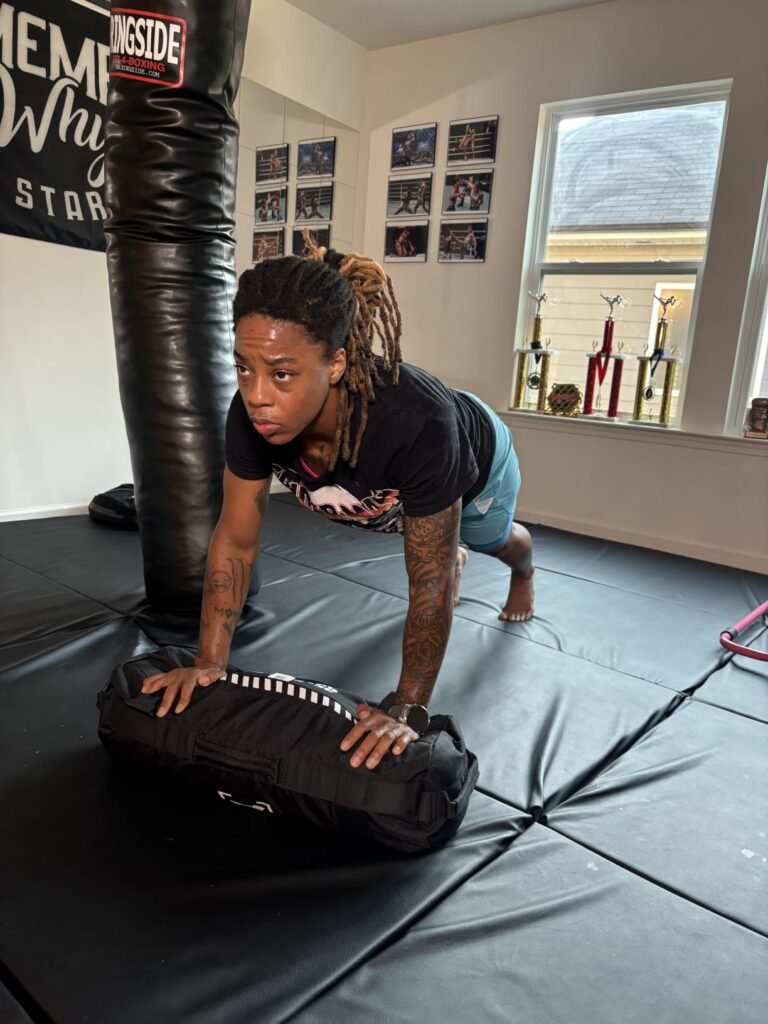
The Elite Sports workout sandbag is built with ballistic nylon fabric, the same category of material used in tactical gear designed to shrug off tears and abrasions. Cross-stitched heavy-duty threads reinforce the surface at high-stress points, so the bag holds up to repeated cleans, carries, and shoulder-to-shoulder transitions. It is a solid pick for someone who trains hard several times a week.
We may earn a commission when you buy through this link, at no additional cost to you.
Strategic handle placement supports both intense and casual training, giving you options for zercher squats, bear hugs, overhead carries, and rotational work. The bag can be used indoors or outdoors thanks to its waterproof shell, which means garage sessions and backyard drills stay productive even when the ground is damp or the weather turns.
Leak protection is a clear priority here. A tight aluminum zipper, reinforced stitching, and a double-sealed shell work together to lock filler inside. Double hooks, loop fasteners, and a folded opening catch stray sand before it reaches the floor. Elite Sports sells multiple bags separately, so you can combine them or add filler bags to scale up weight as your training advances.
Sand absorbs and holds moisture, which adds unpredictable weight and can lead to mildew inside cheaper bags. A waterproof outer shell keeps the fill dry during outdoor sessions, wet grass carries, or humid garage workouts. This also protects the interior stitching from moisture damage over time, which is one of the biggest reasons budget sandbags eventually fail.
The main trade-off is that the bag arrives empty, so you will need to source sand or pea gravel before your first workout. The advertised weight capacity is also less clearly defined than on some competitors, so it is smart to start with a moderate fill and add gradually. For durability-focused buyers who train in variable conditions, the ballistic build is a compelling reason to choose this bag.
Buyers who want a bag with a clearly defined maximum weight capacity printed on the label.
We may earn a commission when you buy through this link, at no additional cost to you.
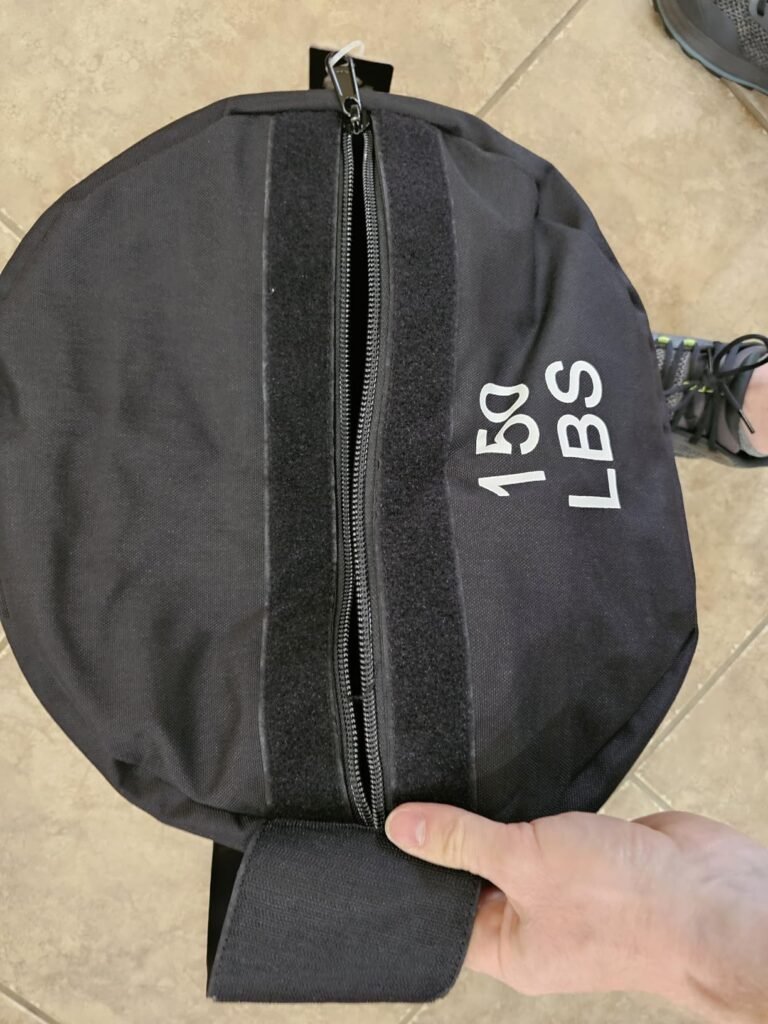
The Acefit training sandbag targets athletes who want serious build quality without stepping into the highest price tier. Its 1050D military-grade coated nylon resists tearing, sweat, and dirt, while the sewing thread is chosen from materials typically used in leather shoe manufacturing. That combination is aimed at long-term reliability under tactical-style training loads.
We may earn a commission when you buy through this link, at no additional cost to you.
Leak protection is the standout feature. Acefit describes a five-layer system that combines a 1050D ballistic nylon filler bag, a #10 heavy-duty YKK zipper, hook-and-loop closure on the outer shell, heavy-duty Velcro on the filler bag, and triple-stitched seams. That much redundancy is aimed at keeping sand contained during high-intensity training, including sessions that mix carries with cleans and shoulder work.
The bag is engineered as a full-body training tool that replaces or supplements traditional weights. It handles lunges, deadlifts, squats, presses, and throws, and it can be emptied and refilled for portability. That opens up training options at beaches, forests, trails, or camping trips, which is a real advantage for people who spend time outdoors and want to keep training on the road.
Pour dry, clean playground sand into the filler bag using a funnel or scoop, then squeeze out excess air before sealing the Velcro flap. Zip the outer shell fully closed and press the hook-and-loop closure firmly. Give the bag a shake before your first set to check for any stray sand, and re-seal if needed. This routine takes just a couple of minutes and eliminates most leak issues.
The main trade-off is the fill process. With multiple layers of protection, filling and sealing the bag takes more effort than a single-zipper design. That is a fair price for the leak resistance. Acefit is USA-based and points to strong customer service, which adds confidence for buyers who care about after-sale support. It is a smart pick for serious hobbyists and military-style training.
Users who want a quick single-zipper fill without multiple sealing layers.
We may earn a commission when you buy through this link, at no additional cost to you.
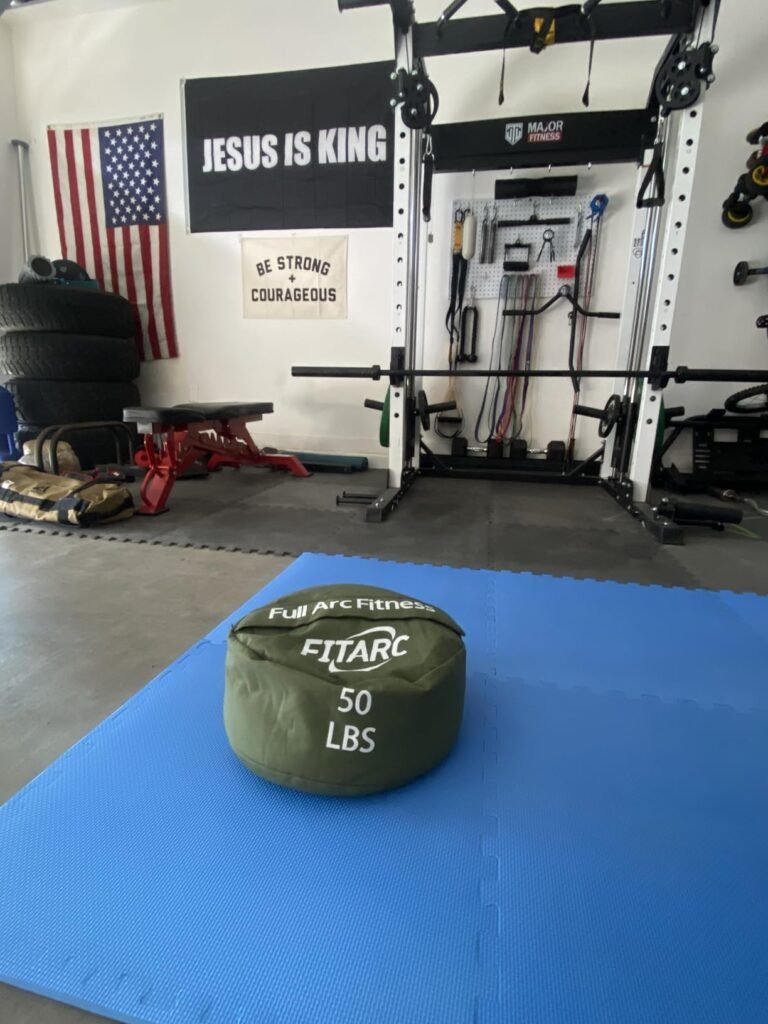
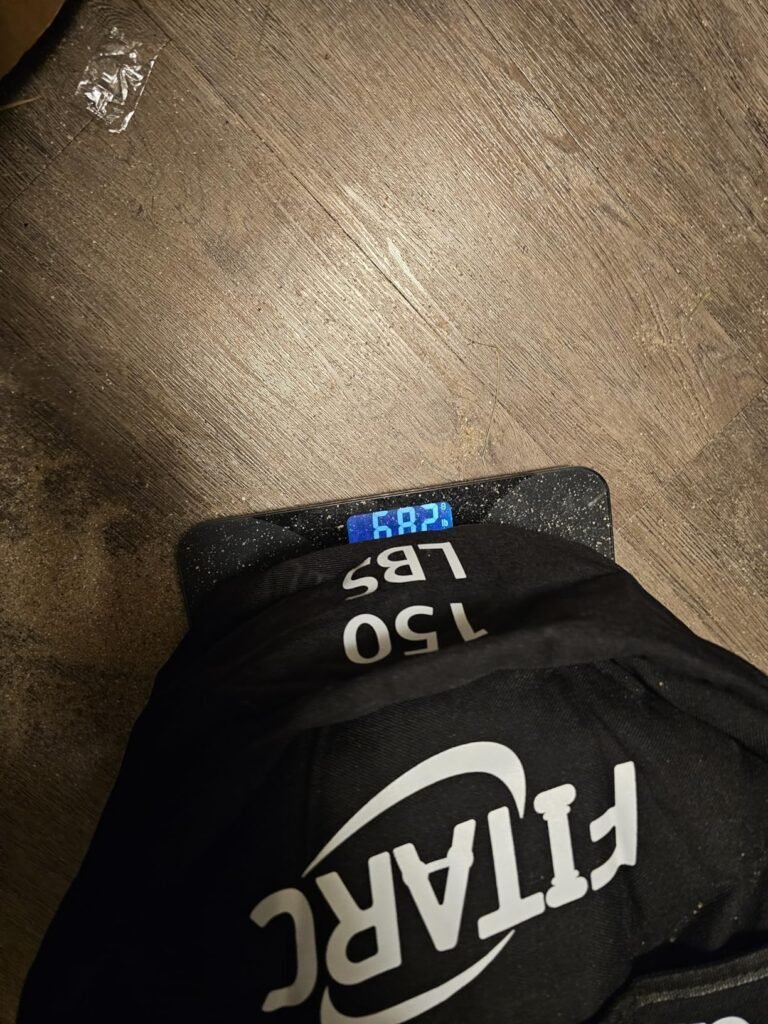
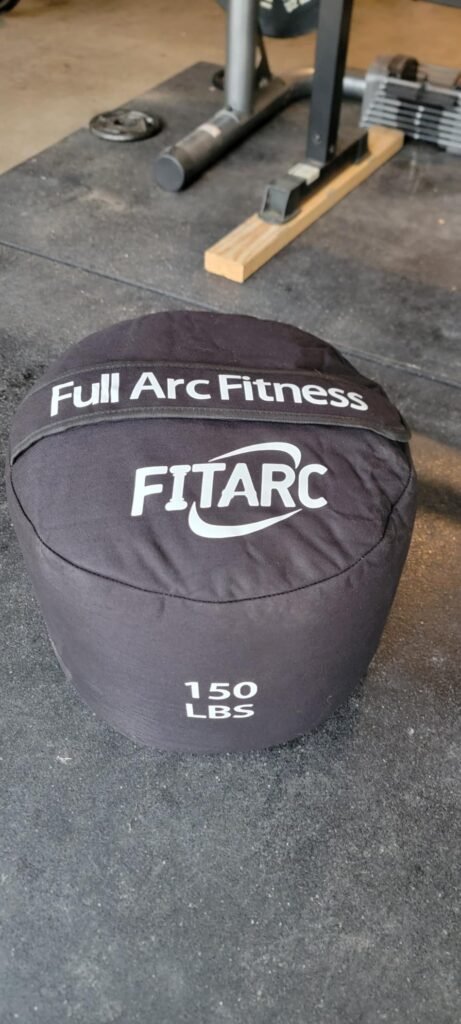
The Fitarc round sandbag takes a different shape than most competitors on this list. Its cylindrical body conforms naturally to your shoulder for zercher carries, bear hugs, and Bulgarian bag-style movements, which many trainees find more comfortable than a boxy rectangular bag during long carries. It comes in three capacities, 50, 100, and 150 pounds, so you can pick a size that matches your training level.
We may earn a commission when you buy through this link, at no additional cost to you.
Construction uses durable composite fabric with a metal zipper and an inner and outer two-layer Velcro closure. That triple protection is designed to prevent filling from escaping during dynamic movements. A widened filling port makes it easier to pour sand, gravel, iron sand, or even soybeans, which some athletes prefer for a slower, more controlled shift of load.
This bag is a strong pick for functional training focused on the deltoids, biceps, quadriceps, and core. The round shape distributes weight against the body differently than a rectangular bag, which can reduce hot spots on the shoulders during longer sets. Two color options, black and green, let you pick a look that fits your gym.
Playground sand is the most common fill because it packs tightly and stays dense. Pea gravel is heavier per volume and works well for higher weights in smaller bags. Iron sand is denser still and lets you hit high loads in a compact package but costs more. Soybeans are a lighter, more forgiving option that shifts more during movement, which increases stability demands. Match the fill to your goals and shipping cost limits.
The trade-off is that a round bag has fewer discrete handle positions than a rectangular design, so it favors specific movement patterns rather than the full menu of grip variations. It also rolls when set on the ground between sets, which requires more mindful placement. For zercher squats, shoulder carries, and grip work, the round build is worth considering over standard rectangular bags.
Athletes who want maximum handle variety for a wide range of grip positions.
We may earn a commission when you buy through this link, at no additional cost to you.
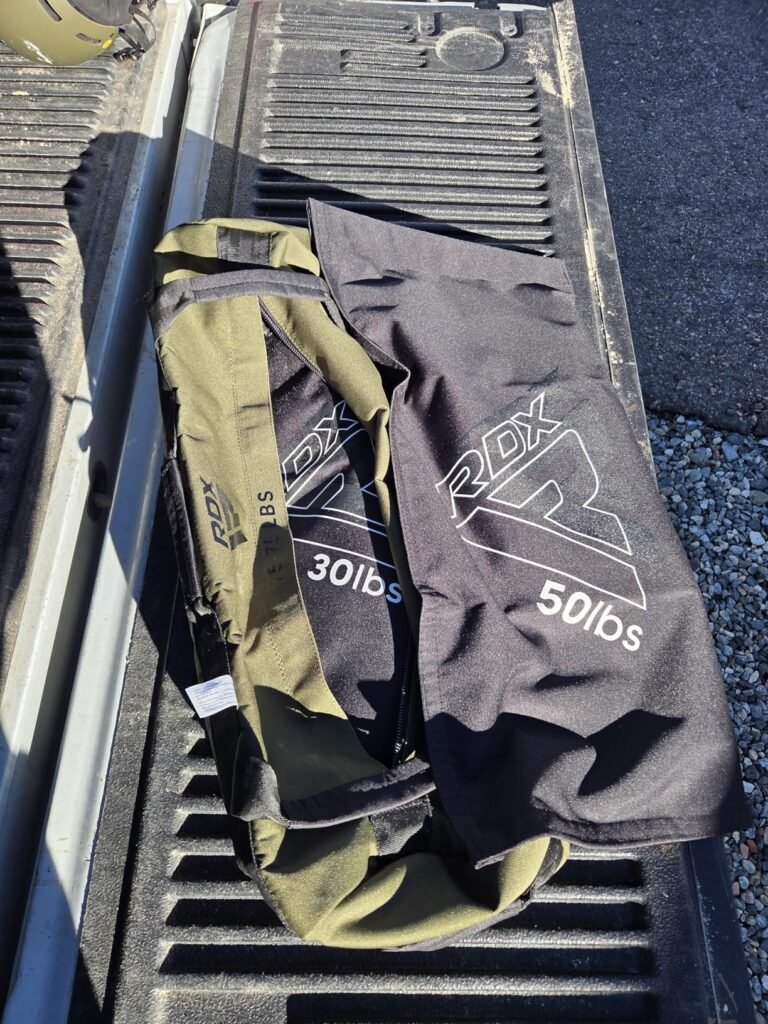
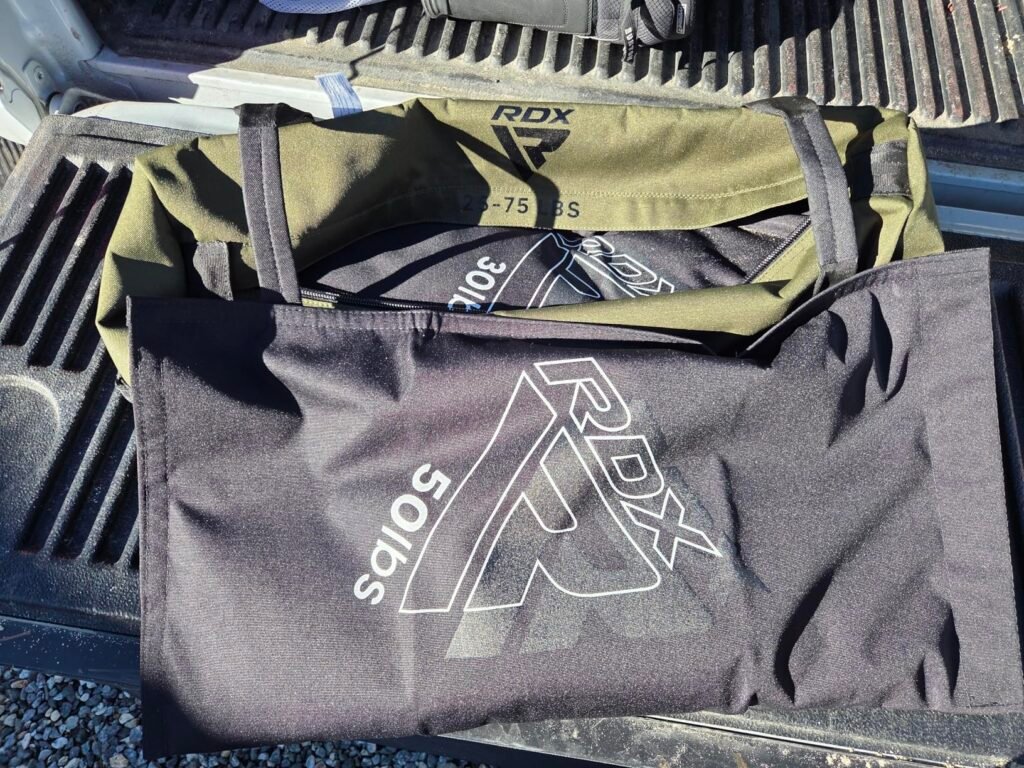
The RDX Power Bag stands out for two reasons: it offers eight strategically placed handles for the widest grip variety on this list, and it comes in four size options to match different weight goals. Small handles 5 to 25 pounds with one inner bag, medium goes 25 to 75 pounds with two bags, large covers 50 to 125 pounds with three bags, and extra-large scales to 125 to 200 pounds with four bags.
We may earn a commission when you buy through this link, at no additional cost to you.
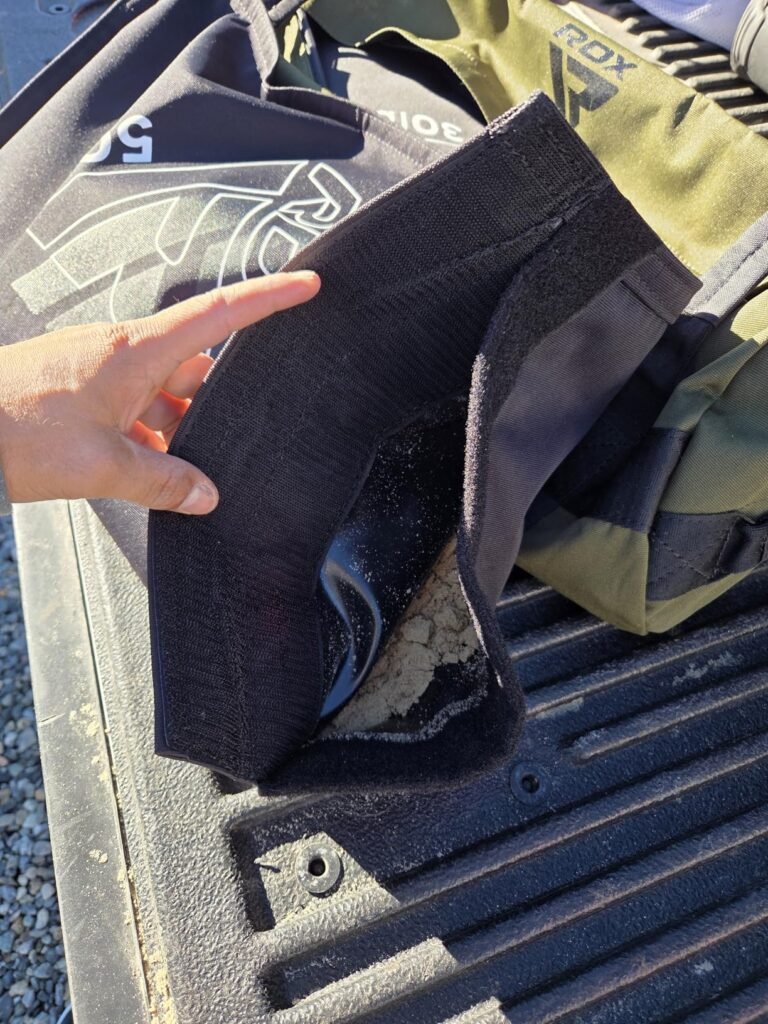
The outer shell is 1200D Cordura fabric, one of the heavier deniers in this guide, and the interior is lined with a nylon coating for durability and water resistance. A heavy-duty zipper prevents the inner filler bags from falling out during dynamic movements, and the same water-resistant Cordura is used for the filler bags themselves. Double hook-and-loop closure strips on the fillers add another layer of leak protection.
Eight handles let you attack a bag from every angle: cleans, presses, rows, bear hugs, overhead carries, zerchers, and grip-strength work. That variety keeps sessions interesting and lets you target different muscles without changing equipment. The bag suits calisthenics, solo sports challenges, and general physical conditioning, and it works well for building grip strength through varied gripping positions.
Match the size to your target weight rather than buying the largest option and underfilling it. An underfilled bag can shift too much and feel unpredictable during lifts. Beginners often do well with the medium size at 25 to 75 pounds, which covers most home training needs. Advanced strength athletes will appreciate the large or extra-large for heavier zercher squats, cleans, and carries.
The trade-off is that filling methods differ by size, so you need to follow the recommended weight range for each bag to avoid overstuffing. The rating is slightly lower than some competitors, which suggests small quality variations to check on arrival. If you value handle variety and want a bag that can scale as your training grows, this is a versatile choice from a well-known combat sports brand.
Users who want a single fixed size without picking between multiple weight ranges.
We may earn a commission when you buy through this link, at no additional cost to you.
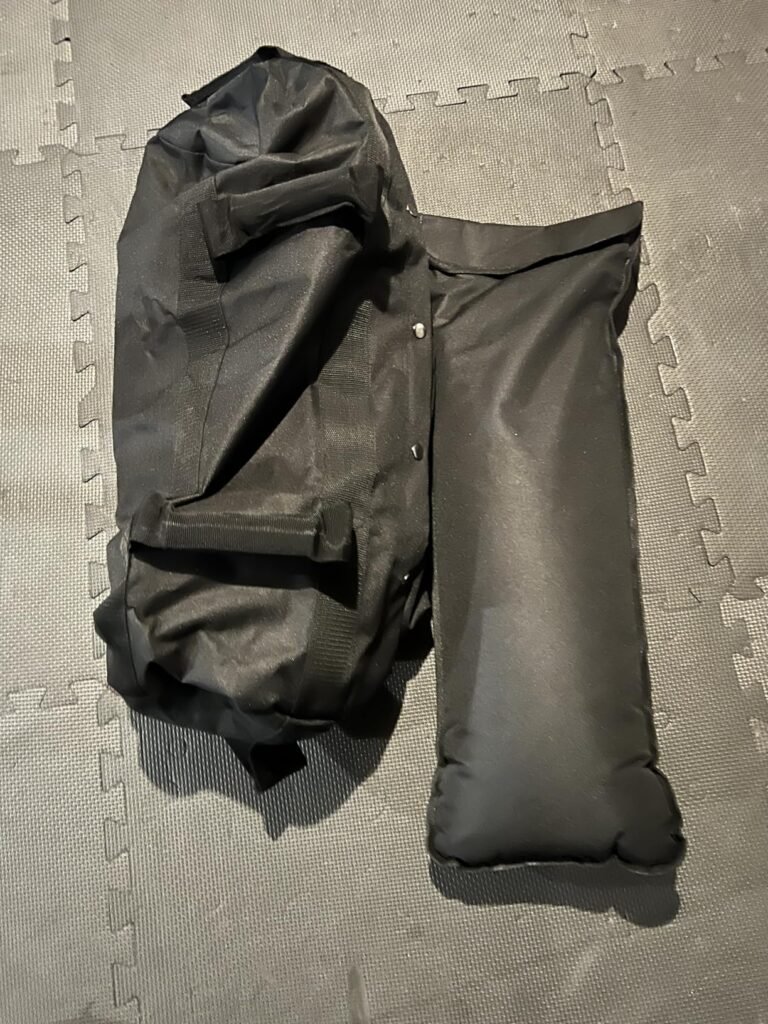
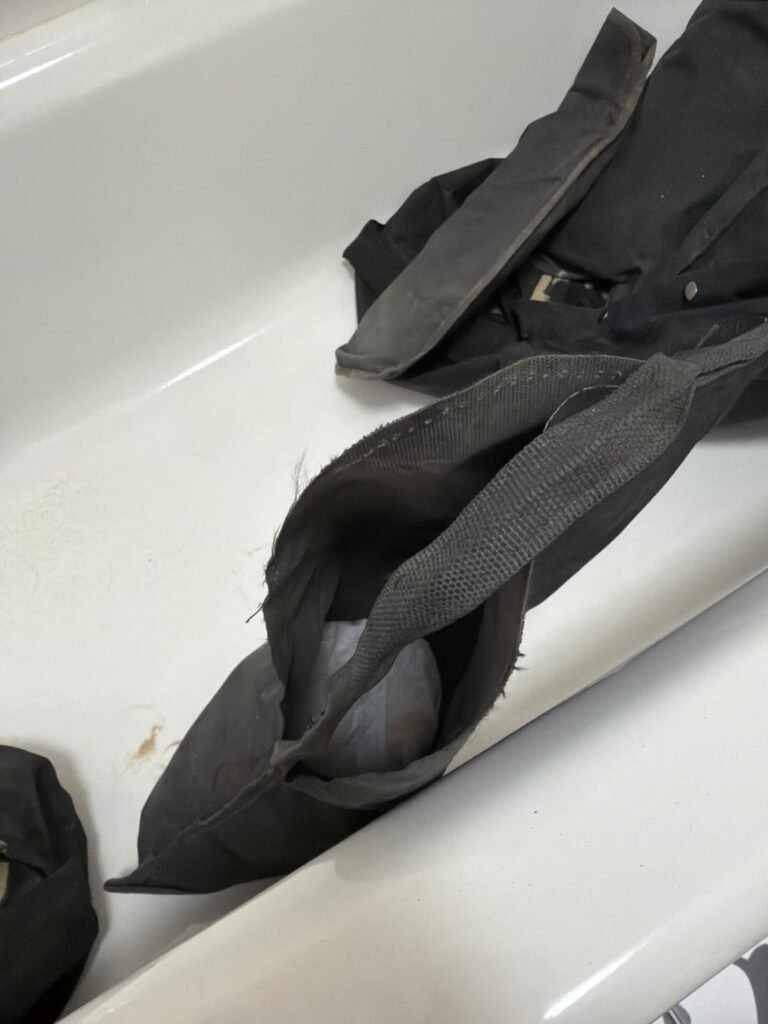
This budget adjustable sandbag targets home users who want to experiment with sandbag training without committing to a premium build. It ships with three inner sandbags rated at 10, 20, and 30 pounds, so you can mix and match to get any weight from 10 to 60 pounds. That flexibility is unusually generous at this price point.
We may earn a commission when you buy through this link, at no additional cost to you.
The outer shell uses tear-resistant Oxford fabric with double-layer closure designed to keep sand contained during standard exercises. Four handles cover the basic grip positions needed for squats, cleans, presses, and carries. The bag folds down for storage when not in use, which is helpful for apartment gyms or small training spaces where equipment needs to disappear between sessions.
For beginners, the graduated filler system removes the guesswork of measuring out sand by weight. You simply choose the combination of pre-filled inserts that matches your target load. That is a real convenience for anyone new to sandbag training who does not want to buy a bulk bag of sand or use a scale. The bag suits general conditioning, functional exercises, and stability training.
Treat a budget sandbag as an introduction tool rather than a lifetime purchase. Focus on foundational movements like squats, deadlifts, cleans, and carries, and avoid slams or drags that stress seams. Store the bag in a dry location and check the closures before each workout. If you find yourself training four or more times a week, plan to upgrade to a heavier-duty bag within a year.
The main trade-off is a lower overall rating than most other bags in this guide, which suggests quality inconsistencies to be aware of. Oxford fabric is generally less rugged than 1000D or 1200D Cordura, so this bag is better suited to lifts and moderate carries than heavy slams or aggressive tactical drills. For a low-risk introduction to sandbag training or as a lightweight starter bag, it delivers reasonable value.
Serious strength athletes or anyone who plans to slam, drag, or use the bag beyond 60 pounds.
We may earn a commission when you buy through this link, at no additional cost to you.
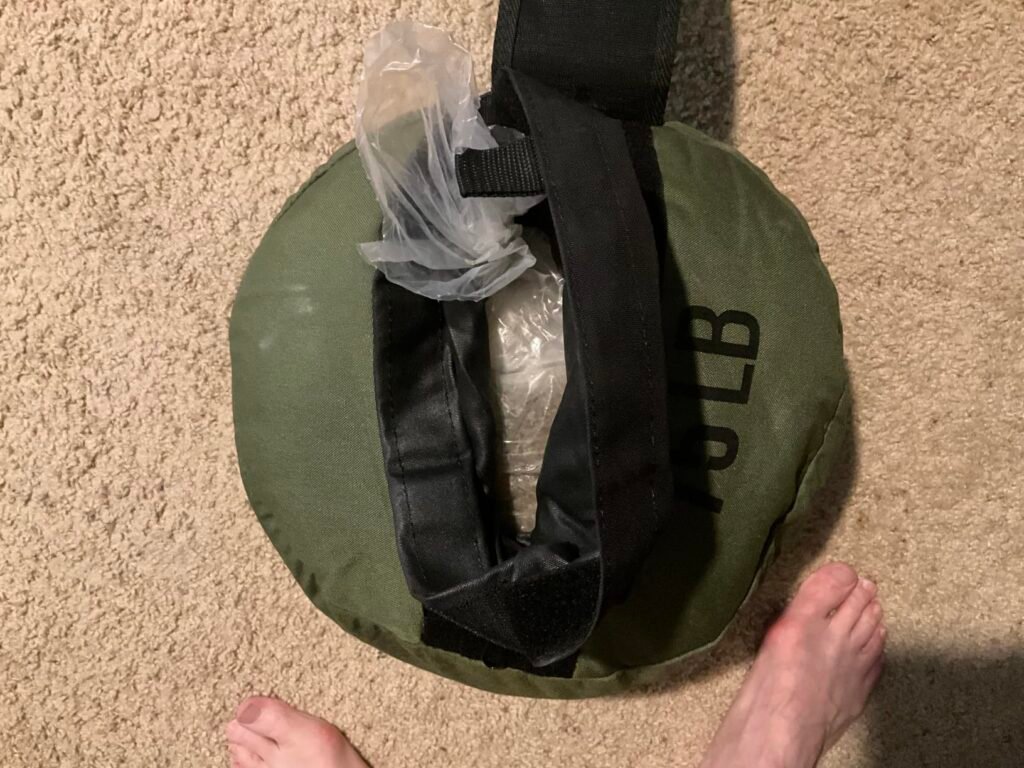
The Shogun Sandbag delivers premium construction at a reasonable price and earns Editor's Choice status for the balance it strikes between durability, leak resistance, and adjustability. It is engineered with 1000D MIL Spec fabric, YKK zippers, and triple-stitched seams, all aimed at surviving slams, carries, and lifts without ripping or leaking during serious training.
We may earn a commission when you buy through this link, at no additional cost to you.
The bag is built for full-body performance and works equally well for explosive deadlifts, throws, carries, lunges, and functional training. Its adjustable fill lets you scale up to 50 pounds or run lighter loads for conditioning sessions, so it fits both new lifters building work capacity and experienced athletes running metabolic circuits. The filler bag features a secure hook-and-loop seal that locks in sand between sessions.
Leak resistance uses a dual-seal system with an inner zipper and outer hook-and-loop closure, which is enough to keep sand contained through high-intensity training. That matters most for indoor use where even a small leak spreads sand across a floor quickly. The bag also stays portable enough for garage sessions, outdoor drills, and travel training, giving you real flexibility in where you train.
MIL Spec 1000D fabric is engineered to meet military durability standards for tear resistance, abrasion, and long-term wear. Compared to generic Oxford or lower-denier fabrics, it holds up much better to repeated cleans, carries on concrete, and outdoor training. This is the kind of upgrade that shows its value after six to twelve months of hard use, when cheaper bags start showing tears at seam edges.
The main trade-off is the 50-pound maximum fill, which will not satisfy athletes chasing 100-plus pound zercher squats or strongman-style carries. Serious heavy lifters should look at the WOLF TACTICAL or RDX larger sizes instead. For most home gym users doing conditioning, functional strength, and full-body work, the Shogun hits the sweet spot of quality, features, and price.
Strength athletes who need to fill the bag beyond 50 pounds for heavy zerchers or strongman work.
We may earn a commission when you buy through this link, at no additional cost to you.
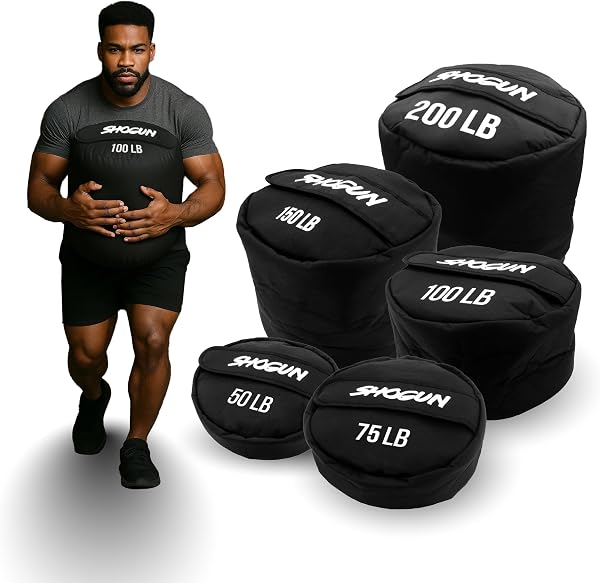
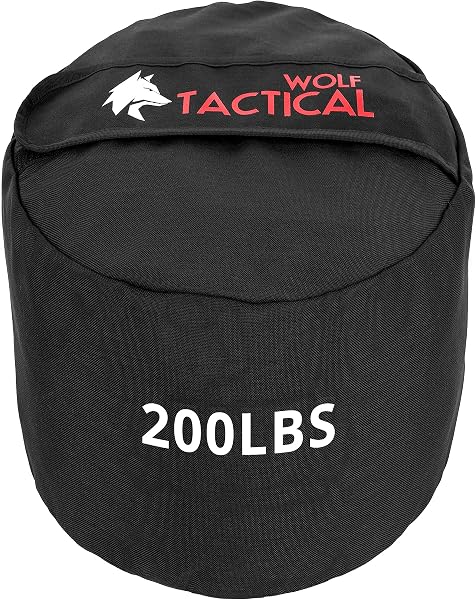
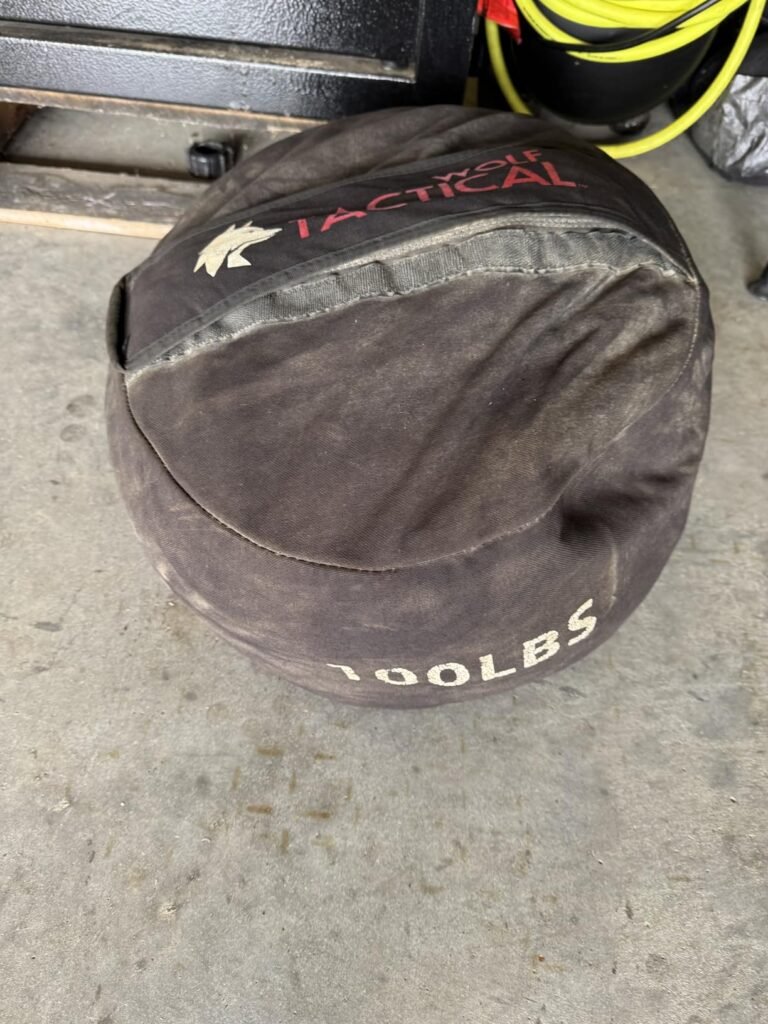
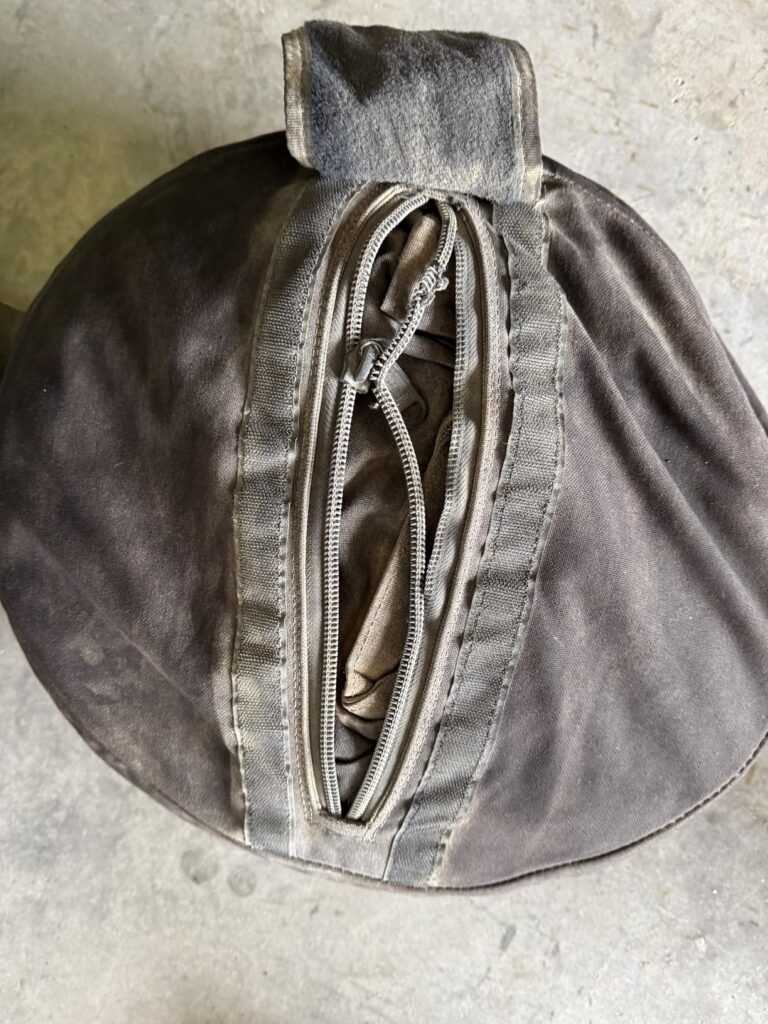
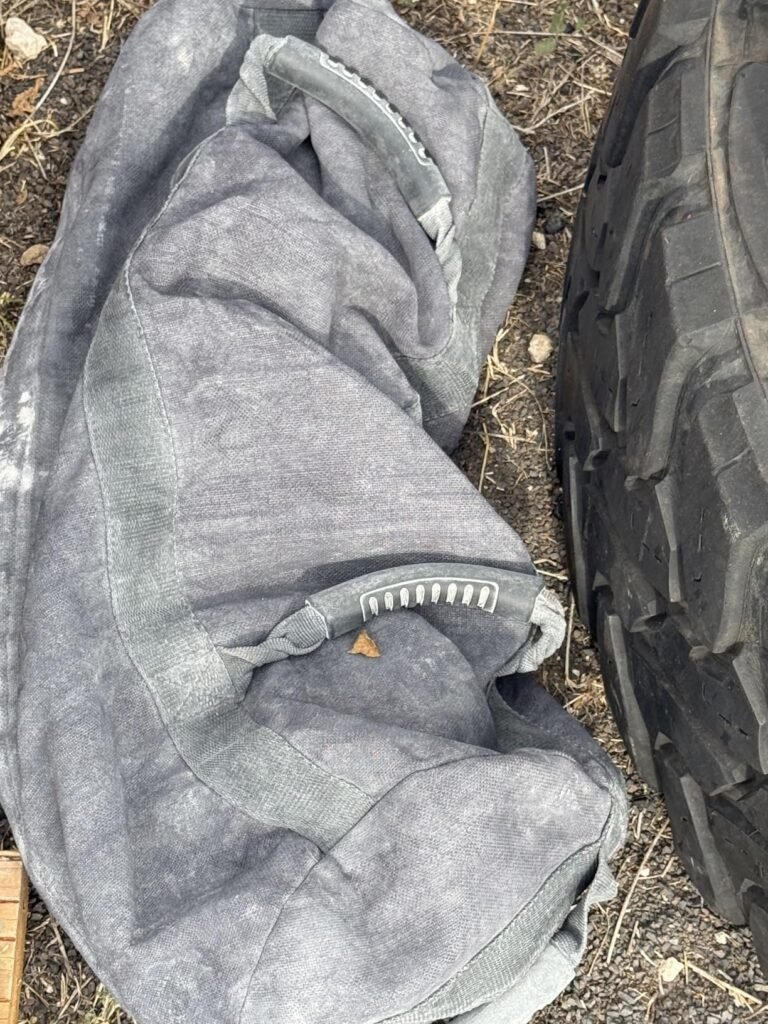
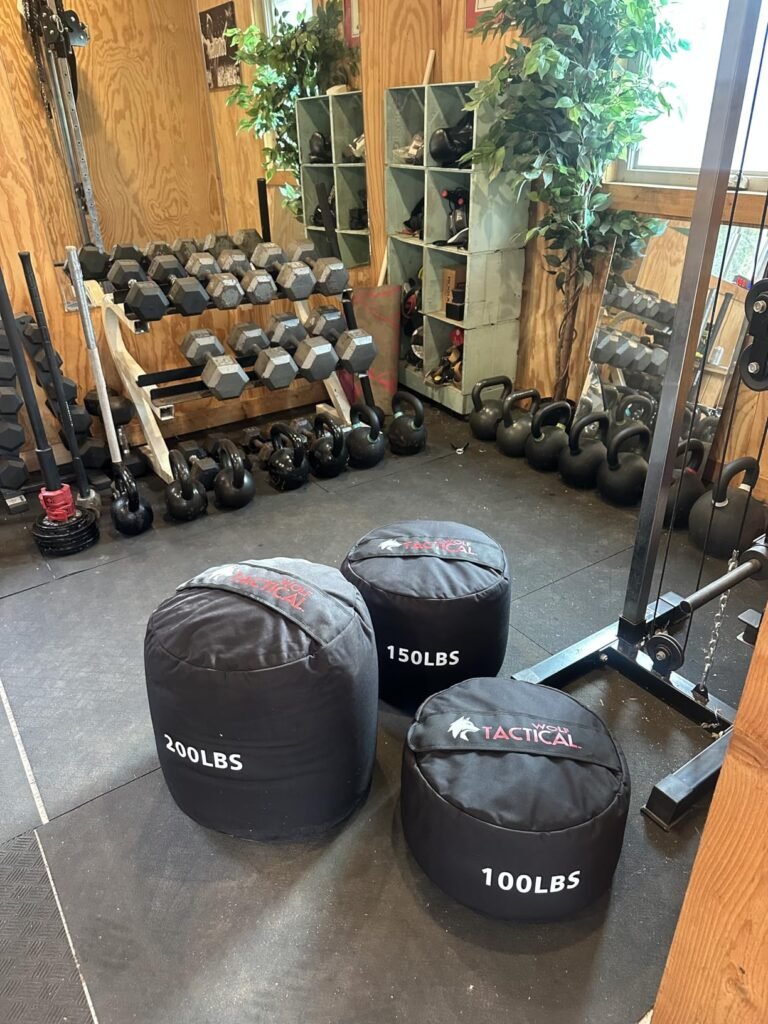
The WOLF TACTICAL Sandbag is aimed at serious strength athletes who want a bag that can handle the heaviest training loads. Built from 1000D Cordura nylon and reinforced with triple-stitched seams and a YKK zipper, this is a bag designed for heavy lifts, tosses, and slams without failing at the seams. It comes in 50, 100, 150, and 200-pound capacities to match every level of trainee.
We may earn a commission when you buy through this link, at no additional cost to you.
This bag suits full-body strength and conditioning routines, functional fitness circuits, strongman training, and total-body workouts. The heavier size options open up loads that most other bags on this list cannot reach, making it a real alternative to a stack of dumbbells or a barbell for zerchers, cleans, and shouldering movements. The Cordura shell and reinforced construction are aimed at years of use.
Sand is not included, which is standard for heavy-duty sandbags at this level and lets you choose the fill that suits your goals. Playground sand works well for general use, while pea gravel or iron sand let you hit higher weights in a smaller volume. The bag adjusts to match your fitness level, so you can scale up as your strength improves without buying a second bag.
Strongman-style training routinely uses loads over 100 pounds for carries, sandbag-to-shoulder work, and heavy zerchers. If your current dumbbell or kettlebell setup tops out below 70 pounds and you want to progress, a high-capacity sandbag opens up new training options at a fraction of the cost of adding heavier free weights. It also builds unique grip and stability strength that fixed weights cannot match.
The main trade-off is the higher price compared to entry-level bags, but the payoff is a bag that can actually load to strongman weights. Serious lifters chasing 150-plus pound carries or advanced conditioning work will appreciate the reserve capacity. Casual users who only need 30 to 60 pounds are better served by a smaller, less expensive option like the GORUCK Simple or Shogun.
Casual home users who only need light to moderate loads for conditioning workouts.
We may earn a commission when you buy through this link, at no additional cost to you.
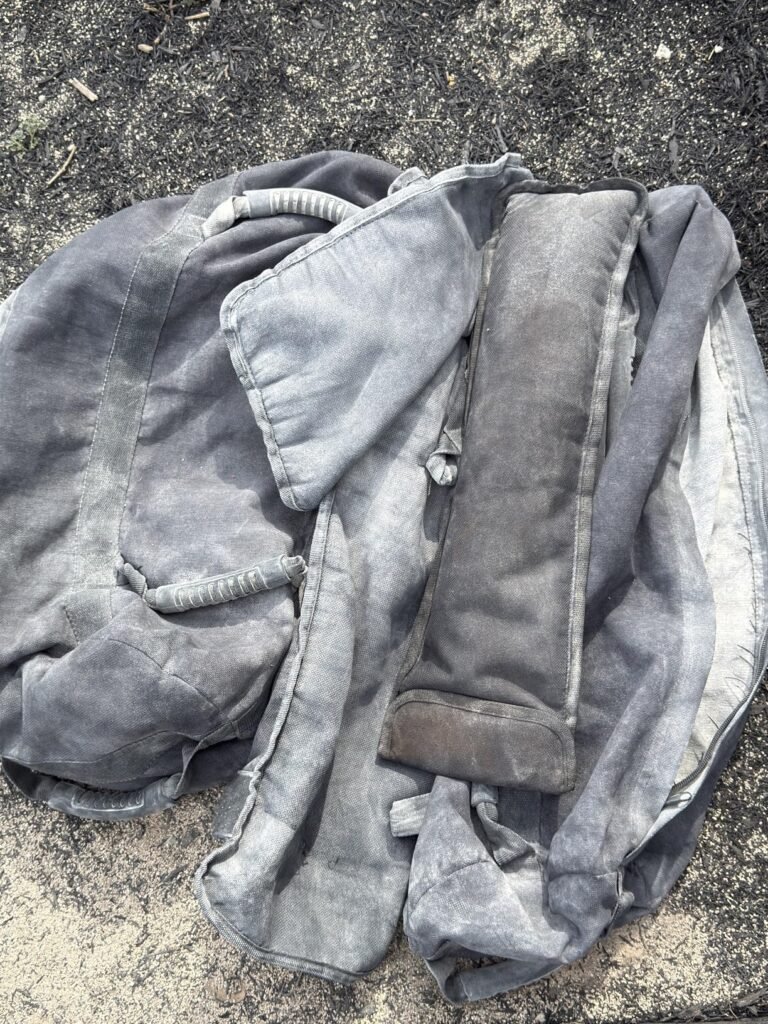
The Taeku fitness sandbag is a mid-range adjustable option that focuses on giving beginners a well-featured entry point into sandbag training. Made from 1000D Oxford fabric with reinforced multi-stitched handles, it is designed for demanding workouts while remaining approachable for someone new to loaded conditioning. The water-resistant outer shell adds practical protection during outdoor sessions.
We may earn a commission when you buy through this link, at no additional cost to you.
The adjustable weight system uses three unfilled filler bags that let you quickly change resistance for different workout intensities. That makes it easy to run a warm-up circuit at light weight, then load up for working sets without shuffling sand between containers. It suits strength development, conditioning routines, functional fitness, and progressive training programs where load increments matter.
Six ergonomic handles support carries, squats, presses, rows, lunges, rotational movements, and pulls. That variety encourages full-body training with a single piece of equipment, which is a real advantage for home gyms where space and budget are limited. The closure combines an oversized zipper with four reinforced fastening buttons to keep filler bags securely enclosed during ground-based movements.
Start with two or three sessions per week focused on foundational patterns: goblet squats, deadlifts, cleans, shoulder carries, and rows. Use three to four sets of eight to twelve reps at a weight that lets you maintain form throughout. Add small weight increments every two weeks rather than jumping loads suddenly. This progression builds sandbag-specific strength while keeping recovery manageable.
The main trade-off is a lower rating than the top-tier bags, which points to quality variations that some buyers experience. Oxford fabric is durable but not as tough as MIL Spec or Cordura for extreme use. This bag is best suited to functional fitness, home workouts, and general conditioning rather than tactical training or aggressive slams. As an approachable adjustable bag for someone building their first home gym, it fills a real niche.
Advanced strength athletes who need premium-grade fabric for years of heavy tactical training.
We may earn a commission when you buy through this link, at no additional cost to you.
The right sandbag depends on your training style, target weight range, and how much abuse the bag will take. The factors below cover the specifications and design details that make the biggest difference in real workouts.
Outer fabric is the single most important factor for long-term durability. Denier ratings measure fiber thickness, and higher denier generally means tougher fabric. 1000D nylon or Cordura is the standard for serious training bags, and it holds up well to repeated pickups, carries, and outdoor use. 1050D and 1200D fabrics push durability higher and are typical of premium options like the Acefit and RDX bags.
Oxford fabric appears on many budget bags and works fine for moderate use, but it can wear faster at seams and stress points than Cordura or MIL Spec nylon. Ballistic nylon, used on the Elite Sports bag, is another premium option engineered for tear resistance. If you plan to slam, drag, or train outdoors regularly, prioritize a bag with a higher-denier tactical fabric like the Shogun or WOLF TACTICAL.
For casual home training, 1000D nylon or reinforced Oxford is enough. For daily hard use or outdoor tactical work, step up to 1050D or 1200D Cordura and look for reinforced stitching at handle attachment points.
Weight capacity determines how far a bag can grow with your training. Small bags like the GORUCK Simple stay at a fixed 60 pounds, which is enough for many conditioning goals but caps your ceiling. Adjustable bags like the Yes4All and WOLF TACTICAL scale from as low as 5 pounds up to 200 pounds by adding sand or extra filler bags, which lets one purchase cover years of progression.
Adjustable systems typically use one of two approaches: a single outer shell with a filler bag you can add or remove sand from, or multiple pre-weighted filler bags you combine to reach the target load. The pre-weighted approach is more convenient because you can change weight in minutes without a scale or funnel. The single filler approach is more flexible for fine-tuning but takes more setup time.
Choose a fixed-weight bag if you already know your ideal load and value simplicity. Choose an adjustable system if you are still building your strength or want one bag that scales as your training advances.
Handle placement determines which exercises the bag supports well. Two to four handles cover the basics like squats, deadlifts, and cleans. Six or more handles open up the full menu of movements including bear hugs, zercher squats, overhead carries, rotational work, and grip variation drills. The RDX Power Bag with eight handles offers the most grip variety in this guide.
Grip comfort matters most on carries and high-rep circuits. Padded handles like those on the GORUCK Simple distribute pressure across your palm and reduce hot spots, while raw nylon handles can wear skin during long sets. Reinforced stitching at handle attachment points is essential because handles are the most common failure point on cheaper bags.
For basic strength work, four handles is enough. For functional fitness, CrossFit-style circuits, and varied training, prioritize six or more handles. If you plan to do a lot of long carries, padded handles are worth the extra cost.
Leak resistance is the difference between a clean workout and sand covering your floor. The best bags use a multi-layer closure system with a heavy-duty zipper, hook-and-loop overflap, and reinforced stitching at all seams. YKK zippers, used on the Shogun and WOLF TACTICAL, are an industry standard for reliability. Aluminum and metal zippers on other bags also perform well.
Filler bags matter as much as the outer shell. A well-designed system uses a durable inner filler with its own Velcro closure, then encloses that filler inside the outer shell for double protection. Acefit’s five-layer system and Elite Sports’ double-sealed design are examples of leak protection engineered specifically for indoor use where any leak becomes a mess.
Prioritize multi-layer closure systems if you train indoors. Outdoor-only users can accept slightly simpler closures since minor leaks disappear into grass or dirt without cleanup.
Not all sandbags are built for the same training. Lift-focused bags like the Yes4All are designed for cleans, squats, deadlifts, and carries but not for slams or drags. Heavy-duty tactical bags like the Shogun, WOLF TACTICAL, and Acefit can handle slams and dynamic movements thanks to reinforced construction and premium fabrics. Check the manufacturer’s stated use before buying.
Round-body bags like the Fitarc conform to the shoulder differently and shine at bear hugs, zercher carries, and Bulgarian bag movements. Rectangular bags offer more handle variety and suit a broader range of exercises. Ultra-heavy bags in the 150 to 200 pound range are best for strongman training and advanced strength work rather than general conditioning.
Match the bag design to your primary training style. Lifters and general fitness users are well-served by rectangular adjustable bags, while functional and tactical trainees benefit from round designs or heavy-duty tactical builds.
Sandbags can be emptied and filled, which makes them uniquely portable compared to fixed weights. That matters if you travel, train outdoors, or need to store equipment in a small space. Bags like the Acefit and Shogun are designed with portability in mind, letting you empty the sand for transport and refill on location.
Compact storage is another benefit. Unlike a rack of dumbbells that takes up permanent floor space, an emptied sandbag folds flat and stores in a closet or under a bed. Even a filled 60-pound bag takes up less space than an equivalent weight of dumbbells or kettlebells, which is a real advantage for apartment gyms and multi-use spaces.
If you travel or train outdoors, prioritize a bag that empties easily for transport. If you store equipment in a compact home gym, look for a bag that folds flat when empty.
Prices in this guide range from around $25 for budget bags like the Workout Sandbag 60lb to nearly $100 for premium options like the WOLF TACTICAL. Budget bags work well for casual users and beginners who want to test sandbag training before committing. Mid-range options in the $40 to $70 range offer the best balance of build quality and features for most home gym users.
Premium bags in the $70 to $100 range justify their price through military-grade fabrics, YKK zippers, and reinforced construction that lasts for years of hard training. If you train four or more times per week and expect to keep the bag long-term, spending more upfront often costs less per year than replacing a cheaper bag every twelve to eighteen months.
Match your budget to your training frequency. Casual users get good value from budget and mid-range options, while committed lifters benefit from investing in premium construction upfront.
Fill material affects weight density, feel, and cost. Playground sand is the most common choice because it is cheap, widely available, and packs tightly for a stable feel. Pea gravel offers higher weight per volume and works well for filling large bags to heavy loads. Iron sand is denser still and lets you hit high weights in a compact package, though it costs more upfront.
Some bags accept alternative fills like soybeans or steel shot. Soybeans shift more during movement, which increases stability demands and can make lighter loads feel more challenging. Steel shot is expensive but nearly leak-proof because the particles are large enough to stay contained even in less-sealed bags. Avoid sharp gravel that can tear inner filler bags from the inside.
For most users, playground sand is the right starting point. Upgrade to pea gravel or iron sand only if you need higher weights in smaller volumes, and always match the filler to what the manufacturer recommends for your specific bag.
Fill your sandbag to around 70 to 80 percent of its stated capacity to leave room for the sand to shift naturally during exercises. Overfilling creates a rigid, unwieldy shape and can stress seams, while underfilling makes the bag feel sloppy and unstable. Use a scoop or funnel to reduce spillage, seal the inner filler bag completely, then close the outer shell zipper and hook-and-loop closure. Give the bag a firm shake before your first workout to confirm no sand escapes.
Store your sandbag in a dry indoor location whenever possible. Prolonged exposure to moisture can damage stitching and lead to mildew inside the filler bag, while direct sunlight can degrade nylon and Cordura over time. Wipe the outer shell with a damp cloth to remove sweat, chalk, and dirt after intense sessions, and let it air-dry completely before storing. Inspect handles, seams, and closures monthly for early signs of wear so you can address small issues before they become failures.
Use the bag only for its intended movements. Bags rated for lifting and carrying like the Yes4All are not designed for slams, drags, or impact challenges that stress seams beyond their engineering limits. If you want to slam or drag, choose a tactical bag like the Shogun or WOLF TACTICAL that is built for that abuse. Empty and refill the bag periodically to check for sand buildup or clumping, especially if you train outdoors where dirt and moisture can enter through small openings.
Most beginners do well starting with a 40 to 60 pound bag. That range is heavy enough to challenge foundational movements like squats and cleans without overwhelming your form. If you already lift weights, aim for roughly 60 to 70 percent of your typical dumbbell weight for similar exercises. Adjustable bags like the Yes4All let you start light and add sand as your strength improves without buying multiple bags.
A well-designed sandbag with a multi-layer closure system should not leak sand during normal training. Look for bags with an inner filler bag that seals separately, a heavy-duty zipper on the outer shell, and hook-and-loop overflap protection. Cheaper bags with a single zipper closure are more prone to leaks. Filling only to 70 to 80 percent capacity also helps prevent stress on the seals during dynamic movements.
Only if the bag is specifically designed for impact. Bags like the Yes4All are engineered for lifts and carries but not slams. Heavy-duty tactical bags like the Shogun, WOLF TACTICAL, and Acefit use reinforced fabrics and multiple sealing layers that can handle slam training. Check the manufacturer's stated use before slamming to avoid ripping seams and voiding any warranty.
Playground sand is the most common and affordable choice, and it packs tightly for a stable feel. Pea gravel provides higher weight per volume for larger bags, while iron sand delivers the highest density in a compact package. Avoid sharp rocks or construction gravel that can tear the inner filler bag. Always use dry, clean sand and fill only to 70 to 80 percent of stated capacity.
The amount depends on the bag size and desired weight. As a rough guide, one 50-pound bag of playground sand fills a small to medium training sandbag to around 40 to 45 pounds. Larger bags in the 100 to 200 pound range need multiple bags of sand or heavier fill like pea gravel. Check the manufacturer's fill guidelines and start with less than you think you need, then add more if needed.
Sandbags shift and settle during movements, which forces your stabilizer muscles to work harder than they do with rigid weights. This builds functional strength, grip endurance, and core stability that transfer well to sports and real-world lifting. Dumbbells and barbells are better for precise progressive overload with small weight increments. Many home gyms use both, with sandbags handling conditioning and functional work while free weights handle strict strength progression.
A well-made sandbag from a reputable brand can last three to five years or more with regular use and proper care. Premium bags using 1000D Cordura or MIL Spec fabric with YKK zippers often outlast that, especially if you avoid slamming a bag not built for impact. Budget bags with Oxford fabric may show wear at handles and seams within twelve to eighteen months of hard training.
Yes, sandbags are effective for building muscle when used with progressive overload and enough intensity. The unstable load engages more stabilizer muscles than fixed weights, and heavier bags support compound movements like cleans, squats, and carries that drive full-body growth. For pure hypertrophy, dumbbells and barbells offer easier weight progression, but sandbags add unique training stimulus that complements traditional lifting.
Bags with waterproof or water-resistant outer shells like the Elite Sports, Acefit, and RDX handle occasional rain without damage. Even so, prolonged moisture exposure can eventually degrade stitching and encourage mildew inside the filler bag. Wipe the bag down and air-dry it thoroughly after wet sessions. Avoid leaving any sandbag outside long-term regardless of its water resistance rating.
Most training sandbags include one or more inner filler bags with the outer shell, but they typically do not include the actual sand or gravel. Adjustable systems like the Workout Sandbag 60lb come with multiple pre-sized filler bags for easy weight changes. Check the product listing to confirm what is included, and plan to buy playground sand or your preferred fill material separately from a hardware store.
The Shogun Sandbag earns Editor's Choice for the balance it strikes between premium 1000D MIL Spec fabric, YKK zipper reliability, and a dual-seal leak system that keeps sand contained through intense training. Its 50-pound adjustable capacity covers the needs of most home gym users, and the reinforced construction is built to survive years of carries, cleans, and functional workouts without failing at the seams.
For serious strength athletes chasing heavy loads, the WOLF TACTICAL Sandbag scales up to 200 pounds with tough Cordura construction, making it a real alternative to a barbell for zercher squats and strongman-style carries. Budget-conscious buyers should look at the Yes4All Adjustable Sandbag for its wide 5 to 200 pound range at a fair price, while the GORUCK Simple Sandbag delivers premium build quality in a fixed 60-pound package with the most comfortable handles in this guide.
Your best choice comes down to your training style and progression goals. New users benefit from adjustable systems that grow with their strength, while experienced athletes should invest in premium fabrics that survive heavy loads. Match the bag's intended use to your workouts, choose a fill material that suits your target weight, and prioritize leak protection if you train indoors. Any of the top picks in this guide will hold up to real training when used within its designed limits.