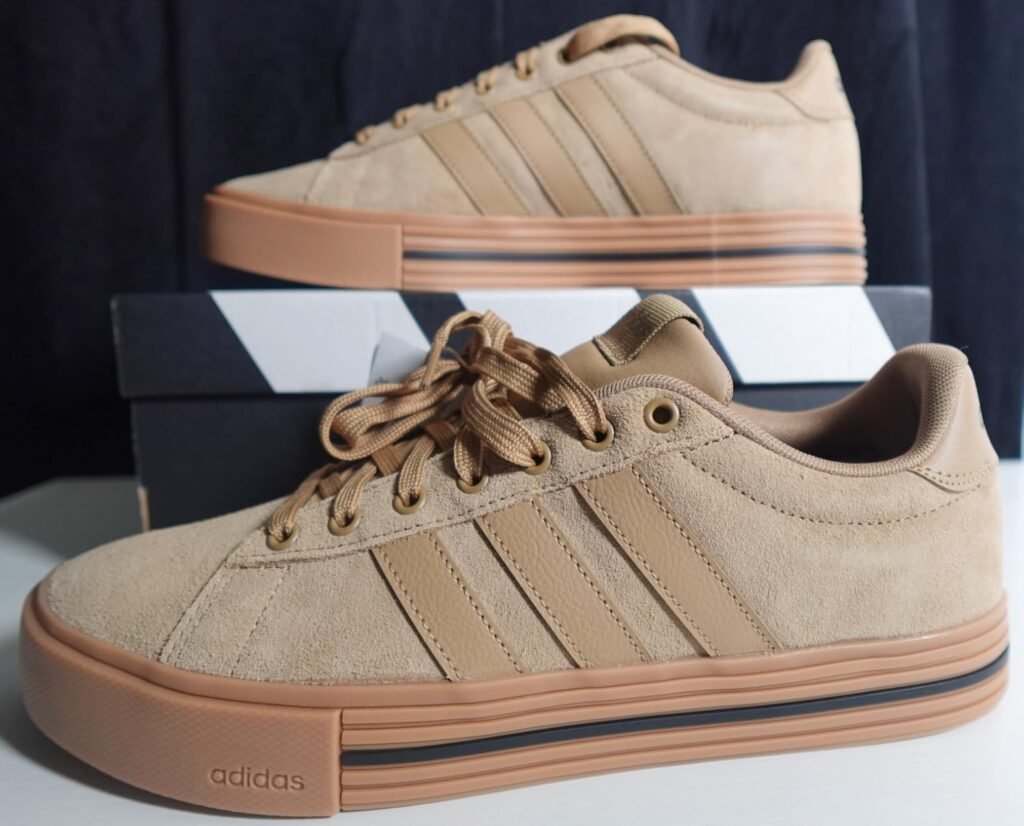
adidas Gamecourt 2.0
8.8Editor scoreAdiwear durable outsole
Open mesh upper
EVA cushioning midsole
Padded ankle collar
Find the right tennis shoes for 2026. We compare 9 standout options by build quality, useful features, owner feedback, value, and everyday trade-offs.
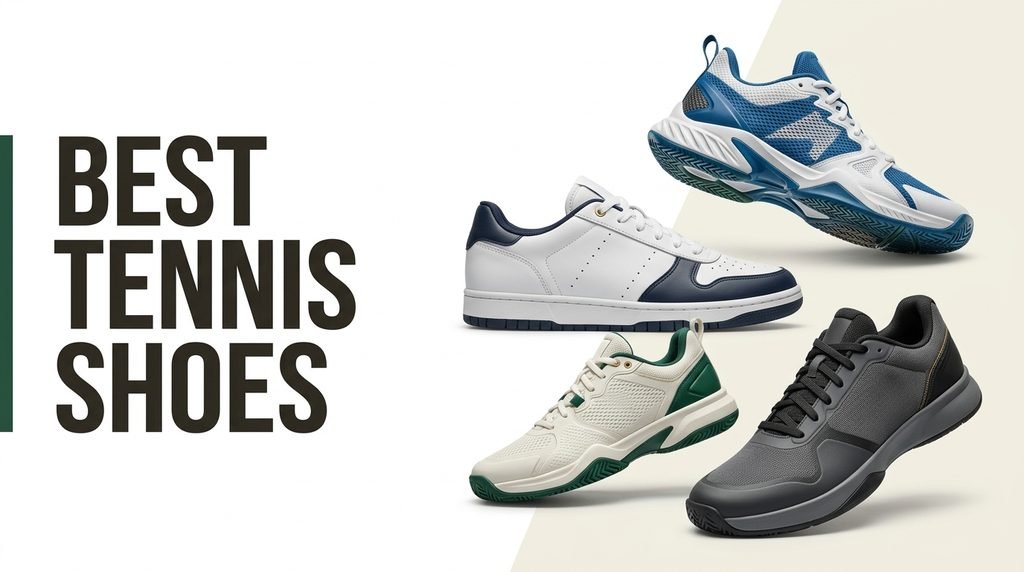
Finding the right court shoe in 2026 means weighing outsole traction, midsole cushioning, lateral stability, upper breathability, weight, and how the shoe holds up on the surfaces you actually play. This guide compares 10 standout options across price tiers so you can match cushioning technology, fit, and durability to your playing style, court type, and how often you step onto the baseline.
Court shoes vary far more than casual sneakers. Aggressive players who slide into shots need reinforced toe caps and grippy herringbone outsoles, while recreational hitters might prioritize comfort and value over pro-grade features. Cushioning systems, midfoot support, and upper materials all affect how the shoe feels after two sets and how many months it lasts before replacement.
The picks below span budget-friendly cross-trainers under $70 to premium performance models above $150. Each review focuses on what the specs mean during actual play, who benefits most, and where each shoe falls short so you can make a confident purchase that matches your game rather than getting distracted by brand marketing or flashy colorways.
We compared 10 court and tennis-ready shoes using the details that actually help a buyer decide: outsole material and tread pattern, midsole cushioning technology, upper breathability, lateral stability features, toe reinforcement, weight, fit and sizing feedback, durability signals, price-to-performance value, and owner reviews. The notes focus on real trade-offs so each pick connects with how people actually play, whether that’s competitive singles, casual doubles, pickleball crossover use, or all-day wear as a supportive walking shoe.


Compare key features, scores, and current prices side by side. A shorter feature list means fewer details were available, not necessarily fewer capabilities.




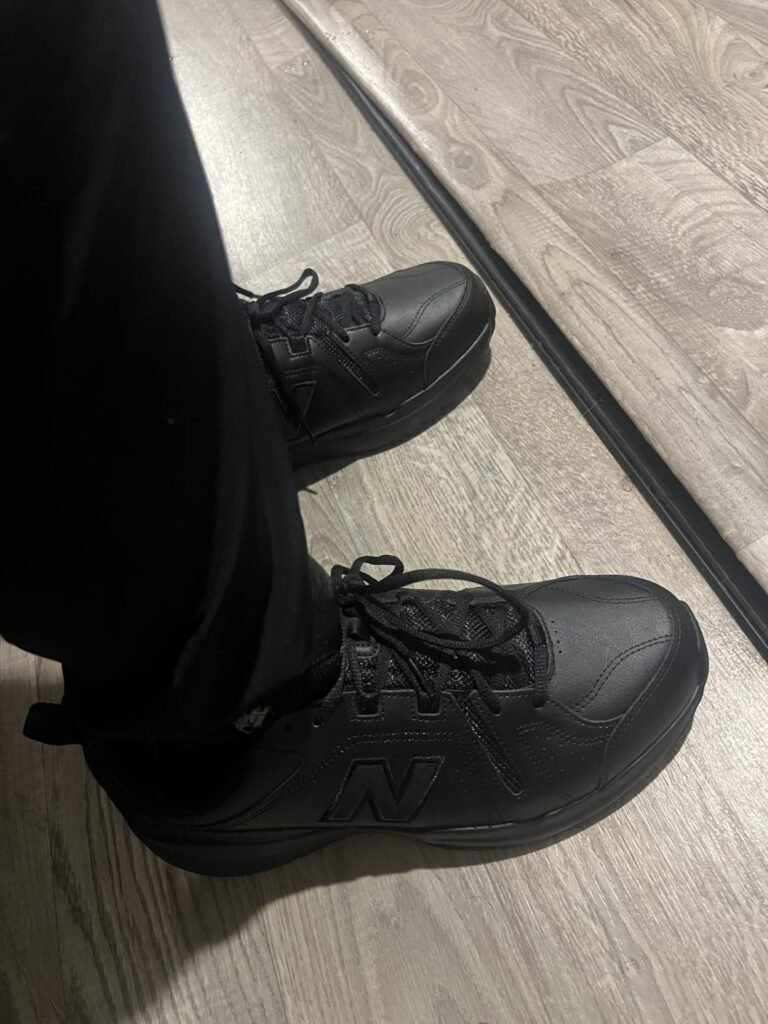
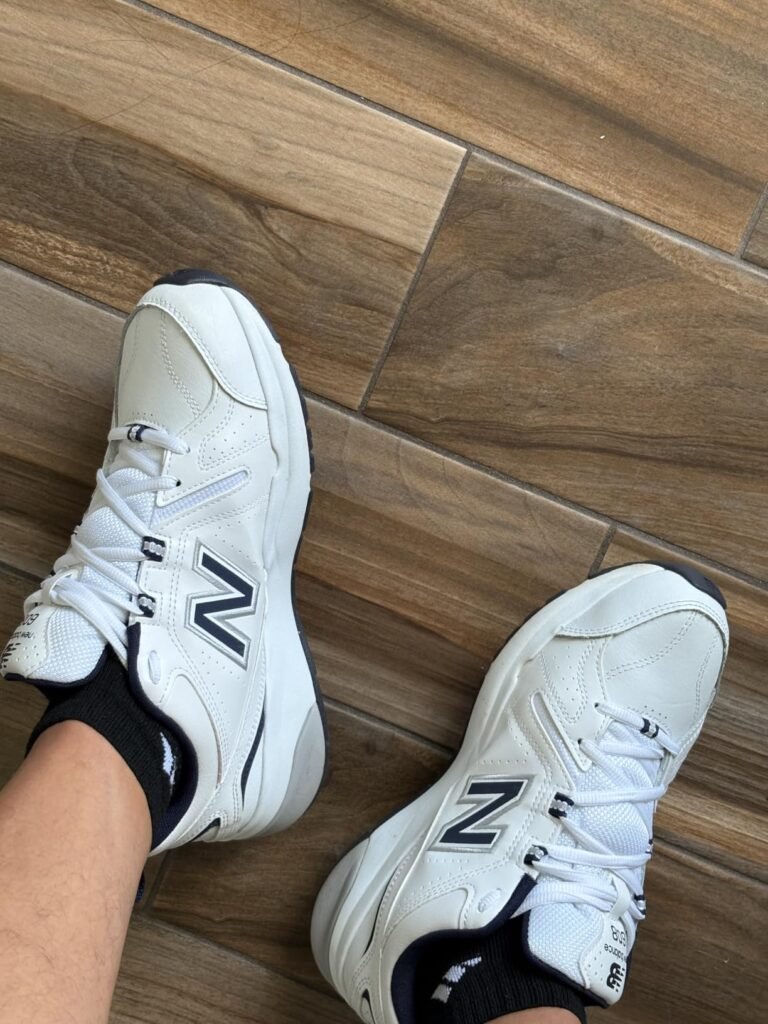
The 608 V5 is a classic cross-trainer that many players use as a casual court shoe, especially for recreational doubles or pickleball where all-day comfort matters more than aggressive tennis-specific features. ABZORB heel crash pad technology absorbs impact effectively, which reduces fatigue during longer sessions or extended standing time between points.
We may earn a commission when you buy through this link, at no additional cost to you.
The suede leather upper is a genuinely different feel from mesh-heavy tennis shoes. It provides supportive structure that breaks in nicely over time and creates a personalized fit, though it doesn’t breathe as well as open mesh alternatives during hot summer sessions. The dual density collar foam supports the ankle without feeling stiff or restrictive.
The Phantom Liner interior minimizes seaming that can irritate feet during long wear, and the molded PU insert adds underfoot comfort that lasts from morning to night. This makes the 608 V5 popular for players who use one shoe for tennis sessions plus daily walking or gym use, rather than a dedicated performance tennis shoe.
Cross-trainers prioritize all-around comfort and multi-activity use, while dedicated tennis shoes optimize for lateral stability, herringbone outsole traction, and reinforced toe areas. Cross-trainers work fine for casual play but wear differently and may not support aggressive movement patterns.
Pick this cross-trainer if you want a versatile shoe for casual play and everyday wear rather than pure tennis performance. Competitive players will want dedicated tennis shoes with better lateral stability, but for social players and multi-purpose use, the 608 V5 delivers proven New Balance comfort and durability.
Not the best pick for competitive tennis players who need tennis-specific stability and traction.
We may earn a commission when you buy through this link, at no additional cost to you.
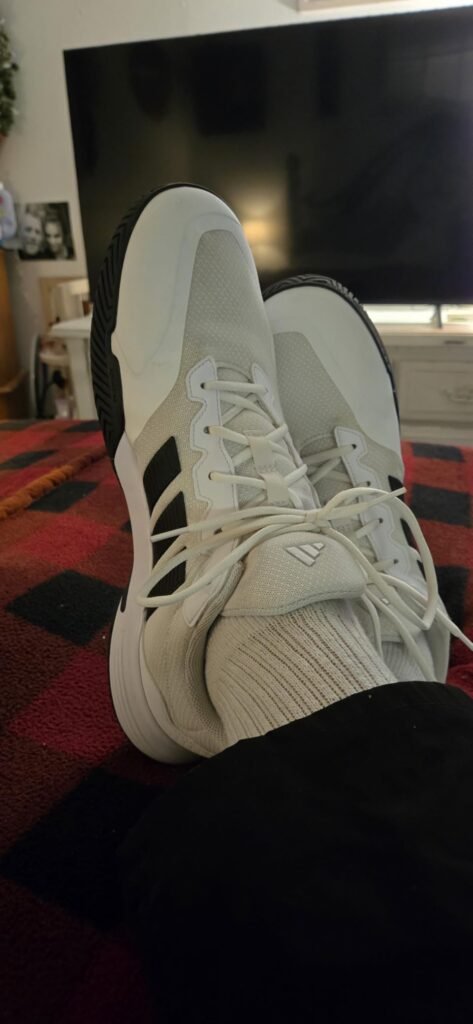
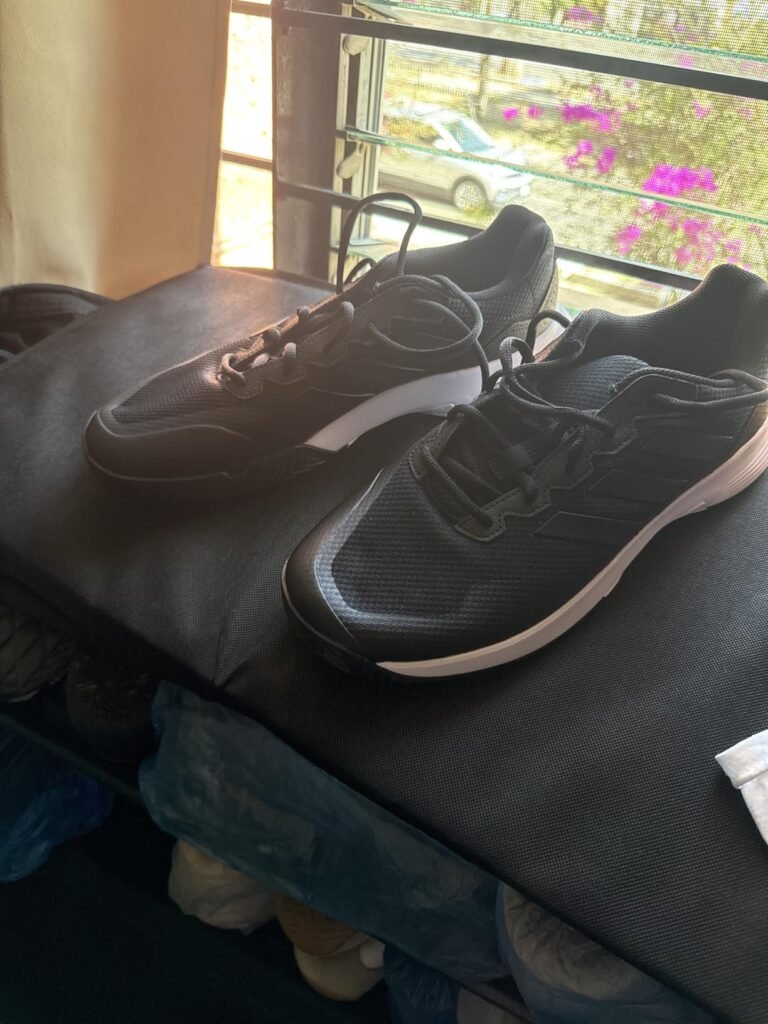
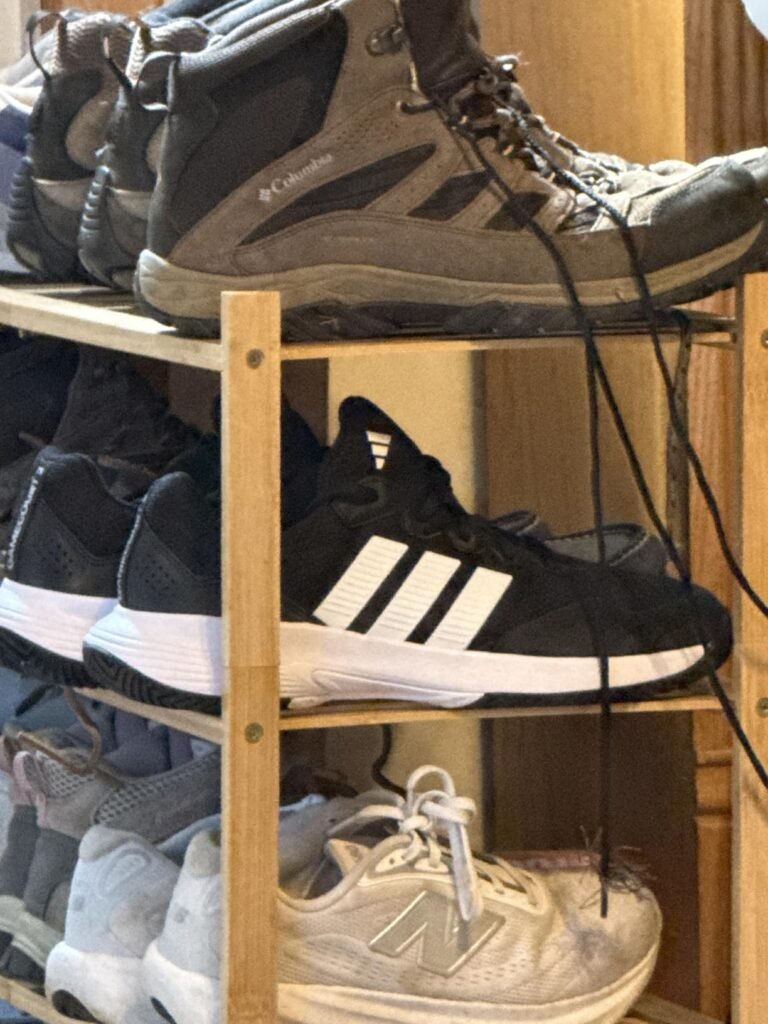
The Gamecourt 2.0 targets recreational and intermediate players who want genuine court features without paying premium prices. The Adiwear outsole is a proven durability compound that holds up to regular hard court sessions, which matters because outsole wear is the number one reason budget shoes get retired early.
We may earn a commission when you buy through this link, at no additional cost to you.
The open mesh upper keeps feet cool during longer matches, and the padded collar reduces heel irritation that plagues cheaper models. EVA midsole cushioning delivers reasonable shock absorption for a shoe at this price, though it lacks the specialized foam technologies found on premium performance shoes like the Solution Speed or Court FlyteFoam models.
The upper uses at least 50 percent recycled content, which appeals to buyers who factor sustainability into purchasing decisions. This is a real environmental improvement over shoes made entirely from virgin materials, and it doesn’t require compromising on performance for casual to intermediate players.
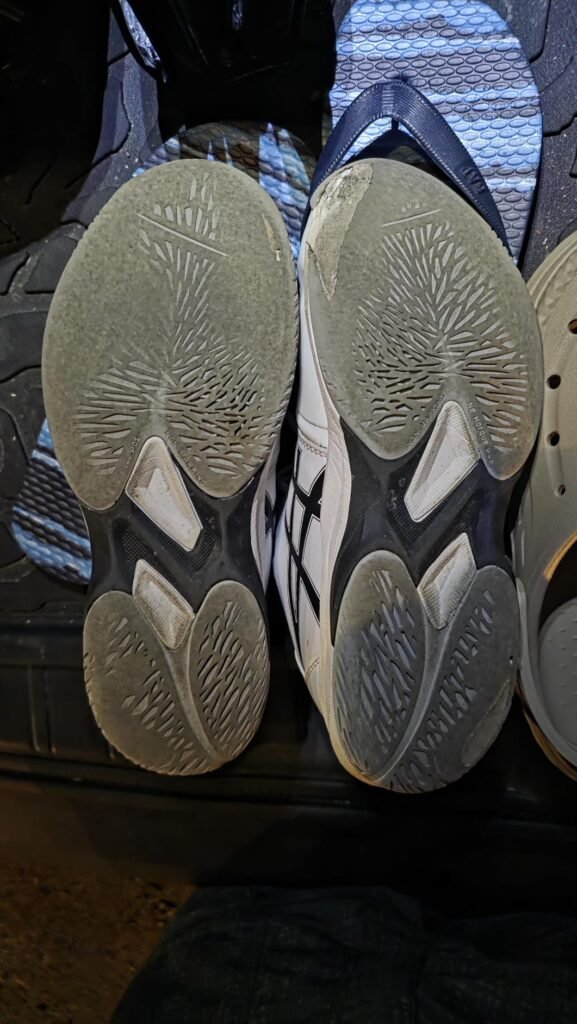
Court shoes wear out primarily at the outsole where the toe drag and pivot points meet the surface. Durable outsole compounds like Adiwear resist this wear significantly better than generic rubber, extending the useful life of the shoe by months for regular players.
Choose this shoe if you play a few times a week at recreational level and want a court-ready shoe at an accessible price. Aggressive players who slide into shots or need maximum lateral stability should step up to more supportive designs, but for the majority of players, this delivers solid value with a trusted brand behind it.
Not the right pick for competitive players who need premium cushioning and aggressive lateral support.
We may earn a commission when you buy through this link, at no additional cost to you.
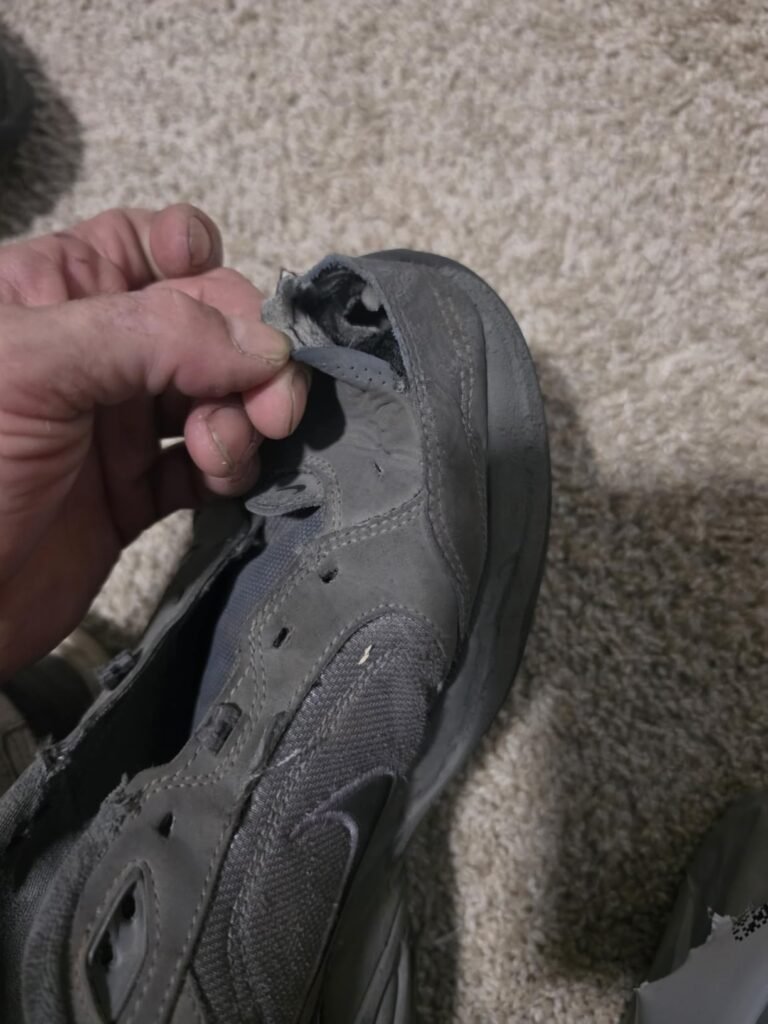
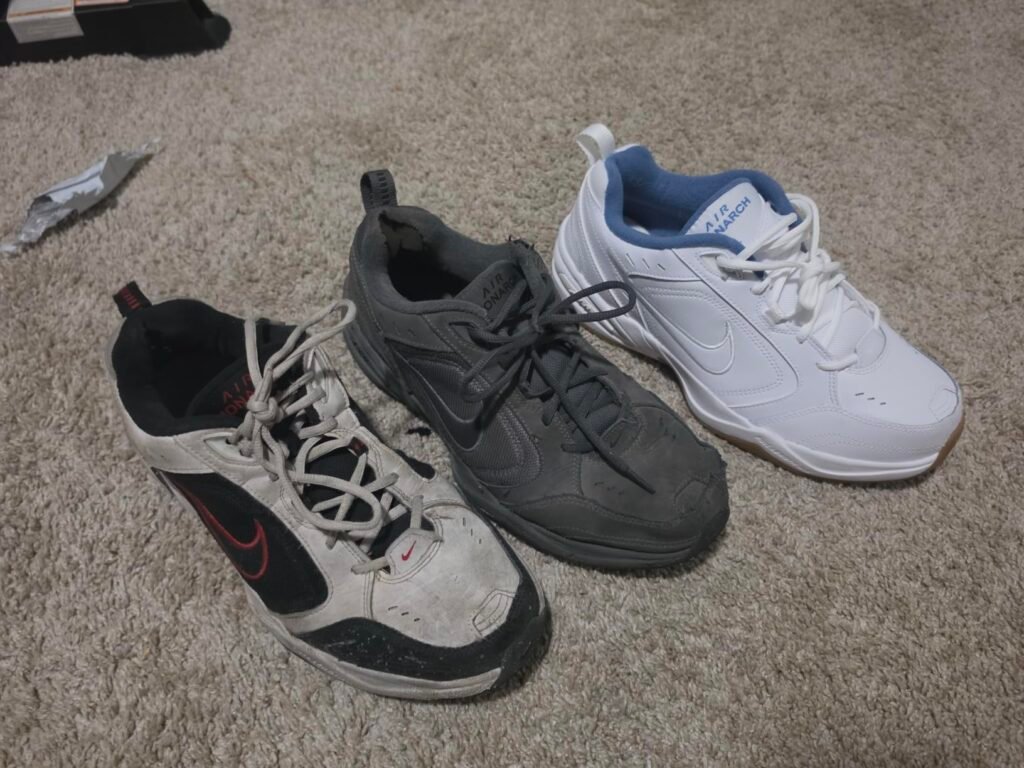
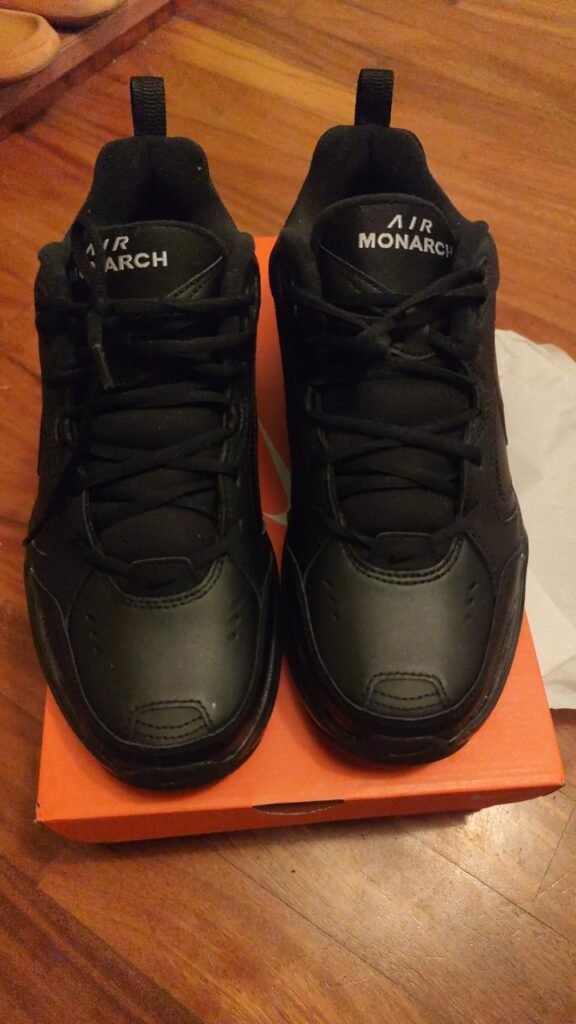
The Air Monarch IV has earned its longstanding popularity through simple, dependable design. The full-length encapsulated Air-Sole unit provides consistent underfoot cushioning across the entire foot, which is unusual at this price point and translates to reduced fatigue during casual play or extended wear.
We may earn a commission when you buy through this link, at no additional cost to you.
The leather and synthetic leather upper delivers classic looks with real durability. It doesn’t breathe as well as modern mesh uppers on hot days, but it holds structure over time and resists the sag that thin knit uppers develop with heavy use. The solid rubber outsole handles varied surfaces reliably, which extends the shoe’s usefulness beyond just the court.
This model has become a fixture in the cross-trainer category because it delivers consistent results at an accessible price. Recreational players who want a comfortable shoe for casual doubles, pickleball, or general athletic use appreciate the predictable feel and easy availability if they need to replace a worn pair.
Encapsulated Air units provide consistent cushioning that doesn’t compress over time the way some foam midsoles do. The tradeoff is added weight compared to modern lightweight foams, so it’s a comfort-focused rather than performance-focused choice.
Choose this shoe if you value classic cushioning, proven durability, and Nike brand support at a modest price. Serious tennis players will want dedicated court shoes with better lateral stability, but for the many players using their court shoes as multi-purpose casual footwear, the Air Monarch IV remains a sensible pick.
Not the right choice for competitive players seeking modern lightweight performance shoes.
We may earn a commission when you buy through this link, at no additional cost to you.
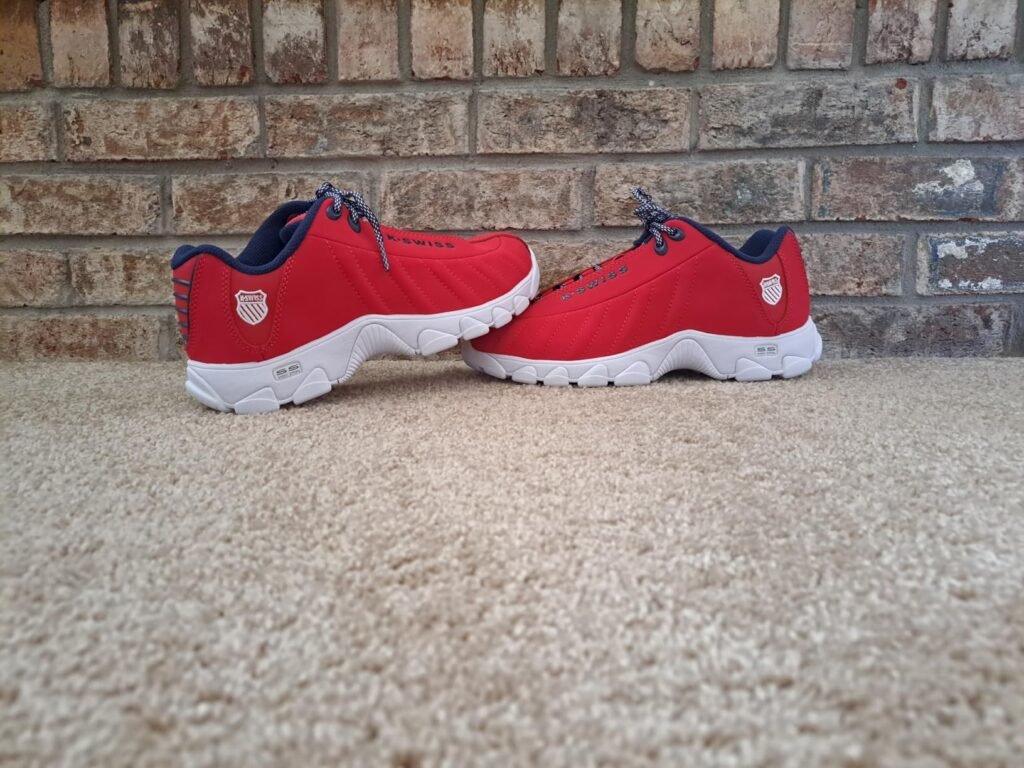
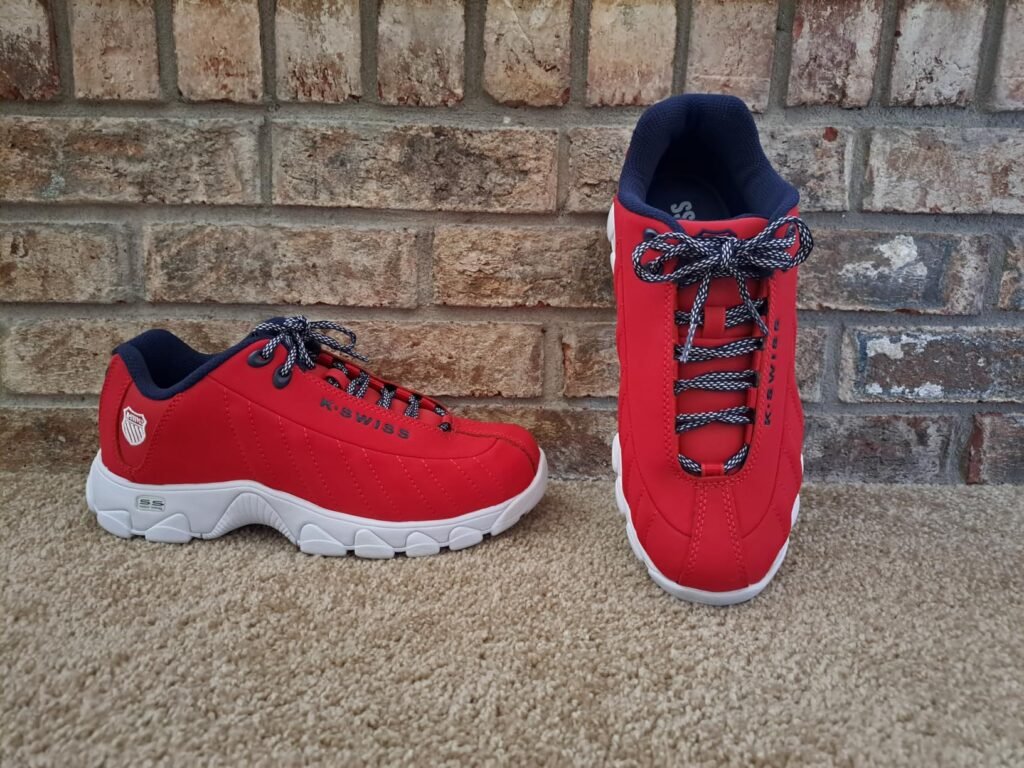
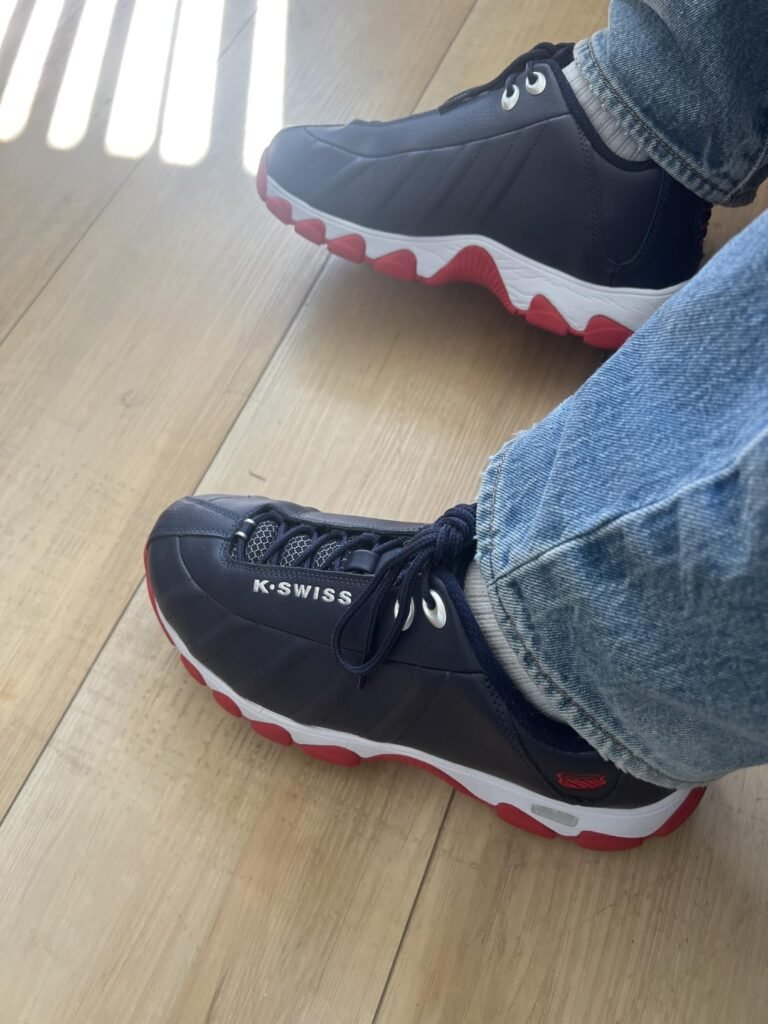
The K-Swiss ST329 CMF addresses a real problem for players with wider feet who find standard court shoes uncomfortably tight. The engineered wide fit accommodates broader foot shapes without cramping toes or squeezing across the forefoot, which prevents blisters and hot spots during longer sessions.
We may earn a commission when you buy through this link, at no additional cost to you.
The leather upper is a substantial, durable material that stands up to repeated flexing at the toe box and holds its shape as it breaks in. It’s the traditional court shoe aesthetic that K-Swiss helped popularize, and it works well for players who prefer the structured feel of leather over the softer flex of mesh uppers.
The rugged luggy outsole provides exceptional traction across multiple directions, which suits tennis, pickleball, and general cross-training use. Ortholite moisture-wicking sockliners keep feet cooler and drier than basic foam insoles, which extends comfort during longer play sessions and hot conditions. The classic black and white colorway works for casual wear as well as the court.
Standard court shoes are typically designed for medium-width feet, and squeezing a wider foot into a narrow shoe causes blisters, black toenails, and cramping. Genuine wide-fit designs use a broader last that accommodates natural foot shape without compromise.
Choose this shoe if wide-foot fit is a priority or if you appreciate the structured feel of a leather upper. Players with narrow feet may find it too roomy and should look at standard-width alternatives, but for wider-footed players who often struggle to find comfortable court shoes, the ST329 CMF is a proven solution.
Not suitable for players with narrow feet who need a snug, contoured fit.
We may earn a commission when you buy through this link, at no additional cost to you.
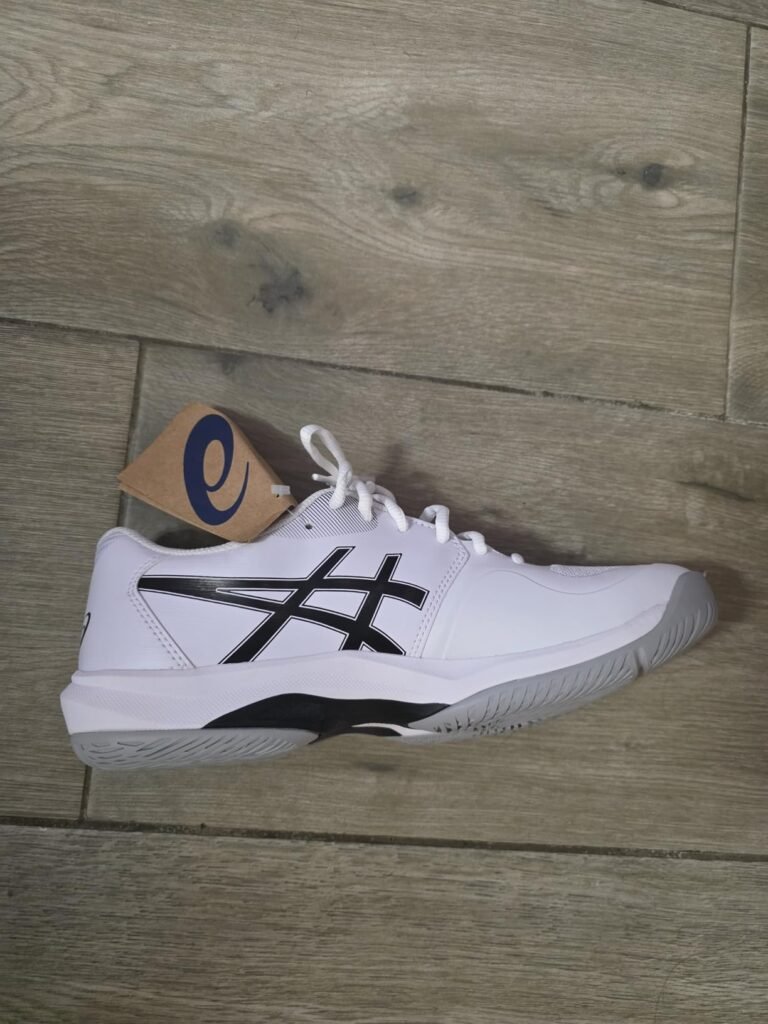
The Game FlyteFoam is ASICS' entry into affordable tennis-specific footwear. Unlike cross-trainers that get pressed into court duty, this is designed from the ground up for tennis movement patterns with TRUSSTIC midfoot stability and a herringbone-inspired outsole pattern that grips varied court surfaces.
We may earn a commission when you buy through this link, at no additional cost to you.
FLYTEFOAM cushioning is ASICS’ lightweight midsole foam, which balances impact absorption with responsive feel during quick direction changes. It’s the same core technology used in more expensive ASICS tennis models, though the Game FlyteFoam uses less of it and pairs it with fewer premium features. For recreational players, that tradeoff makes sense at the price.
The mesh upper keeps feet cool and reduces overall weight compared to leather-heavy alternatives, and the TRUSSTIC stability piece supports the midfoot during lateral shuffling and slice serves that stress the shoe sideways. These features matter more than casual players might realize when they start playing multiple times per week.
TRUSSTIC is a plastic midfoot piece that resists twisting during lateral movements. It provides stability during side-to-side cuts common in tennis while keeping the shoe lightweight, which matters for players moving quickly around the court.
Pick this shoe if you want genuine tennis-specific design without paying flagship prices. The lower star rating reflects some inconsistent fit feedback, so try before buying if possible or read recent reviews carefully. For its target audience of recreational to intermediate tennis players, it delivers meaningful upgrades over generic cross-trainers.
Not the best pick for competitive players needing top-tier cushioning and reinforced toe drag protection.
We may earn a commission when you buy through this link, at no additional cost to you.
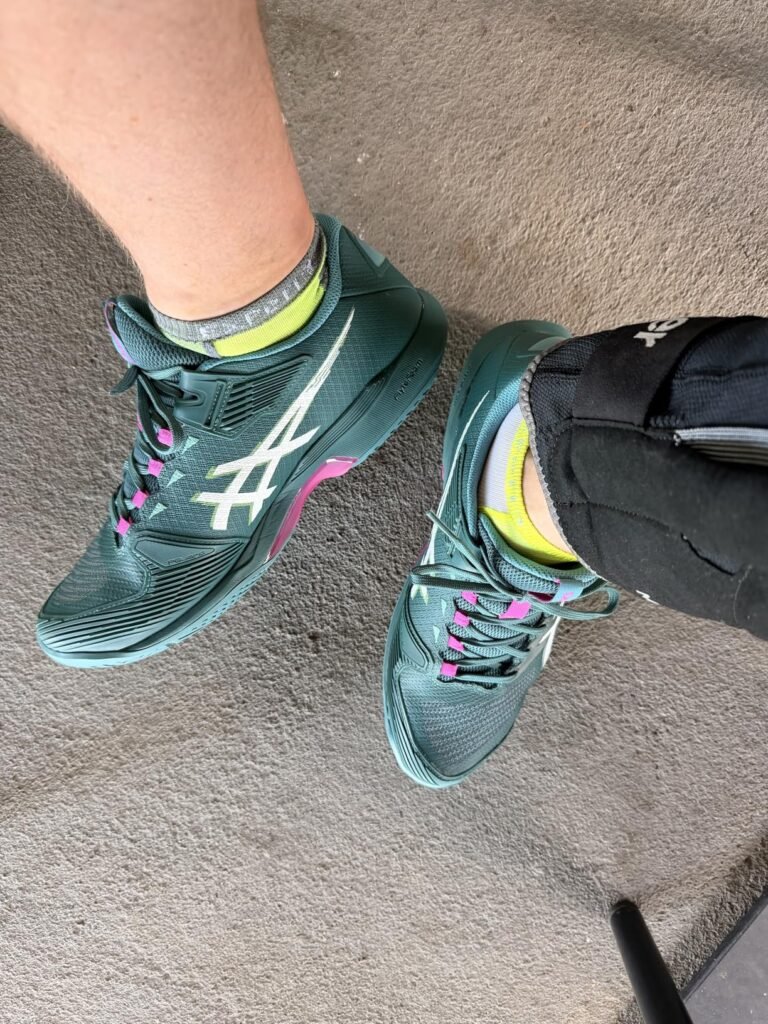
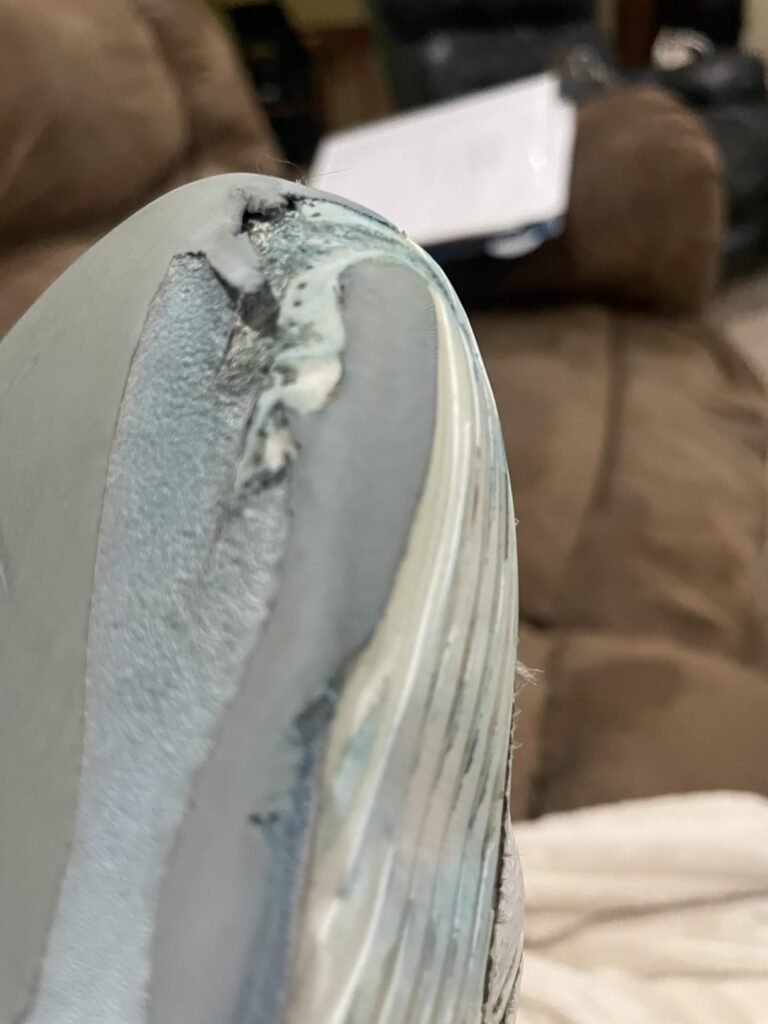
The Solution Speed FF 4 is our top overall pick for players who value quickness and responsive feel during aggressive play. FLYTEFOAM cushioning delivers lightweight comfort without the mushy feel of heavier foams, letting players move fast in all directions while still getting real impact protection.
We may earn a commission when you buy through this link, at no additional cost to you.
SPEEDTRUSS technology deserves special attention. It reinforces the midfoot specifically for quickness and cutting motions, which is exactly what you need during hard-fought points where you’re changing direction repeatedly. Combined with the PRECISION SOLE and ASICSGRIP outsole compound, the shoe delivers excellent traction without sacrificing durability across hard courts.
Small but meaningful details set this shoe apart. Reinforced PU loops and eyelet loops on the medial side help prevent shoelace breakage, which is a common frustration on tennis shoes where laces get chewed by aggressive foot movement. The sockliner uses solution dyeing that cuts water use by about 33 percent and carbon emissions by about 45 percent, adding sustainability value.
Tennis requires abrupt direction changes that stress the midfoot laterally. Without proper support, feet slide inside the shoe during cuts, which reduces power and increases injury risk. SPEEDTRUSS keeps the foot planted during these movements.
Choose this shoe if you play competitively and want a lightweight performance shoe optimized for quick movement. Casual players can spend less on adequate alternatives, but for serious players who value responsiveness and cutting agility, this is a strong flagship pick with real technology backing.
Not the best pick for casual players who don’t need premium performance features.
We may earn a commission when you buy through this link, at no additional cost to you.
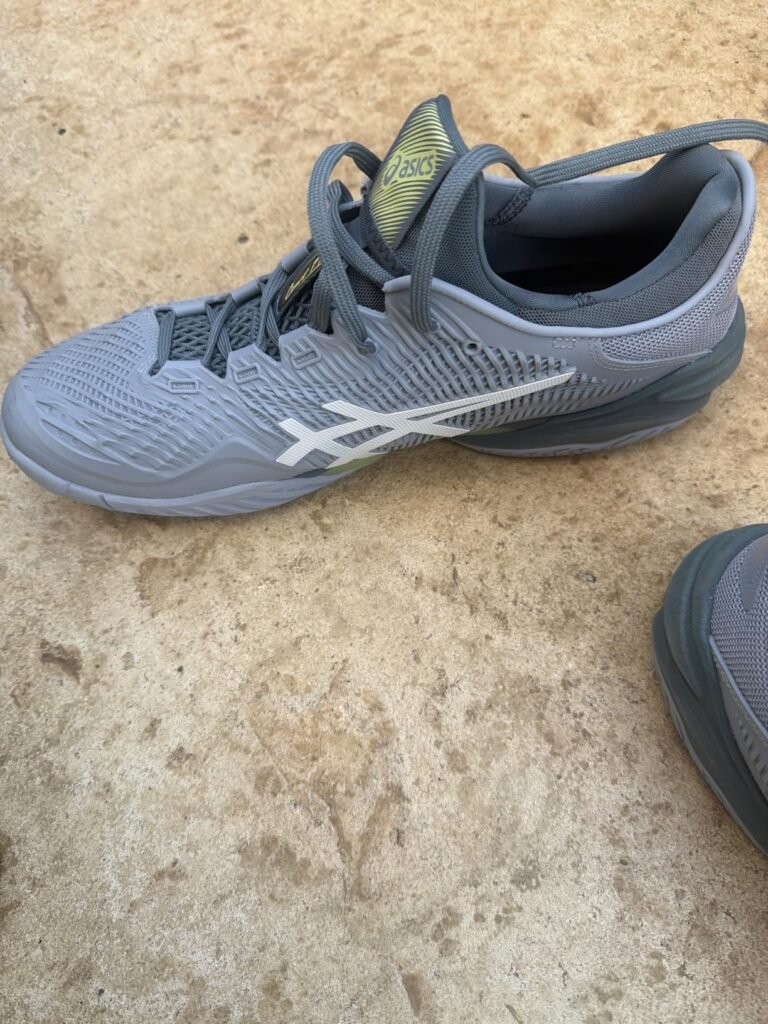
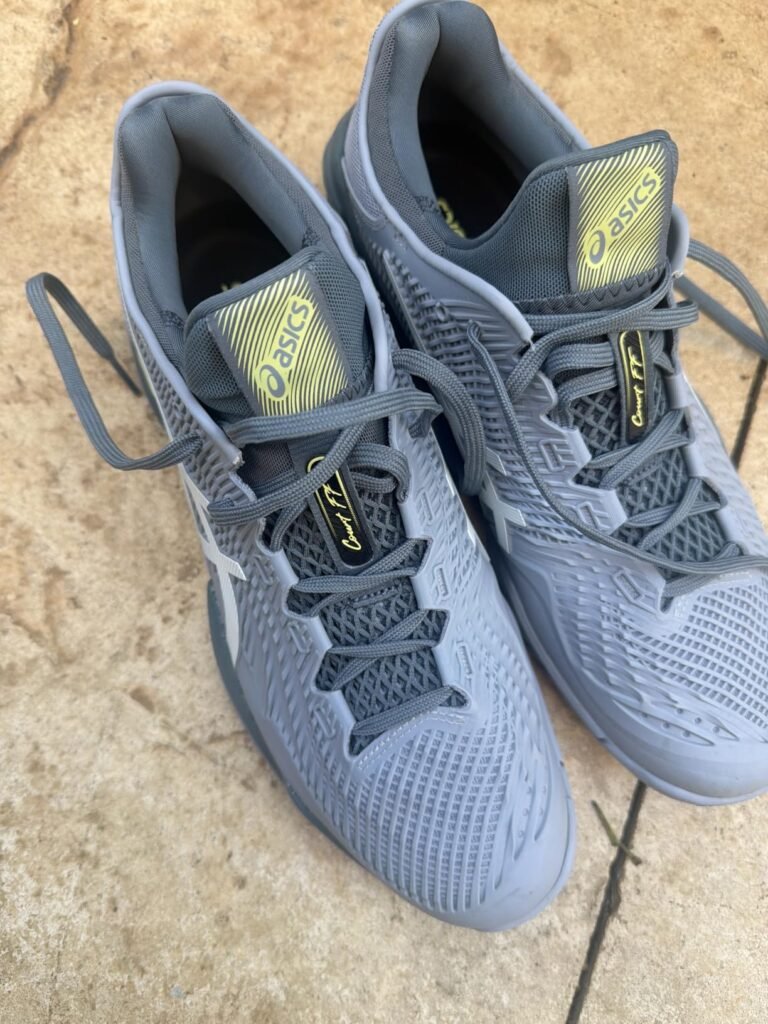
The Court FlyteFoam 3 targets serious players who prioritize maximum durability and cushioning over the lightest possible weight. Forefoot GEL technology is a genuine premium feature, adding a softer feel at footstrike that reduces jarring during hard landings after serves or overhead shots.
We may earn a commission when you buy through this link, at no additional cost to you.
The stability and protection package sets this shoe apart from lighter performance models. TWISTRUSS enhances quickness during cutting motions, PGUARD reinforces the toe and heel outsole areas that wear fastest, and AHARPLUS rubber delivers exceptional durability across hard courts. Together these features address the specific wear patterns that plague aggressive players.
The MONO-SOCK construction wraps the foot securely for improved stability, which matters during aggressive baseline play and when hitting on the run. It’s a snug fit that some players love and others find too tight, so sizing correctly matters more here than on looser-fitting alternatives. The sustainable sockliner adds environmental value without compromising performance.
PGUARD reinforces the toe drag area where servers often abrade the outsole quickly. If your serve motion drags your dominant-side toe, this feature can add months to your shoe’s usable life compared to unreinforced designs.
Pick this shoe if you play often, wear through tennis shoes quickly, and want maximum protection features. It’s heavier than the Solution Speed FF 4, which speed-focused players may find limiting, but for baseline grinders and players hard on their shoes, the extra durability translates into longer usable life and better value over time.
Not the right pick for casual players who don’t need maximum durability and cushioning features.
We may earn a commission when you buy through this link, at no additional cost to you.
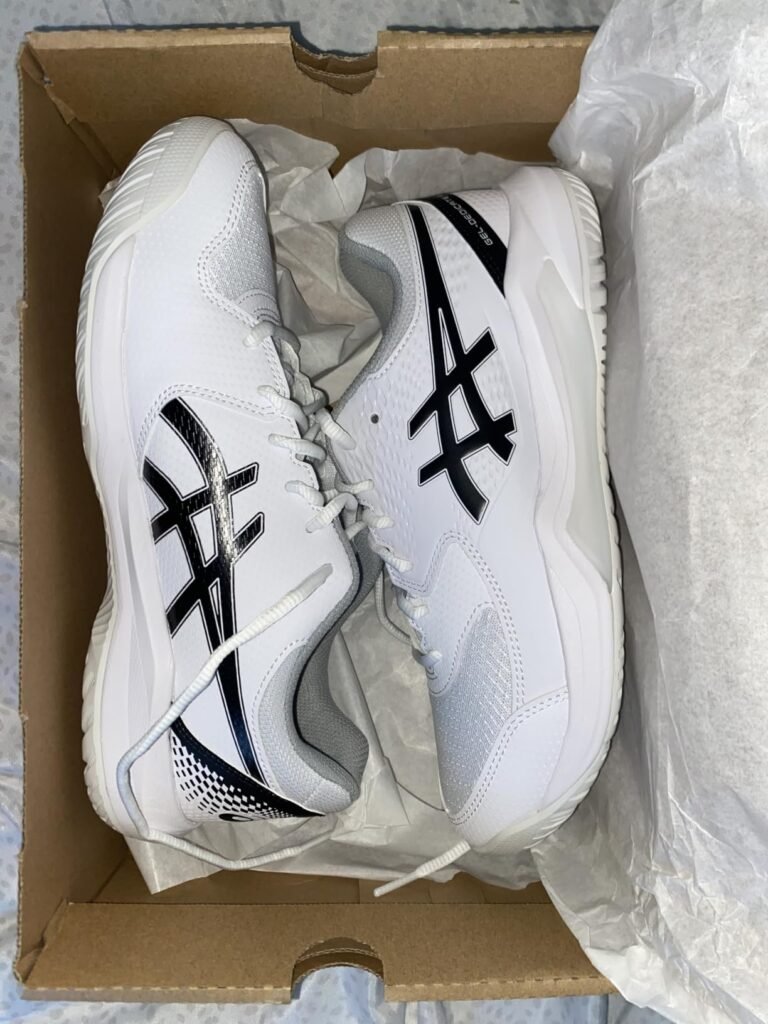
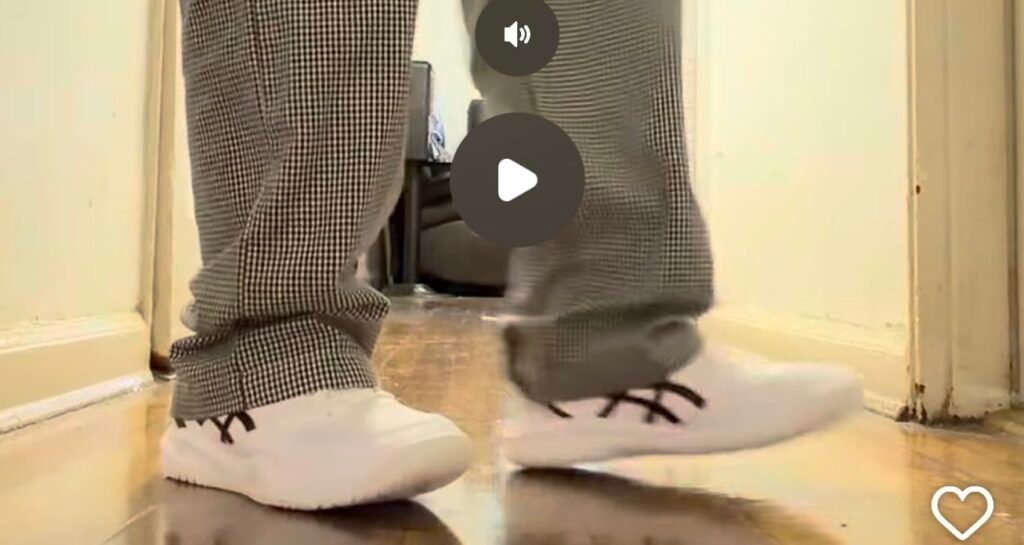
The Gel-Dedicate 8 brings genuine ASICS tennis technology to buyers who want more than entry-level features without paying flagship prices. GEL cushioning technology provides excellent shock absorption at the heel, which reduces fatigue during longer play sessions and softens landings after aggressive movements.
We may earn a commission when you buy through this link, at no additional cost to you.
The synthetic leather toe overlays protect the shoe’s most vulnerable wear area, which extends useful life for players whose serve or forehand motion drags the toe. Combined with the wrap-up outsole that protects the sole edges during pivots, these durability features address common failure points on cheaper tennis shoes.
TRUSSTIC technology stabilizes the midfoot during lateral movement, which is critical for tennis but often missing on shoes at this price point. The sustainable solution-dyed sockliner reduces water use by approximately 33 percent and carbon emissions by approximately 45 percent compared to conventional dyeing, adding environmental value.
GEL is a silicone-based cushioning material that absorbs impact more effectively than foam alone. Positioning it at the heel or forefoot targets the specific areas where impact forces are highest, providing meaningful protection without adding significant weight.
Choose this shoe if you want proven ASICS tennis technology under $100 and appreciate the sustainability improvements. Note that ASICS says this model runs small, so consider ordering half a size up from your usual size. For intermediate players who want real tennis features without stepping up to flagship prices, this is a smart middle-ground pick.
Not the best pick for players who need the maximum cushioning and durability of flagship models.
We may earn a commission when you buy through this link, at no additional cost to you.
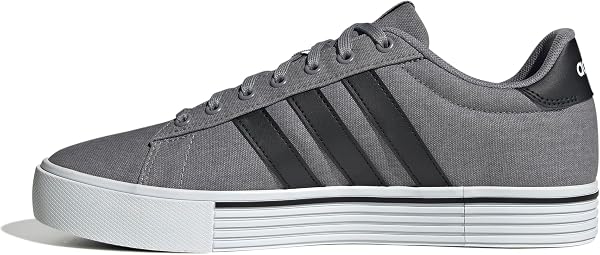
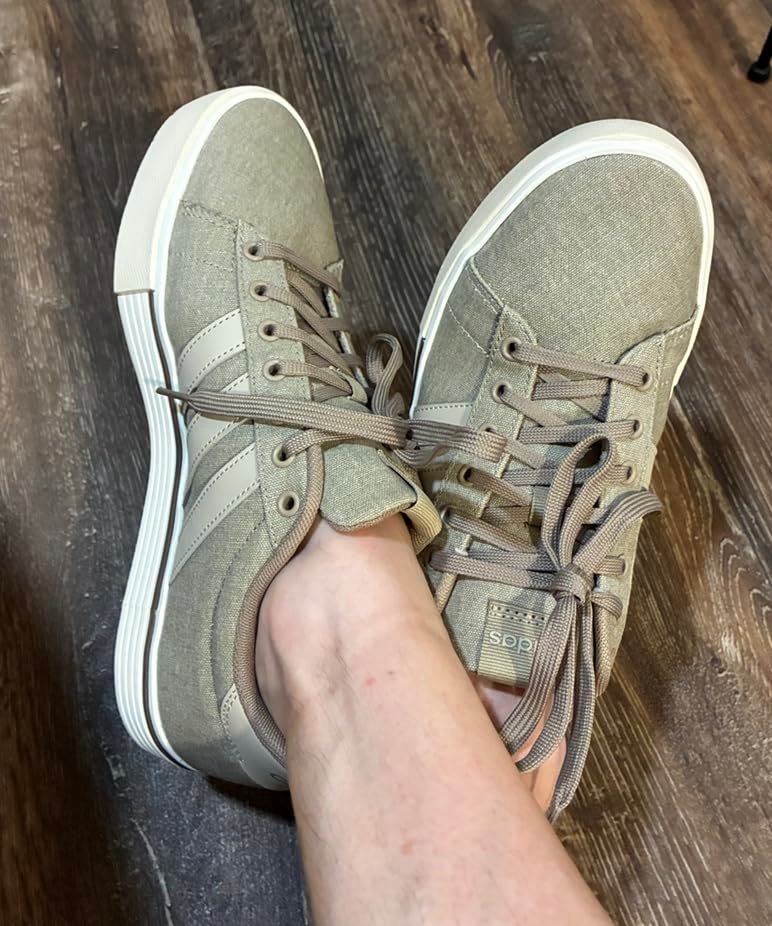
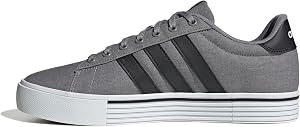
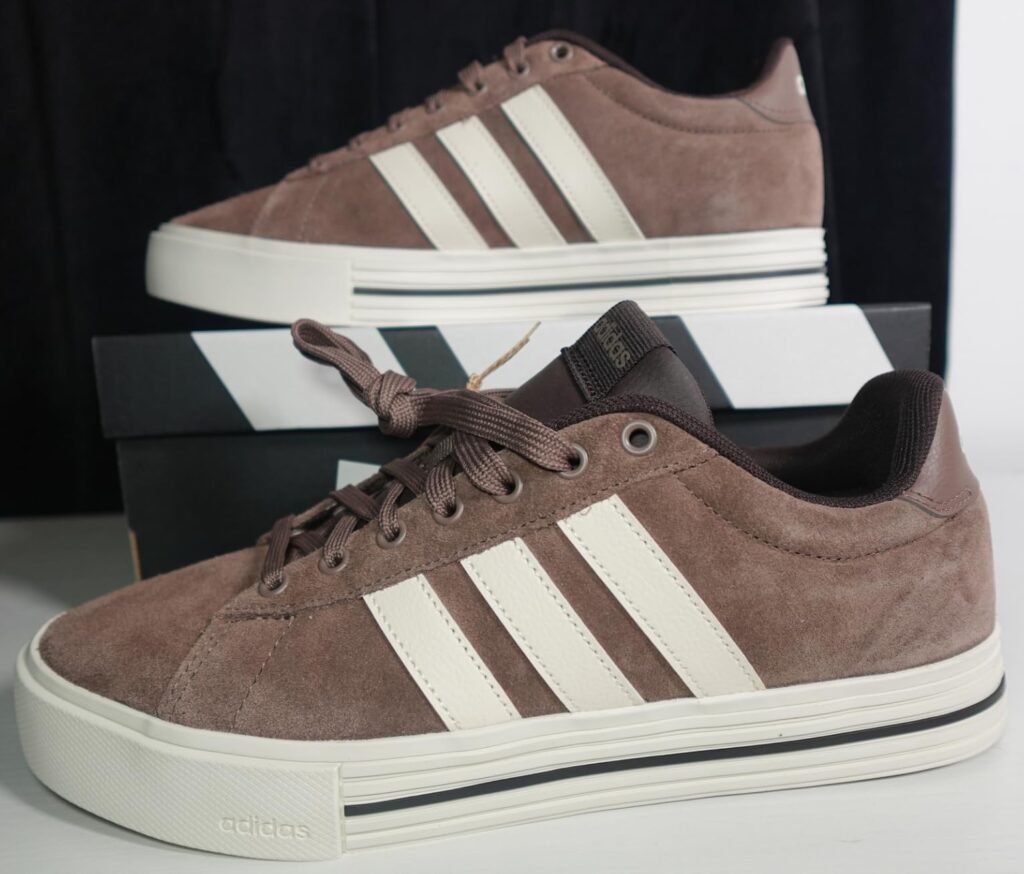
The adidas Daily 4.0 earns another mention as one of the highest-rated affordable casual sneakers available. The 4.6 star rating reflects consistent buyer satisfaction with fit, comfort, and durability across a huge sample of owners, which matters more than any specification sheet.
We may earn a commission when you buy through this link, at no additional cost to you.
The flexible textile upper conforms to the foot without hot spots or breaking-in pain, making these easy to wear right out of the box. The reinforced toe area adds meaningful protection where casual sneakers typically fail first, especially useful for players who occasionally hit the court for social pickleball or doubles.
The rubber outsole grips smooth surfaces well and provides the low-profile aesthetic that works for casual wear beyond athletic use. This dual-purpose functionality makes the Daily 4.0 popular as an everyday sneaker that occasionally sees court time, rather than a dedicated tennis shoe stored in a gym bag.
A 4.6 rating across thousands of reviews signals consistent quality and value that specs alone can’t capture. This kind of consistent owner satisfaction usually means a shoe delivers what buyers actually expect at its price point.
Pick this shoe if you want a highly rated affordable sneaker for casual wear plus occasional light court use. Serious tennis players will need dedicated tennis shoes, but for the majority of recreational players who prioritize versatility and value, this remains one of the smartest picks in this comparison.
Not the right pick for competitive tennis or players needing tennis-specific stability.
We may earn a commission when you buy through this link, at no additional cost to you.
The right court shoe depends on your playing frequency, style, court surface, and foot shape. This guide walks through each key buying factor with clear tradeoffs.
Court surface should shape your outsole choice more than most buyers realize. Hard courts demand durable rubber outsoles that resist abrasion from rough concrete surfaces. Look for terms like Adiwear, AHARPLUS, and ASICSGRIP that indicate specialized durability compounds. The ASICS Court FlyteFoam 3 with AHARPLUS and the adidas Gamecourt 2.0 with Adiwear are examples of hard-court-ready outsoles that hold up over time.
Clay courts have different needs. A herringbone tread pattern releases clay from the outsole grooves, preventing buildup that reduces traction. Clay-specific shoes typically have full herringbone patterns across the entire outsole. Grass courts, which are rare at recreational level, require nubbed outsoles similar to soccer cleats and typically aren’t relevant for most players.
For most players who mostly play hard courts with occasional other surfaces, a durable hard-court outsole works fine. Dedicated clay court players should look for models specifically marked as clay court shoes.
Cushioning affects both comfort and injury prevention during play. Basic EVA foam midsoles like those in the adidas Gamecourt 2.0 provide adequate cushioning for recreational play at accessible prices. Premium foam technologies like ASICS FLYTEFOAM in the Solution Speed FF 4 and Court FlyteFoam 3 deliver lighter weight with better responsiveness, which matters for players moving quickly around the court.
GEL cushioning technology in shoes like the ASICS Gel-Dedicate 8 and Court FlyteFoam 3 uses silicone-based inserts to absorb impact at the heel or forefoot. These deliver noticeably better shock absorption than foam alone, especially valuable for older players, heavier players, or anyone with joint sensitivity. Full-length Air-Sole units in shoes like the Nike Air Monarch IV provide consistent cushioning across the entire foot at the tradeoff of added weight.
Prioritize cushioning based on how often you play and your body’s tolerance. Occasional players can save money on basic EVA; serious players benefit from GEL or premium foam technologies.
Tennis involves constant side-to-side movement that stresses shoes differently than running or general fitness. Lateral stability features prevent the foot from sliding inside the shoe during cuts, which reduces injury risk and preserves power during aggressive play. TRUSSTIC and TWISTRUSS from ASICS reinforce the midfoot to resist twisting, while SPEEDTRUSS specifically targets quickness during cutting motions.
Wider outsole platforms provide inherent lateral stability by preventing rollover during aggressive cuts. Reinforced heel counters lock the foot in place during side-to-side movement, and secure lacing systems with reinforced eyelets keep the upper snug throughout the foot. The MONO-SOCK construction in the Court FlyteFoam 3 wraps the foot for a particularly secure feel.
Prioritize stability if you play competitive or aggressive tennis. Casual doubles players who move less intensely can accept less specialized stability features to save money.
Upper material shapes both comfort and shoe longevity. Mesh uppers like those on the ASICS Game FlyteFoam and adidas Gamecourt 2.0 breathe well, keeping feet cooler during hot matches and reducing sweat buildup that causes blisters. The tradeoff is less structural support and potentially faster wear at high-stress areas.
Leather and synthetic leather uppers like those on the K-Swiss ST329 CMF and Nike Air Monarch IV provide more structure and durability but breathe less well. These work best for players in cooler climates or those who value the more supported feel of leather over the softer flex of mesh. Hybrid uppers combine the two, using leather at wear areas and mesh at breathable zones.
Prioritize mesh for hot climates and speed-focused play. Choose leather or hybrid uppers if you value structure and long-term durability over maximum breathability.
Toe drag from serve motions is one of the fastest ways to destroy a tennis shoe. Players whose motion drags the dominant-side toe during the serve follow-through can wear through unreinforced uppers in months. Toe reinforcement, whether from durable leather overlays like those on the ASICS Gel-Dedicate 8 or dedicated PGUARD reinforcement like the Court FlyteFoam 3, extends useful life significantly.
Look at your current tennis shoes to see where they wear first. If the toe area shows significant abrasion, reinforced toe caps are worth the extra investment. If your toe box stays intact, you can prioritize other features and skip premium toe protection. Aggressive servers particularly benefit from PGUARD or similar technologies.
Check your serve motion honestly. If you’re a toe-dragger, prioritize reinforcement. If not, save money by choosing shoes without expensive toe protection technology.
Court shoe fit differs from casual sneaker fit. Tennis shoes should hold the foot securely without pressure points, allowing aggressive lateral movement without slipping. Some models run true to size, while others run small (like the ASICS Gel-Dedicate 8) or accommodate wider feet (like the K-Swiss ST329 CMF’s wide fit design). Read sizing feedback from recent buyers before ordering.
For players with wider feet, prioritize models designed for wider fits rather than sizing up in standard designs, since sizing up creates a shoe that’s too long even if the width fits better. Try on shoes in the afternoon when feet are slightly swollen, wear the sock thickness you’ll use during play, and walk around actively to test comfort rather than just standing still.
Get sizing right before worrying about features. A poorly fitting premium shoe performs worse than a properly fitted budget shoe.
Shoe weight affects how quickly you can change direction and how much energy you use during longer matches. Lighter shoes like the ASICS Solution Speed FF 4 feel more responsive during quick movements and reduce fatigue during extended play, which benefits competitive players and anyone playing multiple sets. The tradeoff is typically less cushioning and durability.
Heavier shoes like the Nike Air Monarch IV and Court FlyteFoam 3 offer more cushioning and protection at the cost of quickness. These work well for players who prioritize comfort over speed or who play at recreational intensity where minor weight differences don’t affect outcomes. Middle-weight shoes balance the two approaches.
Prioritize weight for competitive or fast-paced play. For casual recreational play, cushioning and durability may matter more than the last few ounces of weight savings.
Tennis shoes have a limited useful life. Even premium models eventually wear out at the outsole toe or lose cushioning as foam compresses. Understanding realistic replacement cycles helps calculate true value rather than just comparing sticker prices. A $60 shoe replaced every three months costs more per year than a $150 shoe that lasts nine months.
Consider your play frequency when calculating value. Weekly recreational players can typically stretch shoes for a full season, while daily competitive players may need multiple pairs per year regardless of quality tier. Sustainable features like the solution-dyed sockliners in several ASICS models add environmental value without affecting price significantly.
Match spending to play frequency. Occasional players get more value from mid-tier shoes; frequent players benefit from premium durability features that extend useful life.
Break in new tennis shoes gradually before playing full matches. Wear them for casual walks or short warm-ups first to let the upper conform to your foot and identify any hot spots that need attention. Playing a full match in brand-new shoes can cause blisters, and premium shoes with structured uppers may take a week or two of regular use to fully break in. Bring your old pair to the court as backup during the transition.
Rotate between two pairs when possible for longer life and better performance. Alternating shoes lets the cushioning foam decompress between sessions, which extends its useful life significantly and provides more consistent underfoot feel. This is especially valuable for players who play multiple times per week. Store shoes in a cool, dry place rather than a hot car trunk or damp gym bag, since heat and moisture degrade cushioning foam and glue over time.
Clean shoes regularly to preserve materials and extend useful life. Brush off court dust and dirt after each session, and spot-clean the upper with a damp cloth for tougher marks. Avoid throwing tennis shoes in the washing machine, which damages cushioning and adhesives. Let shoes air dry naturally after wet sessions rather than using heat, which can shrink materials and separate glued joints. When the outsole shows significant wear or the cushioning feels flat, replace them before injury risk increases. Cheaper new shoes usually beat worn-out premium shoes for performance and safety.
Tennis shoes are designed for lateral movement with wider outsoles, herringbone tread patterns, and reinforced sides. Running shoes optimize for forward motion with narrower designs and cushioning positioned for heel-to-toe strike patterns. Wearing running shoes for tennis increases injury risk during lateral cuts, and tennis shoes feel awkward for extended running. Match your shoe to your primary activity.
Most players should replace tennis shoes every 45 to 60 hours of court time, or sooner if the outsole shows significant wear. Recreational players who play once a week typically get a full year from a quality pair, while competitive players playing several times weekly may need two or three pairs per year. Worn shoes lose cushioning and lateral support, increasing injury risk.
Yes, tennis shoes work well for pickleball because both sports require similar lateral movement, quick starts and stops, and durable outsoles. Some players prefer dedicated pickleball shoes with slightly softer cushioning, but any solid tennis shoe handles pickleball demands. The K-Swiss ST329 CMF is specifically marketed for both tennis and pickleball use.
Hard court players need durable rubber outsoles that resist abrasion from rough concrete surfaces. Look for outsole technologies like Adiwear (adidas), AHARPLUS (ASICS), or similar durable compounds. Herringbone or multi-directional tread patterns provide good traction in all directions. Avoid dedicated clay-court outsoles on hard courts, since they wear out much faster.
Yes, players with wider feet benefit significantly from wide-fit designs like the K-Swiss ST329 CMF rather than sizing up in standard-width shoes. Sizing up creates a shoe that's too long even if the width fits better, which reduces stability and increases blister risk. Genuine wide-fit designs use a broader last that accommodates natural foot shape.
Cushioning matters more with age, playing frequency, and body weight. Younger, lighter players playing recreationally can get by with basic EVA cushioning. Older players, heavier players, and those with joint sensitivity benefit significantly from premium cushioning technologies like GEL or advanced foam systems that reduce joint impact during play.
Cross-trainers work for casual recreational play but lack tennis-specific features like herringbone outsoles, reinforced lateral support, and toe drag protection. For occasional social play, cross-trainers like the New Balance 608 V5 or Nike Air Monarch IV are fine. For competitive or frequent play, dedicated tennis shoes offer meaningful performance and safety advantages.
Fit varies by brand and model. Some models like the ASICS Gel-Dedicate 8 run small and benefit from sizing up half a size. Others fit true to size. Read recent sizing feedback from buyers before ordering, and try shoes on in the afternoon when feet are slightly swollen. Your toes should have about a thumb's width of space at the front.
Entry-level tennis-ready shoes start around $50 to $70 and work well for casual players. Mid-range options from $70 to $120 offer better cushioning and stability for regular players. Premium performance shoes from $150 to $200 deliver flagship features like GEL cushioning, reinforced toes, and premium outsole compounds. Match spending to playing frequency and competitive level.
Wear new shoes for casual walks or short warm-ups before playing full matches. Structured leather or synthetic uppers may take a week or two of regular use to fully conform to your foot. Never play a full competitive match in brand-new shoes, since hot spots and blisters can develop that wouldn't appear during break-in. Bring backup shoes to court during the transition period.
The ASICS Solution Speed FF 4 stands out as the strongest overall pick for competitive and serious recreational players. Its FLYTEFOAM cushioning delivers lightweight responsiveness without sacrificing comfort, while SPEEDTRUSS technology specifically supports the cutting motions that define tennis. Combined with the PRECISION SOLE and ASICSGRIP outsole for durable traction, plus thoughtful details like reinforced eyelets and sustainable sockliner production, it represents modern tennis shoe design done well.
For different priorities, several alternatives deserve serious consideration. The adidas Gamecourt 2.0 delivers solid tennis-ready performance at a friendly price for recreational players. The ASICS Court FlyteFoam 3 is the premium pick for aggressive players who need maximum durability and cushioning. The K-Swiss ST329 CMF solves wide-foot fit challenges with a leather upper and rugged outsole, while the New Balance 608 V5 offers all-day cross-training comfort for casual play plus everyday wear. The Nike Air Monarch IV and adidas Daily 4.0 both provide affordable everyday options with proven durability for occasional court use.
Match your choice to how you actually play. Honest assessment of your competitive level, playing frequency, foot shape, and typical court surface matters more than chasing the most feature-packed model. A well-fitted mid-tier shoe used consistently outperforms a premium shoe that doesn't match your foot or playing style. Use the buying guide above to weigh outsole durability, cushioning, lateral stability, and fit against your real needs, and you'll end up with a court shoe that improves your game and lasts through many matches.