AmeriGlide Rave 2
8.8Editor score350 lb weight capacity
15-foot straight track
Battery powered operation
Made in USA
Find the right stair lifts for 2026. We compare 6 standout options by build quality, useful features, owner feedback, value, and everyday trade-offs.
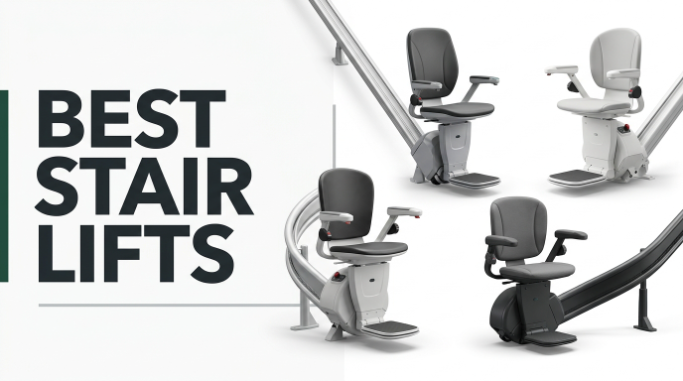
Find the right stair lifts for 2026. We compare 6 standout mobility solutions by the factors that matter most for safe daily use, including weight capacity, installation requirements, battery backup, safety sensors, seat comfort, warranty coverage, and everyday practicality, so you can match the right lift to your staircase and your household’s specific mobility needs.
This category spans a wider range than many buyers realize. Traditional rail-mounted chair lifts install along a staircase for permanent use, while portable stair-climbing wheelchairs and dollies offer transport without construction. Even a well-designed climbing assist cane can serve people who need modest support. Understanding which category fits your situation is the first key decision.
This guide walks through each option with practical detail on who benefits most, what to check before buying, and where each solution has meaningful limitations. Whether you’re planning a permanent staircase installation, arranging safer transport for a family member, or moving heavy items between floors, the reviews below focus on real-world usefulness rather than marketing claims.
We compared 6 stair lift and mobility solutions using the details that actually help a buyer decide: weight capacity, installation complexity, battery backup, safety features like seat belts and sensors, staircase compatibility, portability, warranty support, owner feedback, and value. The notes focus on practical trade-offs so each pick connects to how households actually navigate multi-level homes, transport family members with limited mobility, or move heavy items safely up and down stairs.

Compare key features, scores, and current prices side by side. A shorter feature list means fewer details were available, not necessarily fewer capabilities.


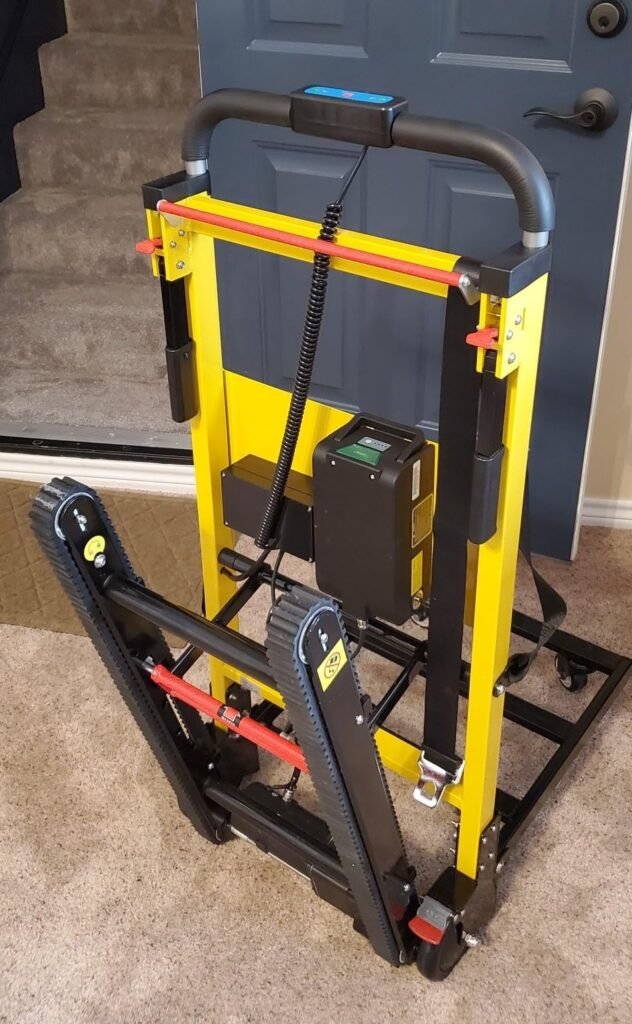
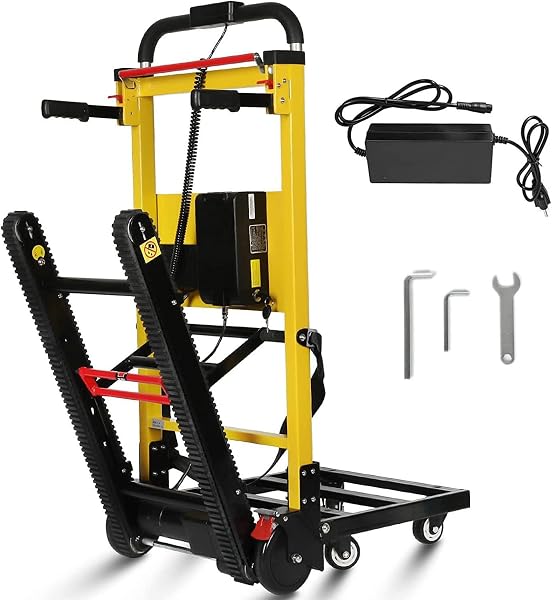
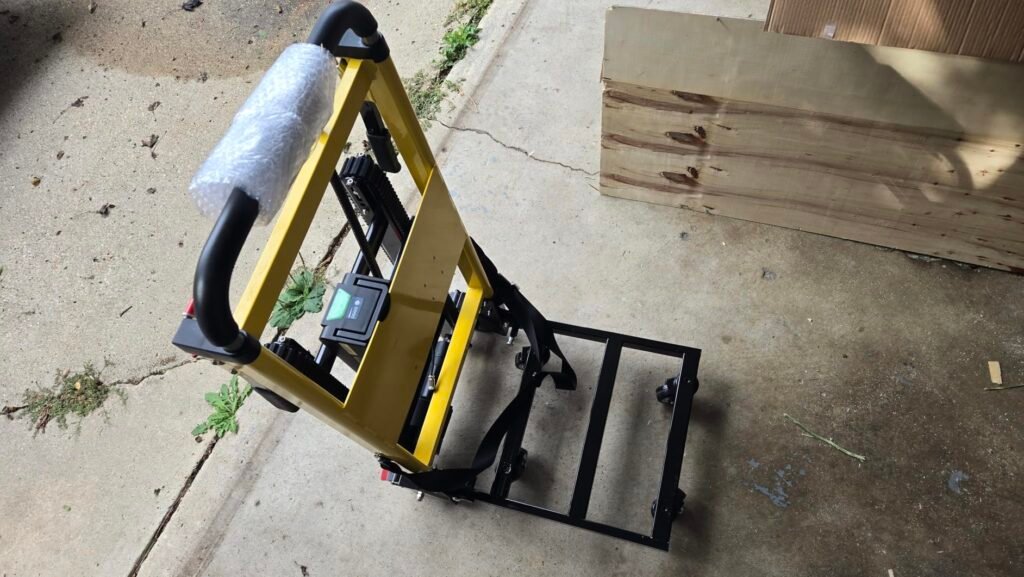
The electric stair climbing dolly serves a completely different purpose than the passenger lifts in this comparison. It's designed for safely moving heavy items like refrigerators, washing machines, televisions, and other bulky furniture up and down straight stairs. For homeowners, small business owners, moving crews, and delivery services, this powered dolly replaces the risk and physical strain of muscling heavy loads up staircases by hand.
We may earn a commission when you buy through this link, at no additional cost to you.
The 441-pound load capacity handles most household appliances and large furniture pieces, and the spacious 27.6 by 21.7 by 69.7-inch cargo area accommodates tall items along with squarer boxes. A 49.3-inch seat belt secures cargo firmly during transport so items don’t shift or tip on stair transitions. The 24V lithium battery is removable for charging and provides 3 to 4 hours of runtime on a single charge, which covers extended moving jobs.
The six-wheel design includes four 360-degree universal wheels for smooth maneuvering on flat surfaces and two heavy-duty rear wheels with safety locks for stability on stairs. The track angle adjusts to match stair steepness up to 30 degrees, which covers most residential and commercial staircases. Operation is designed for a single person, with intuitive controls that let one operator handle jobs that would otherwise require two or more people.
Beyond obvious moving jobs, a powered stair climbing dolly is useful for delivering new appliances, hauling boxes to and from storage areas, transporting seasonal items like holiday decorations, and moving heavy home gym equipment. For frequent users, the time and injury savings compared to manual lifting or hiring movers can quickly justify the purchase.
The important caveat is that this dolly is engineered for cargo transport, not for carrying people. It shouldn’t be confused with passenger stair lifts or stair-climbing wheelchairs. For property owners, appliance installers, movers, and anyone regularly transporting heavy items between floors, the powered dolly dramatically reduces the physical demand and injury risk of stair moves. It’s a specialized tool that pays back its investment quickly for frequent users.
Any application involving carrying people. This is strictly a cargo transport tool.
We may earn a commission when you buy through this link, at no additional cost to you.
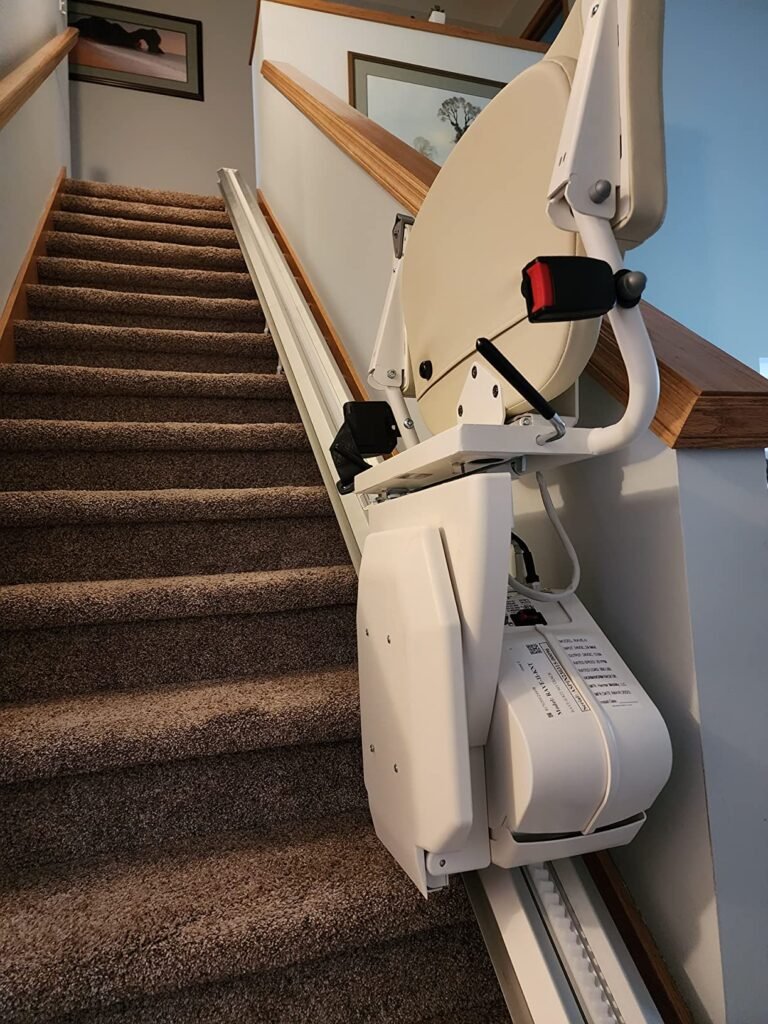
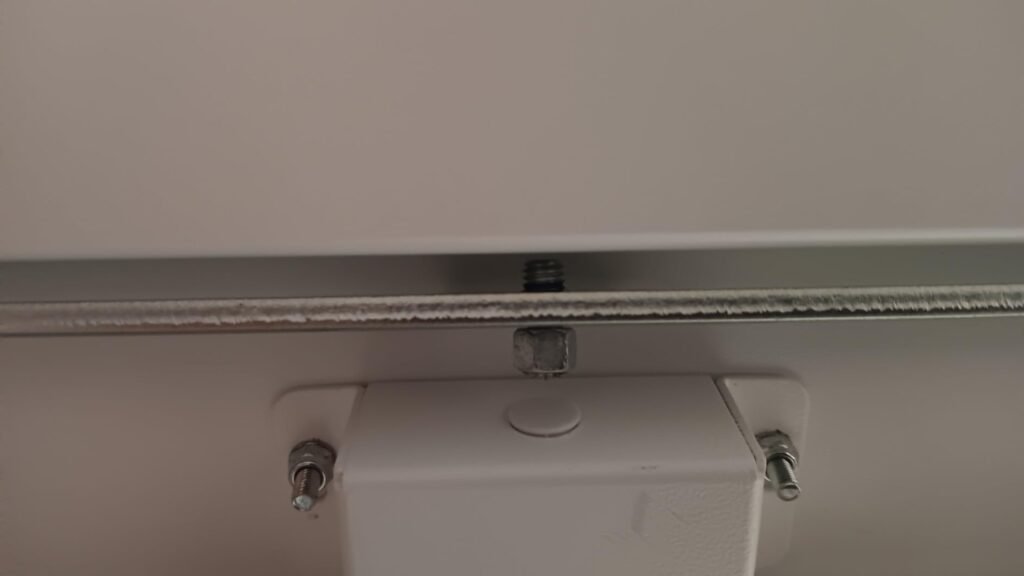
The AmeriGlide Rave 2 is a strong Editor's Choice for households with a straight staircase who want a permanent chair lift solution without the substantial cost of professional installation. Designed as a DIY-installable system, it delivers the core safety features and daily convenience of higher-priced professionally installed lifts at a significantly lower total investment.
We may earn a commission when you buy through this link, at no additional cost to you.
The 350-pound weight capacity covers most adult users comfortably, and the 15 feet of included track fits typical single-story staircases in average American homes. Battery-powered operation is a genuine advantage over line-voltage systems, since the lift continues working during power outages when reliable stair mobility matters most. The battery charges automatically when the seat rests at either landing.
Safety and convenience features are notably complete for a DIY-oriented product. The seat swivels at the top landing so the user can step off safely onto the upper floor without twisting on the stairs, and both seat and armrests flip up when not in use to keep the staircase accessible for family members. A footrest safety sensor stops the lift if it encounters an obstruction, and wireless call stations at both the top and bottom of the stairs let another household member send the lift to the correct floor.
A stair lift that relies solely on AC power stops working the moment your home loses electricity. Battery-powered systems continue to operate through outages, which is especially important for users who depend on the lift for basic access to bedrooms, bathrooms, or exits. Modern lithium and sealed lead-acid batteries typically provide dozens of trips between charges.
The main trade-offs are the straight-staircase requirement and the DIY installation. Curved or L-shaped stairways cannot accommodate this style of track, and buyers who are not comfortable following installation instructions carefully should factor in the cost of hiring a handyman or installer. For households with a suitable straight staircase and basic mechanical comfort, the Rave 2 delivers meaningful value and daily independence.
Homes with curved, L-shaped, or spiral staircases that require custom-fabricated rail systems.
We may earn a commission when you buy through this link, at no additional cost to you.
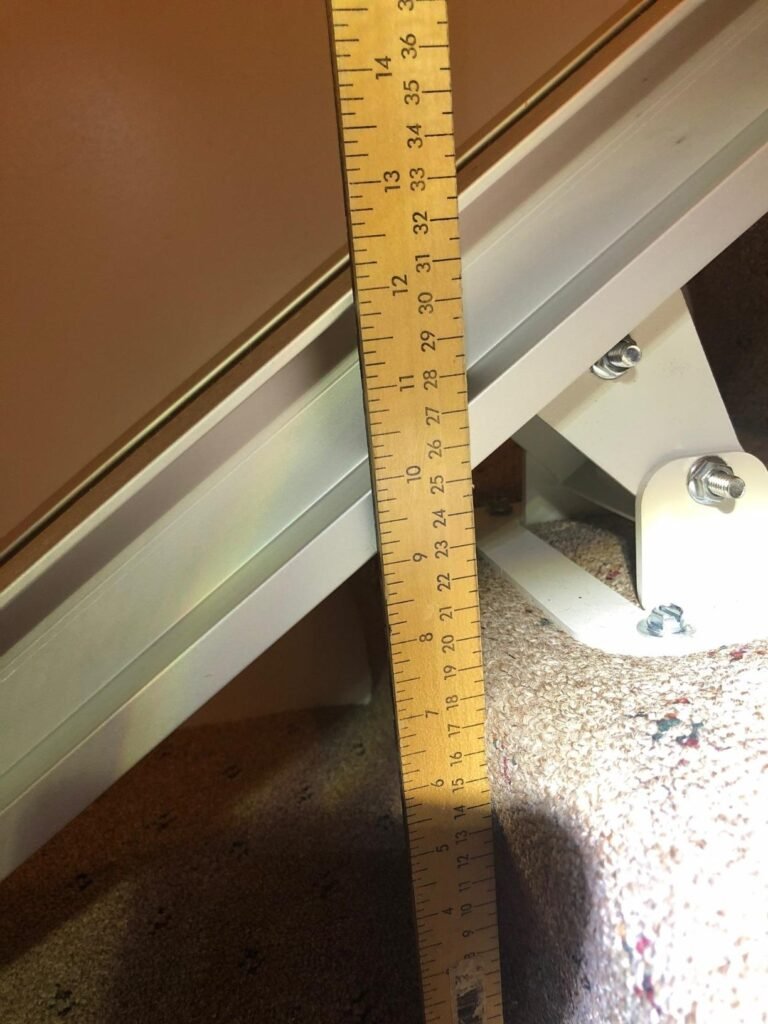
The Universal Stair Lift focuses on preserving normal staircase use for the rest of the household. When not in use, the seat, footrest, and armrests fold flat against the wall along the track, leaving enough clearance for family members and visitors to walk up and down the stairs without obstruction. That matters in shared homes where the lift user isn't the only person navigating the staircase.
We may earn a commission when you buy through this link, at no additional cost to you.
The 350-pound capacity matches typical adult use, and the 15-foot track handles most single-story installations. Installation flexibility is a real practical benefit here: the rail mounts on either the left or right side of the staircase, letting you match the lift to your home layout and to the user’s dominant side for easier transfers. The power cord plugs directly into a standard AC outlet, so no electrical wiring work is required to set the system up.
Three separate safety mechanisms and an internal rechargeable battery backup are meaningful reassurances. The battery backup delivers 20 or more full trips during a power outage, which covers the essentials while utility service is restored. A wireless remote allows the lift to be called to either landing without walking up or down to retrieve it, which is genuinely useful when caregivers need to bring the seat to a waiting user.
The user’s stronger side often dictates which side of the staircase makes safer transfers. A person with left-side weakness after a stroke, for example, typically finds it easier to enter and exit from the right side. Installation flexibility lets you match the lift to the user rather than forcing the user to adapt to a fixed layout.
The trade-offs include the lower average customer rating compared to some competitors, which suggests occasional variability in shipping condition or installation clarity. The lift also requires a straight staircase of appropriate length. For households where preserving normal staircase access for other family members is a priority, the fold-flat design is a genuinely useful feature that many other lifts don’t offer as cleanly.
Households needing to accommodate curved staircases or those preferring a professionally installed system.
We may earn a commission when you buy through this link, at no additional cost to you.
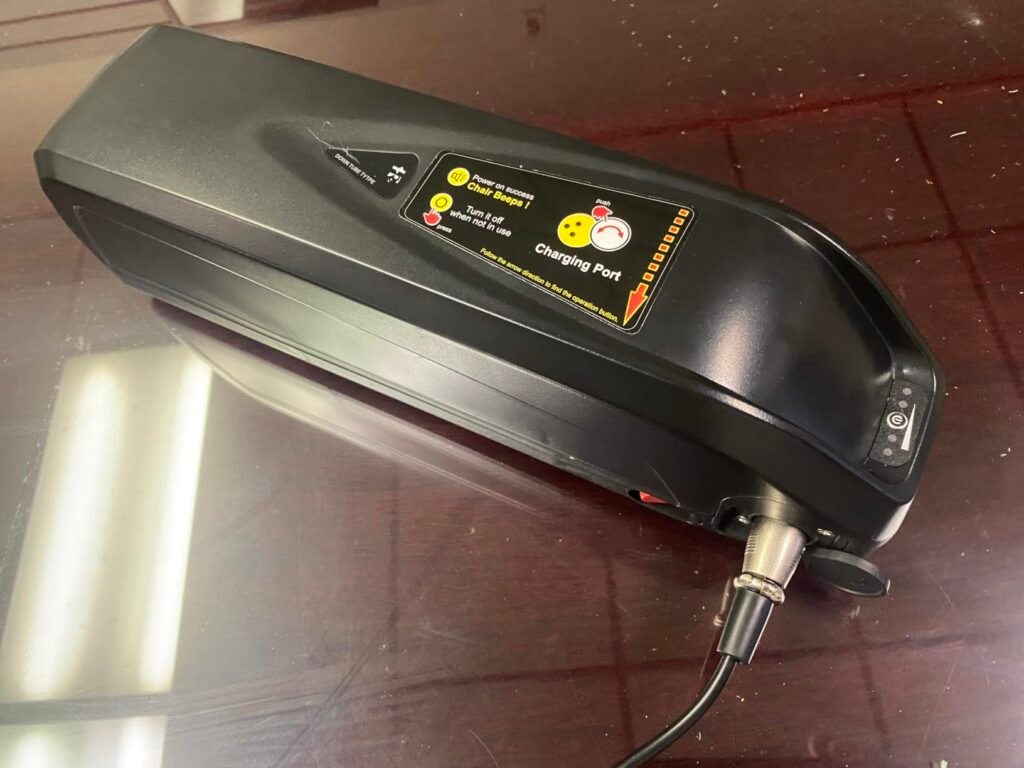
The NXN electric stair-climbing wheelchair takes a completely different approach than rail-mounted lifts. Rather than modifying the home, it provides a portable powered chair that a caregiver can maneuver up and down stairs safely. This makes it a strong option for rental properties where installation isn't allowed, for households where multiple locations need stair access, and for situations where the user's needs are expected to evolve.
We may earn a commission when you buy through this link, at no additional cost to you.
The 450-pound weight capacity is substantial, accommodating larger users comfortably without feeling stressed. Powered stair climbing uses attendant controls, meaning a caregiver or family member operates the chair while the user sits securely with the included safety belt. The climbing action is deliberately slow and steady, which prioritizes rider confidence and gives the operator full control over each step transition.
Practical portability is a major advantage. The chair folds for storage in a car trunk, closet, or corner of a room, so it doesn’t permanently occupy living space the way a fixed stair lift does. Lockable rear wheels prevent slipping on flat surfaces, letting the chair function as a standard transport wheelchair between staircases. For families who visit multiple homes or apartment buildings regularly, this flexibility is difficult to match with any fixed system.
Portable stair-climbing wheelchairs make sense when the user cannot operate a lift independently, when installation isn’t permitted, when the mobility need is temporary, or when the user needs access to multiple locations with stairs. Rail-mounted lifts remain the better choice for long-term independent use in a permanent residence.
The main consideration is that this style of stair-climbing wheelchair requires a capable caregiver to operate it safely. Users who need to travel stairs independently should look at a rail-mounted lift instead. For situations where a family member, home health aide, or paid caregiver is regularly available to assist with transfers, the NXN chair provides genuine mobility support without any construction or long-term modification to the home.
Users who need to navigate stairs independently without a caregiver’s assistance.
We may earn a commission when you buy through this link, at no additional cost to you.
The DOFORU stair-climbing wheelchair pairs the portability of an attendant-operated chair with a class-leading 480-pound capacity, making it a particularly strong choice for households with larger users who need reliable stair navigation. The rugged aluminum alloy frame keeps the chair manageable to fold and transport while providing the structural strength for heavier riders.

We may earn a commission when you buy through this link, at no additional cost to you.
Button-activated stair climbing runs at a slow, controlled pace designed to keep both the user and caregiver comfortable during each transition. The corrosion-resistant construction and reinforced nylon seating hold up well under regular use, and the chair works in a wide range of environments including homes, hospitals, medical offices, and public buildings. On flat surfaces, it functions as a conventional powered transport chair.
The functional design covers more scenarios than many competing portable stair chairs. Indoor use for daily stair access is the most common application, but the chair also handles outdoor porch steps, uneven terrain around entrances, and public building stairs when visiting family or attending appointments. That versatility means one chair covers multiple mobility needs rather than requiring separate solutions for each situation.
Choosing a stair chair with capacity comfortably above the user’s actual weight is important for safety and long-term reliability. Operating any lift or chair near its maximum rated capacity increases wear on motors, gears, and safety systems. A chair rated for 480 pounds used by a 250-pound rider has substantial safety margin, which improves long-term reliability and rider confidence.
As with all portable stair-climbing wheelchairs, this model requires a caregiver to operate the controls and guide the chair safely, and it is designed strictly for straight conventional staircases rather than spiral or heavily curved designs. For families with a heavier user who value the flexibility of a portable solution over a permanent installation, the DOFORU provides the strongest weight capacity in this comparison at a competitive price.
Users needing independent operation or homes with spiral or heavily curved staircases.
We may earn a commission when you buy through this link, at no additional cost to you.
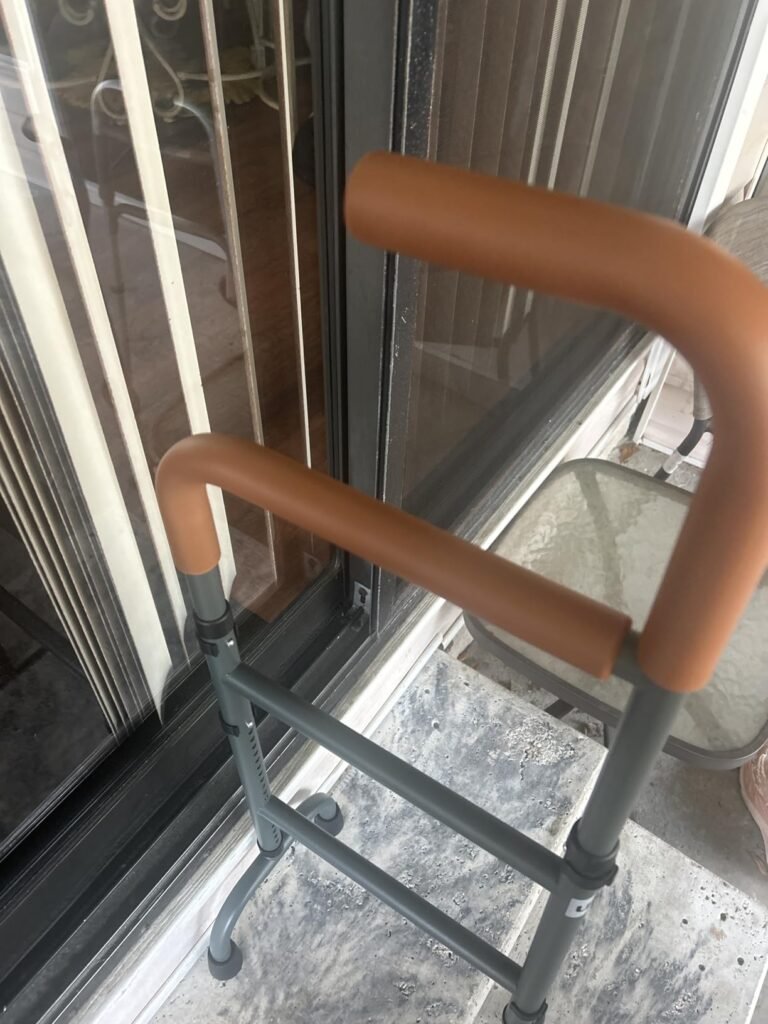
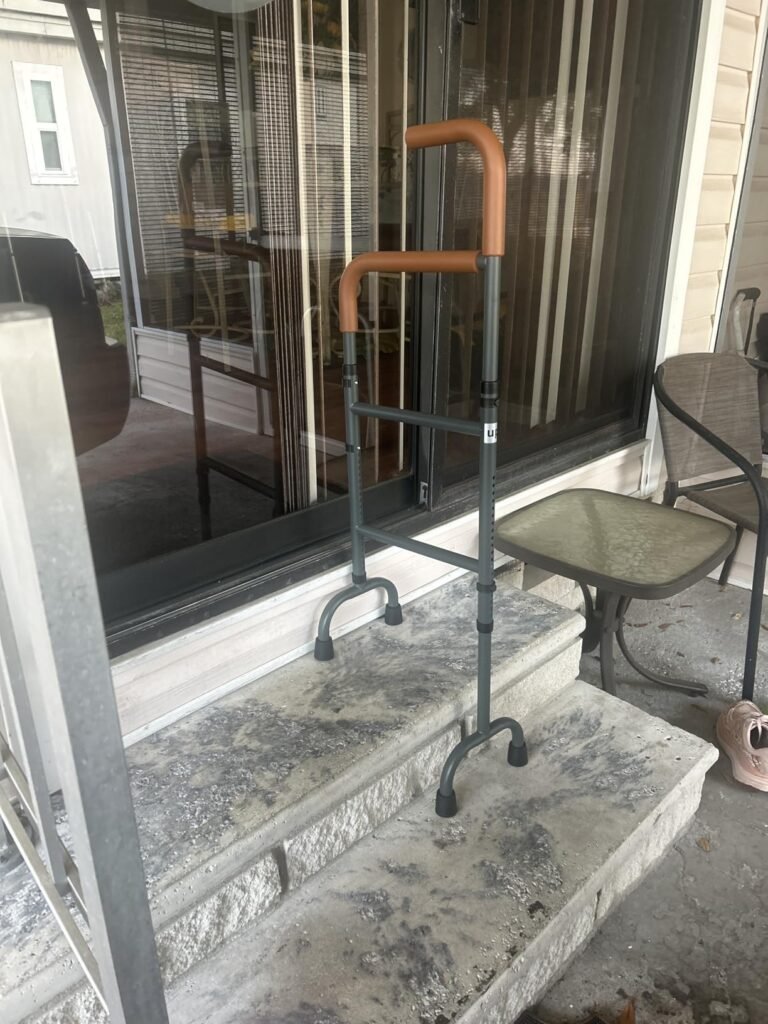
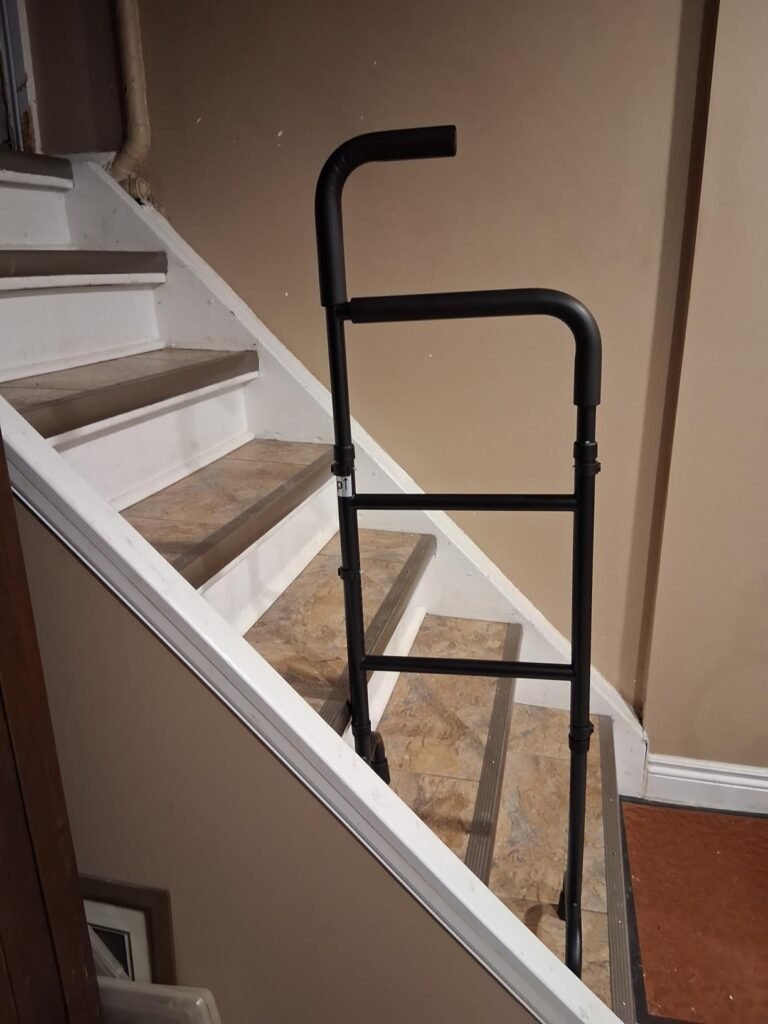
The Heywood stair climbing assist cane serves users who can still walk stairs but need extra support at the top or bottom to safely transition on and off the steps. Rather than mechanically lifting the user, it provides a stable, height-adjustable grab point that replaces the typical missing handrail or gives an additional support surface where one is needed most. For seniors with mild to moderate balance issues, this low-cost tool can meaningfully reduce fall risk.
We may earn a commission when you buy through this link, at no additional cost to you.
Construction uses lightweight yet strong carbon steel with an anti-rust coating, supporting up to 300 pounds despite the cane’s own light 4.4-pound weight. Four non-slip rubber feet adapt to different stair materials including wood, tile, and stone, and the ergonomic anti-slip foam handle reduces hand fatigue during use. The dual-layer stability design helps prevent slips even on narrower or steeper steps.
Height adjustability is the standout practical feature. Twenty adjustable levels from 35 to 45 inches let the cane fit both standard staircases and non-standard step configurations, including short indoor steps, garage entrances, and mismatched heights common in older homes. Adjustment is tool-free using a simple pull-pin mechanism, making it easy to reposition the cane between different locations as needed.
A stair climbing cane suits users who can still climb stairs but feel unsteady at the transition points where handrails end or where the step height is inconsistent. It’s also useful in secondary locations like a basement entrance or garage step where a full stair lift wouldn’t be practical. For anyone with more significant mobility loss, a real lift system is the safer choice.
The important context is that this cane is a stair assist tool, not a substitute for a genuine stair lift or stair-climbing chair. Users who cannot walk stairs safely with additional support need a mechanical lift instead. For seniors, post-surgery patients, or anyone with occasional balance concerns who can still walk stairs but benefits from a stable grip point, this Heywood cane provides meaningful help at a fraction of the cost of a full lift system.
Users who cannot walk stairs safely and require a mechanical lift or climbing chair.
We may earn a commission when you buy through this link, at no additional cost to you.
Choosing a stair lift or stair mobility solution comes down to matching the user’s specific needs, the home’s staircase configuration, and the available budget. The factors below cover the most important decision points to consider before committing to a particular type or model.
The stair mobility category covers a wider range of solutions than many buyers initially realize. Traditional rail-mounted stair lifts like the AmeriGlide Rave 2 and the Universal Stair Lift install permanently along a straight staircase and provide independent operation for the user. Stair-climbing wheelchairs like the NXN and DOFORU models require an attendant to operate but provide portability across multiple locations. Stair climbing canes like the Heywood provide modest support for users who can still walk stairs. Powered stair dollies are for moving cargo, not people.
Understanding which category fits your situation is the first and most important decision. A user who needs independent stair access in their permanent home usually benefits most from a rail-mounted lift. A user who needs help across multiple homes, has caregivers available, or needs a temporary solution during recovery may be better served by a portable stair-climbing wheelchair. Homeowners moving heavy furniture between floors need a stair climbing dolly rather than any passenger lift.
Start by asking who will use the solution, where they need to use it, whether they can operate it independently, and how permanent the mobility need is. The answers point clearly toward one category over the others.
Most affordable rail-mounted stair lifts, including the AmeriGlide Rave 2 and Universal Stair Lift models in this guide, are designed for straight staircases only. Curved, L-shaped, and spiral staircases require custom-fabricated rail systems that are significantly more expensive and typically require professional measurement and installation. Before purchasing any rail-mounted lift, measure the length of your staircase carefully and confirm it has no curves, landings, or turns.
Portable stair-climbing wheelchairs work on straight conventional staircases as well. Both the NXN and DOFORU models in this guide explicitly note they are not suitable for spiral stairs. If your home has a spiral or heavily curved staircase, your options narrow considerably and may require a custom professional stair lift installation, a home elevator, or relocating living spaces to a single floor.
Measure your staircase length, note any landings or turns, check the width of the treads, and confirm there are no low ceilings or overhead obstructions before committing to any lift or chair. When in doubt, contact the manufacturer with photos and measurements to verify compatibility.
Every stair lift and mobility solution has a maximum rated weight capacity. Operating any lift near its maximum capacity stresses motors, gears, cables, and safety systems, which shortens equipment life and can raise safety concerns. Choosing a lift with substantial capacity above the user’s actual weight provides safety margin and improves long-term reliability.
The lifts in this guide range from 300 pounds on the Heywood cane to 480 pounds on the DOFORU wheelchair. For a user weighing 200 pounds, a 350-pound lift offers reasonable margin, while a 450-pound lift provides substantial headroom. Buyers should also consider that users may occasionally need to carry small items in their lap, and any lift with tight capacity margin can be stressed by even modest additional weight.
Choose a lift rated at least 100 pounds above the user’s actual weight when possible. For heavier users, the DOFORU’s 480-pound capacity provides meaningful safety margin that lower-rated systems cannot match.
Rail-mounted stair lifts require physical installation of the rail along the staircase. The AmeriGlide Rave 2 is designed for DIY installation, which can save thousands of dollars compared to professionally installed alternatives, but requires the buyer or a hired handyman to follow instructions carefully and drill mounting points into stair treads or a wall. Not everyone is comfortable with this level of home modification.
Portable stair-climbing wheelchairs require no installation at all. The NXN and DOFORU models arrive ready to use after basic unfolding and battery setup. That’s a significant advantage for renters, for households where any permanent modification is problematic, and for users who want to avoid the disruption and commitment of a fixed installation.
If you’re comfortable with DIY projects and have a suitable staircase, self-install rail-mounted lifts offer the best combination of independence and value. If installation is a barrier or your situation is temporary, portable stair-climbing chairs provide comparable safety without any modification to the home.
A stair lift that stops working during a power outage can leave a user stranded upstairs or downstairs. Battery-powered or battery-backed lifts continue to operate through outages, providing reliable access when it matters most. The AmeriGlide Rave 2 uses battery power as its primary system with automatic charging at the landings, while the Universal Stair Lift plugs into standard AC power with battery backup for outage protection.
Battery systems require occasional maintenance, typically replacing the battery pack every 3 to 5 years depending on use. Battery capacity determines how many trips the lift can complete during a power outage. Most modern systems provide 20 or more full trips on a full charge, which covers extended outages for typical users.
For users who rely on the lift daily or who live in areas with frequent power outages, prioritize battery backup as a required feature rather than an optional extra. The added reliability is well worth any modest price difference.
Meaningful safety features for stair lifts include a swivel seat that rotates at the top landing to allow safe transfers, seat belts to secure the user during travel, footrest safety sensors that stop the lift if it encounters an obstruction, and wireless remote call stations that let another household member send the lift to either landing. The AmeriGlide Rave 2 includes all these features in a single package, which is why it earns Editor’s Choice honors.
Portable stair-climbing wheelchairs rely on attendant controls, safety belts, and lockable wheels to keep the user secure. The gradual, controlled climbing speed on models like the NXN and DOFORU is itself a safety feature, giving both rider and operator time to feel confident with each step transition.
Prioritize lifts with multiple redundant safety mechanisms, especially seat belts, obstruction sensors, and swivel seats for rail-mounted systems. For portable chairs, attendant control quality and safety belt design should be your primary safety focus.
Users who ride a stair lift multiple times per day quickly notice small comfort details. Padded seats, ergonomic armrests, adjustable footrests, and comfortable swivel action all contribute to daily quality of life. The seat cushion firmness matters especially for users with pressure-sensitive skin or those who spend meaningful time in the seat during longer trips.
Fold-flat designs like the one on the Universal Stair Lift matter in shared households where other family members and visitors need to walk up and down the stairs normally. A seat that folds cleanly against the wall preserves normal staircase use, while a bulkier design can block traffic and become an inconvenience for the household as a whole.
For any user who will use the lift daily, prioritize comfort features that make the experience pleasant rather than just tolerable. For shared households, prioritize designs that fold cleanly out of the way when the lift isn’t in use.
Stair lifts are long-term investments that ideally serve a household for many years. Warranty coverage and access to replacement parts, service documentation, and customer support matter significantly for equipment that will see regular daily use. Made-in-USA construction on models like the AmeriGlide Rave 2 and Universal Stair Lift can simplify parts availability and support compared to imported systems.
Portable stair-climbing wheelchairs generally have shorter expected service lives than fixed installations but require less specialized service when repairs are needed. Battery replacement is the most common ongoing cost across all electric mobility solutions, typically running $150 to $400 depending on the system every 3 to 5 years.
Research the manufacturer’s warranty terms, look for reviews mentioning long-term reliability, and confirm that replacement parts remain available before committing to any lift. A brand with strong long-term support is worth a modest price premium for equipment expected to serve for a decade or more.
For rail-mounted stair lifts, proper setup begins with careful installation according to the manufacturer’s instructions. Ensure the rail is securely mounted with all fasteners tightened to specification, verify that the seat swivels smoothly at the top landing, and test all safety features including seat belt, footrest sensor, and call stations before regular use. For portable stair-climbing wheelchairs, unfold the chair on a flat surface, engage all locking mechanisms, and confirm the battery is fully charged. Familiarize both the user and caregiver with the controls in a low-stress environment before attempting actual stair travel.
During regular use, keep the staircase clear of debris, loose rugs, toys, and other obstructions that could interfere with the lift’s travel or trigger safety sensors unnecessarily. Always fasten the seat belt before traveling, and remain seated with feet on the footrest throughout the trip. For attendant-operated stair chairs, the caregiver should maintain steady control of the chair throughout each step transition and communicate clearly with the rider about what’s happening. Never exceed the rated weight capacity, and avoid carrying loose items that could shift or fall during travel.
Long-term maintenance extends the life of stair mobility equipment significantly. Wipe down seats, armrests, and controls regularly with a mild cleaner to remove skin oils and dust. Inspect the rail or wheels periodically for signs of wear, and check that all mounting points remain secure. Keep batteries charged according to the manufacturer’s recommendations. When batteries reach the end of their service life, typically every 3 to 5 years, replace them promptly to maintain full functionality during power outages. Schedule any recommended professional inspections for permanently installed rail lifts, especially if the lift is used multiple times daily.
Most affordable straight-track stair lifts, including the models featured in this guide, are designed only for straight staircases without curves, landings, or turns. Curved and L-shaped staircases require custom-fabricated rail systems that are significantly more expensive and typically must be professionally measured and installed. If your home has a curved staircase, expect to pay considerably more, or consider portable stair-climbing wheelchair alternatives that don't require any rail installation.
Some stair lifts, including the AmeriGlide Rave 2 in this guide, are specifically designed for DIY installation and can save thousands of dollars in professional installation costs. Installation typically requires basic tools, careful measurement, drilling into stair treads or a wall, and the ability to follow detailed instructions. If you're not comfortable with this level of home modification, hiring a handyman is usually still less expensive than manufacturer-installed lifts. Portable stair-climbing chairs require no installation at all.
A rail-mounted stair lift installs permanently along a staircase and allows the user to operate it independently. A stair-climbing wheelchair is a portable powered chair that a caregiver operates to move the user up and down stairs without any home modification. Stair lifts are typically better for permanent independent use, while stair-climbing wheelchairs suit rental situations, multiple locations, and situations where a caregiver is regularly available to assist.
Weight capacity varies by model. The AmeriGlide Rave 2 and Universal Stair Lift support up to 350 pounds, the NXN stair-climbing wheelchair supports up to 450 pounds, and the DOFORU model supports up to 480 pounds. Choose a lift rated well above the user's actual weight to provide safety margin and improve long-term reliability. For heavier users, portable stair-climbing wheelchairs often offer higher capacities than typical straight-rail lifts.
Battery-powered stair lifts and lifts with battery backup, like both rail-mounted models in this guide, continue to operate during power outages. Most systems provide 20 or more full trips on a full battery charge, which covers extended outages for typical users. Lifts that rely solely on AC power without battery backup will stop working when electricity is lost, potentially stranding the user, so battery capability is an important feature for daily-use lifts.
Stair lift batteries typically last 3 to 5 years with regular use before requiring replacement. Battery life depends on usage frequency, charging habits, and battery type. Replacement batteries generally cost $150 to $400 depending on the system. Following the manufacturer's charging recommendations, avoiding deep discharge, and replacing batteries promptly when performance declines will maximize battery life and maintain the lift's reliability during power outages.
Original Medicare typically does not cover stair lifts because they're classified as home modifications rather than durable medical equipment. Some Medicare Advantage plans, Medicaid programs in certain states, and Veterans Affairs benefits may provide partial coverage. Long-term care insurance and some private health insurance plans occasionally offer coverage. Contact your specific insurance provider directly, and check for state-level programs, nonprofit organizations, and manufacturer financing options that may reduce out-of-pocket costs.
Yes. Modern stair lifts are designed to leave enough clearance on the staircase for other family members to walk up and down normally. Models with fold-flat designs, like the Universal Stair Lift in this guide, tuck the seat, footrest, and armrests against the wall along the track when not in use, preserving maximum staircase width. Consider fold-flat features especially important in shared households where multiple people use the stairs regularly.
A stair lift is typically much less expensive than moving, preserves the emotional and practical connection to a familiar home, and can be a shorter-term commitment. Moving to a single-floor home eliminates the stair problem entirely but involves significant cost, effort, and lifestyle disruption. Consider a lift when the user wants to stay in their current home, when other family members prefer not to move, or when the mobility need may be temporary. Consider moving when the home has additional accessibility challenges beyond the stairs or when the mobility need is expected to progress significantly.
The AmeriGlide Rave 2 stands out as the strongest overall choice for households with a straight staircase who want a permanent, dependable stair lift at a reasonable total cost. Its combination of DIY-installable design, battery-powered operation, comprehensive safety features, and wireless call stations delivers the independence and reliability most users need without the substantial premium of professionally installed alternatives.
For situations where a permanent installation isn't practical, the DOFORU stair-climbing wheelchair offers class-leading 480-pound capacity and true portability, making it ideal for rental homes, multiple locations, or households with a heavier user. The Universal Stair Lift's fold-flat design suits shared households where preserving normal staircase use for other family members matters, and the Heywood stair climbing cane provides an affordable option for users who can still walk stairs but need extra support at transition points. For moving heavy items rather than people, the electric stair climbing dolly handles appliances and furniture safely.
Your final decision should start with an honest assessment of who will use the solution, how independent they need to be, what your staircase configuration allows, and whether the mobility need is permanent or temporary. Match the type of solution to the situation first, then compare specific models based on capacity, features, and long-term support. A well-matched stair mobility solution restores meaningful independence and dramatically improves quality of life for the user and the entire household.