Dunlop Squash Set
9.0Editor scoreTwo racquets included
Eyeguards and ball
Carry cover included
Dunlop squash set
Find the right squash rackets for 2026. We compare 3 standout options by build quality, useful features, owner feedback, value, and everyday trade-offs.
Choosing the right squash rackets in 2026 means matching frame weight, balance, head size, and construction to your skill level and playing style. We compare standout options by the factors that matter in this category, including frame materials, weight distribution, head size, included accessories, owner feedback, and everyday trade-offs between power, maneuverability, and control on court.
Squash rackets span a wide range, from lightweight head-light frames built for quick reactions to heavier head-heavy designs that generate more power. Some are sold individually, while others arrive as sets with eyeguards, balls, and covers. Understanding these differences helps buyers avoid paying for features they will not use or missing essential gear for their first match.
This guide focuses on the specifications and practical realities that shape performance and durability during rallies and practice sessions. Use the comparisons below to understand where each racket excels, which type of player it suits, and how features like nano titanium construction or bundled accessories affect value and long-term satisfaction on court.
We compared three squash rackets using the details that actually help a buyer decide: frame weight, balance point, head size, construction material, included accessories, suitability for beginners or advanced players, and overall value. The notes focus on practical trade-offs so each pick connects to how people actually swing, volley, and move around the squash court during casual games and competitive matches.

Compare key features, scores, and current prices side by side. A shorter feature list means fewer details were available, not necessarily fewer capabilities.


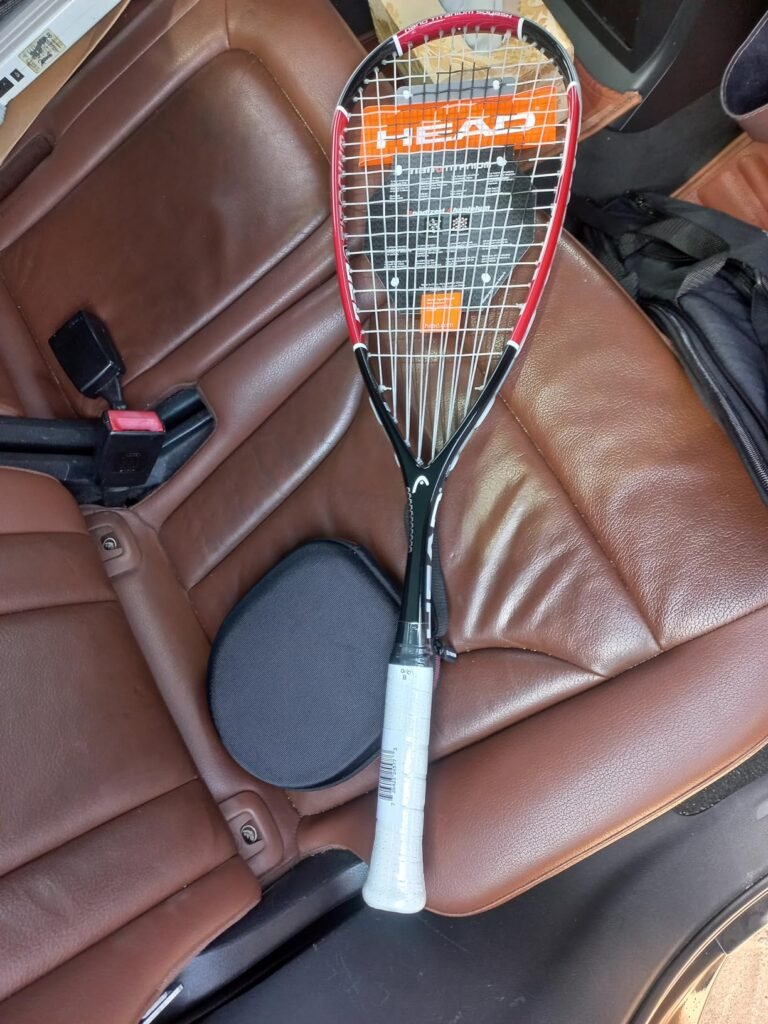
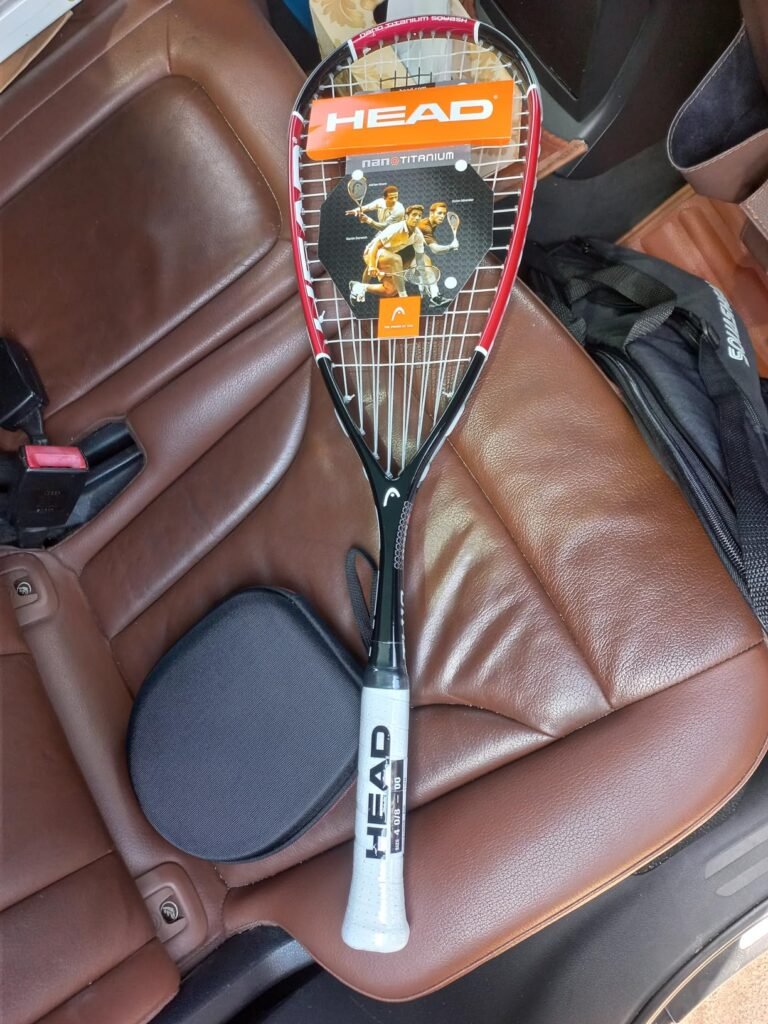
The Head Nano Ti 110 sits in the middle of the squash racket market, offering a 110-gram frame with a head-heavy balance that helps developing players generate pace without swinging excessively hard. Its nano titanium construction aims to keep the frame stable while remaining approachable for players moving beyond beginner gear. This racket is a practical choice for recreational players who want a recognizable brand and a forgiving sweet spot.
We may earn a commission when you buy through this link, at no additional cost to you.
The 77.5-square-inch head provides a reasonably large hitting area, which reduces the penalty for off-center contact during fast exchanges. The head-heavy balance shifts mass toward the tip, adding momentum on drives and serves, which can benefit players with shorter or compact swings. Together, these traits make the racket feel powerful on mid-court shots while still allowing reasonable maneuverability near the front wall.
As a single-racquet listing, the Nano Ti 110 does not include eyeguards, balls, or a cover, so buyers should budget for those essentials separately. The frame’s weight and balance may feel familiar to players transitioning from heavier beginner rackets, but it is not as light as some modern graphite designs. Grip size and string tension should be checked before purchase to ensure the setup matches personal preference.
A head-heavy balance places more mass in the hoop, which increases the racket’s momentum at contact. This helps generate pace on drives and serves with less effort, but it can reduce maneuverability during quick volleys and defensive retrievals. Players should consider whether they prioritize power from the back court or quick handling at the front of the court.
The tradeoff is that the 110-gram weight and head-heavy bias can feel sluggish during rapid defensive reactions or prolonged matches, especially for players with lighter swing styles. This racket suits intermediate recreational players who value power and a large sweet spot over outright speed, while advanced competitors may prefer a lighter, head-light frame.
Advanced players who want a lightweight, head-light racket for fast volleying and defensive speed.
We may earn a commission when you buy through this link, at no additional cost to you.
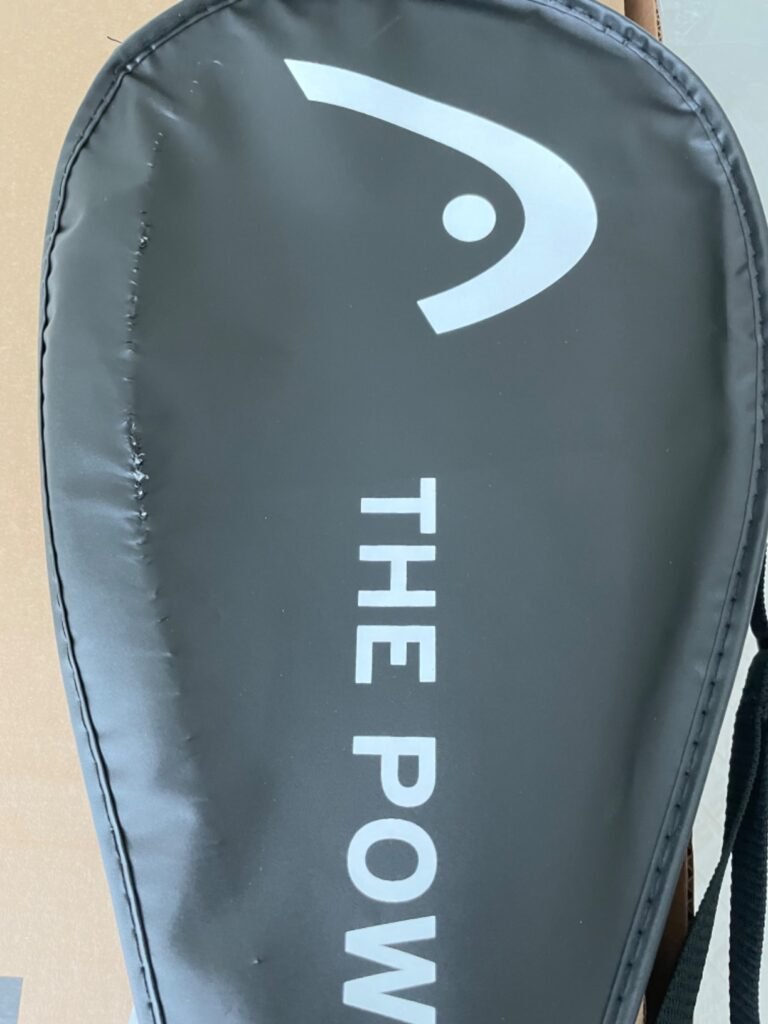
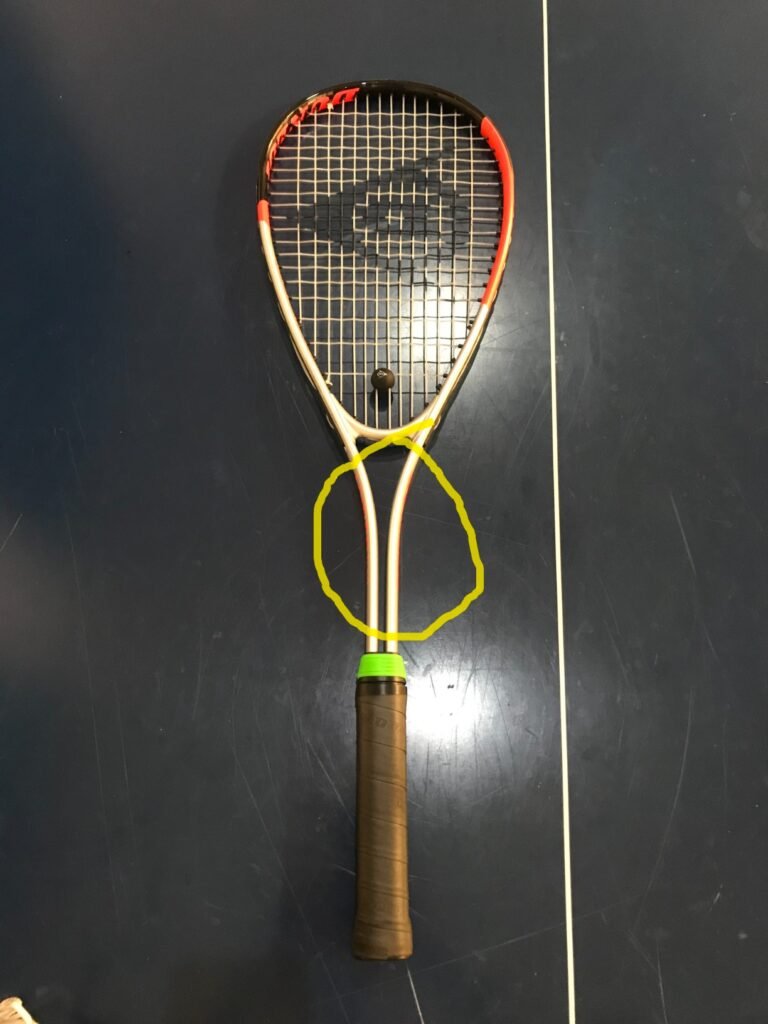
The Dunlop Sports Squash Racquet Set is built for buyers who want to start playing immediately without purchasing accessories separately. The package includes two racquets, two eyeguards, one ball, and a carry cover, which covers the basic equipment needed for two people to step onto a court. This makes it a practical option for families, couples, or friends trying squash together for the first time.
We may earn a commission when you buy through this link, at no additional cost to you.
Because the listing does not publish detailed frame weight, balance, or head size, buyers should treat the racquets as general recreational tools rather than precision performance gear. The included eyeguards address an important safety requirement for squash, and the carry cover helps protect the frames during transport. The set’s value comes from convenience and completeness rather than advanced frame technology.
Having two racquets in one package allows players to share the cost and start rallying right away, though each racquet may not offer the same refinement as an individually sold performance model. The cover keeps the set organized, and the ball and eyeguards remove the need for separate shopping trips. Maintenance is straightforward: wipe the frames after play and store them in the cover to limit dust and moisture exposure.
Eyeguards are strongly recommended in squash because the ball and racquet can move quickly in a confined court, and a carry cover protects frames from scratches and temperature changes. A set that bundles these items reduces the total cost of getting started and ensures new players have safety gear from their first session.
The tradeoff is the lack of published specifications, which makes it difficult to predict how the racquets will feel for players with specific preferences for weight or balance. This set is best suited for beginners, casual players, and anyone buying their first squash equipment, while experienced players will likely want to select a single frame with known specifications.
Advanced players who need a specific frame weight, balance, or head size for competitive play.
We may earn a commission when you buy through this link, at no additional cost to you.
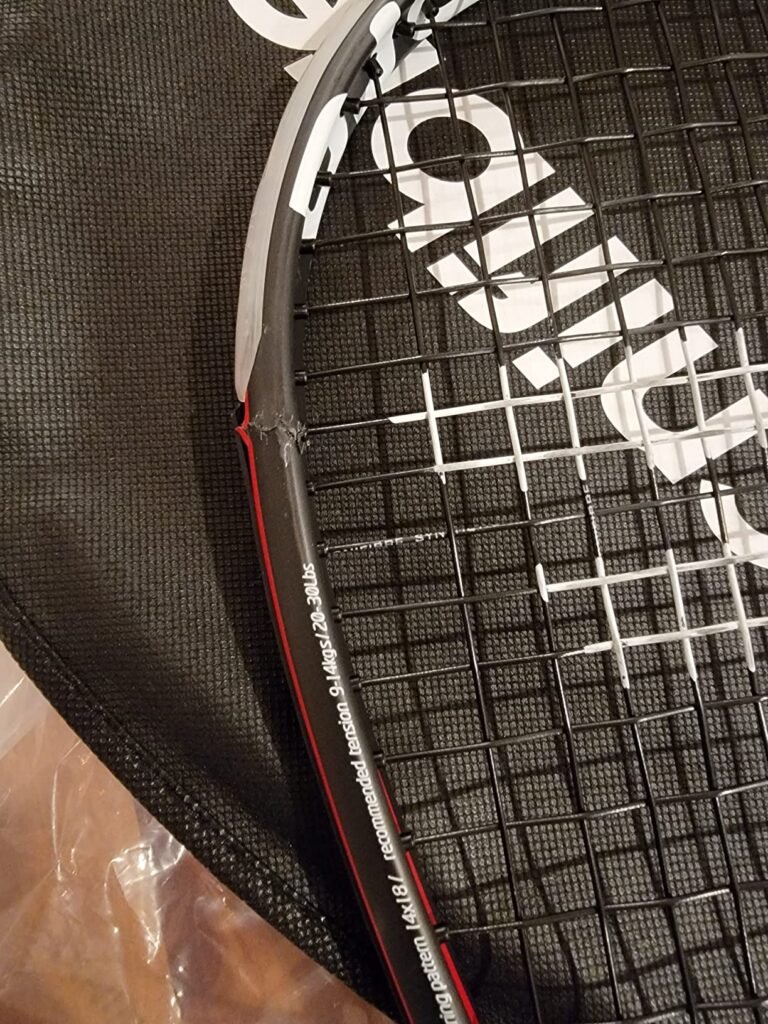
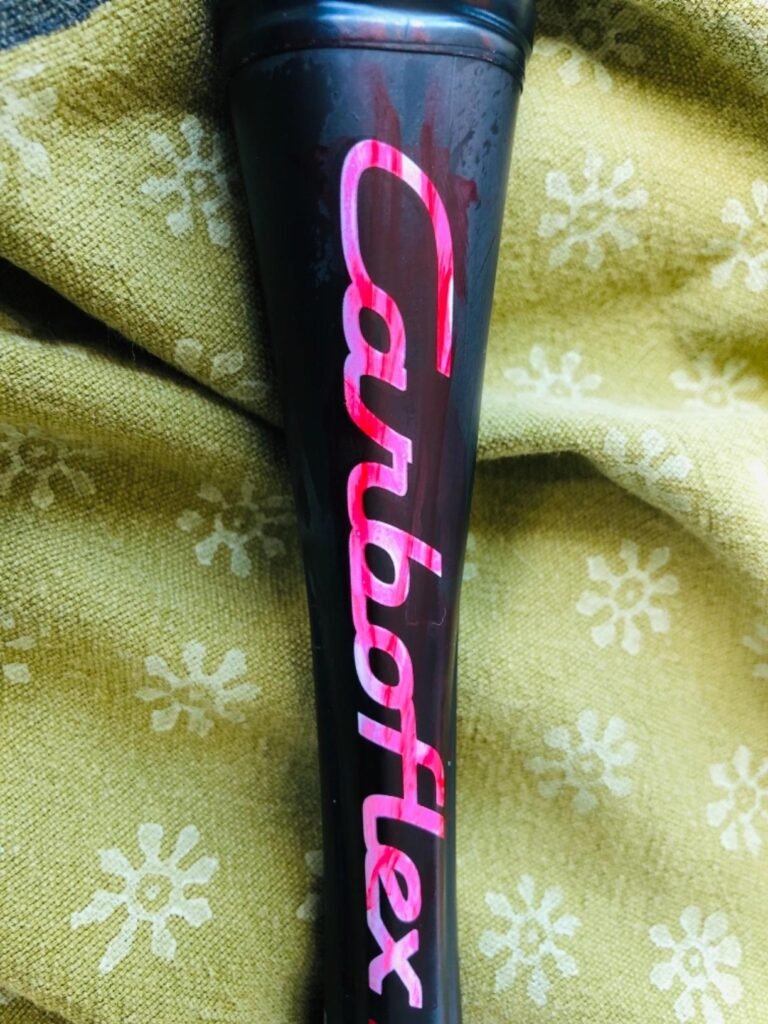
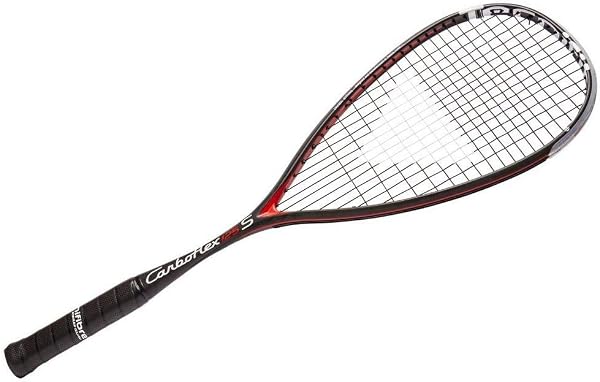
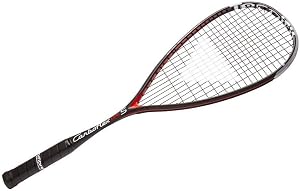
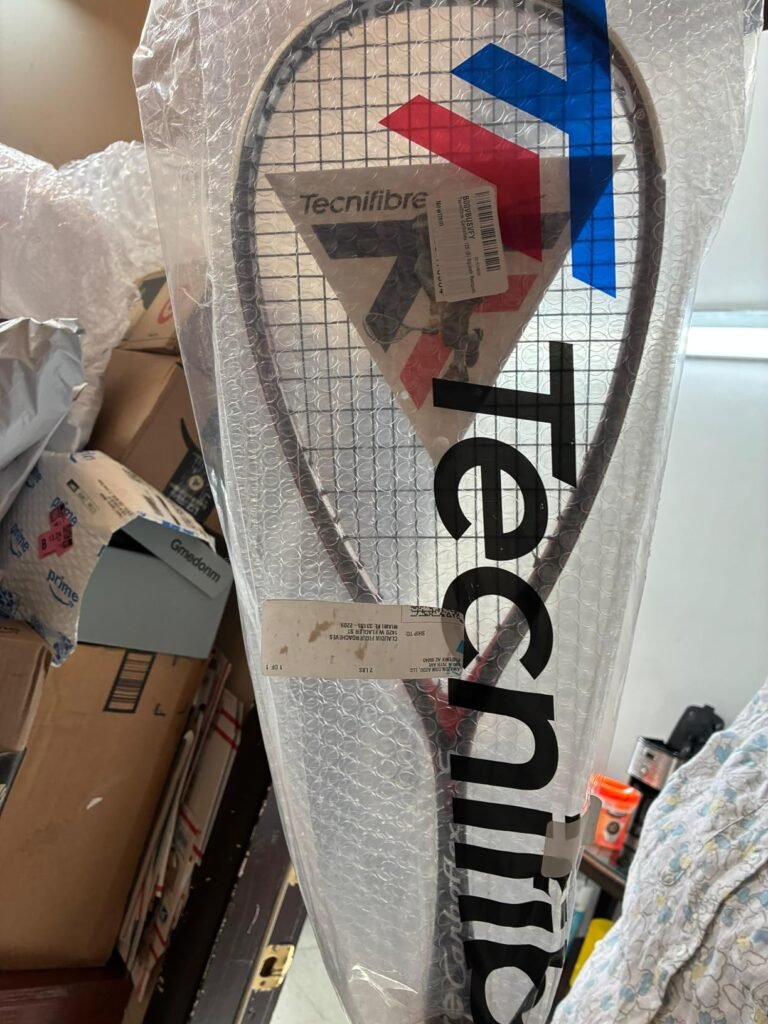
The Tecnifibre Carboflex (S) series targets players who want a lightweight, responsive frame for fast-paced squash. With weights available around 125, 130, and 135 grams, the series lets buyers choose a setup that matches their swing speed and physical preference. The 350mm balance point suggests an even or slightly head-light feel, which supports quick maneuvering around the court.
We may earn a commission when you buy through this link, at no additional cost to you.
A lighter frame reduces fatigue during long matches and allows faster racket head speed for deceptive drops and quick volleys. The Carboflex construction is designed to balance stiffness and feel, which can help players place the ball accurately near the sidewalls and front wall. These characteristics make the series well suited to players who rely on speed and precision rather than raw power.
The listing does not mention bundled accessories, so buyers should expect to purchase eyeguards, balls, and a cover separately. The available weight options mean shoppers should verify which specific weight they are ordering, as a 135-gram frame will feel noticeably different from a 125-gram frame. Grip replacement and string maintenance follow standard squash racket care routines.
Frame weight affects swing speed, fatigue, and stability. Lighter rackets move faster and are easier on the arm over long sessions, while heavier frames can absorb pace and generate more power. Choosing the right weight depends on a player’s strength, style, and how often they play.
The tradeoff is that lighter frames may feel less stable on powerful drives, and the absence of accessories increases the total cost for first-time buyers. This series suits intermediate and advanced players who prioritize maneuverability and quick reactions, while beginners may find a slightly heavier, more forgiving frame easier to control.
Beginners who want a complete starter package with eyeguards, ball, and cover included.
We may earn a commission when you buy through this link, at no additional cost to you.
Selecting a squash racket involves more than picking a familiar brand or the lightest frame available. The right choice depends on your skill level, swing style, physical strength, and what you want to emphasize on court. This section breaks down the specifications and practical considerations that shape long-term satisfaction with a squash racket.
Frame weight is one of the most noticeable differences between squash rackets. Lighter frames, often around 120 to 135 grams, allow faster swing speeds and reduce arm fatigue during long matches. Heavier frames, such as the 110-gram Head Nano Ti 110 with its head-heavy bias, can feel more substantial and help generate pace without requiring a full, fast swing. Weight affects not only how quickly you can move the racket but also how much effort is required to drive the ball to the back wall.
Balance describes where the weight sits along the frame. Head-heavy rackets shift mass toward the tip, adding momentum on drives and serves but potentially slowing reactions at the front of the court. Head-light or evenly balanced rackets, like the 350mm balance point listed for the Tecnifibre Carboflex (S) series, support quicker maneuvering and faster recovery between shots. Players who spend a lot of time volleying near the tin often prefer a lighter, more balanced feel, while baseline power players may appreciate the extra mass in a head-heavy frame.
Choose a lighter, head-light or even-balance racket if you value speed and quick reactions. Choose a heavier or head-heavy racket if you want help generating power with a shorter swing.
Head size determines the size of the hitting area and the forgiveness of off-center contact. A larger head, such as the 77.5-square-inch head on the Head Nano Ti 110, creates a bigger sweet spot that helps recreational players keep the ball in play even when contact is not perfectly centered. Smaller heads offer more precision and control but demand cleaner strikes to avoid mishits, which can frustrate players still developing consistent technique.
The tradeoff is that larger heads can feel slightly less maneuverable and may not provide the same feedback on shot placement. Advanced players often gravitate toward smaller, more compact heads for tighter shot-making, while beginners and intermediate players generally benefit from the extra margin of error. When comparing rackets, check whether the published head size matches your current frame or what you are used to from other racquet sports.
Choose a larger head if you are new to squash or want a more forgiving hitting area. Choose a smaller head if you have consistent contact and prioritize control and shot placement.
Squash rackets are made from materials such as aluminum, graphite, carbon fiber, and nano titanium composites. The Head Nano Ti 110 uses nano titanium construction, which aims to combine stiffness with durability for recreational and intermediate play. The Tecnifibre Carboflex (S) series is positioned as a performance-oriented frame, while the Dunlop set does not publish specific frame material details, suggesting it is aimed at general casual use rather than technical performance.
Material affects how the racket feels on impact, how well it resists twisting on off-center hits, and how long it lasts under regular court use. Graphite and carbon fiber frames tend to offer better feel and responsiveness, while aluminum frames are often found in lower-cost starter sets. Buyers should consider whether they want a racket that will last through frequent matches or a more affordable option for occasional play.
Choose graphite or carbon fiber construction if you play regularly and want better feel and durability. Choose aluminum or composite starter frames if you are trying squash for the first time and want to minimize upfront cost.
Some squash rackets are sold individually, while others come as complete sets. The Dunlop Sports Squash Racquet Set includes two racquets, two eyeguards, one ball, and a carry cover, which means buyers can start playing without purchasing safety gear or a ball separately. This bundling is especially useful for families, couples, or friends who want to share equipment and split the cost of getting started.
Individually sold rackets like the Head Nano Ti 110 and Tecnifibre Carboflex (S) do not include eyeguards, balls, or covers, so the total cost is higher once essential accessories are added. Eyeguards are important for safety in a confined court, and a cover protects the frame from scratches and temperature changes during transport. Buyers should compare the total cost of a racket plus accessories against the price of a complete set to determine the better value for their situation.
Choose a complete set if you are new to squash and want everything in one purchase. Choose an individual racket if you already have accessories or want to select specific gear separately.
Beginners generally benefit from rackets that are forgiving, durable, and easy to swing. A larger head and moderate weight can help new players rally longer and build confidence without being punished for mishits. The Dunlop set is positioned as an entry-level option, while the Head Nano Ti 110 suits developing players who want a step up from absolute beginner gear. Advanced players often have specific preferences for weight, balance, and stiffness that match their technique and shot selection.
Playing style also matters. Power players who hit hard drives from the back court may prefer a head-heavy frame that adds momentum, while touch players who rely on drops, boasts, and quick volleys often prefer a lighter, head-light racket for faster reactions. If you play doubles, maneuverability becomes even more important because the court feels more crowded and points develop quickly.
Match the racket to your current skill level rather than buying for the player you hope to become. Beginners should prioritize forgiveness and value, while advanced players should prioritize specific weight and balance characteristics.
Grip size affects comfort and control. A grip that is too large can restrict wrist movement and make it harder to generate spin or adjust the racket face, while a grip that is too small can cause excessive squeezing and lead to fatigue. Many rackets come with a standard grip, but players can add overgrips or replace the grip entirely to fine-tune the feel. Checking grip circumference before buying helps ensure the racket feels secure in your hand.
String tension and type also influence playability. Lower tension generally provides more power and a larger sweet spot, while higher tension offers more control and feel. Strings wear out over time and lose tension, so regular restringing is part of squash racket maintenance. If you are buying a racket without strings or planning to restring soon, consider whether you want a durable multifilament string or a thinner gauge for better feel.
Choose a grip size that lets you hold the racket comfortably without squeezing too hard. Choose string tension based on whether you want more power or more control, and plan to restring periodically as strings lose performance.
Before your first session, check that the grip feels secure and the strings are at a tension you like. If you bought a racket without accessories, purchase eyeguards and a ball before stepping onto the court. Warm up gradually and avoid hitting the floor or walls with the frame, as impact damage can weaken the structure and reduce performance over time.
After playing, wipe the frame and strings with a dry cloth to remove sweat and court dust. Store the racket in a cover or bag to protect it from scratches, moisture, and extreme temperatures. Avoid leaving it in a hot car or damp area, since heat and humidity can degrade the frame and strings. Replace the grip when it becomes slick or worn, and restring the racket when the strings feel loose or lose their responsiveness.
Inspect the frame periodically for cracks, especially around the throat and hoop. Small cracks can grow quickly and compromise the racket’s integrity, making it unsafe to use. If you notice significant damage, replace the racket rather than continuing to play with it. Proper care and timely maintenance will extend the life of your racket and keep it performing consistently.
Beginners often do well with rackets in the 130 to 150 gram range, though personal strength and swing style matter. A slightly heavier frame can feel more stable, while a lighter frame is easier to maneuver. Try different weights if possible to see what feels comfortable during actual rallies.
Eyeguards are strongly recommended for squash because the ball moves quickly in a small, enclosed court. Many facilities require them for junior players and encourage them for adults. A set like the Dunlop package includes eyeguards, which makes it easier to start safely.
Head-heavy rackets place more mass in the hoop, which helps generate power on drives and serves. Head-light rackets are quicker to maneuver and better for fast volleys and defensive shots. Your choice should depend on whether you prioritize power or speed around the court.
A set is a good choice if you are new to squash and want racquets, eyeguards, a ball, and a cover in one purchase. A single racket is better if you already have accessories or want a specific frame with known specifications. Compare the total cost of accessories when deciding.
Restringing frequency depends on how often you play and how hard you hit the ball. Regular players may need to restring every few months, while occasional players can go longer. Signs that it is time include visibly loose strings, reduced control, or a dull sound on impact.
No. Tennis rackets are much larger, heavier, and not designed for the dimensions and rules of a squash court. Using a tennis racket would make it nearly impossible to play effectively and could be unsafe in a confined space. Always use a racket made specifically for squash.
Larger heads provide a bigger sweet spot and are more forgiving for beginners and intermediate players. Smaller heads offer more control and precision but require cleaner contact. If you are still developing consistent technique, start with a larger head.
Hold the racket in your normal playing grip and check that you can wrap your fingers around the handle comfortably without excessive overlap or gaps. If the grip feels too thick, you can replace it with a thinner one or remove the factory grip. If it feels too thin, add an overgrip to build it up.
Higher-priced rackets often use advanced materials and offer more specific weight and balance options, but they are not automatically better for every player. A beginner may not notice the difference between a premium frame and a mid-range one, while an advanced player may benefit from the finer tuning. Match the racket to your skill level and budget.
The Head Nano Ti 110 stands out as the strongest overall choice for developing players who want a recognizable brand, a forgiving head size, and a head-heavy balance that helps generate power. Its 110-gram weight and 77.5-square-inch head make it a practical step up from absolute beginner gear, while the nano titanium construction suggests durability for regular recreational play.
For buyers with different priorities, the Dunlop Sports Squash Racquet Set offers the best value for newcomers because it includes two racquets, eyeguards, a ball, and a cover in one package. The Tecnifibre Carboflex (S) series is the better pick for intermediate and advanced players who want lightweight frame options and quick maneuverability, with multiple weights available to match different swing styles.
Start by identifying your skill level, playing style, and whether you need accessories. Beginners should prioritize value, forgiveness, and safety gear, while more experienced players should focus on frame weight, balance, and head size. Choose the racket that matches how you actually play on court, and you will enjoy longer rallies and more consistent performance.