Caldwell Deadshot
9.4Editor scorePre-filled corn cob
600 Denier polyester
Water-resistant construction
Quick-connect bag system
Find the right shooting rests for 2026. We compare 10 standout options by build quality, useful features, owner feedback, value, and everyday trade-offs.
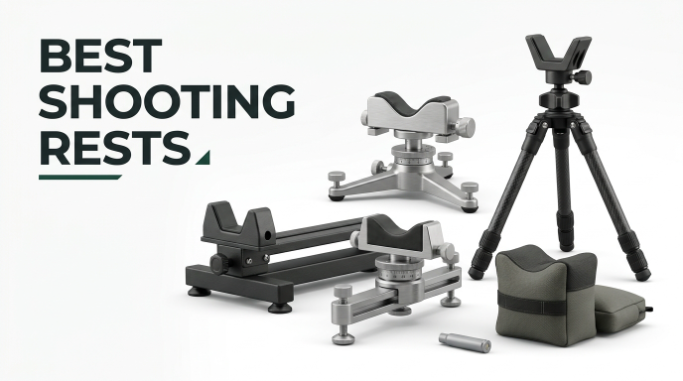
Find the right shooting rest for your range sessions and hunting trips in 2026. We compare 10 standout options by stability, adjustability, recoil management, portability, build quality, surface compatibility, and real-world value across bench and field setups.
Shooting rests range from simple filled bags to advanced turret systems with micro-adjustments. The best choice depends on whether you sight in rifles, practice at the bench, or need a lightweight field platform for hunting scenarios.
This guide breaks down each option by the features that affect accuracy and comfort. You will find budget-friendly bags, modular frames, and premium recoil-reducing sleds to match different shooting styles and firearm configurations.
We compared 10 shooting rests using the details that help buyers decide: stability on various surfaces, height and angle adjustability, recoil management, firearm compatibility, build materials, portability, weight, and overall value. The notes focus on practical trade-offs so each recommendation connects to how shooters actually use rests at the bench, on the range, or in the field during hunting season.


Compare key features, scores, and current prices side by side. A shorter feature list means fewer details were available, not necessarily fewer capabilities.





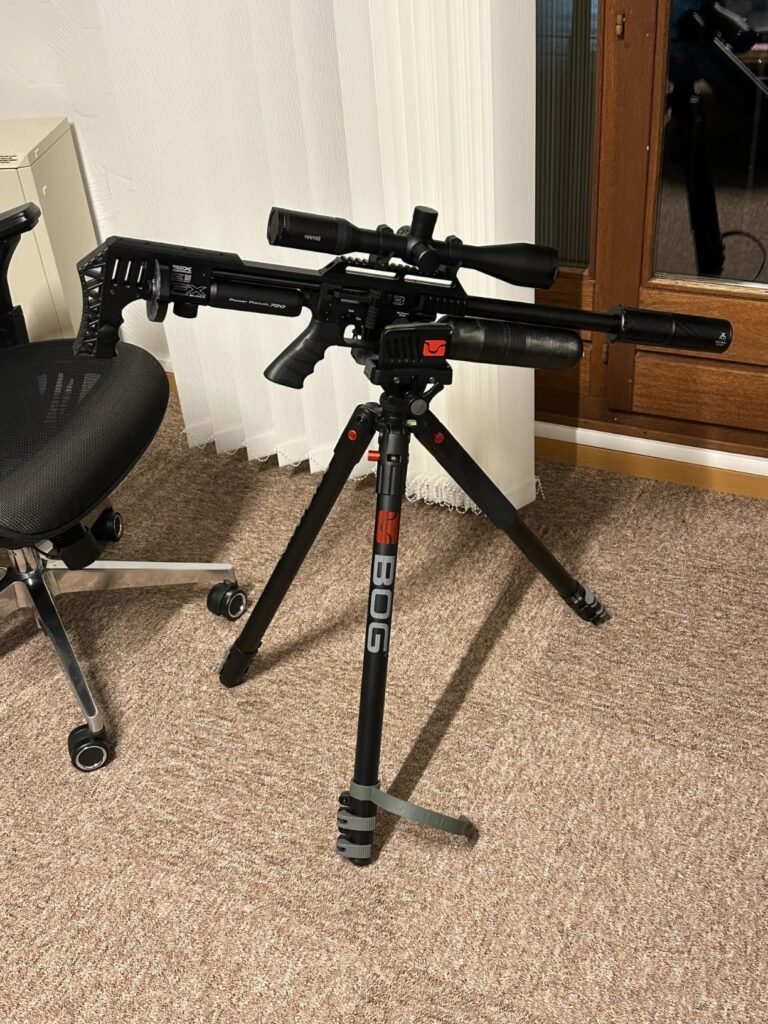
The BOG DeathGrip fills a gap that bench rests and simple shooting sticks cannot: it provides a stable, hands-free shooting platform anywhere in the field at virtually any height. The aluminum legs extend from 7 inches for prone shooting all the way up to 59 inches for standing shots, making it a genuine all-position tripod for hunters who encounter varied terrain and shooting opportunities.
We may earn a commission when you buy through this link, at no additional cost to you.
The clamping head is the defining feature. It grips rifles, shotguns, and crossbows up to 40 pounds with rubber-lined jaws that hold firmly without damaging stock finishes. The head pans a full 360 degrees and tilts 25 degrees, letting you track moving game smoothly or make quick angle corrections without repositioning the legs. This range of motion is a significant advantage over fixed shooting sticks when animals appear at unexpected angles.
Three leg angle locks at 20, 45, and 85 degrees let you adapt the footprint to steep hillsides, narrow ridgelines, or flat ground. The lever locks operate quietly, which matters when you are setting up near bedding areas. High-density foam on the grip section helps you maintain control during quick adjustments, even with cold or gloved hands.
Unlike static shooting sticks that require you to lift and reposition the entire setup, the DeathGrip panning head lets you follow a walking deer or shifting target with smooth, controlled rotation. The 25-degree tilt range also helps when shooting uphill or downhill from a hillside blind. This combination of pan and tilt makes the tripod behave more like a camera gimbal than a traditional shooting rest, which is a meaningful advantage in dynamic hunting scenarios.
This tripod is best for hunters who need a versatile field rest that performs across multiple shooting positions and terrains. It is more expensive and heavier than a basic bipod or set of shooting sticks, but the stability and adjustability justify the investment for serious hunters. If you only shoot from a bench, a simpler rest will cost less and work just as well.
Bench-only shooters who never leave the range and do not need a portable field platform.
We may earn a commission when you buy through this link, at no additional cost to you.
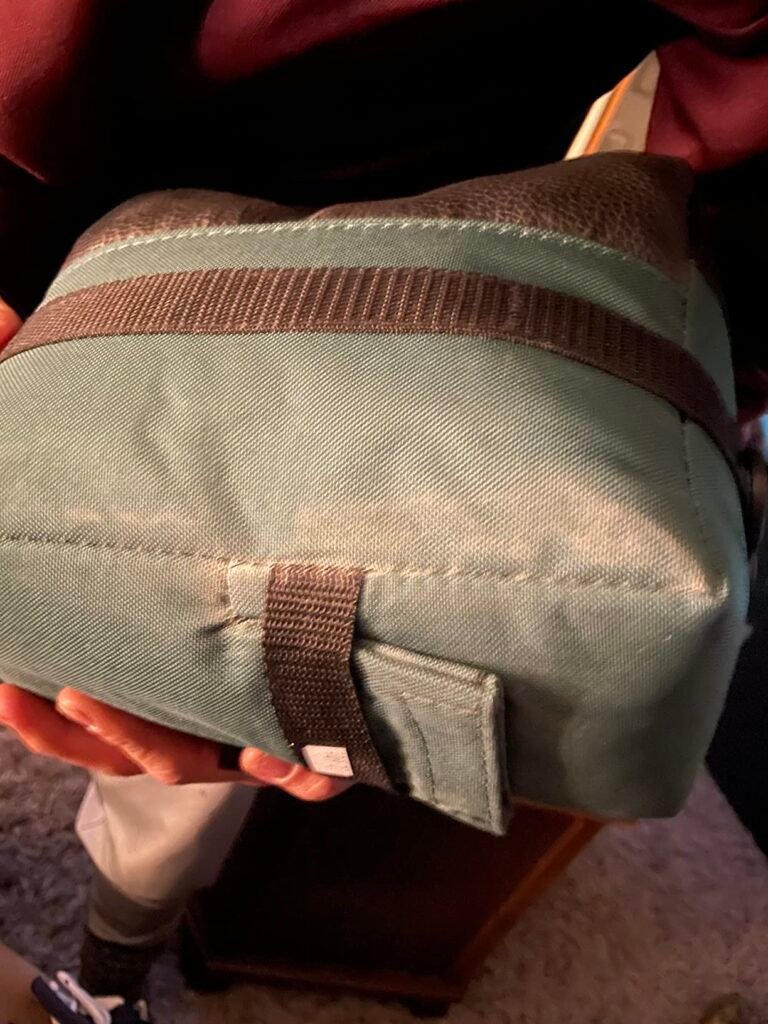
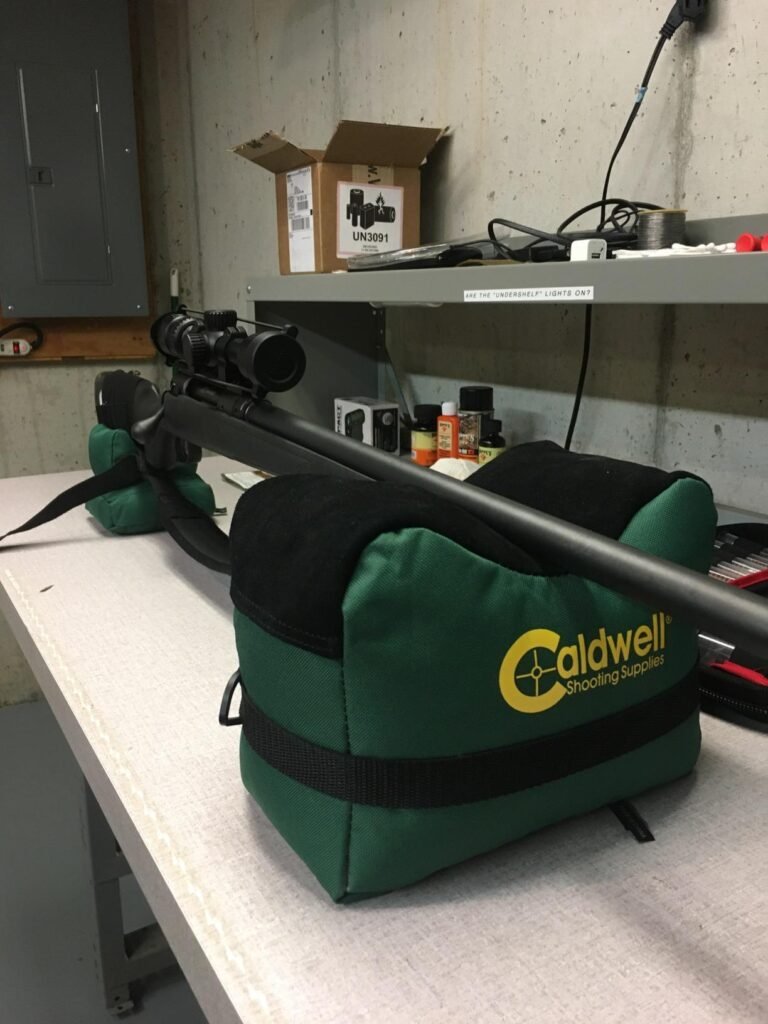
The Caldwell Deadshot is one of the most straightforward shooting rest setups available, and that simplicity is its biggest strength. The front and rear bags arrive filled with corn cob media, so you can head to the range without sourcing or loading fill material. This makes it a practical choice for newer shooters or anyone who wants a reliable bench setup without extra preparation.
We may earn a commission when you buy through this link, at no additional cost to you.
The 600 Denier polyester exterior handles moisture and rough handling well, which matters if you shoot outdoors in unpredictable weather or set up on damp ground. The front bag measures roughly 10 inches long and 8 inches tall, giving you a broad cradle for most rifle forends. The rear bag sits at about 5 inches square, providing a compact but stable pocket for the buttstock.
Because these are soft bags rather than a rigid frame, they conform to uneven surfaces like gravel, grass, or a truck tailgate. You can shift the bags independently to fine-tune your aim, though you will not get the precise mechanical elevation changes that a frame rest offers. The quick-connect system clips both bags together for transport, keeping your gear organized in a range bag or vehicle.
Many shooting bags ship empty and require you to source sand, corn cob, or plastic pellets separately. The Deadshot eliminates that step entirely. Corn cob media offers a good balance of weight and compressibility, holding the firearm steady while still allowing small positional shifts. If the bags compress after extended use, you can top them off with additional fill material to restore the original firmness.
This set is best for shooters who want an affordable, low-maintenance rest for casual range days, sighting in before hunting season, or plinking from improvised positions. If you need repeatable micro-adjustments for competitive target work, a frame-based rest will serve you better. For general-purpose use at a modest price, the Deadshot delivers solid performance with minimal fuss.
Shooters who need precise mechanical elevation and windage adjustments for competitive benchrest or long-range load development.
We may earn a commission when you buy through this link, at no additional cost to you.
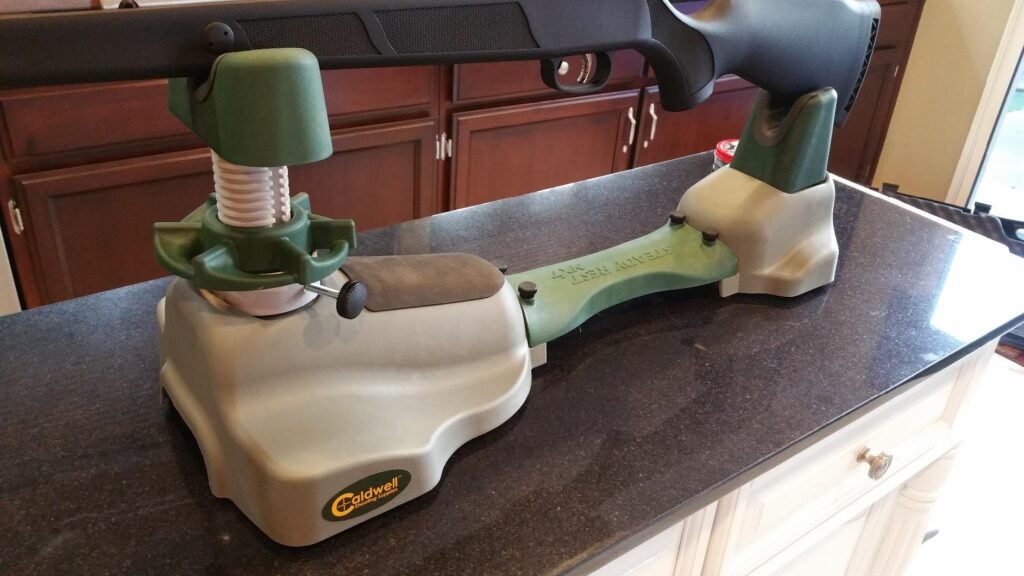
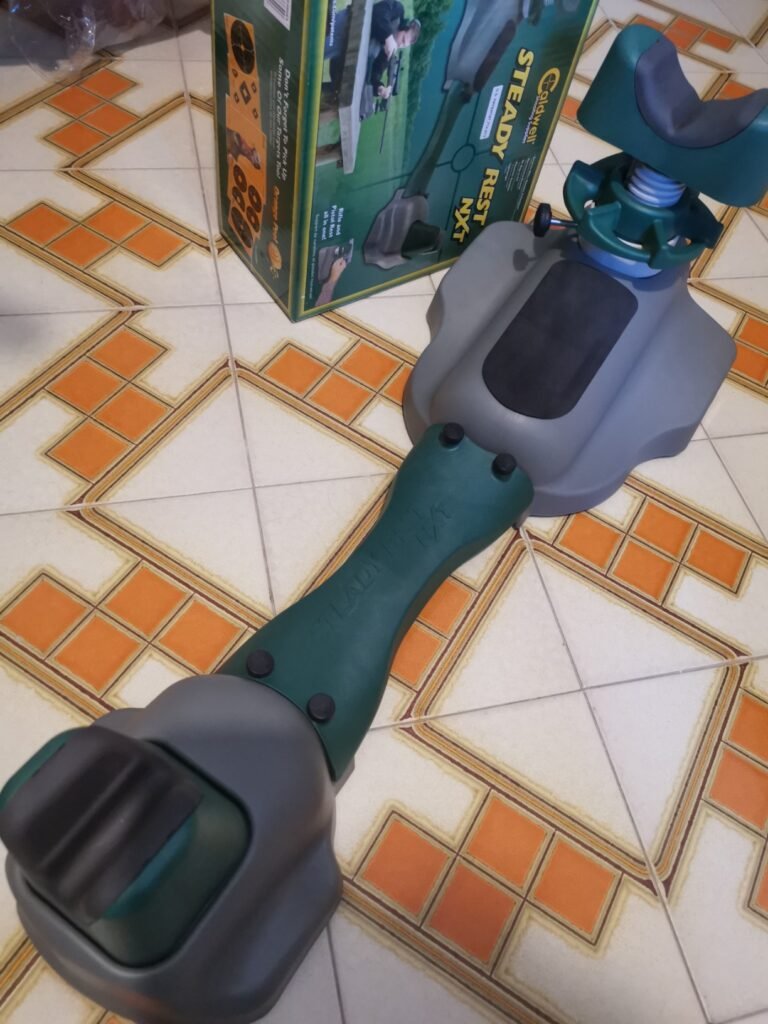
The Caldwell Steady Rest NXT stands out for its modular three-piece design, which lets you reconfigure the rest depending on the firearm you are shooting. Use the full two-piece setup for rifles and shotguns, or detach the rear section for a compact single-piece pistol rest. This flexibility makes it a practical option for shooters who bring different firearms to the range on the same day.
We may earn a commission when you buy through this link, at no additional cost to you.
The front rest features an elevation wheel that raises or lowers the cradle to match your preferred shooting angle. Neoprene padding on both the front and rear supports cushions your firearm and helps prevent scratches on blued or coated finishes. The padding also dampens minor vibrations, contributing to a steadier sight picture during slow-fire target work.
Built from lightweight polymer, the NXT is easy to carry from your vehicle to the bench and breaks down flat for storage in a range bag or closet shelf. The trade-off is that the polymer frame does not feel as solid as heavier steel or cast iron rests. On a perfectly flat bench, this is rarely an issue, but on wobbly or uneven surfaces the lighter construction may transmit more movement.
The modular design means you do not need two separate rests for different firearms. Detaching the rear section takes only a few seconds, and the remaining front cradle provides a stable V-shaped support for handguns. This is especially useful at public ranges where bench space is limited and you want to minimize the gear you spread out.
This rest suits newer shooters and casual range visitors who want an affordable, adaptable platform without investing in a heavy benchrest system. If you shoot high-recoil magnum calibers or need rock-solid stability for load development, a heavier frame or sled will provide more confidence. For everyday plinking and basic sight-in work, the NXT offers good versatility at a low price.
Shooters working with heavy-recoil magnum rifles or those who need the absolute maximum rigidity for sub-MOA group testing.
We may earn a commission when you buy through this link, at no additional cost to you.
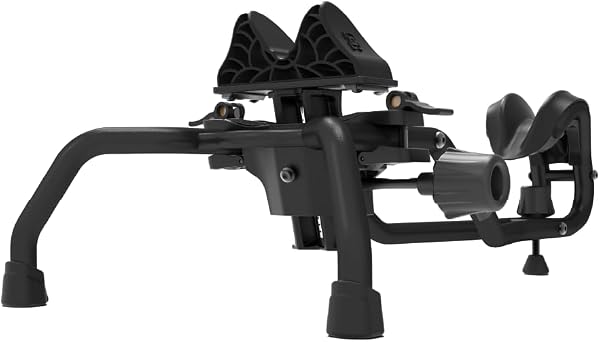
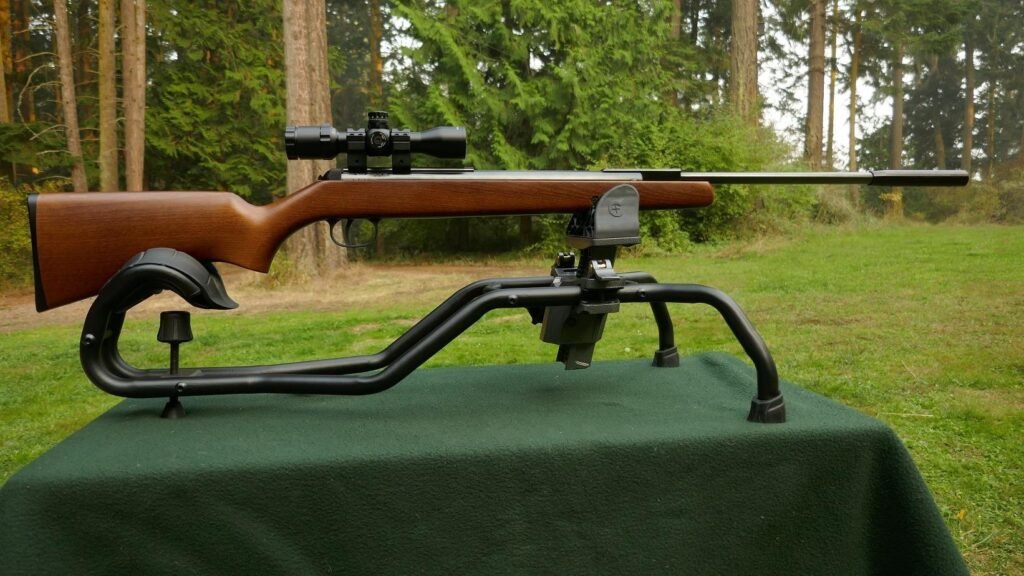
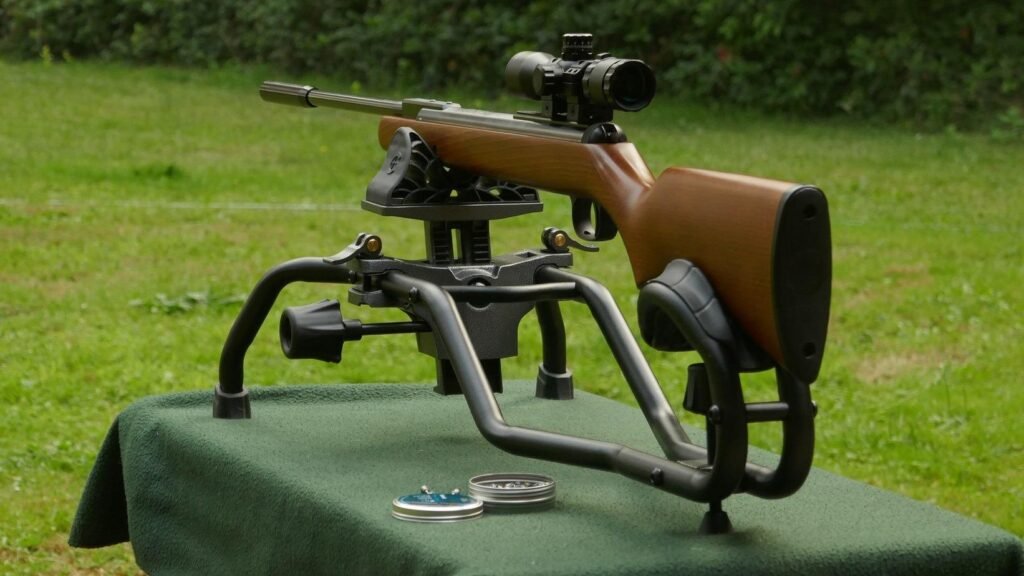
The Caldwell Stinger addresses one of the most common frustrations with bench rests: fumbling with two hands to adjust height while trying to keep your firearm steady. The spring-loaded front elevation knob lets you raise or lower the cradle up to 2.5 inches with a single hand, so you can dial in your sight picture without breaking your shooting position. This is especially useful during sight-in sessions where you are making repeated small changes.
We may earn a commission when you buy through this link, at no additional cost to you.
The open dual-frame design provides clearance for detachable magazines and lever-action rifles, which often do not fit well in enclosed cradle rests. The front rest also slides forward or backward up to 3.5 inches, accommodating everything from short carbines to long-barreled target rifles. Molded cushions on both the front and rear cradles protect your firearm from scratches while maintaining a firm, non-slip hold.
At the rear, a fingertip elevation adjustment lets you make fine corrections to the buttstock cradle independently of the front rest. This two-point adjustment system gives you more control over your point of aim than single-axis rests. The metal frame and skeletonized front rest keep the overall weight manageable while providing the rigidity needed for consistent shot placement.
Many bench rests have a narrow channel or enclosed cradle that presses against the bottom of a detachable magazine, pushing the rifle upward and altering your point of aim. The Stinger open frame eliminates this problem entirely, letting the magazine hang freely. If you shoot AR-platform rifles, modern sporting rifles, or any firearm with a protruding box magazine, this clearance is not optional but essential for accurate results.
The Stinger is a strong choice for shooters who sight in multiple rifles with different action types and magazine configurations. Left-handed shooters will also appreciate the ambidextrous layout. If you primarily shoot bolt-action rifles with internal magazines and do not need the extra clearance, a simpler rest may save you some money without sacrificing performance.
Shooters who need a lightweight rest to carry into the field or use on uneven outdoor terrain.
We may earn a commission when you buy through this link, at no additional cost to you.
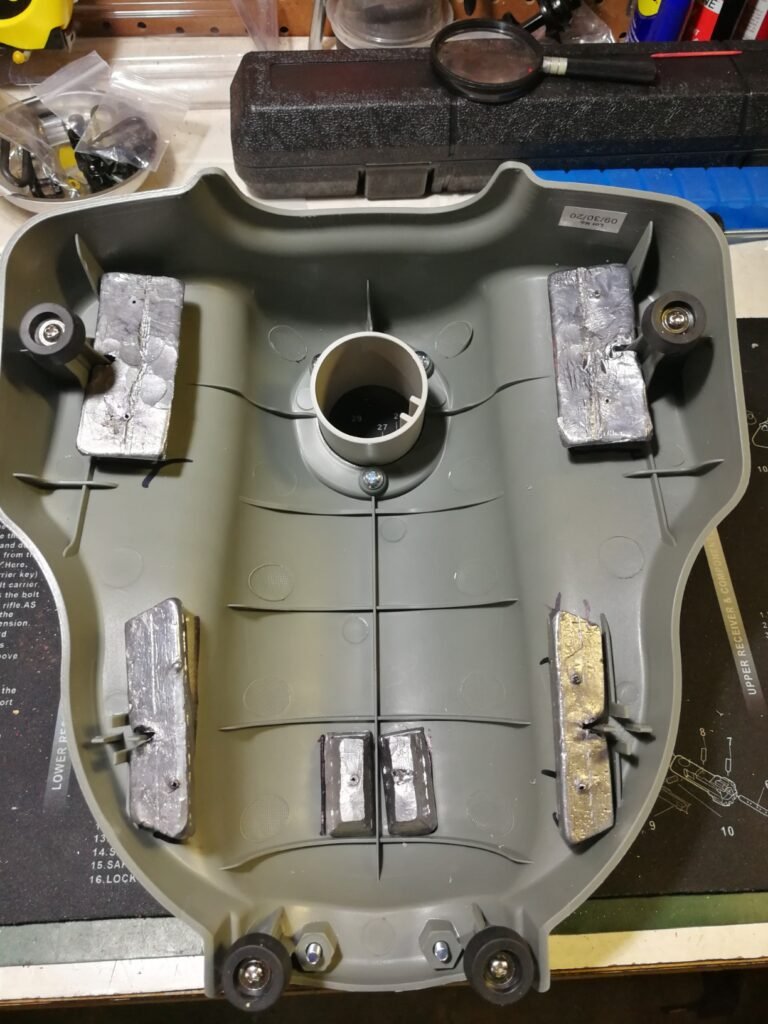
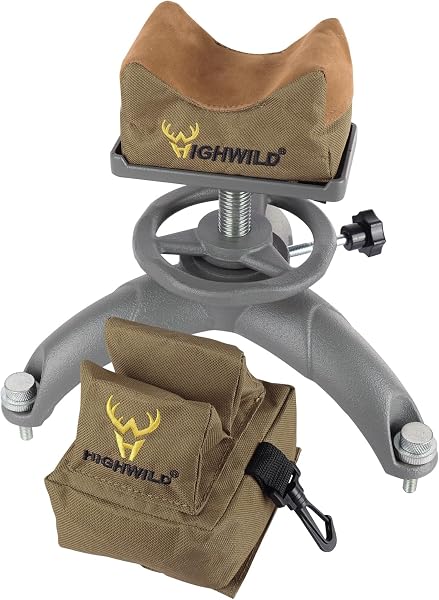
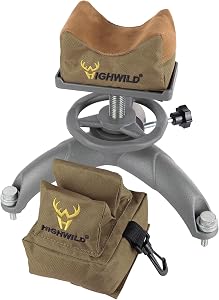
The Highwild Front Rest takes a different approach from the all-in-one systems on this list by focusing entirely on providing the most stable front support possible. The cast iron base weighs nearly 9 pounds on its own and spans over 13 inches in diameter, creating a low center of gravity that resists tipping and vibration. If your primary concern is eliminating front-end wobble during precision shooting, this heavy base delivers.
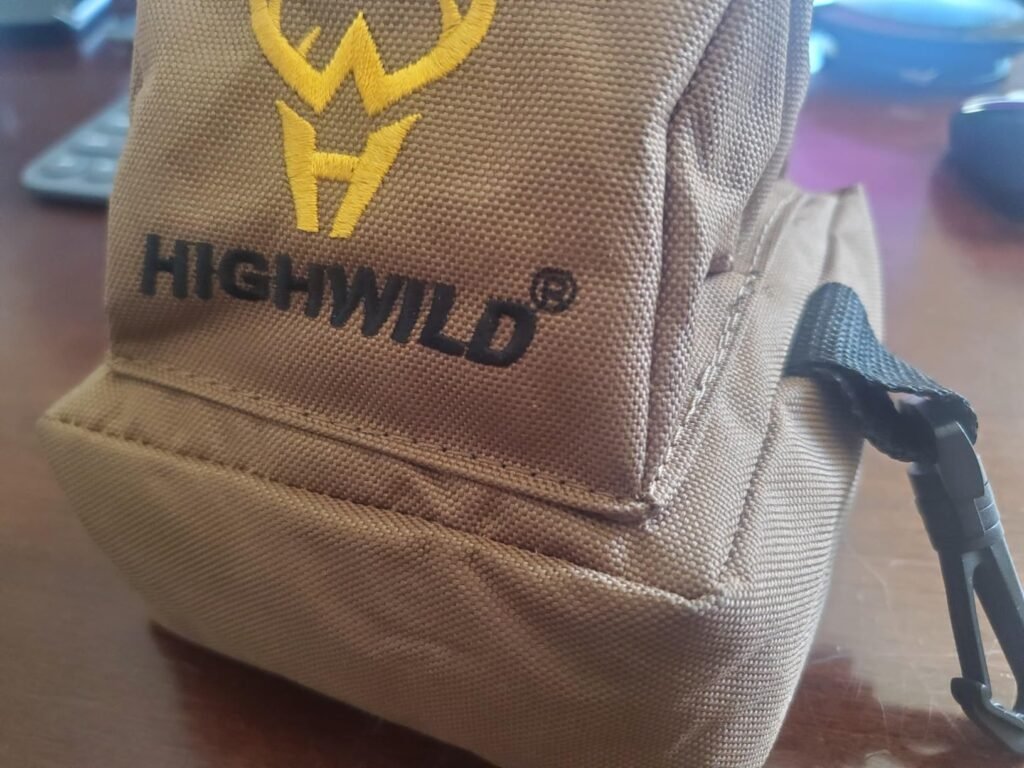
We may earn a commission when you buy through this link, at no additional cost to you.
Height adjustment runs through a ball bearing rotation system that lets you dial the cradle between roughly 7.25 and 10.85 inches with smooth, consistent resistance. The adjustable leveling feet compensate for slightly uneven bench surfaces, helping you achieve a perfectly level platform even on older range benches that have warped or settled over time. The included V-shaped front bag and rear bag are made from 900 Denier polyester, which is notably tougher than the 600D material found on many competing bags.
One important detail is that the bags arrive unfilled, so you will need to source your preferred fill material before your first range trip. Sand provides the most weight and stability, while corn cob or plastic pellets offer a lighter, more adjustable feel. The rear bag is included but is a basic design, so some shooters may prefer to pair this front rest with a dedicated rear bag or bunny ear bag for better buttstock control.
Since the bags ship empty, you have the freedom to choose the fill that suits your shooting style. Fine sand creates the heaviest, most stable platform and is ideal for benchrest competition or load development. Corn cob is lighter and compresses slightly, which some shooters prefer for a more forgiving hold. Plastic pellets offer a middle ground and resist moisture absorption if you shoot in humid conditions.
This rest is best for bench shooters who want maximum front-end stability and do not mind the extra weight. It is less practical for hunters or anyone who needs to transport their rest frequently. If you already own a quality rear bag and just need to upgrade your front support, the Highwild is a focused, well-built solution.
Shooters who need a complete front-and-rear rest system out of the box or who frequently transport their gear to different locations.
We may earn a commission when you buy through this link, at no additional cost to you.
The Caldwell Rock JR is a compact, single-post bench rest designed for shooters who want a stable front support without the bulk of a full-length frame. The 4-pound cast iron base and three-quarter-inch steel post give it a low, sturdy profile that sits securely on most range benches. If bench space is tight or you share a firing line with other shooters, the small footprint is a genuine advantage.
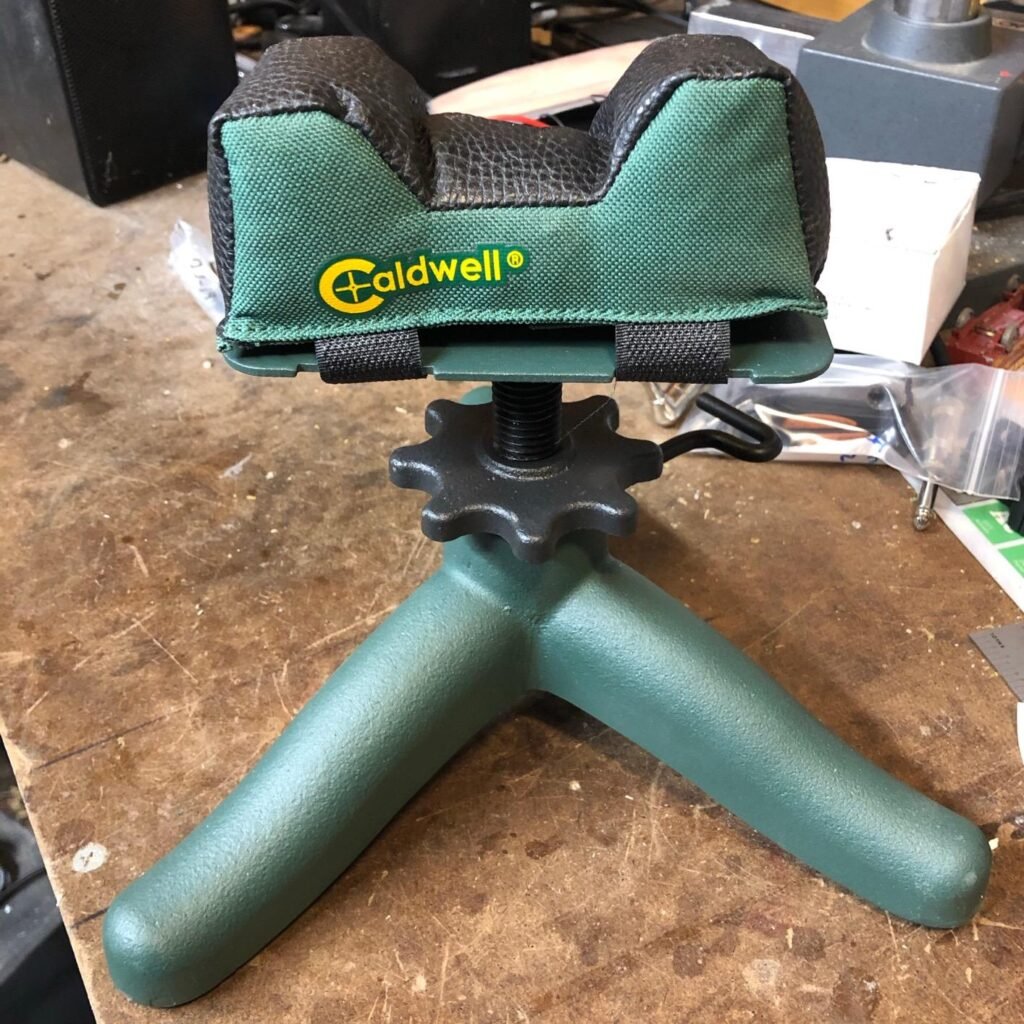
We may earn a commission when you buy through this link, at no additional cost to you.
Elevation adjustment is straightforward: twist the post to raise or lower the cradle across a 7.25-inch range. This simple mechanism has fewer moving parts than spring-loaded or turret systems, which means less to break or loosen over time. The trade-off is that adjustments are coarser, so you may need to combine the rest height with rear bag positioning to fine-tune your exact point of aim.
One of the more thoughtful features is the interchangeable foot system. The rest ships with both non-slip rubber feet and metal spike feet, letting you adapt to different surfaces. Rubber feet grip smooth concrete or wooden benches, while the spikes dig into dirt or gravel for outdoor shooting positions. Switching between them takes only a minute and requires no tools.
Rubber feet provide the best grip on smooth, hard surfaces like concrete shooting benches or wooden tables. They also protect the bench surface from scratches. Metal spike feet are the better choice on soft or loose ground, such as dirt berms, gravel pads, or grassy shooting areas. Using the wrong foot type can cause the rest to slide or rock during recoil, so it is worth swapping them to match your shooting environment.
The Rock JR works well as a dedicated front rest for sighting in hunting rifles or casual target shooting. Pair it with a quality rear bag for the best results. Shooters who need full windage and elevation control from a single unit should look at a more comprehensive frame rest, but for a compact, reliable front support, this is a strong option at a reasonable price.
Shooters who need a self-contained rest with both front and rear support and precise windage adjustment in a single unit.
We may earn a commission when you buy through this link, at no additional cost to you.
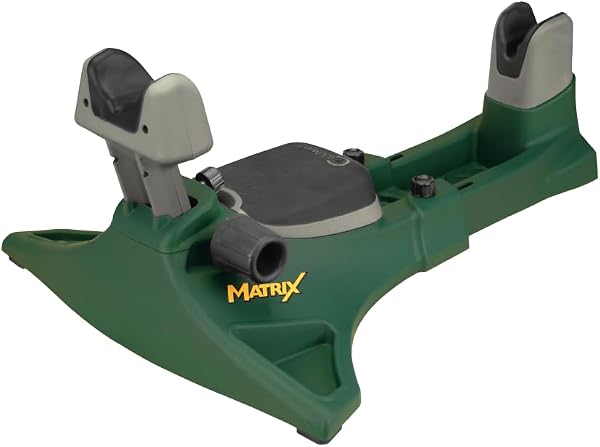
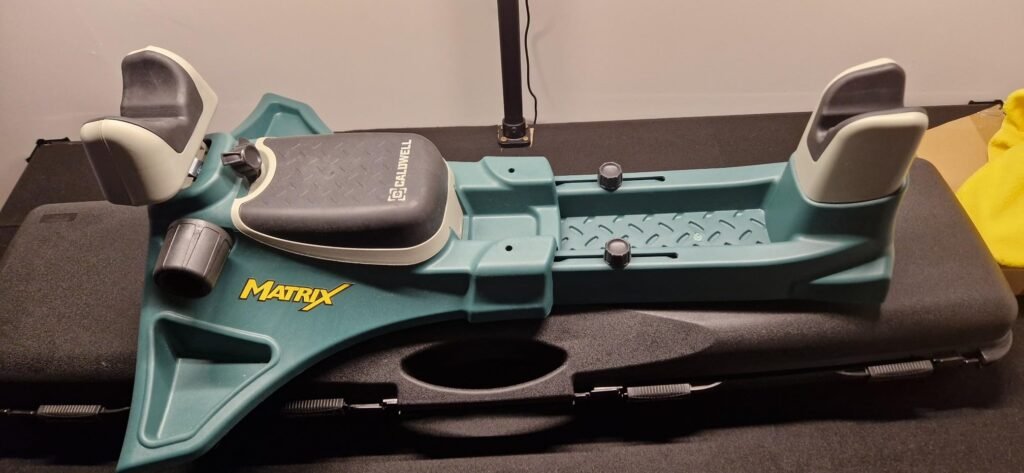
The Caldwell Matrix Rest combines a modular frame with a feature that no other rest on this list offers: built-in storage. Side recesses hold small accessories like ear plugs, Allen wrenches, or bore sight tools, while the front compartment stores larger range supplies. The storage lid even doubles as a flat support surface for handgun shooting, making this one of the more practical all-around rests for shooters who bring a variety of firearms to the range.
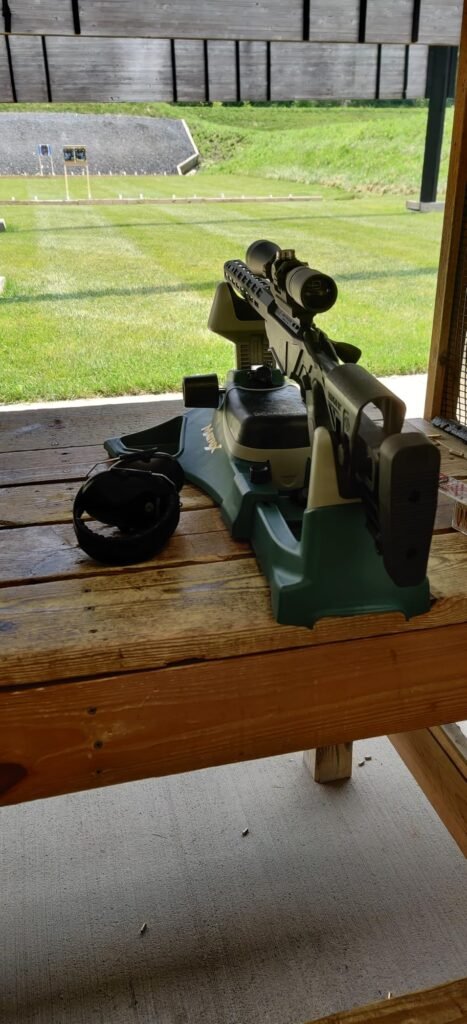
We may earn a commission when you buy through this link, at no additional cost to you.
The frame extends up to 4.5 inches in length to accommodate long-barreled rifles and shortens for compact carbines or shotguns. A hollow U-channel design provides clearance for detachable magazines and lever-action loops, similar to the Stinger but in a more compact package. The spring-loaded front tension system allows one-handed elevation changes, keeping your other hand free to support the firearm.
Non-marring cradles at both the front and rear protect your firearm finishes, and the overall construction feels solid for a rest in this price range. The rear cradle is functional but fairly basic, offering limited fine-tuning compared to the more advanced rear adjustments on the Stinger or Precision Turret. For most casual and intermediate shooters, this is not a significant limitation.
When you flip the front storage compartment lid open, it creates a flat, stable surface that supports a handgun for slow-fire accuracy work. This eliminates the need to carry a separate pistol rest or stack sandbags for handgun practice. The surface is firm enough to absorb minor recoil without shifting, though it is not a substitute for a dedicated handgun rest if you are doing extensive precision pistol work.
The Matrix is ideal for range days where you shoot multiple firearms and want to keep your gear organized in a single rest. The storage compartments reduce the number of loose items on the bench, which is a small but appreciated convenience. If you prioritize absolute precision over versatility, a dedicated benchrest system will serve you better, but for everyday range use the Matrix offers excellent practical value.
Competitive benchrest shooters who need the highest level of rear elevation precision and minimal frame flex.
We may earn a commission when you buy through this link, at no additional cost to you.
The Caldwell TackDriver bridges the gap between soft shooting bags and rigid frame rests by mounting a filled varmint bag on a steel frame with full windage and elevation controls. This hybrid approach gives you the conforming, vibration-dampening qualities of a bag rest combined with the repeatable adjustability of a mechanical system. If you like the feel of bags but want more precision than a loose bag can provide, this design makes sense.
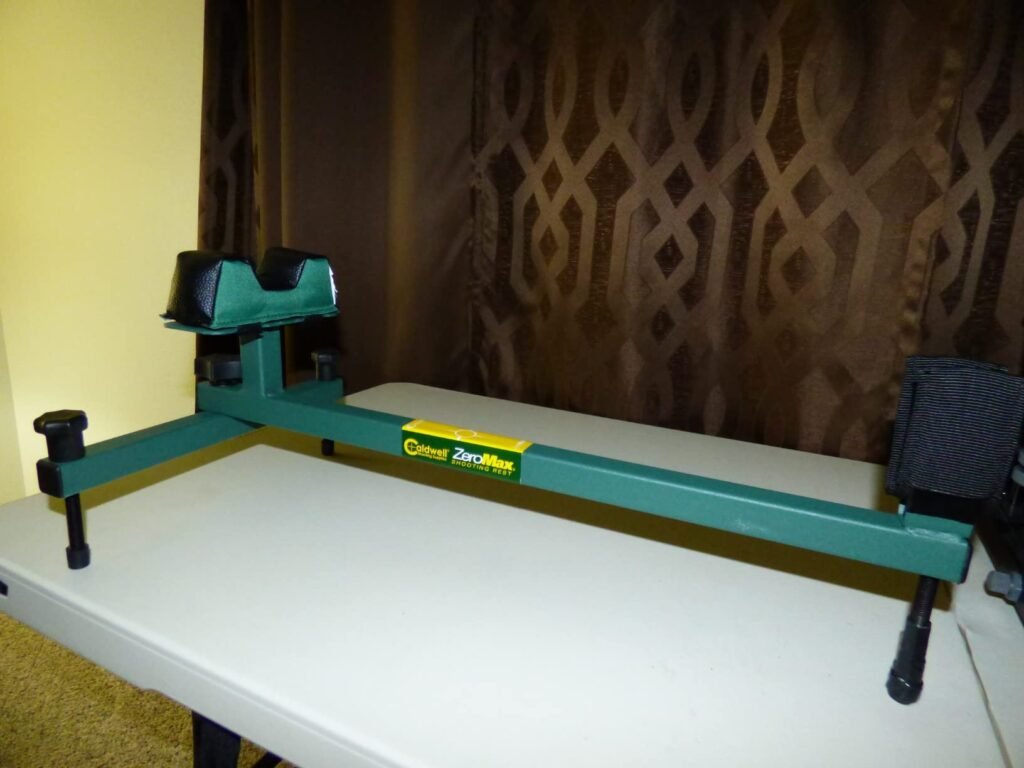
We may earn a commission when you buy through this link, at no additional cost to you.
The steel frame creates a rock-solid base that resists the lateral shift and bounce that can occur with bag-only setups during heavy recoil. The micro-adjustment controls let you make small, repeatable corrections to both windage and elevation, which is particularly useful when working up loads or zeroing a scope at 100 yards and beyond. The included medium varmint bag is pre-filled and ready to use right out of the box.
The TackDriver is compact enough to fit on most range benches without taking up excessive space, and the steel construction gives it a reassuring heft that keeps it planted during firing. The single front bag design means you will still need a separate rear bag or rest for the buttstock, but the front platform is stable enough to handle both rifles and shotguns with confidence.
Pure bag rests conform to the firearm naturally but lack repeatable adjustment. Pure frame rests offer precision but can transmit more vibration to the barrel. The TackDriver steel frame and bag combination attempts to deliver the best of both: the bag absorbs high-frequency vibrations while the frame provides the stable, adjustable platform needed for consistent shot placement. This makes it a practical middle ground for shooters who are transitioning from casual plinking to more serious accuracy work.
This rest is a smart choice for shooters who want more control than a basic bag setup but do not need the complexity of a full turret or sled system. It works especially well for varmint shooting, sight-in sessions, and moderate-recoil rifles. If you shoot heavy magnum calibers regularly, the Lead Sled or a heavier frame rest will manage recoil more effectively.
Shooters who need a complete front-and-rear rest solution in a single purchase or who shoot very heavy recoil magnum calibers.
We may earn a commission when you buy through this link, at no additional cost to you.
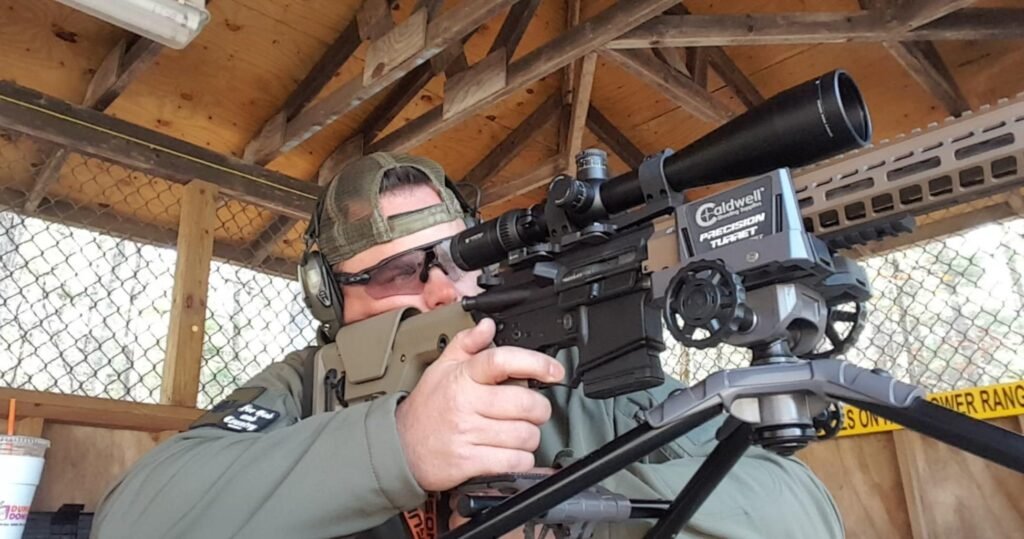
The Caldwell Precision Turret is the most mechanically sophisticated bench rest in this lineup, offering a degree of motion control that approaches what you would expect from a dedicated competition rest. The turret head provides up to 50 degrees of tilt and 59 degrees of panning, letting you position your rifle at virtually any angle without lifting the rest off the bench. This is particularly useful for shooting at elevated or depressed targets from a fixed position.

We may earn a commission when you buy through this link, at no additional cost to you.
The non-marring forend clamp secures the rifle at the front by gripping the forend directly, which centers the barrel and eliminates the lateral drift that can occur with open cradle designs. The clamp is adjustable to fit different forend widths and is lined with protective material to prevent finish damage. At the rear, a pistol grip attachment with micro-adjustment capability lets you fine-tune the buttstock position with small, precise movements.
The three-point footprint includes a length-adjustable front leg that provides up to 3.25 inches of coarse elevation change, complementing the finer turret adjustments. The ambidextrous swivel design works equally well for left- and right-handed shooters, and the overall construction feels solid and well-damped during firing. Setup takes a few minutes longer than simpler rests, but the precision payoff is noticeable once everything is dialed in.
Open cradle rests rely on gravity and friction to keep the rifle centered, which can allow slight lateral movement between shots. The forend clamp physically secures the rifle at a fixed point, ensuring that the barrel returns to the same position after each shot. This repeatability is critical when evaluating load accuracy or making scope adjustments, because it removes one variable from the equation. The clamp pressure should be firm but not excessive to avoid affecting barrel harmonics.
This rest is best for serious target shooters, load developers, and anyone who wants the most precise bench platform available without moving to a full competition rest system. The price reflects the added complexity, and the learning curve is steeper than a basic bag or frame rest. If your shooting is primarily casual or recreational, a simpler rest will serve you well at a lower cost.
Casual shooters who want a quick, simple setup for informal range days without spending time on adjustments.
We may earn a commission when you buy through this link, at no additional cost to you.
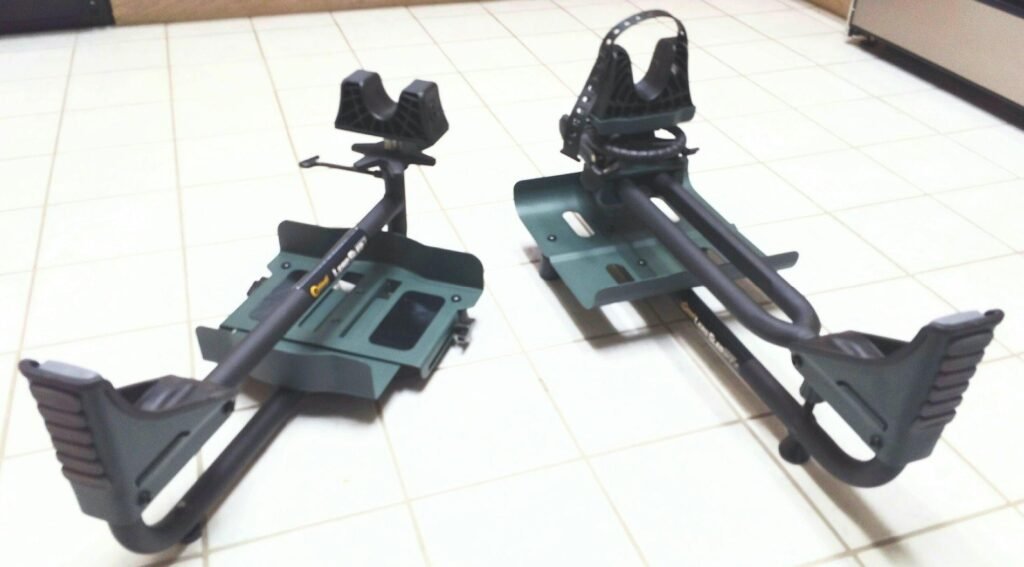
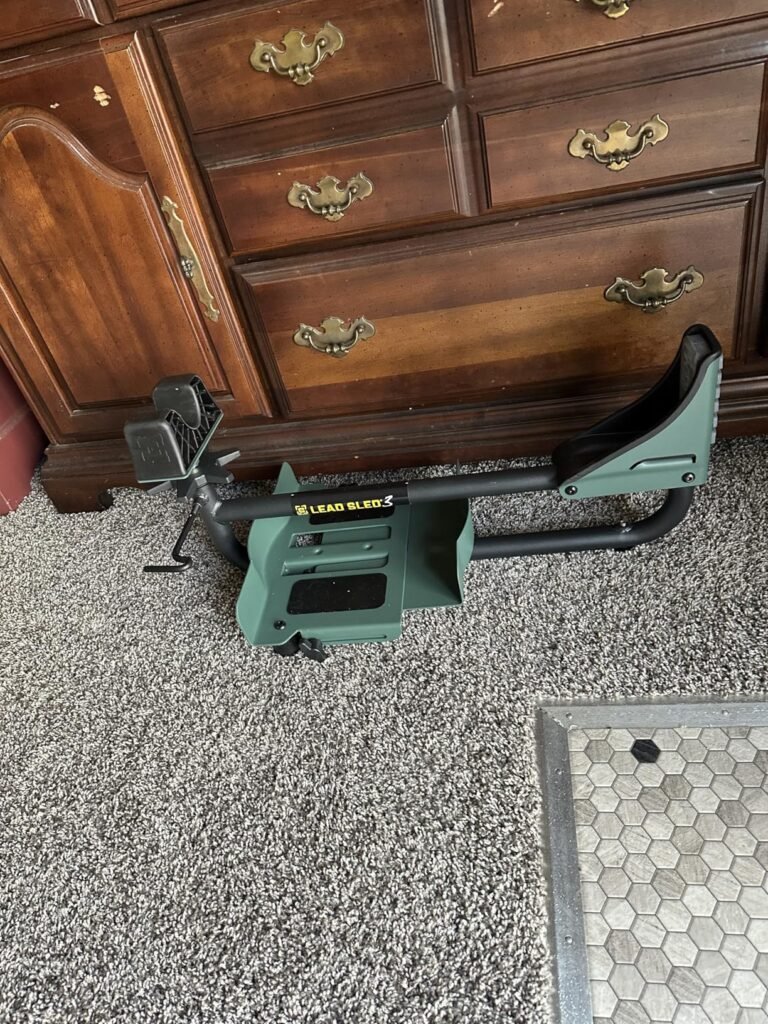
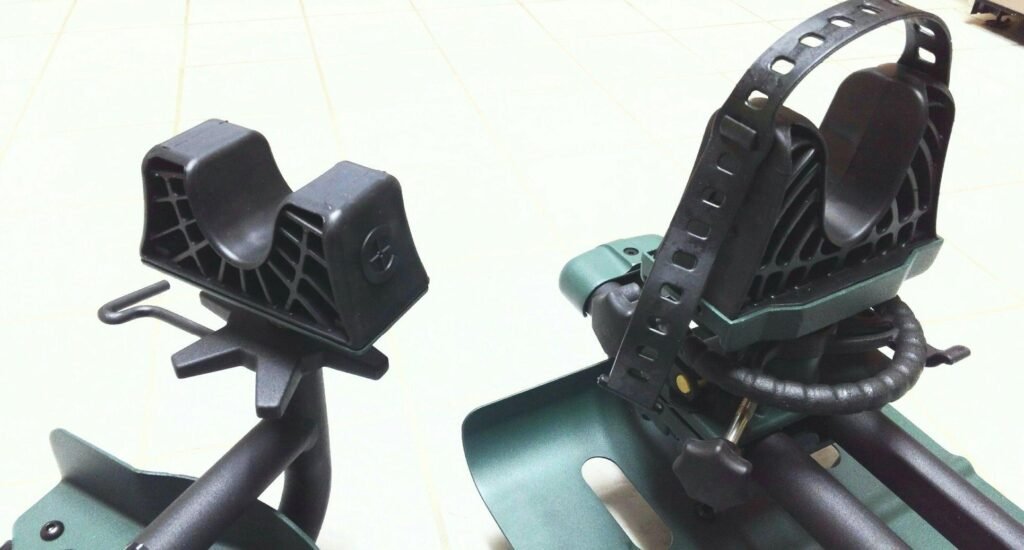
The Caldwell Lead Sled is purpose-built for one primary task: taming heavy recoil. The shock-eliminating frame design reduces felt recoil by up to 95 percent when loaded with sufficient weight, transforming a punishing magnum rifle into a manageable shooting experience. If you shoot large-caliber rifles for big game hunting, dangerous game preparation, or long-range work, this level of recoil management protects your shoulder and helps you maintain focus on shot placement.
We may earn a commission when you buy through this link, at no additional cost to you.
The integrated weight tray accepts two 25-pound barbell weights, sandbags, or up to 100 pounds of lead shot, letting you scale the recoil reduction to match your caliber and personal comfort level. The adjustable tray shifts forward or backward to clear detachable magazines and lever-action receivers, so the sled works with a wide range of firearm types. Skeletonized front and rear cradles with non-marring surfaces hold the rifle securely without damaging the stock or barrel finish.
Both the front and rear cradles feature micro-precision fingertip elevation controls, giving you fine-grained aim adjustments without disturbing the rifle position. The heavy loaded weight keeps the sled planted on the bench even during repeated magnum shots, which improves shot-to-shot consistency. The trade-off is obvious: a fully loaded Lead Sled is heavy and awkward to carry from your vehicle to the firing line.
The amount of weight you load into the tray should match your caliber and recoil sensitivity. For moderate calibers like .308 Winchester or .30-06, 25 to 50 pounds is usually sufficient to make recoil very manageable. For heavy magnums like .300 Winchester Magnum, .338 Lapua, or .458 Lott, loading the full 100 pounds provides the most comfortable experience. Start with less weight and add more if the recoil still feels excessive, as overloading the sled can make it unnecessarily difficult to transport.
This rest is the clear choice for anyone who regularly shoots high-recoil calibers and wants to protect their body while maintaining accuracy. It is less practical for light-recoil rifles or casual plinking, where the weight and setup time are unnecessary. If recoil is your primary concern and you shoot from a fixed bench, the Lead Sled is one of the most effective tools available.
Shooters who need a portable rest for field use or who primarily shoot low-recoil calibers where the extra weight provides no benefit.
We may earn a commission when you buy through this link, at no additional cost to you.
Selecting a shooting rest comes down to matching the rest type to your shooting environment, firearm, and accuracy goals. The following factors will help you narrow down the options and avoid common buying mistakes.
Shooting rests fall into four broad categories: bag rests, frame rests, tripod rests, and recoil-reducing sleds. Bag rests are the simplest and most affordable, consisting of filled fabric bags that conform to your firearm and the shooting surface. They work well for casual range use and hunting sight-in sessions but lack mechanical adjustability. Frame rests add a rigid structure with elevation and sometimes windage controls, giving you more repeatable positioning for accuracy work.
Tripod rests like the BOG DeathGrip are designed for field use, providing a stable platform on uneven terrain at various heights. They are the most versatile option for hunters who shoot from standing, kneeling, or prone positions. Recoil-reducing sleds use heavy weight and shock-absorbing frames to tame magnum calibers, making them specialized tools for bench shooting with high-recoil firearms. Each type excels in a specific scenario, and choosing the wrong category for your needs is the most common buying mistake.
Start by identifying where and how you will use the rest most often. If you shoot exclusively from a bench, a frame rest or sled is the logical choice. If you need field portability, a tripod or lightweight bag set will serve you better. Avoid buying a rest designed for one scenario and expecting it to perform well in another.
Stability is the foundation of any shooting rest, and it is determined primarily by the base weight, footprint size, and contact points with the shooting surface. Heavy cast iron bases, like those found on the Highwild Front Rest and Caldwell Rock JR, resist tipping and vibration far better than lightweight polymer frames. A wider footprint distributes the load more evenly and reduces rocking on uneven surfaces.
The material of the base also matters. Cast iron and steel absorb high-frequency vibrations from recoil, while polymer and aluminum transmit more of that energy to the firearm and shooter. For precision shooting where small group sizes matter, a heavier, more rigid base will produce more consistent results. For casual plinking or sighting in a hunting rifle at moderate distances, a lighter base is usually adequate and much easier to carry.
Check the base weight and footprint dimensions before buying, especially if you shoot on narrow or crowded range benches. A rest that is too wide may not fit comfortably alongside other shooters, while one that is too light may shift during recoil and throw off your zero.
Adjustability determines how precisely you can position your firearm relative to the target. Basic bag rests offer limited height control through manual repositioning and squeezing, while frame rests provide mechanical elevation wheels, spring-loaded knobs, or turret systems for repeatable changes. The range of elevation matters as well: a rest that adjusts from 7 to 11 inches covers most bench heights, but a tripod that extends from 7 to 59 inches accommodates everything from prone to standing positions.
Fine-tuning capability is equally important. Micro-adjustment controls let you make tiny corrections to your point of aim without disturbing the firearm, which is critical when zeroing a scope or evaluating group sizes. Coarse adjustments are fine for getting close, but the last few clicks of precision require a rest that can move in small, controlled increments. The Caldwell Precision Turret and Lead Sled both offer this level of fine control at the front and rear.
Match the adjustability to your accuracy goals. If you are working up precision loads and need to hold the same point of aim across multiple five-shot groups, invest in a rest with micro-adjustment capability. If you are simply confirming that your hunting rifle is on paper at 100 yards, a simpler elevation system will get the job done without the extra cost and complexity.
Recoil management is a critical factor if you shoot medium to heavy calibers, as excessive felt recoil degrades accuracy, causes flinching, and can lead to shoulder injuries over time. Bag rests absorb some recoil through compression, but they cannot match the shock-eliminating technology found in dedicated recoil sleds. The Caldwell Lead Sled, for example, reduces felt recoil by up to 95 percent when loaded with sufficient weight, making even the heaviest magnum calibers comfortable to shoot.
For moderate calibers like .243 Winchester, .308 Winchester, or 6.5 Creedmoor, most frame rests and heavy bag setups provide adequate recoil control without specialized equipment. The key is ensuring that the rest is heavy enough and stable enough to absorb the rearward energy without sliding backward on the bench. Adding weight to the rest or using a non-slip mat under the base can improve recoil management on lighter setups.
Be honest about the calibers you shoot most often. If your primary rifle is a .22 LR or a mild-mannered .223, recoil management is a low priority and you can focus your budget on adjustability and portability. If you regularly shoot .300 Win Mag, .338 Lapua, or larger, a recoil-reducing sled is not a luxury but a practical necessity for sustained accuracy and shooter comfort.
Not every shooting rest fits every firearm, and compatibility issues are one of the most frustrating problems shooters encounter after a purchase. The most common clearance issue involves detachable magazines, which protrude below the receiver and can press against the rest frame or cradle, pushing the rifle off target. Open-frame designs like the Caldwell Stinger and Matrix Rest provide a U-channel or skeletonized cradle that clears most magazine types, while enclosed cradle designs may not.
Lever-action rifles present a similar challenge because the lever loop extends below the receiver. Shotgun shooters should also check that the rest cradle is wide enough to accommodate the broader forend of a pump or semi-auto shotgun. Barrel length matters too: a very short carbine may not reach the rear cradle on a long frame rest, while an extra-long target rifle may extend beyond the front cradle.
Before buying, measure your firearm from the muzzle to the buttstock and check the magazine or lever clearance against the rest specifications. If you shoot multiple firearms with different action types, a modular or open-frame rest will give you the most flexibility without requiring separate rests for each gun.
Portability is a major consideration if you transport your rest between home and the range, carry it into the field for hunting, or have limited storage space. Bag rests are the lightest and most compact option, often fitting inside a standard range bag. Frame rests add moderate weight and bulk but usually break down into two or three pieces for easier transport. Tripod rests fold down to a manageable length but can weigh several pounds, and recoil sleds are the heaviest option by a wide margin, especially when loaded with weight.
Consider the full loaded weight, not just the rest itself. A Lead Sled frame may weigh 10 to 15 pounds empty, but adding 50 to 100 pounds of lead shot or barbell weights makes it a two-person carry in some cases. If you shoot at a range where you can leave equipment stored on-site, weight is less of a concern. If you load and unload your vehicle for every range trip, a lighter rest will make the experience more enjoyable.
Balance portability against stability. The lightest rest is the easiest to carry but often the least stable on the bench. If you can accept a moderate weight penalty for significantly better accuracy, a mid-weight frame rest offers the best compromise for most shooters.
The materials used in a shooting rest affect its durability, weight, vibration dampening, and resistance to weather. Steel and cast iron provide the best rigidity and vibration absorption but add significant weight and can rust if not maintained. Aluminum offers a good strength-to-weight ratio and resists corrosion, making it the preferred material for field tripods. Polymer frames are the lightest and most affordable but may flex under heavy recoil or develop cracks over years of use.
Bag materials also vary in durability. Higher Denier ratings indicate tougher fabric: a 900 Denier polyester bag will resist abrasion and tearing better than a 600 Denier bag, especially if you shoot on rough surfaces like gravel or concrete. Water-resistant coatings help protect the fill material from moisture, which can cause corn cob or sand to clump and lose its supportive properties.
Invest in materials that match your usage environment. If you shoot outdoors in all weather conditions, prioritize water-resistant fabrics and corrosion-resistant metal components. If you shoot exclusively at an indoor range, material durability is less critical and you can focus on adjustability and comfort features instead.
The shooting surface you use most often should influence your rest selection. Smooth concrete or wooden benches work well with almost any rest type, including lightweight polymer frames and bag rests. Uneven or soft surfaces like dirt, gravel, or grass require a rest with a wider base, adjustable leveling feet, or spike feet that can dig into the ground for a secure hold. The Caldwell Rock JR, for example, includes interchangeable rubber and spike feet for exactly this reason.
Field shooters face the most challenging terrain, which is why tripod rests with independently adjustable legs and multiple leg angle locks are the preferred choice for hunting. A tripod can compensate for steep hillsides, rocky outcrops, and soft mud in ways that a flat-base bench rest simply cannot. If you hunt in varied terrain, look for a tripod with at least three leg angle positions and quiet locking mechanisms.
Think about your most common shooting scenario and choose a rest that performs well on that specific surface. A rest that is perfectly stable on a concrete bench may be nearly useless on a gravel berm, and vice versa. Matching the rest to the terrain is just as important as matching it to your firearm.
Set up your shooting rest on the most level surface available and ensure all adjustable feet or legs are firmly planted before placing your firearm. For bag rests, position the front bag under the forend just ahead of the action and the rear bag under the buttstock near the toe. For frame rests and sleds, adjust the cradle height so the rifle points naturally at the target without requiring you to push down or lift up on the stock, as forcing the firearm into position introduces tension that degrades accuracy.
After each range session, inspect the rest for loose bolts, worn padding, or damaged adjustment mechanisms. Wipe down metal components with a dry cloth to remove moisture and prevent rust, especially if you shoot outdoors in humid or rainy conditions. Bag rests should be stored in a dry location to prevent the fill material from absorbing moisture and clumping. If your bags begin to feel soft or flat, top them off with fresh fill material to restore the original firmness and support.
For tripod and field rests, clean dirt and debris from the leg locks and panning head after each outing to maintain smooth operation. Lubricate moving parts sparingly with a dry lubricant that will not attract dust or grit. Store the rest in a padded case or bag to protect the adjustment mechanisms and non-marring surfaces from damage during transport. Proper care will extend the life of your rest and ensure consistent performance season after season.
A stable frame rest or bag set works well for sighting in at the range before hunting season. Look for a rest with adjustable elevation and a non-marring cradle to protect your stock finish. If you also need a field rest for hunting, a lightweight tripod with a clamping head provides the most versatility across different shooting positions.
For the best accuracy, you should support both the forend and the buttstock. A front rest alone will stabilize the barrel area but leave the rear of the rifle unsupported, which can cause inconsistent shot placement. Most shooters pair a front rest with a rear bag or cradle for a complete two-point support system.
Start with 25 to 50 pounds for moderate calibers and increase to 75 or 100 pounds for heavy magnums. The goal is to eliminate rearward movement during recoil without making the sled so heavy that it becomes impractical to transport. You can always add more weight if the recoil still feels excessive.
Some bench rests include a pistol configuration or a flat surface that supports handguns. Modular frame rests that detach the rear section work well for this purpose. However, a dedicated handgun rest or a simple sandbag setup may provide better results for precision pistol work.
Fine sand provides the most weight and stability, making it ideal for benchrest shooting. Corn cob is lighter and more compressible, which some shooters prefer for a forgiving hold. Plastic pellets resist moisture and offer a middle ground. Choose based on your shooting style and whether you need to carry the bags long distances.
Quality shooting rests use non-marring materials like neoprene, rubber, or molded plastic on all contact surfaces to protect your firearm. Avoid rests with bare metal cradles or rough edges that could scratch blued or coated finishes. Inspect the padding regularly and replace it if it becomes worn or compressed.
A well-built tripod with large-diameter legs and a secure clamping head can provide excellent stability for long-range shots from field positions. However, a heavy bench rest or sled will always be more stable on a flat surface. Tripods are best when you need a portable field platform rather than maximum bench precision.
Look for a rest with adjustable leveling feet or interchangeable spike and rubber feet. Place the rest on the bench and adjust each foot until the base sits flat without rocking. For bag rests, you can shift the fill material inside the bag to compensate for minor surface irregularities.
Yes, but you need a rest with enough clearance for the lever loop below the receiver. Open-frame designs and skeletonized cradles typically provide the best clearance for lever-action rifles. Avoid enclosed cradle rests that may press against the lever and alter your point of aim.
Not necessarily. A more expensive rest may offer finer adjustments, better recoil management, or more durable materials, but accuracy also depends on the shooter's technique, the firearm, and the ammunition. A well-used bag rest in the hands of an experienced shooter can produce excellent groups. Invest in features that address your specific needs rather than assuming a higher price guarantees better results.
The BOG DeathGrip stands out as the most versatile option overall, combining a wide height range, smooth panning head, and secure clamping system that performs equally well in the field and at the bench. Its ability to adapt to any shooting position makes it the strongest single choice for hunters and shooters who need one rest that does everything.
For bench-focused shooters, the Caldwell Lead Sled offers unmatched recoil reduction for heavy calibers, while the Precision Turret provides the finest mechanical adjustments for load development and target work. Budget-conscious buyers will find excellent value in the Caldwell Deadshot bag set and the Steady Rest NXT, both of which deliver reliable performance at a fraction of the cost of premium systems.
Your best choice depends on where you shoot, what you shoot, and how much precision you need. Match the rest type to your primary use case, prioritize the features that affect your accuracy the most, and avoid overpaying for capabilities you will rarely use. Any of the 10 options in this guide will improve your stability and shot consistency compared to shooting unsupported.