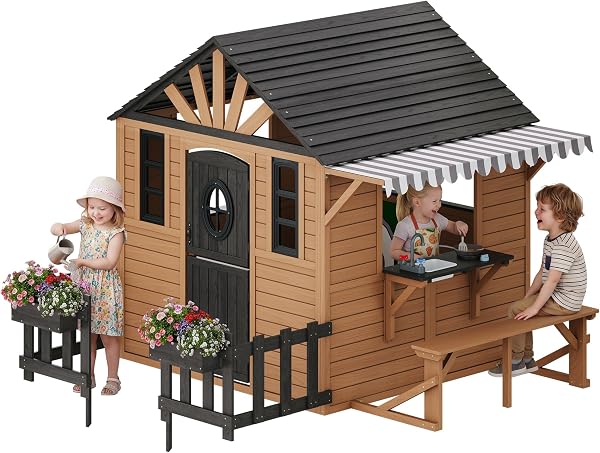
Backyard Discovery Sweetwater
9.0Editor score100% cedar wood
Working doorbell included
Play kitchen inside
Five-year warranty
Find the right playhouses for 2026. We compare 10 standout options by build quality, useful features, owner feedback, value, and everyday trade-offs.

Choosing a playhouse in 2026 means balancing material durability, age-appropriate features, size, interactive extras, and how much yard or playroom space you have. We compare 10 standout options across cedar wood cottages and double-walled plastic playsets, examining assembly complexity, weather resistance, included accessories, and whether the design suits toddlers, preschoolers, or older kids.
The playhouse market splits into two main categories with very different strengths. Wooden cedar cottages like those from Backyard Discovery and KidKraft deliver timeless aesthetics and often grow with kids through age 8. Plastic playsets from brands like Step2 and Little Tikes offer frustration-free assembly, weather resistance without maintenance, and interactive sounds that captivate younger toddlers.
Interior space, door style, kitchen features, and whether the structure fits two or four children all shape how useful a playhouse actually is in daily use. This guide walks through the specifications, trade-offs, and practical considerations that separate a playhouse your kids ignore after a month from one they return to every day for years.
We compared 10 playhouses using the factors that genuinely drive buying decisions: material durability, interior dimensions and capacity, age range, interactive features like play kitchens and doorbells, assembly complexity, weather resistance, warranty coverage, owner feedback, and overall value. The notes focus on practical trade-offs so each pick connects to how families actually use these cottages and clubhouses in backyards, patios, and playrooms, and how well the structure holds up through seasons of pretend play.


Compare key features, scores, and current prices side by side. A shorter feature list means fewer details were available, not necessarily fewer capabilities.


The Step2 Adventure Camper earns the highest 4.7-star rating in this comparison, which reflects strong owner satisfaction with both the unique concept and execution. Instead of mimicking a traditional cottage, this playhouse adopts a camper-style design with built-in floor, windows, and working door that supports a very different kind of imaginative play centered on travel, camping, and outdoor adventures.
We may earn a commission when you buy through this link, at no additional cost to you.
The 52-piece accessory set is unusually generous for the playhouse category and solves one of the most common complaints about pretend play structures: that families spend significant additional money on toy food and cookware after buying the house itself. The included pot, tongs, oven mitt, trays, plates, utensils, and play food like s’mores and burgers with click-and-stick construction give kids immediate access to everything they need for elaborate cooking scenarios. The click-and-stick food is a nice touch because the pieces stay together when kids pretend to serve meals.
The kitchenette with sink, oven, stovetop, and grill supports life-skills practice in a way that extends beyond simple pretend play. Kids learn to associate different cooking methods with different outcomes and develop vocabulary around food preparation. The interactive doorbell with realistic sounds adds immersion, though batteries are not included and need to be purchased separately. Double-walled plastic construction ensures the structure resists fading, cracking, chipping, and peeling across years of outdoor use.
A playhouse without accessories often ends up supplemented with ten to fifty dollars of additional pretend food, cookware, and tools over the first few months. The Step2 Adventure Camper’s included 52-piece set eliminates that follow-up spending and ensures kids can start elaborate pretend play immediately rather than being limited to opening and closing doors until accessories arrive. For families who want everything in one purchase, this is a significant practical advantage.
This playhouse works best for families whose kids are interested in outdoor adventures, camping trips, or anything that breaks from traditional pretend-house play. The camper theme stands out from typical cottage designs, which is an advantage for families wanting something different and a disadvantage if you want a structure that blends with traditional backyard landscaping. For ages 2 and up with imaginations ready for travel-themed scenarios, this is one of the best values in the category.
Not ideal for families who prefer traditional cottage styling or who want a wooden structure for aesthetic reasons.
We may earn a commission when you buy through this link, at no additional cost to you.
The Backyard Discovery Sweetwater delivers one of the most complete wooden playhouse packages available, pairing authentic cedar construction with a thoughtful set of pretend-play features. The 100% cedar wood is naturally resistant to decay and insects, which matters significantly for any structure that will sit outside through rain, snow, and summer heat. Cedar also develops a weathered patina over time rather than rotting the way pine typically does.
We may earn a commission when you buy through this link, at no additional cost to you.
Interior features turn this cottage into a genuine play destination rather than just a shelter. The included play kitchen comes with a toy sink, stove, cookware, and utensils, so kids can start pretend cooking the moment assembly finishes. A snack bar window serves as a serving counter for juice boxes and treats, and the working doorbell plus cordless toy phone add the kind of role-play details that extend engagement well past the first week. The hinged half door lets younger kids feel independent while remaining visible to parents.
Assembly is one of the strongest arguments for this model over cheaper wooden competitors. All panels arrive pre-cut, pre-drilled, and pre-stained, which eliminates the two tasks that frustrate most DIY cedar playhouse buyers. The light brown stain with black trim creates an inviting cottage aesthetic that fits in most yards. Flowerpot holders under the front windows invite kids into gardening, though you’ll need to supply the pots and flowers separately.
Cedar contains natural oils that repel insects and resist moisture penetration, which is why it has been used for outdoor construction for centuries. Pine, by comparison, requires chemical pressure treatment to survive outdoor exposure, and even treated pine typically needs regular sealing to prevent splitting and warping. Cedar’s natural stability means the panels on this playhouse are less likely to crack or shift as humidity changes seasonally, which keeps doors and windows aligned and functional over time.
This playhouse works best for families with a dedicated backyard spot and kids roughly ages 3 through 8. The five-year warranty is unusually generous for this category and reflects confidence in the construction quality. If you want a plastic playset that stores easily or moves between indoor and outdoor spaces, look at the Step2 or Little Tikes options instead. For a permanent cedar cottage that becomes a focal point of outdoor play, the Sweetwater is hard to beat.
Not ideal for families who need a playhouse they can easily move indoors or store seasonally.
We may earn a commission when you buy through this link, at no additional cost to you.
The Step2 Neat & Tidy Cottage is purpose-built for younger toddlers at a stage when most wooden playhouses would be overwhelming or inappropriate. Designed for ages 1.5 and up, it addresses the real need for a safe, enclosed play structure that very young children can enter and exit confidently. The grey stacked stone aesthetic looks more sophisticated than typical bright-colored plastic playsets, which helps it blend into backyards and playrooms.
We may earn a commission when you buy through this link, at no additional cost to you.
Interactive features are packed into a relatively compact 49.75-inch tall footprint. The functional shutter, Dutch-style doors, play phone, windows, tabletop, fireplace, skylight, molded-in sink, backyard BBQ, and drive-thru window give toddlers multiple play scenarios without needing separate accessories. The doorbell with realistic sound effects is the kind of sensory feature that captivates young children and encourages back-and-forth imaginative play with siblings or caregivers.
Double-walled plastic construction is the key durability advantage over single-wall plastic playsets. The double-wall design resists dents and impacts, and the color is molded through the material rather than painted on, so scratches and scuffs don’t reveal a different color underneath. This construction also means the structure handles weather exposure without chipping, fading, cracking, or peeling, which matters significantly for anything left outside year-round.
A playhouse designed for ages 3 and up often has door openings, step heights, and interior features sized for older children, which can create frustration or safety issues for younger toddlers. The Neat & Tidy Cottage was designed from the ground up for the 1.5-plus age range, with door widths, step heights, and interior features calibrated for smaller bodies and shorter reach. This age-specific design is why the sensory features like interactive sounds work as effectively as they do for this particular developmental stage.
This playhouse is the right choice for families with toddlers aged 18 months to roughly 4 years who need a safe, interactive first playhouse. The compact footprint of 53.25 inches wide by 33.75 inches deep fits in smaller yards and playrooms where larger cedar cottages would overwhelm the space. For older preschoolers who want more room to run around inside, consider the roomier Step2 Charming Cottage or a cedar option.
Not spacious enough for multiple preschool-aged children playing together or for older kids who want a larger clubhouse.
We may earn a commission when you buy through this link, at no additional cost to you.
The Little Tikes Cape Cottage in the red and blue colorway offers one of the most affordable entry points into the playhouse category. The design emphasizes simplicity and practicality rather than packing in dozens of interactive features, which makes it a sensible first playhouse for families testing whether their child will actually use the structure before committing to a larger investment.
We may earn a commission when you buy through this link, at no additional cost to you.
Working door and window features let kids control their own space, which is a surprisingly important part of imaginative play. Children at this age want to decide who enters their house and when, and the functional door and windows support that autonomy. The working mail slot and flag holder add role-play elements that extend play beyond simple hide-and-seek, though mail and flags must be purchased separately.
Lightweight construction is both an advantage and a limitation. The playhouse is easy to move around a yard, bring inside during harsh weather, or store in a garage during the off-season. On the other hand, it’s less substantial than the double-walled Step2 models or the cedar wooden options, so it won’t feel as permanent or sturdy once assembled. Water resistance means outdoor use is practical even in rainy climates, though prolonged UV exposure may eventually fade the colors.
Not every child falls in love with playhouses, and spending hundreds of dollars on a cedar cottage before knowing whether yours will use it regularly can lead to buyer’s remorse. An entry-level option like the Cape Cottage lets you gauge genuine interest at a lower price point. If your child plays with it daily for a year, you can upgrade to a larger model with confidence. If interest fades, you haven’t invested as much in an unused structure taking up yard space.
This playhouse suits budget-conscious families with children aged 3 and up who want a basic first playhouse without the price or permanence of larger structures. The lower overall rating compared to the red-only Cape Cottage variant is worth noting and may reflect color-specific manufacturing variations. If you want the same design in a different color scheme with higher ratings, consider the red-only version instead.
Not the best choice for families wanting a substantial, permanent backyard play structure or one with extensive interactive features.
We may earn a commission when you buy through this link, at no additional cost to you.
The red-only Cape Cottage is the Amazon-exclusive variant of Little Tikes' popular design, and the 4.5-star rating suggests more consistent owner satisfaction than the two-color version. The sleek, contemporary styling with modern windows, arched doorway, and brick detailing gives this playhouse a cleaner look than many brightly colored competitors, which helps it fit into backyard aesthetics that favor more subtle landscaping.
We may earn a commission when you buy through this link, at no additional cost to you.
Role-play features center on classic home activities. The two working windows and functional door let kids control their environment, while the mail slot and flag holder create opportunities for pretend errands and visitors. The playhouse supports development of fine motor skills through opening and closing the door and windows, and cognitive abilities through the social and language skills kids build during pretend play scenarios.
Assembly simplicity is a genuine strong point. The lightweight materials make the pieces easy for one adult to handle, and the design is forgiving enough that kids can help put it together under supervision. Water resistance supports both indoor playroom use and outdoor patio or yard placement, and the compact storage footprint means you can disassemble and tuck it away during harsh winter months if desired.
Brightly themed playhouses with specific characters or color schemes can become unappealing to kids as they grow out of certain phases. A classic cape cottage design with simple red siding and traditional architectural details tends to stay visually appropriate across more years of development. This longevity matters when you’re investing in a structure that may stay in your yard for five or more years, moving from toddler pretend play to preschooler imaginative scenarios without feeling babyish to older kids.
This playhouse works well for families with children aged 3 and up who want a well-rated, straightforward first playhouse. The classic red color is more neutral than themed designs and will likely stay visually appropriate as children grow. If you want more interactive features like sounds and molded-in play elements, the Step2 options offer more depth. For simple, reliable, affordable pretend play, this version of the Cape Cottage delivers consistent satisfaction.
Not suitable for families who want a feature-rich playset with sounds, molded accessories, or extensive interactive elements.
We may earn a commission when you buy through this link, at no additional cost to you.
The KidKraft Lantana Lane stands out for its full six-foot height, which comfortably accommodates older kids and even allows most adults to stand upright inside. This makes it the right choice for families whose children are nearing the upper end of the typical playhouse age range or who want parents to be able to join in without constantly stooping or kneeling.
We may earn a commission when you buy through this link, at no additional cost to you.
The secret vinyl fringe entrance is one of this cottage’s most distinctive features and the kind of detail that captures kids’ imaginations in ways standard doors cannot. The fringe curtain works equally well as a pet door for a visiting dog or cat and as a mysterious back exit for children playing pretend games. This small design choice can transform routine play into elaborate story scenarios.
Interactive elements extend beyond the kitchen basics. The sink and stove with pot, pan, and spatula support cooking play, while the built-in grill with clickable knobs lets kids pretend to BBQ the way they see parents doing. The clock with movable hands introduces the concept of telling time in a playful context, and dual creativity boards invite drawing and chalk art inside the cottage. Keep in mind that play food and chalk must be purchased separately.
A playhouse that fits toddlers comfortably often becomes cramped and uninteresting once kids reach age 6 or 7. Six-foot-tall playhouses let older children stand up straight inside, which extends the useful lifespan significantly. Taller structures also allow parents and grandparents to join in without constant bending, which supports the kind of adult-child play that benefits early development. The trade-off is a larger visual footprint and typically higher price.
This playhouse works best for families with older children, roughly ages 4 through 10, who want a wooden structure with room to grow into. The 3.9-star rating is lower than other wooden options in this guide and worth considering as you evaluate whether this specific model matches your needs. If you want a cedar cottage with higher owner satisfaction, the Backyard Discovery Sweetwater or the cedar Dutch door cottage may be better fits.
Not ideal for buyers prioritizing the highest-rated wooden playhouses or families with very young toddlers.
We may earn a commission when you buy through this link, at no additional cost to you.
The Step2 Charming Cottage addresses one of the biggest limitations of smaller plastic playhouses: cramped interiors that quickly feel confining when siblings or friends try to play together. The extra-roomy open design provides space for multiple children to move around freely, which encourages cooperative role play rather than the turn-taking that smaller cottages often require.
We may earn a commission when you buy through this link, at no additional cost to you.
Visual authenticity is handled well through realistic stonework and faux wood siding that make the structure look substantially more premium than typical plastic playsets. These design details matter because kids engage differently with a structure that looks like a real house compared to one that obviously looks like plastic. The Dutch-style door, working doorbell with sound effects, fireplace, and skylight all reinforce the sense that this is a genuine home rather than just a shell.
The 2-and-up age recommendation makes this a slightly more mature option than the Neat & Tidy Cottage designed for 1.5-plus. The additional space and features work better for preschoolers who can handle more complex pretend play scenarios. Weather-resistant plastic construction means years of outdoor use without the maintenance cedar wood requires, and the simple assembly process gets kids playing quickly rather than consuming an entire weekend.
Research on children’s play consistently shows that interior space in play structures affects both the duration and complexity of pretend play. Cramped interiors naturally limit scenarios to single-child activities, while roomier spaces support dramatic play with multiple characters and more elaborate storylines. If you anticipate siblings or friends regularly using the playhouse together, prioritizing interior space pays dividends in the quality and quantity of play that happens there.
This playhouse is the right choice for families with multiple young children or those who regularly host playdates. The larger footprint means you need more yard or playroom space than the Neat & Tidy requires, so measure your intended spot before ordering. For families with one child who doesn’t need extra interior room, the smaller Step2 options or Little Tikes Cape Cottage offer better value.
Not suitable for small yards or playrooms where the larger footprint would dominate the available space.
We may earn a commission when you buy through this link, at no additional cost to you.
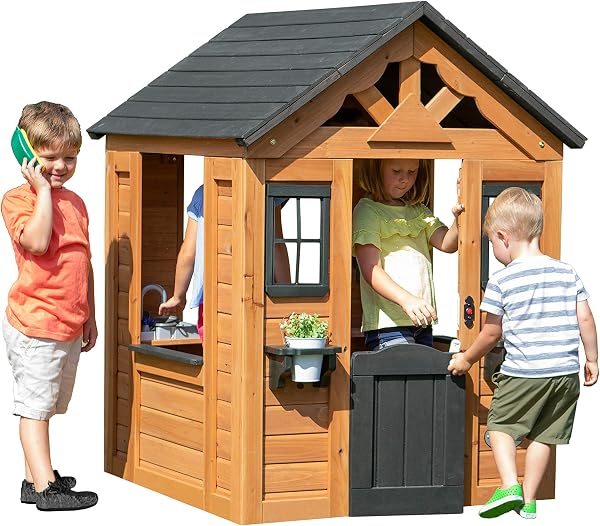
This cedar Dutch door cottage represents an excellent middle ground between the premium Backyard Discovery Sweetwater and the fully plastic options from Step2 and Little Tikes. At 39 inches wide, 36 inches deep, and 55.5 inches tall, it comfortably fits 2 to 4 children at once, which supports cooperative play without requiring the yard space larger cottages demand. The cedar construction delivers wooden playhouse aesthetics with weather resistance that plastic playsets struggle to match for structural authenticity.
We may earn a commission when you buy through this link, at no additional cost to you.
Safety details show thoughtful design throughout. Every panel is pre-sanded smooth and every corner rounded during manufacturing, which eliminates the splinter and bump risks that cheaper wooden playhouses sometimes have. All plastic accessories are ABS-free, which addresses parent concerns about chemical exposure for younger children. The water-based finish resists decay without the harsh chemicals found in traditional pressure-treated wood finishes.
Role-play features cover the essentials without overwhelming the compact footprint. The working doorbell invites pretend visitors, the play kitchen with sink and toy cookware supports cooking scenarios, the half-height Dutch door lets kids feel independent while remaining visible, and the window flowerpot holders encourage interest in gardening. The decorative birdcage is an unusual touch that adds a specific character detail most competing cottages lack.
ABS plastic is a common material in toys and accessories but has raised concerns among some parents about chemical exposure, particularly for very young children who put objects in their mouths. ABS-free alternatives use materials with different chemical profiles that eliminate those specific concerns. For families prioritizing low-chemical-exposure toys for toddlers and preschoolers, this specification is a meaningful consideration when choosing a playhouse with built-in accessories.
Assembly is more manageable than many wooden playhouses. All panels come pre-cut and pre-drilled, hardware is sorted and labeled, and two adults with a power drill can typically complete the build in 1 to 2 hours. This is a weekend morning project rather than a two-day commitment. Plan to reapply a wood sealant once a year to keep the color fresh and extend the structure’s life beyond the natural cedar durability baseline.
Not the right choice for families who want to avoid annual maintenance tasks like resealing wood surfaces.
We may earn a commission when you buy through this link, at no additional cost to you.
The Albott Backyard Cottage distinguishes itself with an extended layout that goes beyond the simple house format most playhouses use. The 81.9-inch length by 83.9-inch width footprint includes a fenced area with wooden flower pots adjacent to the main cottage structure, which effectively creates two distinct play zones: an interior pretend-house space and an outdoor porch or garden area.
We may earn a commission when you buy through this link, at no additional cost to you.
Design details reflect genuine thought about how kids actually play. The magnetic Dutch door provides easy opening and secure closure without pinching fingers, which is a meaningful upgrade over cheap latch mechanisms that often frustrate young children. The pet hole adds interactive fun for both pretend play and actual pets who want to join the scene, and three open windows let kids chat with friends outside while playing inside. The side bench provides a spot to sit, rest, or host pretend tea parties.
Natural wood construction with water-based paint finish supports extended outdoor use, though the manufacturer recommends placing the playhouse in a well-ventilated area for a period before first use. This recommendation reflects the natural off-gassing that occurs with new wood products and finishes. Assembly takes about 2 hours with two adults using the pre-cut panels, pre-drilled holes, and step-by-step instructions.
A single enclosed space encourages one kind of play, while a structure with distinct zones encourages more varied scenarios. The Albott Cottage’s combination of enclosed interior and fenced outdoor area lets kids play restaurant with the bench serving as the dining area, host tea parties on the porch, or run the main house as a shop with the porch as the customer waiting area. These zone options extend play variety and keep the structure interesting across longer time periods.
This playhouse is the right choice for families with large backyards who want a playhouse that functions as a yard focal point rather than fitting unobtrusively in a corner. The extended layout supports multiple children playing in different zones simultaneously, which works especially well for larger families or regular playdates. If your yard space is limited or you want a simple cottage without the extended porch area, the more compact cedar options will fit better.
Not suitable for small yards where the 83-inch footprint would consume too much space.
We may earn a commission when you buy through this link, at no additional cost to you.
The Step2 Naturally Playful Storybook Cottage sits at the premium end of the plastic playhouse category and justifies its price through thoughtful features that address real family needs. At 64.25 inches tall by 55 inches wide and 50.5 inches deep, this cottage provides substantially more interior space than entry-level plastic playsets, with room for multiple toddlers to play together comfortably.
We may earn a commission when you buy through this link, at no additional cost to you.
The standout practical feature is the functional built-in storage, which solves one of the most frustrating problems with playhouses: where to put all the pretend food, cookware, and toys that accumulate inside. Instead of toys spilling out onto the yard or floor, the dedicated storage keeps everything organized and makes cleanup dramatically faster. This is the kind of parent-focused feature that extends how long a playhouse remains welcome in a home or yard before frustration leads to removal.
Interactive elements include a pretend sink, fireplace, windows, and doorbell with sound effects, all designed to support role play and develop social skills through imaginative scenarios. The 1.5-plus age recommendation makes this suitable for younger toddlers, though the generous size means older preschoolers won’t outgrow it quickly. Easy cleaning with disinfectant wipes or household cleaners supports hygiene in a space where kids spend significant time.
Playhouses often fall out of favor not because kids stop enjoying them but because the surrounding mess becomes unmanageable for parents. Dedicated built-in storage transforms this dynamic by keeping toys contained within the playhouse itself, which means cleanup involves closing a storage area rather than collecting scattered items from across the yard. This simple design choice can extend the useful lifespan of a playhouse by years because adults remain willing to keep it set up.
Double-walled plastic construction delivers the signature Step2 durability: colors that won’t chip, fade, crack, or peel across years of outdoor use. The premium price reflects the combination of size, storage, interactive features, and build quality. For families who want a playhouse that will remain functional and visually appealing for many years with minimal maintenance, this is a strong long-term investment compared to cheaper options that may need replacement sooner.
Not the best value for families on tight budgets or those who don’t need the built-in storage feature.
We may earn a commission when you buy through this link, at no additional cost to you.
Selecting the right playhouse requires matching the structure to your child’s age, your available space, your climate, and how long you expect it to remain in use. This section walks through the factors that genuinely affect long-term satisfaction with the purchase.
The fundamental choice in the playhouse category is between cedar wood and double-walled plastic construction. Cedar cottages like the Backyard Discovery Sweetwater, KidKraft Lantana Lane, Albott Backyard Cottage, and the cedar Dutch door cottage offer natural aesthetics, substantial permanence, and the kind of look that complements landscaped yards. Cedar develops a weathered patina over time rather than fading or breaking down, which many families prefer to the gradual color loss of outdoor plastic.
Plastic playsets from Step2 and Little Tikes offer different advantages. Double-walled plastic construction resists chipping, fading, cracking, and peeling across years of outdoor use with zero maintenance. The lighter weight makes relocation and seasonal storage practical, which cedar structures do not accommodate. Plastic playhouses also often include interactive sound features and molded-in accessories that would be impractical or impossible with wooden construction.
Choose cedar if you want a permanent backyard structure with timeless aesthetics and don’t mind annual sealant reapplication. Choose plastic if you need low-maintenance durability, want to move the playhouse between indoor and outdoor use, or your yard space makes seasonal storage necessary.
Playhouses are typically designed for specific age ranges, and buying outside those ranges leads to either frustration or wasted investment. Toddler-focused options like the Step2 Neat & Tidy Cottage and Step2 Naturally Playful Storybook Cottage work for children as young as 18 months, with door openings, step heights, and interactive features sized for small bodies. These playhouses excel at supporting early pretend play but may feel cramped and babyish once kids reach age 5 or 6.
Mid-range options like the Little Tikes Cape Cottage, Step2 Charming Cottage, Step2 Adventure Camper, and cedar Dutch door cottage work well for ages 3 through 6 or 8. These structures provide enough interior space for multiple preschoolers while remaining accessible to younger siblings. Larger wooden cottages like the KidKraft Lantana Lane with its 6-foot height and Backyard Discovery Sweetwater accommodate older children through age 8 or beyond, where adults can also join in without stooping constantly.
Buy for your child’s current age plus the years you expect them to continue using it. If you have one toddler and don’t plan more children, a toddler-focused playhouse makes sense. If you have multiple kids spanning several years or plan to have more, choose a playhouse rated for the oldest child’s range.
Interior dimensions directly determine how many children can play together and what kinds of pretend scenarios the structure supports. Compact playhouses under 50 inches wide work for one child at a time but become frustrating when siblings or friends want to join. The Step2 Charming Cottage and larger wooden cottages like the Albott Backyard Cottage provide the extra room multiple children need to play cooperatively without constantly bumping into each other.
Beyond square footage, interior height matters more than most buyers expect. Playhouses under 50 inches tall are comfortable for toddlers but require crawling or stooping as kids grow. The KidKraft Lantana Lane’s full 6-foot height and the Step2 Storybook Cottage’s 64-inch height let older children stand upright comfortably and allow adults to join in without excessive bending.
Consider how many children will typically use the playhouse at once. For single-child use, a compact playhouse works fine. For siblings, playdates, or growing families, prioritize interior room even if it means a larger yard footprint. The frustration of a cramped interior often leads to abandonment of otherwise good playhouses.
Modern playhouses range from simple shelters with doors and windows to elaborate structures with working doorbells, pretend kitchens, grills, fireplaces, phones, mail slots, and dozens of included accessories. The Step2 Adventure Camper’s 52-piece accessory set is unusual for including nearly everything kids need for pretend cooking, while most other playhouses require separate accessory purchases. The Backyard Discovery Sweetwater includes a play kitchen with cookware, utensils, and a working doorbell, which covers most pretend-play needs out of the box.
Interactive sound features from Step2 add immersion through realistic doorbell sounds, but these require batteries that are typically not included. Working mechanical features like Dutch doors, mail slots, flag holders, and functional shutters support independent play without needing batteries or replacements. The right balance depends on whether you want a playhouse that engages kids immediately through sensory features or one that encourages purely imagination-driven play.
Prioritize playhouses with included accessories if you want to minimize follow-up purchases and get kids playing immediately. Choose structures with mechanical rather than electronic features if you want longevity without battery replacement or feature failure over time.
If your playhouse will live outdoors year-round, weather resistance becomes a critical specification. Double-walled plastic playhouses from Step2 and Little Tikes handle rain, snow, UV exposure, and temperature swings without any maintenance beyond occasional cleaning. The color is molded through the material, so scratches and scuffs don’t reveal different colors underneath, and the construction resists the warping and cracking that plague cheaper plastic products.
Cedar cottages require more active care but can last decades with proper maintenance. The natural oils in cedar resist decay and insects without chemical treatment, but the surface finish gradually degrades under UV exposure and requires annual resealing to maintain color and structural integrity. If you leave a cedar cottage untreated, it will develop a silver-grey weathered appearance that some families prefer aesthetically but which indicates the wood is slowly breaking down.
Choose plastic for truly zero-maintenance outdoor use. Choose cedar if you’re willing to commit to annual sealant application and want a structure that may last 15 or more years with proper care. For families in extreme climates with heavy snow or intense UV exposure, cedar generally outperforms plastic for structural longevity even with the maintenance requirement.
Playhouse assembly ranges from frustration-free one-hour projects to weekend-consuming builds requiring specialized tools. Plastic playhouses from Step2 and Little Tikes generally offer the simplest assembly, with large panels that snap or screw together quickly. Many families complete these builds in under an hour with basic tools. Wooden cedar cottages take longer but are far more manageable when panels arrive pre-cut, pre-drilled, and pre-stained like the Backyard Discovery Sweetwater and cedar Dutch door cottage.
Even with pre-cut panels, wooden playhouses typically require two adults for assembly due to panel weight and the need to hold pieces in position during fastening. Most pre-cut cedar cottages can be built in 1 to 3 hours with two people and a power drill. Avoid cedar playhouses that arrive as raw lumber requiring cutting, drilling, and finishing unless you have serious carpentry experience and significant time available.
Factor assembly realistically into your decision. If you’re not comfortable with power tools or don’t have help available, prioritize plastic playhouses or wooden models with the simplest assembly ratings. The hours you save on setup are hours your kids spend playing with the structure instead of waiting for it to be ready.
Choose your playhouse location carefully before assembly, since moving a completed structure is difficult or impossible depending on the material. Place playhouses on level ground to prevent door and window alignment issues over time, and consider orientation relative to the sun throughout the day. A spot that gets morning sun and afternoon shade typically works best because it dries out dew quickly without baking the structure in peak heat. For wooden cottages, avoid placing them directly against fences or walls, which traps moisture and accelerates rot. For plastic playsets, keep accessories organized inside the structure to prevent toys from being left in the yard and lost or damaged.
Regular cleaning extends the lifespan of any playhouse. Wipe down plastic playhouses with disinfectant wipes or mild household cleaners every few weeks during active use, paying attention to door handles, windows, and interactive features where germs accumulate. Cedar cottages need less frequent cleaning but should be checked annually for mildew spots, loose fasteners, and finish degradation. Reapply a wood sealant once per year to cedar structures to maintain color and extend durability. Check all plastic playhouses for sun fading each season and consider repositioning if certain sides are degrading faster than others.
Supervise children during initial use to establish safe play habits, especially with features like working doors, mail slots, and Dutch doors that can pinch fingers if slammed. Teach kids that playhouses are for pretend play rather than climbing on the roof or jumping off, which prevents both injuries and structural damage. For winter care, consider whether to leave the playhouse set up or disassemble and store it. Plastic playhouses survive winter outdoors without issue in most climates but may last longer if stored. Wooden playhouses can stay outside through winter but benefit from being covered during the harshest months to minimize moisture exposure between annual sealant applications.
Most wooden playhouses in this guide take 1 to 3 hours to assemble with two adults and a power drill, provided the panels arrive pre-cut and pre-drilled. The Backyard Discovery Sweetwater and cedar Dutch door cottage both offer streamlined assembly processes designed for weekend DIYers. Avoid wooden playhouses that arrive as raw lumber requiring cutting, since those projects can consume a full weekend or more. Having a second adult to hold panels in position significantly reduces assembly time and frustration.
Yes, double-walled plastic playhouses from Step2 and Little Tikes are designed to resist fading, cracking, chipping, and peeling across years of outdoor use in most climates. The molded-through color means scratches don't reveal different colors underneath, and the construction handles temperature swings, rain, snow, and UV exposure without degrading. In extreme climates with heavy snow loads, consider brushing accumulated snow off the roof to prevent potential damage, but no annual maintenance is required.
Playhouses designed for ages 1.5 and up like the Step2 Neat & Tidy Cottage work well as first playhouses for toddlers. Most children show real interest in pretend play around age 2, when they begin imitating adult behaviors like cooking, cleaning, and shopping. Buying slightly before this age gives kids time to grow into the structure, but buying too early means the playhouse may sit unused for months. Watch for signs of interest in pretend play before investing in a larger or more feature-rich model.
Many wooden playhouses don't include a built-in floor, which means kids play directly on grass, dirt, or whatever surface the structure sits on. You can add flooring with rubber playground mats, interlocking foam tiles, or a thin wooden deck for comfort and cleanliness. The Albott Backyard Cottage includes a side bench but not a complete floor. Plastic playhouses like the Step2 Adventure Camper include built-in floors as standard, which simplifies setup and keeps interiors cleaner.
Playhouse footprints vary from compact 50-inch-wide designs like the Step2 Neat & Tidy Cottage to extended 83-inch structures like the Albott Backyard Cottage. Beyond the structure itself, leave at least 2 to 3 feet of clearance around all sides for kids to walk around and for maintenance access. If the playhouse has a Dutch door, make sure there's enough space in front for the door to open fully. Measure your intended spot carefully before ordering, since playhouses are difficult to return once assembled.
Modern playhouse kitchens vary significantly in quality and realism. Options like the Backyard Discovery Sweetwater and KidKraft Lantana Lane include working features like sinks, stoves, pots, pans, and utensils that support authentic pretend cooking scenarios. The Step2 Adventure Camper's 52-piece accessory set includes click-and-stick play food like s'mores and burgers that stay together when kids pretend to serve them. Lower-end playhouses may include molded-in kitchen features but no accessories, requiring separate purchases.
Look for compliance with ASTM safety standards, which the Backyard Discovery Sweetwater explicitly mentions meeting under code 963. Check for rounded corners, smooth sanded surfaces, and no exposed hardware or sharp edges. For plastic playhouses, verify the manufacturer uses non-toxic materials and lead-free paints. The cedar Dutch door cottage specifically notes ABS-free plastic accessories, which some parents prefer. Always supervise younger children during initial use to identify any specific safety concerns with your particular setup.
Capacity varies significantly by model. Compact toddler playhouses like the Step2 Neat & Tidy Cottage work best for one or two children at a time. Larger structures like the Step2 Charming Cottage, cedar Dutch door cottage (fits 2-4 kids), Albott Backyard Cottage, and Backyard Discovery Sweetwater comfortably accommodate 3 to 4 children simultaneously. If you anticipate siblings or regular playdates, prioritize playhouses with explicit multi-child capacity ratings rather than compact single-child designs.
Yes, playhouses with electronic sound features like interactive doorbells typically require batteries that are not included in the original purchase. The Step2 Neat & Tidy Cottage, Charming Cottage, Adventure Camper, and Storybook Cottage all include interactive sound features that need batteries. Factor the cost of batteries into your initial purchase and keep spare batteries available since kids often press the buttons repeatedly, which drains batteries faster than typical use.
The Backyard Discovery Sweetwater stands out as the strongest overall choice in this comparison, combining authentic cedar construction with a complete pretend-play package that includes a working doorbell, play kitchen with cookware, and the industry-leading five-year warranty. For families committing to a permanent backyard structure that will see years of use through ages 3 to 8, this cedar cottage delivers the best balance of durability, aesthetics, included features, and long-term value.
Different families have excellent alternatives throughout this list. The Step2 Neat & Tidy Cottage is the right choice for very young toddlers starting at 18 months, with interactive sounds and age-appropriate dimensions. The Step2 Adventure Camper's 52-piece accessory set makes it an outstanding value for families who want everything in one purchase. The Little Tikes Cape Cottage in red offers an affordable, well-rated starter option for budget-conscious families. For families wanting the roomiest wooden option, the Albott Backyard Cottage with its extended fenced porch area provides space for genuinely cooperative multi-child play.
Match your choice to your family's specific situation rather than defaulting to the most feature-rich or most affordable option. Consider your child's current age and anticipated years of use, your available yard or playroom space, your willingness to perform annual maintenance on wooden structures, and whether you want a permanent fixture or something that can move seasonally. A thoughtfully chosen playhouse becomes a focal point of childhood memories, while a poorly matched one quickly becomes an expensive storage problem. Take time to measure your space and think through daily use patterns before ordering.