Louisville Slugger Blue
9.0Editor score18-45 mph range
Under 25-pound weight
Manual spring-arm design
Level pitch delivery
Find the right pitching machines for 2026. We compare 9 standout options by build quality, useful features, owner feedback, value, and everyday trade-offs.
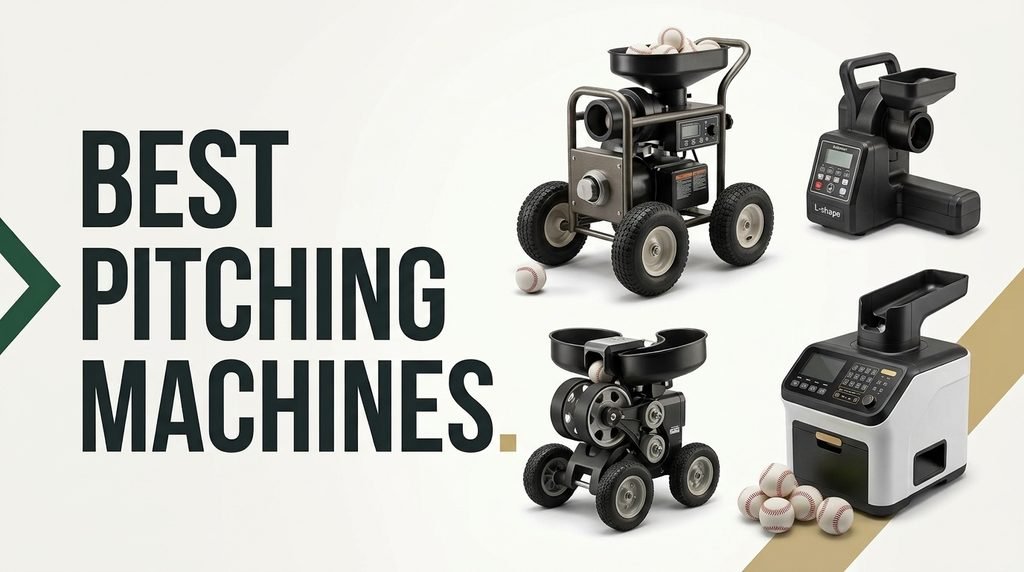
Find the right pitching machines for 2026 batting practice sessions. We compare 9 standout trainers by the factors that shape real hitting development: pitch speed range, ball type compatibility, power source, curveball capability, ball feeder options, portability, angle adjustment for grounders and pop flies, build durability, and long-term value for youth players through advanced hitters.
The right machine depends on the player’s age and skill level, the balls you plan to use, whether you need electricity or fully manual operation, and how much you want to spend. Entry-level manual machines work well for young hitters, while dual-wheel curveball machines and premium three-wheel systems serve advanced players preparing for competitive game speeds.
Speed capability, pitch variety, and ball feeder integration separate basic machines from serious training tools. This guide breaks down the practical differences across nine popular models so you can match the right machine to your player’s development stage, training environment, and budget without overspending on features you will not use.
We compared 9 pitching machines using the details that actually shape hitting practice: pitch speed range and adjustment, ball type compatibility including regulation baseballs versus lite or dimpled balls, curveball and breaking pitch capability, ball feeder inclusion, power requirements, portability and weight, angle adjustment for fielding drills, build materials, warranty coverage, and value. The notes focus on practical tradeoffs so each pick reflects how coaches, parents, and players actually use these machines for backyard practice, team training, and skill development at every level.


Compare key features, scores, and current prices side by side. A shorter feature list means fewer details were available, not necessarily fewer capabilities.




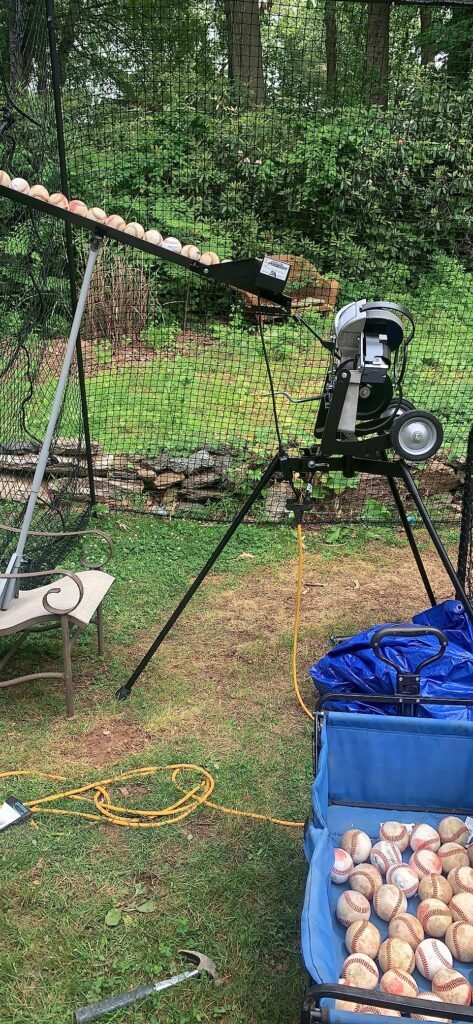
The Junior Hack Attack from Sports Attack represents the premium tier of youth pitching machines, delivering professional-grade features in a size scaled for younger athletes. The three-wheel design is what separates this machine from lesser alternatives because it can throw genuinely realistic curveballs, sliders, split fingers, and knuckleballs rather than the pseudo-breaking pitches that dual-wheel machines simulate. Speeds up to 70 mph prepare players for advanced game situations.
We may earn a commission when you buy through this link, at no additional cost to you.
The ability to throw both left-handed and right-handed pitches gives coaches and players enormous training flexibility. Right-handed hitters can practice against both pitcher orientations, which matches the reality that they will face pitchers throwing from different arm slots in games. This capability alone justifies the premium price for serious players preparing for high school or club-level competition where pitch variety matters significantly.
The 4.7-star owner rating is the highest in this comparison and reflects the machine’s proven performance in real training environments. The high-quality ball feed system handles standard baseballs reliably for uninterrupted practice, which matters because feed jams interrupt training flow and frustrate players. For defensive drills, the throwing head pivots in any direction to deliver ground balls, line drives, and fly balls up to 250 feet.
Dual-wheel pitching machines can simulate curveballs by running the wheels at different speeds, but the resulting break is limited compared to real breaking pitches. Three-wheel designs like the Hack Attack use a third wheel positioned to impart genuine spin on the ball, creating breaks that closely match what actual pitchers throw. This distinction matters significantly for advanced players learning to read spin and time their swings against real curveballs, sliders, and knuckleballs they will face in competitive games.
The premium price at 2,699 dollars positions this machine well beyond casual buyer budgets, but it makes real sense for coaches building serious training programs, families with dedicated players committing to long-term development, or facilities that will get heavy institutional use. The baseball-only compatibility rules out families with softball players. For anyone serious about elite-level training who can justify the investment, the Junior Hack Attack delivers professional performance.
Casual family use, softball players, or buyers on a budget who cannot justify the premium investment.
We may earn a commission when you buy through this link, at no additional cost to you.
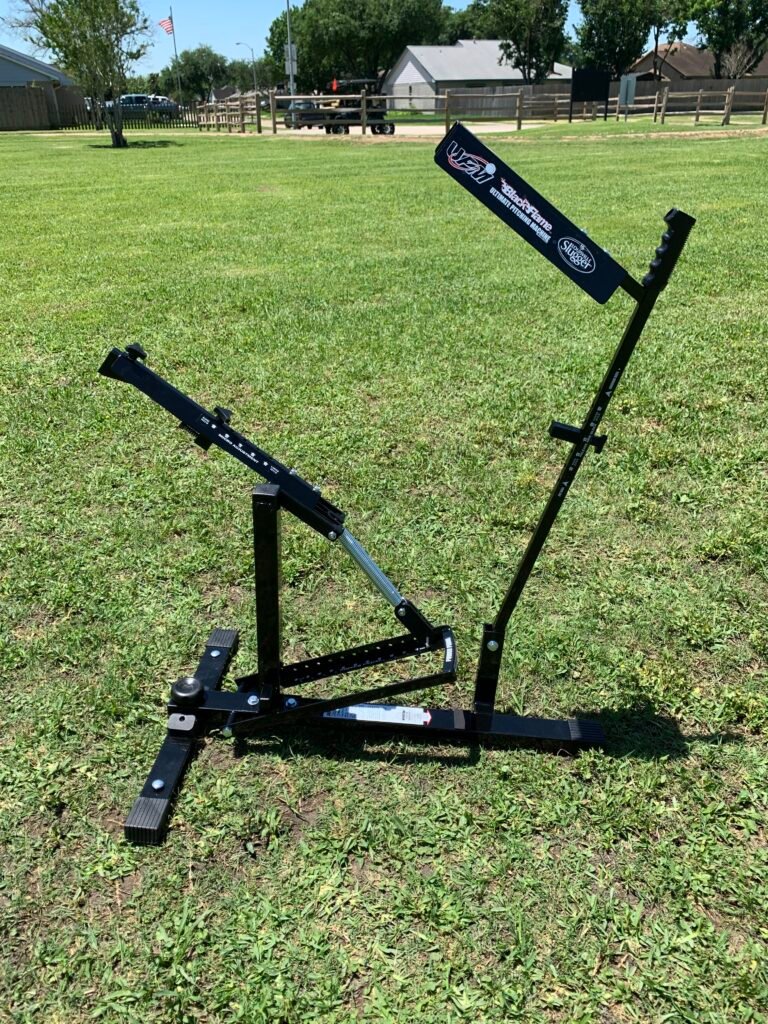
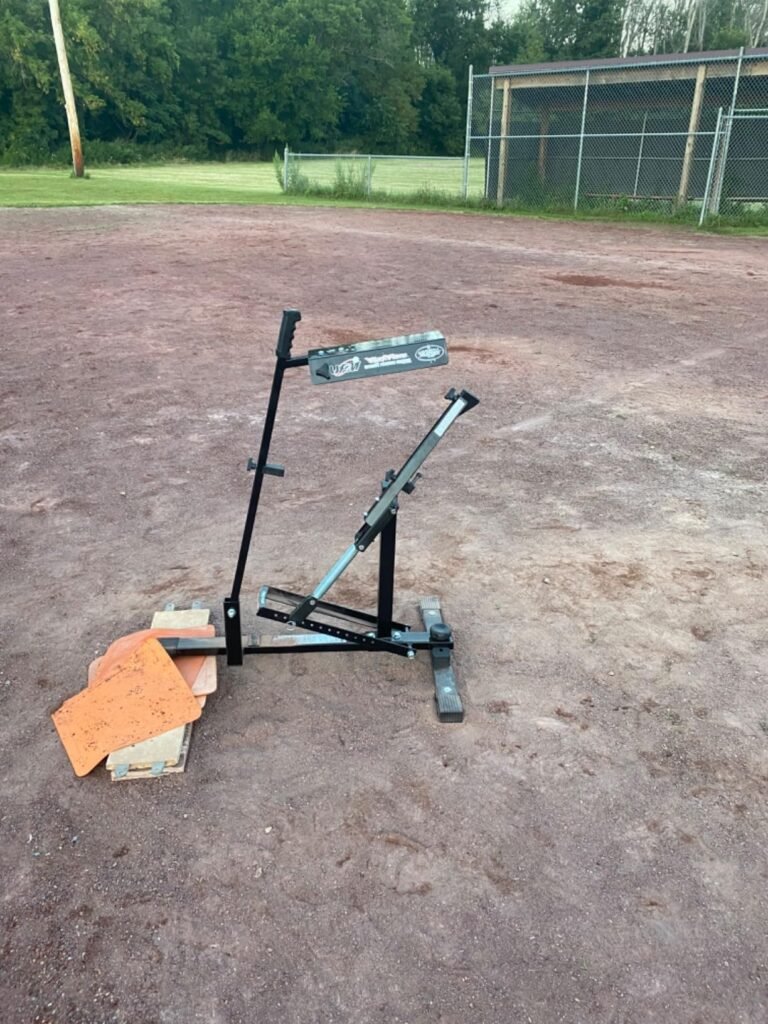
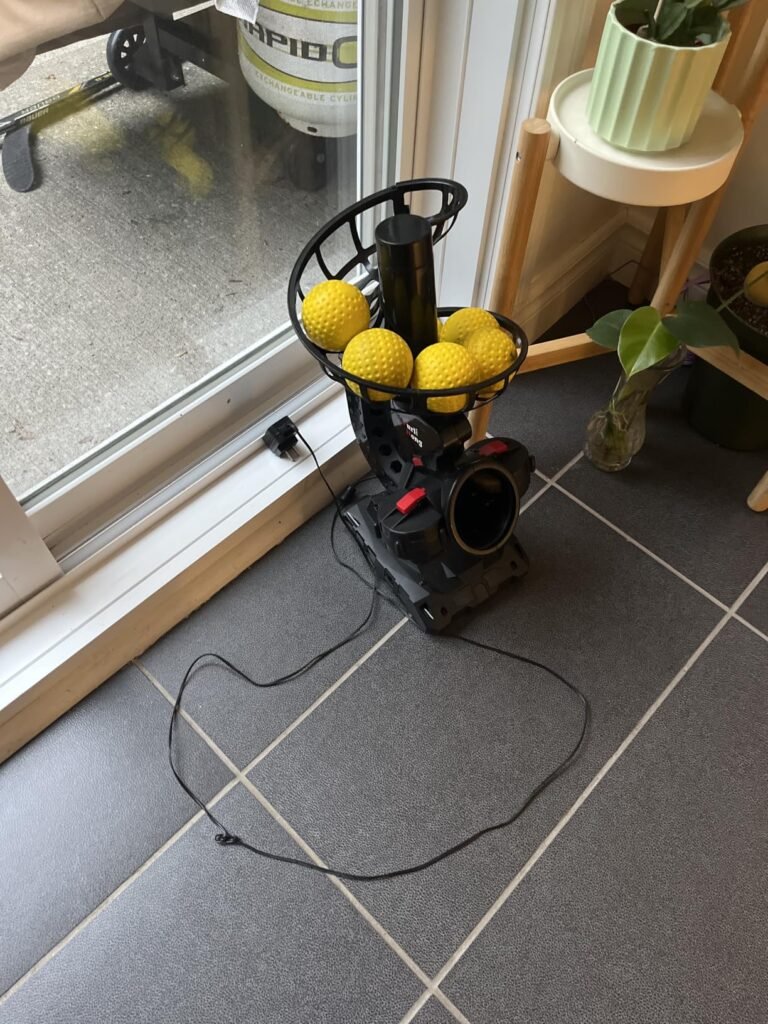
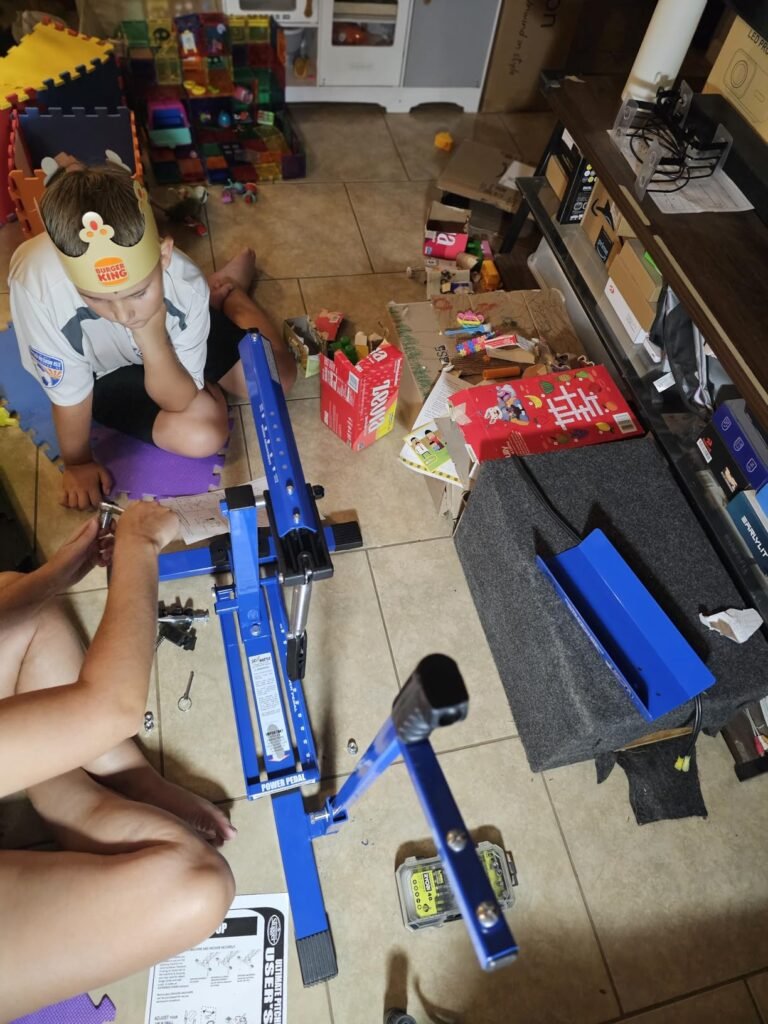
The Louisville Slugger Blue Flame earns our top overall pick by delivering exactly what most families need without unnecessary complexity or cost. This manual spring-arm machine throws hardballs, dimple balls, plastic balls, light flight balls, and even soccer or volleyballs, which gives one machine remarkable versatility across different training scenarios and age groups. It works as the official pitching machine of Babe Ruth League and Pony Baseball and Softball, which reflects real credibility with organized youth programs.
We may earn a commission when you buy through this link, at no additional cost to you.
Speed adjusts from 18 to 45 mph for hardballs with easy controls, and light flight or plastic balls can reach up to 60 mph. Slowpitch softballs get a 12-inch arch that closely matches actual game feeds. The level pitch delivery specifically helps teach proper swing mechanics because players see the ball on a consistent plane rather than fighting inconsistent trajectories that create bad habits. Accuracy for strikes is genuinely reliable for practice repetition.
The completely manual operation is a significant practical advantage for backyard use. No electricity means no extension cords running across the yard, no batteries to charge or replace, and no motor to break down. At under 25 pounds, one person can carry it from garage to field without help, and setup takes only minutes. This makes the Blue Flame ideal for parents who want to hold impromptu batting practice sessions without staging a production.
Electric pitching machines add convenience but also add complexity, weight, and potential failure points. Manual machines like the Blue Flame have almost nothing to break because they use spring tension rather than electric motors and wheels. This means they typically outlast electric alternatives by years, work in any location regardless of power availability, and require essentially zero maintenance. For families with young hitters who need frequent short practice sessions, the reliability advantages of manual machines often outweigh the convenience benefits of automatic feeding.
The main tradeoff is that manual operation requires someone to load each ball, which means solo practice is not possible without adding a separate ball feeder. Speed also caps at 45 mph for hardballs, which limits utility for high school and older players who need to face faster pitching. For families with youth players focused on developing fundamental hitting technique, the Blue Flame delivers exceptional value that justifies its position as our top recommendation.
Advanced players who need pitching speeds above 45 mph or want fully automatic solo practice.
We may earn a commission when you buy through this link, at no additional cost to you.
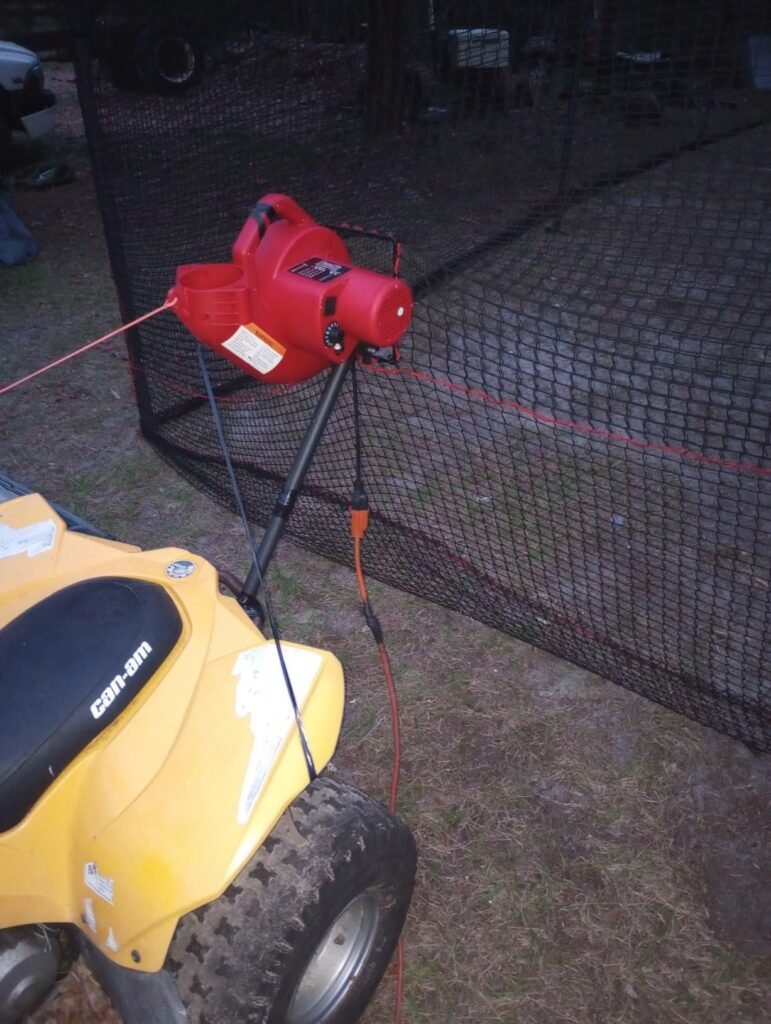
The Heater Base Hit combines automatic ball feeding with genuine portability in a package that most parents can move solo. At just 15 pounds, this is one of the lightest electric pitching machines available, which matters significantly when you need to move equipment between the garage, backyard, and team practice locations without help. The lightweight design makes it accessible for parents who want to set up quick batting practice sessions on short notice.
We may earn a commission when you buy through this link, at no additional cost to you.
Pitch speeds reach 45 mph from a 46-foot distance, which suits youth players from little league through middle school ages who need realistic pace without facing overwhelming velocity. The adjustable pitching head throws fast ground balls for infield practice and high pop flies up to 200 feet for outfield training. This versatility lets one machine handle multiple aspects of skill development beyond just batting practice.
The 12-ball automatic feeder releases a ball every 8 seconds, which gives batters enough time to reset between swings while maintaining a productive practice tempo. Solo practice becomes viable when you do not need someone to hand-feed each ball, which is significant for players training alone or coaches running multiple stations. The removable feeder simplifies loading and cleaning between sessions.
Many entry-level and mid-range pitching machines work best with specific ball types like dimpled or lite balls rather than regulation baseballs. This is because the wheels or spring mechanisms are calibrated for particular ball weights and surface textures. Using the recommended balls typically produces more consistent speeds, straighter trajectories, and less wear on the machine. Regulation baseballs often cause issues like inconsistent feeding or reduced accuracy on machines not designed for them, so buying compatible balls is worth the additional cost.
The 3.7-star rating is lower than most alternatives in this comparison, suggesting some owners have experienced consistency or reliability issues over time. For best performance, Heater recommends their specific dimpled baseballs rather than regulation balls, which adds ongoing ball costs to consider. For families who prioritize portability and automatic feeding at an accessible price and are willing to work with Heater’s ball ecosystem, the Base Hit offers real practical value despite the reliability concerns.
Buyers who insist on using only regulation baseballs or want proven long-term reliability from higher-rated machines.
We may earn a commission when you buy through this link, at no additional cost to you.
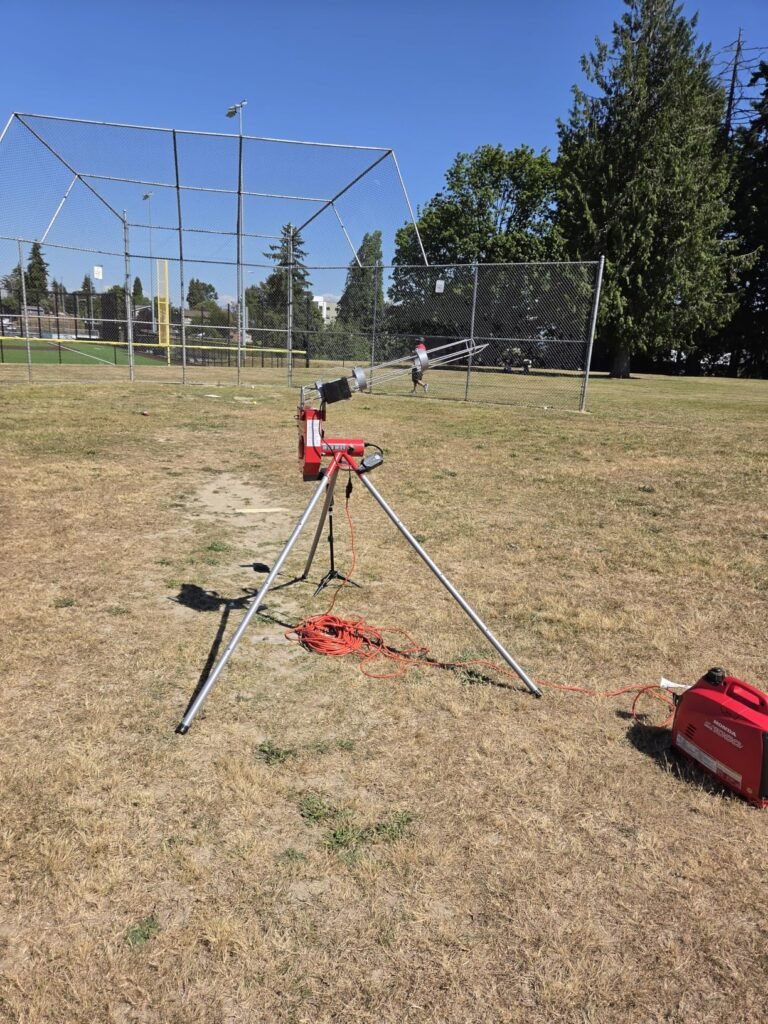
The Heater Heavy-Duty targets families and coaches who want one machine that grows with players from beginner through intermediate levels. The wide 10 to 52 mph speed range accommodates very young players just starting to make contact all the way up to competitive youth players facing pitching speeds approaching game reality. Adjustments happen through a simple 0-10 speed dial that lets you dial in precise settings for specific training scenarios.
We may earn a commission when you buy through this link, at no additional cost to you.
The all-metal housing represents a significant upgrade over plastic-bodied machines in the same price range. Metal construction handles the impacts and vibrations of daily use without cracking or wearing out, which meaningfully extends useful lifespan for heavy training loads. This kind of build quality matters more than it might seem because plastic pitching machines often fail at housing joints after a season or two of hard use.
The pivot head adjustment lets you fine-tune pitch delivery for grounders during fielding practice and pop flies for outfield training. This transforms the Heavy-Duty from a pure batting practice machine into a multi-purpose training tool that supports comprehensive skill development. Adding Heater Lite Baseballs boosts speed capability up to 80 mph for advanced training, which extends the machine’s useful life as players develop.
Young players just learning to hit typically benefit from speeds in the 15 to 25 mph range that let them develop timing without feeling overwhelmed. Middle school players usually thrive at 30 to 45 mph as they build swing consistency. Advanced youth and high school players need 50 mph and above to prepare for game speeds. The wide range on the Heavy-Duty means the same machine serves your player from initial development through several years of progressive training as their skills mature.
The 12-ball automatic feeder drops a baseball every 8 seconds for continuous hands-free practice, though it can be removed for manual feeding when you prefer coach control over timing. The main tradeoff is that reaching maximum speeds requires switching to lite balls, which changes the batting experience compared to regulation-weight practice. For families wanting a durable machine that adapts to growing players, the Heavy-Duty delivers solid long-term value.
Players needing high speeds with regulation balls or those who require true curveball capability.
We may earn a commission when you buy through this link, at no additional cost to you.
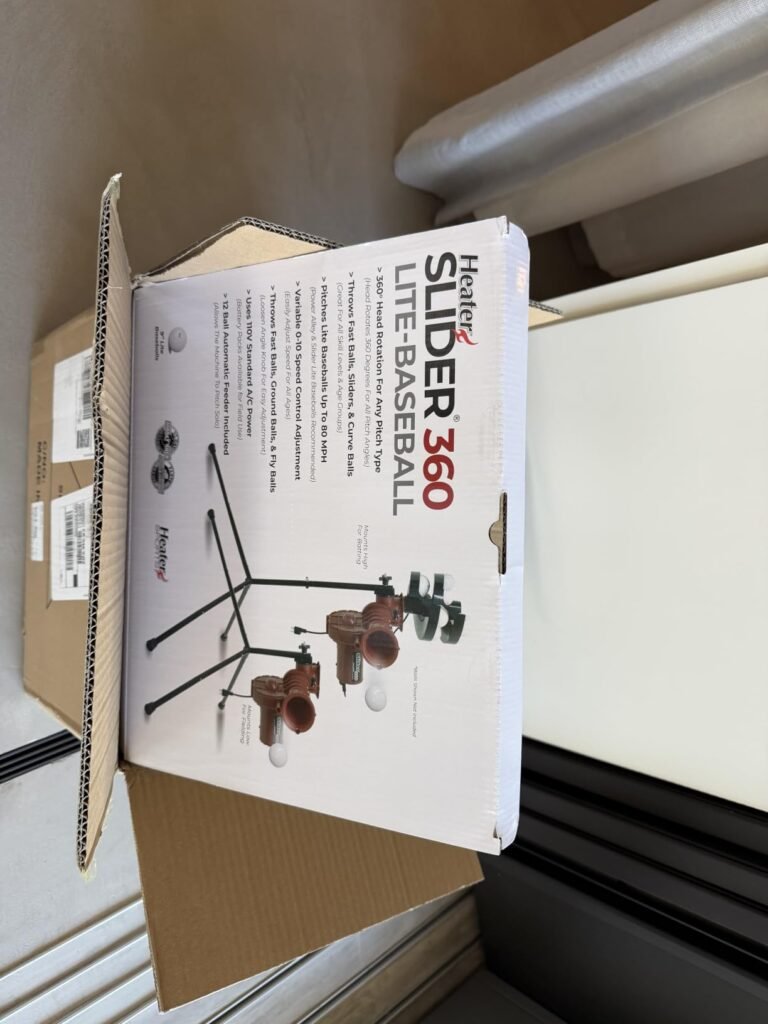
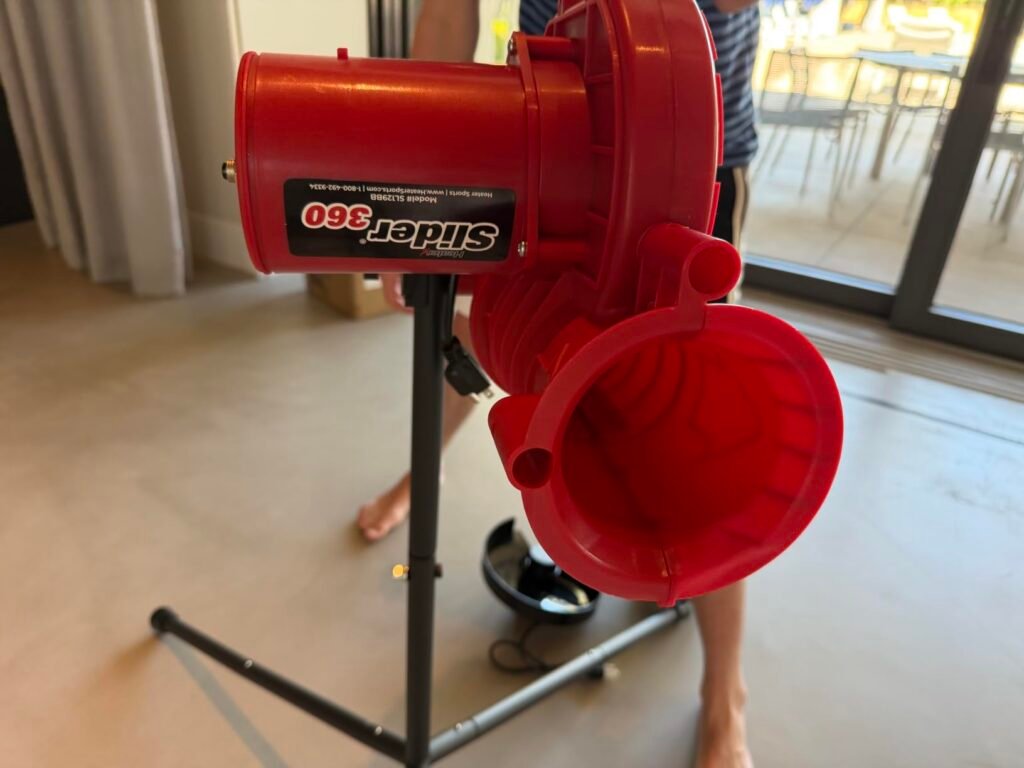
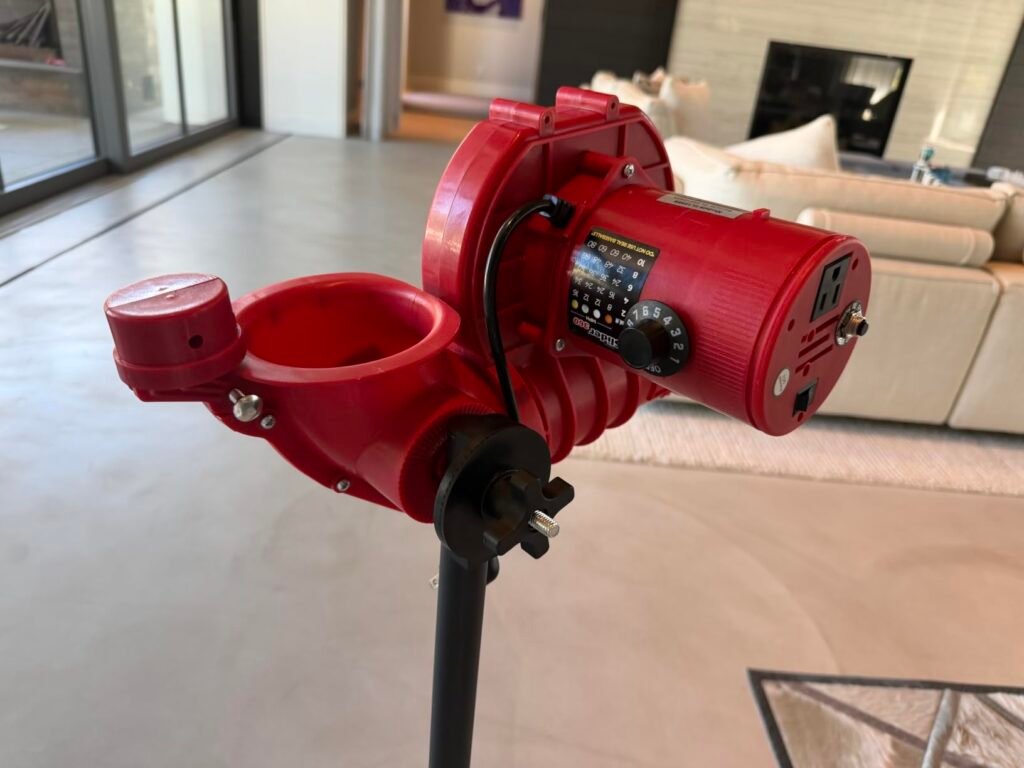
The Heater Slider Lite 360 brings curveball training to a price point most families can consider without exceeding their budget for youth sports equipment. The pivot head design specifically enables curveball pitching that helps players learn to recognize and time breaking pitches, which becomes increasingly important as they progress into competitive baseball where curveballs appear more frequently in game situations.
We may earn a commission when you buy through this link, at no additional cost to you.
Pitch speeds reach 80 mph with lite balls at the standard 46-foot distance, which challenges reaction time and swing mechanics at levels approaching high school game speeds. The versatility to deliver both traditional fastballs and challenging curveballs from the same machine provides comprehensive training against varied pitch types. This is valuable because facing only fastballs during practice creates hitters who struggle against breaking pitches in games.
The tubular steel legs with rubber tips provide stable footing on any practice surface, whether that’s a batting cage, backyard, or dedicated training facility. The 360-degree delivery flexibility lets you position the pitching head at various angles for different training scenarios. Quick and hassle-free assembly means the machine gets used regularly rather than sitting unassembled because setup feels like too much work.
Many hitters develop swing mechanics against only fastballs and then struggle badly when they first face breaking pitches in competitive games. Introducing curveball training earlier in development builds the visual recognition and timing adjustments needed to hit breaking pitches consistently. Players who train against curveballs regularly learn to identify spin, adjust their timing, and stay balanced through their swings when the ball breaks. This preparation transfers directly to game performance and helps hitters avoid the confidence-damaging slumps that come from struggling against breaking pitches.
The main tradeoffs are that maximum speeds require lite balls rather than regulation baseballs, and the curveball action is less dramatic than what a true three-wheel machine like the Junior Hack Attack produces. For families wanting affordable curveball training for developing players who need exposure to breaking pitches before facing them competitively, the Slider Lite 360 offers real value at a fraction of the premium machine prices.
Advanced players who need true three-wheel breaking pitch capability with regulation baseballs.
We may earn a commission when you buy through this link, at no additional cost to you.
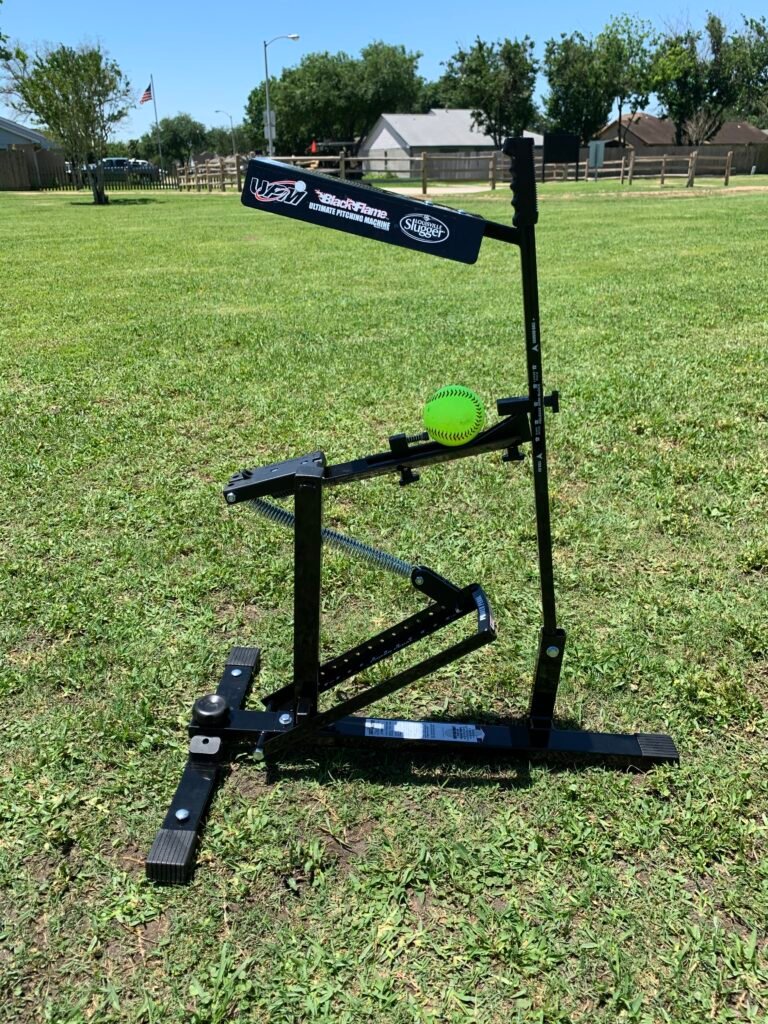
The Louisville Slugger Black Flame extends the Blue Flame concept with slightly higher speed capability and additional configuration options for buyers who want more from a manual pitching machine. Regulation baseballs reach up to 50 mph while softballs pitch up to 44 mph, which extends the useful age range compared to the Blue Flame. The completely manual operation still requires no electricity, batteries, or maintenance, keeping the practical simplicity that makes manual machines so appealing.
We may earn a commission when you buy through this link, at no additional cost to you.
The 3-in-1 hitting and fielding capability lets you switch between game-speed strikes, high fly balls for outfield practice, and thrown ground balls for infielders. This single machine covers multiple aspects of skill development, which represents strong value for families that need one training tool to serve multiple purposes. Interchangeable components make the transitions straightforward without requiring separate equipment purchases for each drill type.
Compatibility spans regulation baseballs, softballs, dimple balls, restricted-flight balls, plastic balls, and foam balls, which provides remarkable flexibility across different training situations and player ages. Three adjustable speed and height settings let you target hitters from youth through high school levels. Front spike anchoring keeps the machine in position during use, which matters for consistent pitch delivery.
Pitching machines that shift or tip during use produce inconsistent pitches that make it hard to develop reliable swing mechanics. Front spike anchoring keeps the Black Flame stable on grass or turf surfaces, which delivers consistent pitch locations that let hitters focus on their swing rather than adjusting to random ball placement. This kind of stability matters more than many buyers realize because inconsistent equipment can actually undermine skill development by teaching players to compensate for unreliable pitches rather than developing proper technique.
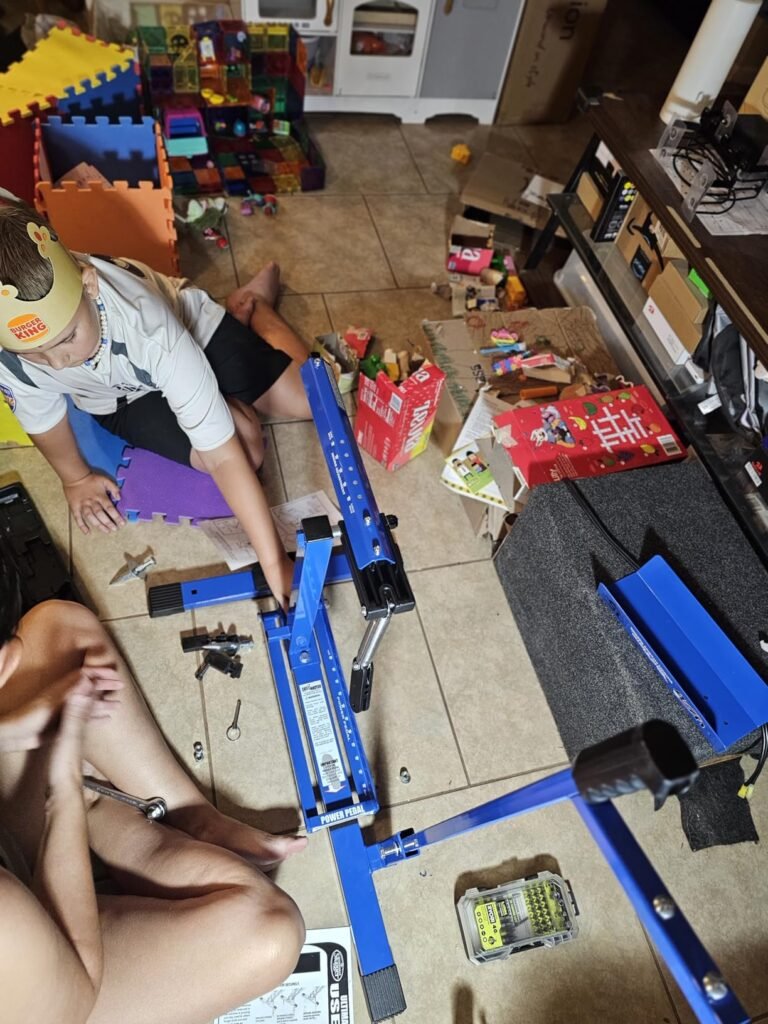
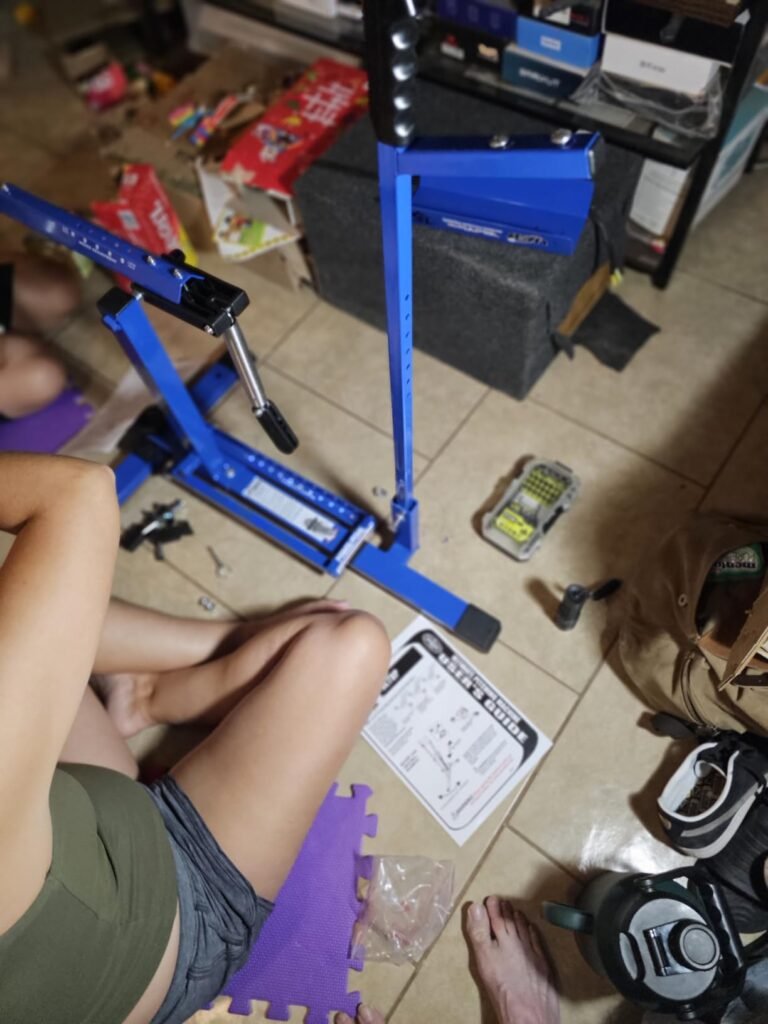
Assembly takes under 10 minutes with clear instructions, and the manufacturer includes a 60-day warranty. The main tradeoffs are that manual operation still requires someone to load each ball for solo practice, and the shorter warranty period reflects the accessible price point. For families who valued the Blue Flame concept but need slightly more speed or added versatility, the Black Flame delivers meaningful upgrades at reasonable cost.
Players needing curveballs, higher speeds above 50 mph, or fully automatic solo practice.
We may earn a commission when you buy through this link, at no additional cost to you.
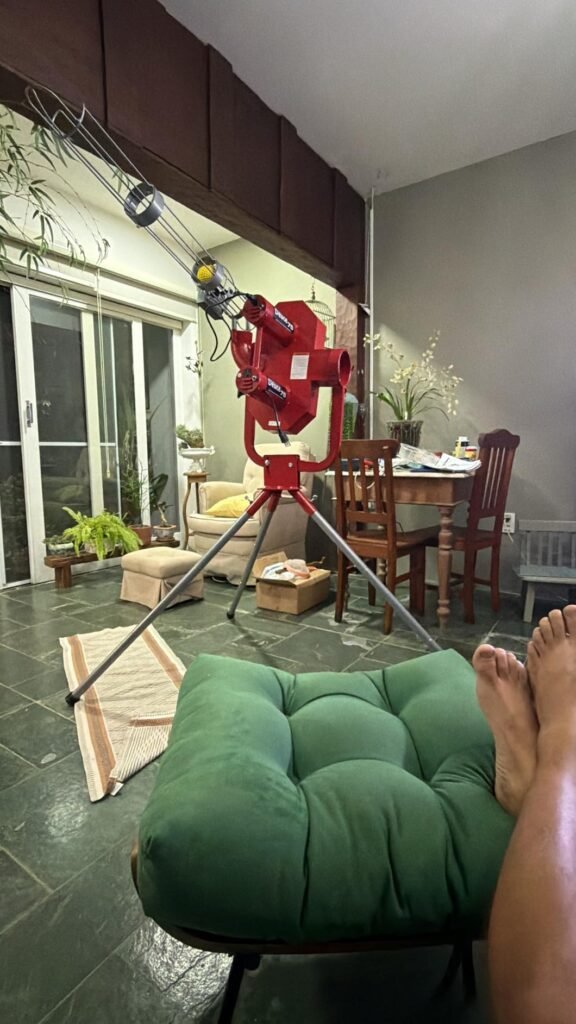
The Heater Deuce 75 targets serious training situations where you need real breaking pitch capability without paying premium three-wheel machine prices. The dual pneumatic tire design handles fastballs, curveballs, and sliders with independent speed controls for each wheel, giving you precise adjustment for different pitch types. The 15 to 75 mph range covers everything from youth training speeds through pitching that approaches high school game reality.
We may earn a commission when you buy through this link, at no additional cost to you.
The robust all-metal housing encloses the wheels for enhanced safety and long-lasting durability. This is a genuinely important feature because exposed wheels on pitching machines can cause serious injuries if players or coaches get too close during operation. The metal enclosure also protects the wheels from damage that could affect long-term pitch consistency. Independent speed knobs let you fine-tune curveball behavior by adjusting how much differential exists between the two wheel speeds.
The innovative pivot head design allows adjustment to pitch at any angle, which enables the same machine to throw fastballs, curveballs, sliders, pop flies, and grounders. This versatility means the Deuce 75 covers batting practice and fielding drills without requiring separate equipment. Lite balls extend maximum speed capability up to 85 mph for advanced training scenarios where higher velocities are needed.
Dual-wheel pitching machines create curveballs by running the two wheels at different speeds, which imparts spin on the ball as it launches. The faster wheel effectively pushes one side of the ball harder than the other, causing it to rotate and curve during flight. This works reasonably well for practice curveballs but produces less dramatic breaking action than three-wheel machines that can impart true spin from multiple axes. For most training below elite levels, dual-wheel curveballs provide adequate exposure to breaking pitches without requiring premium machine investments.
The 12-ball automatic feeder comes built in rather than requiring a separate purchase, which many competitors charge extra for. At 75 pounds, this machine is heavier than portable alternatives but still fits in the trunk or backseat of most vehicles. For serious training programs or dedicated players ready to move beyond entry-level machines but not yet ready for premium three-wheel systems, the Deuce 75 hits a useful middle ground.
Casual family users who only need basic fastball practice or elite players needing true multi-axis breaking pitches.
We may earn a commission when you buy through this link, at no additional cost to you.
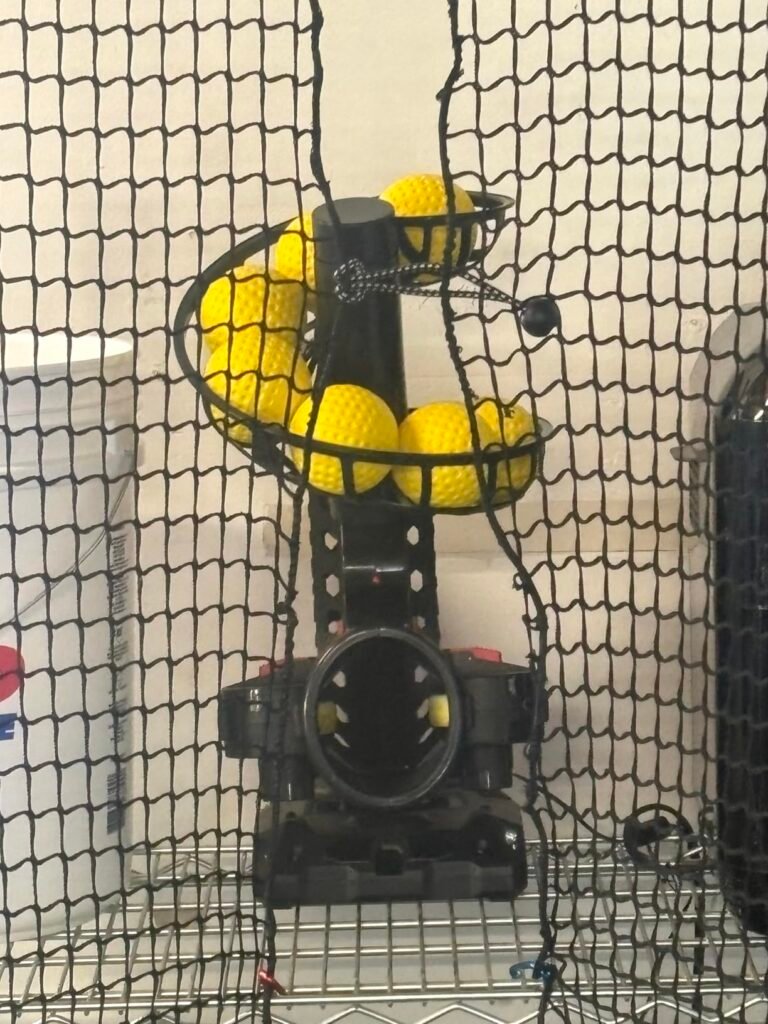
The Furlihong 3801BH occupies a specific niche as an affordable, portable electronic pitching machine designed specifically for beginner training. The 30 mph maximum speed keeps things manageable for very young players just learning to time their swings and make consistent contact. This slower speed range is genuinely useful because forcing young hitters to face faster pitches than they can handle builds bad habits and destroys confidence rather than developing skill.
We may earn a commission when you buy through this link, at no additional cost to you.
Adjustable side wheels let you configure the machine for fastballs, curves, and sliders even at these entry-level speeds. Full adjustment on both speed and angle for each wheel provides genuine pitch variety despite the machine’s beginner positioning. This flexibility means the same machine can support progressive skill development from basic fastball recognition through more advanced breaking pitch training as young players advance.
Power flexibility is one of the strongest features at this price point. The machine runs on 4 D batteries for use anywhere without power access, or plugs into the included 6V AC adapter for locations with outlets. Batteries need to be removed when using AC power to prevent damage. This dual power capability means the machine works equally well in a backyard, park, or garage without requiring dedicated setup logistics.
Youth hitting instruction often emphasizes making consistent contact and developing proper swing mechanics before worrying about handling faster pitches. Machines that only pitch at high speeds can actually hinder young players by forcing them to hurry their swings and develop compensating movements that later prove hard to unlearn. The 30 mph maximum on the Furlihong keeps things at speeds where young players can focus on technique rather than survival, which builds better long-term hitting foundations.
The Furlihong uses proprietary polyurethane dimpled balls weighing about 1 ounce, which are designed as sting-free and bat-friendly. Regulation baseballs will not work with this machine, which is a genuine limitation for buyers who want to use standard equipment. Batteries also do not come included. For families introducing very young players to structured hitting practice without investing in serious equipment, this machine delivers real value at an accessible price.
Older players needing regulation baseball compatibility or higher pitching speeds for competitive training.
We may earn a commission when you buy through this link, at no additional cost to you.
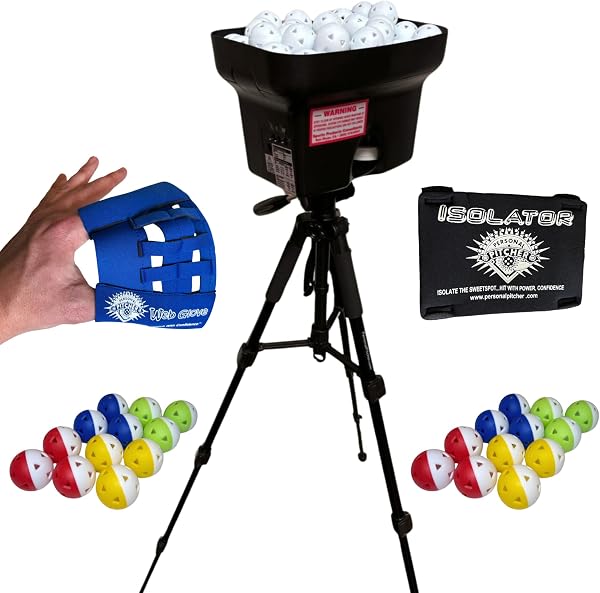
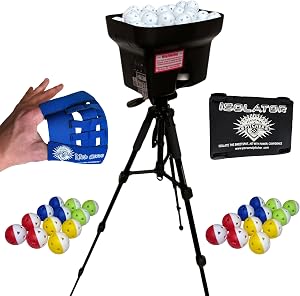
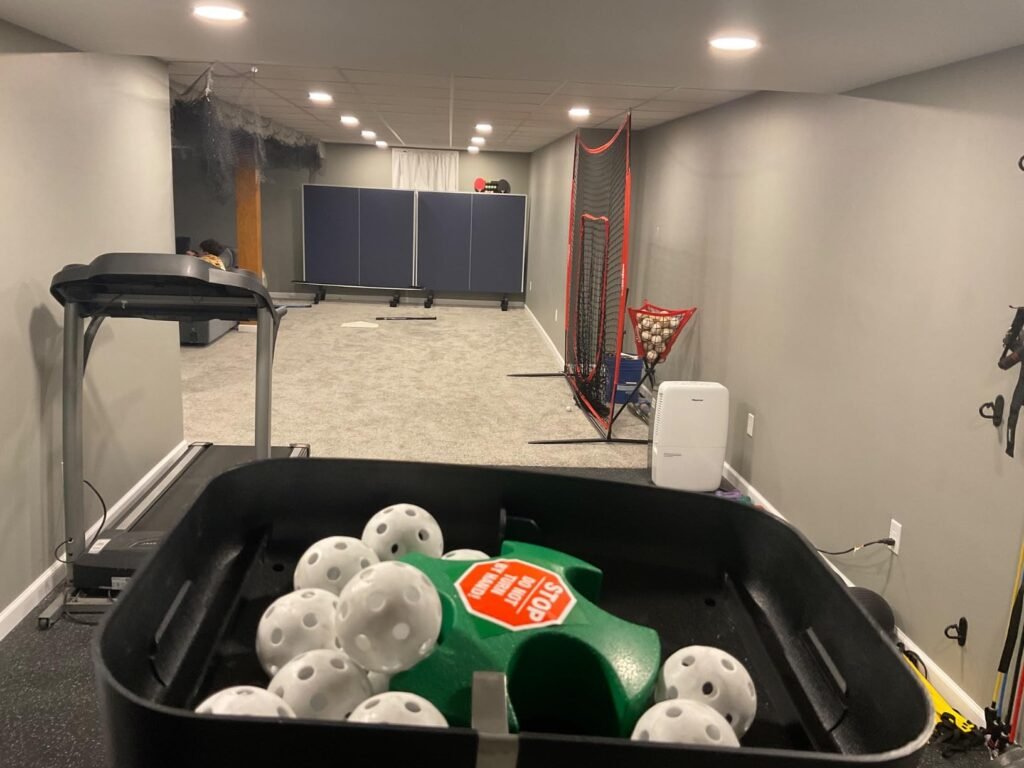
The Personal Pitcher Pro Starter Package takes a comprehensive approach by combining a pitching machine with several training accessories that address different aspects of baseball skill development. This bundled approach delivers genuine value for buyers who would otherwise need to source these tools separately. The complete package includes the pitching machine, tripod, WebGlov training aid, Isolator Pad, and two dozen focus balls in one purchase.
We may earn a commission when you buy through this link, at no additional cost to you.
The Personal Pitcher Pro machine itself provides consistent batting practice for players from Little League through Big League levels. Focus balls vary in speed and location to train batters to adjust to late movement, which builds better hand-eye coordination and plate discipline than machines that pitch identical trajectories every time. This variability more closely matches game conditions where pitchers try to disrupt hitter timing through location and movement variety.
The collapsible tripod is specifically designed for the pitching machine and allows for pitch delivery variety between baseball and softball configurations. This design makes travel and storage practical, and the sturdy construction provides stabilization for consistent pitch delivery. The WebGlov teaches proper catching technique by fitting over the index finger and thumb to create a small pocket that forces web-of-the-hand catches rather than palm catches.
Different practice balls serve different training purposes. Wiffle balls like those with the Personal Pitcher Pro allow safe indoor practice and reduce injury risk during high-volume training sessions. Dimpled machine balls provide consistent trajectories for pure timing work. Regulation baseballs give the most realistic feel but require appropriate space and safety considerations. Understanding when to use each ball type helps you get the most from your training equipment and avoid injury while building specific skills.
The Isolator Pad addresses a specific problem with wiffle ball practice: plastic balls do not create the vibration in a hitter’s hands that regulation baseballs produce, making it hard to know when contact was solid or weak. The pad straps to the bat’s sweet spot and provides audio feedback when hit properly. This complete training approach makes the Personal Pitcher Pro Starter Package well suited to serious players who want tools addressing multiple skill areas rather than just batting practice alone.
Buyers who want a single-purpose machine without accessories or who need regulation ball compatibility.
We may earn a commission when you buy through this link, at no additional cost to you.
Choosing a pitching machine means balancing speed capability against ball compatibility, portability, features, and price for your player’s development stage. The sections below break down the factors that actually determine whether a machine will help build better hitters over years of practice.
Speed capability is one of the most important specifications because it determines whether the machine matches your player’s current skill level and future growth needs. Very young players benefit from machines that pitch in the 15 to 25 mph range because slower speeds let them develop timing and swing mechanics without feeling rushed. Middle school players typically thrive at 30 to 45 mph, while high school and older players need machines capable of 50 mph or more to prepare for game conditions.
Machines with wide speed ranges like the Heater Heavy-Duty that spans 10 to 52 mph offer flexibility that grows with players over multiple years. This adaptability provides better long-term value than machines with narrow speed ranges that quickly become outgrown. However, wide-range machines often cost more, so consider whether your player will actually use the higher speeds or whether a simpler machine with a narrower range would serve well for their expected development timeline.
For young beginners, prioritize slower speed capability and skill-appropriate ranges rather than paying for high-speed features they won’t need for years. For older players or families with multiple kids, wide-range machines provide better long-term value.
Not all pitching machines work with regulation baseballs, which significantly affects ongoing training costs and setup complexity. Some machines like the Furlihong 3801BH and Personal Pitcher Pro require specific proprietary balls that must be purchased separately and cannot be substituted with regular equipment. Others like the Junior Hack Attack work with standard baseballs but not softballs. Machines designed for lite balls typically achieve their maximum advertised speeds only with these lighter alternatives.
Consider the ongoing cost implications of ball compatibility beyond the initial machine purchase. Proprietary balls typically cost more than standard equipment and may need frequent replacement due to wear from machine feeding mechanisms. Buying enough balls for productive training sessions can add hundreds of dollars over time, especially if you use dimpled or lite balls that show wear faster than regulation equipment. Factor these recurring costs into your total budget calculation.
If you already own extensive baseball equipment, prioritize machines that accept regulation balls to minimize additional purchases. For new setups, budget for compatible balls as part of the initial investment.
The choice between manual spring-arm machines and electric wheel-based machines reflects fundamentally different design philosophies. Manual machines like the Louisville Slugger Blue Flame require someone to load each ball but need no electricity, have almost no moving parts to fail, and typically last for many years with minimal maintenance. Electric machines like the Heater Deuce 75 enable solo practice through automatic feeders but require power access and have motors and wheels that can wear out.
Manual machines excel for parents who want simple, reliable equipment for backyard practice without setup complexity. Their light weight makes them genuinely portable, and they work anywhere regardless of power availability. Electric machines make more sense for serious training programs, dedicated players who practice frequently alone, or facilities where automatic feeding significantly improves training efficiency. The tradeoff between simplicity and automation depends heavily on how you actually plan to use the machine.
For casual family use or young beginners, manual machines often serve better through simplicity and reliability. For serious training or solo practice, electric machines with automatic feeders justify their added complexity.
Curveball capability becomes important as players progress into competitive leagues where they will face breaking pitches in games. Players who train only against fastballs often struggle badly when they first encounter curveballs and sliders in competitive situations. Dual-wheel machines like the Heater Slider Lite 360 and Deuce 75 can simulate breaking pitches by running wheels at different speeds, while premium three-wheel machines like the Junior Hack Attack produce genuinely realistic breaking action.
The tradeoff is that curveball-capable machines cost significantly more than fastball-only alternatives. Dual-wheel machines add several hundred dollars to the price, and three-wheel systems can cost thousands. For very young players just learning to hit fastballs consistently, curveball features add cost without meaningful training benefit. As players advance and prepare for competitive baseball, breaking pitch capability becomes increasingly valuable and worth the investment.
For players below age 10 or those just learning to hit, fastball-only machines provide adequate training. For competitive players approaching or in high school, curveball capability meaningfully improves preparation for game situations.
Automatic ball feeders enable solo practice by eliminating the need for someone to hand-feed each ball into the machine. This is genuinely important because it dramatically increases how often the machine actually gets used. Players who need help every time they practice tend to practice less, while those with automatic feeders can grab the equipment and train independently whenever they have time. Most electric machines in the mid-range and above include feeders, while manual machines typically require manual loading.
Feeder capacity and timing affect practice quality. A 12-ball feeder that releases balls every 8 seconds provides productive rhythm without rushing hitters, but you will need to reload frequently during longer sessions. Some machines allow removing the feeder for coach-controlled feeding when you want variable timing, which is useful for advanced training. Consider whether your typical practice involves solo sessions or coached practice when evaluating feeder importance.
For solo practice or self-directed player training, prioritize machines with automatic feeders. For coach-directed practice where timing variation matters, feeder capability is less critical.
Weight and portability determine how easily you can move the machine between locations and how much storage space it requires between uses. Ultra-light machines like the 15-pound Heater Base Hit fit anywhere and move easily solo, while heavier machines like the 75-pound Heater Deuce 75 typically require staying in one location once set up. Consider how often you actually plan to transport the machine when evaluating weight importance.
Storage requirements matter for households without dedicated equipment space. Machines that break down into compact configurations or fold for storage work well in typical garages and basements. Larger machines that must stay assembled require dedicated storage areas that some households simply cannot provide. Also consider whether you can fit the machine in your vehicle when transport becomes necessary.
For frequent transport or limited storage space, prioritize lightweight, portable machines. For dedicated training areas where equipment stays in place, portability becomes less important than features and durability.
Angle adjustment expands a pitching machine’s utility beyond just batting practice by enabling ground ball and pop fly drills for fielding development. Machines with pivot heads like the Heater Heavy-Duty and Deuce 75 can throw grounders for infield practice or lofted balls for outfield training, which effectively turns one piece of equipment into a comprehensive skill development tool. The Junior Hack Attack extends this capability with 250-foot fielding range for serious defensive drills.
The value of angle adjustment depends on your training goals. If you focus primarily on hitting development, fixed-angle machines that only deliver pitches work fine and often cost less. If you want comprehensive skill development covering both offensive and defensive work, angle adjustment provides meaningful additional value. Coaches running full team practices particularly benefit from machines that support multiple drill types without requiring equipment changes.
For hitting-focused training, angle adjustment is a nice-to-have feature. For comprehensive skill development or team training, pivot head capability provides significant additional value.
Build quality determines whether a pitching machine survives years of regular use or fails after a season or two. All-metal housings like those on the Heater Heavy-Duty and Deuce 75 resist damage from repeated impacts better than plastic-bodied alternatives. Wheel enclosures also matter significantly because exposed wheels can cause injuries and are more susceptible to damage from ball impacts. Premium machines like the Junior Hack Attack are engineered specifically for institutional use with reinforced construction throughout.
Warranty coverage provides insight into manufacturer confidence in their products. Standard 60-day warranties on manual machines like the Black Flame reflect their simple construction with minimal failure points. One-year warranties on electric machines like the Heater Base Hit suggest the manufacturer expects the motors and mechanisms to survive typical residential use. Premium machines from established brands like Sports Attack often come with longer warranties that reflect their institutional-grade construction.
For heavy use or long-term investment, prioritize all-metal construction with strong warranty coverage. For occasional recreational use, standard construction typically provides adequate performance at more accessible prices.
Set up your pitching machine on a stable, level surface with clear space around and behind it for safe operation. Position the machine at the appropriate distance for your training scenario, which is typically 46 feet for youth baseball but adjustable based on player age and skill level. Always secure the machine with any included stakes, sandbags, or anchoring hardware to prevent shifting during use that could cause inconsistent pitches or safety concerns. Before starting a session, verify all wheels are spinning freely, feeders are loaded properly, and speed adjustments are set to appropriate levels. Start every session with a few test pitches at moderate speed to confirm the machine is operating correctly before your player steps into the batter’s box.
During practice, follow basic safety protocols to prevent injuries. Never reach into the machine while it is running, and always turn off electric machines before loading balls or making adjustments. Set up appropriate netting or backstop behind the batter to catch balls and prevent them from traveling into unwanted areas. Use balls appropriate for the machine and player skill level, and inspect them regularly for cracks, dents, or wear that could cause erratic behavior. Follow the machine’s recommended maintenance schedule for lubrication, cleaning, and inspection to keep it performing consistently. Structured practice with defined goals produces better results than random pitching sessions.
For long-term care, clean the machine regularly to remove dirt, grass, and debris that can affect performance. Wipe down wheels and mechanisms with a damp cloth after outdoor use, especially in dusty or wet conditions. Store the machine indoors when possible to protect it from weather exposure that can damage electrical components and cause rust. If outdoor storage is unavoidable, cover the machine with a waterproof tarp or dedicated cover. Check tire pressure on pneumatic-wheeled machines periodically because low pressure affects pitch speed and accuracy. Replace worn balls, damaged wheels, or failing electrical components promptly to maintain consistent performance and prevent damage cascading to other parts. With proper care, quality pitching machines typically provide many years of productive training use.
Most pitching machines work well for players aged 7 and up, though the specific machine should match the player's size and skill level. Very young players benefit from slower machines like the Furlihong 3801BH that top out at 30 mph, while older players need higher speeds. Always supervise young players during use, and start at slower speeds to build confidence and proper mechanics before increasing pace. Safety equipment like helmets is important regardless of age.
Match the speed to your player's age and skill level rather than trying to challenge them with the fastest available pitches. Very young players do well at 15 to 25 mph, middle school players thrive at 30 to 45 mph, and high school players need 50 mph or more to prepare for game speeds. Starting too fast damages confidence and creates bad habits as players rush their swings to catch up. Gradually increase speed as skills develop.
Ball compatibility varies significantly by machine. Some like the Junior Hack Attack accept regulation baseballs, while others like the Furlihong 3801BH require proprietary lite balls. Machines designed for lite or dimpled balls typically produce inconsistent results with regulation baseballs. Check the manufacturer's specifications before buying, and factor ongoing ball costs into your budget. Using recommended balls extends machine life and provides consistent training results.
Yes, some pitching machines can throw curveballs, but capability varies significantly by design. Dual-wheel machines like the Heater Deuce 75 create curveballs by running wheels at different speeds, producing modest breaking action. Three-wheel machines like the Junior Hack Attack produce genuinely realistic curveballs, sliders, and other breaking pitches. Manual machines and single-wheel electric machines typically throw only fastballs. Curveball capability adds significantly to machine cost.
Plan for at least 60 feet of clear space in the pitch direction to accommodate the machine, batter, and ball travel distance. Add safety netting behind the batter and to the sides to catch balls and prevent property damage. Backyard batting cages typically require 40 by 12 feet minimum for safe operation. Portable machines work well in temporary setups at parks or open fields where you can spread out safely.
The right choice depends on your specific needs. Manual machines like the Louisville Slugger Blue Flame offer simplicity, reliability, and portability but require someone to load each ball. Electric machines like the Heater Deuce 75 enable solo practice through automatic feeders but need power access and have more parts that can fail. For casual backyard use with young players, manual machines often work best. For serious solo training, electric machines with feeders provide better value despite added complexity.
Quality pitching machines from established manufacturers can last 5 to 10 years or longer with proper care. Manual machines like the Louisville Slugger Blue Flame often outlast electric alternatives because they have fewer parts that can wear out or fail. Electric machines depend heavily on motor quality and how often you use them. Machines that stay in dedicated indoor storage last significantly longer than those exposed to weather. Regular maintenance and appropriate ball use extend lifespan considerably.
An automatic feeder is genuinely useful for solo practice because it eliminates the need for someone to hand-feed each ball. This dramatically increases how often the machine gets used because players can train independently. If you always have a coach or parent available to feed balls, the feeder becomes less important. Most electric machines include feeders, while manual machines typically require manual loading. Consider whether your player will practice alone before deciding on feeder importance.
Premium machines like the Junior Hack Attack deliver features and durability that justify their higher prices for serious players. Real curveball capability, professional build quality, and long institutional-grade lifespan provide value for coaches, dedicated players, or families willing to invest in long-term skill development. For casual recreational use, budget and mid-range options provide adequate performance at much lower cost. Match your investment to actual training frequency and competitive goals.
Clean the machine regularly to remove dirt and debris that can affect performance. Wipe down wheels and mechanisms after each session, especially in dusty or wet conditions. Store the machine indoors when possible to protect electrical components from weather damage. Check tire pressure on pneumatic-wheeled machines because low pressure affects pitch consistency. Inspect balls regularly for wear that could damage the feeding mechanism. Follow the manufacturer's specific maintenance recommendations for lubrication and inspection intervals.
The Louisville Slugger Blue Flame earns our overall top recommendation by combining remarkable versatility, proven durability, and genuine simplicity in one accessible package. The multi-ball compatibility spanning hardballs, softballs, dimple balls, plastic balls, and even soccer or volleyballs makes this machine one of the most flexible options available. Manual operation eliminates the complexity and maintenance concerns of electric machines while keeping the price reasonable. Official status with youth leagues reflects real credibility with organized programs, and the sub-25-pound weight makes it genuinely portable for backyard or field use.
For different priorities, the Junior Hack Attack stands out for buyers wanting professional-grade three-wheel breaking pitch capability with speeds up to 70 mph. The Louisville Slugger Black Flame offers similar reliability to the Blue Flame with slightly higher speeds and multi-configuration versatility. Budget-conscious families with young beginners should consider the Furlihong 3801BH for battery-powered portability under 100 dollars, while the Heater Heavy-Duty provides excellent adjustable speed range for growing players. The Personal Pitcher Pro Starter Package delivers value for buyers wanting complete training accessories alongside the pitching machine.
Match your choice to your player's current age and skill level, expected training frequency, ball type preferences, and long-term development goals. Young beginners benefit more from slower, simpler machines that build proper mechanics without overwhelming pace. Advanced players preparing for competitive baseball need curveball capability and higher speeds that match game conditions. Consider ongoing ball costs, storage space, and portability requirements alongside the initial purchase price. Any machine used consistently will build better hitters than a premium machine that sits unused because it feels too complex to set up. Start with equipment matched to realistic training patterns, and upgrade as commitment and competitive demands grow.