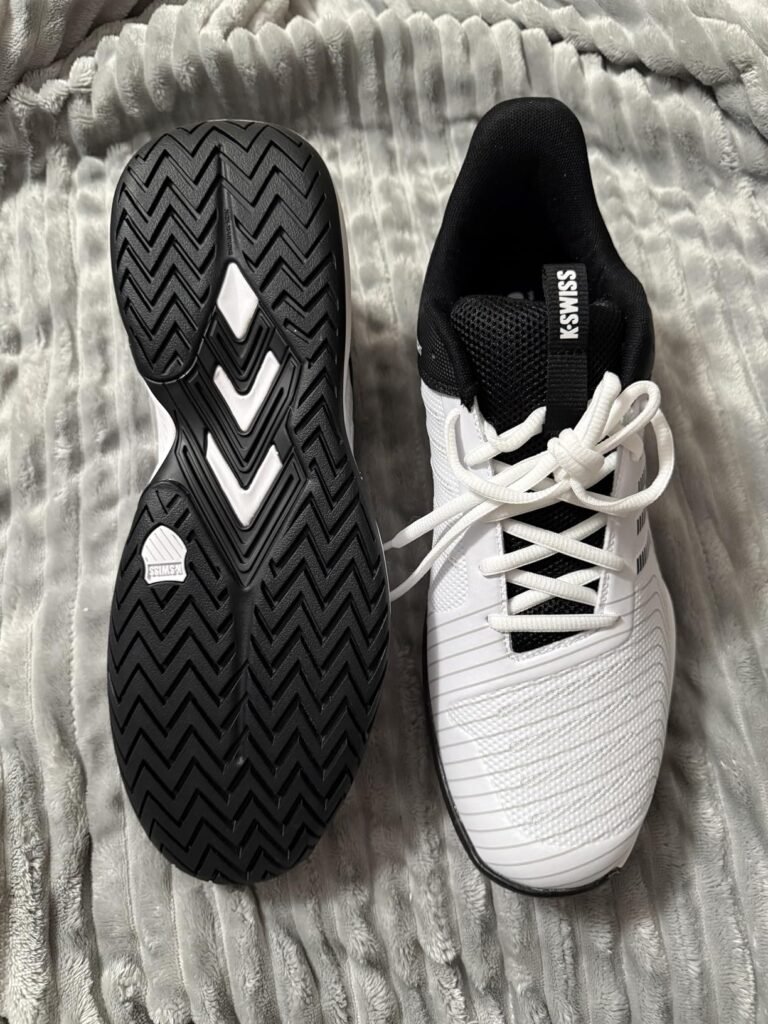
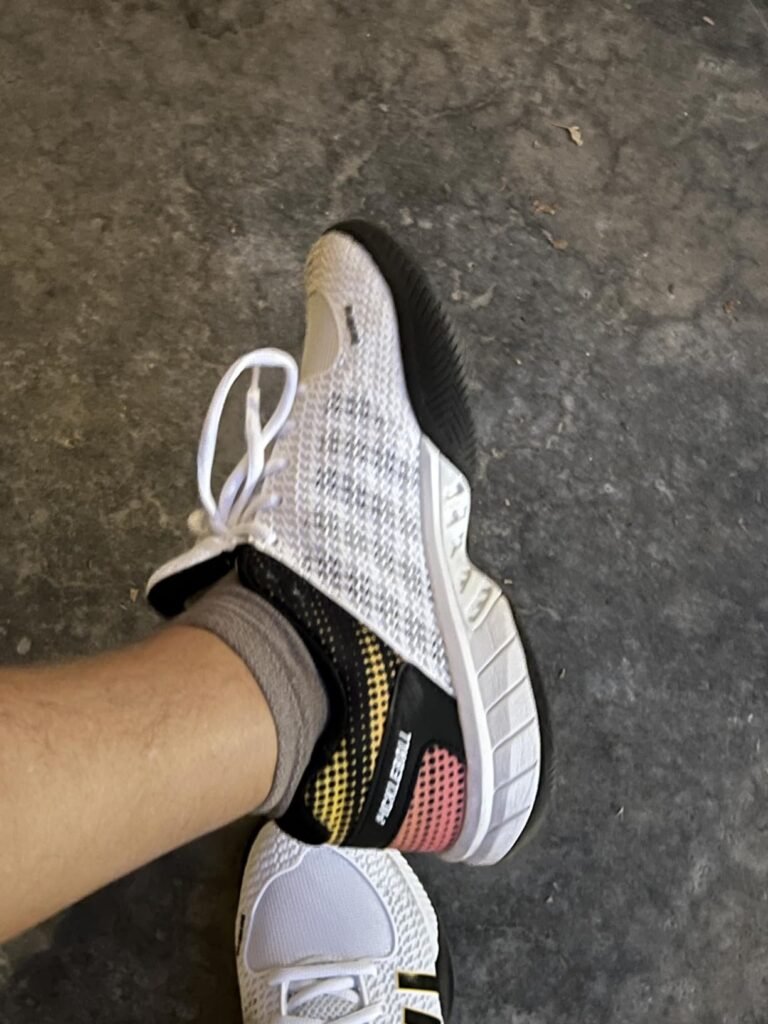
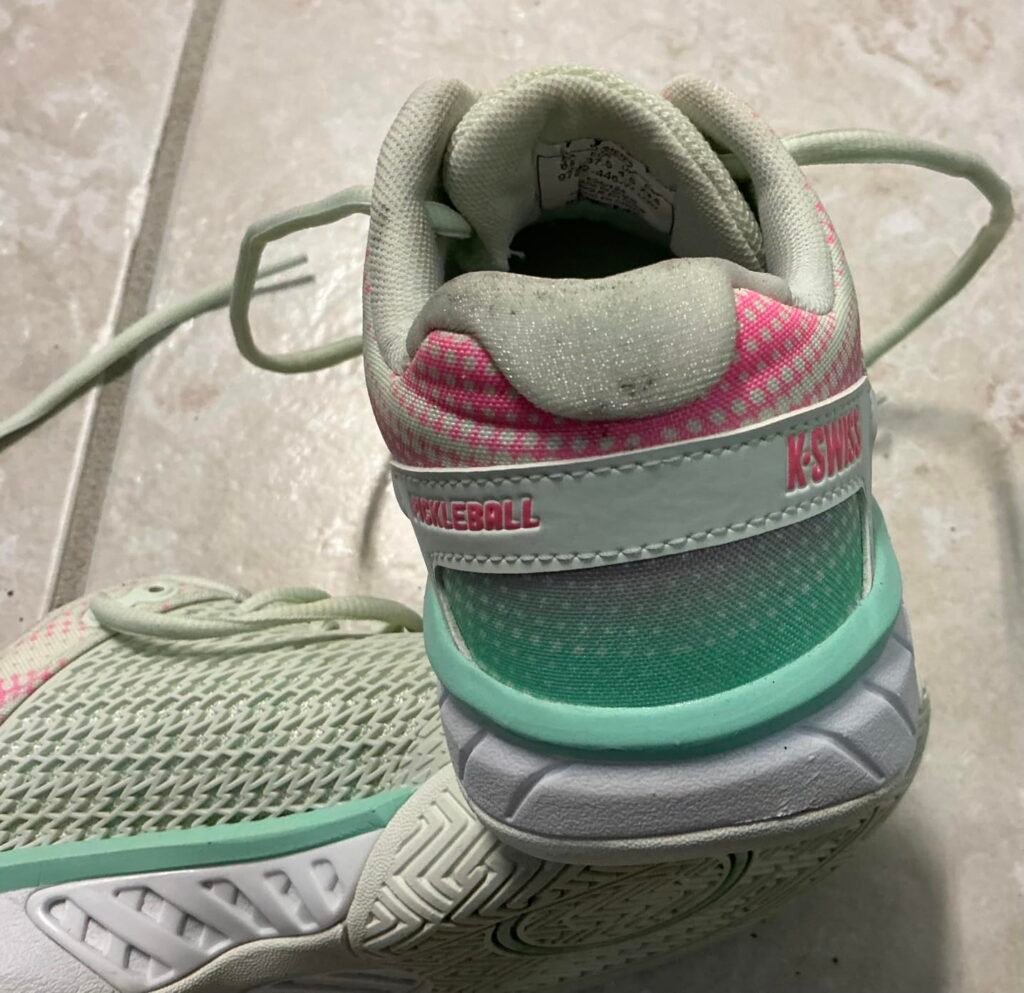
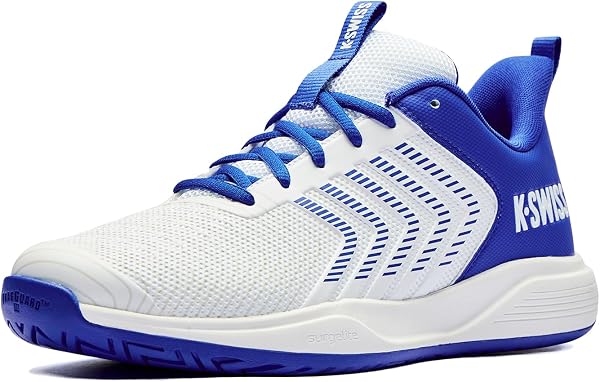
K-Swiss Women's Ultrashot
8.6Editor score11 oz lightweight
Surgelite cushioning
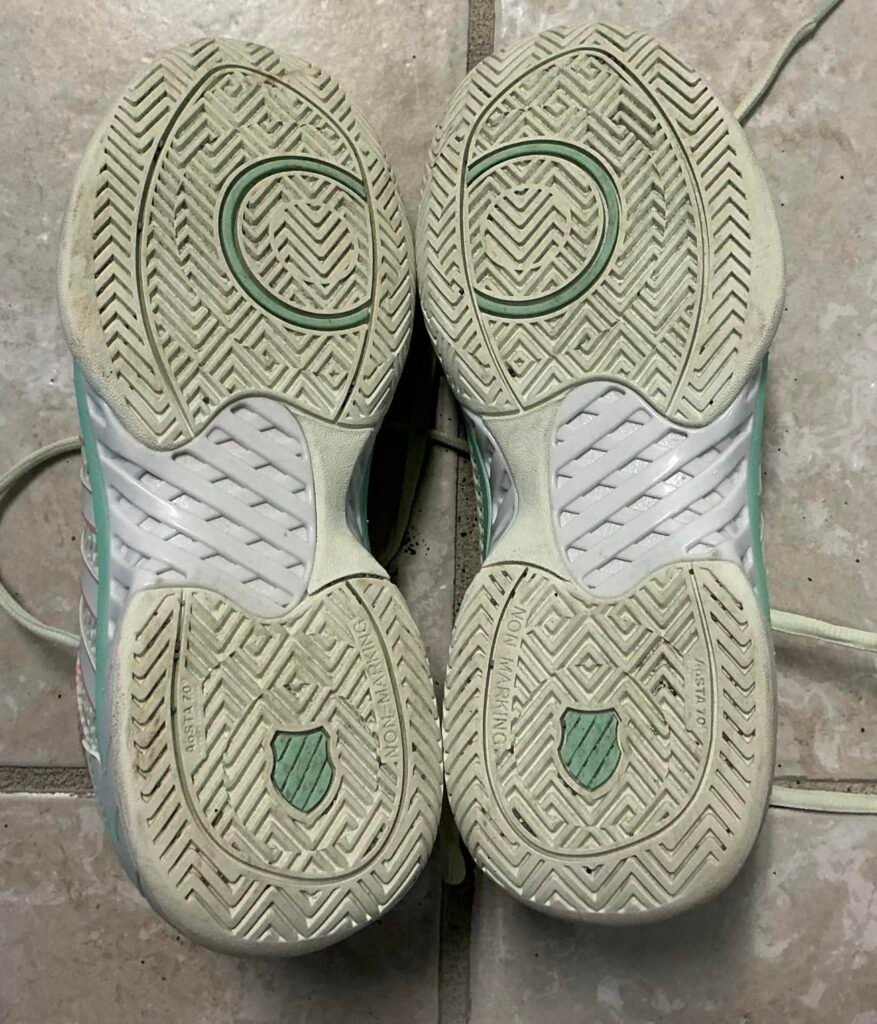
DragGuard rubber outsole
Supportive heel design
Find the right pickleball shoes for 2026. We compare 9 standout options by build quality, useful features, owner feedback, value, and everyday trade-offs.
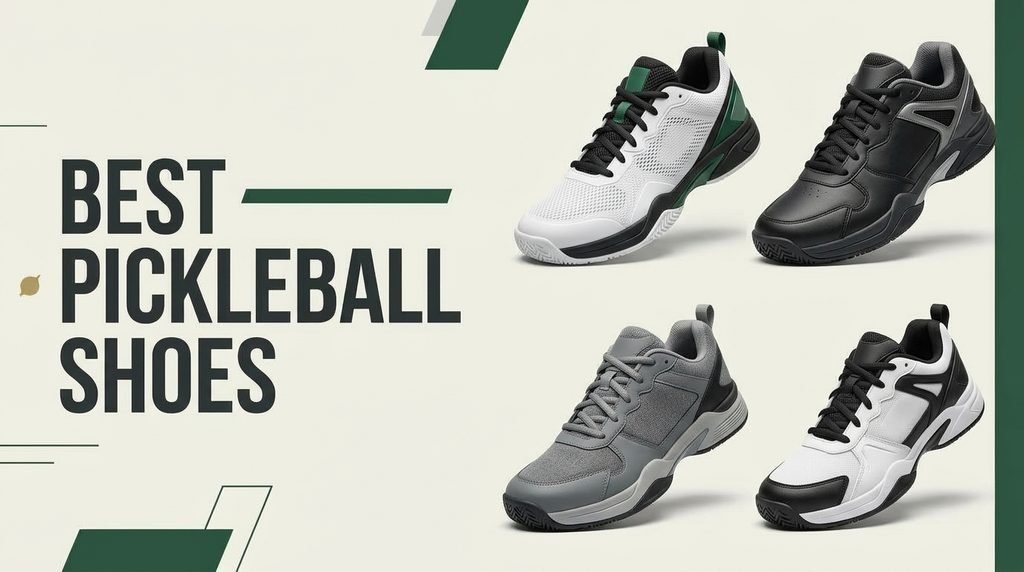
Finding the right pickleball shoes in 2026 means evaluating outsole traction, lateral stability, cushioning, weight, and durability against the specific demands of court play. We compare 9 standout options from Skechers, K-Swiss, Selkirk, and ASICS to help you choose a shoe that supports quick direction changes, protects your joints, and holds up through long matches.
The lineup includes dedicated pickleball designs with specialized outsoles and multi-sport court shoes that perform well on hard surfaces. Key differences involve outsole compound, midsole foam technology, arch support systems, and toe-drag reinforcement, all of which directly affect how the shoe handles the stop-start, side-to-side movement patterns that define pickleball.
This guide focuses on the specifications and practical realities that shape on-court performance and long-term comfort. Use the comparisons below to understand where each shoe excels, which foot types and playing styles it suits, and how features like Goodyear rubber compounds or polyurethane outsoles translate to real-world grip and longevity.
We compared 9 pickleball shoes using the details that actually shape court performance: outsole compound and tread pattern, lateral support structure, midsole cushioning technology, weight, toe-drag reinforcement, arch support, breathability, fit characteristics, and warranty coverage. The notes focus on practical trade-offs between speed and stability, cushioning and court feel, and durability and weight, so each pick connects to how players actually move, pivot, and recover during competitive and recreational pickleball matches.

Compare key features, scores, and current prices side by side. A shorter feature list means fewer details were available, not necessarily fewer capabilities.


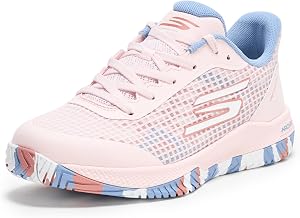


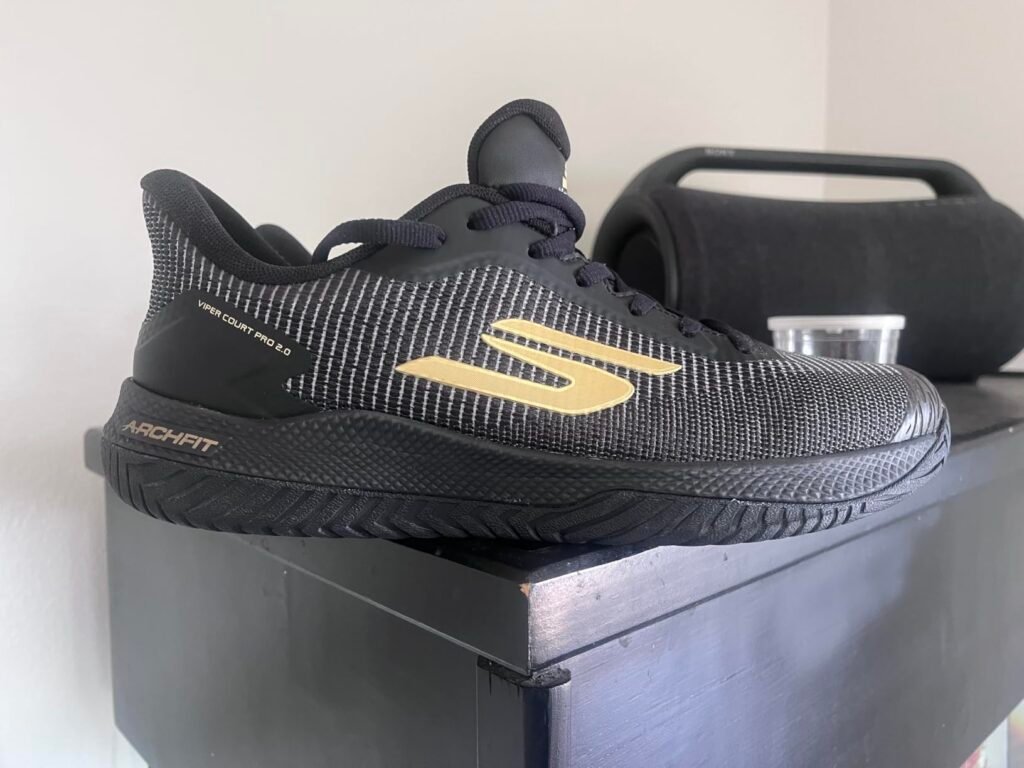
The Skechers Viper Court Pro 2.0 targets players who prioritize foot comfort and arch support during extended court sessions. The removable Arch Fit insole carries the American Podiatric Medical Association Seal of Acceptance, which signals genuine podiatrist-certified support rather than generic cushioning. For players with plantar fasciitis, flat feet, or general arch discomfort, this level of built-in support can make the difference between finishing a match strong and cutting it short.
We may earn a commission when you buy through this link, at no additional cost to you.
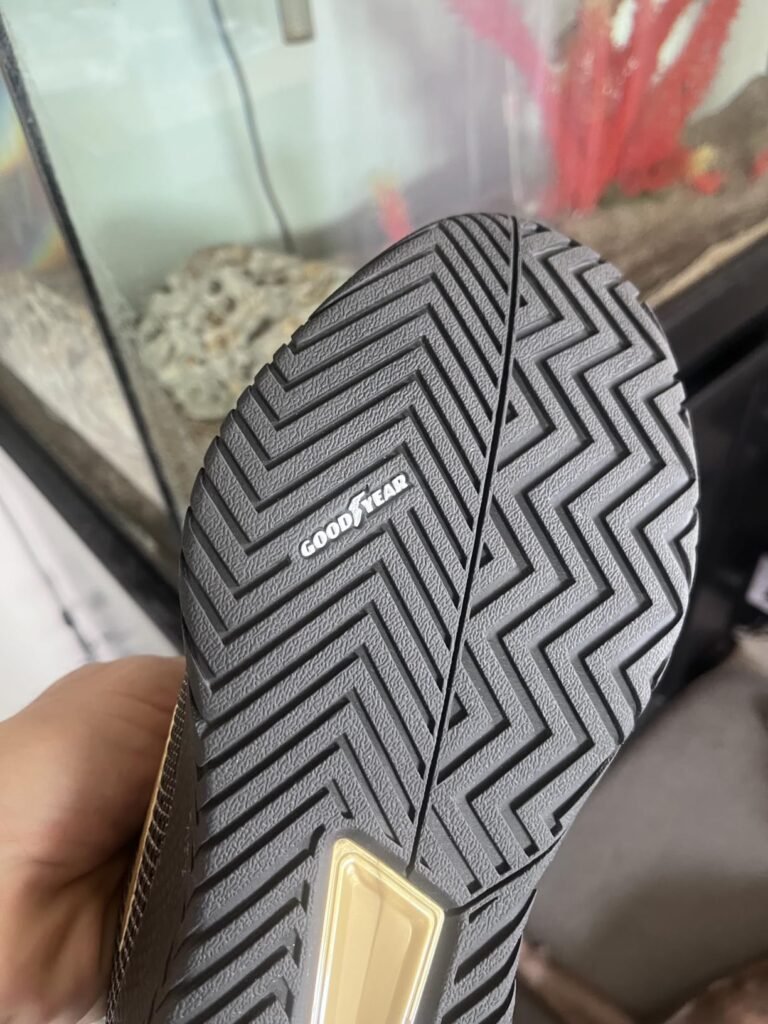
The Goodyear Gold compound outsole is a significant durability upgrade over standard rubber, specifically engineered to withstand the controlled slides and hard stops that pickleball demands. This outsole compound grips the court surface reliably during lateral cuts and forward lunges while resisting the abrasion that wears down lesser outsoles within a few months of regular play. The ULTRA GO Foam midsole provides responsive cushioning that absorbs impact on hard courts without feeling mushy or unstable.
The breathable mesh upper with synthetic support overlays keeps feet cool during warm-weather matches while maintaining the structural integrity needed for lateral containment. The overlays prevent the upper from stretching out during aggressive side-to-side movements, which helps the shoe maintain its supportive fit over time. This combination of ventilation and structure suits players who play outdoors in hot conditions.
Goodyear rubber compounds are engineered for abrasion resistance and consistent grip across different court surfaces. Standard rubber outsoles can wear smooth within a few months of regular hard-court play, reducing traction and increasing slip risk. A Goodyear compound maintains its tread pattern and grip characteristics significantly longer, which means the shoe performs consistently throughout its lifespan rather than degrading noticeably after the first few weeks.
This shoe is the top pick for players who need serious arch support and long-session comfort in a court-specific design. The tradeoff is slightly more weight than ultralight alternatives and a higher price within the Skechers range. If you play multiple times per week and foot fatigue is a recurring problem, the Arch Fit system and Goodyear outsole justify the investment.
Speed-focused players who want the lightest possible shoe for maximum quickness at the net.
We may earn a commission when you buy through this link, at no additional cost to you.
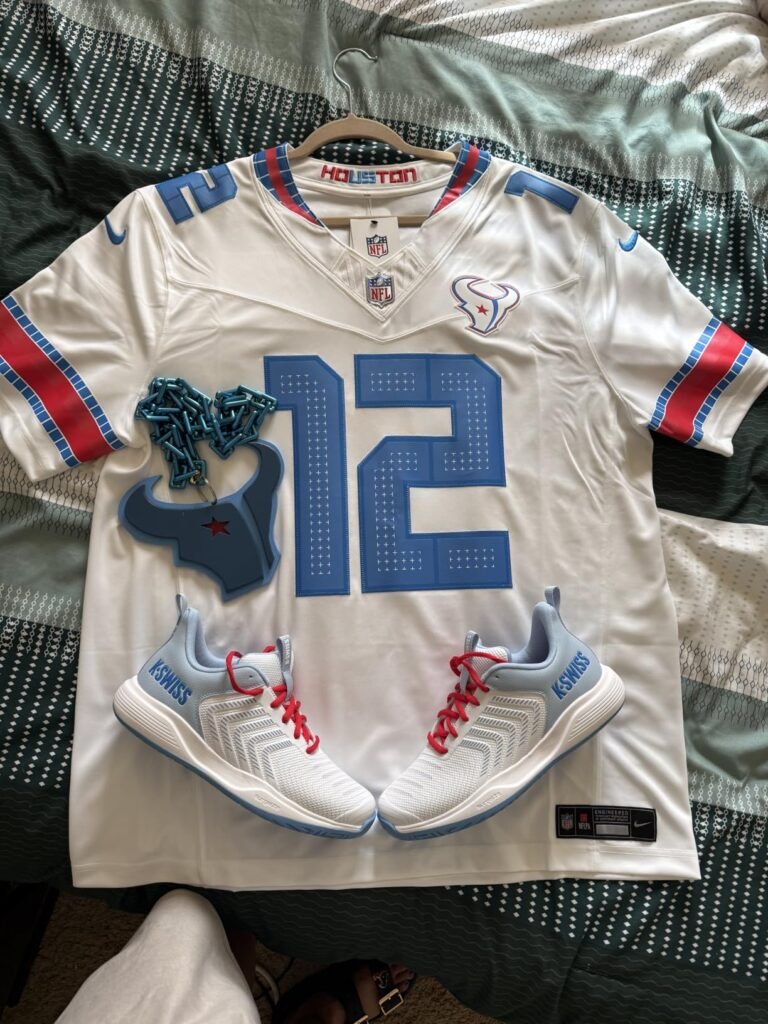
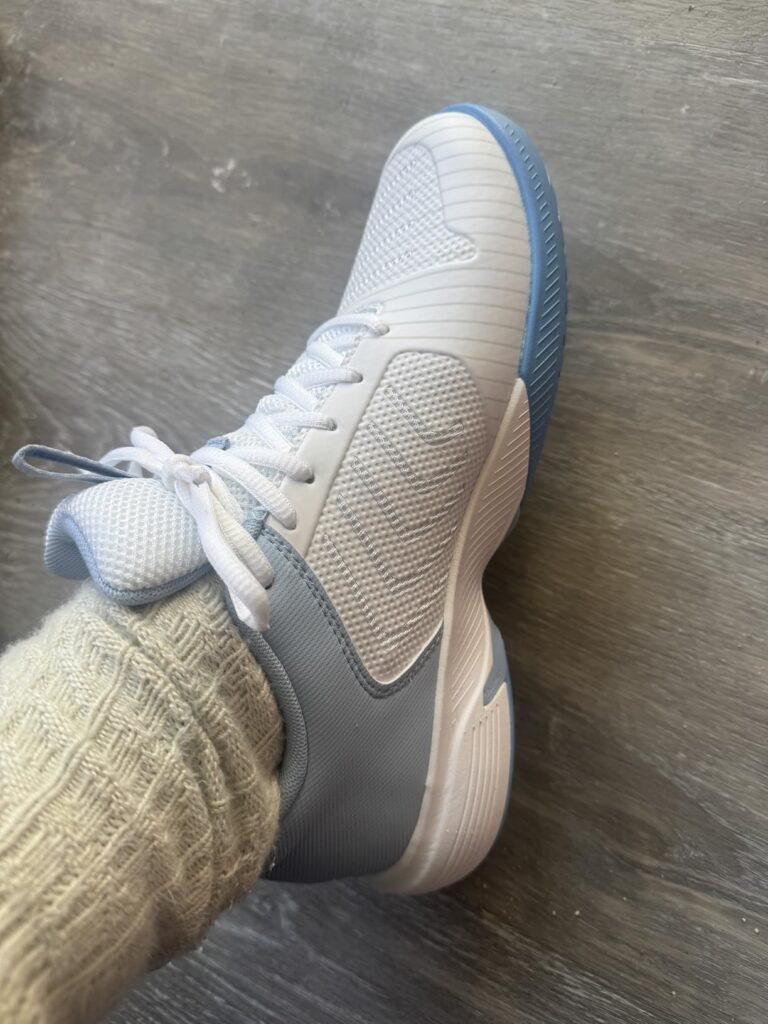
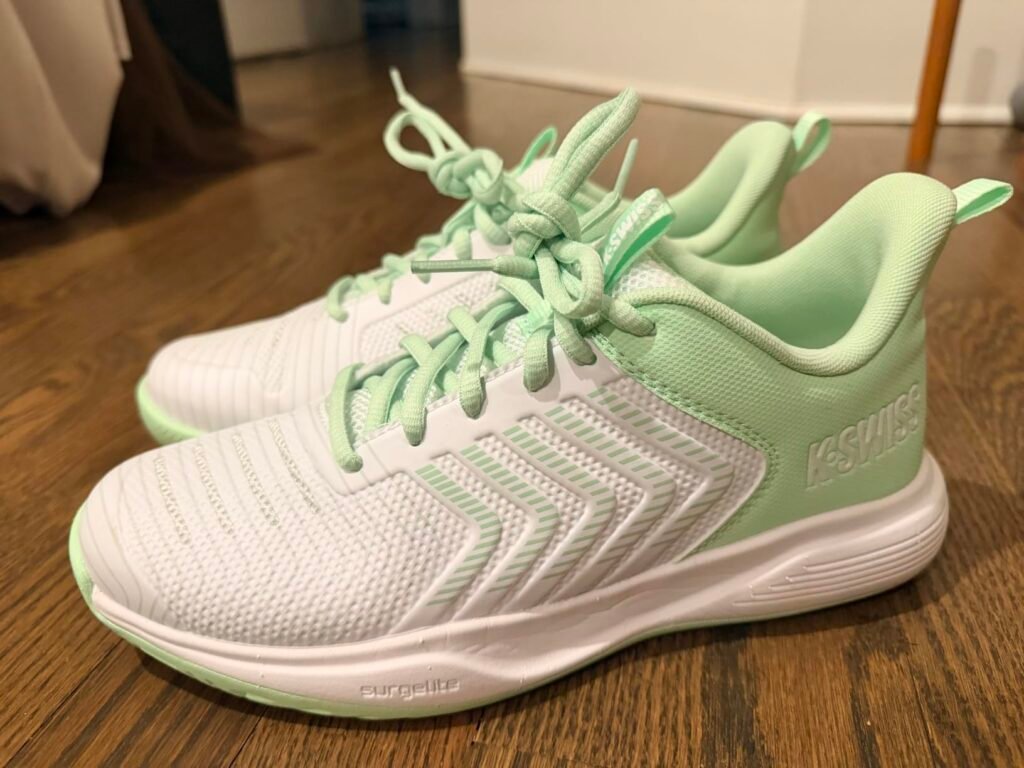
The K-Swiss Women's Ultrashot Light addresses a common frustration among female pickleball players: finding a court shoe that is genuinely lightweight without sacrificing the lateral support the sport demands. At just 11 ounces, this shoe is noticeably lighter than most dedicated court shoes, which translates to faster split steps, quicker recovery after wide reaches, and less leg fatigue over the course of a tournament day.
We may earn a commission when you buy through this link, at no additional cost to you.
The Surgelite cushioning system absorbs impact during hard landings and quick stops, reducing the stress on knees and ankles that accumulates during long matches. The supportive upper, secure heel counter, and stable midfoot work together to keep the foot locked in during fast direction changes, which is critical for preventing ankle rolls during aggressive lateral movements at the kitchen line.
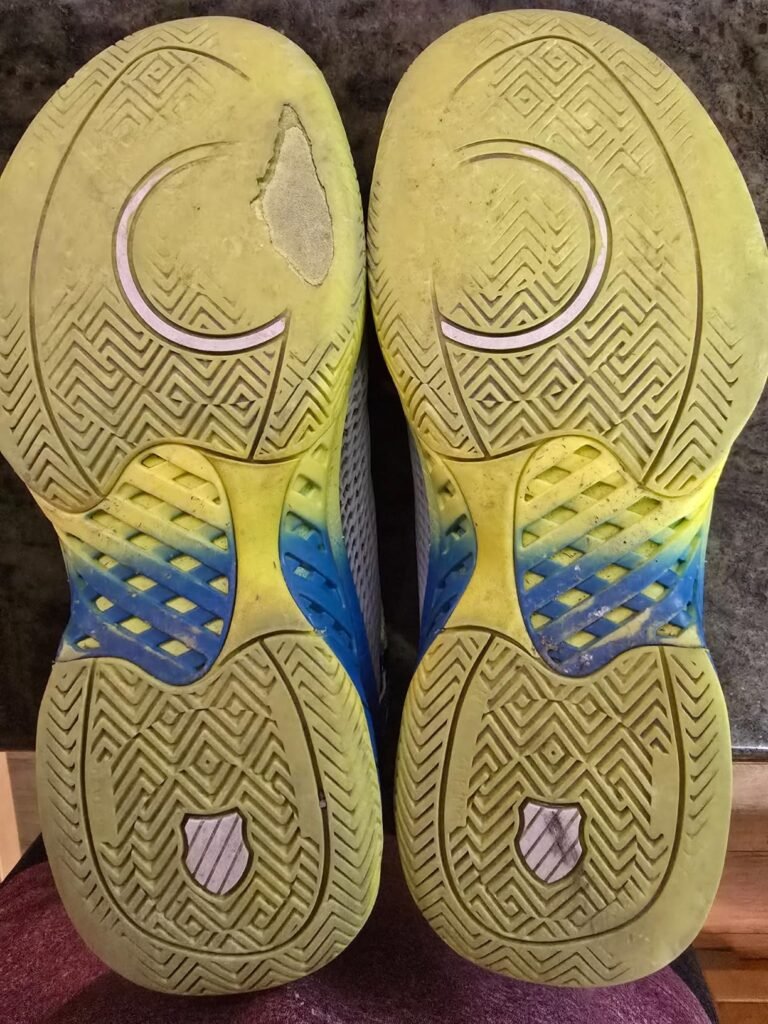
The DragGuard rubber outsole provides reliable grip on hard courts and resists the abrasion caused by repeated toe drags during lunges and serves. This durability feature is particularly important for players who drag their back foot on serves or frequently lunge forward for dinks. The shoe runs true to size for most players, though those with wider feet or who prefer extra toe room may want to order a half size up.
Every ounce of shoe weight affects how quickly you can accelerate, decelerate, and change direction. A shoe that is 3 to 4 ounces lighter than a competitor may not feel dramatically different during a casual walk, but over hundreds of split steps and lateral cuts during a match, the cumulative difference in leg fatigue is real. Lighter shoes also improve reaction time at the net, where fractions of a second determine whether you reach a fast volley.
This is the strongest lightweight pick for women who want speed and agility on the court without giving up essential stability features. The tradeoff is that the 11-ounce construction means less overall cushioning than heavier max-cushion alternatives, so players with significant joint concerns may want more padding. For quick, agile players who value court feel and responsiveness, the Ultrashot Light delivers an excellent balance.
Players with wide feet who need a roomier toe box or those who prioritize maximum cushioning over lightweight agility.
We may earn a commission when you buy through this link, at no additional cost to you.
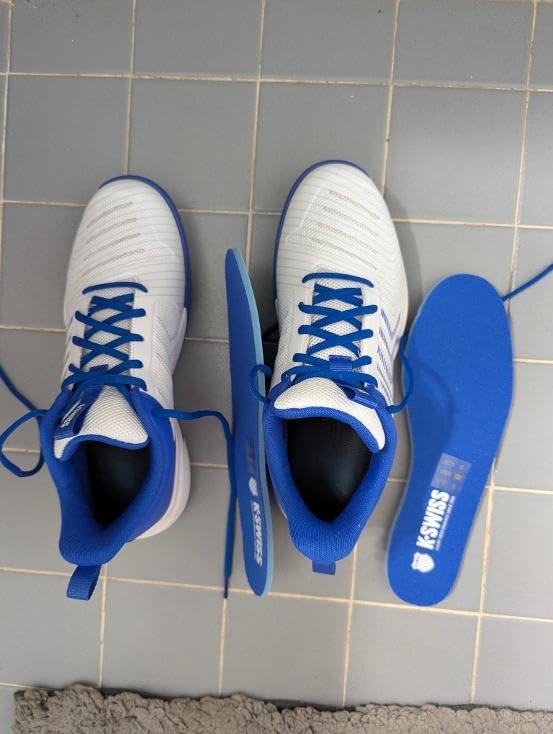
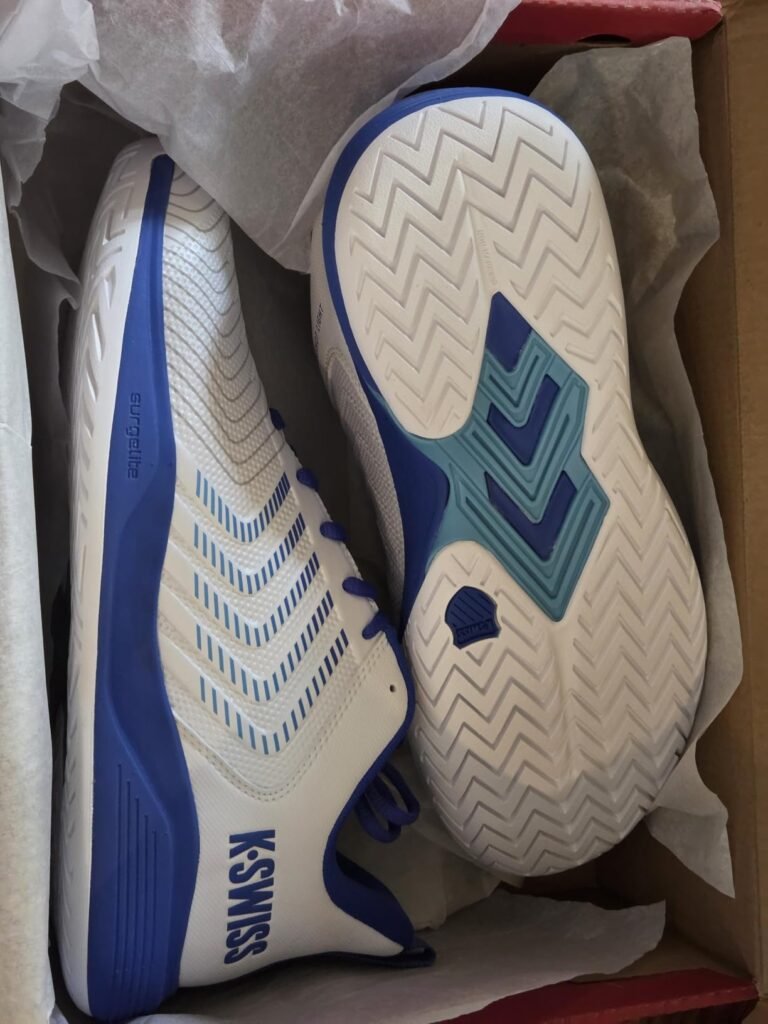
The men's version of the K-Swiss Ultrashot Light brings the same 11-ounce agility to male players who want to move faster through split steps, lateral cuts, and quick recoveries. The lightweight construction does not come at the expense of the lateral stability that pickleball demands, which is a meaningful achievement at this weight class. Players transitioning from running shoes to proper court footwear will notice an immediate improvement in side-to-side confidence.
We may earn a commission when you buy through this link, at no additional cost to you.
The Surgelite cushioning system provides enough impact absorption to smooth out hard landings on concrete and asphalt courts without adding bulk or weight. The stable midfoot platform keeps the foot centered during aggressive direction changes, reducing the risk of the foot sliding inside the shoe during hard lateral pushes. This midfoot stability is one of the most important features for injury prevention in a sport dominated by side-to-side movement.
The DragGuard rubber outsole handles the repeated toe drags and quick stops that wear down lesser outsoles rapidly. The secure heel counter and supportive upper work together to maintain a locked-in feel throughout long matches, even as feet swell slightly during extended play. The shoe runs true to size for most players, with the same half-size-up recommendation for those with wider feet.
Pickleball involves constant lateral shuffling, sudden stops, and explosive direction changes that place enormous stress on the ankle joint. A stable midfoot platform prevents the foot from rolling inward or outward inside the shoe during these movements, which is the primary mechanism behind most court-related ankle sprains. Shoes with weak midfoot support allow excessive foot movement that the ankle ligaments must absorb, increasing injury risk over time.
This shoe suits competitive male players who prioritize quickness and court feel over maximum cushioning. The tradeoff is that the lightweight build provides less overall padding than heavier court shoes, which may concern players with knee or ankle issues. For agile players who want to dominate at the net with fast reactions and quick direction changes, the Ultrashot Light delivers a compelling package at a reasonable price.
Players with wide feet or those who need maximum cushioning for joint protection during long tournament days.
We may earn a commission when you buy through this link, at no additional cost to you.
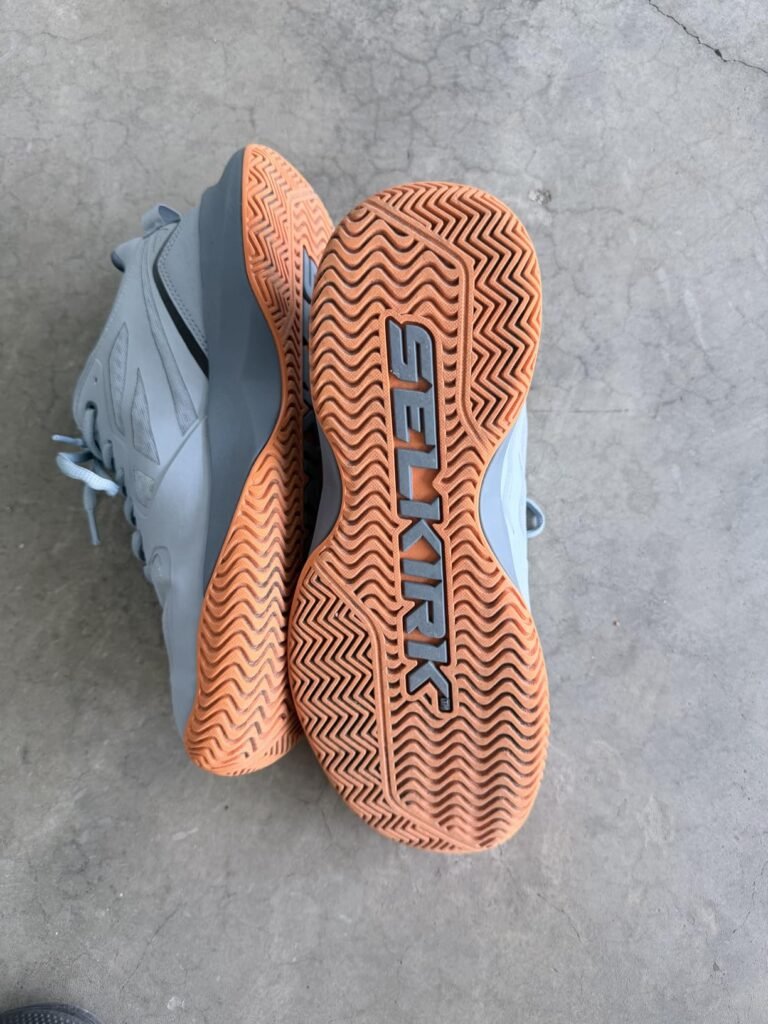
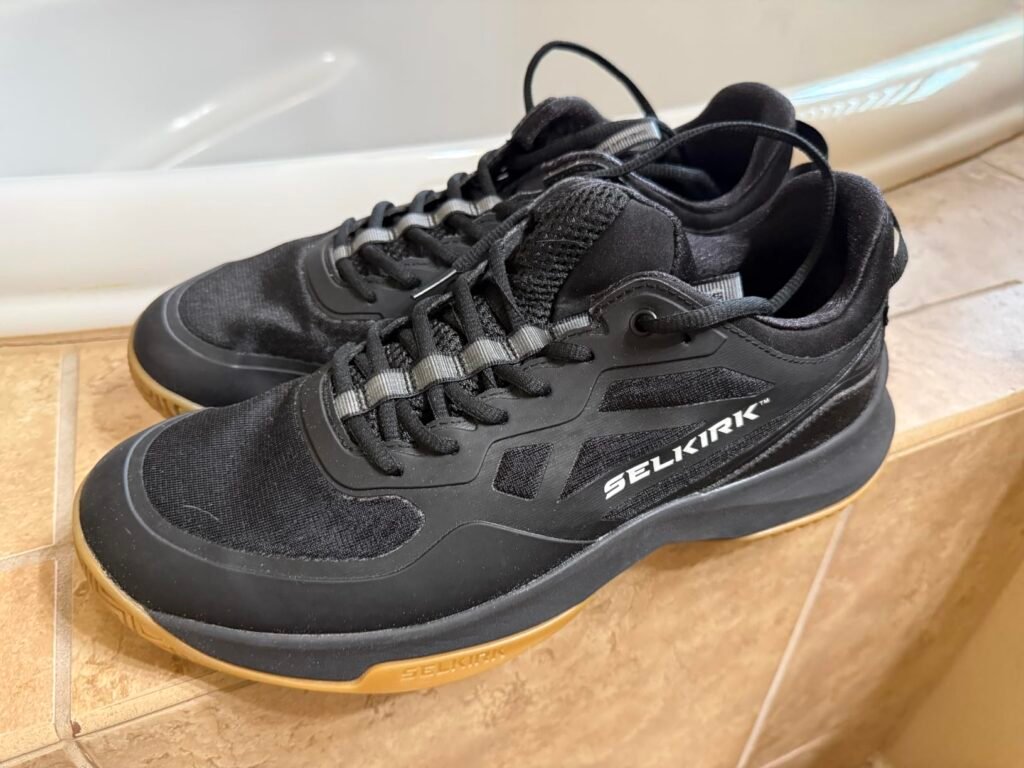
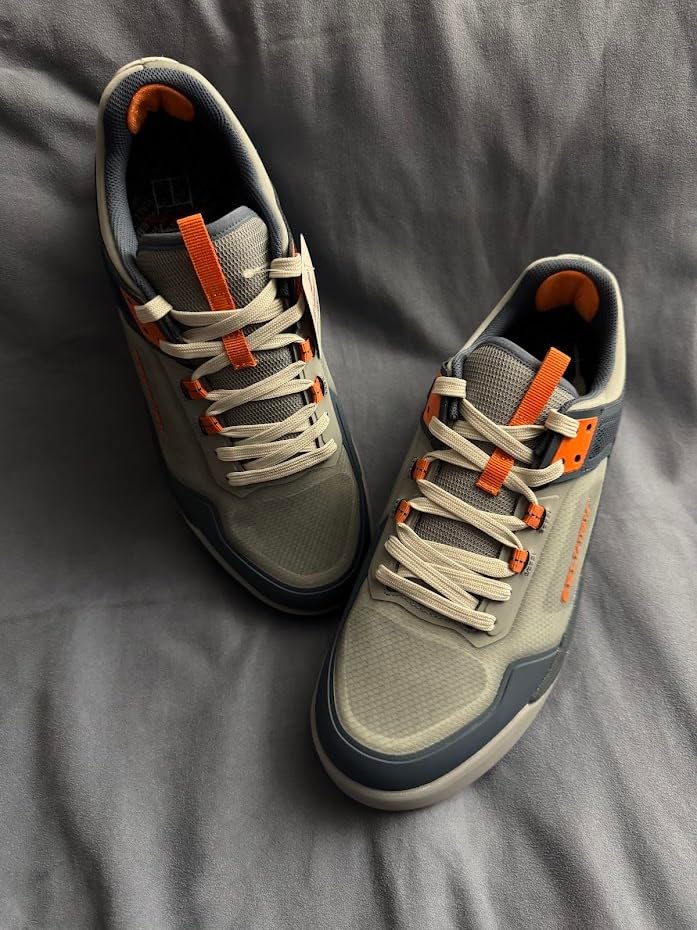
The Selkirk Legacy Pro is built specifically for pickleball by the sport's leading equipment brand, and that specialization shows in the design details. The InfiniGrip polyurethane outsole is a first for pickleball footwear, offering up to 40 percent more abrasion resistance than traditional rubber while maintaining the traction needed for quick stops and controlled slides. This outsole technology directly addresses the most common complaint about court shoes: outsoles that wear smooth within a few months of regular play.
We may earn a commission when you buy through this link, at no additional cost to you.
The multilayer cushioning system stacks a supercritical foam insole on top of an EVA PureFoam midsole, creating a lighter, bouncier feel with strong energy return on every step. This layered approach provides more nuanced impact absorption than single-density foam, which helps reduce fatigue during long tournament days with multiple matches. The result is a shoe that feels responsive underfoot rather than flat or dead after the first hour of play.
The translucent mesh upper with a gusseted tongue keeps the foot cool and locked in during aggressive lateral cuts and fast court footwork. The gusseted tongue prevents shifting and debris entry, which is a small but appreciated detail for outdoor court play. The high-abrasion upper material resists the scuffing and wear that occurs during toe drags and court slides.
Most athletic shoe warranties cover manufacturing defects for 30 to 90 days and specifically exclude outsole wear, which is the first part of any court shoe to degrade. A 6-month outsole warranty means the manufacturer will replace the shoes if the outsole wears through under normal play conditions within that period. This is a meaningful commitment that reflects confidence in the polyurethane compound and provides real financial protection for players who log heavy court hours.
This is the strongest overall pick for serious pickleball players who want a shoe designed from the ground up for the sport’s specific movement patterns. The 6-month outsole warranty provides genuine peace of mind and signals confidence in the InfiniGrip compound’s durability. The tradeoff is a higher price than multi-sport alternatives and limited availability in women’s sizing for this specific model. For dedicated players who want the best pickleball-specific performance, the Legacy Pro delivers.
Casual players who only play occasionally and do not need pickleball-specific outsole technology or warranty coverage.
We may earn a commission when you buy through this link, at no additional cost to you.
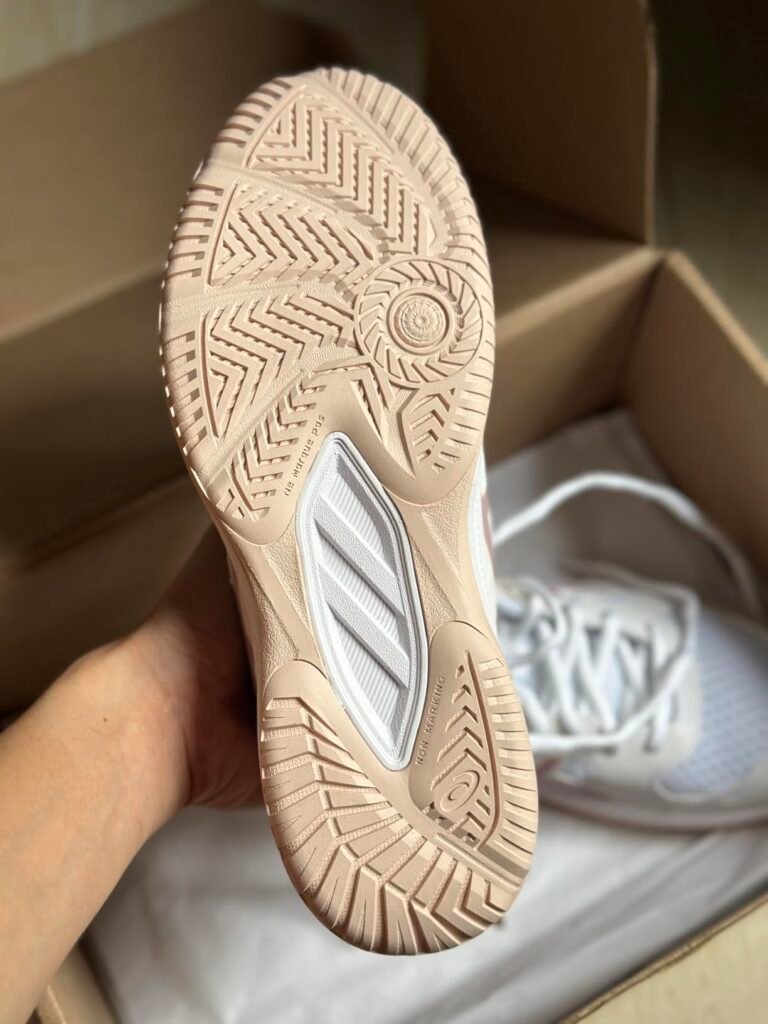
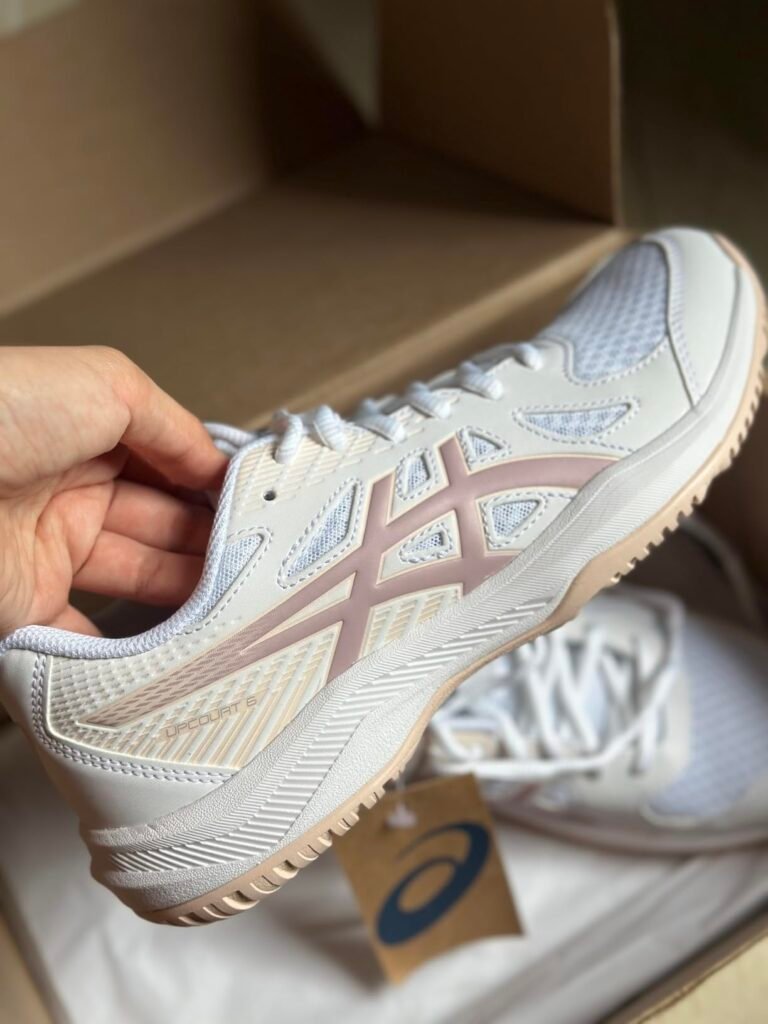
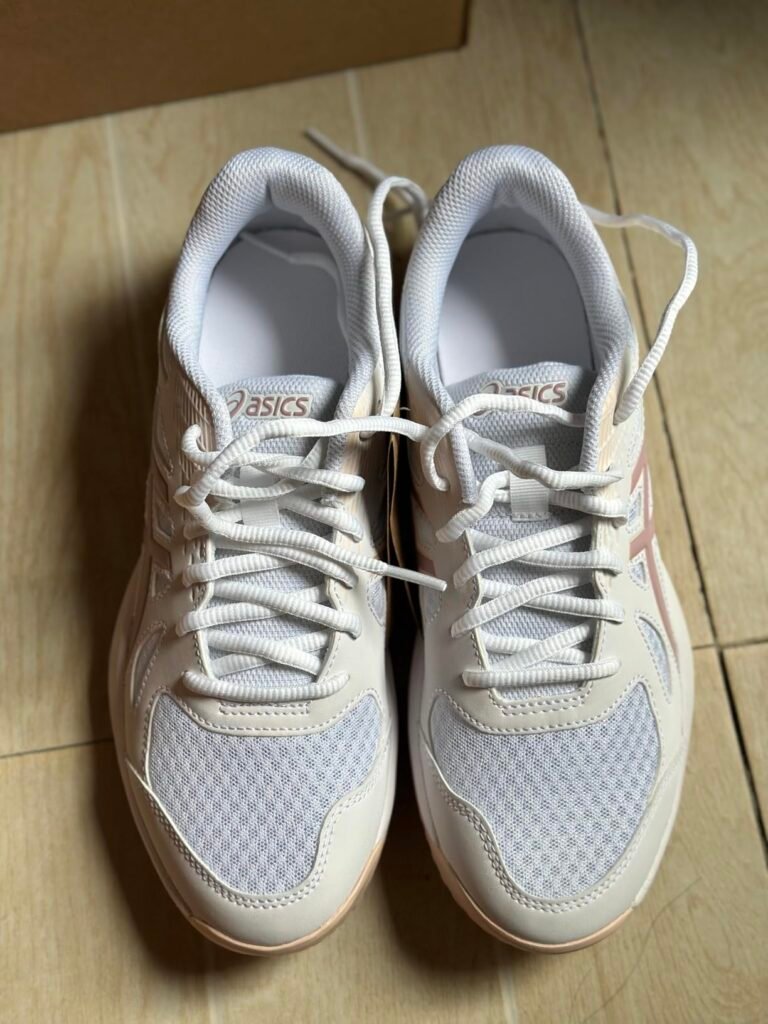
The ASICS Upcourt 6 is technically a volleyball shoe, but its low-profile court design translates well to indoor pickleball play. At the lowest price point in this comparison, it offers a legitimate court shoe option for beginners and recreational players who are not ready to invest in a dedicated pickleball shoe. The lightweight, flexible construction provides good court feel and allows natural foot movement during play.
We may earn a commission when you buy through this link, at no additional cost to you.
The breathable mesh underlays keep feet cool during active play, and the solution-dyed sockliner reduces water usage and carbon emissions compared to conventional dyeing processes. While the environmental benefit does not directly affect performance, it reflects ASICS’s attention to manufacturing quality. The low-profile design keeps the foot close to the court surface, which improves balance and reaction time during quick exchanges at the net.
The fit runs small for some customers, so ordering a half size up is worth considering, especially if you plan to wear thicker athletic socks during play. The flexible construction suits players who prefer a natural, unrestricted feel rather than the rigid support of heavier stability shoes. This flexibility is an advantage for quick movements but provides less lateral containment than dedicated pickleball designs.
Multi-sport court shoes like the Upcourt 6 work well for indoor pickleball on gym floors and smooth surfaces where extreme outsole durability is less critical. They provide adequate lateral support for recreational play and are significantly more affordable than dedicated pickleball designs. However, for outdoor hard courts, aggressive competitive play, or players who drag their toes frequently, a purpose-built pickleball shoe with reinforced outsoles and toe guards will last longer and provide better protection.
This shoe is the top budget pick for beginners and indoor players who want a functional court shoe without a significant investment. The tradeoff is that it lacks the specialized outsole compounds, toe-drag reinforcement, and lateral support structures of dedicated pickleball shoes. For casual indoor play, gym court sessions, and players just starting out, the Upcourt 6 provides solid value from a trusted athletic brand.
Outdoor hard-court players or competitive competitors who need specialized outsole durability and reinforced lateral support.
We may earn a commission when you buy through this link, at no additional cost to you.
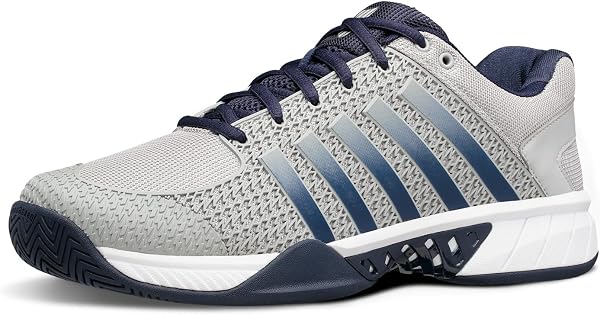
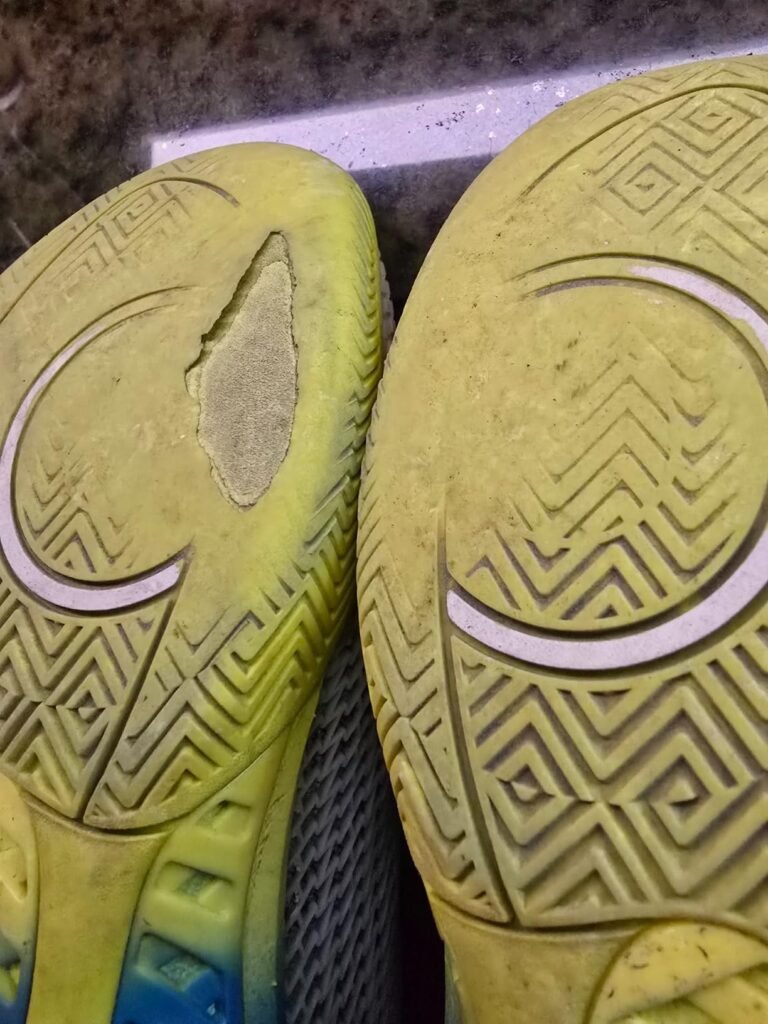
The K-Swiss Express Light is designed as a stability-first pickleball shoe for players who make aggressive lateral movements and need maximum foot containment. The DuraWrap technology adds an extra layer of protection against excessive toe-dragging, which is one of the most destructive forces in court shoe wear. Players who lunge forward for dinks or drag their back foot during serves will appreciate the reinforced toe area that extends the shoe's usable life.
We may earn a commission when you buy through this link, at no additional cost to you.
The OrthoLite sock liner uses an open-cell foam structure that manages moisture effectively, keeping feet cooler and drier during long matches in warm conditions. This moisture-wicking capability reduces the risk of blisters and hot spots that develop when feet stay damp inside the shoe. The DragGuard rubber in high-wear areas of the toe and heel provides additional abrasion resistance where court contact is most frequent.
The stability-focused fit is noticeably different from neutral athletic shoes or running sneakers, and players transitioning from those categories may need a few sessions to adjust. The shoe is designed to restrict excessive foot movement inside the upper during lateral cuts, which feels restrictive at first but provides genuine ankle protection once you adapt. This fit philosophy prioritizes injury prevention over the free-floating feel of neutral shoes.
Toe drag occurs when the front of the shoe scrapes the court surface during lunges, serves, and low volleys. This abrasion wears through the upper material and outsole rubber faster than any other type of court contact. Reinforced toe guards like K-Swiss DuraWrap add a protective layer of durable material over the high-wear zone, which can extend the shoe’s life by months compared to unprotected designs. If you notice the toe area of your current shoes wearing through first, a DuraWrap-equipped model is worth considering.
This shoe suits aggressive male players who need maximum durability and lateral stability for competitive pickleball. The tradeoff is a higher price than the lighter Ultrashot Light and an adjustment period for players new to stability-oriented court shoes. If you go through shoes quickly due to toe drag or play on abrasive outdoor surfaces, the DuraWrap and DragGuard reinforcements provide meaningful longevity benefits.
Players who prefer a neutral, flexible fit and do not need aggressive lateral stability or toe-drag reinforcement.
We may earn a commission when you buy through this link, at no additional cost to you.
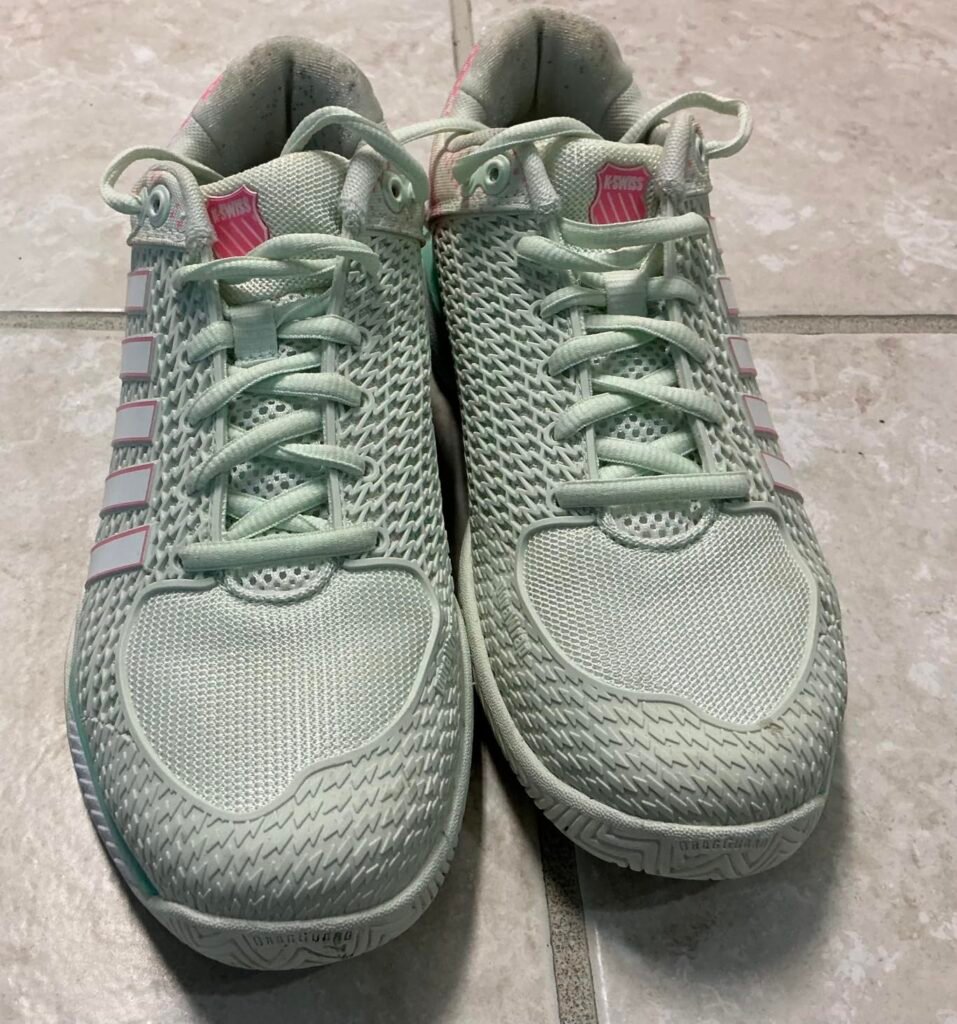
The women's K-Swiss Express Light brings the same stability-focused design philosophy to female players who need maximum lateral containment during aggressive court movement. The shoe is built around the specific front-to-back and side-to-side movement patterns of pickleball, which differ significantly from the forward-dominant motion of running. This sport-specific geometry provides better support during the lateral shuffles and quick direction changes that define competitive pickleball.
We may earn a commission when you buy through this link, at no additional cost to you.
The DuraWrap toe protection and DragGuard outsole reinforcement address the two highest-wear areas on any court shoe. The OrthoLite sock liner keeps feet cool and minimizes the effects of perspiration during long matches, which is particularly important for outdoor summer play. The combination of these durability and comfort features creates a shoe that performs consistently over many months of regular use.
The stability-oriented fit may require an adjustment period for players transitioning from running shoes or neutral athletic sneakers. The shoe is designed to hold the foot firmly during lateral movements, which can feel restrictive initially but provides genuine protection against ankle rolls once you adapt to the feel. This break-in period is normal for stability court shoes and typically resolves within a few playing sessions.
Running shoes are designed for forward motion and typically lack the lateral support structures needed for court sports. Switching to a stability-oriented court shoe like the Express Light may feel restrictive at first because the upper and midsole are designed to prevent side-to-side foot movement rather than allow it. This adjustment period is normal and typically lasts two to four sessions. The improved lateral containment significantly reduces ankle injury risk compared to playing in running shoes.
This shoe suits competitive female players who prioritize lateral stability and long-term durability over lightweight agility. The tradeoff is the lowest rating in the lineup, which suggests some buyers find the fit or break-in period challenging, and a higher price than the lighter Ultrashot Light. For players who have experienced ankle issues on court or who play aggressively with lots of lateral movement, the stability features provide meaningful protection.
Players who want a lightweight, flexible feel and do not need maximum lateral stability or toe-drag protection.
We may earn a commission when you buy through this link, at no additional cost to you.
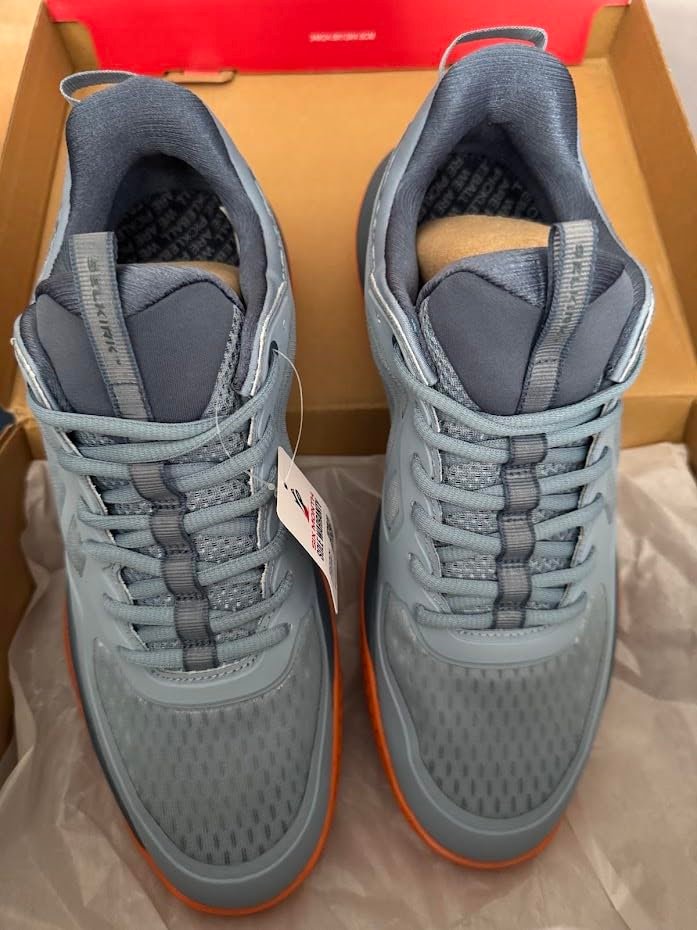
The Selkirk CourtStrike 3.0 Pro represents the brand's most technologically advanced pickleball shoe, incorporating features typically found in premium basketball and tennis footwear. The 4-way grip outsole provides multi-directional traction that handles the complex movement patterns of pickleball, including forward lunges, backward pedaling, lateral shuffles, and rotational pivots. The outrigger design on the lateral side stabilizes heavy side-to-side movements by widening the effective base of support.
We may earn a commission when you buy through this link, at no additional cost to you.
The TPU shank embedded in the midsole adds torsional rigidity that prevents the shoe from twisting during aggressive direction changes. This structural element is common in high-performance court shoes and provides a noticeable improvement in stability compared to shoes without a shank. The supercritical foam insole delivers soft, bouncy comfort with high energy return, while the abrasion-resistant interior lining reduces friction and hot spots during long matches.
The lightweight mesh weave upper and die-cut insole board reduce overall weight and improve breathability compared to the Legacy Pro model. Protective overlays in heavy-wear areas extend durability in the zones most prone to scuffing and abrasion. The 6-month outsole warranty matches the Legacy Pro and provides the same level of protection against premature outsole wear.
A TPU shank is a rigid plastic insert embedded in the midsole between the heel and forefoot. It prevents the shoe from twisting or flexing excessively during lateral movements, which keeps the foot stable and aligned during aggressive direction changes. This torsional rigidity is particularly important for heavier players or those who make explosive lateral cuts, as it reduces the stress on the ankle and knee joints that results from excessive shoe flexion.
This shoe targets advanced players who want the most technologically sophisticated pickleball shoe available. The tradeoff is the highest price in the lineup and the lowest customer rating, which suggests that the advanced features may not translate to universal comfort or satisfaction for all foot types. For players who value cutting-edge traction and stability technology and are willing to pay a premium, the CourtStrike 3.0 offers features that no other shoe in this comparison matches.
Budget-conscious buyers or recreational players who do not need advanced stability technology and prefer a simpler, more forgiving fit.
We may earn a commission when you buy through this link, at no additional cost to you.
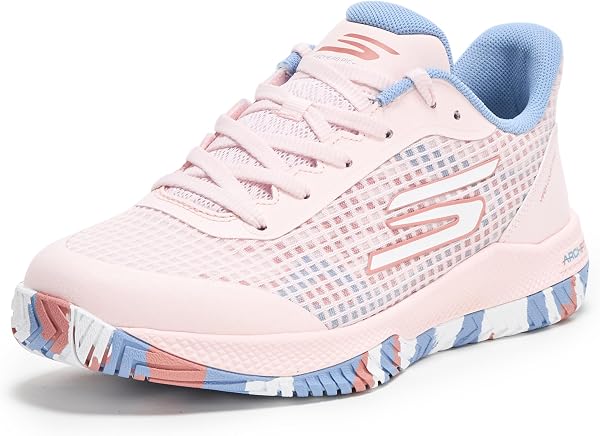
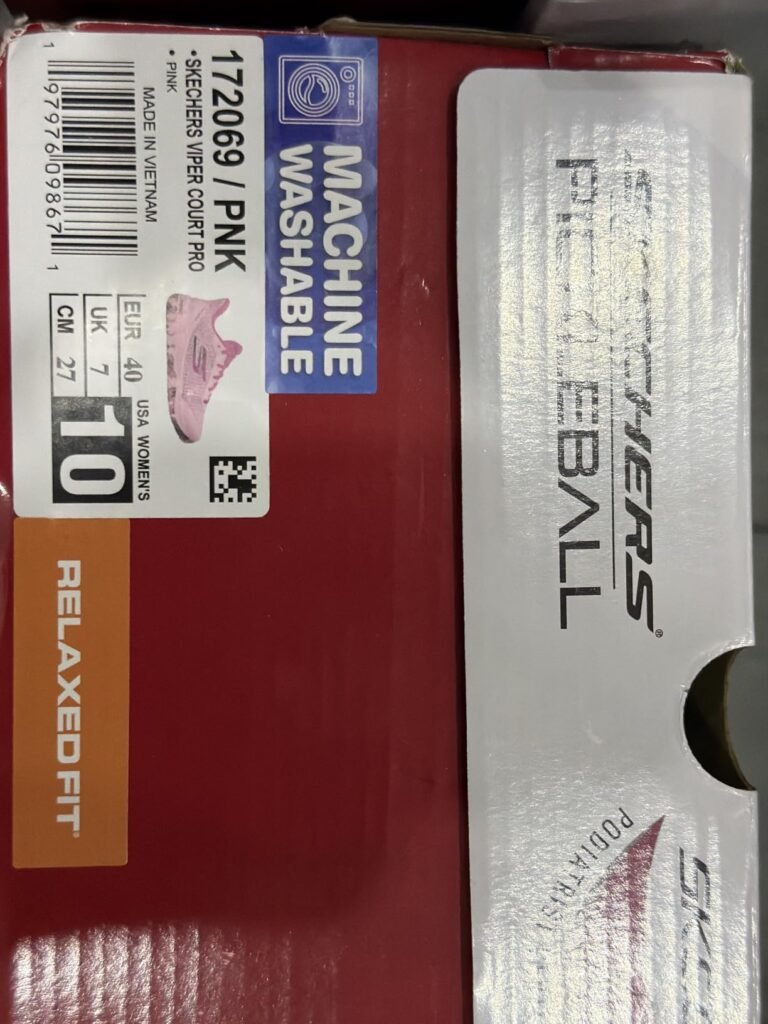
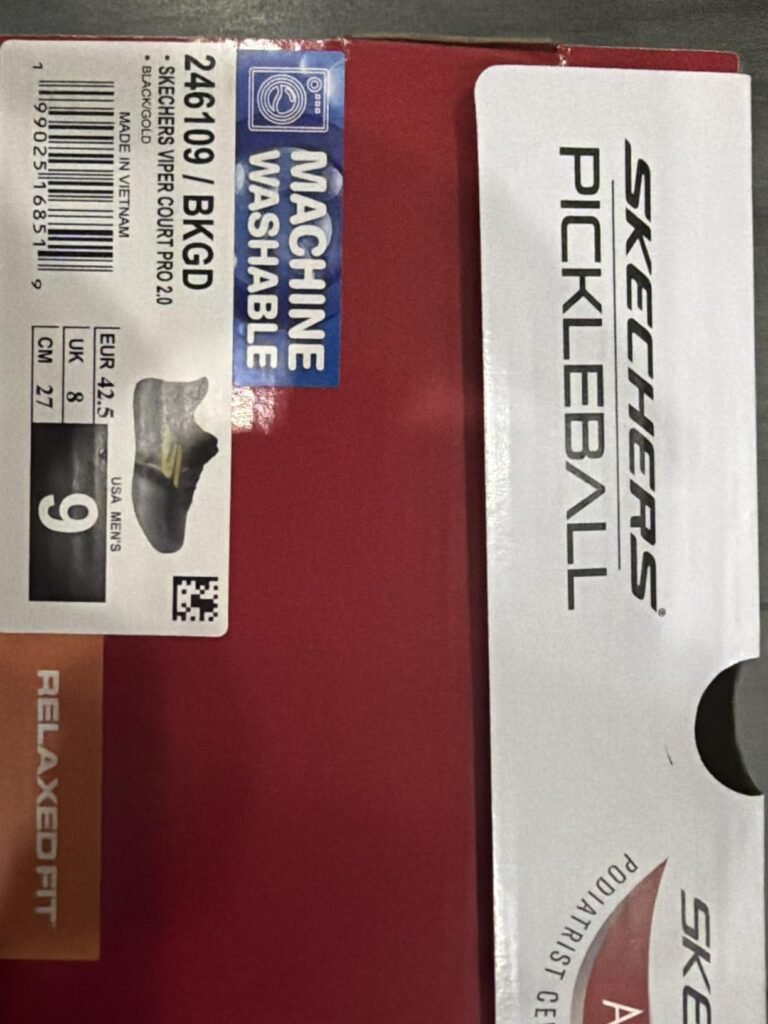
The Skechers Women's Viper Court Pro brings the brand's comfort-first philosophy to the pickleball court with a podiatrist-certified arch support system developed from 20 years of data and 120,000 foot scans. This level of biomechanical research behind the insole design is unusual at this price point and provides genuine arch support that can reduce foot fatigue and discomfort during long playing sessions. For women who struggle with arch pain or plantar fasciitis, this feature alone may justify the purchase.
We may earn a commission when you buy through this link, at no additional cost to you.
The ULTRA FLIGHT cushioning system provides exceptional shock absorption while maintaining a lightweight feel, which helps protect joints during hard landings on concrete and asphalt courts. The Goodyear Gold compound outsole delivers the same superior grip and durability found on the men’s Viper Court Pro 2.0, ensuring reliable traction during precise movements and quick direction changes on both pickleball and tennis courts.
The relaxed fit design offers a roomy comfort fit in the toe and forefoot areas, which is ideal for players who find traditional court shoes too narrow or constricting. This extra room allows natural toe splay during movement and accommodates foot swelling during long matches. The supportive mesh upper with synthetic overlays maintains breathability and structure despite the roomier fit.
A relaxed fit provides more room in the toe box and forefoot, which improves comfort for players with wider feet or those who experience foot swelling during play. The tradeoff is slightly less precise foot lockdown during explosive lateral movements compared to a snug performance fit. For recreational and intermediate players, the comfort advantage typically outweighs the minor reduction in lateral precision. Competitive players making rapid direction changes may prefer a tighter fit for maximum responsiveness.
This shoe is the top comfort pick for women who prioritize arch support and a roomy fit over aggressive lateral containment. The tradeoff is that the relaxed fit may feel too loose for players with narrow feet, and the roomier design provides less lateral lockdown than stability-focused alternatives. For recreational players, those with wider feet, and anyone who values all-day comfort during extended court sessions, the Viper Court Pro delivers a genuinely comfortable experience.
Players with narrow feet who need a snug performance fit for maximum lateral responsiveness during competitive play.
We may earn a commission when you buy through this link, at no additional cost to you.
Selecting a pickleball shoe involves more than picking a comfortable sneaker. The sport’s unique movement patterns demand specific features that running shoes and general athletic footwear cannot provide. This guide breaks down the specifications and practical considerations that shape on-court performance, injury prevention, and long-term durability.
The outsole is the single most important component of a pickleball shoe because it determines how well you grip the court during stops, starts, and direction changes. Hard outdoor courts made of asphalt or concrete require durable rubber compounds that resist abrasion while maintaining grip on slightly dusty or textured surfaces. Indoor gym floors demand softer, non-marking rubber that provides grip on smooth wood or synthetic surfaces without leaving scuff marks.
Outsole compounds vary significantly in durability and grip characteristics. Goodyear rubber, used on the Skechers Viper Court Pro models, provides excellent abrasion resistance and consistent traction across different surfaces. Polyurethane outsoles like Selkirk’s InfiniGrip offer up to 40 percent more abrasion resistance than traditional rubber, which translates to months of additional useful life for players who play frequently. The tread pattern also matters: herringbone patterns provide multi-directional grip, while modified patterns may optimize for specific movement types.
Match the outsole to your primary court surface. If you play outdoors on hard courts, prioritize abrasion-resistant compounds like Goodyear rubber or polyurethane. If you play indoors, look for non-marking gum rubber outsoles. Players who split time between surfaces should choose a versatile compound that performs adequately on both.
Pickleball is dominated by lateral movement: side-to-side shuffling at the kitchen line, quick direction changes during rallies, and explosive lateral lunges for wide balls. This movement pattern places enormous stress on the ankle and requires shoes with robust lateral support structures. A proper court shoe features reinforced sidewalls, a secure heel counter, and a stable midfoot platform that prevents the foot from rolling during aggressive direction changes.
Stability features like the TPU shank in the Selkirk CourtStrike 3.0 add torsional rigidity that prevents the shoe from twisting under lateral load. Outrigger designs widen the effective base of support on the lateral side, reducing the risk of ankle rolls during hard side-to-side pushes. The K-Swiss Express Light models use a stability-focused fit that holds the foot firmly during lateral movements, which feels different from neutral running shoes but provides genuine injury protection.
Prioritize lateral support if you play competitively, have a history of ankle injuries, or make aggressive direction changes. Players who play casually at a moderate pace may find that a lighter, more flexible shoe provides adequate support without the restrictive feel of a full stability design.
Court surfaces are unforgiving, and the repeated impact of running, jumping, and stopping on hard courts transmits significant shock through the feet, ankles, knees, and hips. Adequate cushioning absorbs this impact and reduces the cumulative stress that leads to joint pain and overuse injuries. Midsole foam technology varies widely, from basic EVA to advanced supercritical foam and proprietary compounds like Skechers ULTRA GO and ULTRA FLIGHT.
Thicker, softer cushioning provides more impact absorption but can reduce court feel and responsiveness, making the shoe feel sluggish during quick movements. Firmer, thinner cushioning improves court feel and reaction time but transmits more shock to the joints. The ideal balance depends on your age, joint health, playing intensity, and personal preference. Players with knee or hip concerns should prioritize cushioning, while younger, agile players may prefer a firmer, more responsive feel.
Choose maximum cushioning if you have joint concerns, play on very hard surfaces, or play long tournament days. Choose responsive, firmer cushioning if you prioritize court feel and quick reactions. Many modern shoes like the Selkirk Legacy Pro use multilayer systems that attempt to provide both impact absorption and energy return.
Shoe weight directly affects how quickly you can move on the court. Lighter shoes reduce leg fatigue over long matches and improve reaction time during fast exchanges at the net. The K-Swiss Ultrashot Light models at 11 ounces represent the lightweight end of the spectrum, while heavily cushioned stability shoes can weigh 14 ounces or more per shoe. A difference of 2 to 3 ounces per shoe may seem small, but it accumulates meaningfully over hundreds of movements during a match.
The tradeoff for lighter weight is typically less cushioning, less durability, and less lateral support. Ultralight shoes achieve their weight savings by using thinner materials, less foam, and minimal reinforcement, which can reduce their useful lifespan and protective capabilities. Heavier shoes provide more of everything but can feel sluggish during quick movements and increase fatigue over long sessions.
Choose lightweight shoes if you prioritize speed and agility and play a fast, net-oriented game. Choose heavier, more supportive shoes if you need maximum cushioning and durability for long sessions on abrasive outdoor courts. Most players find a comfortable middle ground in the 11 to 13 ounce range.
Pickleball is hard on shoes. The combination of toe dragging during serves and lunges, lateral abrasion from side-to-side shuffling, and the abrasive nature of outdoor court surfaces can destroy an unprotected shoe within a few months. Reinforced toe guards like K-Swiss DuraWrap add a protective layer of durable material over the highest-wear zone, significantly extending the shoe’s useful life. DragGuard rubber in the toe and heel areas provides additional abrasion resistance where court contact is most frequent.
Outsole durability is equally important. Standard rubber compounds can wear smooth within a few months of regular hard-court play, reducing traction and increasing slip risk. Premium compounds like Goodyear Gold and Selkirk’s InfiniGrip polyurethane maintain their tread pattern and grip characteristics significantly longer. Some manufacturers back their outsole durability with warranties, like Selkirk’s 6-month outsole warranty, which provides financial protection against premature wear.
Prioritize durability features if you play frequently on outdoor hard courts, drag your toes on serves, or go through shoes quickly. The additional cost of reinforced models typically pays for itself in extended shoe life, making them more economical over time despite the higher upfront price.
Proper fit is essential for both performance and injury prevention. A shoe that is too loose allows the foot to slide inside during lateral movements, increasing the risk of blisters and ankle rolls. A shoe that is too tight restricts blood flow and causes pressure points that become painful during long matches. Most court shoes fit true to size, but some models like the ASICS Upcourt 6 run small and benefit from sizing up a half size.
Arch support is a critical consideration for players with flat feet, high arches, or plantar fasciitis. Built-in arch support systems like Skechers’ podiatrist-certified Arch Fit insole provide structured support that reduces foot fatigue and distributes pressure more evenly across the foot. Removable insoles allow you to substitute custom orthotics if needed, which is important for players with specific podiatric requirements. The width of the toe box also matters: relaxed-fit designs like the Skechers Women’s Viper Court Pro accommodate wider feet, while performance-fit models suit narrower foot shapes.
Try shoes on later in the day when feet are slightly swollen, as this mimics the conditions during actual play. Wear the socks you plan to play in, and ensure you can wiggle your toes freely while the heel remains securely locked in place. If you use custom orthotics, confirm that the insole is removable before purchasing.
Pickleball matches, especially outdoors in warm weather, generate significant foot heat and perspiration. Breathable mesh uppers allow air circulation that keeps feet cooler and reduces the moisture buildup that leads to blisters, hot spots, and fungal infections. The quality and placement of mesh panels varies between models, with some shoes using mesh across the entire upper and others limiting it to specific ventilation zones.
Moisture-wicking sock liners like the OrthoLite foam used in K-Swiss models actively pull moisture away from the foot and into the shoe’s ventilation system, where it can evaporate more quickly. This active moisture management is more effective than passive breathability alone and makes a noticeable difference during long matches in hot conditions. Some shoes also feature gusseted tongues that prevent debris entry while maintaining airflow.
Prioritize breathability if you play outdoors in warm climates or tend to sweat heavily during exercise. For indoor play in climate-controlled environments, breathability is less critical and you can prioritize support and durability features instead.
Break in new court shoes gradually by wearing them for shorter practice sessions before committing to a full tournament day. Most court shoes need two to four sessions to fully conform to your foot shape and for the midsole foam to reach its optimal responsiveness. During the break-in period, pay attention to any pressure points or areas of rubbing and address them with moleskin or by adjusting the lacing pattern before they develop into blisters.
Rotate between two pairs of court shoes if you play more than three times per week. This allows the midsole foam to fully recover between sessions, which extends the cushioning life of both pairs and provides more consistent impact protection. After each session, remove the insoles and let the shoes air dry in a well-ventilated area away from direct sunlight, which can degrade the foam and adhesives. Avoid storing shoes in a hot car trunk, as extreme heat accelerates material breakdown.
Clean the outsoles periodically with a damp brush to remove court dust and debris that can reduce traction. Inspect the toe area and lateral edges for signs of excessive wear, and consider applying a shoe adhesive or toe guard patch to small tears before they expand. Replace your court shoes when the outsole tread pattern is visibly smooth, the midsole foam feels compressed and unresponsive, or the upper no longer provides secure lateral containment, even if the shoes still look acceptable cosmetically.
Running shoes are not recommended for pickleball because they are designed for forward motion and lack the lateral support structures needed for side-to-side court movement. Playing in running shoes increases the risk of ankle rolls and provides inadequate traction for quick direction changes. A dedicated court shoe with lateral reinforcement and a court-specific outsole is a much safer and more effective choice.
Most court shoes last between three and six months of regular play, depending on court surface, playing frequency, and movement style. Signs that replacement is needed include smooth outsole tread, compressed midsole cushioning that no longer bounces back, and upper material that no longer holds the foot securely. Players who drag their toes frequently or play on abrasive outdoor courts may need to replace shoes more often.
Outdoor court shoes use harder, more abrasion-resistant rubber compounds that withstand rough asphalt and concrete surfaces. Indoor shoes use softer, non-marking rubber that grips smooth gym floors without leaving scuff marks. Some shoes are designed for both surfaces, but dedicated outdoor shoes will last longer on hard courts, while dedicated indoor shoes provide better grip on wood and synthetic floors.
It depends on your foot shape. Players with wider feet benefit from relaxed-fit designs like the Skechers Viper Court Pro, which provides extra room in the toe box and forefoot. Players with narrow or average-width feet typically do better in standard-fit court shoes that provide a snugger, more responsive feel. The key is ensuring your toes can wiggle freely while the heel stays locked in place.
Pickleball-specific shoes like the Selkirk Legacy Pro and CourtStrike 3.0 are designed around the sport's unique movement patterns, with outsole compounds and tread patterns optimized for court surfaces. For competitive players who play frequently, the improved traction, durability, and sport-specific support justify the higher cost. Casual players who play occasionally may find that a quality multi-sport court shoe provides adequate performance at a lower price.
Arch support is very important for players with flat feet, high arches, or plantar fasciitis, as inadequate support leads to foot fatigue and pain during long sessions. Shoes with podiatrist-certified arch support systems, like the Skechers Viper Court Pro models, provide structured support that distributes pressure evenly across the foot. Players with normal arches may find standard insole support sufficient, but removable insoles allow customization with aftermarket orthotics if needed.
Most players find the ideal balance between agility and support in the 11 to 13 ounce range per shoe. Lighter shoes around 11 ounces, like the K-Swiss Ultrashot Light, maximize quickness and reduce fatigue but provide less cushioning. Heavier shoes above 13 ounces offer more protection and stability but can feel sluggish during fast exchanges. Match the weight to your playing style and physical needs.
Most court shoes fit true to size, but some models run small and benefit from sizing up a half size. The ASICS Upcourt 6, for example, runs small for some customers. A good rule of thumb is to leave about a thumb's width of space between your longest toe and the front of the shoe. If you plan to wear thick athletic socks or your feet swell significantly during play, a half size up may provide a more comfortable fit.
Tennis shoes are a much better choice than running shoes for pickleball because they share similar lateral support and outsole durability requirements. Many of the shoes in this comparison, including the K-Swiss models, are designed for both tennis and pickleball. The main difference is that pickleball-specific shoes may have outsole patterns optimized for the smaller court dimensions and more frequent direction changes, but tennis shoes perform well for most pickleball players.
Toe dragging during serves and lunges is the primary cause of premature upper wear, while abrasive outdoor court surfaces wear down outsole tread patterns. Lateral shuffling creates abrasion on the inside edges of both shoes. Players who play on rough outdoor courts and drag their toes frequently will wear through shoes fastest. Reinforced toe guards and durable outsole compounds significantly extend shoe life under these conditions.
The Selkirk Legacy Pro stands out as the strongest overall choice for dedicated pickleball players who want a shoe designed specifically for the sport's movement patterns. The InfiniGrip polyurethane outsole, multilayer cushioning system, and 6-month outsole warranty combine into a package that addresses the most common court shoe frustrations: premature outsole wear, inadequate cushioning, and insufficient lateral support. For players who compete regularly and want pickleball-specific performance, this shoe delivers.
For buyers with different priorities, the K-Swiss Ultrashot Light offers exceptional agility at just 11 ounces for speed-focused players, while the Skechers Viper Court Pro models provide the best arch support and comfort for players with foot concerns. The ASICS Upcourt 6 is the smart budget pick for beginners and indoor players, and the K-Swiss Express Light models deliver maximum durability for aggressive players who destroy shoes quickly.
Start by identifying your primary court surface, playing frequency, and any specific foot concerns like arch pain or wide feet. Match these factors to the outsole compound, cushioning level, and fit characteristics of each shoe. The right court shoe will improve your movement confidence, reduce injury risk, and last through many months of play, making it one of the most impactful equipment investments you can make for your pickleball game.