Heavy Duty Paint
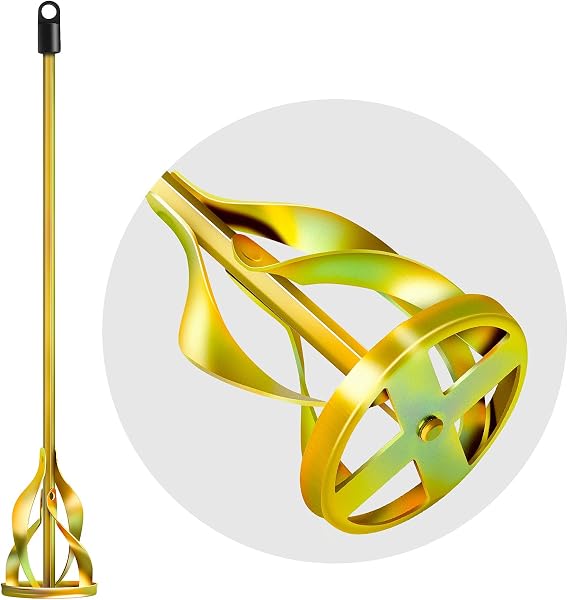
9.2Editor scoreHeavy duty steel construction
Four inch mixing head
Seventeen inch overall length
Standard drill chuck compatible
Find the right paint mixers for 2026. We compare 10 standout options by build quality, useful features, owner feedback, value, and everyday trade-offs.
Find the right paint mixers for 2026. We compare 10 standout options by the factors that matter in this category, such as impeller geometry, shaft length, chuck compatibility, fluid viscosity handling, aeration control, ease of cleanup, owner feedback, value, and everyday trade-offs across home painting, woodworking, epoxy casting, and scale modeling.
Thoroughly blending paint, epoxy, drywall mud, or craft pigments requires far more than spinning a wooden stick. Settled solids, separated resins, and unmixed tinting colorants create uneven sheen, poor adhesion, and blotchy coverage if not completely homogenized, making mechanical mixing essential for professional and DIY finishing results.
From heavy-duty steel paddles designed for five-gallon compound buckets to specialized vortex shakers built for miniature airbrush bottles, mixing tools vary widely in capacity and purpose. Choosing the right design prevents container damage, minimizes unwanted air bubbles, and ensures smooth, consistent coatings across every residential or workshop project.
We compared 10 paint mixers using the details that actually help a buyer decide: impeller geometry, shaft metallurgy, drive chuck compatibility, container volume handling, fluid viscosity limits, air entrainment prevention, ease of cleanup, build longevity, and owner feedback. The notes focus on practical trade-offs so each pick feels connected to how painters, drywallers, woodworkers, and scale modelers actually blend coatings and compounds.

Compare key features, scores, and current prices side by side. A shorter feature list means fewer details were available, not necessarily fewer capabilities.


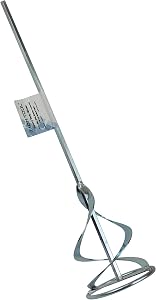




The Youtex 4-Blade Helix Mixer earns our top recommendation by delivering an optimal balance of fluid lift, structural durability, and broad material versatility. Engineered with an enlarged 2.76-inch diameter mixing head, this drill attachment moves significantly more volume per revolution than common 2.36-inch consumer paddles, cutting the time required to re-homogenize separated latex paints, heavy epoxy bases, and drywall compounds in half.
We may earn a commission when you buy through this link, at no additional cost to you.
The mechanical core of this tool is its four-blade helical turbine. When driven clockwise, the angled blades draw heavy pigments and settled resins up from the bottom of the pail while drawing thinner top surface liquids downward. This continuous vertical vortex prevents unmixed pockets from hiding in the lower perimeter corners of standard one-gallon and five-gallon buckets, ensuring consistent color saturation throughout the container.
Built from high-strength steel treated with a resilient zinc-plated finish, this stirrer resists corrosion caused by waterborne paints, chemical curing agents, and abrasive aggregates. The universal drive shaft chucks securely into standard 3/8-inch and 1/2-inch drill chucks as well as quick-release impact driver collets. A punched hole stamped directly into the upper metal shaft allows you to hang the paddle on a pegboard immediately after cleaning.
Basic two-blade paint paddles push fluid horizontally in a circular orbit, often leaving heavy solids stranded along the bottom rim of the bucket. The four-blade helical turbine on this Youtex mixer functions as an axial-flow impeller, forcing liquid into a powerful vertical cycle. This top-to-bottom circulation pulls thick, dense sediments into the center of the mixing path, blending heavy fillers without demanding high motor speeds that whip air bubbles into the liquid.
Because the mixing head is made of rigid steel, operators must maintain a steady hand to avoid gouging the plastic sidewalls of thin utility pails when running at higher RPMs. For contractors, DIY remodelers, and furniture builders needing a dependable, heavy-duty paddle that tackles everything from thin wood stains to thick drywall mud, this Youtex model offers outstanding performance.
Mixing small craft bottles under one quart or operators working exclusively with delicate, thin-walled plastic liners.
We may earn a commission when you buy through this link, at no additional cost to you.
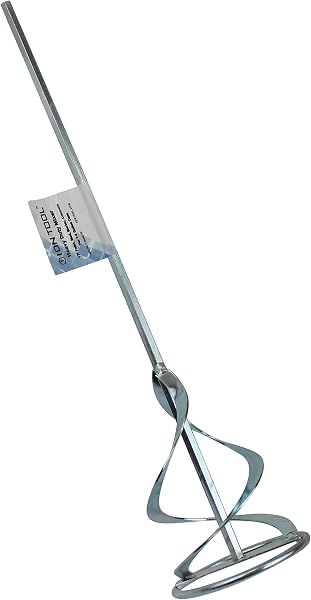
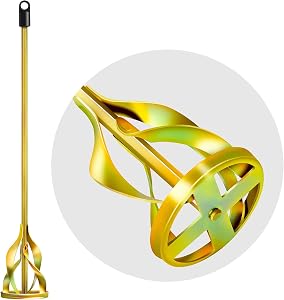
The Heavy Duty Paint and Mortar Mixer is engineered for demanding jobs where lightweight wire paddles bend, snap, or stall the drill. Featuring an expansive four-inch welded steel mixing head mounted to a rigid 17-inch shaft, this tool is purpose-built to shear through dense tile mortar, sand-infused grout, masonry slurries, and thick elastomeric roof coatings inside five-gallon containers.
We may earn a commission when you buy through this link, at no additional cost to you.
The standout structural feature is its circular outer steel ring, which encloses the angled internal mixing ribbons. This ring serves a dual purpose: it acts as a structural brace that prevents the internal impellers from flexing under heavy rotational resistance, and it acts as a smooth bumper that glides along the bottom of the bucket without gouging or punching holes through the plastic floor.
At 17 inches in length, this tool provides comfortable ergonomics, allowing users to stand upright over a five-gallon bucket without bending their backs excessively. The solid steel drive shaft fits standard 3/8-inch drill chucks but truly thrives in heavy 1/2-inch corded mixing drills capable of delivering sustained low-RPM torque without burning out the motor.
Open-bladed steel paddles pose a constant hazard to plastic five-gallon buckets; if tilted slightly while spinning, the sharp metal blade corners can quickly slice into the bucket wall or chew up the bottom seam, causing messy chemical leaks. The continuous outer steel ring on this mixer shields the spinning blades, allowing the user to scrape settled sand and cement off the bucket floor safely.
The substantial size and weight of this mixer make it unsuited for one-gallon cans or light craft resins. However, for tile setters, masonry contractors, and exterior painters dealing with thick, high-viscosity materials that ruin consumer-grade stirrers, this industrial steel mixer provides unbreakable durability.
Small one-gallon paint cans, delicate resin art crafts, or users with underpowered 12V cordless drills.
We may earn a commission when you buy through this link, at no additional cost to you.
The ALLWAY HM1 Original Helix Paint Mixer is widely regarded as an industry benchmark for blending architectural paints, clear wood finishes, and wall textures in standard one-gallon cans. Utilizing a patented helical turbine head molded from tough, chemical-resistant polypropylene, this mixer blends viscous liquids rapidly from top to bottom while actively suppressing the creation of micro-bubbles.
We may earn a commission when you buy through this link, at no additional cost to you.
Air entrainment is the primary enemy of clear polyurethane coats, epoxy glazes, and smooth latex paints. Standard flat paddles whip air into the fluid, leaving thousands of tiny suspended bubbles that ruin surface sheens and weaken epoxy cures. The HM1’s fluid-dynamic helix blade channels liquid into a smooth, closed laminar loop, completely blending settled tints and base binders without churning foam into the mixture.
Cleanup is exceptionally straightforward thanks to the non-porous polymer paddle head. Latex paints and drywall slurries rinse off instantly in warm water, while oil-based coatings, epoxies, and varnishes can be stripped using acetone, denatured alcohol, or mineral spirits without softening or degrading the plastic blades. The solid steel 1/4-inch hexagonal drive shaft prevents slipping inside standard 3/8-inch drill chucks.
A common mistake when using high-speed drill stirrers is lifting the spinning impeller above the fluid line, which instantly sprays paint across walls and clothing. Because the ALLWAY HM1 generates strong downward and upward fluid draw without outward splashing, keeping the head submerged below the fluid surface while running at low-to-moderate drill speeds ensures a spotless, splatter-free mixing routine.
While perfect for one-gallon cans and smaller containers, its polymer blade and compact head are not designed to plow through five-gallon buckets of stiff concrete or gravel-filled mortar. For woodworkers, residential painters, and DIYers seeking bubble-free blending in standard cans, the ALLWAY HM1 remains an unbeatable, budget-friendly classic.
Heavy five-gallon sand-based masonry mortars or mixing dry-pack concrete compounds.
We may earn a commission when you buy through this link, at no additional cost to you.
The Edward Tools Paint and Mud Mixer is built for tradespeople and serious renovators who need a durable, all-metal paddle sized specifically for one- to three-gallon containers. While large commercial mud paddles are too bulky for standard paint cans, smaller plastic mixers can snap when pushed into stiff drywall joint compound or tile grout. This 15 3/4-inch steel tool solves that problem with reinforced welded joints and a compact 2.5-inch head.
We may earn a commission when you buy through this link, at no additional cost to you.
Constructed entirely from heavy-gauge steel treated with an electroplated zinc coating, this mixer resists rust and abrasion from sand-filled compounds. The critical stress junction where the drive shaft meets the angled paddle blades features a reinforced weld bead that withstands heavy torque spikes when starting the drill inside dense, unmixed drywall mud or thick acoustic texture.
The 5/16-inch hex shaft fits securely into standard drill chucks, providing positive mechanical engagement that prevents the shank from spinning loose under load. At nearly 16 inches long, the shaft keeps the drill motor safely elevated above fluid splashes, protecting the chuck mechanism from abrasive compound dust and wet paint splatter.
Cheap steel mixers often rely on light spot welds or crimped metal tabs to join the blades to the drive shaft. Under the high torsional shear of cold drywall mud or heavy deck coatings, these stamped tabs quickly fatigue, twist out of alignment, and break. Edward Tools uses continuous welded fillets that transfer rotational torque evenly, preventing structural failure under heavy jobsite use.
Because the paddle features squared welded steel corners, operators should avoid grinding the head against the bottom edges of soft plastic buckets. For drywall tapers, tile setters, and painters working primarily with one- to three-gallon batches of compound, paint, and grout, this Edward Tools mixer provides rugged reliability.
Large-scale five-gallon bulk concrete batches or users seeking non-scratch plastic paddles for delicate liners.
We may earn a commission when you buy through this link, at no additional cost to you.
The Double Helix Paint Stirrer is engineered to eliminate the erratic wobbling and bucket grab that make high-speed drill mixing intimidating for beginners. By utilizing twin counter-balanced helical ribbons formed along a central steel axis, this attachment creates a smooth, self-centering vortex that keeps the paddle tracking straight down the center of one- to five-gallon containers.
We may earn a commission when you buy through this link, at no additional cost to you.
The dual-spiral blade architecture works continuously to fold top-level liquids into dense bottom sediments without generating sudden rotational kickback. This self-balancing dynamic reduces wrist fatigue during extended mixing sessions and prevents the paddle from violently skipping off the container sidewalls, making it an excellent choice for homeowners restoring furniture, mixing epoxy resins, or painting interior rooms.
Fabricated from high-strength galvanized steel, this stirrer withstands repeated submersion in automotive coatings, epoxy resins, latex paints, and drywall sealers. Its universal shank locks cleanly into any standard drill chuck or percussion driver, while its streamlined profile rinses clean quickly when spun inside a bucket of clean water or solvent immediately after use.
Asymmetrical or single-bladed paddles often pull the drill sideways when spinning through viscous paint, forcing the operator to fight the tool to keep it centered in the bucket. The opposing blades of a double helix balance lateral fluid forces, allowing the tool to spin true on its vertical axis. This stability prevents bucket tipping and protects the operator’s wrists from sudden torque twisting.
While highly effective across standard residential paints and casting resins, it lacks the raw surface area required to blend heavy sand-aggregate concrete quickly. For everyday DIY painting, automotive touch-ups, and woodworking finishes, this balanced double helix design delivers reliable, fuss-free mixing performance.
Large structural concrete mixes or commercial masonry production exceeding five gallons.
We may earn a commission when you buy through this link, at no additional cost to you.
For woodworkers, epoxy resin crafters, and multi-color artists, using a single mixing paddle across multiple coatings leads to messy cross-contamination and constant cleaning delays. The 6-Pack Multi-Size Resin Mixer kit solves this logistical problem by providing six dedicated 11.8-inch paddles featuring three distinct blade geometries, allowing creators to reserve specific paddles for tinting, base resins, and clear coats.
We may earn a commission when you buy through this link, at no additional cost to you.
Molded from high-density, fatigue-resistant polymer, these paddles withstand the high shear forces of thick two-part epoxies, ceramic glazes, and silicone rubbers without bending or snapping. The three unique impeller shapes allow users to match paddle dynamics to the material: wide spiral blades for rapid turnover of heavy paints, narrow turbines for deep craft cups, and slotted paddles for low-shear silicone blending.
A major advantage of this composite material is its natural non-stick surface property. When working with fast-curing two-part epoxy or urethane resins, users do not need to wash the paddles in volatile solvents immediately; instead, simply let the leftover resin fully cure on the blades, then flex the polymer to pop the hardened residue off cleanly in seconds.
In precision epoxy work, trace residues of wood stain, moisture, or solvent left behind on an incompletely cleaned metal paddle can cloud clear epoxy pours or inhibit proper chemical curing. Having multiple dedicated paddles allows artisans to keep one tool strictly for clear hardeners, another for pigmented resins, and others for architectural paint, eliminating chemical contamination risks.
These paddles are engineered for low- to medium-viscosity liquids in containers up to one gallon, meaning they cannot handle gravel concrete or thick structural masonry. For artists, woodworkers finishing live-edge tables, and DIY painters juggling multiple colors, this six-piece set offers outstanding convenience and value.
Heavy five-gallon drywall compound batches or mixing aggregate-filled concrete and mortar.
We may earn a commission when you buy through this link, at no additional cost to you.
Mixing five gallons of architectural coating or foundation sealer is notorious for creating massive messes, as aggressive paddles often cause liquid to climb the bucket walls and splash across the workspace. The Edward Tools 5 Gallon No-Splash Paint Mixer directly addresses this hazard with an expansive ribbon-style polymer head engineered to deliver edge-to-edge container mixing without fluid overflow.
We may earn a commission when you buy through this link, at no additional cost to you.
The wide hydrodynamic ribbon geometry generates strong radial and axial circulation that sweeps directly across the bottom corners and vertical sidewalls of five-gallon pails. This ensures heavy colorants and thick settled solids that typically escape narrow stirrers are thoroughly blended into the main batch, resulting in perfectly uniform color across large wall surfaces.
Durability is anchored by a solid steel 5/16-inch hex shaft that securely anchors into any standard 3/8-inch or 1/2-inch drill chuck. The heavy-duty plastic head is molded from an impact-absorbing polymer that glides harmlessly along plastic bucket interiors, completely eliminating the scratches, plastic shavings, and bucket punctures often caused by sharp steel blades.
When paint tinting machines dispense heavy liquid colorants into a five-gallon container, high-density pigment pastes sink directly to the bottom. Narrow mixer paddles merely drill a hole through the center of the liquid, leaving unmixed pigment stuck to the floor. The wide ribbon head of this Edward Tools mixer creates an edge-to-edge vortex that scoops pigment off the floor, preventing costly shade mismatches between walls.
While optimized for five-gallon pails, the broad ribbon head cannot fit into the narrow openings of standard one-quart cans. For commercial painters, drywallers mixing joint compound, and property owners coating large decks with five-gallon sealer buckets, this no-splash paddle ensures fast, clean results.
Narrow one-quart or one-gallon paint cans or mixing gravel-heavy dry concrete.
We may earn a commission when you buy through this link, at no additional cost to you.
The Edward Tools Even Flow Helix is engineered specifically for homeowners, artists, and craftsmen who work primarily with standard one-gallon containers and demand reliable, bubble-free fluid blending. Built around Edward Tools' patented Even Flow blade profile, this drill attachment circulates paint, silicone rubber, and epoxy smoothly without creating the erratic splashing common to generic paddles.
We may earn a commission when you buy through this link, at no additional cost to you.
The impeller combines the structural rigidity of a solid steel drive shaft with a precisely contoured polymer blade head. This hybrid construction prevents the paddle from bending during high-speed rotation while ensuring the spinning head will never mar the metal rim or plastic lining of one-gallon paint cans. The fluid flow pattern is optimized to homogenize settled tinting agents in under two minutes of steady drilling.
Cleanup is remarkably easy thanks to the slick surface properties of the composite head. Fresh latex coatings wash away cleanly under a garden hose or sink faucet, while solvent-borne urethanes and epoxies can be wiped clean with a rag soaked in mineral spirits. Edward Tools backs this mixer with a lifetime warranty, offering peace of mind that few accessories in this price category match.
Drill mixing paddles endure substantial torsional strain, chemical solvents, and frequent drops onto hard workshop floors. Many cheap plastic mixers develop micro-cracks around the central drive shaft after a few months of chemical exposure. Edward Tools guarantees this mixer for life against material and structural failure, reflecting high confidence in their composite bonding process.
The primary limitation is scale: with its compact shaft and head dimensions, this mixer cannot properly circulate fluids in deep five-gallon pails. For woodworkers mixing topcoats, crafters blending silicone molds, and painters refreshing one-gallon cans of trim paint, the Even Flow Helix delivers exceptional performance backed by lifetime durability.
Deep five-gallon containers or heavy cement, mortar, and aggregate-rich compounds.
We may earn a commission when you buy through this link, at no additional cost to you.
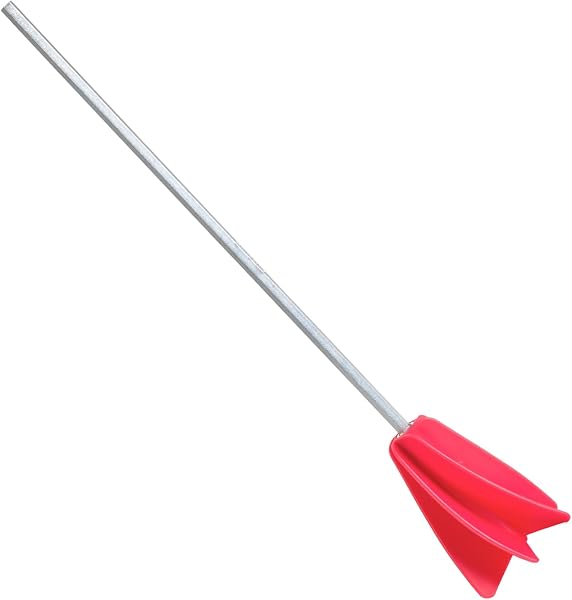
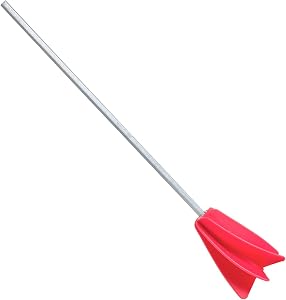
The Loosh 3-Piece Paint Stirrer set provides an economical, highly practical multi-paddle solution for homeowners and craftsmen managing multi-stage finishing projects. Offering three identical 11-inch mixers featuring thickened red polymer helix heads mounted on hexagonal metal shafts, this trio allows users to transition between primer, base coat, and clear finish without stopping to clean paddles between coats.
We may earn a commission when you buy through this link, at no additional cost to you.
The front impeller head is noticeably reinforced compared to standard craft stirrers, featuring thicker blade roots that prevent flexing when blending high-viscosity latex paints, deck stains, and viscous laminating epoxies. The hexagonal steel shaft clamps firmly into both three-jaw drill chucks and quick-connect impact driver holders, ensuring zero wobble during high-speed blending.
A thoughtful design addition is the removable silicone hanging ring fitted to the upper shaft of each mixer. When wet with paint, you can hang the paddle vertically over a wash bucket or pegboard hook to drip dry without contacting clean surfaces. When working with latex paint or epoxy, you can also simply let the coating dry completely on the paddle; the slick polymer allows dried paint skins to be peeled off by hand.
Washing wet paint mixers in utility sinks consumes water and risks flushing paint solids down household plumbing. The slick polymer on these Loosh paddles allows you to skip water washing entirely: simply wipe the shaft clean with a rag, hang the paddle up, and let the remaining paint dry overnight. Once cured, the flexible paint film peels off the blades like a glove, leaving the mixer clean and ready for reuse.
At 11 inches long, these paddles are sized perfectly for one-gallon cans and deep mixing tubs, but they will require submerging the drill chuck too close to the surface in five-gallon buckets. For residential remodelers and crafters who value having clean backup paddles ready on the workbench, this Loosh three-pack offers outstanding practical utility.
Deep five-gallon pails or mixing heavy sand-filled masonry mortars and concrete.
We may earn a commission when you buy through this link, at no additional cost to you.
The Gaahleri Voortex Paint Shaker represents an entirely different class of paint mixing technology, shifting away from drill-mounted paddles to deliver automated, laboratory-grade vortex dispersion for airbrush artists, scale modelers, and miniature painters. Small bottles of hobby acrylic, metallic paint, and pearl finishes notoriously separate over time, leaving dense pigment sludge at the bottom that manual shaking cannot homogenize.
We may earn a commission when you buy through this link, at no additional cost to you.
Powered by a high-torque, low-noise brushless motor operating at speeds up to 3500 RPM, the Voortex creates an intense orbital gyration that forces separated pigments back into uniform suspension within two to three minutes. This rapid restoration eliminates clogged airbrush nozzles, spatters, and uneven color density, ensuring flawless atomization on scale models, automotive miniatures, and custom canvas work.
Unlike basic manual vortex mixers that require you to hold the bottle down with continuous hand pressure, the Gaahleri features a hands-free locking clamp with a flexible stepped collar. It securely grips bottle diameters from 25mm to 50mm (10ml to 60ml), keeping dropper bottles and glass jars firmly centered without slipping. A three-speed smart controller with a dynamic LED display ring displays real-time speed and remaining cycle time.
Metallic and pearl hobby paints utilize mica flakes and metallic powders that are significantly denser than standard acrylic binders, causing them to compact into a rock-hard layer at the bottom of the bottle. Manual wrist-shaking rarely breaks this sediment free. The 3500 RPM orbital vortex generated by the Gaahleri machine creates powerful shear currents inside the bottle, pulling heavy flakes off the glass floor and redistributing them evenly.
A dual-layer vibration-damping chassis and a heavy silicone suction base keep the unit firmly anchored to the workbench, preventing the shaker from creeping across the table or transmitting buzzing vibrations into nearby precision tools. While strictly built for small hobby bottles rather than house paint, this dedicated shaker is the ultimate finishing tool for precision painters.
Large-scale architectural painting, one-gallon cans, or mixing drywall joint compound.
We may earn a commission when you buy through this link, at no additional cost to you.
Selecting the optimal paint mixing tool depends on the volume of material you handle, its chemical viscosity, and the sensitivity of your coating to air bubbles. The detailed buying guide below breaks down the engineering criteria you need to evaluate before purchasing.
The mechanical shape of a mixer’s head dictates how liquid moves inside the container. Helical impellers—such as those on the Youtex 4-Blade and ALLWAY HM1—function as axial-flow turbines that pull heavy pigments upward from the bottom of the pail while pushing upper liquids downward. This vertical turnover ensures that dense settled solids are thoroughly blended into the main batch, making helix designs the gold standard for standard architectural paints and casting resins.
Ribbon and cage paddles feature broad, looping bands that sweep close to the container perimeter, as seen on the Edward Tools 5-Gallon No-Splash mixer. These designs prioritize wide radial circulation, scraping thick layers off the bucket floor and walls without creating high-velocity upward jets that splash over the rim. In contrast, flat radial blades simply spin liquid in a horizontal circle, often leaving heavy solids stranded in dead zones along the container floor.
Select a helical turbine for uniform vertical blending in one- to five-gallon paint cans. Choose a wide ribbon paddle for thick foundation sealers and five-gallon drywall compound pails where sweeping the outer edges is essential to prevent unmixed pockets.
Shaft length directly governs operator comfort and drill safety. Using a short 10- or 11-inch paddle inside a deep five-gallon bucket forces the operator to lower the drill chuck dangerously close to the paint surface. This increases the likelihood that wet paint will splash into the drill bearings, while forcing the user to hunch awkwardly over the bucket, causing lower back fatigue during extended projects.
Standard five-gallon pails require a shaft length of 16 to 18 inches—exemplified by the 17-inch Heavy Duty Paint and Mortar Mixer—to ensure the mixing head reaches the bottom while keeping the drill chuck well above the bucket rim. For standard one-gallon cans and deep craft mixing cups, shorter shafts between 11 and 15 inches provide superior balance and maneuverability, preventing top-heavy drill wobble.
Measure the depth of your primary containers before purchasing. Ensure your selected mixer leaves at least four to six inches of clearance between the top of the container rim and the drill chuck to protect your power tool from splashes.
Mixer paddles are primarily manufactured from welded steel or molded high-density polymers, each offering distinct advantages depending on the coating and container type. Solid steel mixers treated with zinc plating or galvanization provide the rigidity needed to shear through dense tile mortar, acoustic ceiling texture, and heavy drywall mud without bending or deflecting under high torque.
However, rigid steel heads pose a constant risk to plastic containers; if tilted while spinning at high RPM, steel blade corners can easily gouge the container sidewalls, shaving plastic slivers into your paint or puncturing thin bucket bottoms. Polypropylene and composite polymer mixers flex slightly on impact, gliding harmlessly along container floors while offering natural non-stick properties that allow cured epoxy and latex to peel off cleanly without harsh solvents.
Choose heavy-gauge welded steel when mixing dense cementitious mortars, concrete, and thick drywall compounds. Choose composite polymer paddles for architectural paints, two-part epoxy resins, and projects using plastic utility buckets where container gouging must be avoided.
How a mixing shaft interfaces with your power drill determines stability and safety during high-torque operation. Smooth round shafts rely entirely on friction from the drill chuck’s three jaws; under the heavy rotational drag of thick mud or cold epoxy, round shafts frequently slip, scoring the metal and coming loose mid-mix.
Hexagonal drive shafts (ranging from 1/4-inch to 5/16-inch flats) provide positive mechanical locking against drill chuck jaws, completely eliminating rotational slippage. Furthermore, standard 1/4-inch hex shanks can be inserted directly into quick-release impact drivers and cordless screwdrivers, allowing rapid tool changes without fiddling with manual chuck keys.
Always prioritize mixers equipped with hexagonal drive shanks over smooth round shafts. Verify that the hex diameter matches your power tool, noting that 5/16-inch shafts require a 3/8-inch or larger drill chuck and will not seat in standard 1/4-inch quick-release driver collets.
Aeration occurs when a spinning mixer draws air down from the surface into the fluid body, whipping tiny bubbles into the mixture. In standard latex wall paint, mild aeration causes minor roller spatter; in clear epoxy coatings, polyurethane floor finishes, and silicone casting molds, suspended micro-bubbles become a catastrophic cosmetic and structural defect that ruins clarity and strength.
Paddles featuring low-vortex helical profiles—such as the ALLWAY HM1 and Edward Tools Even Flow—are hydrodynamically engineered to fold liquids together in a closed laminar loop without breaking the fluid surface. By maintaining continuous fluid immersion and operating at steady, low-to-moderate drill speeds (200 to 400 RPM), these mixers achieve total homogeneity while keeping the coating virtually bubble-free.
If you work regularly with clear bar-top epoxies, casting resins, or high-gloss clear coats, choose a patented low-aeration polymer helix. Avoid open-cage mud beaters or high-shear radial stirrers that whip air into sensitive liquid formulations.
Liquid coatings vary dramatically in viscosity, ranging from water-thin wood stains and alcohol dyes to thick, paste-like tile mortars and joint compounds. Attempting to mix dense drywall mud with a small, lightweight craft paddle will twist the shaft and overload small cordless drill motors. Conversely, using a massive four-inch steel mortar mixer in a one-gallon can of stain will create violent splashing that empties the can across the floor.
Low-viscosity liquids (stains, varnishes, sealers, and craft acrylics) require compact, agile impellers that circulate fluids quickly without excessive turbulence. Medium-viscosity materials (standard latex wall paints, automotive primers, and two-part laminating epoxies) thrive with 2.5- to 3-inch helix heads. High-viscosity compounds (drywall mud, thin-set mortar, grout, and elastomeric stucco) demand heavy steel paddles driven by high-torque 1/2-inch drills.
Match both the paddle size and your drill’s motor power to the heaviest compound you intend to mix. Reserve large steel paddles for thick paste compounds, and keep lightweight polymer helix stirrers on hand for standard liquid paints.
A major hidden hazard during high-speed drill mixing is container damage. Thin-walled plastic utility buckets and disposable plastic liners are easily abraded by spinning metal paddles. When steel blade corners catch on the bucket floor, they shave off microscopic plastic curls that mix into your paint, subsequently clogging paint sprayer tips and leaving ugly lumps on rolled walls.
To combat this, mixers like the Edward Tools 5-Gallon No-Splash utilize smooth, rounded polymer doughnut heads, while heavy-duty steel models incorporate continuous circular steel guard rings around the blade perimeter. These protective barriers act as smooth bumpers, allowing the mixer to rest directly on the container floor while spinning without biting into the plastic.
If you regularly mix paint inside standard five-gallon plastic pails, choose paddles featuring rounded polymer heads or continuous perimeter steel rings. Avoid unfinished, sharp-cornered steel paddles unless mixing inside heavy metal tubs or masonry wheelbarrows.
While drill-mounted paddles dominate commercial painting and drywall work, precision scale modelers, airbrush artists, and miniature painters require a completely different approach. Opening a tiny 10ml to 60ml hobby paint dropper bottle to insert a mechanical drill paddle is impractical, messy, and wastes valuable pigments on the blades.
Benchtop vortex shakers—such as the Gaahleri Voortex—operate externally by vibrating and gyrating the sealed bottle at speeds up to 3500 RPM. This intense orbital motion creates an internal liquid vortex that breaks apart compacted metallic pigments and dried sediment without ever opening the bottle cap, keeping paints fresh and completely eliminating cleanup.
Choose drill-mounted mixing paddles for volumes between one quart and five gallons. Invest in a dedicated automated vortex shaker if your workflow centers on miniature painting, scale modeling, or custom airbrushing using small bottled acrylics and lacquers.
Before pulling the trigger on your power drill, submerge the mixer head completely into the fluid to prevent violent surface splashing. Position the paddle roughly one to two inches above the bottom of the container, tilt the shaft slightly to encourage an active fluid vortex, and start the drill at low RPM. Gradually increase motor speed to establish a steady turnover, moving the head slowly between the center and outer edges of the bucket to sweep settled pigments off the floor. Crucially, release the drill trigger and allow the paddle to come to a complete dead stop before lifting the head out of the liquid.
Post-mix cleanup is easiest when handled immediately while the coating remains wet. For waterborne latex paints and drywall compounds, submerge the spinning paddle into a separate five-gallon bucket filled with clean water, running the drill at medium speed for 15 seconds to flush the blades clean. For oil-based enamels, varnishes, or wet epoxy resins, wipe the blades with a rag soaked in mineral spirits, acetone, or denatured alcohol. If using slick polymer paddles with latex or epoxy, you can also allow leftover material to cure completely overnight, after which the hardened residue can be peeled off by hand.
Proper storage and mechanical maintenance preserve your mixer for years of reliable service. After washing, dry steel paddles thoroughly to prevent surface oxidation on zinc or galvanized finishes, and hang the tool vertically from a pegboard using its hanging hole or ring. Periodically inspect the drive shaft for straightness by rolling it across a flat workbench; a bent shaft creates severe drill vibration that strains chuck bearings. For automated benchtop vortex shakers, wipe down the silicone rubber base and bottle collar regularly to keep the grip surfaces tacky and free of dried paint dust.
Yes, standard 18V or 20V cordless drills easily handle one- to five-gallon paint cans and light epoxy batches when paired with hex-shank paddles. However, mixing dense drywall mud, mortar, or concrete creates massive rotational resistance that can overheat compact cordless drills. For heavy masonry and five-gallon mud buckets, use a high-torque 1/2-inch corded drill or a dedicated variable-speed mud mixer.
To prevent air bubbles, use a patented low-aeration helical paddle such as the ALLWAY HM1 or Edward Tools Even Flow, and keep the drill speed low (between 200 and 400 RPM). Keep the impeller completely submerged at all times during operation, and never lift the spinning head near the surface where it can pull air into the vortex. Allow the blended resin to rest for several minutes after mixing to let any trapped bubbles rise and pop.
Sharp-cornered steel mixers can scratch or gouge the sidewalls and bottom corners of plastic utility buckets if tilted during operation. These gouges release tiny plastic shavings into your paint that clog spray nozzles and mar finishes. To protect plastic buckets, select a polymer ribbon mixer or a steel paddle equipped with a continuous circular outer ring that acts as a smooth guard.
If you use a non-stick polymer mixing paddle, the easiest method is to simply let the epoxy cure completely overnight. Once hardened, flex the polymer blades; the cured epoxy will snap free and peel off in large chunks without requiring any chemical solvents. For steel paddles, wipe uncured epoxy away immediately using acetone or denatured alcohol before it sets.
Most architectural paints should be mixed at low to moderate speeds, typically between 300 and 600 RPM. Starting at low speed prevents sudden splashing while heavy bottom pigments begin to circulate. Operating at excessively high RPMs (above 1000 RPM) creates a deep funnel vortex that draws air bubbles into the liquid, which can cause foaming and uneven roller application.
Mixer wobble is typically caused by a bent drive shaft, an improperly seated drill chuck, or an unbalanced single-blade head. Ensure the hexagonal shank is seated flat against all three drill chuck jaws before tightening. If the wobble persists outside the bucket, roll the shaft on a flat table to check if it has been bent; running a bent shaft damages your drill's spindle bearings.
Paint mixers feature lightweight helix or ribbon blades designed to circulate liquid coatings rapidly without splashing. Mortar mixers are constructed from heavy-gauge, welded steel with thick four- to five-inch heads designed to shear through dense, abrasive slurries containing sand and aggregate. Using a paint paddle in mortar will bend the blades, while using a mortar mixer in a one-gallon paint can will cause violent splashing.
Yes, as long as the paint mixer features a standard 1/4-inch hex shank that fits your impact driver's quick-release collet. However, you must feather the driver's variable-speed trigger carefully; running an impact driver at wide-open throttle will spin the paddle too fast, causing severe paint splatter and whipping air bubbles into the liquid.
An automatic vortex paint shaker, like the Gaahleri Voortex, clamps an unopened hobby paint bottle onto an orbital platform driven by a high-speed brushless motor (up to 3500 RPM). The high-frequency gyration creates a powerful liquid vortex inside the sealed container that shears heavy settled pigments off the bottom and redistributes them evenly throughout the binder in two to three minutes without opening the bottle.
You can mix pre-mixed joint compound with a heavy-duty paint mixer if you add water and run the drill slowly to loosen the mud. However, for dense dry-pack setting compounds (hot mud) or un-thinned five-gallon buckets, you should use a heavy-duty steel paddle like the Edward Tools Mud Mixer or a dedicated 4-inch mortar mixer powered by a high-torque 1/2-inch drill to prevent motor burnout.
The Youtex 4-Blade Helix Mixer earns our top overall recommendation by delivering exceptional fluid circulation, durable zinc-plated steel construction, and versatile performance across one- to five-gallon containers. Its enlarged 2.76-inch four-blade helical turbine establishes rapid top-to-bottom turnover, pulling heavy settled pigments off the bucket floor in half the time of conventional consumer paddles while handling everything from thin stains to thick epoxies.
Distinct alternatives cater to specialized mixing demands. For standard one-gallon architectural painting and bubble-sensitive epoxy casting, the budget-friendly ALLWAY HM1 Helix Mixer provides time-tested, splash-free laminar flow that will never gouge cans. Contractors tackling dense masonry slurries and five-gallon drywall compound pails will benefit from the sheer structural mass of the Heavy Duty Paint and Mortar Mixer, while airbrush artists and miniature modelers will find the automated 3500 RPM Gaahleri Voortex Paint Shaker indispensable for restoring separated pigment bottles.
Selecting the right paint mixer ultimately comes down to matching impeller geometry and shaft length to your container volume, while ensuring the blade material suits your compound's viscosity. Prioritize low-aeration polymer helixes for clear finishes and delicate plastic pails, choose heavy welded steel for dense masonry compounds, and always maintain controlled drill speeds to achieve perfectly blended, professional-grade coatings on every project.