Retrospec Sedona
9.2Editor scoreBuckwheat hull fill
100% cotton cover
Adjustable fill level
Sturdy carry handle
Find the right meditation cushions for 2026. We compare 10 standout options by build quality, useful features, owner feedback, value, and everyday trade-offs.
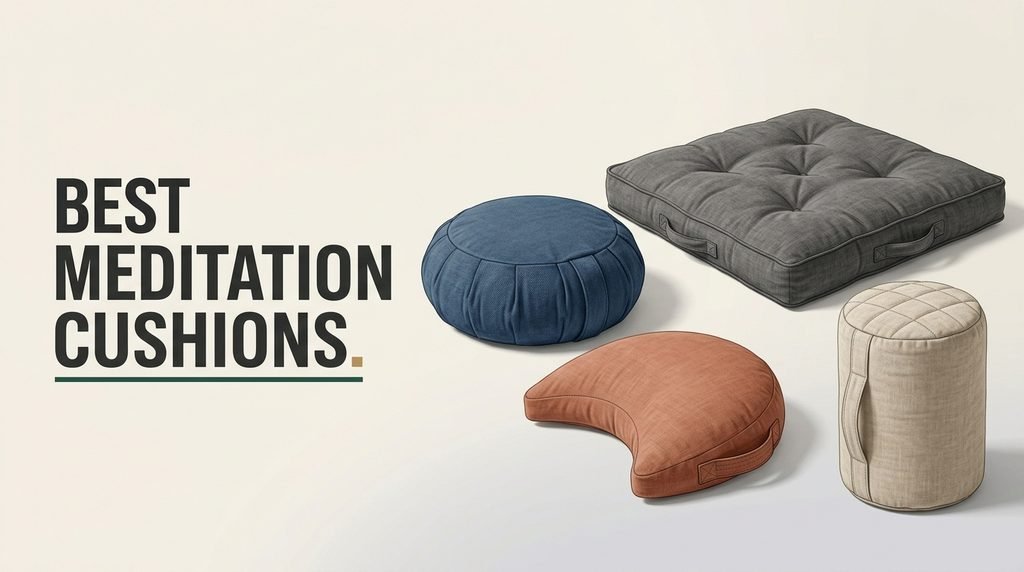
Choosing a meditation cushion in 2026 comes down to matching fill material, shape, height, cover fabric, and portability to the way you actually sit. We compare 10 standout options across round zafus, crescent bolsters, zabuton mats, and complete sets so you can find one that supports your spine and hips through long sessions without numbness or strain.
The differences between models are more meaningful than they appear. Buckwheat hull fill feels firmer and more supportive than shredded memory foam, and a crescent shape positions the pelvis differently than a round zafu. Cover material affects both comfort and how easily you can wash the cushion after regular use.
This guide walks through each option with clear specs, honest trade-offs, and practical setup advice. Whether you need a traditional zafu for cross-legged sitting, a kneeling bench alternative, or a complete zafu-and-zabuton set for cold floors, you will find a focused recommendation ahead.
We compared 10 meditation cushions using the details that genuinely matter to buyers: fill material, shape, height adjustability, cover fabric, cover washability, portability features, size, posture support, owner feedback, and overall value. The notes focus on real trade-offs so each pick connects to how people actually sit, breathe, and hold a cross-legged or kneeling position comfortably through longer mindfulness sessions at home or on retreat.

Compare key features, scores, and current prices side by side. A shorter feature list means fewer details were available, not necessarily fewer capabilities.



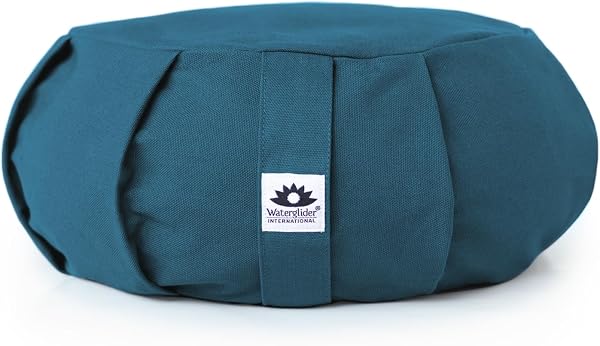
The Waterglider zafu stands out as a traditionally designed round meditation cushion crafted in Washington State with USA-grown buckwheat husks. For buyers who prioritize domestic manufacturing and ethical sourcing, this product offers a clear choice backed by a company that invests in refugee employment.
We may earn a commission when you buy through this link, at no additional cost to you.
The round zafu shape is the classic design most meditation traditions use, elevating the hips above the knees to encourage a naturally neutral spine. The buckwheat husk fill compresses just enough to support your sit bones without feeling mushy, and it stays in position without constant refluffing.
The 100% cotton cover is simple and durable, holding up well to regular use and occasional washing. The cushion pairs naturally with a zabuton mat for additional knee and ankle padding, creating a complete floor-sitting setup for both meditation and general low seating.
Buying domestically made meditation gear supports local jobs and often results in more responsive customer service than overseas-manufactured competitors. Waterglider specifically creates employment for refugees settling in the United States, which adds a social impact dimension to your purchase. These factors matter to many practitioners who want their mindfulness practice aligned with their values.
The simpler cotton cover lacks the plush feel of velvet options, and the color range is more limited than premium competitors. For practitioners who value traditional design, honest construction, and supporting domestic manufacturing, however, this zafu delivers excellent long-term value.
Buyers who want a plush velvet cover or a wider range of decorative colors.
We may earn a commission when you buy through this link, at no additional cost to you.
The Retrospec Sedona is aimed at anyone starting a daily sitting practice who wants a legitimate buckwheat-filled zafu without paying a premium. It delivers the firm, hip-elevating support that keeps the spine neutral through longer sessions, which is the single most important function of a meditation cushion.
We may earn a commission when you buy through this link, at no additional cost to you.
The 100% cotton cover avoids the microplastics found in some synthetic alternatives and holds up well to regular washing. The inner compartment unzips so you can add or remove buckwheat hulls, letting you dial in the exact height your hips and knees need. This adjustability matters more than most beginners realize, since the right height differs by body proportion and flexibility.
A sturdy carry handle makes it practical to bring to a yoga class, outdoor session, or spare bedroom for a quiet moment. The cushion also doubles as a floor seat for low tables or a prop for restorative stretches, which adds everyday value beyond formal meditation.
A cushion that is too tall tilts the pelvis forward uncomfortably, while one that is too short lets the lower back round. Being able to add or remove buckwheat hulls through an inner zipper lets you fine-tune the height to your hip opening and leg length. Spend the first few sessions experimenting with fill level until your knees sit at or below hip height comfortably.
The trade-off is that cotton covers show wear and compression lines faster than velvet alternatives, and the cushion sits a bit lower than oversized zafus. For most practitioners who want solid, no-fuss buckwheat support at a fair price, however, the Sedona covers the fundamentals well.
Taller sitters who need a particularly thick cushion for proper hip elevation.
We may earn a commission when you buy through this link, at no additional cost to you.
The crescent shape sets this cushion apart from round zafus by curving away from the knees, giving your legs more freedom to drop into a comfortable cross-legged position. This design is especially helpful for anyone with tight hips who struggles to sit flat on a traditional round cushion.
We may earn a commission when you buy through this link, at no additional cost to you.
At 16 inches wide with 4.5 inches of thickness, it provides generous surface area without overwhelming a small meditation corner. The buckwheat hull fill shapes to your sit bones and holds the position reliably, which is noticeably more stable than foam or polyester alternatives.
The organic cotton cover with a subtle zipper lets you adjust fill to find your preferred firmness, and the cover removes for machine washing. A built-in carry handle makes it easy to move the cushion between rooms or take to a studio session.
Round zafus concentrate height under the sit bones but can feel cramped if your knees need extra space to drop toward the floor. Crescent cushions curve away from the thighs, giving the knees room to settle naturally without the front edge of the cushion digging in. If you have ever noticed numbness or pinching after 10 minutes on a round cushion, a crescent design often solves the problem immediately.
The crescent shape takes up more floor space than a traditional round zafu, so measure your dedicated meditation area before buying. For practitioners who find round cushions pinch their knees uncomfortably, however, this shape can transform a frustrating sit into a sustainable practice.
Practitioners who prefer the stable, compact footprint of a traditional round zafu.
We may earn a commission when you buy through this link, at no additional cost to you.
This crescent cushion focuses on the fundamentals: ergonomic shape, buckwheat fill, and consistent support for cross-legged sitting. The curved profile is designed to encourage spine alignment while reducing pressure that builds up on knees and ankles during longer sessions.
We may earn a commission when you buy through this link, at no additional cost to you.
Premium buckwheat hull filling molds to your body shape and maintains firmness session after session. Unlike foam cushions that gradually compress and lose support, buckwheat hulls hold their position reliably over years of regular use, which is why they remain the preferred fill in serious meditation circles.
The traditional bolster design works equally well for formal seated meditation, casual floor stretching, or as a reading cushion. The crescent shape particularly benefits anyone with tighter hips who finds that round cushions force the knees upward uncomfortably.
If your hip flexors or inner thighs are tight, round cushions can leave your knees elevated above your hips, which strains the lower back over time. Crescent cushions let the thighs angle downward naturally while still elevating the sit bones, creating a more sustainable position. Pair with hip-opening stretches before meditation to improve the position further.
The slightly lower rating compared to peers suggests mixed experiences with specific units, so it is worth checking recent feedback before purchasing. For buyers who want a straightforward crescent cushion with solid buckwheat support, however, this is a reasonable choice at a fair price.
Experienced sitters who already have good hip mobility and prefer round zafus.
We may earn a commission when you buy through this link, at no additional cost to you.
The Cheer Collection cushion focuses on practical function at an accessible price. Natural buckwheat hull filling conforms to your body shape and provides the firm, hip-elevating support that keeps longer meditation sessions comfortable without numbness or back strain.
We may earn a commission when you buy through this link, at no additional cost to you.
Adjustability is a notable strength here. Removing or adding filling through the inner zipper lets you fine-tune the firmness and height to match your body and sitting style. New meditators often discover their preference changes over the first few weeks as they get used to the position, so this flexibility matters.
The lightweight design and built-in carry handle make it easy to bring to yoga studios, retreats, or outdoor sessions. The cushion also works well as a general floor seat for reading, stretching, or informal low seating, extending its usefulness beyond formal practice.
A cushion that stays in one room gets used far more than one that is awkward to move. A built-in carry handle makes it realistic to bring your cushion wherever your practice happens that day, whether that is a sunny corner in the morning or a quiet office at lunch. Lightweight buckwheat cushions in the 3 to 5 pound range are ideal for daily transport.
The aesthetic is simpler than premium velvet-covered alternatives, and the cover material does not feel as plush. For buyers who want solid buckwheat support with portability features at a value-focused price, however, this is one of the most practical choices in the lineup.
Shoppers who prioritize premium cover materials and designer aesthetics.
We may earn a commission when you buy through this link, at no additional cost to you.
This complete zafu-and-zabuton set targets practitioners who want a fully supported sitting experience from the first use. The combination of a firm buckwheat hull zafu for elevating the hips and a cushioned memory foam zabuton underneath for knee and ankle protection creates the traditional two-piece setup used in Zen temples.
We may earn a commission when you buy through this link, at no additional cost to you.
The dual cushion system solves two problems that single cushions cannot. The zafu elevates and supports your pelvis, while the larger zabuton underneath protects knees and ankles from hard floors. Together they allow longer sessions on hard surfaces without the discomfort that typically develops after 15 or 20 minutes.
Both pieces feature inner liners with hidden zippers so you can adjust fill to your preferred firmness. The velvet covers with mandala embroidery add visual appeal to a meditation corner, and the removable covers machine wash easily to keep the setup fresh with regular use.
A zabuton is the rectangular mat that goes underneath the zafu to pad the knees and ankles that touch the floor. Without one, hard flooring puts pressure on bony contact points and often ends a session prematurely. Adding a zabuton extends your comfortable sitting time dramatically, especially on wood or tile floors, and is widely considered essential equipment for serious practice.
The higher combined price reflects the two-piece nature of the set, and the shredded memory foam zabuton will compress gradually over years of use. For serious practitioners who meditate frequently and want a complete, aesthetically polished setup in one purchase, however, this bundle delivers excellent long-term value.
Minimalists who prefer a single cushion or already own a separate zabuton mat.
We may earn a commission when you buy through this link, at no additional cost to you.
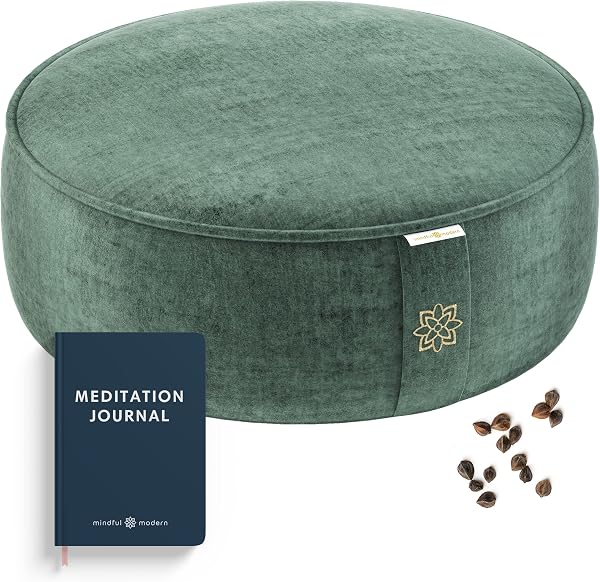
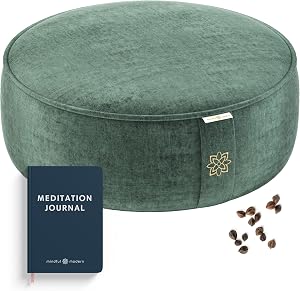
This velvet zafu earns Editor's Choice by combining the authentic support of natural buckwheat hull fill with a cover that feels and looks premium. The soft velvet surface elevates the cushion from a purely functional object to one that enhances a meditation space visually, which matters when the cushion lives in a prominent corner of your home.
We may earn a commission when you buy through this link, at no additional cost to you.
The round zafu shape elevates the hips to encourage a naturally neutral spine, and the generous diameter provides room for cross-legged sitting without the front edge cutting into the thighs. Buckwheat hull fill offers the firm, supportive feel that holds up over years of regular use without the gradual compression that affects foam alternatives.
Five color options let you match the cushion to your decor, from calming neutrals to more vibrant shades. The adjustable fill system through a hidden zipper lets you customize height and firmness to your body, and a built-in handle makes it practical to carry between rooms or to classes.
A cushion you look forward to sitting on gets used more consistently than one that feels purely utilitarian. The velvet cover on this zafu makes a measurable difference in daily appeal, which translates to showing up for practice more often. If your meditation cushion will be visible in your living space, investing in a premium cover is a reasonable upgrade.
The main trade-offs are that velvet attracts pet hair and dust more than smooth cotton covers, and the cushion commands a higher price than basic alternatives. For practitioners who want a premium everyday cushion that supports both serious practice and a beautifully appointed meditation space, however, this is one of the best overall picks.
Homes with heavy pet shedding or shoppers who prefer plain cotton covers.
We may earn a commission when you buy through this link, at no additional cost to you.
This zabuton is purpose-built to pair with any zafu or meditation bench, protecting knees and ankles from hard floors during longer sessions. The generous 36-by-28-inch footprint provides enough coverage for most sitting positions without needing to constantly reposition your legs.
We may earn a commission when you buy through this link, at no additional cost to you.
The 100% cotton fill offers a natural, breathable alternative to synthetic foams and feels more traditional underfoot. Reinforced stitching on the sturdy cotton twill cover ensures the mat holds up to years of regular use, and the removable cover machine washes to keep the setup clean.
Three classic colors—white, grey, and black—let you match the zabuton to your decor or existing zafu. The mat works equally well paired with a round or crescent cushion, giving you a two-piece sitting system that extends comfortable session time significantly.
Traditional zabutons used wool fill for its loft and resilience, but modern cotton-filled versions are more affordable and easier to clean. Cotton compresses slightly more over time, so you may need to fluff and reshape it periodically. For most home practitioners, cotton offers the right balance of comfort, price, and maintenance.
The main consideration is that this is a zabuton only, so you will need a separate zafu or kneeling bench to complete the setup. For practitioners who already own a quality cushion and simply need the floor-padding layer, however, this is one of the more thoughtfully constructed zabuton mats available.
Buyers looking for a single all-in-one cushion rather than a floor mat pairing.
We may earn a commission when you buy through this link, at no additional cost to you.
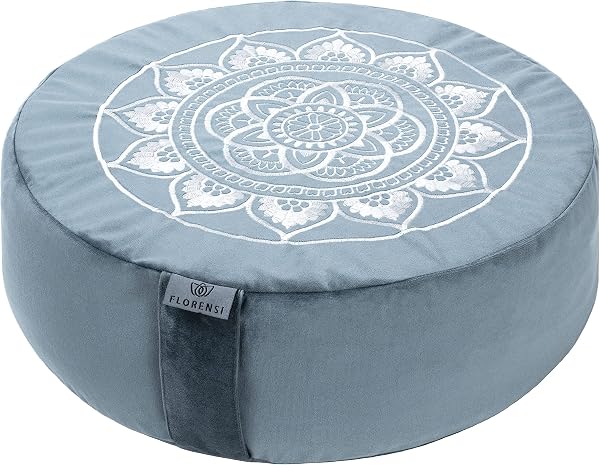
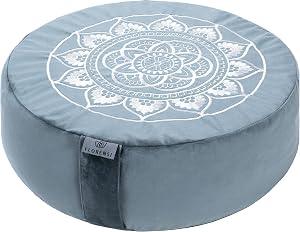
The Florensi zafu combines full buckwheat hull filling with an ultra-soft velvet cover for practitioners who want both authentic support and a cushion that looks beautiful in any room. The round shape elevates the hips to encourage a naturally neutral spine, and the fill level can be adjusted through the inner zipper.
We may earn a commission when you buy through this link, at no additional cost to you.
100% buckwheat hull filling gives the cushion the firm, stable support that experienced meditators prefer. The hulls conform to your sit bones and hold position reliably, unlike foam cushions that gradually lose their shape and support over time.
The ultra-soft velvet cover adds a touch of luxury to daily practice and remains fresh thanks to easy machine washing. A discreet carry handle built into the design lets you transport the cushion without the handle being a visually distracting feature.
Buckwheat hulls are the gold standard fill for meditation cushions because they combine firmness with the ability to conform to your body shape. Unlike foam, they do not spring back and push your sit bones in ways that disrupt alignment. Over a long sitting session, this stable support translates directly into less fidgeting and deeper focus.
Velvet covers tend to attract dust and pet hair more than cotton alternatives, requiring more frequent brushing or washing in homes with pets. For practitioners who want a cushion that works seriously well while also elevating the aesthetic of their meditation space, however, this is a strong premium choice.
Homes with heavy pet shedding or shoppers prioritizing lowest possible price.
We may earn a commission when you buy through this link, at no additional cost to you.
This pair of 32-inch pillows offers a different approach from traditional zafus, functioning as oversized floor cushions suitable for group meditation, movie nights, or casual low seating. The soft shredded memory foam contours to your body and provides a lounging-friendly feel rather than the firm support of buckwheat.
We may earn a commission when you buy through this link, at no additional cost to you.
At 32 inches wide, each pillow gives adults plenty of room to sit cross-legged with knees supported, which is especially helpful for larger practitioners who find standard zafus cramped. The symmetrical mandala pattern creates a visually calming focal point that works well in a dedicated meditation space.
The set-of-two configuration provides flexibility for family practice, hosting guests, or spreading cushions across different rooms. Zippered covers remove for separate machine washing, which is important for pillows that double as everyday living room seating.
Firm buckwheat cushions excel at supporting proper meditation posture, but they are not ideal for lounging, reading, or extended casual sitting. Soft memory foam floor pillows fill the gap by providing comfortable all-day seating that still works for shorter mindfulness sessions. If your floor seating serves multiple purposes, large soft pillows may actually get more use than a dedicated zafu.
The shredded memory foam fill is noticeably softer than buckwheat and provides less firm hip elevation, so these pillows are better suited for casual sitting and short meditation sessions than long, serious practice. For buyers who want versatile oversized floor cushions that can serve multiple purposes, however, this set offers excellent utility.
Serious meditators who need firm buckwheat support for extended sitting sessions.
We may earn a commission when you buy through this link, at no additional cost to you.
Picking a meditation cushion sounds simple until you look at the surprising range of shapes, fills, heights, and cover materials available. The right choice depends on your body, your flexibility, how long you sit, and where the cushion will live. This section breaks down the factors that actually determine whether a cushion will support a sustainable practice.
The fill material is the single most important factor in how a meditation cushion performs. Buckwheat hulls are the traditional and still preferred fill for serious practice. They conform to your sit bones, hold firm support without compressing over time, and allow airflow that keeps you cool during longer sessions. Kapok, a plant-based fiber, offers a slightly softer feel while still providing good shape retention. Shredded memory foam creates a plush, lounging-friendly feel but gradually compresses and provides less firm hip elevation.
Each fill type has a distinct personality. Buckwheat feels substantial and stable, almost like sitting on firm sand that shapes to your body. Memory foam feels cloudlike at first but can let your pelvis sink too far for proper alignment during long sits. Cotton fill, often used in zabuton mats underneath the zafu, provides softer floor padding without the structural support needed in the main sitting cushion.
For serious daily practice, choose buckwheat hull fill. For casual mindfulness and lounging, memory foam or kapok cushions are more comfortable. Pair any zafu with a cotton-filled zabuton underneath for complete knee and ankle protection.
Round zafus are the traditional shape, concentrating height under the sit bones in a compact footprint. They work well for practitioners with reasonable hip mobility who can comfortably settle into a cross-legged position. Crescent cushions curve away from the knees, giving the thighs more room to drop toward the floor without pinching. This shape is especially helpful for anyone with tight hips who finds round cushions force the knees uncomfortably upward. Rectangular zabuton mats are not sitting cushions themselves but go underneath to pad the knees and ankles.
Your flexibility and body proportions determine which shape works best. If you can sit cross-legged with your knees close to the floor comfortably, a round zafu is ideal. If your knees stay elevated or you feel pinching around the hip creases, a crescent shape often solves the problem. Taller or larger-framed practitioners may need the extra width of a crescent or oversized round cushion to avoid feeling cramped.
Try sitting cross-legged on the floor without a cushion for a minute. If your knees sit far above hip level, you likely need extra height from a thicker cushion or a crescent that frees the knees. If your knees drop near floor level comfortably, a traditional round zafu will serve you well.
The right cushion height elevates your sit bones so your hips sit higher than your knees, allowing the pelvis to tilt slightly forward and the spine to stack naturally. Standard zafus range from about 4 to 6 inches tall when uncompressed, which suits most average-sized adults with moderate flexibility. Taller practitioners or those with tight hips often need 6 to 8 inches of height, while shorter sitters or those with very open hips may need only 3 to 4 inches.
Adjustable fill through an inner zipper is one of the most useful features a cushion can have. It lets you dial in exactly the height your body needs rather than being stuck with the manufacturer’s default. Expect to experiment over the first few weeks as your body adjusts to the position, since the comfortable height often changes as hip mobility improves.
If you are unsure what height you need, start with a cushion that offers adjustable fill. You can always remove hulls to lower a cushion that is too tall, but you cannot add height to a non-adjustable cushion.
The cover affects both comfort and long-term maintenance. Cotton covers are breathable, natural, and generally most affordable, but they can show wear and compression lines more quickly. Velvet covers feel luxurious and elevate the aesthetic of a meditation space but attract dust and pet hair more readily. Organic cotton covers appeal to buyers who want to minimize synthetic materials in their practice environment. Synthetic blends can offer stain resistance but may feel less breathable during longer sessions.
Machine washability is essential for a cushion that sees daily use. Look for a removable outer cover with a sturdy zipper, ideally one that is hidden to avoid pressure points. Check whether the inner liner that holds the fill is also removable, which makes it easier to adjust fill without creating a mess.
If the cushion will live in a visible part of your home, a velvet cover adds visual appeal and often holds up better over years of use. For a hidden meditation room or minimalist aesthetic, cotton covers are simpler and more affordable.
A cushion that stays in one spot gets used more consistently than one you have to haul around, but portability still matters for anyone who meditates in different rooms, travels for retreats, or attends studio sessions. Built-in carry handles make a surprising difference in daily practicality, letting you move the cushion with one hand while carrying a cup of tea in the other.
Weight matters for travel. Most buckwheat-filled zafus weigh 3 to 7 pounds, which is manageable for occasional transport but noticeable in luggage. Lighter kapok or memory foam cushions compress more easily into a bag but sacrifice some stability. If you fly to retreats, consider a travel-specific cushion that packs flat and inflates or fills on arrival.
For home-only use, prioritize comfort and support over portability. For practitioners who meditate in multiple locations, a handle and reasonable weight make the cushion far more likely to actually travel with you.
A standalone zafu works well on carpeted floors or when paired with a thick rug, but hard floors can cause knee and ankle discomfort within 15 to 20 minutes. A zabuton mat placed underneath the zafu protects the lower legs and dramatically extends comfortable sitting time. The traditional two-piece setup is what you see in Zen temples for good reason: it just works better for serious practice.
Complete sets include both pieces designed to work together, often with matching covers and coordinated colors. Buying separately gives you more freedom to mix shapes and materials, such as pairing a crescent zafu with a traditional square zabuton. Separate pieces also let you upgrade one component later without replacing the whole system.
If you have hardwood or tile floors, invest in a complete set or add a zabuton to your existing cushion. If your meditation space is carpeted, a single quality zafu may be sufficient on its own.
Measure the floor area where you plan to meditate before buying. Standard zafus are 12 to 16 inches in diameter, which fits almost any space. Crescent cushions are typically wider, around 16 to 18 inches at their widest point. Zabuton mats add significantly more footprint, usually 28 to 36 inches on a side. Oversized floor pillows can reach 32 inches or more in diameter, which may crowd a small meditation corner.
Height clearance also matters in rooms with low furniture or sloped ceilings. Sitting elevated on a cushion raises your head higher than sitting flat on the floor, which rarely causes problems but is worth considering if your meditation spot has unusual constraints.
If space is tight, prioritize a compact round zafu. If you have room to create a dedicated meditation area, a complete zafu-and-zabuton setup or oversized crescent cushion provides more comfortable long-term support.
Set up your cushion in a quiet space with enough room to sit comfortably without furniture crowding your knees. Place a zabuton mat or thick blanket underneath if sitting on a hard floor. Sit on the front third of the cushion with your sit bones elevated and your knees dropping toward the floor. Spend the first few sessions adjusting fill level, position, and leg arrangement until you find a stable, sustainable position. Expect some discomfort during the first week as your body adapts to the posture.
Clean the cover regularly to keep the cushion fresh. Most removable covers can be machine washed on a gentle cycle with cold water and mild detergent, then air dried to preserve the fabric. Spot clean between full washes to extend the time between deeper cleanings. Velvet covers benefit from occasional brushing with a soft fabric brush to lift dust and restore the nap. Avoid fabric softeners, which can leave residues that affect feel and breathability.
Store the cushion in a dry location away from direct sunlight, which can fade covers and degrade natural fibers over time. Fluff and reshape buckwheat-filled cushions periodically to redistribute the hulls and maintain even support. If the fill compresses or settles unevenly over months of use, add fresh buckwheat hulls through the inner zipper to restore the original firmness. Properly cared-for buckwheat cushions can last a decade or more of regular use.
Buckwheat hulls are widely considered the best fill for serious meditation practice. They conform to your body shape, maintain firm support without compressing over time, and allow airflow for cooler, more comfortable sitting. Memory foam feels plush initially but gradually loses support, making it better for casual lounging than daily meditation. Kapok is a lighter plant-based alternative that offers a softer feel while still holding shape reasonably well.
The right height elevates your sit bones so your hips sit higher than your knees, allowing the pelvis to tilt forward and the spine to stack naturally. Most average-sized adults do well with cushions 4 to 6 inches tall when uncompressed. Taller practitioners or those with tight hips often need 6 to 8 inches, while very flexible or shorter sitters may need only 3 to 4 inches. Adjustable fill cushions let you fine-tune the exact height.
A zabuton mat is highly recommended if you meditate on hard flooring like wood or tile. The mat pads your knees and ankles that touch the floor, which dramatically extends comfortable sitting time. If you meditate on thick carpet or a plush rug, a standalone zafu may be sufficient. For serious daily practice on any surface, the two-piece zafu-and-zabuton setup provides noticeably better long-term comfort.
Round zafus concentrate height in a compact footprint and work well for practitioners with reasonable hip mobility. Crescent cushions curve away from the knees, giving the thighs more room to drop toward the floor. This shape is especially helpful for anyone with tight hips who finds round cushions pinch the hip creases or force knees uncomfortably upward. If you have ever felt numbness or discomfort on a round cushion within 10 minutes, try a crescent shape.
Most meditation cushions have removable outer covers that machine wash on a gentle cycle with cold water and mild detergent. Air dry the cover to preserve the fabric. The inner cushion with the buckwheat hulls or other fill typically should not be washed directly, since water can damage the fill. Spot clean the outer cover between full washes, and brush velvet covers occasionally to lift dust.
A quality buckwheat-filled meditation cushion can last 10 years or more of regular daily use. The buckwheat hulls themselves break down very slowly, though you can top up fill periodically to restore firmness. Memory foam cushions typically last 3 to 5 years before noticeable compression affects support. Covers wear out faster than fills, but most quality cushions use removable covers that can be replaced separately when needed.
A proper meditation cushion often reduces strain on knees and back by elevating the hips and encouraging neutral spine alignment. Taller cushions with firm support generally work better for anyone with mobility limitations. If you have serious knee issues, consider a meditation bench instead of a floor cushion, since benches eliminate cross-legged positioning entirely. Always consult a healthcare provider if you have specific conditions.
Complete sets save money and ensure both pieces coordinate aesthetically, making them a great choice for first-time buyers. Buying separately gives you more flexibility to mix shapes and materials, such as pairing a crescent zafu with a square zabuton, and lets you upgrade one piece later without replacing the whole system. For most buyers starting out, a matched set is simpler and more budget-friendly.
Premium cushions typically justify their price through better cover materials, more durable construction, and additional features like adjustable fill and matching accessories. The fill material matters more than brand, so a well-made buckwheat cushion from any reputable maker will outperform a cheap memory foam cushion regardless of price. If you plan to meditate daily for years, investing in a quality cushion pays off through longer life and more consistent support.
The Mindful & Modern Velvet Zafu stands out as the strongest overall choice for most practitioners, combining authentic buckwheat hull support with a premium velvet cover that elevates both comfort and the aesthetic of your meditation space. Its adjustable fill, built-in carry handle, and five color options give it the versatility to serve serious daily practice in nearly any home.
For practitioners who want a complete sitting system in one purchase, the Zafu and Zabuton Set delivers both firm hip elevation and padded knee protection with coordinated velvet covers. Buyers on a tighter budget get strong value from the Cheer Collection Cushion or Retrospec Sedona, while anyone with tight hips should seriously consider the Mindful Modern Crescent for its knee-friendly shape. The Waterglider Zafu is the standout choice for shoppers prioritizing domestic manufacturing.
Start by honestly assessing your flexibility, your typical session length, and where the cushion will live. Then prioritize the fill material and shape that best match those needs. A well-chosen cushion makes the difference between a practice that feels sustainable and one that stops after a few weeks because of knee pain or back strain. Invest in the right cushion once, and it will support thousands of comfortable sits over the years ahead.