Vollrath Mirage Pro
8.0Editor score1800-watt power output
120V standard outlet
100 power levels
NSF commercial rated
Find the right induction ranges for 2026. We compare 10 standout options by build quality, useful features, owner feedback, value, and everyday trade-offs.
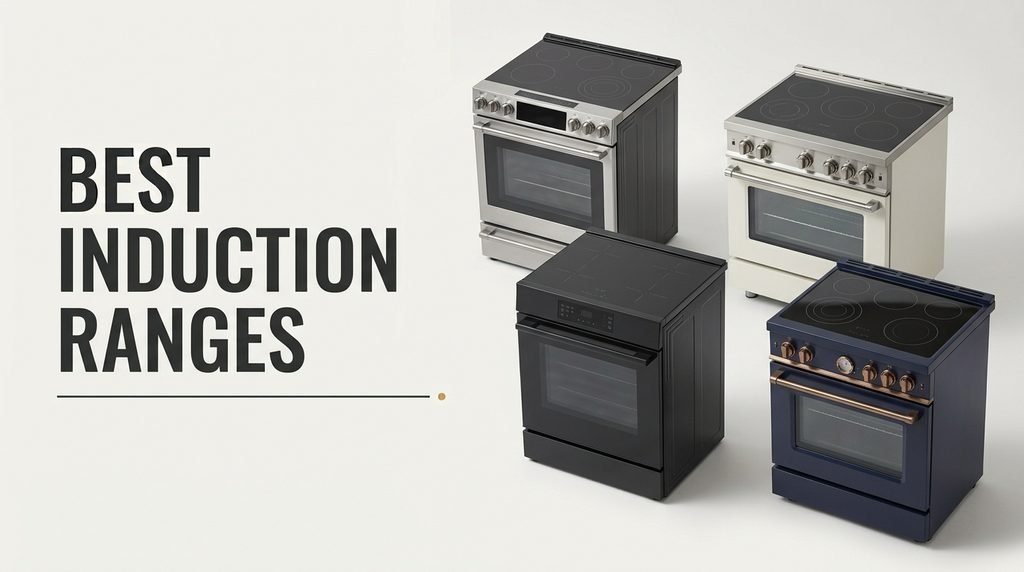
Choosing an induction range for 2026 means weighing cooktop zones, oven capacity, convection performance, control layout, and installation requirements against your cooking habits and kitchen size. We compare 10 standout models across these factors so you can match a range to how you actually cook, whether you need a 30-inch freestanding unit, a professional 36-inch range, or a built-in cooktop paired with a separate oven.
Induction technology heats cookware directly through electromagnetic energy, which produces faster boils, more precise temperature control, and a cooler kitchen than gas or traditional electric. The tradeoffs include needing induction-compatible cookware, 240V wiring for most full-size ranges, and typically higher upfront cost. Understanding where your priorities fall helps narrow the field quickly.
This guide breaks down each model’s strengths, oven features, and real-world limitations so you can decide between a premium professional range, a mid-range freestanding model, or a drop-in cooktop that pairs with your existing wall oven. Each review highlights practical tradeoffs around capacity, convection modes, control style, and overall value.
We compared 10 induction ranges and cooktops using the specifications that actually shape daily cooking: cooktop power and number of zones, boost or bridge functionality, oven capacity, convection and air fry modes, control layout, installation requirements, safety features, build quality, owner feedback, and value. The notes focus on practical trade-offs between freestanding ranges, slide-in professional models, and drop-in cooktops so each pick connects to real kitchen scenarios, cookware compatibility, and long-term usability.


Compare key features, scores, and current prices side by side. A shorter feature list means fewer details were available, not necessarily fewer capabilities.


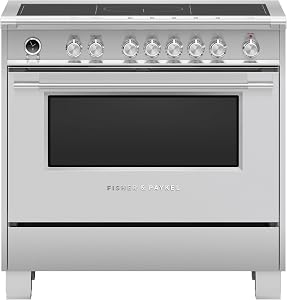

The KoolMore 36-inch Professional range targets serious home cooks who want pro-style capabilities without stepping up to true commercial brands. The 36-inch width accommodates larger pans and multiple pots at once, while the 6 cubic foot oven cavity is roomy enough for holiday roasts, multi-rack baking, or large sheet pans. For buyers remodeling a kitchen or building a dedicated cooking space, this unit positions itself as a centerpiece appliance.
We may earn a commission when you buy through this link, at no additional cost to you.
The 11 kilowatt cooktop delivers substantial power for fast boiling and high-heat searing, and the 7.8 kilowatt true convection oven offers an impressive range of modes: bake, convection bake, broil, roast, air fry, pizza, proof, and dehydration. True convection uses a dedicated heating element around the fan, which produces more even results than fan-only convection. The air fry mode eliminates the need for a separate countertop appliance, which is a meaningful space-saver.
Front-mounted touchscreen controls provide precise temperature adjustments and include delay bake functionality for scheduled cooking. The CSA certification confirms the range meets North American safety standards, and the 3-year parts and labor warranty is longer than most competitors offer. The polished glass ceramic cooktop is easy to clean with standard induction-safe cleaners.
A 36-inch range provides significantly more cooking surface than a standard 30-inch model, allowing you to use multiple large pans simultaneously without crowding. The wider oven cavity accommodates larger roasts, commercial-size sheet pans, and multi-rack baking projects more easily. For families who entertain or cook large meals regularly, the extra six inches of width makes a noticeable difference in daily usability.
This range is a strong fit for serious home cooks, remodelers, and anyone building their dream kitchen who wants a 36-inch pro-style unit with modern cooking modes. If you have a smaller kitchen or don’t need the extra width, a 30-inch model will save counter space and money. For buyers who want the most comprehensive feature set in this lineup, the KoolMore is hard to beat.
Smaller kitchens or budget-conscious buyers who don’t need a full 36-inch pro-style range with every advanced cooking mode.
We may earn a commission when you buy through this link, at no additional cost to you.
The Vollrath Mirage Pro is a different kind of induction solution: a commercial-grade portable countertop unit designed for catering, tableside cooking, or supplementary burner capacity in professional kitchens. At 1800 watts on standard 120V power, it provides serious cooking capability without requiring the 240V hardwired installation that full-size induction ranges demand. For caterers, demo chefs, or home cooks who want to add induction capability without renovating, this is a flexible option.
We may earn a commission when you buy through this link, at no additional cost to you.
The G4 engine and 100 power levels provide much finer control than typical consumer portable induction cookers, which usually offer 10 or fewer settings. The temperature range of 80°F to 400°F accommodates everything from gentle melting of chocolate to high-heat searing. The 100% framed ceramic top is designed to withstand the daily abuse of commercial use, and the NSF rating confirms it meets professional sanitation standards.
The stainless steel case with aluminum bottom gives this unit a professional appearance that fits well in catering displays or open kitchens. For home use, it’s a strong choice for small kitchens, apartments without 240V service, or as a backup burner for holiday cooking when your main range is at capacity. The commercial build quality means it should last significantly longer than consumer portable induction units.
A 1800-watt 120V induction burner provides roughly the same cooking power as a strong gas burner for most tasks, including boiling water, searing meat, and simmering sauces. The limitation becomes apparent only when you need to boil very large volumes of water quickly or maintain extremely high heat for extended periods. For most cooking applications, 1800 watts is more than sufficient.
This range is a great fit for caterers, foodservice professionals, apartment dwellers, or home cooks who want serious portable induction capability. If you need multiple burners or a full oven, this won’t replace a traditional range. For single-burner tasks that benefit from precise control, the Mirage Pro delivers commercial-grade performance in a portable format.
Buyers who need a full built-in range with multiple burners and an integrated oven for everyday family cooking.
We may earn a commission when you buy through this link, at no additional cost to you.
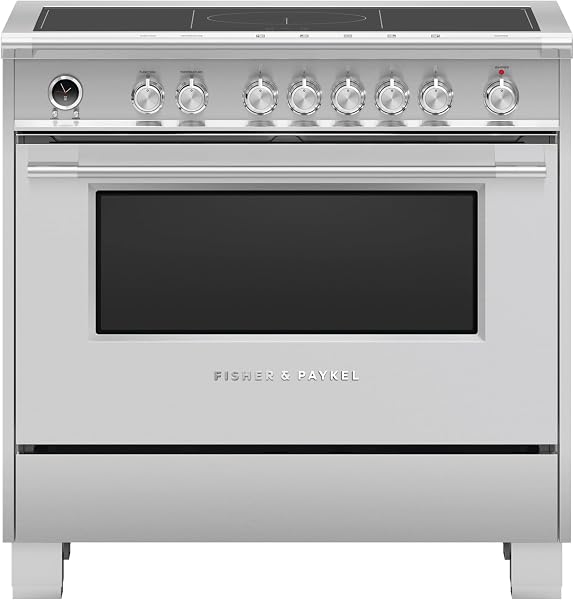
Fisher & Paykel's Series 9 Classic 36-inch range in black finish brings premium New Zealand design to the induction category. The five-zone cooktop with two bridgeable SmartZones is a standout feature: pairs of zones can be joined to accommodate rectangular griddles, fish pans, or roasting pans, giving you flexibility that fixed-burner layouts cannot match. For cooks who use varied cookware sizes, this adaptability has real daily value.
We may earn a commission when you buy through this link, at no additional cost to you.
The 4.9 cubic foot convection oven includes nine functions, with Roast and AeroPastry among the standouts. AeroPastry mode is designed to produce evenly browned baked goods, which is particularly useful for pastries, croissants, and multi-sheet baking. The convection system circulates air throughout the cavity for consistent results regardless of rack position, which is a meaningful advantage for serious bakers.
The classic black finish provides a sophisticated alternative to standard stainless steel, which works well in modern or transitional kitchens. Fisher & Paykel’s attention to design detail extends to the control knobs, handle, and overall proportions, giving the range a cohesive appearance. The brand’s reputation for premium build quality suggests this unit should hold up well over years of regular use.
SmartZone technology allows two adjacent induction zones to electronically combine into a single larger cooking area that recognizes rectangular or oversized cookware. This means a long fish poacher or griddle can heat evenly across its entire surface, rather than only being warm where it sits directly over an individual burner. For cooks who regularly use non-round cookware, this feature eliminates the hot and cold spot problem common on standard induction cooktops.
This range is a strong fit for design-conscious buyers who want a 36-inch induction range with distinctive styling and flexible cooking zones. If you prefer a widely established brand with more extensive owner feedback, consider waiting for additional reviews or choosing a different model. For buyers drawn to Fisher & Paykel’s premium approach, this is one of the most capable 36-inch induction ranges available.
Buyers who prioritize established owner ratings and widely available service support over premium specialty-brand design.
We may earn a commission when you buy through this link, at no additional cost to you.
The Kenmore 5.6 cubic foot induction range delivers a lot of oven capacity in a standard 30-inch footprint, making it a good fit for families who bake frequently or cook large meals. The oven cavity size is larger than many competitors in this price range, which translates to more flexibility for sheet-pan dinners, multi-rack baking, and holiday roasts. True convection combined with air fry mode provides versatility that reduces reliance on countertop appliances.
We may earn a commission when you buy through this link, at no additional cost to you.
Four dual-ring burner elements adapt to different pan sizes, expanding to accommodate larger cookware or concentrating heat for smaller pots. This is a practical feature that improves everyday cooking efficiency, especially when you move between a small saucepan and a large stockpot. The induction technology provides faster, more responsive heating than traditional electric coil elements, with the energy efficiency advantages that come with direct pan heating.
The front control panel keeps all adjustments within easy reach without requiring you to reach over hot pots on the back burners. The included temperature probe is a serious cook’s tool that helps you achieve precise doneness for roasts, poultry, and bread without constantly opening the oven door. Self-clean mode, hidden bake element, and ultra-durable chrome racks all contribute to lower maintenance over time.
Dual-ring elements allow a single burner position to serve both small and large cookware efficiently. When using a small saucepan, the inner ring provides concentrated heat without wasting energy on the outer area. When using a large stockpot, the full outer ring activates for even heating across the pan bottom. This flexibility is particularly useful in kitchens that cook with a wide variety of cookware sizes.
This range is a sensible choice for home cooks who want a large oven and useful features at a mid-range price point. The 3.4-star rating is notably lower than the premium options, so checking recent owner reviews for your specific concerns is worthwhile. For buyers who prioritize oven capacity and feature set over brand prestige, the Kenmore delivers a lot of capability for the money.
Buyers who need five burners or who require a 36-inch range for larger-batch cooking.
We may earn a commission when you buy through this link, at no additional cost to you.
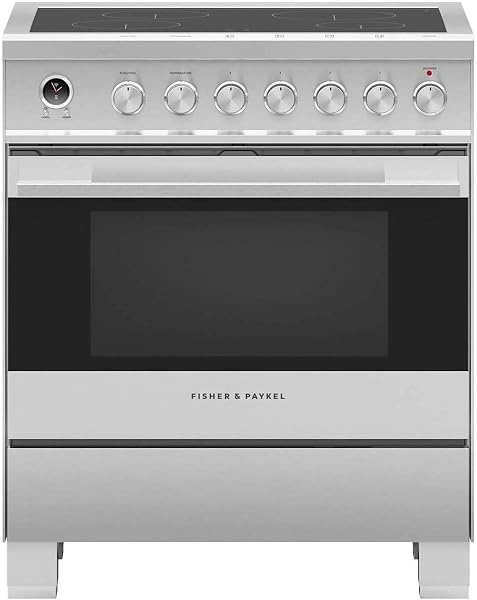
The Fisher & Paykel 30-inch Series 9 Contemporary range focuses on precision and premium build quality in a standard-width footprint. The four-zone induction cooktop may offer one fewer burner than some competitors, but Fisher & Paykel's finely tuned cooktop controls provide exceptional precision for techniques that benefit from exact temperature management: delicate sauces, controlled simmering, and precise searing. For cooks who value cooking control over sheer burner count, this tradeoff makes sense.
We may earn a commission when you buy through this link, at no additional cost to you.
The AeroTech convection system circulates air throughout the oven cavity to produce consistent results on every rack, which addresses one of the most common complaints about multi-rack baking. If you regularly bake cookies on multiple sheets or cook complete sheet-pan meals, this even heat distribution translates to less rotating of pans and more reliable results. The oven’s build quality extends to a solid, perfectly balanced soft-close door that signals premium construction.
The glowing halo dials and overall contemporary styling make this range a focal point in modern kitchens. Fisher & Paykel’s attention to visual and tactile detail is evident in every control, which gives the range a distinctive character that mass-market appliances typically lack. The induction cooktop offers instant and immediate control from the highest to the gentlest heat, with responsive feedback that lets you adjust on the fly as recipes develop.
A well-built range makes cooking feel better in subtle but important ways. Smooth control knobs, a balanced oven door, and responsive touch surfaces all contribute to a more enjoyable cooking experience over years of use. Cheaper ranges often develop sticky knobs, uneven door hinges, and sluggish controls after a few years of regular use. Premium build quality is harder to see on a spec sheet but tends to pay off in long-term satisfaction.
This range is a strong fit for cooks who prioritize precision, premium design, and build quality over maximum feature count. If you want five burners or a larger oven cavity, consider the 36-inch Series 9 or another model. For buyers who appreciate thoughtful engineering and are willing to invest in premium build quality, this is one of the most refined 30-inch induction ranges available.
Buyers who need five burners or who prioritize low cost over premium build quality and refined controls.
We may earn a commission when you buy through this link, at no additional cost to you.
This open-box version of Fisher & Paykel's 36-inch Series 9 Classic range offers the same premium induction cooking at a significantly reduced price. For buyers who are flexible on packaging condition or who want premium brand quality on a tighter budget, open-box deals from reputable sellers can be an excellent way to access high-end appliances for less. The core functionality is identical to new units from the same product line.
We may earn a commission when you buy through this link, at no additional cost to you.
The five-zone induction cooktop with two SmartZone bridges provides the same cooking flexibility as the full-price model, including the ability to combine zones for griddles or oversized cookware. The convection oven and self-cleaning function cover the essential premium features that buyers expect from a 36-inch range in this class. For families cooking large meals regularly, the extra cooking surface and oven space justify stepping up from a 30-inch model.
Open-box purchases typically come with reduced or modified warranty coverage compared to new units, so verifying the specific terms before purchase is essential. The condition of open-box items can vary from essentially new to showing some cosmetic wear, so understanding the seller’s return policy is also worthwhile. For a major appliance like a range, confirming that all accessories, racks, and documentation are included matters as well.
Before committing to any open-box major appliance, verify the specific warranty terms, confirm that all original parts and accessories are included, understand the seller’s return and refund policy, and ideally see photos of the actual unit’s cosmetic condition. For large items like ranges, also confirm whether delivery and installation support is included or available separately. Taking these steps reduces the risk of unexpected issues after purchase.
This range is a smart option for buyers who want premium 36-inch induction cooking at a reduced price and who are comfortable with the tradeoffs of open-box inventory. If you require full new-product warranty protection or guaranteed pristine condition, buying a new unit is safer. For bargain-conscious buyers willing to accept some risk for substantial savings, this can be an attractive opportunity.
Buyers who want full new-product warranty protection and guaranteed pristine condition for their appliance purchase.
We may earn a commission when you buy through this link, at no additional cost to you.
The white version of Fisher & Paykel's 36-inch Series 9 Classic range offers the same premium induction performance with a distinctive finish that stands out in modern kitchens. White appliances have made a comeback in design-forward kitchens, particularly those with light cabinetry, natural wood accents, or Scandinavian-inspired aesthetics. For buyers planning a kitchen around a specific color palette, this finish option opens up design possibilities that stainless steel cannot match.
We may earn a commission when you buy through this link, at no additional cost to you.
The core cooking features match the black and stainless versions: five induction zones with two bridgeable SmartZones for flexible cookware handling, a 4.9 cubic foot convection oven, and nine oven functions including Roast and AeroPastry. The AeroPastry mode produces evenly browned pastries and baked goods by combining convection with carefully managed heat distribution. For serious bakers, this specialized mode adds real capability.
White finishes do require slightly more attention to keep looking their best, since fingerprints, cooking splatter, and general kitchen dust show more readily than on darker finishes. On the plus side, white doesn’t show water spots the way polished stainless steel does, so daily cleaning tends to involve simple wipe-downs rather than specialized polish. Choosing a finish ultimately comes down to kitchen design and personal preference.
Appliance finish affects both the visual impression and the daily maintenance of your range. Stainless steel is forgiving of fingerprints but shows water spots; black hides smudges but can look dusty quickly; white provides a bright, clean look but requires more frequent wiping. Match your finish choice to your kitchen’s overall design and how much time you want to spend on daily cleaning.
This range is a strong fit for buyers planning a kitchen around a lighter color palette or who prefer the distinctive look of a white premium range. If you prefer the forgiveness of stainless steel or darker finishes, the black or stainless versions deliver identical performance. For design-focused buyers who want their range to be a visual statement, the white Series 9 is a compelling choice.
Buyers who want a low-maintenance finish or who prefer the traditional professional look of stainless steel.
We may earn a commission when you buy through this link, at no additional cost to you.
The Empava Flex 30-inch induction cooktop is designed for buyers who want to pair a dedicated cooktop with a separate wall oven, which is a popular layout in modern kitchen designs. This configuration lets you position the oven at a comfortable height while keeping the cooktop in the primary work surface, improving ergonomics and workflow. For kitchen renovations that prioritize layout flexibility, drop-in cooktops offer options that freestanding ranges cannot.
We may earn a commission when you buy through this link, at no additional cost to you.
Seventeen power levels provide notably finer control than the typical 10-level induction cooktop, which translates to more precise temperature management for delicate techniques. The RapidHeat function reaches high power quickly then automatically steps down to prevent overheating, which is useful for tasks like searing where you want initial intense heat followed by controlled cooking. Three preset modes (Melt, Keep Warm, Simmer) simplify common tasks that benefit from stable low heat.
The smart pan sensor detects when induction-compatible cookware is placed on a burner and only activates when a valid pan is present, which both saves energy and prevents accidents. The boost function provides extra power for faster boiling when needed. Glide-touch controls stay clean easily and respond quickly, though they can occasionally activate from spills if liquid pools on the control area.
Pairing a cooktop with a wall oven offers several design advantages over a freestanding range. The wall oven can be installed at a comfortable height that eliminates bending, the cooktop can be positioned anywhere in the counter layout for better workflow, and the two appliances can be independently replaced or upgraded over time. This flexibility makes sense for serious cooks who want to optimize their kitchen layout rather than fit around a single integrated appliance.
This cooktop is a strong fit for kitchen renovations that pair a cooktop with a separate wall oven, or for buyers replacing an existing cooktop without changing their oven. If you need an integrated range with built-in oven, choose a freestanding model instead. For design-focused kitchens with separate ovens, the Empava Flex offers precise control and premium features at a reasonable price.
Buyers who need an integrated range with built-in oven or who want a single appliance to handle all cooking tasks.
We may earn a commission when you buy through this link, at no additional cost to you.
On paper, the Frigidaire PCFI3080A offers one of the most compelling feature sets in the 30-inch induction category: a 6.2 cubic foot oven that's the largest in its class, five burners with a bridge zone, no-preheat air fry, and a Total Convection system for even baking. For buyers focused purely on specifications, this range looks like a strong contender in the mid-range Professional lineup.
We may earn a commission when you buy through this link, at no additional cost to you.
The oven capacity is particularly notable, as 6.2 cubic feet in a 30-inch footprint provides room for larger roasts, multiple baking sheets, and tall items that would require a 36-inch range from competitors. The fan-assisted convection system supports even baking and roasting, while the no-preheat function allows you to skip the warm-up time for certain recipes. The five-burner cooktop with bridge zone adds practical flexibility for different cookware sizes.
The significant concern is the 1.9-star owner rating, which is well below any other range in this guide. Low ratings on major appliances typically reflect issues with reliability, customer service, or warranty support that can turn an attractive specification sheet into a frustrating ownership experience. Reading current owner reviews carefully to understand specific concerns is essential before purchasing this range.
Major appliances represent significant investments that need to perform reliably for 10+ years. A low owner rating often signals systemic quality or support issues that no feature set can compensate for. When considering any major appliance, reading recent reviews that mention specific failure modes, repair experiences, and customer service interactions provides a more realistic picture of ownership than overall star ratings alone. Pay particular attention to patterns in complaints rather than individual outlier reviews.
This range is only worth considering for buyers who have carefully reviewed current owner feedback and are comfortable with the risks reflected in the low rating. The feature set is attractive on paper, but major appliances require long-term reliability to deliver value. For most buyers, choosing a model with stronger owner feedback is a safer path, even if the specifications are slightly less impressive.
Buyers who prioritize reliability and strong customer support, given the low owner rating associated with this specific model.
We may earn a commission when you buy through this link, at no additional cost to you.
The AMZCHEF 30-inch induction cooktop delivers substantial cooking power at a price that undercuts premium brand cooktops by a significant margin. The 10,600 watts of total output is distributed across four burners with different power ratings, including two 2000W burners, two 2700W burners, and one 3200W burner, all with boost capability. This power distribution supports simultaneous cooking across different-sized pots and pans without competing for a shared power budget.
We may earn a commission when you buy through this link, at no additional cost to you.
The cross-pattern burner layout gives you room to use multiple cookware sizes at once, which is a practical advantage over tightly spaced designs. Nine power levels provide reasonable control for most cooking tasks, though not as finely tuned as the 17-level control found on premium cooktops. The boost function on each burner provides five minutes of extra power for faster boiling or quick high-heat sears, which handles most high-power needs.
Safety features include a child lock to prevent accidental activation, auto-off functionality that shuts down the cooktop when overheating is detected, and overflow protection that pauses heating when excessive liquid is sensed on the surface. The glass surface wipes clean easily with standard household cleaners. The 240V hardwired installation is standard for induction cooktops of this size and will typically require a professional electrician for safe installation.
A cooktop’s total wattage represents the combined maximum power of all burners, but all burners cannot always run at full power simultaneously because of circuit limitations. In practice, modern induction cooktops manage power distribution intelligently, reducing output on some burners when others are running at full capacity. For most home cooking, this power sharing works smoothly because you rarely need every burner at maximum simultaneously.
This cooktop is a strong fit for budget-conscious kitchen renovations that pair a cooktop with a separate oven, or for buyers upgrading an existing cooktop. If you need an integrated range or want the finest-grained power control available, consider other options. For buyers who want serious induction power at a modest price, the AMZCHEF delivers excellent value.
Buyers who need an integrated range with built-in oven or who require the most precise power control available.
We may earn a commission when you buy through this link, at no additional cost to you.
Selecting the right induction range involves balancing cooktop power, oven capacity, convection features, installation requirements, and overall build quality against your cooking habits, kitchen size, and budget. The factors below cover the most important decision points so you can match a range to your actual needs rather than being swayed by specifications you won’t use.
The first major decision is whether you want a freestanding or slide-in range that combines the cooktop and oven in a single unit, or whether you prefer a separate cooktop paired with a wall oven installed elsewhere in the kitchen. Freestanding ranges are the most common choice because they fit standard kitchen layouts, cost less to install, and offer a straightforward replacement path when upgrading from an older gas or electric range. They also provide a single point of control and warranty support.
Separate cooktops and wall ovens offer more flexibility for kitchen design, including the ability to install the oven at a comfortable height that eliminates bending. This configuration also lets you upgrade either appliance independently in the future and position each where it best supports your workflow. The tradeoff is higher upfront cost, more complex installation, and the need to plan the kitchen layout around two appliance locations rather than one.
If you’re replacing an existing freestanding range or working with a standard kitchen layout, choose a freestanding induction range. If you’re renovating a kitchen or building from scratch and want maximum design flexibility, consider a separate cooktop and wall oven combination.
Induction ranges and cooktops come in standard 30-inch and 36-inch widths, with occasional 24-inch and 48-inch options for specific kitchen requirements. The 30-inch width is standard for most American kitchens and accommodates four burners, which is sufficient for most families. The 36-inch width adds significant extra cooking surface, typically supporting five burners and larger cookware, making it ideal for serious cooks or anyone who regularly entertains.
Burner count affects how many pots you can run simultaneously, but burner quality and power distribution matter just as much. A four-burner cooktop with powerful, well-spaced burners can be more useful than a five-burner cooktop with cramped layout and lower-powered elements. Pay attention to how burners are arranged, how much space exists between them, and whether any burners offer bridging or SmartZone functionality for larger cookware.
For most households, a 30-inch range with four or five burners provides more than enough cooking capacity. Step up to a 36-inch range only if you regularly cook large meals, use oversized cookware, or want the extra workspace that wider cooktops provide.
Oven capacity in induction ranges typically ranges from about 4.9 cubic feet to over 6.2 cubic feet. Larger ovens accommodate bigger roasts, more baking sheets, and multi-rack cooking without crowding. For families that bake frequently, cook holiday meals, or prepare meal-prep batches, extra oven capacity translates directly to more flexibility and fewer batches when preparing larger quantities.
Oven features vary significantly across models. True convection (with a dedicated heating element around the fan) produces more even results than fan-only convection. Air fry mode uses high-speed convection to produce crispy results without a separate countertop appliance. Specialized modes like proof, dehydrate, pizza, and roast add capability for specific cooking tasks. Temperature probes and delay bake functionality are useful for serious cooks who want precision and timing flexibility.
If you bake frequently or cook large meals, prioritize oven capacity of 5.5 cubic feet or more and look for true convection and air fry capability. For lighter cooking, standard capacity ovens with basic bake and broil functions are usually sufficient.
Induction cooktops are rated by total wattage and individual burner power. A standard 30-inch induction cooktop typically offers around 7,000 to 11,000 watts of total output, with individual burners ranging from 1,400 watts to 3,200 watts at full power. Higher wattage translates to faster boiling, better searing, and quicker response when adjusting heat. For serious cooking, having at least one high-power burner (2,500+ watts) is valuable for tasks like boiling large stockpots or achieving restaurant-level sears.
The boost function provides extra power for a limited time (typically 5-10 minutes), allowing a burner to exceed its normal maximum output. This is particularly useful for bringing large volumes of water to boil quickly or achieving the initial intense heat needed for proper searing. Some cooktops offer boost on every burner, while others limit it to one or two burners. More boost capability provides more flexibility across cooking tasks.
For most home cooking, 7,000+ watts total with at least one high-power burner is sufficient. For serious cooking or large-batch work, prioritize higher total wattage and boost functionality on multiple burners.
Full-size induction ranges require 240V hardwired electrical service with dedicated circuits sized to the range’s power requirements, typically 40-50 amps. Many homes with older electrical systems may need an electrical panel upgrade or new dedicated circuit installation to support an induction range. Before purchasing, verify that your home’s electrical capacity supports the range you’re considering, and factor professional electrical work into your budget.
Portable countertop induction units often run on standard 120V power, requiring only a dedicated 15-amp circuit for full output. These units are much easier to install but offer lower total power than built-in ranges. Drop-in cooktops typically require the same 240V service as freestanding ranges but may have different cutout dimensions, so measuring carefully and comparing to the specific product dimensions is essential.
For built-in installations, confirm your electrical capacity and plan for professional installation. If electrical upgrades are cost-prohibitive, consider a high-quality 120V portable induction unit as an interim solution or supplement to your existing cooktop.
Induction cooking requires ferromagnetic cookware, meaning pots and pans with iron content that respond to magnetic fields. Cast iron, carbon steel, and most magnetic stainless steel work well. Pure aluminum, copper, and non-magnetic stainless steel will not work on induction cooktops. A simple test is to see if a kitchen magnet sticks firmly to the bottom of your cookware; if it does, the piece is induction-compatible.
Most modern cookware is designed for induction compatibility, but older collections or specialty pieces may not work. If you’re switching from gas or traditional electric, inventory your existing cookware before buying an induction range. In some cases, you’ll need to budget for new cookware alongside the range purchase. High-quality induction-compatible cookware sets are widely available at various price points.
Test your existing cookware with a magnet before purchasing an induction range. If much of your cookware is incompatible, factor the cost of replacement into your decision, or consider whether a different cooking technology better matches your current kitchen tools.
Induction ranges use several control approaches: touch-sensitive controls on the cooktop surface, physical knobs on a front or back panel, or combinations of both. Touch controls provide a sleek appearance and are easier to wipe clean, but they can be less responsive if your hands are wet or if liquid pools on the control surface. Physical knobs offer tactile feedback and tend to be more reliable in all cooking conditions but can be harder to clean around.
Front-mounted controls are more convenient than rear-mounted controls because you can adjust settings without reaching over hot pots and pans. Digital displays with precise temperature readouts help you dial in exact heat levels, while basic power-level indicators provide less granular feedback. The number of power levels or temperature settings also affects precision: 10 levels is standard, while 17+ levels provide finer control for techniques that benefit from precise heat management.
If precision matters for your cooking style, prioritize models with 15+ power levels and digital temperature displays. For general-purpose cooking, standard 10-level controls with clear visual feedback are sufficient.
Induction cooking is inherently safer than gas or traditional electric because the cooktop surface stays relatively cool (heated only by residual contact with the pan rather than direct burner heat). This dramatically reduces burn risk, particularly for households with children or elderly family members. The cooktop also won’t activate without a compatible pan in place, eliminating accidental activation.
Additional safety features worth looking for include child safety locks that prevent unauthorized control changes, automatic shutoff when overheating is detected, overflow sensors that pause heating when excessive liquid is sensed, and pan presence detection that only activates a burner when valid cookware is placed on it. For families with young children, these features add meaningful peace of mind over the lifetime of the appliance.
If you have children or safety concerns, prioritize models with child locks, overflow detection, and automatic shutoff. These features cost little extra but can prevent accidents and reduce stress during busy cooking sessions.
Major appliances represent significant investments that should last 10-15 years or more with proper care. Build quality varies dramatically across price points and brands. Premium brands like Fisher & Paykel typically use higher-quality materials, more refined controls, and better long-term reliability engineering. Mid-range brands balance features and quality at more accessible prices, while budget brands may offer attractive specifications but less proven long-term durability.
Owner ratings and reviews provide valuable insight into real-world reliability, customer service quality, and warranty support. Pay particular attention to patterns in reviews rather than individual outlier complaints. A model with consistent reports of specific problems is likely to disappoint you with the same issues. Checking recent reviews rather than only overall ratings gives you a more current picture of the brand’s current quality.
For long-term satisfaction, prioritize brands with proven reliability track records and strong customer support, even if the specifications are slightly less impressive than cheaper alternatives. The cost of a reliable brand is typically much less than the cost of early replacement or ongoing repair issues.
Induction ranges in this guide span from under $350 for standalone cooktops to nearly $3,000 for premium 36-inch professional ranges. Full freestanding ranges typically fall in the $1,500 to $2,500 range for mid-tier models, with premium brands and 36-inch widths pushing higher. Standalone cooktops offer the lowest entry point but require pairing with a separate oven, which affects the total project cost for new installations.
When evaluating long-term value, consider energy efficiency (induction is typically 10-20% more efficient than traditional electric), expected lifespan (10-20 years for quality units), potential utility savings over gas, and the convenience and safety benefits that affect daily cooking experience. Premium brands often maintain better resale value and parts availability, which matters if you plan to stay in your home long-term.
Set a realistic budget that accounts for professional installation, any necessary electrical upgrades, and new cookware if needed. For most households, mid-range models in the $1,500-$2,000 range offer the best balance of features, quality, and value for everyday cooking.
Before your first use, read the manufacturer’s manual to understand the specific controls, cookware requirements, and installation specifications for your model. Verify that your cookware is induction-compatible by testing with a magnet; the magnet should stick firmly to the pan bottom. Position pans directly over the burner markings for optimal heating, and remember that induction heats the pan itself rather than the cooktop surface, so smaller pans may not activate larger burners unless the cooktop supports pan detection across the full burner area.
Regular cleaning is one of induction’s major advantages: because the cooktop surface stays relatively cool during cooking, spills typically don’t burn onto the surface the way they do with gas or traditional electric. Wipe up spills promptly with a damp cloth, and use induction-safe cleaners for more thorough cleaning. Avoid abrasive scrubbers or harsh chemicals that could scratch or damage the glass ceramic surface. For stubborn residue, use a specialized ceramic cooktop cleaner and the recommended scraper tool at a shallow angle.
For long-term performance, avoid dragging cookware across the cooktop surface, which can cause scratches over time. Lift pans rather than sliding them to prevent cosmetic wear. Keep ventilation around the range unobstructed to prevent overheating, and run the self-clean cycle on your oven according to manufacturer recommendations (typically every few months with normal use). If you notice unusual sounds, error codes, or performance changes, consult your manual or contact the manufacturer’s service support rather than attempting repairs yourself, since induction electronics are more complex than traditional electric or gas components.
Induction cooking heats cookware directly through electromagnetic energy, producing faster boils, more precise temperature control, and better energy efficiency than gas or traditional electric. The cooktop surface stays relatively cool because it isn't the heat source, which improves safety and makes cleanup easier. Induction also reduces indoor air pollution compared to gas cooking, which is a growing concern for health-conscious buyers.
Yes, induction requires ferromagnetic cookware, meaning pots and pans that respond to a magnet. Cast iron, carbon steel, and most magnetic stainless steel work well. Pure aluminum, copper, and non-magnetic stainless steel won't work. Test your existing cookware with a magnet; if it sticks firmly to the pan bottom, it's induction-compatible. Many modern cookware lines are specifically designed for induction use.
Most full-size induction ranges require 240V hardwired service with a dedicated 40-50 amp circuit. This is similar to traditional electric ranges but may require electrical panel upgrades in older homes that previously used gas appliances. Portable countertop induction units can run on standard 120V outlets with a 15-amp circuit. Verify your electrical capacity before purchase, and budget for professional installation if needed.
Induction cooking has a slight learning curve because it responds much faster than gas or electric, which can lead to overshooting target temperatures initially. Most users adapt within a few cooking sessions and come to prefer the responsiveness. The precise temperature control actually makes many techniques easier once you're accustomed to it, particularly delicate tasks like melting chocolate or maintaining a gentle simmer.
For most buyers who cook regularly, the benefits of induction (speed, precision, energy efficiency, safety, easy cleanup) justify the higher upfront cost over time. The energy efficiency advantages reduce long-term operating costs, and the improved cooking experience often leads to more enjoyable home cooking. If you cook infrequently or are on a very tight budget, traditional electric ranges offer most of the oven capabilities at lower cost.
Yes, induction ranges work with standard range hoods and generally require less powerful ventilation than gas ranges because they don't produce combustion byproducts. However, you'll still want ventilation for steam, cooking odors, and smoke from high-heat cooking. Any range hood that worked with your previous gas or electric cooktop will work with an induction range.
An induction range is a single appliance that combines a cooktop and an oven, replacing a traditional freestanding range. An induction cooktop is just the cooking surface, designed to be installed in a counter opening and typically paired with a separate wall oven. Choose a range for simplicity and standard kitchen layouts, or a cooktop plus wall oven for more design flexibility.
Induction cooktops can produce some humming, buzzing, or clicking sounds, particularly at high power levels or when using certain cookware. These sounds are usually subtle but can be noticeable in quiet kitchens. The intensity varies by cooktop and cookware combination; thicker, well-constructed pans typically produce less noise than thin or lightweight pans. Most users find the sounds unobtrusive once they're accustomed to them.
Quality induction ranges typically last 10-15 years with normal home use, similar to traditional electric ranges. Premium brands often last longer, sometimes exceeding 20 years with proper care. Longevity depends on build quality, usage patterns, and maintenance. The induction technology itself is reliable; most failures involve conventional components like controls, oven elements, and door seals rather than the induction cooktop itself.
Installation of a full-size induction range should typically be done by a licensed electrician because it involves 240V hardwired connections and often requires dedicated circuits. DIY installation can create safety hazards, void warranties, and violate building codes. Portable countertop induction units are plug-and-play and can be used immediately without professional installation. Factor professional installation costs into your budget for built-in units.
The KoolMore 36-inch Professional stands out as the strongest premium pick for serious home cooks who want pro-style capability in a well-rated package, combining an 11 kilowatt cooktop, 6 cubic foot convection oven, eight cooking modes including air fry, and a 3-year warranty. For buyers investing in a kitchen remodel or dream cooking space, the comprehensive feature set and strong owner feedback justify the premium pricing.
For different needs, the Fisher & Paykel 30-inch Series 9 Contemporary offers premium design and precision controls in a standard footprint, the Vollrath Mirage Pro delivers commercial-grade portable induction for apartments or supplementary cooking, and the AMZCHEF 30-inch cooktop provides serious power for budget-conscious cooktop-plus-wall-oven installations. The Kenmore 5.6 cubic foot range offers larger oven capacity at a mid-range price point for buyers who prioritize baking space.
The right induction range for your kitchen depends on your cooking style, available space, electrical capacity, and budget. Use the comparison table and buying guide above to identify which features genuinely matter for your daily cooking. Confirm your home's electrical capacity before purchasing a built-in range, inventory your cookware for induction compatibility, and prioritize models with proven owner satisfaction over purely spec-driven choices for the best long-term ownership experience.