JOSTYLE Rattan
8.8Editor scoreFour-panel rattan design
Six-foot tall height
Under fourteen pounds
FSC-certified wood frame
Find the right folding screens for 2026. We compare 10 standout options by build quality, useful features, owner feedback, value, and everyday trade-offs.
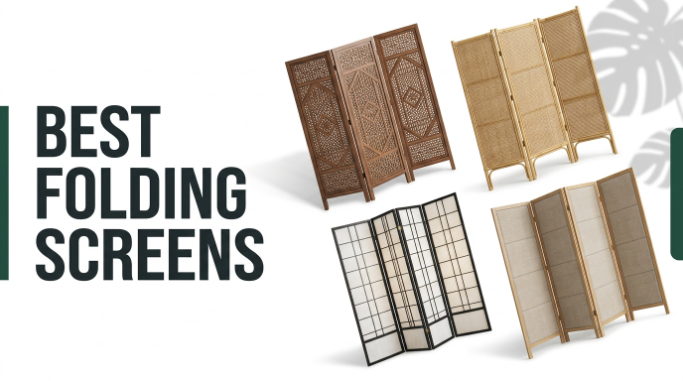
Find the right folding screen for your space in 2026. We compare 10 standout room dividers by the factors that matter most, including panel width, height, frame material, hinge flexibility, light blocking, stability on hard floors, and how easily each option stores when not in use.
Folding screens range from lightweight fabric partitions to solid bamboo and wood constructions, and the differences affect privacy, durability, and visual appeal. A four-panel rattan screen solves different problems than a six-panel polyester divider, so matching the design to your actual room layout is essential.
This guide breaks down the practical trade-offs between natural materials and synthetic fabrics, freestanding stability and portability, full light blocking and airy ventilation. Use the comparison and reviews below to narrow your choice based on the space you need to divide and the look you want.
We compared 10 folding screens using the details that actually help a buyer decide: total coverage width, panel height, frame and panel materials, hinge flexibility, weight, freestanding stability, light-blocking ability, storage footprint, and owner feedback. The notes focus on practical trade-offs so each pick connects to how people actually divide rooms, create privacy, and manage open floor plans in real homes and offices.


Compare key features, scores, and current prices side by side. A shorter feature list means fewer details were available, not necessarily fewer capabilities.


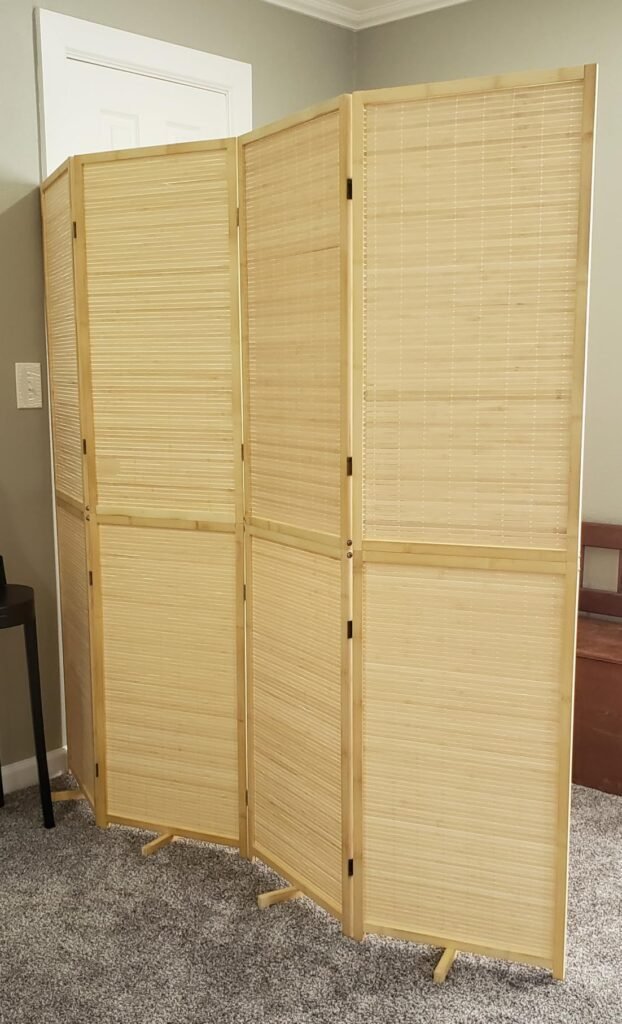
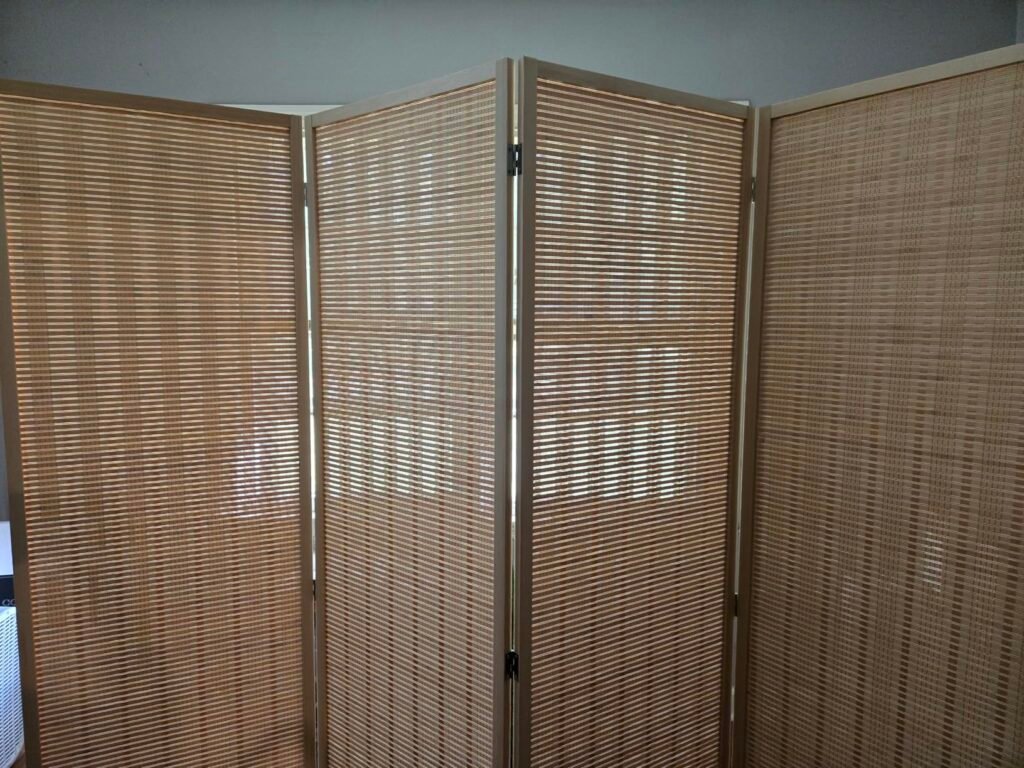
The JOSTYLE Woven Bamboo screen earns the highest owner rating in this comparison, and the combination of natural materials and practical design explains why. Each panel is handwoven from bamboo by skilled craftspeople, giving the screen an organic texture that synthetic fabrics simply cannot replicate. The FSC-certified wood frame reinforces the structure while keeping the overall look warm and natural.
We may earn a commission when you buy through this link, at no additional cost to you.
At six feet tall and nearly 80 inches wide, this divider provides substantial coverage for bedrooms, living rooms, and home offices. The tightly woven bamboo blocks most direct sightlines while still allowing gentle air circulation, which helps in warmer rooms where a solid fabric screen might trap heat. Stainless steel hinges allow each panel to swing in both directions, so you can reconfigure the layout quickly as your needs change throughout the day.
Setup is as simple as unfolding the screen and positioning it where you need it. No hardware, no tools, and no complicated instructions. The freestanding wooden frame is sturdy enough to hold its zigzag shape on flat floors, though you should still angle the panels thoughtfully if the screen will sit in a busy walkway. The natural bamboo finish complements a wide range of interior styles, from Japanese minimalism to rustic farmhouse.
Bamboo weaves tend to be denser than rattan, which means this JOSTYLE model blocks more direct light and visual detail than the rattan version from the same brand. If privacy is your primary goal and you still want a natural material, bamboo is the stronger choice. Rattan offers a more open, airy aesthetic but sacrifices some visual separation.
This is the strongest all-around choice for buyers who value natural materials, solid privacy, and straightforward usability. The slightly higher weight compared to fabric screens is a reasonable trade-off for the durability and visual warmth that real bamboo delivers. If you need a screen you can carry up and down stairs multiple times a day, a lighter fabric option may be more convenient.
Buyers who need an ultra-lightweight screen for frequent relocation or who prefer a modern industrial look.
We may earn a commission when you buy through this link, at no additional cost to you.
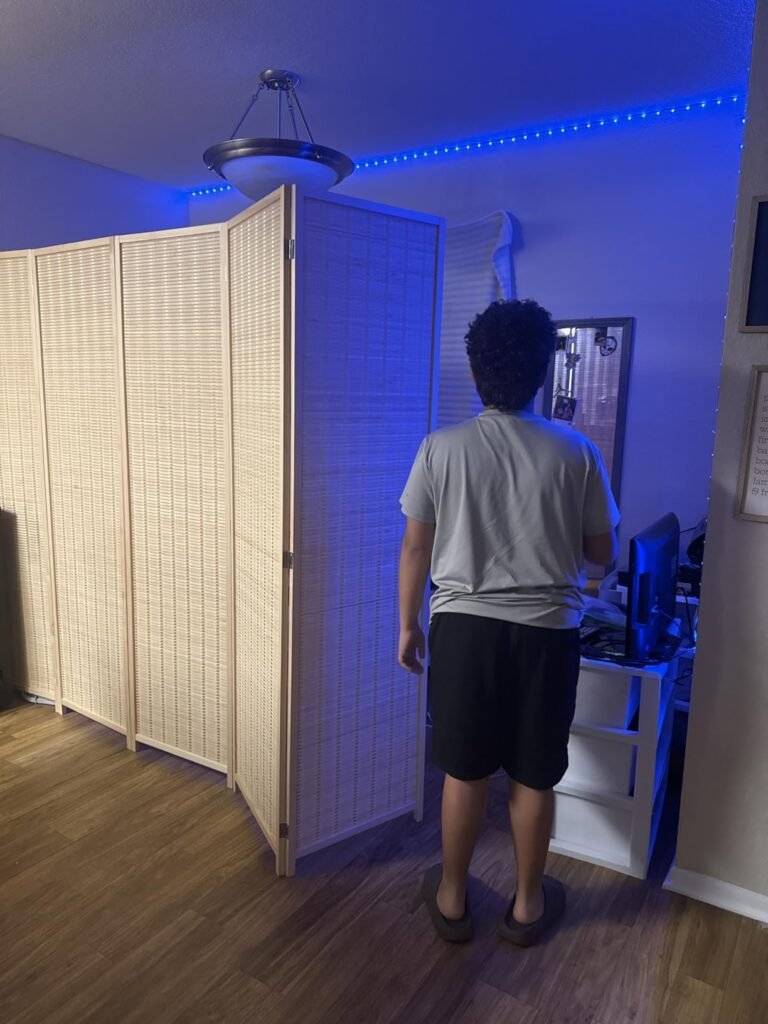
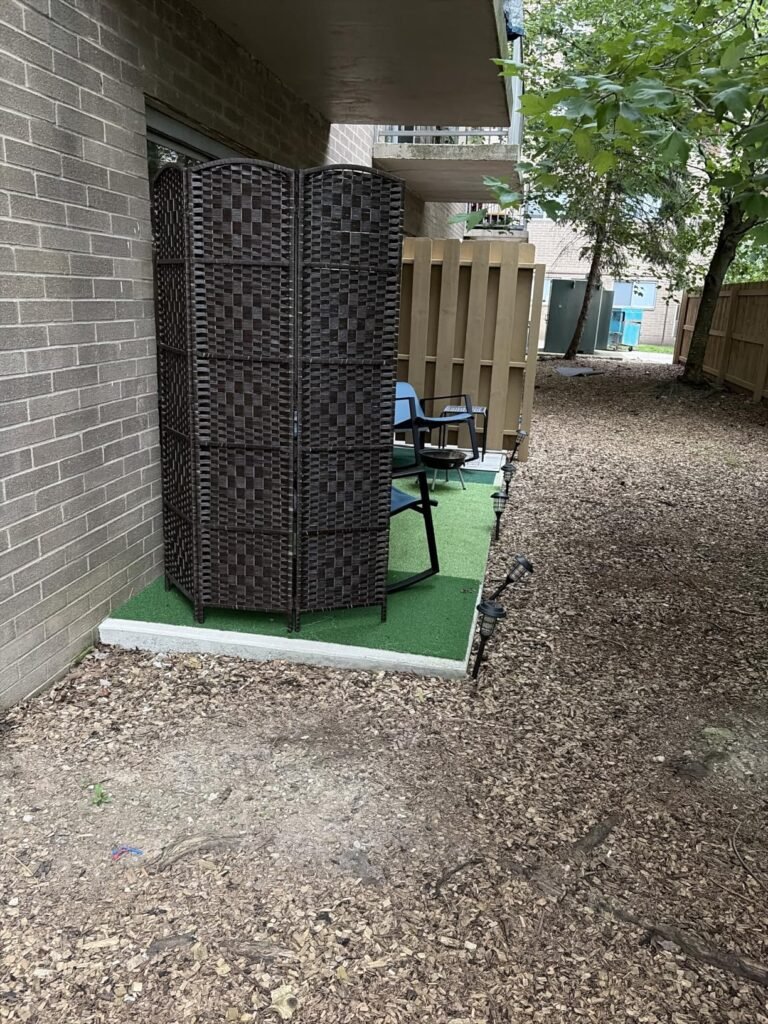
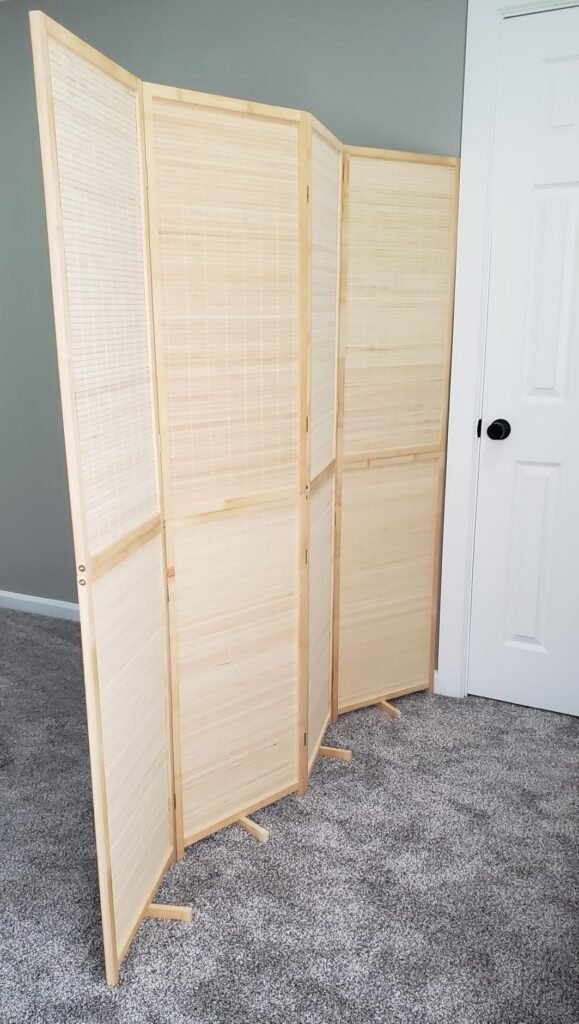
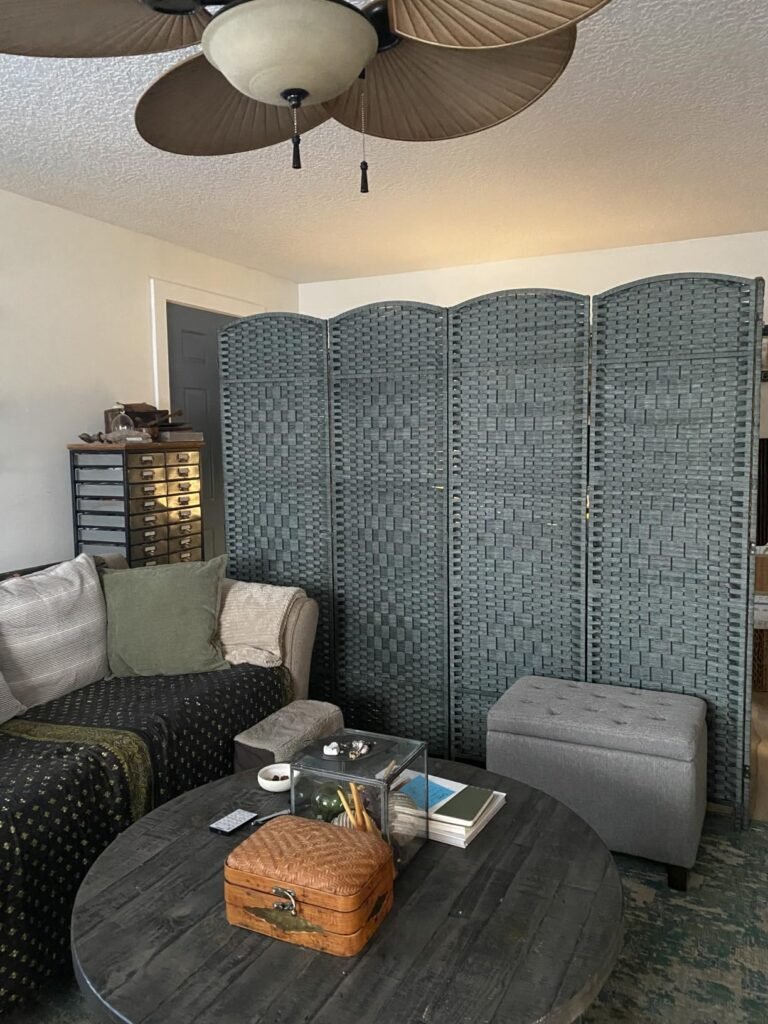
The JOSTYLE Rattan divider targets anyone who needs broad visual separation without committing to a heavy piece of furniture. At nearly 80 inches across when fully extended, this four-panel screen covers more horizontal space than many competitors in the same price range, making it a practical choice for studio apartments, shared home offices, or open-plan living areas where a single narrow partition would leave gaps.
We may earn a commission when you buy through this link, at no additional cost to you.
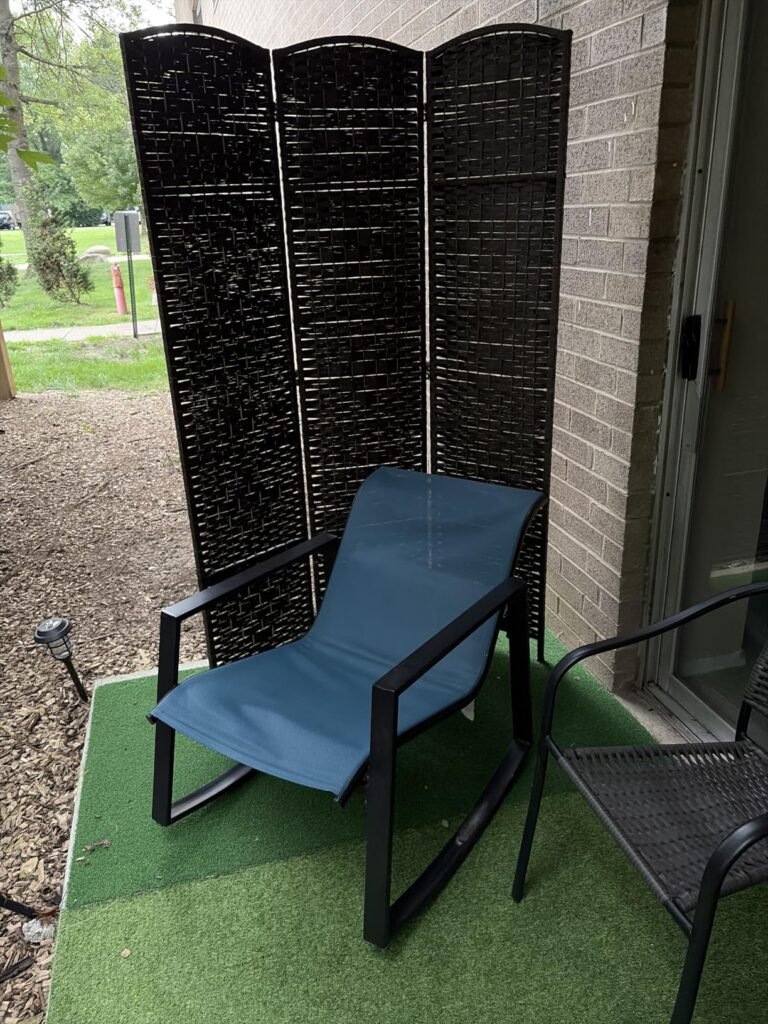
The woven rattan panels provide a semi-private barrier that softens sightlines rather than blocking them completely. This is a deliberate trade-off: the natural texture lets ambient light filter through, which keeps a room from feeling closed off, but it also means someone standing close to the other side may be partially visible. The FSC-certified wood frame and triple-reinforced joints add structural confidence for daily folding and repositioning.
At under 14 pounds, this screen is easy for one person to carry from room to room or fold flat into a closet. The zero-assembly design means you simply unfold the panels and arrange them in a zigzag pattern for the best freestanding stability. The neutral rattan finish blends with farmhouse, modern, and coastal décor without demanding a specific color palette.
The semi-transparent weave is ideal for separating a living area from a dining space, creating a soft backdrop for video calls, or screening a pet corner without making the room feel smaller. In spaces where natural light is limited, the rattan texture preserves brightness while still defining distinct zones.
Choose this screen if your priority is wide coverage in a lightweight, moveable package and you are comfortable with partial rather than total visual privacy. If you need complete light blocking for a home theater setup or a shift-work sleeping area, a solid fabric or louvered option will serve you better.
Buyers who need total visual privacy or complete light blocking for sleeping or media rooms.
We may earn a commission when you buy through this link, at no additional cost to you.
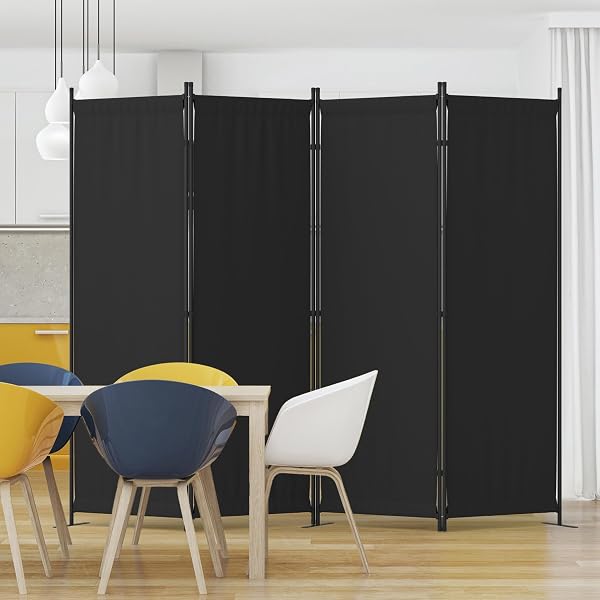
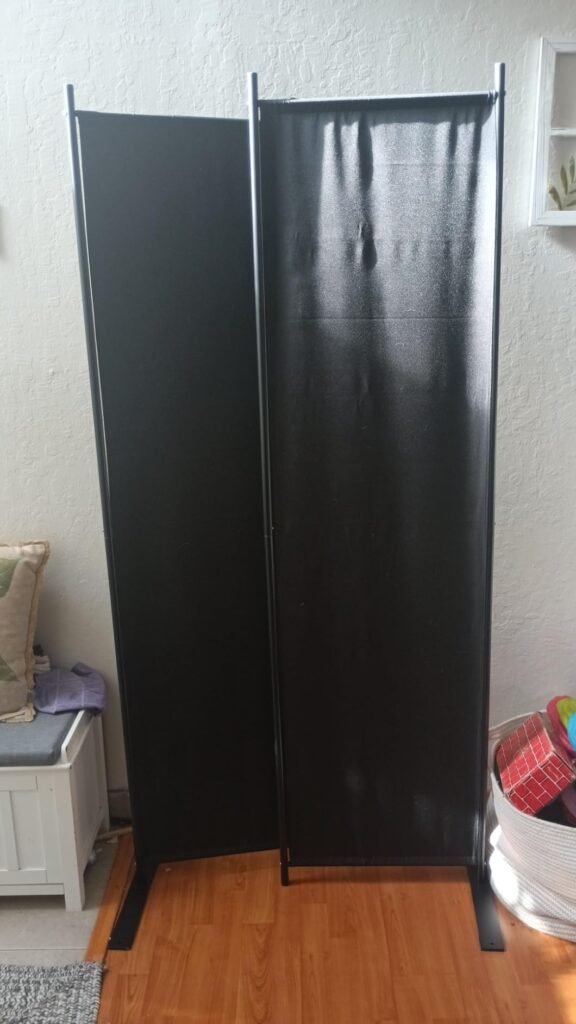
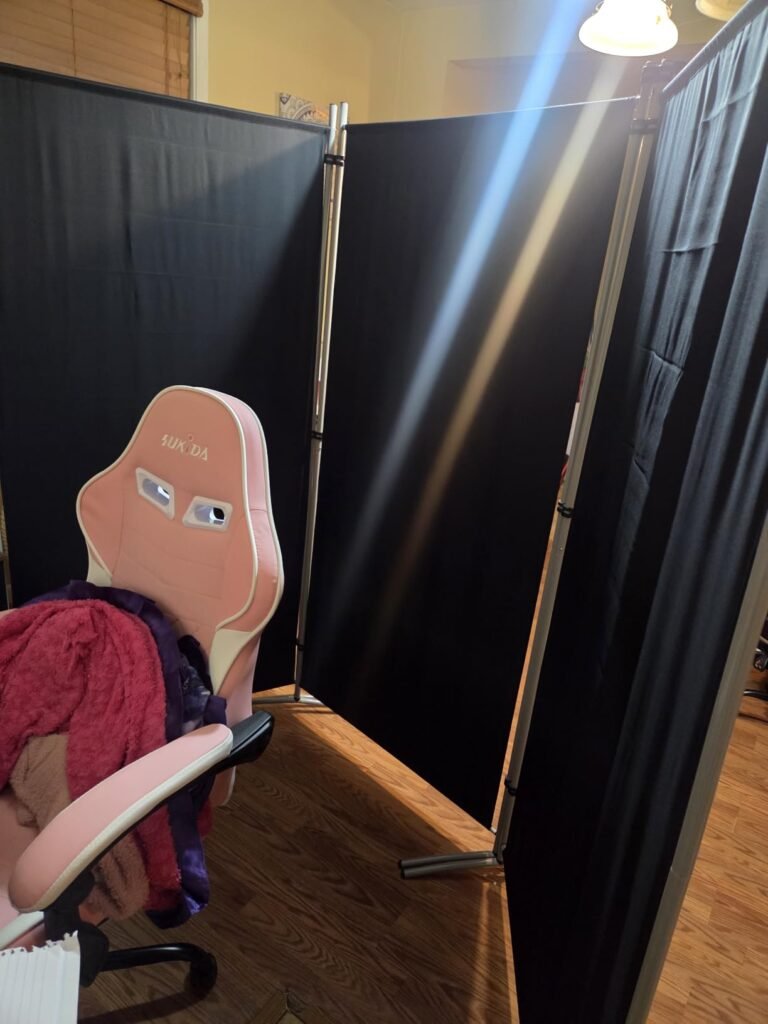
Stability is the main selling point of the RANTILA four-panel screen. The extra-long, wide foot pads on the steel frame give this partition a lower center of gravity than many fabric dividers, which matters if you have pets, small children, or a high-traffic hallway where a bump could send a lighter screen toppling.
We may earn a commission when you buy through this link, at no additional cost to you.
The polyester fabric features a PA coating that blocks visibility completely and resists water, wrinkles, and everyday wear. At 89 inches wide and 71 inches tall, the screen provides generous coverage for separating a bedroom from a home office or dividing a shared studio. The triple-buckle hinges let you angle each panel independently, so you can configure the screen in a gentle curve or a tight zigzag depending on how much floor space you want to enclose.
Maintenance is straightforward: the coated fabric wipes clean with a damp cloth, and the powder-coated steel resists scratches and rust. When you need to reclaim floor space, the entire unit folds down to roughly 22 inches wide, which fits behind a door or in a narrow closet. The black color reads as modern and professional, though it does tend to highlight dust and pet fur more than lighter fabrics.
Narrow-foot dividers rely heavily on the zigzag angle for balance, and a slight nudge can shift them. The RANTILA’s wide feet distribute weight across a larger floor area, which is particularly useful on hard surfaces like tile or hardwood where narrow feet might slide. If your screen will sit on carpet, the difference is less pronounced but still helpful.
This is a strong pick for households that need a sturdy, opaque partition and do not mind a brief assembly step. If you want a screen you can unfold straight out of the box with zero setup, a pre-assembled bamboo or rattan option will save you that initial effort.
Buyers who want a zero-assembly screen or prefer natural wood and bamboo aesthetics.
We may earn a commission when you buy through this link, at no additional cost to you.
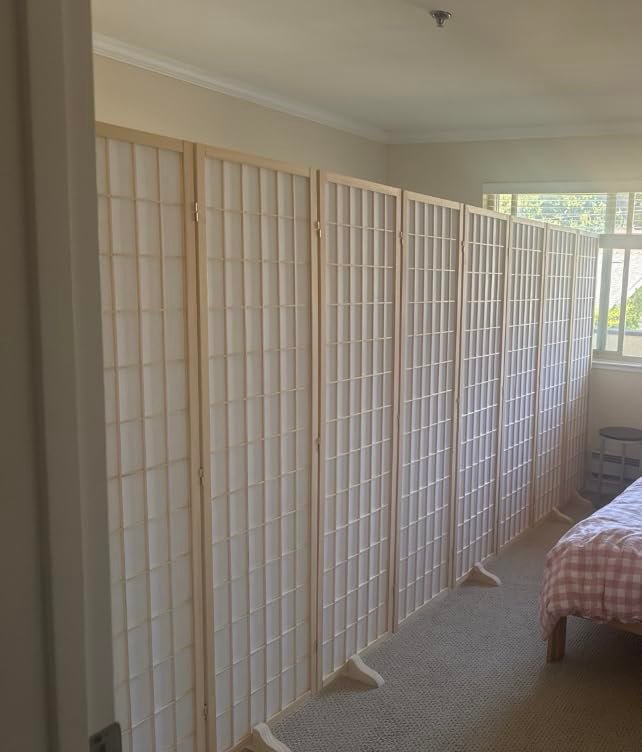
The VEVOR Japanese-style screen stands out for its clean symmetrical grid and solid wood construction, which gives it a furniture-quality presence that lighter dividers lack. The 64-inch height and four-panel layout create an elegant visual boundary that works as both a privacy screen and a decorative accent, particularly in rooms with minimalist or Asian-inspired décor.
We may earn a commission when you buy through this link, at no additional cost to you.
Each panel connects with three bidirectional hinges that rotate a full 360 degrees, offering more configuration flexibility than standard two-way hinges. You can fold the screen into a compact column for storage or spread it into a gentle arc to soften a corner. The solid wood frame is finished with water-based paint that resists splinters and is safe for households with children, and the non-woven fabric inserts block direct visibility while allowing airflow.
Because the screen arrives fully assembled, you can place it immediately in a dining area, home office, or bedroom without reaching for tools. The breathable fabric is easy to wipe clean and helps prevent the stuffy feeling that heavier polyester screens can create in small rooms. The natural wood tone pairs well with neutral walls and warm lighting.
The symmetrical grid pattern and natural wood finish make this divider an effective backdrop for video calls, product photography, or event decoration. Positioning it behind a desk or table creates a polished visual boundary that looks intentional rather than improvised, which is a practical advantage for remote workers and small business owners.
This screen is best suited for buyers who want a partition that doubles as a design element and are willing to pay a premium for solid wood craftsmanship. If your main goal is maximum light blocking on a tight budget, a fabric-and-steel option will deliver more opacity for less money.
Budget-focused buyers or those who need a completely opaque, light-blocking partition.
We may earn a commission when you buy through this link, at no additional cost to you.
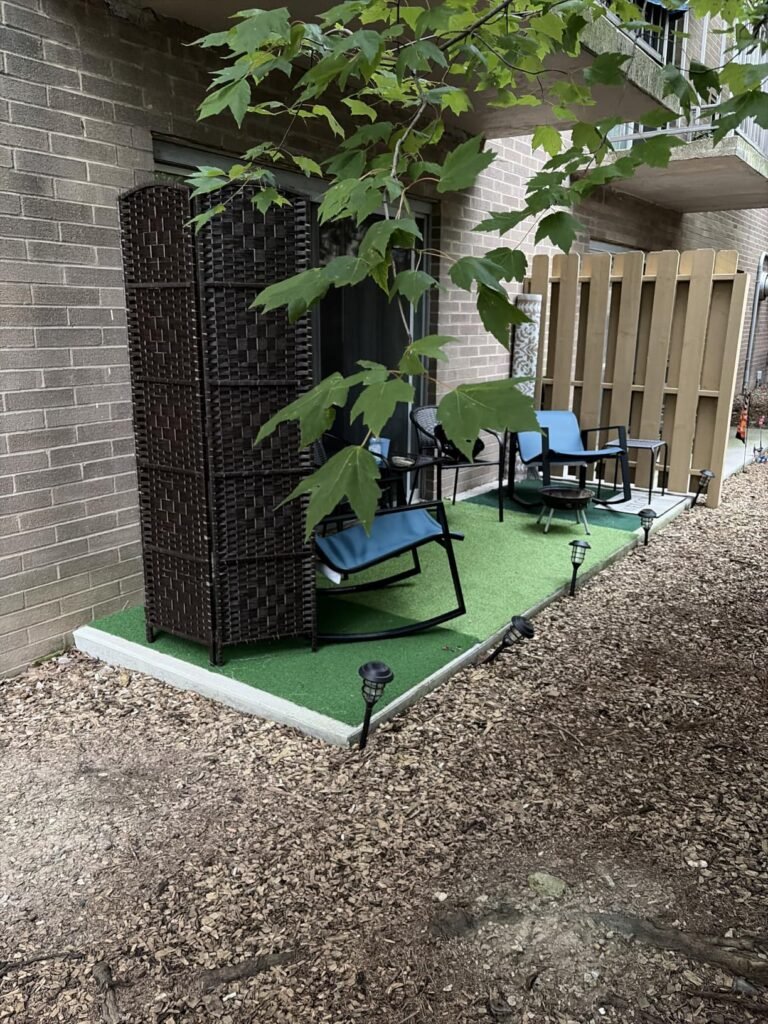
At under $40, the RHF Dark Coffee screen is the most affordable option in this guide, and it does not sacrifice visual appeal to hit that price. The handmade medallion diamond weave and bent wood arched top give this divider a rustic, artisan character that looks more expensive than it is. Each panel is six feet tall and 16 inches wide, providing solid coverage across a standard four-panel layout.
We may earn a commission when you buy through this link, at no additional cost to you.
The high-density natural fiber weave blocks a significant amount of direct light and visual detail, which makes this screen effective for concealing cluttered corners, utility areas, or pet spaces. The dual two-way hinges allow the panels to fold in either direction, so you can configure the screen to fit awkward room layouts or fold it completely flat for storage. The dark coffee finish adds warmth to rooms with neutral or earth-toned décor.
Because the screen arrives fully assembled, you can set it up in seconds. The lightweight construction makes it easy to reposition as your space needs change, and the freestanding design works on most flat surfaces. The natural fiber material may shed slightly during the first few weeks of use, which is common with handmade woven products and typically diminishes over time.
The dense weave and dark finish make this screen particularly effective at hiding less attractive parts of a room, such as electrical panels, laundry stations, or litter box areas. The rustic texture draws the eye as a decorative element rather than a utilitarian barrier, which helps the screen blend into living spaces rather than looking like a temporary fix.
This is an excellent entry-level choice for anyone who wants an attractive, functional room divider without a major investment. The narrower panel width means total coverage is slightly less than some competitors, so measure your space before buying if you need to span a wide opening.
Buyers who need extra-wide coverage or a modern minimalist aesthetic.
We may earn a commission when you buy through this link, at no additional cost to you.
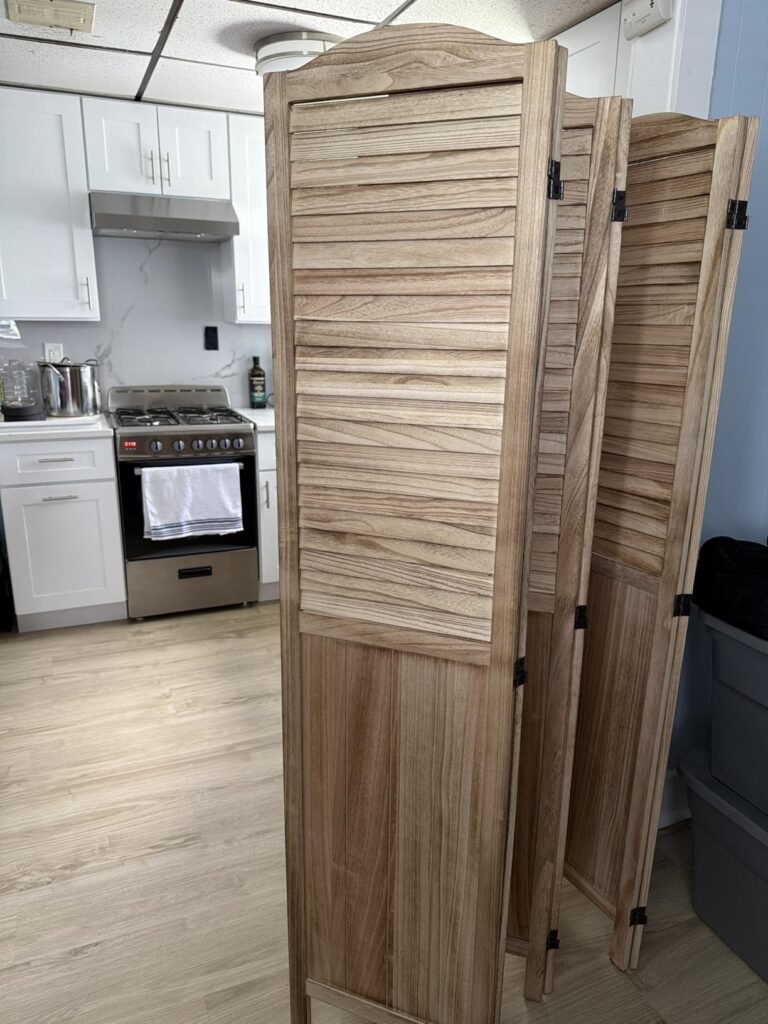
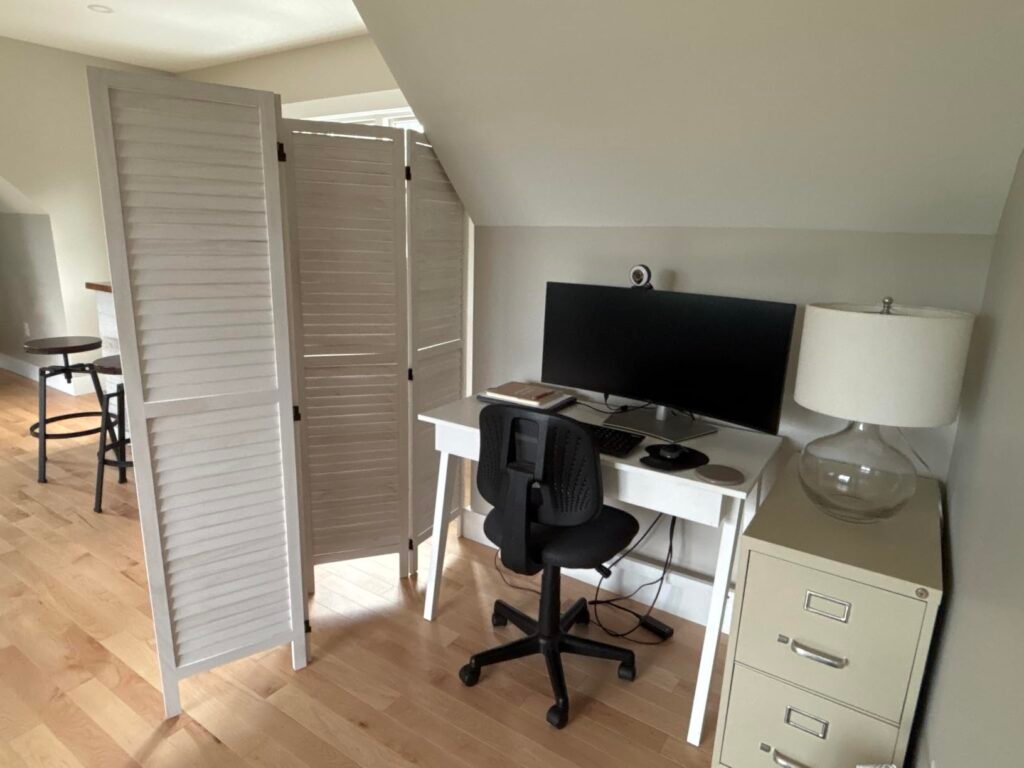
The Svimi louvered screen solves a problem that solid fabric and dense bamboo dividers cannot: maintaining airflow while still creating a visual boundary. The angled louver slats block most direct sightlines and harsh sunlight, but the gaps between them allow air to circulate freely, which is valuable in warm climates, stuffy home offices, or rooms with limited ventilation.
We may earn a commission when you buy through this link, at no additional cost to you.
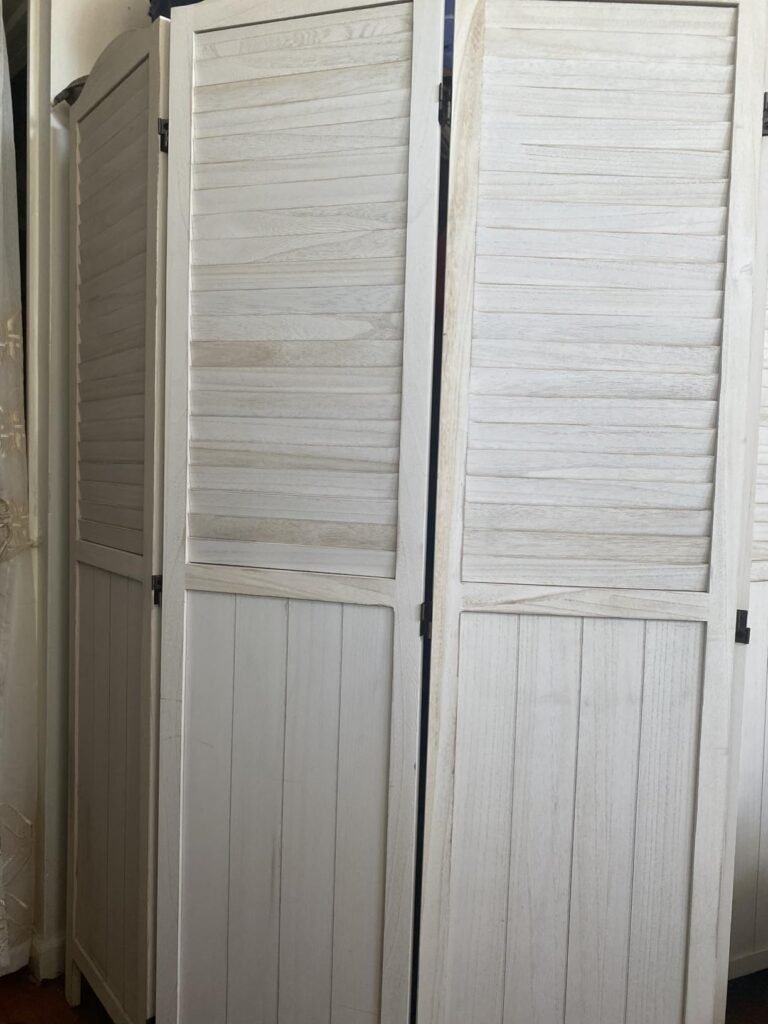
Built from paulownia wood, this divider is roughly 40 percent lighter than comparable hardwood screens, making it one of the easier wooden options to reposition. The white-washed finish gives it a bright, coastal feel that works well in sunrooms, beach houses, and Scandinavian-inspired interiors. Each panel connects with two-way metal hinges, and you can remove or add panels with a screwdriver to adjust the total width from a single 16-inch column up to the full 60-inch spread.
The louvered design means this screen offers partial rather than complete privacy. Someone standing directly behind the screen will be partially visible through the slat gaps, especially at certain angles. This is a deliberate trade-off for the ventilation benefit, and it works best in situations where you want to define a space without fully enclosing it.
The ability to remove individual panels with a screwdriver gives this screen unusual flexibility. You can use two panels to screen a small reading nook, three for a standard room division, or all four for maximum coverage. This modularity is helpful if you move between apartments of different sizes or want to reconfigure your layout seasonally.
Choose this screen if airflow and light diffusion are more important to you than total visual privacy. It is particularly well suited for sunrooms, patios, and warm home offices where a solid partition would make the space feel closed in. If you need a screen for a bedroom or dressing area where complete opacity matters, look at the fabric or bamboo options instead.
Buyers who need complete visual privacy for dressing, sleeping, or confidential work areas.
We may earn a commission when you buy through this link, at no additional cost to you.
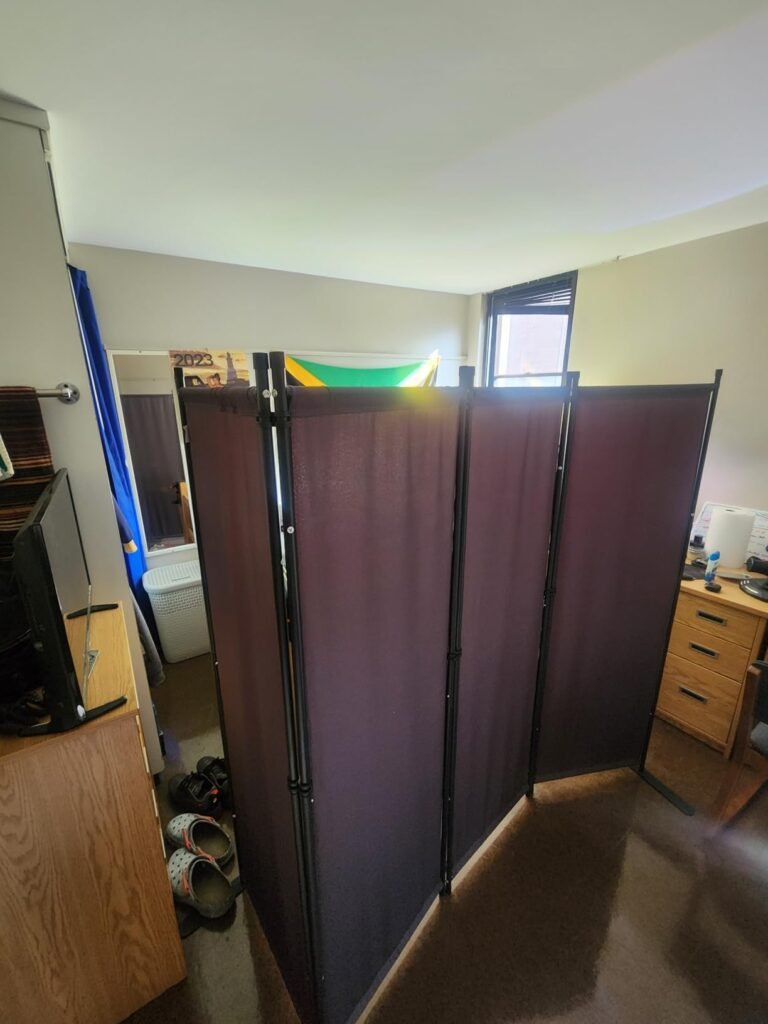
The VEVOR Grey Fabric screen balances full visual privacy with a modular design that lets you use anywhere from one to four panels depending on the situation. The 180-gram polyester fabric with PA coating blocks light and sightlines completely, making this a practical choice for bedrooms, home offices, and medical or clinical settings where opacity is non-negotiable.
We may earn a commission when you buy through this link, at no additional cost to you.
The carbon steel frame assembles with snap connectors rather than screws or tools, which simplifies the initial setup compared to bolt-together alternatives. Two included metal bases add stability to the freestanding configuration, reducing the risk of tipping in households with active pets or children. At nearly 90 inches wide when fully extended, the screen covers a generous span, and it folds down to less than one square meter for compact storage.
One practical note: the polyester fabric may arrive with creases from packaging, and a quick pass with an iron or garment steamer before assembly will give the panels a cleaner, more polished appearance. Once set up, the coated fabric wipes clean easily and resists water, which is useful in dining areas or kitchens where spills are possible.
The snap-connector system lets you detach individual panels and use them separately. A single panel can serve as a narrow privacy shield beside a desk, while two or three panels work well for smaller rooms. This modularity extends the screen’s usefulness beyond a single fixed layout and makes it adaptable to changing space needs.
This screen is a strong fit for buyers who want complete opacity, modular flexibility, and a straightforward assembly process. If you prefer a screen that arrives fully assembled with zero setup, a pre-built bamboo or rattan option will save you the initial 15 to 20 minutes of snapping connectors together.
Buyers who want a zero-assembly, ready-to-use screen straight out of the box.
We may earn a commission when you buy through this link, at no additional cost to you.
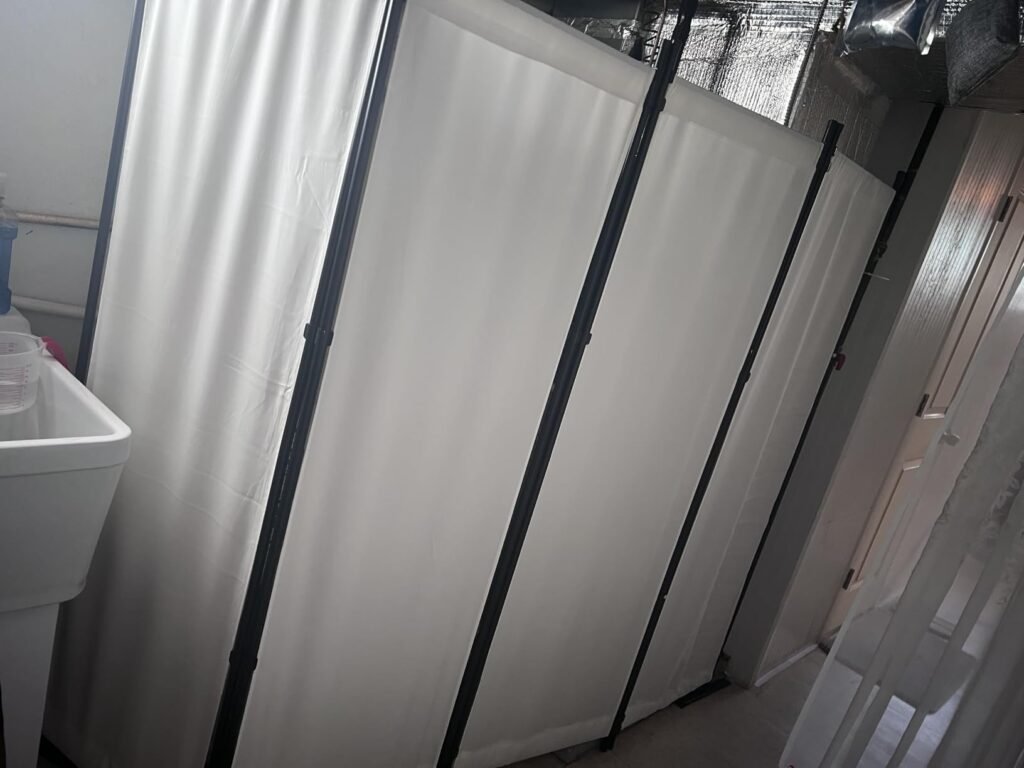
This four-panel fabric divider offers a straightforward privacy solution at a moderate price point. The polyester fiber panels are waterproof, anti-wrinkle, and wear-resistant, providing a functional barrier for bedrooms, living rooms, and home offices. The six-foot height covers most standing sightlines, and the flexible connectors allow you to arrange the panels at various angles to suit your room layout.
We may earn a commission when you buy through this link, at no additional cost to you.
The powder-coated metal frame resists rust and scratches, and the three wider bases provide better floor contact than narrow-foot alternatives. This added stability is helpful on smooth surfaces like tile or hardwood, where lighter screens tend to slide or wobble. The screen folds down to approximately 22 by 67.5 inches for storage in tight spaces.
The lower owner rating compared to other options in this guide reflects some trade-offs in fabric density and overall finish quality. The polyester panels provide adequate privacy for most casual uses but may feel thinner and less substantial than the heavier 180-gram fabrics found on pricier models. Daily maintenance is simple: a damp cloth is usually sufficient to keep the panels clean.
At this price point, the screen delivers functional privacy and reasonable stability for everyday use. The fabric and frame are adequate for light-duty applications such as screening a corner desk or hiding a storage area, but they may not hold up as well under frequent folding, moving, and reconfiguring compared to more robustly built alternatives.
This screen makes sense for buyers who need a basic, affordable partition for occasional use and do not require premium materials or long-term durability. If the screen will be a permanent fixture in a high-visibility area of your home, investing in a higher-rated option with denser fabric or natural materials will likely yield better satisfaction over time.
Buyers who want premium materials, dense fabric opacity, or a screen that will withstand years of heavy daily use.
We may earn a commission when you buy through this link, at no additional cost to you.
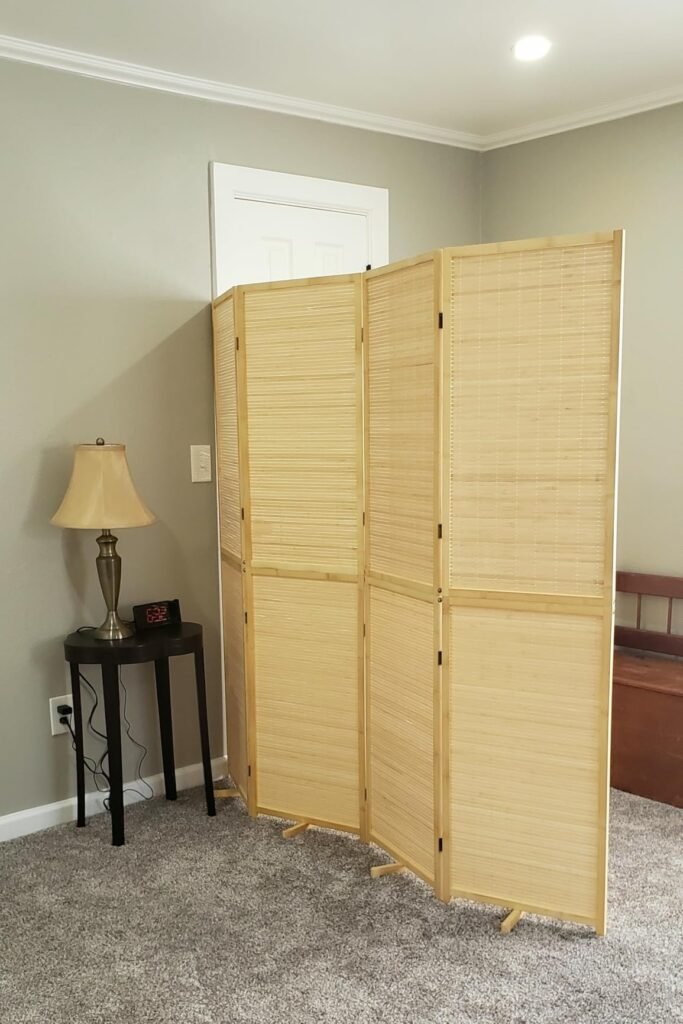
The Homscreener bamboo divider offers a unique 2-in-1 split design that lets you separate the four-panel screen into two independent two-panel partitions. This flexibility is genuinely useful in households where you might want one half screening a pet area and the other half dividing a home office, or where two smaller screens fit the layout better than one large one.
We may earn a commission when you buy through this link, at no additional cost to you.
Constructed entirely from solid natural bamboo by artisans with extensive experience, this screen blocks nearly 90 percent of direct light, making it one of the most opaque natural-material options available. The tightly woven bamboo panels provide strong visual privacy while maintaining the organic warmth and texture that synthetic materials lack. The smooth brass hinges support multi-angle positioning, so each panel can be adjusted to fit irregular room shapes.
The screen requires about 20 minutes of initial setup with the included hardware, which is a one-time effort rather than a recurring inconvenience. Once assembled, the lightweight bamboo construction makes repositioning easy, and the screen folds flat for storage in closets or garages. The natural bamboo joints and organic textures vary from panel to panel, which adds character but means the screen will not look as uniform as a factory-made product.
Separating the screen into two halves opens up layout possibilities that fixed four-panel dividers cannot match. Use one half as a compact dressing screen in a bedroom and the other as a kitchen partition, or position both halves at different angles to create a semi-enclosed reading nook in an open-plan living area.
Choose this screen if you value the versatility of a split design and want strong light blocking from a natural material. The initial assembly step and natural cosmetic variations are reasonable trade-offs for the craftsmanship and flexibility this divider provides. If you want a perfectly uniform appearance, a manufactured fabric screen will look more consistent.
Buyers who want a perfectly uniform appearance or a zero-assembly screen.
We may earn a commission when you buy through this link, at no additional cost to you.
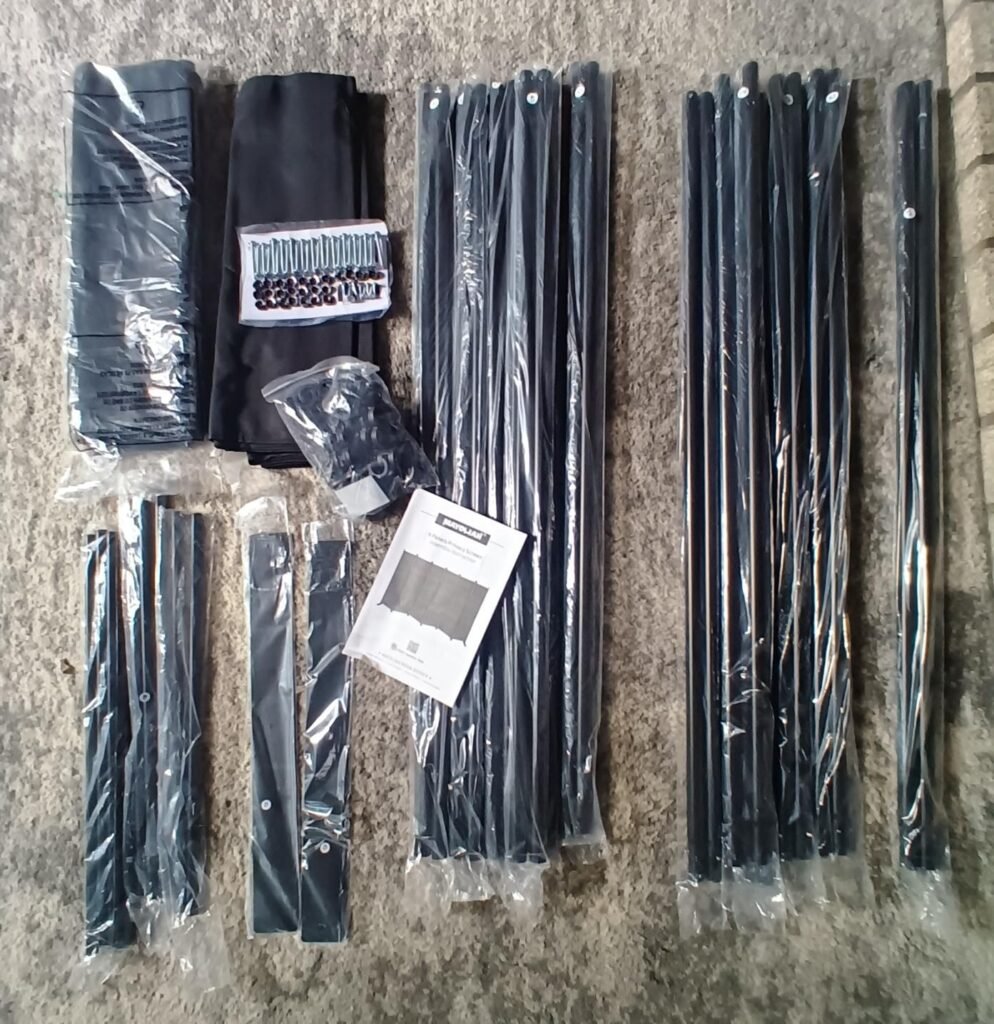
The MAYOLIAH six-panel screen is the widest option in this guide, stretching up to 120 inches across when fully extended. That kind of coverage is essential for large open-concept living areas, studio lofts, or commercial spaces where a standard four-panel divider would leave significant gaps. The ability to configure the screen with anywhere from two to six panels adds versatility for different room sizes and layouts.
We may earn a commission when you buy through this link, at no additional cost to you.
The 180-gram polyester fabric is waterproof, tear-resistant, and completely opaque, providing strong visual privacy for bedrooms, dressing areas, and workspaces. The iron frame with powder coating resists rust and wear, and the included hardware allows you to assemble the screen in the configuration that best fits your space. When fully extended, the screen is best used with angled panels for stability, which reduces the effective width to roughly 100 to 110 inches.
Storage is manageable despite the larger size: the screen folds down to a single panel width that fits behind a door or under a bed. The one-year manufacturer warranty provides additional confidence for a product at this price point, and the non-see-through fabric ensures that the screen performs its primary privacy function reliably.
When all six panels are extended in a straight line, the screen becomes top-heavy and prone to tipping. Arranging the panels in a gentle zigzag or curved formation distributes the weight more evenly and dramatically improves stability. Plan for about 10 to 20 inches of depth loss when angling the panels, and measure your space accordingly before committing to the full-width layout.
This is the right choice for buyers with large spaces that demand wide coverage and complete visual privacy. The assembly requirement and substantial footprint are natural consequences of the six-panel design. If your space is modest or you need a screen you can set up in seconds, a smaller pre-assembled option will be more practical.
Buyers with small rooms or those who need a quick-setup, zero-assembly screen.
We may earn a commission when you buy through this link, at no additional cost to you.
A folding screen is a deceptively simple product, but the differences between models affect privacy, durability, aesthetics, and daily convenience more than most shoppers expect. Use the factors below to narrow your options based on how you plan to use the screen and where it will live in your space.
The number of panels directly determines how much horizontal space the screen can cover. Most folding screens come in four-panel configurations that span roughly 60 to 90 inches when fully extended, which is sufficient for dividing a standard living room or bedroom. Six-panel models like the MAYOLIAH extend to 10 feet or more, making them better suited for open-concept lofts, large studios, or commercial spaces where a narrower screen would leave obvious gaps.
Keep in mind that the maximum listed width assumes the panels are laid flat in a straight line, which is rarely stable in practice. Most screens need to be angled in a zigzag pattern for freestanding balance, which reduces the effective coverage width by 10 to 20 percent. Measure the actual opening you want to block and add a few inches of buffer to account for the angled configuration.
Start by measuring the width of the area you want to divide, then choose a screen whose angled coverage matches that measurement. If you are between sizes, the wider option gives you more flexibility to adjust the angle for stability.
Most folding screens stand between 64 and 72 inches tall, which is enough to block the sightlines of a seated or standing adult at normal distances. A six-foot screen covers the majority of use cases, including bedroom privacy, home office separation, and dressing areas. Shorter screens around 60 inches may leave the top of a standing person visible, which matters less for decorative zoning but more for true privacy applications.
The height of the screen also affects how enclosed the space feels. A taller screen creates a stronger sense of separation and can help reduce noise transmission slightly by blocking the direct path of sound waves. In rooms with high ceilings, a taller screen maintains better proportional balance and avoids looking undersized.
If privacy is your primary goal, choose a screen that is at least 70 inches tall and pair it with an opaque panel material. For decorative zoning where some visual connection between spaces is desirable, a shorter or semi-transparent screen works well.
The frame is the structural backbone of any folding screen, and the material choice affects weight, stability, and lifespan. Solid wood frames, such as those on the JOSTYLE Bamboo and VEVOR Japanese models, offer a premium feel and natural warmth but add weight. Paulownia wood, used in the Svimi Louvered screen, is significantly lighter than hardwoods while still providing adequate rigidity for indoor use.
Metal frames, typically made from steel or iron with a powder-coated finish, prioritize durability and resistance to moisture and rust. The RANTILA and MAYOLIAH screens use steel or iron frames that can withstand frequent folding and repositioning without the joint wear that natural wood may experience over years of use. Powder coating adds a layer of scratch resistance that keeps the frame looking clean in high-traffic areas.
Choose a wood frame if aesthetics and natural materials are your priority and the screen will stay in a relatively stable indoor environment. Opt for a metal frame if you need maximum durability, plan to move the screen frequently, or will use it in a damp area like a bathroom or laundry room.
Panel material is the single biggest factor in how much light and visual detail the screen blocks. Solid polyester fabrics with PA coatings, found on the RANTILA and VEVOR Grey models, provide complete opacity and are easy to wipe clean. These fabrics are ideal for bedrooms, shift-work sleeping areas, and any space where light control matters. The denser the fabric weave, the better the privacy and light blocking.
Natural materials like bamboo and rattan offer a different balance. Tightly woven bamboo, such as on the Homscreener model, can block up to 90 percent of direct light while still allowing gentle air circulation. Rattan weaves are more open and let significantly more light through, which preserves a bright, airy feel but sacrifices some privacy. Louvered wood panels, like those on the Svimi screen, block direct sunlight while maintaining ventilation through the slat gaps.
Match the panel material to your primary use case. For sleeping areas and private dressing zones, choose opaque fabric or dense bamboo. For living areas where you want to define space without darkening the room, rattan, louvered wood, or semi-transparent fabric panels are better choices.
Hinges determine how freely you can arrange the screen and how smoothly it folds for storage. Standard two-way hinges allow panels to fold in one direction, which is sufficient for basic zigzag configurations. Dual-direction hinges, found on the JOSTYLE models and RHF screen, let each panel swing both ways, giving you more freedom to create curves, L-shapes, and asymmetric layouts that fit irregular rooms.
The VEVOR Japanese screen uses 360-degree rotating hinges, which offer the maximum range of motion and allow the screen to fold into a compact column for storage. Brass hinges, like those on the Homscreener bamboo model, provide smooth multi-angle positioning and add a subtle decorative detail that complements the natural bamboo finish.
If your room has an unusual shape or you plan to reconfigure the screen frequently, prioritize dual-direction or 360-degree hinges. For straightforward room division in a rectangular space, standard two-way hinges are perfectly adequate and often more affordable.
Weight matters more than many buyers anticipate, especially if you plan to move the screen between rooms or fold it away daily. Fabric-and-metal screens typically weigh between 8 and 15 pounds, making them easy for one person to carry. Natural wood and bamboo screens can weigh 15 to 25 pounds or more, which is manageable for occasional repositioning but becomes tedious if you need to move the screen multiple times a day.
The folded storage footprint is equally important for apartment dwellers and anyone with limited closet space. Most four-panel screens fold down to roughly 22 by 68 inches, which fits behind a door or in a narrow closet. Six-panel models fold to a similar single-panel width but are thicker and heavier, so check the folded dimensions before buying if storage space is tight.
If portability is a daily concern, choose a lightweight fabric screen under 15 pounds. If the screen will stay in one location for weeks or months at a time, the extra weight of a wood or bamboo model is a worthwhile trade-off for the improved aesthetics and durability.
A freestanding screen is only as useful as its ability to stay upright. Stability depends on the base design, the weight distribution of the frame, and the angle at which you arrange the panels. Screens with wide foot pads or extended bases, like the RANTILA and the Generic 4-Panel model, have a lower center of gravity and resist tipping from accidental bumps, pet collisions, or drafts.
Screens without dedicated feet rely entirely on the zigzag angle for balance. The deeper the zigzag, the more stable the screen, but this also reduces the effective coverage width. On smooth surfaces like tile or polished hardwood, narrow-foot or footless screens are more prone to sliding, so consider adding non-slip pads to the bottom of the frame if you notice movement.
For households with active children or large pets, prioritize screens with wide bases or metal feet. In quieter, low-traffic spaces, a standard zigzag configuration on a flat floor provides adequate stability for most screen types.
A folding screen is a prominent visual element in any room, so its style should complement your existing décor rather than clash with it. Natural bamboo and rattan screens bring warmth and organic texture to farmhouse, coastal, and Japanese-inspired interiors. Dark wood finishes and woven fiber patterns, like those on the RHF Dark Coffee model, suit rustic and traditional spaces. Clean-lined metal-and-fabric screens in neutral tones fit modern, minimalist, and professional environments.
Color and texture also affect how the screen interacts with light in the room. Light-colored screens reflect natural light and help small spaces feel larger, while dark screens absorb light and create a more intimate, enclosed feeling. White-washed finishes, like the Svimi Louvered screen, brighten a room and pair well with Scandinavian and beach-inspired palettes.
Before buying, consider the dominant colors and materials in the room where the screen will live. A screen that looks beautiful in a product photo may overwhelm a small, dark room or disappear against a busy wallpaper pattern. When in doubt, neutral tones and natural textures are the safest choices for blending into a variety of settings.
Position your folding screen in a zigzag or gentle curve rather than a straight line for the best freestanding stability. The angled configuration distributes weight across a wider base and prevents the screen from tipping when bumped. If the screen will sit on a smooth floor, place non-slip furniture pads under the feet or frame edges to reduce sliding, especially in high-traffic areas or households with pets.
For fabric-panel screens, vacuum the panels periodically with a brush attachment to remove dust and pet hair, and spot-clean stains with a damp cloth and mild soap. Avoid soaking the fabric, as excess moisture can weaken the coating or cause the frame to rust over time. Natural bamboo and rattan screens benefit from occasional dusting with a soft cloth and should be kept away from prolonged direct sunlight, which can dry out and crack the natural fibers.
When storing the screen, fold it completely flat and place it in a dry, temperature-stable area such as a closet or under a bed. Avoid leaning the folded screen against a wall at an angle for long periods, as this can warp the hinges or frame over time. If the screen has removable panels, detach them before long-term storage to reduce stress on the hinge connections and make the stored bundle more compact.
Measure the opening you want to block and add 10 to 20 percent to account for the zigzag angle needed for stability. Most four-panel screens cover 60 to 90 inches when angled, which works for standard room divisions. For larger open-concept spaces, a six-panel model that extends to 100 inches or more will provide better coverage without leaving visible gaps at the edges.
Stability varies significantly between models. Screens with wide foot pads or extended metal bases resist tipping much better than narrow-foot or footless designs. Arranging the panels in a deep zigzag also improves balance. If you have large dogs or active children, look for screens specifically designed with wide bases and heavier frames for added security.
Folding screens provide minimal sound insulation because they do not create an airtight seal from floor to ceiling. Dense fabric and solid wood panels can slightly reduce the transmission of higher-frequency sounds like conversation, but they will not block bass or loud noise. For meaningful sound reduction, you would need a solid wall or acoustic panels in addition to the screen.
It depends on the model. Many bamboo, rattan, and wood screens arrive fully assembled and can be used straight out of the box. Fabric-and-metal screens typically require some initial assembly, such as attaching panels to the frame with snap connectors or screws. Check the product details before purchasing if zero-assembly setup is important to you.
Metal frames with powder-coated finishes and waterproof polyester fabric panels handle humidity better than natural wood or bamboo, which can warp or develop mold in consistently damp environments. If you want a natural material in a bathroom, choose a screen with a sealed finish and ensure the room has adequate ventilation to prevent moisture buildup on the panels.
Dust the panels regularly with a soft, dry cloth or a vacuum brush attachment. For deeper cleaning, wipe the surface with a slightly damp cloth and mild soap, then dry immediately to prevent moisture from soaking into the natural fibers. Avoid harsh chemicals, abrasive scrubbers, and prolonged exposure to direct sunlight, all of which can damage the weave and finish over time.
Some screens are suitable for covered outdoor use, but most are designed for indoor environments. Metal frames with rust-resistant coatings and waterproof fabric panels handle occasional outdoor exposure better than natural wood or bamboo. If you plan to use the screen on a patio, bring it inside during rain and strong wind to prevent damage to the hinges and panels.
A screen that is at least 70 inches tall will block the sightlines of most standing adults at normal distances. If the primary user is taller than average, look for screens in the 71 to 72 inch range. Pair the height with an opaque panel material like dense polyester or tightly woven bamboo to ensure complete visual privacy while changing.
Most folding screens are lightweight enough that they will not dent or scratch hardwood floors under normal use. However, metal feet or frame edges can leave marks if the screen is dragged across the surface. Placing felt pads or rubber caps on the bottom of the feet will protect your floors and also improve stability on smooth surfaces.
The JOSTYLE Woven Bamboo screen stands out as the strongest overall choice for most buyers, combining natural materials, reliable privacy, and the highest owner rating in this comparison. Its handwoven bamboo panels and FSC-certified wood frame deliver a warm, durable partition that works well in bedrooms, living rooms, and home offices without requiring any assembly.
For buyers with different priorities, the RANTILA Black screen offers superior stability with its wide foot pads and opaque fabric, the RHF Dark Coffee model provides handmade charm at the lowest price, and the MAYOLIAH six-panel divider delivers the widest coverage for large open-concept spaces. Each of these options addresses a specific need that the top pick may not fully satisfy.
Start by measuring the space you want to divide and identifying your primary goal, whether that is total privacy, airflow, decorative impact, or maximum width. Use the buying guide factors above to weigh the trade-offs between materials, height, stability, and portability, and choose the screen that aligns most closely with how you will actually use it day to day.