STX Start Pack
9.6Editor score100% fiberglass stick
Complete starter kit
Junior sizing available
Includes bag and balls
Find the right field hockey sticks for 2026. We compare 7 standout options by build quality, useful features, owner feedback, value, and everyday trade-offs.
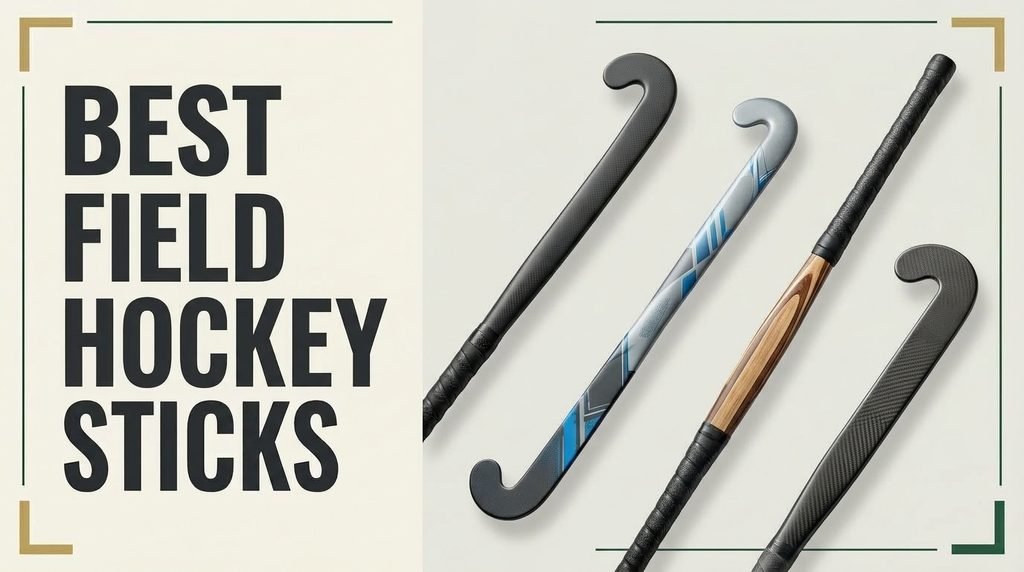
Choosing the right field hockey stick for 2026 comes down to matching bow profile, shaft material, weight, and head shape to your skill level and playing position. We compare 7 standout options across fiberglass and wood construction, bow curvature, toe design, grip comfort, sizing range, and overall value so you can find a stick that suits your game.
The category spans forgiving wooden sticks ideal for first-time players, fiberglass composite models for developing intermediates, and carbon-blend sticks built for competitive outdoor play. Material composition and bow shape vary in ways that directly affect ball control, drag flick capability, and hitting power. Understanding these differences prevents buying a stick that fights your technique rather than supporting it.
This guide breaks down each stick’s strengths and limitations, from budget-friendly wood options under $40 to carbon-reinforced performance models near $120. Whether you are outfitting a junior player for their first season, upgrading from a beginner stick, or shopping for a competitive outdoor setup, the comparisons below clarify which specifications actually matter on the pitch.
We compared 7 field hockey sticks using the details that shape a player’s real experience on the pitch: shaft material and layup, bow profile and placement, head shape and toe design, weight and balance, grip quality, available sizing, brand reputation in field hockey, and owner feedback. The notes focus on practical trade-offs between control, power, and forgiveness so each pick reflects how players actually dribble, pass, and shoot during games and training.


Compare key features, scores, and current prices side by side. A shorter feature list means fewer details were available, not necessarily fewer capabilities.


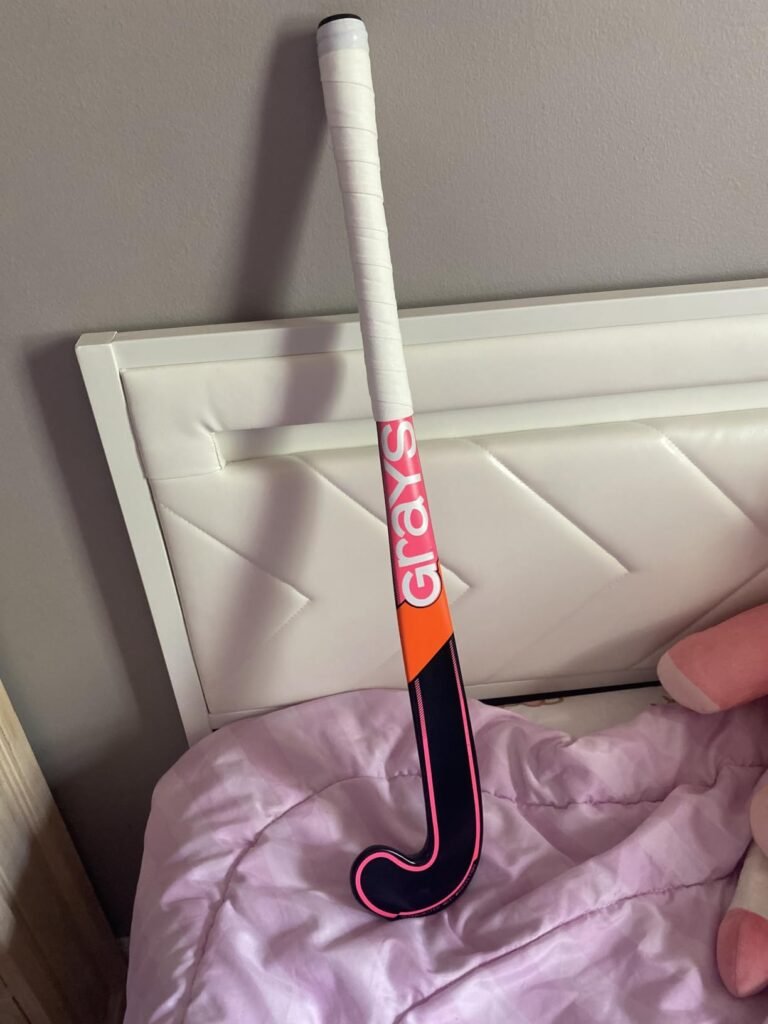
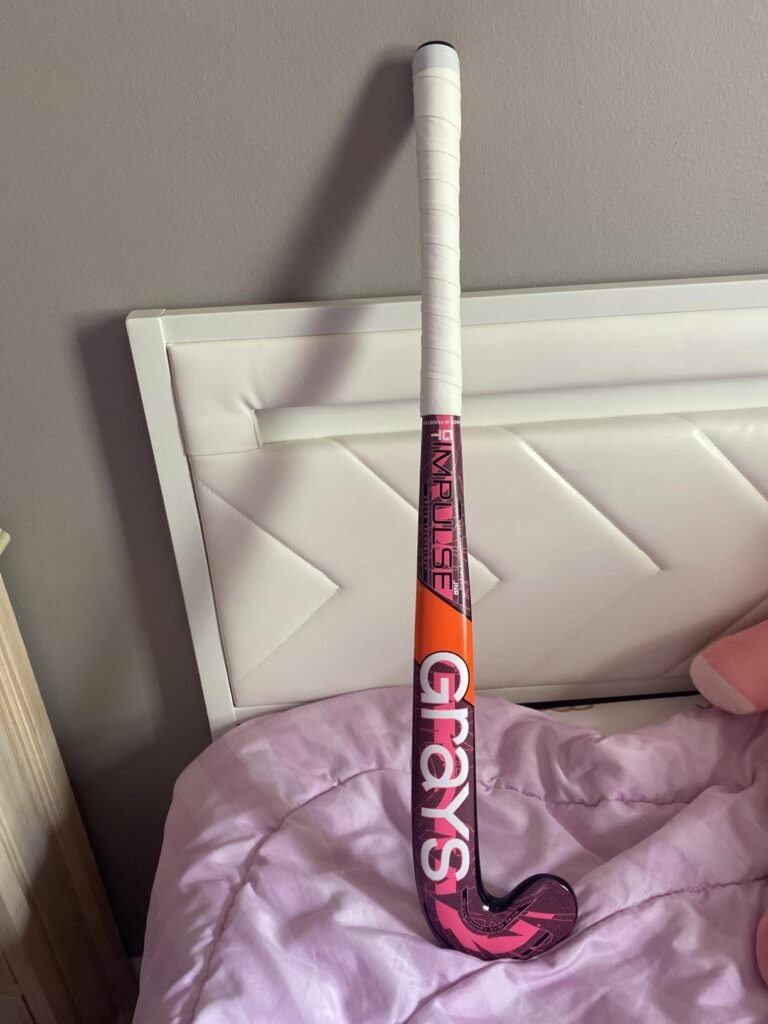
The Grays Impulse Wood earns a perfect 5.0 owner rating at a price under $35, making it one of the strongest value propositions in this guide. The fiberglass-reinforced wood construction takes the forgiving feel of a traditional wood stick and adds a layer of durability that pure wood cannot match, extending the stick's useful life through the rough handling that youth players inevitably subject their equipment to.
We may earn a commission when you buy through this link, at no additional cost to you.
The regular bow profile places the highest point of the curve in the midsection of the shaft, which provides balanced assistance across all fundamental skills rather than favoring one technique over others. This neutral bow shape is exactly what developing players need because it supports dribbling, passing, and basic hitting equally without encouraging bad habits that specialized bow profiles can create.
The stick is designed for outdoor use on both turf and grass surfaces, which covers the vast majority of youth field hockey playing environments. The fiberglass reinforcement helps the shaft resist the cracking and splintering that pure wood sticks develop after repeated contact with hard ground and other sticks during games.
Pure wood sticks offer the softest feel but are prone to cracking and splintering over time, especially on abrasive turf surfaces. Adding a fiberglass layer over the wood core preserves the forgiving touch while significantly improving structural durability. This hybrid approach gives beginners the best of both materials at a price point that remains accessible for growing players who will outgrow their equipment.
The trade-off is that the youth-focused sizing and wood core construction limit this stick’s usefulness for older or more advanced players who need longer lengths and stiffer shafts. For young beginners and parents who want a durable, well-reviewed first stick at the lowest possible price, the Grays Impulse is an outstanding choice that punches well above its cost.
Adult players or competitive youth athletes who need full-length composite sticks.
We may earn a commission when you buy through this link, at no additional cost to you.
This STX starter pack targets parents outfitting a child for their first field hockey season who want to avoid the hassle of sourcing individual pieces of equipment. The kit includes an HPR 50 fiberglass stick, reversible shin guards, a stick bag, and a two-pack of balls, which covers everything a junior player needs to show up to their first practice ready to play.
We may earn a commission when you buy through this link, at no additional cost to you.
The HPR 50 stick is 100% fiberglass, which gives it a forgiving feel that helps new players develop basic stick skills without the harsh feedback of stiffer composite shafts. Fiberglass construction also keeps the price accessible while providing enough durability to survive the learning curve of early practices and games on grass or turf.
The reversible shin guards and carry bag add genuine convenience that parents appreciate when managing youth sports gear. Having everything in one package eliminates the sizing guesswork of buying separate components and reduces the total cost compared to purchasing each item individually from different brands.
Buying a stick, shin guards, bag, and balls separately often costs more than a bundled kit because manufacturers price bundles to encourage first-time buyers. Starter kits also simplify sizing decisions since the components are matched to the same age group. The trade-off is that individual pieces in a kit are typically entry-level quality, which is perfectly appropriate for beginners but will need upgrading as skills develop.
The trade-off is that the included stick is firmly entry-level and will need replacing as the player develops more advanced skills and needs a stiffer shaft for powerful hits and aerials. For families getting a child started in field hockey without a major upfront investment, this kit delivers outstanding value and convenience. Players advancing to competitive levels should plan to upgrade the stick within a season or two.
Intermediate or advanced players who need a performance-grade stick with carbon or Kevlar construction.
We may earn a commission when you buy through this link, at no additional cost to you.
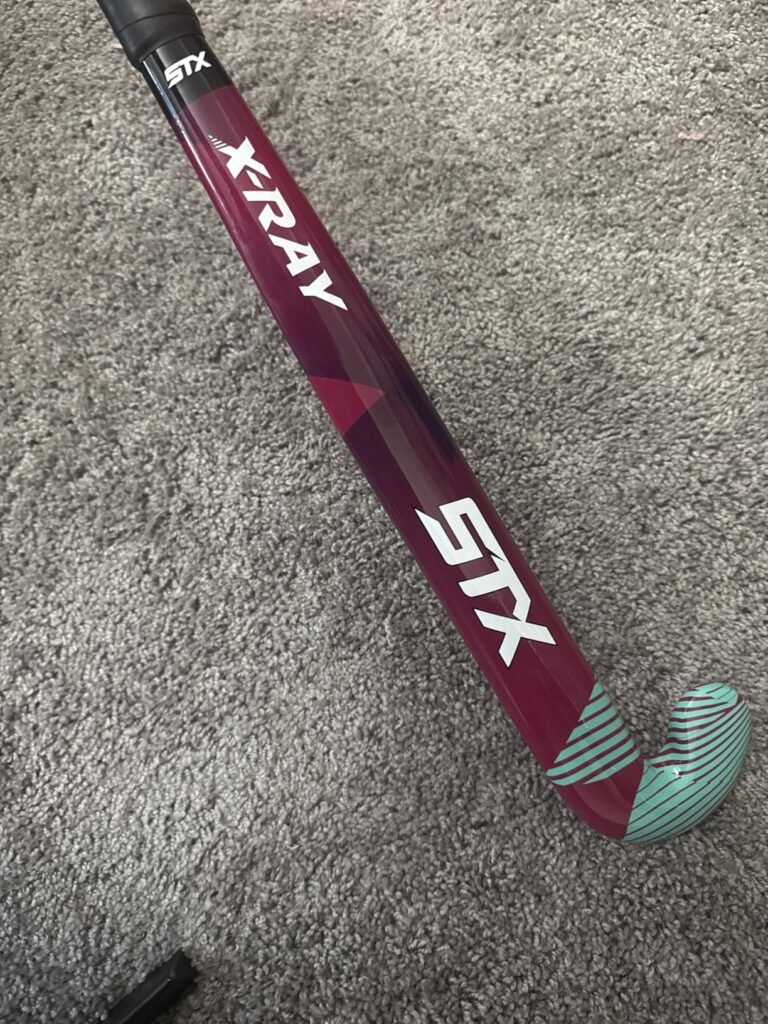
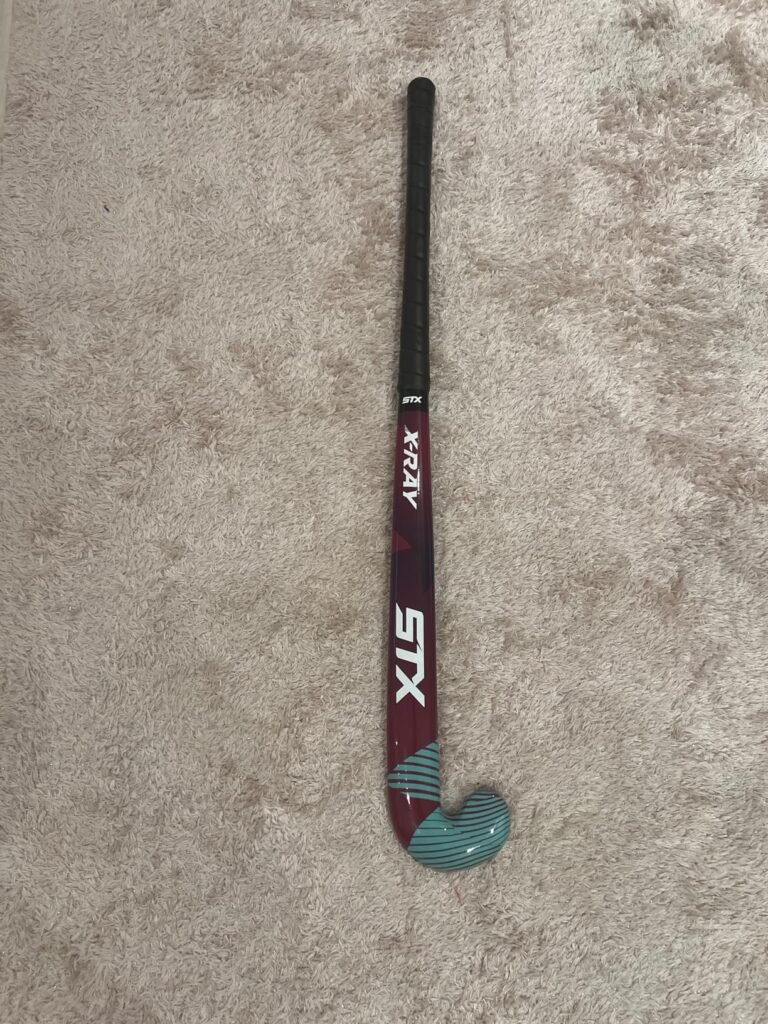
The STX X-Ray targets first-time field hockey players who need a stick that makes learning fundamentals easier rather than harder. The multi-layer wood construction provides natural flex that absorbs vibration from mis-hits, reducing the hand and arm fatigue that often discourages new players during long practice sessions.
We may earn a commission when you buy through this link, at no additional cost to you.
Wooden sticks are inherently more forgiving than fiberglass or carbon composites because the natural material dampens impact feedback and provides a softer touch on the ball. This forgiveness matters enormously for beginners still developing hand-eye coordination and basic dribbling technique, because a stick that punishes every small error slows the learning process.
The availability in shorter lengths specifically designed for younger players is a practical advantage that many adult-oriented sticks lack. A properly sized stick is critical for developing correct posture and technique, and the X-Ray’s youth sizing options help parents avoid the common mistake of buying a stick that is too long for their child.
Wood absorbs vibration naturally, which means mis-hits and hard stops do not sting the hands the way they do with stiff composite shafts. This softer feedback loop lets new players practice longer without discomfort and builds confidence during the critical early stages of skill development. Most coaches recommend wood or high-fiberglass sticks for players in their first one to two seasons.
The trade-off is that wood construction cannot match the hitting power or stiffness of composite sticks, so this model will feel limiting as players advance to competitive levels. For beginners and young players learning basic skills, the X-Ray’s forgiving nature and comfortable grip make it one of the smartest entry points available. Competitive players should look at fiberglass or carbon options.
Intermediate or advanced players who need the stiffness and power of composite construction.
We may earn a commission when you buy through this link, at no additional cost to you.
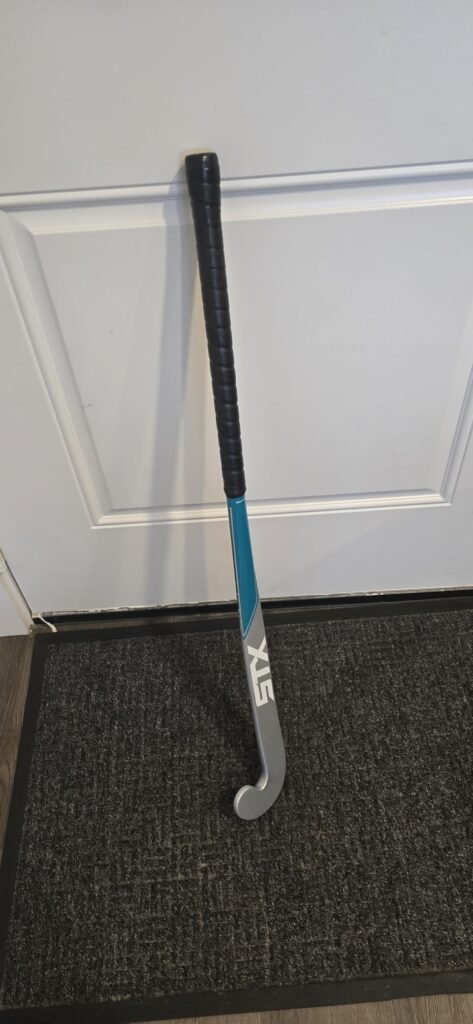
The STX XPR 50 targets young players transitioning from pure beginner sticks to their first dedicated fiberglass model. The thin handle profile is specifically designed for smaller hands, helping younger players learn proper hand positioning without struggling to grip a shaft that is too thick for their fingers.
We may earn a commission when you buy through this link, at no additional cost to you.
The wider toe shape is the standout performance feature because it creates a larger sweet spot for receiving passes and controlling the ball during dribbling. A wider toe makes trapping and stopping the ball more forgiving, which builds confidence in players still developing their first touch. The standard bow shape keeps the stick versatile across all basic skills rather than specializing in advanced techniques.
The 100% fiberglass construction provides more responsiveness than wood while remaining flexible enough to absorb mis-hits comfortably. This material step-up from wood helps developing players feel more feedback from the ball without the harsh vibration that carbon-heavy composites transmit, creating a natural progression path as skills improve.
The toe is the curved bottom portion of the stick head that contacts the ball during dribbling and receiving. A wider toe provides a larger surface area for trapping and stopping, making first touches more forgiving. A narrower toe allows quicker stick rotation for advanced skills like drag flicks but demands more precision. Beginners and developing players benefit from wider toe designs that reward imperfect technique.
The trade-off is that fiberglass construction will feel limiting for players who advance to powerful hitting and aerial play, where carbon stiffness becomes important. For developing youth players who need a step up from wood but are not ready for competitive composite sticks, the XPR 50 offers a well-designed bridge between beginner and intermediate equipment.
Advanced players who need carbon stiffness for powerful drives and aerial passes.
We may earn a commission when you buy through this link, at no additional cost to you.
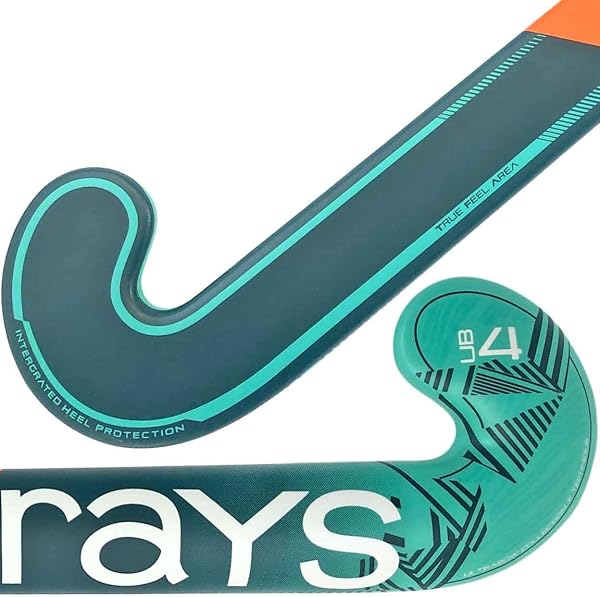
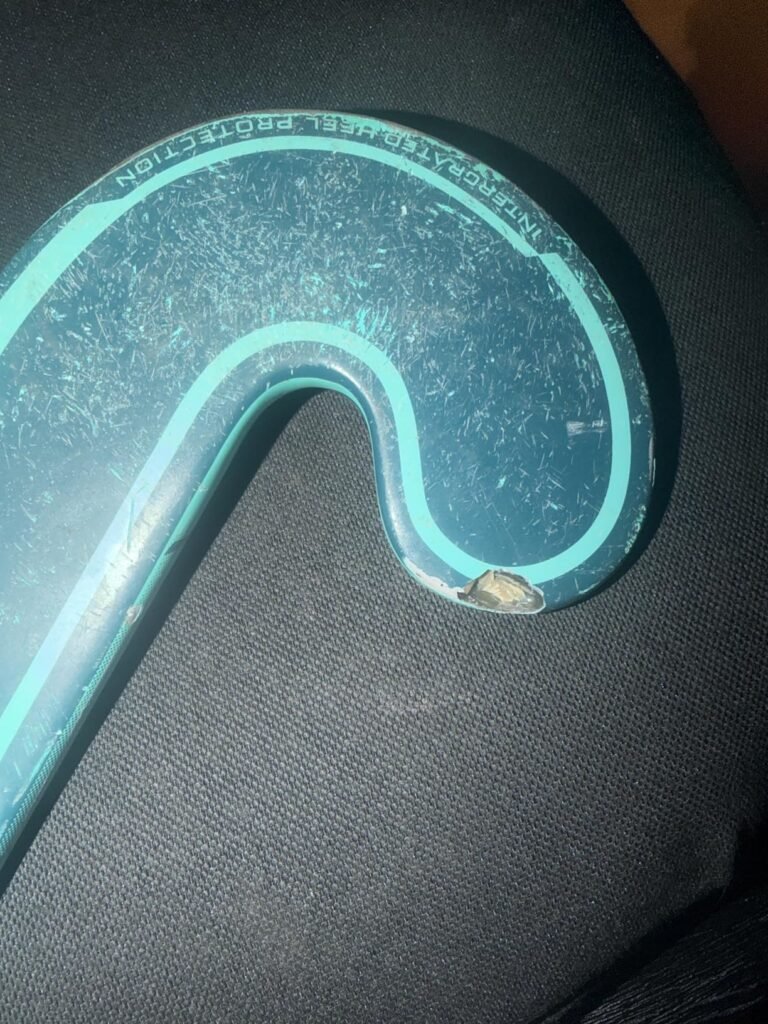
The Grays UB4 targets players moving from beginner fiberglass sticks into their first carbon-enhanced model. The 40 carbon quotient introduces meaningful stiffness to the shaft for improved power transfer during hits while retaining enough fiberglass content to keep the touch relatively soft for developing players.
We may earn a commission when you buy through this link, at no additional cost to you.
The Controlbow profile is designed to improve ball control and precision by positioning the bow curve to favor close stick-to-ball contact during dribbling and receiving. This bow shape suits players who prioritize possession play and accurate passing over raw hitting power, which aligns well with the skill development focus of the target audience.
The size range from 34 inches to 37.5 inches covers most youth and junior player heights, and the outdoor design suits both turf and grass surfaces. Grays is one of the most established names in field hockey equipment, and the UB4 carries that brand heritage into a price point that is more accessible than their top-tier competition models.
Carbon quotient indicates the percentage of carbon fiber in the stick’s composite layup. Higher carbon content creates a stiffer shaft that transfers more power to the ball during hits but transmits more vibration to the hands on mis-hits. A 40 carbon quotient sits in the moderate range, providing noticeable stiffness improvement over pure fiberglass while remaining forgiving enough for developing players.
The trade-off is the 3.3 owner rating, which is the lowest in this guide and suggests inconsistent user experiences that potential buyers should investigate before purchasing. The higher price compared to fiberglass alternatives also means buyers take on more risk if the stick does not meet expectations. For players specifically seeking a carbon-introduction stick from a trusted brand, the UB4 offers the right material progression, but the rating warrants caution.
Buyers who prioritize the highest owner ratings and proven consistency over carbon content.
We may earn a commission when you buy through this link, at no additional cost to you.
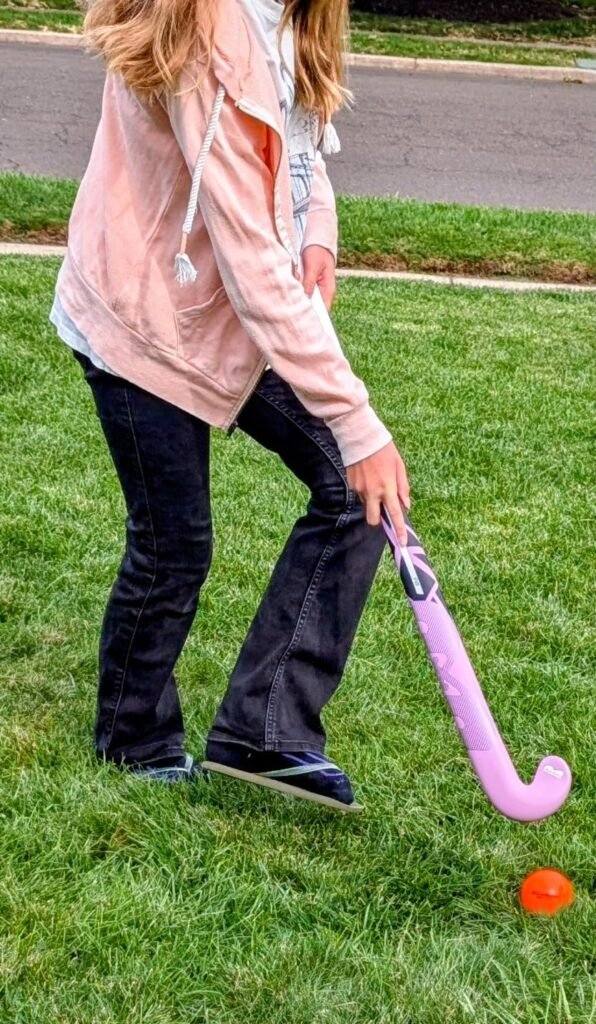
The TK Performance 8 targets middle school and developing competitive players who want to add aerial skills and dynamic ball movement to their game. The low bow profile positions the highest point of the curve close to the toe at approximately 25mm, which creates a natural scooping angle that makes lifting the ball for aerials and overhead passes significantly easier.
We may earn a commission when you buy through this link, at no additional cost to you.
The 5% Kevlar content in the composite layup adds impact resistance to the shaft, helping the stick withstand the repeated contact with other sticks and the ground that occurs during competitive play. Kevlar reinforcement is particularly valuable at the lower shaft where stick-on-stick contact is most frequent during tackles and contested balls.
The composite construction provides more stiffness and power transfer than fiberglass-only sticks, which matters for players beginning to develop their hitting technique and needing the shaft to respond to faster swing speeds. The outdoor design handles both turf and grass surfaces, which covers the range of playing environments that middle school and junior programs typically use.
A low bow places the maximum curve near the toe of the stick, creating a natural wedge shape that slides under the ball more easily during scooping motions. This geometry reduces the wrist effort needed to lift the ball for aerial passes and overhead shots. The trade-off is that low bow sticks can feel less stable during flat ground dribbling compared to regular or mid bow designs.
The trade-off is the 3.5 owner rating, which suggests some users have experienced issues with durability or performance consistency. The low bow profile also demands more developed technique than a regular or mid bow, making this stick less forgiving for players still mastering basic dribbling. For developing competitors specifically focused on adding aerial skills, the TK Performance 8 offers the right bow geometry, but buyers should weigh the rating carefully.
Beginners who need a forgiving regular bow for basic skill development.
We may earn a commission when you buy through this link, at no additional cost to you.
The Mazon Fusion 300 targets players transitioning from junior to senior-level sticks who want a versatile all-round performer from one of Australia's most trusted hockey brands. Mazon has built its reputation on producing sticks that balance performance and accessibility, and the Fusion 300 reflects that philosophy with a design that supports developing players without overwhelming them.
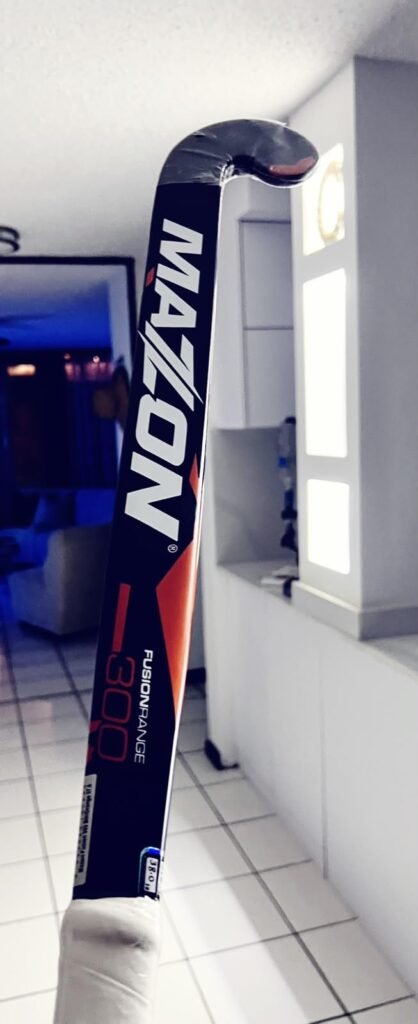
We may earn a commission when you buy through this link, at no additional cost to you.
The mid bow profile provides balanced assistance across all skills rather than specializing in one area, making this stick effective for dribbling, passing, hitting, and basic aerial work. The maxi head shape offers a generous hitting surface that improves consistency on drives and makes receiving passes more forgiving, which is exactly what players need during the confidence-building transition to senior competition.
The higher fiberglass content in the layup creates a softer touch that enhances ball control and helps developing players feel more connected to the ball during close stickwork. This softer feel builds confidence during the critical transition period when players are adapting to faster game speeds and more physical competition at the senior level.
Moving from junior to senior field hockey involves faster game speed, stronger opponents, and more physical play. A transition stick bridges the gap between forgiving beginner equipment and demanding competition models by providing enough performance to handle senior play while retaining enough softness to keep developing players confident. The Mazon Fusion 300 fills this role effectively with its balanced mid bow and maxi head combination.
The trade-off is that the fiberglass-heavy construction will not match the raw power of high-carbon competition sticks for elite-level hitting. For players making the jump to senior hockey who need a reliable, confidence-building stick from a brand with genuine field hockey heritage, the Mazon Fusion 300 is our top overall pick. Elite competitors will eventually want to step up to higher carbon content models.
Elite-level players who need maximum carbon stiffness for powerful hitting and drag flicks.
We may earn a commission when you buy through this link, at no additional cost to you.
Picking the right field hockey stick means matching shaft material, bow profile, head shape, and length to your skill level, playing position, and the surfaces you play on. The factors below cover the decisions that most influence real on-pitch performance and long-term satisfaction with your purchase.
Field hockey sticks are built from wood, fiberglass, carbon fiber, Kevlar, or combinations of these materials. Wood sticks provide the softest touch and most forgiving feel, making them ideal for beginners learning basic skills. Fiberglass adds durability and slightly more stiffness while keeping the touch relatively soft. Carbon fiber creates the stiffest shafts for maximum power transfer during hits and drag flicks, but transmits more vibration on mis-hits. Kevlar adds impact resistance and vibration dampening to composite layups.
The right material depends on your skill level and playing style. Beginners benefit from wood or high-fiberglass sticks that forgive errors and reduce hand fatigue. Intermediate players typically move to fiberglass-dominant composites that add responsiveness without sacrificing too much comfort. Advanced and competitive players favor carbon-heavy sticks that maximize power and precision but demand developed technique to handle the stiffer feedback.
Start with wood or fiberglass for your first two seasons, then transition to carbon composites as your technique develops and you need more power from your hits.
The bow is the curve along the flat face of the stick shaft, and its profile dramatically affects how the stick handles different skills. A regular bow places the highest point of the curve in the midsection of the shaft, providing balanced support across all fundamental skills. A mid bow shifts the peak slightly lower for improved ball control and 3D skills. A low bow positions the maximum curve near the toe, creating a natural scooping angle that aids aerial passes and drag flicks.
Bow height is measured in millimeters, with most sticks ranging from about 19mm to 25mm of maximum bow. Higher bow measurements create more pronounced curves that assist specific skills but can make basic flat-ground dribbling feel less stable. The FIH limits maximum bow to 25mm for competition play, so all legal sticks fall within this range.
Choose a regular bow for beginners learning all skills equally. Choose a mid bow for developing players who want improved ball control. Choose a low bow for advanced players focused on aerial play and drag flicks.
The head shape refers to the profile of the curved bottom portion of the stick that contacts the ball. Common shapes include shorti, midi, maxi, and hook. Shorti heads are compact and favor quick stick rotation for advanced skills. Midi heads balance control and maneuverability for all-round play. Maxi heads provide the largest hitting surface for powerful drives and forgiving ball reception. Hook heads create a deep curve that aids reverse stick play and drag flicks.
Toe design works in conjunction with head shape to determine how the stick interacts with the ball during dribbling and receiving. A wider toe creates a larger sweet spot for trapping passes, while a narrower toe allows faster stick rotation for close-quarters skills. The right combination depends on your playing position and the skills you use most frequently.
For beginners and all-round players, a maxi or midi head provides the most forgiving performance. For forwards who rely on quick stick skills, a shorti or narrow toe may suit your style better.
Field hockey stick length is measured in inches from the top of the handle to the bottom of the head, and the right length depends on the player’s height and playing position. Standard adult sticks range from 36.5 to 37.5 inches, while junior sticks come in shorter lengths from about 28 to 35 inches. A stick that is too long forces the player to hunch over, compromising posture and technique, while one that is too short limits reach and hitting power.
A common sizing method is to hold the stick upright next to your leg with the head on the ground. The top of the handle should reach approximately the top of your hip bone for a standard fit. Defenders sometimes prefer slightly longer sticks for extended reach during tackles, while forwards may choose shorter sticks for quicker hand speed in the attacking circle.
Measure the player’s height and consult the manufacturer’s sizing chart before ordering. When in doubt between two sizes, choose the shorter option for younger developing players and the longer option for older players still growing.
Field hockey sticks typically weigh between 535 and 560 grams, with lighter sticks favoring quick hand speed and heavier sticks providing more momentum for powerful hits. The balance point along the shaft also affects how the stick feels in play: a head-heavy balance aids hitting power, while a handle-heavy balance improves stick speed and maneuverability during dribbling.
Weight preferences vary by position and playing style. Forwards and midfielders who rely on quick stick skills and rapid direction changes often prefer lighter sticks in the 535 to 545 gram range. Defenders and hitters who prioritize powerful drives and long passes may prefer slightly heavier sticks that generate more momentum through the hitting zone.
For beginners, weight matters less than material and bow profile because developing proper technique is more important than optimizing for marginal performance differences. Advanced players should experiment with different weights to find what suits their natural swing.
The grip wraps the upper portion of the handle and directly affects how securely and comfortably you hold the stick during play. Quality grips absorb sweat, reduce vibration, and prevent the stick from twisting in your hands during hard hits. Worn or cheap grips become slippery when wet, which compromises control and can lead to the stick flying out of your hands during powerful swings.
Grip thickness also matters for hand comfort. Thicker grips cushion the hands and reduce vibration but can make the handle feel bulky for players with smaller hands. Thinner grips provide more direct feedback from the shaft but transmit more impact vibration. Many players replace the factory grip with their preferred aftermarket option to customize thickness and tackiness.
Check grip condition regularly and replace worn grips before they become a safety hazard. If the factory grip feels too thick or thin, an aftermarket replacement is an inexpensive upgrade that significantly improves comfort.
Field hockey is played on natural grass, water-based artificial turf, and sand-dressed artificial turf, and the playing surface affects how the stick wears over time. Grass and sand-dressed turf are more abrasive on the stick head and lower shaft, accelerating wear on the toe and bottom edge. Water-based turf is gentler on equipment but demands more precise ball control because the ball moves faster.
Most modern composite sticks are designed for all outdoor surfaces, but wood sticks wear faster on abrasive sand-dressed turf and may develop splintering at the toe more quickly. If you play primarily on grass or sand-dressed surfaces, look for sticks with reinforced toe protection or fiberglass wrapping around the head area to extend durability.
Match your stick material to your primary playing surface. Wood sticks work well on grass but wear quickly on abrasive turf. Fiberglass and composite sticks handle all surfaces with better durability.
Prices in this category range from about $35 for entry-level wood sticks to over $120 for carbon-enhanced performance models. Spending more generally buys stiffer construction, more advanced bow profiles, better materials, and longer useful life. However, beginners and growing youth players will outgrow their sticks relatively quickly, making premium investments less practical at early stages.
Long-term value depends on the player’s growth trajectory and commitment level. A $35 wood stick that serves a beginner well for two seasons before they outgrow it represents better value than a $120 carbon stick that sits unused because the player lacks the technique to benefit from its stiffness. Match spending to realistic skill progression rather than aspirational goals.
Budget $35 to $50 for beginner wood or fiberglass sticks, $50 to $80 for intermediate composite models, and $80 to $120 or more for competitive carbon sticks once the player has developed the technique to use them effectively.
Before your first game or practice, check that the grip is secure and the stick length is appropriate for your height. A properly sized stick allows you to stand upright with a slight forward lean while the head rests flat on the ground. Tape the handle if the factory grip feels loose or slippery, and consider adding a grip overwrap for extra cushioning during hard hitting sessions. Always warm up with basic dribbling drills to get a feel for the stick’s balance and flex before moving to full-speed play.
Post-game care extends stick life significantly. Wipe down the shaft and head with a damp cloth after playing on grass or sand-dressed turf to remove abrasive particles that accelerate wear. Check the toe and lower shaft for cracks or splintering, especially on wood and fiberglass sticks, and address small damage early before it spreads. Store the stick in a cool, dry place away from direct sunlight, which can degrade composite materials and cause wood to warp over time.
Long-term maintenance includes replacing worn grips before they become slippery, checking the bow for any warping that may indicate structural damage, and rotating between two sticks if you play frequently to distribute wear evenly. Avoid leaving your stick in a hot car or leaning it against a wall at an angle for extended periods, as heat and uneven pressure can warp the shaft. A well-maintained quality stick can last two to three seasons of regular play, while heavily used sticks on abrasive surfaces may need replacement annually.
Stick length depends on the player's height. A common method is to hold the stick upright next to your leg with the head on the ground; the top should reach approximately your hip bone. Junior players typically use sticks from 28 to 35 inches, while adult players use 36.5 to 37.5 inches. Always consult the manufacturer's sizing chart for specific recommendations.
Wood sticks provide a soft, forgiving feel that helps beginners learn basic skills without harsh vibration from mis-hits. Composite sticks made from fiberglass, carbon, and Kevlar offer more stiffness for powerful hitting and precise ball control but transmit more feedback to the hands. Most players start with wood or fiberglass and transition to carbon composites as their technique develops.
The bow is the curve along the flat face of the stick shaft. A regular bow peaks in the midsection and supports all skills equally. A mid bow sits slightly lower for improved ball control. A low bow peaks near the toe and aids aerial passes and drag flicks. Beginners should start with a regular bow before experimenting with specialized profiles.
Beginners benefit from sticks with little to no carbon, relying instead on wood or fiberglass for a forgiving feel. Intermediate players can handle 20 to 40 percent carbon for added stiffness and power. Advanced and competitive players often use 70 to 100 percent carbon sticks for maximum power transfer, though these demand well-developed technique to control effectively.
Most modern sticks are designed for outdoor use on grass, water-based turf, and sand-dressed turf. However, wood sticks wear faster on abrasive sand-dressed surfaces, and some sticks are specifically designed for indoor play with different weight and bow regulations. Check the manufacturer's specifications to confirm surface compatibility before purchasing.
A well-maintained stick can last two to three seasons of regular play. Replace your stick when you notice significant cracking in the shaft, splintering at the toe, warping of the bow, or when the stick no longer provides the stiffness and responsiveness you need for your level of play. Growing youth players may need new sticks more frequently due to size changes.
Maxi and midi head shapes are best for beginners because they provide a larger hitting surface that makes receiving passes and driving the ball more forgiving. Shorti and hook heads favor advanced skills like drag flicks and reverse stick play but demand more precision. Start with a maxi or midi head and experiment with other shapes as your skills develop.
Replace the grip when it becomes worn, slippery, or loses its cushioning. Most players replace grips at least once per season or more frequently in wet conditions. You can add an overwrap for extra thickness and sweat absorption. Store the stick in a dry place to prevent the grip from deteriorating prematurely due to moisture.
Premium sticks justify their cost through advanced materials, optimized bow profiles, and better power transfer for skilled players. However, beginners and developing players will not benefit from high-carbon stiffness until their technique is refined enough to use it effectively. Match your spending to your current skill level and upgrade as your game develops.
The Mazon Fusion 300 earns our top overall recommendation because it delivers a perfect 5.0 owner rating alongside a thoughtfully balanced mid bow profile, maxi head shape, and high fiberglass content that creates the soft touch developing players need during the critical transition to senior-level competition. For players stepping up from junior hockey who want a reliable all-round stick from one of Australia's most trusted brands, it strikes the best balance of performance, comfort, and value in this guide.
Beginners and young players just starting their field hockey journey should consider the STX X-Ray Wood for its forgiving flex and youth-friendly sizing, or the Grays Impulse Wood for its fiberglass-reinforced durability at under $35. Players ready to explore carbon-enhanced performance should look at the Grays UB4 for its Controlbow profile and 40 carbon quotient, while those focused on developing aerial skills will benefit from the TK Performance 8's low bow geometry.
Start by identifying your current skill level and the surfaces you play on most frequently, then match those factors to shaft material, bow profile, and head shape. A stick that suits your actual playing style and technique level will improve your game far more than the most expensive model that fights your developing skills. Use the comparisons above to find the stick that supports the way you actually play.