NB 608 V5
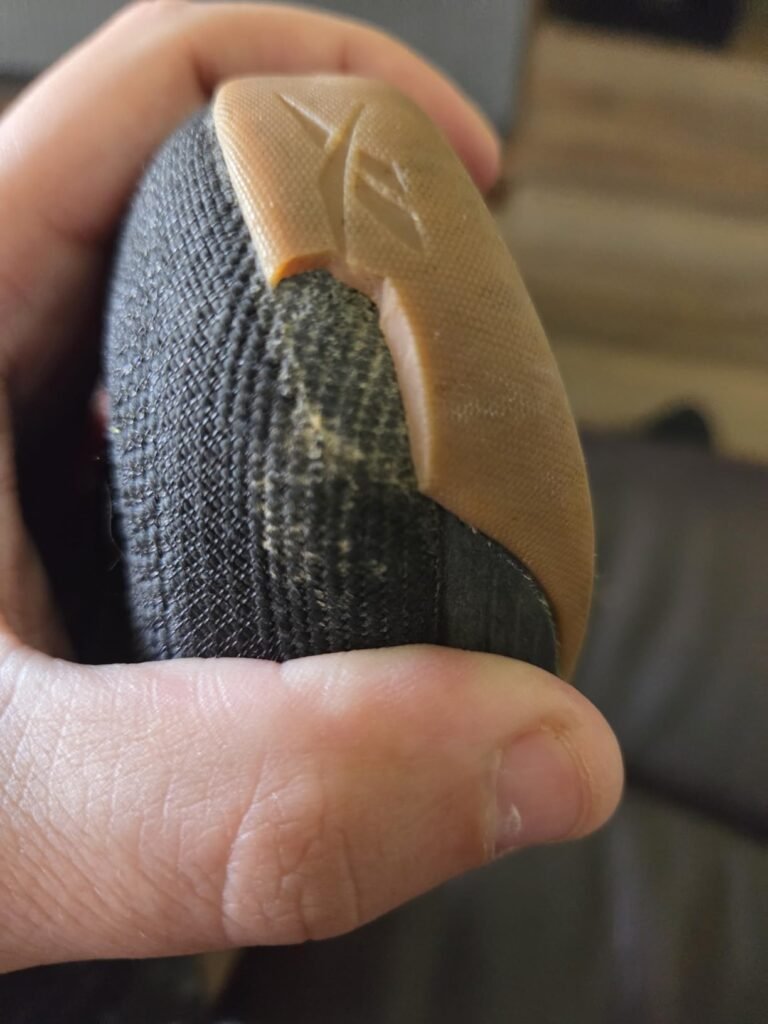
9.2Editor scoreABZORB heel cushioning
Suede leather upper
EVA foam midsole
Dual density collar
Compare 10 top cross training shoes for gym workouts, lifting, and cardio. Expert breakdowns of stability, cushioning, durability, and value.
Finding the right cross training shoes in 2026 means balancing stability for lifts, cushioning for short runs, and durability for high-rep gym sessions. We compare 10 top options by midsole construction, outsole grip, upper breathability, heel support, weight, and real-world versatility across varied workout styles.
Cross trainers differ significantly from dedicated running shoes or weightlifting shoes. A good pair handles lateral movements, rope climbs, box jumps, and barbell work without compromising comfort. The models below span budget-friendly everyday trainers to premium performance shoes built for serious gym programming.
Whether you follow CrossFit-style WODs, circuit training, or a mix of cardio and strength work, the right shoe can improve your stability and reduce fatigue. This guide breaks down the key construction details and practical trade-offs to help you choose confidently.
We compared 10 cross training shoes using the details that actually help a buyer decide: midsole density, heel-to-toe drop, outsole traction pattern, upper breathability, lateral stability, overall weight, arch support, and long-term durability. The notes focus on practical trade-offs so each pick connects to how people actually train, from heavy compound lifts and plyometric drills to short runs and agility work across varied gym surfaces.

Compare key features, scores, and current prices side by side. A shorter feature list means fewer details were available, not necessarily fewer capabilities.


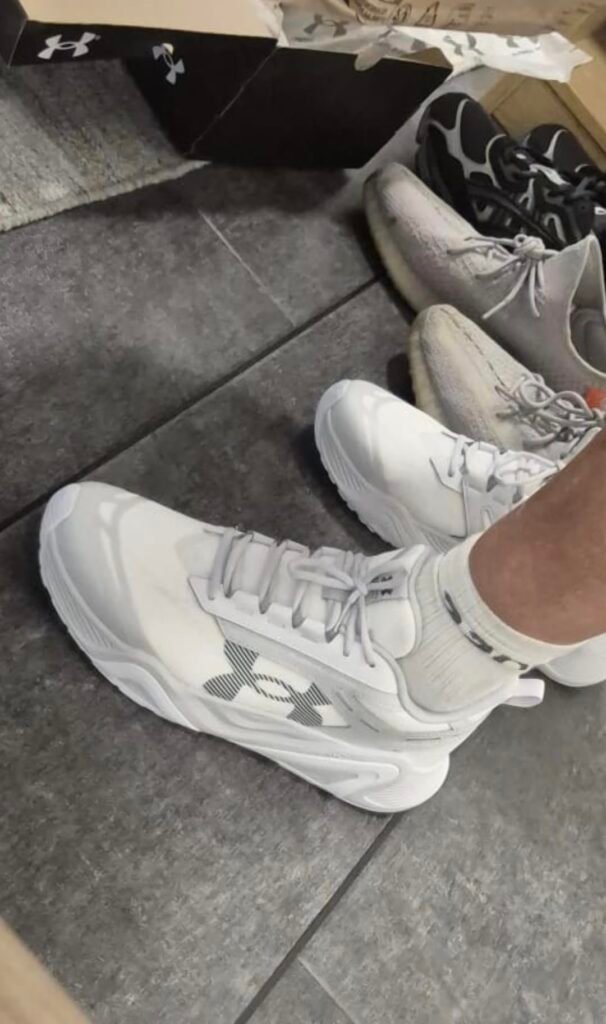
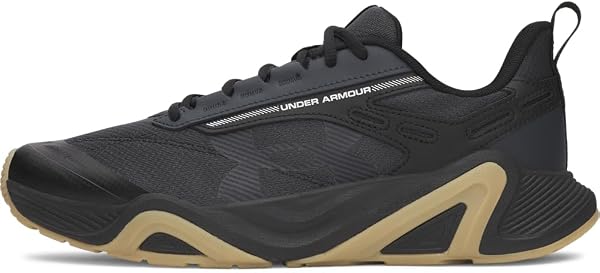
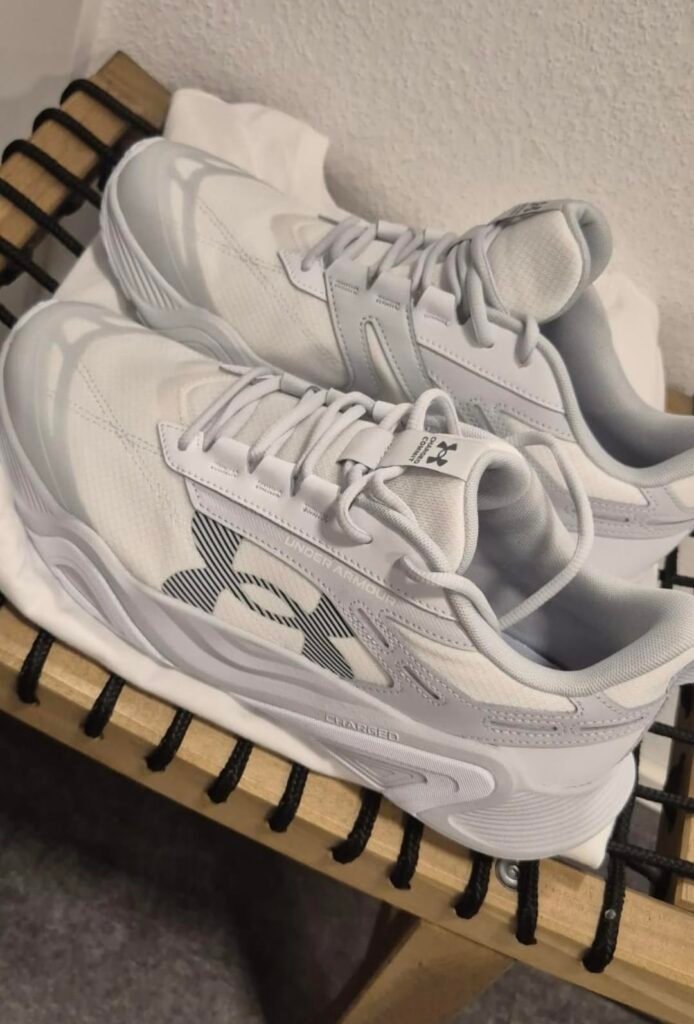
The Under Armour Charged Commit Trainer 5 carries the highest owner rating in this entire guide, and its construction explains why. The full-length Charged Cushioning midsole delivers a balanced ride that feels responsive during jumps and sprints yet stable enough for moderate weight training. Unlike shoes that use Charged foam only in the heel or forefoot, the full-length application ensures consistent cushioning from heel strike through toe-off, which reduces fatigue during longer workouts.
We may earn a commission when you buy through this link, at no additional cost to you.
The 6mm heel-to-toe offset is a smart middle ground for cross training. It is low enough to provide a stable, planted feel during squats and lunges, yet high enough to offer some heel cushioning for short runs and jumping exercises. This versatility makes the Commit Trainer 5 a true do-it-all shoe for athletes who do not want to switch between a lifting shoe and a running shoe throughout the week. The standard tie lacing system allows precise fit adjustments across the midfoot.
The upper combines breathable mesh with leather overlays, giving you the ventilation of a mesh shoe with the structural support of leather in high-stress areas. This hybrid approach works well for cross training because the mesh keeps your feet cool during cardio-heavy segments while the leather reinforces the toe box and midfoot against the abrasion of rope climbs, box jumps, and burpees. The full rubber outsole with wrap-up on the sides adds durability in the areas that wear fastest during lateral movements.
Many cross trainers use partial rubber outsoles with exposed foam in low-wear areas to save weight. The Commit Trainer 5 uses a full rubber outsole that covers the entire bottom of the shoe, including a wrap-up on the sides. This design choice adds a small amount of weight but significantly extends the shoe’s lifespan, especially for athletes who do a lot of lateral shuffles, rope climbs, and burpees that grind the outsole against rough surfaces.
With its combination of responsive cushioning, moderate heel drop, and durable construction, the Charged Commit Trainer 5 is the strongest all-around choice for most cross-training athletes. It handles lifting, running, jumping, and agility work with equal competence, and the high owner rating suggests it holds up well over time. The only notable trade-off is a slightly higher weight compared to pure mesh shoes, but the added durability and support justify the difference for most buyers.
Not suited for long-distance running or buyers who need a wider toe box for foot splay during lifts.
We may earn a commission when you buy through this link, at no additional cost to you.
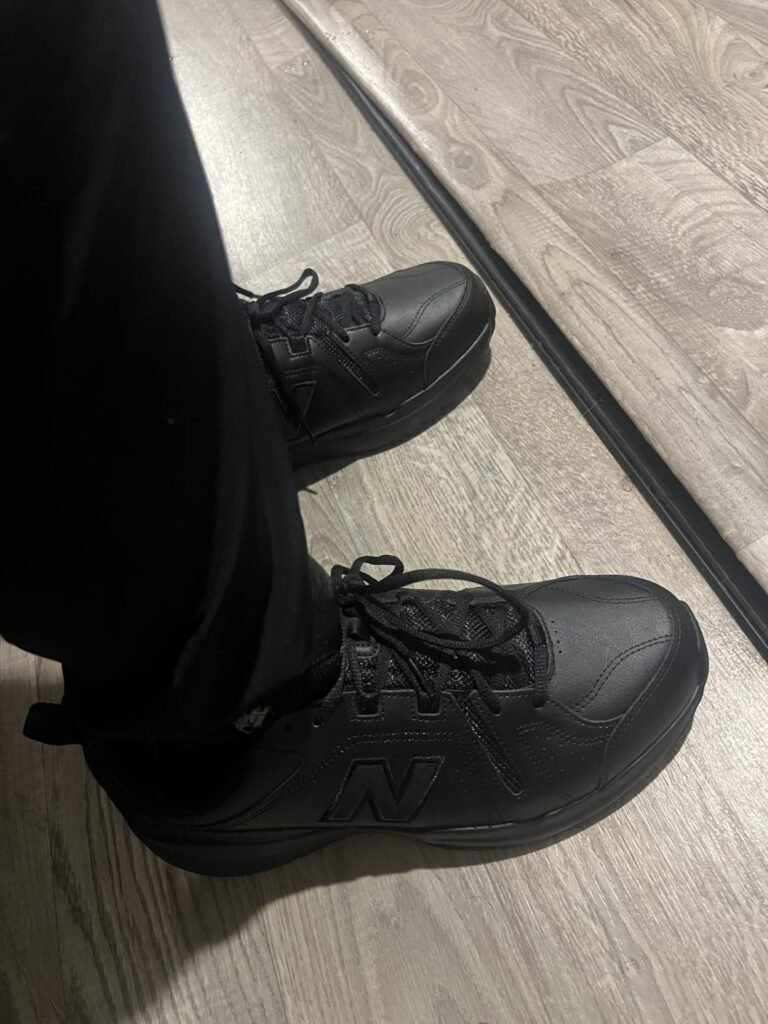
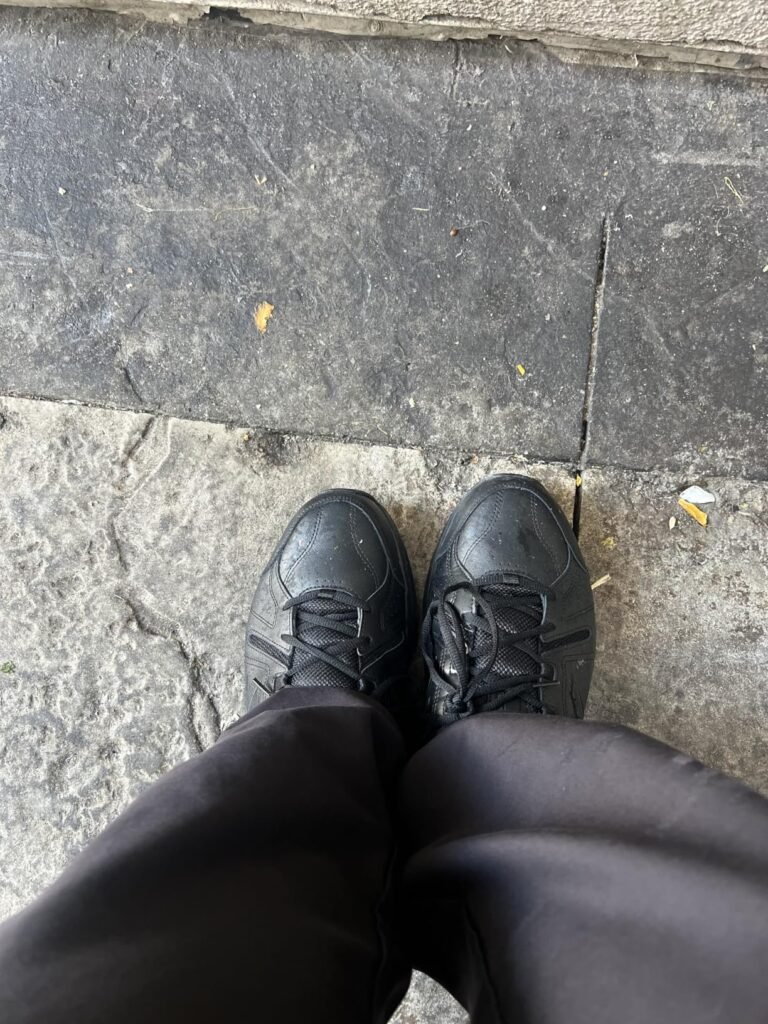
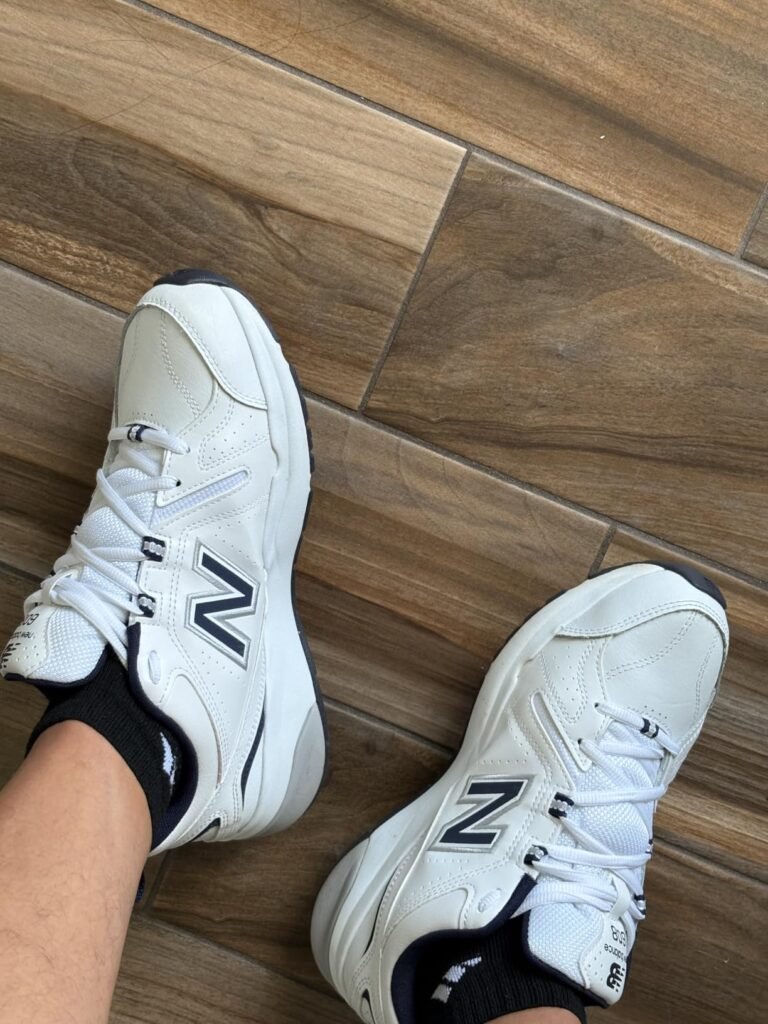
The New Balance 608 V5 is built for men who want a single shoe that transitions smoothly from the gym floor to everyday errands. Its combination of ABZORB heel cushioning and a molded polyurethane insert gives it a plush underfoot feel that holds up through long days. If your training routine includes moderate weight sessions, walking, and light cardio rather than explosive plyometrics, this shoe provides the comfort-first approach you need.
We may earn a commission when you buy through this link, at no additional cost to you.
The EVA foam midsole works together with an internal shank to deliver lightweight cushioning while maintaining midfoot stability. That internal shank is an important detail because it helps prevent the shoe from twisting during lateral movements, which is a common weakness in casual-style trainers. The dual density collar foam around the ankle adds another layer of support that keeps your foot locked in without creating pressure points during squats or lunges.
Comfort details set this model apart from typical budget cross trainers. The Phantom Liner construction uses minimal interior seaming, which means fewer hot spots and less irritation against bare skin or thin socks. The suede leather upper is sturdy and develops a personalized fit as it breaks in, though it does sacrifice some breathability compared to fully mesh designs. On warm days or during high-intensity circuits, your feet may run warmer than they would in a mesh-dominant shoe.
Many casual cross trainers skip the internal shank to save weight and cost, but the 608 V5 includes one for a reason. The shank reinforces the midfoot area, reducing torsional flex when you shift direction or plant your foot during lateral exercises. For buyers who do any amount of agility work or side-to-side movements, this structural detail helps maintain a stable platform and reduces the chance of the shoe collapsing under load.
This shoe makes the most sense for buyers who prioritize all-day wearability and moderate gym use over competitive-level performance. The price point is approachable, and the construction quality is solid for the category. If your workouts lean toward machine-based strength training, treadmill walking, and general fitness rather than heavy Olympic lifts or rope climbs, the 608 V5 delivers dependable comfort without unnecessary complexity.
Not ideal for high-intensity interval training or heavy Olympic lifting due to its softer, casual-oriented cushioning.
We may earn a commission when you buy through this link, at no additional cost to you.
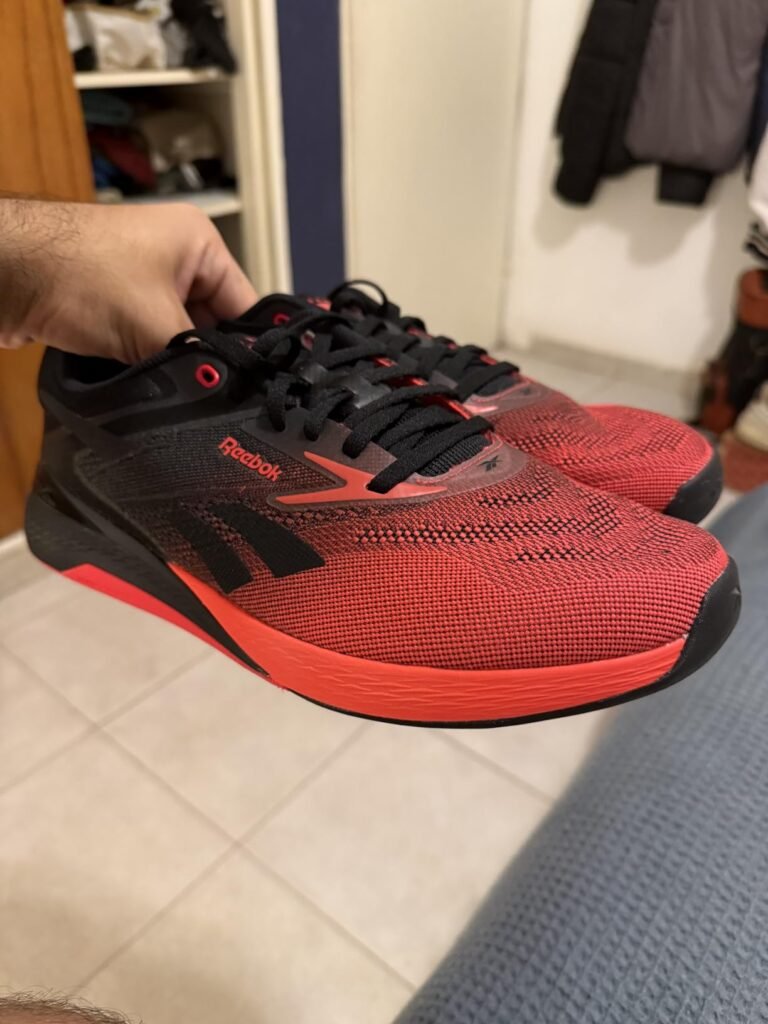
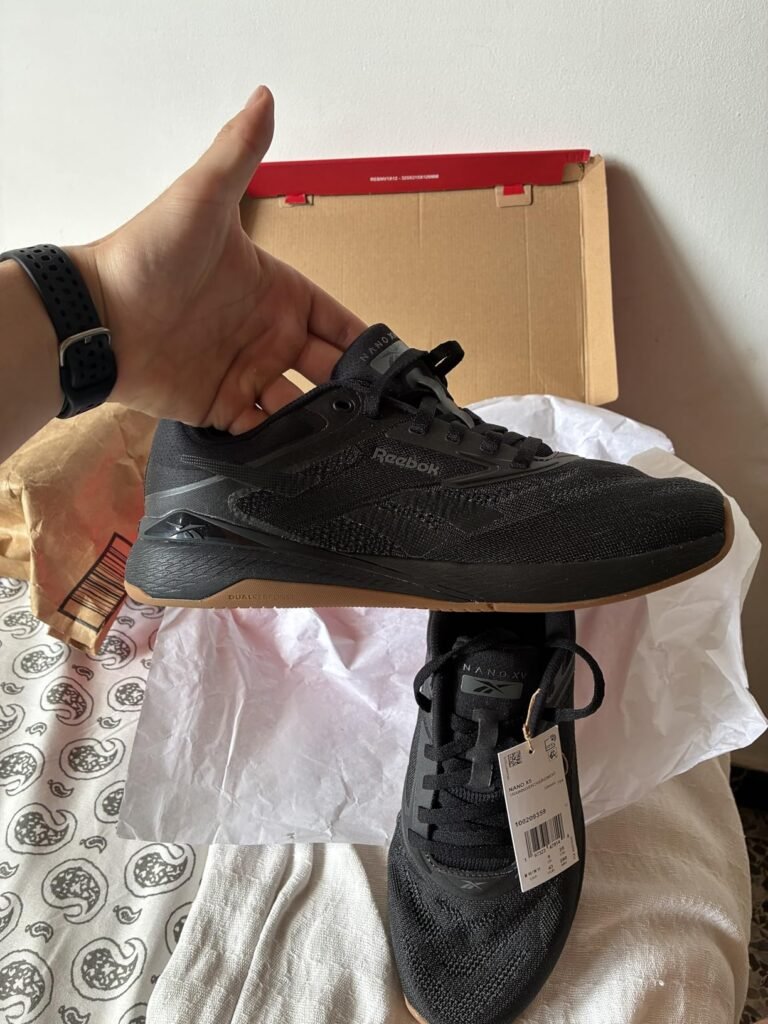
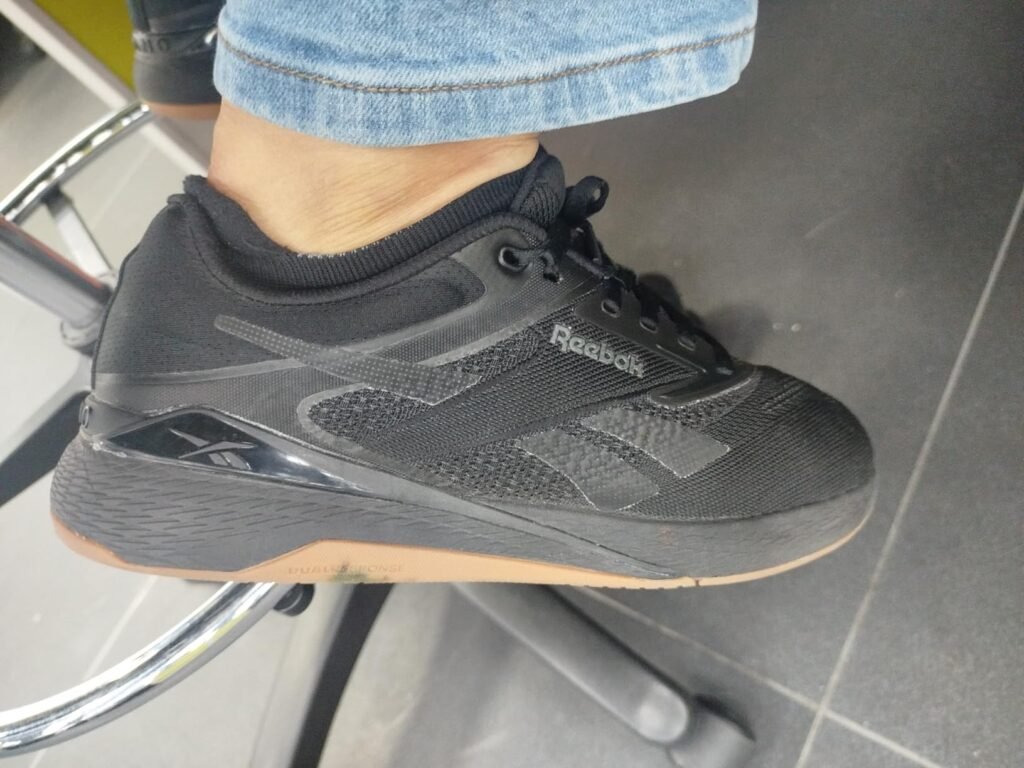
The Reebok Nano X5 marks the 15th anniversary of the Nano line, and Reebok has refined the formula to create what may be the most versatile version yet. This shoe targets athletes who need a single pair that handles heavy barbell work, short-distance runs, box jumps, and everything in between. The dual-density midsole is the centerpiece: firmer foam in the heel creates a stable base for squats and deadlifts, while softer, more responsive foam in the forefoot cushions landings and short sprints.
We may earn a commission when you buy through this link, at no additional cost to you.
The Flexweave upper is one of the most recognizable features in the cross-training category, and for good reason. It provides a breathable, lightweight fit that still holds up against the abrasion of rope climbs and burpee-heavy workouts. Unlike standard mesh that can tear under repeated friction, the woven construction distributes stress across a wider area. The plush collar locks the foot down and prevents the heel from slipping during explosive movements, which is a common complaint with less structured trainers.
Underfoot, the decoupled Metasplit outsole deserves attention. By separating the forefoot and heel sections with flex grooves, the shoe allows natural foot movement during dynamic exercises while maintaining grip on rubber gym floors and outdoor pavement. The removable insole with built-in arch support is another practical touch, especially for athletes who use custom orthotics or prefer to swap in a different footbed for specific training days.
A single-density midsole forces a compromise between stability and cushioning. The Nano X5 avoids that trade-off by using firmer foam under the heel, where you need a solid platform for lifting, and softer foam under the forefoot, where you need shock absorption for jumps and runs. This split approach means the shoe feels planted during a heavy back squat yet forgiving during a 400-meter sprint, making it one of the most adaptable options for mixed-modal training.
At a higher price point than most shoes in this guide, the Nano X5 is an investment that pays off for dedicated cross-training athletes. If your programming includes a wide variety of movements and you need one shoe that performs well across all of them, this model delivers. Buyers who primarily walk or do light gym work may find the firmer heel and performance-oriented construction more than they need.
Not the best choice for buyers on a tight budget or those who only need a shoe for casual walking.
We may earn a commission when you buy through this link, at no additional cost to you.
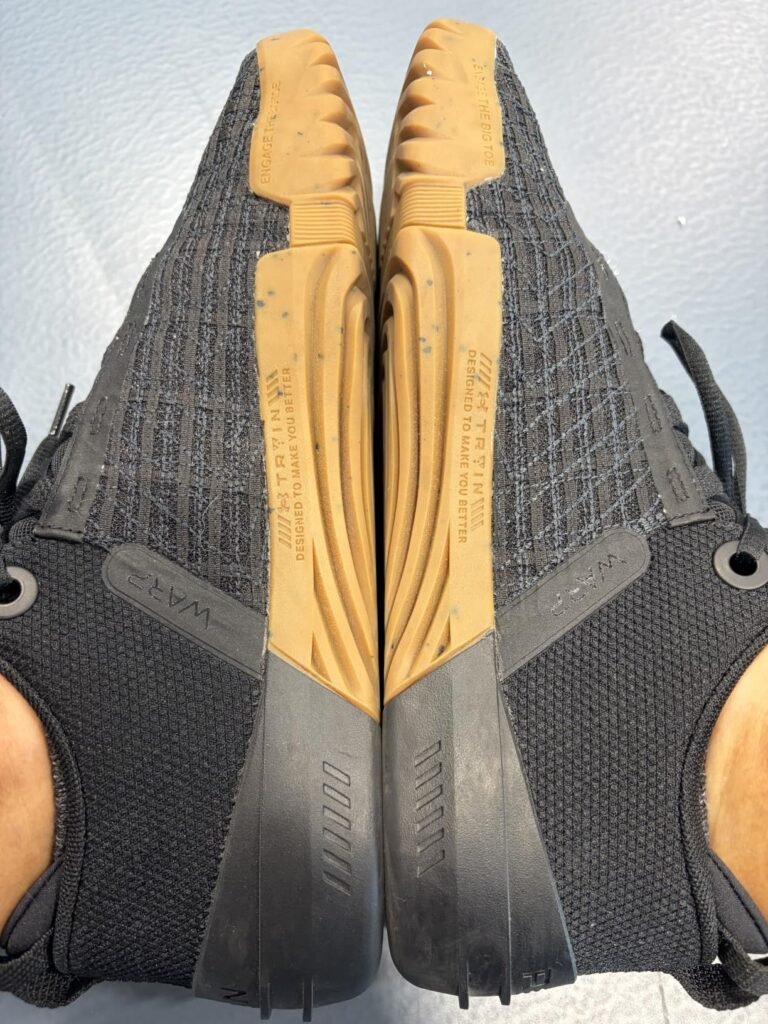
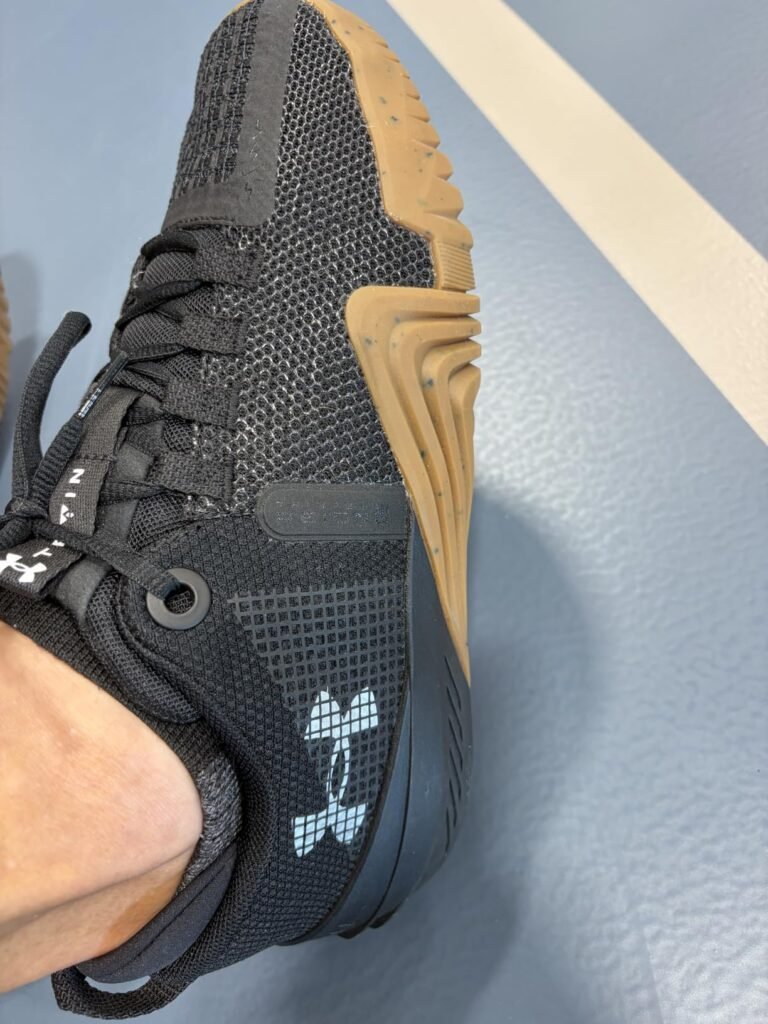
The Under Armour TriBase Reign 6 is engineered for athletes who prioritize a stable, connected-to-the-ground feel during heavy compound lifts. The signature TriBase outsole creates three distinct points of ground contact, which maximizes the surface area under your foot and reduces the wobble that can occur during squats, deadlifts, and overhead presses. If your training revolves around strength work with occasional conditioning, this shoe provides the solid platform you need.
We may earn a commission when you buy through this link, at no additional cost to you.
The low-to-the-ground build is a deliberate design choice that improves power transfer from your foot to the floor. When you drive through your heels during a heavy pull, a lower stack height means less energy is lost compressing thick foam. The dual-density midsole complements this by using firmer foam in the heel for support and softer foam in the forefoot for comfort during short runs or jumping movements, though the overall feel remains firmer than cushioned trainers.
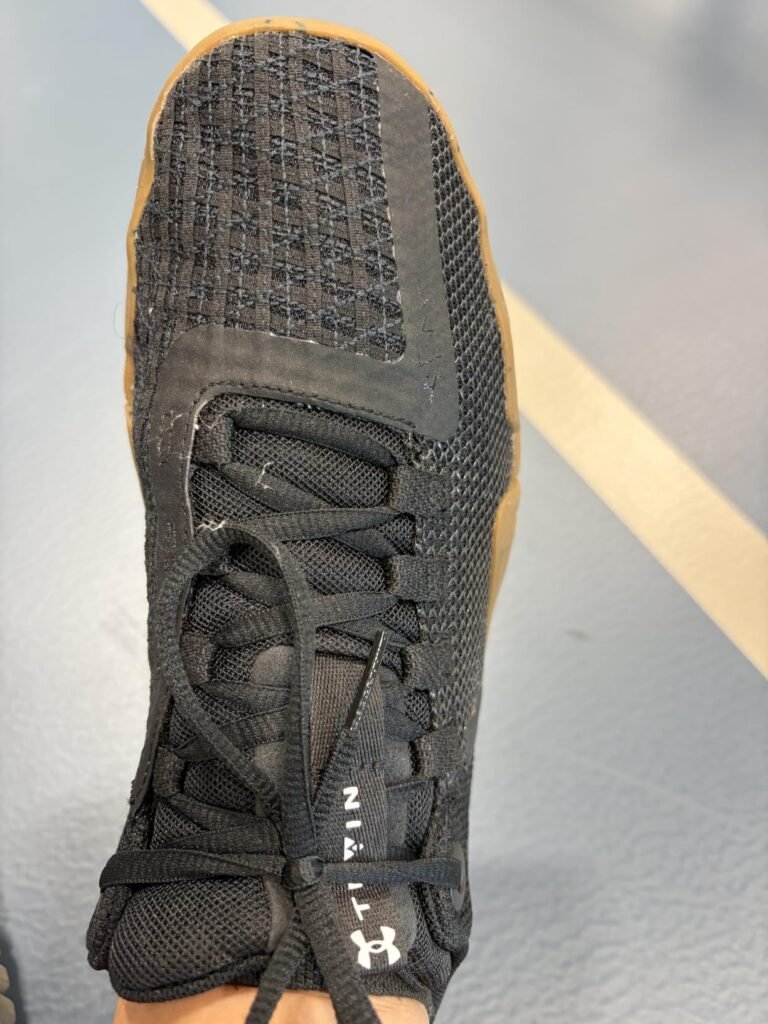
The UA WARP upper wraps the foot in a supportive, secure fit that resists stretching during lateral movements and rope climbs. Strategic rubber reinforcement under the toe box adds grip for exercises like push-ups and burpees where your toes drag against the floor. The standard tie lacing system allows fine-tuned adjustments, and the overall construction feels durable enough to withstand months of high-volume training without breaking down prematurely.
Traditional flat outsoles can create a slight rocking effect when your weight shifts during a heavy lift. The TriBase design addresses this by establishing three separate contact points that form a triangular base under the foot. This geometry distributes force more evenly and keeps the shoe flat against the floor even when your center of gravity shifts forward or backward. The result is a more confident feel during heavy squats and a reduced tendency for the foot to roll under load.
This shoe is best suited for lifters and functional fitness athletes who spend most of their time under a barbell or performing bodyweight movements. The trade-off is that the low-profile, firmer ride may feel harsh during longer runs or extended cardio sessions. If your programming includes significant running mileage, you may want to pair this with a dedicated running shoe for those days.
Not suited for long-distance running or buyers who prefer a highly cushioned, plush feel underfoot.
We may earn a commission when you buy through this link, at no additional cost to you.
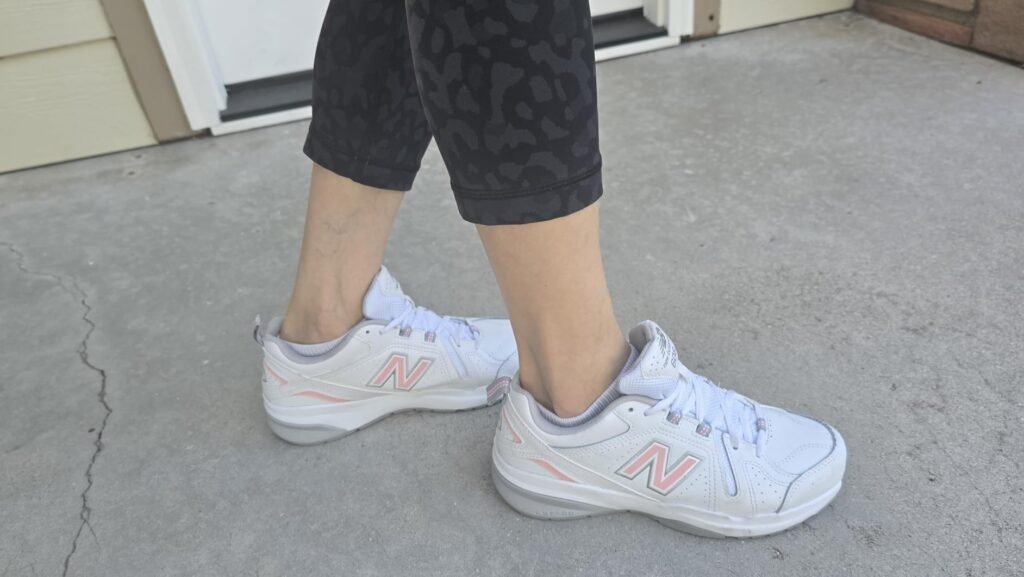
The women's version of the New Balance 608 V5 shares the same comfort-first philosophy as the men's model, with an IMEVA midsole and ABZORB heel pad that work together to absorb shock on hard gym floors and concrete sidewalks. This shoe is a strong choice for women whose fitness routines include group fitness classes, light resistance training, treadmill walking, and everyday activities. The classic suede upper gives it a clean, versatile look that works just as well outside the gym.
We may earn a commission when you buy through this link, at no additional cost to you.
The IMEVA midsole is a step up from standard EVA in terms of durability and compression resistance. Over weeks of regular use, cheaper foam tends to flatten and lose its cushioning, but IMEVA holds its shape longer, which means the shoe maintains its supportive feel through months of consistent wear. The ABZORB heel pad specifically targets the impact zone where your heel strikes the ground, reducing the jarring sensation that can travel up through your joints during repetitive movements.
Fit and comfort details are well considered. The traditional lace-up closure lets you adjust tension across the midfoot to match your foot shape, and the lightly cushioned footbed adds an extra layer of softness right where you need it. The suede upper provides more structure than a mesh alternative, which helps the shoe maintain its shape and support the foot during lateral movements. The trade-off is reduced breathability, so your feet may feel warmer during high-intensity sessions.
Injection-molded EVA, or IMEVA, is produced through a different manufacturing process than compression-molded EVA. The result is a foam that is slightly denser and more resistant to permanent compression. In practical terms, this means the midsole retains its cushioning properties longer, especially under the heel where impact forces are highest. For buyers who train several days per week and want a shoe that does not flatten out after a few months, IMEVA is a meaningful upgrade.
This model is best for women who want a reliable, comfortable shoe that handles moderate gym work and daily wear without requiring a break-in period. It is not designed for competitive CrossFit or explosive plyometric training, but for general fitness and active lifestyles, it delivers consistent performance at a reasonable price. The durable outsole construction also makes it a practical choice for those who walk or run errands in the same shoes they wear to the gym.
Not designed for competitive CrossFit workouts or explosive plyometric training that demands a firmer platform.
We may earn a commission when you buy through this link, at no additional cost to you.
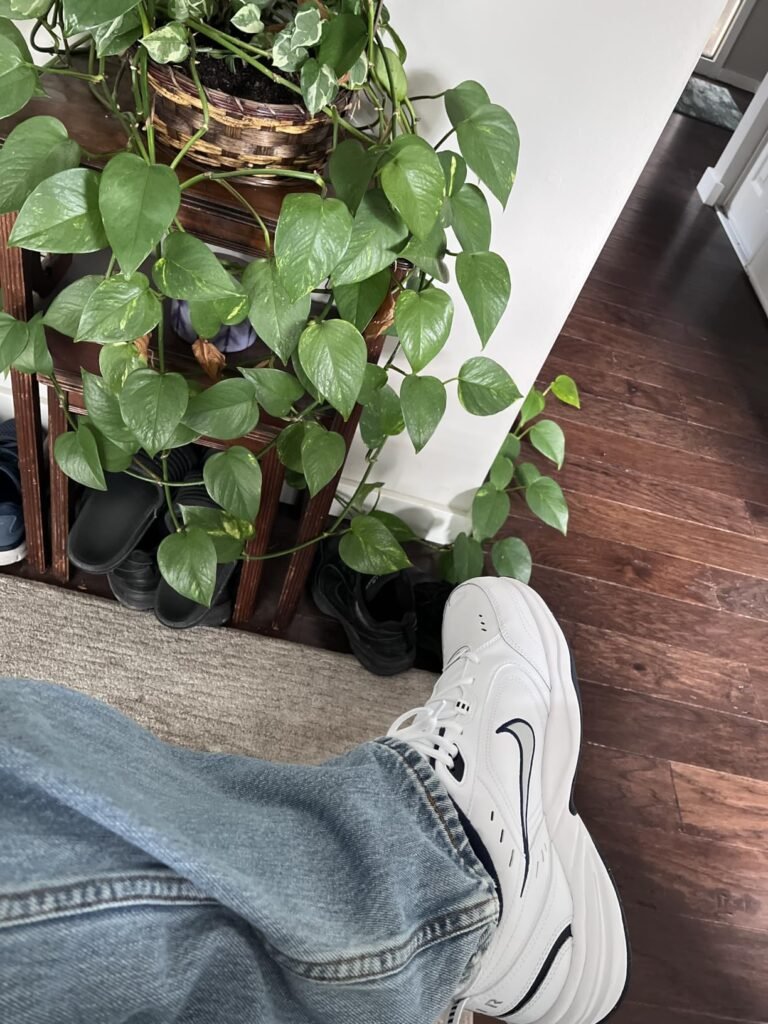
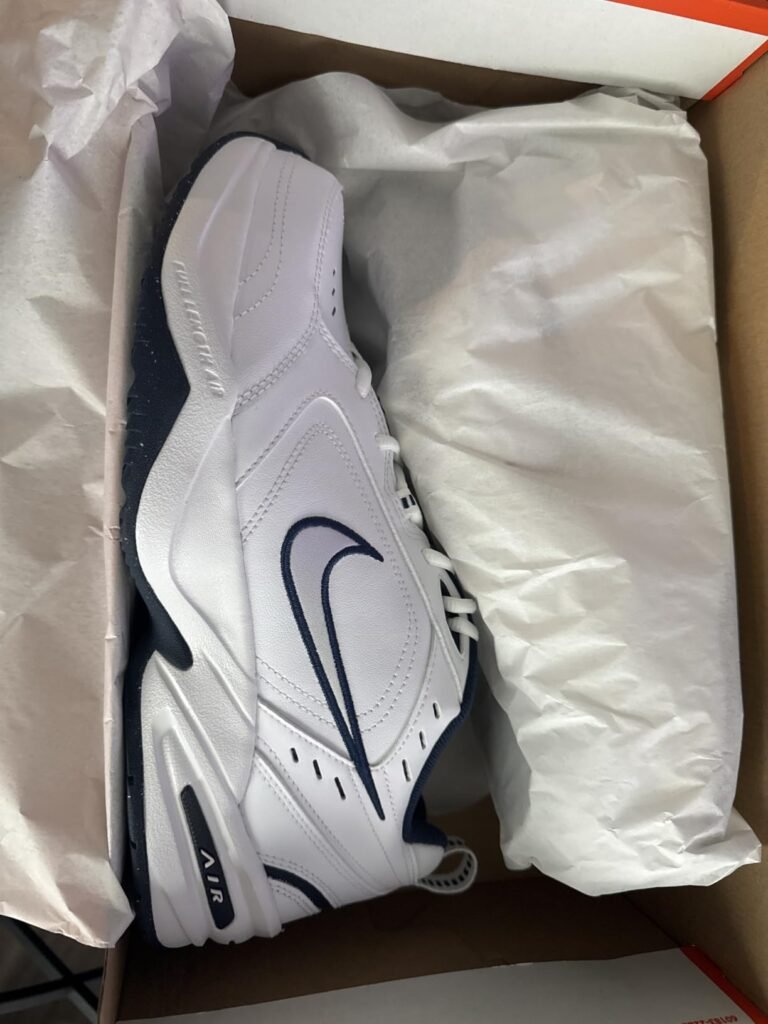
The Nike Air Monarch IV has been a staple in the cross-training category for years, and its longevity is no accident. The full-length Air-Sole unit runs from heel to toe, providing consistent cushioning that absorbs impact across the entire foot. This makes it a comfortable choice for men who spend long hours on their feet, whether at the gym, at work, or running errands. The shoe leans heavily toward comfort and durability rather than speed or agility.
We may earn a commission when you buy through this link, at no additional cost to you.
The leather and synthetic leather upper is one of the most durable constructions in this price range. It resists scuffs, holds its shape well, and provides solid lateral support during side-to-side movements. The trade-off is breathability: leather does not ventilate as effectively as mesh, so your feet will run warmer during intense workouts. For cooler gym environments or shorter training sessions, this is less of an issue, but it is worth considering if you tend to overheat easily.
The rubber outsole delivers dependable traction on gym floors, concrete, and light outdoor surfaces. It is not as aggressive as the tread patterns found on dedicated performance trainers, but it provides enough grip for most general fitness activities. The overall fit tends to run wide, which is a significant advantage for men with broader feet who struggle to find comfortable cross trainers in standard widths. The lace-up closure allows further adjustment for a secure feel.
Full-length Air-Sole cushioning is most beneficial for heavier individuals or anyone who experiences joint discomfort during impact activities. Because the air unit spans the entire length of the shoe, it distributes shock absorption evenly rather than concentrating it in the heel alone. This can reduce fatigue in the forefoot during exercises like lunges, step-ups, and jumping jacks, where the ball of the foot absorbs significant force.
The Air Monarch IV is best for buyers who want a comfortable, durable, and affordable shoe for moderate gym use and everyday wear. It is not the right choice for high-intensity functional fitness or competitive training where a lower-profile, more responsive shoe would perform better. However, for walking, light weight training, and general activity, it remains one of the most popular and reliable options available at this price point.
Not recommended for serious cross-training athletes who need a low-profile, stable base for heavy barbell work.
We may earn a commission when you buy through this link, at no additional cost to you.
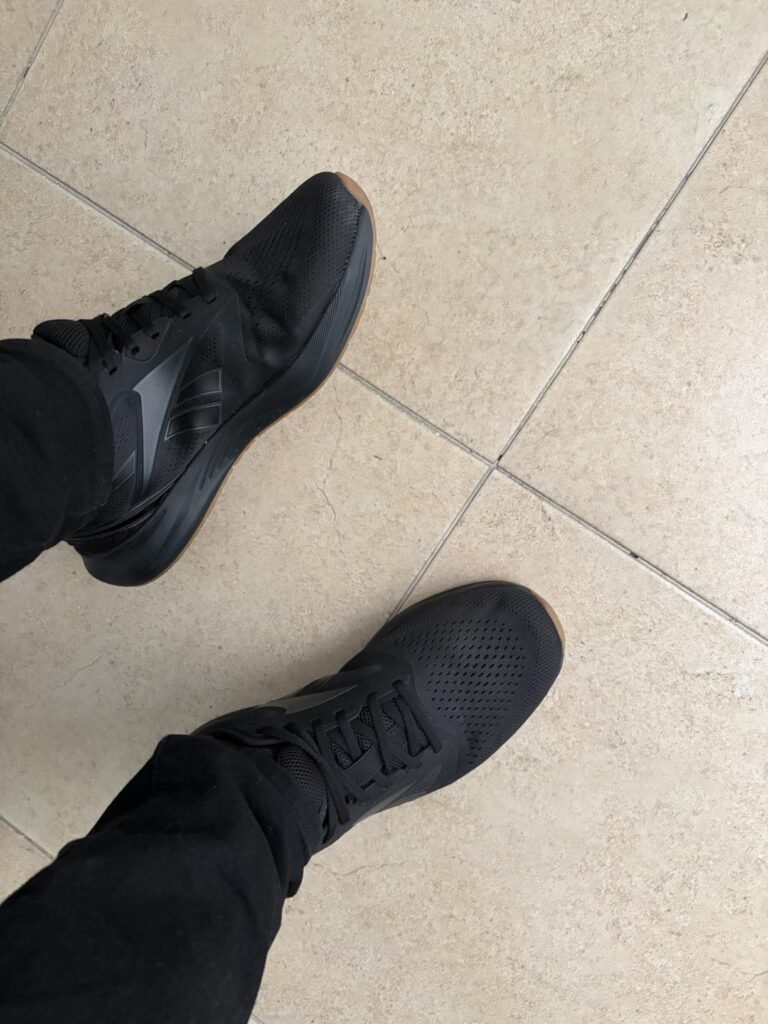
The Reebok NFX Trainer 2 delivers a surprising amount of performance for its price. Designed as a more affordable sibling to the premium Nano line, it incorporates several features that elevate it above typical budget cross trainers. The EVA midsole provides reliable cushioning for jumps, short runs, and high-rep bodyweight exercises, while the TPU heel clip adds a layer of lateral stability that keeps your foot secure during side-to-side movements and directional changes.
We may earn a commission when you buy through this link, at no additional cost to you.
The engineered mesh upper with heat-pressed overlays strikes a good balance between breathability and durability. The mesh allows air to circulate during intense workouts, keeping your feet cooler than leather or suede alternatives, while the overlays reinforce high-wear areas that take the most abuse during rope climbs and burpees. The plush collar hugs the ankle snugly, reducing heel slip and preventing the distractions that can break your focus during a demanding workout.
One of the standout features at this price is the removable INSITE LuxComfort sock liner. This open-cell polyurethane foam insole provides lightweight cushioning with durable rebound, meaning it springs back to shape after each step rather than compressing permanently. The rubber outsole with flex grooves maintains flexibility for natural foot movement while providing enough grip for gym floors and outdoor surfaces. The overall package feels more premium than the price suggests.
A thermoplastic polyurethane heel clip wraps around the back of the shoe to create a rigid cup that holds the heel in place. During lateral movements like lateral lunges, skater jumps, or agility ladder drills, this clip prevents the heel from shifting inside the shoe, which improves balance and reduces the risk of ankle roll. It is a small structural detail that makes a noticeable difference in how planted and confident the shoe feels during dynamic workouts.
The NFX Trainer 2 is an excellent choice for men who want a capable cross-training shoe without the premium price tag. It handles a wide range of gym activities competently, from lifting and circuit training to short runs and agility drills. The main trade-off is that the EVA midsole may not hold up as long as the more advanced foam compounds found in higher-priced models, so heavy users may need to replace these sooner than a Nano or TriBase.
Not ideal for runners who log high weekly mileage or athletes needing maximum lateral support for court sports.
We may earn a commission when you buy through this link, at no additional cost to you.
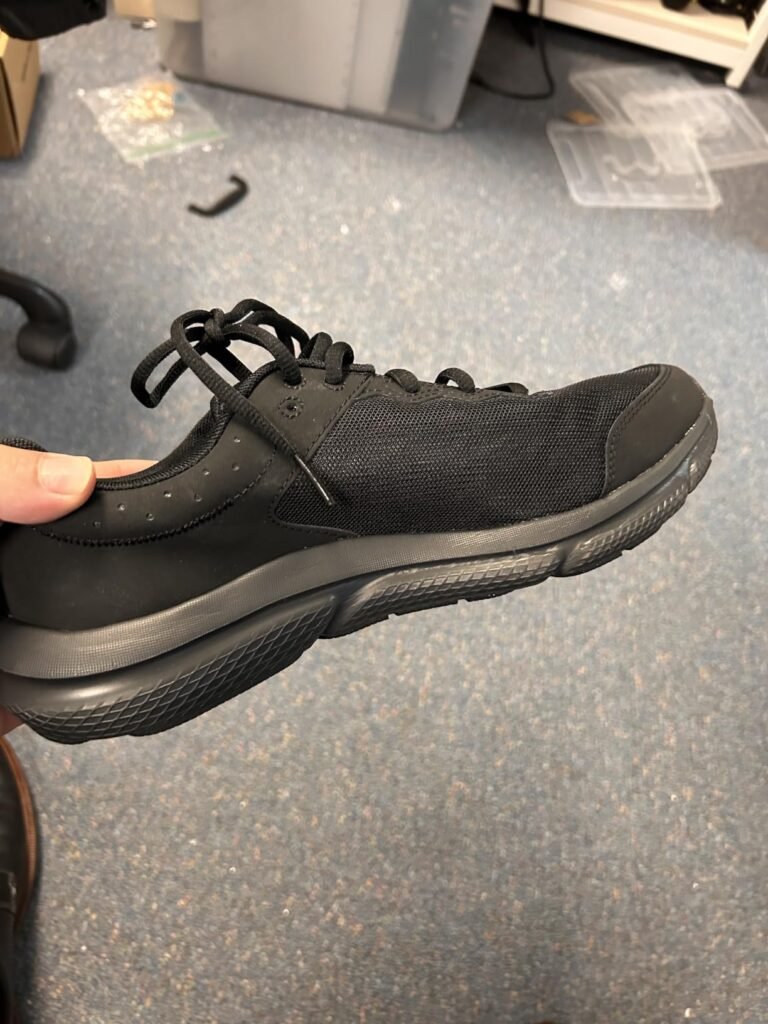
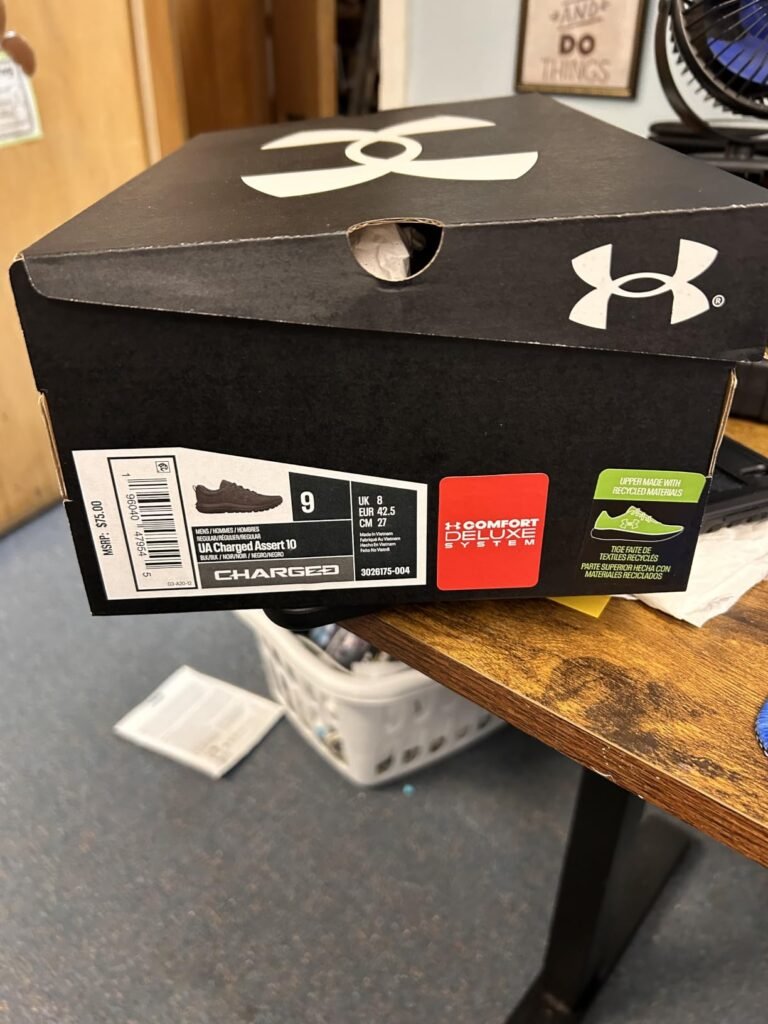
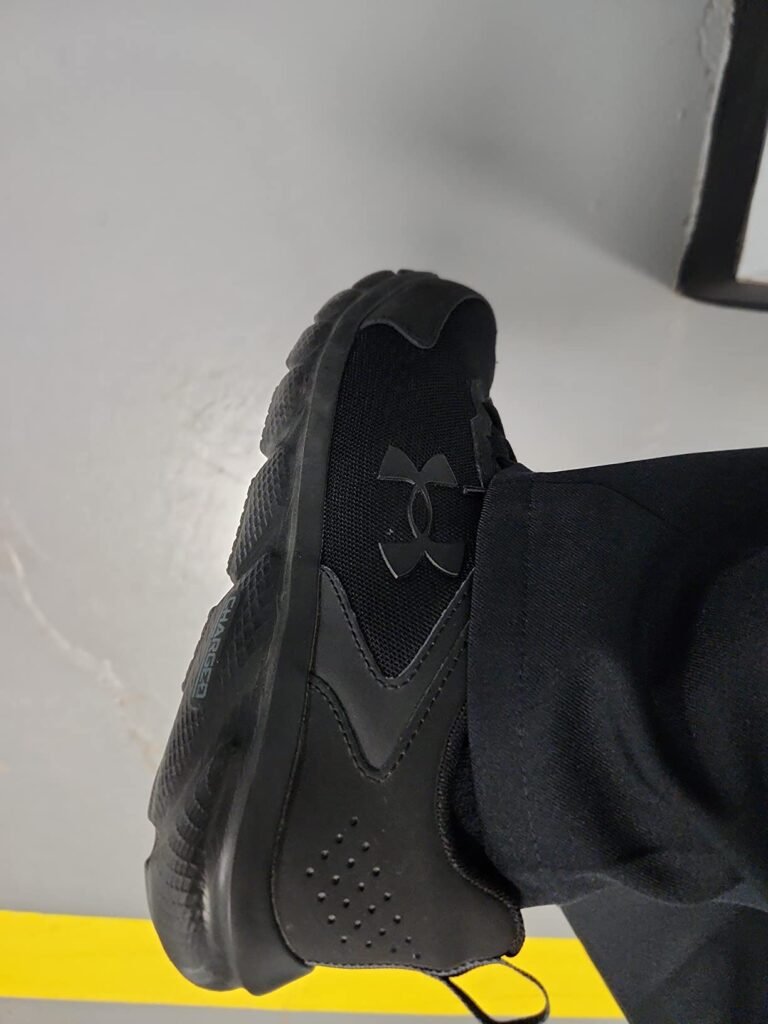
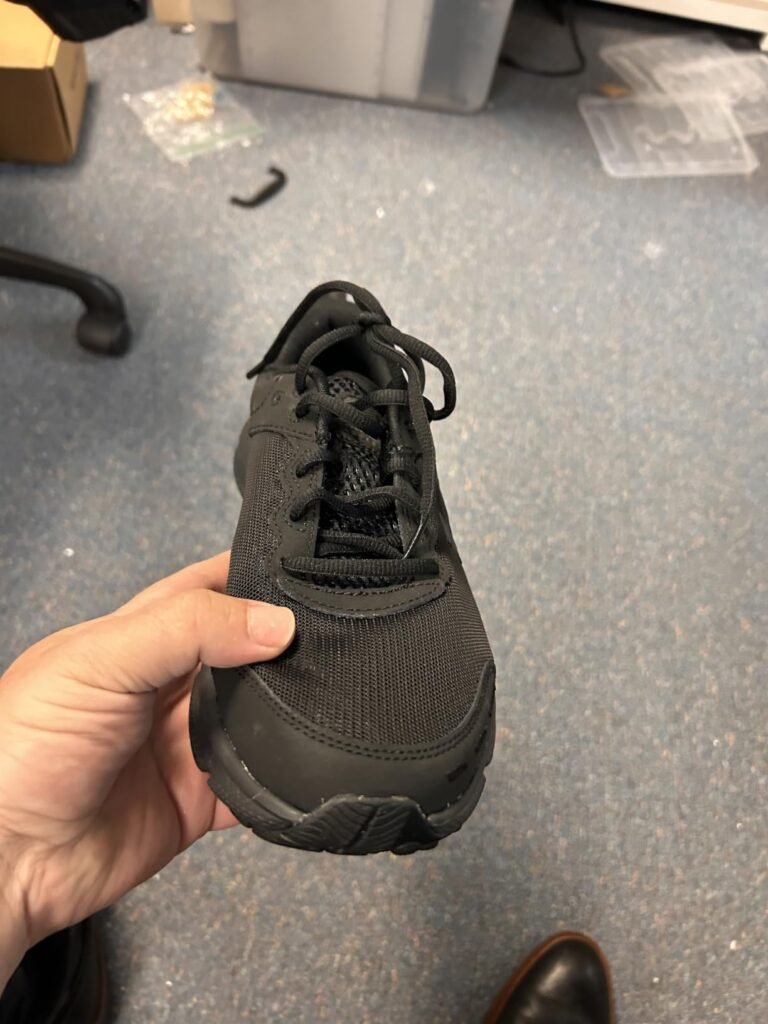
At just 9.5 ounces, the Under Armour Charged Assert 10 is one of the lightest shoes in this guide, and that low weight translates to a nimble, responsive feel during fast-paced workouts. The Charged Cushioning midsole uses compression-molded foam that absorbs impact and returns energy with each step, making it a strong option for athletes who split their time between the gym and the road. If your routine includes treadmill intervals, short outdoor runs, and moderate weight training, this shoe covers both worlds effectively.
We may earn a commission when you buy through this link, at no additional cost to you.
The breathable mesh upper with synthetic overlays provides excellent ventilation without sacrificing all structural support. The overlays reinforce the midfoot and toe areas where the shoe experiences the most stress during lateral movements and toe drags. The EVA sockliner adds soft step-in comfort right out of the box, reducing the break-in period that some cross trainers require. The overall fit is snug but not restrictive, accommodating a range of foot shapes.
The 10mm heel-to-toe offset is worth noting because it positions this shoe closer to a traditional running shoe than a flat cross trainer. A higher drop shifts more cushioning under the heel, which is comfortable for heel-strike runners and walkers but can create a slightly less stable feel during heavy squats or deadlifts where a flatter platform is preferred. The solid rubber outsole covers high-impact zones for durability while leaving other areas exposed to reduce weight.
A 10mm heel-to-toe drop places more cushioning under the heel, which reduces strain on the Achilles tendon and calf muscles during running and walking. For buyers who deal with Achilles tightness or calf soreness, a higher drop can provide meaningful relief. However, if your primary focus is heavy lifting, a lower drop or flat shoe will give you a more stable base and better force transfer through the ground.
The Charged Assert 10 is best for buyers who want a lightweight, versatile shoe that handles running and gym work equally well. It is not the most stable option for heavy barbell training, and the higher heel drop may not suit athletes who prefer a flat, connected-to-the-ground feel. However, for hybrid training routines that emphasize cardio, bodyweight exercises, and moderate lifting, the combination of low weight and responsive cushioning is hard to beat at this price.
Not the best option for heavy weightlifting sessions where a flatter, more rigid sole improves force transfer.
We may earn a commission when you buy through this link, at no additional cost to you.
Although marketed as a running shoe, the Under Armour Charged Assert 9 earns a spot in this cross-training guide because many athletes need a shoe that excels during the cardio-heavy portions of their programming. The lightweight mesh upper with a breathable pattern provides exceptional ventilation, keeping your feet cool during long treadmill sessions, outdoor runs, and high-rep conditioning workouts. If your training leans more toward running and cardio than heavy barbell work, this shoe delivers where it matters most.

We may earn a commission when you buy through this link, at no additional cost to you.
The Charged Cushioning midsole uses impact-absorbing foam that provides dynamic rebound with each stride. This energy return helps maintain speed and reduces the leg fatigue that builds up during extended runs or high-volume interval sessions. The smooth interior liner creates a plush step-in feel that minimizes friction against the skin, reducing the likelihood of blisters and hot spots during longer workouts. The overall ride is soft and forgiving, which is ideal for runners but less suited for heavy lifting.
The outsole uses high-wear rubber in the zones that take the most punishment, typically the heel and forefoot, while leaving other areas lighter to keep the overall weight down. This strategic approach provides durable grip on roads, tracks, and gym floors without adding unnecessary bulk. The strategic overlays on the upper deliver midfoot control that stabilizes each stride, though they do not provide the same level of lateral support as a dedicated cross trainer with a wider, flatter platform.
Shoes that prioritize running comfort typically feature softer midsoles and higher heel drops, which create a cushioned, forgiving ride on pavement and treadmills. The trade-off is that softer foam compresses more under heavy loads, which can make the shoe feel unstable during squats and deadlifts. If your training split includes two or three running days and one or two lifting days, a shoe like the Assert 9 can handle both adequately. But if lifting is your primary focus, a firmer, flatter shoe will serve you better.
The Charged Assert 9 is best for athletes whose cross-training routines emphasize running, treadmill work, and cardio circuits over heavy lifting and lateral agility drills. It is one of the most comfortable and well-ventilated options in this guide, and the price is competitive. However, if your programming includes heavy squats, deadlifts, or significant lateral movement, you will want a shoe with a flatter, more stable platform and stronger side-to-side support.
Not designed for dedicated weightlifting or high-intensity cross-training that requires a firm, stable platform.
We may earn a commission when you buy through this link, at no additional cost to you.
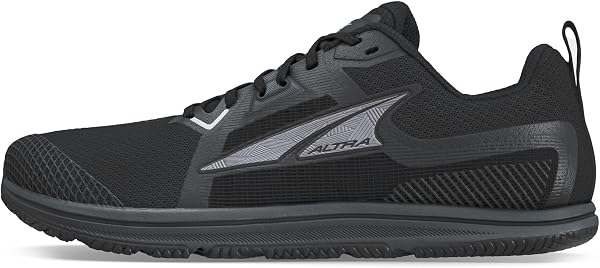
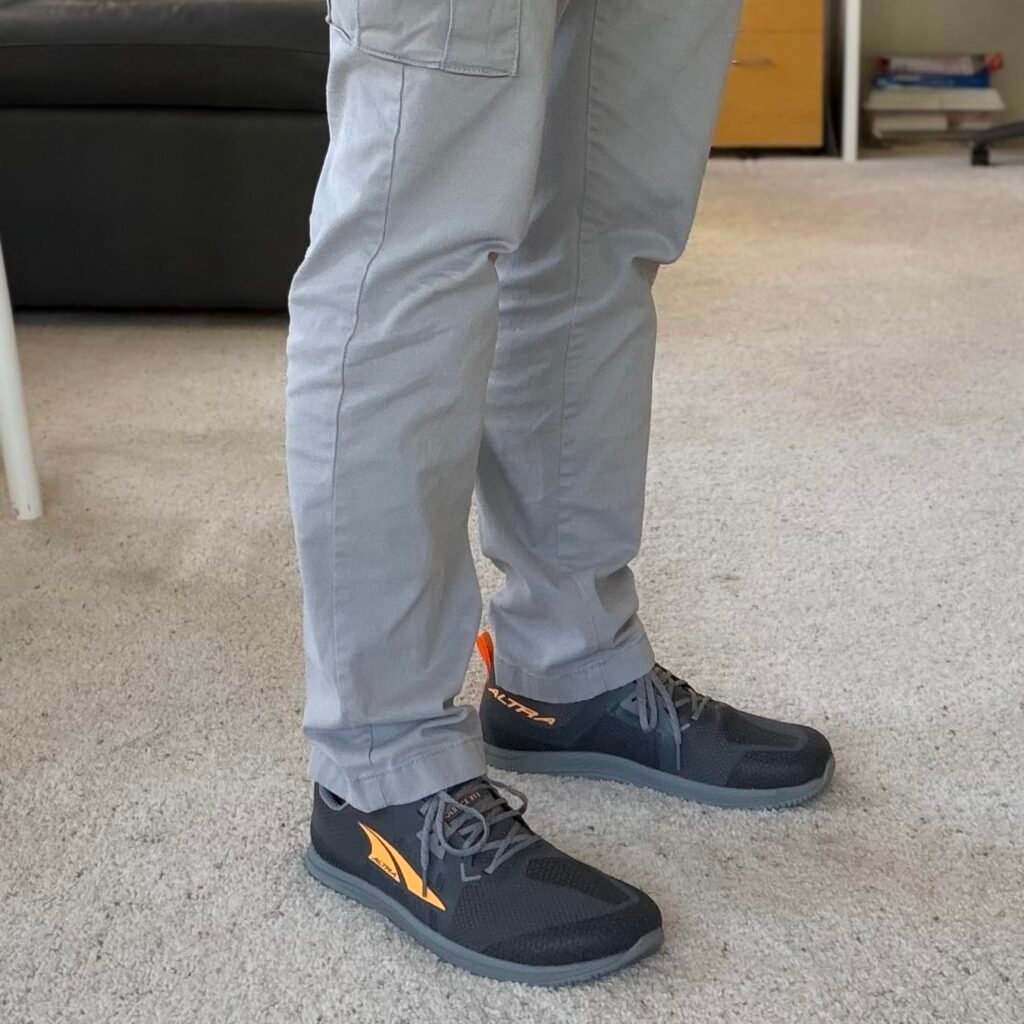
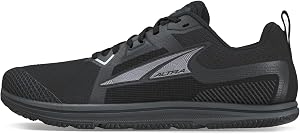
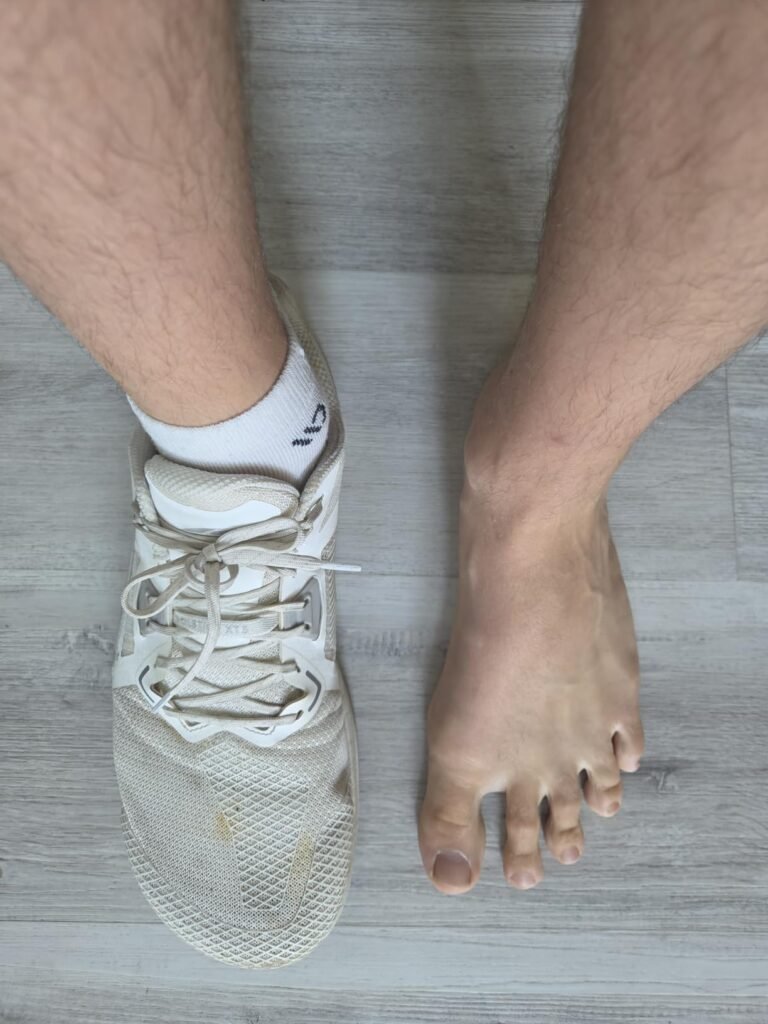
The ALTRA Solstice XT 3 stands out in this guide for its distinctive FootShape toe box, which gives your toes significantly more room to spread naturally than a traditional tapered shoe. This design philosophy is particularly beneficial for athletes who experience toe crowding, bunions, or general forefoot discomfort in conventional cross trainers. The APMA Seal of Acceptance adds credibility, indicating that the shoe has been evaluated by podiatric professionals and found to promote good foot health.
We may earn a commission when you buy through this link, at no additional cost to you.
The InnerFlex midsole uses a grid-like pattern of grooves that allow the shoe to flex naturally with your foot during dynamic movements. This flexibility is especially noticeable during exercises that require a full range of motion in the forefoot, such as lunges, box jumps, and sprints. The secure midfoot design ensures that while the toe box is roomy, the rest of the foot stays locked in place, preventing the sliding and instability that can occur in poorly designed wide shoes.
The lower owner rating compared to other shoes in this guide likely reflects the polarizing nature of the FootShape fit. Buyers with wider feet or those who prefer a natural, foot-shaped shoe tend to love the design, while those with narrower feet may find the toe box too spacious and the overall fit less secure. It is worth trying the shoe on if possible, or ordering from a retailer with a good return policy, to determine whether the unique fit works for your foot shape.
The American Podiatric Medical Association Seal of Acceptance is awarded to products that a panel of podiatrists has determined promote good foot health. For a cross-training shoe, this means the design supports proper foot alignment, reduces excessive pressure on specific areas, and allows natural foot movement during activity. While the seal does not guarantee the shoe will solve every foot problem, it provides an additional layer of confidence for buyers who are concerned about long-term foot health and injury prevention.
The Solstice XT 3 is best for athletes with wider feet, those who prioritize natural foot movement, or anyone who has been advised by a podiatrist to wear shoes with a roomier toe box. It is not the most versatile cross trainer in this guide for narrow-footed buyers or those who prefer a snug, locked-down feel throughout the entire shoe. However, for the right foot shape, the combination of natural splay, flexibility, and podiatrist recognition makes it a compelling and health-conscious choice.
Not recommended for buyers who prefer a traditional tapered toe box or need significant heel cushioning for running.
We may earn a commission when you buy through this link, at no additional cost to you.
Selecting a cross training shoe requires balancing several competing demands. Unlike running shoes that prioritize forward motion or weightlifting shoes that maximize heel elevation and rigidity, a cross trainer must handle lateral movements, jumping, short runs, and barbell work in a single session. The factors below will help you identify which construction details matter most for your specific training style.
The midsole is the most important component of any cross training shoe because it determines how the shoe absorbs impact, transfers force, and feels underfoot during varied movements. Most cross trainers use some form of EVA foam, but the specific formulation and construction method vary significantly between models. Compression-molded EVA is common in budget shoes and provides adequate cushioning for moderate use, while injection-molded EVA and proprietary compounds like Under Armour’s Charged Cushioning or Reebok’s dual-density setups offer better durability and energy return over time.
Dual-density midsoles, found in shoes like the Reebok Nano X5 and Under Armour TriBase Reign 6, use firmer foam in the heel for stability during lifts and softer foam in the forefoot for cushioning during jumps and runs. This split approach eliminates the compromise that single-density midsoles force on the buyer. If your training includes a mix of heavy lifting and high-impact conditioning, a dual-density midsole will serve you better than a uniform foam that is either too soft for lifting or too firm for running.
Prioritize a dual-density or performance-grade midsole if your workouts combine lifting and cardio. If you primarily walk or do light gym work, a standard EVA midsole will provide sufficient comfort at a lower cost.
Heel-to-toe drop, also called offset, refers to the height difference between the heel and the forefoot of the shoe. Cross training shoes typically range from 0mm to 10mm, and the right drop depends on your training focus. A lower drop of 4mm to 6mm, as seen in the Under Armour Charged Commit Trainer 5, provides a flatter, more stable platform that improves force transfer during squats and deadlifts while still offering some heel cushioning for short runs. A higher drop of 8mm to 10mm, like the Under Armour Charged Assert 10, shifts more cushioning under the heel and is more comfortable for running but can feel less stable under heavy loads.
The overall stack height of the midsole also matters. A shoe with a thick, plush midsole may feel comfortable during cardio but can create a wobbly, unstable feeling during heavy lifts because the foam compresses unevenly under load. Conversely, a very thin, flat midsole provides excellent stability for lifting but may feel harsh during jumps and runs. The best cross trainers strike a balance, offering enough cushioning to protect your joints during impact activities while maintaining a low enough profile to keep you grounded during strength work.
Choose a lower drop of 4mm to 6mm if lifting is your primary focus. Opt for a higher drop of 8mm to 10mm if running and cardio dominate your routine. A moderate drop around 6mm is the most versatile for mixed training.
The outsole is your point of contact with the ground, and its design directly affects your grip, stability, and the shoe’s overall lifespan. Cross training outsoles need to perform on a variety of surfaces, from rubber gym floors and wooden platforms to concrete and outdoor pavement. Look for outsoles with multi-directional tread patterns that provide grip during lateral movements, not just forward motion. Flex grooves, like those on the Reebok NFX Trainer 2, allow the outsole to bend naturally with your foot during dynamic exercises without sacrificing traction.
Durability is another critical consideration. Full rubber outsoles, such as the one on the Under Armour Charged Commit Trainer 5, cover the entire bottom of the shoe and last significantly longer than partial rubber designs that leave foam exposed in low-wear areas. If you do a lot of rope climbs, burpees, or lateral shuffles that grind the outsole against rough surfaces, a full rubber construction will extend the life of your shoes by months. Strategic rubber placement, where rubber covers only the highest-wear zones, is a lighter alternative that works well for athletes who are easier on their shoes.
Invest in a full rubber outsole if you train at high volume or do exercises that are hard on shoe soles. A partial rubber outsole is fine for moderate use and saves a small amount of weight.
The upper of a cross training shoe affects breathability, durability, support, and overall weight. Mesh uppers are the lightest and most breathable option, making them ideal for athletes who run hot or train in warm environments. However, standard mesh can tear under the abrasion of rope climbs and repeated friction against gym equipment. Engineered mesh, like the Flexweave construction on the Reebok Nano X5, uses a woven pattern that distributes stress more evenly and resists tearing better than basic mesh while maintaining good airflow.
Leather and synthetic leather uppers, found on the New Balance 608 V5 and Nike Air Monarch IV, offer superior durability and structure but sacrifice breathability. These materials hold their shape well over time and provide strong lateral support, which is beneficial for athletes who do a lot of side-to-side movements. Hybrid uppers that combine mesh with leather or synthetic overlays, like the Under Armour Charged Commit Trainer 5, offer a practical compromise by placing breathable mesh in high-heat areas and durable overlays in high-wear zones.
Choose a mesh or engineered mesh upper if breathability is your top priority. Go with leather or a leather-mesh hybrid if you need maximum durability and lateral support for demanding gym sessions.
A proper fit is essential for both performance and injury prevention in cross training shoes. The shoe should hold your heel securely without slipping, provide enough room in the toe box for your toes to spread naturally during lifts, and wrap snugly around the midfoot without creating pressure points. Many cross trainers fit true to size, but some models run narrow or wide, so checking owner feedback on sizing is a smart step before purchasing. The ALTRA Solstice XT 3, for example, features a significantly wider toe box than most competitors, which is ideal for athletes with broader feet but may feel too roomy for those with narrow feet.
Consider your foot shape and any specific fit issues you have experienced with previous shoes. Athletes with high arches may benefit from shoes with removable insoles that can be swapped for custom orthotics, a feature found on the Reebok Nano X5. Those with flat feet or overpronation should look for shoes with built-in arch support or a structured midfoot that helps control excessive inward rolling. The lacing system also plays a role: standard tie laces allow the most customization, while some models use speed-lace or BOA systems for quicker adjustments.
Try shoes on later in the day when your feet are slightly swollen, as this more closely mimics how they will feel during a workout. If you are between sizes, sizing up by half a size is usually safer than sizing down, especially for cross training where your feet may swell during intense sessions.
Shoe weight affects how quickly your feet fatigue during high-rep workouts and how responsive the shoe feels during fast movements. Lighter shoes, like the Under Armour Charged Assert 10 at 9.5 ounces, feel nimble and reduce the energy cost of lifting your feet during running, jumping, and agility drills. Heavier shoes, often those with full rubber outsoles and leather uppers, provide more durability and support but can feel sluggish during fast-paced conditioning work.
Responsiveness refers to how quickly the midsole returns energy after compression. A responsive midsole, such as Under Armour’s Charged Cushioning, springs back quickly after each step, giving you a bouncy, energetic feel that helps maintain pace during runs and reduces the dead, flat sensation that some EVA foams develop over time. Less responsive foams absorb impact well but do not return much energy, which can make your legs feel heavier during longer workouts. The ideal balance depends on your training mix: more responsiveness for cardio-heavy routines, more absorption for high-impact jumping and plyometrics.
Prioritize low weight and high responsiveness if your training includes significant running and agility work. Accept a slightly heavier shoe if durability and stability for lifting are more important to your routine.
Arch support is a frequently overlooked factor that can significantly affect comfort and injury risk during cross training. Athletes with high arches tend to underpronate and may need additional cushioning to absorb shock, while those with flat feet tend to overpronate and benefit from structured arch support that controls excessive inward rolling. Some cross trainers, like the Reebok Nano X5, include a removable insole with built-in arch support that can be swapped for custom orthotics if needed. Others rely on the midsole shape and footbed contour to provide passive arch support.
If you already use custom orthotics or over-the-counter arch supports, look for shoes with removable insoles and enough interior volume to accommodate the additional insert without making the shoe feel too tight. A shoe with a fixed insole and a low-volume interior may not leave enough room for an orthotic, leading to pressure on the top of the foot and discomfort during longer workouts. The heel counter, the rigid cup at the back of the shoe, also plays a role in arch support by stabilizing the rearfoot and preventing excessive movement that can strain the arch.
If you have specific arch support needs, choose a shoe with a removable insole and try it with your preferred orthotic before committing. For most athletes with neutral arches, the built-in support in modern cross trainers is sufficient for general training.
Break in your new cross training shoes gradually by wearing them for shorter sessions during the first week. Start with light workouts and low-impact activities to allow the midsole foam to settle and the upper materials to conform to your foot shape. Avoid jumping straight into a high-volume training session with brand-new shoes, as the unfamiliar fit and unbroken materials can cause blisters, hot spots, or discomfort that may discourage you from wearing them regularly.
Clean your cross training shoes after each week of use to extend their lifespan and maintain hygiene. Remove the insoles and laces, then wipe the upper with a damp cloth and mild soap to remove sweat, dirt, and gym floor residue. Allow the shoes to air dry at room temperature away from direct heat sources, which can warp the midsole foam and weaken the adhesive bonds. Avoid machine washing, as the agitation and heat can damage the structural components of the shoe.
Rotate between two pairs of cross training shoes if you train more than four days per week. This allows the midsole foam to fully decompress and recover between sessions, which preserves its cushioning properties and extends the overall life of both pairs. Store your shoes in a cool, dry place with good airflow, and avoid leaving them in a hot car or gym bag for extended periods, as heat and moisture accelerate foam breakdown and promote bacterial growth that causes odor.
Cross training shoes are designed to handle multi-directional movements, including lateral shuffles, jumps, and lifts, while running shoes are optimized for forward motion. Cross trainers typically feature a flatter, more stable platform, a wider outsole for lateral support, and a more durable upper that resists abrasion from gym equipment. Running shoes prioritize lightweight cushioning and a higher heel drop for heel-to-toe transitions on pavement.
Yes, most cross training shoes work well for moderate weightlifting, including squats, deadlifts, and presses. Models with a lower heel drop and firmer midsole, like the Under Armour TriBase Reign 6, provide a more stable platform for heavy lifts. However, if you are a competitive powerlifter or Olympic weightlifter, a dedicated weightlifting shoe with an elevated heel and rigid sole will provide better force transfer and positioning.
Cross training shoes should fit snugly around the midfoot and heel without creating pressure points, with enough room in the toe box for your toes to spread naturally. Your heel should not slip during lateral movements, and there should be about a thumb's width of space between your longest toe and the front of the shoe. Try shoes on with the socks you plan to wear during training for the most accurate fit.
Most cross training shoes last between six and twelve months of regular use, depending on your training volume, body weight, and the types of exercises you perform. Signs that it is time to replace your shoes include visible outsole wear, compressed midsole foam that no longer springs back, reduced traction on gym floors, and increased joint or foot discomfort after workouts. High-volume athletes may need to replace shoes more frequently.
Cross training shoes are perfectly suitable for walking and everyday wear, especially models with comfortable cushioning like the New Balance 608 V5 or Nike Air Monarch IV. The stable platform and durable outsole make them comfortable for long walks on various surfaces. However, if walking is your primary activity, a dedicated walking shoe may offer better arch support and a more cushioned heel specifically designed for the heel-to-toe walking gait.
A heel drop of 4mm to 6mm is generally considered the most versatile for cross training because it provides enough heel cushioning for short runs and jumps while maintaining a flat, stable platform for lifting. Lower drops of 0mm to 4mm favor lifting and natural foot movement, while higher drops of 8mm to 10mm are better for running-dominant routines. Choose based on the primary focus of your training program.
Cross training shoes can handle short runs of one to three miles, especially models with responsive midsoles like the Under Armour Charged Assert series. However, they are not ideal for long-distance running because they lack the specialized cushioning, lightweight construction, and forward-motion optimization of dedicated running shoes. If your routine includes significant running mileage, consider keeping a separate pair of running shoes for those sessions.
The need for arch support depends on your foot type and any existing conditions. Athletes with flat feet or overpronation benefit from structured arch support that controls excessive inward rolling, while those with high arches may need additional cushioning to absorb shock. Many cross trainers include moderate built-in arch support, and some feature removable insoles that can be replaced with custom orthotics for a personalized fit.
Rubber outsoles provide the best grip on gym floors, especially on rubber mats and wooden platforms commonly found in weight rooms and CrossFit boxes. Look for outsoles with a flat or slightly textured tread pattern that maximizes surface contact without leaving marks on the floor. Avoid outsoles with deep, aggressive lugs designed for trail running, as these can feel unstable on smooth indoor surfaces and may damage gym flooring.
Most cross training shoes fit true to size, but sizing up by half a size can be beneficial if you have wider feet, plan to wear thick training socks, or experience foot swelling during intense workouts. A slightly roomier fit also allows for natural toe splay during lifts and reduces the risk of blisters during longer sessions. Check the specific sizing recommendations for each model, as some brands run narrower or wider than others.
The Under Armour Charged Commit Trainer 5 stands out as the strongest overall choice for most cross-training athletes, thanks to its full-length Charged Cushioning, balanced 6mm heel drop, durable full rubber outsole, and the highest owner rating in this guide. It handles lifting, running, jumping, and agility work with equal competence, making it the most versatile single-shoe solution for mixed-modal training programs.
For buyers with different priorities, the Reebok Nano X5 offers premium dual-density performance for serious functional fitness athletes, the Reebok NFX Trainer 2 delivers impressive versatility at a budget-friendly price, and the ALTRA Solstice XT 3 provides a unique foot-shaped fit for those who need extra toe room and podiatrist-recognized foot health support. The New Balance 608 V5 and Nike Air Monarch IV remain reliable choices for comfort-focused buyers who want a shoe that transitions easily between the gym and daily life.
Your best decision starts with an honest assessment of your training routine. If heavy lifting dominates your programming, prioritize a low-drop, stable platform. If cardio and running are your focus, lean toward responsive cushioning and breathable uppers. If you do a bit of everything, a balanced midsole with moderate drop and durable construction will serve you well across the widest range of activities.