Plus C-pap System
7.0Editor scoreAuto CPAP machine
Built-in humidifier
Over-the-counter use
Home and travel
Find the right cpap machines for 2026. We compare 10 standout options by build quality, useful features, owner feedback, value, and everyday trade-offs.
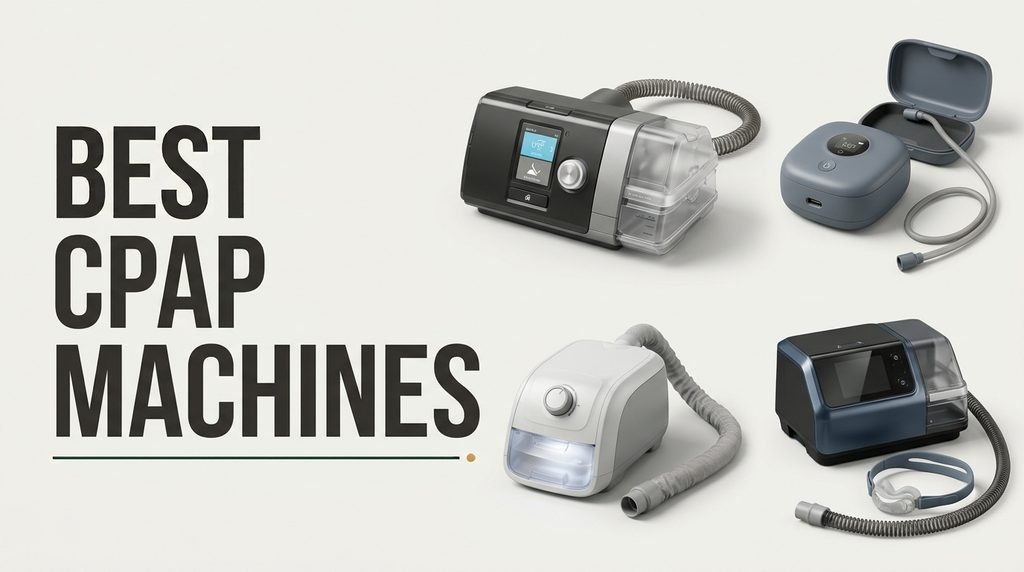
Choosing CPAP equipment for 2026 means weighing machine performance, mask fit, cleaning convenience, backup power, and replacement part compatibility against the specific needs of your sleep apnea therapy. We compare 10 standout options spanning full machines, mask systems, cleaning accessories, and battery backups so you can build a complete setup that supports consistent, comfortable nightly use.
CPAP therapy involves more than just the main machine. Mask fit significantly affects whether users actually tolerate therapy long-term, cleaning accessories keep equipment hygienic and extend part life, and backup batteries enable travel and power-outage continuity. Understanding how these components work together helps you avoid incomplete setups that compromise therapy effectiveness or daily comfort.
This guide covers each product’s strengths and real-world considerations so you can decide between an over-the-counter travel CPAP, replacement masks for popular ResMed systems, ultrasonic cleaning equipment, or power accessories. Each review highlights practical tradeoffs around compatibility, maintenance requirements, and the specific therapy scenarios each product serves best. Always consult a sleep medicine specialist for diagnosis and prescription-based equipment selection.
We compared 10 CPAP machines, masks, and accessories using the details that genuinely matter for successful sleep apnea therapy: equipment compatibility with major CPAP brands, mask fit and seal quality, humidification features, cleaning convenience, backup power capacity, replacement part availability, FSA/HSA eligibility, owner feedback, and overall value. The notes focus on practical trade-offs between full machines, mask replacements, and support accessories so each pick connects to real therapy scenarios and the components users typically need to maintain comfortable nightly use.
Compare key features, scores, and current prices side by side. A shorter feature list means fewer details were available, not necessarily fewer capabilities.




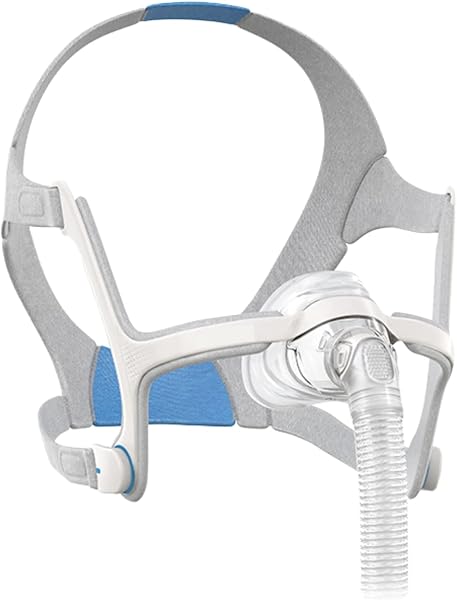
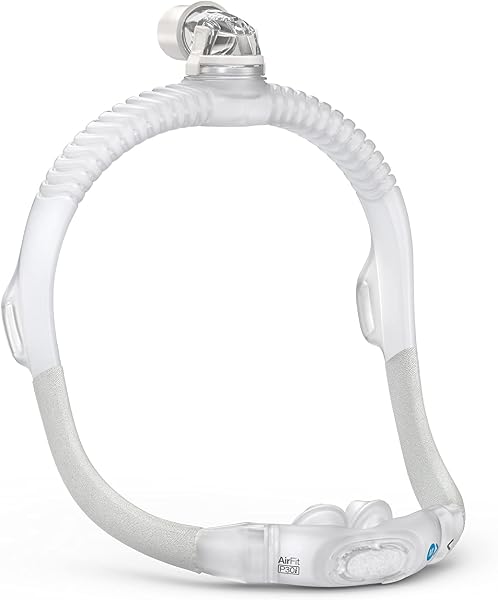
The ResMed AirFit P30i Frame System represents one of the most popular pillow mask designs on the market, with the highest owner rating in this guide at 4.6 stars. The distinctive top-of-head tube connection routes the CPAP hose up and over the user rather than down across the face and chest, which dramatically increases freedom of movement during sleep. For active sleepers who toss, turn, or change positions frequently, this tube routing eliminates one of the most common sources of CPAP interface disruption.
We may earn a commission when you buy through this link, at no additional cost to you.
The nasal pillow design seals directly at the nostrils rather than covering the nose or face, which provides the most minimal possible interface for therapy delivery. This approach appeals to users who find traditional nasal masks claustrophobic and to those who want to minimize facial pressure marks. The quick-release elbow allows users to disconnect the hose without removing the entire mask, which simplifies trips to the bathroom during the night.
The P30i design has become one of ResMed’s most successful mask platforms because it addresses so many common CPAP complaints simultaneously: tube drag, mask claustrophobia, facial pressure, and nighttime hose management. The genuine ResMed replacement frame ensures proper fit with existing P30i cushions and headgear, maintaining the therapy quality that users have established with their complete mask system.
Traditional CPAP masks route the air hose from the front of the mask, which creates downward tube drag that can pull the mask off-seal when users move during sleep. Top-of-head routing eliminates this drag by positioning the connection point behind the user and routing the tube up and over the headboard area. This design is particularly beneficial for side sleepers who find front-mounted tubes tangle with pillows and bedding.
This frame system is an excellent fit for existing P30i users who need to replace a worn frame or those considering adding a backup frame to their therapy supplies. Note that like the F30 replacement, headgear is not included, so users building a complete new system from components will need to purchase that separately. A prescription is required for complete CPAP system assembly. The 4.6-star rating confirms this is one of the most well-received CPAP mask platforms available.
Users who require full face masks for mouth breathing or those without existing P30i headgear who want a complete system.
We may earn a commission when you buy through this link, at no additional cost to you.
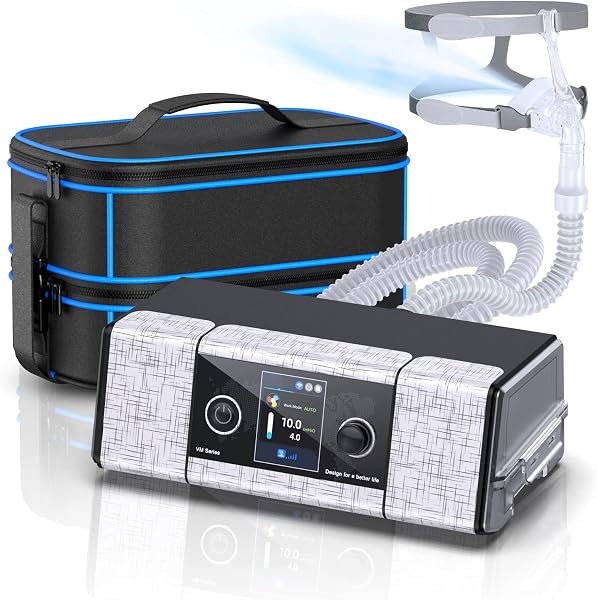
The Plus C-pap System is positioned as an over-the-counter continuous positive airway pressure device for adults diagnosed with obstructive sleep apnea. The auto-adjusting pressure technology responds to breathing patterns throughout the night, which eliminates the need for manual pressure adjustments and often improves comfort compared to fixed-pressure devices. For adults with mild to moderate OSA who have been evaluated by a sleep specialist, this type of auto CPAP can provide effective therapy without extensive setup.
We may earn a commission when you buy through this link, at no additional cost to you.
The integrated humidifier addresses one of the most common complaints about CPAP therapy: dry airway irritation. Adding warm, moist air to the pressurized flow reduces nasal dryness, throat soreness, and the discomfort that leads many users to abandon their therapy. The humidifier works directly with the airflow system rather than requiring a separate accessory, which simplifies the overall setup and reduces the number of components to maintain.
The design accommodates both home and travel use, making it suitable for users who need consistent therapy whether they are at home or away. The compact form factor and over-the-counter availability remove some of the barriers to acquiring CPAP equipment, though users should still consult with healthcare providers about appropriate therapy settings and ongoing monitoring of their condition. Single-patient use design ensures the device is appropriate for individual household use.
Over-the-counter CPAP devices are available without a prescription, but this does not mean they are appropriate for self-diagnosis of sleep apnea. A proper sleep study and medical consultation are essential before starting any CPAP therapy to determine the correct pressure settings and rule out other conditions. OTC availability simplifies acquisition for diagnosed patients but should not replace professional medical evaluation and ongoing care.
This machine is a potential fit for diagnosed sleep apnea patients who want auto-adjusting therapy with integrated humidification. The 3.5-star owner rating suggests mixed real-world experiences, so reviewing recent feedback carefully before purchase is important. The premium pricing near $1,000 makes it essential to verify compatibility with your prescribed therapy and insurance coverage. For buyers who need accessible auto CPAP therapy, this system offers a complete solution worth evaluating against alternatives from established medical device brands.
Users who have not been diagnosed with sleep apnea by a qualified sleep medicine specialist or who need advanced BiPAP therapy.
We may earn a commission when you buy through this link, at no additional cost to you.
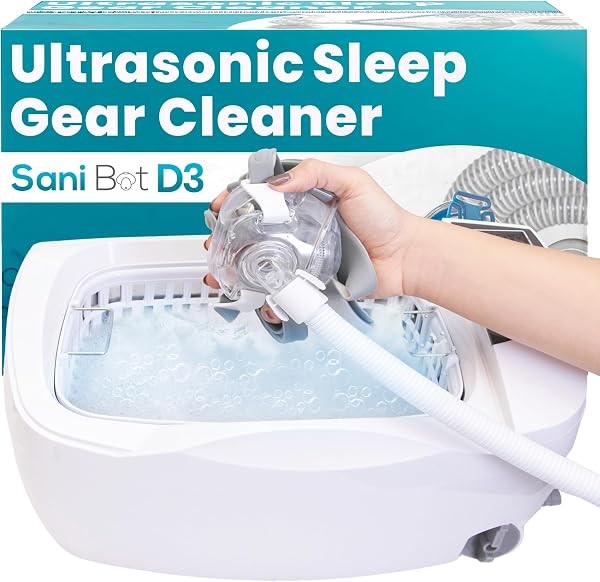
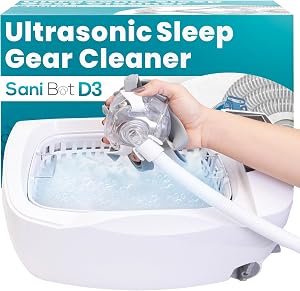
The Sani Bot D3 addresses one of the most tedious aspects of CPAP ownership: thoroughly cleaning masks, hoses, and water chambers to prevent bacterial growth and extend equipment life. Unlike simpler sanitizers that only treat surfaces with UV light or ozone, the Sani Bot uses ultrasonic transducers to create microscopic cleaning bubbles that physically remove dirt, skin oils, and biofilm from every surface and crevice. This mechanical cleaning action reaches areas that spray sanitizers simply cannot access.
We may earn a commission when you buy through this link, at no additional cost to you.
The 3-liter tank capacity accommodates full-size CPAP hoses, large face masks, and water reservoirs without having to clean components in multiple cycles. The included 60 cleansing tablets provide roughly two months of daily cleaning (or four months of every-other-day use), which is a meaningful starter supply before you need to purchase replacements. The automated cycle runs with a single button press, eliminating the manual scrubbing that most CPAP users dread.
Beyond basic hygiene, thorough cleaning extends the life of expensive CPAP consumables like silicone cushions and tubing. Replacement masks can cost $100 or more, and keeping them properly cleaned prevents the material degradation that forces premature replacement. For users who have found manual cleaning too tedious to maintain consistently, the automation and effectiveness of ultrasonic cleaning often results in significantly better daily hygiene compliance.
CPAP equipment creates a warm, humid environment ideal for bacterial and fungal growth. Dirty masks and hoses can cause respiratory infections, skin irritation, and unpleasant odors that make therapy intolerable. Daily surface wiping helps but does not address biofilm that accumulates in hose crevices and water chamber corners. Ultrasonic cleaning physically disrupts these deposits in ways that chemical sanitation alone cannot achieve.
This cleaner is a strong fit for CPAP users who want hands-off deep cleaning and have the counter space for a 3-liter cleaning unit. The ongoing cost of replacement cleansing tablets should be factored into the total cost of ownership, though these are typically more affordable than frequently replacing damaged equipment. If you clean your equipment religiously by hand already, you may not need this device. For users who struggle to maintain consistent cleaning routines, the Sani Bot provides meaningful compliance improvements.
Users who prefer simpler UV sanitizers or those with limited counter space who cannot accommodate a 3-liter cleaning unit.
We may earn a commission when you buy through this link, at no additional cost to you.
The TMS Comfort Series nasal mask provides a complete replacement system for users who need to refresh their existing nasal CPAP setup without buying components separately. The kit includes the frame assembly, headgear, and cushion, which eliminates the compatibility concerns that can arise when mixing replacement parts from different sources. For users whose current nasal mask has worn out, this all-in-one approach simplifies the replacement process significantly.
We may earn a commission when you buy through this link, at no additional cost to you.
The silicone soft sleeve cushion is designed to provide a comfortable seal that isolates air effectively while minimizing pressure points on the nose bridge. Material quality matters significantly for nightly wear because cheap silicone can cause skin irritation, hardening over time, and poor sealing that leads to air leaks. The polypropylene frame construction keeps the overall weight manageable while providing structural stability during movement.
The age range of 2 to 65 years makes this mask suitable for pediatric sleep apnea patients as well as adults, though pediatric use should always be managed under medical supervision. Over-the-counter availability simplifies replacement when existing equipment wears out, which typically happens every 3-6 months with daily use. The hand-wash cleaning recommendation using warm water and soap is standard for most CPAP masks and prevents the material damage that machine washing can cause.
Nasal masks cover only the nose and work well for users who breathe through their nose naturally during sleep. They are typically smaller, lighter, and provide better freedom of movement than full face masks. However, users who breathe through their mouth or have nasal congestion often experience significant air leaks that reduce therapy effectiveness. A sleep specialist can help determine which mask type best suits your breathing patterns and therapy needs.
This mask system is a sensible choice for nasal CPAP users who need a complete replacement at a reasonable price point. The 4.0-star rating reflects consistent user experience with mid-range CPAP accessories. If you have a specific prescription for a branded mask like a ResMed AirFit, choosing that specific replacement is usually a better match for your fitted system. For general nasal mask replacement needs, the TMS Comfort provides reliable functionality at an accessible price.
Users who breathe through their mouth during sleep or who have specific prescriptions for branded mask systems like ResMed.
We may earn a commission when you buy through this link, at no additional cost to you.
The Bleep DreamWay Kit takes a radically different approach to CPAP delivery by replacing traditional masks and headgear with adhesive-based nasal ports that stick directly to the skin around the nostrils. For users who find traditional CPAP masks claustrophobic, who develop pressure sores from headgear, or who struggle with mask dislodgement during active sleep, this mask-free design addresses several of the most common complaints about CPAP therapy. The skin-friendly adhesive stays in place without requiring any straps.
We may earn a commission when you buy through this link, at no additional cost to you.
The complete starter kit includes 32 DreamPorts (one for each night of a month), DreamPreps with witch hazel for skin preparation, diffuser filters that reduce airflow noise, a velour hose wrap for comfort, and a replacement tube. This comprehensive bundle gives new users everything needed to try the system for an extended period before deciding whether it suits their therapy. The headgear-free design eliminates the pressure marks, dry eyes, and facial irritation that plague traditional mask users.
Sleep position compatibility is a particular strength because the ports stay sealed regardless of how the user shifts during the night. Back, side, and stomach sleepers all benefit from the unrestricted movement that mask-free therapy provides. The quiet airflow experience from the included diffusers makes the therapy less disruptive for both the user and their partner, which addresses another common complaint about CPAP devices.
Adhesive-based CPAP interfaces represent a significant departure from traditional mask therapy and may require medical consultation to ensure proper fit and effectiveness. Skin sensitivities to adhesives, nasal anatomy variations, and specific therapy pressure requirements all affect whether this approach will work for a given user. Before committing to a system with ongoing consumable costs, consider trying a sample pack and consulting with your sleep medicine provider about the suitability for your specific therapy needs.
This system is a potential fit for users who have struggled with traditional masks and want to try a fundamentally different interface. The low 2.5-star rating is a significant concern that warrants careful research into specific user experiences before purchasing. The ongoing cost of replacement DreamPorts (one per night) is substantial compared to reusable masks that last months. For buyers willing to experiment with alternative CPAP delivery methods and accept the recurring consumable cost, the Bleep system offers a unique approach to therapy.
Users with skin sensitivities to adhesives or those who want to minimize ongoing consumable costs.
We may earn a commission when you buy through this link, at no additional cost to you.
The Sonalux Full Cover Replacement Kit provides a complete full face mask system for users who need to cover both nose and mouth during therapy. Mouth breathers, users with chronic nasal congestion, and those who require higher therapy pressures often benefit significantly from full face masks because they maintain a reliable seal even when the user opens their mouth during sleep. The complete kit approach eliminates the compatibility concerns of mixing components from different sources.
We may earn a commission when you buy through this link, at no additional cost to you.
The open line of sight design, with the frame positioned under the eyes and no forehead bar, allows users to read, watch television, or wear glasses while using the mask. This is a meaningful quality-of-life feature for users who want to maintain their pre-sleep routines without removing the mask. The soft silicone cushion material provides a snug fit across various facial profiles and maintains the seal at different airflow pressures without excessive strap tension.
The included headgear is made of soft, elastic material that increases wearing comfort while maintaining the position of the mask throughout the night. The wider fit range accommodates various head shapes, which improves adoption for users who may have struggled with ill-fitting headgear in the past. Weekly hand washing with warm water and soap maintains the mask hygienically while preserving the silicone material integrity.
Full face masks become necessary for users who breathe through their mouth during sleep, have chronic nasal obstruction, or require higher therapy pressures that create air leaks with nasal-only interfaces. The additional coverage can feel more claustrophobic initially but provides more consistent therapy delivery for users whose breathing patterns demand it. A sleep medicine provider can help determine whether a full face mask is appropriate for your specific therapy needs.
This full face kit is a strong fit for mouth breathers, higher-pressure therapy users, and those who want an unobstructed field of vision. The large size limitation means users with smaller face profiles will need to find alternative sizing. The 4.2-star rating reflects consistent user satisfaction with the comfort and seal quality. For users who need a reliable full face replacement with modern open-sight design, the Sonalux delivers excellent value.
Users with smaller face profiles who need medium or small sizing, or nasal breathers who don’t require full face coverage.
We may earn a commission when you buy through this link, at no additional cost to you.
The EASYLONGER ES960 PRO addresses two critical needs for CPAP users: emergency backup during power outages and extended off-grid use during camping, RV trips, or power-unreliable areas. The 297.6Wh LiFePO4 battery supports more than two nights of CPAP operation without humidifier or heated tube use, which provides meaningful insurance against power disruptions that could leave sleep apnea therapy interrupted. For users whose therapy adherence depends on reliable overnight power, this backup capacity is genuinely life-affecting.
We may earn a commission when you buy through this link, at no additional cost to you.
The included cables support 12V, 19V, and 24V output configurations with memory function for easy setup, ensuring compatibility with major CPAP brands including ResMed S9, AirSense 10/11, AirCurve 10/11, AirMini, Philips DreamStation, and Luna TravelPAP devices. This broad compatibility covers virtually all popular CPAP machines, which eliminates the common frustration of finding batteries that work with your specific equipment.
Beyond CPAP use, the 6-port power station design serves as a versatile emergency power source for phones, tablets, laptops, drones, car refrigerators, and other devices under 180W. The 100W USB-C output accommodates modern laptops and fast-charging devices. The LiFePO4 battery chemistry provides safer thermal performance than traditional lithium-ion batteries and delivers over 3000 cycles of useful life, which is significantly longer than typical consumer power banks.
CPAP power consumption varies significantly based on pressure settings, humidifier use, and heated tube activation. Running a humidifier can double or triple power draw, which dramatically reduces battery runtime. For maximum backup capacity, consider using CPAP without humidification during battery operation and reserving humidifier use for grid-powered operation. Calculating your specific device’s wattage requirements helps estimate realistic runtime from any backup battery.
This battery is a strong fit for CPAP users who travel to areas with unreliable power, those preparing for emergency situations, and anyone who wants assurance that a storm or outage won’t disrupt their therapy. FSA/HSA eligibility provides tax advantages for qualifying buyers. The main limitation is that at 297.6Wh, it exceeds the 160Wh limit for airline carry-on batteries, so air travel requires a smaller backup battery instead. For home emergency and ground-travel use, this unit offers excellent capacity and versatility.
Users who need battery backup for air travel, since this capacity exceeds the 160Wh TSA limit for carry-on batteries.
We may earn a commission when you buy through this link, at no additional cost to you.
The ResMed AirFit F30 Frame System provides a genuine replacement component for users with existing F30 full face masks that have worn out or sustained damage. ResMed is one of the most established names in sleep apnea therapy, and their replacement parts offer the exact fit and functionality of the original mask without the compatibility uncertainty of generic alternatives. For users already using an F30 mask, replacing worn frame components with the genuine part preserves the therapy quality they have established.
We may earn a commission when you buy through this link, at no additional cost to you.
The AirFit F30 design features a minimal-contact approach where the cushion sits directly under the nose rather than covering it fully. This positioning provides several practical advantages: it accommodates glasses wearers who need to maintain their vision setup, it works well for users who want to read or watch television before falling asleep, and it reduces claustrophobia for users who find traditional full face masks overwhelming. The under-nose positioning also benefits side sleepers because the mask does not press against pillows.
The included components cover the frame system, elbow, and full-face mask cushion specifically designed for the F30 mask. Importantly, headgear is not included, so this is a true replacement for users who already own compatible headgear and need to refresh the worn frame or cushion. This component-level replacement approach costs less than buying a complete new mask when only specific parts have deteriorated.
CPAP mask components wear at different rates. Silicone cushions typically need replacement every 1-3 months, frames last 6-12 months, and headgear can last 6 months or longer. Replacing only the specific component that has worn out costs significantly less than buying complete new mask systems repeatedly. Keep track of which components are showing wear and replace them individually to extend the useful life of your overall mask setup.
This frame system is an excellent fit for existing AirFit F30 users who need a replacement at the frame level without buying a complete new mask. If you don’t already have compatible F30 headgear, you’ll need to purchase that separately to complete the system. For users who are considering their first full face mask, buying the complete F30 system is probably more sensible than starting with just the frame replacement. The 4.4-star rating reflects consistent ResMed quality.
Users who need complete new mask systems including headgear, or those using different mask models than the AirFit F30.
We may earn a commission when you buy through this link, at no additional cost to you.
This blower motor serves a specific but important need: repairing ResMed S9 and S10 series CPAP machines whose original motors have failed. Replacing the blower motor rather than purchasing an entirely new CPAP machine can save hundreds of dollars for users whose equipment is otherwise functional. For technically inclined users or those with experience servicing medical equipment, this component-level repair extends the useful life of expensive CPAP machines significantly.
We may earn a commission when you buy through this link, at no additional cost to you.
The specifications match the original ResMed blower motor requirements with 18-26.5V operating range, 24V rated voltage, 4.2A rated current, and maximum airflow of 397 L/min at 8.4 kPa static pressure. These parameters ensure the replacement delivers the same performance as the original component, which is essential for maintaining prescribed therapy pressures. The motor is designed to fit multiple ResMed models including AirSense 10, AirSense 10 BiPap, AirSense 10 AutoSet, Airstart, and AirCurve 10.
The low-noise operation addresses one of the common complaints that develops as CPAP blower motors age: increasing noise during operation. A new motor often restores the quiet performance that made the machine tolerable to sleep next to initially. The seller provides detailed installation instructions on their product page, and taking photos of the original wiring and fastener orientation before replacement is highly recommended to simplify the reassembly process.
CPAP machines typically last 5-7 years with regular use, and major component failures like blower motors can occur before the machine is otherwise ready for replacement. If your machine is less than 5 years old, in good overall condition, and the only issue is motor failure, repair often makes economic sense. If multiple components are failing, insurance coverage is available for replacement, or the machine is approaching normal end-of-life, buying a new unit may be the better long-term choice.
This motor is a sensible choice for technically capable users who want to repair rather than replace their functional ResMed CPAP machine. The 1-year warranty provides reasonable protection against defective units. The main caveats are that this is not an authorized ResMed part, so using it may affect any remaining machine warranty, and self-installation requires reasonable mechanical aptitude and attention to proper sealing to avoid air leaks or whining noises after installation. For users comfortable with repairs, this motor offers substantial savings over machine replacement.
Users without mechanical repair experience or those whose machines are still under original manufacturer warranty.
We may earn a commission when you buy through this link, at no additional cost to you.
This universal full face CPAP mask set provides a complete replacement system including tube, frame, headgear, cushion, and elbow components. For users who need a straightforward full face mask without brand-specific requirements, this all-in-one approach eliminates compatibility concerns and provides everything needed to begin therapy with a new mask. The medium size accommodates most adult face profiles with reasonable adjustability.
We may earn a commission when you buy through this link, at no additional cost to you.
The honeycomb array exhaust hole design is an interesting engineering approach to reducing the airflow noise that many full face masks generate. The porous exhaust distributes exhaled air gently rather than concentrating it in a single stream, which reduces both the hissing sound and the air displacement that can disturb bed partners. For users whose current mask disturbs others in the room, quieter exhaust design can meaningfully improve the sleep environment.
The 360-degree rotating elbow and quick disassembly connectors address two common usability concerns. The rotating elbow allows the hose to pivot naturally as the user changes positions during sleep, reducing tube drag. The quick-release connection separates the mask from the tube in about three seconds, which simplifies nighttime bathroom trips without requiring complete mask removal. The pleated silicone bridge pad adjusts to different nose shapes with up to 15 degrees of flexibility, which helps achieve a comfortable seal across varying facial profiles.
Universal CPAP masks offer broad compatibility and lower prices but may not match the specific fit characteristics your sleep medicine provider recommended. Prescribed masks are typically selected based on your facial measurements, pressure requirements, and breathing patterns. If a universal mask doesn’t achieve a good seal or causes discomfort, the therapy benefits are compromised regardless of the cost savings. Consider universal masks as potential alternatives rather than first-choice replacements for prescribed systems.
This mask set is a potential fit for budget-conscious users who need a complete full face mask replacement and want to avoid brand-specific pricing premiums. The 3.4-star rating suggests mixed real-world experiences, so reading recent owner reviews about seal quality and durability is worthwhile. For users with specific prescriptions for branded masks like the Sonalux or ResMed F30, those branded options typically provide better long-term satisfaction. For general full face replacement at a lower price point, this universal set offers an affordable alternative worth considering with realistic expectations.
Users with specific prescriptions for branded masks or those who need large or small sizes beyond the medium fit.
We may earn a commission when you buy through this link, at no additional cost to you.
Selecting the right CPAP equipment involves understanding your prescribed therapy, matching components to your specific needs, and planning for ongoing maintenance and replacement. The factors below cover the most important decision points so you can build a complete, effective therapy setup that supports consistent nightly use. Always work with a qualified sleep medicine specialist for diagnosis and therapy prescription.
CPAP machines deliver positive airway pressure through several different approaches. Standard CPAP machines maintain a single prescribed pressure throughout the night, which works well for users whose therapy needs don’t vary significantly. Auto CPAP (APAP) machines automatically adjust pressure in response to breathing patterns and sleep stages, which often improves comfort and effectiveness for users with varying needs. BiPAP machines provide different pressures for inhalation and exhalation, which is prescribed for specific medical conditions.
The right machine type depends on your prescription from a qualified sleep medicine specialist. Attempting to use the wrong machine type can compromise therapy effectiveness and in some cases create medical risks. Over-the-counter machines like the Plus C-pap System provide auto CPAP functionality but should still be used based on medical diagnosis and guidance. Insurance coverage and durable medical equipment programs typically require physician prescriptions regardless of the specific machine chosen.
Work with your sleep specialist to understand your specific therapy requirements before selecting a machine. If your prescription allows flexibility between standard CPAP and APAP, APAP generally provides better comfort for most users at a modest additional cost.
The mask interface significantly affects therapy adherence because an uncomfortable or ill-fitting mask leads users to abandon treatment. Three main mask styles serve different needs: nasal masks cover only the nose and work well for nasal breathers, nasal pillow masks (like the AirFit P30i) seal directly at the nostrils for minimal facial contact, and full face masks (like the AirFit F30 or Sonalux) cover both nose and mouth for users who breathe through their mouth or require higher pressures.
Beyond style selection, proper sizing is critical. Masks that are too large leak air and reduce therapy effectiveness, while masks that are too small create pressure marks and discomfort. Many manufacturers offer fit kits with multiple cushion sizes so users can determine the correct fit at home. Working with a durable medical equipment provider or sleep specialist to find the right mask style and size dramatically improves therapy success rates.
If you are new to CPAP therapy, start with the mask style your sleep specialist recommends. If you have struggled with your current mask, consider trying a different style rather than simply replacing with the same type. Sometimes a complete category change (nasal to pillow, or standard to full face) resolves persistent comfort issues.
Humidification adds moisture to the pressurized airflow, which dramatically improves comfort by preventing the nasal dryness, throat irritation, and nosebleeds that commonly cause CPAP users to abandon therapy. Integrated humidifiers like those in the Plus C-pap System combine the humidifier directly with the machine for simplified setup, while standalone humidifiers can be added to machines that don’t include them. Heated humidifiers warm the water, providing warmer, more comfortable air than ambient humidifiers.
Heated tubing, which maintains air temperature between the humidifier and mask, eliminates the condensation (called rainout) that can accumulate in the hose and reach the mask. Rainout causes gurgling sounds and water droplets in the mask, which disrupts sleep significantly. For users in cooler bedrooms or those using higher humidification settings, heated tubing is a worthwhile upgrade that resolves one of the most common CPAP complaints.
Prioritize integrated humidification for most users, especially those in dry climates or who use CPAP during heating seasons. Add heated tubing if rainout becomes an issue despite proper humidifier settings.
CPAP equipment creates warm, humid environments ideal for bacterial, viral, and fungal growth, making regular cleaning essential for health and equipment longevity. Daily cleaning should include wiping the mask cushion and emptying/rinsing the humidifier water chamber. Weekly deep cleaning should involve washing the mask, headgear, and tubing with mild soap and warm water. Monthly inspection should check all components for wear or damage.
Cleaning accessories like the Sani Bot D3 use ultrasonic technology to automate deep cleaning cycles, which significantly improves compliance for users who struggle to maintain manual cleaning routines. These devices physically remove biofilm and oils that chemical sanitizers alone cannot address. The ongoing cost of cleansing tablets or solutions should be factored into total ownership costs, but automated cleaning typically extends equipment life enough to justify the expense.
If you reliably clean your equipment manually, continue that routine. If you struggle to maintain consistent cleaning, invest in automated cleaning equipment to improve hygiene compliance. The health and equipment longevity benefits typically justify the cost.
CPAP machine noise affects both the user and bed partners. Modern CPAP machines are significantly quieter than older models, with most running at 25-30 decibels, which is barely louder than a quiet library. However, mask exhaust noise, hose vibration, and air leaks can all add disruptive sounds that worsen sleep quality for everyone in the room. Honeycomb exhaust designs like those on the Universal Full Face Set help diffuse exhaust noise.
Blower motor wear can increase machine noise over time, which may indicate the need for motor replacement or machine upgrade. The replacement blower motor for ResMed S9/S10 series machines can restore quiet operation to aging equipment without requiring complete machine replacement. For users whose machines have become noticeably louder, this component repair is often more cost-effective than buying a new machine.
Position the machine lower than the sleeping surface to reduce perceived noise, and ensure the hose has adequate slack to prevent vibration transfer. If noise significantly disturbs a bed partner, consider separate bedrooms or white noise masking rather than discontinuing therapy.
Travel CPAP use requires careful planning for both the machine and power supply. Many standard CPAP machines include travel-ready features, while dedicated travel CPAP machines sacrifice some features for smaller size and weight. For air travel, verify that your machine is TSA-approved and plan for in-flight use if your flight exceeds four hours. CPAP machines don’t count toward carry-on limits on most airlines.
Backup power becomes critical for users whose therapy adherence depends on consistent operation. Battery backups like the EASYLONGER ES960 PRO provide multiple nights of CPAP operation during power outages, camping trips, or RV travel. For air travel, batteries must be under 160Wh to carry on, which excludes larger capacity units. Verify battery compatibility with your specific CPAP machine model and consider humidifier use carefully as it dramatically increases power consumption.
For frequent travelers, invest in a compact travel CPAP and appropriately sized battery backup. For home use with occasional power outage concerns, a larger capacity battery like the ES960 PRO provides excellent peace of mind at reasonable cost.
CPAP therapy involves regular replacement of consumable parts to maintain hygiene and effectiveness. Mask cushions typically need replacement every 1-3 months, full masks every 3-6 months, headgear every 6 months, tubing every 3-6 months, and filters monthly. These ongoing costs can add up to $200-500 per year depending on your specific equipment and insurance coverage.
Replacement components can be purchased as complete systems (like the Sonalux Full Face Kit or TMS Comfort Nasal Mask) or as individual parts (like the ResMed AirFit F30 Frame or P30i Frame). Component-level replacement typically costs less when only specific parts have worn out. Universal replacement masks offer lower prices but may not match the exact fit of your prescribed branded mask, which can compromise therapy quality.
Factor replacement part costs into your total therapy budget. Check whether your insurance covers DME supplies and work with approved suppliers to maximize coverage. Keep a backup supply of critical consumables to avoid interruptions in therapy.
CPAP machines, masks, and accessories are typically eligible for FSA (Flexible Spending Account) and HSA (Health Savings Account) reimbursement when prescribed by a healthcare provider. This provides effective tax savings of 20-30% depending on your tax bracket. The EASYLONGER ES960 PRO battery backup is specifically marketed as FSA/HSA eligible, which applies to many CPAP-related purchases.
Most private insurance and Medicare cover CPAP machines and basic supplies with proper prescription and documentation. Coverage typically requires an in-lab or home sleep study, specific pressure prescription, and purchase from an approved durable medical equipment provider. Compliance requirements often mandate using the machine for a minimum number of hours per night during an initial trial period.
Explore insurance coverage before purchasing CPAP equipment, as covered equipment can dramatically reduce out-of-pocket costs. For items not covered by insurance, maximize FSA/HSA usage to reduce the effective purchase price.
Successful CPAP therapy depends on proper diagnosis, correct pressure settings, and ongoing monitoring. A board-certified sleep medicine specialist can conduct a sleep study to accurately diagnose sleep apnea, determine the appropriate therapy type (CPAP, BiPAP, or other), and prescribe correct pressure settings based on your specific condition. Self-diagnosing or using CPAP without proper evaluation risks ineffective therapy or missing other health conditions that cause similar symptoms.
Even over-the-counter CPAP machines should be used based on medical guidance. Pressure settings must match your diagnosed needs, and ongoing follow-up ensures the therapy continues to work effectively as your condition changes over time. Many sleep specialists offer telehealth consultations that make ongoing care more accessible, and durable medical equipment providers often provide equipment training and support.
Before purchasing any CPAP equipment, establish care with a sleep medicine specialist and obtain proper diagnosis and prescription. The upfront investment in professional care typically improves long-term therapy outcomes significantly.
CPAP machines typically last 5-7 years with regular use before major components wear out or newer technology makes upgrade worthwhile. Signs that equipment needs replacement or major repair include increasing noise, inconsistent pressure delivery, humidifier malfunctions, and user interface problems. Regular cleaning and proper maintenance extend equipment life significantly, often adding years before replacement becomes necessary.
For users whose machines are approaching end-of-life, deciding between repair and replacement depends on multiple factors including machine age, type of failure, availability of replacement parts, and whether insurance covers new equipment. The replacement blower motor for ResMed S9/S10 machines illustrates the repair option, while newer machines offer features like improved algorithms, better data tracking, and quieter operation that may justify complete replacement.
Track your machine’s performance over time and address issues promptly rather than waiting for complete failure. When replacement becomes necessary, work with your sleep specialist and insurance provider to ensure the new equipment meets your current therapy needs.
Before first use, carefully review your prescription and the machine’s user manual to understand your specific pressure settings and operation requirements. Set up the machine in a position lower than your mattress to reduce perceived noise and ensure the hose has adequate slack for comfortable movement during sleep. Fill the humidifier with distilled water (never tap water, which can leave mineral deposits), connect the hose, and perform a fit test with your mask to ensure a comfortable seal without excessive pressure or air leaks. Many sleep specialists recommend using the machine for short periods during the day before attempting overnight use, which helps you acclimate to the sensation of positive airway pressure.
During regular use, maintain a consistent nightly routine that includes cleaning the mask cushion with the manufacturer-recommended wipes or warm soapy water, emptying and refilling the humidifier with fresh distilled water, and ensuring the hose and connections are secure. Monitor your therapy data through the machine’s built-in display or companion app to track AHI (Apnea-Hypopnea Index), usage hours, and leak detection. Address any new discomfort, pressure marks, or air leaks promptly rather than tolerating problems that reduce therapy effectiveness. If you experience congestion, dryness, or other new symptoms, consult your sleep specialist about potential adjustments.
Regular deep cleaning extends equipment life and prevents respiratory infections from accumulated bacteria. Weekly cleaning should include washing the mask, headgear, and tubing with mild soap and warm water, then air-drying completely before reassembly. The humidifier chamber should be washed weekly and sanitized monthly with white vinegar solution. Replace consumable parts according to manufacturer recommendations: cushions every 1-3 months, complete masks every 3-6 months, tubing every 3-6 months, and filters monthly. Automated cleaning devices like the Sani Bot D3 can significantly improve compliance for users who struggle to maintain manual cleaning routines. Keep backup supplies of critical consumables on hand to avoid therapy interruptions, and schedule regular follow-up appointments with your sleep specialist to ensure therapy continues to meet your needs.
In the United States, CPAP machines are classified as prescription medical devices, meaning they typically require a prescription from a qualified healthcare provider. Some over-the-counter CPAP devices are available for diagnosed sleep apnea patients, but even these should be used based on medical guidance. A sleep study is usually required to properly diagnose sleep apnea and determine the appropriate pressure settings for your specific condition. Attempting to self-diagnose and treat sleep apnea without professional guidance can be ineffective and potentially dangerous.
Most CPAP masks use standard 22mm hose connections that work with any CPAP machine, so basic compatibility between masks and machines rarely causes problems. However, specific mask features like heated tubing connectors or integrated sensors may require specific compatibility verification. When replacing a mask, consider whether you want to maintain the same mask style (nasal, pillow, or full face) and size, or whether you want to try a different interface. Working with a durable medical equipment provider can help ensure proper fit and compatibility.
Different CPAP components have different replacement schedules. Mask cushions typically need replacement every 1-3 months, complete masks every 3-6 months, headgear every 6 months, tubing every 3-6 months, filters monthly, and humidifier chambers every 6 months. The CPAP machine itself typically lasts 5-7 years before major components wear out. Insurance coverage often follows these timelines, but individual usage patterns and signs of wear should guide actual replacement decisions.
Yes, CPAP machines are specifically allowed on airplanes and don't count toward carry-on luggage limits on most airlines. For international travel, verify voltage compatibility and bring appropriate plug adapters. Battery backups like the EASYLONGER ES960 PRO enable CPAP use during camping, RV trips, and emergencies, though batteries over 160Wh cannot be carried on airplanes. Many CPAP machines include travel-friendly features, and dedicated travel CPAP machines offer compact designs for frequent travelers.
CPAP equipment creates warm, humid environments ideal for bacterial, viral, and fungal growth that can cause respiratory infections, skin irritation, and unpleasant odors. Daily cleaning of masks and humidifier chambers prevents immediate hygiene issues, while weekly deep cleaning of hoses and complete systems addresses the biofilm that accumulates in crevices. Automated cleaning devices like the Sani Bot D3 significantly improve cleaning compliance by making deep cleaning easier to maintain consistently. Poor cleaning can lead to serious respiratory infections and dramatically reduces equipment life.
If CPAP therapy isn't providing the expected benefits, don't abandon treatment without consulting your sleep specialist. Common issues include incorrect pressure settings, poor mask fit, inadequate humidification, equipment problems, or progression of your underlying condition. Many therapy problems can be resolved through pressure adjustments, mask changes, or additional accessories like heated tubing. Keep detailed records of symptoms, equipment issues, and therapy data to help your specialist identify and resolve problems.
No, you should only use distilled water in CPAP humidifiers to prevent mineral deposits that can damage the equipment and reduce therapy effectiveness. Tap water contains minerals that will accumulate in the humidifier chamber over time, creating white deposits that are difficult to clean and may harbor bacteria. Distilled water is inexpensive and widely available at pharmacies and grocery stores. Using the correct water type extends equipment life and maintains proper humidification.
CPAP machines typically range from $400 to $1,500, with most quality machines falling in the $600-$1,200 range. Masks cost $100-$300 depending on style and features, with replacement cushions typically $30-$80. Annual replacement supply costs usually run $200-$500. Insurance often covers much of these costs with proper prescription and documentation. FSA/HSA accounts can be used for CPAP purchases to provide additional tax savings.
Most private insurance plans and Medicare cover CPAP therapy when prescribed by a healthcare provider for diagnosed sleep apnea. Coverage typically requires a sleep study documenting the apnea diagnosis, specific pressure prescription, and purchase from approved durable medical equipment providers. Many plans require compliance monitoring during an initial trial period, meaning you must use the machine for a minimum number of hours per night to maintain coverage. Contact your insurance provider for specific coverage details and requirements.
If your CPAP machine fails, contact your sleep specialist and durable medical equipment provider immediately, as consistent therapy is important for managing sleep apnea. Many providers offer loaner machines during repair periods. If your machine is still under warranty, repair through the manufacturer is typically free or discounted. For out-of-warranty machines, consider whether component repair (like the ResMed blower motor replacement) is more cost-effective than complete replacement. Don't attempt to continue therapy with a malfunctioning machine, as improper operation can be ineffective or potentially harmful.
The Plus C-pap System represents the only complete CPAP machine in this guide, offering auto-adjusting pressure therapy with integrated humidification for diagnosed sleep apnea patients who need over-the-counter accessibility. For users seeking a complete therapy solution with modern auto-CPAP functionality and the convenience of built-in humidification, this machine provides a workable option, though the moderate owner rating suggests careful consideration against established brand alternatives from ResMed or Philips.
The remaining nine products in this guide serve as critical support components for successful CPAP therapy: the Sani Bot D3 provides automated deep cleaning that significantly improves hygiene compliance, the EASYLONGER ES960 PRO delivers multi-night backup power for emergencies and travel, the ResMed AirFit P30i and F30 replacement frames offer genuine components for popular mask systems, and various complete mask kits provide full replacement options for different interface preferences. The ResMed blower motor enables cost-effective repair of aging S9/S10 series machines.
The right CPAP equipment combination depends on your specific therapy prescription, mask style preferences, cleaning habits, and travel needs. Always work with a qualified sleep medicine specialist for proper diagnosis and prescription, then build a complete therapy setup that supports consistent nightly use. Invest in proper cleaning accessories to maintain hygiene, consider backup power for therapy continuity, and plan for regular consumable replacement to maintain therapy effectiveness. Successful CPAP therapy transforms sleep quality and long-term health, making the investment in appropriate equipment one of the most important health decisions you can make.