Brother 2340CV
8.6Editor scoreMetal frame construction
1,100 stitches per minute
3mm to 6mm width
2-3-4 cover stitch
Find the right coverstitch machines for 2026. We compare 6 standout options by build quality, useful features, owner feedback, value, and everyday trade-offs.
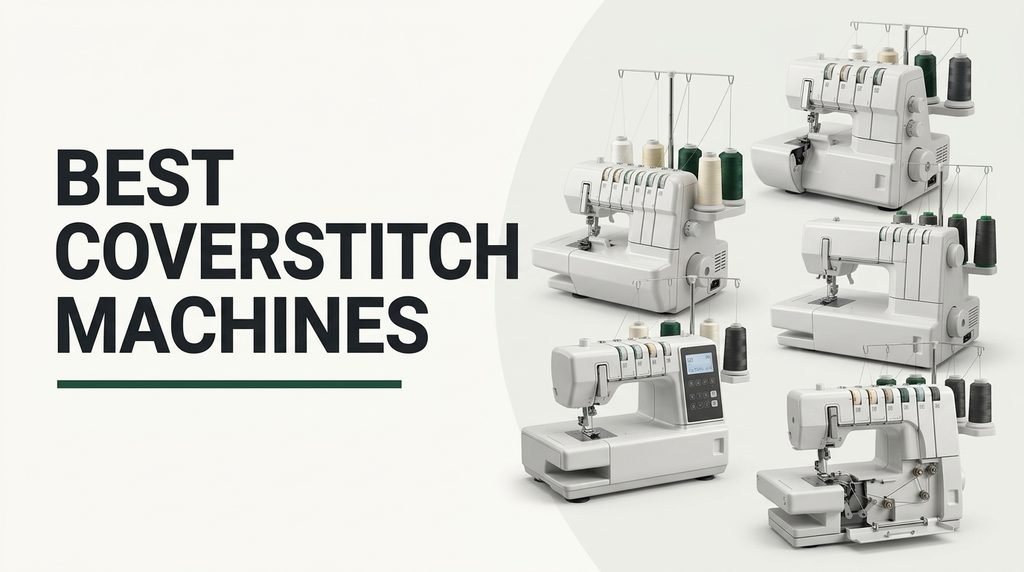
Find the right coverstitch machine for your 2025 sewing room. We compare six standout models from Brother, Janome, Juki, and Bernette by the factors that matter most, including stitch widths, needle counts, chain stitch options, sewing speed, threading systems, lighting, included accessories, and warranty coverage.
Coverstitch machines finish knits with flexible hems that a regular sewing machine cannot match. The biggest differences lie in how many needles each model uses, which stitch widths are available, whether chain stitching is offered, and how easily the loopers can be threaded when you switch projects.
For most home sewers, the deciding factors are threading simplicity, stitch quality on stretch fabrics, and long-term value. This guide breaks down specifications, practical strengths, and honest limitations for every machine so you can match a coverstitch model to your fabrics, workspace, and budget.
We compared six coverstitch machines using the details that actually influence a buying decision: cover stitch widths from 2.8mm to 6mm, needle counts, chain stitch options, sewing speed, differential feed range, threading systems, lighting and workspace, included presser feet, warranty coverage, owner ratings, and value. The notes focus on practical trade-offs so each pick connects to real hemming, binding, and finishing work on knits and woven fabrics.

Compare key features, scores, and current prices side by side. A shorter feature list means fewer details were available, not necessarily fewer capabilities.



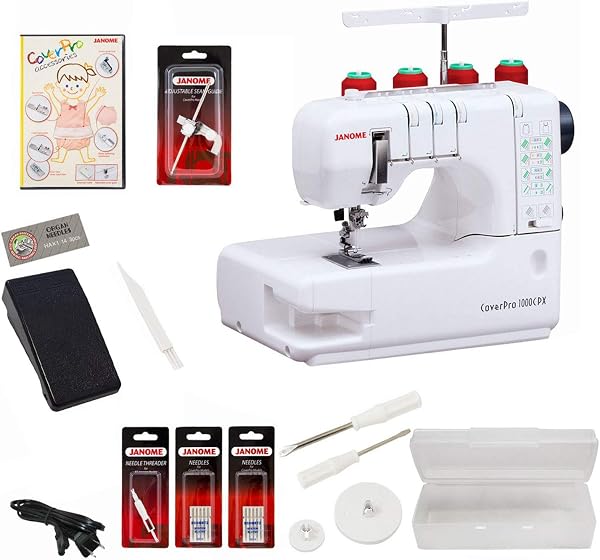
The Janome 1000CPX Cover Pro with the free bonus package is the highest-rated machine in this guide at 4.8 stars, and the included extras explain part of that. Alongside the machine, the bonus package adds a tight elastic gather foot, a large gather attachment, and an adjustable sewing guide. Together they turn the Cover Pro into a more capable tool for waistbands, cuffs, and gathered knit projects.
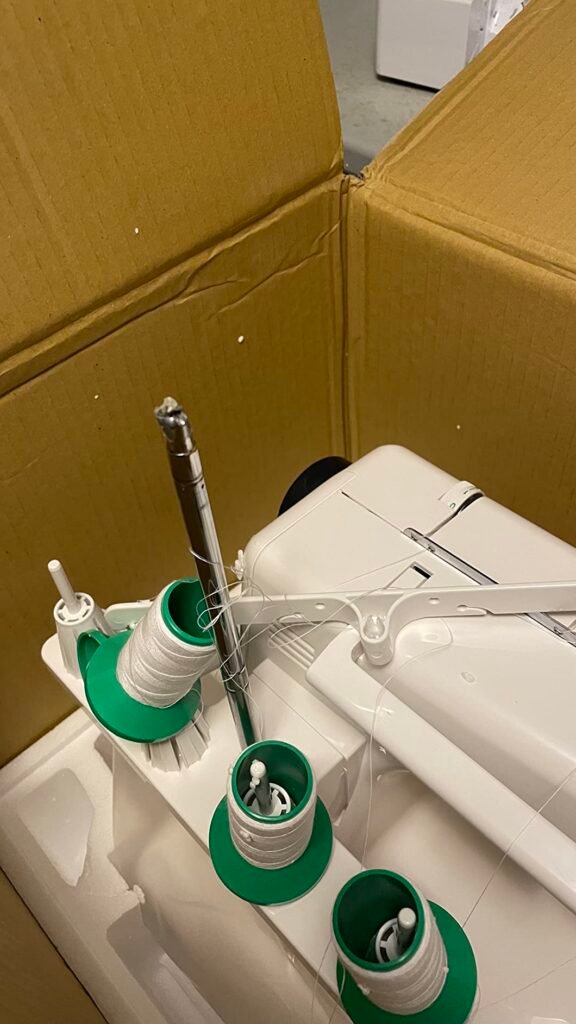
We may earn a commission when you buy through this link, at no additional cost to you.
The 1000CPX blends industrial-style cover edging with a home-machine layout. It runs at high speed with a long arm, and Janome’s Seam Compression System is designed to produce wide cover stitch seams that compress and recover with stretch fabrics. The machine includes exclusive free sleeve configurations, which helps when stitching small, tubular pieces like sleeve hems and cuffs.
One detail that matters for newer sewers: this is a coverstitch machine, not a serger. It will not cut the material when sewing over one layer or more, so there is no knife to worry about as you feed fabric. That makes it more forgiving to learn on and easier to position a hem accurately. The gather foot and large gather attachment open up elastic gathering techniques that would otherwise require separate tools.
A gather foot and a large gather attachment let you create even, elasticated gathering, the kind used at waistbands, cuffs, and ruffled trim. Instead of wrestling with elastic thread or manual gathering stitches, the attachment feeds elastic and fabric together so the result stretches and recovers. These tools are sold separately for many machines, so having them in the box is a real advantage if you sew skirts, dresses, or children’s clothing. Expect some practice time, since tension and elastic choice both affect the outcome.
The trade-offs are the dedicated format and the learning curve of the attachments. Because the machine handles cover stitching only, you still need an overlocker for seaming and edge finishing. If you want the best-rated option here with the most technique-expanding accessories, this bundle is the pick. If gathering tools are not important to you, the other Janome listing covers the basics on the same platform.
Not for buyers who need overlock or rolled edge functions from the same machine.
We may earn a commission when you buy through this link, at no additional cost to you.
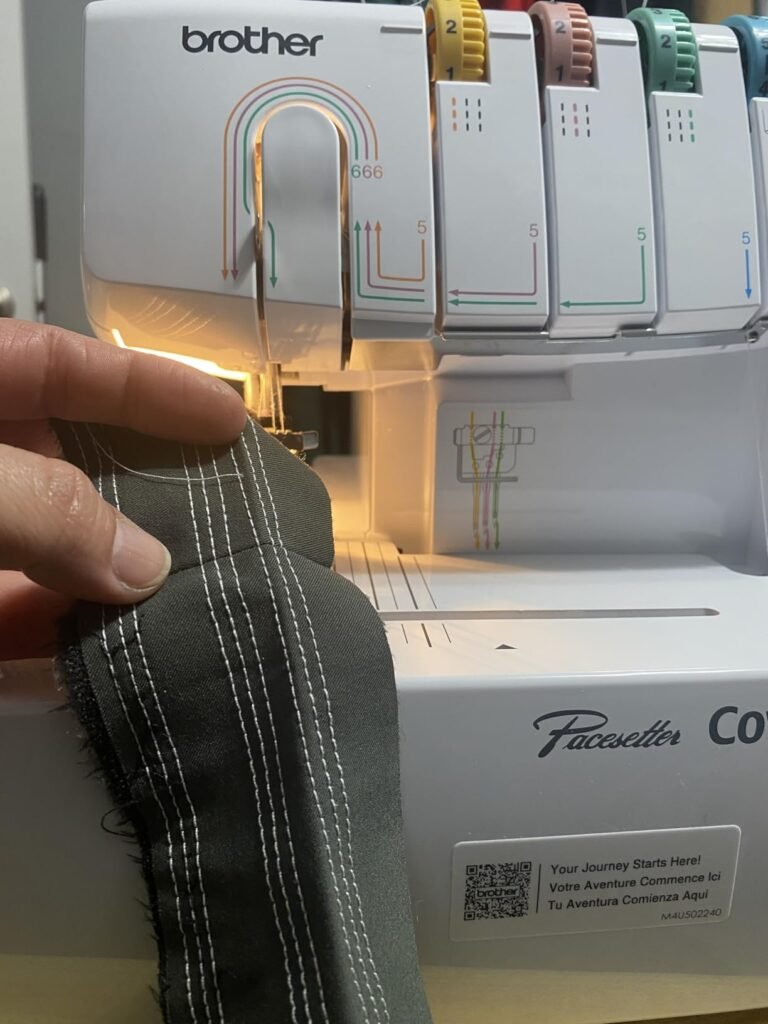
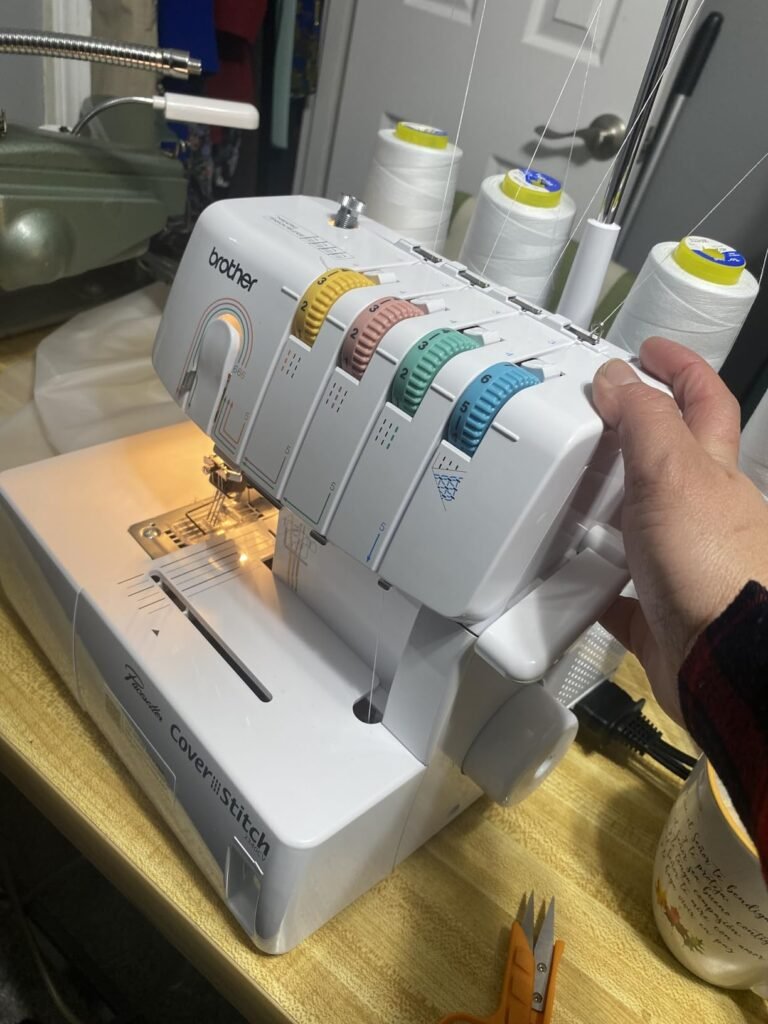
The Brother 2340CV is a dedicated coverstitch serger built for sewers who want sturdy hardware without paying the highest price in the category. A metal frame and metal internal parts give it the stability lighter machines often lack, and the two-needle, two, three, and four cover stitch functions make it a practical fit for stretch fabrics, necklines, and hemming knit garments. If you are adding coverstitching to a home sewing setup for the first time, this is an approachable entry point.
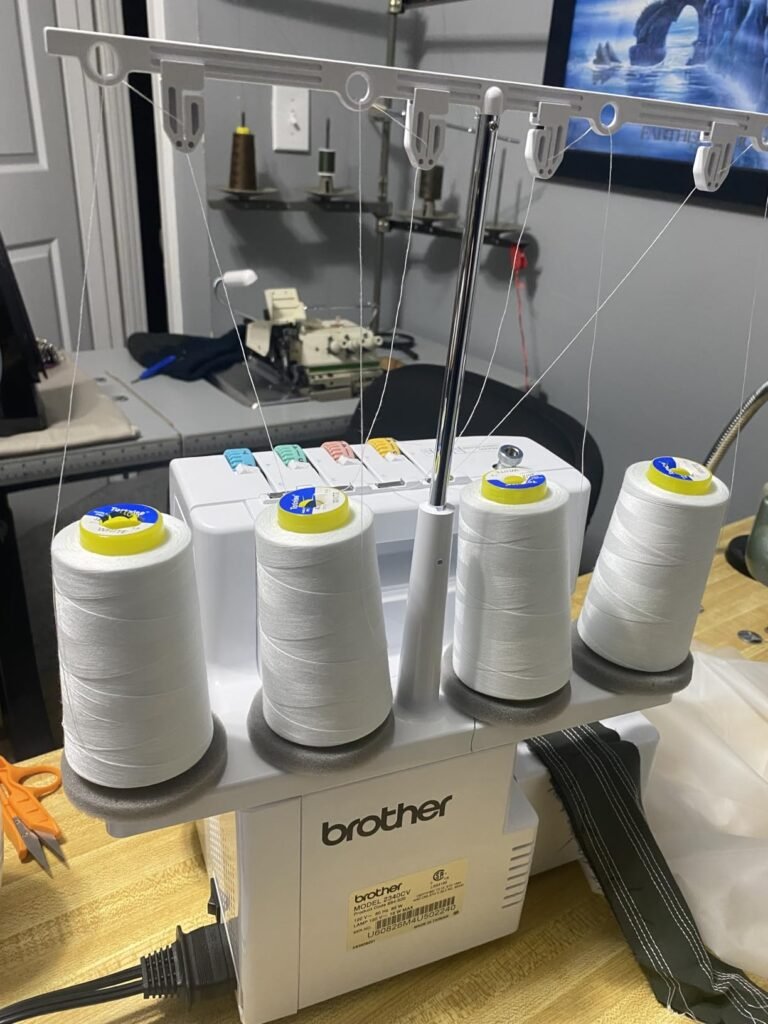
We may earn a commission when you buy through this link, at no additional cost to you.
Performance centers on the cover stitch itself. The 2340CV sews tri-cover stitches along with wide and narrow cover stitches, and the stitch width can be set from 3mm to 6mm, which is useful when thicker materials need a wider bite. At up to 1,100 stitches per minute it moves quickly through long hems, and the differential feed range of 0.7 to 2.0 millimeters helps prevent wavy edges and stretched seams when working with knits.
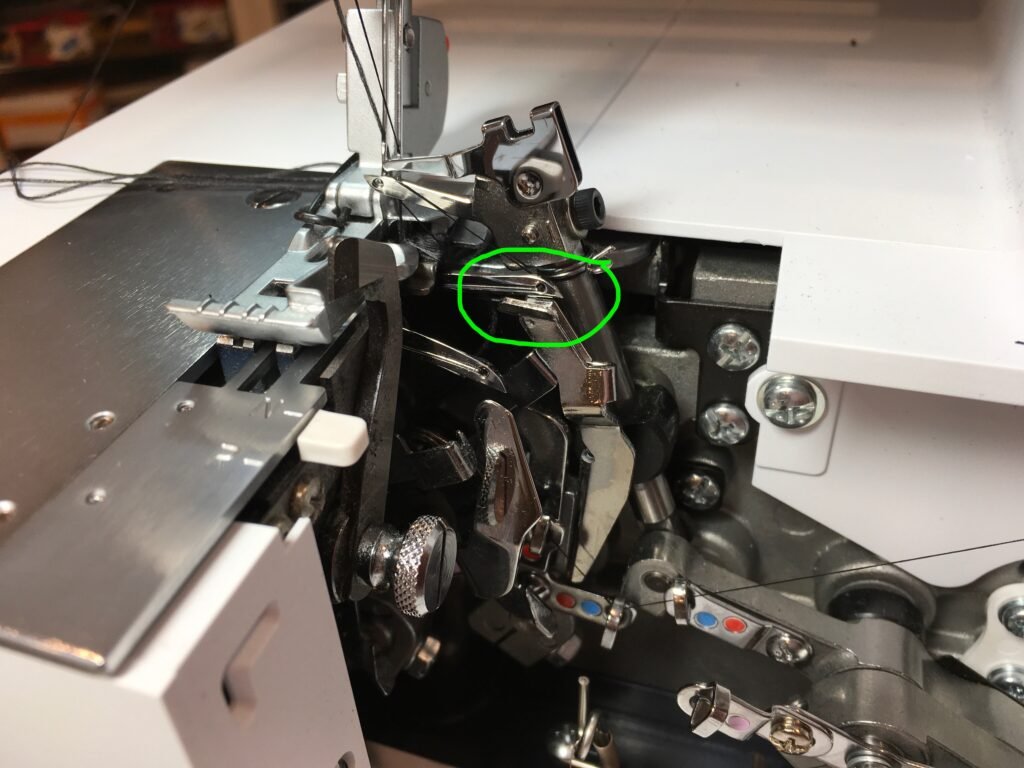
Threading is one of the biggest hurdles with any coverstitch machine, and Brother addresses it with color-coded guides, a fast thread looper system, and lay-in threading that keeps the process manageable. A standard presser foot and a hem sewing presser foot come in the box, so basic hemming is ready right away. The machine is intended for sale in the US at 120 volts, which matters if you plan to travel or use it abroad.
Differential feed controls how the front and rear feed dogs move relative to each other while fabric passes under the needles. On knits, a slight stretch setting keeps the hem from rippling, while a slight gather setting can ease in fullness on very stretchy or delicate fabrics. The Brother 2340CV offers a 0.7 to 2.0 millimeter range, so plan to spend a few minutes testing settings on scraps of each fabric before stitching a finished hem. Small adjustments here make the biggest visible difference in how professional the final seam looks.
The main trade-off is focus. This is a dedicated cover stitch machine, so it does not overlock or replace a serger. Buyers who want one device that handles everything should look at a combination option instead. For sewers who already own an overlocker and want dependable cover stitching at the lowest price here, the 2340CV is a sensible, well-built choice.
Not the right fit for sewers who want overlock or combination stitch functions, or who use 220-volt power systems.
We may earn a commission when you buy through this link, at no additional cost to you.
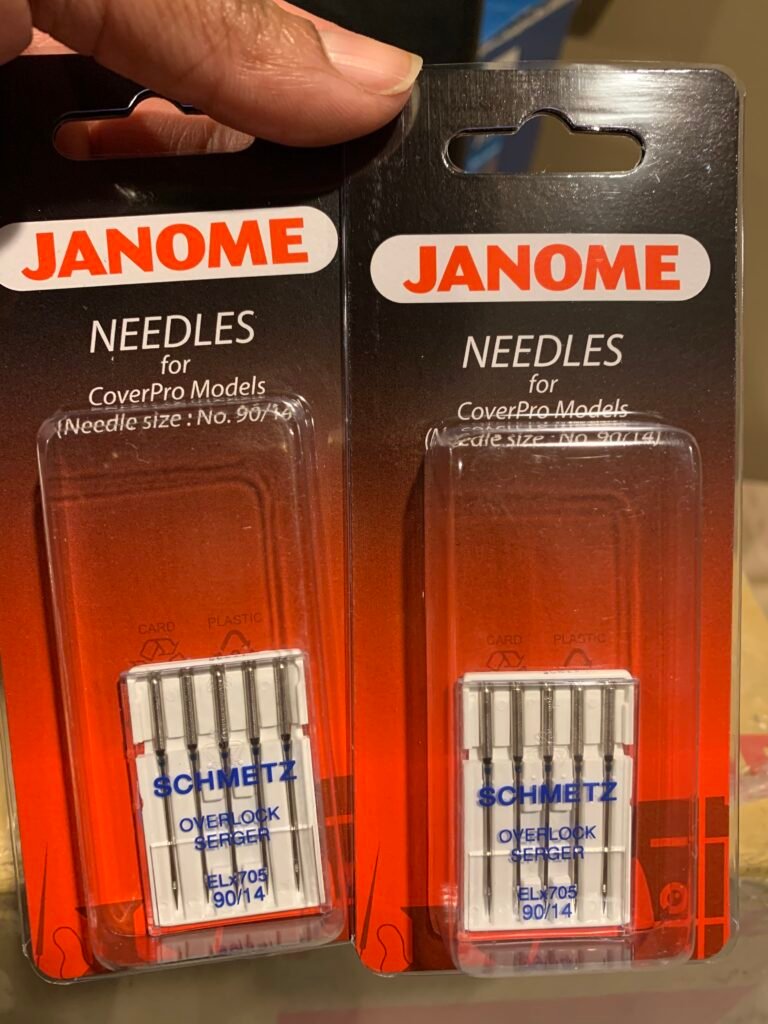
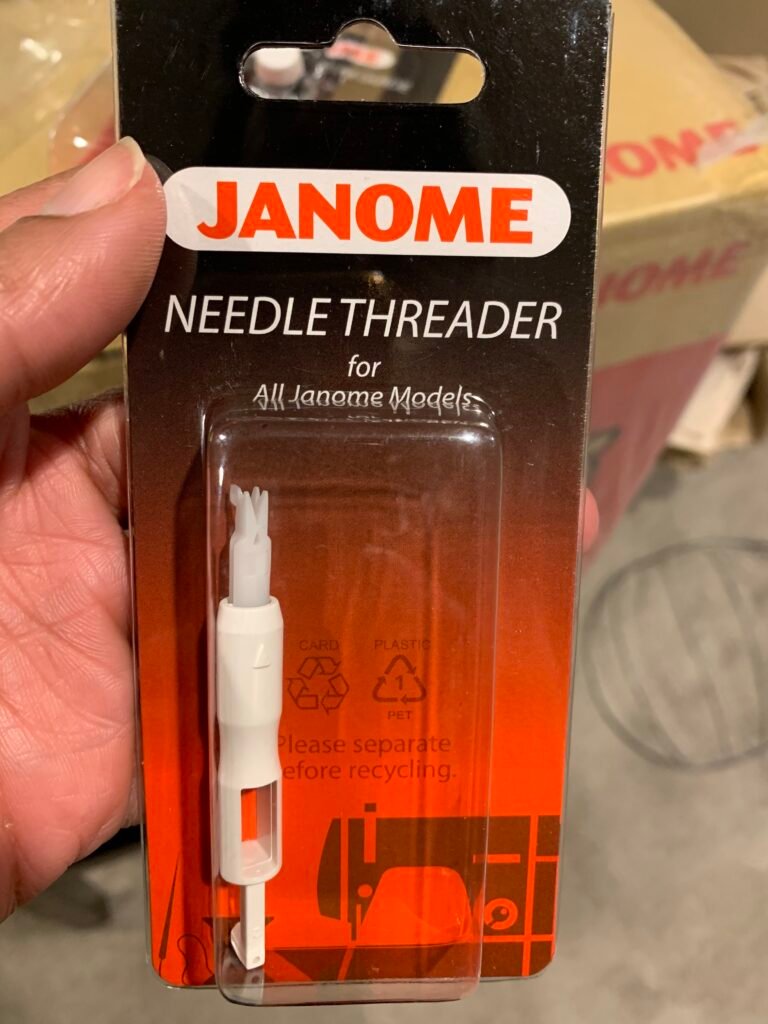
This package pairs the Janome Cover Pro 1000CPX with a bonus bundle focused on supplies that coverstitch owners actually use. Inside are two packs of Schmetz ELx705 needles, an adjustable seam guide, and a needle threader. For sewers who expect to spend their first weeks practicing on knits, that is a more practical set of extras than decorative accessories, and the 4.6-star rating points to solid owner satisfaction.
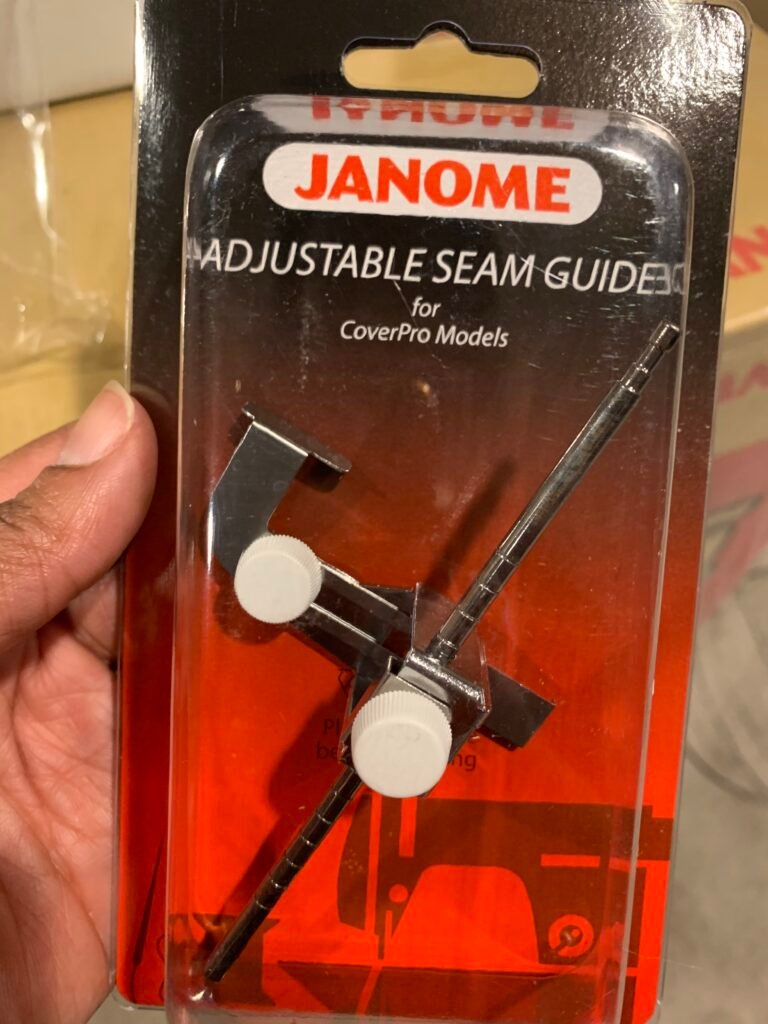
We may earn a commission when you buy through this link, at no additional cost to you.
The needles are the centerpiece. ELx705 needles are built for the loop-forming stitch that coverstitch machines create, and they help prevent skipped stitches on jersey, ribbing, and other stretch fabrics. Two packs keep you stocked through the learning period, when dull or slightly bent needles are a common cause of poor results. The adjustable seam guide, meanwhile, gives your hems a consistent width by giving the fabric edge something to follow.
The needle threader addresses the fiddliest part of machine setup, and the seam guide reduces guesswork when you move between projects with different hem allowances. Because the 1000CPX is Janome’s home coverstitch platform, the bundle makes a logical first stop for sewers entering the category. Everything in the box is a consumable or an immediately useful tool, with nothing that requires additional purchases to start sewing.
The bonus bundle includes two packs of Schmetz ELx705 needles, the needle type coverstitch machines are generally designed to use. Sharper and slightly different in construction from standard sewing machine needles, they help the machine form consistent loops and reduce skipped stitches on knits. Needles dull faster than many sewers expect, especially when working with elastic and dense fabrics, so two packs is realistic rather than excessive. Replace the needle at the first sign of skipped stitches or a change in the stitching sound.
The trade-off is what the bundle leaves out. There are no specialty presser feet and no gathering attachments here, so sewers who want to create elastic gathering should compare the other 1000CPX listing in this guide, which includes a gather foot, a large gather attachment, and an adjustable guide for the same machine. If supplies and a threader are what you need, this bundle covers the essentials cleanly.
Not ideal for sewers who want gathering attachments or specialty presser feet included in the box.
We may earn a commission when you buy through this link, at no additional cost to you.
The Bernette b42 Funlock is designed for sewers who want to learn coverstitching without fighting their machine. It offers three coverstitches in 2.8mm and 5.6mm widths plus a chain stitch, and it pairs those stitches with an LCD display, a separate needle threader, and a dedicated looper threading mechanism. For a first coverstitch machine, that balance of capability and guidance is the main selling point.
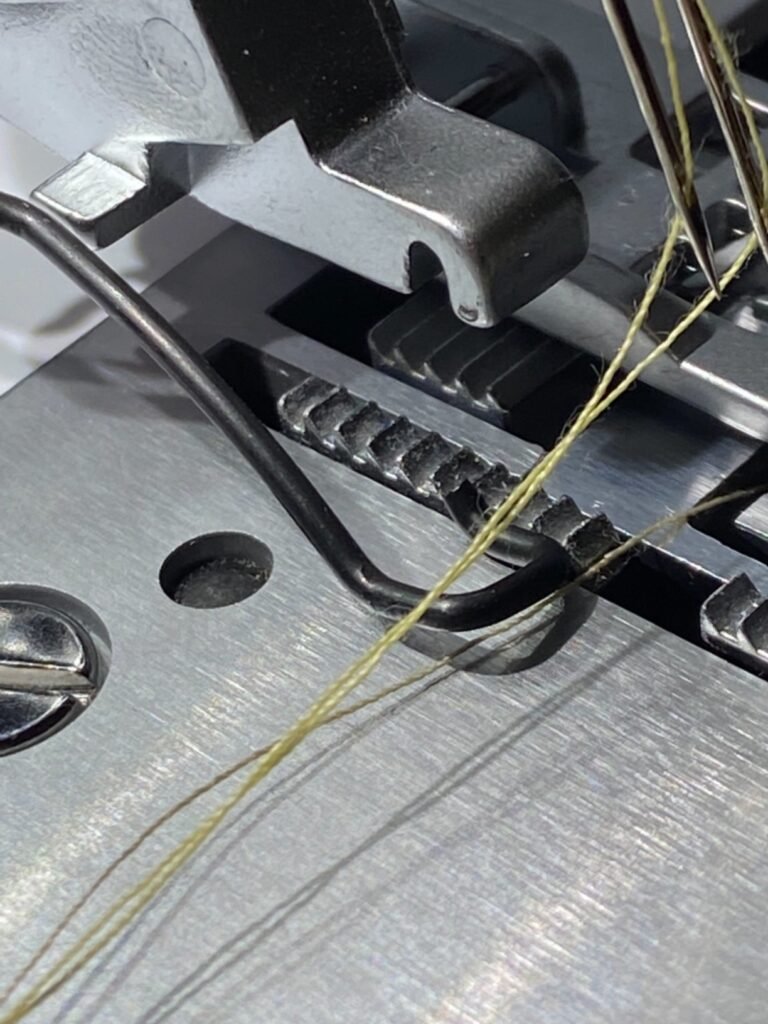
We may earn a commission when you buy through this link, at no additional cost to you.
The stitch set covers the core jobs: narrow and wide hems on knits, fold-over binding, and chain stitch lines for decorative or sturdy seams. An adjustable presser foot helps the machine adapt to thin knits, stretch fabrics, and heavier materials without fabric slipping. Bernette also notes battery-free operation and a portable design, which suits sewers who move between rooms or take classes with their own equipment.
Practical details are handled thoughtfully. A bright LED light illuminates the needle area, the included extension table supports larger projects like quilting and hemming, and the adjustable tool winder helps with thread preparation. Bernette describes separate threading paths for needles and loopers, which is the arrangement that reduces confusion most for new owners. Included presser feet, needles, and a threader mean the machine is ready to work once it is set up.
The Bernette b42 covers two width classes: a narrow 2.8mm setting and a wider 5.6mm setting. Narrow stitches suit delicate hems on lightweight knit tops and children’s garments, where a subtle finish matters. The wider setting creates the unmistakable double-row look on athletic wear and swimwear, and it supports fold-over binding where the stitching becomes a design element. Test both on the fabrics you sew most, because the right choice often comes down to the visual weight you want at the hemline.
The main trade-offs are price and ratings. At 4.0 stars it holds the lowest owner rating in this comparison, and it costs more than the Brother 2340CV despite offering a similar core stitch set with added conveniences. Buyers who value the display, easier threading, and a beginner-friendly experience may find that worthwhile. Shoppers focused purely on value should weigh the Brother carefully before deciding.
Not for budget-focused shoppers or sewers who need overlock capability from the same machine.
We may earn a commission when you buy through this link, at no additional cost to you.
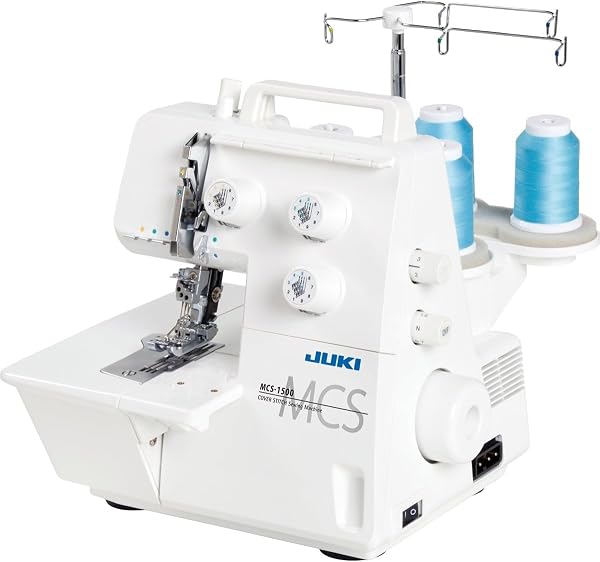
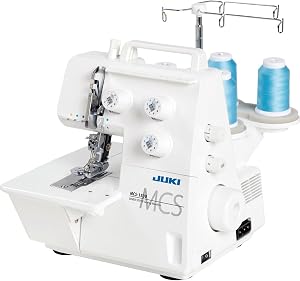
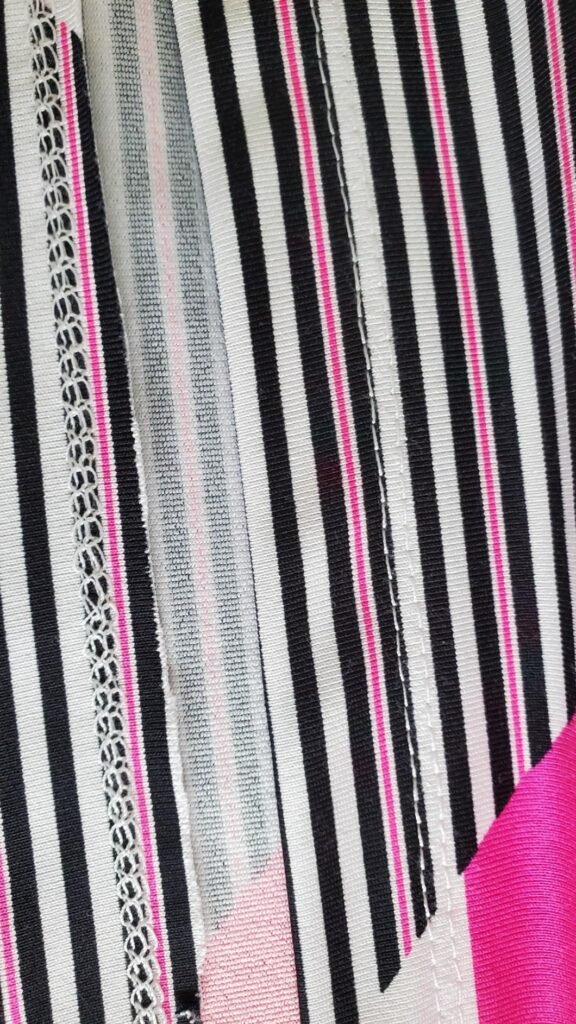
The Juki MCS-1500 is the performance option in this group. It runs three needles with a three-thread cover stitch and a four-thread chain stitch, and it sews at up to 1,350 stitches per minute, the fastest figure here. For sewers who finish garments in batches, teach classes, or run a small production setup, that combination of speed and stitch capability changes how quickly projects move.
We may earn a commission when you buy through this link, at no additional cost to you.
The three-needle capability means the machine can produce a triple row of stitching or step down to narrower configurations, depending on how you thread it. The four-thread chain stitch adds a strong, flexible seam option often used where extra durability matters. Juki’s color-coded guides keep threading organized, and the high top speed means long hems do not turn into endurance tests. Differential feeding and stitch quality remain consistent as you push the pace.
Ownership support is a genuine strength. Juki backs the machine with a 5-year mechanical warranty and a 2-year electrical warranty, plus 90 days of adjustments for defects in material or workmanship. Consumables such as loopers, feed dogs, knife blades, bulbs, lamps, presser feet, needles, and belts are excluded, which is typical, but the mechanical term is long and covers the parts that are most costly to repair.
Juki structures coverage in three tiers: five years on mechanical parts, two years on electrical components such as motors and circuit boards, and 90 days on adjustments for defects in material or workmanship. Consumable parts are excluded, including loopers, feed dogs, knife blades, bulbs, lamps, presser feet, needles, and belts. That exclusion list is normal for the industry, but it is worth reading closely so you know which repairs you would pay for. The long mechanical term is the most valuable part of the package because it covers the components that are most expensive to replace.
The trade-offs are price and focus. It sits at the upper end of the dedicated coverstitch category here, and like the other dedicated machines it will not overlock seams. Sewers who want one device for every stretch technique should consider the Bernette B48 instead. For buyers whose priority is speed, stitch versatility, and warranty length in a coverstitch-only machine, the Juki MCS-1500 is the strongest pick.
Not the best fit for occasional sewers who want the lowest entry price or overlock capability.
We may earn a commission when you buy through this link, at no additional cost to you.
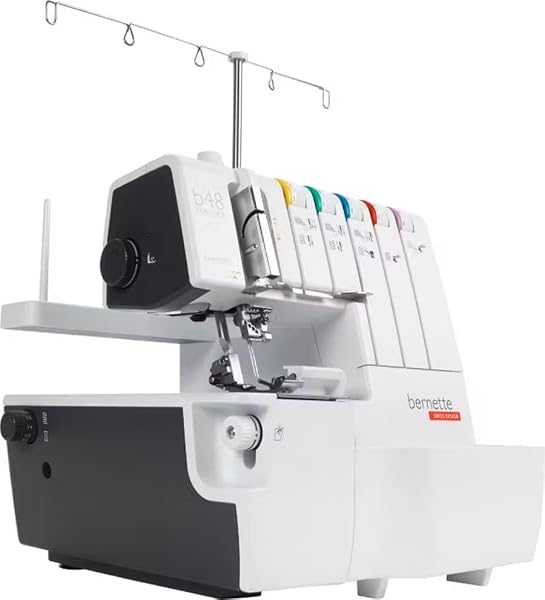
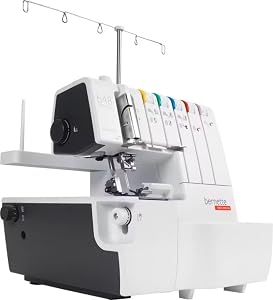
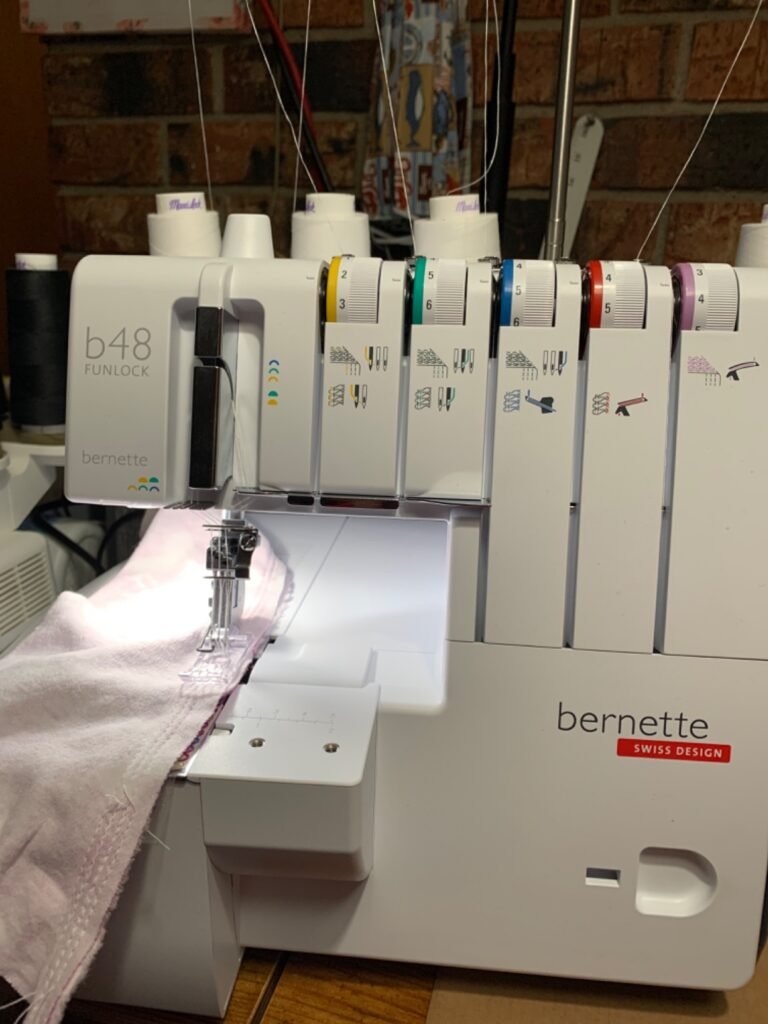
The Bernette B48 Funlock is the premium, do-it-all option in this guide. It combines serger and coverstitch functions in one machine with 23 built-in stitches, including overlock, coverstitch, and chain stitch options, at speeds up to 1,300 stitches per minute. For sewers who want one machine to handle seam finishing and hemming, it replaces two separate devices with a single footprint.
We may earn a commission when you buy through this link, at no additional cost to you.
The heavy-duty motor handles quilting, embroidery preparation, and thick fabrics that stall lighter machines. Adjustable stitch widths and presser foot pressure give control across different materials, and a manual threader manages the threading routes. The B48 also includes knife control, which matters for the overlock side of its work, along with extension table compatibility for larger projects that need extra support.
Day-to-day usability is supported by LED lighting that brightens the needle area and an accessory kit that includes bobbins, a winder, a hoop, needles, and a rotary cutter. The machine is described as portable with no LCD display, which suits sewers who prefer direct controls over menus. Because it does so much, expect to spend real time learning its threading paths and switching between stitch modes when projects change.
A combo like the Bernette B48 replaces both a serger and a coverstitch machine, handling overlock, coverstitch, and chain stitch work with 23 built-in stitches. The upside is one footprint, one learning curve, and one power outlet. The trade-offs are a higher purchase price, manual threading, and mode changes between overlocking and coverstitching that take time on any combo. If you already own a serger you like, a dedicated coverstitch machine is simpler to live with. If you are starting fresh or short on space, the combo approach can make sense.
The trade-offs are complexity and price. It is the most expensive machine in this comparison, threading is manual, and combos demand more practice than dedicated machines. If you already own a serger you trust, a dedicated coverstitch model will feel simpler and cost less. If you are building a sewing room from scratch or want maximum capability with minimum space, the B48 earns its premium pick badge.
Not for shoppers who want a simple, dedicated coverstitch machine at a lower price.
We may earn a commission when you buy through this link, at no additional cost to you.
Selecting a coverstitch machine comes down to matching stitch capability, threading comfort, and included accessories to the way you actually sew. The factors below cover the decision points that matter most before you buy.
Stitch width is the fastest way to tell these machines apart. The Bernette b42 and B48 offer cover stitches at 2.8mm and 5.6mm, while the Brother 2340CV adjusts from 3mm to 6mm for thicker materials. Narrow settings produce subtle hems for lightweight knits and children’s clothing, while wider settings create the visible sporty finish common on athletic wear, swimwear, and fold-over binding. If you sew a mix of garments, an adjustable width gives you more range from a single machine.
Stitch variety matters almost as much. Some machines focus purely on cover stitching, while others add chain stitch, and the Bernette B48 goes further with 23 built-in stitches spanning overlock, coverstitch, and chain options. A dedicated coverstitch machine keeps operation simple and fast, while a combo rewards you with more techniques but asks for more learning. Neither approach is wrong, and the right answer often depends on whether you already own an overlocker.
Decide by listing the techniques you actually plan to use. If you mostly hem knits and bind necklines, a dedicated machine with a good width range is enough. If you want chain stitching for decorative lines or sturdy seams, prioritize the Juki MCS-1500 or a Bernette machine. If you want one device to do nearly everything, budget for the combo and its steeper learning curve.
Coverstitch machines run at least two needles, and the count shapes the look of the seam. Two needles create the classic double row of parallel stitching seen on T-shirt hems. Three-needle machines like the Juki MCS-1500 can produce three parallel rows for a bolder finish, and many machines let the extra needle be disengaged so you can switch widths by rethreading. The Brother 2340CV uses two needles with two, three, and four cover stitch functions.
The thread configuration underneath matters too. A three-thread cover stitch is the standard construction, while a four-thread chain stitch, found on the Juki MCS-1500, creates a strong seam often used on waistbands and heavier knits. Bernette models add chain stitch as a separate technique entirely. Understanding these terms makes spec sheets easier to compare, because the numbers describe how many threads form the loops beneath the fabric.
Match the configuration to your wardrobe. Most home sewers are well served by a two-needle, three-thread setup. Choose a three-needle machine if you like triple-stitched activewear hems. Prioritize chain stitch only if you know you will use it for visible topstitching or sturdy waist finishes.
Speed ratings in this group range from 1,100 stitches per minute on the Brother 2340CV to 1,350 on the Juki MCS-1500, with the Bernette B48 at 1,300. In practice, few home sewers hold the pedal down through a long seam, so speed matters most if you sew for a business or produce in batches. What speed does improve is how confidently the machine carries through thick seams and how smoothly it handles long hem runs once you are comfortable.
Differential feed is the quieter but more important spec. The Brother 2340CV lists a differential feed range of 0.7 to 2.0 millimeters, which lets the feed dogs stretch or gather the fabric slightly as it moves under the needle. This is what keeps knit hems from rippling and seams from stretching out of shape. Machines that let you adjust differential feed give you more control when moving between jersey, ribbing, and stable wovens.
Prioritize speed only if production volume matters to you. For everyone else, confirm the machine offers differential feed adjustment and plan to test a few settings on scraps. A slightly slower machine with good feed control will produce better-looking hems than a fast one with fixed feeding.
Ask any coverstitch owner what surprised them most and threading the loopers usually tops the list. Machines here ease that process in different ways. The Brother 2340CV and Juki MCS-1500 use color-coded guides with lay-in threading and quick looper systems. The Bernette b42 provides a separate needle threader plus a dedicated looper threading mechanism, while the Bernette B48 uses a manual threader that rewards patience.
Threading aids shorten setup time and reduce frustration every time you change threads for a new project. Color coding is especially valuable in the beginning, because you follow the guides in a fixed order and can see immediately if a thread is routed incorrectly. A needle threader saves the fiddliest step on machines that include one. Even with aids, expect the first few threading sessions to take longer than they will later.
If you are new to coverstitching, weight threading features heavily in your decision. A machine you can rethread quickly gets used, while one that intimidates you stays under its cover. Consider watching a threading tutorial for the specific model before buying, since the process varies more between brands than it does between regular sewing machines.
Coverstitching happens close to the needle, so good visibility is not a luxury. The Bernette b42 and B48 include bright LED lighting, and the b42 adds an extension table that supports bulky projects and keeps fabric from dragging. The Janome 1000CPX uses a long arm that gives you more room to manage tubular pieces like sleeves and legs. These details matter more as projects get larger and heavier.
Controls shape the experience too. The Bernette b42 pairs an LCD display with an adjustable presser foot, making settings easier to confirm on screen. Presser foot pressure adjustment matters when you move between stretchy jersey and thicker sweatshirt fleece, because the wrong pressure lets fabric slip or bunch. A tool winder on the b42 helps with thread handling during preparation.
Check where the machine will live before you buy. A long arm and extension table need more table space, while compact designs fit tighter setups. If you sew in the evening, or in a room with limited natural light, favor machines with stated LED lighting so you can see the needle area clearly.
What comes in the box often decides the real value. The Brother 2340CV includes a standard presser foot and a hem sewing presser foot, so basic hemming is ready out of the box. The Bernette b42 ships with presser feet, needles, a threader, and other supplies, while the B48 adds an accessory kit that includes bobbins, a winder, a hoop, needles, and a rotary cutter.
The two Janome 1000CPX listings show how much bundles can differ. One includes two packs of Schmetz ELx705 needles, an adjustable seam guide, and a needle threader. The other provides a tight elastic gather foot, a large gather attachment, and an adjustable sewing guide. Gather attachments are the rarer, more specialized items, and they unlock elastic gathering for waistbands, cuffs, and ruffled edges without extra gadgets.
Compare bundle contents line by line rather than assuming a higher price means more included. If you already own needles and a seam guide, the gathering-focused package may be the better fit. If you are just starting out, extra consumables and a threader reduce early friction.
Warranty terms vary enough to influence a purchase. The Juki MCS-1500 carries a 5-year mechanical warranty, a 2-year electrical warranty, and 90 days of coverage on adjustments for defects in material or workmanship. That is one of the more detailed coverage structures in this group. Always read the exclusions, though, because they define what is actually protected.
Juki’s coverage, for example, excludes consumable parts such as loopers, feed dogs, knife blades, bulbs, lamps, presser feet, needles, and belts. Wear items like these are expected to need replacement regardless of brand. Budget accordingly, since spare needles and occasionally presser feet are ongoing costs. The Brother 2340CV is intended for sale in the US at 120 volts, and using it elsewhere voids the warranty.
Read the warranty page before you buy so there are no surprises later. Factors like longer mechanical coverage, clearly listed exclusions, and available spare parts separate machines that age well from those that frustrate. For most buyers, a solid mechanical warranty plus a nearby repair option matters more than a long list of covered consumables.
Set up on a stable table with enough room to access the loopers and thread guides, since threading requires reaching around the machine. Thread in the order shown by the color-coded guides, install fresh ELx705 needles with the flat side correctly oriented, and check the voltage requirement before plugging in. Before every project, run a test stitch on a scrap of the exact fabric you plan to use, adjusting tension, stitch width, and differential feed until the seam lies flat and stretches cleanly.
While sewing, guide the fabric rather than pulling it, letting the feed dogs move the material at their own pace. Use differential feed to prevent stretched or wavy hems on knits, and match stitch width to the garment: narrow for delicate tops, wide for athletic wear and binding. On folded hems, the hem presser foot keeps the fold consistent, and pressing or basting the hem before stitching reduces wobble. Practice on jersey and ribbing scraps until you can guide curves and tubular pieces smoothly.
Keep the machine clean by brushing lint away from the loopers, tension discs, and feed area after each session, since knit fibers shed heavily and lint buildup causes skipped stitches. Change the needle at the first sign of trouble, and never run the machine without fabric under the presser foot. Cover the machine when not in use, store presser feet and accessories with it, and if stitch quality drops after basic troubleshooting, have the machine serviced rather than forcing it through more projects.
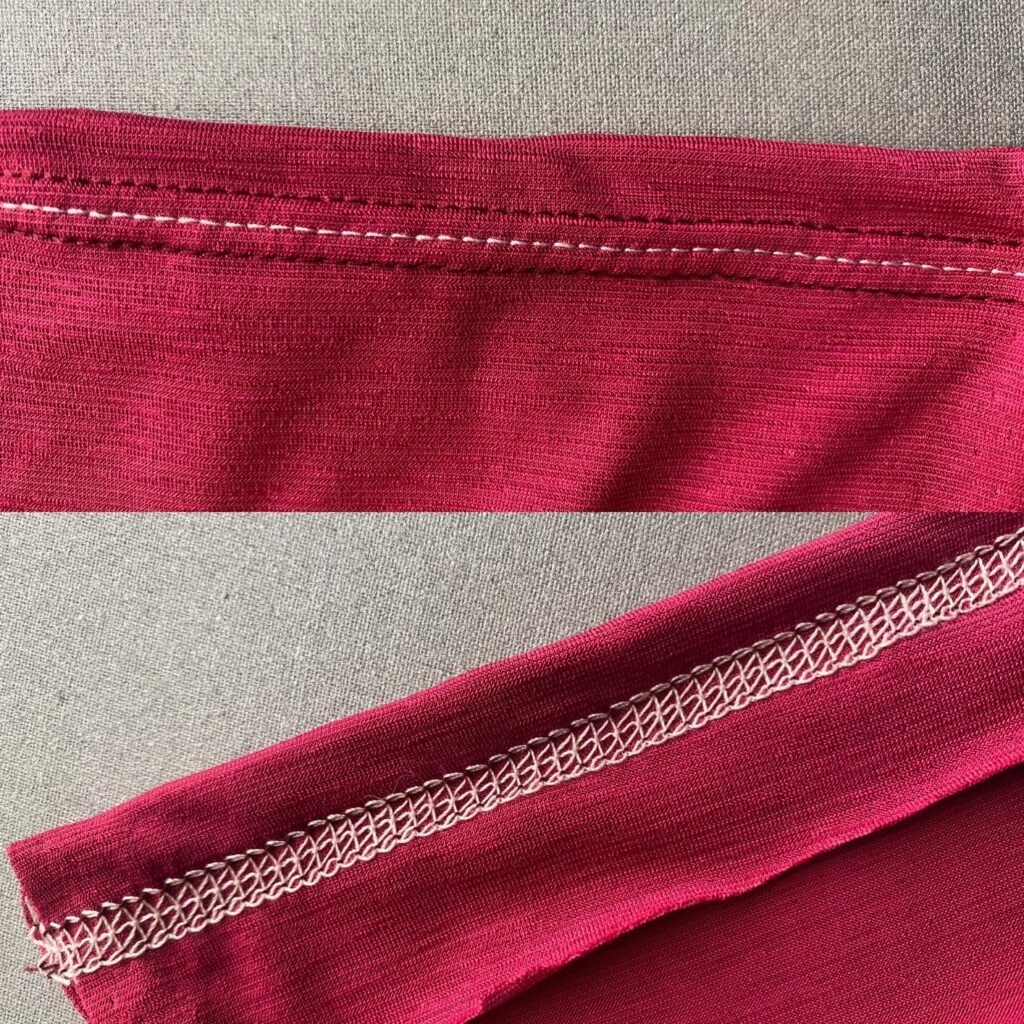
A coverstitch machine creates the flexible double or triple row of stitching found on the hems of T-shirts, leggings, and other knit garments. It is used for hemming knits, binding necklines and armholes, fold-over binding, and decorative topstitching. Because the stitch stretches with the fabric, it is the standard finish for activewear and stretch clothing. A regular sewing machine can imitate the look, but it cannot match the stretch and recovery of a true cover stitch.
Yes, in most cases. A serger trims and overcasts raw edges and joins seams, while a coverstitch machine creates stretch hems and finished edges. Dedicated coverstitch models like the Brother 2340CV and Janome 1000CPX do not overlock at all, so they complement a serger rather than replace it. Combination machines such as the Bernette B48 are the exception, handling both overlock and coverstitch work in one unit.
A cover stitch produces parallel rows of stitching on top with interlocking loops underneath, which is what gives knit hems their stretch. A chain stitch is a single line of needle stitching with a looping underside, used for decorative seams, temporary basting effects, and sturdy waistband finishes. The Bernette b42, the Juki MCS-1500, and the Bernette B48 all include chain stitch capability alongside cover stitching. If you only plan to hem knits, cover stitch alone is usually enough.
Coverstitch machines generally use ELx705 needles, the type designed for the loop-forming stitch these machines create. The Janome Cover Pro bundle in this guide includes two packs of Schmetz ELx705 needles, which is a realistic stock for the learning period. Using the wrong needle type is a common cause of skipped stitches and uneven loops. Replace needles regularly, since dull or bent tips are the first suspect when stitch quality suddenly drops.
It depends on the garment and the look you want. Narrow settings around 2.8mm suit delicate hems on lightweight tops and children's clothing, while wider settings around 5.6mm create the visible sporty finish seen on athletic wear and swimwear. The Brother 2340CV adjusts from 3mm to 6mm, which covers both ends of that range in one machine. Test widths on scraps of your actual fabric, because the visual weight of the stitch changes with fabric texture.
Skipped stitches usually trace back to needles, threading, or tension. A bent, dull, or wrong-type needle is the most common culprit, followed by a thread routed incorrectly through the loopers. Lint packed around the loopers can also interfere with loop formation. Start by installing a fresh ELx705 needle, rethreading in the correct color-coded order, and testing on a scrap before adjusting tensions.
A combo like the Bernette B48 makes sense if you want one machine that handles overlock, coverstitch, and chain stitch work without buying two units. It saves space and can cost less than two quality machines combined. The trade-offs are manual threading, mode changes between stitch types, and a higher learning curve. If you already own a serger you like, a dedicated coverstitch machine is simpler and often the better value.
Speeds in this guide range from 1,100 to 1,350 stitches per minute. For hobby sewing, most people rarely approach the top speed, so it should not be the deciding factor. Speed matters most for sewers producing in batches, teaching, or running a small business where every minute of machine time counts. Even on fast machines, you will slow down for curves, corners, and tubular pieces, so prioritize stitch quality and threading comfort first.
Start with the stitch widths and whether chain stitch is included, since these define what you can sew. Next, look at threading aids, because loopers are the hardest part of the process to learn. Check the included accessories, especially presser feet and gathering attachments, since they add real value when bundled. Finally, review the warranty terms and exclusions, and confirm the voltage requirement if you plan to use the machine outside the United States.
The Janome 1000CPX Cover Pro with the free bonus package is the strongest overall pick for most sewers. It holds the highest owner rating in this guide at 4.8 stars, uses Janome's Seam Compression System for stretch-friendly cover stitch seams, and includes a tight elastic gather foot, a large gather attachment, and an adjustable sewing guide that expand what you can make without extra purchases.
For different priorities, the Brother 2340CV delivers sturdy metal-frame construction at the lowest price here, while the Janome Cover Pro bundle swaps gathering tools for essential supplies like ELx705 needles, a seam guide, and a threader. The Bernette b42 suits beginners who want an LCD display and dedicated threading aids, the Juki MCS-1500 wins on speed and warranty length, and the Bernette B48 combines overlock and coverstitch work in one premium machine.
To choose between them, start with the techniques you need: cover stitching only, cover plus chain stitch, or a full combo. Then weigh threading comfort, included accessories, and warranty coverage against the price. Any machine on this list can produce professional-looking knit hems when it is threaded correctly and tested on scraps first, so let your fabric choices and workspace decide the final call.