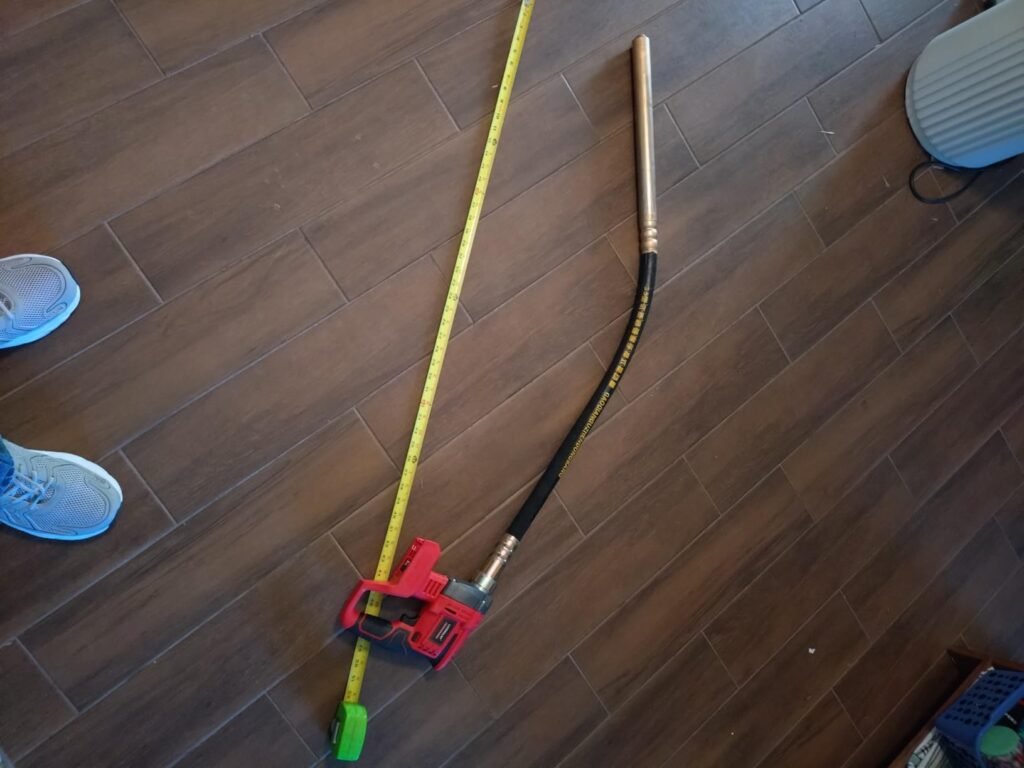
Seeutek 1500W 6.6FT
8.6Editor score1500W corded power
6.6ft shaft length
13000 VPM frequency
1-3/8 inch diameter
Find the right concrete vibrators for 2026. We compare 6 standout options by build quality, useful features, owner feedback, value, and everyday trade-offs.
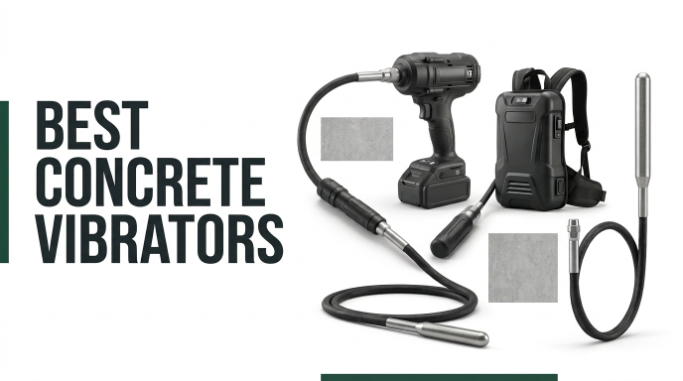
Find the right concrete vibrator for your next pour with a clear comparison of 6 standout models. We break down the specs that actually matter on the job site: motor wattage, shaft length and diameter, vibration frequency, corded versus cordless operation, battery platform compatibility, and how each tool handles the trade-off between raw power and portable convenience for real concrete work.
The gap between a $70 corded consumer model and a $348 DEWALT cordless tool is significant and application-dependent. Corded electric vibrators deliver consistent power for large pours, while cordless models offer freedom from extension cords on remote job sites. Battery-powered options from LIVOWALNY tap into existing Milwaukee and DEWALT battery ecosystems that many contractors already own.
This guide covers powerful 1500W corded models for foundations and structural pours, compact cordless tools for smaller projects and pier work, and professional DEWALT gear built for daily commercial use. Use the comparison table, reviews, and buying guide below to match a concrete vibrator to your typical pour size, project scale, and existing tool platform.
We compared 6 concrete vibrators using the specs that actually help a buyer decide: motor power, shaft length and diameter, vibration frequency in VPM or RPM, corded or cordless operation, battery platform compatibility, waterproof rating, weight and ergonomics, warranty coverage, and owner feedback. The notes focus on practical trade-offs so each pick connects to how contractors and DIY builders actually consolidate concrete pours, eliminate air pockets, and achieve the smooth, dense finish that quality concrete work requires.


Compare key features, scores, and current prices side by side. A shorter feature list means fewer details were available, not necessarily fewer capabilities.





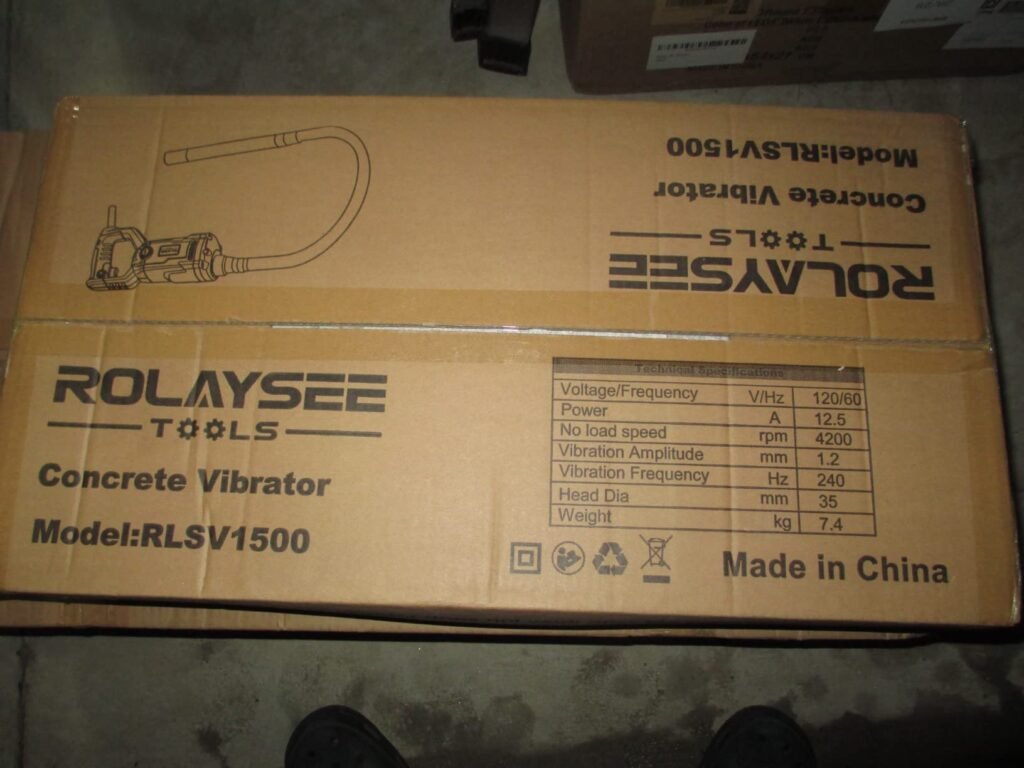
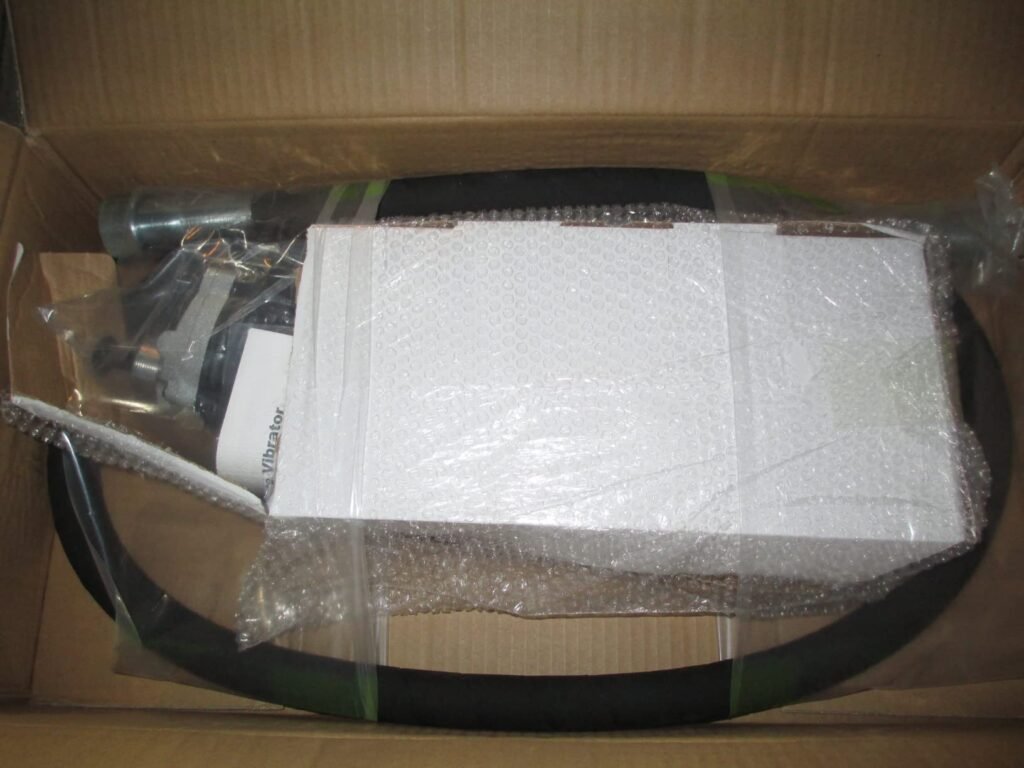
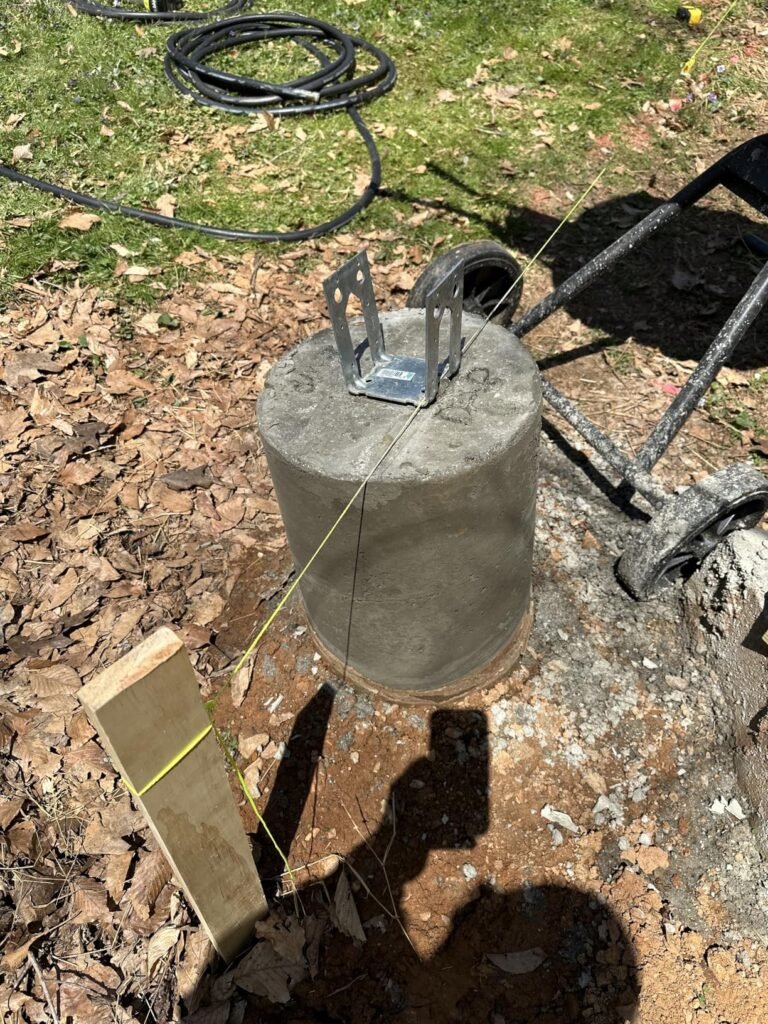
The ROLAYSEE 1500W handheld vibrator earns the highest owner rating in this comparison at 4.5 stars, and the combination of raw power and thoughtful design explains why. The 12.5-amp copper motor generates 14,400 vibrations per minute, which is meaningfully higher than most competitors and translates to faster air bubble elimination during pours. For contractors and DIY builders working on residential foundations, retaining walls, or driveway pours, this power level handles the job efficiently.
We may earn a commission when you buy through this link, at no additional cost to you.
The 6.6-foot flexible shaft with a 1-3/8 inch diameter head provides genuine working reach for larger pour applications. You can consolidate concrete around rebar frameworks in deeper forms without needing to reposition the tool constantly, which speeds up work on foundations and structural pours. The reinforced cast aluminum shell holds up to job site abuse better than plastic housings on cheaper alternatives.
The IPX4 waterproof rating with special heat outlet design addresses two real concerns for concrete work: the constant splashing of wet mud and the heat buildup during extended use. The waterproof switch cover and double-layer motor insulation add safety margins that matter when you’re working around water, wet forms, and metal reinforcement. The lock-on button lets you run the tool continuously without hand fatigue from holding the trigger during long pours.
Vibration frequency directly affects how quickly and thoroughly a vibrator can consolidate concrete and eliminate trapped air. Higher VPM values move more air per second and produce a denser, stronger finished pour. For structural concrete work where compressive strength matters, higher-frequency vibrators like this ROLAYSEE model produce measurably better results than lower-frequency alternatives, particularly in mix designs with lower slump values.
Choose this vibrator if you need reliable, powerful consolidation for medium to large residential and light commercial concrete projects. The corded design means you need extension cord access at your pour site, which is standard for most job sites but limits use in truly remote locations. If you’re working on small pier pours or need cordless mobility, one of the battery-powered options will suit better.
Pier and footing specialists who need cordless portability, or users tackling only small DIY projects.
We may earn a commission when you buy through this link, at no additional cost to you.
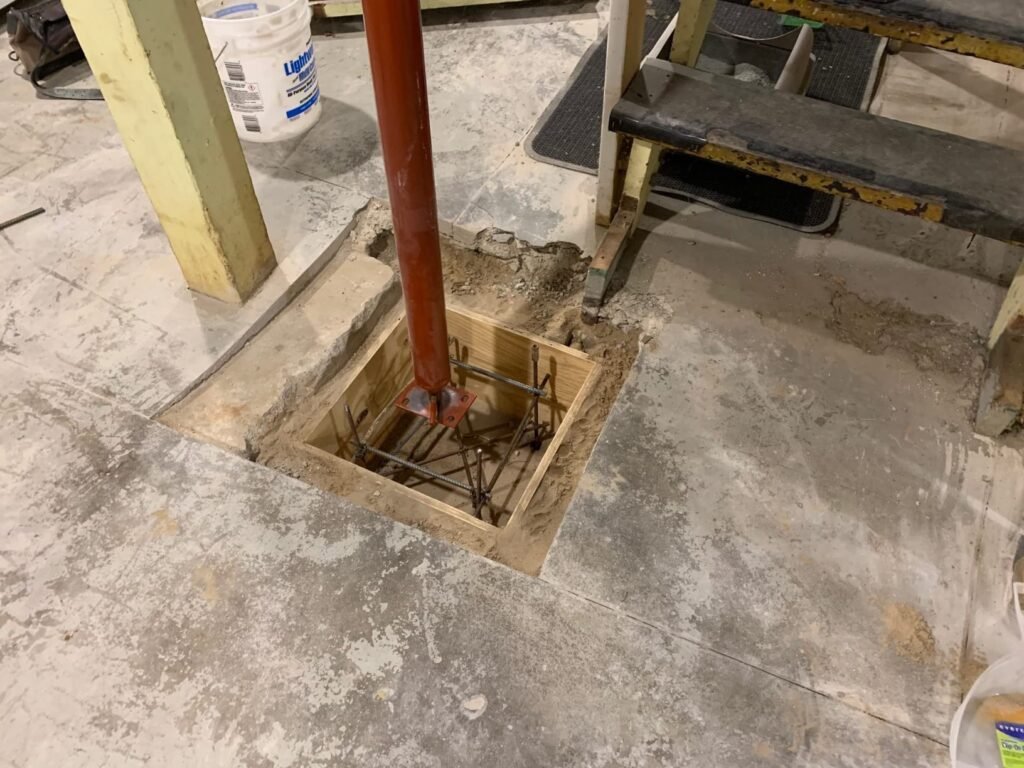
The Seeutek 1500W concrete vibrator delivers full-size professional power at a price point that makes serious concrete work accessible for occasional contractors and DIY builders. At under $70, this tool costs less than half of many competitors while providing the same 1500W motor power, 6.6-foot shaft length, and 1-3/8 inch head diameter needed for real consolidation work.
We may earn a commission when you buy through this link, at no additional cost to you.
The 13,000 VPM vibration frequency is somewhat lower than the premium ROLAYSEE model but still provides adequate performance for most residential and light commercial pours. The 1500W motor generates significantly more power than the 550W (3/4 HP) capacity of many older-style vibrators, which means it handles thick concrete mixes and consolidates larger areas more efficiently. The 110V standard household voltage makes setup straightforward with any extension cord.
The ergonomic lock-on button reduces hand fatigue during extended pours, which matters when you’re working through a full concrete truck delivery. If the vibrator does not start immediately, the manufacturer notes that knocking the vibrating bar on the ground several times helps synchronize the internal frequency, which is a common operating characteristic of this style of tool that new users should understand.
Some corded concrete vibrators require an initial impact to synchronize the internal drive system before smooth vibration begins. This is not a defect but a common characteristic of the eccentric weight mechanism inside the head. Simply tap the vibrating head against the ground or the side of your form when starting, and the tool will engage properly. Understanding this quirk prevents unnecessary returns of otherwise functional tools.
This vibrator is a strong choice for budget-conscious buyers who need professional-grade concrete consolidation without paying premium prices. It handles residential foundations, walls, and driveways effectively. If you pour concrete daily as a commercial contractor and need the highest reliability and warranty coverage, the ROLAYSEE model or DEWALT cordless option provides better long-term value.
Daily commercial users who prioritize the highest owner satisfaction ratings or need maximum vibration frequency.
We may earn a commission when you buy through this link, at no additional cost to you.
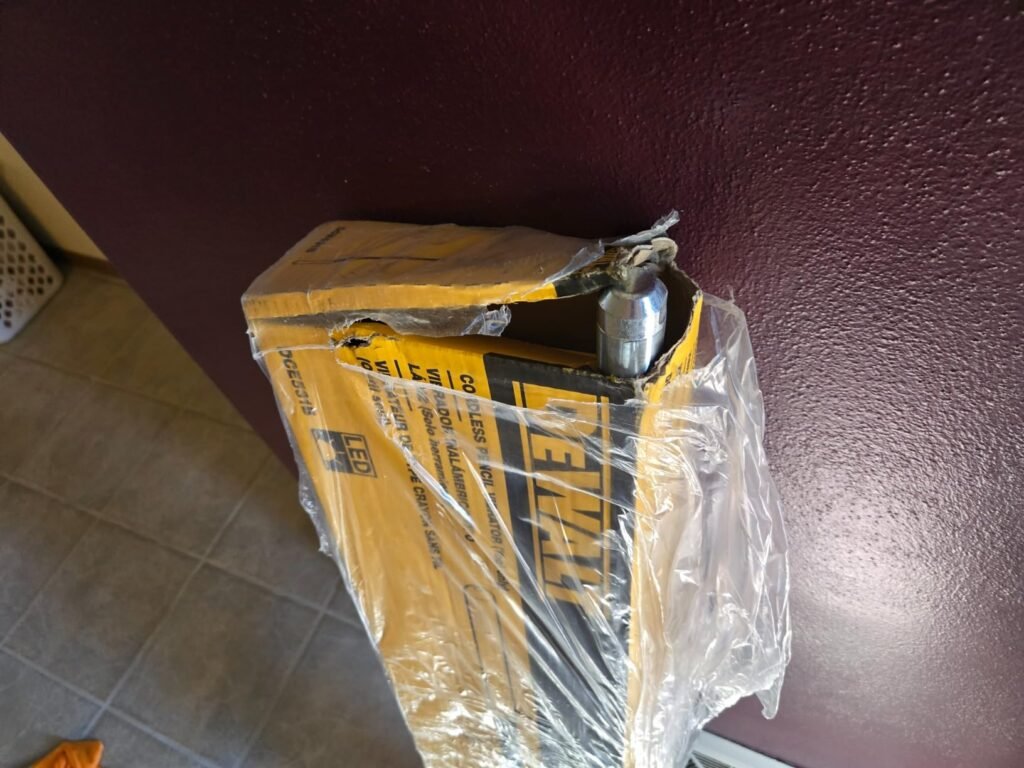
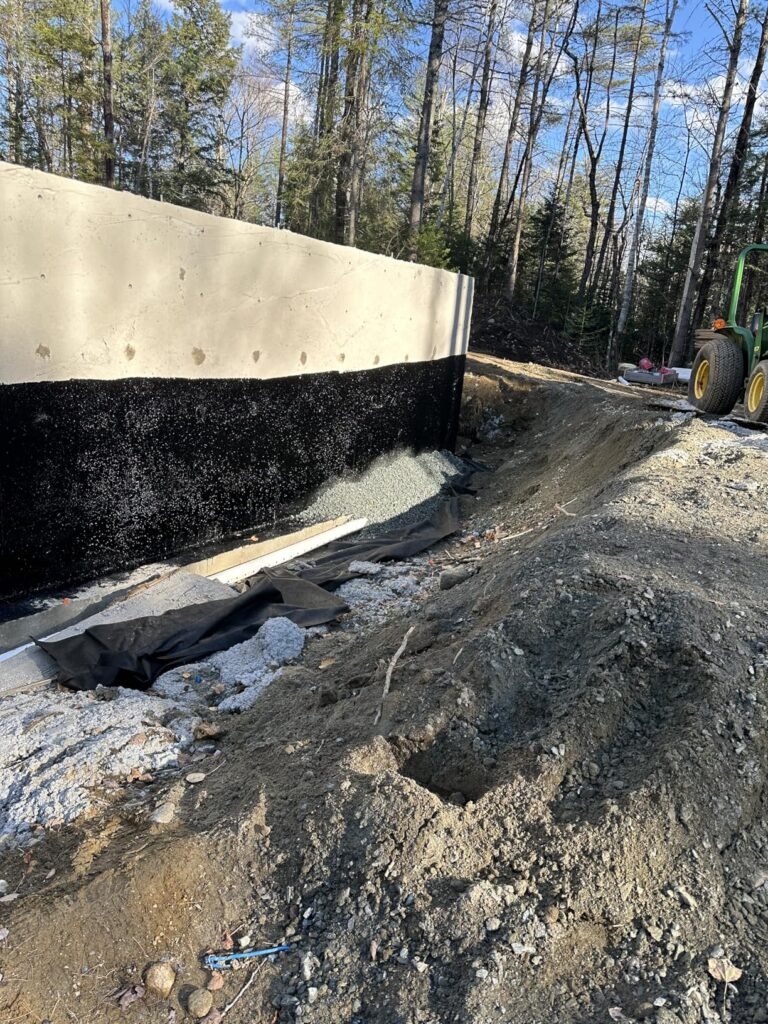
The DEWALT DCE531B pencil vibrator brings DEWALT's professional cordless platform to concrete consolidation work, making it the natural choice for contractors already invested in the 20V MAX battery system. The compact pencil-style design with a 1-1/8 inch head diameter is specifically engineered for smaller-diameter forms, pier pours, and detail work where larger heads would not fit or would over-consolidate.
We may earn a commission when you buy through this link, at no additional cost to you.
The 14,000 VPM vibration frequency matches or exceeds many corded models, which is impressive for a battery-powered tool. This high frequency ensures efficient air bubble removal even in narrow forms and around dense rebar cages where consolidation is often challenging. The 4-foot flexible shaft provides adequate reach for smaller pours while remaining manageable for one-handed operation.
The cordless design eliminates the constant extension cord management that plagues corded vibrators on complex job sites. For contractors working on multiple footings, individual piers, or remote locations, this mobility freedom translates directly to faster work and less setup time. DEWALT’s 20V MAX battery platform includes dozens of compatible tools, so adding this vibrator to an existing DEWALT toolkit provides genuine ecosystem value.
Contractors invested in the DEWALT 20V MAX platform benefit enormously from using DEWALT cordless tools throughout their toolkit. Batteries interchange between drills, saws, lights, and now concrete vibrators, reducing the number of unique batteries and chargers needed on a job site. If you’re not currently in the DEWALT ecosystem, the initial battery investment is significant, but the long-term value compounds as you add more compatible tools over time.
This vibrator is the right choice for professional contractors already using DEWALT cordless tools who need dedicated concrete consolidation capability. The tool-only pricing assumes you own compatible batteries, which is fair for existing DEWALT users. If you don’t own DEWALT batteries, factor in $150-300 for battery and charger purchases when comparing total costs against corded alternatives. For pure pier and pile work, this pencil-style tool excels where larger vibrators cannot reach.
Contractors invested in other battery platforms like Milwaukee, or those needing larger head diameters for major pours.
We may earn a commission when you buy through this link, at no additional cost to you.
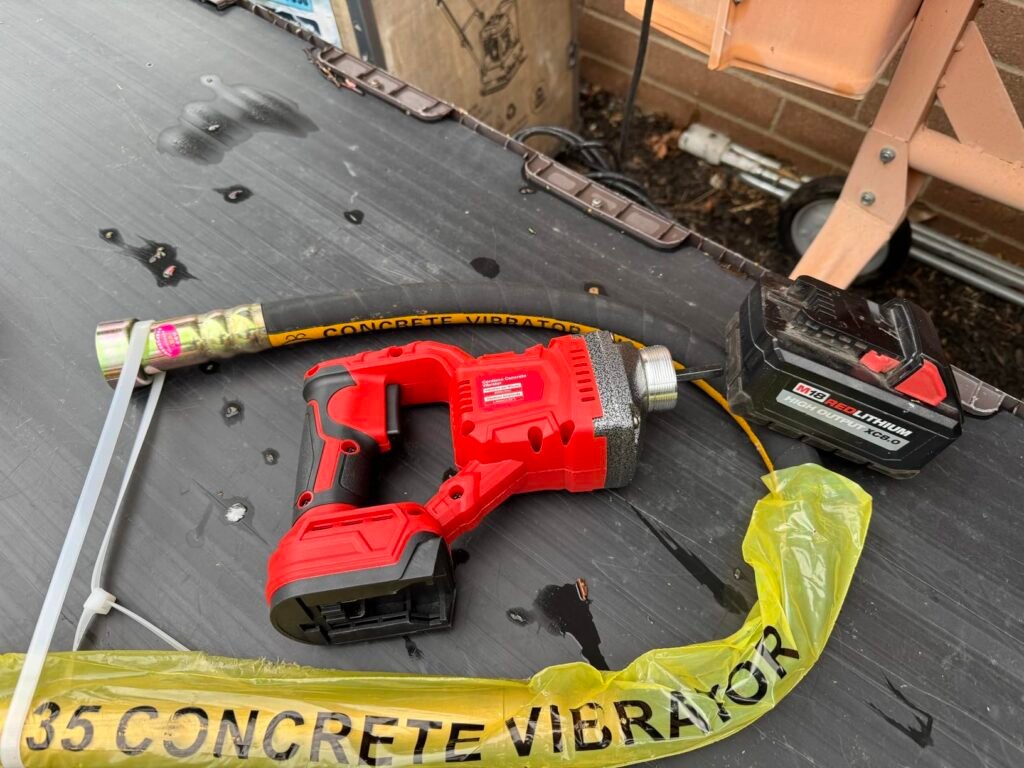
The BDJHMP cordless concrete vibrator targets Milwaukee M18 battery platform users who need dedicated concrete consolidation capability at a budget-friendly price. As a tool-only option that runs on Milwaukee batteries you likely already own, this vibrator provides cordless mobility for small to medium residential concrete projects without the premium pricing of first-party alternatives.
We may earn a commission when you buy through this link, at no additional cost to you.
The 800W brushless motor is efficient and provides reasonable power for smaller pour applications. Brushless motor technology typically offers longer life, better power delivery, and lower maintenance compared to brushed alternatives, which matters for a tool that operates in dusty concrete environments. The 3.6-foot flexible shaft provides adequate reach for pier pours, small footings, and residential slab consolidation.
The manufacturer explicitly notes this tool is suited for smaller projects ranging from 10 to 20 meters, such as garden foundations, wall foundations, and path subgrades. This honest capacity statement helps buyers set realistic expectations rather than assuming any cordless vibrator handles the same work as full 1500W corded models. Battery capacity of 4.0Ah or higher is recommended for practical work sessions.
Cordless concrete vibrators draw significant current, and battery capacity dramatically affects usable runtime. A 2.0Ah battery may only provide 10-15 minutes of vibration work before requiring a swap, while a 5.0Ah or larger battery can handle 30-45 minutes of continuous use. For any serious concrete project, invest in multiple high-capacity batteries and a fast charger to avoid downtime that could compromise your pour schedule.
This vibrator is a reasonable choice for Milwaukee M18 platform users who need occasional concrete consolidation for smaller DIY or light contracting projects. The lower owner rating suggests some quality control variability, so this works best for users who understand the trade-offs of budget third-party cordless tools. For serious daily commercial use or larger pours, invest in the DEWALT DCE531B professional cordless model or a full-size corded vibrator.
Large commercial pour projects or users without existing Milwaukee M18 battery investment.
We may earn a commission when you buy through this link, at no additional cost to you.
The LIVOWALNY 18V Milwaukee-compatible vibrator offers a middle-ground option for Milwaukee battery platform users who want more vibration frequency than the BDJHMP model provides. With 6,000 RPM vibration rate and a 3.8-foot flexible shaft, this tool handles small to medium concrete pours effectively while running on Milwaukee 18V batteries you may already own.
We may earn a commission when you buy through this link, at no additional cost to you.
The 600W high-power copper motor efficiently eliminates air bubbles from concrete mixes, producing the smooth, consolidated finish that quality concrete work requires. Copper motor windings provide better power delivery and longer service life than aluminum alternatives, which matters for a tool that operates in the demanding concrete work environment. The lock-on button eliminates hand fatigue during longer pour sessions.
Compatibility extends across the full Milwaukee M18 battery lineup, including 48-11-1820, 48-11-1822, 48-11-1840, 48-11-1850, 48-11-1852, 48-11-1860, and 48-11-1862 models. This broad compatibility means you can use any recent Milwaukee 18V battery you own without needing specific battery models. The 4.0Ah or higher battery recommendation ensures adequate runtime for real work sessions.
You may see concrete vibrator specifications listed in either RPM (revolutions per minute) or VPM (vibrations per minute). Some manufacturers use these terms interchangeably, but technically VPM measures the actual vibration count while RPM measures rotational speed of the internal eccentric weight. In practice, higher numbers in either specification generally indicate more powerful consolidation, though direct comparison between differently-labeled tools can be misleading.
This vibrator is a solid choice for Milwaukee platform users who need occasional concrete consolidation for foundations, pedestals, and small ring beams. The 4.1 owner rating is higher than the BDJHMP alternative, suggesting better consistency. If you need more raw power for larger pours or don’t own Milwaukee batteries, either a corded 1500W option or the DEWALT DCE531B provides better value depending on your existing tool ecosystem.
Users needing full 1500W corded power for large commercial pours or contractors on the DEWALT battery platform.
We may earn a commission when you buy through this link, at no additional cost to you.
The LIVOWALNY DEWALT 20V-compatible vibrator provides a budget-friendly alternative to the professional DEWALT DCE531B for users on the DEWALT battery platform. At significantly lower cost than the DEWALT-branded tool, this third-party option handles smaller concrete projects while running on DEWALT batteries you may already own from other cordless tools.
We may earn a commission when you buy through this link, at no additional cost to you.
The 600W copper motor and 6,000 RPM vibration rate provide adequate performance for small to medium concrete work including ring beams, pedestals, and foundation pours. The 3.8-foot flexible shaft offers reasonable reach for pier work and residential pours, though it falls short of the 4-foot professional DEWALT DCE531B or 6.6-foot corded alternatives. The lock-on button reduces hand fatigue during extended use.
Compatibility spans a wide range of DEWALT 20V batteries including DCB206, DCB205, DCB204, DCB181, DCB182, DCB200, and DCB203 models. This broad support means most DEWALT battery owners can use this tool without buying specific battery types. However, buyers should be aware that this is a third-party product designed for DEWALT battery compatibility rather than an actual DEWALT product, which affects warranty coverage and long-term support expectations.
Third-party tools designed for compatibility with major brand battery platforms offer significant cost savings but come with real trade-offs. Warranty coverage typically comes from the third-party manufacturer rather than the battery brand, and there is no guarantee of future compatibility with newer battery designs. Quality control also varies more with third-party tools than with first-party alternatives, which is why professional users generally prefer first-party tools for daily commercial work.
This vibrator suits DEWALT platform users who need very occasional concrete consolidation and want to minimize their investment. The 3.6 owner rating is the lowest in this comparison, suggesting quality control concerns that potential buyers should weigh carefully. For serious commercial use or higher reliability, invest in the professional DEWALT DCE531B despite its higher price. The build quality difference between first-party and third-party tools becomes apparent during heavy daily use.
Professional contractors who prioritize warranty coverage and long-term reliability over budget-friendly initial pricing.
We may earn a commission when you buy through this link, at no additional cost to you.
A concrete vibrator is essential equipment for any serious concrete work, but choosing the right tool depends on your pour size, project type, and existing tool ecosystem. The wrong choice results in inadequate consolidation, weakened concrete, or wasted money on capability you don’t need. Use the factors below to match a concrete vibrator to your actual work requirements.
Motor power measured in watts directly affects the vibrator’s ability to consolidate concrete effectively. Consumer-grade corded models range from 550W (equivalent to 3/4 HP older ratings) up to 1500W professional-grade units. The 1500W ROLAYSEE and Seeutek models handle serious residential and light commercial pours, while cordless options typically range from 600W to 800W and target smaller applications. More power means better performance in thicker concrete mixes and around dense rebar reinforcement.
Vibration frequency measured in VPM (vibrations per minute) or RPM (revolutions per minute) is equally important. Higher frequencies like the ROLAYSEE’s 14,400 VPM or the DEWALT’s 14,000 VPM eliminate air bubbles faster and produce denser, stronger concrete. Lower-frequency tools like some cordless models operate at 3,600 to 6,000 RPM, which works for smaller pours but takes longer for complete consolidation. For structural concrete where compressive strength matters, prioritize higher vibration frequencies.
Match motor power and vibration frequency to your pour scale. For serious residential foundations and driveways, choose 1500W corded models with 13,000+ VPM. For occasional DIY work or small pier pours, cordless options at 6,000 RPM provide adequate consolidation without the premium price. Do not underestimate the importance of these specifications for producing quality concrete work.
Corded electric vibrators offer consistent power throughout the entire work session with no battery downtime, and they typically deliver higher motor wattage than cordless alternatives. For large pours where you need to work continuously with a concrete truck, corded operation eliminates the risk of running out of power at critical moments. However, corded tools require extension cord access and reasonable proximity to power sources, which limits use in remote locations or complex job sites.
Cordless vibrators provide complete mobility freedom, which matters enormously for pier pours, remote job sites, and complex forming where extension cord management becomes impractical. Battery-powered tools from DEWALT and Milwaukee-compatible third-parties tap into existing tool ecosystems that many contractors already own. The trade-off is limited battery runtime (typically 15-45 minutes per charge depending on battery capacity) and lower motor wattage than premium corded models.
Choose corded operation for large pours with power access, especially foundation and slab work where consistent power throughout a truck delivery matters. Choose cordless for pier pours, remote locations, small projects, or when you’re already invested in a compatible battery platform. Some contractors keep both types available to handle different project scenarios efficiently.
Shaft length determines how deep you can insert the vibrator into concrete forms and how comfortably you can work in various positions. The 6.6-foot shafts on the ROLAYSEE and Seeutek models provide generous reach for deep footings, tall walls, and complex forming. Shorter 3.6 to 4-foot shafts on cordless tools work well for shallow slabs and smaller pours but limit your ability to work in deeper forms.
Head diameter affects both consolidation capacity and the minimum form size the tool can enter. The common 1-3/8 inch heads on corded models handle general concrete work efficiently in most residential and commercial applications. Pencil-style vibrators with 1-1/8 inch heads like the DEWALT DCE531B are specifically designed for smaller forms, pier tubes, and detail work where larger heads would not fit or would over-consolidate the mix.
Match shaft length and head diameter to your typical form dimensions. Standard residential and commercial work benefits from 6.6-foot shafts with 1-3/8 inch heads. Pier and pile specialists benefit from pencil-style vibrators with narrower heads and shorter shafts. If you work across varied project types, consider owning both a full-size vibrator and a pencil-style tool for maximum versatility.
For cordless vibrators, battery platform compatibility with your existing tools significantly affects the total cost of ownership. DEWALT 20V MAX users benefit from either the professional DEWALT DCE531B or the budget LIVOWALNY DEWALT 20V compatible option, both of which use batteries you likely already own. Milwaukee M18 users have similar choices between the BDJHMP and LIVOWALNY Milwaukee 18V compatible models.
First-party tools like the DEWALT DCE531B typically cost more but offer better warranty coverage, guaranteed long-term compatibility with future battery designs, and higher build quality than third-party alternatives. Third-party tools from brands like LIVOWALNY and BDJHMP provide significant cost savings but may have quality control variability and limited warranty support. The trade-off between initial cost and long-term reliability depends on your usage frequency and reliability requirements.
If you already own DEWALT or Milwaukee cordless tools, prioritize vibrators compatible with your existing battery platform to maximize battery investment value. Choose first-party tools for daily commercial use where reliability matters most. Choose third-party alternatives for occasional DIY use where the significant cost savings justify accepting some quality variability.
Concrete work is inherently wet and messy, making waterproof design and job site durability essential for any concrete vibrator. IPX4 splash resistance ratings like the one on the ROLAYSEE model protect the motor housing from the constant water spray and concrete slurry that accumulates around active pours. Waterproof switch covers and sealed heat vents extend tool life significantly compared to unprotected designs.
Housing material also affects durability under job site conditions. Cast aluminum shells provide better impact resistance and heat dissipation than plastic housings on cheaper alternatives. This matters when tools inevitably get dropped, kicked, or exposed to falling debris on active job sites. Reinforced construction throughout the flexible shaft and vibrating head prevents the failures common with lightweight consumer-grade tools.
For daily commercial use, prioritize IPX4 or higher waterproof ratings and cast aluminum housing construction. For occasional DIY use, basic weather resistance provides adequate protection since the tool sees less abuse. Never operate any concrete vibrator without ensuring the motor housing is properly sealed and the switch cover is closed to prevent water damage.
Concrete pours can take hours, and vibrator ergonomics dramatically affect operator fatigue and productivity during extended sessions. Lock-on buttons found on most quality models eliminate the need to hold the trigger continuously, which prevents hand cramping and allows continuous work through the entire pour without breaks. This feature matters more than many buyers realize until they’ve worked through a full concrete truck delivery.
Weight and balance also affect long-term comfort. Compact, lightweight designs like those on the cordless models reduce arm fatigue during extended use, while heavier full-size corded models provide better vibration transmission at the cost of user comfort. The flexible shaft design allows operators to reach into forms without contorting into awkward positions, which reduces back strain during long pours.
For extended pour sessions, prioritize lock-on button designs and comfortable grip ergonomics over raw specifications. For quick small pours, ergonomics matter less than for extended commercial work. Consider trying to hold different vibrator models before purchasing when possible to ensure the grip and weight suit your hand size and working style.
Warranty coverage varies significantly across concrete vibrator brands and reflects manufacturer confidence in their product durability. DEWALT professional tools typically carry the industry-standard 3-year limited warranty that most professional contractors expect. Third-party cordless tools from brands like LIVOWALNY and BDJHMP generally offer 1-year warranties, which is adequate for occasional use but concerning for daily commercial work.
Customer support responsiveness and parts availability affect long-term ownership costs. Established brands like DEWALT maintain extensive parts networks and service centers, meaning repairs are typically fast and affordable. Third-party tools may have limited parts availability, which can turn minor issues into full tool replacements. This affects total cost of ownership over multi-year periods.
For daily commercial use, invest in tools with longer warranties and established support networks. For occasional DIY use, shorter warranties are acceptable given the lower usage intensity. Read owner reviews focusing on long-term durability rather than just first-week impressions to understand realistic ownership experiences.
Before starting any concrete pour, familiarize yourself with your vibrator by testing it in a safe location. Insert the vibrating head into the wet concrete rather than starting the tool in the air, which can cause overheating and damage. The head only cools properly when immersed in concrete, so plan your work sequence to minimize idle running. If your vibrator does not start immediately, tap the vibrating head against the ground or the form to synchronize the internal drive mechanism, which is a common characteristic of eccentric-weight vibrators.
During the pour, insert the vibrator vertically into the wet concrete and hold it in place for 5-15 seconds per location, depending on mix consistency and form depth. You’ll see air bubbles rise to the surface and the concrete around the head become smoother and more level, which indicates proper consolidation. Move to the next location in a systematic pattern, overlapping vibration zones by about 6-8 inches to ensure complete consolidation without gaps. Avoid over-vibrating in any single location, which can cause segregation where aggregate settles and cement paste rises to the surface.
After each pour, clean the vibrator thoroughly before concrete dries onto the flexible shaft and vibrating head. Rinse with clean water immediately and use a stiff brush to remove any concrete residue from crevices and joints. Dried concrete is extremely difficult to remove and can damage seals and moving parts, dramatically shortening tool life. Store the vibrator in a dry location with the shaft coiled loosely rather than tightly wound, which prevents damage to the internal drive components. Periodically check the flexible shaft for cracks or wear and replace before failures occur during active pours.
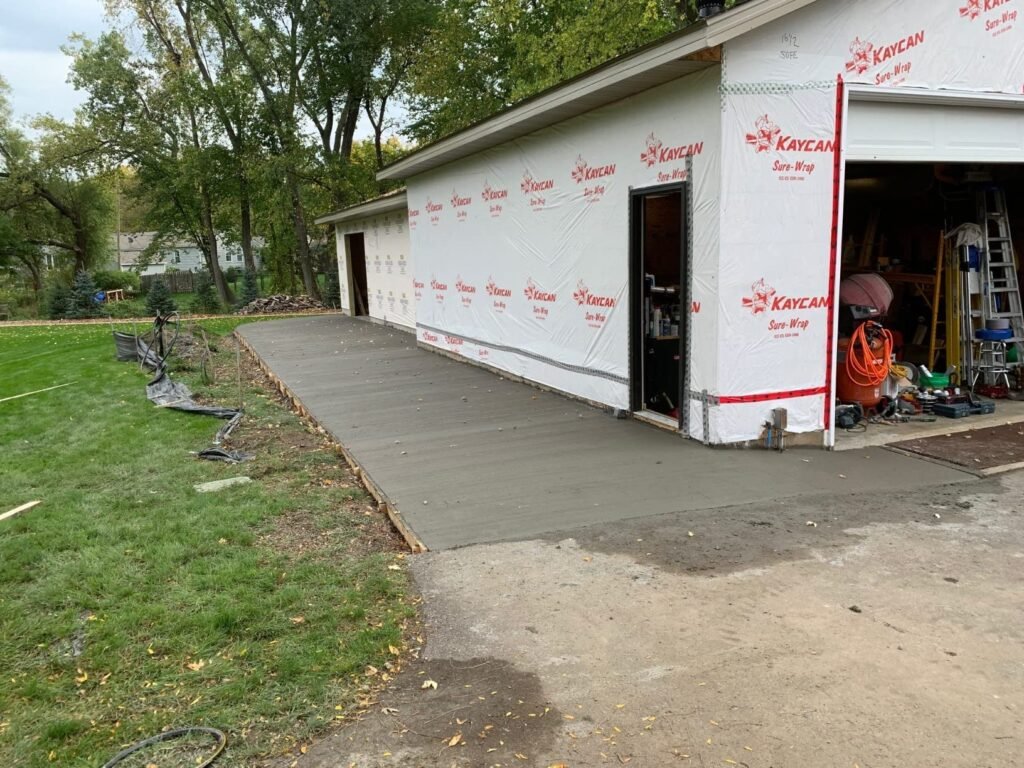
For most residential foundation pours, a 1500W corded vibrator with a 1-3/8 inch head diameter and 6.6-foot flexible shaft like the ROLAYSEE or Seeutek models handles the job effectively. These tools provide enough power to consolidate typical foundation concrete around rebar and deliver adequate reach for standard footing depths. For smaller pier pours, a cordless pencil-style vibrator like the DEWALT DCE531B may be more practical.
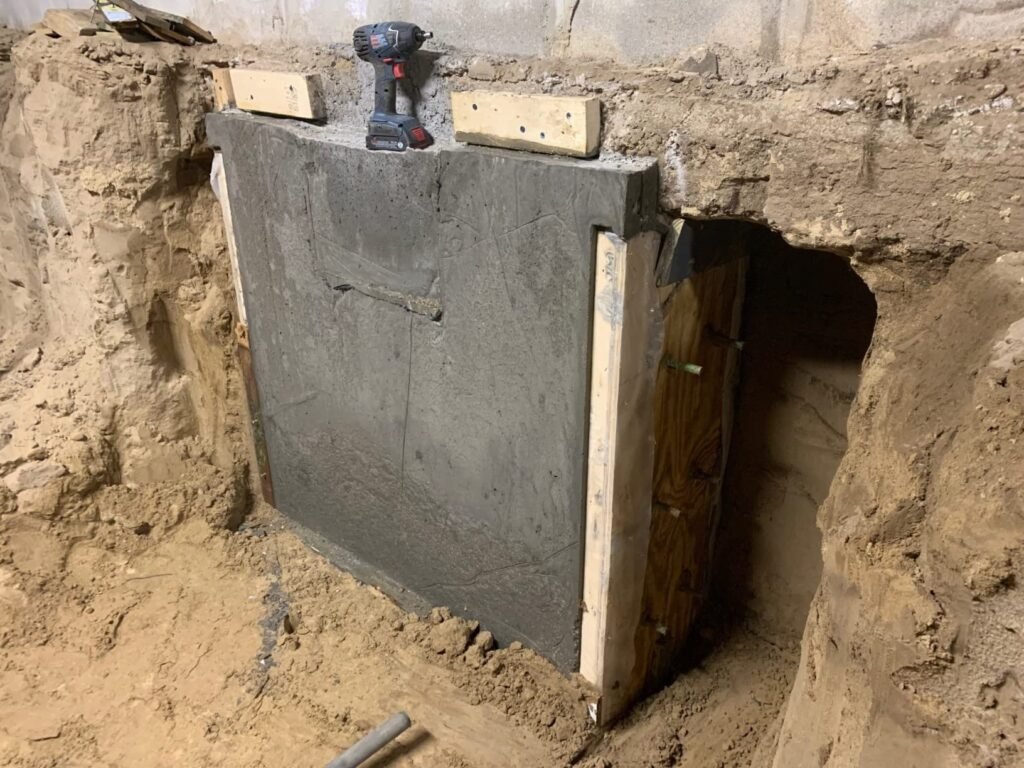
Proper consolidation shows several visual signs: air bubbles rising to the surface, concrete flowing smoothly around rebar and form corners, and the surface becoming shiny with a thin layer of cement paste. Typical vibration times range from 5-15 seconds per insertion point, depending on mix slump and form depth. Over-vibrating causes segregation with aggregate settling and cement paste rising excessively, which weakens the finished concrete.
Yes, but with adjustments. Cold weather concrete typically has higher slump and admixtures that require careful vibration to avoid air entrainment loss. Reduce vibration time by 25-30% compared to normal temperatures, and consult with your concrete supplier about specific vibration recommendations for cold-weather mixes with accelerators or other admixtures. Never vibrate frozen concrete, which can cause permanent damage to the internal structure.
Battery runtime varies significantly based on battery capacity and vibration intensity. A 2.0Ah battery typically provides 10-15 minutes of continuous vibration, while a 5.0Ah or larger battery can handle 30-45 minutes. For any serious project, plan to have multiple batteries and a fast charger available to avoid downtime that could compromise your pour schedule. Higher-capacity batteries recommended by manufacturers make cordless vibrators much more practical.
Both specifications measure vibration intensity, but VPM (vibrations per minute) measures actual vibration count while RPM (revolutions per minute) measures rotational speed of the internal eccentric weight. Some manufacturers use these terms interchangeably. Higher numbers generally indicate more powerful consolidation, though direct comparison between differently-labeled tools can be misleading. Focus on tools with 13,000 VPM or higher for serious structural work.
Yes, and over-vibration is a common mistake that weakens finished concrete. Excessive vibration causes segregation where heavier aggregate settles to the bottom of forms and lighter cement paste rises to the surface. This creates weak zones and inconsistent strength throughout the pour. Signs of over-vibration include a very thick layer of cement paste on top of the pour and visible aggregate separation. Move to the next location as soon as consolidation appears complete.
For very small pours like fence post concrete or single stepping stones, hand tools like a piece of rebar or a shovel handle can adequately consolidate the mix. However, for anything larger than a small footing or slab, a proper concrete vibrator produces significantly better results in strength, appearance, and durability. Even for occasional DIY use, a budget corded vibrator like the Seeutek 1500W pays for itself quickly in improved concrete quality.
Clean your vibrator immediately after each pour by rinsing thoroughly with clean water while the concrete is still wet. Use a stiff brush to remove any residue from crevices, joints, and the flexible shaft coupling. Never let concrete dry on the tool, as dried concrete is extremely difficult to remove and can permanently damage seals and moving parts. Store in a dry location with the shaft loosely coiled to prevent internal damage.
The ROLAYSEE 1500W handheld concrete vibrator stands out as the strongest overall choice for most residential and light commercial concrete work. Its 4.5-star owner rating is the highest in this comparison, and the combination of 1500W motor power, 14,400 VPM vibration frequency, 6.6-foot flexible shaft, IPX4 waterproof rating, and reinforced cast aluminum construction addresses every important factor for serious concrete consolidation at a reasonable price point around $100.
For buyers with different priorities, the Seeutek 1500W provides the same core capabilities at a budget-friendly under-$70 price point, the DEWALT DCE531B offers professional cordless mobility for contractors already invested in the DEWALT 20V MAX battery platform, and the LIVOWALNY Milwaukee 18V compatible model provides third-party cordless option for Milwaukee ecosystem users. The BDJHMP Milwaukee compatible and LIVOWALNY DEWALT 20V options round out the budget cordless choices for occasional users.
Start by identifying your typical pour scale and whether you need corded consistency or cordless mobility for your work environment. Match those factors to a vibrator with appropriate motor power, vibration frequency, and shaft length. Use the buying guide factors above to weigh trade-offs between raw power, portability, and battery platform compatibility, and choose the concrete vibrator that will deliver quality consolidation and durable service for years of concrete work ahead. Whether you're a professional contractor or a serious DIY builder, the right tool transforms concrete pours from stressful challenges into predictable successes.