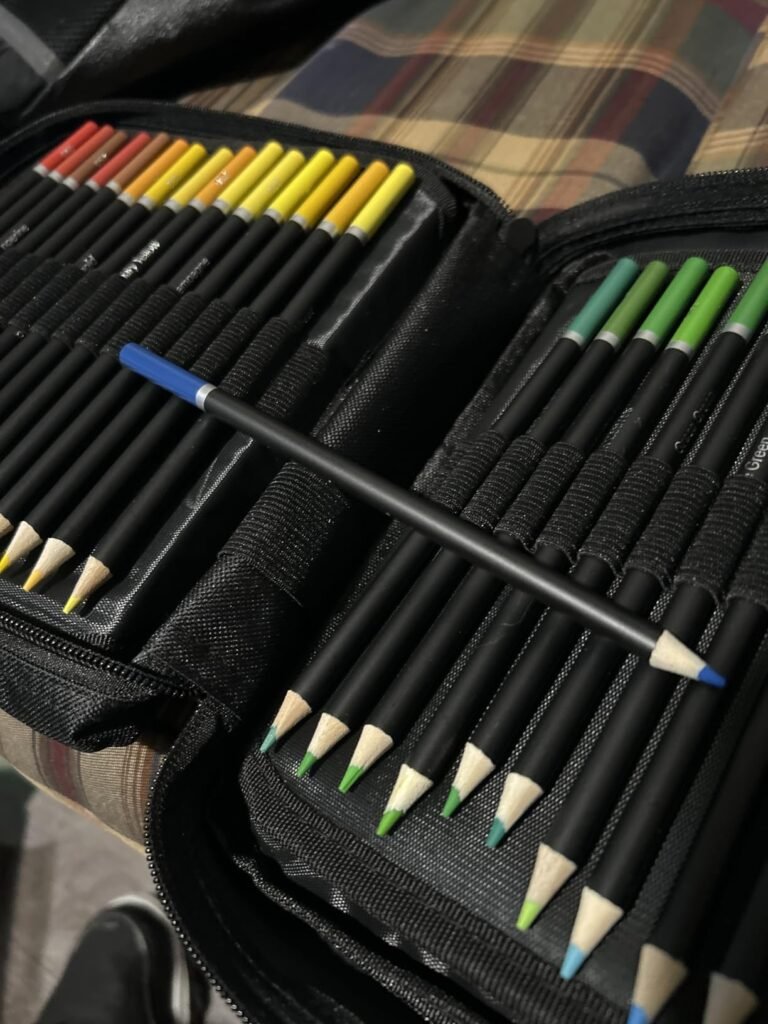
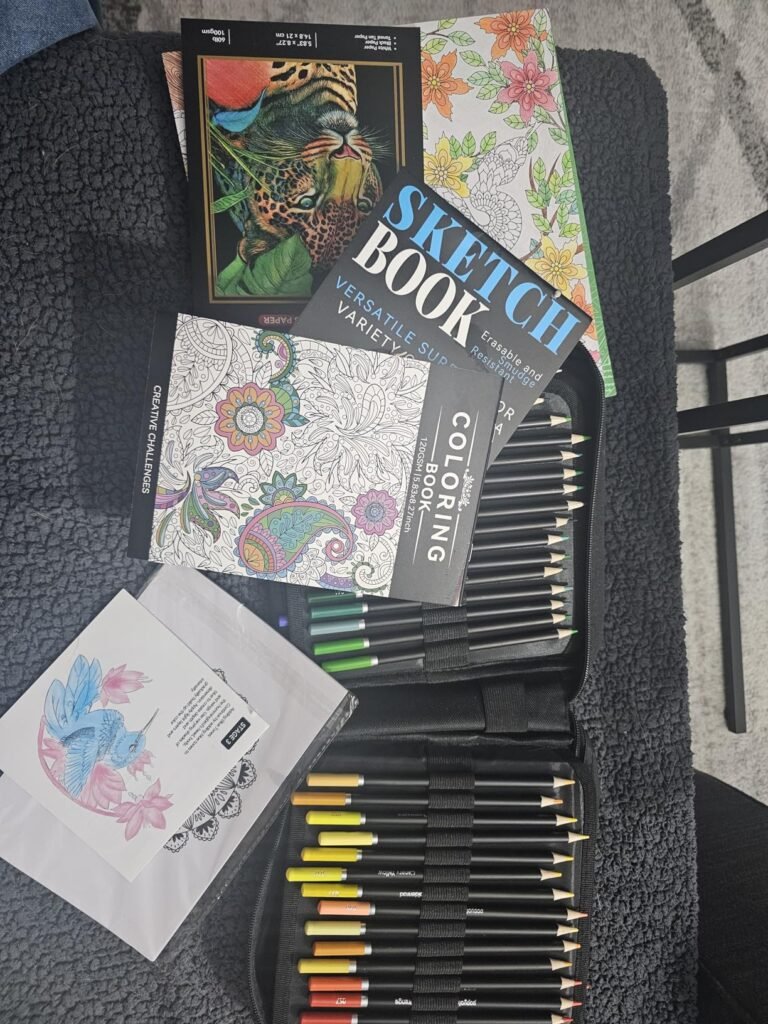
KALOUR 72 Set
9.4Editor score72 distinct colors
Soft break-resistant core
Basswood pencil casing
Numbered and named barrels
Find the right colored pencil sets for 2026. We compare 10 standout options by build quality, useful features, owner feedback, value, and everyday trade-offs.
Choosing colored pencil sets for 2026 is less about the biggest number on the box and more about how the cores behave on paper. We compare 10 standout sets by core softness and binder type, pigment saturation, color count and range, lightfastness signals, sharpening behavior, storage and portability, included extras, owner feedback, and long-term value.
The sets here span a 24-color professional tin from Prismacolor to 180-color collections with metallics, along with kits that bundle sketchbooks, sharpeners, and tutorials. Core type matters most: soft wax-based cores blend and burnish easily, while oil-based cores hold a point longer and resist crumbling during fine detail work.
Before deciding, think about what you actually make. Adult coloring books reward smooth laydown and a broad palette, sketching benefits from point retention, and anything you intend to frame or sell needs lightfast pigments. The comparisons below help you match a set to that goal instead of paying for pencils you will never sharpen.
We compared 10 colored pencil sets using the details that actually help a buyer decide: core softness and binder type, pigment richness, color count and coverage of the spectrum, lightfastness and durability claims, sharpening ease and wood casing, labeling and numbering, storage format, included accessories, safety certifications, owner feedback, and price per pencil. The notes focus on real trade-offs so each pick connects to how people actually color, blend, sketch, and store pencils at home, in class, or on the go.

Compare key features, scores, and current prices side by side. A shorter feature list means fewer details were available, not necessarily fewer capabilities.





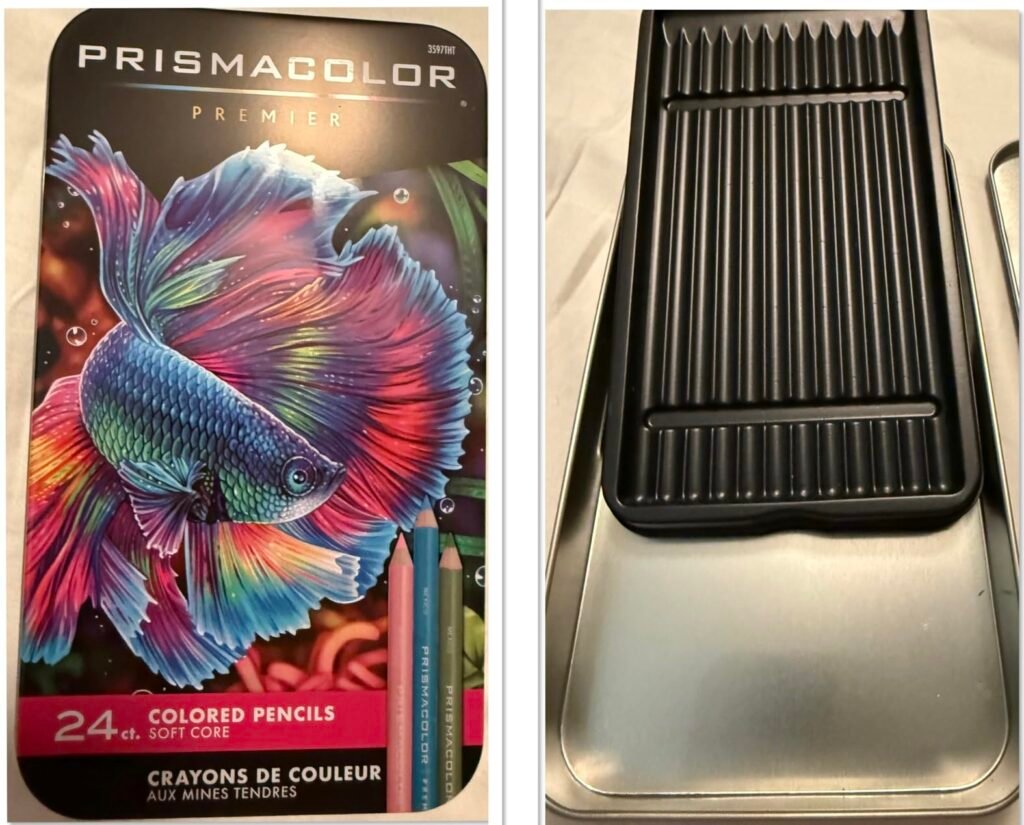
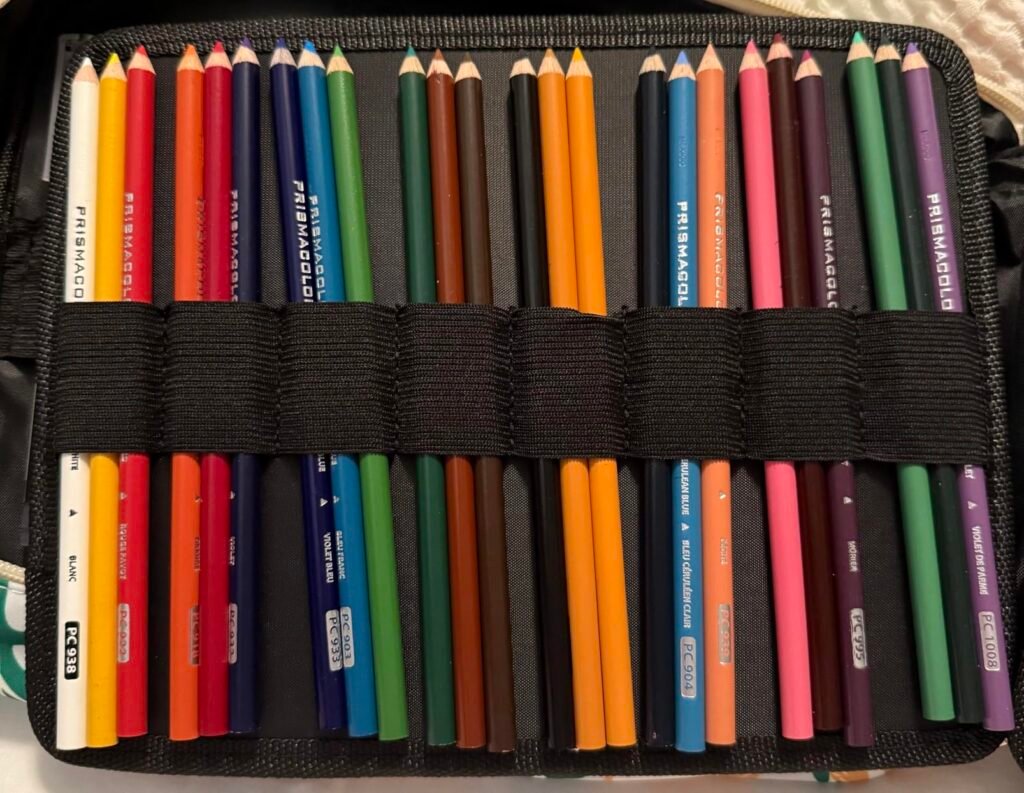
Prismacolor Premier is the pencil many artists reach for when a piece has to last, and the 24-count tin is the most affordable way into that quality. The palette covers the essentials: primaries, secondaries, several browns and greens, two reds, peach, pink, black, and white. It is not a large set, but every pencil is one you will actually use, and open stock lets you add individual colors later.
We may earn a commission when you buy through this link, at no additional cost to you.
The defining strength is the pigment. These cores are richly saturated and rated lightfast, which means colors resist fading under normal display conditions in a way that unrated hobby sets cannot promise. Combined with the soft, thick wax core, they lay down dense color with little effort, blend smoothly into one another, and burnish to a nearly painted finish. That is why this set earns the top spot despite its smaller count.
Soft wax cores do demand a little care. They can break inside the barrel if the pencil is dropped, and they wear down faster than oil-based leads, so a sharp hand sharpener and a light touch keep them productive. The tin protects points on the shelf and is small enough to carry. Because the palette is limited, plan to mix colors optically by layering rather than expecting a pre-made shade for everything.
Rather than jumping to a huge set, add open-stock pencils as you discover gaps: a few extra skin tones, a cool grey, and a couple of muted greens go a long way. This keeps every pencil in your kit one you use, and it costs less than buying a large tin you only half touch.
If your work is destined for a frame, a gallery, or a client, the lightfastness alone justifies this set over any of the large hobby collections here. If you are strictly coloring for relaxation, a 72-count budget set gives you more variety for far less money. For serious learners who want to develop real technique, starting with 24 professional pencils is a wise investment.
Coloring-book hobbyists who want dozens of ready-made shades for the lowest cost.
We may earn a commission when you buy through this link, at no additional cost to you.
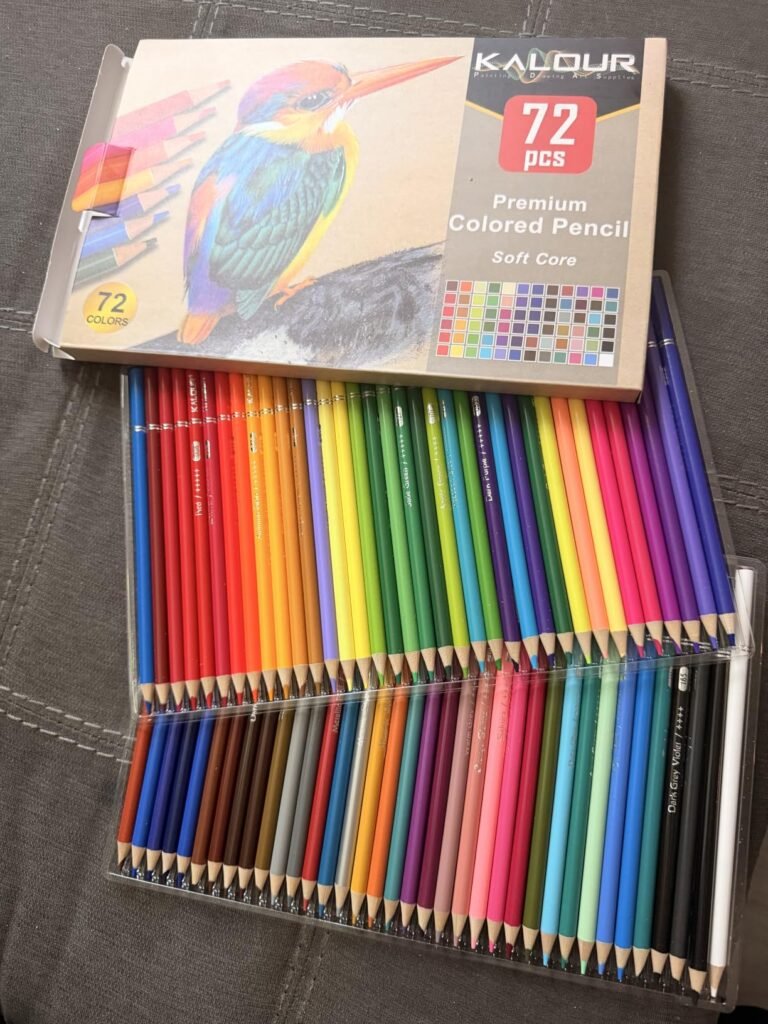
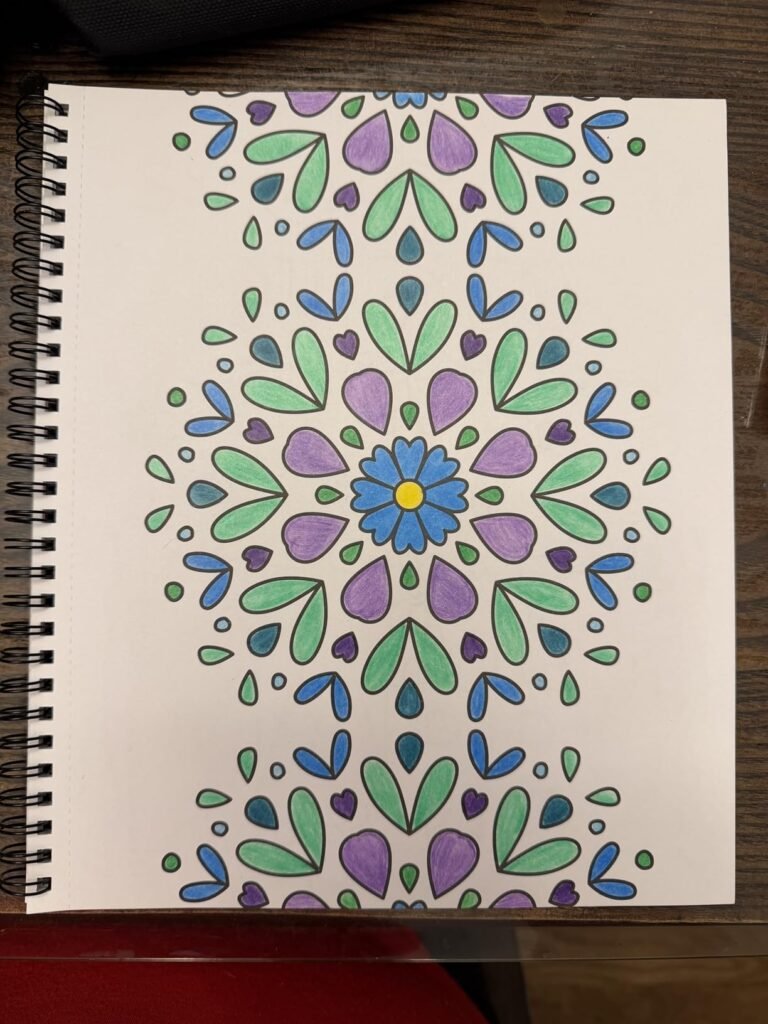
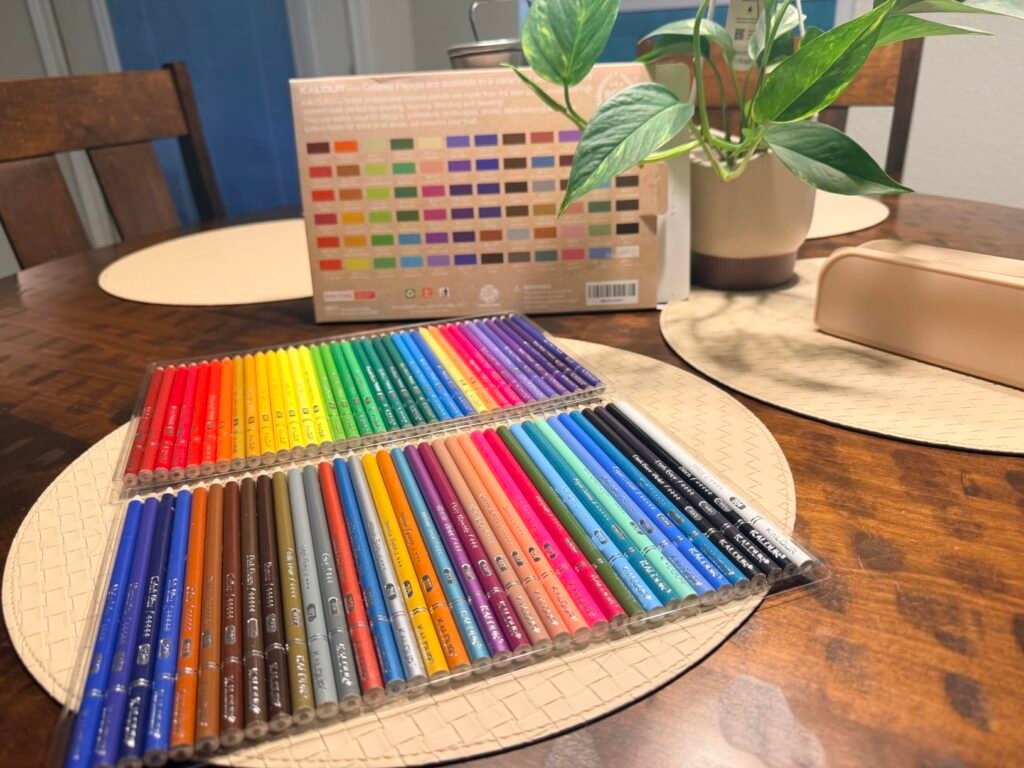
The KALOUR 72 set is the sensible starting point for anyone who wants enough colors to finish an adult coloring book without repeated hue substitutions, but does not want to spend professional money to find out whether they enjoy the hobby. Seventy-two colors cover the spectrum well enough for florals, mandalas, landscapes, and portraits, and the price makes it easy to buy a set for a household or classroom.
We may earn a commission when you buy through this link, at no additional cost to you.
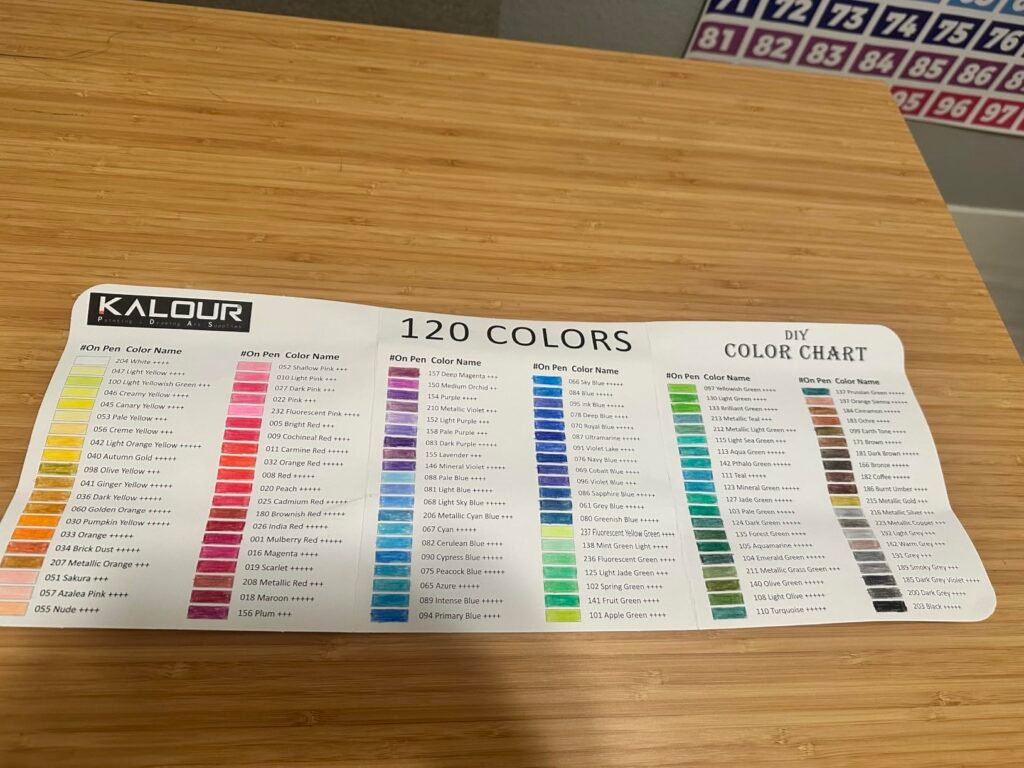
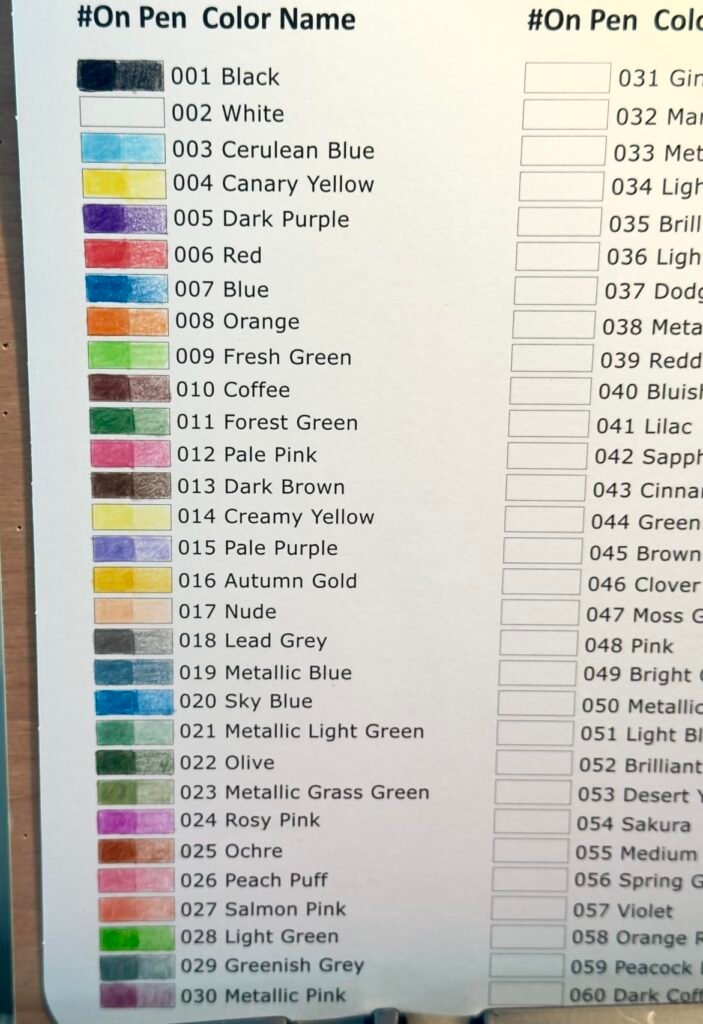
The soft core is the reason this set performs above its price. Softer leads release more pigment per stroke, which means fewer passes to reach full coverage and easier blending when you layer one color over another. The cores are described as break-resistant, which matters with soft leads because they are typically more fragile inside the wood than harder student pencils. Each barrel carries a number and color name, so you can note which pencils you used on a page and match them later.
Basswood casing is a practical detail that many buyers overlook. It is a soft, straight-grained wood that sharpens smoothly in a hand sharpener without splintering, which reduces the core breakage that frustrates people with cheaper sets. Because the cores are soft, use a sharp blade and a gentle touch rather than an aggressive electric sharpener, and expect to sharpen more often than you would with a hard oil-based pencil.
Build color in light, overlapping circular strokes rather than pressing hard on the first pass. Soft cores fill paper tooth quickly, and a heavy first layer leaves no room to blend a second color on top. Save firm pressure for a final burnishing pass with a light pencil or white to smooth the surface.
The trade-off is longevity of the artwork rather than of the pencils. Without a published lightfastness rating, this set is best for coloring books, sketchbooks, cards, and practice rather than pieces you plan to frame in a sunlit room. For hobbyists and beginners, it is the most balanced combination of color range, usability, and cost in this guide.
Artists producing work for sale or display who need documented lightfast pigments.
We may earn a commission when you buy through this link, at no additional cost to you.
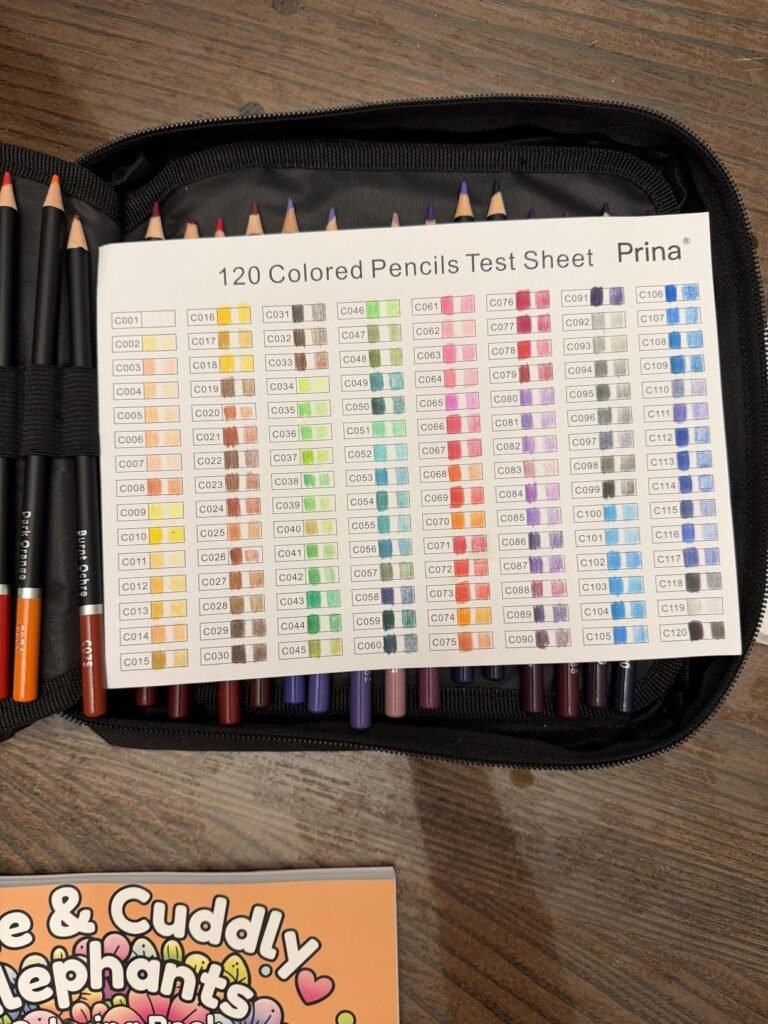
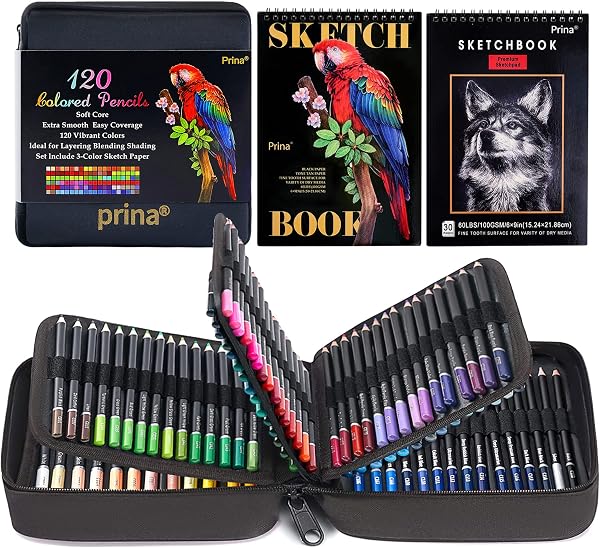
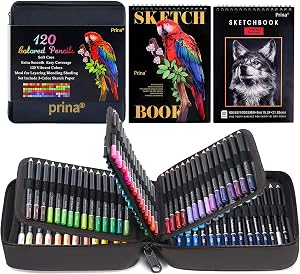
PRINA's 120-color kit is designed for someone starting from nothing. It bundles the pencils with a three-color sketchbook, a step-by-step parrot drawing tutorial, and a zippered case, so a new artist can open the box and begin without a second shopping trip. That makes it a strong gift choice and a good fit for teens or adults exploring drawing for the first time.

We may earn a commission when you buy through this link, at no additional cost to you.
The cores are oil-based with a thick diameter, which changes the feel compared to soft wax pencils. Oil-based leads are generally firmer, hold a sharpened point longer, and resist the waxy bloom that can dull wax pencil work over time. They still layer and blend well, but they reward a slightly more patient build-up of color. The thick core adds durability and lets you lay down broad areas quickly when you use the side of the point.
Storage is a zippered case with elastic loops, which keeps every pencil visible and secure whether you are working at a desk or carrying the set to a class. Fabric cases are heavier and take more shelf space than a tin, but they survive drops better and stop pencils from rolling around loose. Pencils arrive pre-sharpened, so keep a quality sharpener handy to maintain that point once you have used it.
If your priority is effortless blending for coloring books, a soft wax core is the quicker path to satisfying results. If you sketch, draw fine detail, or dislike constant sharpening, an oil-based core like this one is the better long-term companion. Many artists eventually own both.
One hundred twenty colors is generous, and in practice you will find clusters of near-identical shades. That is normal at this count and useful for subtle gradients, but a beginner may find the selection overwhelming at first. Make a swatch card on the first page of the sketchbook and the palette becomes far easier to navigate. Choose this kit if you want oil-based behavior and a complete starter package.
Minimalists who prefer a compact tin and a curated 24 to 48 color palette.
We may earn a commission when you buy through this link, at no additional cost to you.
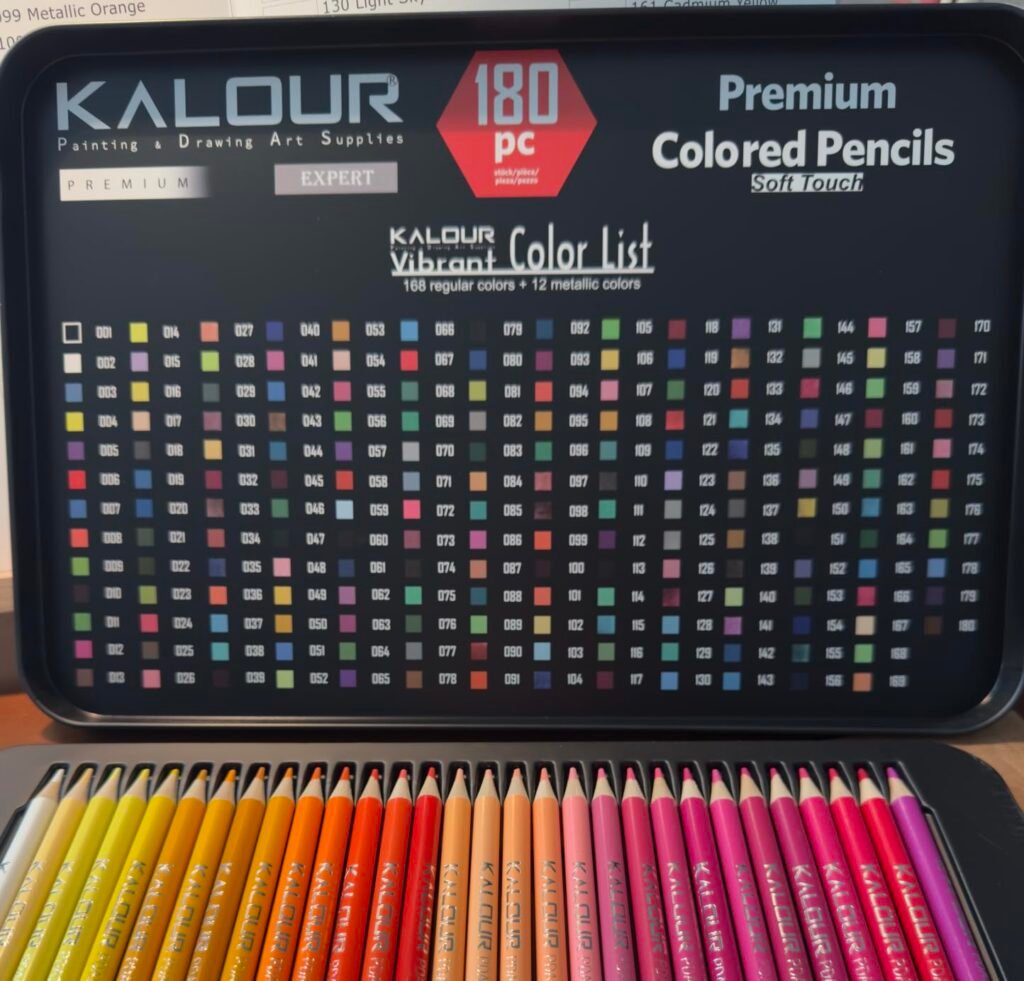
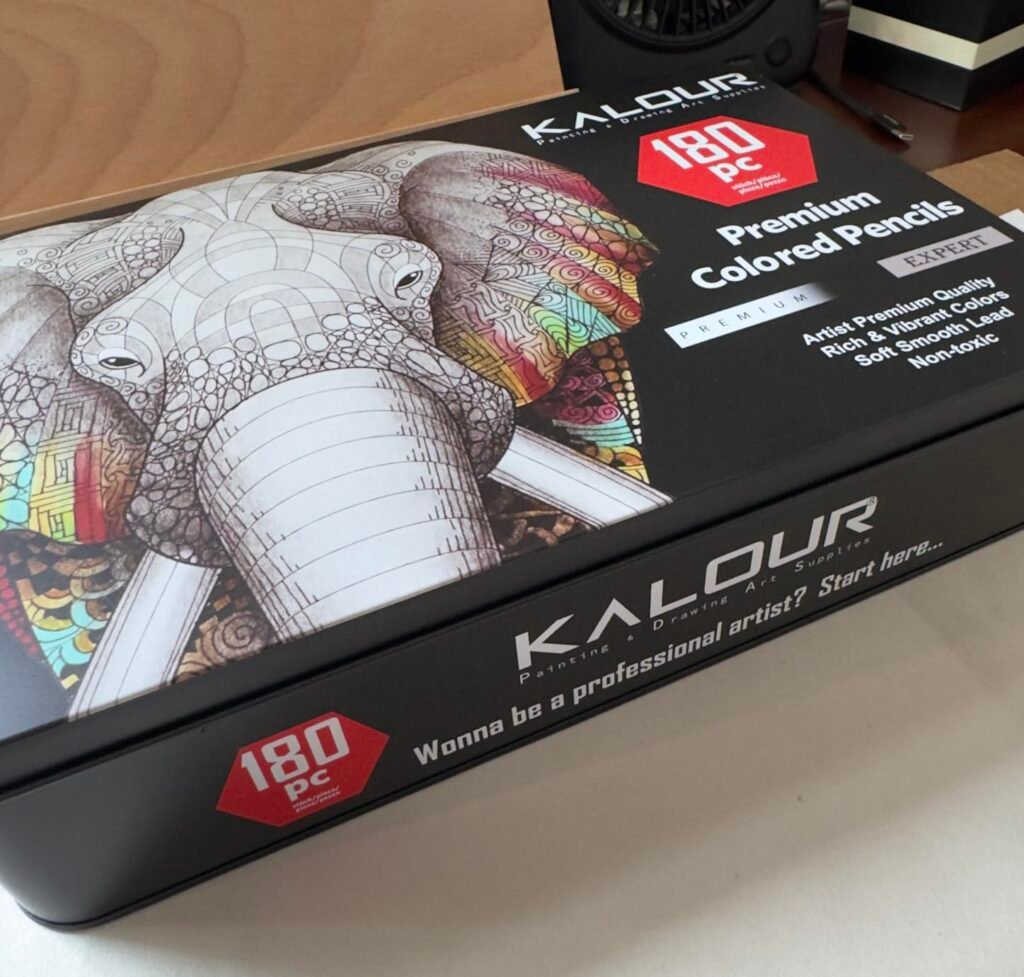
For colorists who hate compromising on a shade, the KALOUR 180 tin removes the problem entirely. With 180 individually numbered colors, including twelve metallics, it offers enough fine gradations to build realistic skin tones, foliage, and skies without mixing. It is the set to choose when you already know you love the hobby and want the palette to stop being a limitation.
We may earn a commission when you buy through this link, at no additional cost to you.
The cores share the soft, velvety character of the 72-count KALOUR set, so pigment lays down generously and layers blend with modest pressure. The metallic pencils behave differently: they contain reflective particles rather than pure pigment, so they show best over a darker base color or as final highlights on jewelry, water, and ornaments. Expect them to sit on top of layers rather than blend into them.
The tin case with a built-in plastic tray is a meaningful upgrade over cardboard packaging. Pencils stay in numbered order, which is essential with 180 colors, and the lid protects points from damage on a shelf. The downside is bulk and weight; this is a desk set rather than something you will slip into a bag for a coffee shop session.
Create a numbered swatch chart before your first project and keep it inside the tin lid. When a page calls for a specific green or skin tone, the chart lets you find it in seconds instead of test-scribbling a dozen candidates.
The practical trade-off is that most people use a fraction of 180 colors regularly. If you mostly color simple line art, the 72-count sibling delivers nearly the same core quality at a lower cost. Serious colorists, portrait hobbyists, and anyone who enjoys nuanced gradients will get genuine use from the extra range.
Beginners who want a compact, portable set and would feel overwhelmed choosing among 180 shades.
We may earn a commission when you buy through this link, at no additional cost to you.
Castle Art's 72-color set sits between the budget hobby tins and true professional pencils, and its polish shows in how the set is organized. Pencils are grouped by color family across three flip-up layers, each one named, numbered, and color-coded, so choosing the right blue or green is quick even when you are deep in a project. It is a set that feels like a gift and works like a tool.

We may earn a commission when you buy through this link, at no additional cost to you.
The core formulation aims for a difficult balance: soft, buttery laydown that still holds a point and does not crumble under pressure. In practice that means you get the easy coverage and blending of a soft pencil with fewer breakages and less frequent sharpening than the softest wax cores. The cores are intensely pigmented, which supports layering, blending, and burnishing, and the pencils are usable on textured surfaces such as canvas, wood, and eggshell as well as paper.
The presentation tin does more than look handsome. The layered trays protect points, keep the color families intact, and make the set easy to close up and store between sessions. A fold-out tutorial on the sleeve walks you through re-creating the unicorn illustration, which is a practical way to learn layering order and pressure control rather than just admiring the colors.
When related hues sit side by side, you naturally pick two or three neighbors to build a gradient instead of hunting across the box. Return each pencil to its slot as you finish with it and the system stays intact for years.
You pay more for this refinement than for the KALOUR or Yagol 72 sets, and without a lightfastness chart it remains a hobby and study set rather than an archival one. Buy it if you value organization, a slightly firmer soft core, and packaging that keeps a set pristine, or if you are giving colored pencils to someone you want to impress.
Buyers seeking the cheapest 72-color set or artists who require documented lightfast pigments.
We may earn a commission when you buy through this link, at no additional cost to you.
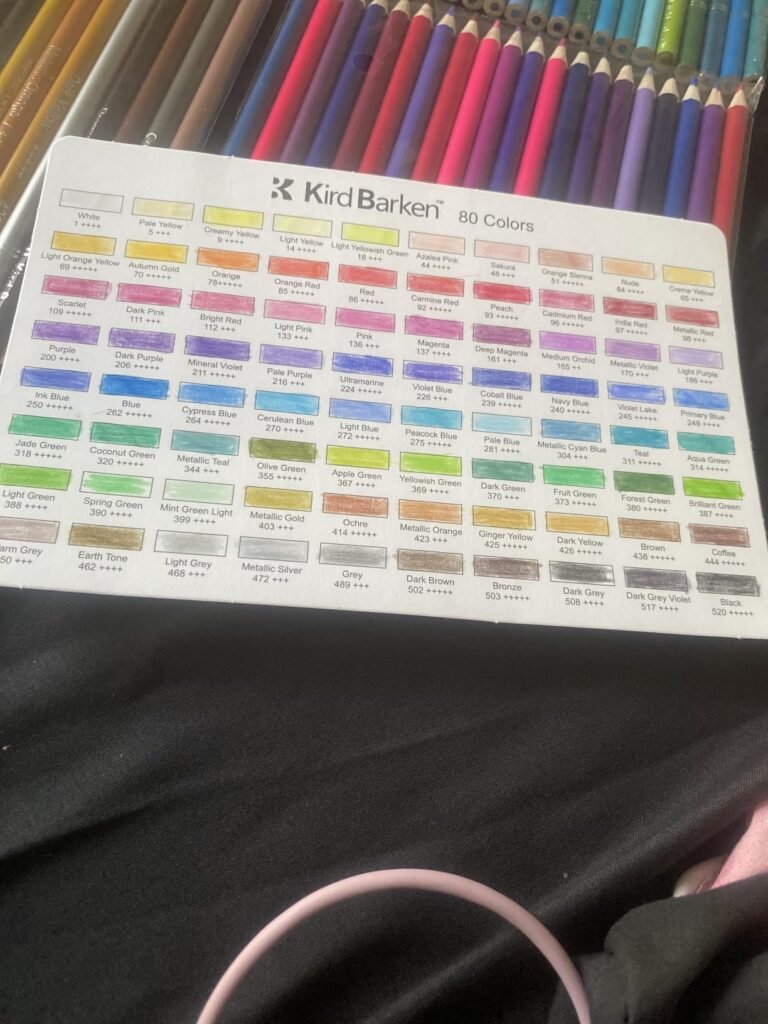
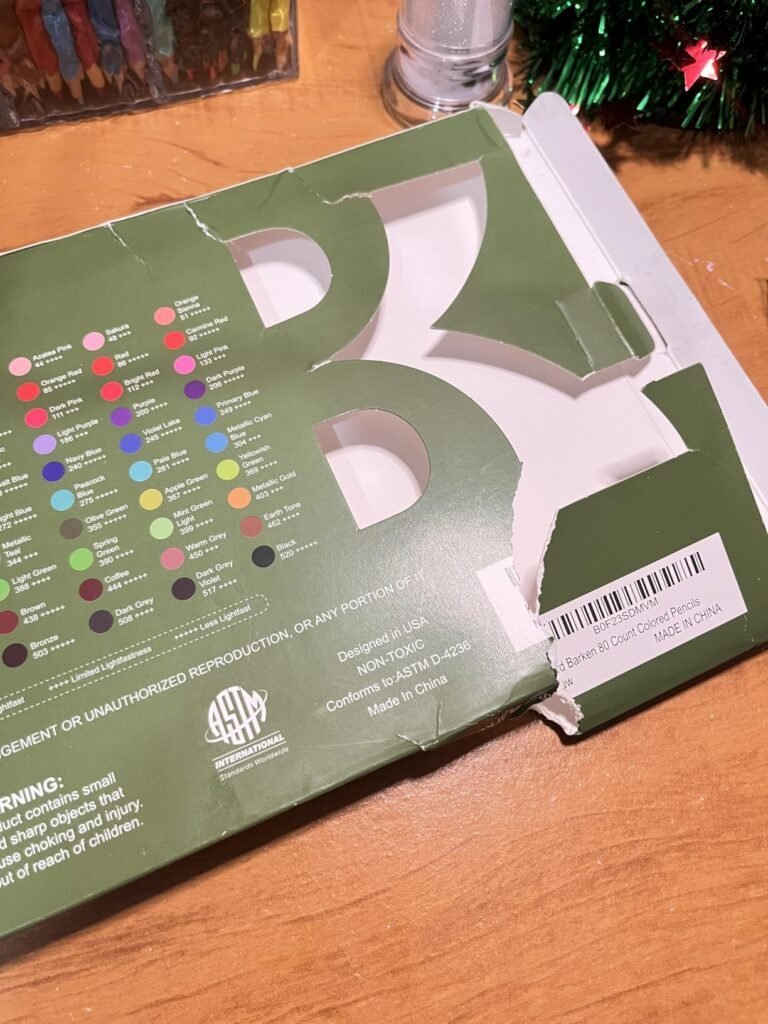
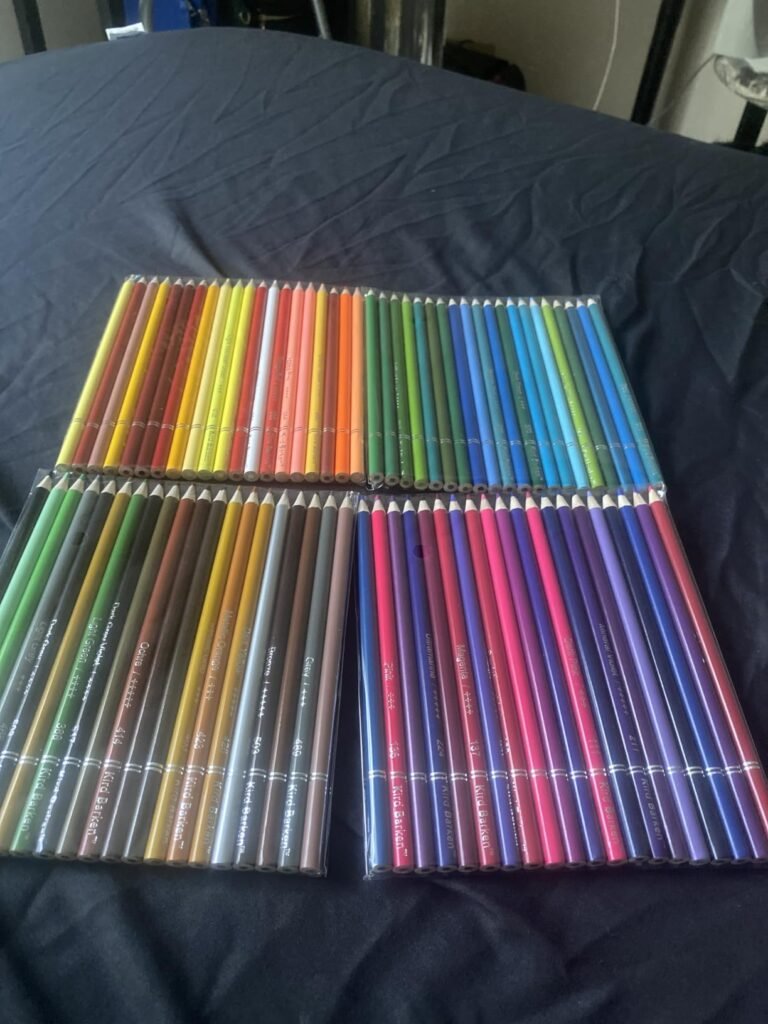
This 80-color set is the price-per-pencil leader in the guide, and it does not achieve that by cutting the palette. The range covers bright saturated tones, earthy browns and ochres, and soft pastels, which is the spread most coloring-book pages and casual illustrations call for. It is an easy recommendation for a first set, a classroom supply, or a stocking-stuffer that will actually get used.
We may earn a commission when you buy through this link, at no additional cost to you.
The cores are oil-based and soft, a combination that gives you smooth glide across the paper with better point retention and less breakage than a pure soft wax pencil. Blending and gradients are achievable with layered light strokes, and the firmer body suits detail work in small coloring-book spaces. If you have struggled with cheap sets that crumble in the sharpener, an oil-based core is usually the fix.
Every barrel is printed with a name and number, and the box includes a blank swatch chart. Filling that chart in before you begin takes fifteen minutes and pays off every time you need to match a color you used on a previous page. The sturdy gift box looks good on a shelf but offers less protection than a tin if the set travels regularly.
Swatch each pencil in two pressures, light and heavy, so you can see both its tint and its full-strength color. This reveals which shades shift most with pressure and which pairs will blend into clean gradients.
As a newer product it lacks the long feedback history of the established brands, and there are no lightfastness claims. For hobbyists who want maximum color variety for minimum spend, though, it is hard to beat. Pair it with a good sharpener and a pad of smooth heavyweight paper and you have a complete, inexpensive coloring setup.
Artists who need archival pigments or a hard case for frequent travel.
We may earn a commission when you buy through this link, at no additional cost to you.
Yagol's 72-color set solves a problem that flat tins and cardboard boxes handle poorly: carrying pencils without snapping tips. The rigid tube keeps all 72 pencils bundled upright, so the set survives a commute, a classroom bag, or a trip far better than an open tray. For students and anyone who colors away from a desk, that is a real advantage.

We may earn a commission when you buy through this link, at no additional cost to you.
The cores are described as velvety soft with high pigment loading and break resistance, which places them in the same family as the KALOUR soft-core sets. Expect generous color per stroke, easy layering, and good burnishing when you press a lighter shade over a darker one. The pencils are also suited to eggshell, canvas, and wood, which opens up craft projects beyond paper.
The trade-off of tube storage is organization. With pencils standing in a bundle rather than lying in numbered slots, you rely on the printed name and number on each barrel to find what you need, and putting the set back in order takes a moment. A fold-out tutorial on the sleeve, featuring a unicorn illustration, gives newer artists a structured first project to practice layering.
Group pencils by color family with a small rubber band around each group before sliding them into the tube. You keep the protection of the case and regain most of the speed of a tray layout.
Choose this set if portability matters more to you than at-a-glance selection. It offers the same essential 72-color range and soft-core performance as its desk-bound rivals, packaged for people who color on the move. Those who work in one spot may prefer a layered tin.
Desk-based artists who want pencils displayed in numbered trays for instant selection.
We may earn a commission when you buy through this link, at no additional cost to you.
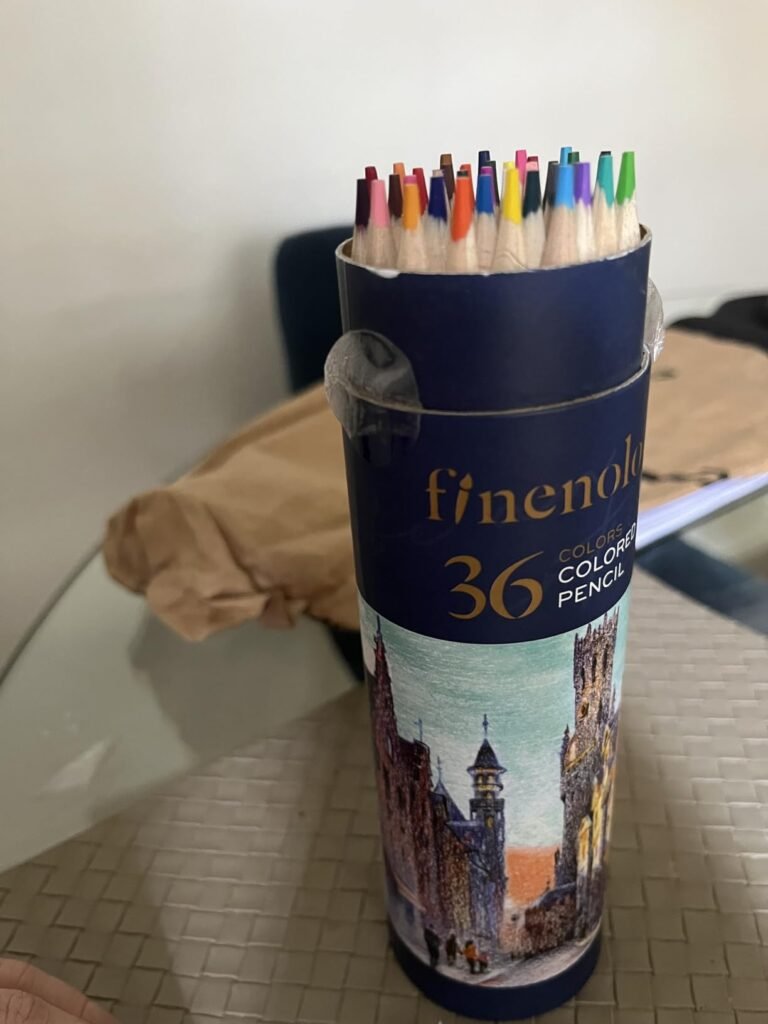
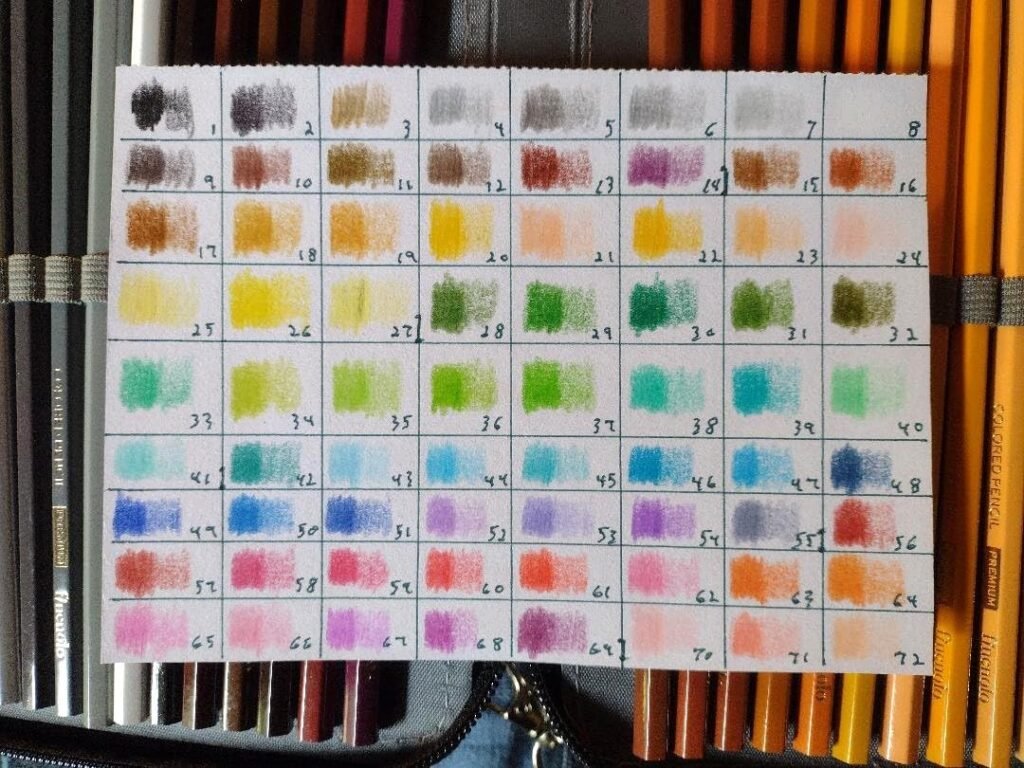
Not everyone needs 120 colors. The finenolo 36-pack is aimed at teens twelve and up and adults who want a straightforward palette for coloring books, journaling, and school art projects. Thirty-six pencils cover the primary and secondary colors plus a useful spread of tints, browns, and greys, which is enough to complete most pages while keeping selection simple.
We may earn a commission when you buy through this link, at no additional cost to you.
A smaller set has a hidden benefit for learners: it forces you to layer and blend to create the shades you do not have, which builds technique faster than reaching for a pre-made color. With 36 pencils you will quickly learn which pairs combine into a convincing skin tone or a natural green, and that knowledge carries over to any larger set later.
The maker backs the set with a plain satisfaction promise, offering a refund or replacement if you are not happy, which lowers the risk of trying an unfamiliar brand. There is little published detail about core composition, so treat this as a hobby set rather than a professional tool and judge it by how it performs on your usual paper.
Practice three-pencil gradients: light, mid, and dark tones from the same family, blended with overlapping strokes. Add a touch of the complementary color to darken shadows instead of reaching for black, and your 36 colors will read like many more.
This is a good first set for a young artist or a low-commitment option for an adult who colors occasionally. Anyone who finds themselves wishing for in-between shades after a few weeks has outgrown it and should step up to a 72-color set.
Portrait or botanical artists who rely on many closely spaced hues.
We may earn a commission when you buy through this link, at no additional cost to you.
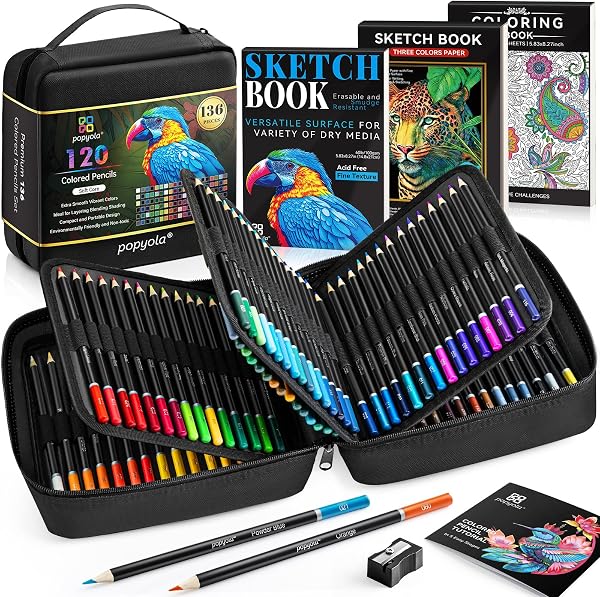
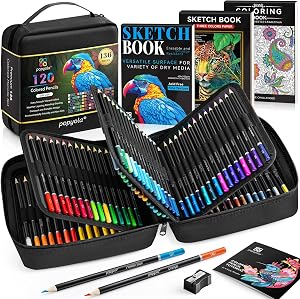
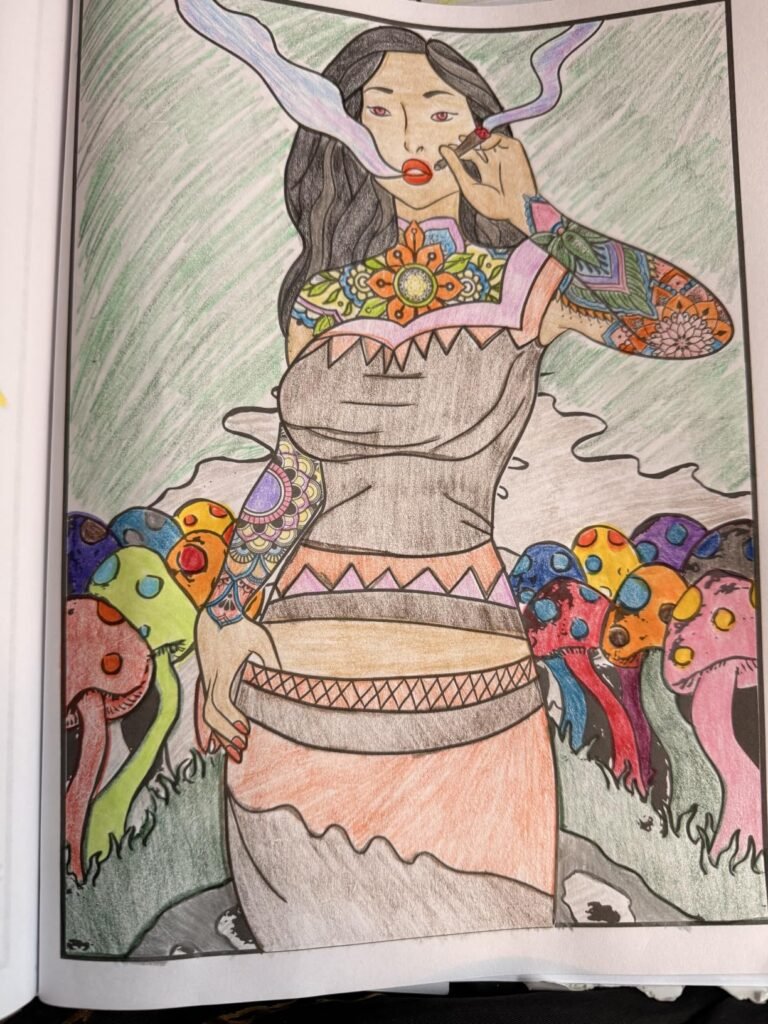
This 136-piece kit is the most comprehensive package in the guide: 120 oil-based colored pencils plus a three-color sketchbook, a coloring book, a standard sketchbook, ten sheets of coloring paper, a sharpener, a drawing tutorial, and a color tester sheet, all housed in a knitted fabric zipper case. It is built for someone who wants to unwrap a gift and begin creating that same afternoon.
We may earn a commission when you buy through this link, at no additional cost to you.
The oil-based cores behave like those in the PRINA and 80-color sets: firm enough to hold a point for detail, smooth enough to blend with layered strokes, and less prone to crumbling than soft wax leads. With 120 colors you get fine gradations across every family, which suits intricate coloring pages and illustration alike.
The zipper case keeps the entire kit together and protects pencils during travel to classes or a friend’s house. Fabric cases are bulkier than tins, and this one is sizable, so plan a shelf or drawer for it. The included paper and books are welcome for practice, though bundled paper in kits like this is generally thinner than dedicated artist pads, so move to heavier paper when you start layering seriously.
Swatch all 120 colors on the tester sheet in numbered order and keep it in the case pocket. When a coloring page needs a precise teal or terracotta, the sheet shows exactly which number to pull without test marks on your artwork.
If you already own a sharpener and sketchbooks, you are paying for extras you do not need, and a pencil-only 120 set would be more economical. For a first-time artist, a young teen, or a gift where completeness matters, this kit removes every excuse not to start.
Experienced artists who already own accessories and want only high-grade pencils.
We may earn a commission when you buy through this link, at no additional cost to you.
This 48-color set is built around portability. It arrives pre-sharpened with a sharpener included, in a compact format meant to slide into a backpack or travel bag for coloring in a park, on a train, or in a waiting room. Forty-eight colors is a practical middle ground: enough range for most coloring pages, small enough to carry without a dedicated case.

We may earn a commission when you buy through this link, at no additional cost to you.
The 3.3mm soft, oil-based core is the technical highlight. That diameter is a touch thicker than typical student pencils, which gives smoother coverage and better durability, while the oil-based binder keeps the point usable longer between sharpenings. Blending and gradient work are achievable with layered strokes, and the pigments are intended to stay vibrant through repeated use.
Because the set is designed for travel, the cores are break-resistant, which matters when pencils get jostled. Still, treat the included sharpener as a backup and use a quality one at home to keep points clean. For a compact set, the range covers essentials well, though you will do more layering to reach subtle tones than you would with a 72 or 120 set.
Store the set point-up in a bag pocket rather than loose at the bottom, and slip a small pencil cap or a folded strip of card over any pencils you have sharpened to a fine point. Sharp tips break first when a bag gets dropped.
It carries the lowest owner rating in this guide, though still a solid one, so it is worth weighing against the KALOUR 72 or Yagol tube if you need more colors. For someone who values a small footprint, ready-to-use points, and oil-based durability on the go, this is the natural pick.
Home-based colorists who want a large palette displayed in an organized tin.
We may earn a commission when you buy through this link, at no additional cost to you.
A good colored pencil set is one whose core, palette, and packaging match how and where you draw. The factors below explain what each specification means on paper, who should care about it, and how to avoid paying for features you will not use.
The binder that holds the pigment together defines how a pencil feels. Wax-based cores, such as those in Prismacolor Premier and the soft-core KALOUR and Yagol sets, are typically softer, lay down more pigment per stroke, and blend and burnish with less effort. Oil-based cores, found in the PRINA, 80-color, 136-piece, and 48-color sets, are usually firmer, hold a sharpened point longer, and resist crumbling during fine detail. Neither is superior; they suit different work.
Buyers often choose by price alone and then blame the pencil when it does not behave as expected. If you press hard and want instant coverage, a soft wax core will feel effortless, but expect frequent sharpening, some breakage, and a faint waxy bloom on heavily layered areas that a soft cloth wipes away. If you sketch, draw small details, or dislike stopping to sharpen, an oil-based core rewards patience with cleaner lines and longer-lasting points, though it needs more layers to reach full saturation.
For coloring books and relaxed blending, start with soft wax. For sketching, illustration, and detail, choose oil-based. Many artists eventually keep one of each.
Pigment load determines how vivid a color looks and how many layers it takes to reach full strength. Highly pigmented cores cover paper tooth quickly and blend into rich gradients, while weakly pigmented pencils leave a chalky, streaky finish no matter how you layer. Lightfastness is a separate property: it describes how well a color resists fading when exposed to light over months and years. Prismacolor Premier is the only set in this guide with a stated lightfast rating.
A common mistake is assuming that vibrant color on day one means durable color on the wall. Many inexpensive hobby pencils are bright out of the box but use fugitive dyes that can shift or fade noticeably in a sunlit room. That is perfectly acceptable for coloring books, sketchbooks, and cards, which live closed on a shelf. It is a real problem for framed pieces, commissioned portraits, or anything you plan to sell.
If your work stays in a book, prioritize pigment richness and price. If it will hang on a wall or leave your hands, pay for documented lightfastness.
Sets in this guide range from 24 to 180 colors. More colors mean more pre-mixed shades and finer gradations, which speeds up realistic work in skin tones, foliage, and skies. Fewer colors force you to layer and blend, which builds skill and keeps a kit compact. A 24-color professional set like Prismacolor covers essentials with high-grade pigment, while a 180-color hobby set like the KALOUR tin covers nearly every hue at a lower grade per pencil.
Buyers frequently overbuy. In a 120 or 180 set, many neighboring shades are nearly indistinguishable, and most people gravitate to a working core of thirty to fifty pencils. That is not a flaw; the extras are there when a page demands a precise shade. But if the thought of choosing among 180 pencils makes you hesitate to start, a 48 to 72 set is the more productive purchase. Numbered barrels and a swatch chart make any large set far easier to navigate.
Choose 36 to 72 colors for coloring books and learning, 120 or more for detailed illustration, and a smaller professional set if quality per pencil matters more than variety.
Thicker cores, such as the 3.3mm lead in the 48-color travel set, lay down broad color quickly and survive rough handling better than thin student leads. Soft cores are more fragile inside the wood, and a dropped pencil can crack the core in several places, causing repeated tip breaks when you sharpen. Sets that advertise break-resistant cores and straight-grained casings like basswood, used by KALOUR, are addressing exactly this frustration.
Sharpening technique matters as much as the pencil. Aggressive electric sharpeners and dull blades chew soft cores and waste pencil length. A sharp hand sharpener with a fresh blade, turned slowly, gives a clean point with minimal breakage. Oil-based cores tolerate sharpening better and need it less often. Pre-sharpened sets, such as PRINA and the 48-color set, save a first session of preparation but still require maintenance.
If you have struggled with breaking tips, prioritize oil-based or break-resistant cores and invest a few dollars in a quality sharpener.
Packaging affects how long pencils stay organized and intact. Tins with plastic trays, like the KALOUR 180 and Castle Art 72, keep pencils in numbered order and protect points on a shelf but are heavy and awkward to carry. Zipper fabric cases, used by PRINA and the 136-piece kit, survive travel and keep every pencil visible, at the cost of bulk. Tubes, like the Yagol 72, offer the best protection in a backpack but slow down color selection. Cardboard gift boxes look nice and cost less but wear out fastest.
Match the case to your habits. Someone who colors at the same desk every evening benefits most from a layered tin where every color is visible. A student carrying pencils between classes needs a zipper case or tube. Travelers may prefer a compact 48-color set over a large kit. A common regret is buying a beautiful tin and then leaving it home because it is too heavy to bring along.
Choose a tin for a fixed workspace, a zipper case or tube for regular transport, and accept a simple box only if the set will live in a drawer.
Some sets bundle sketchbooks, coloring books, sharpeners, tutorials, and swatch charts. The 136-piece kit and PRINA set are the most complete, and for a beginner these extras genuinely lower the barrier to starting. Tutorials that walk through a single illustration, like the unicorn projects included with Castle Art and Yagol, teach layering order and pressure control in a structured way. Swatch charts and tester sheets, included with the 80-color and 136-piece sets, are among the most useful extras because they save time on every future project.
Value is best judged per pencil and per use rather than by box price. The 80-color set delivers the lowest cost per pencil, the KALOUR 72 offers a full working palette for very little, and Prismacolor costs far more per pencil but delivers archival pigment. Bundled paper is convenient but usually thin; if you plan to layer heavily, budget for a heavyweight pad separately regardless of which set you choose.
Pay for extras only if you lack them. If you already own paper and a sharpener, put the money toward better pencils.
Several sets in this guide state conformance to ASTM D-4236 and EN71-3, which are the North American and European standards covering art material labeling and chemical safety. Non-toxic certification matters most when pencils will be shared with children, used in classrooms, or handled by anyone who tends to chew pencil ends. Age recommendations also vary: the KALOUR 72 lists ages five and up, the finenolo 36 targets ages twelve and up, and the Yagol set carries a small-parts warning for children under three.
Safety labeling does not indicate quality, so a certified budget set and an uncertified premium set may perform very differently on paper. Treat certification as a baseline requirement for households with children rather than a mark of artistic grade. For adult hobbyists, it is reassuring but rarely a deciding factor.
If children will use or access the set, require stated ASTM or EN71 conformance and respect the age guidance on the box.
Before starting a project, make a swatch chart of every color at light and heavy pressure and keep it with the set. Work on smooth, heavyweight paper with enough tooth to hold several layers, and build color gradually with light overlapping strokes rather than pressing hard at first. Layer lighter colors over darker ones to blend, and finish with a firm burnishing pass using a light pencil, white, or a colorless blender to smooth the surface. Sharpen with a quality hand sharpener using slow, even turns, especially with soft wax cores that crack under aggressive sharpening.
Store pencils flat or point-up in their tin, case, or tube so tips are not resting on hard surfaces, and keep them away from heat, which can soften wax cores and warp casings. Return each pencil to its numbered slot as you finish with it to keep large sets navigable. If a soft wax piece develops a faint cloudy bloom after heavy layering, gently wipe it with a soft cloth or tissue, then protect finished work with a light spray fixative if desired, testing on a scrap first.
Avoid dropping pencils, since internal core breaks are invisible until the tip snaps repeatedly in the sharpener. Keep finished artwork out of direct sunlight unless the pencils are rated lightfast, and store drawings interleaved with clean paper to prevent wax transfer. Wash hands after long sessions, keep small sharpener blades and shavings away from young children, and replace sharpener blades when they start tearing wood instead of cutting it cleanly.
Wax-based pencils use a wax binder, which makes them softer, smoother to blend, and quicker to cover paper, but they wear down faster and can leave a light bloom on heavy layers. Oil-based pencils use an oil binder, so they are firmer, hold a point longer, and resist crumbling, though they take more layers to reach full saturation. Coloring-book fans usually prefer wax, while sketchers and detail artists often prefer oil.
For most adult coloring books, 48 to 72 colors provide enough range without overwhelming choice. Larger 120 and 180 sets are valuable for realistic gradients in portraits and nature scenes, but many of the extra shades are close neighbors that you will use occasionally. A small professional set of 24 can outperform a large hobby set if you are willing to layer and blend to create in-between tones.
Not always. A budget soft-core set is a low-risk way to learn technique and discover whether you enjoy the hobby. Premium pencils like Prismacolor Premier offer richer, lightfast pigments and smoother laydown, which matter most once you are producing work you want to keep or sell. Many artists start inexpensive and upgrade selectively through open stock as their needs become clear.
The usual causes are a cracked core from a dropped pencil, a dull or aggressive sharpener, or a very soft wax core that cannot tolerate hard pressure. Use a sharp hand sharpener with slow turns, avoid electric sharpeners on soft cores, and consider oil-based or break-resistant sets if breakage persists. Storing pencils in a protective tin or tube also prevents the invisible internal breaks that cause repeated snapping.
Lightfast pigments resist fading when exposed to light over time. It matters for framed artwork, commissions, and anything displayed in a bright room, which is why Prismacolor Premier's lightfast rating is significant. For coloring books, journals, and sketchbooks that stay closed most of the time, lightfastness is rarely a concern, and a vibrant hobby set will look good for years.
Yes, and many artists do. Wax and oil pencils layer over each other well, though very soft wax on top of heavy layers can bloom slightly. Keep a swatch chart for each set so you can match colors across brands, and remember that the most heavily used pencils can be replaced individually through open stock from brands that offer it.
Choose a smooth to medium-tooth paper of at least 100 pounds or roughly 160 gsm so it can hold multiple layers without pilling. Bundled paper in starter kits is fine for practice but is often thin. Bristol vellum, mixed-media pads, and dedicated colored pencil paper all work well, and heavier paper also tolerates burnishing and solvent blending.
Layer light strokes of two or three related colors, overlapping their edges, then burnish the area with firm pressure using the lightest color, a white pencil, or a colorless blender pencil. Soft wax cores blend with the least effort, while oil-based cores need a few more layers. Working from light to dark and keeping your points fairly blunt for large areas also produces even transitions.
For a complete gift that needs nothing else, the 136-piece kit or the PRINA 120 set include sketchbooks, cases, and tutorials. For presentation and organization, the Castle Art 72 tin looks premium and teaches technique with its fold-out tutorial. For a serious artist, the Prismacolor Premier 24 signals professional quality and can be expanded through open stock.
Prismacolor Premier's 24-count tin is the strongest overall choice for anyone who wants pencils that perform like professional tools. Its soft, thick wax cores lay down rich color with minimal effort, its pigments are rated lightfast so finished work holds up on display, and its top owner rating reflects a long track record. The palette is small, but every pencil earns its place and open stock lets you grow it thoughtfully.
Hobbyists and beginners are better served by the KALOUR 72 set, which offers a full working palette with soft break-resistant cores at a very low price, or the 80-color oil-based set for the lowest cost per pencil. Castle Art's 72 tin is the premium hobby option for organization and a slightly firmer soft core, the KALOUR 180 tin suits colorists who never want to compromise on a shade, and the 136-piece kit or PRINA 120 set make complete gifts. Travelers should look at the Yagol tube or the compact 48-color set.
Decide what you make first. If your art lives in coloring books and sketchbooks, prioritize a soft core, a 48 to 72 color range, and packaging that fits where you draw. If your work will be framed or sold, pay for lightfast pigments even in a smaller set. Match the core type to whether you blend broadly or draw finely, buy only the extras you lack, and you will end up with pencils you reach for every time.