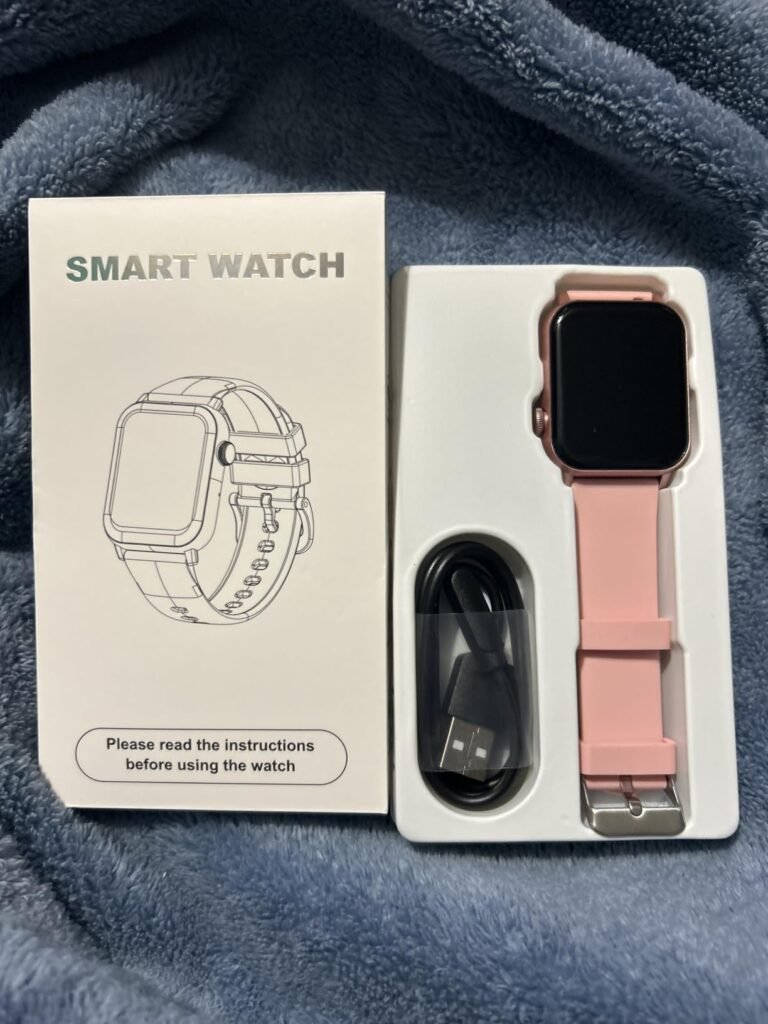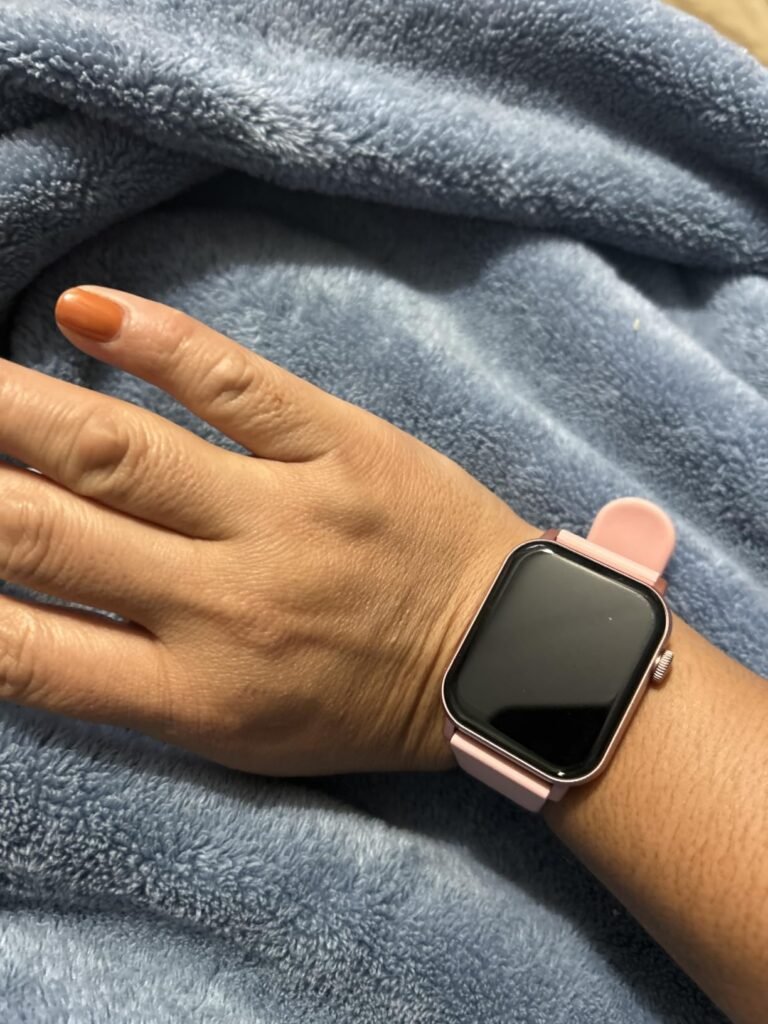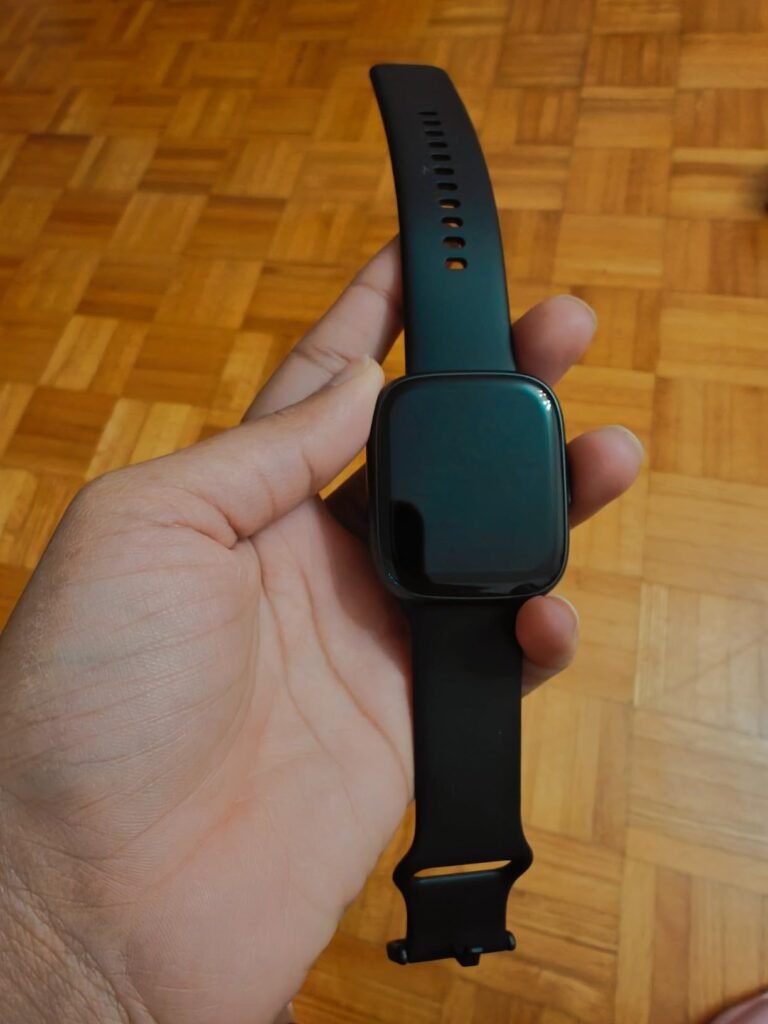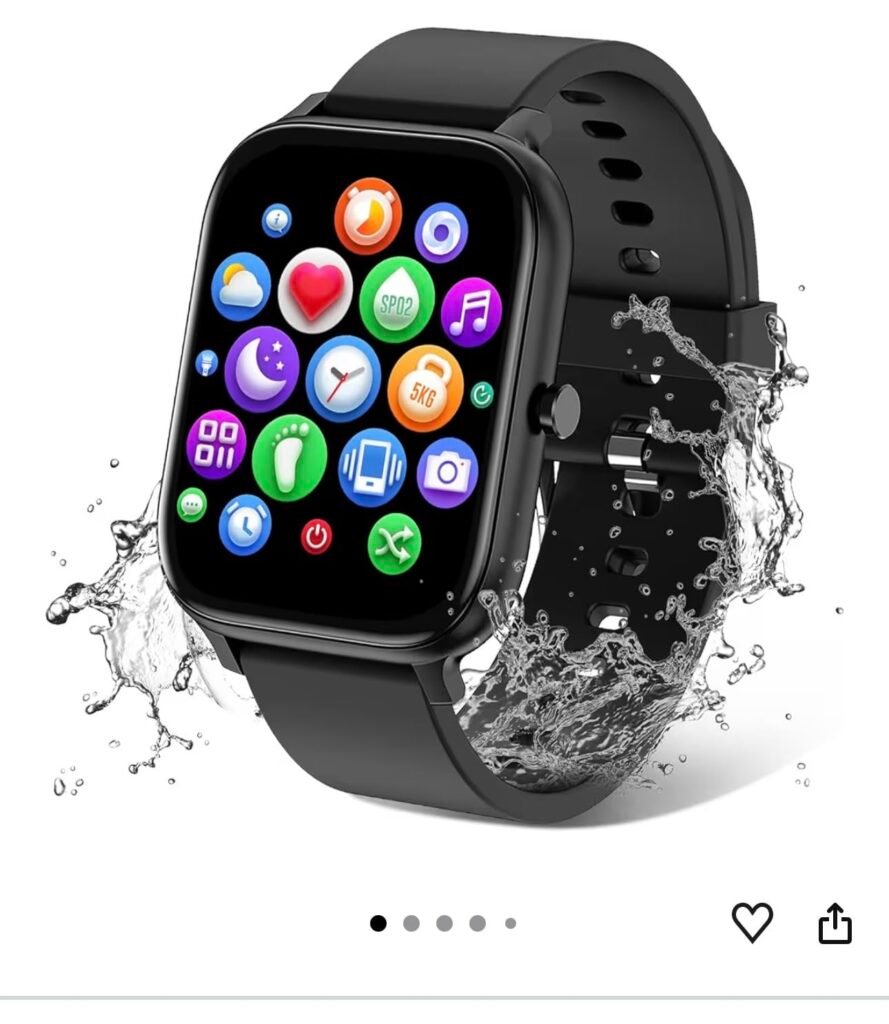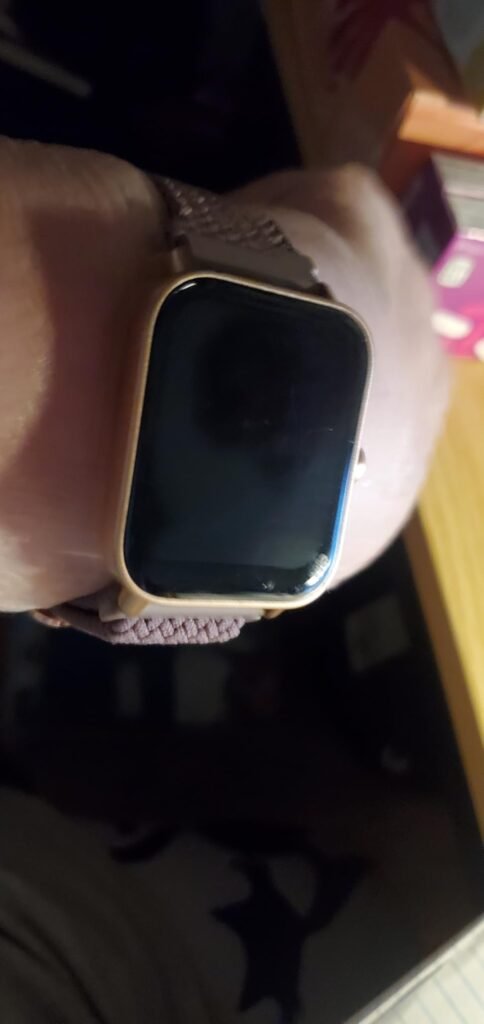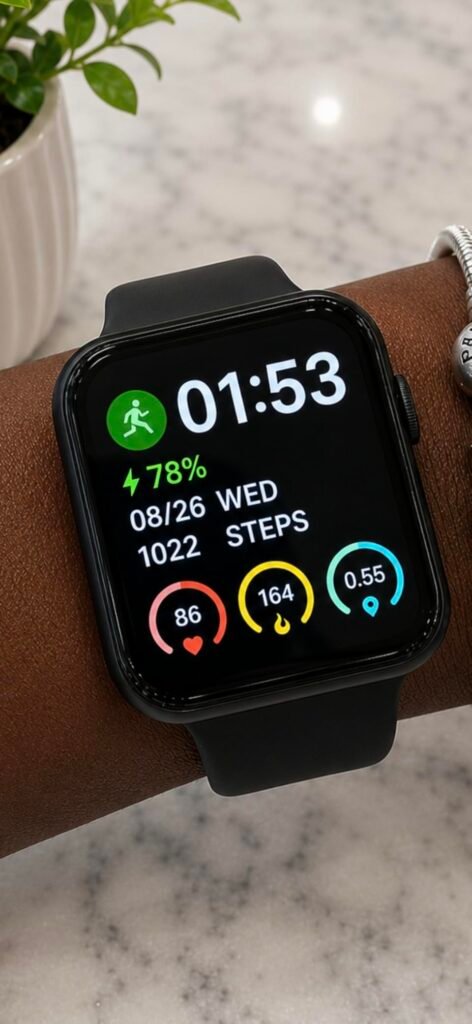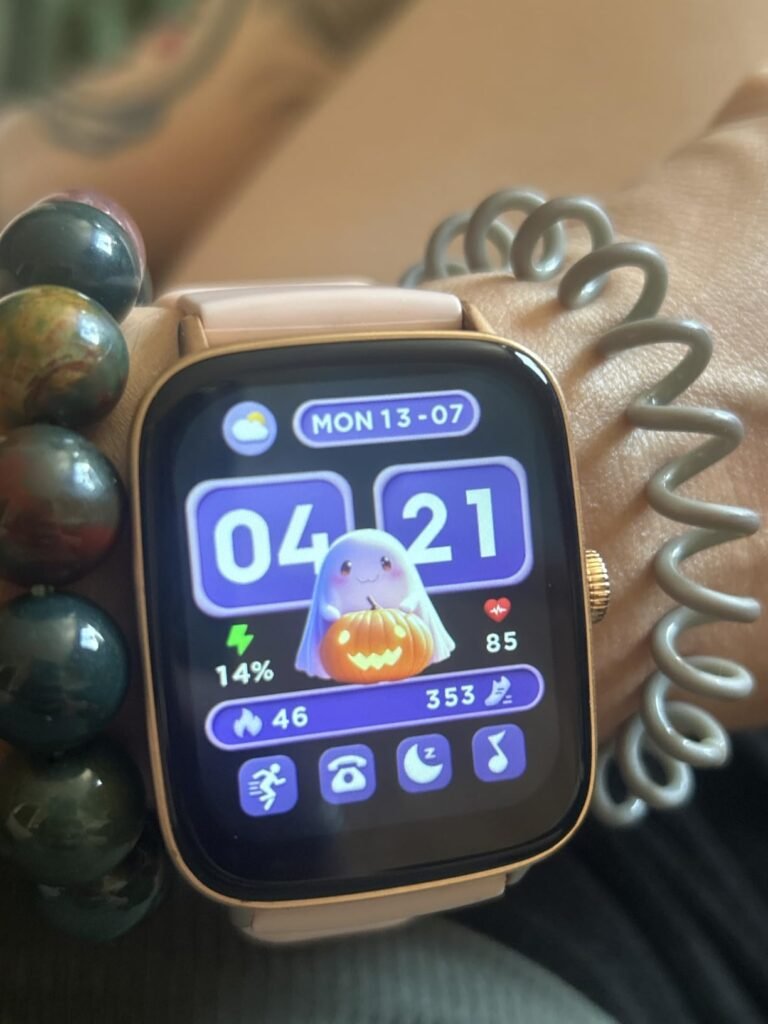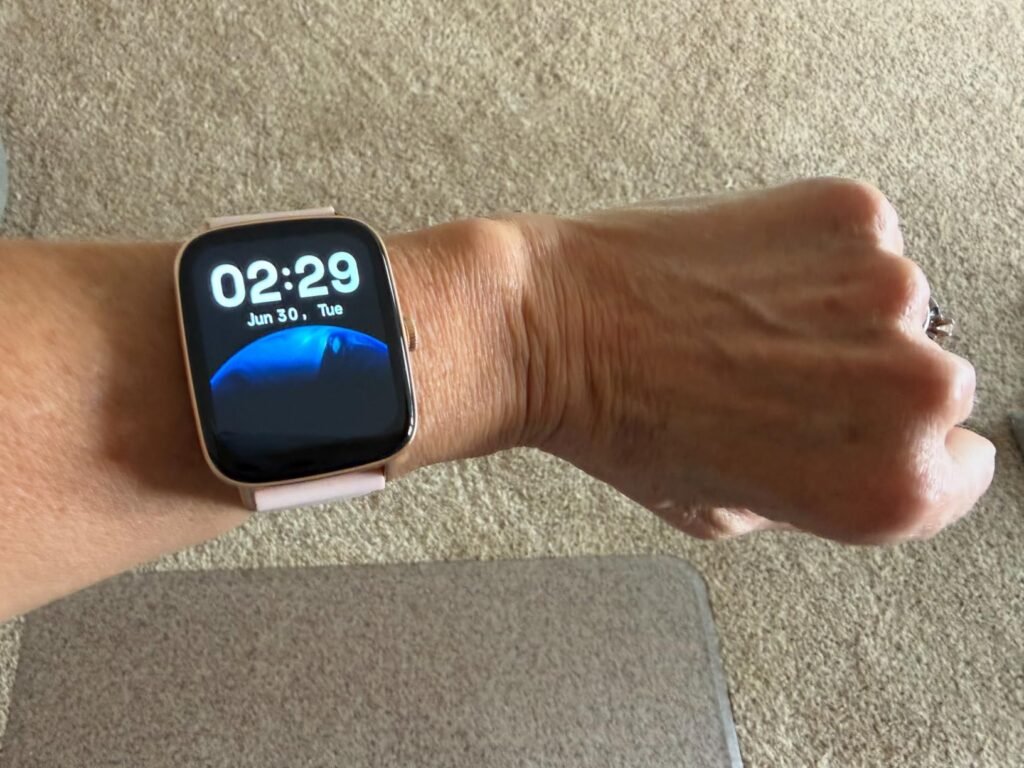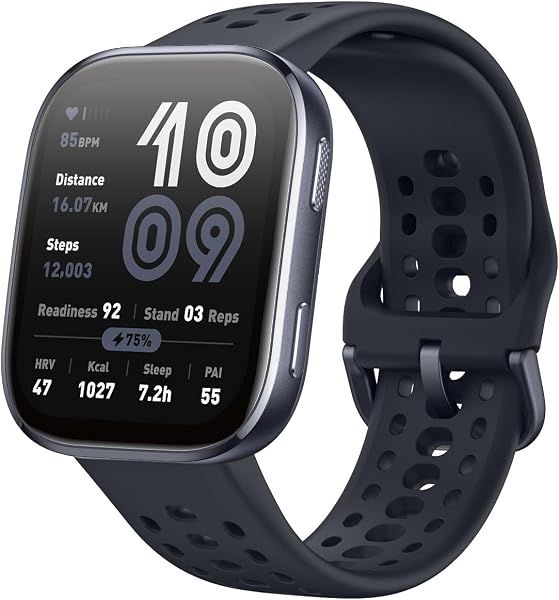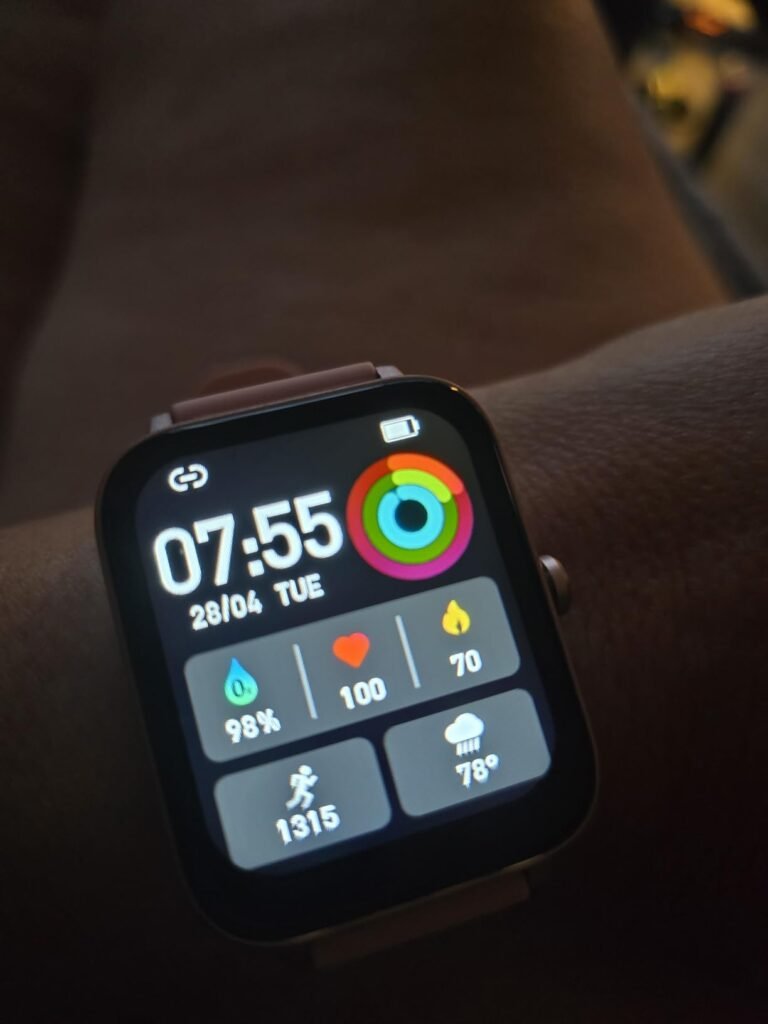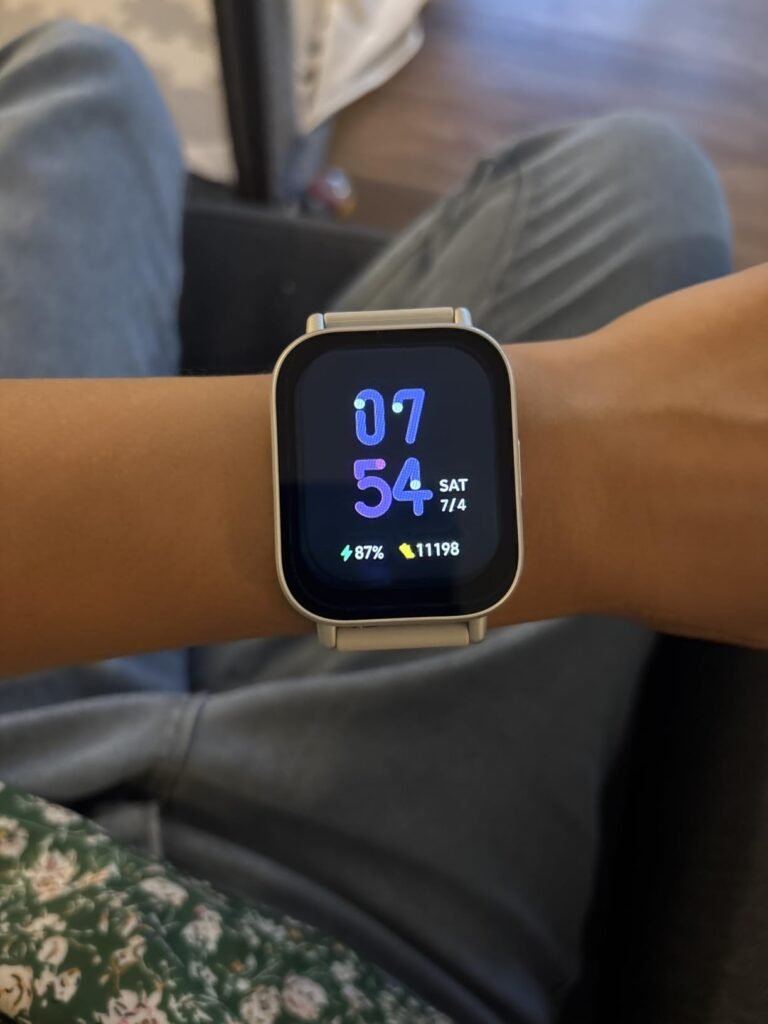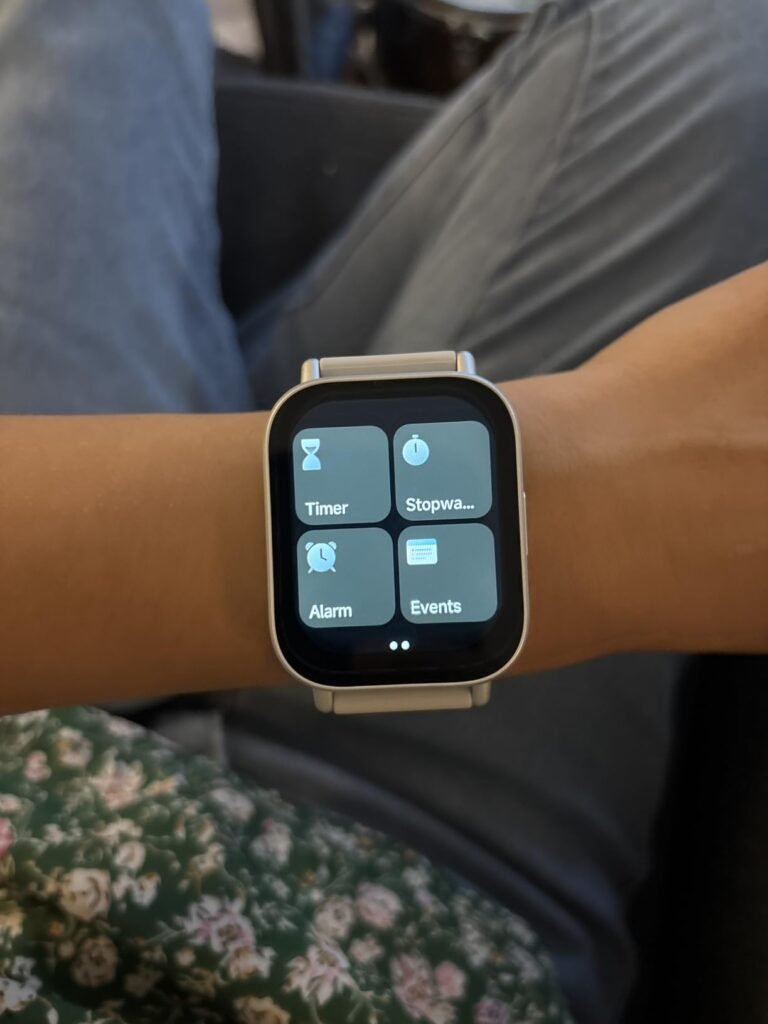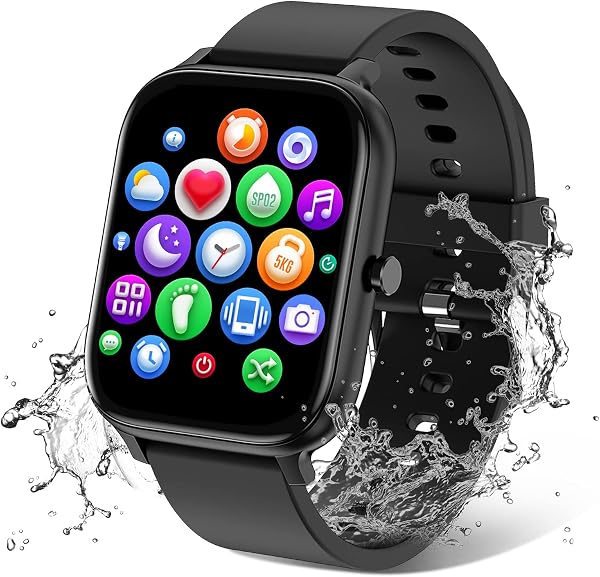
Torjalph Smart Watch
8.4Editor score1.83 inch display
IP68 water resistance
230mAh battery capacity
200+ watch faces
Find the right budget smartwatches for 2026. We compare 10 standout options by build quality, useful features, owner feedback, value, and everyday trade-offs.
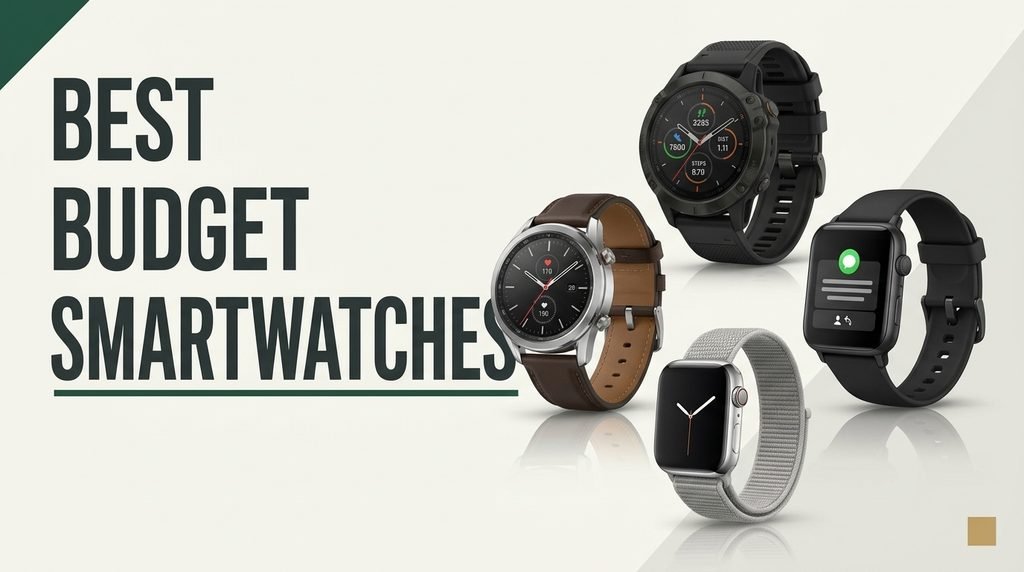
Affordable smartwatches have improved dramatically, and 2025 offers real options under $80 that handle health tracking, notifications, and Bluetooth calling well. We compare 10 standout picks by display quality, battery endurance, sensor accuracy, water resistance, sport modes, app ecosystem, and everyday reliability so you can spend less without settling for a frustrating wrist experience.
The gap between budget and premium smartwatches now comes down mostly to build materials, GPS precision, and long-term software support rather than core functionality. Most models here track heart rate, sleep, and dozens of workouts. What separates the strong picks from the weak ones is display sharpness, call quality, and how thoughtfully the companion app handles data.
This guide walks through each option’s strengths and limitations so you can match a watch to your actual daily use. Whether you need reliable fitness tracking, hands-free calls, Alexa voice control, or extended battery life for travel, the picks below cover a wide range of budget-friendly scenarios without hype or exaggeration.
We compared 10 affordable smartwatches by the details that shape real daily use: display size and resolution, battery life, heart-rate and SpO2 accuracy, sleep tracking depth, water resistance rating, Bluetooth call quality, number of sport modes, companion app usability, phone compatibility, and warranty support. The notes focus on practical trade-offs so each pick reflects how buyers actually wear, charge, and rely on a watch for fitness, notifications, and everyday convenience without overspending.

Compare key features, scores, and current prices side by side. A shorter feature list means fewer details were available, not necessarily fewer capabilities.





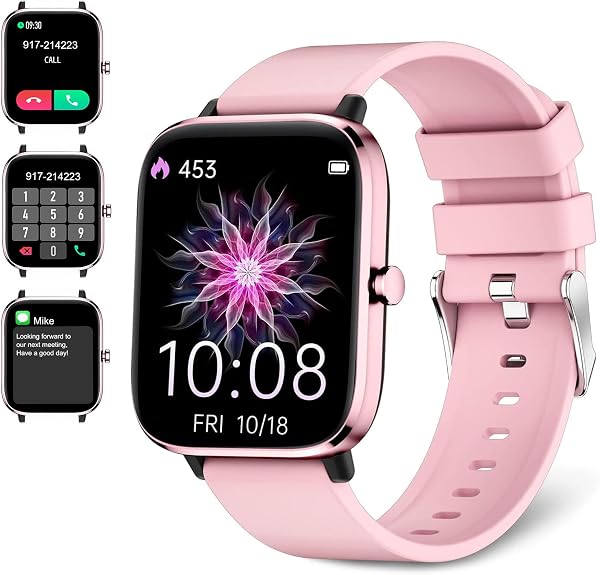
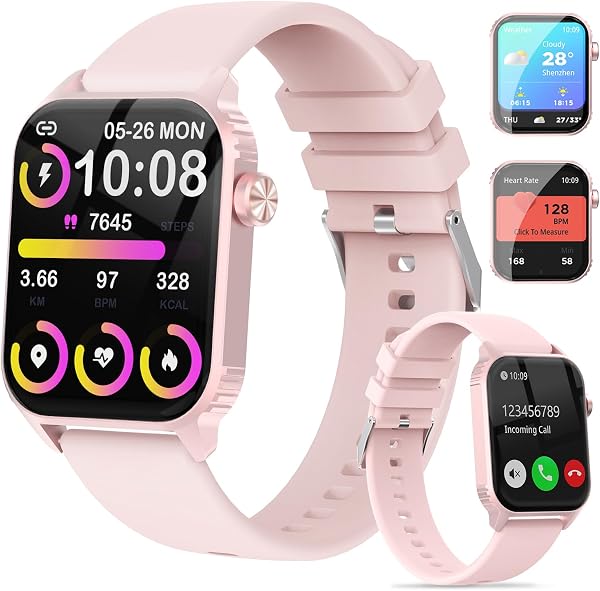
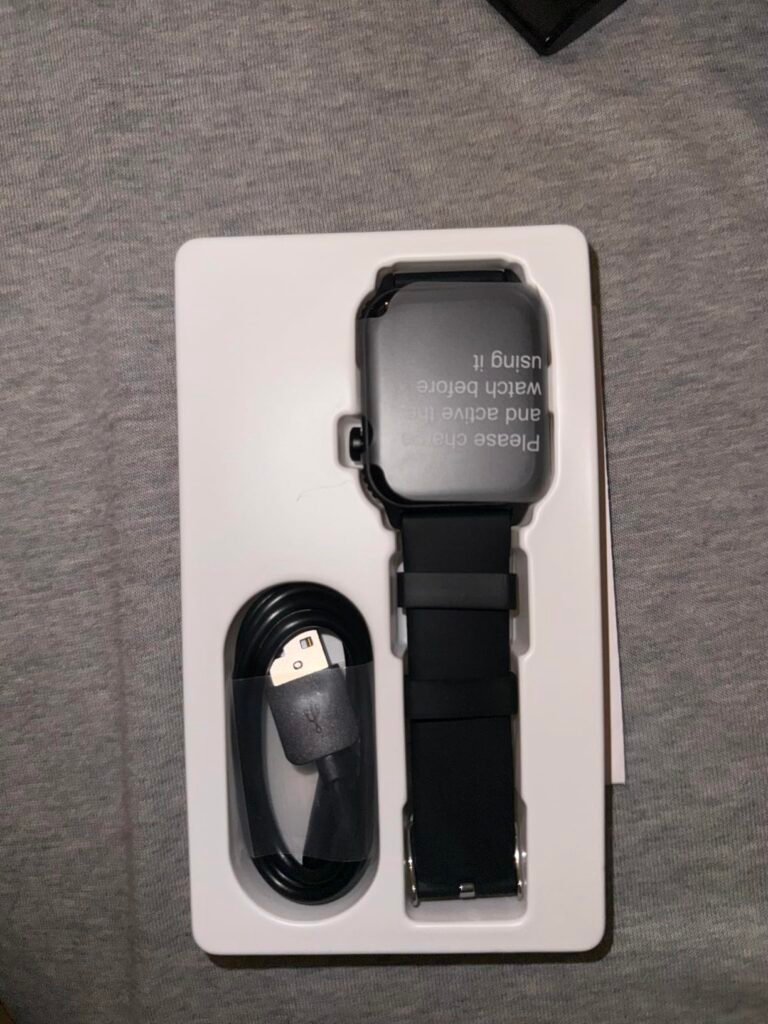
The TG08 targets women who want a watch that looks intentional rather than generic. The pink colorway and slim profile pair well with casual and athleisure outfits, while the 1.83-inch IPS display at 240 by 284 resolution keeps text and watch faces sharp. Customizable faces span minimalist, artistic, and sporty styles for matching different daily contexts.
We may earn a commission when you buy through this link, at no additional cost to you.
Alexa built-in delivers voice control for quick tasks like setting alarms, controlling smart home devices, and checking weather without opening your phone. Bluetooth calls and music control add hands-free convenience, and 120 sport modes cover essentially any activity a casual fitness user would want to track. Notifications sync from Facebook, WhatsApp, Twitter, Instagram, and standard SMS.
Health tracking includes heart rate and sleep monitoring, plus the standard remote camera control and music playback shortcuts. The 350mAh battery provides five to seven days of active use and up to 30 days of standby time. Note that step counting activates only after exceeding 20 continuous steps, which prevents accidental increments from small hand movements.
IP67 protects against dust and brief submersion in one meter of water for 30 minutes, which covers rain, hand washing, and accidental splashes. IP68 offers deeper submersion protection and typically handles pool swimming. For workouts and daily wear, IP67 is usually sufficient unless you plan to swim or shower with the watch regularly.
The IP67 rating handles splashes, sweat, and brief submersion but is not rated for swimming or extended water exposure. For everyday wear including workouts, rain, and hand washing, this is fine. The perfect rating reflects strong initial reviews, though the sample is smaller than for older established models. Style-conscious buyers wanting Alexa on a budget will find real value here.
Regular swimmers or shoppers who prefer neutral or masculine watch designs over the pink colorway.
We may earn a commission when you buy through this link, at no additional cost to you.
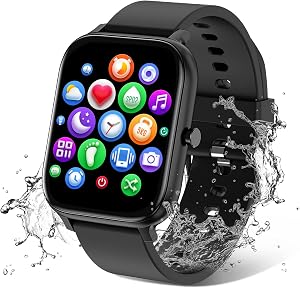
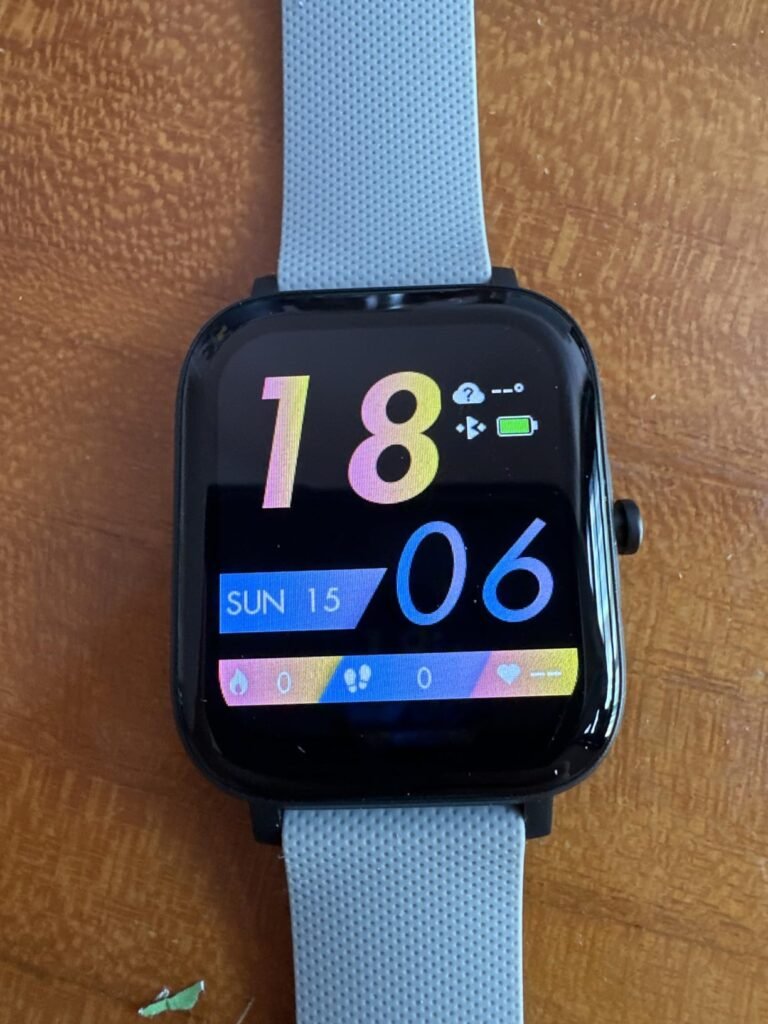
For shoppers dipping their toe into smartwatch ownership without spending much, this Torjalph model delivers the fundamentals at an entry-level price. It covers heart rate, sleep, blood oxygen, and step tracking, plus notifications for calls, texts, and popular apps. That makes it a reasonable first watch for someone who wants to see whether a fitness tracker fits their routine.
We may earn a commission when you buy through this link, at no additional cost to you.
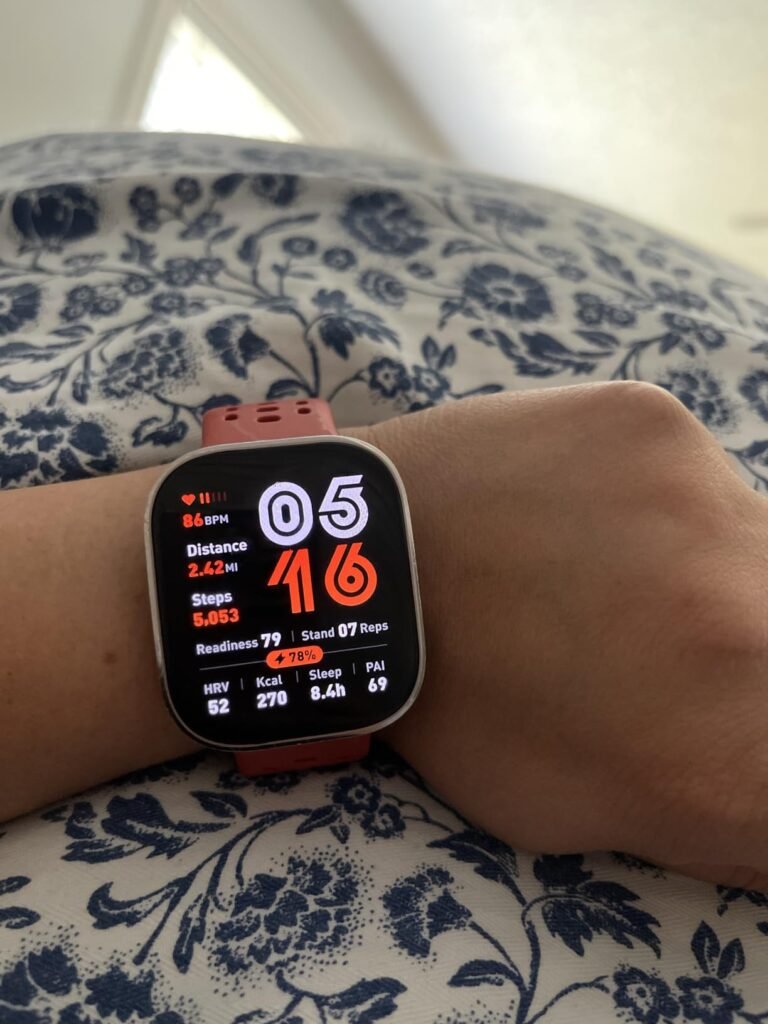
The 1.83-inch full-touch display with 240 by 284 resolution is bright enough for everyday use, and the DaFit companion app opens access to more than 200 watch faces. Twelve sport modes cover common activities like walking, running, cycling, and swimming, which is enough for casual users even if it lags behind the 100-plus modes on more expensive picks.
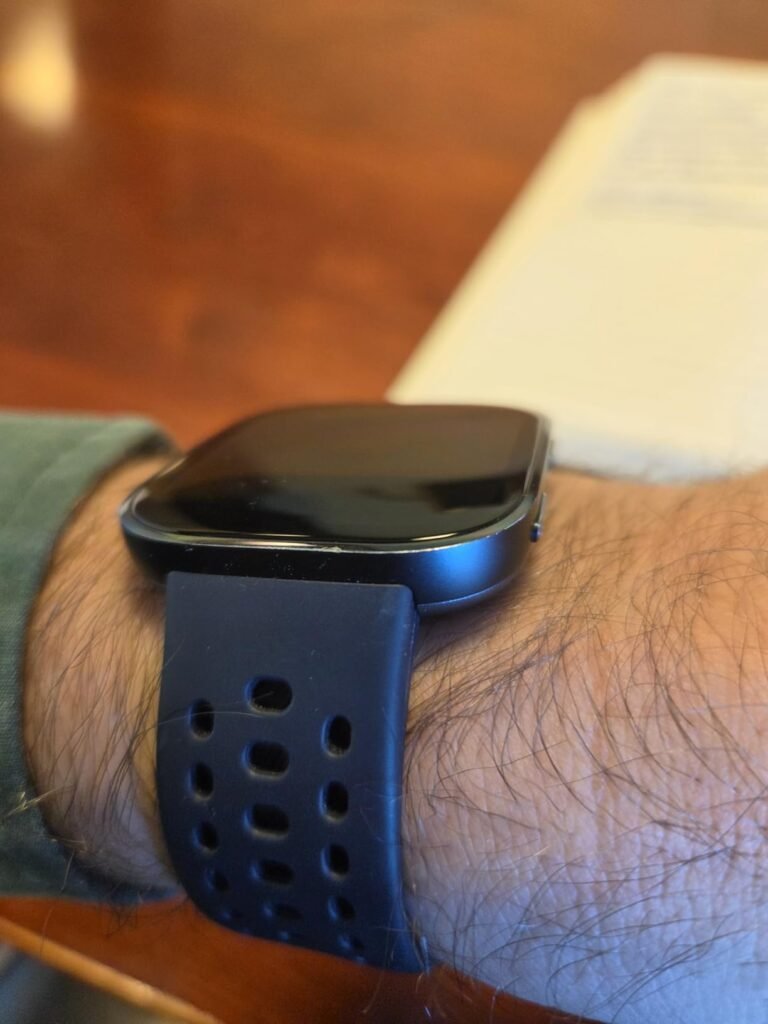
The 230mAh battery is on the smaller side and delivers roughly five to seven days of use depending on notification volume and screen brightness. Magnetic charging makes topping up simple, and the silicone strap stays comfortable during workouts. IP68 water resistance covers hand washing, rain, and even light swimming without concern.
IP68 is one of the higher water resistance ratings available on budget smartwatches, covering submersion in shallow water. That means the watch survives hand washing, sweat, and rain without issue, and can handle occasional swimming laps. Many similarly priced trackers only offer IP67 or lower, which limits water exposure to splashes.
The main trade-off is depth of features. There is no Alexa integration, no built-in GPS, and the sport mode count is limited compared to $40-plus watches. For a first smartwatch or a low-risk gift, though, the combination of price and core functionality makes it a sensible starting point.
Serious athletes who need built-in GPS, advanced training metrics, or a broad range of sport-specific modes.
We may earn a commission when you buy through this link, at no additional cost to you.
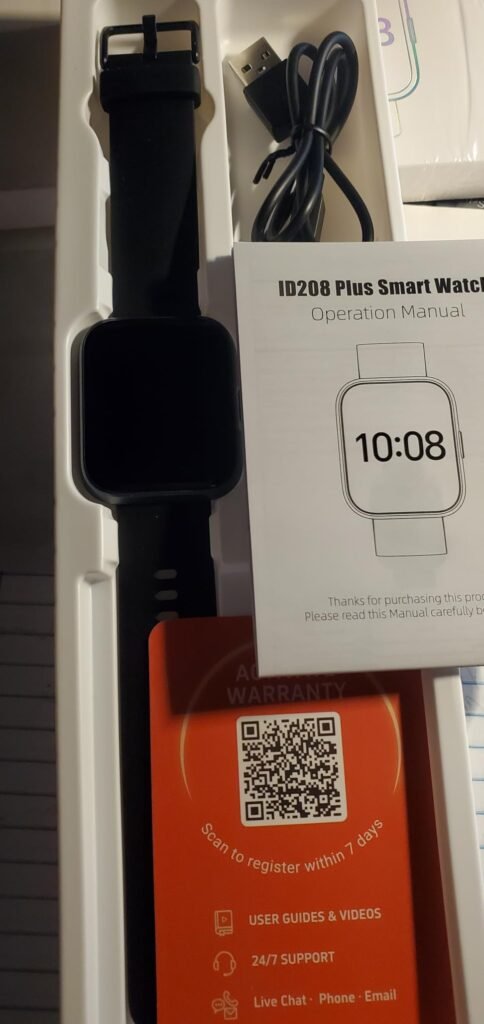
The Tensky watch pushes into slightly more serious territory by adding Amazon Alexa directly on the wrist. That single feature transforms it from a passive tracker into a voice assistant you can use to set timers, check weather, or control smart home devices without pulling out a phone. For anyone already invested in the Alexa ecosystem, this makes a meaningful daily difference.
We may earn a commission when you buy through this link, at no additional cost to you.
Health tracking covers heart rate, blood oxygen, stress levels, and detailed sleep analysis including deep, light, and awake phases. Female users also get menstrual cycle tracking through the companion app. Twenty-four-hour monitoring runs continuously, giving the app enough data to produce useful weekly summaries rather than one-off snapshots.
The 350mAh battery reaches about seven days under heavy use and up to 12 days with lighter notification volume. Charging takes roughly 1.5 to 2.5 hours, which is faster than many competitors. Bluetooth calling works through the built-in microphone and speaker, and connection with iOS 9.0-plus and Android 6.0-plus phones stays stable in typical use.
3ATM means the watch can handle splashes, rain, and hand washing but is not rated for swimming or high-pressure water exposure. 5ATM watches can typically handle pool swimming and shallow water activities. If swimming or showering with your watch matters, choose a 5ATM or IP68 model instead of a 3ATM device.
The main caveat is the 3ATM water resistance rating, which handles rain and hand washing but is not rated for swimming or hot showers. For a watch that spends most of its time on land, this is fine, but pool-goers should look at 5ATM or IP68 alternatives. The two-year warranty is a nice reassurance at this price.
Swimmers or people who want to shower with their watch on a regular basis.
We may earn a commission when you buy through this link, at no additional cost to you.
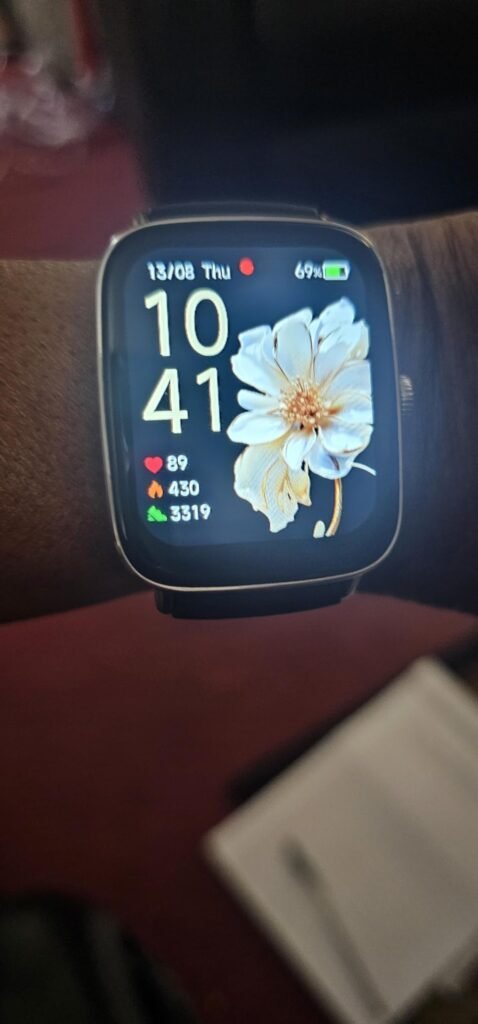
AEAC positions this watch specifically for women who want a stylish daily companion with genuine call and notification capability. The 1.85-inch HD touchscreen runs at 60Hz, which makes scrolling and menu transitions feel noticeably smoother than the standard 30Hz refresh on cheaper alternatives. Two bands come in the box, letting you swap looks between casual and dressier outfits.
We may earn a commission when you buy through this link, at no additional cost to you.
Bluetooth 5.3 with a dedicated DSP chip powers the calling experience, and audio clarity is generally strong for a budget watch. Real-time notifications from SMS and popular apps push directly to the wrist, though message replies are not supported. Custom photo watch faces let you upload pictures of pets, family, or scenery to personalize the display beyond the built-in options.
Health tracking includes heart rate, sleep stages, and stress monitoring throughout the day. Over 100 sport modes cover everything from running and swimming to yoga and dance. IP68 water resistance means the watch handles workouts, pool time, and rainy commutes without issue. Battery life reaches about seven days on a single charge under typical use.
Most budget smartwatches carry a one-year manufacturer warranty at best. A five-year warranty covering hardware defects and accidental damage effectively means the seller is committing to replace or repair the watch across the typical useful lifespan of the device. If durability concerns hold you back from buying an inexpensive tracker, extended coverage of this length meaningfully lowers the risk.
The standout feature is AEAC’s 5-year warranty covering hardware defects and accidental damage, backed by 24/7 technical support. That level of coverage is genuinely unusual in this price range and provides real peace of mind. The main consideration is that this is a newer product, so long-term reviews are still accumulating.
Buyers who need a watch with a longer track record of user reviews or those who prefer larger masculine styling.
We may earn a commission when you buy through this link, at no additional cost to you.
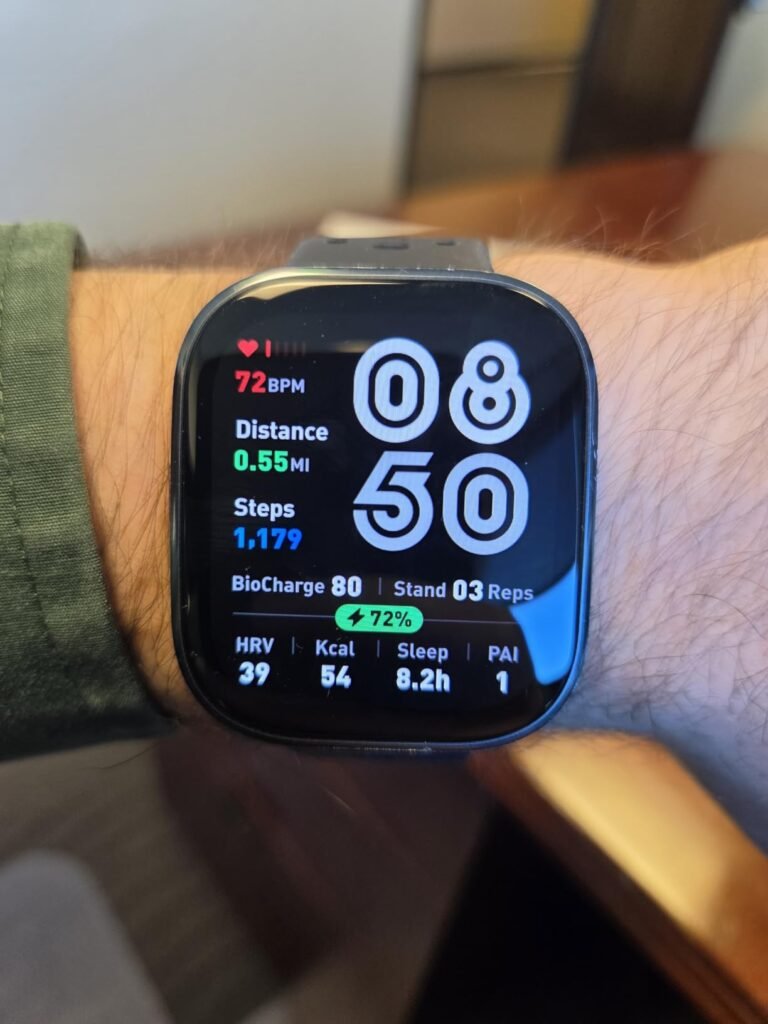
The Amazfit Bip 6 is where budget smartwatches genuinely start feeling like premium devices. The 1.97-inch AMOLED display delivers deep blacks, vivid colors, and excellent outdoor visibility, which is a noticeable step up from the LCD panels on nearly every other watch in this comparison. Combined with a lightweight aluminum body, it wears more like a $150 watch than a $79 one.
We may earn a commission when you buy through this link, at no additional cost to you.
Built-in GPS is the standout feature. Free downloadable maps and turn-by-turn directions work independently of your phone, which is significant for runners, hikers, and cyclists who want accurate route tracking without carrying a phone. Support for five satellite systems helps with fast lock times and reliable accuracy even in challenging environments like dense trees or tall buildings.
Health monitoring covers heart rate, sleep, blood oxygen, and stress with continuous 24-hour tracking. Over 140 workout modes include specialized options like HYROX Race and Strength Training, plus personalized AI coaching that adjusts recommendations based on your activity patterns. The 50-meter water resistance rating means genuine swim training is on the table.
AMOLED displays illuminate individual pixels, producing true blacks and vibrant colors while using less battery for dark interfaces. LCD screens rely on a backlight that stays on constantly, washing out blacks and consuming more power. On a smartwatch, AMOLED means better visibility in direct sunlight, more attractive watch faces, and longer battery life when displaying dark themes.
Battery life reaches up to 14 days between charges, which is exceptional for a watch with an AMOLED display and active GPS. The main consideration is price. At $79, it costs more than the sub-$25 options, but the AMOLED screen, GPS, and Amazfit’s mature software ecosystem justify the difference for anyone serious about fitness or navigation.
Shoppers on the tightest possible budget who cannot justify the step up from a $20 watch.
We may earn a commission when you buy through this link, at no additional cost to you.
This unbranded model packs a surprising number of features into a sub-$25 price. A 1.83-inch IPS display at 240 by 284 resolution, IP68 water resistance, Bluetooth calling, 140 sport modes, and a 350mAh battery deliver what many $50 watches offer just a year or two ago. The 4.9-star rating reflects a strong consensus that the value here is genuinely high.

We may earn a commission when you buy through this link, at no additional cost to you.
The customizable watch face library covers minimalist, trendy, and artistic styles to fit different occasions. Health tracking runs continuously with real-time heart rate detection and sleep quality analysis. Bluetooth call functionality lets you handle calls without pulling out your phone, and notifications sync from major social apps for glanceable updates during meetings or workouts.
The 350mAh battery delivers five to seven days of daily use and up to 30 days of standby, which is substantial for a budget device. IP68 water resistance covers sweat, splashes, and brief submersion, making it suitable for pool workouts and rainy conditions. Compatibility spans iPhone with iOS 9.0-plus and Android 5.0-plus, which covers virtually every smartphone in active use.
Watches under $25 can deliver strong hardware but often lack the polish of established brands in areas like companion app design, firmware updates, and customer service response. Treat these as reliable starter devices rather than long-term investments. If you find yourself using the features heavily and want more refined software, that’s the signal to upgrade to a Bip 6 or Redmi Watch 5.
The catch with generic-branded watches is long-term support. There’s no established brand ecosystem behind it, so software updates and warranty handling may be less reliable than with major brands. For a low-risk backup watch or a first tracker for someone unsure whether they’ll use it long-term, the value proposition is hard to beat.
Buyers who want brand-name software support, regular firmware updates, or advanced features like GPS.
We may earn a commission when you buy through this link, at no additional cost to you.
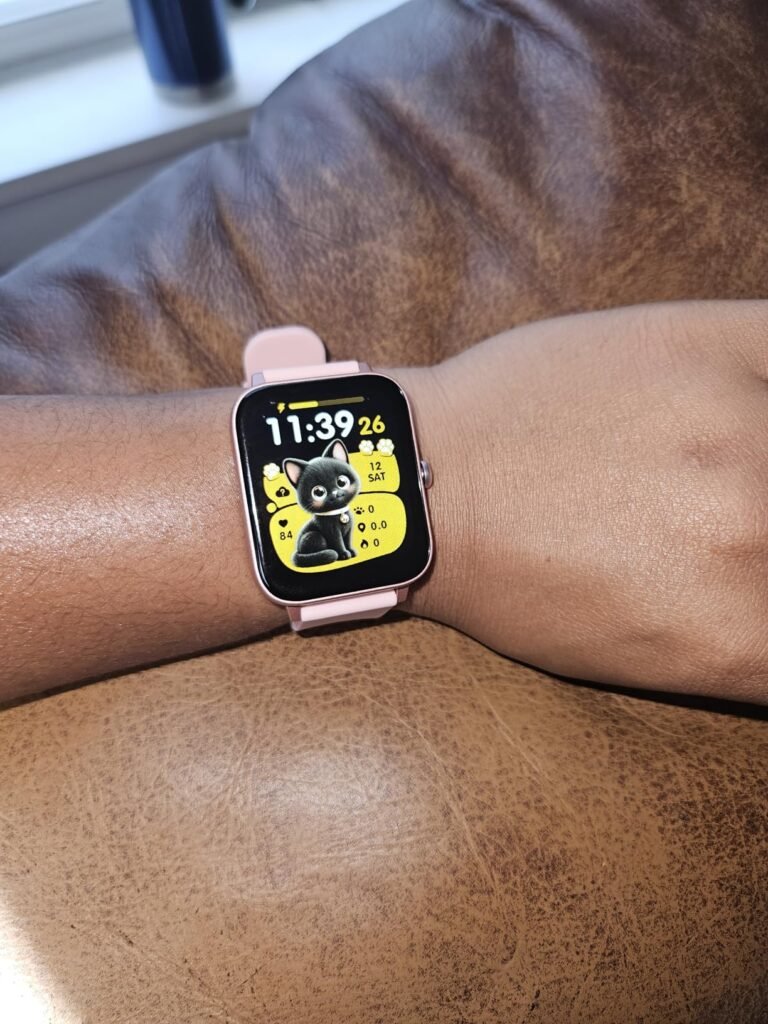
This entry-level women's watch focuses on the essentials without frills. Bluetooth calling through a built-in HD speaker, notification sync from major messaging apps, and continuous heart rate and blood oxygen tracking cover the core smartwatch experience. The 1.83-inch color display provides plenty of room to read messages and workout stats clearly.
We may earn a commission when you buy through this link, at no additional cost to you.
The DaFit app offers over 100 downloadable watch faces plus the ability to upload personal photos as custom backgrounds. Emergency contact storage and call history stay accessible on the watch itself, which is genuinely useful for quick access without needing to unlock a phone. Female cycle tracking rounds out the health suite for women monitoring monthly patterns.
One hundred-plus sport modes cover walking, hiking, cycling, skipping, basketball, yoga, and football among others. IP68 rating handles daily water exposure, though hot water, seawater, and swimming are explicitly not recommended. Battery life reaches five to seven days of normal use and up to 30 days on standby, with a two-hour charge time from empty.
Bluetooth calling uses the watch’s speaker and microphone to relay audio from your paired phone. Your phone still handles the actual cellular connection, so you need it within Bluetooth range, typically 10 meters or so. Call quality depends heavily on the watch’s microphone position and speaker size, both of which are usually more limited on cheaper models compared to premium options.
The 4.0 rating is lower than several competing picks, which suggests some users experience quality control issues at this price point. For shoppers wanting Bluetooth calling and basic tracking under $25 in a feminine design, it delivers the core functionality. Anyone prioritizing reliability or specific features should compare against the TG08 or 1.83 Inch Fitness Watch.
Shoppers who need proven reliability or plan to use the watch for swimming or in hot water conditions.
We may earn a commission when you buy through this link, at no additional cost to you.
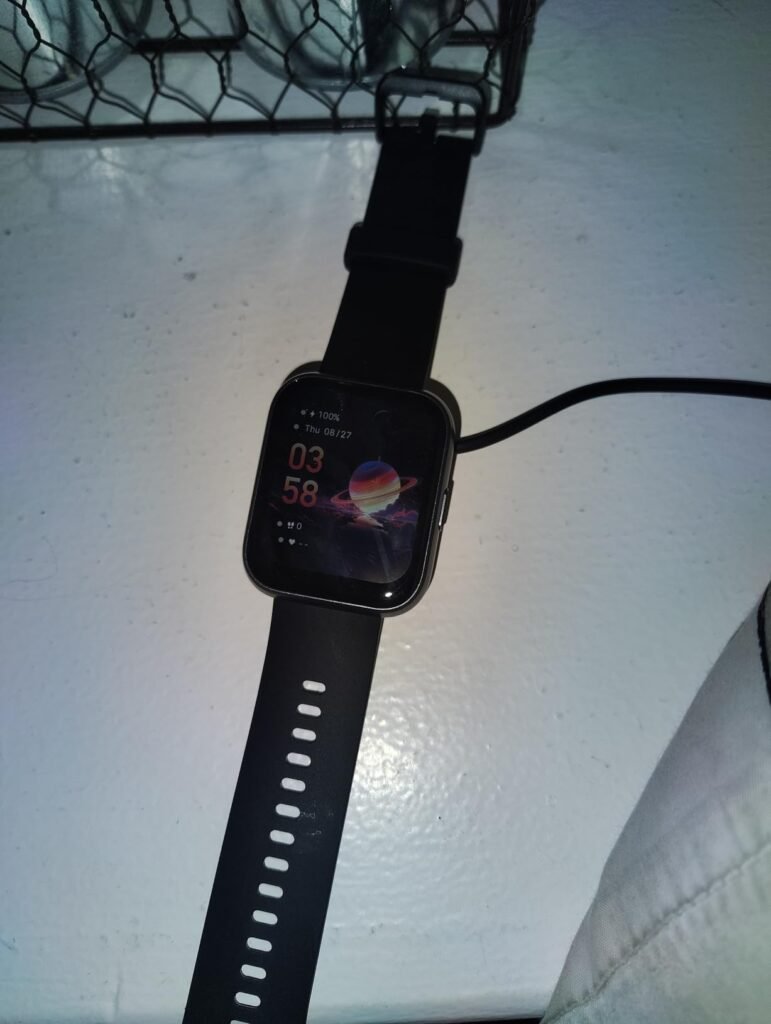
The Fitpolo watch sits in the middle of the pack in terms of price and features, but it distinguishes itself by combining Alexa with genuine ecosystem integration. Data syncs not just to the Veryfit companion app but also to Apple Health and Strava, which is a meaningful advantage for users who track fitness across multiple platforms.
We may earn a commission when you buy through this link, at no additional cost to you.
Twenty-four-hour monitoring covers heart rate, SpO2, stress, sleep quality including deep, light, and awake phases, plus female menstrual cycle tracking. The watch vibrates to alert you when heart rate or other metrics go outside normal ranges, which adds a layer of proactive health awareness that many budget watches lack. Bluetooth 5.3 keeps the connection stable within 8 to 10 meters.
The 1.8-inch TFT-LCD display supports over 200 watch faces including personal photo uploads. One hundred-ten sport modes cover the standard fitness categories, and IP68 water resistance handles daily exposure. Silicone bands adjust from 130 to 210mm, fitting most adult wrists comfortably. Charging takes two hours for up to seven days of typical use or 30 days of standby.
Many budget watches lock your data inside their proprietary app, making it hard to see fitness trends alongside data from other devices. Sync with Apple Health and Strava lets you consolidate heart rate, workouts, and sleep into your primary health dashboard, and share activities with the Strava community. This matters especially for runners and cyclists who already have established tracking habits.
The five-year warranty backed by 24/7 tech support is a genuine confidence booster at this price. The main trade-off is display quality, since the TFT-LCD lacks the vibrance of AMOLED alternatives like the Bip 6. For buyers who want Alexa, cross-platform fitness sync, and long-term support without spending $80, this hits a strong middle ground.
Shoppers who want an AMOLED display or need to send text replies from the watch itself.
We may earn a commission when you buy through this link, at no additional cost to you.
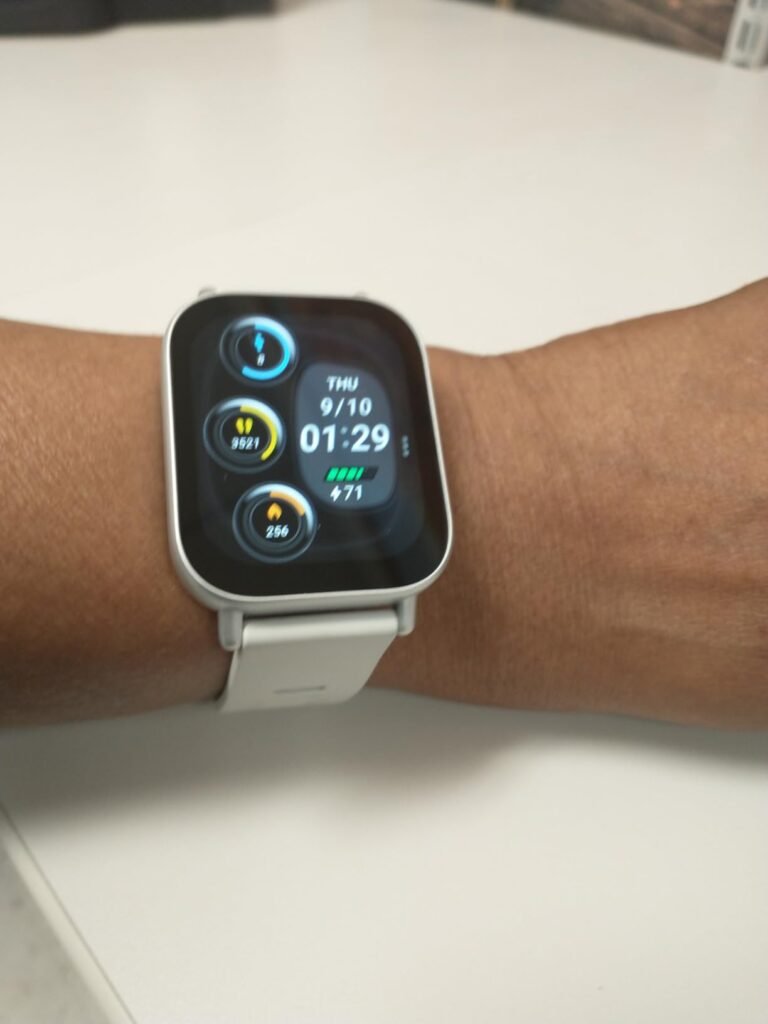
The Redmi Watch 5 Active is Xiaomi's entry into the sub-$50 category, and it brings the polish that comes with a mature global brand. The 2-inch LCD display is one of the largest in this comparison, and while it lacks the vibrance of AMOLED, it delivers crisp visibility and easy readability. Battery life reaches an impressive 18 days between charges, which is longer than most competitors.
We may earn a commission when you buy through this link, at no additional cost to you.
One hundred-forty-plus workout modes cover a wide range of activities from common ones like running and cycling to niche options like rowing and dance. Twenty-four-hour heart rate and SpO2 monitoring runs continuously, feeding into Xiaomi’s mature Mi Fitness app that presents data cleanly and offers useful weekly summaries. The 5ATM water resistance rating supports genuine pool swimming.
Bluetooth calling uses dual-mic noise reduction to isolate your voice from background sound, which is a genuine advantage for calls in noisy environments like busy streets or gyms. Call quality is above average for the price. The watch pairs cleanly with both iOS and Android, and Xiaomi’s ecosystem provides more reliable firmware updates than most generic brands can offer.
A watch that lasts 18 days between charges shifts from being a device you charge every few nights to one you top up roughly twice a month. That difference is meaningful for travel, since you can leave the charger home for shorter trips, and for sleep tracking, since you never need to skip a night of monitoring to charge the watch. It also reduces long-term battery wear from frequent charging cycles.
The main considerations are the LCD display instead of AMOLED and the requirement to use the Mi Fitness app rather than syncing directly to Apple Health or Strava. For buyers who value brand reliability, exceptional battery life, and swim-ready water resistance under $50, this remains one of the strongest value picks on the market.
Shoppers who prefer the deep blacks of AMOLED displays or want direct integration with Apple Health or Strava.
We may earn a commission when you buy through this link, at no additional cost to you.
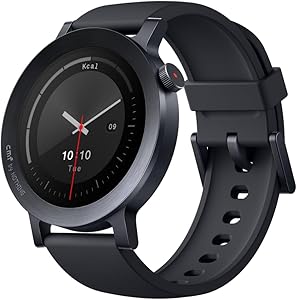
CMF by Nothing brings a fresh design perspective to the budget smartwatch category. The Watch 3 Pro's distinctive aesthetic and clean AMOLED display appeal to buyers who care about how their tech looks and feels, not just what it does. The 1.43-inch screen is smaller than some alternatives, but the AMOLED panel delivers vibrant colors and true blacks.
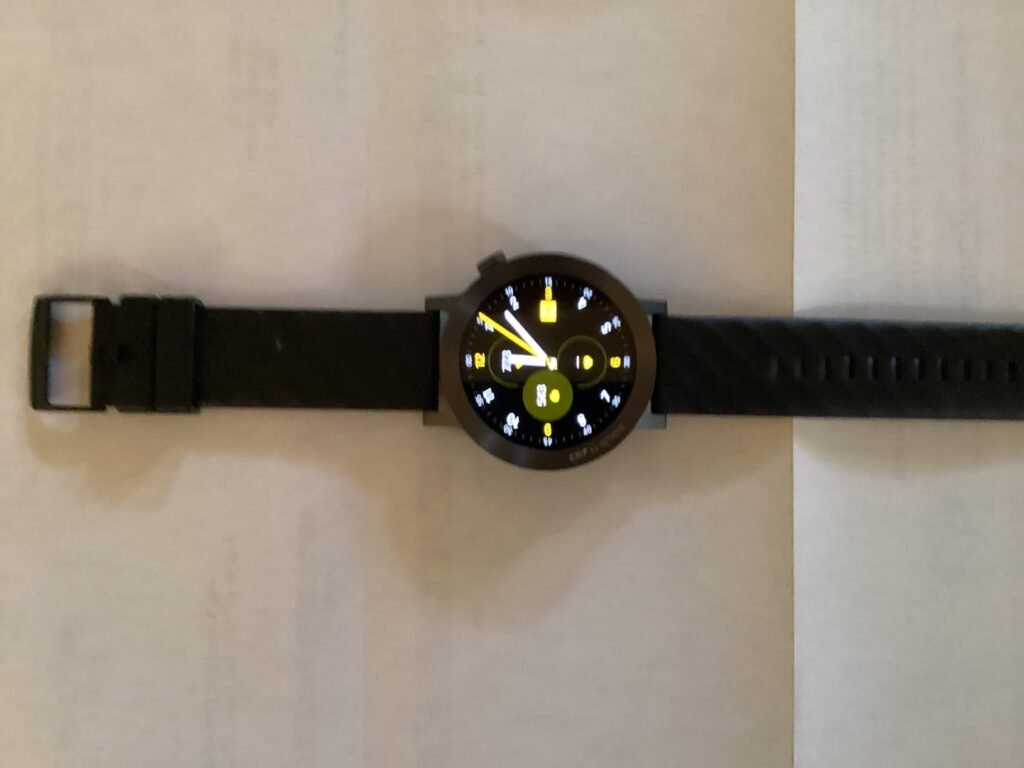
We may earn a commission when you buy through this link, at no additional cost to you.
Health tracking uses a 4-channel sensor for improved heart rate and SpO2 accuracy during activity and rest. The AI Energy Score analyzes your recovery and readiness based on sleep quality and daily activity, giving you a daily indicator of whether you’re primed for hard training or should take it easier. Sleep tracking includes nap analysis alongside overnight recovery insights.
One hundred-thirty sport modes come with GOMORE-powered performance analysis and 7-type motion recognition. Built-in GPS supports outdoor tracking without needing your phone. Dual high-performance MEMS microphones combined with AI noise reduction trained on over 100,000 voice samples deliver notably clearer calls than typical budget watches, even in windy or noisy environments.
AI Energy Score combines sleep quality, heart rate variability, and recovery metrics into a single daily number indicating how ready your body is for exertion. A high score suggests you can push harder in workouts, while a low score signals recovery or rest is more valuable. This kind of readiness insight was previously limited to premium watches like Garmin or Whoop, so seeing it at this price is notable.
Battery life reaches up to 13 days with 2.5 hours of charging time. Data syncs with Apple Health, Google Fit, and Strava through the Nothing X app. For buyers who want distinctive design, built-in GPS, and modern AI-driven health insights at around $70, the CMF Watch 3 Pro offers a genuinely different alternative to the more generic-looking competition.
Buyers who prefer larger displays or want the longest possible battery life over design and AI features.
We may earn a commission when you buy through this link, at no additional cost to you.
The budget smartwatch category has matured rapidly, but choosing the right pick still requires understanding which features actually matter for your daily use. This guide walks through the practical decision factors so you can spend your money on the specifications that will make a real difference and skip the ones that won’t.
Budget smartwatches come with either LCD or AMOLED displays, and the difference matters more than the spec sheet suggests. LCD panels rely on a backlight that stays on constantly, which drains battery and washes out blacks. AMOLED displays illuminate individual pixels, delivering true blacks, vibrant colors, and better outdoor visibility. On a wrist device where you’ll glance at the screen dozens of times per day, screen quality directly affects satisfaction.
Size ranges from about 1.4 inches to 2 inches across this category. Larger displays make notifications and workout stats easier to read but can look awkward on smaller wrists. A 1.83-inch display strikes a common middle ground that works for most users. If you plan to view text-heavy content like messages or emails frequently, prioritize larger screens and higher resolutions.
For daily wear, AMOLED delivers a meaningfully better experience if your budget stretches to models like the Amazfit Bip 6 or CMF Watch 3 Pro. If not, a bright 1.83-inch IPS panel like those on the sub-$25 picks provides acceptable visibility in most conditions.
Battery life on budget smartwatches ranges from about 5 days to 18 days between charges. The lower end covers models with smaller batteries and always-on features enabled, while the top end represents watches optimized for endurance like the Redmi Watch 5 and Amazfit Bip 6. Longer battery life reduces charging frequency, which matters especially for travelers and anyone who tracks sleep continuously.
Charging time and method also affect convenience. Magnetic pogo pin connectors are standard and typically take 1.5 to 2.5 hours for a full charge. Some watches ship with proprietary cables that are easy to lose, so consider keeping a spare or bookmarking replacement options. Fast charging is uncommon at this price, but two-hour charge times are reasonable for daily use.
If you want to charge less than once a week, aim for watches rated at 10 days or more. For heavier feature use like continuous GPS or always-on displays, expect real-world life to be shorter than the advertised maximum.
Nearly every watch in this category tracks heart rate, sleep, blood oxygen, and steps. What separates them is sensor accuracy, sample rate, and how the companion app presents the data. More advanced models like the CMF Watch 3 Pro use multi-channel sensors that improve accuracy during motion, while cheaper models may struggle with accurate readings during intense workouts. If you exercise regularly, sensor quality matters.
Sport mode counts range from 12 to 140-plus, but the raw number is less important than which modes accurately capture your specific activities. Common activities like running, cycling, and swimming are handled well by nearly all watches. Niche options like HYROX training, rowing machines, or dance often only appear on higher-count watches. Also consider whether the watch syncs data to platforms you already use like Apple Health, Google Fit, or Strava.
For casual fitness tracking, any watch here works. For serious training with detailed metrics and cross-platform sync, prioritize models like the Amazfit Bip 6, Fitpolo, or CMF Watch 3 Pro that offer richer analytics and broader ecosystem integration.
Water resistance ratings can be confusing because they use different scales. IP67 protects against dust and brief submersion in shallow water, suitable for splashes and rain but not swimming. IP68 offers deeper submersion protection, generally acceptable for pool use. 3ATM handles splashes and rain but not swimming, while 5ATM supports pool swimming and shallow water activities. 50-meter ratings are the most robust and cover most recreational water use.
Choose based on how you actually use the watch. If you never swim or shower with a watch on, IP67 or 3ATM is fine. If you swim laps or want to wear the watch in the shower, aim for 5ATM, IP68, or higher. Hot water like showers can compromise seals over time even on rated watches, so many manufacturers still recommend against it. Salt water is generally not covered by any rating and can damage seals.
For most buyers, IP68 provides the best balance of everyday durability without needing to worry about accidental water exposure. Swimmers should specifically look for 5ATM or 50-meter ratings.
Most budget smartwatches now include Bluetooth calling, which lets you answer and make calls through the watch’s built-in speaker and microphone while your phone stays nearby. Quality varies significantly. Watches with Bluetooth 5.3 and dedicated audio chips like the AEAC or Fitpolo typically deliver clearer calls than older Bluetooth 4.x models. AI noise reduction, as found on the CMF Watch 3 Pro, further improves clarity in noisy environments.
Notification handling also varies. All watches display incoming calls, texts, and popular app notifications from Facebook, WhatsApp, Instagram, and others. However, none of these budget picks support replying to messages from the watch itself. If two-way messaging is important, you’ll need to step up to premium smartwatches from Apple, Samsung, or Garmin.
For occasional calls while cooking, driving, or exercising, budget Bluetooth calling works fine. For frequent hands-free calling in noisy environments, prioritize watches with dual microphones or AI noise cancellation.
Alexa integration is increasingly common in the sub-$50 category, appearing on the Tensky, TG08, and Fitpolo watches among others. Voice control lets you set alarms, ask questions, check weather, or control smart home devices without pulling out your phone. For anyone with an Alexa-based smart home, this genuinely improves daily convenience.
Google Assistant and Siri integration on the watch itself is rare at this price. Most budget watches instead rely on the paired phone’s assistant, which limits hands-free convenience. If voice control is a priority and you use Google or Apple ecosystems, you may need to look beyond the budget category or accept the Alexa-only limitation on affordable options.
Voice control adds meaningful value if you already use Alexa. If you don’t, prioritize other features like display quality and battery life instead of paying extra for an assistant you won’t use.
Nearly all budget smartwatches support both iOS and Android, typically requiring iOS 9.0-plus and Android 5.0-plus. That covers virtually every smartphone in active use today. However, the depth of integration varies. iPhone users often get fewer features than Android users because iOS restricts what third-party watches can do with notifications and system controls.
Companion app quality also affects the experience. Established brands like Xiaomi and Amazfit have polished apps with mature data visualization, while generic brands often use lower-quality apps like DaFit or Veryfit that work but feel less refined. Check reviews of the companion app, not just the watch itself, before buying.
Both iPhone and Android users can use any watch here, but Android users generally get a more complete feature set. If app polish matters, favor established brands with mature software ecosystems over unbranded alternatives.
Warranty length varies enormously in this category, from one-year minimums up to five-year coverage on watches from AEAC and Fitpolo. Longer warranties provide meaningful peace of mind at a price point where hardware failures are more common than with premium brands. Check whether the warranty covers accidental damage or only manufacturing defects, since the difference is significant.
Beyond formal warranty, consider whether the brand is likely to still exist in a few years and continue supporting the watch with firmware updates. Established brands like Xiaomi and Amazfit provide reasonable long-term support, while generic Amazon-only brands may disappear without notice, leaving your watch functional but never updated.
For a watch you plan to use for years, prioritize established brands or watches with genuine multi-year warranty coverage. For low-cost backups or gifts, warranty length matters less.
Initial setup starts with downloading the correct companion app, since different watches use different platforms like DaFit, Veryfit, Mi Fitness, Zepp, or Nothing X. Charge the watch fully before first use, enable Bluetooth on your phone, and follow the pairing instructions carefully. Give the app permission to access notifications, health data, and location so features like call alerts and GPS work correctly. Customize which apps send notifications to avoid wrist-buzz overload from every email or social ping.
Preserve battery health by avoiding extreme temperatures and charging between 20 and 80 percent when practical, though modern lithium batteries handle full charge cycles reasonably well. Turn off features you don’t use, such as always-on display or continuous SpO2 monitoring, to extend time between charges. Adjust screen brightness lower for indoor use and let auto-brightness handle outdoor visibility. Keep the charging pins clean by wiping them occasionally with a dry cloth so charging stays reliable.
Care for the watch by rinsing it with fresh water after sweaty workouts or exposure to salt water, and pat dry before charging. Silicone bands can trap moisture against the skin during long wear, so clean them weekly with mild soap and water to prevent irritation. Inspect the band for cracks periodically, since bands wear out faster than the watch itself. Update firmware through the companion app when prompted, as updates often improve battery life, sensor accuracy, and connection stability.
Budget smartwatches provide reasonable accuracy for casual heart rate and sleep monitoring, especially at rest. During intense exercise or rapid movements, accuracy can drop compared to premium watches with more sophisticated sensors. Multi-channel sensors like those on the CMF Watch 3 Pro perform better during activity. For general fitness awareness and trend tracking, budget watches work well, but competitive athletes may want more precise devices.
No, budget smartwatches with Bluetooth calling still require your phone to be within Bluetooth range, typically 10 meters. They act as a wireless headset relaying audio to and from your phone. Watches with cellular connectivity that work independently exist but cost significantly more than any option in this comparison. For true phone-free use, you'd need to step up to LTE-enabled models from brands like Apple or Samsung.
Yes, essentially all budget smartwatches support both iPhone and Android through their companion apps. However, iOS restricts some third-party integrations, so iPhone users may see fewer features than Android users, especially around message replies and system-level controls. Basic functions like notifications, calls, and health tracking work reliably on both platforms.
3ATM handles splashes, rain, and hand washing but is not rated for swimming, showers, or high-pressure water exposure. For everyday wear where the watch stays dry most of the time, 3ATM is adequate. If you want to swim, shower, or worry less about accidental water exposure, choose IP68, 5ATM, or higher-rated models instead.
With reasonable care, quality budget smartwatches typically last two to four years before battery degradation or wear becomes noticeable. Cheaper generic models may fail sooner, while established brands like Xiaomi and Amazfit often last longer. Extended warranty coverage from brands like AEAC and Fitpolo protects against premature failure. The band typically wears out before the watch itself and can usually be replaced inexpensively.
Alexa integration is useful mainly if you already use Amazon smart home devices. It lets you control lights, set timers, and check weather by speaking to your wrist. If you don't use Alexa, the feature adds little value. Focus instead on display quality, battery life, and tracking accuracy, which affect daily use more than voice control does.
For basic fitness tracking, notifications, and calls, budget smartwatches can replace higher-end alternatives. What you lose is polish in the software, long-term support, advanced features like ECG or fall detection, and premium build quality. If you use your current watch primarily for step counting, heart rate, sleep, and notifications, a budget model can meet those needs at a fraction of the price.
IP67 protects against dust and brief submersion in one meter of water for 30 minutes. IP68 offers deeper submersion protection at longer durations, typically making it suitable for shallow swimming. For daily wear including rain and hand washing, both work equally well. For pool use, IP68 is the safer choice, though 5ATM or 50-meter ratings are even better for regular swimming.
Software update frequency varies dramatically. Established brands like Xiaomi, Amazfit, and Nothing typically provide firmware updates for improved features and bug fixes over time. Generic unbranded watches often receive few or no updates after purchase. If long-term software support matters, favor known brands over deeply discounted alternatives from unfamiliar sellers.
The Amazfit Bip 6 stands out as the strongest overall pick for shoppers who want a genuinely premium experience without a premium price. Its 1.97-inch AMOLED display, built-in GPS with turn-by-turn navigation, 14-day battery life, and 50-meter water resistance deliver a level of capability that felt out of reach in this price bracket even a year or two ago. It hits the sweet spot between affordability and real utility.
Alternatives fill important gaps for different buyers. The Xiaomi Redmi Watch 5 provides established-brand reliability and 18-day battery life at a lower price point. The CMF Watch 3 Pro brings distinctive design and AI-driven health insights for style-conscious shoppers. Under $25, the 1.83 Inch Fitness Watch and TG08 pack surprising feature sets, while the AEAC and Fitpolo models offer excellent five-year warranty coverage in the mid-range.
The right choice comes down to how you'll actually use the watch. If you're new to smartwatches and unsure whether you'll use one long-term, start with a sub-$25 pick to test the waters. If you're a runner or hiker who values GPS accuracy, invest in the Bip 6 or CMF Watch 3 Pro. If reliability and brand ecosystem matter most, the Redmi Watch 5 delivers strong value. Match the watch to your real habits, not the flashiest feature list, and it will earn its place on your wrist for years.